Heritage and backgroundHistory & Archaeological Significance: Binbir Kilise – Karadağ Churches
A carefully contextualised introduction, distinguishing the evidence from later interpretation.
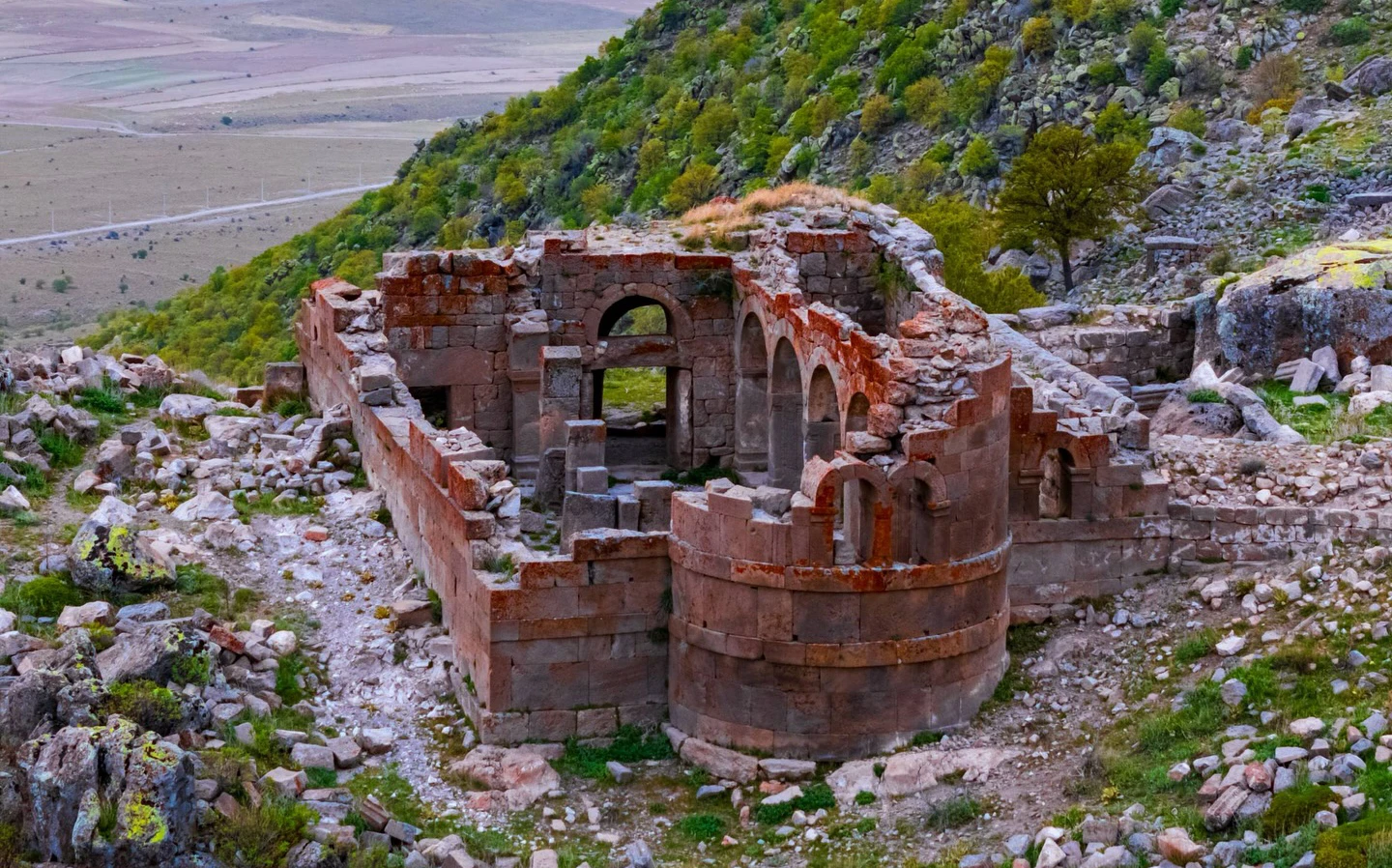
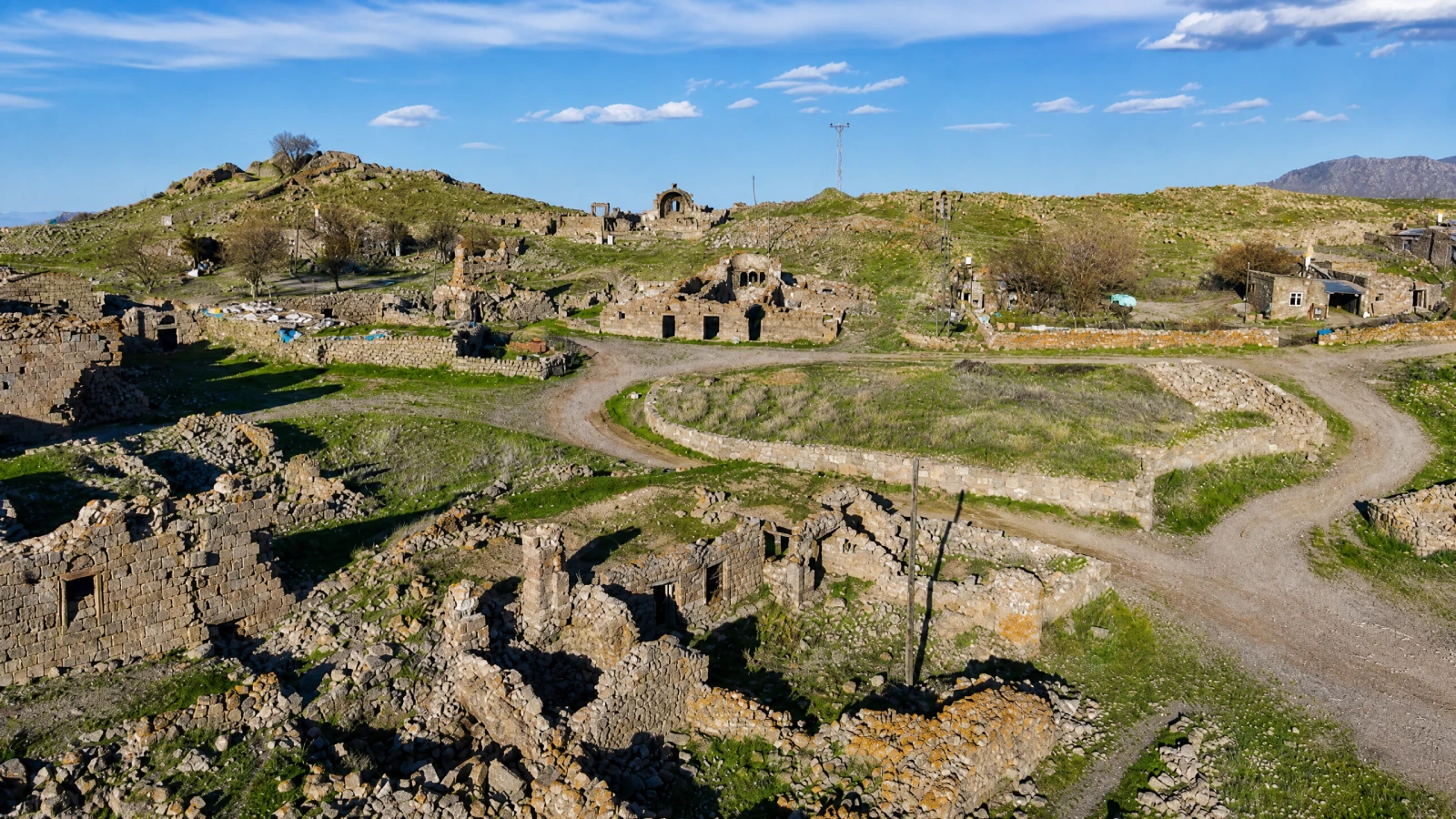
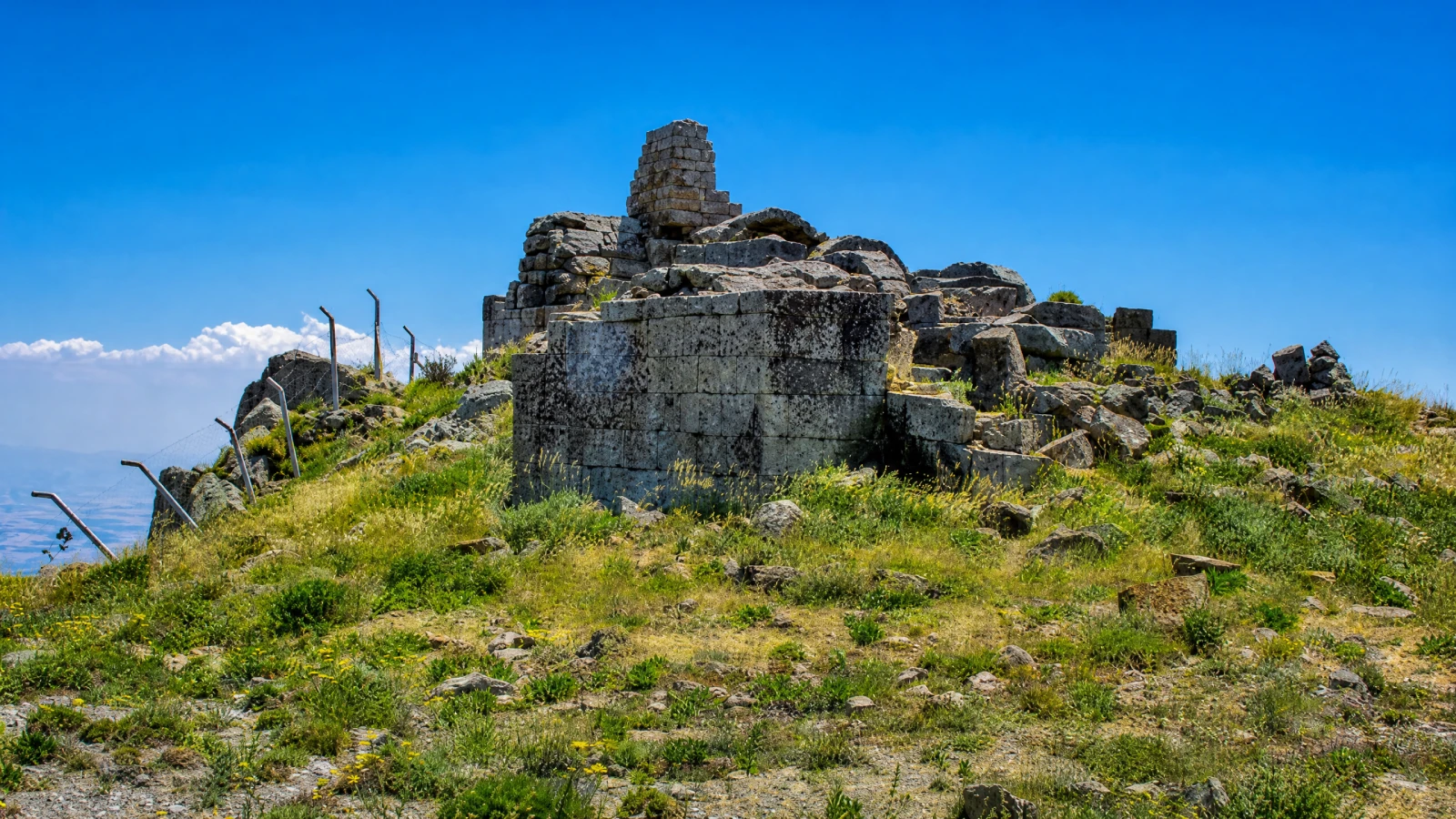
Binbir Kilise, literally “a thousand and one churches”, is the conventional name of a broad Byzantine archaeological landscape scattered over the volcanic slopes of Karadağ; it does not denote a single building or a verified count of a thousand churches.
Madenşehir and Değle should be read as distinct groups: the first has monumental basilical remains in and around a living village, while Değle preserves churches, domestic structures and funerary architecture.
Its dispersed ruins reveal how worship, settlement, water storage and burial were organised in a highland environment. The rocky setting is part of the archaeology, not merely a picturesque backdrop.
Interpreting a ruin is different from identifying a modern-looking building: surviving foundations, inscriptions, ceramic finds and relationships between features provide evidence for chronology and use.
Material remains do not always yield a single answer. Archaeologists may agree about the broad period of a place while continuing to debate a specific date, ancient name or interpretation of an individual structure.