İzmir Turkey with Konak Clock Tower, Aegean coast, Ephesus, Pergamon, Çeşme, Alaçatı and ancient cities
Wow Cappadocia Turkey Travel Guide

İzmir Travel Guide – Best Places to Visit

Discover the best places to visit in İzmir, from the historic streets of Kemeraltı, Konak and Kadifekale to Ephesus, Pergamon, Teos, Klazomenai, Erythrai, Metropolis and other ancient cities, plus Çeşme, Alaçatı, Urla, Sığacık, Foça, Birgi, Tire, the Gediz Delta and one of Turkey’s richest Aegean food cultures.

İzmir City & Kemeraltı Ephesus & Pergamon Çeşme, Alaçatı & Urla Ancient Ionia & Aegean food

Discover İzmir, Ancient Ionia on the Aegean Coast

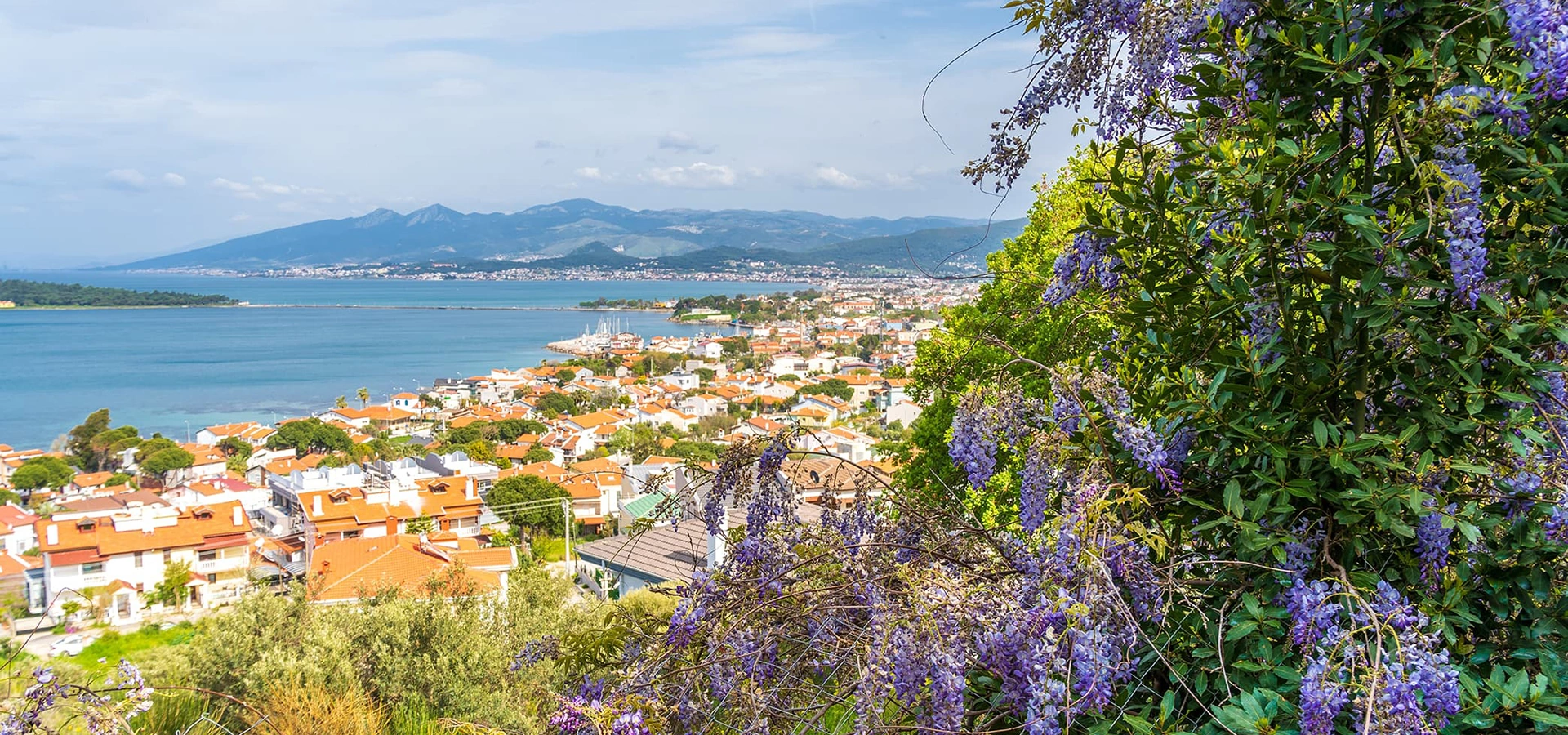
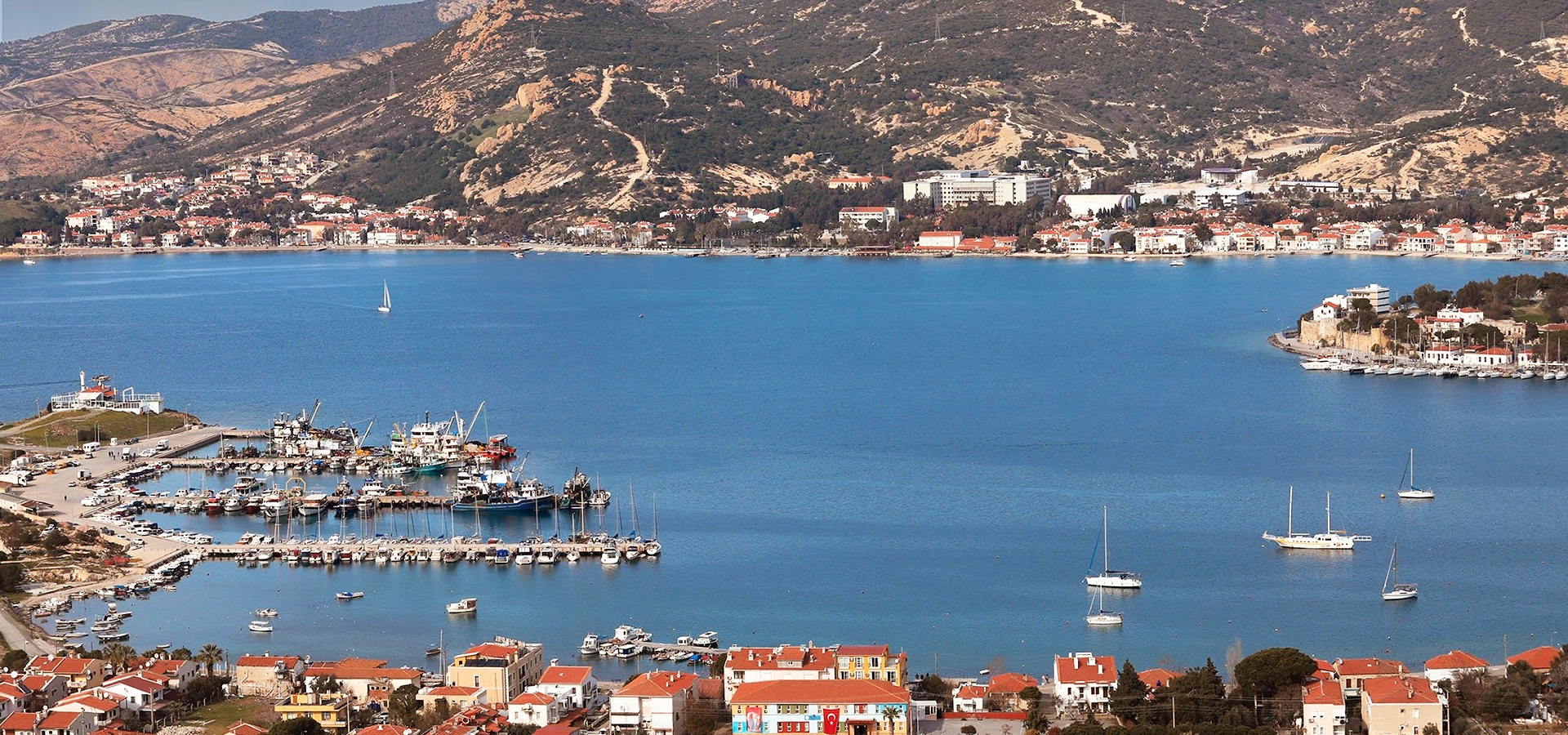
İzmir is far more than a gateway to Ephesus. The province stretches from Bergama and Dikili in the north to Selçuk in the south, with İzmir Bay, the Çeşme Peninsula, Urla, Seferihisar, Foça, Karaburun, fertile inland valleys and a remarkable concentration of ancient settlements in between.


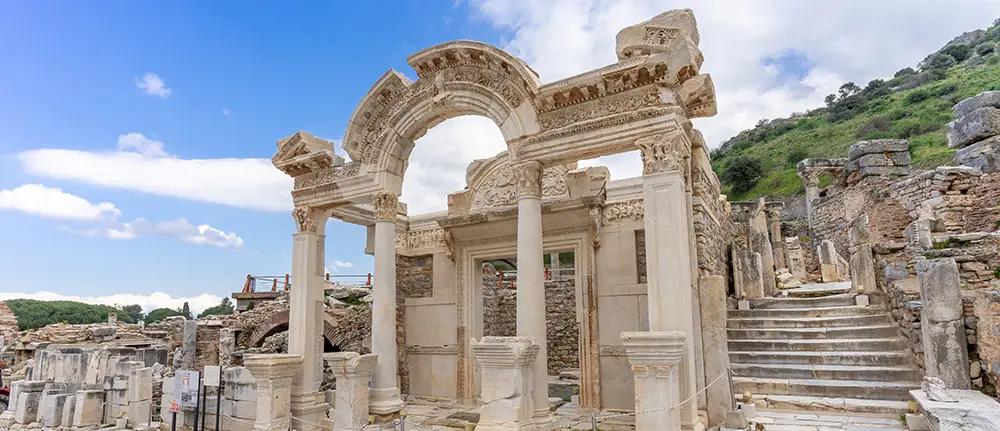
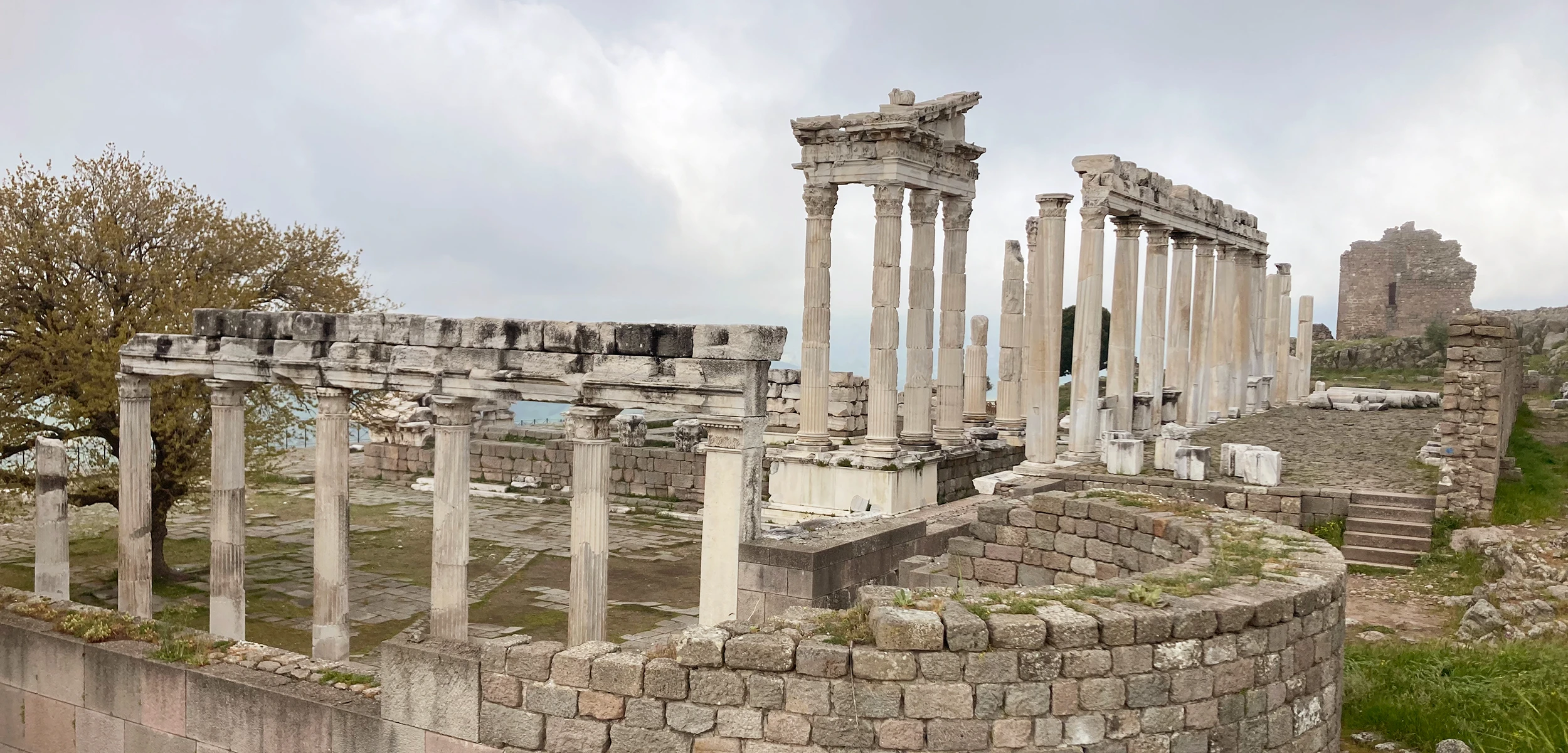
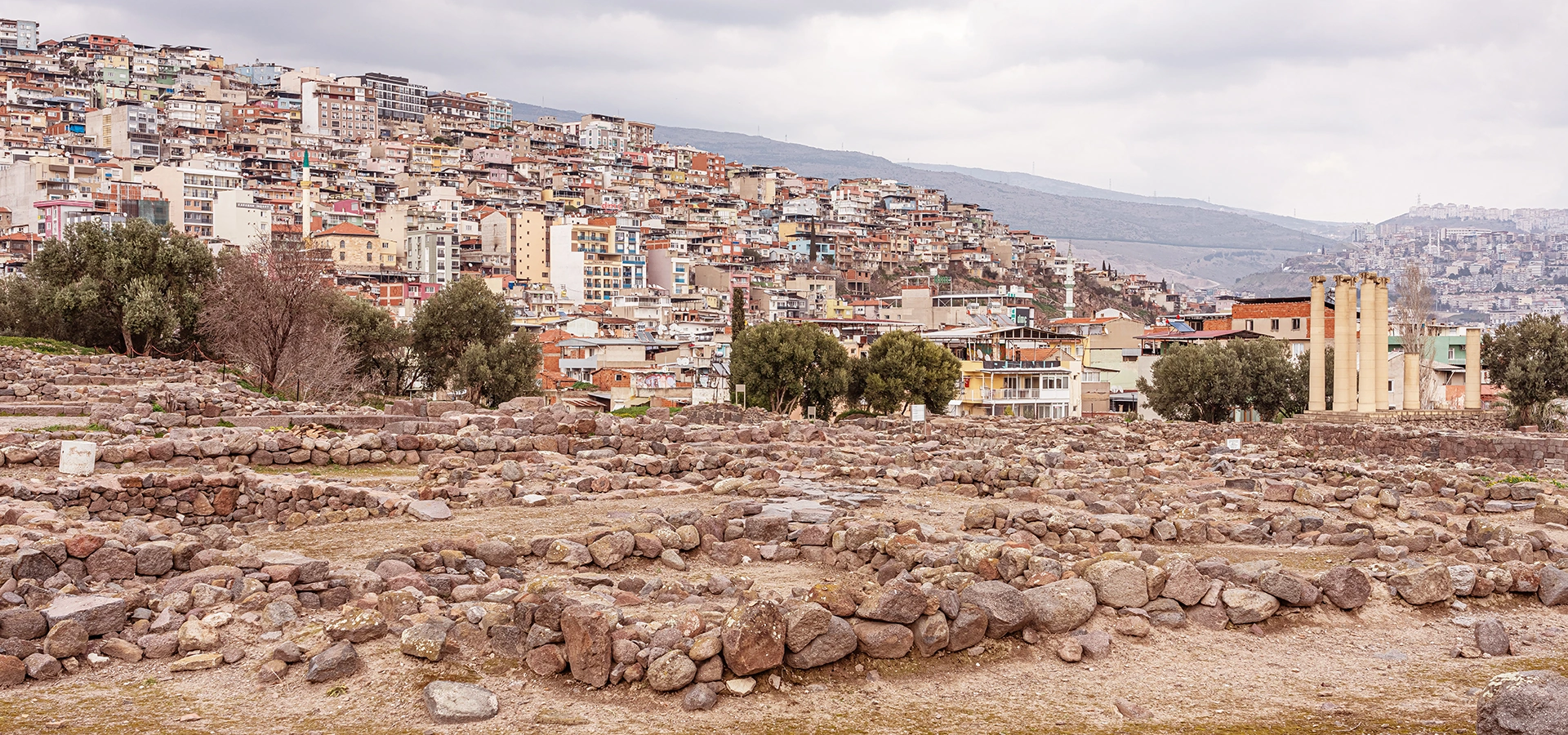
Its archaeological landscape is exceptional. Ephesus and Pergamon are internationally famous, but İzmir also preserves Smyrna, Old Smyrna, Teos, Klazomenai, Erythrai, Metropolis, Claros, Notion, Kolophon, Lebedos, Kyme, Myrina, Larissa and other sites connected with ancient Ionia and Aeolis.


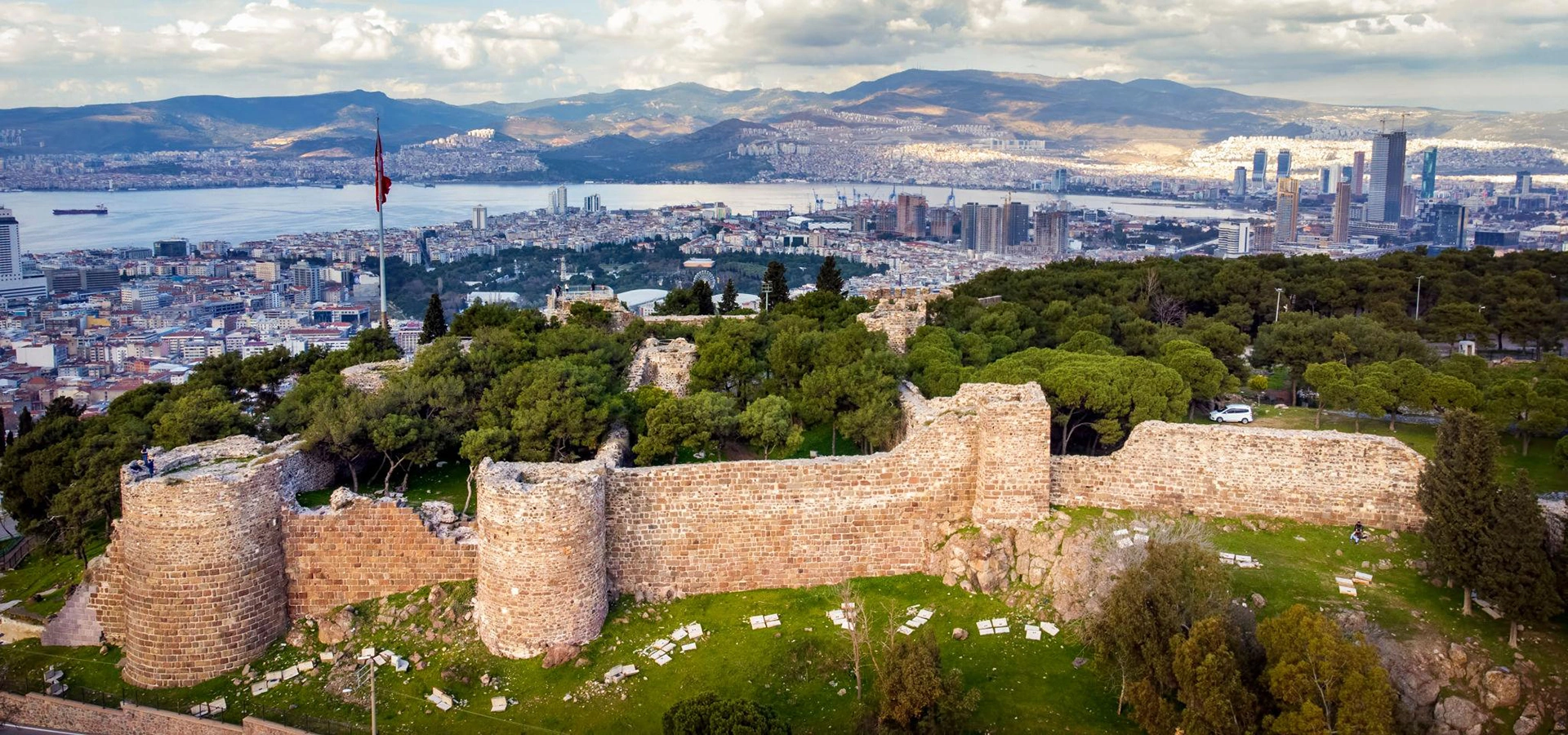
Modern İzmir adds another layer through Konak Square, the Clock Tower, Kemeraltı Bazaar, Kızlarağası Hanı, the Agora, Kadifekale, the Historical Elevator, Kültürpark, İzmir Kültür Sanat Fabrikası and the Kordon. Beyond the city, coastal towns, vineyards, fishing villages, wetlands, thermal areas and regional cuisine make İzmir one of Turkey’s most varied provinces for an extended journey.

Quick Visitor Information

  • Best for: Archaeology, Aegean towns, beaches, food, vineyards, villages, city culture and coastal road trips
  • Suggested stay: 2–3 days for İzmir city; 5–7 days for a wider province itinerary; longer for deep exploration
  • Main highlights: İzmir city, Ephesus, Pergamon, Çeşme, Alaçatı, Urla, Sığacık, Foça and Birgi
  • Best regional trips: İzmir Center, Selçuk–Ephesus, Çeşme Peninsula, Urla–Seferihisar, Foça–Bergama and Ödemiş–Birgi–Tire
  • Best seasons: Spring and autumn for touring; summer for beaches; winter for city breaks and quieter archaeology
  • Local identity: Boyoz, gevrek, kumru, İzmir-style kokoreç, söğüş, olive oil, Aegean herbs, seafood, vineyards, figs, grapes, artichokes and mandarin

Ephesus Travel Guides, Tours & Experiences

Planning to visit Ephesus while traveling in İzmir? Explore our most useful Ephesus guides, guided daily tours and flexible private experiences for Selçuk, Kuşadası cruise arrivals and wider western Turkey itineraries.

Places to Visit in Ephesus Area

Guide

Discover the most important attractions in the Ephesus and İzmir region including Ephesus Ancient City, House of Virgin Mary, Basilica of St. John, Temple of Artemis, Şirince Village, Pergamon and Smyrna.

Top attractionsAncient heritageRegional planningCultural highlights
  • Ideal starting point for first-time visitors
  • Roman ruins, biblical sites and village culture
  • Useful for wider western Turkey itineraries

Ephesus Area Daily Tours

Tours

Join guided daily tours in the Ephesus area and visit the region’s most important historical, cultural and religious landmarks with better context and easier planning.

Daily departuresGuided sightseeingEfficient planningHistoric region
  • Ideal for cruise guests and short stays
  • See more with clear route planning
  • Better understanding of the region’s layered history

Private Tours in Ephesus Area

Private

Explore the Ephesus region at your own pace with private guided tours designed for cruise passengers, couples, families and travelers who want a more personalized route.

Flexible timingPrivate guideCustom routesComfort-focused
  • Perfect for personalized sightseeing
  • Useful for Kuşadası cruise port planning
  • Easy way to combine multiple regional sites
İzmir’s Signature Story

Aegean City Life, Ancient Ionia and Peninsula Landscapes

İzmir brings together several different travel worlds in a single province. In the metropolitan center, the route from Konak and Kemeraltı to Smyrna Agora, Kadifekale and the Historical Elevator reveals the long urban story of ancient Smyrna, Ottoman commercial life, Levantine influence and the modern republic. The Kordon and Alsancak add the open Aegean waterfront that gives the city its distinctive everyday atmosphere.


Beyond the city, the province opens into the great ancient landscape of western Anatolia. Ephesus, Pergamon, Teos, Klazomenai, Erythrai, Metropolis, Claros and Notion can be combined with Çeşme, Alaçatı, Urla, Sığacık, Foça, Birgi and Tire. This relationship between archaeology, living towns, agriculture and the sea is what makes İzmir much more than a single-city destination.

Choose İzmir by Travel Style

İzmir can feel like several destinations in one province. Choose the travel style that interests you most, then build your route around the districts and landscapes that match it.

Best for Archaeology

Ancient Ionia, Aeolis & Roman Cities

Follow Ephesus, Pergamon, Smyrna, Teos, Klazomenai, Erythrai, Metropolis, Claros and Notion for one of Turkey’s richest archaeological networks.

Best for Coast

Çeşme, Alaçatı, Urla, Foça & Karaburun

Choose the peninsula and northern coast for beaches, marinas, fishing towns, stone streets, vineyards, windsurfing, coves and relaxed Aegean scenery.

Best for City Culture

Kemeraltı, Konak, Smyrna & the Kordon

Walk through İzmir’s historic commercial heart, ancient ruins, waterfront neighborhoods, synagogues, churches, markets and everyday city life.

Best for Food & Villages

Urla, Tire, Birgi & Aegean Flavors

Explore boyoz, gevrek, kumru, söğüş, herbs, olive oil, artichokes, cheeses, vineyards, village markets and the agricultural traditions of inland İzmir.

Essential City Experience

İzmir City Center – Konak, Kemeraltı, Smyrna, Kadifekale & the Kordon

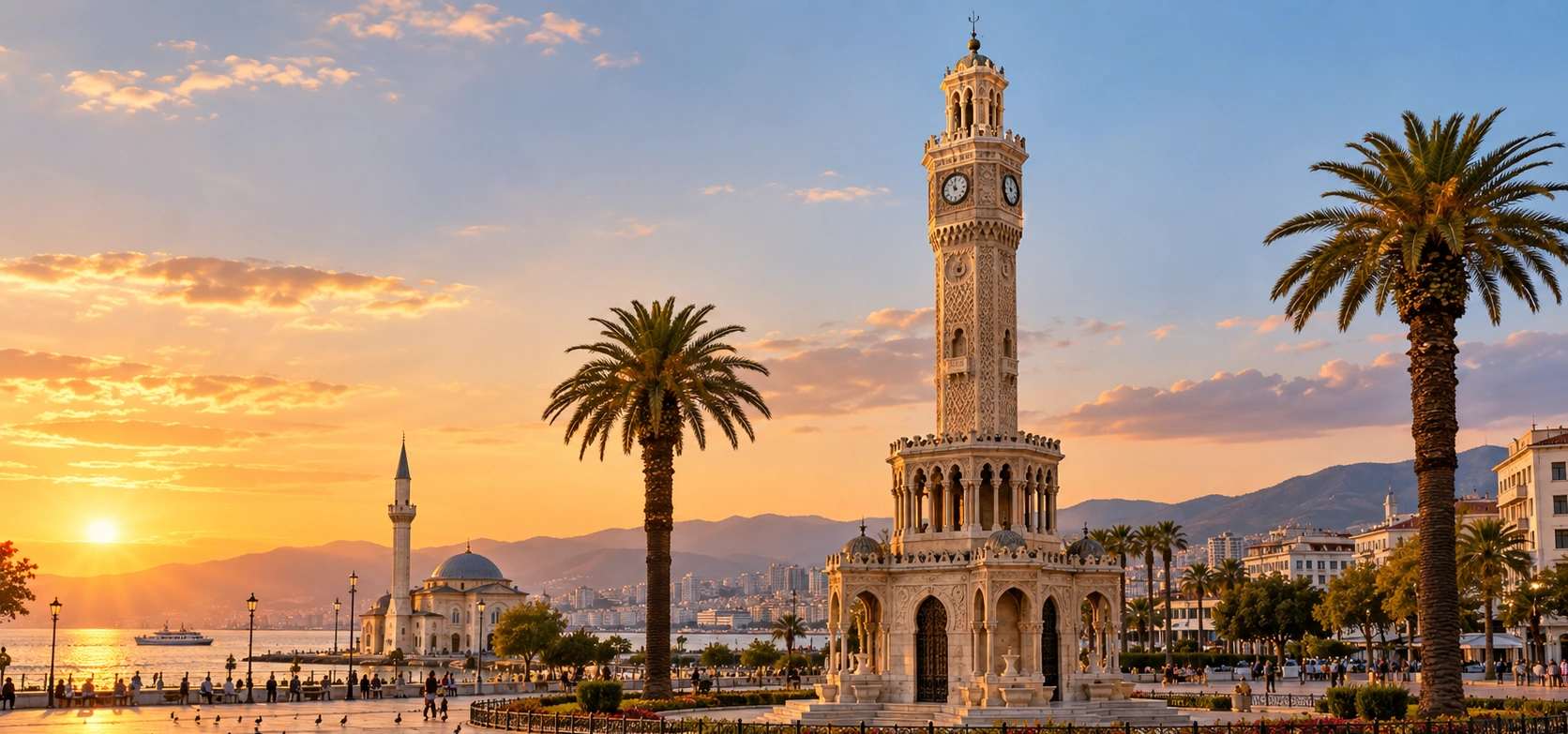
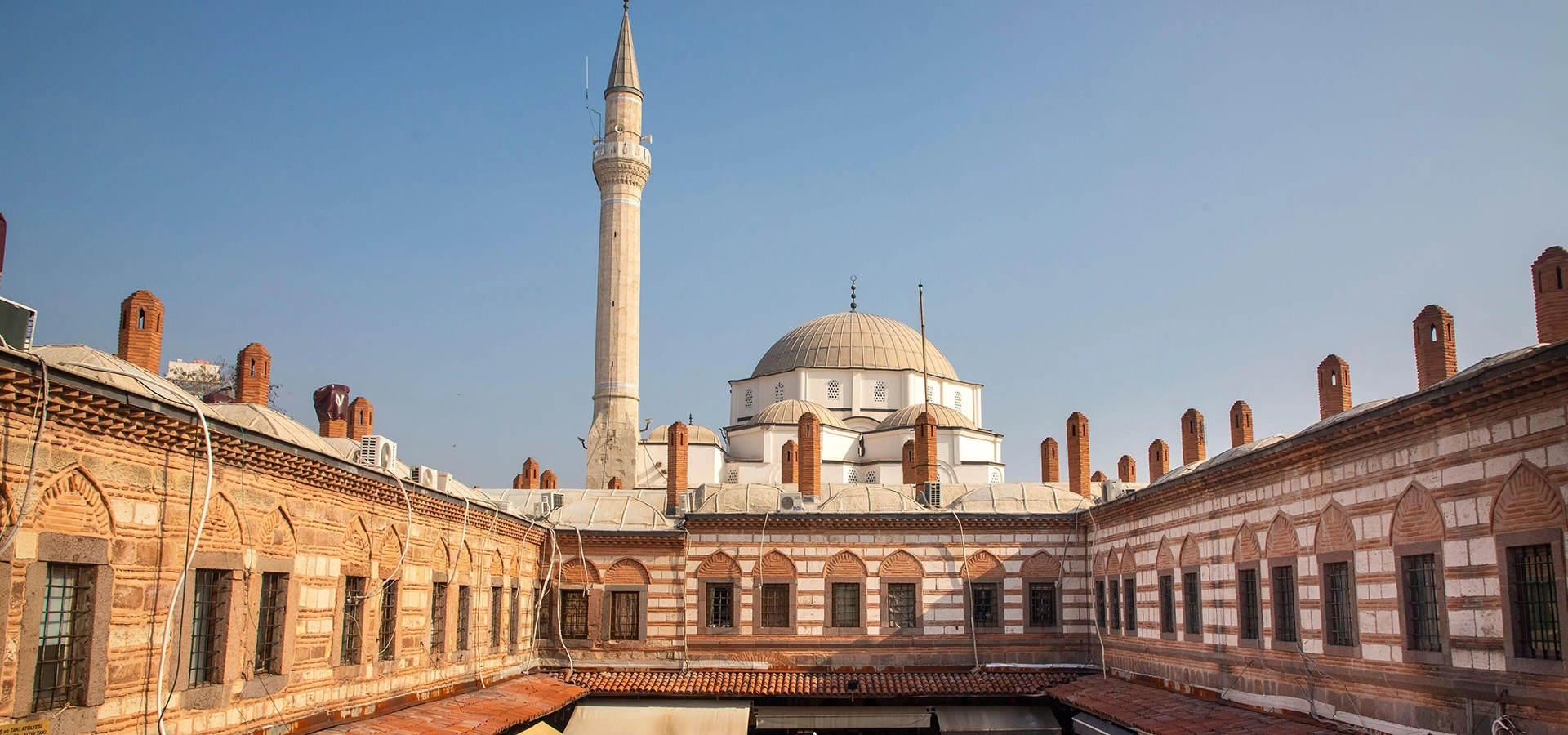
Central İzmir deserves dedicated sightseeing rather than being treated only as an airport or hotel base. Begin at Konak Square and the İzmir Clock Tower, then enter Kemeraltı for historic lanes, Kızlarağası Hanı, mosques, market culture and traditional coffee. The nearby Havra Sokağı area introduces the city’s important Sephardic Jewish heritage and historic synagogue network.


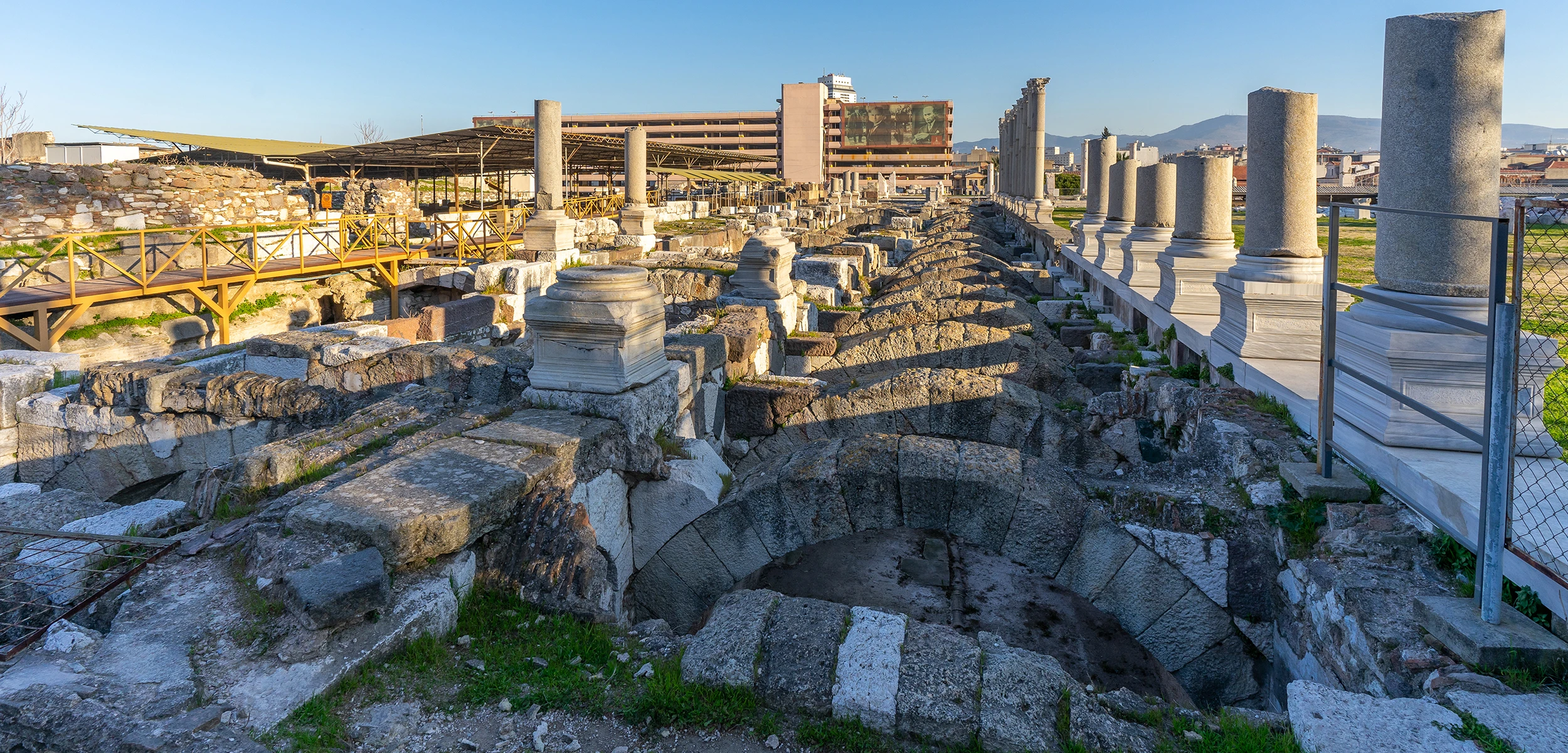
Continue to the Agora of Smyrna and Kadifekale to understand the ancient city, then cross to the Historical Elevator and Dario Moreno Street for another layer of İzmir’s multicultural past. Museum and culture lovers should also allow time for İzmir Kültür Sanat Fabrikası, while Kültürpark and the restored Historical Gas Factory add important chapters to the modern city story. Finish along the Kordon and Alsancak, where the city opens directly onto İzmir Bay.

More İzmir Places Worth the Detour

Beyond the headline sights, İzmir has several museums, archaeological monuments, living-craft villages and family-friendly attractions that add real depth to a longer province itinerary.

Museum & Industrial Heritage

İzmir Kültür Sanat Fabrikası

A restored historic industrial complex in Alsancak that now brings together archaeology, ethnography, painting, sculpture, libraries, workshops and cultural spaces.

Modern İzmir

Kültürpark & Historical Gas Factory

Two important landmarks of modern İzmir: the vast green and cultural space of Kültürpark and a restored industrial complex now used for events and city life.

Views & Family

Balçova & Sasalı

Combine Balçova’s cable-car and thermal tradition with İzmir Wildlife Park in Sasalı for a different side of the province beyond archaeology and beaches.

Selçuk Alternative

Çamlık Steam Locomotive Museum

A distinctive railway-history stop near Selçuk and Ephesus with a large collection of historic steam locomotives and railway equipment.

Foça Archaeology

Persian Tomb Monument

The rock-cut monument often known as Taş Kule adds a remarkable Persian-period layer to the wider archaeological story of Phokaia and northern İzmir.

Kemalpaşa Heritage

Karabel & Laskaris Palace

Explore the Late Bronze Age Karabel rock relief and the surviving Byzantine-period palace structure connected with historic Nymphaion for two very different chapters of western Anatolian history.

Specialist Museum

KEY Museum – Torbalı

A major classic automobile and motorcycle collection that makes an easy cultural addition to a Torbalı or Metropolis itinerary.

Living Craft Traditions

Nazarköy & Menemen Pottery

Add traditional evil-eye bead workshops in Nazarköy and Menemen’s pottery heritage for living craft experiences beyond the province’s museums and ruins.

Explore All İzmir Attractions

Browse İzmir by city-center heritage, Ephesus and Selçuk, Bergama, the Çeşme Peninsula, Urla, Seferihisar, Foça and the north coast, inland towns, ancient cities, nature and food.

Best Day Trips and Regional Routes in İzmir

İzmir Province is too large to understand through one city-center itinerary. Its strongest experiences fall into several distinct travel clusters.

Classical Heritage Route

Selçuk & Ephesus

Explore Ephesus, the House of the Virgin Mary, Basilica of St. John, Temple of Artemis, Selçuk and Şirince for archaeology and religious heritage.

Peninsula Route

Urla, Alaçatı & Çeşme

Combine Urla’s archaeology, vineyards and food with Alaçatı’s stone streets, then continue to Çeşme, beaches, Ildırı and Erythrai.

Northern Heritage Route

Foça, Bergama & Dikili

Follow ancient Phokaia north to UNESCO-listed Pergamon, then extend to Kozak Plateau, Dikili, Bademli and Çandarlı.

Inland Culture Route

Birgi, Ödemiş & Tire

Discover historic houses, markets, traditional crafts, mountain landscapes and the food culture of the Küçük Menderes Valley.

Eastern Heritage Route

Kemalpaşa & Torbalı

Follow Ulucak Höyük, the Karabel relief and Nymphaion heritage around Kemalpaşa, then continue toward Metropolis and the KEY Museum in Torbalı.

Ancient İzmir

One of Turkey’s Richest Networks of Ancient Cities

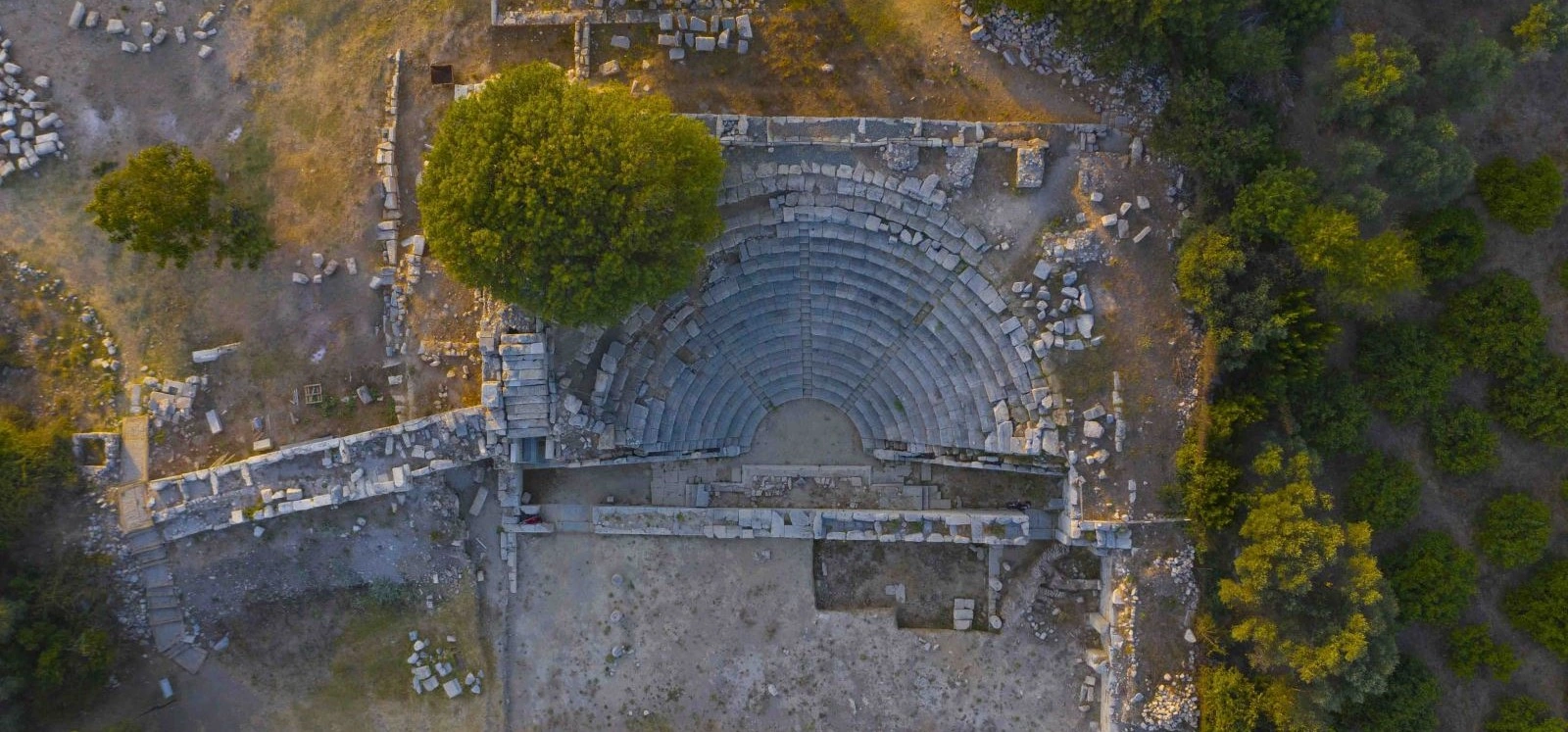
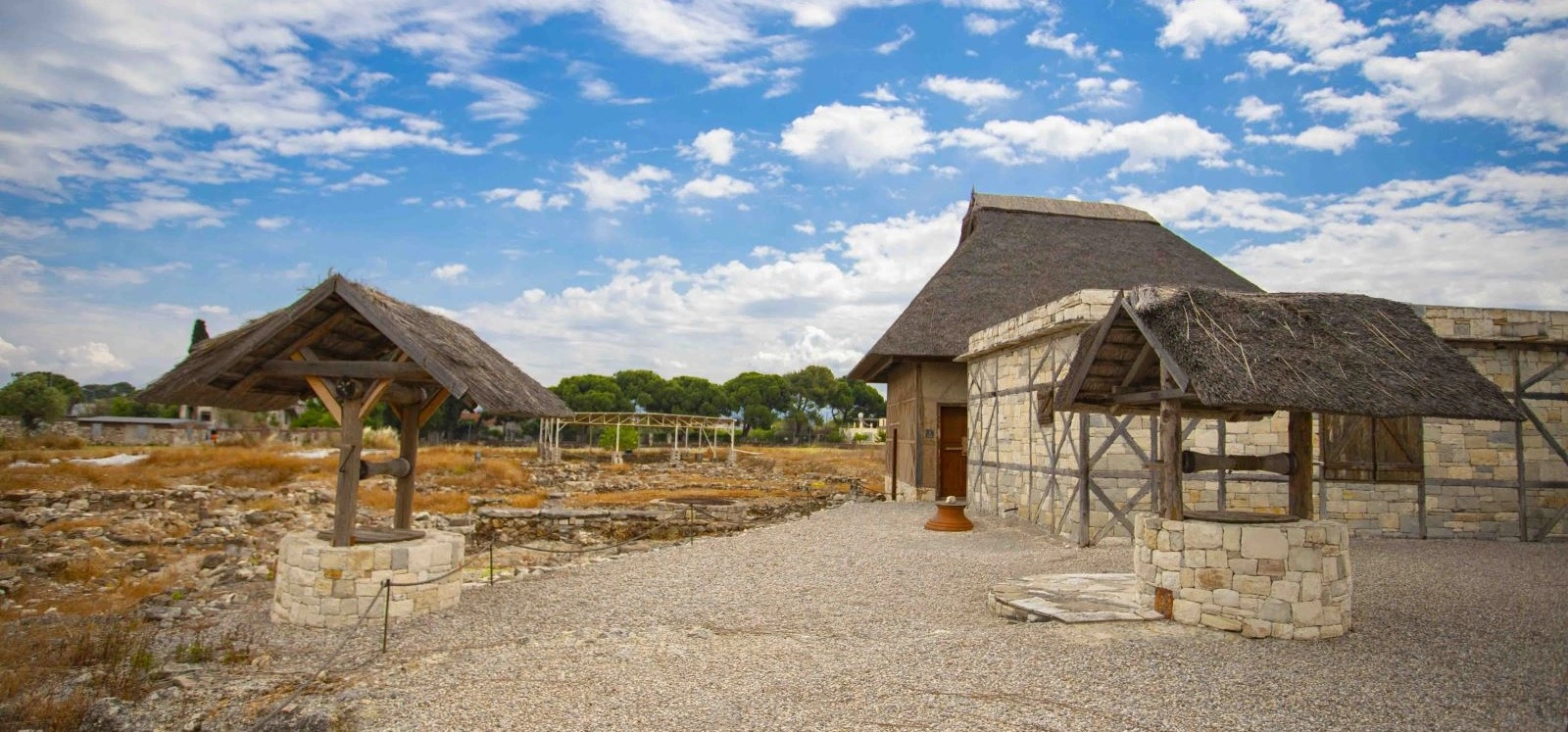
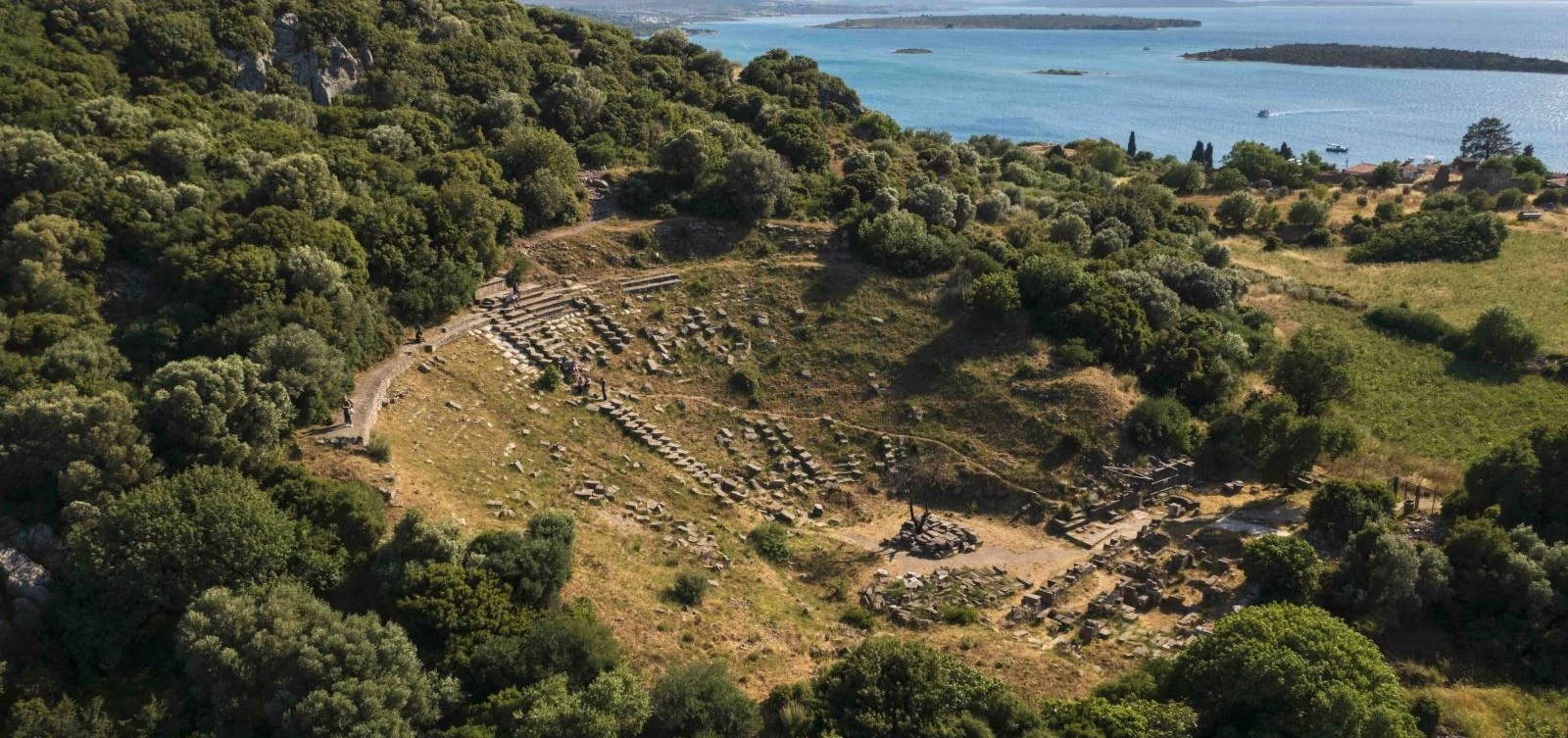
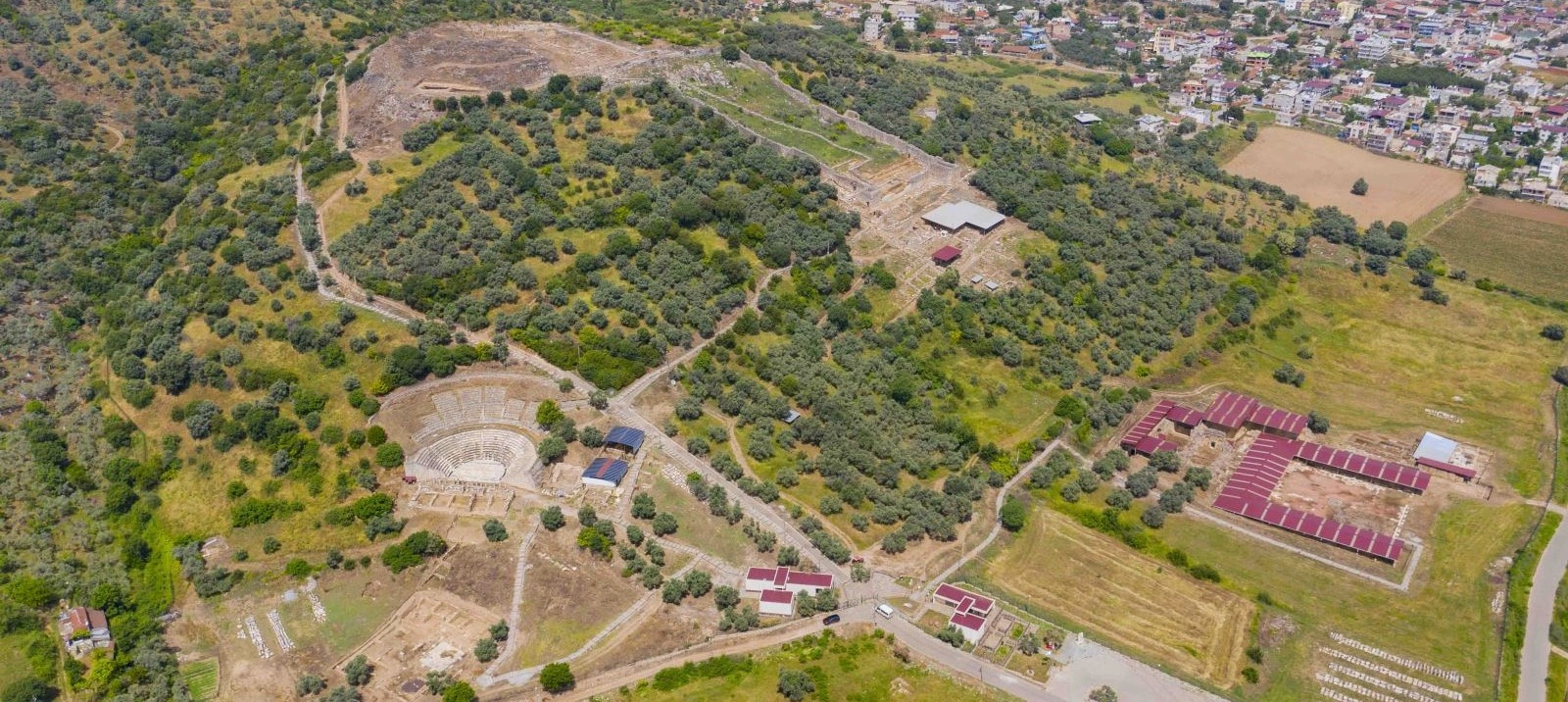
İzmir’s archaeological identity is far wider than Ephesus and Pergamon. Smyrna and Old Smyrna reveal the ancient layers beneath and beside the modern city; Teos, Klazomenai and Erythrai represent the great Ionian landscape of the peninsula; and Metropolis, Claros, Notion, Kolophon and Lebedos extend the network through the southern districts.


In the north, Phokaia, Kyme, Myrina, Larissa, Gryneion, Pitane and Atarneus add another archaeological corridor linked to Aeolis and the northern Aegean. The Persian Tomb Monument near Foça and the Karabel rock relief near Kemalpaşa add rare monumental evidence from periods that are less visible elsewhere on the page. These sites vary greatly in preservation and visitor infrastructure, so the best approach is to combine the major excavated destinations with nearby towns, museums and landscapes rather than attempting to see them all at once.

A Special Archaeological Story

Allianoi – The Ancient Spa City Beneath the Waters

Allianoi, near Bergama, remains one of the most compelling archaeological stories in İzmir Province. The Roman-period thermal settlement was excavated before the area was inundated by the Yortanlı Dam. It should therefore be presented as a lost or submerged archaeological site, not as a conventional attraction that visitors can currently walk through.


That distinction actually makes Allianoi more powerful editorially. Its page can focus on ancient medicine, thermal architecture, the excavation campaign, the debate surrounding preservation and the extraordinary story of an archaeological city now hidden beneath the reservoir.

What to Eat & Buy in İzmir

İzmir’s food culture stretches from iconic street foods to Sephardic traditions, Aegean herbs, olive-oil dishes, seafood, inland meat dishes, cheeses, vineyards, fruit and geographically identified regional products.

Food Traditions to Notice While Traveling

  • Boyoz, gevrek, kumru, İzmir-style kokoreç, söğüş and modern İzmir Bombası in central İzmir
  • Historic Sephardic food influences around the old city and Kemeraltı
  • Olive oil, herbs, artichokes, şevket-i bostan and vegetable-based Aegean cooking across the province
  • Seafood and meze traditions in Foça, Çeşme, Urla, Karaburun, Sığacık and Dikili
  • Vineyard culture around Urla, Bornova and inland agricultural districts
  • Market food and meat dishes around Tire, Ödemiş and Bergama
  • Seasonal fruits including mandarins, cherries, figs, grapes and melons
  • Local cheeses including Armola, pine nuts, mastic, olive products, koruk sherbet and village preserves
Aegean Food Culture

İzmir’s Food Story Is Much Larger Than Boyoz and Kumru

İzmir’s best-known foods are rightly famous. Boyoz, gevrek, kumru, İzmir-style kokoreç, söğüş, İzmir köfte, lokma and şambali form a recognizable city identity, while İzmir Bombası represents a much newer sweet tradition. Tire, Ödemiş and Bergama contribute strong inland meat and vegetable traditions. But the province’s food culture becomes much richer when travelers begin following the agricultural landscape behind the dishes.


Urla is closely associated with artichokes, vineyards and contemporary Aegean gastronomy; Bergama and Kozak add pine nuts and regional cheese; Seferihisar contributes Armola and mandarin traditions; Gümüldür is known for mandarins; Bademli adds koruk sherbet; Kemalpaşa for cherries; Çeşme for melon and mastic traditions; and Bornova and Kavacık for grapes. Across the province, olive oil, wild herbs such as şevket-i bostan, seafood, vegetable dishes and seasonal produce remain the foundation of everyday Aegean cooking.

How Many Days Do You Need in İzmir?

İzmir is a large province with major attractions spread across separate coastal and inland regions. A city break can be short, but a complete journey needs several days and often more than one overnight base.

One Day

Historic İzmir Center

Explore Konak Square, Kemeraltı, Kızlarağası Hanı, Smyrna Agora, the Historical Elevator and the Kordon for an introduction to the city.

Two Days

Add Ephesus & Selçuk

Dedicate a full day to Ephesus and combine it with the House of the Virgin Mary, St. John, the Temple of Artemis or Şirince according to your interests.

Three Days

Add Urla or Çeşme Peninsula

Choose Urla, Klazomenai and Sığacık for food and archaeology, or Alaçatı and Çeşme for a more coastal and resort-oriented day.

Five Days+

Add Bergama, Foça or Inland İzmir

Extend north to Pergamon and Foça, or head inland to Birgi, Ödemiş and Tire. A full province journey can easily justify a week or more.

Suggested City Heritage Route

Konak, Kemeraltı, Smyrna, Asansör & Kordon

Begin at Konak Square and the İzmir Clock Tower, then walk directly into Kemeraltı. Explore Kızlarağası Hanı, historic mosques, market lanes and the Havra Sokağı area before continuing to the Agora of Smyrna. This section gives the clearest introduction to the relationship between ancient Smyrna and the later Ottoman commercial city.


Continue to the Historical Elevator and Dario Moreno Street, then finish beside the sea along the Kordon and Alsancak. Kadifekale can be added for travelers who want the ancient hilltop perspective, while museum lovers can include İzmir Kültür Sanat Fabrikası, which brings archaeology and ethnography together with wider cultural spaces, or continue to the Atatürk Museum.

Suggested Classical & Biblical Route

Ephesus, Virgin Mary House, St. John & Selçuk

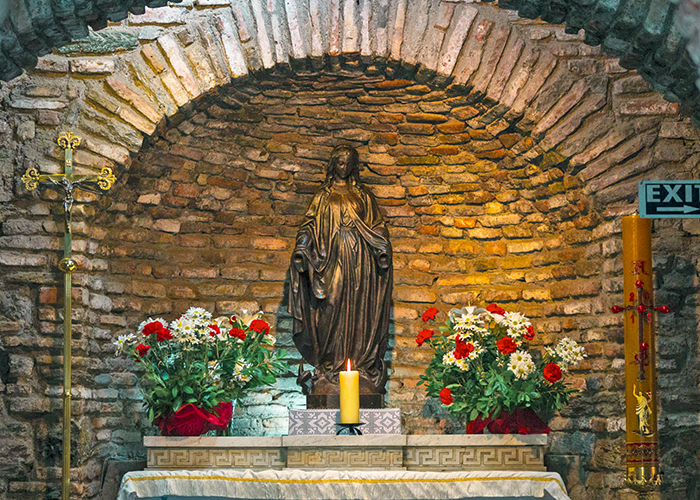
Make Ephesus Ancient City the main focus and allow enough time for its monumental streets, terraces, civic buildings and theatre. Travelers interested in biblical heritage can continue to the House of the Virgin Mary and Basilica of St. John, while the Temple of Artemis adds another essential layer to the ancient religious landscape.


Selçuk Museum and Ayasuluk Castle can deepen the historical context. Railway enthusiasts or families can also add the Çamlık Steam Locomotive Museum as a completely different stop near Selçuk. If you want a softer finish, continue to Şirince Village for historic houses, local products and a slower village atmosphere. This is one of the most complete day-trip combinations in western Turkey.

Suggested Peninsula Route

Urla, Klazomenai, Alaçatı, Çeşme & Erythrai

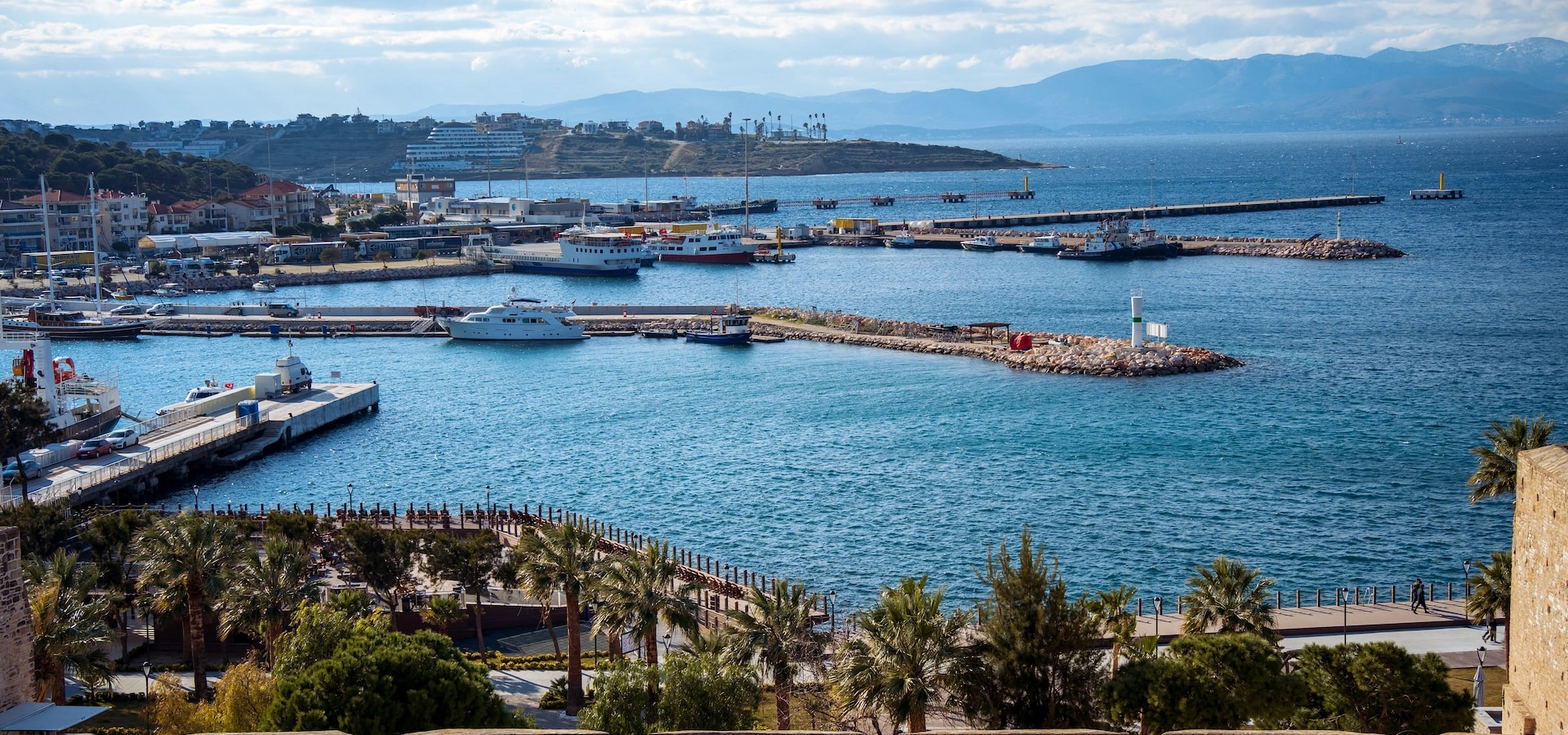
Start in Urla with Klazomenai and Liman Tepe, then spend time around the town center, market, coastal areas or vineyards. Continue west to Alaçatı for stone streets, windmills and its distinctive peninsula architecture before reaching Çeşme Castle and the marina.


Travelers with additional time can continue to Ildırı and Erythrai for a quieter archaeological landscape overlooking the Aegean. In summer, beaches such as Ilıca and Altınkum can turn the route into a full coastal day.

Suggested South Coast Route

Seferihisar, Sığacık, Teos, Claros & Notion

Begin in Sığacık with its castle streets and local market atmosphere, then continue to Teos Ancient City. The combination works especially well because visitors can move from a living coastal settlement into one of Ionia’s important ancient cities without a long transfer.


For a deeper archaeological route, continue south toward Claros and Notion. Claros was one of the ancient world’s important oracle sanctuaries of Apollo, while Notion occupies a striking coastal acropolis. Özdere and Gümüldür can be added for beach or overnight time.

Suggested Ancient İzmir Journey

Ephesus, Smyrna, Teos, Klazomenai, Erythrai, Metropolis & More

İzmir’s ancient cities are spread across the province and should be treated as a multi-day thematic journey. Use central İzmir for Smyrna Agora and Old Smyrna, Urla for Klazomenai, Seferihisar for Teos, Çeşme for Erythrai and Torbalı for Metropolis.


A southern extension can connect Claros, Notion, Kolophon and Lebedos, while a northern archaeological journey can follow Phokaia, Kyme, Myrina and Pergamon. Ephesus deserves its own full day and should not be rushed simply to increase the number of sites visited.

Suggested Northern İzmir Route

Foça, Phokaia, Pergamon, Kozak Plateau & Dikili

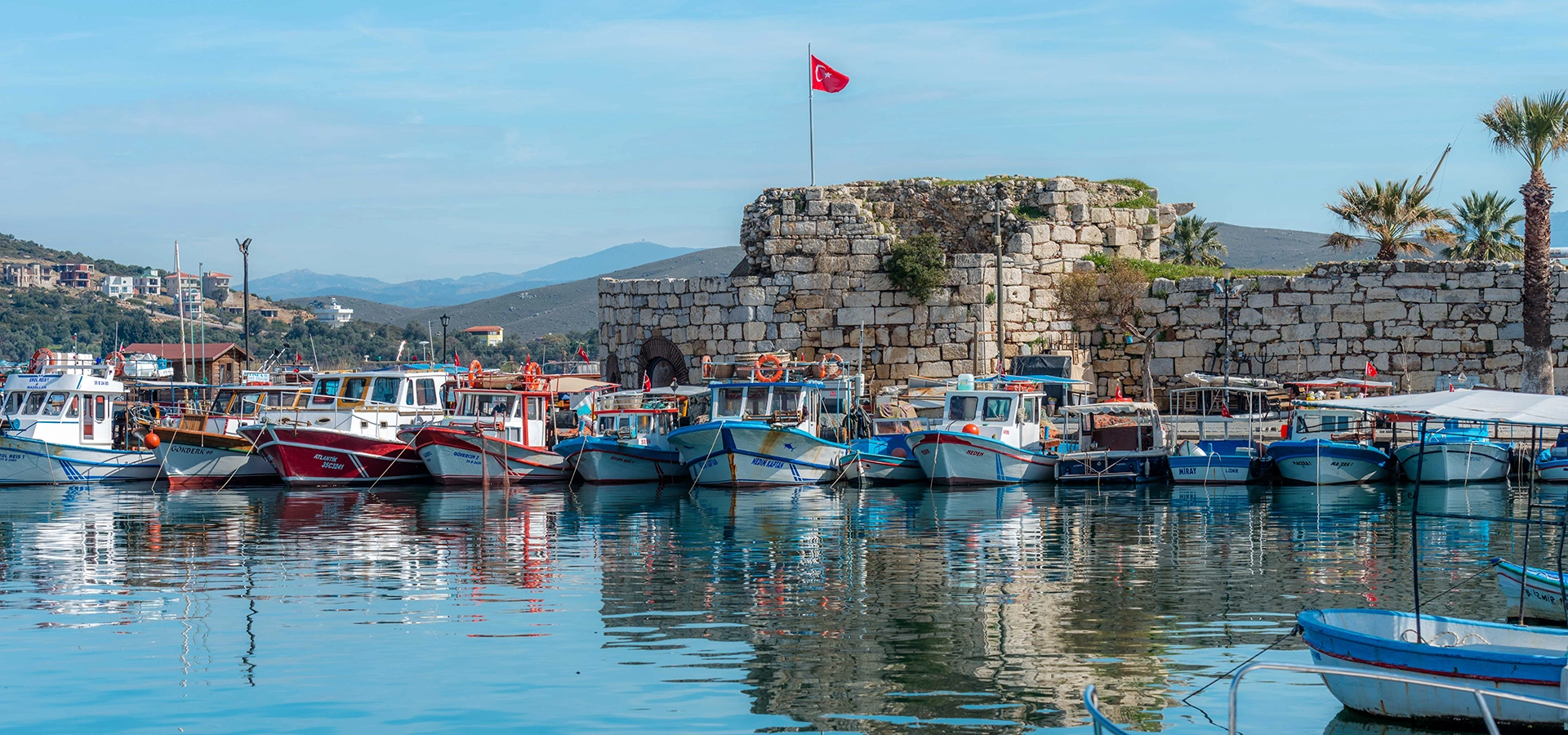
Begin in Foça for harbour scenery, Phokaia heritage, the historic castle landscape and the Persian Tomb Monument / Taş Kule. Travelers approaching from central İzmir can also consider Menemen for its pottery tradition before continuing north toward Bergama. Pergamon requires substantial time for the Acropolis, and the Asklepion or Red Basilica can easily fill the rest of the day.


With more time, add Kozak Plateau for pine landscapes and regional produce, then continue to Dikili, Bademli, Nebiler Waterfall or Çandarlı. This northern route works best with at least one overnight rather than as a rushed return trip from central İzmir.

Suggested Inland Culture Route

Birgi, Ödemiş, Gölcük, Bozdağ & Tire

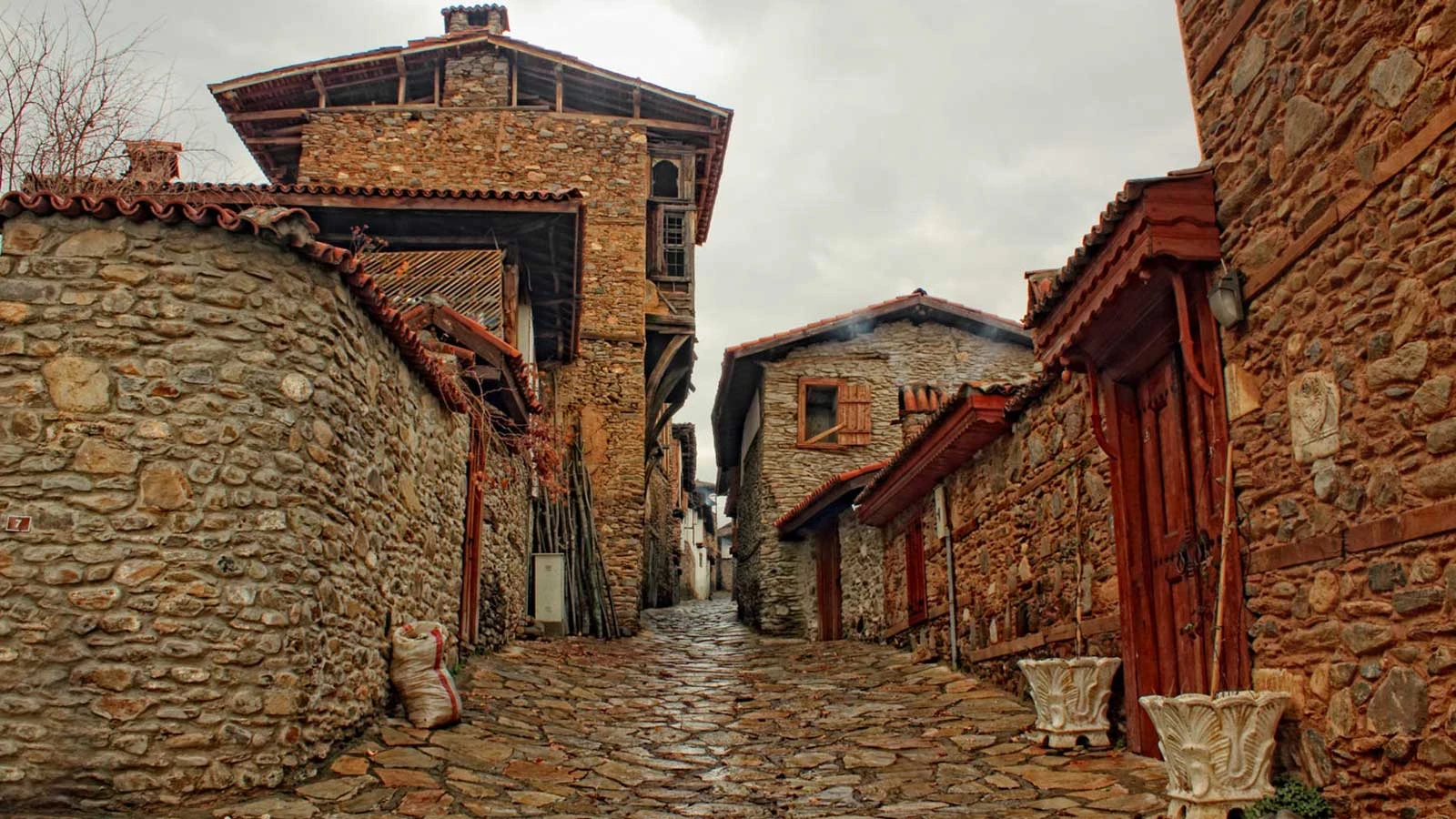
Begin with Birgi, one of the province’s most rewarding historic towns, then continue through Ödemiş and the Küçük Menderes Valley. Depending on season, Gölcük and Bozdağ can add lake and mountain scenery to the architectural and cultural itinerary.


Tire deserves a separate half or full day, especially on market day. Its historic commercial buildings, religious monuments, local crafts and food traditions provide one of the strongest living-culture experiences in inland İzmir.

Suggested Eastern İzmir Heritage Route

Kemalpaşa, Karabel, Nymphaion, Nazarköy & Torbalı

Begin around Kemalpaşa with Ulucak Höyük for prehistoric settlement history, then continue to the Karabel rock relief for a very different Late Bronze Age monument. The surviving structure commonly associated with the Laskaris palace at historic Nymphaion adds a Byzantine layer to a district that is often overlooked by first-time visitors.


Nazarköy can add a living-craft stop through its traditional evil-eye bead workshops. Continue south toward Torbalı for Metropolis Ancient City, and add the KEY Museum if classic automobiles and motorcycles are of interest. This route works especially well for repeat visitors who want to move beyond İzmir’s best-known coastal and classical sites.

Suggested Nature Route

Gediz Delta, Karagöl, Kozak, Bozdağ & Aegean Coves

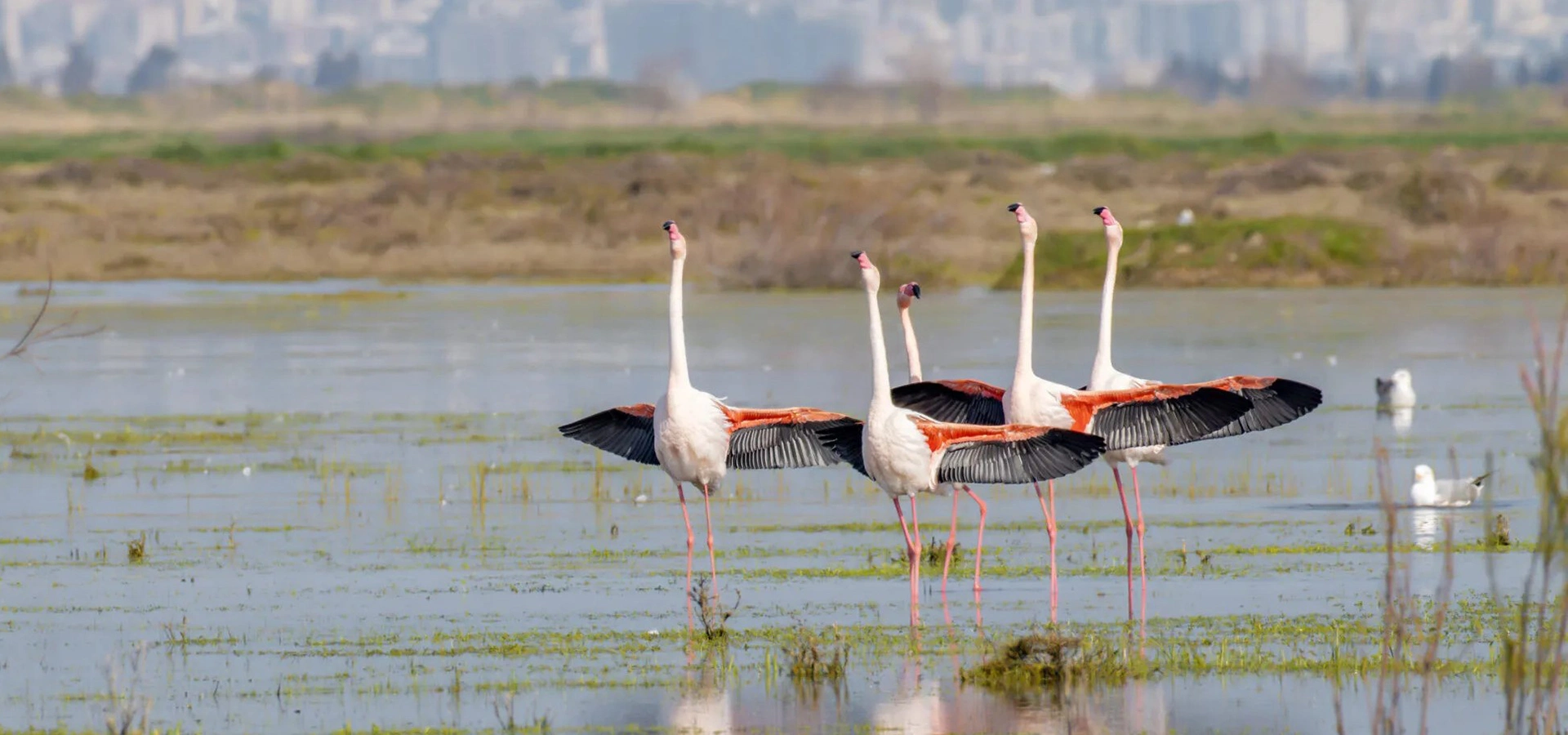
For birdlife, the Gediz Delta is İzmir’s signature wetland landscape and is especially rewarding for visitors interested in flamingos and migratory species. Nearby Sasalı adds İzmir Wildlife Park, while Balçova offers a cable-car and thermal tradition on the opposite side of the metropolitan area. Karagöl provides a forested nature-park experience closer to the city.


Farther out, Kozak Plateau offers pine forests and agricultural landscapes, Bozdağ provides mountain scenery, and the coast around Karaburun, Dikili and Bademli adds coves, islands and quieter Aegean nature. Access and seasonal conditions should be checked before remote excursions.

Planning Your İzmir Visit

İzmir Province is much larger than a typical city break. Central İzmir, Selçuk–Ephesus, the Çeşme Peninsula, Bergama and the Küçük Menderes Valley are separate travel zones. Public transportation works well for many major towns, but a private vehicle provides far more flexibility for ancient cities, villages, nature areas and multi-stop coastal routes.


Seasonal conditions matter. Summer brings heavy demand to Çeşme, Alaçatı, Foça, Urla and the beaches, while exposed archaeological sites can become very hot. Spring and autumn are excellent for ancient cities, village routes and walking. Museum, archaeological-site and nature-area access should always be checked before a dedicated journey, especially for smaller excavation sites.

Practical İzmir Travel Tips

  • Transport: Public transport is useful, but a car is best for a province-wide itinerary
  • City center: Konak, Kemeraltı, Smyrna and the Kordon can be explored efficiently on foot and transit
  • Ephesus: Allow a full sightseeing day if adding religious and Selçuk attractions
  • Summer: Expect heavier traffic and accommodation demand around Çeşme, Alaçatı, Foça and Urla
  • Archaeology: Carry water, sun protection and suitable shoes; many sites are exposed
  • Small sites: Access, excavation zones and visitor arrangements can change; verify before a dedicated detour
  • Food: Try district specialties rather than limiting the trip to central İzmir restaurants
  • Longer routes: Use separate overnight bases for Bergama, Çeşme Peninsula or inland İzmir when possible

Why Visit İzmir?

İzmir is one of the best provinces in Turkey for travelers who want archaeology, city life, beaches, food and village culture in the same journey. You can begin beside the Clock Tower in Konak, walk through Kemeraltı, stand among the ruins of ancient Smyrna, explore Ephesus or Pergamon, spend the next day in Alaçatı or Urla and finish in a quiet Aegean village or vineyard.


The province is equally rewarding for travelers who prefer lesser-known places. Teos, Klazomenai, Erythrai, Metropolis, Claros, Notion, Old Smyrna and the northern Aeolian sites reveal an archaeological inventory far beyond the famous names, while Foça, Karaburun, Sığacık, Dikili, Birgi and Tire provide very different forms of local character.


İzmir’s food culture completes the experience. Boyoz, gevrek, kumru and söğüş belong to the city, while olive oil, wild herbs, seafood, artichokes, cheeses, pine nuts, mandarins, cherries, grapes and figs connect the cuisine directly to the landscapes of the province. Few destinations in western Turkey combine ancient history and living Aegean culture so naturally.

İzmir Travel Questions

Frequently Asked Questions About İzmir

İzmir city center, Ephesus, Pergamon, Çeşme, Alaçatı, Urla, Sığacık, Teos, Foça, Birgi, Tire, Smyrna Agora, Kadifekale and the Gediz Delta are among the strongest places to begin.

Two to three days work for İzmir city plus one major excursion. Five to seven days allow a much broader journey including Ephesus, the peninsula and either Bergama, Foça or inland İzmir. A deep province itinerary can easily justify a week or more.

Yes. Ephesus is near Selçuk in İzmir Province. It is one of the province’s greatest attractions but only one part of a much larger İzmir travel landscape.

Major archaeological destinations include Ephesus, Pergamon, Smyrna, Old Smyrna, Teos, Klazomenai, Erythrai, Metropolis, Claros and Notion, with additional sites such as Kolophon, Lebedos, Kyme, Myrina, Larissa, Gryneion, Pitane and Atarneus across the province.

Çeşme and Alaçatı are the best known, while Urla, Sığacık, Foça, Karaburun, Mordoğan, Dikili, Bademli, Özdere and Gümüldür offer different combinations of beaches, food, stone architecture, archaeology and local Aegean atmosphere.

Look for boyoz, gevrek, kumru, kelle söğüş, İzmir köfte, lokma and şambali, plus Tire şiş köfte, Ödemiş köfte, Bergama çığırtma, İzmir tulum cheese, Aegean herbs, olive-oil dishes, seafood, artichokes and regional fruit and grape products.

Allianoi should not be treated as a conventional archaeological attraction today. The ancient thermal settlement was inundated by the Yortanlı Dam and is now best understood through its archaeological history and the story of the excavations.

Major towns and popular destinations can be reached by public transport, but a private vehicle is strongly recommended for a flexible itinerary involving smaller ancient sites, villages, nature areas and multi-stop coastal routes.

Spring and autumn are excellent for archaeology, city walks and inland routes. Summer is best for beaches and coastal resorts but is also the busiest and hottest season. Winter works well for city breaks, food travel and quieter cultural sightseeing.

Ready to Explore İzmir and the Aegean?

Tell us your travel dates, starting point and interests, and we will help you build a private Turkey itinerary that can include İzmir, Ephesus, Pergamon, Çeşme, Alaçatı, Urla, Foça, Birgi and other destinations across western Turkey.

WhatsApp Us for İzmir Planning