Yeşil Madrasa, Early Ottoman Architecture, İznik Ceramics, Calligraphy, Manuscripts, Metalwork, Islamic Coins, Karagöz & Traditional Bursa Culture

Bursa Turkish & Islamic Arts Museum – Complete Yeşil Madrasa Guide

Explore centuries of Seljuk, Beylik and Ottoman art inside one of Bursa's earliest Ottoman madrasas,
surrounded by ceramics, calligraphy, manuscripts, metalwork, coins, textiles and traditional cultural treasures.

Discover Bursa Turkish & Islamic Arts Museum

Discover Ottoman Art Inside the Historic Yeşil Madrasa

Few museums in Bursa combine architecture, history and collections as naturally as the Bursa Turkish and Islamic Arts Museum – Bursa Türk İslam Eserleri Müzesi.

The museum occupies the magnificent Yeşil Medrese – Green Madrasa, also known historically as the Sultaniye Medresesi, within Bursa's celebrated Yeşil Complex.

Constructed during the reign of Sultan Mehmed I – Çelebi Mehmed and associated with the architect Hacı İvaz Paşa, the madrasa belongs to the extraordinary architectural programme created in Bursa during the early 15th century.

Today, the former classrooms, student cells, iwans and arcaded courtyard provide the setting for a museum devoted to Turkish and Islamic artistic traditions stretching from the medieval period into the 20th century.

Its galleries contain İznik and Kütahya ceramics, tiles, calligraphy, manuscripts, wood carving, mother-of-pearl inlay, metalwork, tombak, Islamic coins, traditional clothing, textiles, weapons, coffee culture, hamam objects and material connected with Bursa's religious and social life.

Several displays are particularly closely connected with Bursa itself.

Visitors can encounter the world of Karagöz and Hacivat, traditional Bursa textiles and crafts, objects associated with tekkes and dervish culture, and works reflecting the extraordinary artistic environment that produced Yeşil Mosque, Yeşil Tomb and the great early Ottoman monuments of the city.

The museum building is almost as important as the collection.

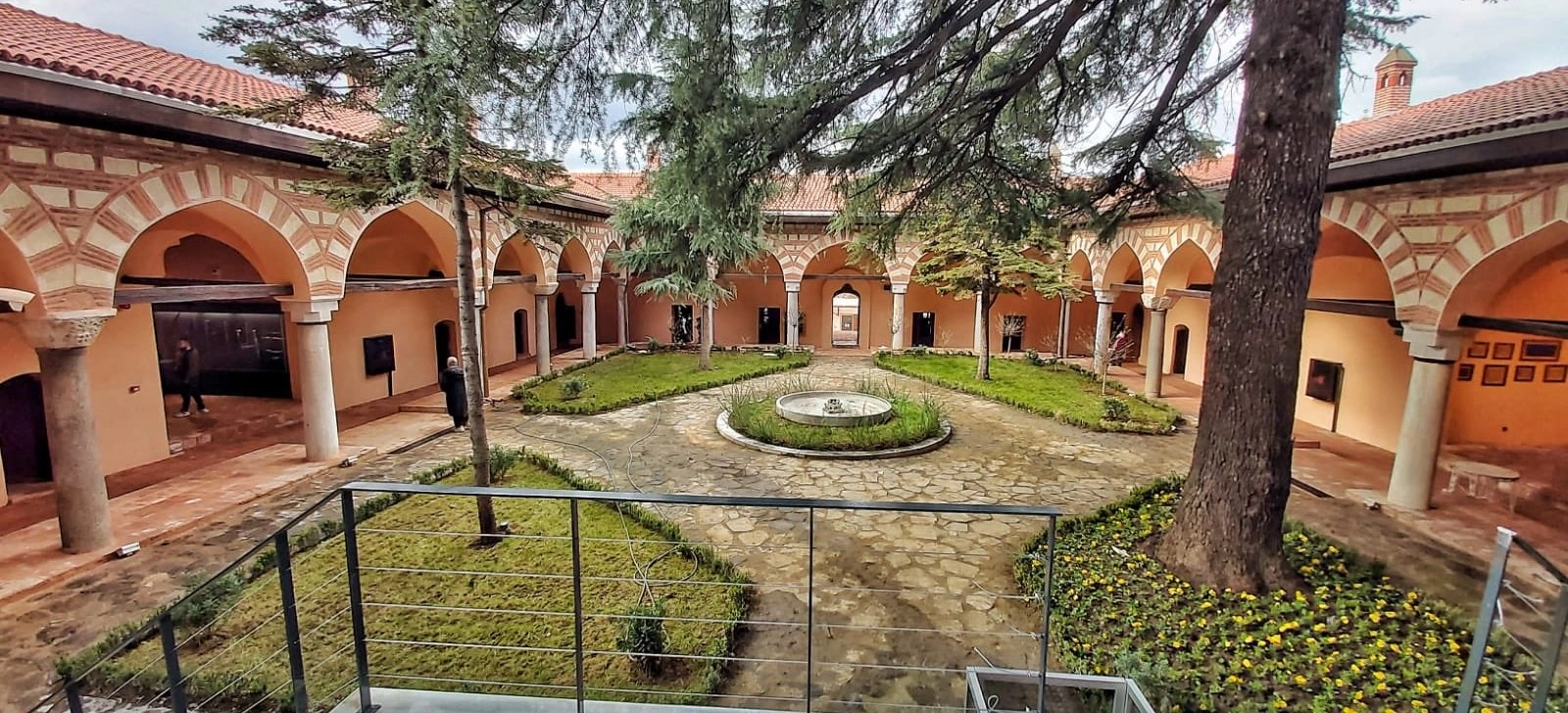
Its peaceful courtyard, brick-and-stone walls, pointed arches, historic columns, vaulted rooms and surviving tile decoration allow visitors to experience an actual early Ottoman educational complex rather than a modern gallery building.

For travellers exploring the UNESCO-listed historic landscape of Bursa, this is one of the most rewarding places to understand not simply what the Ottomans built, but what they read, wore, collected, crafted, used and considered beautiful.

Historic Yeşil Madrasa

Explore an early 15th-century Ottoman madrasa belonging to the celebrated Yeşil Complex of Sultan Mehmed I.

İznik & Kütahya Ceramics

Discover ceramic traditions that became some of the most recognisable artistic achievements of Ottoman Türkiye.

Calligraphy & Manuscripts

See works connected with the extraordinary Islamic tradition of beautiful writing, illumination and book production.

Islamic Metalwork

Examine lamps, vessels, tombak pieces and decorative metal objects created across different Islamic artistic periods.

Karagöz & Hacivat

Encounter Bursa's famous shadow-puppet tradition and one of Türkiye's most beloved forms of popular theatre.

Islamic Gravestones

Explore inscriptions and funerary monuments displayed within the historic museum garden.

Plan Your Visit

Bursa Turkish & Islamic Arts Museum – Quick Facts

Essential information for visiting the Turkish and Islamic Arts Museum inside Bursa's historic Yeşil Madrasa.

📍

Location

Yeşil Madrasa, beside the Yeşil Mosque complex in Yıldırım, Bursa.

Open on Google Maps
🏛️

Historic Building

The museum occupies the early Ottoman Yeşil Madrasa, also known as Sultaniye Madrasa.

👑

Founder

Constructed for Ottoman Sultan Mehmed I – Çelebi Mehmed as part of the Yeşil Complex.

📅

Construction

The Yeşil Complex was created during approximately 1414–1424; the madrasa is commonly associated with 1419.

🎨

Collections

Seljuk, Beylik and Ottoman ceramics, calligraphy, manuscripts, metalwork, woodwork, coins, textiles and ethnographic objects.

🕗

Opening Hours

The official Ministry museum page currently lists 08:00–17:00 with the ticket office closing at 16:30.

📆

Open Days

The current official museum listing states that the museum is open every day.

⏱️

Recommended Visit

Allow approximately 1–1.5 hours; art and Ottoman-history enthusiasts may prefer around two hours.


Art Inside Architecture

Why Visit Bursa Turkish & Islamic Arts Museum?

This is not simply a museum of Ottoman objects – it is an Ottoman building filled with the artistic culture of the civilisation that created it.

Bursa's great monuments reveal the political and architectural ambitions of the early Ottoman state.

The Turkish and Islamic Arts Museum provides something different.

It brings visitors closer to the objects, materials, craft traditions, religious practices and everyday culture that existed inside that civilisation.

Instead of encountering history only through monumental mosques and royal tombs, visitors see the smaller things that surrounded Ottoman life:

ceramic bowls, calligraphic panels, manuscripts, coffee vessels, textiles, jewellery, coins, weapons, hamam objects, religious objects and beautifully worked pieces of wood and metal.

The museum is especially valuable because the building itself provides historical context.

The rooms were originally part of a medrese – madrasa, an institution devoted to advanced Islamic education.

Students and scholars once moved through the same courtyard, arcades and rooms that museum visitors explore today.

That combination makes Yeşil Madrasa one of Bursa's best places for understanding Ottoman intellectual life, artistic production and material culture together.

What to See

Top Highlights of Bursa Turkish & Islamic Arts Museum

The collection ranges across ceramics, metalwork, Islamic calligraphy, coins, traditional crafts and the cultural history of Bursa.

İznik Ceramics

Ceramics connected with İznik represent one of the most celebrated artistic traditions of the Ottoman world and provide a natural connection between Bursa and nearby İznik.

  • Tradition: Ottoman ceramic art
  • Region: İznik
  • Look For: Glazes, colours & decorative motifs

Kütahya Ceramics

Kütahya's long ceramic tradition provides an important counterpart to İznik and demonstrates the diversity of ceramic production in Ottoman Anatolia.

  • Material: Glazed ceramic
  • Centre: Kütahya
  • Theme: Ottoman decorative arts

Calligraphy

Historic calligraphic panels reveal the extraordinary importance placed upon beautifully formed Arabic script within Islamic artistic culture.

  • Art: Hat – Islamic calligraphy
  • Medium: Ink, paper & panels
  • Theme: Sacred & artistic writing

Islamic Manuscripts

Manuscript material connects the museum directly with the scholarly and religious culture for which madrasas such as Yeşil Medrese were originally constructed.

  • Tradition: Islamic book arts
  • Elements: Calligraphy & illumination
  • Context: Scholarship & devotion

Metalwork & Tombak

Decorative metal objects demonstrate sophisticated techniques involving copper alloys, engraving, gilding and ornamental craftsmanship.

  • Materials: Copper, brass & other metals
  • Technique: Casting, engraving & gilding
  • Highlight: Tombak objects

Islamic Coin Collection

Gold, silver and copper coins preserve the names, titles and symbols of dynasties that ruled across the Islamic world and Anatolia.

  • Periods: Medieval to Ottoman
  • Metals: Gold, silver & copper
  • Theme: Politics, economy & epigraphy

Karagöz & Hacivat

Displays connected with Türkiye's famous shadow theatre celebrate a cultural tradition especially associated with Bursa.

  • Tradition: Shadow theatre
  • Figures: Karagöz & Hacivat
  • Connection: Bursa cultural heritage

Garden Gravestones

Historic Islamic gravestones and inscriptions transform the museum garden into an open-air gallery of Ottoman stone carving and epigraphy.

  • Type: Gravestones & inscriptions
  • Material: Stone
  • Location: Museum garden

Yeşil Madrasa – The Historic Building Behind the Museum

Before it became a museum, the building was known as Yeşil Medrese or Sultaniye Medresesi.

It formed part of the monumental Yeşil Külliye – Green Complex commissioned by Sultan Mehmed I during the restoration of Ottoman political power after the turbulent years of the early 15th century.

The complex included religious, educational, charitable and dynastic buildings.

The madrasa represented the educational and scholarly dimension of that wider architectural programme.

Patron

The complex was commissioned by Sultan Mehmed I, known as Çelebi Mehmed.

Architect

The Yeşil Complex is associated with the important early Ottoman architect Hacı İvaz Paşa.

Period

The complex developed during approximately 1414–1424 in the early 15th century.

Historic Name

The building is known both as Yeşil Medrese and Sultaniye Medresesi.

Original Function

It was created as an institution for advanced Islamic education.

Present Function

The historic rooms now form the Bursa Turkish and Islamic Arts Museum.


The building is particularly interesting because its design continues architectural traditions associated with open-courtyard Anatolian Seljuk madrasas while expressing the emerging architectural language of the early Ottoman state.

Architecture of Yeşil Madrasa

The museum should be explored as an architectural monument as well as a collection.

Its historic plan preserves the spatial organisation of an early Ottoman educational institution.

Central Courtyard

An open courtyard forms the heart of the building and creates a calm transition between the former educational rooms.

Arcaded Porticoes

Pointed arches and covered porticoes surround three sides of the courtyard.

13 Madrasa Cells

A series of former student and teaching rooms opens from behind the arcades.

Iwans

Open vaulted spaces continue a planning tradition inherited from earlier Anatolian madrasa architecture.

Teaching Hall

The principal educational space occupies a prominent position opposite the entrance.

Brick & Stone

The exterior combines brick and stonework typical of important early Ottoman architecture in Bursa.

Historic Columns

Some columns and capitals used within the arcades were reused from earlier Byzantine structures.

Tile Decoration

Although more restrained than Yeşil Mosque and Yeşil Tomb, the madrasa preserves important examples of architectural tile decoration.


Look especially carefully at the entrance, window lunettes, vaulting, arcade columns and the transitions between the courtyard and former teaching rooms.

The museum building itself is one of the objects you have come to see.

The History of Bursa Turkish & Islamic Arts Museum

The museum is closely connected with the development of modern museology in Bursa.

The city's first archaeological and ethnographic collections began to be assembled at the beginning of the 20th century.

1902 Bursa's early museum collection develops from archaeological and ethnographic objects gathered in the city
1904 The collection formally becomes a branch of the Ottoman Imperial Museum – Müze-i Hümâyun
1929 The institution gains directorate status under the name Bursa Museum
1930 The Bursa Museum collection is arranged inside Yeşil Madrasa and opened to visitors
1955–1956 The historic madrasa undergoes restoration before reopening with a renewed museum arrangement
1972 Archaeological objects are transferred to the new Bursa Archaeology Museum building in Kültürpark
22 November 1975 Yeşil Madrasa begins its new role as Bursa Turkish and Islamic Arts Museum
2016 The museum closes temporarily for a major restoration and exhibition-renewal project
24 December 2020 The restored museum reopens with renewed galleries and conservation of the historic building and collections

This history means the building has played three major roles: first as an Ottoman madrasa, then as one of Bursa's principal museum buildings, and finally as a specialised museum of Turkish and Islamic art.

What Does Bursa Turkish & Islamic Arts Museum Contain?

The museum's principal collections cover the Seljuk, Beylik and Ottoman periods, with works extending into the later centuries of traditional Turkish culture.

Rather than presenting a single artistic medium, the museum brings together many different forms of craftsmanship.

Ceramics & Tiles

İznik, Kütahya and other ceramic traditions demonstrate the colour and technical sophistication of Turkish ceramic art.

Calligraphy

Historic writing panels reveal the artistic dimension of Arabic script within Ottoman and Islamic culture.

Manuscripts

Handwritten books connect religious scholarship, calligraphy, illumination and the intellectual world of the madrasa.

Woodwork

Carved and inlaid wooden objects demonstrate the importance of woodworking within Islamic decorative arts.

Metalwork

Bronze, copper, brass, tombak and other objects reveal a wide range of metalworking techniques.

Coins

Islamic coinage follows changing dynasties, rulers, inscriptions and economic systems through centuries of history.

Textiles

Traditional fabrics, embroideries and garments preserve elements of Bursa's celebrated textile culture.

Ethnographic Objects

Domestic, ceremonial and social objects reveal traditions that remained part of Turkish life into comparatively recent centuries.

İznik, Kütahya & Ottoman Ceramics

Ceramic art is one of the most immediately attractive parts of the museum.

The collection includes works connected with İznik and Kütahya, two of the most important centres of ceramic production in Ottoman Anatolia.

For visitors travelling through Bursa Province, the İznik material has particular importance.

The town of İznik – ancient Nicaea – became internationally famous for ceramic production, especially during the Ottoman classical period.

Vessels

Bowls, plates, jugs and other forms demonstrate how ceramic art entered both practical and decorative life.

Architectural Tiles

Tile traditions connect museum objects with the decoration of mosques, tombs, palaces and religious complexes.

Floral Motifs

Tulips, carnations, leaves and scrolling vegetation became central elements within Ottoman decorative design.

Geometric Decoration

Geometry demonstrates the remarkable relationship between mathematics, repetition and visual harmony in Islamic design.

Colour

Blue, turquoise, white and later more complex colour palettes became hallmarks of Ottoman ceramic production.

Regional Craftsmanship

Comparing İznik and Kütahya helps reveal that Ottoman ceramic culture was never limited to a single workshop or city.

Islamic Metalwork, Tombak & Decorative Objects

Islamic metalwork demonstrates how everyday materials could be transformed through extraordinary craftsmanship.

The museum includes examples created in copper, bronze, brass and other metals, together with objects belonging to the Ottoman tombak tradition.

Tombak generally refers to copper or copper-alloy objects whose surfaces were gilded, allowing craftsmen to create the visual brilliance of gold on comparatively practical objects.

Candlesticks

Lighting equipment could become highly decorated objects expressing both utility and artistic prestige.

Pitchers & Ewers

Metal vessels reveal sophisticated casting, shaping, engraving and decorative traditions.

Tombak

Gilded copper-alloy surfaces created richly coloured ceremonial and decorative objects.

Engraved Decoration

Inscriptions, plant motifs and geometric ornament could transform functional objects into works of art.

Coffee Objects

Metal vessels connected with coffee culture demonstrate how craftsmanship entered Ottoman social rituals.

Domestic Metalwork

Kitchen and household objects preserve the practical side of traditional metalworking.

Timurid, Seljuk & Mamluk Metalwork

Among the museum's most memorable displays are metal objects extending beyond the Ottoman period into the wider artistic world of medieval Islam.

Following the museum's major restoration and reopening, several particularly unusual objects returned to display.

Dragon-Handled Vessel

A striking vessel associated with the Timurid period uses a stylised dragon form as part of its handle decoration.

Seljuk Candlesticks

Decorated metalwork connected with the Seljuk artistic world reveals the sophistication of medieval Anatolian craftsmanship.

Mamluk Metalwork

Objects associated with the Mamluk world demonstrate the international artistic networks connecting different Islamic regions.

Human & Animal Figures

Figurative decoration on medieval objects challenges simplistic assumptions that all Islamic art completely avoided human or animal imagery.


These objects are especially valuable because they place Ottoman Bursa within a much larger artistic geography extending across Anatolia, Iran, Syria, Egypt and the medieval Islamic world.

Ottoman Calligraphy & Hat Art

Calligraphy occupies a particularly important position within Islamic artistic culture.

Because the Arabic script carried the words of the Qur'an, writing developed into one of the most prestigious artistic traditions of the Islamic world.

Ottoman masters transformed script into compositions capable of functioning simultaneously as language, devotion and visual art.

Hat Levhaları

Framed calligraphic panels demonstrate how sacred and meaningful texts became architectural and domestic decoration.

Qur'anic Text

Verses from the Qur'an provided calligraphers with some of their most important compositions.

Master Calligraphers

The museum tradition includes works associated with major names in Ottoman calligraphy.

Ink & Proportion

Calligraphy depended on disciplined proportions, carefully cut reed pens and extraordinary control of line.

Religious Education

Inside a historic madrasa, calligraphy feels especially appropriate because reading and writing lay at the heart of scholarly life.

Visual Rhythm

The balance between letters, empty space and composition allows written language to function as ornament.

Manuscripts, Illumination & Islamic Book Arts

Before mechanical printing transformed the production of books, a manuscript could require the work of scribes, calligraphers, illuminators, paper makers and bookbinders.

Historic manuscripts therefore preserve far more than written information.

They represent a complete artistic tradition.

Calligraphy

The text itself could be written according to carefully codified scripts developed by generations of master calligraphers.

Illumination

Gold and painted ornament could transform headings, margins and opening pages into elaborate decorative compositions.

Paper

The quality, preparation and finish of paper formed an essential part of manuscript craftsmanship.

Bindings

Leather and decorated bindings protected valuable manuscripts while providing another surface for artistic expression.

Religious Texts

Qur'ans, prayers and religious literature formed a central part of Islamic manuscript culture.

Scholarly Culture

A madrasa depended upon written knowledge, making manuscripts particularly meaningful within Yeşil Madrasa itself.

Ottoman Woodwork & Mother-of-Pearl Decoration

Woodworking was one of the great decorative traditions of Seljuk and Ottoman craftsmanship.

The museum contains objects demonstrating carving, inlay and decorative woodworking, including examples enriched with mother-of-pearl – sedef.

Wood Carving

Geometric and vegetal designs could be cut deeply into wooden surfaces to produce dramatic patterns of light and shadow.

Sedef

Mother-of-pearl provided a luminous material that contrasted beautifully with darker woods.

Geometric Design

Interlocking polygons and stars demonstrate the mathematical sophistication of Islamic decorative traditions.

Floral Ornament

Leaves, stems and stylised flowers softened geometric structures with natural forms.

The Islamic Coin Collection

Coins may be physically small, but historically they are among the richest objects in the museum.

The collection reflects a long sequence of political and economic history extending through different Islamic dynasties and into the Ottoman Empire.

Sasanian Tradition

Earlier monetary traditions provide important context for the coinage systems inherited and transformed during the early Islamic centuries.

Umayyad Period

Early Islamic coinage reveals important changes in language, symbolism and political identity.

Abbasid Period

Coins circulated across an enormous commercial world extending from Central Asia toward the Mediterranean.

Ilkhanid Coinage

Coins from the Mongol-ruled Islamic world demonstrate the changing political geography of medieval Anatolia and its neighbours.

Seljuk Coins

Anatolian Seljuk currency reflects political authority, trade and the complex cultural world of medieval Anatolia.

Ottoman Coins

Successive Ottoman rulers used inscriptions, titles and mint information to communicate authority through everyday currency.


Spend time reading the labels around the coins.

Look for ruler names, mint locations, dates, religious inscriptions and differences between gold, silver and copper denominations.

Karagöz & Hacivat

One of the museum's most distinctly Bursa-related displays concerns Karagöz and Hacivat, the central characters of Türkiye's traditional shadow theatre.

The colourful figures became part of a sophisticated performance tradition involving light, translucent puppets, music, improvisation, comic dialogue and social satire.

Bursa has particularly strong cultural associations with the legendary origins of Karagöz and Hacivat, making their presence inside the museum especially appropriate.

Shadow Puppets

Traditional figures are designed so that light can project their coloured forms onto a translucent screen.

Karagöz

Direct, impulsive and frequently comic, Karagöz became one of the most recognisable personalities in Turkish popular culture.

Hacivat

More educated and formal in speech, Hacivat provides the ideal comic counterpart to Karagöz.

Living Heritage

The tradition survives not simply as museum history but as an important element of Türkiye's intangible cultural heritage.

Ottoman Coffee Culture

Coffee became one of the defining social traditions of Ottoman urban life.

The museum preserves objects showing that coffee culture involved much more than the beverage itself.

A complete coffee setting could include beautifully crafted objects in silver, brass, copper, porcelain and wood.

Coffee Pots

Metal vessels demonstrate the practical and ceremonial importance of preparing Turkish coffee.

Cups

Small porcelain cups became central objects within Ottoman hospitality.

Cup Holders

Decorative holders could transform an ordinary coffee cup into an object of status and craftsmanship.

Hospitality

Serving coffee developed into an important ritual within homes, palaces and social gatherings.

Hamam Objects & Traditional Bursa Life

Bursa's identity has been connected with thermal water and bathing culture for centuries.

Objects associated with the hamam therefore provide an especially meaningful connection between the museum and the wider history of the city.

Bath Bowls

Decorative metal bowls were used for pouring water during bathing.

Textiles

Towels and woven materials reveal the connection between Bursa's bathing and textile traditions.

Personal Objects

Combs, containers and grooming objects reflect the social as well as practical dimensions of the hamam.

Social Tradition

Ottoman baths functioned as important places of cleanliness, relaxation, ritual and community life.

Tekke, Dervish & Religious Objects

Ottoman religious life extended beyond formal mosques and madrasas.

Tekkes, dergahs and Sufi communities played important roles in religious education, charity, music, hospitality and spiritual practice.

Objects associated with these institutions preserve a world that largely disappeared as functioning institutions during the early Republican period.

Dervish Culture

Objects connected with Sufi communities reveal distinctive traditions of clothing, symbolism and spiritual practice.

Religious Calligraphy

Calligraphic panels frequently carried Qur'anic verses, prayers, sacred names and Sufi symbolism.

Ceremonial Objects

Specialised objects help document rituals and traditions associated with different religious communities.

Bursa's Spiritual Landscape

For centuries Bursa was home to scholars, saints, dervishes and religious foundations connected with many different Sufi traditions.

Traditional Textiles, Handicrafts & Garments

Bursa became one of the Ottoman world's most celebrated centres of silk production and textile trade.

The museum's textile, embroidery and clothing collections therefore help connect decorative art with one of the foundations of Bursa's historical economy.

Embroidery

Needlework transformed practical textiles into highly personal objects decorated with flowers, geometry and symbolic motifs.

Traditional Clothing

Historic garments reveal changing ideas about status, regional identity, gender and fashion.

Silk Culture

Bursa's location on international trade routes helped make silk central to the city's prosperity.

Domestic Textiles

Decorated cloths, towels and household fabrics reveal artistic traditions extending beyond elite palace culture.

Textiles Connected with Yeşil Tomb

Among the particularly evocative objects historically displayed in the museum are textiles associated with Yeşil Türbe – Green Tomb, the royal mausoleum of Sultan Mehmed I.

Historic door and mihrab curtains provide a fascinating reminder that Ottoman monuments once contained movable furnishings, textiles and ceremonial objects that rarely survive in their original architectural setting.

Their presence inside Yeşil Madrasa creates a direct connection between different buildings belonging to the same early Ottoman complex.

Ottoman Weapons, Arms & Military Objects

Historic weapons are important not only as military technology.

They could also become displays of craftsmanship, rank, wealth and political authority.

Swords & Blades

Forged steel, inscriptions and decorated fittings demonstrate the skill of Ottoman metalworkers.

Firearms

Later weapons record the technological changes that transformed warfare during the Ottoman centuries.

Decorated Fittings

Handles, scabbards and metal mounts could be enriched with engraving, precious materials and ornamental detail.

Military Identity

Weapons also functioned as symbols of office, prestige and belonging within Ottoman society.

Islamic Inscriptions & Ottoman Gravestones

Do not leave the museum without looking at the stone inscriptions and gravestones displayed around its garden.

Ottoman gravestones can reveal extraordinary amounts of information about individuals and communities.

Names

Inscriptions preserve the identities of people who might otherwise have disappeared entirely from historical memory.

Dates

Arabic-script inscriptions can preserve precise dates of death and occasionally other biographical information.

Titles & Professions

Some stones indicate occupation, religious status, administrative rank or social position.

Headgear

The carved forms at the top of Ottoman male gravestones can sometimes indicate rank, profession or social identity.

Floral Decoration

Women's gravestones frequently incorporate elaborate flowers and vegetal motifs.

Calligraphy

Funerary inscriptions demonstrate that beautiful writing remained important even within memorial stone carving.

The 2016–2020 Restoration

Yeşil Madrasa underwent a major conservation and exhibition-renewal programme beginning in 2016.

The work involved not only the historic building, but also objects within the museum and the inscriptions and gravestones displayed in its garden.

After several years of restoration, the museum reopened to visitors on 24 December 2020.

Architectural Conservation

The historic madrasa itself received restoration intended to protect the early Ottoman structure.

Collection Conservation

Museum objects were examined, conserved and prepared for renewed exhibition.

Garden Collection

Historic gravestones and inscriptions in the museum grounds were also included within the conservation programme.

New Exhibition Design

The galleries were reorganised to present the collections more clearly within the historic madrasa rooms.


The restoration is important because museums housed inside historic monuments face two simultaneous responsibilities: protecting the collection and protecting the building that contains it.

Understanding the Yeşil Complex

Yeşil Madrasa was never intended to stand alone.

It belonged to a larger külliye – a group of buildings created around religious, educational, charitable and dynastic functions.

The two essential monuments to combine with the museum are Yeşil Mosque and Yeşil Tomb.

Yeşil Mosque

The mosque is one of the masterpieces of early Ottoman architecture and preserves extraordinary tile, stone, wood and calligraphic decoration.

Yeşil Tomb

The monumental mausoleum of Sultan Mehmed I is famous for its turquoise exterior tiles and richly decorated interior.


Seeing the museum beside these monuments makes it easier to understand the complex as an integrated statement of religion, education, dynastic memory and artistic patronage.

Turkish & Islamic Arts Museum and Bursa Archaeology Museum

The relationship between the Bursa Archaeology Museum and Yeşil Madrasa is historically important.

For decades, Bursa's archaeological and ethnographic collections were displayed together in Yeşil Madrasa.

When a modern archaeology museum was created in Kültürpark, the archaeological collections were transferred there.

Bursa Archaeology Museum

Explores prehistoric Bursa, Bithynia, Mysia, Roman Anatolia, ancient burial traditions and the Byzantine period.

Turkish & Islamic Arts Museum

Continues the cultural story through Seljuk, Beylik and Ottoman artistic and ethnographic traditions.


Together, the two museums provide an unusually broad view of Bursa extending from prehistory and classical antiquity into the Islamic and Ottoman centuries.

How to Explore the Museum

The museum becomes much more rewarding when visitors think about materials and craftsmanship rather than simply moving from display case to display case.

Look at the Material

Ask whether an object is made from ceramic, wood, copper, brass, silver, stone, silk, paper or leather.

Look at the Technique

Carving, glazing, gilding, weaving, embroidery, casting and calligraphy each required highly specialised training.

Look for Inscriptions

Writing may reveal religious meaning, ownership, dates, makers or political authority.

Compare Everyday & Elite Objects

An ordinary coffee vessel and a richly decorated ceremonial object can reveal very different parts of Ottoman society.

Notice Regional Connections

İznik, Kütahya and Bursa demonstrate how artistic production moved between different Anatolian centres.

Study the Building

Remember that the gallery rooms originally belonged to an educational institution rather than a museum.

Bursa Turkish & Islamic Arts Museum Opening Hours & Visitor Information

Current Official Opening 08:00
Current Official Closing 17:00
Ticket Office Closes at 16:30
Closed Days The current Ministry listing states that the museum is open every day
Museum Card The official museum page currently states that Müzekart is valid for Turkish citizens
Address Yeşil Cadde, Zehrimar Camii Sokak, 16360 Yıldırım, Bursa
Telephone +90 224 327 76 79

Important: Museum opening hours, ticket arrangements and holiday schedules can change. The Ministry of Culture and Tourism's official museum listing should always be checked shortly before travelling, particularly during public holidays or restoration work.

How to Get to Bursa Turkish & Islamic Arts Museum

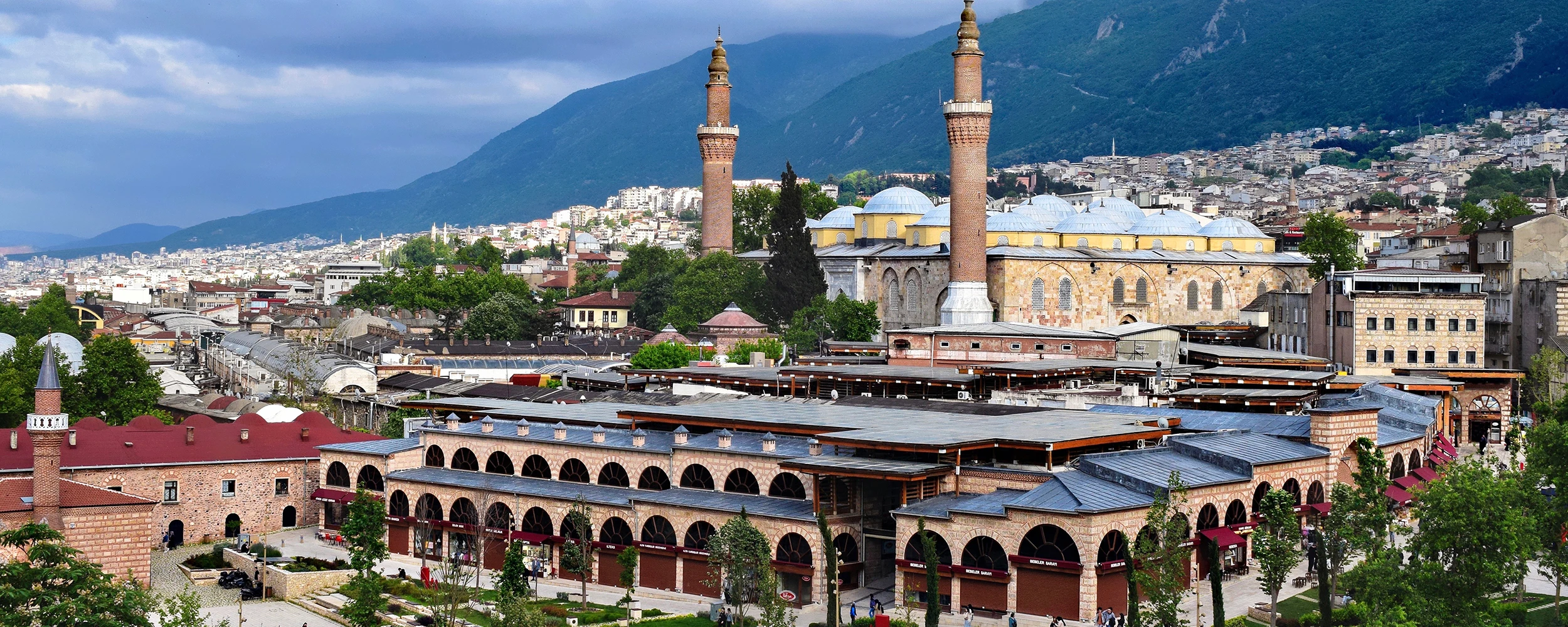
The museum stands inside the Yeşil Complex in Bursa's Yıldırım district, immediately beside one of the most important early Ottoman monumental areas in the city.

Its hillside position east of the traditional commercial centre makes it relatively easy to include within a historic Bursa sightseeing day.

Taxi

Ask for “Türk İslam Eserleri Müzesi, Yeşil Medrese” or simply “Yeşil Türbe.” Most Bursa taxi drivers will recognise the district immediately.

Public Transport

Local buses and other city transport serve the Yeşil and Yıldırım districts; check current Bursa transport routes for the easiest connection.

Walking

Travellers already exploring central historic Bursa can reach the Yeşil district on foot, although the route involves uphill sections.

Private Tour

A private Bursa tour can combine the museum naturally with the major monuments of the early Ottoman capital.

Best Time to Visit Bursa Turkish & Islamic Arts Museum

The museum can be visited throughout the year.

Morning

Early visits are ideal for enjoying the madrasa courtyard before the Yeşil district becomes busier with sightseeing groups.

Spring

Mild temperatures make exploring the museum garden and surrounding historic district particularly pleasant.

Summer

The shaded courtyard and indoor rooms offer a welcome cultural stop during warmer sightseeing days.

Autumn

Comfortable weather and softer light make the Yeşil district particularly atmospheric.

Winter

The museum is an excellent indoor attraction during Bursa's colder or rainy winter days.

Photography

The historic courtyard is especially attractive when softer morning or late-afternoon light reaches the arcades.

Bursa Turkish & Islamic Arts Museum Visitor Tips

Look at the Building First

Before concentrating on display cases, spend a few minutes understanding the courtyard, iwans, cells and historic madrasa plan.

Do Not Rush the Ceramics

Compare colours, forms and decorative motifs across different periods and production centres.

Study the Calligraphy

Even if you cannot read Ottoman Turkish or Arabic, look at the balance, rhythm and visual structure of the compositions.

Find the Karagöz Display

It provides one of the strongest direct links between the museum and Bursa's distinctive cultural identity.

Look at Small Objects

Coins, jewellery, coffee utensils and personal objects can reveal everyday Ottoman life more directly than monumental works.

Explore the Garden

The gravestones and inscriptions outside form an important part of the museum rather than simply garden decoration.

Combine Art & Architecture

Visiting Yeşil Mosque and Yeşil Tomb alongside the museum creates a much deeper understanding of early Ottoman art.

Allow Enough Time

A quick visit may take one hour, but visitors interested in Ottoman art should allow closer to 90 minutes or two hours.

Frequently Asked Questions About Bursa Turkish & Islamic Arts Museum

What is Bursa Turkish and Islamic Arts Museum?

It is a museum of Turkish and Islamic decorative arts and ethnography located inside the historic Yeşil Madrasa in Bursa. Its collections include ceramics, metalwork, calligraphy, manuscripts, woodwork, coins, textiles and objects connected with traditional Turkish culture.

What is the museum called in Turkish?

Its Turkish name is Bursa Türk İslam Eserleri Müzesi. The historic building is known as Yeşil Medrese or Sultaniye Medresesi.

Where is Bursa Turkish and Islamic Arts Museum?

The museum is located in Yeşil, Yıldırım, Bursa, beside the famous Yeşil Mosque and Yeşil Tomb complex.

Is the Turkish and Islamic Arts Museum inside Yeşil Madrasa?

Yes. The museum occupies the historic 15th-century Yeşil Madrasa, one of the educational buildings constructed as part of Sultan Mehmed I's Yeşil Complex.

When was Yeşil Madrasa built?

The Yeşil Complex was constructed during approximately 1414–1424 during the reign of Sultan Mehmed I. The madrasa is frequently associated with a construction date around 1419.

Who built Yeşil Madrasa?

It was commissioned by Ottoman Sultan Mehmed I – Çelebi Mehmed and is associated with the architect Hacı İvaz Paşa.

What can I see inside Bursa Turkish and Islamic Arts Museum?

Highlights include İznik and Kütahya ceramics, calligraphy, manuscripts, metalwork, tombak, wood carving, mother-of-pearl inlay, Islamic coins, traditional textiles, coffee and hamam objects, weapons, Karagöz-Hacivat material and Ottoman gravestones.

Does the museum have İznik ceramics?

Yes. İznik and other Turkish ceramic traditions form an important part of the museum's decorative-arts collection.

Can I see Karagöz and Hacivat objects?

Yes. The museum includes a section connected with Karagöz and Hacivat, the famous traditional shadow-theatre figures strongly associated with Bursa's cultural heritage.

Are there Islamic coins in the museum?

Yes. The museum preserves an important Islamic numismatic collection with examples associated with several dynasties extending into the Ottoman period.

Are there Ottoman gravestones?

Yes. Islamic-period gravestones and inscriptions are displayed in the museum garden, creating an important open-air section of the collection.

What are Bursa Turkish and Islamic Arts Museum opening hours?

The official Ministry of Culture and Tourism museum page currently lists 08:00–17:00, with the ticket office closing at 16:30. Always check shortly before visiting in case schedules change.

Is Bursa Turkish and Islamic Arts Museum open on Monday?

The current official Ministry museum listing states that the museum is open every day. Older tourism information may show different schedules, so the official museum page should be treated as the most current source.

How long should I spend at Bursa Turkish and Islamic Arts Museum?

Allow approximately 1–1.5 hours for a comfortable visit. Visitors particularly interested in ceramics, Islamic art, calligraphy or Ottoman culture may prefer around two hours.

Is the museum worth visiting?

Yes. It is particularly worthwhile for travellers interested in Ottoman history, Islamic art, İznik ceramics, calligraphy, traditional Turkish culture and early Ottoman architecture.

Can I visit Yeşil Mosque and Yeşil Tomb at the same time?

Yes. The three monuments belong to the same historic Yeşil district and complement one another exceptionally well. The museum explains the artistic culture, while the mosque and tomb demonstrate that artistic language on a monumental architectural scale.

Was Yeşil Madrasa once Bursa Archaeology Museum?

Yes. The building housed Bursa's mixed museum collections for decades. After the archaeological collection moved to the purpose-built Bursa Archaeology Museum in Kültürpark, Yeşil Madrasa was reorganised as the Turkish and Islamic Arts Museum and opened in that role in 1975.

When was the museum restored?

The museum closed for a major restoration in 2016 and reopened following the conservation and exhibition-renewal programme on 24 December 2020.

Is photography allowed?

Photography rules may vary according to individual galleries, temporary exhibitions and conservation requirements. Check signs and staff instructions when visiting, and avoid flash where restrictions apply.

Is the museum suitable for children?

Yes. Children may particularly enjoy the Karagöz and Hacivat displays, colourful ceramics, historic weapons, coins and unusual metal objects.

Details Not to Miss at Bursa Turkish & Islamic Arts Museum

The Madrasa Courtyard

Stand in the centre and look at how the porticoes organise movement between former teaching and student spaces.

Reused Columns

Some architectural elements preserve material inherited from Bursa's Byzantine past.

Tile Decoration

Look carefully around architectural surfaces where surviving tiles provide restrained flashes of turquoise and colour.

İznik Glazes

Notice the extraordinary contrast between brilliant colour and the pale ceramic body beneath the glaze.

Calligraphic Proportion

Look at how letters are balanced against one another rather than reading calligraphy simply as ordinary writing.

Mother-of-Pearl

Small pieces of luminous shell create dramatic contrast when inlaid into dark wood.

Coin Inscriptions

Even tiny coins can preserve rulers' names, titles, dates and religious formulas.

Dragon-Han­dled Metalwork

Figurative medieval decoration offers a fascinating contrast with the geometric and floral patterns elsewhere in the museum.

Karagöz Figures

Notice how translucent materials allow coloured light to create the theatrical image on a shadow screen.

Gravestone Headgear

Different carved forms can communicate clues about profession, social position and historical period.

Private Bursa Tours & Ottoman Heritage Journeys

Bursa Turkish and Islamic Arts Museum can be incorporated into private Bursa journeys exploring early Ottoman architecture, Islamic art, UNESCO heritage, royal tombs, traditional bazaars, silk culture and the remarkable monuments of Türkiye's first Ottoman capital.

Private Bursa Cultural Experiences

Flexible private journeys with transportation and professionally licensed guiding.

Longer Türkiye Art & Heritage Journeys

Connect Bursa with the great cultural landscapes of Türkiye.