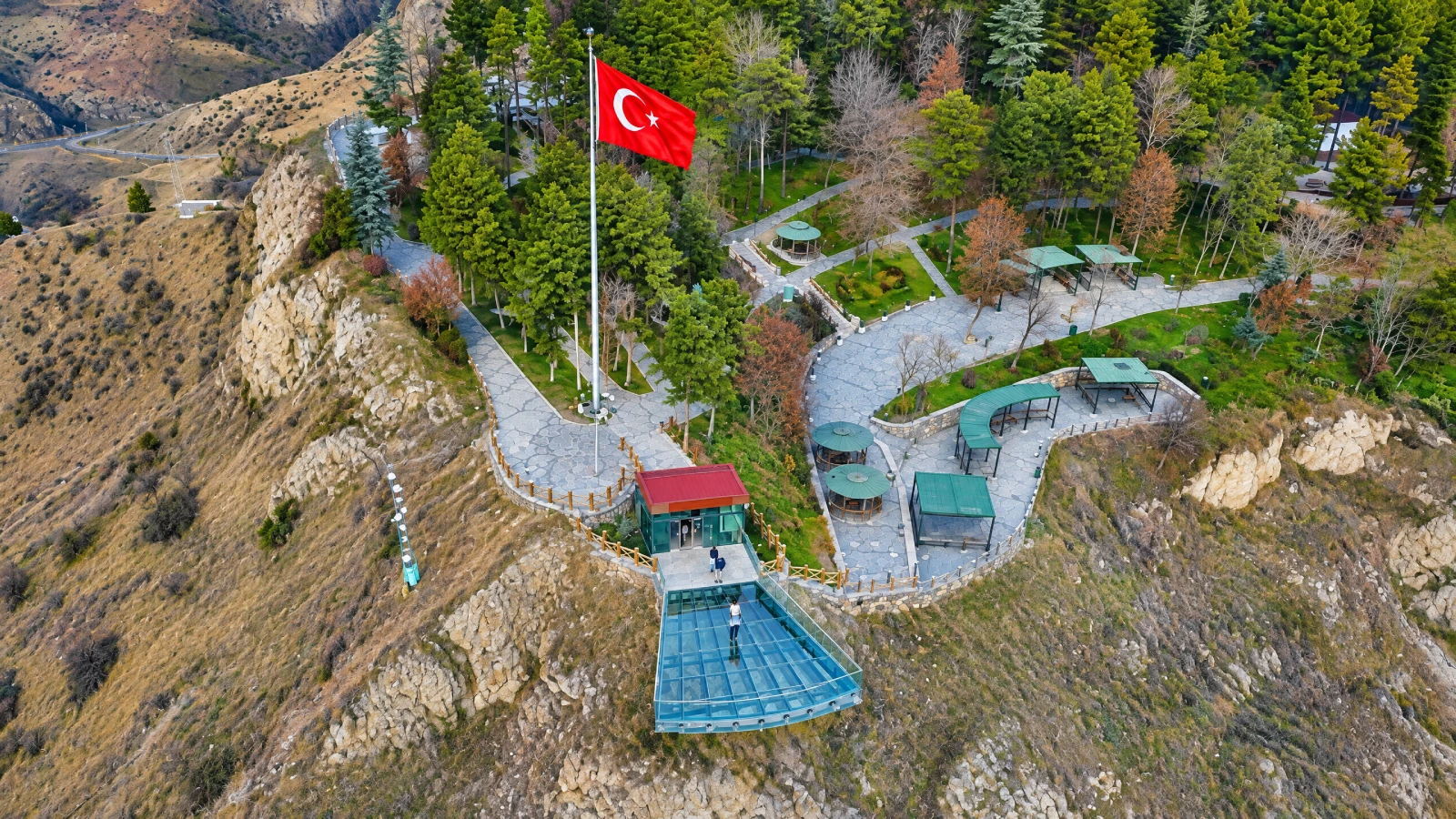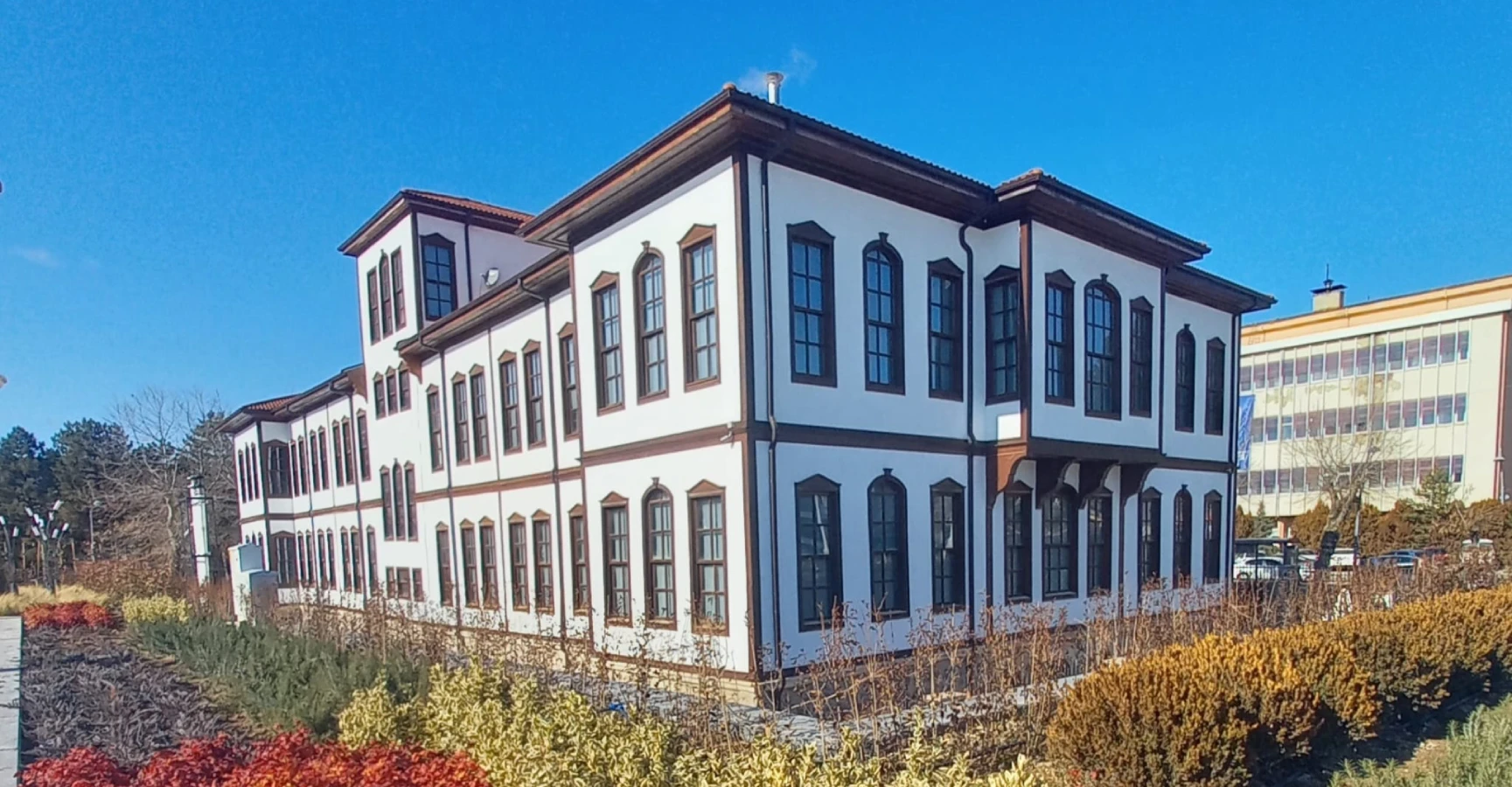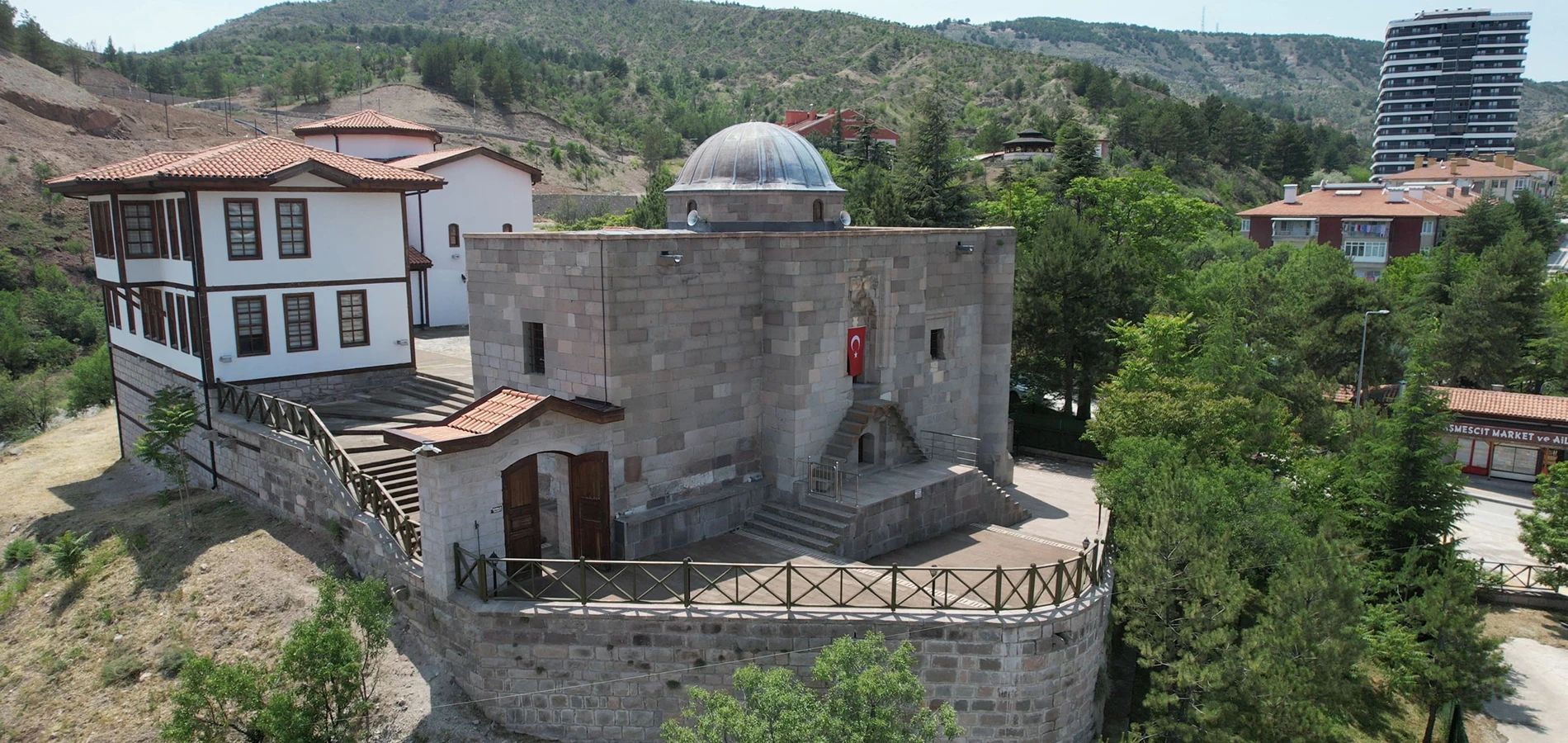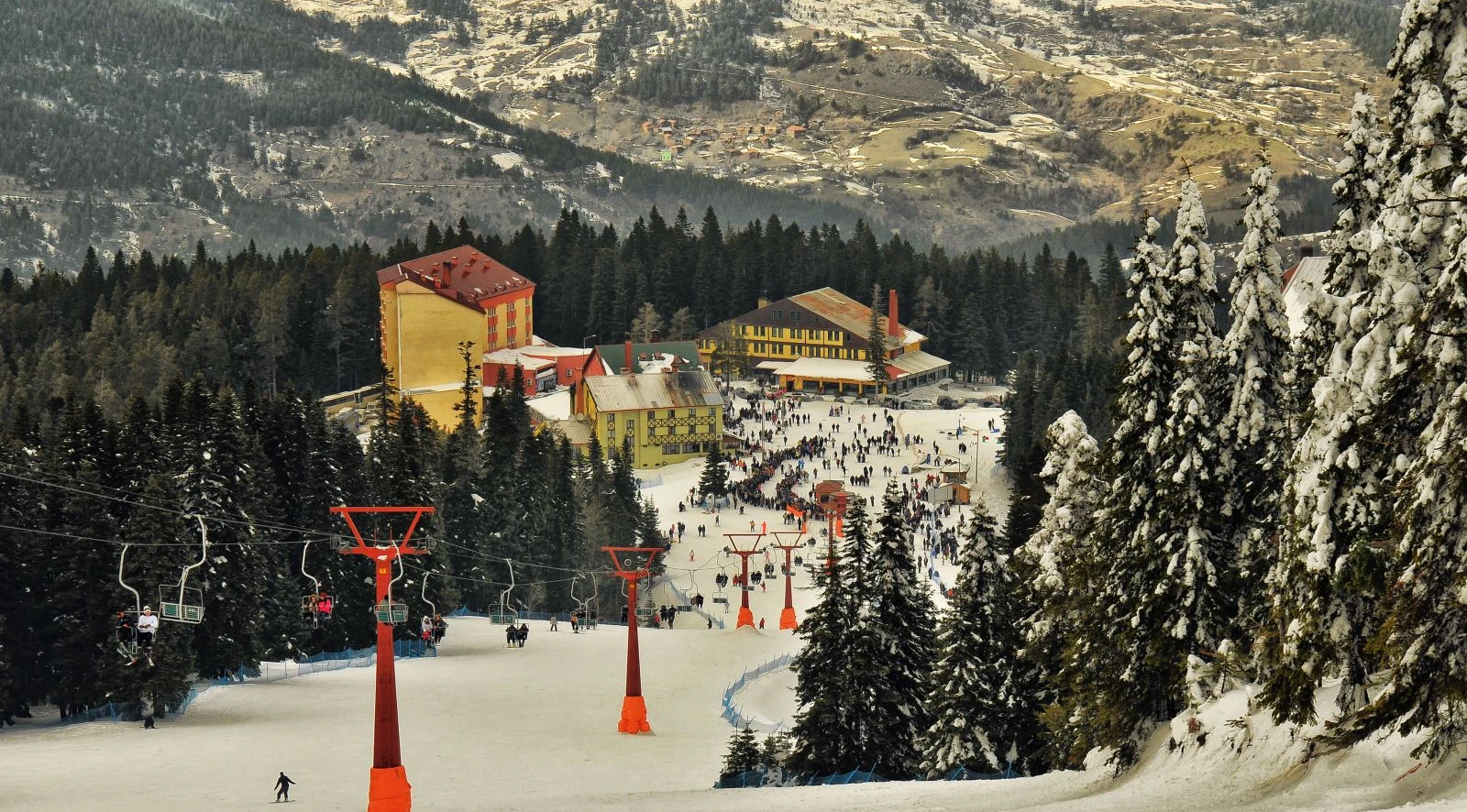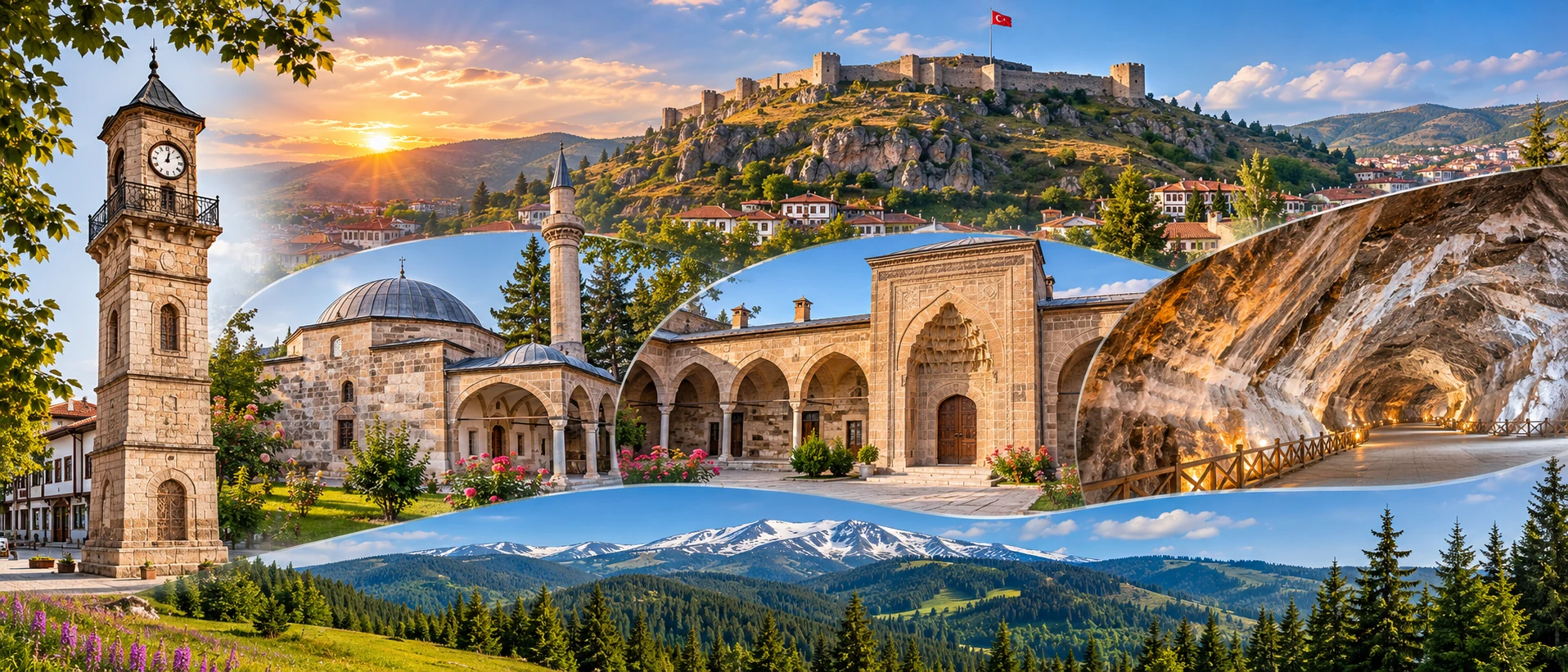
Illustrated Çankırı panorama combining the Salt Cave, medieval castle, Ottoman architecture and Ilgaz forests
Wow Cappadocia Turkey Travel Guide

Çankırı Travel Guide – Best Places to Visit

Discover the best places to visit in Çankırı, from the great Salt Cave and Ilgaz Mountain forests to the ruins of ancient Gangra, Seljuk and Ottoman monuments, rock-cut tombs, traditional wooden bridges, peaceful highlands and the living Yâran tradition.

Salt CaveIlgaz MountainsAncient GangraYâran Culture

Discover Çankırı: Paphlagonian History, Salt Galleries and Forested Mountains

Between the broad central Anatolian plateau and the wooded ranges of the western Black Sea hinterland lies Çankırı, a province whose landscape and historical identities change markedly from district to district. The town was known in antiquity as Gangra, a settlement linked to Paphlagonia and to the shifting kingdoms, empires and provincial administrations of northern Anatolia.


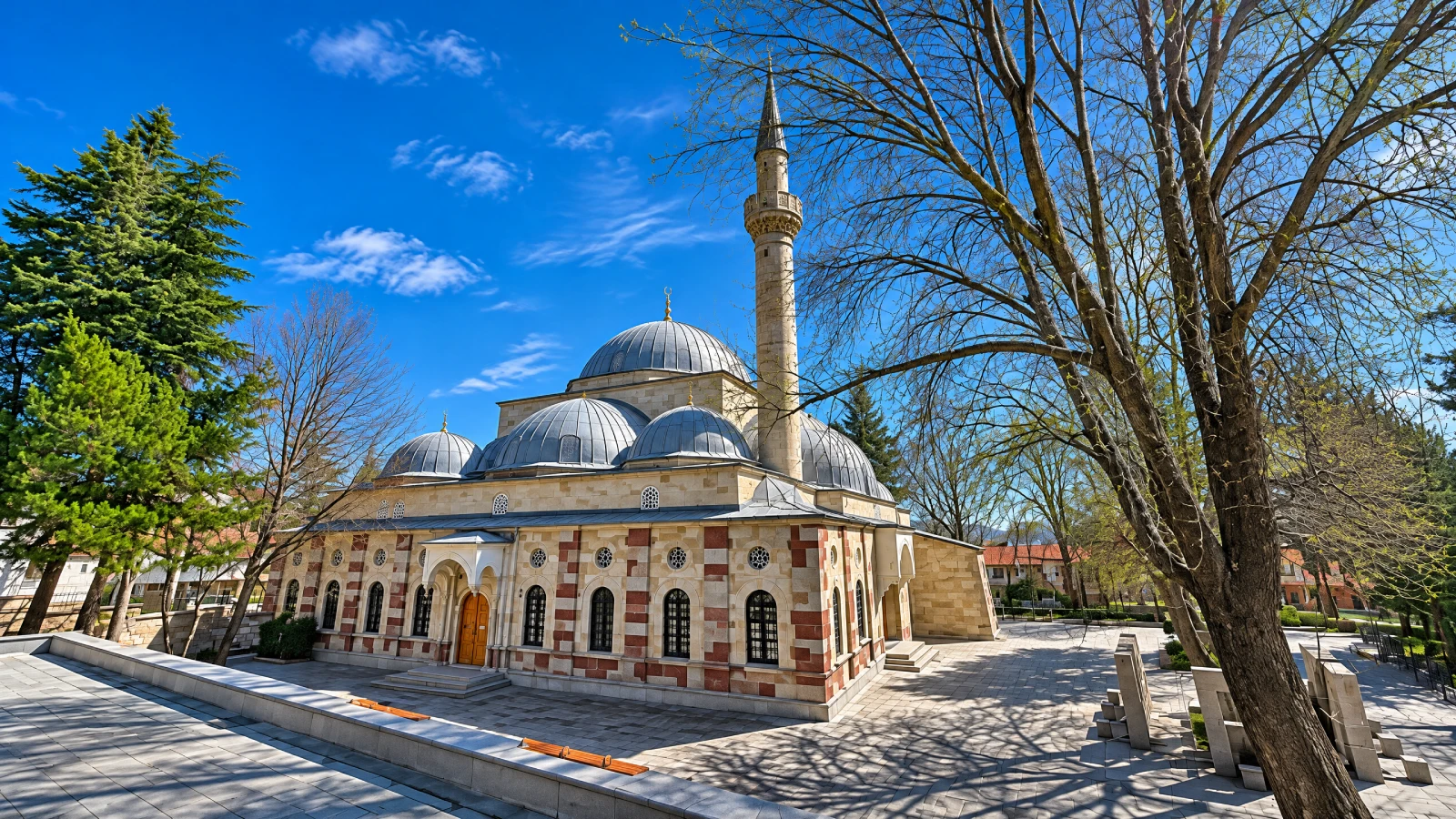
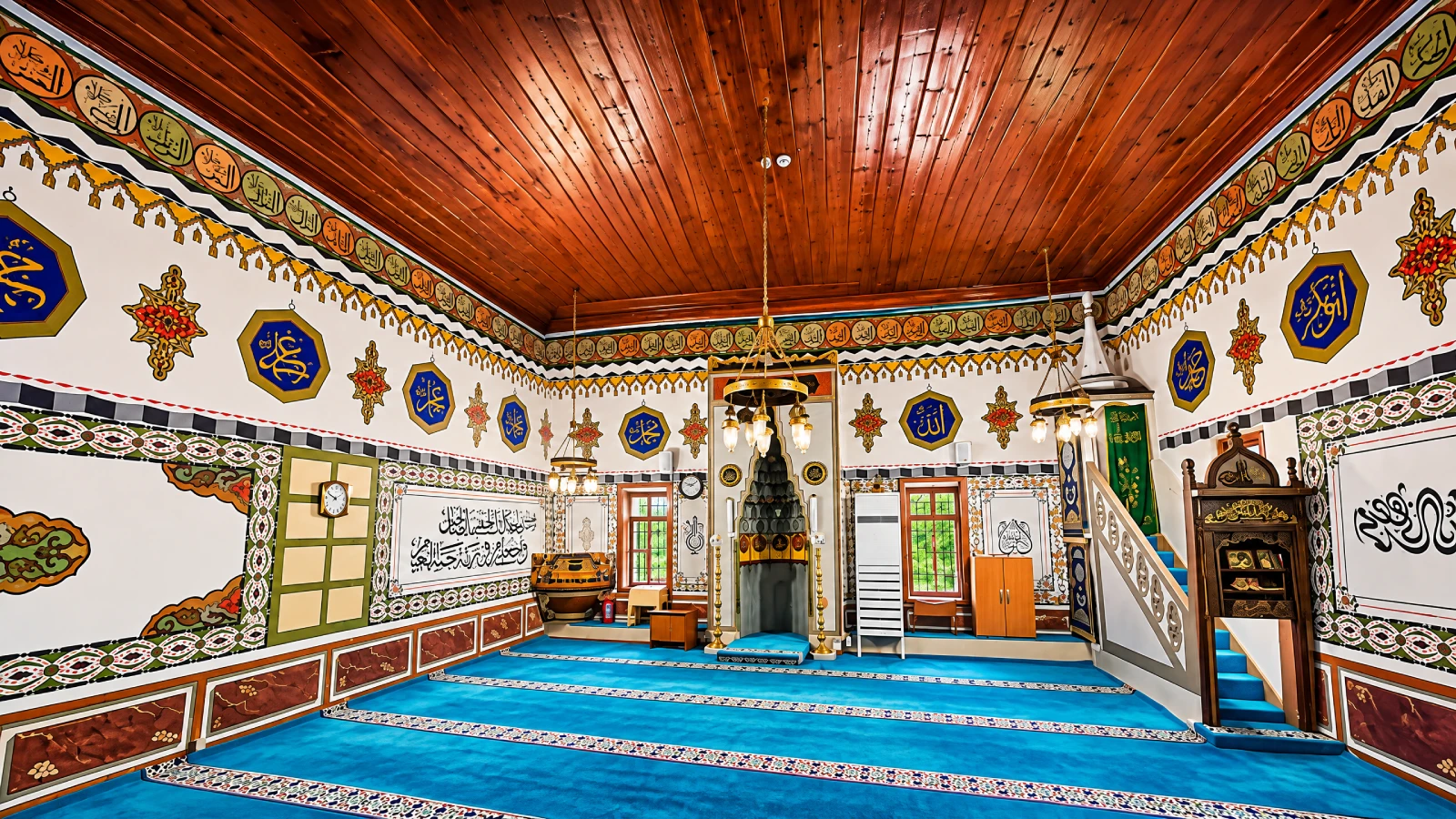
Its older history is best approached through archaeology and surviving monuments rather than a single simplified chronology. Rock-cut tombs preserve clues to ancient funerary practice, while the hilltop castle recalls the city’s defensive role. After the medieval Turkish conquest, Seljuk and later Ottoman patronage shaped landmarks such as Taş Mescit, the Grand Mosque and the town’s historic madrasas.


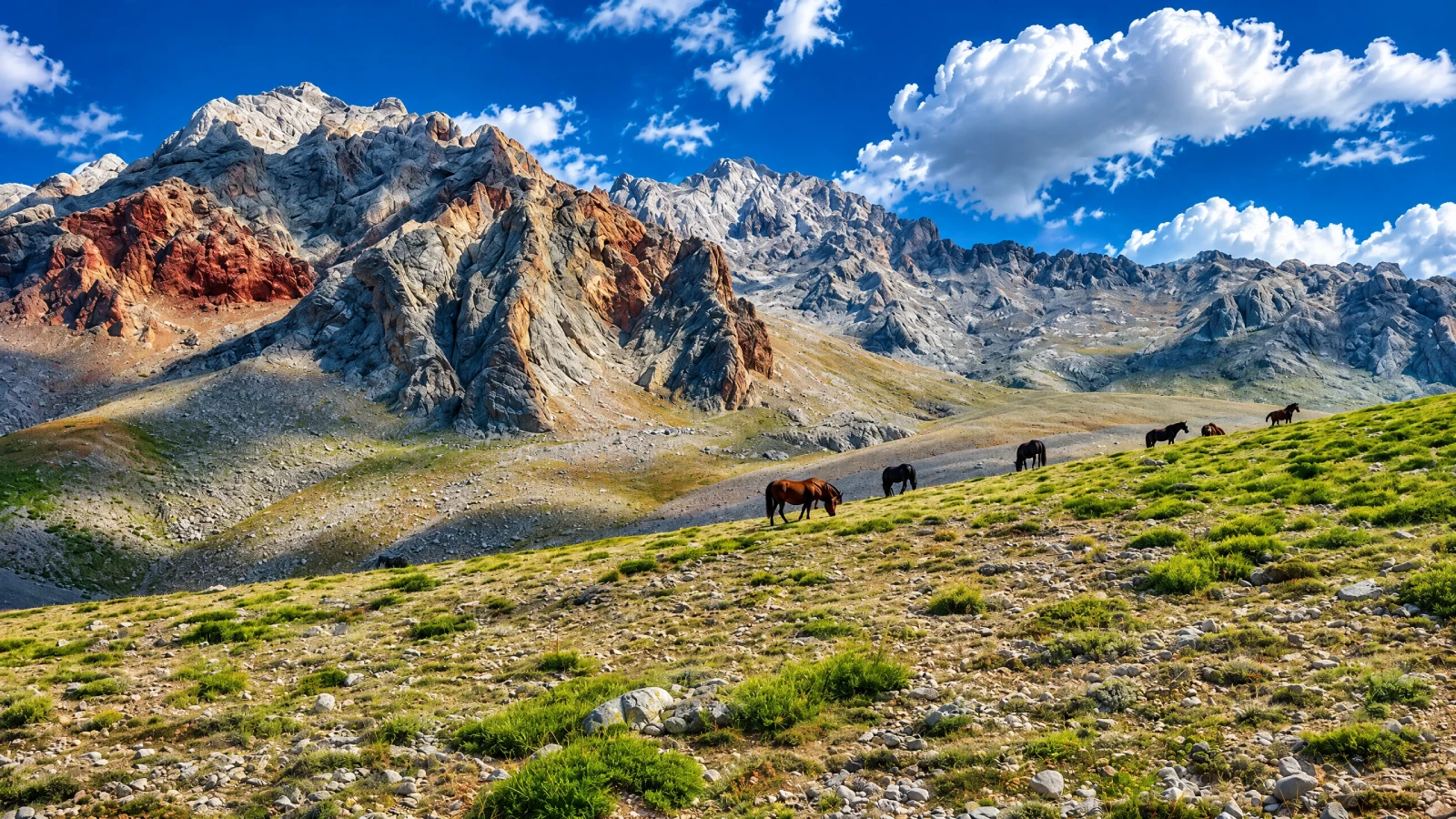
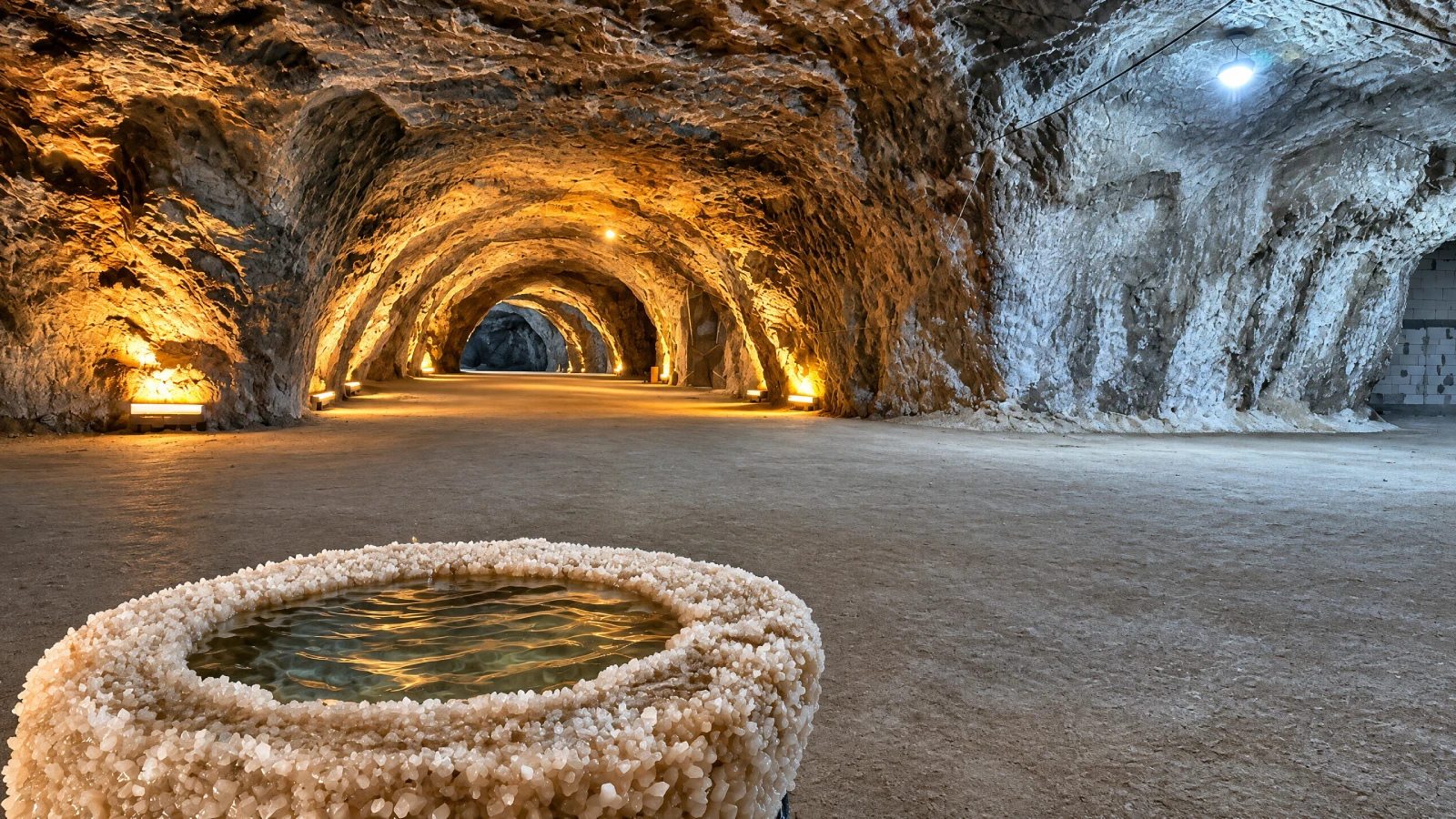
Outside the centre, Çankırı’s character becomes even more varied. The Salt Cave displays the region’s long relationship with rock-salt extraction; Ilgaz offers pine forests and snowy mountain scenery; Orta has the Hüyük underground complex and Sakaeli rock-cut formations; while upland villages, bridges, shrines and local foods introduce quieter parts of the province.

Quick Visitor Information

  • Best for: Salt-mine history, ancient Paphlagonia, Seljuk and Ottoman monuments, nature and local culture
  • Suggested stay: 1–2 days for the centre and Salt Cave; 3–5 days including Ilgaz and rural districts
  • Main highlights: Salt Cave, Çankırı Castle, Museum, Taş Mescit, Grand Mosque, Ilgaz, Sakaeli and Hüyük
  • Best routes: Historic city; Salt Cave; Ilgaz–Kırkpınar; Orta–Sakaeli–Hüyük; Eldivan–Yapraklı
  • Best seasons: Spring and autumn for history; summer for highlands; winter for Ilgaz mountain sports
  • Local identity: Rock salt, Yâran gatherings, woodcraft, local breads, soups and traditional desserts
Çankırı’s Signature Story

From Ancient Gangra to the Salt Mines and Yâran Traditions

Ancient Gangra belonged to the wider cultural geography of Paphlagonia, a region of northern Anatolia that interacted over time with Hellenistic kingdoms and the Roman and Byzantine worlds. Local rock-cut tombs, the archaeological collections of Çankırı Museum and the remains around the hilltop castle are more useful witnesses than romanticized claims of uninterrupted urban splendour.


In the 13th century, the Seljuk-era medical and educational foundations associated with Cemaleddin Ferruh left the city a distinctive monumental legacy. Later Ottoman buildings, from the great mosque to small timber madrasas, demonstrate the importance of religious endowment, teaching and market-centred urban life.


At the same time, salt extraction and routes crossing the Ilgaz Mountains linked the province to everyday patterns of trade and movement. Today the Yâran tradition continues another form of heritage: storytelling, music, hospitality and reciprocal community responsibilities.


Choose Çankırı by Travel Style

Follow your interests through Çankırı’s historic centre, mountains, rock landscapes and villages.

Best for Ancient History

Gangra & Rock-Cut Archaeology

Çankırı Museum, the castle, Sakaeli, İndağı and Hüyük introduce the many ancient and late-antique layers of the province.

Best for Architecture

Seljuk & Ottoman Çankırı

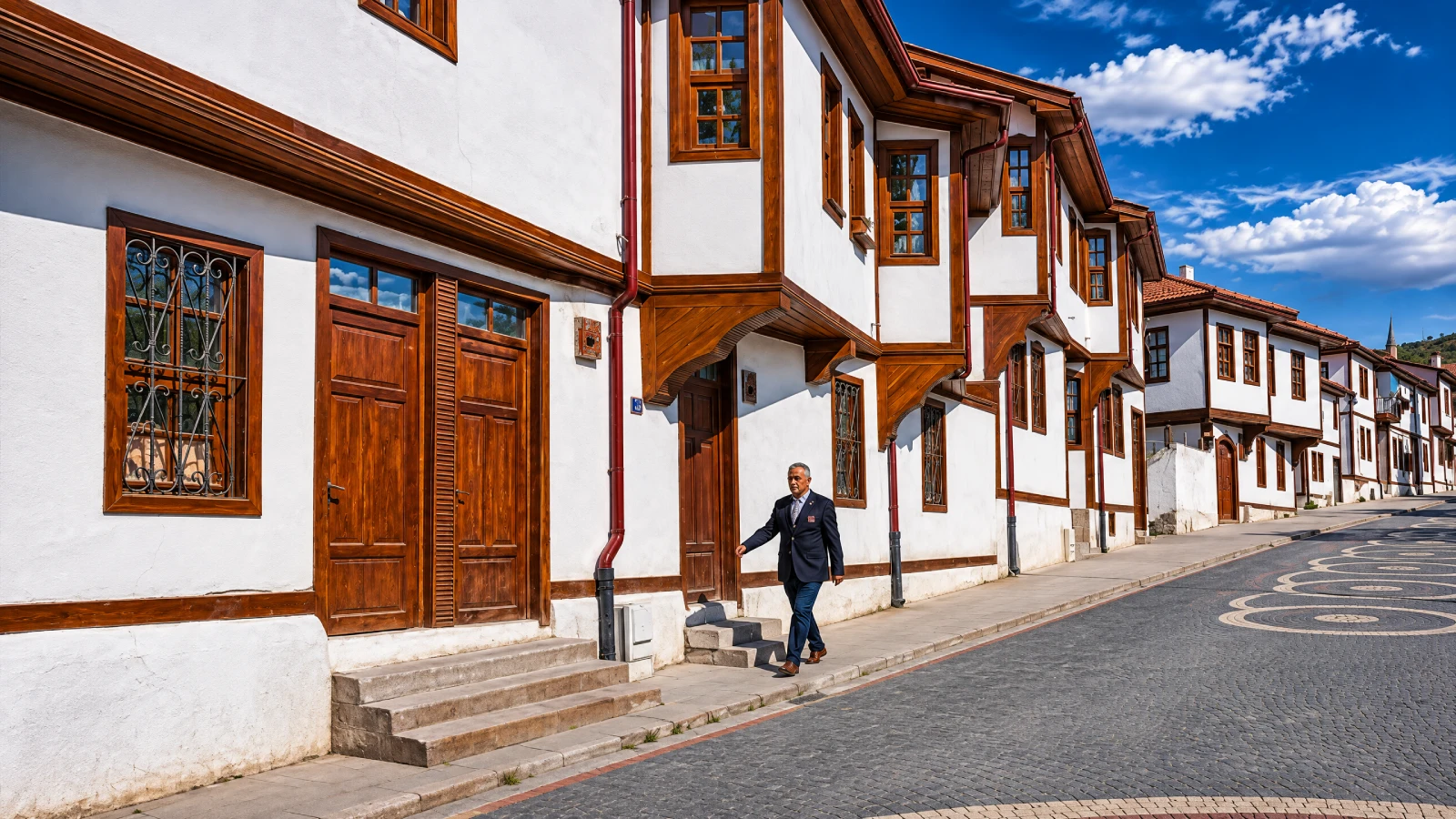
Visit Taş Mescit, the Grand Mosque, historic madrasas and the wooden houses of the old town.

Best for Nature

Ilgaz, Highlands & Forests

Plan a mountain day with Ilgaz, Yıldıztepe, Kırkpınar or Yapraklı’s upland green landscapes.

Best for Local Culture

Salt, Yâran & Regional Food

Discover the Salt Cave, local salt craft, Yâran hospitality and Çankırı’s distinctive breads, soups and desserts.

Paphlagonia & Late-Antique Heritage

Beyond the Castle: Ancient Rock Tombs and Underground Spaces

Ancient Gangra occupied a crossroads between Paphlagonian landscapes and routes through the Anatolian interior. The surviving built record is fragmentary: Çankırı Castle is better described through its remaining walls, burial spaces and later use than as a complete surviving ancient fortress.


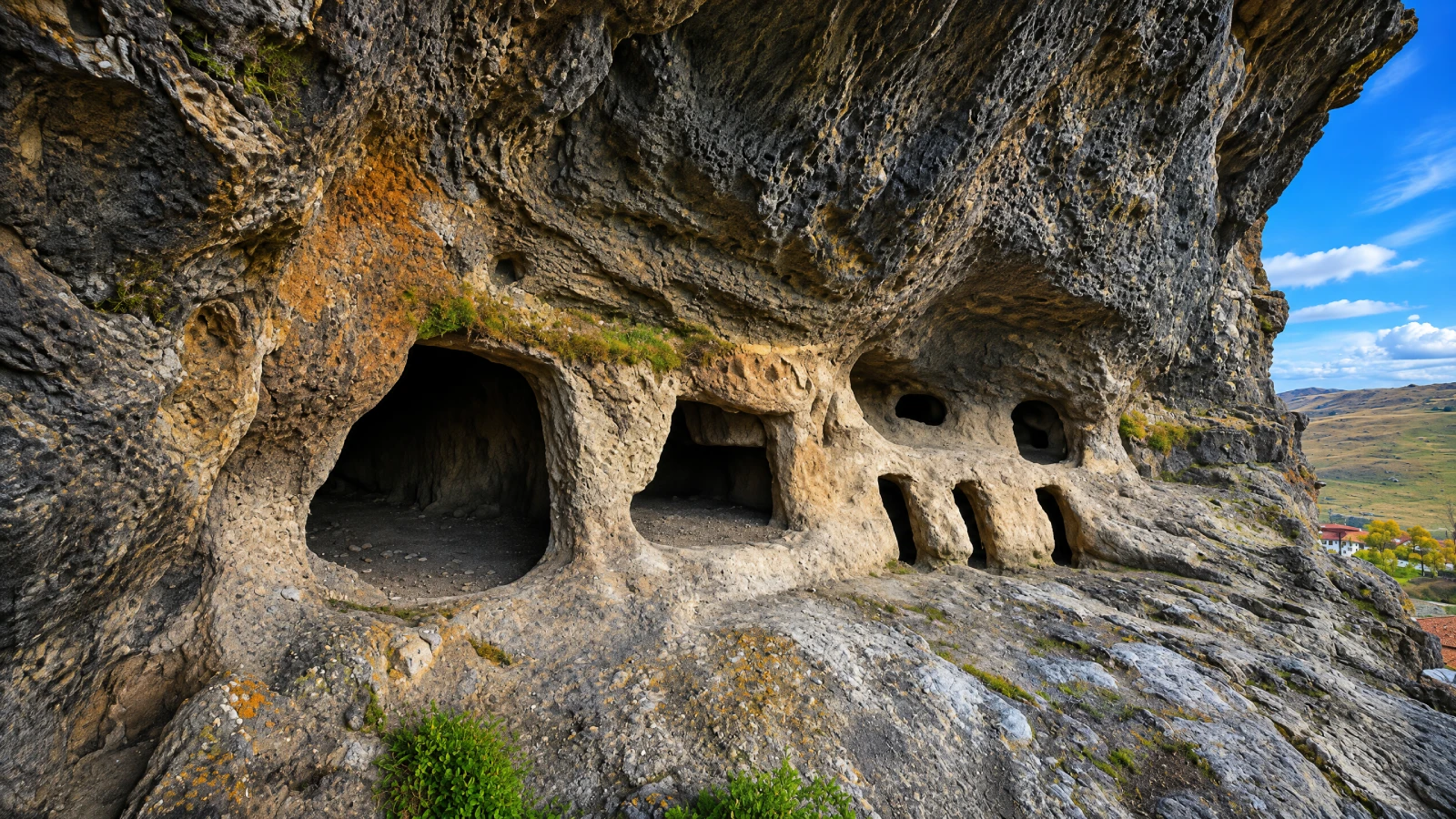
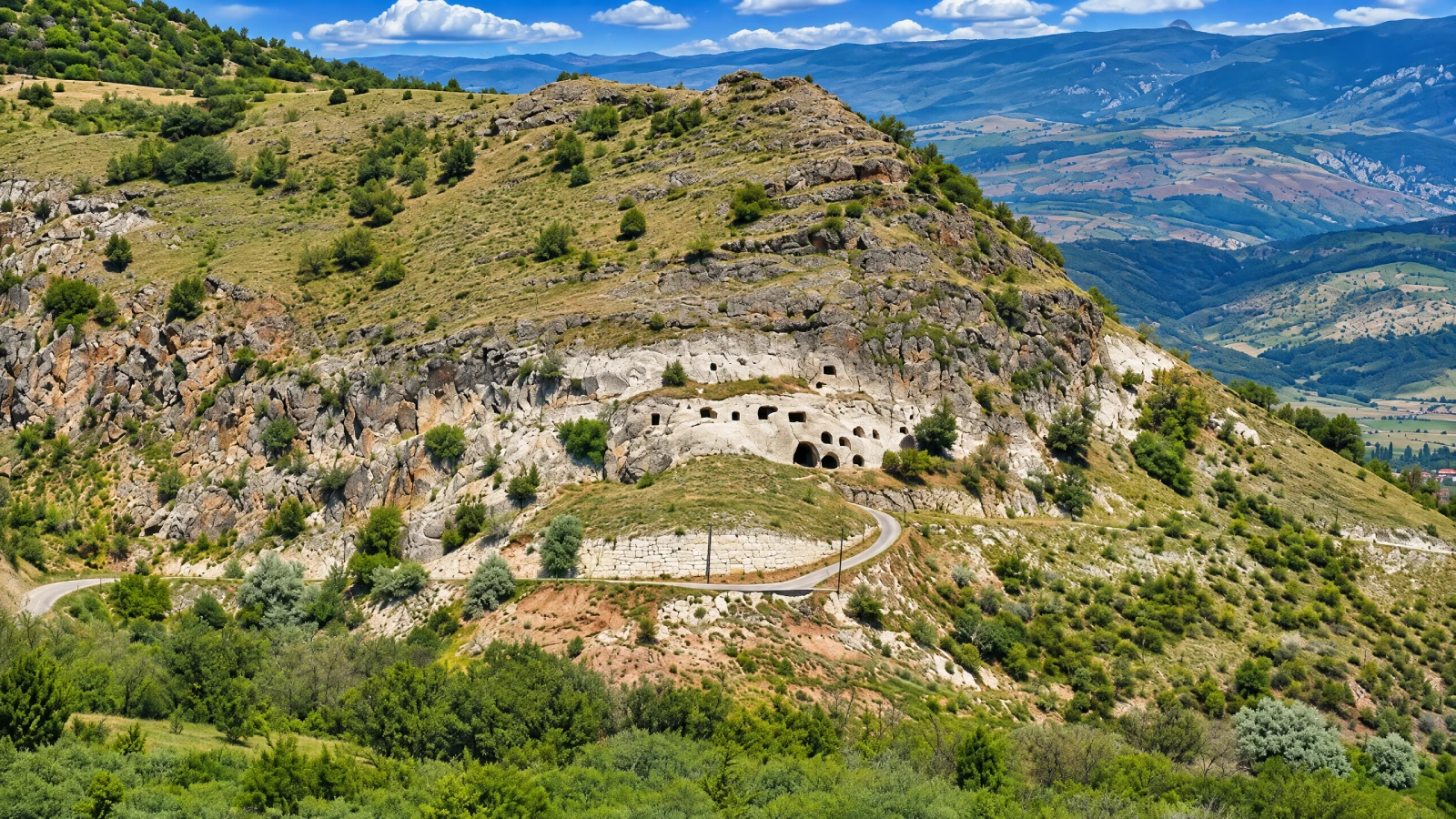
At Sakaeli and İndağı, chambers hewn into the rock invite questions about burial practice, settlement and religious use. Some sites are described as Roman, Byzantine or late antique; these labels do not always represent precise archaeological dating, and site-specific evidence matters.


The Hüyük Underground City is especially interesting for visitors exploring the geography of early Christianity outside Cappadocia. Its carved rooms have often been interpreted as including a small worship space, but visitors should not assume that all caves were contemporary or that access is unrestricted.


Explore All Çankırı Attractions

Browse the full provincial directory by district and theme. Existing articles retain their original URLs; new destinations also have permanent planned .html links for the next publishing phase.

Best Day Trips and Regional Routes in Çankırı

Combine nearby sights realistically. Forest and village roads can make journeys longer than they appear on a map.

Route 1

Historic Çankırı in One Day

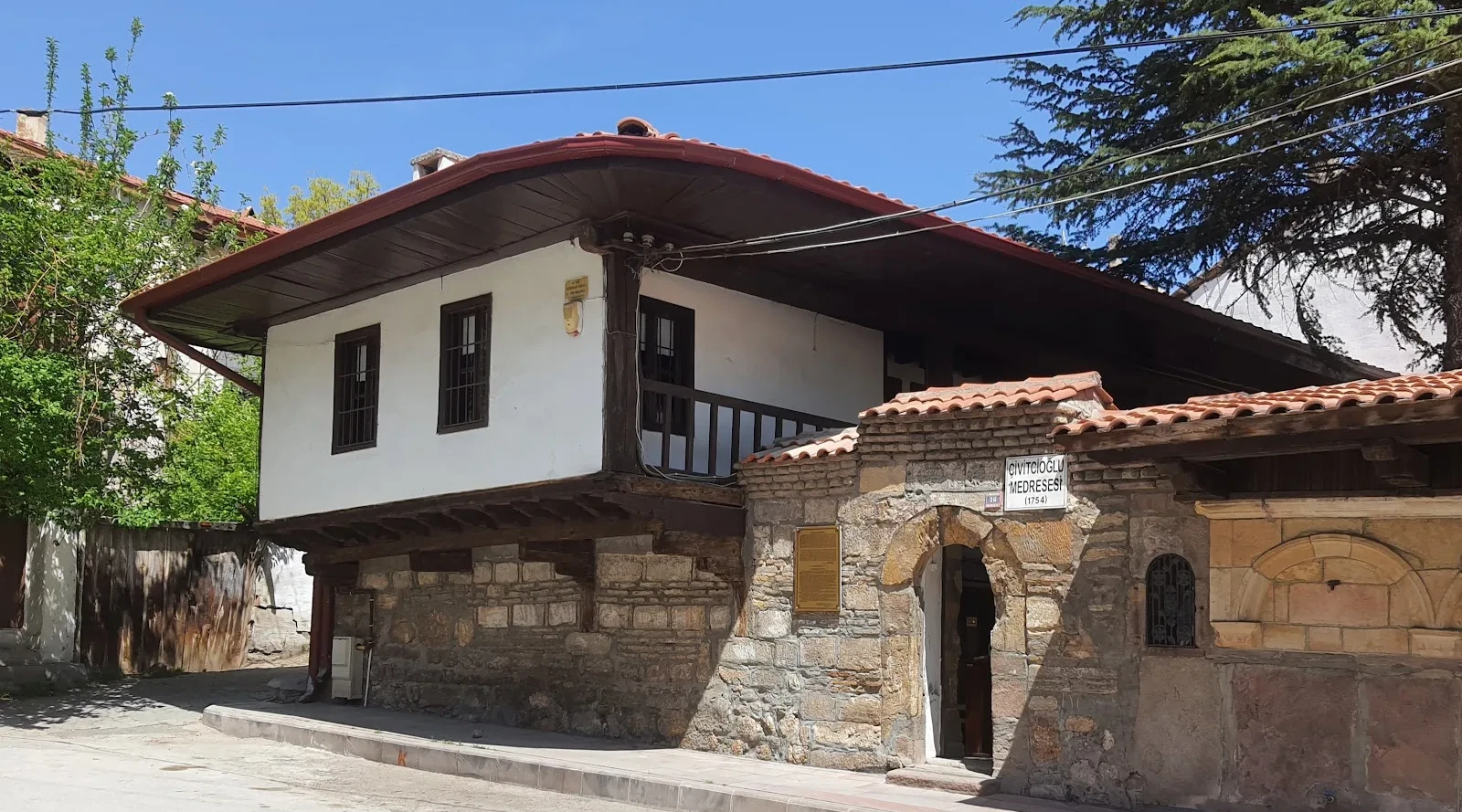
Begin at Çankırı Museum; continue to Taş Mescit, Çankırı Castle and Emir Karatekin’s tomb. Return to the old town for the Grand Mosque, Çivitçioğlu and Buğday Pazarı Madrasas, the clock tower and historic streets.

Route 2

Salt Cave & City Heritage

Start early at the Salt Cave near Balıbağı, then dedicate the afternoon to the old town, museums and local crafts. This is an especially suitable introduction for a short visit to the province.

Route 3

Ilgaz Mountains & Highland Forests

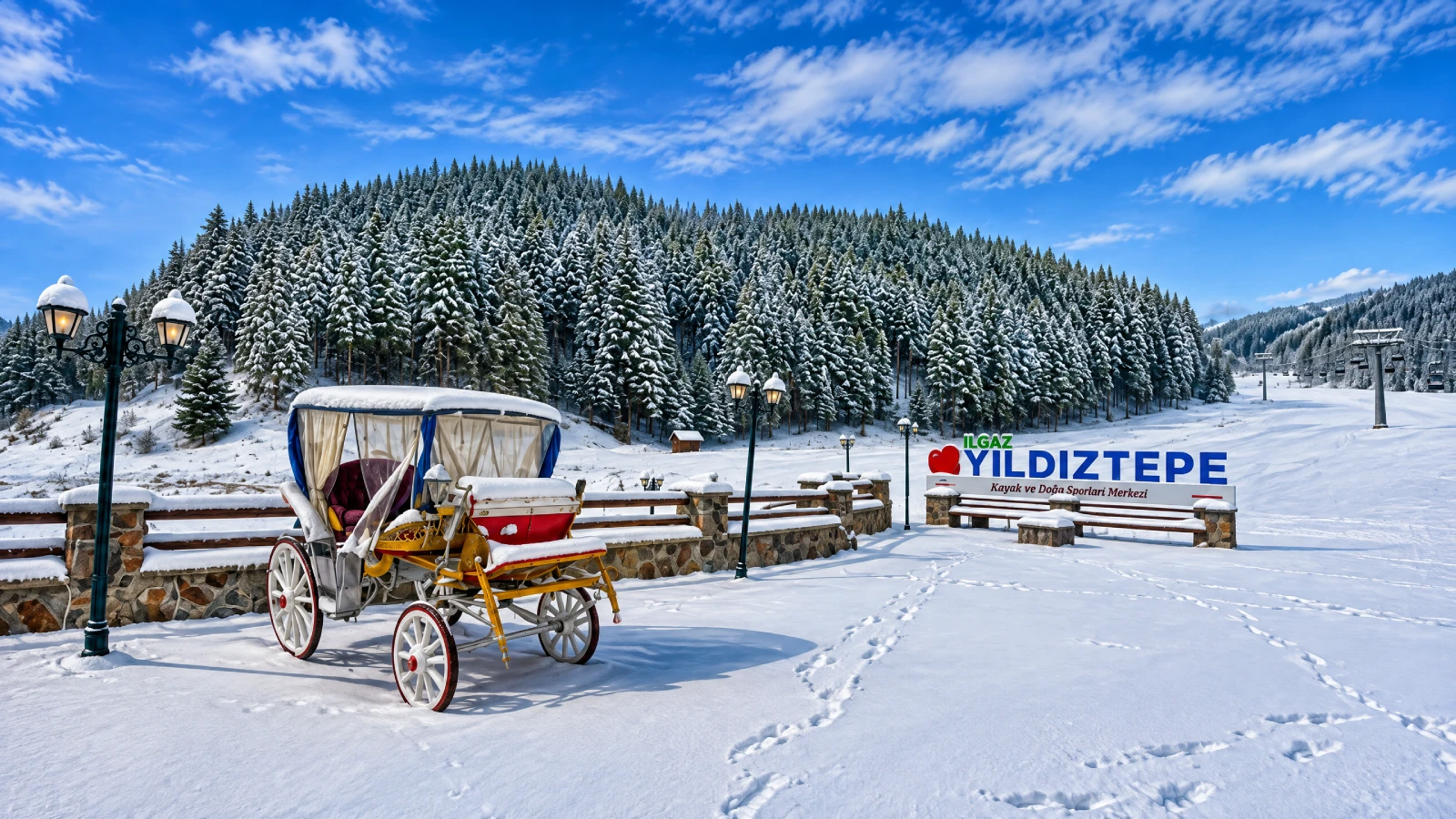
Explore the Ilgaz forest zone, Yıldıztepe and, when suitable, Kırkpınar Highland. In winter, weather and skiing conditions determine what is practical; in summer, choose walks and scenic stops rather than a rigid sightseeing checklist.

Route 4

Orta: Sakaeli & Hüyük

Plan a district excursion linking Hüyük’s underground heritage with the rock-cut chambers and erosion features at Sakaeli. Rural sites can have limited signage, uneven paths or changing access.

Route 5

Bayramören, Çerkeş & Western Çankırı

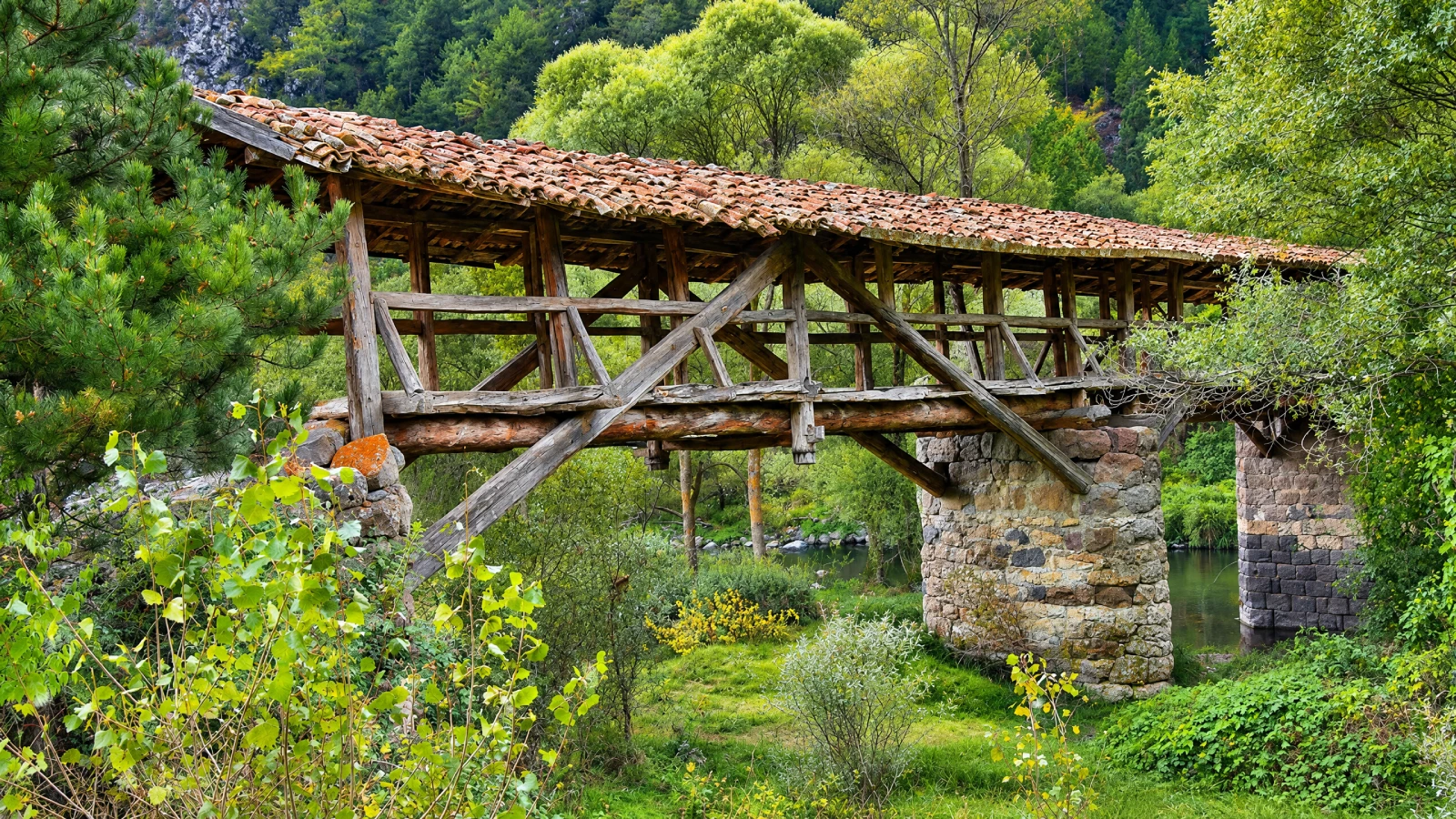
Focus on the covered wooden bridge, historic town architecture in Çerkeş and selected countryside stops. The area rewards slow travel and should not be combined with a full Ilgaz programme in the same day.

Route 6

Eldivan, Yapraklı & Korgun

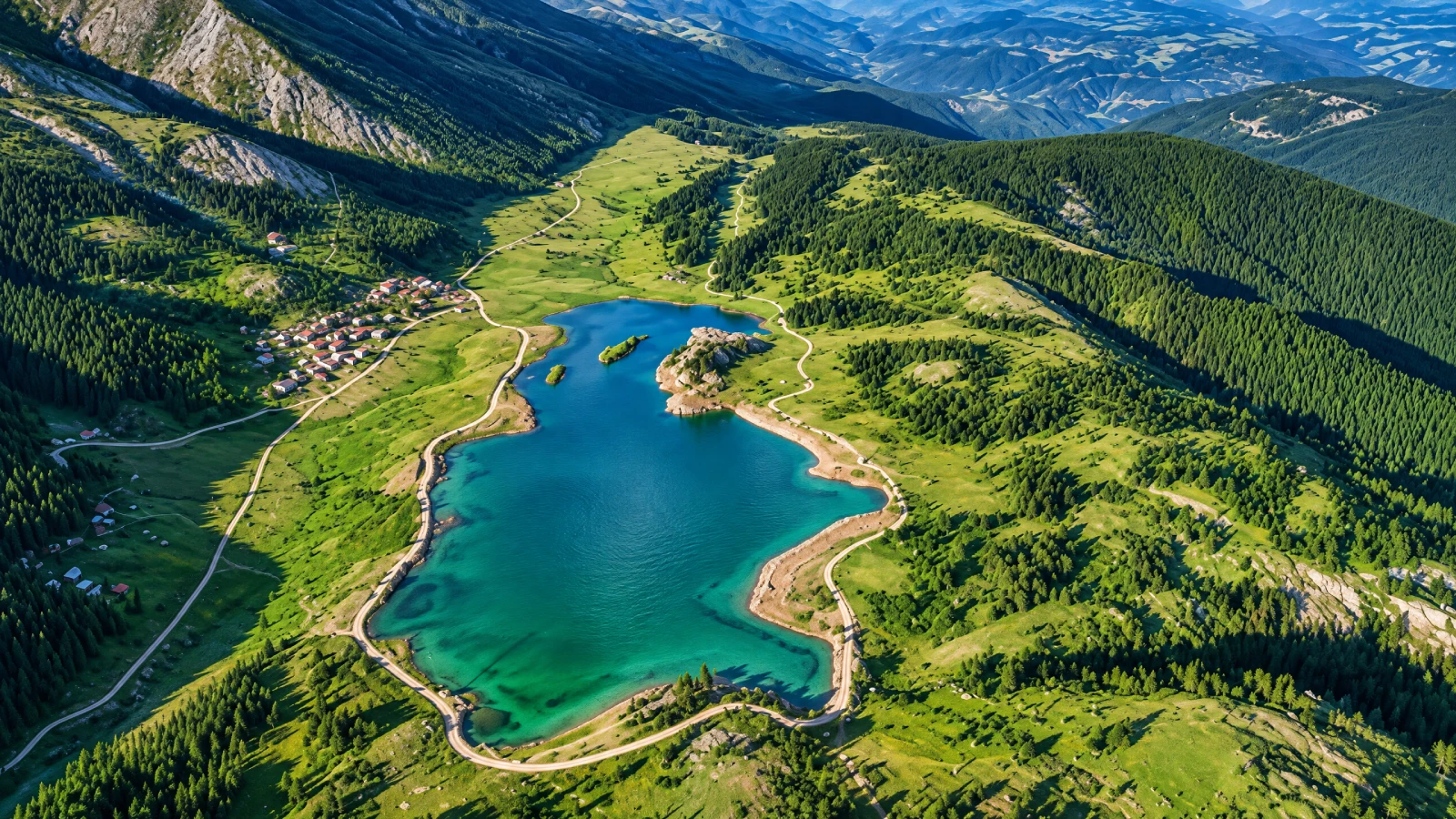
Explore Hacı Murad-ı Veli’s complex, Yapraklı’s highland landscapes and Alpsarı Pond, depending on time, weather and your starting location. The rural heritage is the attraction, not speed.

What to Eat & Buy in Çankırı

Keep exploring our existing traditional-food pages, then discover additional soups, grain dishes and the shared meals of local cultural life.

Çankırı Food & Living Culture

Yazma Çöreği, Tutmaç, Rock Salt and the Yâran Table

Çankırı’s home cooking is rooted in wheat, dough, legumes, preserved foods and hearty seasonal meals. Recipes such as tutmaç, tarhana, keşkek and cimcik / cümcük are part of a much broader Anatolian culinary story, yet their local preparation and presentation give them regional meaning.


The province’s pastries include yazma çöreği, Eldivan yağlı çöreği and Şabanözü cızlama; older sweet traditions include cut kadayıf and egg dessert. These are better enjoyed as living household and bakery practices than as a checklist of standardized restaurant dishes.


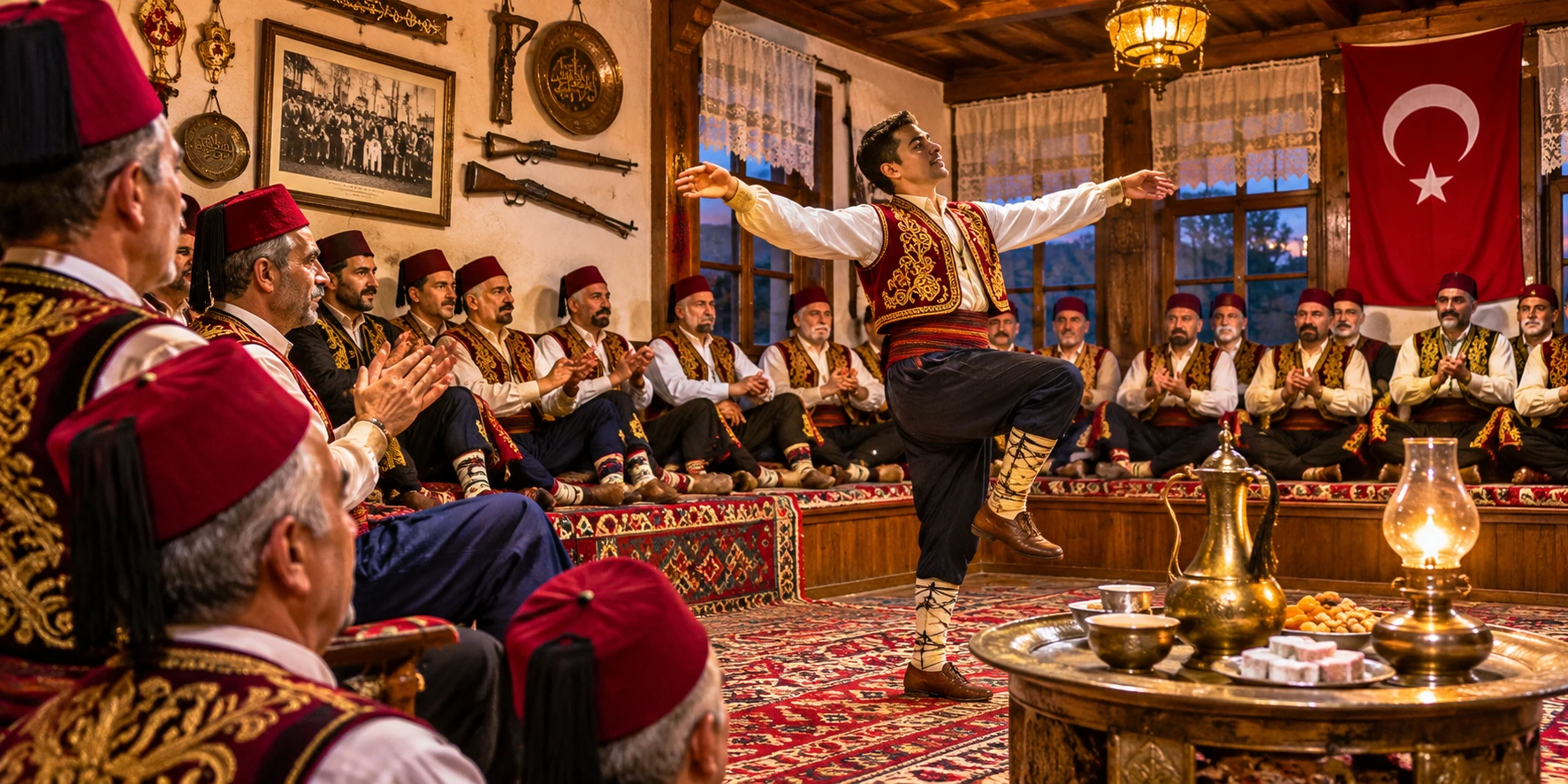
The Yâran gathering often includes a formal shared meal, known locally as takım yemeği, alongside performance, conversation and customs of mutual respect. The wider traditional-sohbet tradition was recognized by UNESCO in 2010; that inscription covers a multi-regional tradition, not Çankırı alone.


How Many Days Do You Need in Çankırı?

Plan around the centre first, then give Ilgaz or the western districts their own time.

1 Day

Historic Çankırı

Museum, Taş Mescit, Grand Mosque, castle and old town streets; shorten or adjust for opening hours.

2 Days

Add the Salt Cave

Explore historic Çankırı on one day and make a slower journey to the Salt Cave and traditional craft stops on the next.

3 Days

Add Ilgaz

Dedicate a full day to Ilgaz’s forests, seasonal mountain activities and scenic upland routes.

4–5 Days

Discover Rural Districts

Add Sakaeli–Hüyük, Bayramören–Çerkeş, Eldivan–Yapraklı or Kurşunlu, depending on interests.

Historic Çankırı City Walk

Castle, Taş Mescit, Grand Mosque, Madrasas and Museums

Start with Çankırı Museum for the archaeological framework of ancient Gangra, then visit Taş Mescit to examine the city’s Seljuk heritage. Continue uphill toward the surviving traces of Çankırı Castle and the tomb of Emir Karatekin Bey, taking conditions on the paths into account.


Return to the old town for the Grand Mosque, Çivitçioğlu Madrasa and Buğday Pazarı Madrasa. Depending on opening hours, add the Radio Museum, historic laundry house, clock tower or traditional houses.


Salt Heritage Route

Balıbağı Salt Cave and the Craft Culture of Çankırı

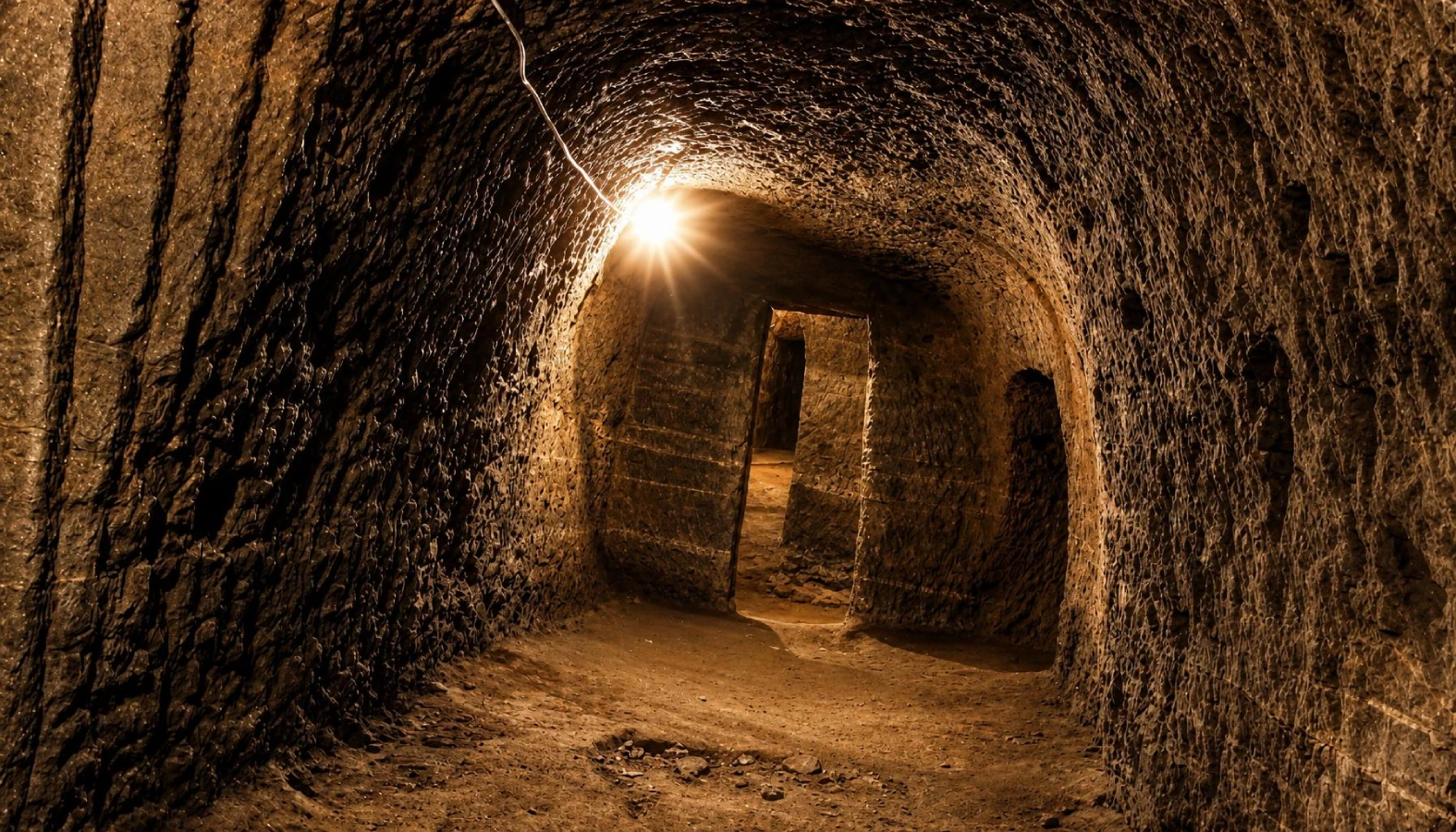
Leave the historic centre for the Çankırı Salt Cave, a network of mine galleries that forms one of the city’s most distinctive experiences. The story is both geological and human: rock salt became a valued material extracted, transported and used by generations of workers and households.


Return toward Çankırı to connect the visit with local salt crafts, everyday food preservation and the old commercial streets. Museum-style installations inside the mine and permitted visitor sections are subject to operational changes.


Ilgaz Mountain Route

Yıldıztepe, National Park Forests and Kırkpınar Highlands

Choose a practical mountain route based on the season. In winter, Yıldıztepe Ski Centre draws visitors for snow sports where lifts and slopes are operating. In snow-free seasons, forest scenery, photography and short outdoor excursions become more important.


Ilgaz Mountain National Park and Kırkpınar Highland belong to the same wider mountain region but have different access points and visitor experiences. Follow current park rules and avoid assuming that every road or trail is open.


Orta & Rock-Cut Heritage Route

Hüyük Underground City and Sakaeli Rock Formations

Hüyük Underground City offers a rare chance to discuss rock-cut settlement and possible late-antique Christian usage beyond the popular Cappadocia routes. Because these spaces are fragile, enter only where official access is allowed.


At Sakaeli, consider the rock tombs and nearby eroded formations often called Gelin Kayası. Treat the tombs as archaeological sites rather than casual climbing locations. The two places work best as a specialist rural day.


Western Çankırı Route

Bayramören Wooden Bridge, Çerkeş Mansions and Local Shrines

The roofed timber structure at Bayramören Bridge is an arresting reminder of local river crossing and vernacular engineering. Continue, if time allows, toward Çerkeş to observe traditional houses, old streets and regional religious monuments.


This is a journey for photography, architecture and rural heritage rather than a fast urban tour. Some structures are lived-in or protected, and their exteriors should be enjoyed respectfully.


Eldivan, Korgun & Yapraklı Route

Sacred Heritage, Rural Food and Highland Nature

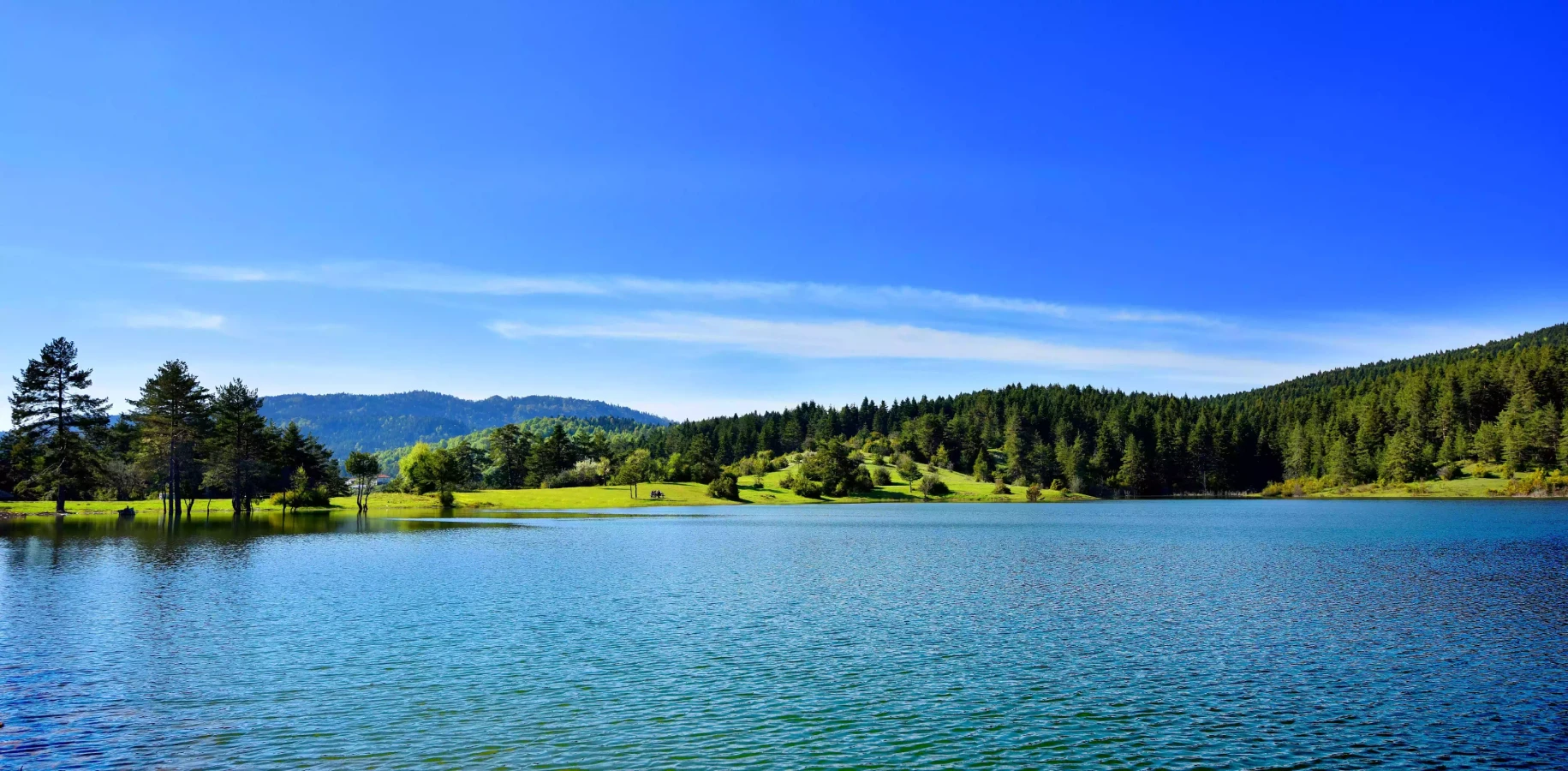
At Eldivan, visit the complex of Hacı Murad-ı Veli and look for regional baking traditions. Then choose between the lakeside setting of Alpsarı Pond near Korgun or the upland atmosphere of Yapraklı Büyük Yayla.


Do not force every stop into one day: roads, meal breaks and seasonality matter. Cooler highland weather, limited facilities and winter closures can alter the itinerary.


Important Visitor Note

Rock Tombs, Fossil Excavations and Mountain Conditions: Check Access

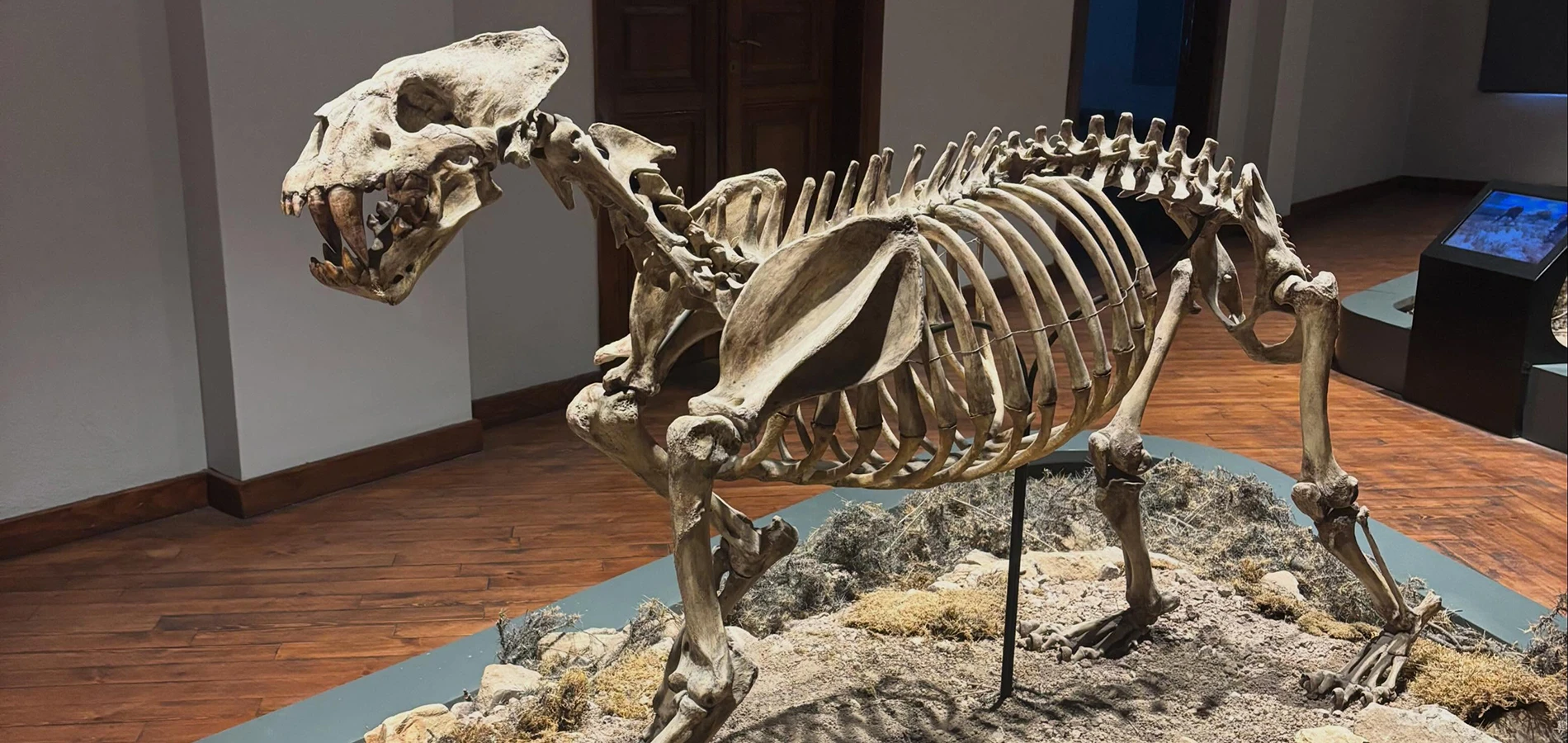
Some of Çankırı’s most compelling places are not conventional staffed museums. Rural rock-cut tombs, underground chambers and paleontological research locations may be unstable, under protection or restricted. Do not enter closed spaces, remove artifacts or climb vulnerable surfaces.


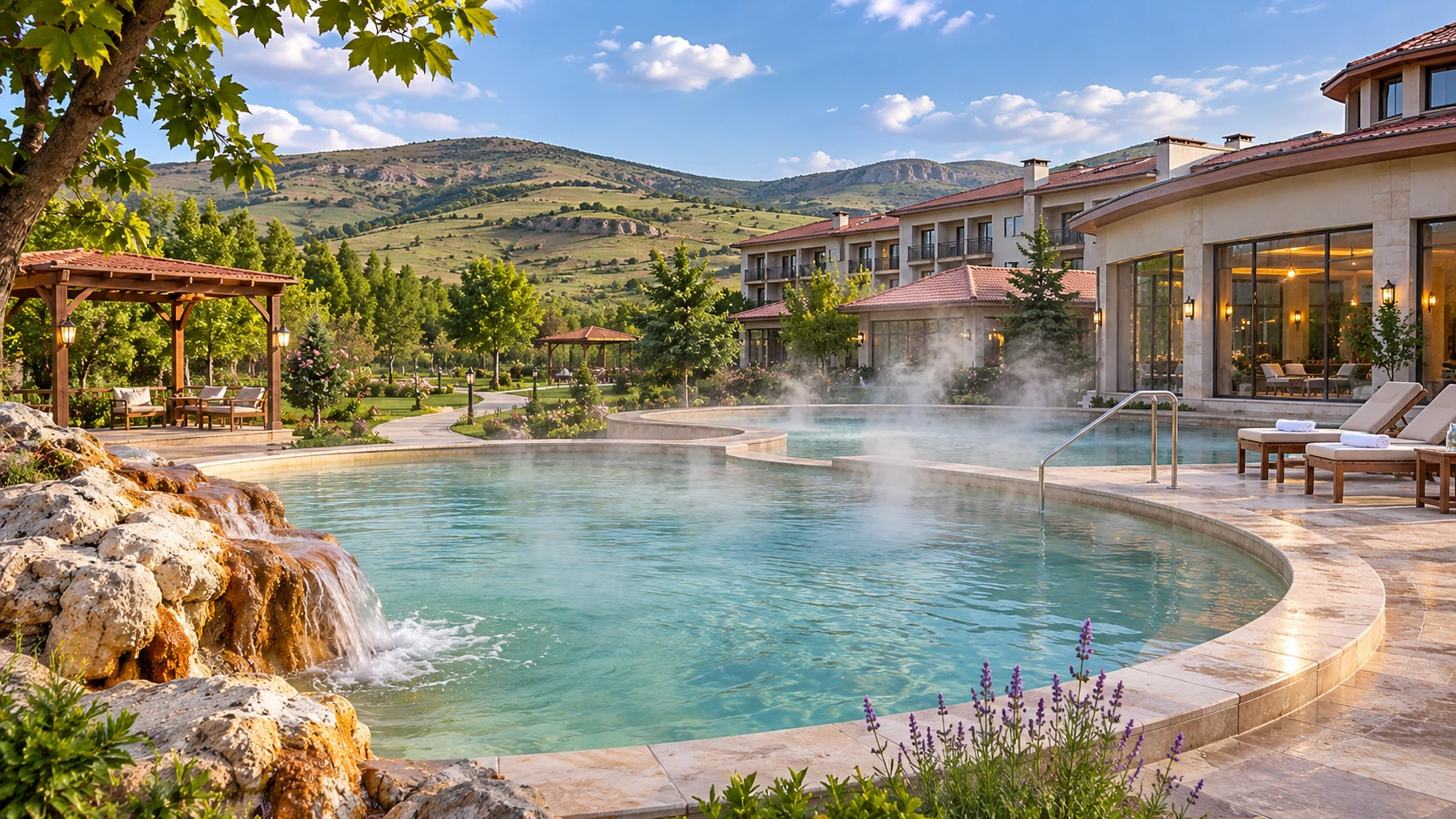
Çorakyerler is an important fossil research locality; it should not be advertised as an open public museum without explicit confirmation. The Salt Cave has visitor facilities, but the mine itself has changing operational boundaries. For thermal springs, confirm current public-use facilities before a trip.


Ilgaz mountain roads and trails can change rapidly with snow, rain or fog. Winter journeys and highland hikes require weather-appropriate equipment and a realistic route.


Planning Your Çankırı Visit

For a first trip, treat historic Çankırı, the Salt Cave, Ilgaz, Orta and the western districts as separate geographic clusters. The city-centre monuments are relatively compact, while mountain and rural excursions require careful travel time and weather checks.


The town is reachable by road from Ankara and neighbouring provinces, but local attractions are spread out. A private vehicle or carefully arranged transport is useful for a circuit linking the underground mine with mountain and village sites. Spring and autumn are comfortable for history; Ilgaz’s higher elevations have a notably different seasonal climate.

Practical Çankırı Travel Tips

  • Transport: Reserve time for district drives and upland roads
  • Salt Cave: Check present operating hours and visitor sections
  • Castles & tombs: Wear good walking shoes and respect protected areas
  • Ilgaz: Winter access varies with snow and changing weather
  • Rock sites: Do not enter closed or unstable chambers
  • Fossils: Scientific sites may have no public admission
  • Religious sites: Dress and behave respectfully during worship
  • Yâran: Participation in an authentic gathering is not a drop-in tourist guarantee
Why Visit Çankırı?

A Province Where Salt, Stone, Forest and Living Traditions Meet

Çankırı offers a distinctive historical journey from the Paphlagonian city of Gangra and rock-cut antiquities to Seljuk foundations, Ottoman mosques and the life of a traditional Anatolian market town. The old streets and modest-sized monuments reward visitors who appreciate detailed history rather than only famous postcard views.


The Salt Cave gives the province a major geological and industrial heritage landmark, while Ilgaz provides a completely different landscape of high ridges, broad forests, snowy slopes and quiet highlands.


At the same time, the local Yâran tradition, household food heritage, country bridges and sacred monuments offer a way to understand Çankırı through the communities who continue to live there. Travelling slowly is the best way to connect those different stories.


Frequently Asked Questions About Çankırı

Historical & Editorial References

Research Notes and Official Resources

The following resources are helpful starting points for checking details, visitor access and the historical context of individual sites. Opening conditions may change after publication.

Ready to Discover Çankırı, Ilgaz and Ancient Paphlagonia?

Share your dates and interests. Our Türkiye travel specialists can help plan a private journey through Çankırı’s salt heritage, old town, Ilgaz scenery and northern Anatolian countryside.