Heritage and backgroundThe Story Behind the Food: Karaman Batırık
A carefully contextualised introduction, distinguishing the evidence from later interpretation.
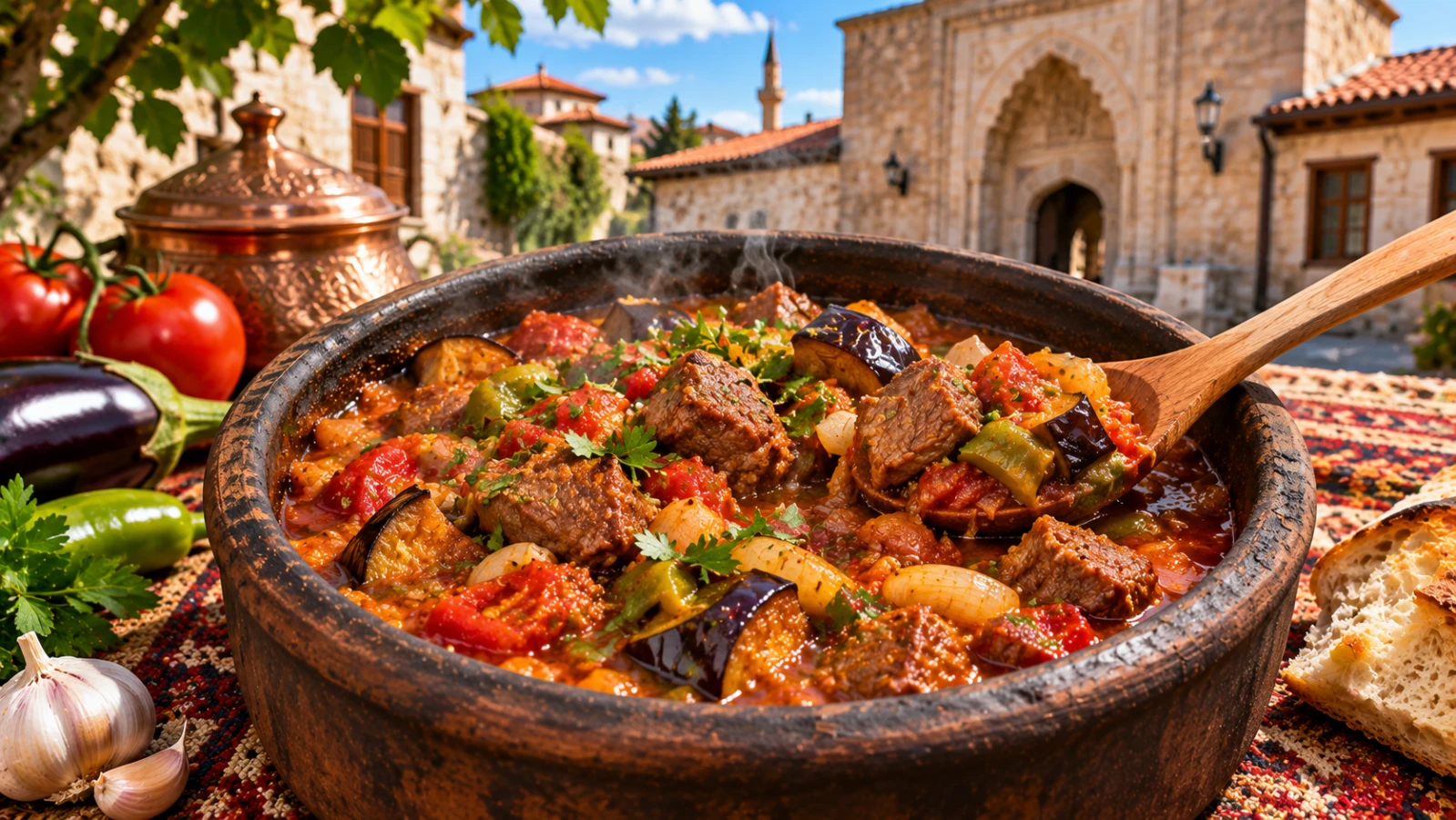
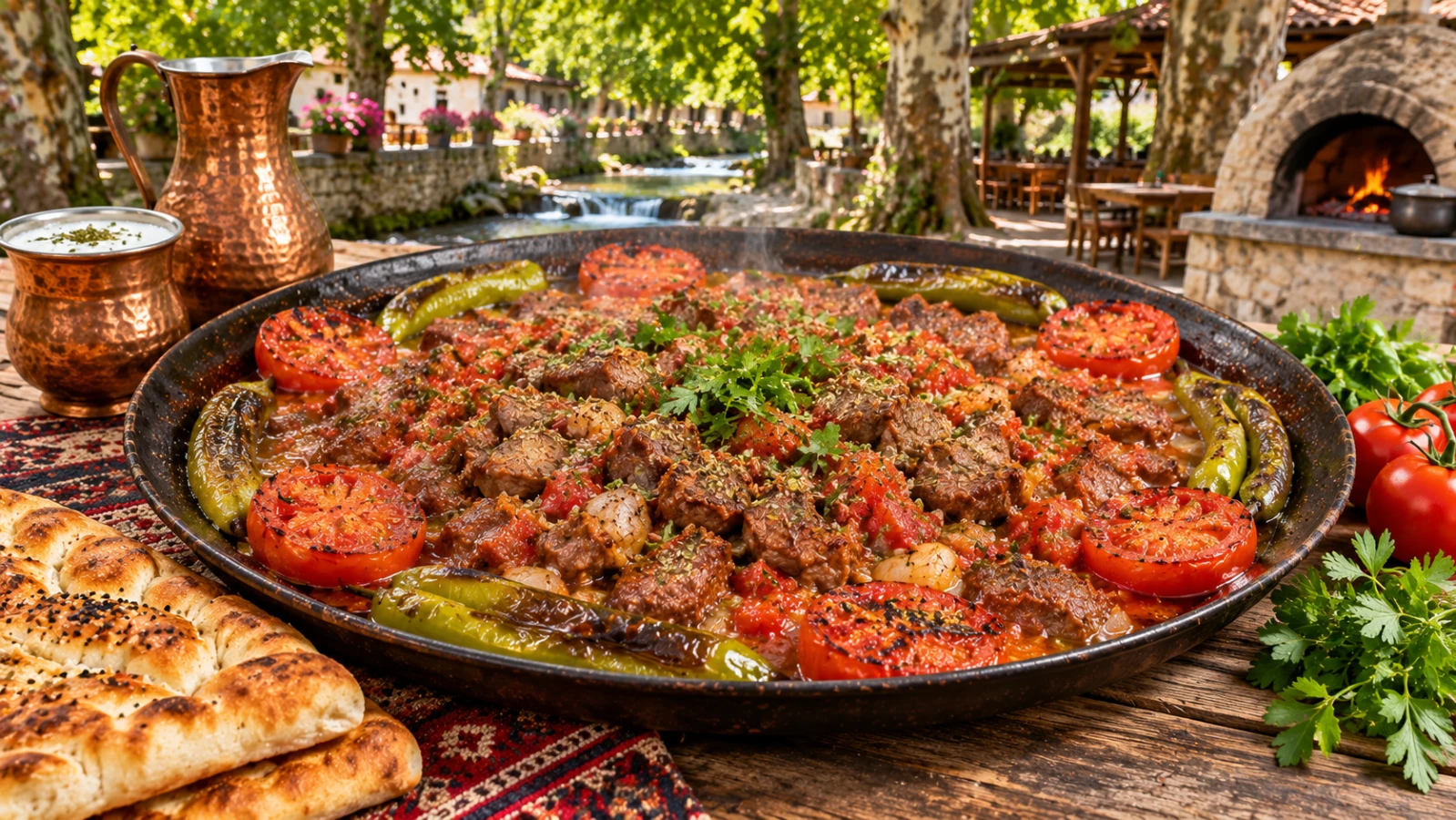
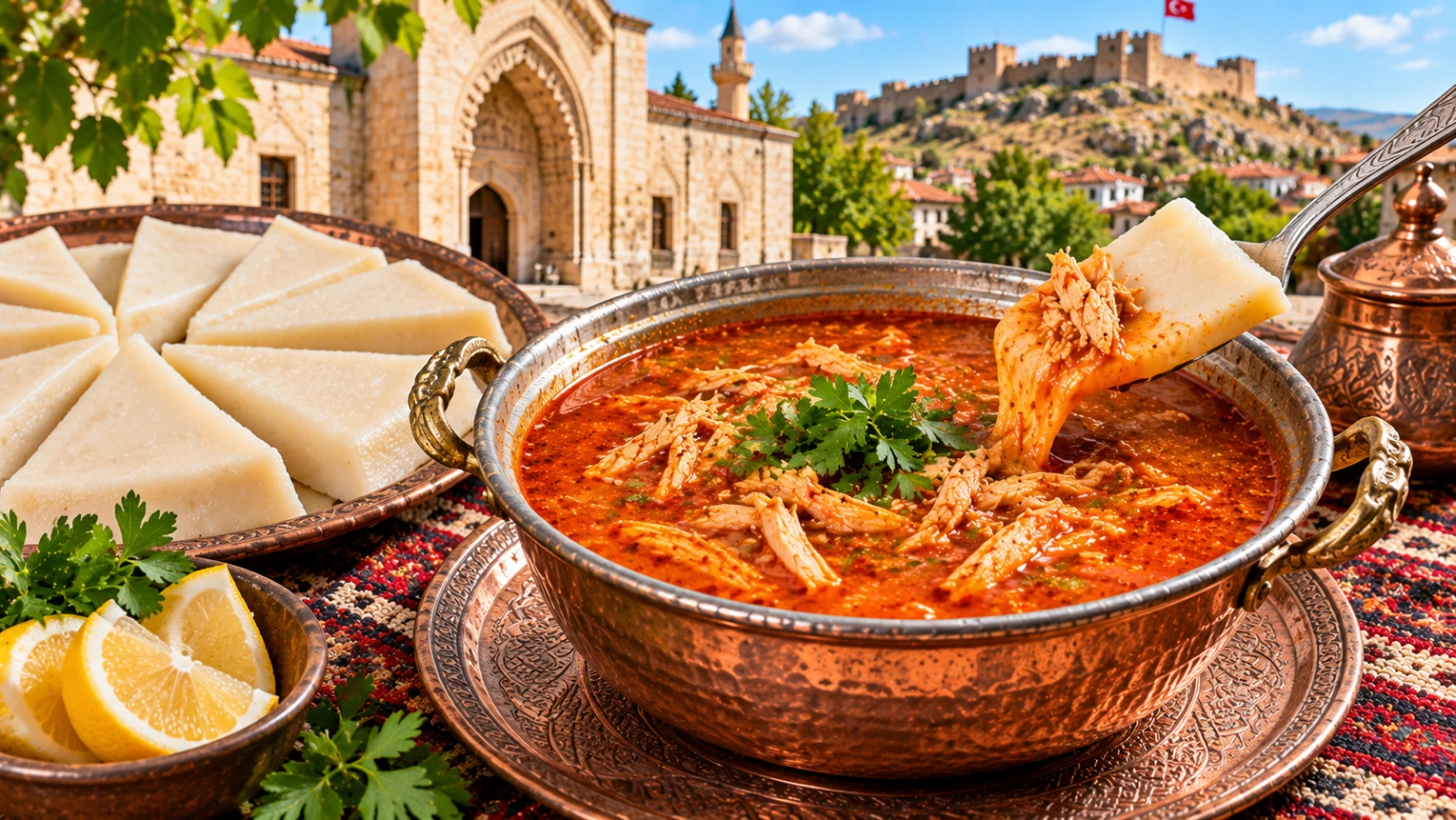
Batırık is a traditional local preparation built around fine grain and fresh or aromatic ingredients; it is particularly valued as a communal food rather than a plated restaurant speciality.
Households differ in their balance of bulgur, herbs, vegetables, nuts or seeds and seasoning. Some versions are served wetter, others with a more substantial texture.
The dish captures a Central Anatolian preference for turning grains and seasonal produce into satisfying everyday food, and it is among those named by the provincial tourism authority.
Unlike a monument, a recipe has no single fixed building date. Its history is carried through family practice, ingredient choices and occasions for sharing. The spelling of a dish, the way it is prepared and even whether it is served as a main course or sweet may change between neighbourhoods.
A good way to experience Karaman food is to ask producers or cooks which parts of their version are inherited and which have adapted to modern kitchens. A documented tradition is more informative than an invented origin legend.