Local Heritage & Researched Context
Alaeddin Hill Heritage Walk – History & Significance
Explore the evidence, historical landscape and distinctive features of Alaeddin Hill Heritage Walk.
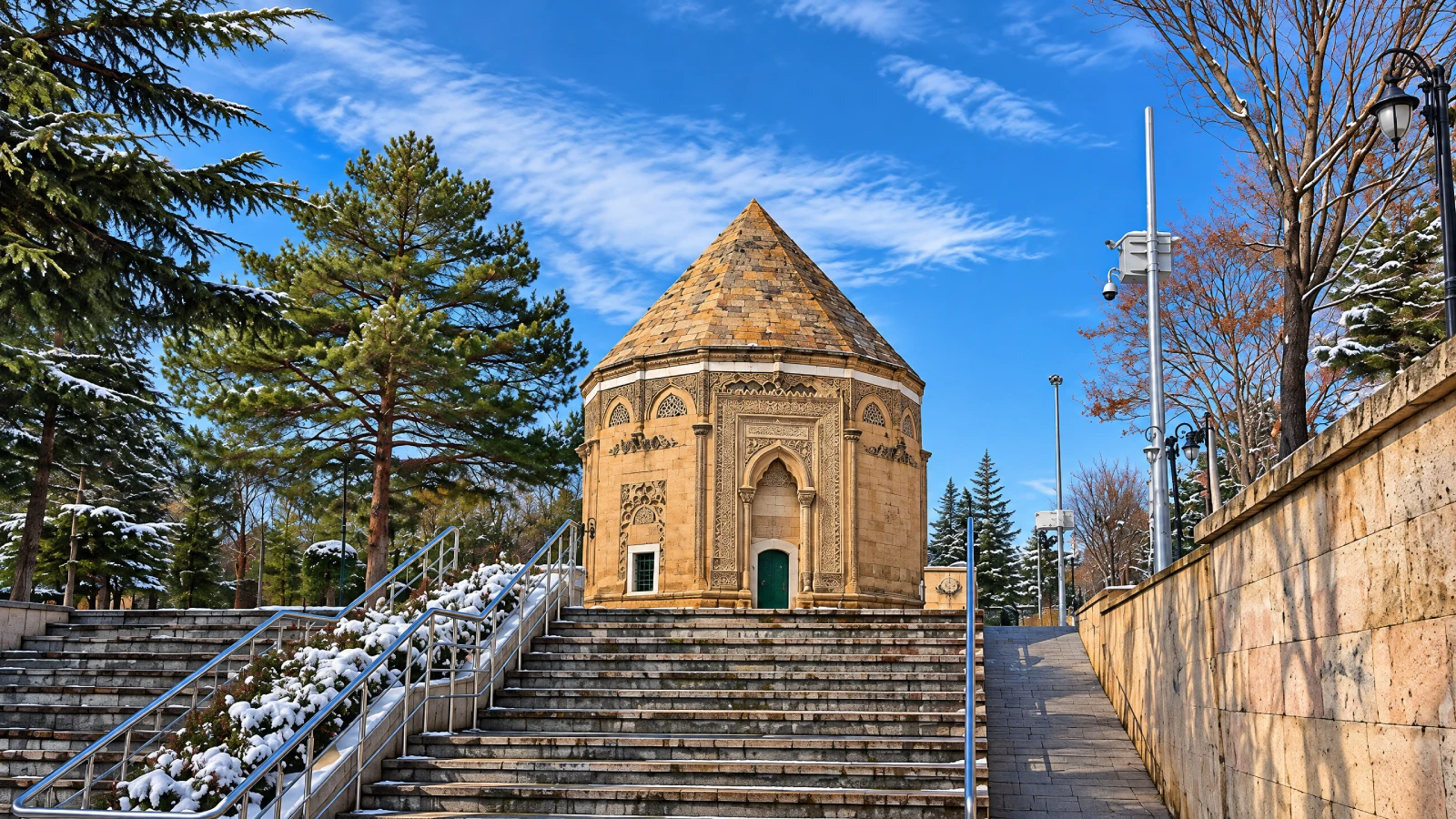
Alaeddin Hill concentrates Niğde’s urban history around its fortified high ground. The Seljuk-period Alaeddin Mosque was built in 1223, while the castle remains represent a longer and less securely dated sequence.
The best way to understand the hill is as a changing urban centre: defence, worship, commerce and housing accumulated here over centuries. The clock tower adds a later civic layer to that story.
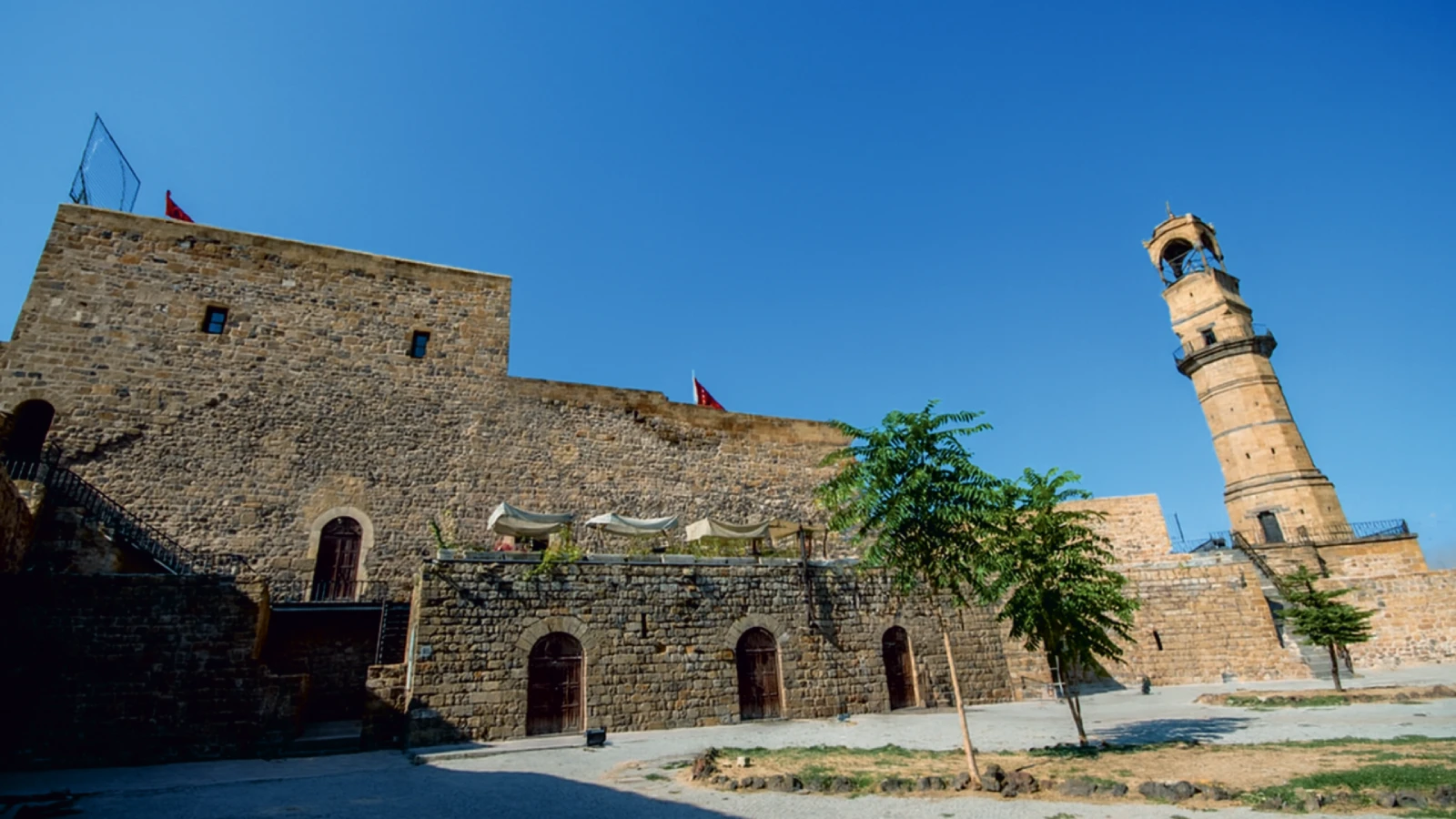
Alaeddin Hill should be understood as a historic urban nucleus, rather than a single park attraction. Fortification fragments, the Sultanate-era Alaeddin Mosque, the later clock tower and streets descending into the old centre record different functions of the same high ground.
Alaeddin Mosque dates to 1223. The clock tower belongs to the far later 1901–1902 period, while the castle’s surviving walls have a more complex chronology and evidence of repairs. Presenting the hill as one uniform Seljuk construction would obscure those changes.
A good interpretation moves from the mosque’s stone portal and medieval foundation to the fortification line and then the civic tower. Follow marked pedestrian approaches: the historical fabric can be uneven, and some views may be affected by conservation work.
Alaeddin Hill links the surviving castle remains to the medieval Alaeddin Mosque. Although a compact area on a map, it encompasses different periods of rebuilding and can be read as an urban-history itinerary in its own right.
The clock tower’s early twentieth-century addition above an older bastion provides an especially clear lesson in how cities modify defensive buildings for civic uses.