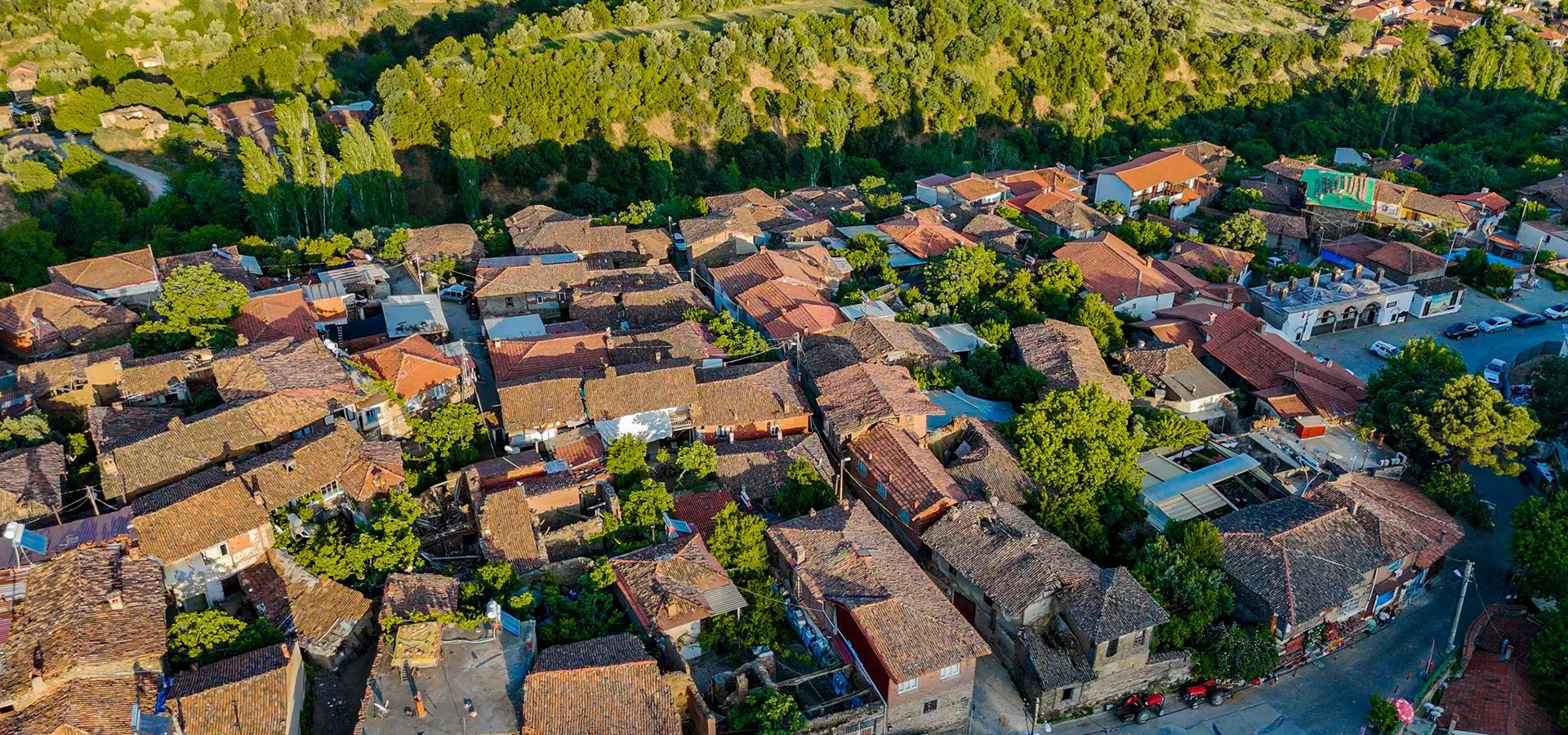
Private Ödemiş & Birgi Tour
Combine local food and traditional town life in Ödemiş with the historic streets, mosques and mansions of beautiful Birgi.
Request a Private Tour





Far beyond İzmir's famous coastline lies a completely different Aegean landscape. The district of Ödemiş stretches across the fertile Küçük Menderes Valley, surrounded by mountains, orchards, historic villages and agricultural communities whose traditions remain deeply connected with the land.
For travelers, Ödemiş is especially valuable because several very different experiences can be combined within a relatively compact area. The historic town of Birgi preserves exceptional traditional architecture, Gölcük offers a mountain lake and cool highland scenery, while Bozdağ rises dramatically above the valley.
The town of Ödemiş itself deserves attention too. Its streets, traditional commerce, local food culture and famous Saturday market reveal a side of western Türkiye that can be difficult to experience in major tourist centers.
This is a destination for travelers who enjoy combining history, architecture, food, markets, rural landscapes and everyday local life rather than moving from one monumental archaeological site to another.
Walk through one of western Türkiye's most beautiful preserved historic settlements.
Experience one of the region's best-known traditional markets and its strong agricultural character.
Escape into the cooler Bozdağ highlands beside a peaceful mountain lake.
Taste Ödemiş kebab, Töngül pide, keşkek, local greens, sweets and seasonal specialties.
Essential information for exploring Ödemiş and the historic landscapes of eastern İzmir.
Eastern İzmir Province in the fertile Küçük Menderes Valley.
Open on Google MapsBirgi, traditional markets, mountain scenery, local food and rural Aegean culture.
Saturday is the traditional weekly market day in central Ödemiş.
Birgi, former capital of the Aydınoğlu Beylik and a UNESCO Tentative List historic town.
Bozdağ Mountains, Gölcük highlands, forests, orchards and fertile agricultural plains.
Allow one full day at minimum; two days are much better for Birgi, Gölcük and Bozdağ.
Ödemiş combines historic architecture, agricultural traditions, mountain scenery and authentic town life within one of western Türkiye's richest inland landscapes.
Many visitors associate İzmir primarily with the Aegean coast. Ödemiş reveals another side of the province: a landscape of fertile plains, traditional towns, mountain villages, historic houses and regional food culture.
The district's greatest cultural treasure is Birgi, whose monumental mosques, mansions, narrow streets and traditional houses preserve layers of Aydınoğlu and Ottoman history. Birgi has been included on Türkiye's UNESCO World Heritage Tentative List since 2012.
Nature is equally important. The dramatic Bozdağ Mountains rise north of the plain, while Gölcük offers a completely different highland atmosphere centered around its lake.
Ödemiş also remains strongly connected with farming and regional commerce. Visiting the weekly market, eating local dishes and simply observing everyday life can be as memorable as visiting a formal museum or monument.
Ödemiş is located in eastern İzmir Province, roughly 110 kilometers inland from central İzmir. It lies within the broad and fertile Küçük Menderes Basin, an important agricultural landscape surrounded by mountains.
The district occupies an excellent position for exploring the inland Aegean. Historic Birgi lies only a short drive from the town center, while Gölcük and Bozdağ climb into the mountain landscapes to the north.
Farther west, the valley leads toward Bayındır, Tire and ultimately İzmir, while routes crossing the mountains connect the region with Sardis and the Gediz Valley.
The history of the wider Ödemiş region reaches far beyond the modern town. The fertile valley supported settlement throughout antiquity, when this part of western Anatolia formed part of the cultural landscape associated with Lydia.
Ancient settlements developed throughout the valley. One of the most important was Hypaipa, whose remains survive near modern Günlüce. Other communities occupied strategic routes between the Küçük Menderes plain and the mountain passes leading north toward Sardis.
The region later passed through Persian, Hellenistic, Roman and Byzantine rule. During the Byzantine period, nearby Pyrgion — modern Birgi became an important regional religious center.
A major transformation came in the early 14th century when Aydınoğlu Mehmed Bey established the Aydınoğlu Beylik with Birgi as its capital. This period left some of the district's most important monuments, particularly the magnificent Birgi Ulu Mosque.
The region eventually became part of the Ottoman Empire. Over the following centuries Ödemiş developed into an important agricultural and commercial center serving the villages and fertile farmland of the Küçük Menderes Basin.
Today its historic identity is spread across several different places rather than concentrated inside a single old quarter. To understand Ödemiş properly, travelers should explore the modern town, Birgi, the surrounding villages and the mountain landscapes together.
The valley formed part of the historical landscape of Lydia and contained several ancient settlements.
Communities including Hypaipa and Pyrgion remained important regional centers.
Birgi became the capital of the Aydınoğlu Beylik.
Birgi and the surrounding region came definitively under Ottoman administration.
The fertile valley developed through agriculture, craft production and regional trade.
The town continues to serve as one of the principal commercial centers of the Küçük Menderes Valley.
Ödemiş town center is not a monumental open-air museum. Its attraction comes instead from the rhythm of a working regional town where shops, bakeries, markets, cafés and small businesses serve communities from across the surrounding valley.
Spend some time walking through the traditional commercial streets rather than simply driving through on the way to Birgi. The center offers an opportunity to experience ordinary Aegean town life away from the heavily visited coastal resorts.
Explore the older commercial center where local shops and long-established businesses remain part of everyday life.
Discover the historic commercial area traditionally associated with craftsmen, shoe sellers and repair shops.
Look for regional breads, pide, sweets and other products reflecting the food traditions of the valley.
Local collections introduce the social, archaeological and cultural history of Ödemiş and its surrounding communities.
Take time for tea or Turkish coffee and experience the slower rhythm of an inland Aegean town.
Look for food products, handicrafts and seasonal produce connected with the surrounding agricultural landscape.
If possible, plan your visit for a Saturday. The weekly market is one of Ödemiş's best-known visitor experiences and brings together producers, traders and shoppers from across the district.
The market reflects the agricultural richness of the Küçük Menderes Valley. Depending on the season, stalls may display vegetables, fruit, herbs, dairy products, preserved foods and other regional produce.
More importantly, this is not a market created primarily for tourists. It remains part of the district's everyday commercial life, which gives visitors a valuable opportunity to observe local food culture in context.
Food is one of the strongest reasons to include Ödemiş in an inland İzmir itinerary. The district's cuisine reflects local agriculture, village cooking, wild greens and recipes passed through generations.
The district's signature meat dish and one of the first specialties visitors should try.
A distinctive local pide tradition closely associated with Ödemiş food culture.
A deeply traditional Anatolian dish prepared from wheat and meat and associated with communal meals and celebrations.
Seasonal herbs and wild greens play an important role in the wider Aegean culinary tradition.
A refreshing traditional sweet especially associated with warm weather and mountain snow traditions.
A sweet regional specialty worth looking for in local confectioners and markets.
A traditional refreshing drink prepared from unripe grapes.
Seasonal fruit, vegetables, preserves and other farm products reflect the fertility of the surrounding valley.
Located only around 9–10 kilometers from central Ödemiş, Birgi is the district's most important historic destination. Its traditional houses, narrow streets, monumental religious buildings, trees and mountain setting create one of western Anatolia's most atmospheric historic townscapes.
Birgi became the capital of the Aydınoğlu Beylik during the early 14th century. Later Ottoman development added mansions, mosques, medreses, fountains and other structures to the town.
The historic town was added to Türkiye's UNESCO World Heritage Tentative List in 2012, recognizing the importance of its surviving architectural character.
An outstanding early-14th-century monument associated with Aydınoğlu Mehmed Bey and celebrated for its woodwork.
One of Birgi's best-known traditional houses and an important example of historic domestic architecture.
Walk through streets lined with timber-framed houses, tiled roofs, gardens and stone walls.
Religious buildings from different periods reveal Birgi's importance as a center of learning and faith.
Leave the main sights occasionally and explore the smaller lanes where Birgi's historic atmosphere is strongest.
The slopes of the Bozdağ Mountains rise immediately behind the town, giving Birgi a striking natural backdrop.
North of Ödemiş, the road climbs dramatically from the fertile plain toward Gölcük, a highland settlement centered around a mountain lake at roughly 1,050 meters above sea level.
The temperature is noticeably cooler than on the valley floor, making the area especially attractive during the hot summer months. Forested slopes, gardens and agricultural land surround the lake.
Gölcük works particularly well as part of a circular excursion combining Ödemiş, Birgi, Gölcük and Bozdağ.
Walk or drive around accessible sections of the lake and enjoy views toward the surrounding mountains.
The high elevation provides welcome relief from summer temperatures on the plain below.
Reflections, agricultural plots, mountain ridges and changing weather create excellent landscape compositions.
The highland environment supports fields and orchards that create a distinctive cultivated landscape.
The wider area forms part of established hiking routes connecting Gölcük with Bozdağ and nearby settlements.
Gölcük is best appreciated without rushing—stop for tea, enjoy the landscape and allow the weather to shape the visit.
The Bozdağ Mountains form the dramatic northern wall of the Küçük Menderes Valley and provide a striking contrast to the agricultural plain below.
The mountain landscape is associated with hiking, highland recreation, mountaineering and seasonal winter activities. Official tourism routes also connect Bozdağ with Gölcük and surrounding villages.
Road conditions and winter recreation facilities can vary seasonally, so travelers planning activities at higher elevation should check current local conditions before setting out.
Enjoy extensive views over ridges, forests, valleys and the agricultural plains of inland İzmir.
Marked and established routes in the wider mountain landscape provide opportunities for serious walking.
Snow frequently transforms the higher slopes, creating a completely different side of the Aegean Region.
The mountain geography has also made Bozdağ known among paragliding enthusiasts.
Small settlements and highland communities add cultural interest to the natural scenery.
Bozdağ can form part of a scenic loop linking Ödemiş, Birgi, Gölcük and the northern mountain passes.
The historic story of the Küçük Menderes Valley begins long before the Turkish settlement of Birgi and Ödemiş. Several ancient communities once occupied the valley and the routes crossing the surrounding mountains.
Located near modern Günlüce, ancient Hypaipa was one of the important settlements of the region during antiquity.
The wider district formed part of the cultural geography of ancient Lydia, whose capital Sardis lay beyond the mountains to the north.
The fertile valley and mountain routes remained connected with larger Roman cities throughout western Anatolia.
Birgi, then known as Pyrgion, and other settlements retained religious and regional importance during the Byzantine era.
Several collections in and around Ödemiş help visitors understand the district beyond its architecture and scenery. They preserve archaeological finds, documents, photographs, objects from everyday life and memories connected with local music and culture.
Archaeological and ethnographic collections provide context for the long history of the Küçük Menderes region.
A valuable local institution preserving documents, photographs and material connected with the history of Ödemiş.
Local cultural heritage also celebrates the musical traditions and personalities associated with the region.
Historic houses, religious buildings and civic architecture effectively form an open-air cultural landscape.
Experience the agricultural character of the Küçük Menderes Valley through local produce and regional trade.
Build a local lunch into the itinerary rather than treating food as an afterthought.
Walk its historic streets and discover one of the finest preserved traditional townscapes in western Türkiye.
Climb from the hot valley floor into a cooler landscape of lake, orchards and mountain scenery.
Discover a highland environment completely different from the coastal image normally associated with İzmir.
Visit museums and heritage sites that explain the long story of the valley and its communities.
Orchards, markets, tiled roofs, mountain roads and village streets provide rich photographic subjects.
The greatest pleasure of Ödemiş often comes from small discoveries rather than famous landmarks.
Start your morning in central Ödemiş. If visiting on Saturday, spend time in the weekly market before walking through the traditional commercial center.
Stop for an early lunch and try Ödemiş kebab or another local specialty. Then drive the short distance to Birgi.
Allow at least two hours for Birgi. Visit the Ulu Mosque, walk through the traditional streets, see the historic mansions and spend time simply enjoying the preserved townscape.
Continue uphill toward Gölcük. The changing vegetation and temperature make the climb itself part of the experience. Spend some time around the lake before continuing toward Bozdağ if daylight and weather allow.
Explore central Ödemiş, the traditional shopping streets, local museums and the Saturday market if your dates match.
Travel to Birgi and dedicate several hours to architecture, historic streets and traditional houses.
Enjoy a relaxed evening in Birgi or return to Ödemiş for dinner.
Drive into the Bozdağ Mountains and explore Gölcük while the light and temperatures are comfortable.
Continue toward Bozdağ, taking time for scenic stops, village landscapes and short walks.
Replace the mountains with a deeper heritage itinerary through Hypaipa, local villages and the archaeological landscape.
One of the best seasons for green landscapes, comfortable walking temperatures and village exploration.
Long daylight hours make it easy to combine Ödemiş, Birgi and the mountains in one day.
The valley can become very hot; begin early and use Gölcük and Bozdağ for cooler afternoon conditions.
Excellent for markets, agricultural landscapes, food experiences and comfortable sightseeing.
Central Ödemiş and Birgi remain atmospheric, while the higher Bozdağ landscape may receive snow.
Whatever the season, Saturday adds the traditional Ödemiş market to your itinerary.
Photograph historic façades, tiled roofs, timber structures and narrow streets in soft morning or afternoon light.
Capture color, produce and atmosphere while respecting the privacy of vendors and shoppers.
Use reflections and surrounding mountains to create layered landscape compositions.
Wide-angle views work especially well for mountain ridges and the changing seasonal landscape.
Orchards, fields, stone walls and village roads provide excellent visual context between the major stops.
Ask permission before taking close portraits of local residents or market traders.
If your itinerary allows, Saturday adds Ödemiş's traditional market to the experience.
A full Ödemiş–Birgi–Gölcük day involves much more than the driving distances suggest.
Historic streets, market areas and mountain landscapes all involve considerable walking.
Temperatures in Gölcük and Bozdağ can be significantly cooler than on the valley floor.
Conditions at higher elevations can change quickly, particularly outside summer.
Smaller market vendors and village businesses may be easier to use with cash.
Its greatest appeal lies in wandering through the historic fabric rather than checking off monuments quickly.
Many of the places you visit are living communities rather than tourist attractions created for visitors.
Accessibility varies considerably because an Ödemiş itinerary can include modern town streets, historic settlements, lake shores and mountain terrain.
Central streets generally provide the easiest terrain, although pavements and crowded market areas can vary.
Historic paving, slopes, steps and traditional buildings may create difficulties for travelers with reduced mobility.
Some lakeside areas are easier to reach by vehicle than others; natural ground may be uneven.
Mountain routes and viewpoints can involve steep gradients and changing surface conditions.
Older buildings were not designed for modern accessibility standards and may contain stairs or thresholds.
A private car or chauffeured vehicle provides the greatest flexibility for travelers with mobility limitations.
Ödemiş lies inland from İzmir and can be reached by road and regional rail. A private vehicle provides the greatest freedom for visitors who want to continue to Birgi, Gölcük and Bozdağ.
Allow roughly two hours depending on your starting point, route and traffic conditions.
Rail services connect İzmir's Basmane Station with Ödemiş; always check the current timetable before travel.
Regional road transport connects Ödemiş with İzmir and surrounding towns.
Birgi lies only around 9–10 km from the town center and is easily combined with Ödemiş.
The road climbs north into the Bozdağ highlands; allow extra time for scenic stops.
A private vehicle makes it much easier to combine the town, Birgi and mountain destinations without rushing.
Explore traditional architecture, the Ulu Mosque, historic houses and one of western Türkiye's finest preserved townscapes.
Enjoy a cool mountain lake landscape surrounded by cultivated fields, highlands and forested slopes.
Continue higher into the mountains for hiking, scenery and seasonal winter landscapes.
Discover the archaeological landscape of one of the important ancient settlements of the Küçük Menderes region.
Explore another historic inland Aegean town known for traditional streets, crafts, cuisine and an important weekly market.
Cross the mountains toward the ancient capital of Lydia for one of western Türkiye's most important archaeological sites.
Ödemiş is an inland district of İzmir Province in western Türkiye, located in the fertile Küçük Menderes Valley.
Ödemiş is especially known for Birgi, its Saturday market, traditional food, agricultural landscape, Gölcük Lake and the Bozdağ Mountains.
Yes, particularly for travelers interested in traditional towns, regional food, markets, rural landscapes and destinations beyond the Aegean coast.
The famous weekly market in central Ödemiş is traditionally held on Saturday.
Ödemiş kebab and Töngül pide are two of the district's best-known specialties. Local greens, keşkek, sweets and seasonal products are also worth exploring.
Birgi is approximately 9–10 kilometers from central Ödemiş, making the two destinations very easy to combine.
Birgi served as the capital of the Aydınoğlu Beylik and preserves an exceptional collection of historic architecture from the Beylik and Ottoman periods.
Birgi is currently included on Türkiye's UNESCO World Heritage Tentative List. It was submitted to the Tentative List in 2012.
Highlights include Birgi Ulu Mosque, Çakırağa Mansion, traditional houses, historic religious buildings and the old town streets.
Gölcük is a highland settlement and lake in the Bozdağ Mountains, roughly 1,050 meters above sea level.
Yes. It is a very good full-day itinerary, although travelers interested in history and photography may prefer two days.
Yes. Bozdağ can be added after Gölcük, but daylight, weather and seasonal road conditions should be considered.
A full day is sufficient for a first visit. Two days allow a much more relaxed exploration of Ödemiş, Birgi, Gölcük and Bozdağ.
Spring and autumn are particularly comfortable. Summer is also rewarding if mountain areas are included during the hotter part of the day.
Regional rail services operate between İzmir Basmane and Ödemiş. Travelers should check the current timetable before departure.
Not necessarily for the town center, but a private vehicle is extremely useful for combining Birgi, Gölcük, Bozdağ and rural destinations.
Yes. Birgi's architecture, the Saturday market, Gölcük Lake, mountain landscapes and agricultural scenes offer very different photographic subjects.
Yes. Markets, village streets, lakes and mountain scenery provide a varied itinerary, although children should be supervised around roads, historic structures and natural terrain.
Yes. A private vehicle makes a day trip considerably easier, especially when combining Ödemiş with Birgi and Gölcük.
Ödemiş offers an inland Aegean experience centered on agriculture, historic settlements, mountain landscapes, markets and traditional regional culture rather than beaches and seaside resorts.
Many historic buildings and streets remain part of living residential neighborhoods.
Always request permission before photographing market traders or residents at close range.
Eat locally, purchase regional products and use independent businesses where appropriate.
Do not climb, mark or damage historic walls, wooden structures or archaeological remains.
Take rubbish away from lakes, mountain viewpoints, picnic areas and hiking routes.
Do not enter orchards, fields or private property without permission.
Discover Ödemiş, Birgi, Gölcük and the Bozdağ Mountains with a private itinerary combining local history, traditional architecture, food, markets and rural Aegean landscapes, without compulsory shopping stops.
Experience three different sides of the district in one carefully paced private journey: traditional Ödemiş, historic Birgi and the mountain landscape of Gölcük.
Combine local food and traditional town life in Ödemiş with the historic streets, mosques and mansions of beautiful Birgi.
Request a Private Tour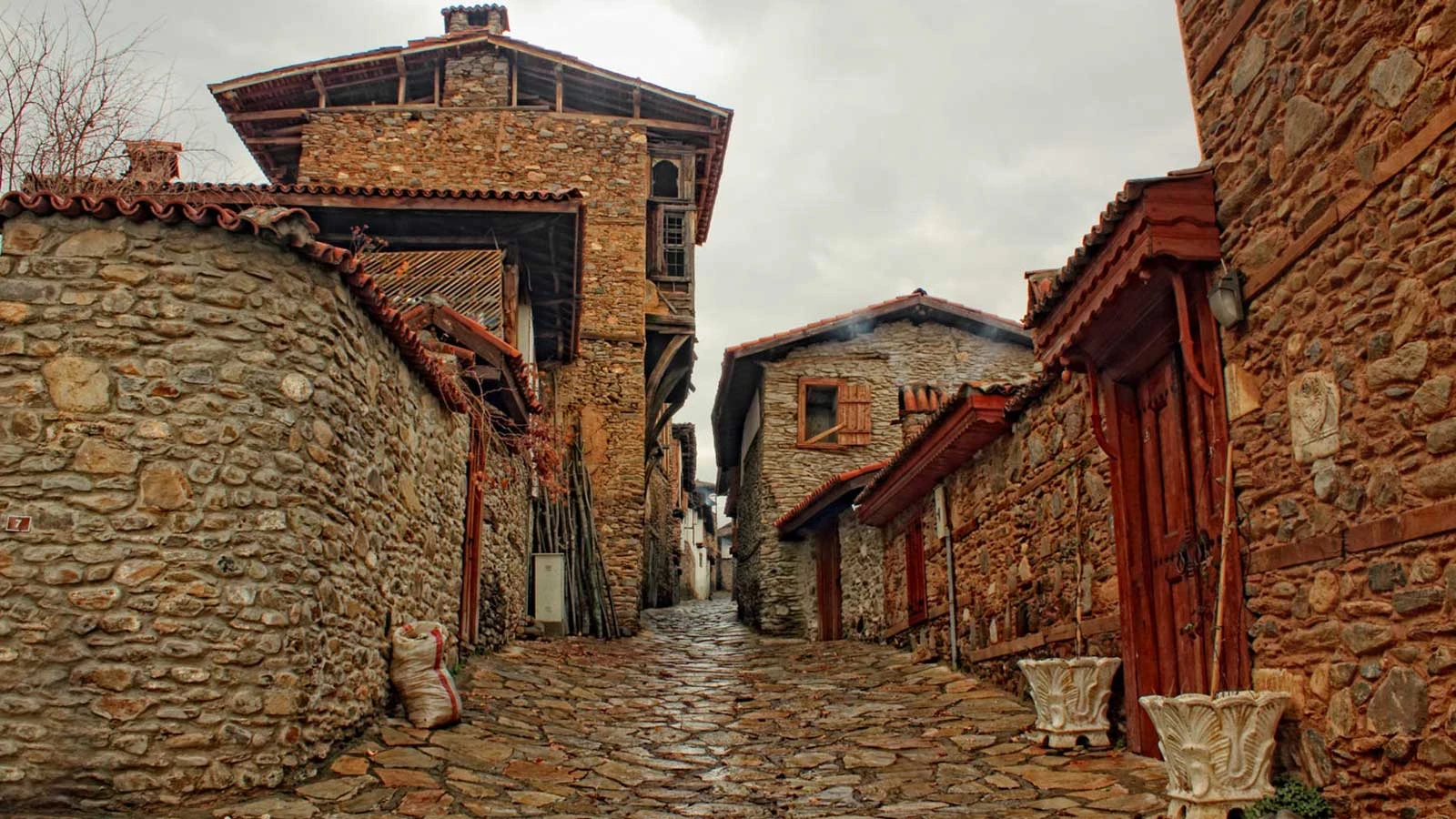
Spend more time discovering the architectural heritage, traditional houses and cultural history of one of inland İzmir's most remarkable towns.
Plan Your Birgi VisitExtend your journey beyond the historic towns and discover the natural landscapes of Gölcük and the Bozdağ Mountains.
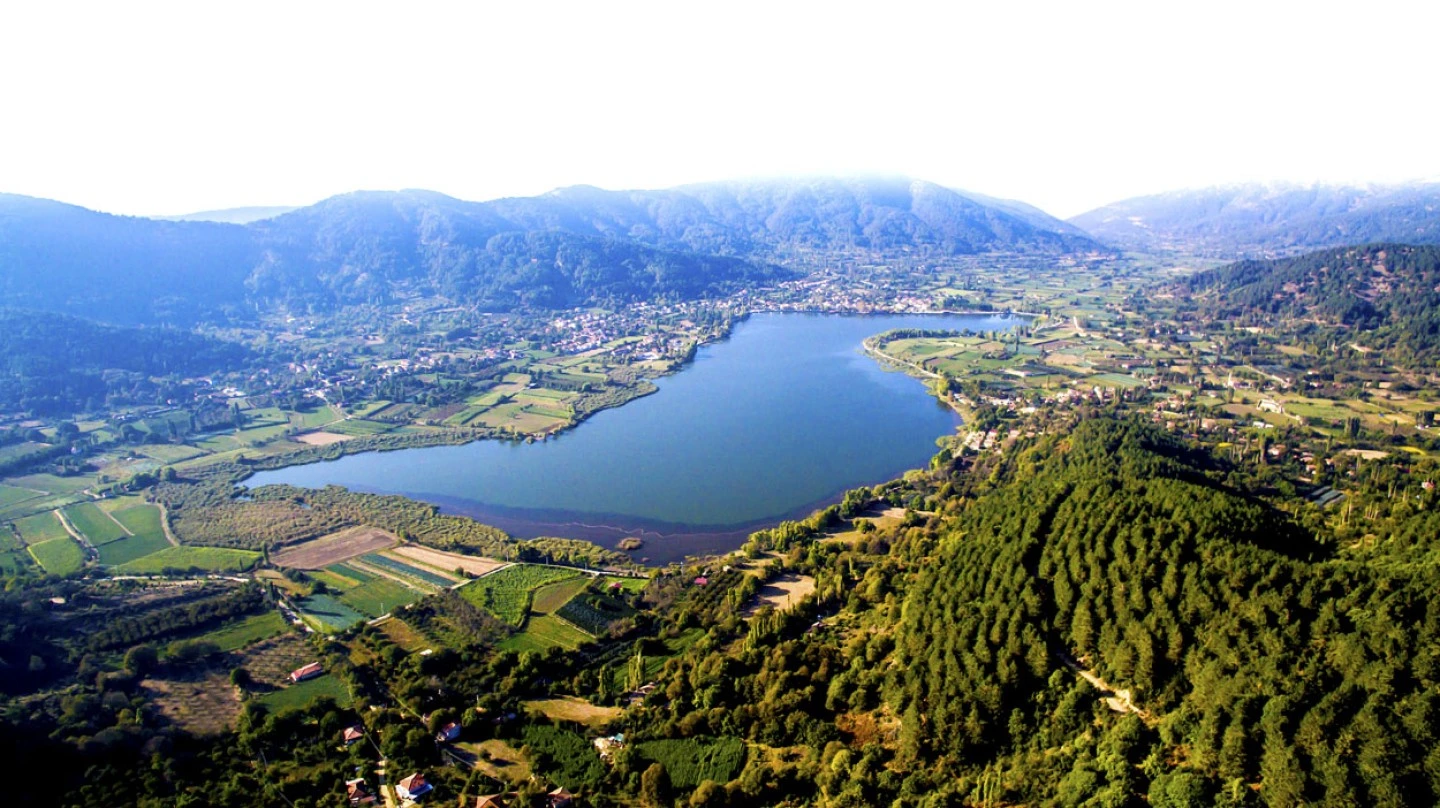
Leave the Küçük Menderes plain behind and explore the cooler mountain landscapes, lake scenery and villages north of Ödemiş.
Create Your Mountain Itinerary
Create a tailor-made route combining Ödemiş, Birgi, Tire, Sardis and the lesser-known landscapes of the inland Aegean.
Plan Your Private Journey