Niğde City & Seljuk Heritage · Niğde, Türkiye

Rahmaniye Mosque – Complete Travel Guide

Rahmaniye Mosque belongs to the layered historic religious landscape of Niğde. Its value is best appreciated alongside the more widely visited Alaeddin and Sungur Bey mosques.

Explore Rahmaniye Mosque

Discover Rahmaniye Mosque in Niğde

Rahmaniye Mosque belongs to the layered historic religious landscape of Niğde. Its value is best appreciated alongside the more widely visited Alaeddin and Sungur Bey mosques rather than by assigning an unverified construction date.

Examine the proportions, masonry, entrance and any visible repairs. Local mosques often carry evidence of successive interventions that are as significant as the initial foundation.

The Place

Rahmaniye Mosque in Niğde Province

Historical Lens

The mosque belongs to Niğde’s eighteenth-century urban religious landscape, unlike the earlier monumental Seljuk foundations nearby. The date 1747 appears.

Explore

Architectural layers and local history

Plan Carefully

Some places remain in active community use and access can change with prayer, conservation work or local permissions.

Plan Your Visit

Rahmaniye Mosque – Quick Facts

Key context and practical notes for a responsible visit to Rahmaniye Mosque.

📍

Location

Niğde city centre, Türkiye.

🏛️

Known For

Architectural layers and local history

🕒

Visit Planning

Time needed varies with access, season and the scope of the visit.

⭐

Important Note

Protected historic monument


Local Heritage & Researched Context

Rahmaniye Mosque – History & Significance

Explore the evidence, historical landscape and distinctive features of Rahmaniye Mosque.

Rahmaniye Mosque belongs to the layered historic religious landscape of Niğde. Its value is best appreciated alongside the more widely visited Alaeddin and Sungur Bey mosques rather than by assigning an unverified construction date.

Examine the proportions, masonry, entrance and any visible repairs. Local mosques often carry evidence of successive interventions that are as significant as the initial foundation.

Local cultural-inventory material places Rahmaniye Mosque in the mid-eighteenth-century architectural landscape and associates a date of 1747 with the building. This is a different historical phase from the thirteenth-century Alaeddin Mosque and the fourteenth-century Sungur Bey monument.

Its value lies in modest, lived urban religious architecture. Reading the masonry, prayer space, windows and restoration layers alongside neighbouring tombs reveals how the city continued to develop well after the Seljuk and Karamanid periods. It should not be marketed as a royal Seljuk foundation.

Because it is a functioning mosque, interior visiting is conditional on worship and local arrangements. A respectful short visit combined with other eighteenth-century buildings is more meaningful than an invented tale about a founder or an unverified restoration date.

The mosque belongs to Niğde’s eighteenth-century urban religious landscape, unlike the earlier monumental Seljuk foundations nearby. The date 1747 appears in local cultural-inventory accounts, but restoration phases must be distinguished from original fabric.

Its significance is as a functioning neighbourhood monument. Visitor descriptions should explain the prayer hall, masonry and relationship to the surrounding quarter rather than make unverified claims about a sultan or large royal complex.


What to See & Understand at Rahmaniye Mosque

Look beyond the headline attraction to understand its architecture, landscape, chronology and conservation.

Historical Setting

Rahmaniye Mosque belongs to the layered historic religious landscape of Niğde. Its value is best appreciated alongside the more widely visited Alaeddin and Sungur Bey mosques rather than by assigning an unverified construction date.

  • Focus: Architectural layers and local history
  • Context: Niğde City & Seljuk Heritage
  • Planning: Some places remain in active community use and access can change with prayer, conservation work or local.

Distinctive Features

Examine the proportions, masonry, entrance and any visible repairs. Local mosques often carry evidence of successive interventions that are as significant as the initial foundation.

  • Focus: Architectural layers and local history
  • Context: Niğde City & Seljuk Heritage
  • Planning: Some places remain in active community use and access can change with prayer, conservation work or local.

Responsible Exploration

Observe prayer times, dress respectfully and avoid entering areas closed to visitors.

  • Focus: Architectural layers and local history
  • Context: Niğde City & Seljuk Heritage
  • Planning: Some places remain in active community use and access can change with prayer, conservation work or local.

Dating & Evidence

The mosque belongs to Niğde’s eighteenth-century urban religious landscape, unlike the earlier monumental Seljuk foundations nearby. The date 1747 appears in local cultural-inventory accounts, but restoration phases must be distinguished from original fabric.

  • Focus: Architectural layers and local history
  • Context: Niğde City & Seljuk Heritage
  • Planning: Some places remain in active community use and access can change with prayer, conservation work or local.

Landscape & Connections

Its significance is as a functioning neighbourhood monument. Visitor descriptions should explain the prayer hall, masonry and relationship to the surrounding quarter rather than make unverified claims about a sultan or large royal complex.

  • Focus: Architectural layers and local history
  • Context: Niğde City & Seljuk Heritage
  • Planning: Some places remain in active community use and access can change with prayer, conservation work or local.

Responsible Interpretation

Some places remain in active community use and access can change with prayer, conservation work or local permissions.

  • Focus: Architectural layers and local history
  • Context: Niğde City & Seljuk Heritage
  • Planning: Some places remain in active community use and access can change with prayer, conservation work or local.

Tickets & Visiting Conditions

Plan your visit to Rahmaniye Mosque according to its type: Where a monument remains a place of worship, prayer times take priority and some rooms may be closed or inaccessible. Admission arrangements may change.

Admission & Fees

Do not assume either a paid ticket or unrestricted entry. Ask locally about access, prayer times and conservation work.

Visit Type

Protected historic monument

Conservation

Some places remain in active community use and access can change with prayer, conservation work or local permissions.

Local Confirmation

Use official provincial or site-management contact information before departure.

Opening Hours & Access Information

For Rahmaniye Mosque, check the relevant local authority, institution or operator before travelling. Where a monument remains a place of worship, prayer times take priority and some rooms may be closed or inaccessible.

Scheduled hoursPrayer schedules, restoration work and custodial access determine interior visits.
Entry arrangementsProtected historic monument
Possible restrictionsSome places remain in active community use and access can change with prayer, conservation work or local permissions.
Before travellingCheck season, road access, worship hours or excavation closures as appropriate.

Why Visit Rahmaniye Mosque?

Rahmaniye Mosque rewards travellers who want to understand architectural layers and local history and its place in the wider Niğde landscape.

A Distinctive Local Story

Local cultural-inventory material places Rahmaniye Mosque in the mid-eighteenth-century architectural landscape and associates a date of 1747 with the building. This is a different.

Details Worth Noticing

Its value lies in modest, lived urban religious architecture. Reading the masonry, prayer space, windows and restoration layers alongside neighbouring tombs reveals how the city continued.

Connected Heritage

Combine the place with related attractions rather than treating it as an isolated landmark.

Thoughtful Travel

Some places remain in active community use and access can change with prayer, conservation work or local permissions.


This guide brings historical interpretation together with practical, responsible travel information for Niğde.

How to Get There

Use Niğde city and the appropriate district as orientation points. Exact approaches depend on the chosen site, road conditions and whether public access is permitted.

Starting from Niğde

Plan the route using the specific site name and district, not just the province on a navigation app.

Local Access

Some places remain in active community use and access can change with prayer, conservation work or local permissions.

Road Conditions

Check surface, weather and seasonal restrictions. Mountain and archaeological locations can require more than a standard road journey.

With a Local Specialist

An experienced guide can help interpret the site, find lawful approaches and separate documented facts from local traditions.

Visitor Tips

Confirm the Access Rules

Some places remain in active community use and access can change with prayer, conservation work or local permissions.

Protect the Place

Do not leave litter, remove artefacts, touch fragile paintings or disturb wildlife; choose the guidance relevant to the site.

Choose Appropriate Equipment

Carry water, suitable shoes and weather protection; a mountain route and an urban monument require different equipment.

Read the Evidence

The mosque belongs to Niğde’s eighteenth-century urban religious landscape, unlike the earlier monumental Seljuk foundations nearby. The date 1747 appears in local cultural-inventory.

Who Should Visit Rahmaniye Mosque?

History Curious Travellers

People who want to understand the chronology and local setting rather than only take a photograph.

Special Interest Visitors

History and architectural-heritage travellers.

Regional Explorers

Visitors connecting Rahmaniye Mosque with other Niğde attractions and distinct historic landscapes.

Careful Independent Travellers

People willing to confirm local permissions, access and seasonal limitations before setting off.

Frequently Asked Questions About Rahmaniye Mosque

What makes Rahmaniye Mosque historically or naturally important?

The mosque belongs to Niğde’s eighteenth-century urban religious landscape, unlike the earlier monumental Seljuk foundations nearby. The date 1747 appears in local cultural-inventory accounts, but restoration phases must be distinguished from original fabric.

What details should visitors notice at Rahmaniye Mosque?

Its significance is as a functioning neighbourhood monument. Visitor descriptions should explain the prayer hall, masonry and relationship to the surrounding quarter rather than make unverified claims about a sultan or large royal complex.

Can I visit Rahmaniye Mosque without advance arrangements?

Some places remain in active community use and access can change with prayer, conservation work or local permissions.

Is there a confirmed admission fee or opening timetable?

Do not assume either a paid ticket or unrestricted entry. Ask locally about access, prayer times and conservation work. For a managed site, check with its responsible institution before leaving.

What else can I see nearby?

Explore Niğde Castle & Clock Tower, Alaeddin Mosque, Hüdavend Hatun Mausoleum. Links to these guides are provided above.

How can I visit Rahmaniye Mosque responsibly?

Some places remain in active community use and access can change with prayer, conservation work or local permissions. Respect local community, protected areas and site signage.

Photography & Observation at Rahmaniye Mosque

The most rewarding images document context as well as details. Choose lawful viewpoints and avoid harming sensitive buildings, habitats or excavations.

The Wider Setting

Show how Rahmaniye Mosque sits within its Niğde landscape.

Documented Details

Its significance is as a functioning neighbourhood monument. Visitor descriptions should explain the prayer hall, masonry and relationship to the surrounding quarter.

Close-Up Features

Photograph stonework, forms or natural textures only from a lawful safe distance.

Context & Scale

Use a wider frame to show landscape or urban relationships rather than isolated fragments.

Respect Boundaries

Some places remain in active community use and access can change with prayer, conservation work or local permissions.

Natural Light

Morning and late afternoon can reveal surface details; prioritize visitor safety and site regulations over a photograph.

Best Time to Visit Rahmaniye Mosque

Choose a season that matches the site and your interests. Access, surface conditions, daylight, agricultural work and visitor services vary throughout the year.

Spring (March–May)

Milder weather often suits walking and heritage exploration; occasional rain can affect rural tracks.

Summer (June–August)

Dry, hot days call for water, shade and a morning or evening visit when appropriate.

Autumn (September–November)

A useful season for architecture and cultural landscapes, with shorter days later in autumn.

Winter (December–February)

Cold, snow or icy roads can change the experience; confirm access to rural locations.


Best general approach

Match your timing to site conditions, not to a fixed universal month.

Best time of day

Use comfortable daylight for walking and visibility; consider worship or museum hours.

Travel note

Some places remain in active community use and access can change with prayer, conservation work or local permissions.

Research Sources & Verification

These references support the historical context; older inventories do not guarantee current opening hours or unrestricted entry.

Continue Exploring Niğde

Discover nearby and thematically related heritage, natural sites and local experiences in our Niğde destination guide.

Related Places & Suggested Themes

These links are destination guides, not confirmed inclusions in a scheduled or priced tour.

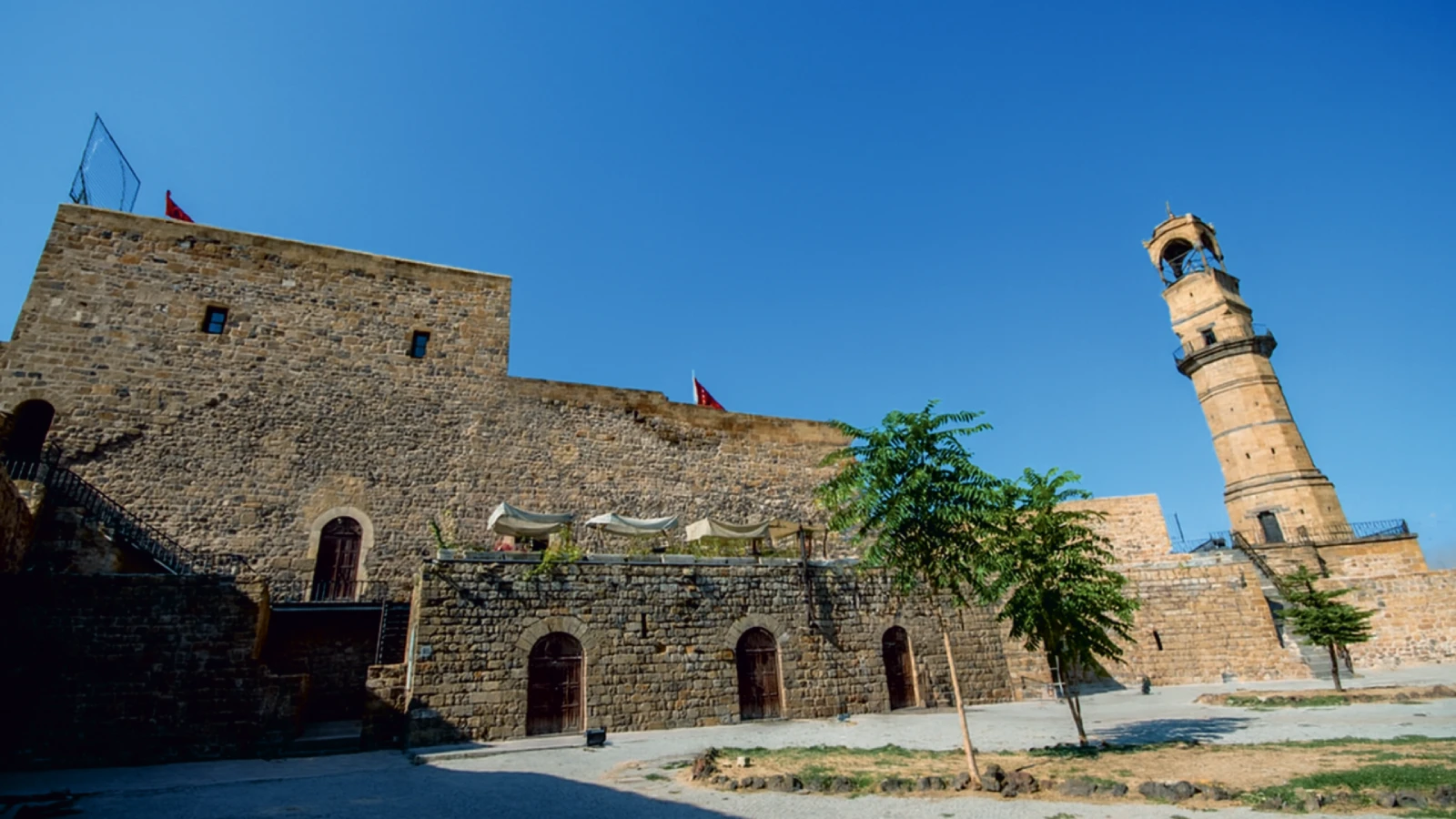
Niğde Castle & Clock Tower in Niğde

Niğde Castle & Clock Tower

The fortified hill formed the nucleus of old Niğde. Its walls have been altered, reused and partially lost, so the visible fabric should not be assigned to one uninterrupted…

Explore Guide
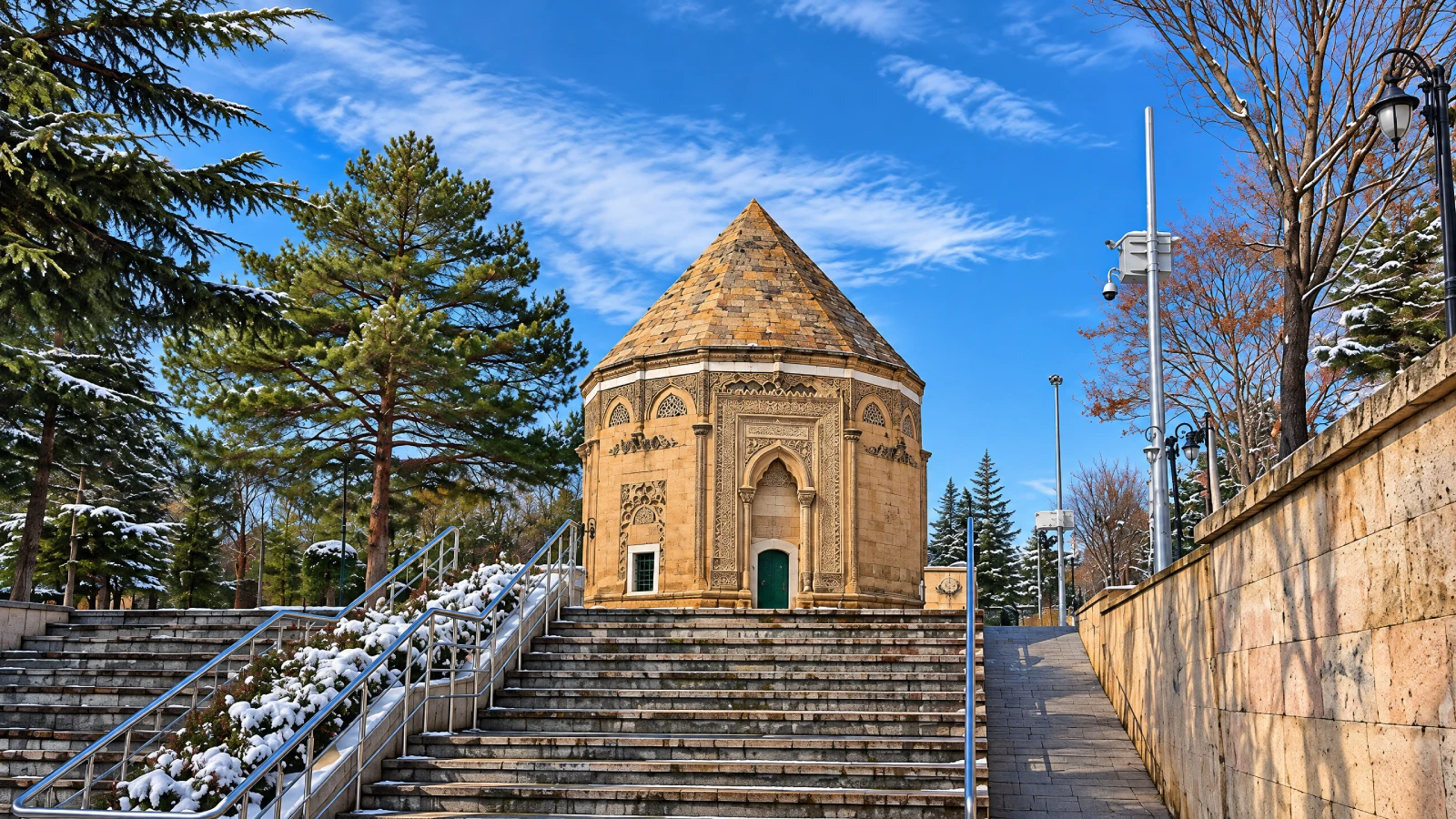
Hüdavend Hatun Mausoleum in Niğde

Hüdavend Hatun Mausoleum

This celebrated dynastic mausoleum dates to 1312 and is associated with Hüdavend Hatun, a daughter of Seljuk Sultan Kılıç Arslan IV. Its date belongs to the late Seljuk…

Explore Guide