Heritage and backgroundHistory & Archaeological Significance: Taşkale Grain Warehouses & Manazan Caves
A carefully contextualised introduction, distinguishing the evidence from later interpretation.
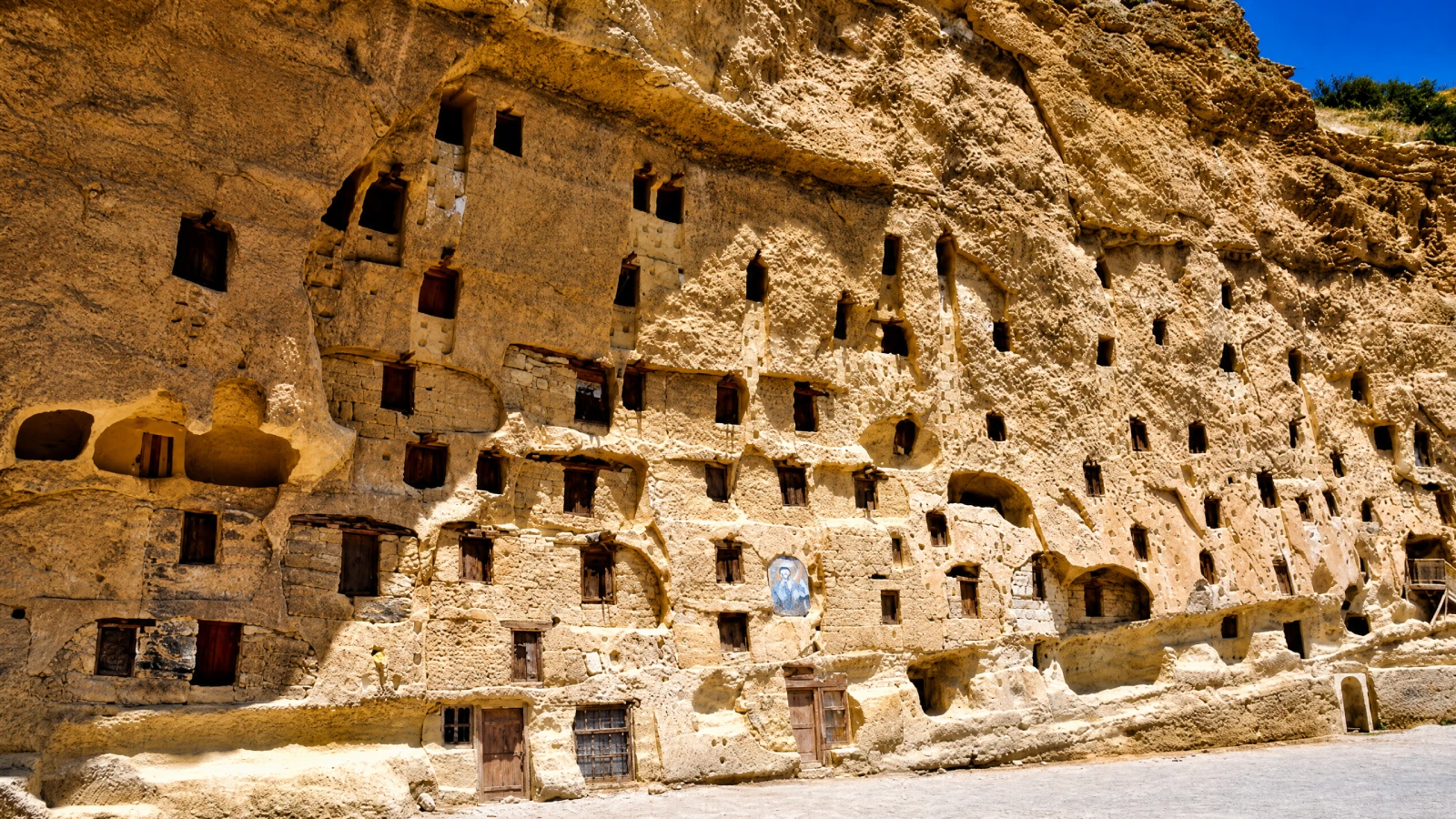
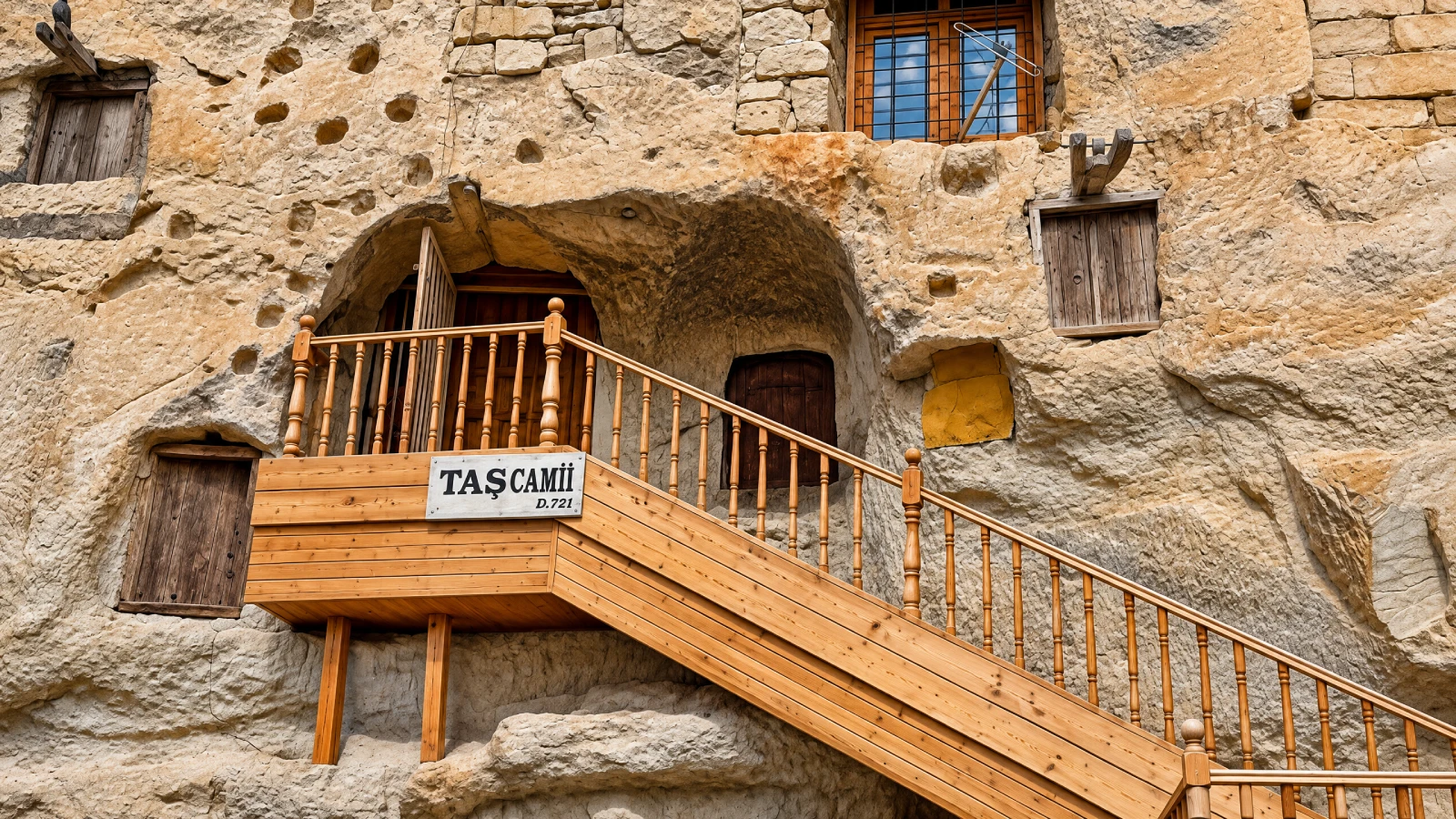
Taşkale’s cliffside grain stores are numerous individually cut chambers in a steep rock face, built for keeping harvests rather than as human dwellings. Manazan, elsewhere along the Yeşildere corridor, is a multi-storey rock-cut settlement with a very different function.
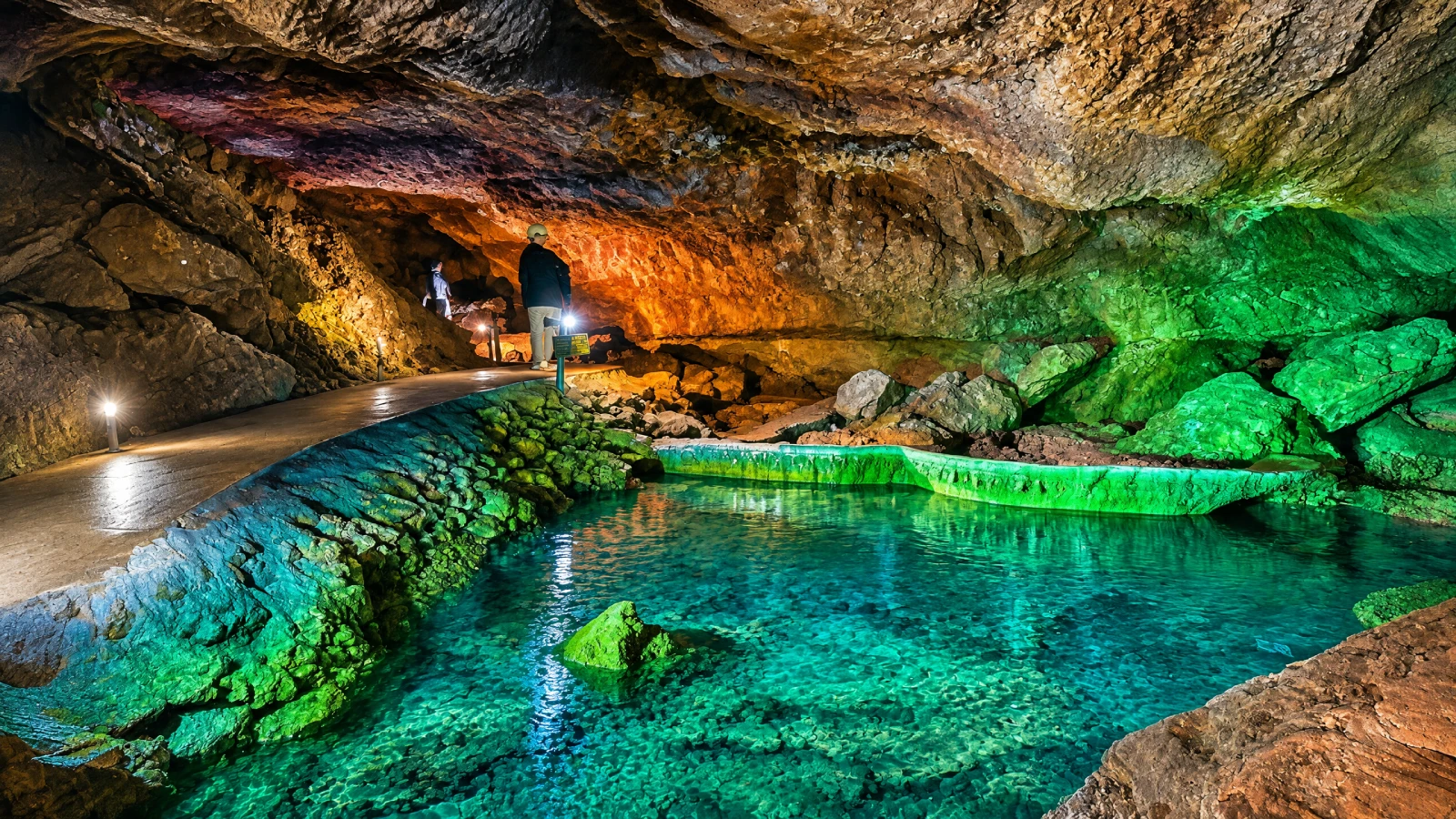
At the granaries, focus on the repetitive small openings and their relationship to the village below. At Manazan, consider how chambers and passages were arranged vertically in limestone; the cave complex is described as five levels in provincial tourism information.
These two places illustrate complementary responses to landscape: storage for an agricultural community and a substantial rock-cut settlement. The Manazan finds also link the valley with the collection of Karaman Museum.
Interpreting a ruin is different from identifying a modern-looking building: surviving foundations, inscriptions, ceramic finds and relationships between features provide evidence for chronology and use.
Material remains do not always yield a single answer. Archaeologists may agree about the broad period of a place while continuing to debate a specific date, ancient name or interpretation of an individual structure.