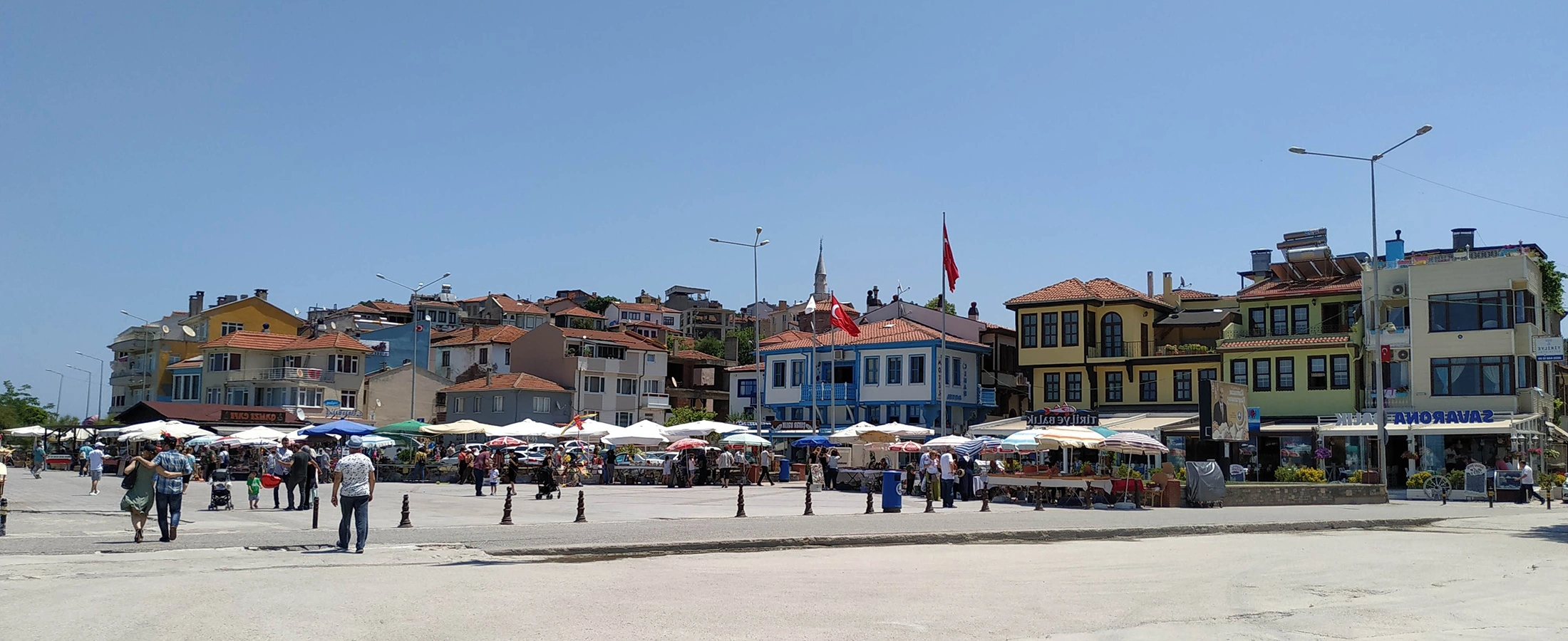
Private Tirilye & Mudanya Tour
Ask us about a tailor-made coastal route focused on historic architecture, Byzantine heritage, Taş Mektep, olive culture, photography and local food.
Request a Custom Tour





The historic coastal settlement of Tirilye, in the Mudanya district of Bursa, is one of the most atmospheric places along the southern shore of the Marmara Sea. Built across the slopes of a small valley surrounded by olive groves, the village preserves a remarkable mixture of Byzantine, Greek Orthodox, Ottoman and early Republican heritage.
Tirilye is known for its narrow streets, timber-and-masonry houses, old churches, mosques, fountains, monumental school buildings, small harbor and deeply rooted olive culture. Unlike a conventional archaeological site, Tirilye is a living neighborhood where historic buildings, family homes, cafés, fishermen, olive producers and everyday village life share the same streets.
Among its best-known monuments are Fatih Mosque, originally a Byzantine church; the late Byzantine Panagia Pantobasilissa, or Kemerli Church; the former Hagios Ioannes Church known as Dündar House; and the monumental Taş Mektep, reopened in 2026 as Taş Mektep Hafıza, a cultural space devoted to Tirilye's history and collective memory.
The waterfront adds another dimension. Tirilye has long been associated with fishing, olive cultivation, olive oil and maritime trade, and the combination of preserved architecture and a relaxed coastal atmosphere makes it an excellent day trip from Bursa or a natural extension of a visit to Mudanya.
Discover Byzantine churches, Ottoman adaptations and historic Greek houses within one compact settlement.
Visit Tirilye's restored landmark school, reopened in 2026 as a cultural-memory space.
Taste a landscape shaped for centuries by olive trees, olive oil, local food and maritime trade.
Combine historic streets with harbor views, seafood, cafés and a slow walk beside the sea.
Essential information for planning a visit to one of Bursa's best-preserved historic coastal settlements.
Mudanya district, Bursa Province, on the southeastern shore of the Marmara Sea.
Open on Google MapsApproximately 11 km from Mudanya and about 40 km from central Bursa.
Historic coastal neighborhood with Greek houses, churches, mosques, olive groves and a small harbor.
Olives, olive oil, historic architecture, Byzantine heritage, seafood and Marmara views.
The village streets are free to explore; individual cultural buildings may have separate access rules.
Allow 4–6 hours for the main sights, or spend a full day with meals, photography and nearby stops.
Tirilye preserves the architectural, religious, agricultural and maritime memory of communities that shaped the southern Marmara coast for centuries.
Tirilye is important because its historic identity survives not in one isolated monument, but in the relationship between streets, houses, religious buildings, olive groves and the waterfront. The settlement retains the scale and atmosphere of a traditional Marmara town even as it functions as a modern neighborhood.
Its surviving monuments demonstrate major transformations in regional history. A Byzantine church became the active Fatih Mosque; another church, Panagia Pantobasilissa, preserves late Byzantine architectural and painted decoration; and the large Taş Mektep reflects the educational and civic life of Tirilye's Greek Orthodox community during the final decades of the Ottoman Empire.
The population exchange between Greece and Türkiye after the Greco-Turkish War changed Tirilye profoundly. The departure of the local Greek Orthodox population and arrival of Muslim families from Greece created new layers of memory, foodways, craft traditions and family history that remain central to the identity of the settlement.
For travelers following our complete Bursa guide, Tirilye offers a very different side of the province: less monumental than central Bursa, but exceptionally rich in vernacular architecture, coastal culture and the shared history of the Marmara region.
The Tirilye area has been connected with the civilizations of northwestern Anatolia since antiquity. Historical sources and local records preserve variants of the settlement's name including Bryllion, Trigleia, Trilye and Tirilye. Its position beside the Marmara Sea placed it within the commercial and religious networks linking Bursa, Bithynia, Constantinople and the wider eastern Mediterranean.
During the Byzantine period, Tirilye developed an important Christian landscape. Churches and monasteries were established in and around the settlement, and surviving monuments show that the area retained religious significance across many centuries. The building now used as Fatih Mosque has early Byzantine origins, while Panagia Pantobasilissa belongs to a later medieval architectural phase.
The region came under Ottoman rule during the expansion of the early Ottoman state in northwestern Anatolia. Tirilye continued to be home to a substantial Greek Orthodox population and became known for olives, olive oil, wine, fishing and maritime trade. Historic houses and religious buildings visible today preserve much of the character created during the late Ottoman period.
In the early 20th century, the settlement underwent major political and demographic change. During the Greco-Turkish War and its aftermath, the Greek Orthodox population departed, and the compulsory population exchange between Greece and Türkiye brought Muslim families from places including Crete, Thessaloniki, Kavala and Drama to the wider Mudanya region.
The settlement's official name also changed several times. It was known for a period as Mahmut Şevket Paşa, later officially became Zeytinbağı in 1963, and eventually regained the historic name Tirilye. Today it forms a neighborhood of Mudanya and is increasingly valued for cultural heritage, local production and tourism.
Churches and monasteries establish Tirilye as an important Christian settlement on the Marmara coast.
The town develops through agriculture, olive production, fishing and maritime commerce.
The monumental Taş Mektep is built in a strong late Ottoman / neoclassical educational tradition.
War and the population exchange transform the settlement's population and social structure.
The settlement officially receives the name Zeytinbağı, though Tirilye remains widely used.
Restored Taş Mektep reopens as Taş Mektep Hafıza, presenting Tirilye's cultural and social memory.
The origin of the name Tirilye is not completely certain. Historical forms including Trigleia appear in older records, and the name may reflect ancient or Byzantine linguistic traditions that developed over centuries.
A famous local story connects the name with three priests associated with theological disputes following the Council of Nicaea in AD 325. According to the legend, the priests came to the Tirilye area and founded religious communities, and the settlement's name later became linked with this group of three.
One of the greatest pleasures of Tirilye is simply walking without a strict itinerary. The historic core rises from the waterfront along narrow lanes where timber-framed houses, masonry ground floors, projecting upper stories, tiled roofs and small gardens create an intimate streetscape.
Many houses reflect the domestic architecture once common in Greek and Ottoman settlements around the Marmara Sea. Their condition varies: some have been carefully restored, some remain lived-in family homes, and others show the marks of age and structural change. This mixture gives Tirilye authenticity, but it also means visitors should respect private property and avoid entering abandoned buildings.
The main waterfront axis around İskele Caddesi is shaded in places by mature plane trees and connects cafés, local businesses, the harbor and public spaces. From here, lanes climb toward Taş Mektep, Çamlı Kahve and the upper neighborhoods.
Look for projecting upper floors and enclosed wooden bays that increase interior space above narrow streets.
Heavy masonry lower levels often supported lighter timber-framed residential floors above.
The compact street network was designed for walking, animals and small-scale neighborhood life rather than modern vehicles.
Climbing streets repeatedly open toward the blue Marmara Sea and the olive-covered hills around the village.
Many historic buildings remain homes or private property rather than museum exhibits.
Walk slowly and look upward; many of Tirilye's finest architectural details are above street level.
The Fatih Mosque is one of Tirilye's most important monuments. The building is generally identified with an early Byzantine church known in different sources as Hagios Stephanos or Panagia Evangelistria. Its architectural form belongs to the development of the cross-in-square church tradition that became characteristic of middle Byzantine architecture.
The structure was repaired after medieval earthquakes and was converted into a mosque during the Ottoman period, traditionally dated to the 16th century. An inscription associated with the conversion records the year 1560. During the Greek occupation of the region between 1920 and 1922 it was used again as a church, before returning to service as a mosque after the war.
Visitors can still read the building's layered history through its masonry, dome, reused Byzantine elements, column capitals and later Islamic additions. The monument is particularly valuable because it is not a reconstruction: it remains a functioning religious building that has adapted to changing communities across many centuries.
Byzantine church, with origins generally placed in the early medieval period.
Cross-in-square tradition with a prominent central dome and surviving Byzantine architectural elements.
Converted to a mosque in the 16th century and thereafter known as Fatih Mosque.
The building functions as a mosque, so visitors should dress respectfully and avoid prayer times.
Known locally as Kemerli Kilise, the Church of Panagia Pantobasilissa is among Tirilye's most significant Byzantine monuments. Based on its masonry and architectural features, the surviving structure is generally dated to the late 13th century.
The church follows a Greek-cross arrangement and is especially important for traces of painted decoration. Official cultural sources describe more than one layer of frescoes: an earlier layer associated with the beginning of the 14th century and a later painted phase dated to 1723.
The popular Turkish name “Kemerli,” meaning “arched,” is connected with the exterior supports and arches that give the monument its distinctive silhouette. Although the walls and dome survive, the church is not a conventional staffed museum, and interior access can vary.
Generally dated to the late 13th century, with later repairs and painted decoration.
Dedicated to the Virgin Mary under the title Panagia Pantobasilissa.
Painted remains represent different phases, including early 14th-century and 18th-century work.
Exterior viewing is the most reliable option; do not assume the interior will be open.
Rising above the historic center, Taş Mektep is one of Tirilye's most recognizable landmarks. The large neoclassical school was built in the early 20th century through the initiative of Chrysostomos, a Tirilye-born Greek Orthodox cleric who later became Metropolitan of Smyrna. Municipal and Bursa tourism sources generally date its construction to 1904–1909.
The building later entered a very different chapter of Turkish educational history. After the population exchange it was used for orphaned children as a Darü'l-Eytam, then served in different periods as a boarding, primary and middle school. Structural problems eventually led to its evacuation in the late 1980s.
Following a long restoration process, the building was given a new cultural role. On May 28, 2026, Mudanya Municipality reopened it as Taş Mektep Hafıza. The exhibition presents Tirilye's long history, architectural heritage, education, daily life, agricultural production, migration and population-exchange memory through archival material and objects.
The complex also includes an Akademi function for talks, workshops, seminars and cultural gatherings, turning Taş Mektep into a living public venue rather than a static historic building.
Monumental early 20th-century neoclassical school building overlooking the settlement.
Built as a major educational institution for Tirilye's Greek Orthodox community.
Used for orphan education and later as boarding, primary and middle school facilities.
Now functions as Taş Mektep Hafıza, presenting the history and social memory of Tirilye.
The building known today as Dündar Evi, or Dündar House, was originally the Hagios Ioannes Greek Orthodox Church. Official cultural records describe the surviving structure as a 19th-century church whose western façade rises through three levels.
After the Greek Orthodox community left the region, the building passed into private ownership. Its arched stone entrance and carved architectural details preserve the memory of its religious origin, but today it should be approached primarily as a historic exterior within a residential neighborhood.
Hagios Ioannes Greek Orthodox Church, also recorded as Yuannes Church.
The surviving building is generally described as a 19th-century structure.
Look for the arched stone entrance and carved motifs in the surviving masonry.
Respect boundaries and view the building only from public areas unless access is specifically authorized.
Near Fatih Mosque stands the historic Tirilye Hamamı. Its exact original name and construction date are uncertain, but local and Bursa tourism sources associate the building with the Ottoman transformation of the settlement and often place it in the 16th century.
The bath is important because it reminds visitors that the Ottomanization of Tirilye involved more than the conversion of a church into a mosque. Religious, social and service buildings were introduced or adapted to support the everyday life of a changing community.
One of Tirilye's traditional high points is Çamlı Kahve, a viewpoint area above the settlement associated with panoramic views over the rooftops, olive-covered slopes and Marmara Sea.
Local tradition says that women once waited here for husbands and relatives returning from fishing. Whether taken literally or as village memory, the story fits Tirilye's long relationship with the sea. On clear days the elevated position can reveal broad views across the gulf and toward the opposite Marmara shoreline.
Soft light and quieter streets make the climb pleasant before day-trip crowds arrive.
Warm light falls across the historic roofs, olive groves and harbor.
Use wider compositions to capture the relationship between village, hills and sea.
Expect slopes and uneven surfaces when approaching from the waterfront.
Olive cultivation is inseparable from Tirilye's identity. The settlement sits among groves that have supported households, trade and local cuisine for generations, and historical sources repeatedly connect Tirilye with the production and export of olives and olive oil.
The name “Tirilye olive” is widely associated with the Gemlik-type black table olive grown throughout the southern Marmara region. Visitors will see shops and small producers selling olives, olive oil and local products, although quality, origin and production methods vary between sellers.
The coast also supports a strong seafood tradition. A leisurely Tirilye visit often includes fish, meze, seasonal vegetables, olive-oil dishes, breakfast or coffee beside the water. The most rewarding approach is to treat food as part of the cultural landscape rather than simply a lunch stop.
Dark, richly flavored Marmara olives are one of the signature products of the area.
Look for clearly labeled local producers and ask about harvest date and storage.
Menus depend on season and catch, so ask what is fresh rather than ordering only by habit.
The waterfront and upper streets are popular for relaxed breakfasts built around local produce.
Late spring brings flowering olive groves and local events celebrating Tirilye's agricultural identity.
Olives and properly packaged olive oil make practical regional souvenirs.
The Tirilye waterfront is the village's social front room. Fishing boats, small yachts, cafés, restaurants, tea gardens and local residents create a scene that changes continuously through the day.
This is not a monumental promenade in the style of a large city. Its appeal lies in scale and atmosphere: a short walk by the sea, a table facing the harbor, fishermen preparing equipment, and old streets rising immediately behind the coast.
Arrive early for calmer streets, fishing activity and gentle light across the water.
Combine your heritage walk with fish, meze or olive-oil dishes overlooking the harbor.
The waterfront becomes especially pleasant as temperatures fall and local families come outside.
Sunny weekends can be busy, so arrive early if parking and quiet photography matter to you.
Historic sources record several monastic sites in the countryside around Tirilye. These remains help explain why the settlement was once an important Christian center, but they are very different from the easily accessible monuments in the village center.
The best known include the remains associated with Hagios Ioannes Theologos / Pelekete, known locally as Aya Yani, as well as monastic sites traditionally identified as Hagios Sergios and Batheos Rhyakos Soteros. Official cultural records note that the Aya Yani site lies several kilometers outside Tirilye and survives mainly as ruined church and wall remains.
Important monastic ruins outside the settlement, associated with the Byzantine religious landscape of the region.
A historic monastic site on the road toward the western countryside, surviving primarily as ruins.
Traditional local name associated with the remains of the Batheos Rhyakos Soteros monastic complex.
These sites are not standard urban attractions and may involve private land, rough roads or restricted access.
Tirilye is compact enough to explore on foot, but its monuments are spread across different elevations. The best visit combines major historic buildings with unhurried street exploration and time beside the sea.
See a Byzantine church transformed into an Ottoman mosque and still used for worship today.
Admire the late Byzantine Panagia Pantobasilissa and its important layered fresco remains.
Explore Tirilye's restored landmark school and its new cultural-memory exhibition.
View the former Hagios Ioannes Church, now a privately owned historic building.
See the Ottoman bath that forms part of the historic ensemble around Fatih Mosque.
Wander through lanes of timber-and-masonry homes, bay windows, tiled roofs and stone details.
Climb to one of the classic viewpoints overlooking roofs, olive groves and the Marmara Sea.
Finish with seafood, tea, coffee or a relaxed walk beside fishing boats and the waterfront.
Begin at the waterfront and harbor, where the geography of the village is easiest to understand. Walk along İskele Caddesi, then turn uphill into the historic streets toward Fatih Mosque and the nearby Tirilye Hamamı.
Continue through the old residential lanes to Kemerli Church. Take time to notice houses, fountains, stone walls and changing views between buildings rather than moving only from monument to monument.
Climb toward Taş Mektep Hafıza. If the cultural space is open, allow time for the exhibition because it provides excellent context for Tirilye's architecture, production traditions, education, migration and population-exchange history.
Continue toward Çamlı Kahve or another upper viewpoint, then descend slowly toward the harbor for lunch or an early dinner. If you have a private vehicle and additional time, continue to Kumyaka or Mudanya rather than trying to add remote monastic ruins without preparation.
Tirilye is easy to enjoy, but the combination of steep lanes, active religious buildings, private historic houses and weekend traffic means a little planning makes the visit much better.
Morning is best for quiet streets, easier parking and soft light on the historic houses.
Expect slopes, stone paving, uneven surfaces and occasional steps between the waterfront and upper village.
Many photogenic buildings are residences; do not enter courtyards, doorways or gardens without permission.
Taş Mektep schedules and access to churches can change, so verify if an interior visit is important.
Carry clothing suitable for an active mosque and avoid entering during prayers.
Tirilye is best experienced slowly; leave room for fish, meze, breakfast or coffee beside the sea.
Sunny weekends and holidays can bring significant day-trip traffic from Bursa and nearby cities.
Unrestored churches, monasteries and abandoned houses can be structurally unsafe and may be private property.
Tirilye itself is an open historic neighborhood rather than a gated attraction, so there is no general entrance ticket or village opening time. The streets, waterfront and exterior views of historic buildings can be explored freely.
Individual monuments follow different rules. Fatih Mosque remains an active mosque. Dündar House is associated with private ownership. Kemerli Church should not be assumed to have continuous interior access. The restored Taş Mektep Hafıza reopened as a municipal cultural space on May 28, 2026, but current exhibition hours and event arrangements should be checked before a visit planned specifically around the interior.
Tirilye can be visited throughout the year, but season, temperature and weekend crowds strongly affect the atmosphere of the historic streets and waterfront.
Green hills, comfortable temperatures and olive blossom season make this one of the most rewarding periods.
Long daylight and active waterfront life are excellent before the hottest part of the season.
Arrive early for cooler walking conditions and quieter historic lanes.
Mild temperatures and softer light are ideal for architecture, food and photography.
Quieter streets can be atmospheric, though rain, wind and closed seasonal businesses are more likely.
The best choice if you prefer a slower local atmosphere and easier parking.
Waterfront, Fatih Mosque, a quick old-town walk and one viewpoint.
Add Kemerli Church, Taş Mektep exterior or exhibition and more time in the historic streets.
Best for a relaxed first visit with monuments, viewpoints, lunch and harbor time.
Combine Tirilye with Kumyaka, Mudanya or a scenic drive through the surrounding olive country.
Stay from morning into late afternoon to work with changing light across streets and sea.
One overnight stay lets you experience Tirilye after day visitors leave and before they return.
Tirilye is one of Bursa's most rewarding places for street and architectural photography. The village offers a constant contrast between weathered façades, restored houses, religious monuments, olive-green hills and the blue Marmara Sea.
Photograph empty lanes, shopfronts and timber façades before day-trip activity begins.
Look for doors, ironwork, stone arches, rooflines, bay windows and layers of repair.
Use lower streets or elevated viewpoints to show the monumental school above the historic settlement.
Morning and late-afternoon light can create gentle reflections around boats and the waterfront.
Capture wider village-and-sea compositions from the upper slopes.
Ask before photographing people closely, especially around homes, religious buildings and private courtyards.
The waterfront is relatively easy to experience, but much of historic Tirilye occupies sloping terrain with narrow lanes, uneven paving and steps. Accessibility therefore varies considerably between different parts of the village.
The harbor area offers the easiest mostly level walking and the greatest concentration of cafés and seating.
Many important streets climb steeply from the sea and can be difficult for visitors with limited mobility.
Expect stone paving, broken edges, curbs and occasional steps in the older neighborhoods.
A taxi or private vehicle can reduce uphill walking, though narrow streets limit access near some monuments.
Contact managed cultural venues directly to confirm current step-free entrances and accessible facilities.
Cafés, viewpoints and the waterfront make it easy to divide the visit into shorter stages.
Tirilye lies west of Mudanya on the southern Marmara coast. The final approach is by road, and the easiest option for travelers is usually a private car, taxi or arranged transfer.
Tirilye is about 11 km west of Mudanya and is reached by the coastal road.
The distance from central Bursa is approximately 40 km; driving time depends heavily on city and weekend traffic.
Local bus and minibus arrangements can change, so verify current Bursa / Mudanya connections before departure.
A practical route is ferry or fast sea transport toward Mudanya / Güzelyalı, followed by a road transfer to Tirilye.
Useful from Mudanya if you prefer not to deal with parking or infrequent local transport.
Best for combining Tirilye with Mudanya, Bursa or other heritage stops in one efficient route.
Tirilye works beautifully as part of a wider Mudanya and Bursa itinerary. Use our complete Bursa visitor guide to connect the village with Ottoman monuments, museums, coastal history and natural landscapes.
Explore the historic seafront, late Ottoman houses and the town associated with the 1922 Mudanya Armistice.
Visit another small historic coastal settlement between Mudanya and Tirilye, known for Byzantine and village heritage.
Discover a lakeside settlement on Uluabat Lake with historic streets, boats and ancient Apollonia ad Rhyndacum.
Continue to the imperial mosques, bazaars, hans, tombs and UNESCO heritage of the first Ottoman capital.
Explore archaeological collections that provide wider context for ancient Bithynia and northwestern Anatolia.
Understand the Ottoman conquest of Bursa through an immersive interpretation of the city's early history.
Tirilye is a historic coastal neighborhood in the Mudanya district of Bursa Province, on the southeastern shore of the Marmara Sea.
Tirilye is approximately 40 kilometers from central Bursa, depending on your exact starting point and route.
Tirilye is about 11 kilometers west of Mudanya along the coast.
Yes. Tirilye was officially renamed Zeytinbağı in 1963, but the historic name Tirilye was later restored and is used today.
Tirilye is famous for historic Greek houses, Byzantine churches, Fatih Mosque, Taş Mektep, olives, olive oil, seafood and its Marmara waterfront.
Tirilye had a substantial Greek Orthodox population during the Ottoman period and preserves important churches, schools and houses connected with that community. Its history, however, extends across Byzantine, Ottoman and modern Turkish periods.
The wars and political changes of the early 20th century were followed by the compulsory population exchange between Greece and Türkiye. The Greek Orthodox population departed, while Muslim families from Greece settled in Tirilye and the wider Mudanya region.
The exact origin is uncertain. Historical forms such as Trigleia are recorded, while a popular local legend links the name to three priests who came to the area after theological disputes in the 4th century.
Fatih Mosque is a historic Byzantine church that was converted into a mosque during the Ottoman period. It remains an active place of worship today.
Kemerli Church is the local name for Panagia Pantobasilissa, a late Byzantine church known for its architecture and surviving layers of fresco decoration.
Interior access is not guaranteed and can change. Plan on viewing the exterior unless current local information confirms that the church is open.
Taş Mektep is Tirilye's monumental early 20th-century school building. After restoration, it reopened in May 2026 as Taş Mektep Hafıza, a cultural-memory and exhibition space.
It reopened as a municipal cultural venue in 2026, but current opening hours, exhibitions and event schedules should be confirmed with Mudanya Municipality before visiting.
Dündar House is the former Hagios Ioannes Greek Orthodox Church. It later became private property, so visitors should respect access restrictions and view it from public areas.
No general ticket is required to walk through Tirilye. Individual cultural venues or managed buildings may have separate access arrangements.
Four to six hours is ideal for a first visit, including the major historic buildings, old streets, viewpoints and a meal by the sea.
Spring and autumn offer the most comfortable walking weather. In summer, arrive early in the morning to avoid heat, traffic and weekend crowds.
Yes. Tirilye is one of the easiest and most rewarding coastal day trips from Bursa and can be combined with Mudanya or Kumyaka.
Yes. Travelers can cross the Marmara toward the Mudanya area by sea and continue to Tirilye by road, although schedules should be checked for the travel date.
Yes. Historic houses, churches, stone streets, olive-covered hills, viewpoints and the harbor make Tirilye one of Bursa's strongest locations for architectural and travel photography.
The waterfront is relatively manageable, but much of the historic center is steep and uneven. Step-free access to individual monuments should be checked in advance.
Yes. Tirilye combines architecture, Byzantine and Ottoman history, population-exchange heritage, olive culture, seafood and a relaxed Marmara coastal atmosphere in one compact destination.
Historic houses are often private residences; never enter courtyards or photograph interiors without permission.
Do not touch frescoes, climb walls, move stones or enter unstable ruins.
Remember that Fatih Mosque remains an active religious space.
Buy olives, olive oil, food and crafts from responsible local businesses when possible.
Do not block narrow lanes, house entrances or working areas while taking photographs.
Carry away litter and avoid disposable plastics along the waterfront and countryside.
Discover Tirilye's historic streets, Byzantine churches, Ottoman heritage, olive culture and Marmara views through a private route shaped around your interests and without compulsory shopping stops.
Choose a relaxed half-day coastal visit or combine Tirilye with Mudanya and Bursa for a deeper full-day journey.
Ask us about a tailor-made coastal route focused on historic architecture, Byzantine heritage, Taş Mektep, olive culture, photography and local food.
Request a Custom Tour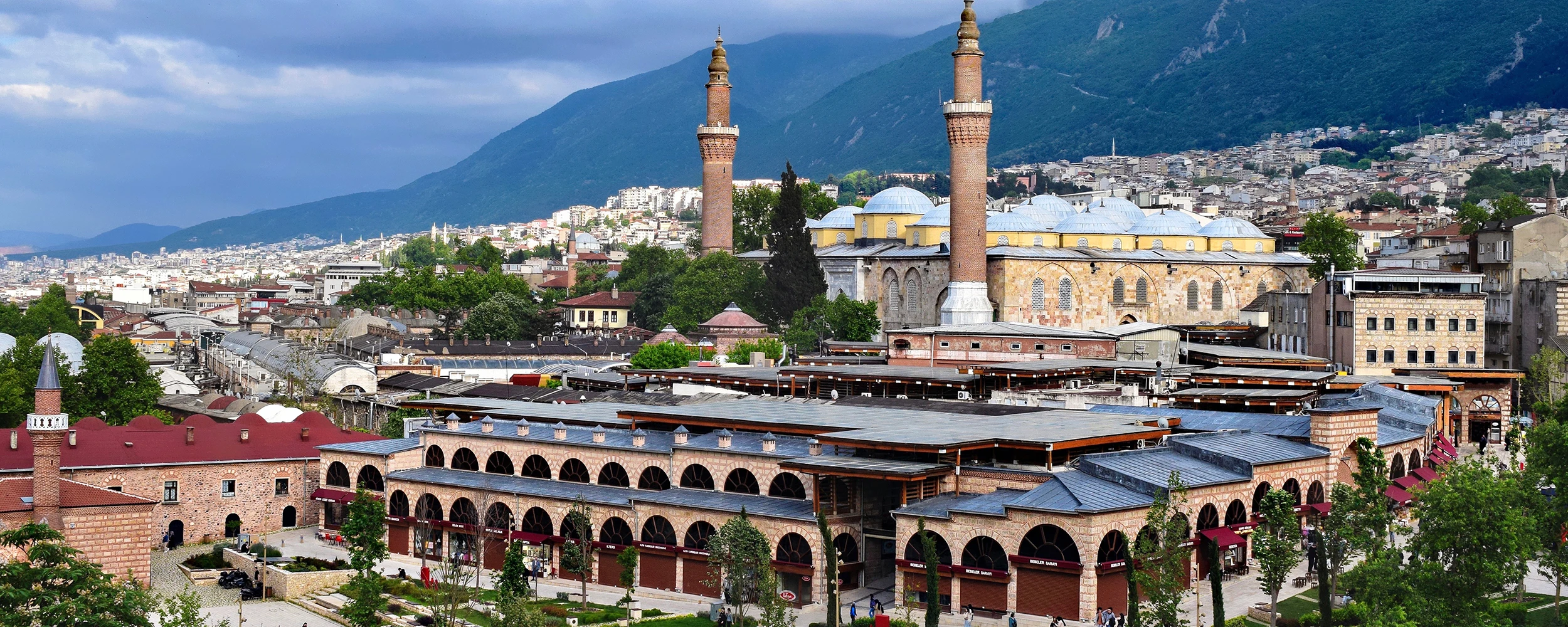
Combine the Marmara coast with Ottoman Bursa, historic bazaars, mosques, museums, villages and the landscapes around Uludağ.
View Bursa GuideConnect Tirilye's coastal heritage with the archaeology, Ottoman history and museums of Bursa.
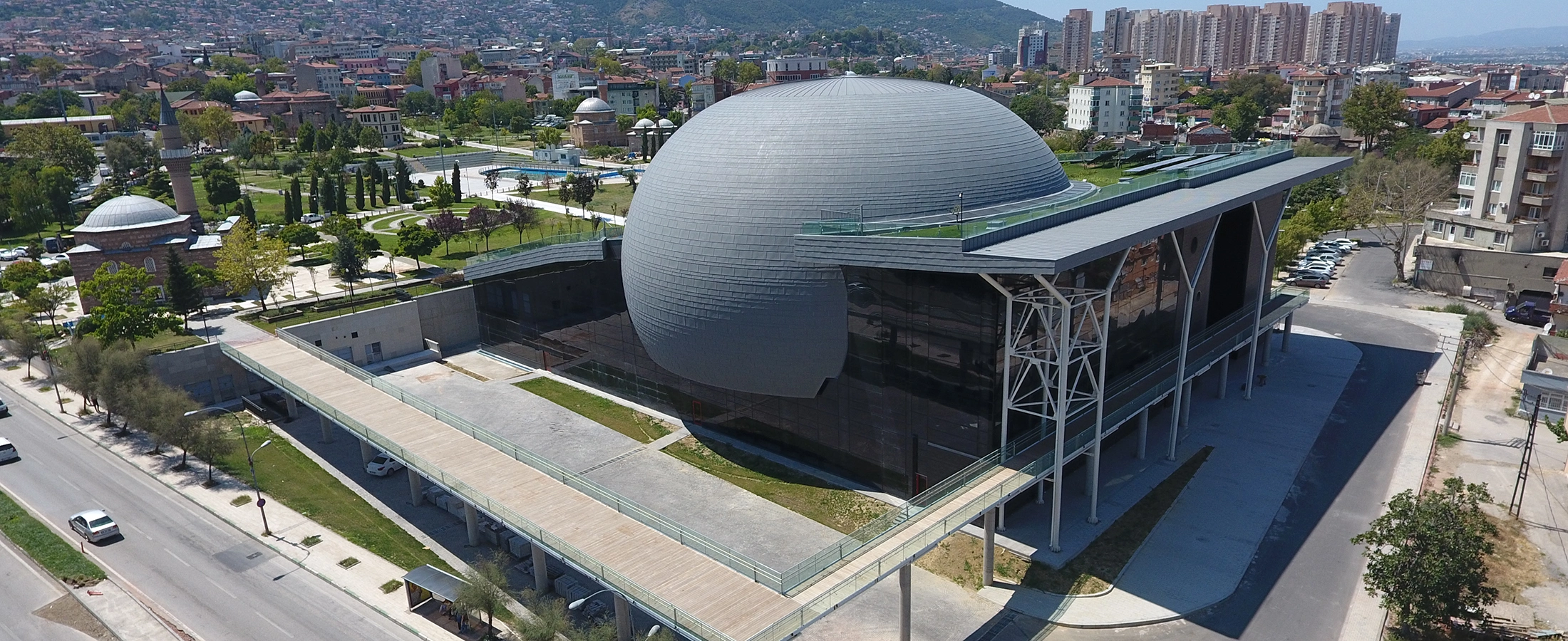
Explore the dramatic story of the Ottoman conquest and transformation of Bursa.
Explore Panorama 1326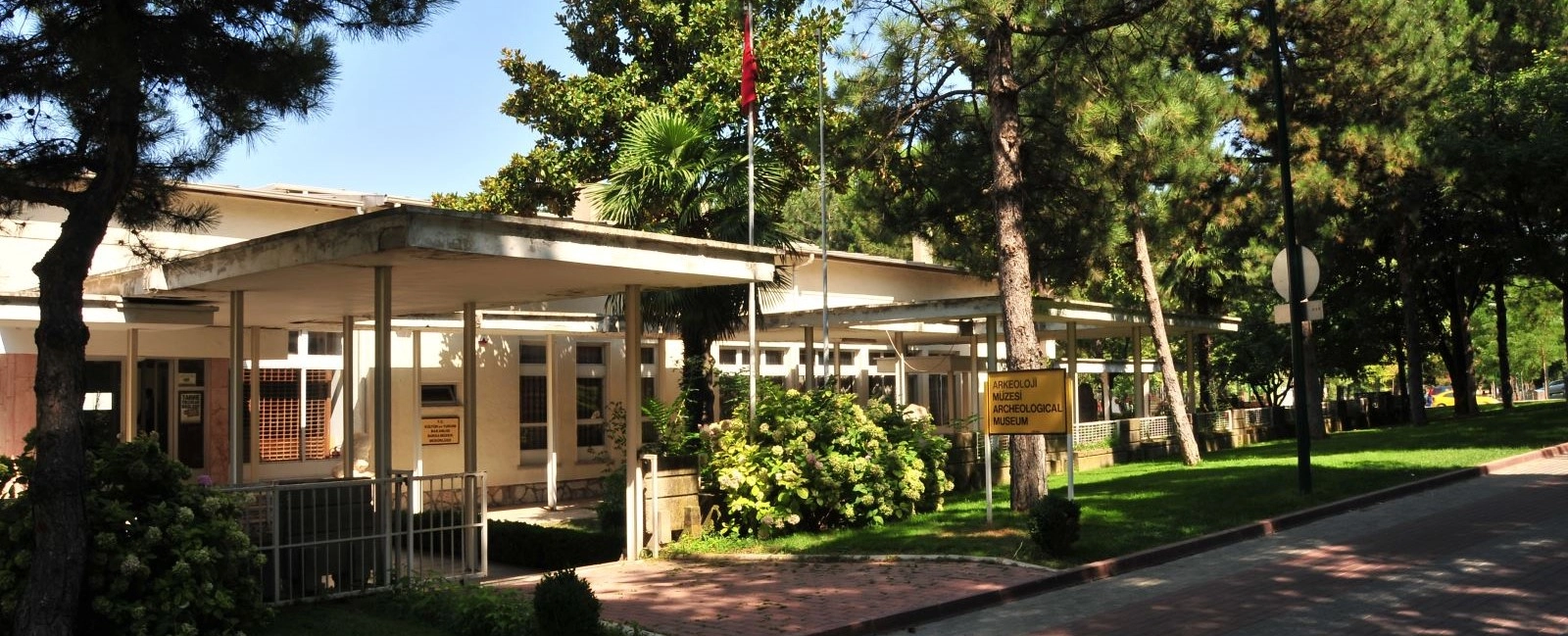
See archaeological collections from Bursa and the wider ancient landscapes of northwestern Anatolia.
Explore the Museum
Continue to the Grand Mosque, historic hans, early Ottoman complexes, museums and traditional neighborhoods.
Continue Exploring Bursa