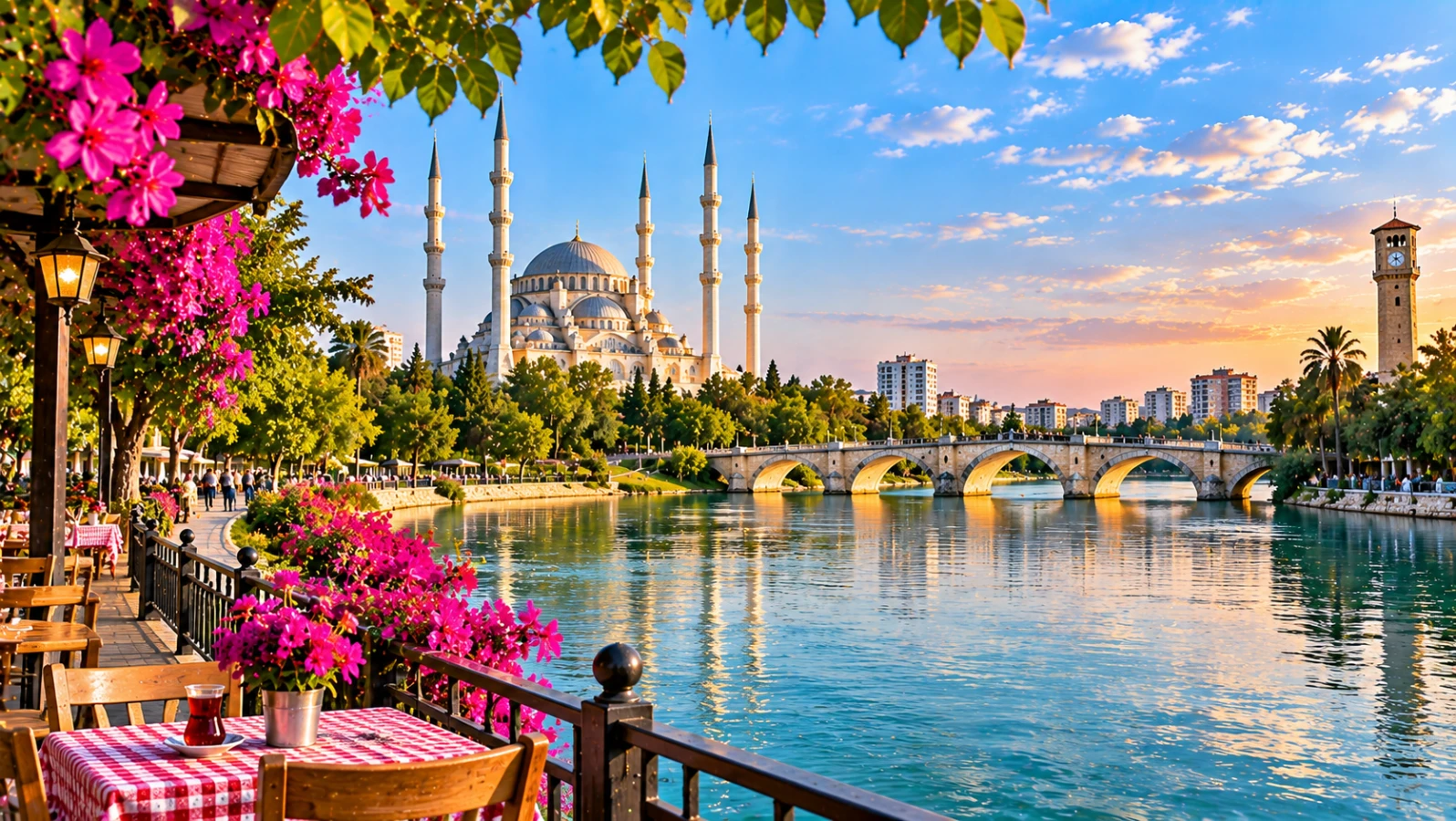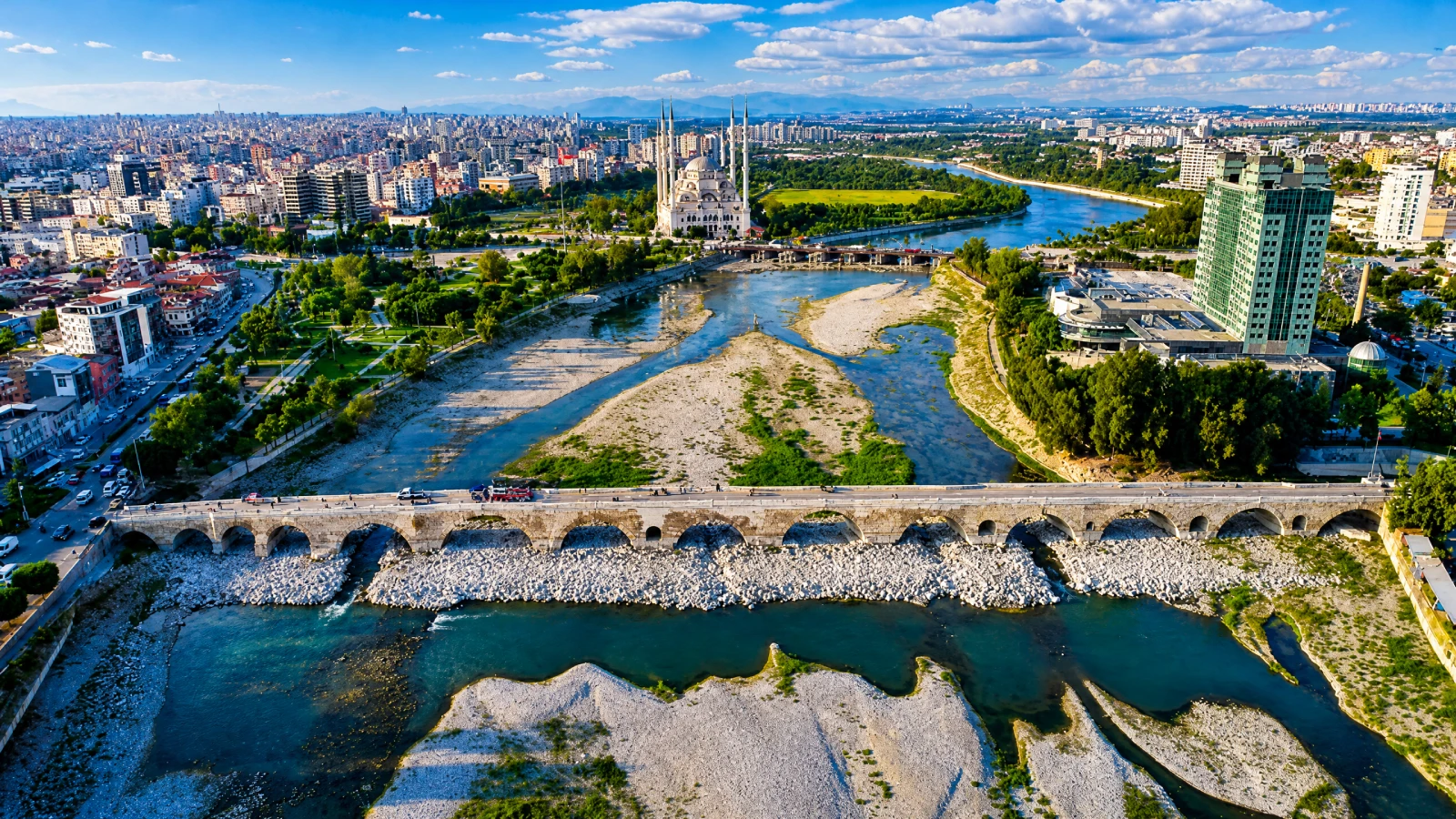
Taşköprü – Roman Stone Bridge
Roman river crossing
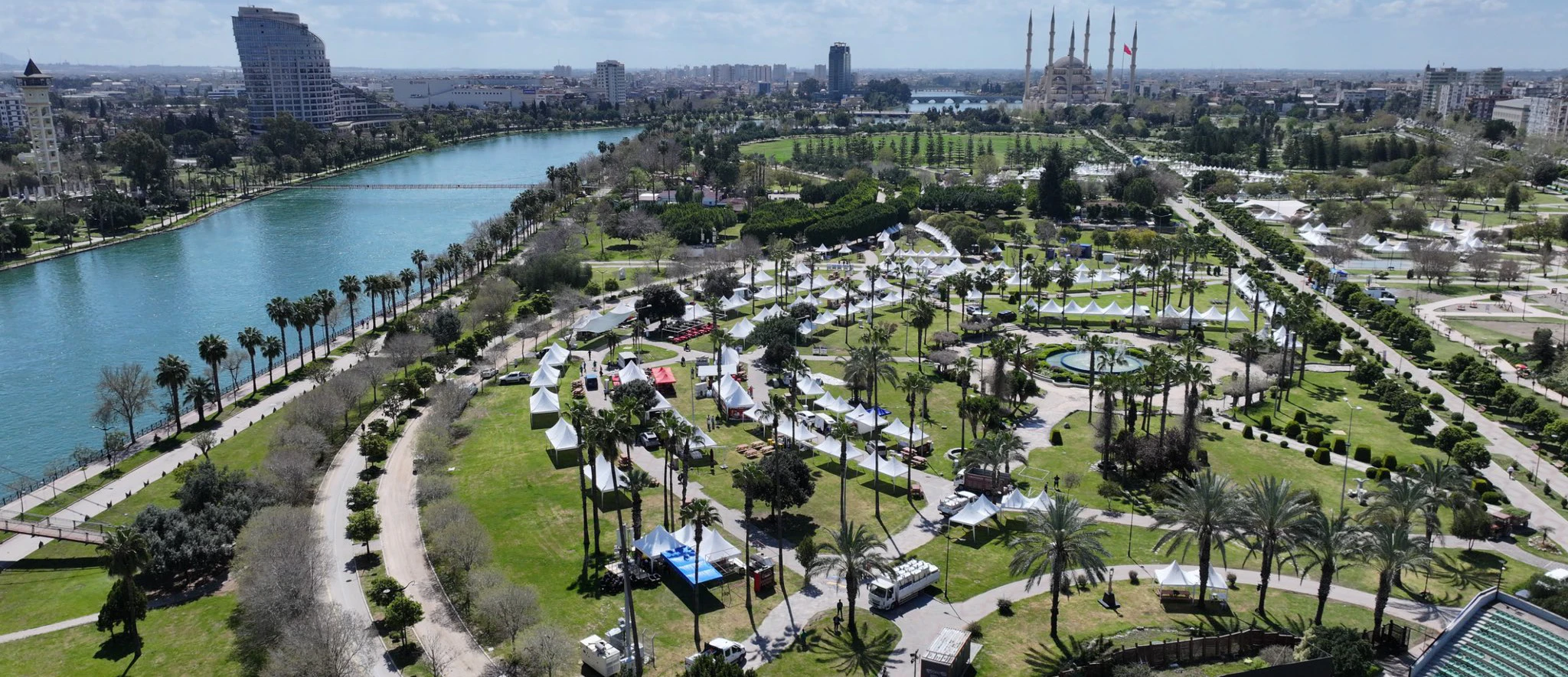
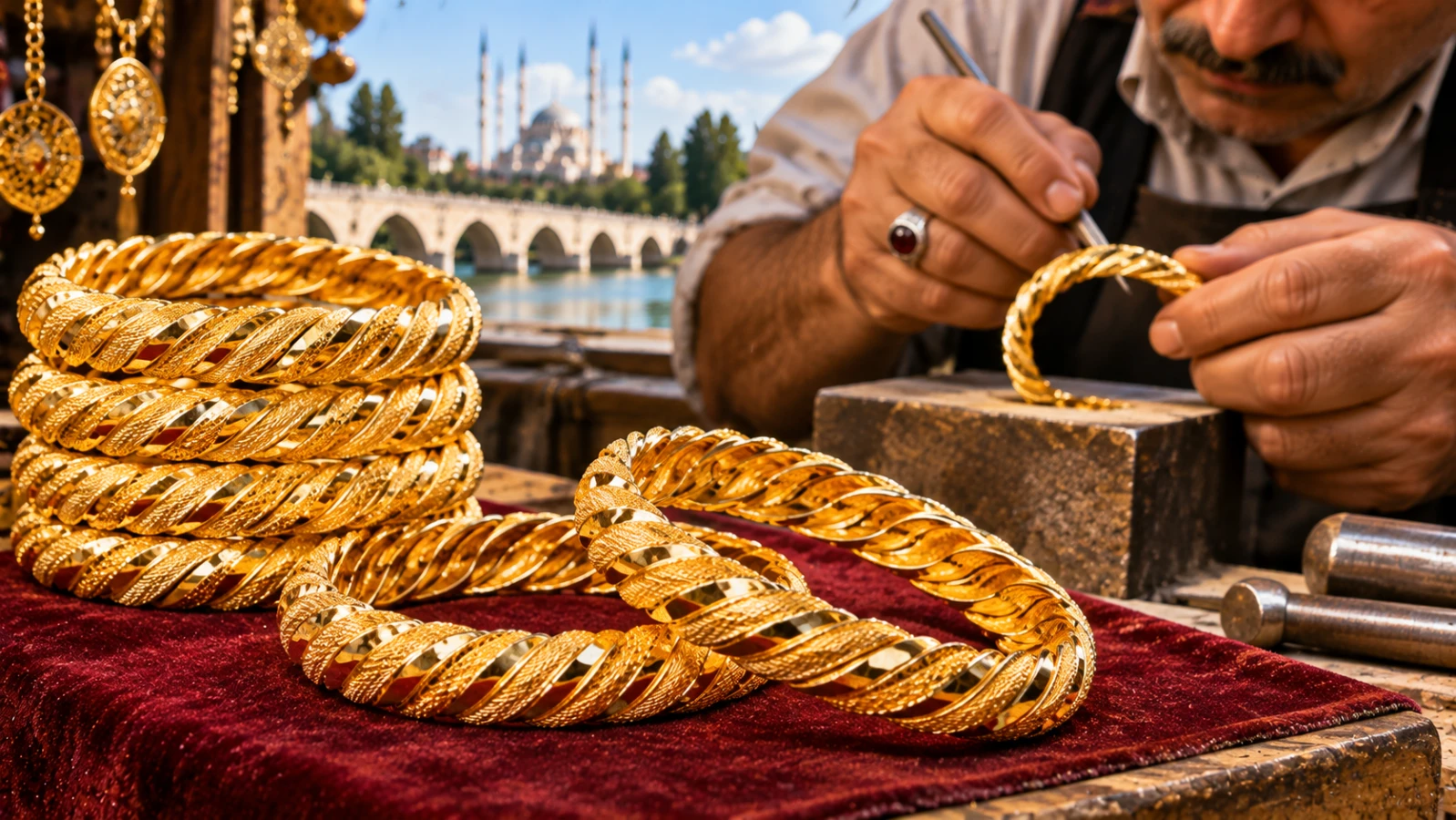
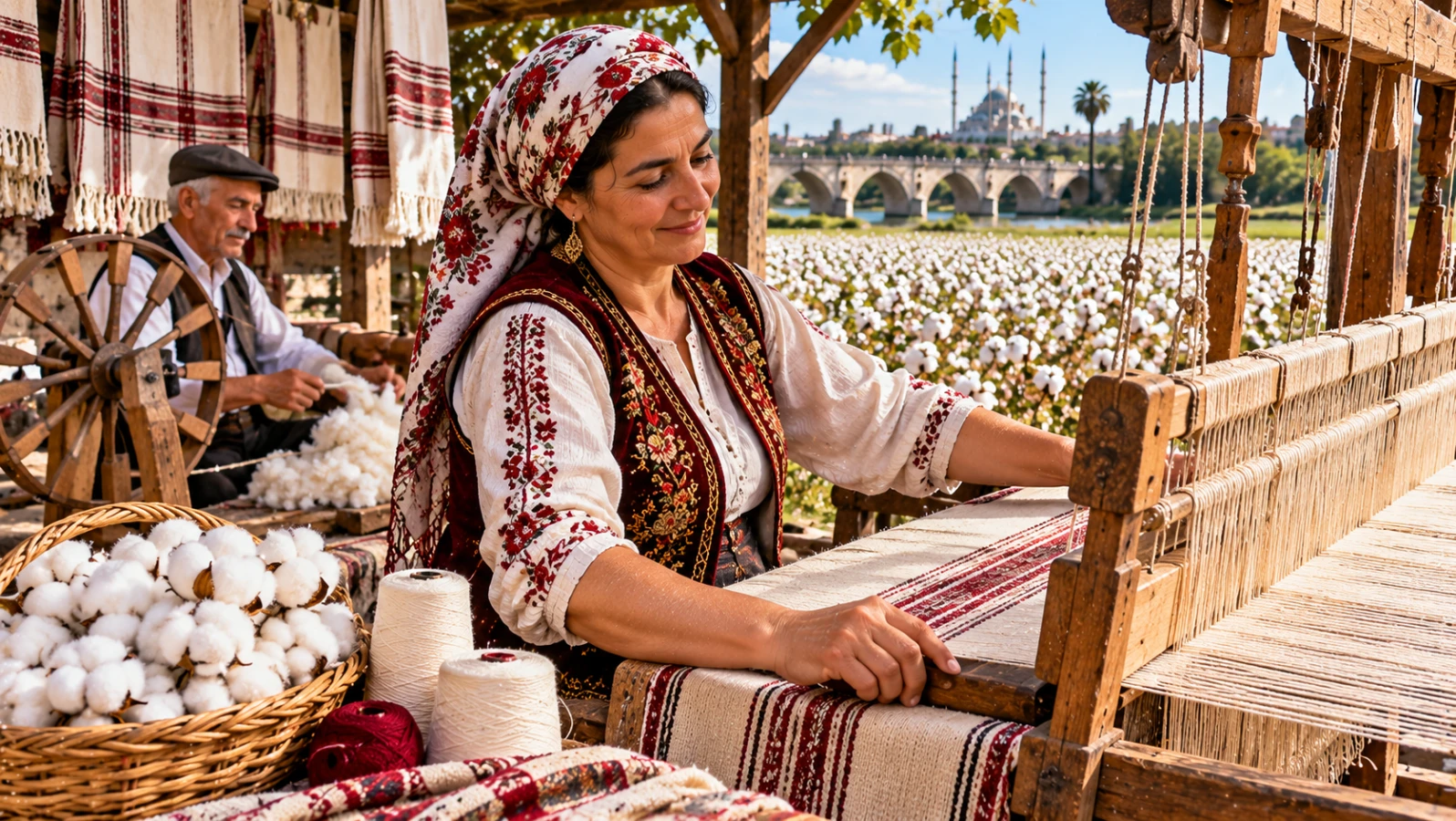
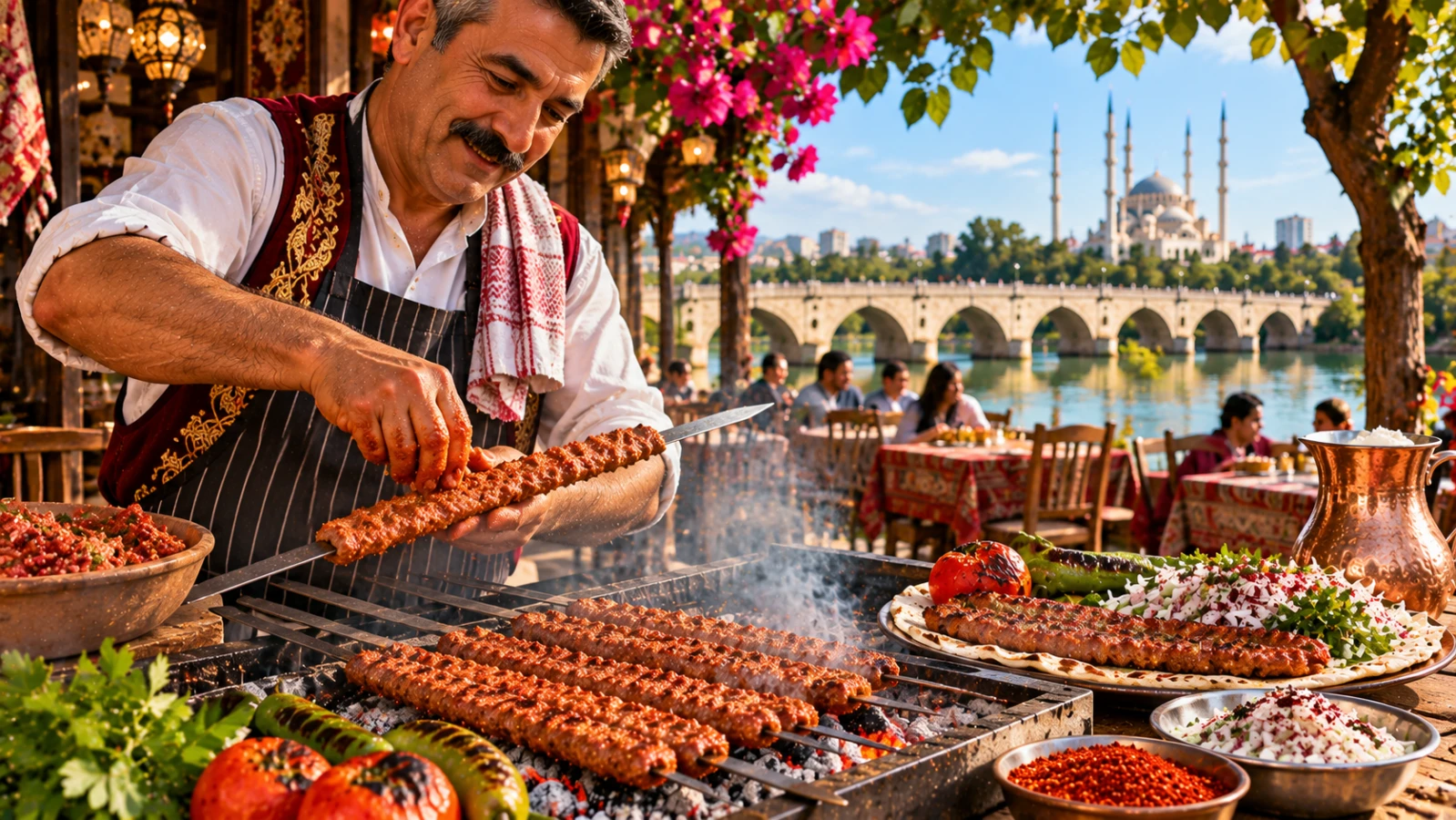
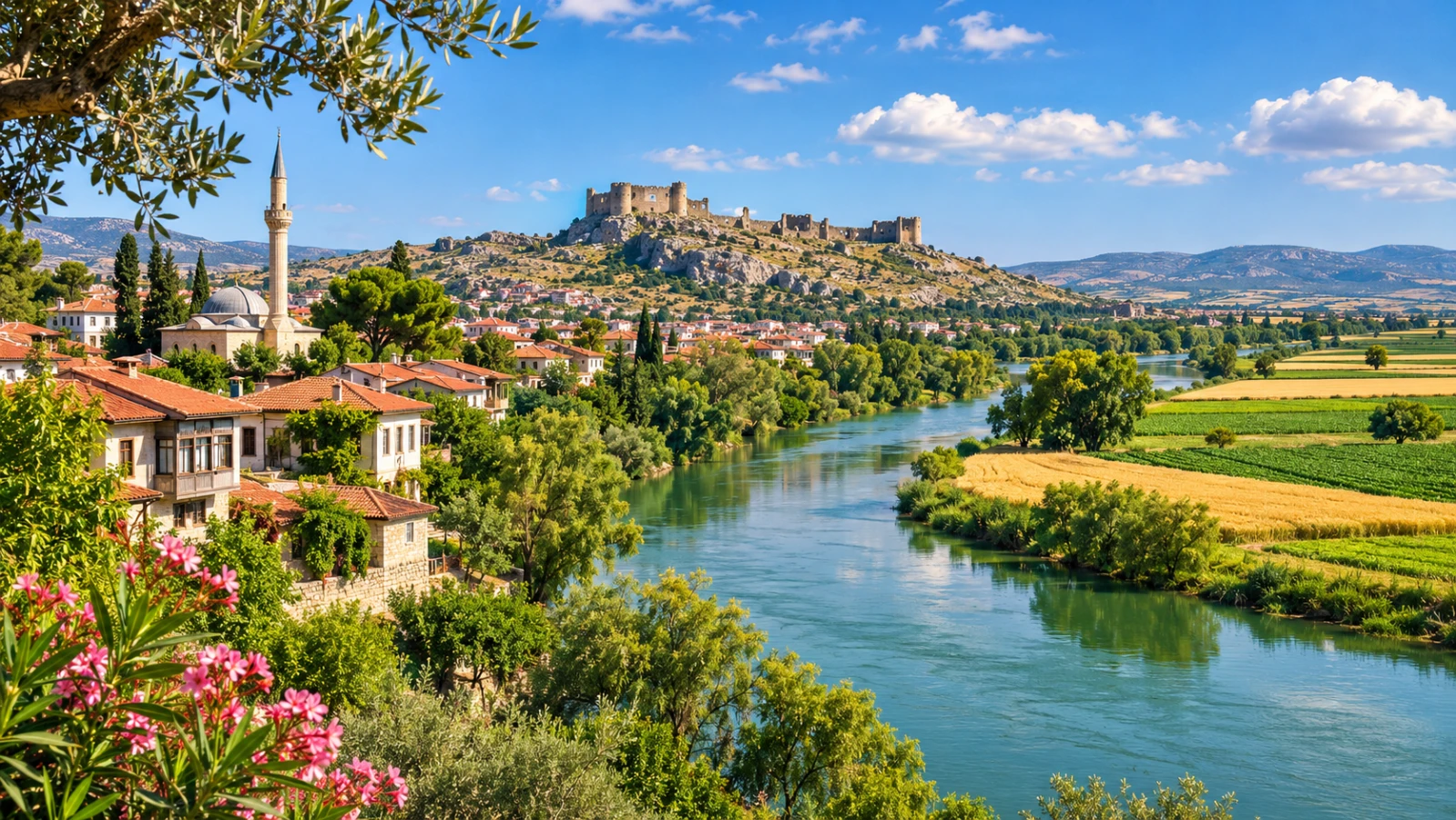
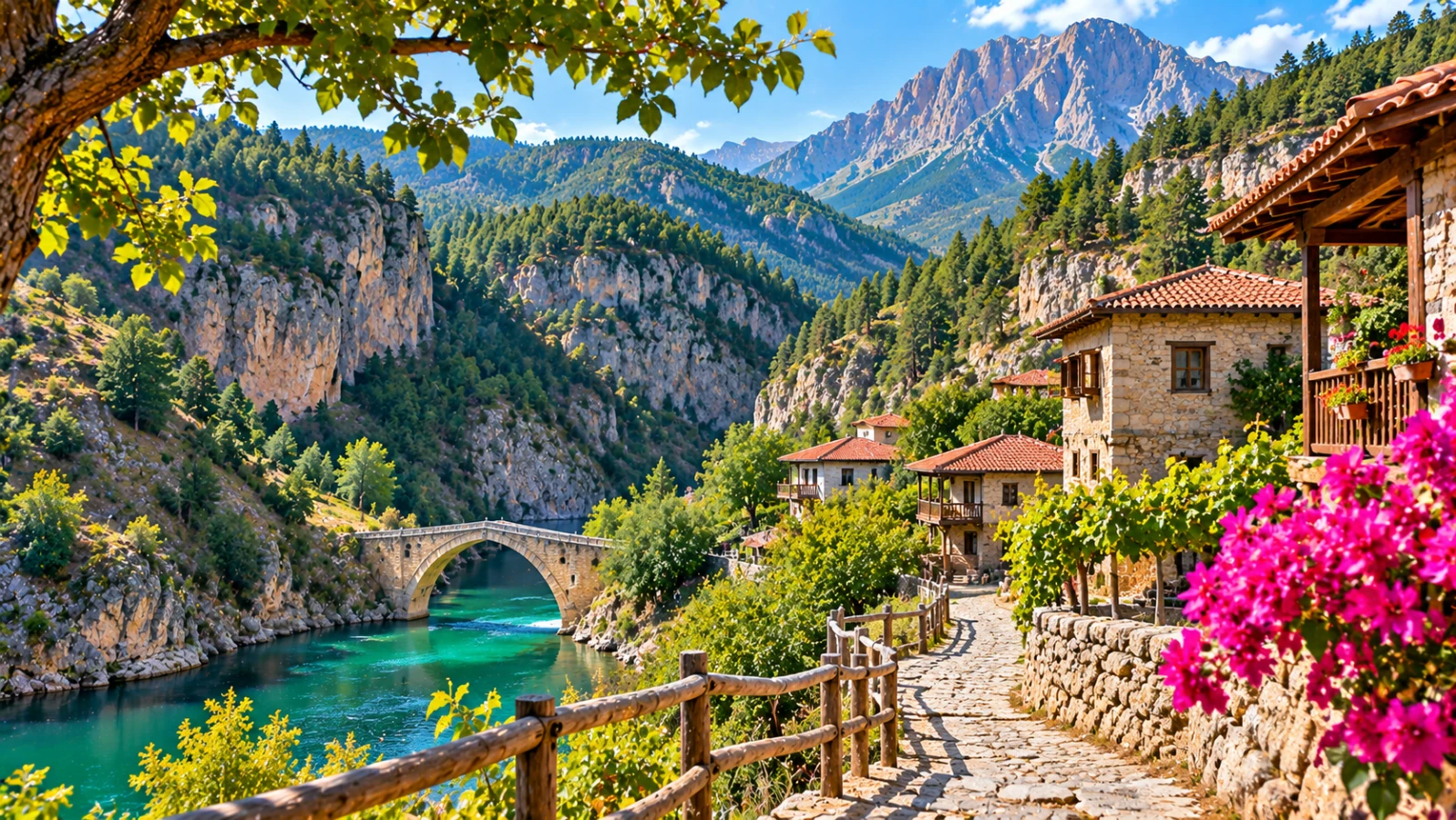
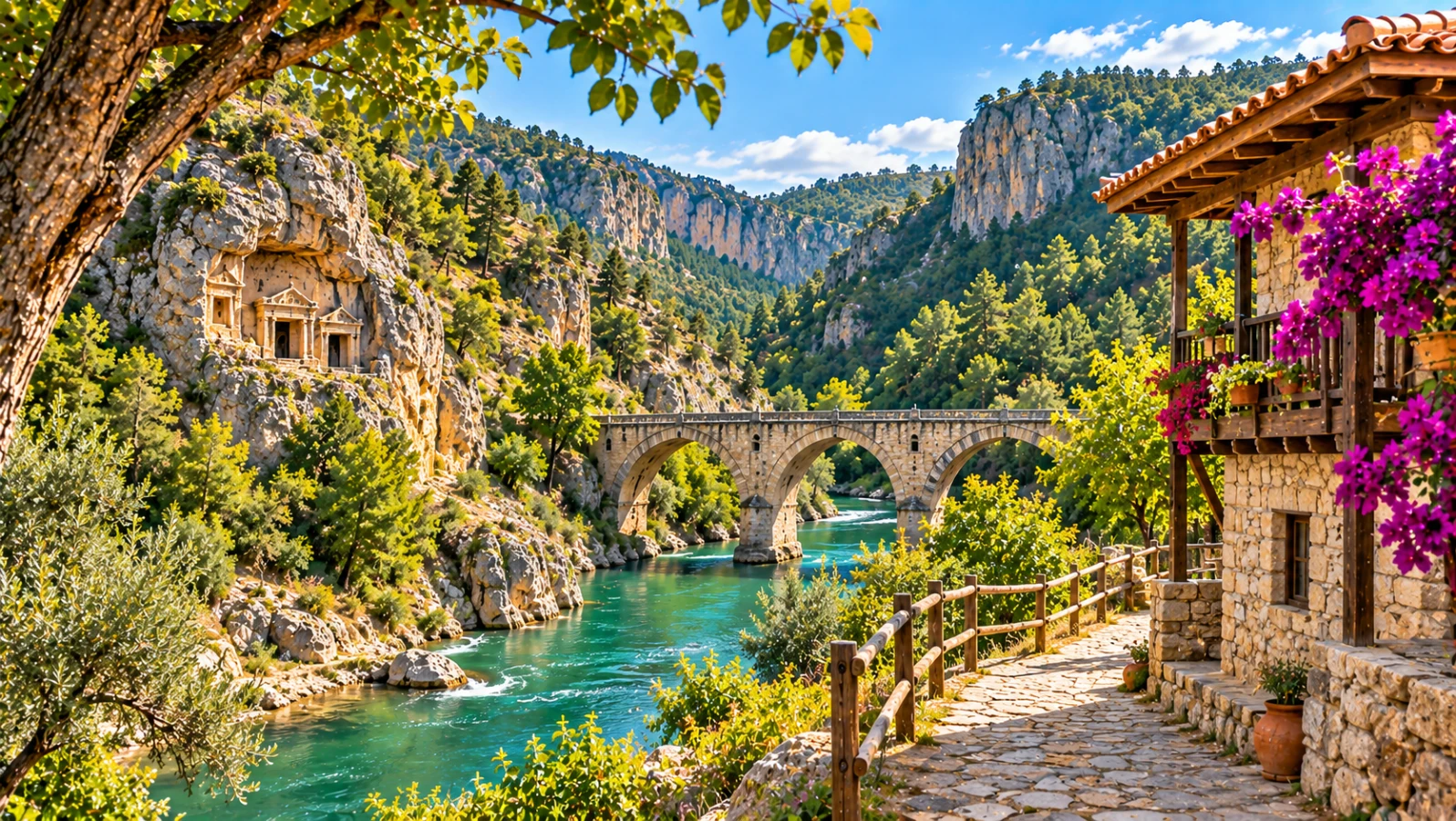
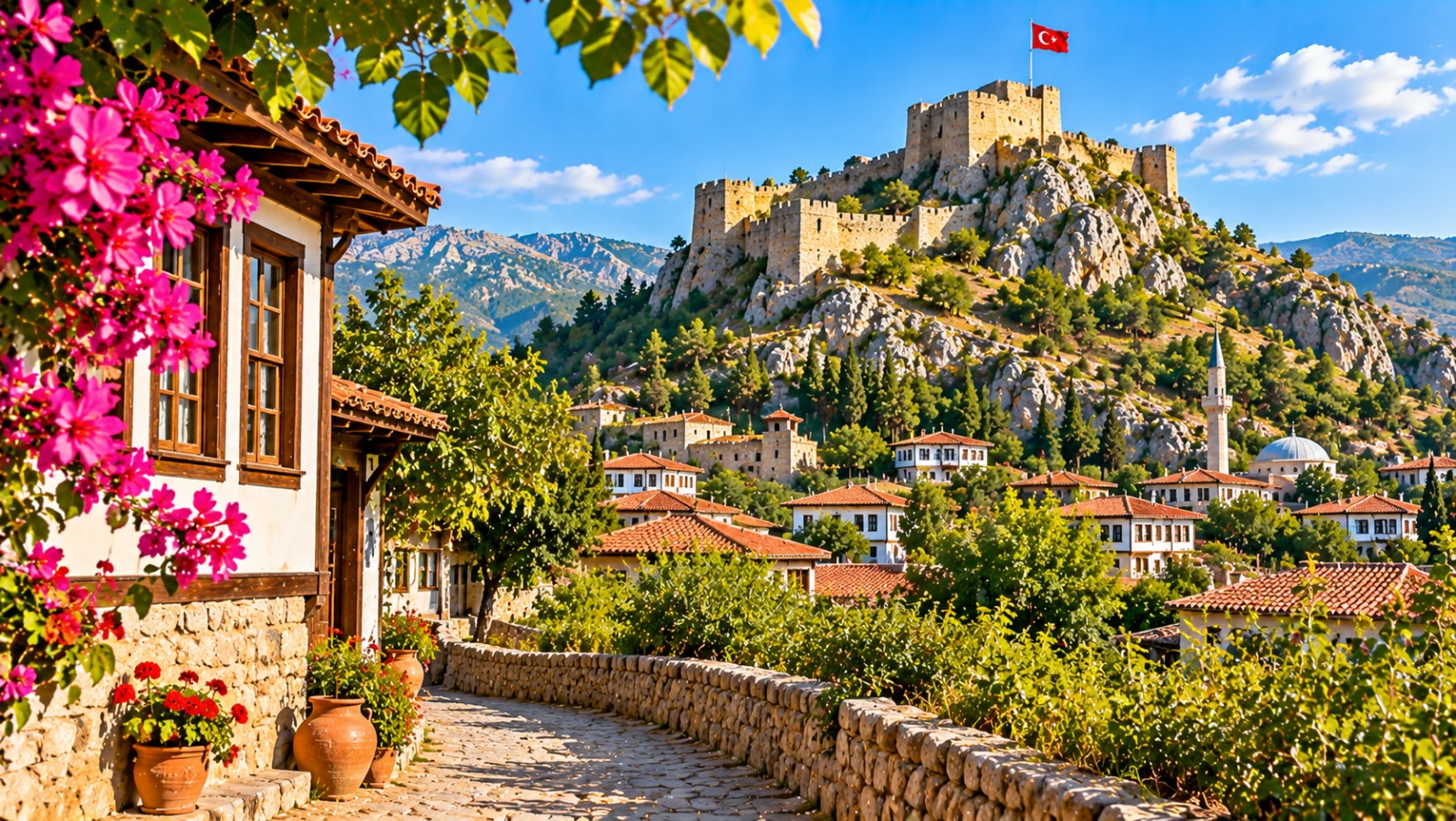
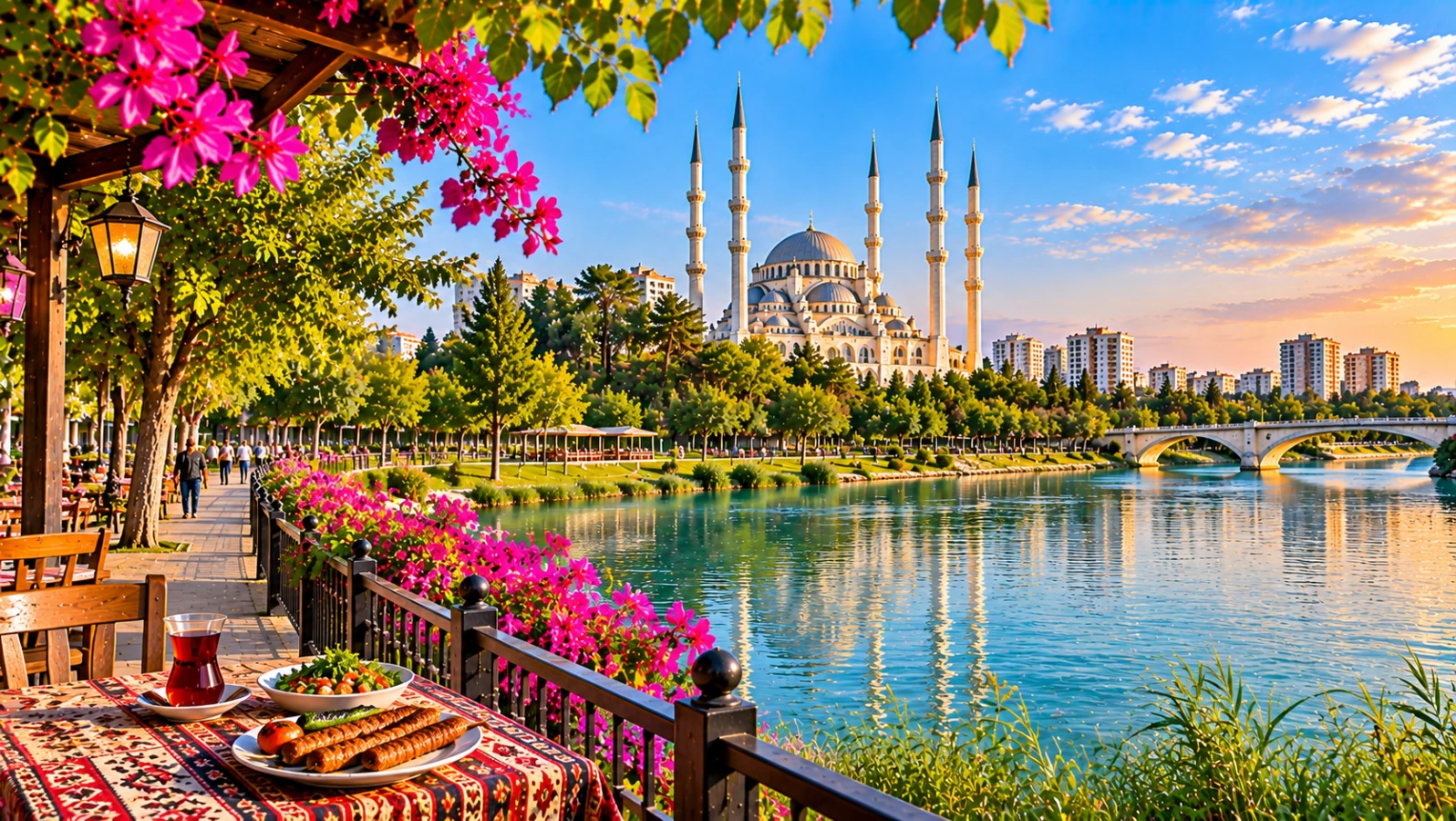
The stone arches cross the Seyhan between the old commercial quarter and the eastern bank, preserving a crossing repeatedly repaired since antiquity.
- River views
- Roman engineering






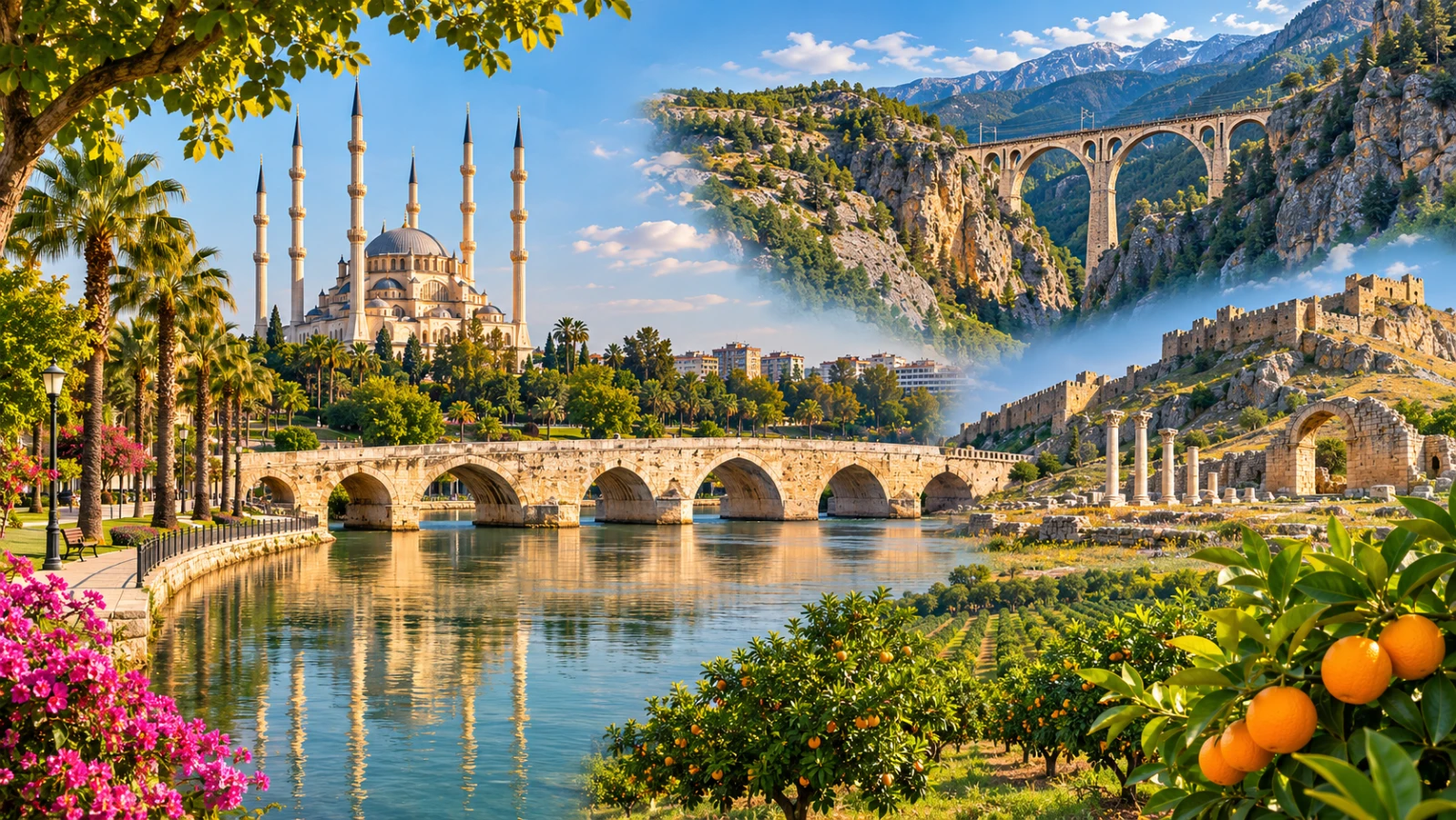
Discover the best places to visit in Adana, from the Roman stone bridge and Ramazanoğlu monuments to Anavarza, ancient Cilicia, the Taurus railway viaducts, Mediterranean lagoons and the rich cuisine of Çukurova.
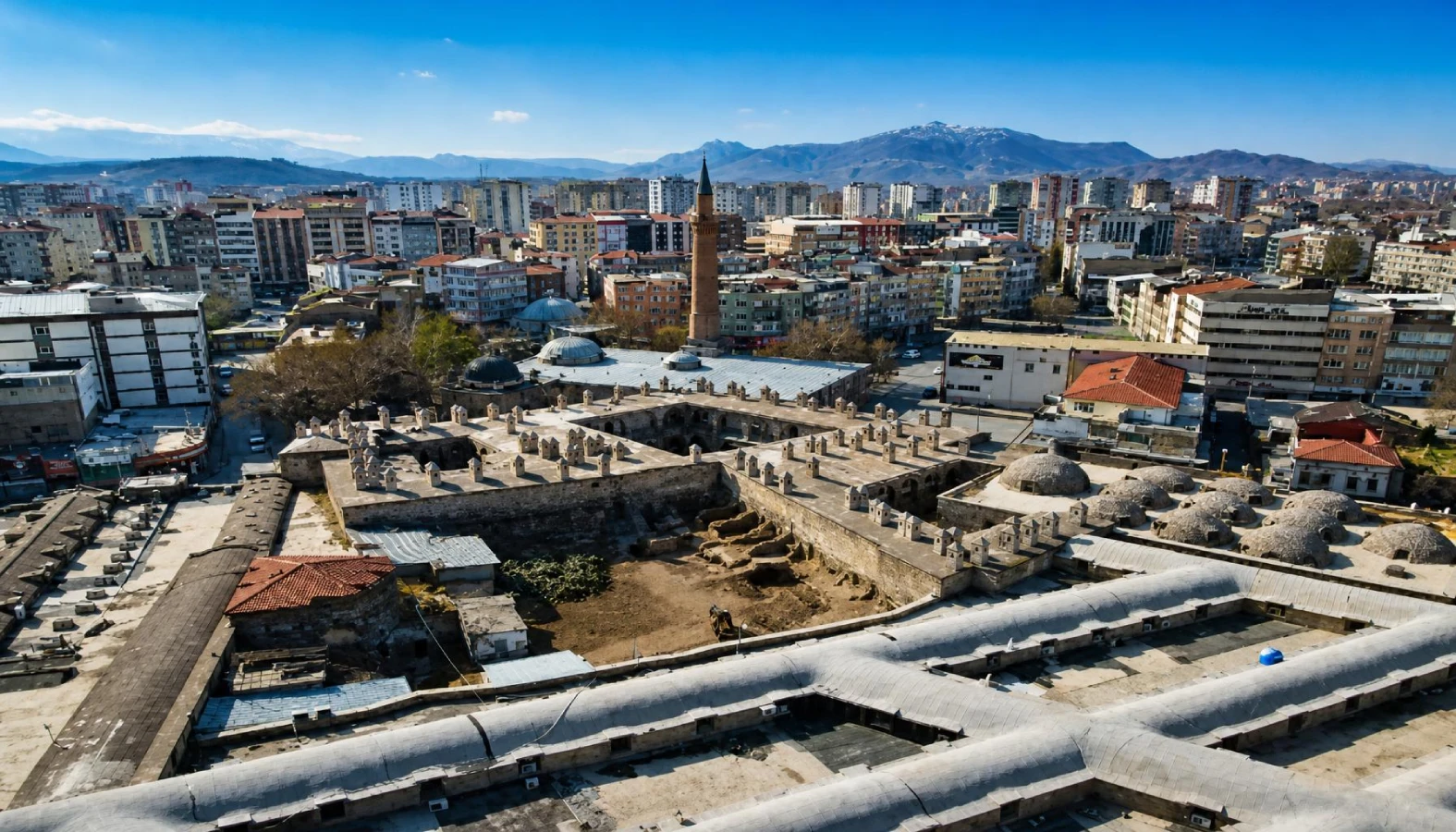
Adana occupies the fertile lowlands between the Taurus Mountains and the Mediterranean. The Seyhan and Ceyhan rivers cross the plain, historically known as Cilicia Pedias. Inland routes through the Taurus connected the eastern Mediterranean with central Anatolia, while ports such as Aigeai linked the region to maritime networks.
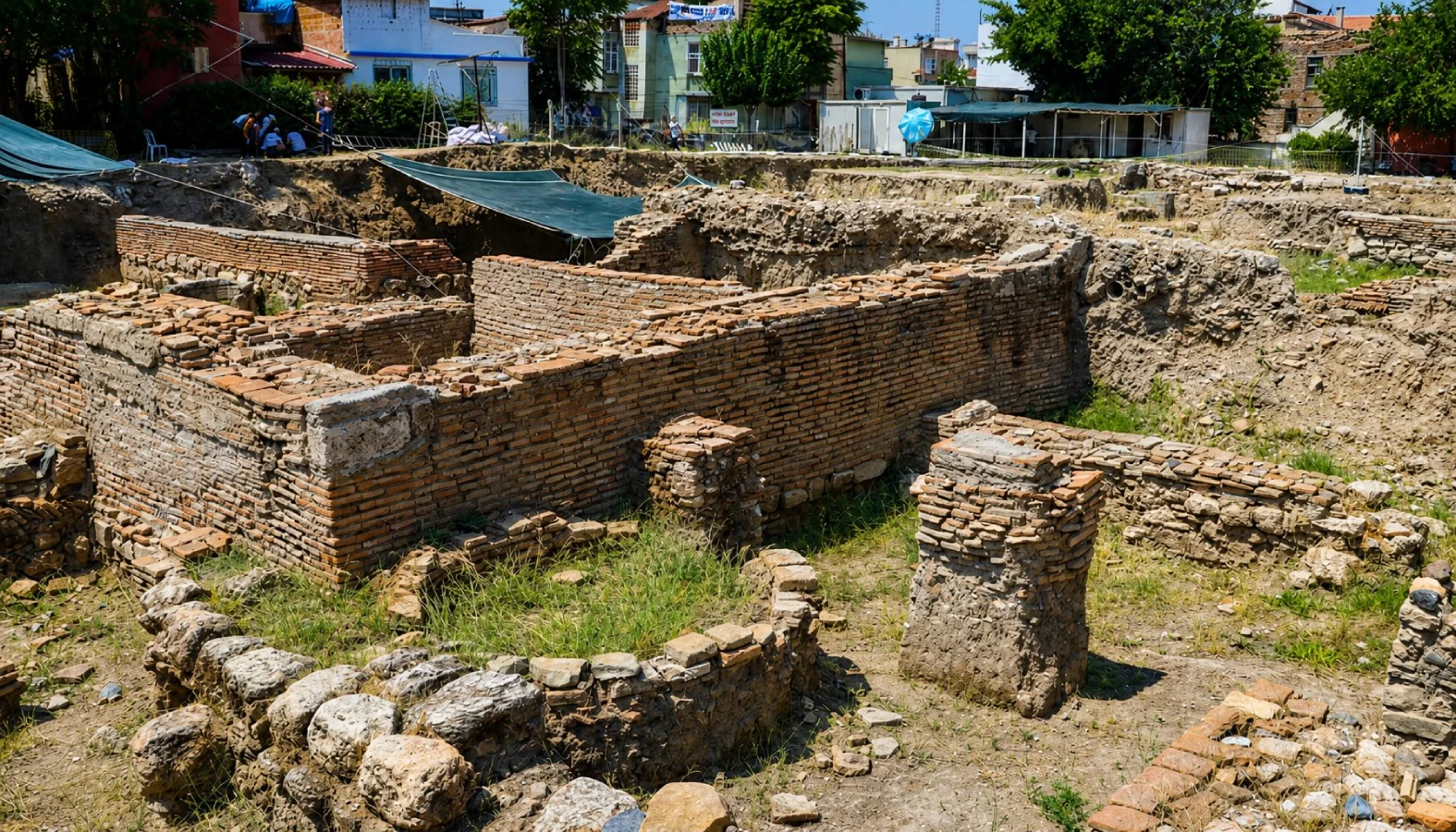
Tepebağ excavations reveal long settlement beneath the modern city. Bronze Age Kizzuwatna and Hittite monuments, Roman Anavarza and Mopsuestia, medieval Sis and Ayas, and the Ramazanoğlu buildings of Adana represent different centres of regional power rather than a single uninterrupted urban history.
In the nineteenth and twentieth centuries, cotton cultivation, railway connections and textile manufacturing transformed the plain. Today the former Milli Mensucat factory houses museum collections, while the mountain districts preserve summer pasture traditions and the coast protects internationally significant wetlands.
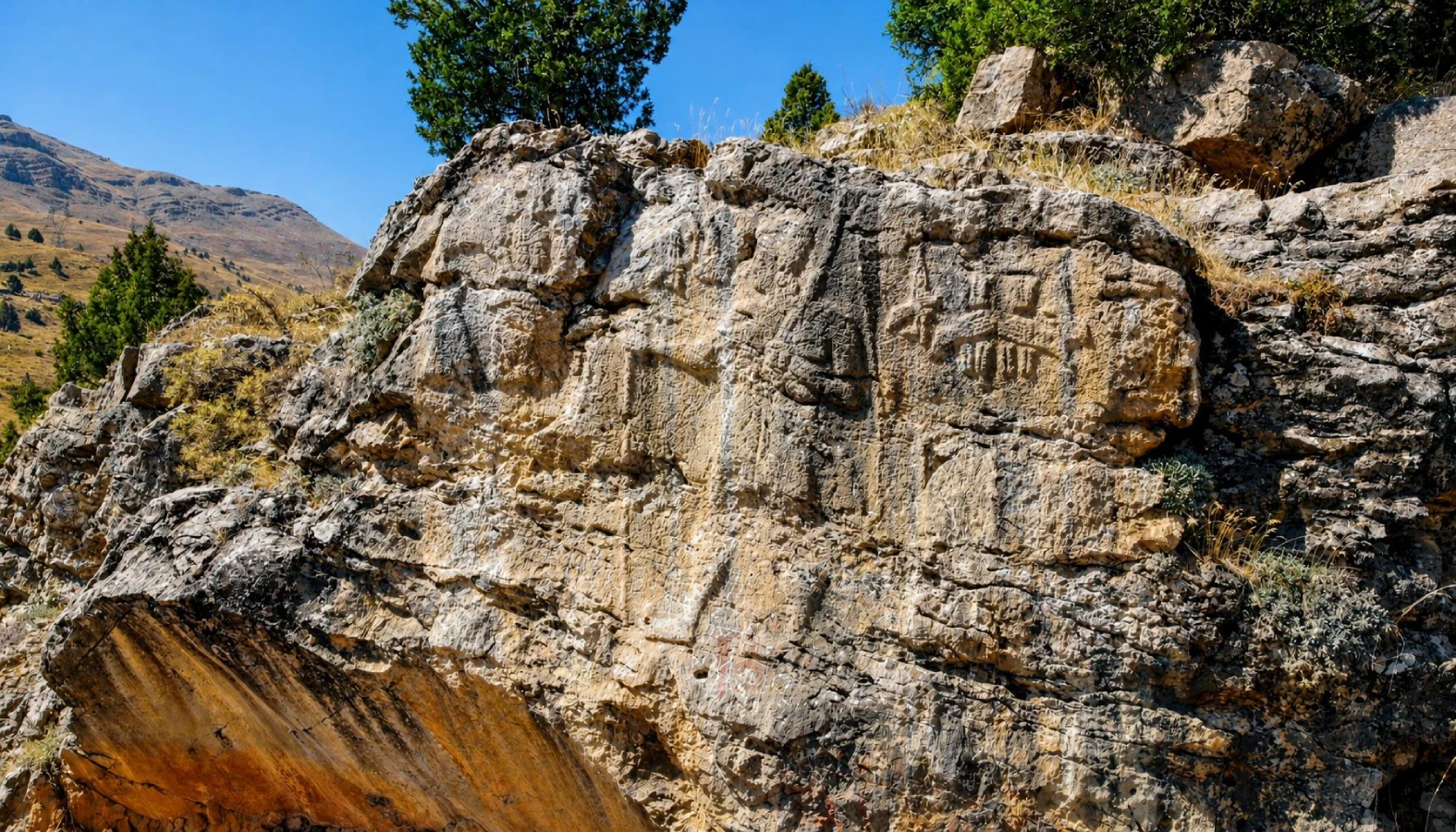
The Hittite king Muwatalli II is represented in a rock relief at Sirkeli on the Ceyhan. The archaeological mound beside it and other settlements such as Tatarlı help explain the role of the plain in Bronze Age political and commercial networks.
Under Roman rule, Anazarbos became a major city; its monumental gateway, streets and architectural remains occupy the plain beneath a fortified ridge. Mopsuestia developed around a crossing of the Ceyhan, while Aigeai was a coastal centre with a sanctuary associated with Asclepius. Anavarza has been on Türkiye’s UNESCO World Heritage Tentative List since 2014.
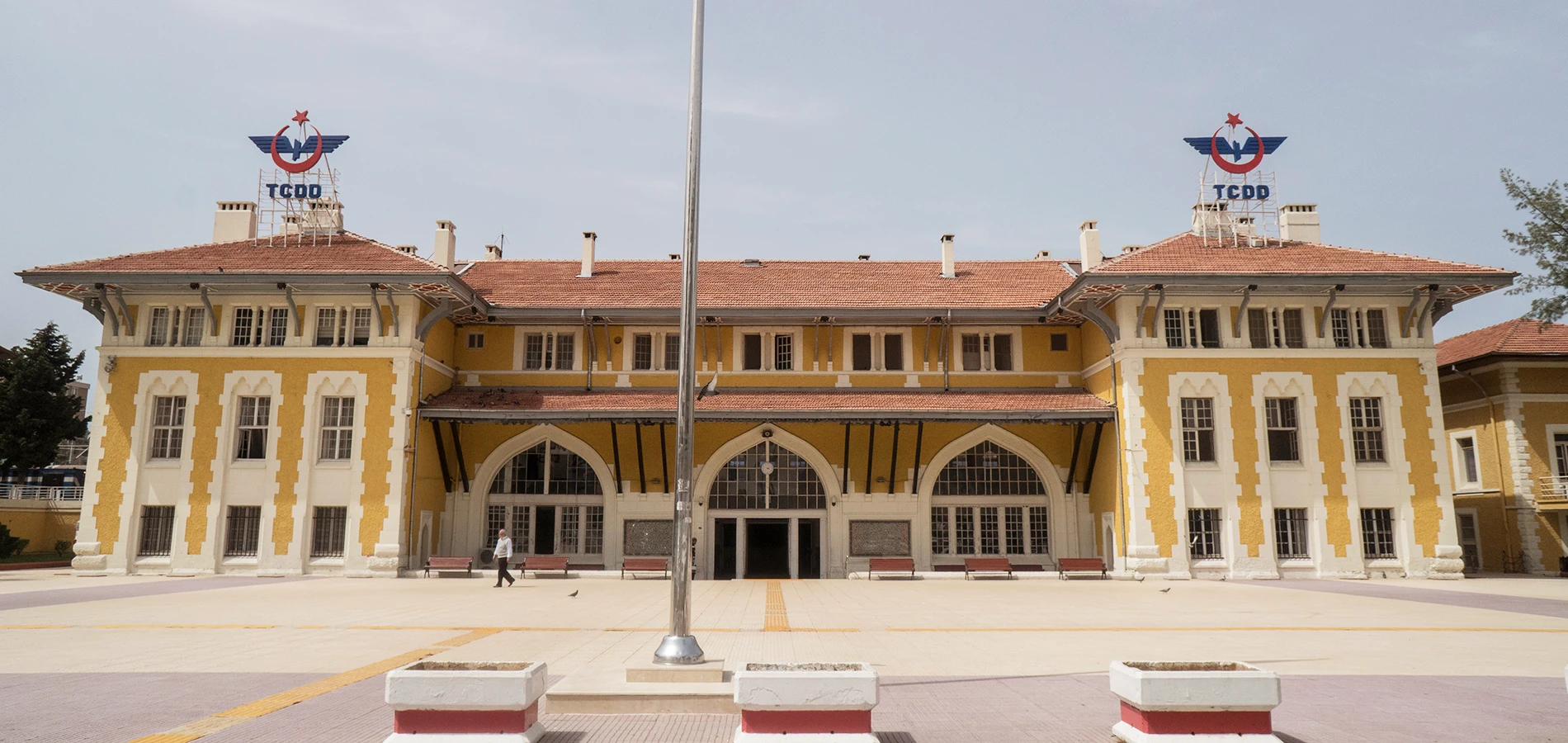
Medieval Sis (Kozan) became a capital of the Armenian Kingdom of Cilicia, and Ayas served long-distance trade. Adana’s Ramazanoğlu monuments belong to a later political landscape, shaped by Mamluk influence and Ottoman rule. The Baghdad Railway and the growth of cotton mills added a modern industrial chapter.
Start with the historic city, then discover the ancient settlements, coastal wetlands and Taurus railway landscapes.
The stone arches cross the Seyhan between the old commercial quarter and the eastern bank, preserving a crossing repeatedly repaired since antiquity.
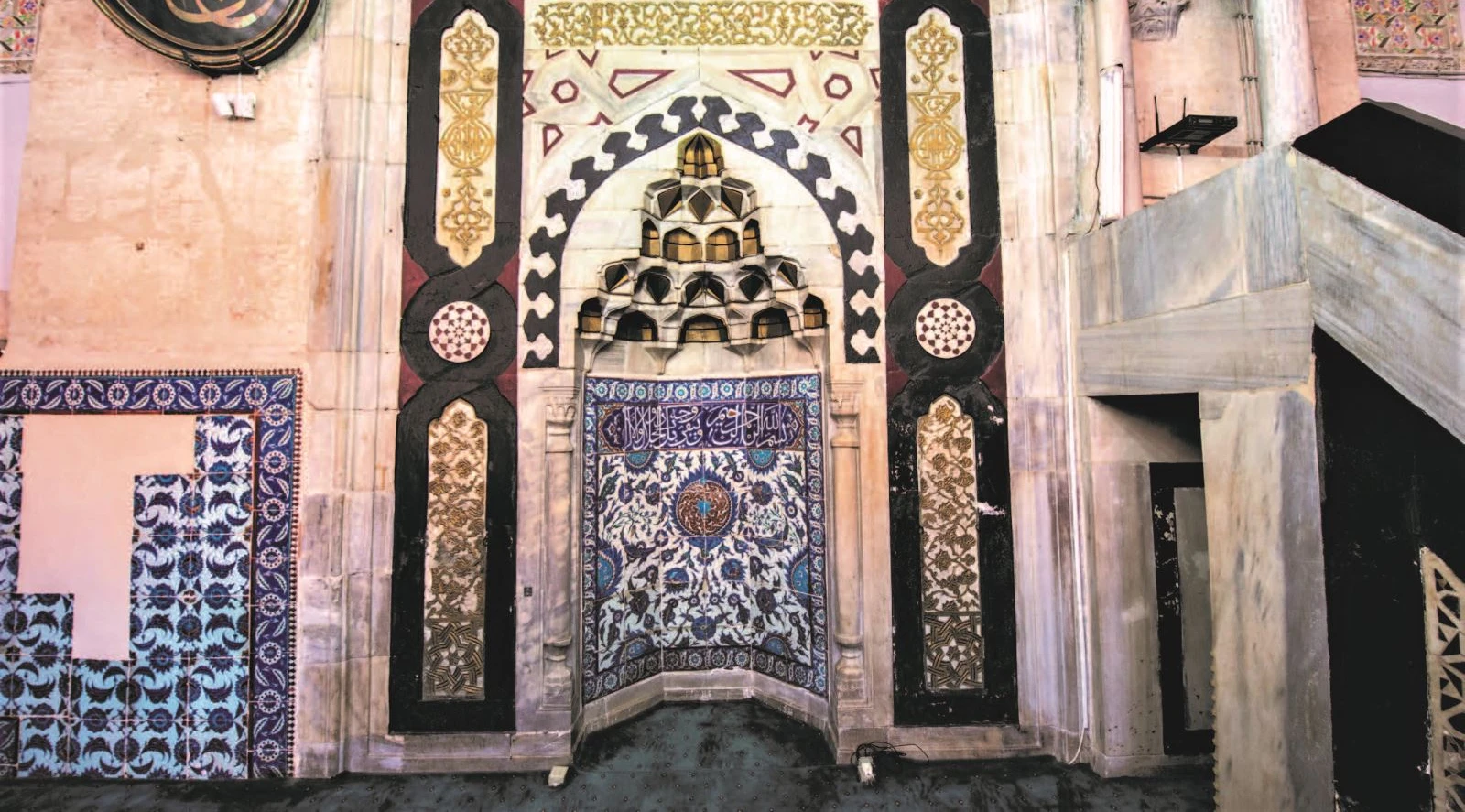
Begun in the early sixteenth century and completed in 1541, the complex combines patterned masonry, a courtyard and a dynastic tomb.
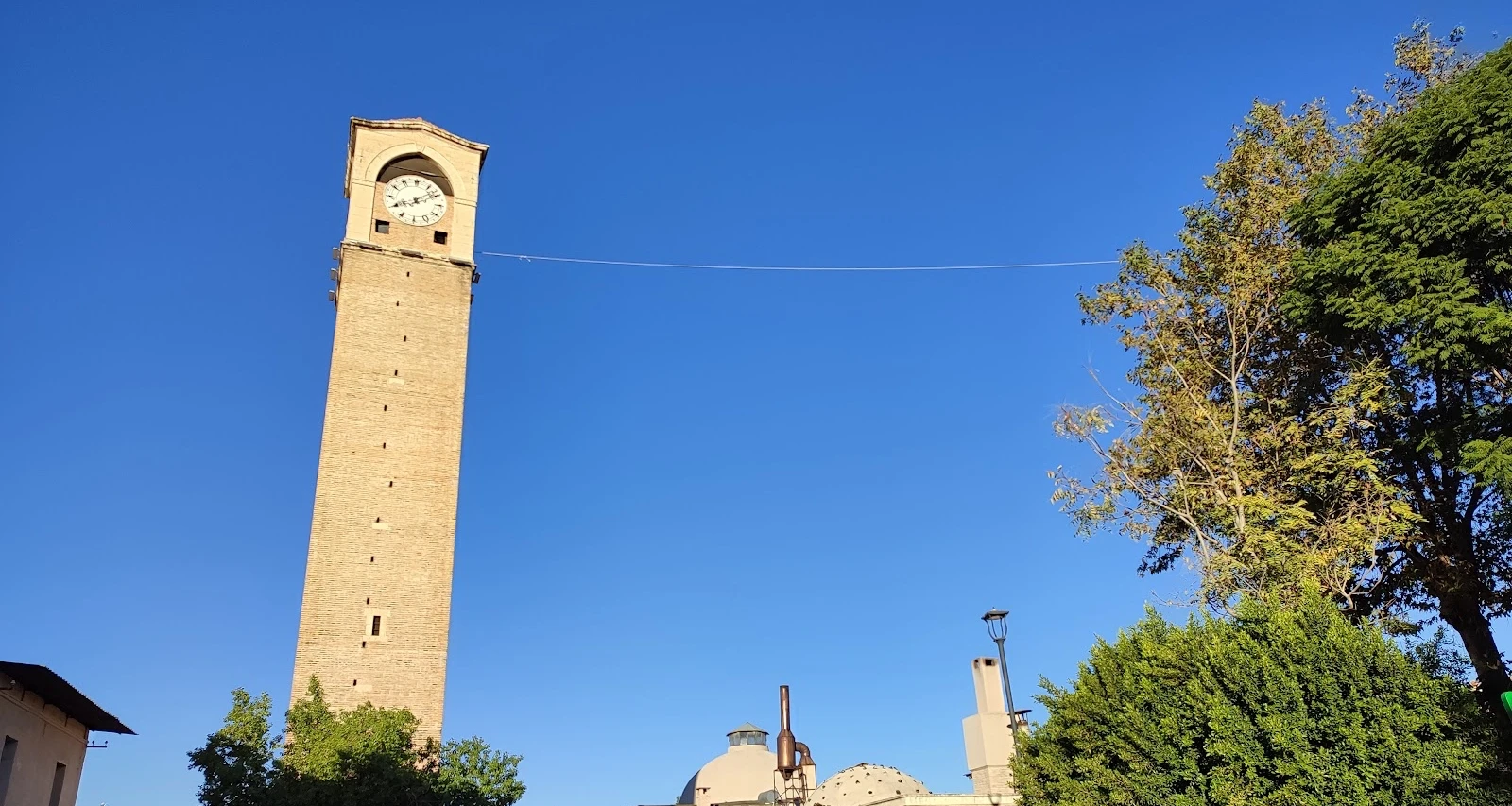
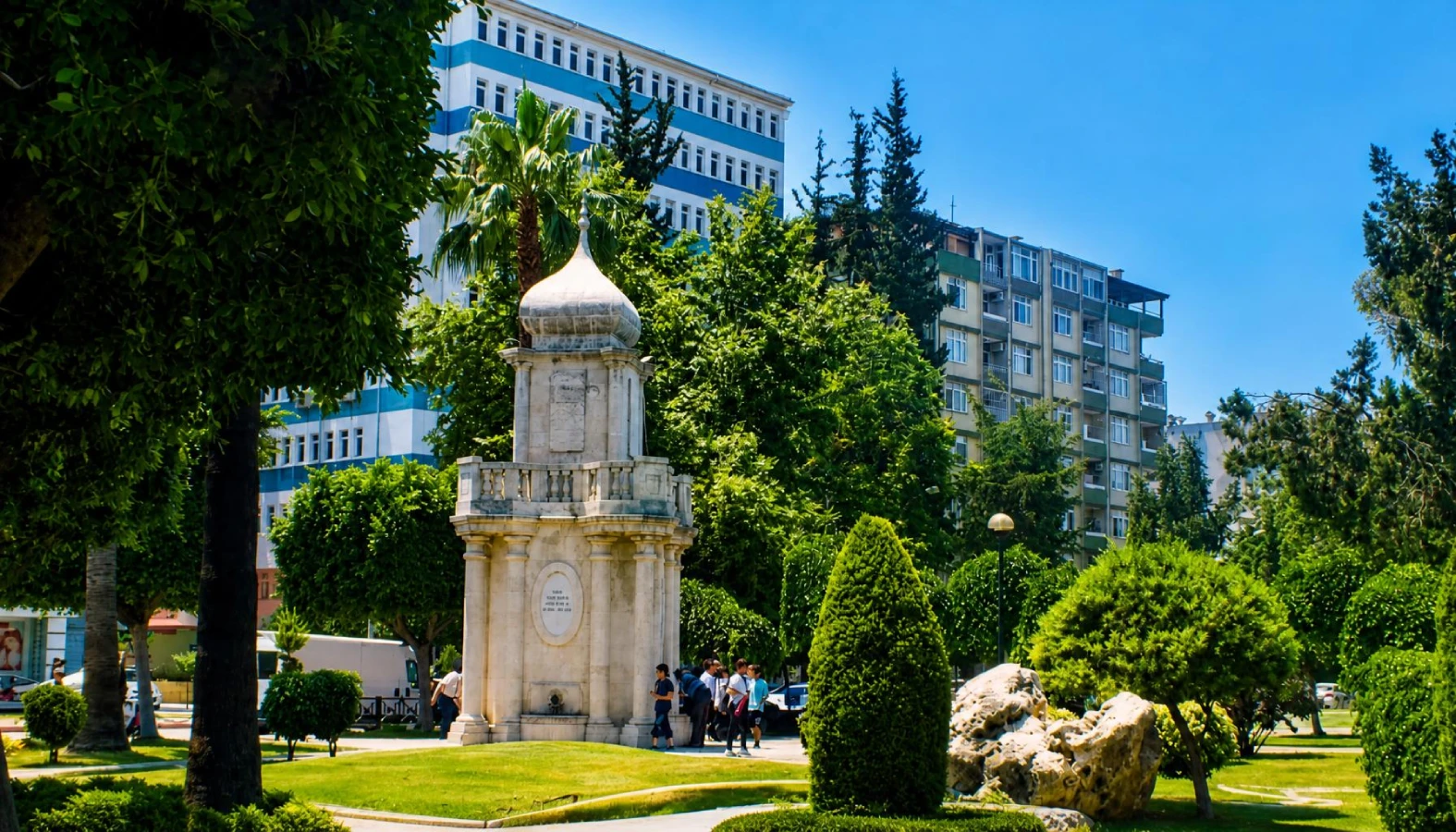
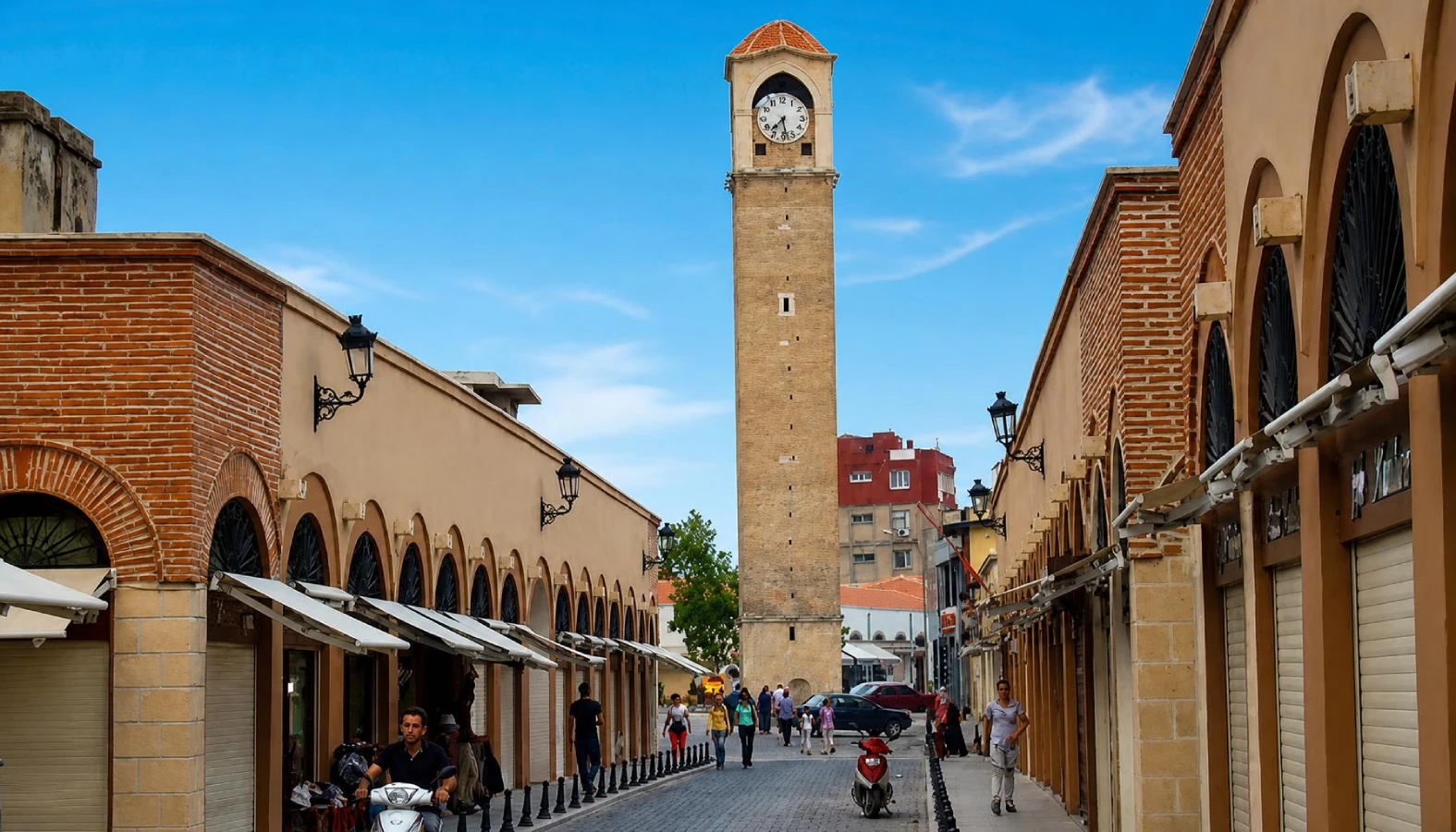
Completed in 1882, the brick clock tower rises above the market streets near the Ulu Mosque.
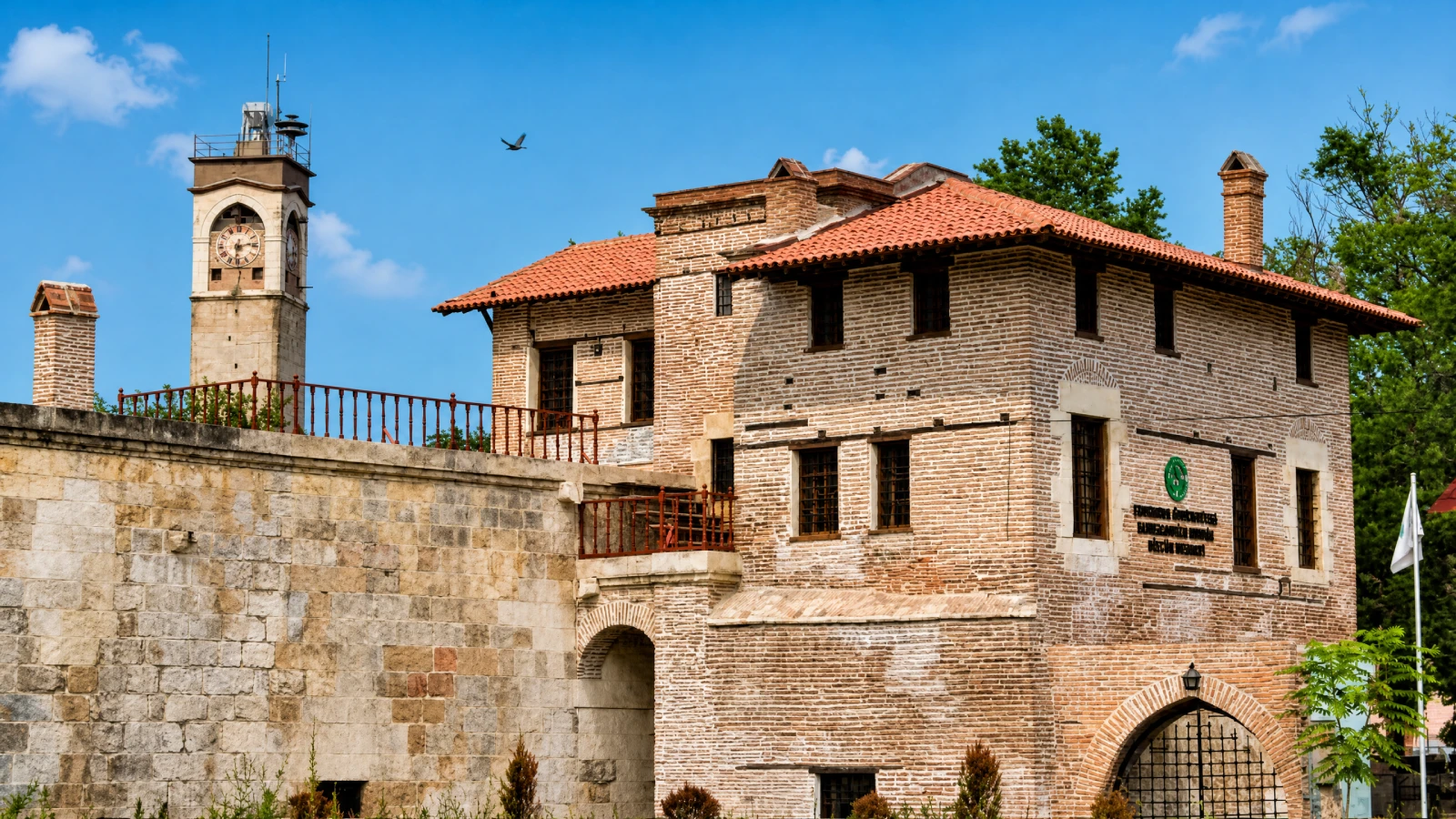
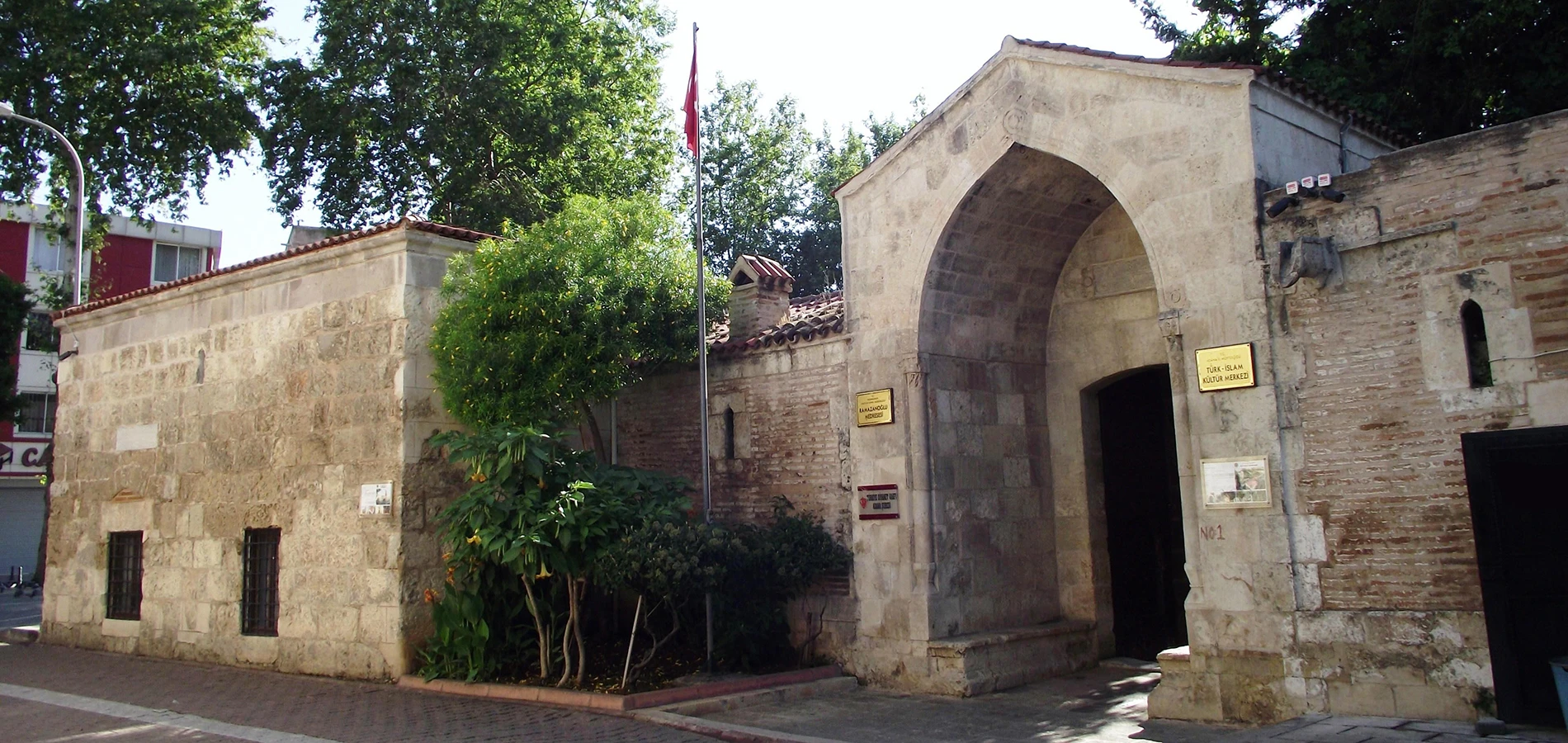
The residential building near the Ulu Mosque preserves the domestic architecture of the ruling Ramazanoğlu family.
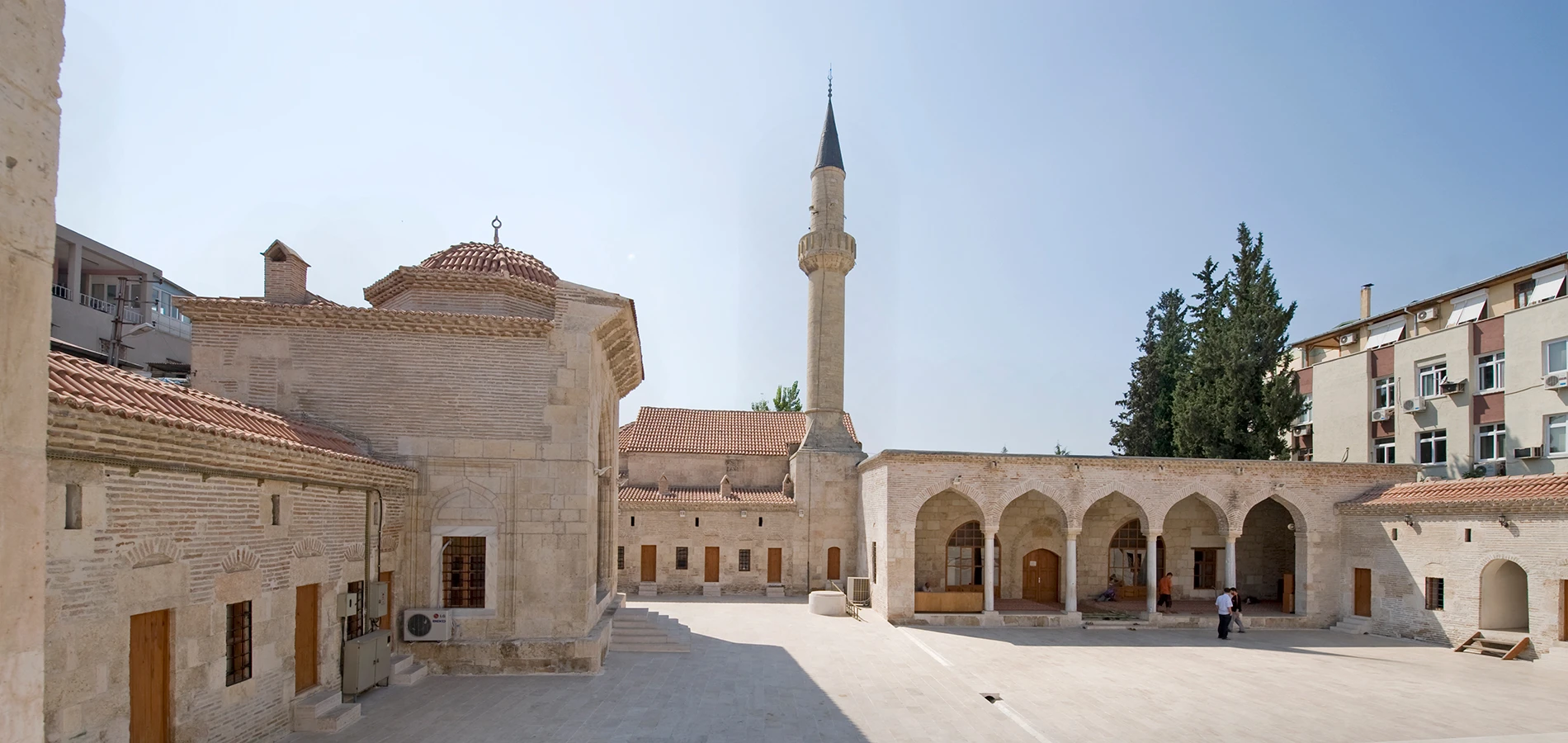
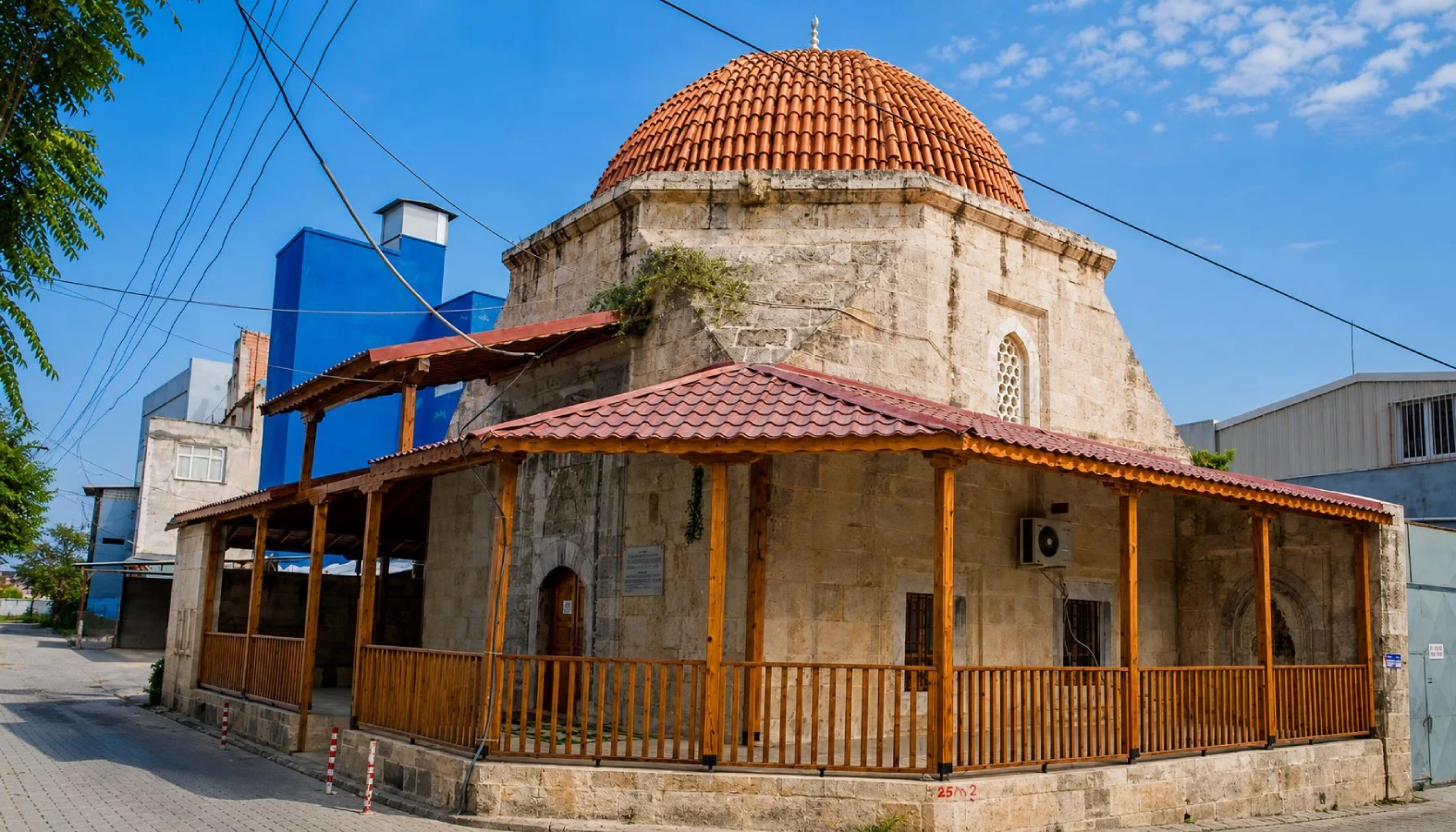
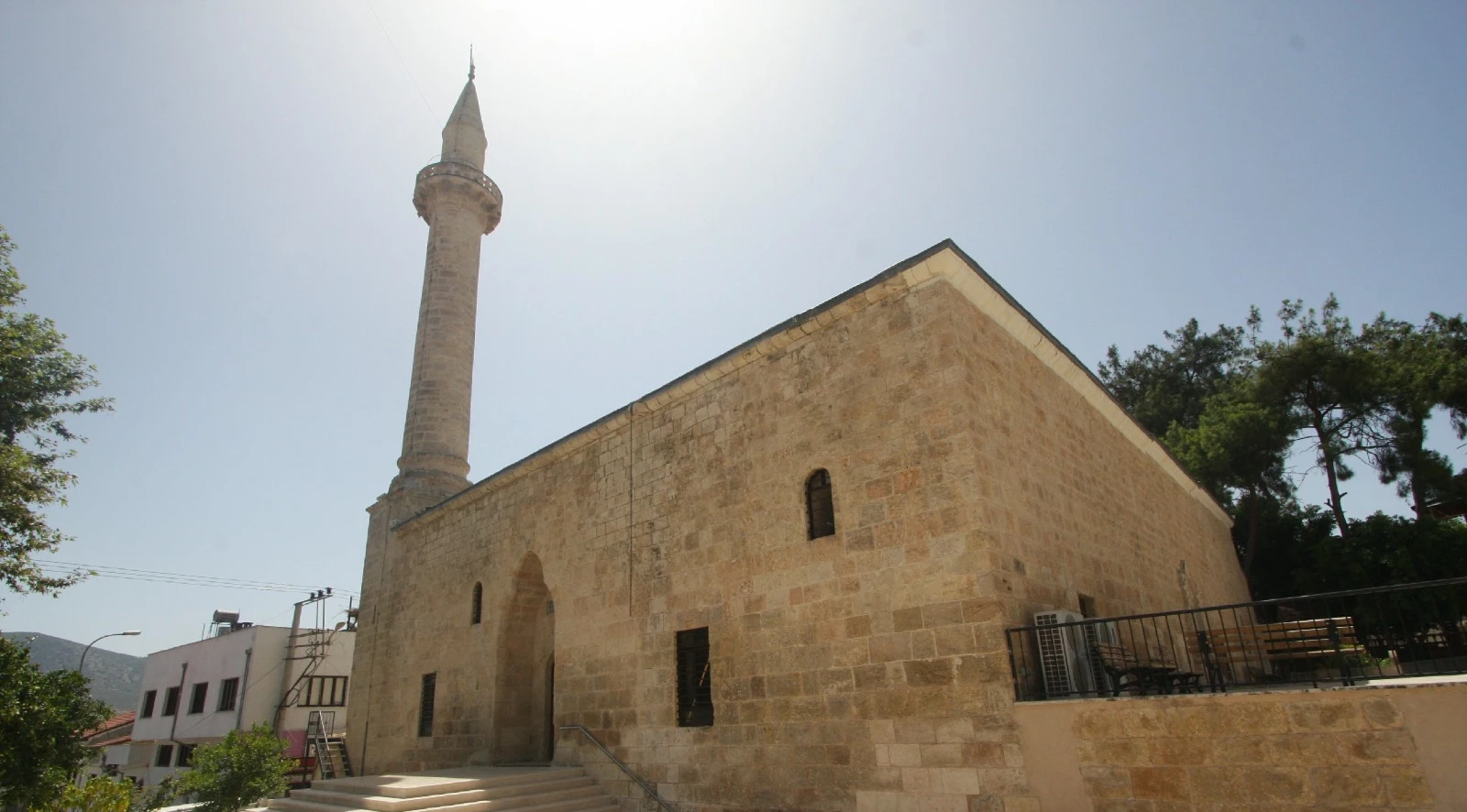
A former church was adapted into a mosque under Ramazanoğlu rule; the monumental portal belongs to the later Islamic complex.
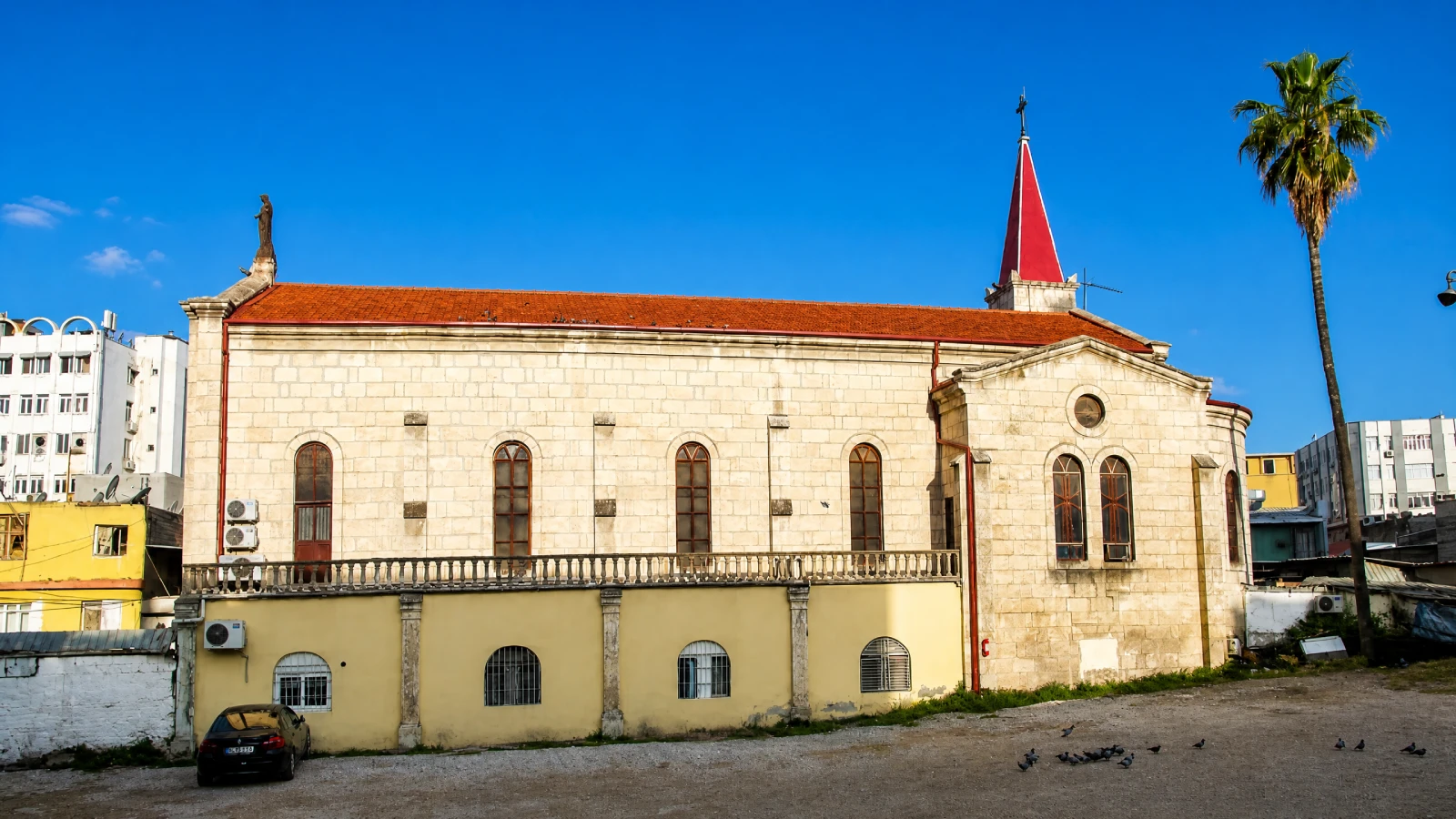
The nineteenth-century Catholic church takes its popular Turkish name from the statue of the Virgin Mary above its façade.
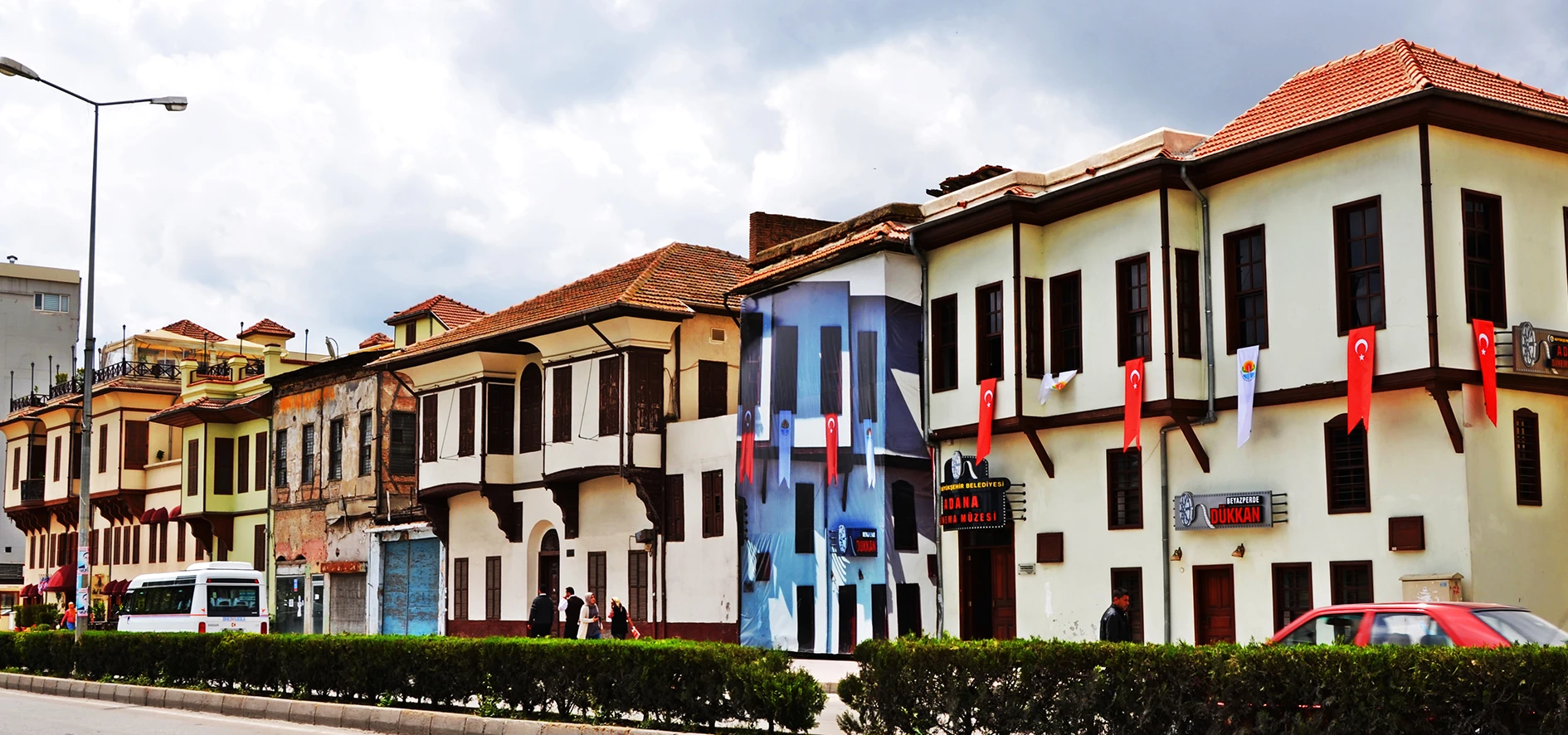
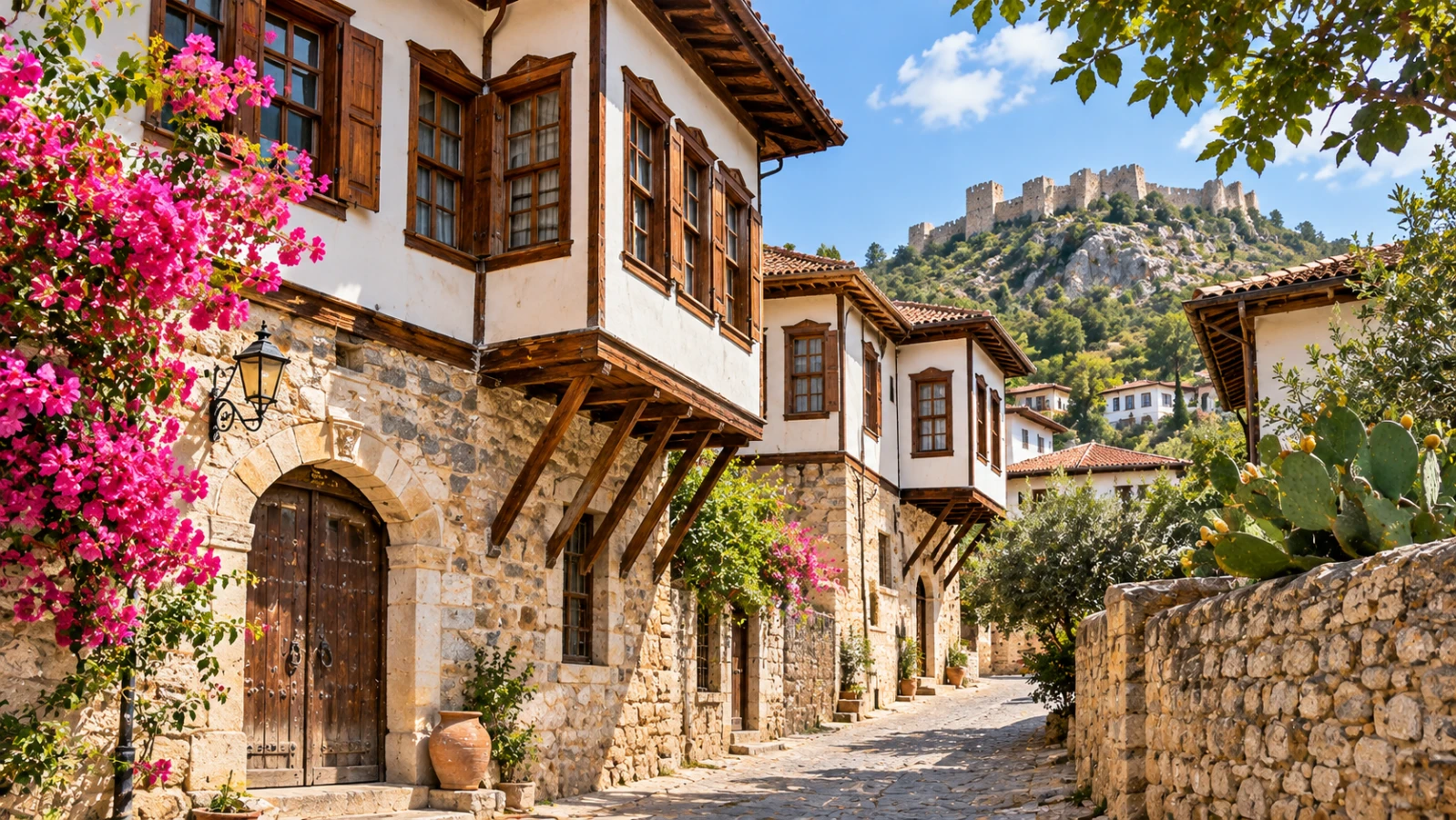
Raised above the Seyhan on the historic mound, Tepebağ retains narrow streets and houses with projecting upper floors and shaded domestic spaces.
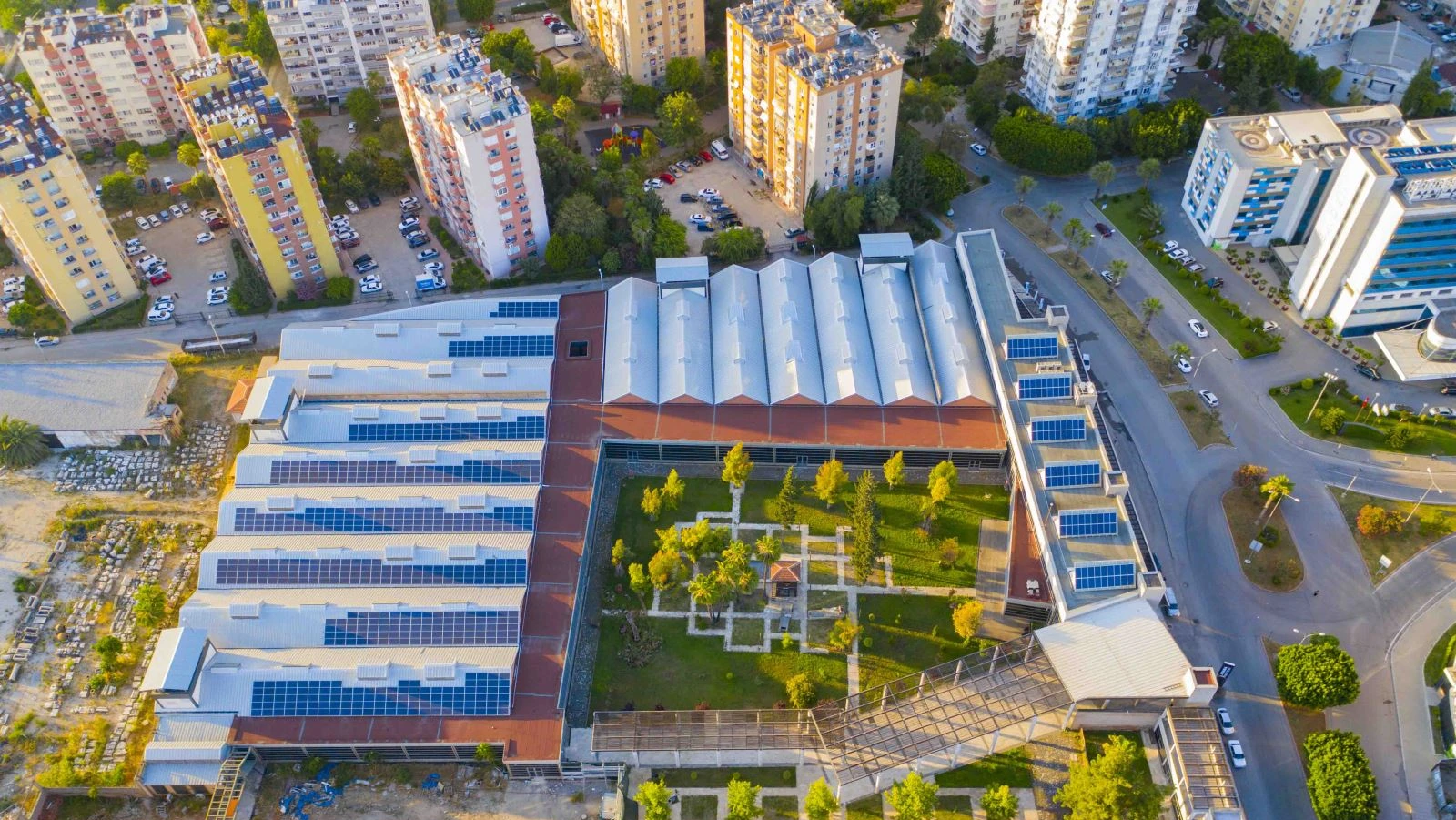
The former Milli Mensucat textile factory now houses archaeological and mosaic collections, connecting excavated objects with the industrial history of Çukurova.
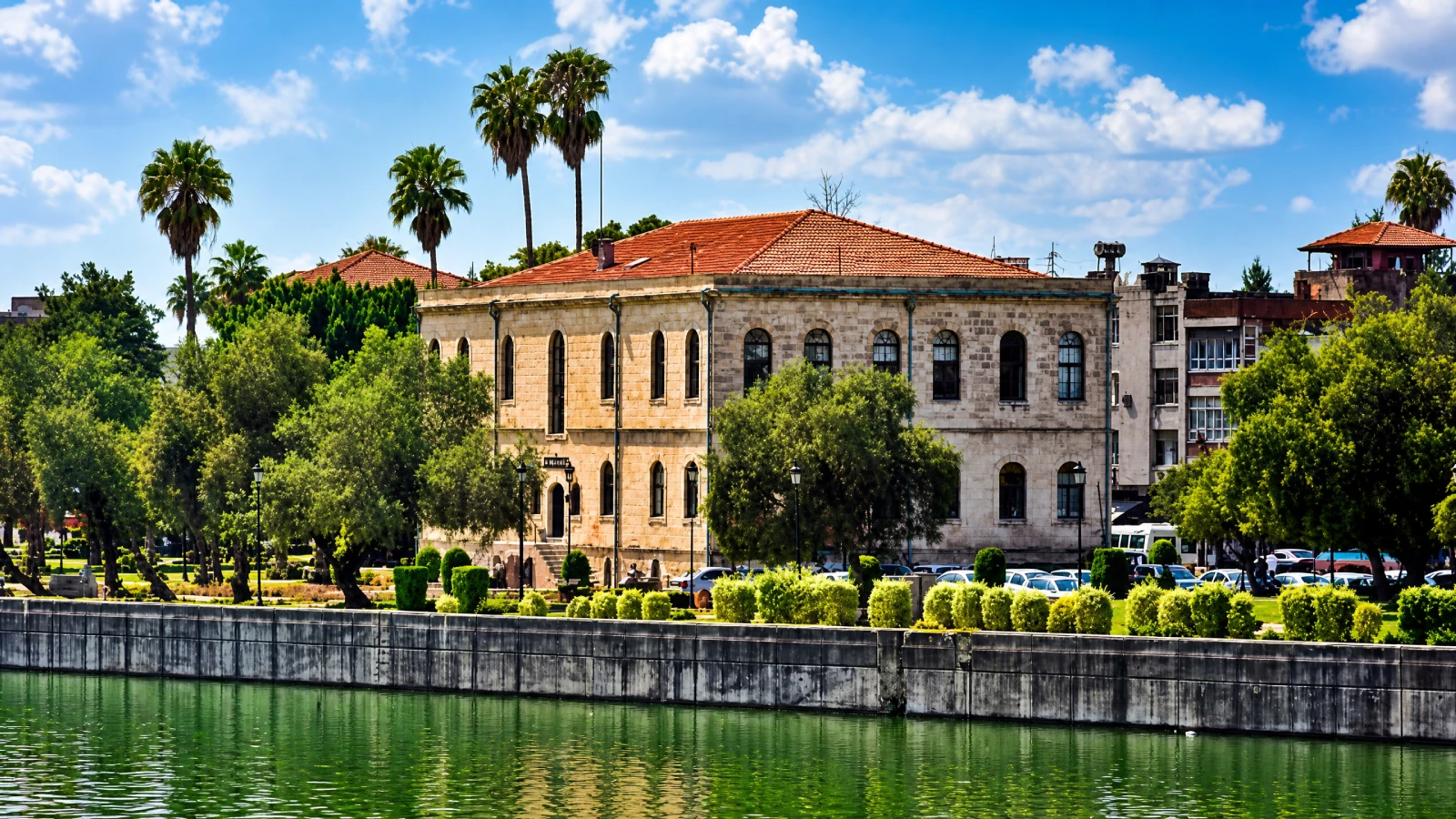
The historic school building illustrates the city's expanding educational and civic institutions; view it from public streets unless access is arranged.
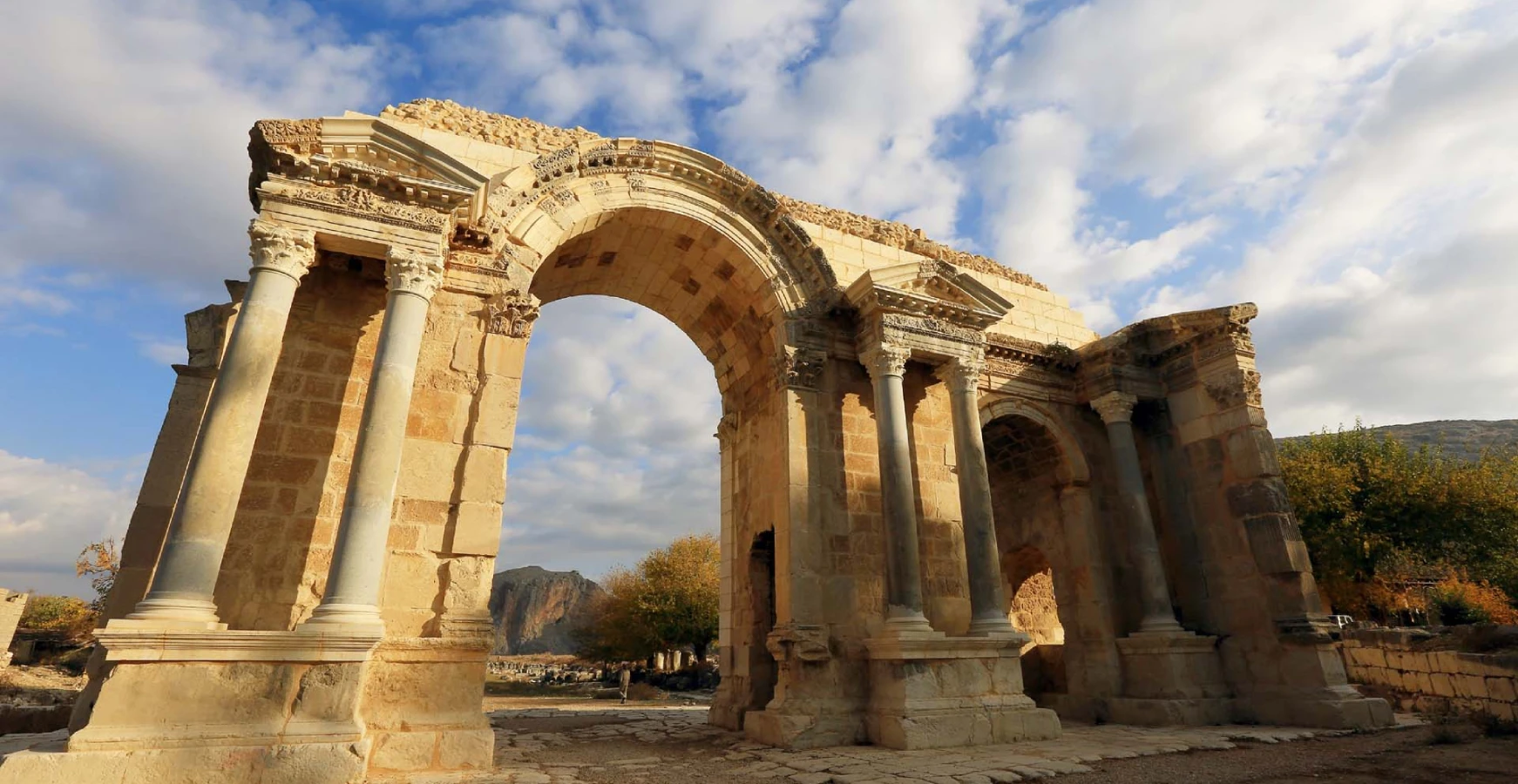
At the foot of a limestone ridge are the remains of an imperial-era city, including a monumental gateway and traces of its street system. Anavarza is on Türkiye's UNESCO Tentative List.
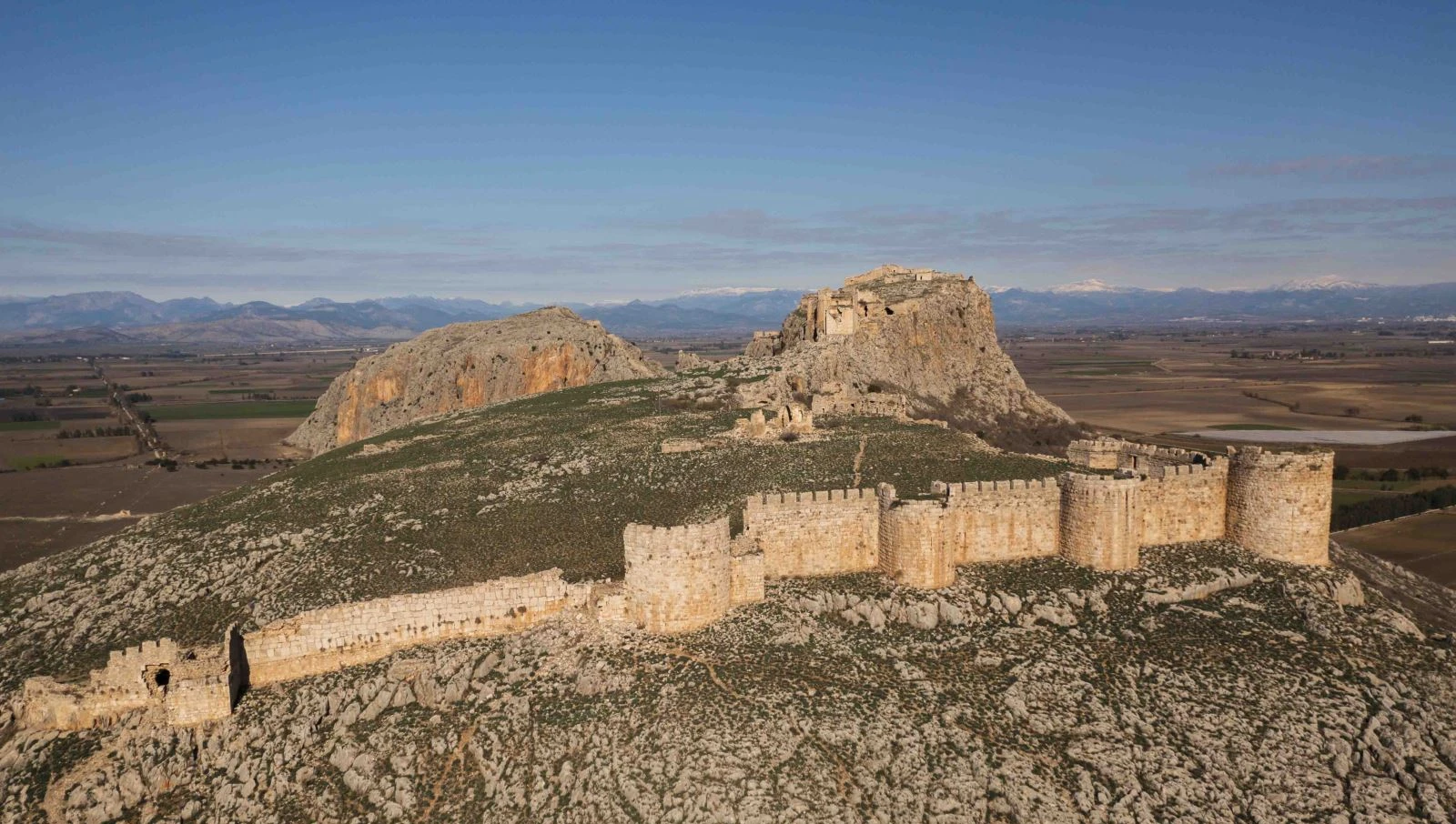
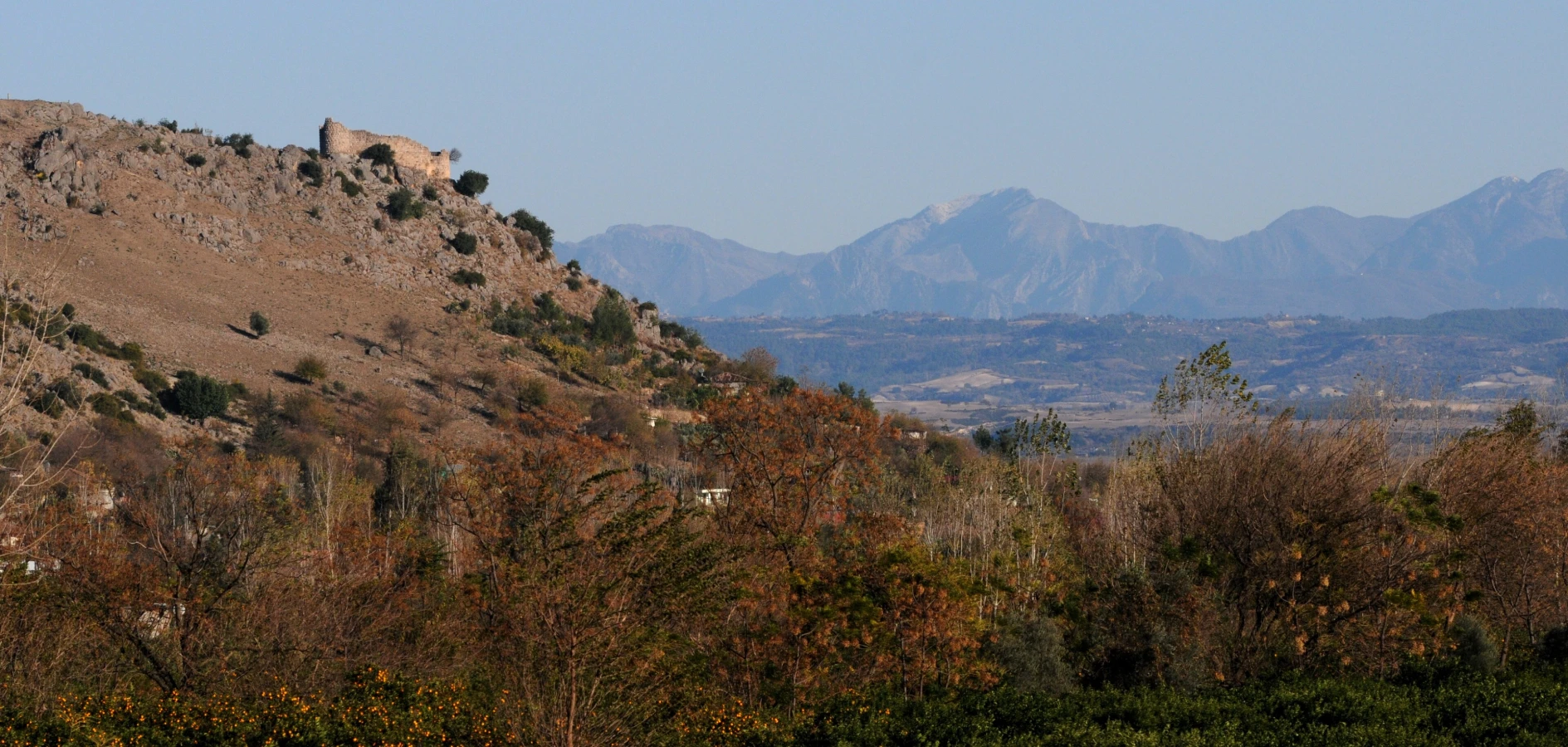
The fortifications above the classical city reflect successive medieval defensive phases. The steep ridge demands careful assessment of access and terrain.
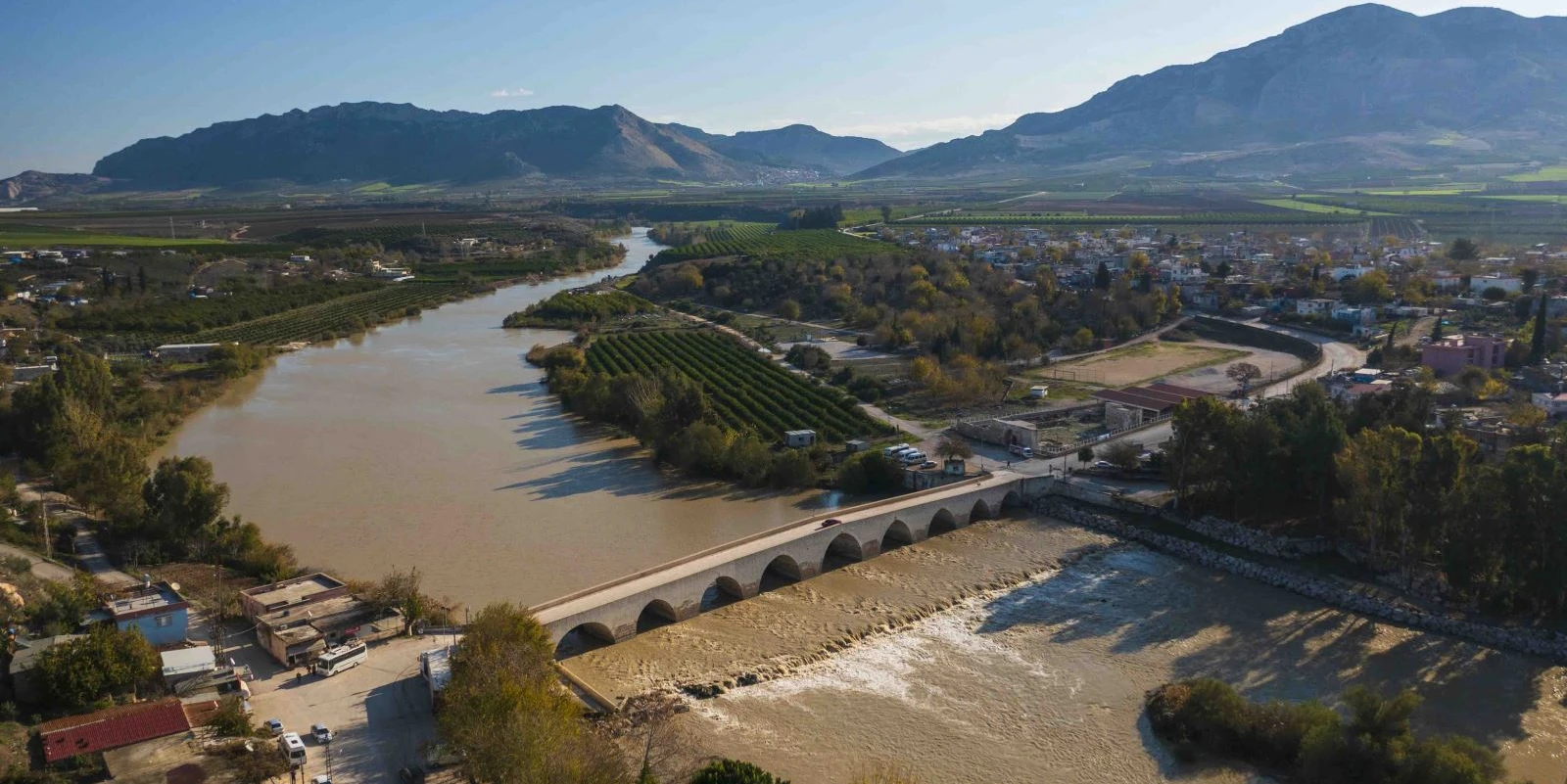
The settlement on the Ceyhan river developed around a strategic crossing, with Roman and late antique remains and a long history of occupation.
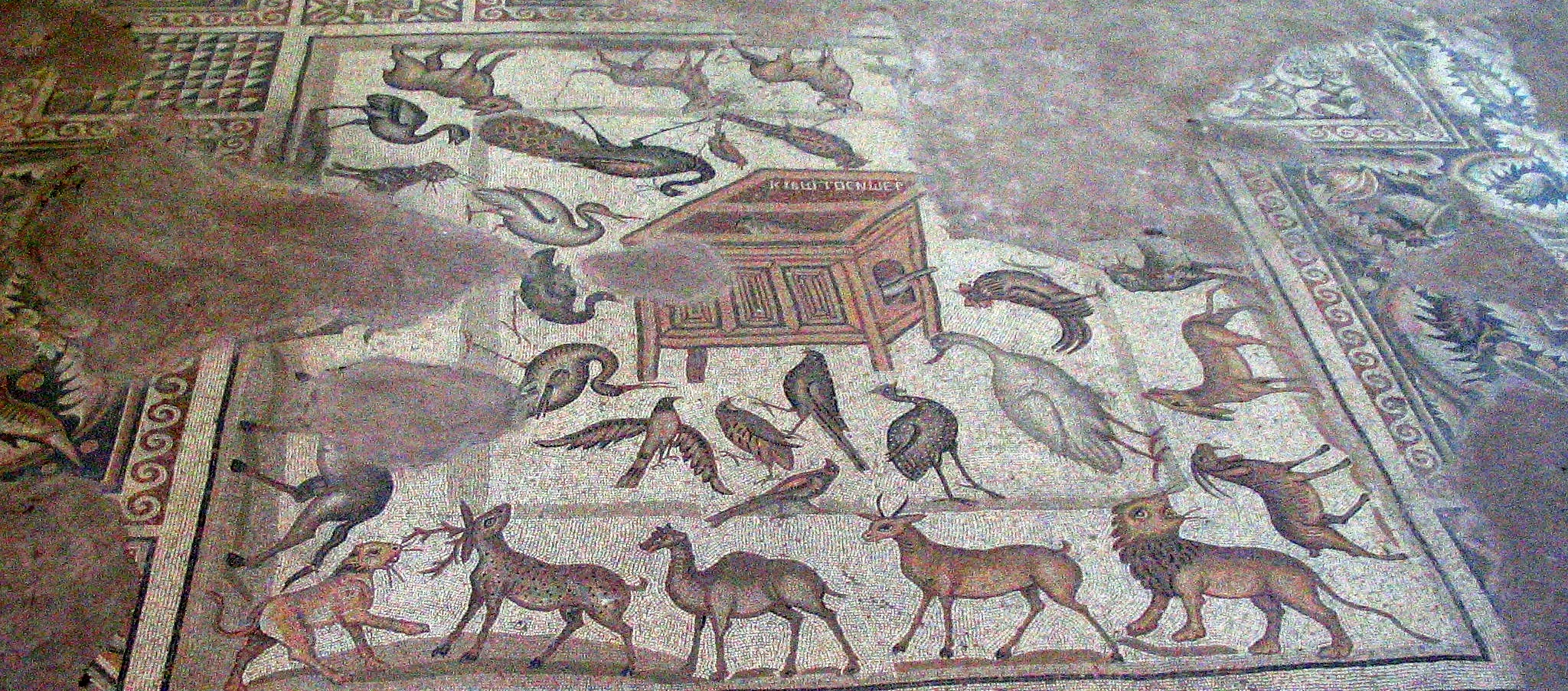
The famous floor mosaic depicts animals associated with the story of Noah. Verify where the mosaic is currently displayed before visiting.
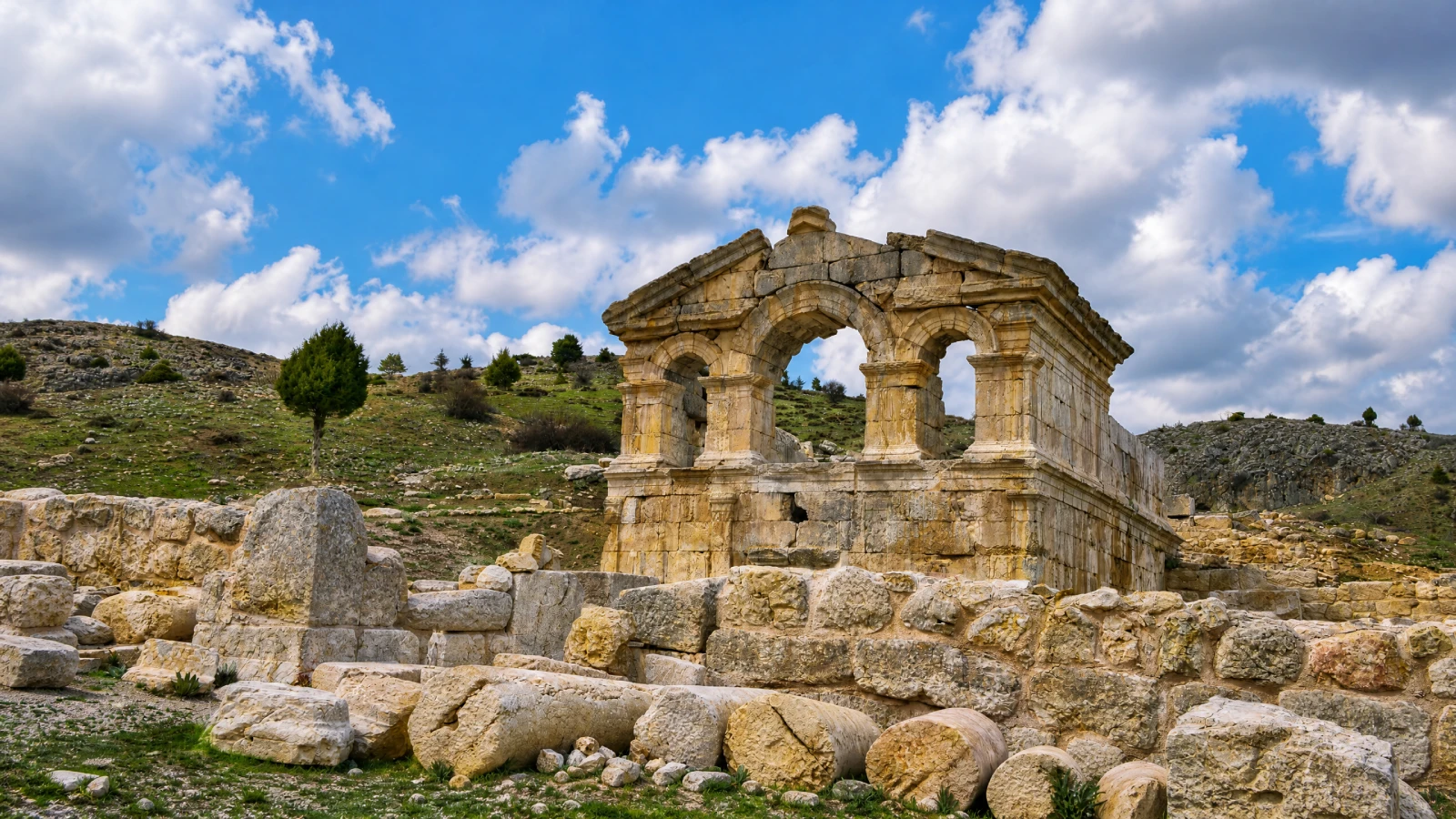
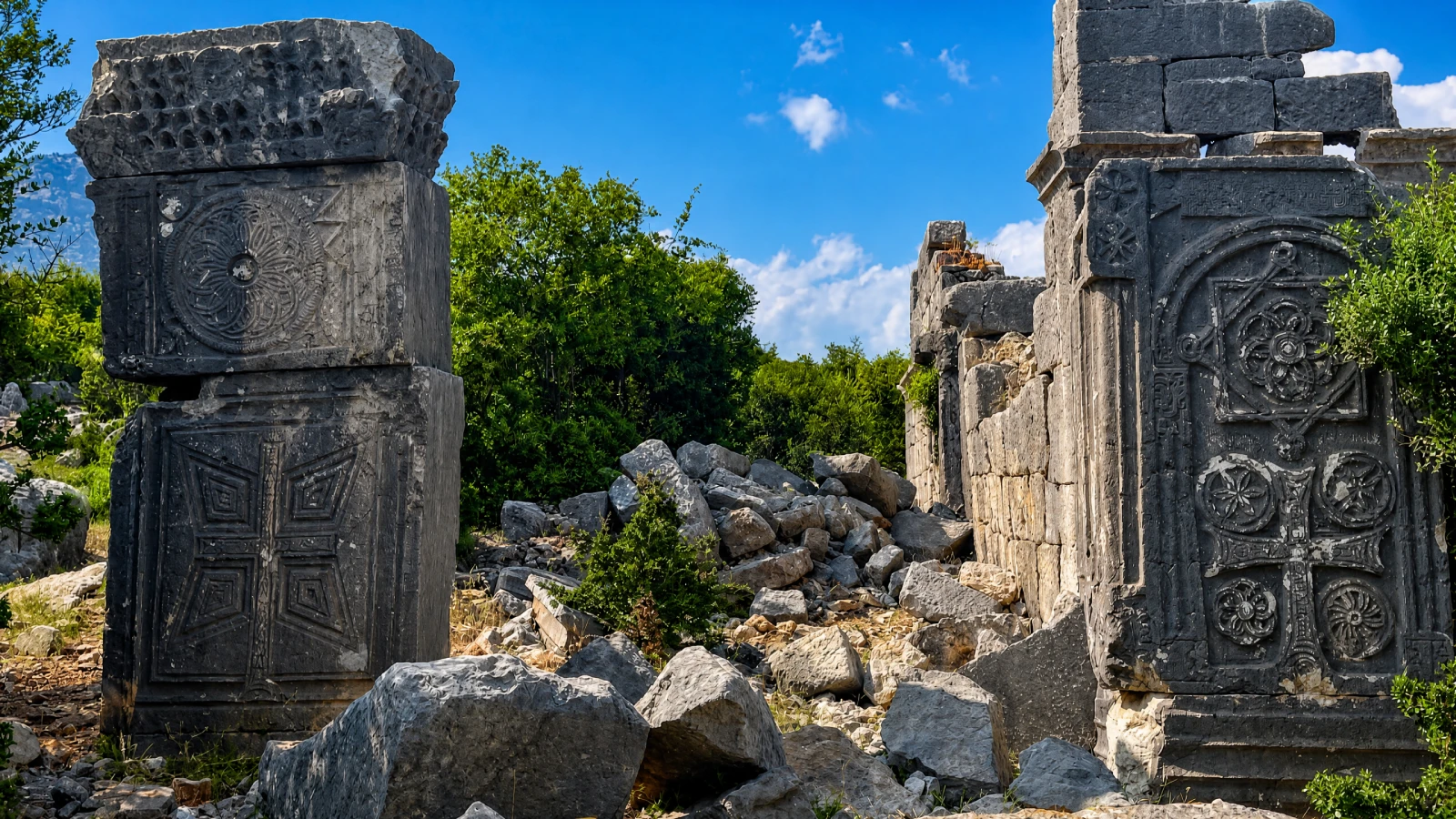
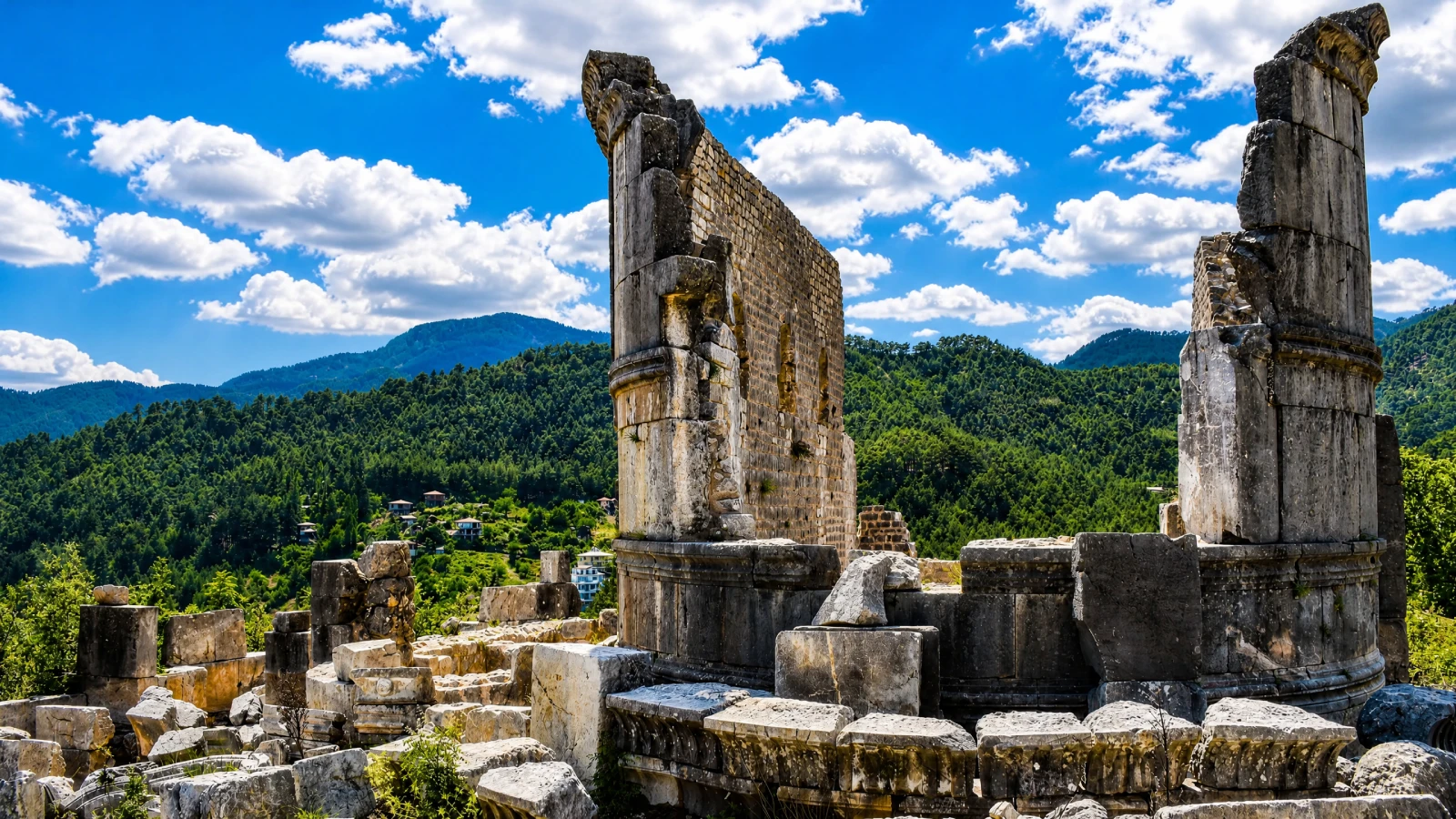
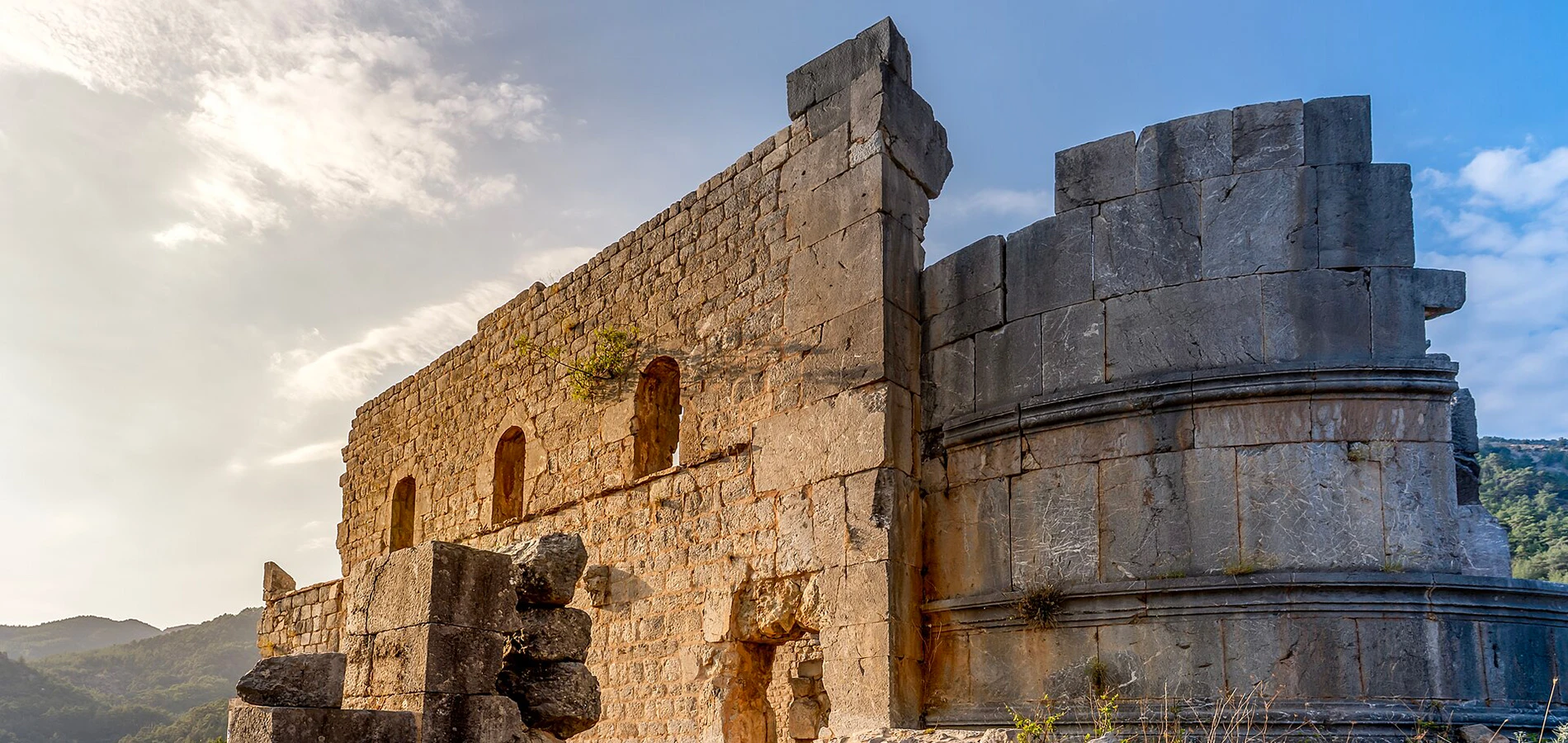
The mountain settlement preserves the memory of the Cilician sanctuary of Ma, together with Roman architectural fragments and the monumental Alakapı.
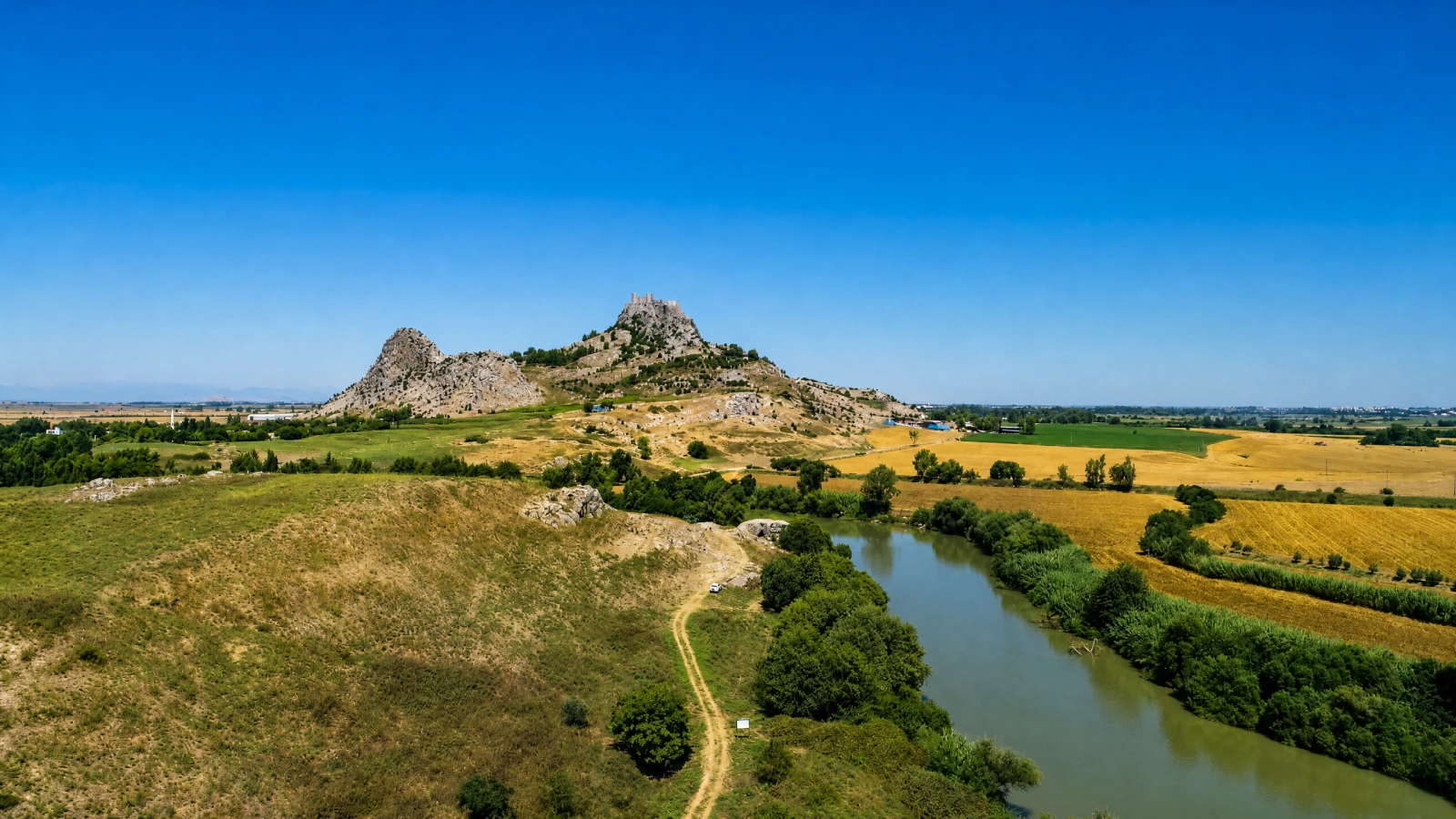
A rock relief above the Ceyhan depicts the Hittite king Muwatalli II. The adjacent mound documents a long sequence of occupation.
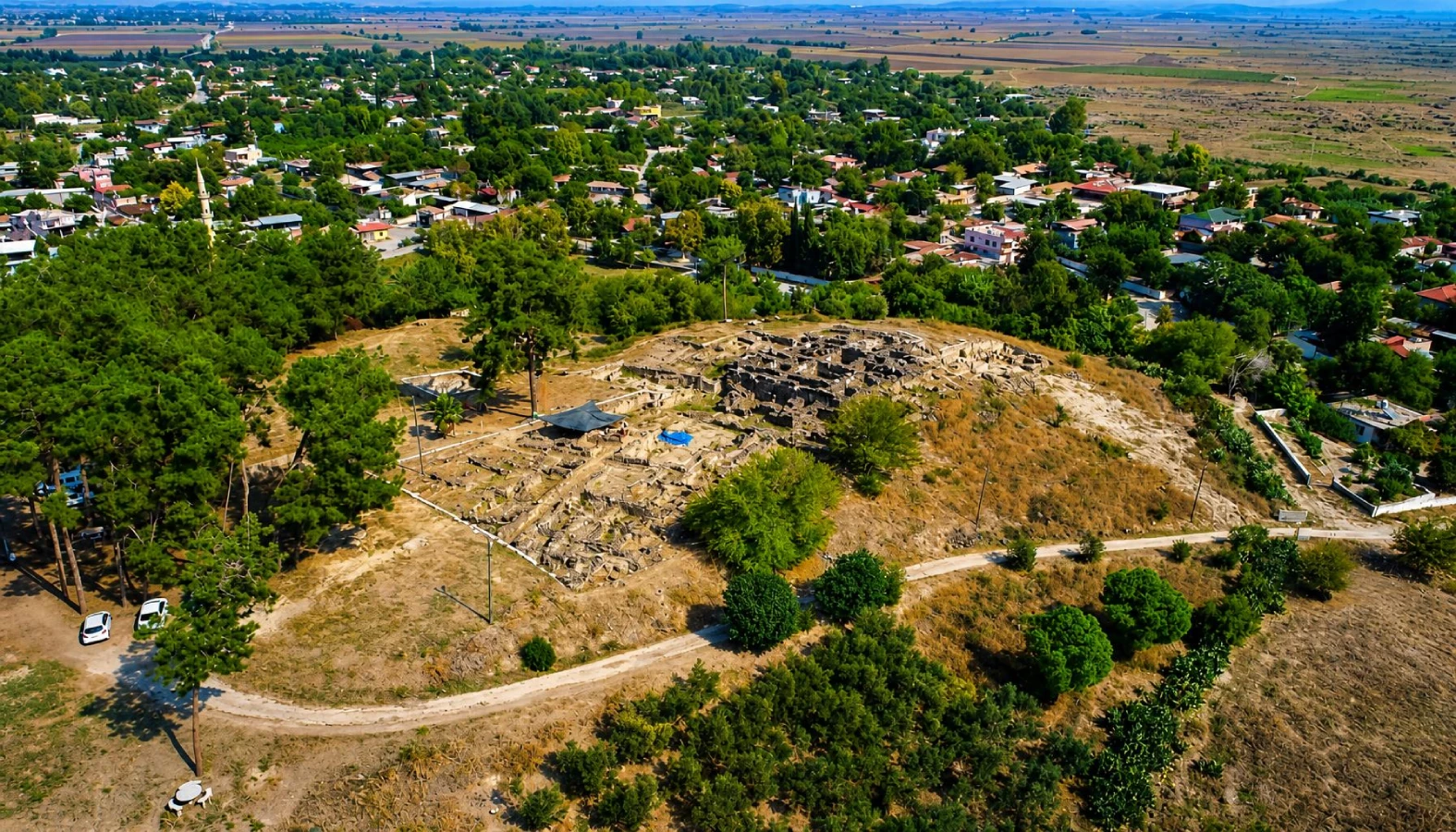
Excavations have uncovered evidence of Bronze Age and later occupation in the eastern plain; consult the museum for finds and access.
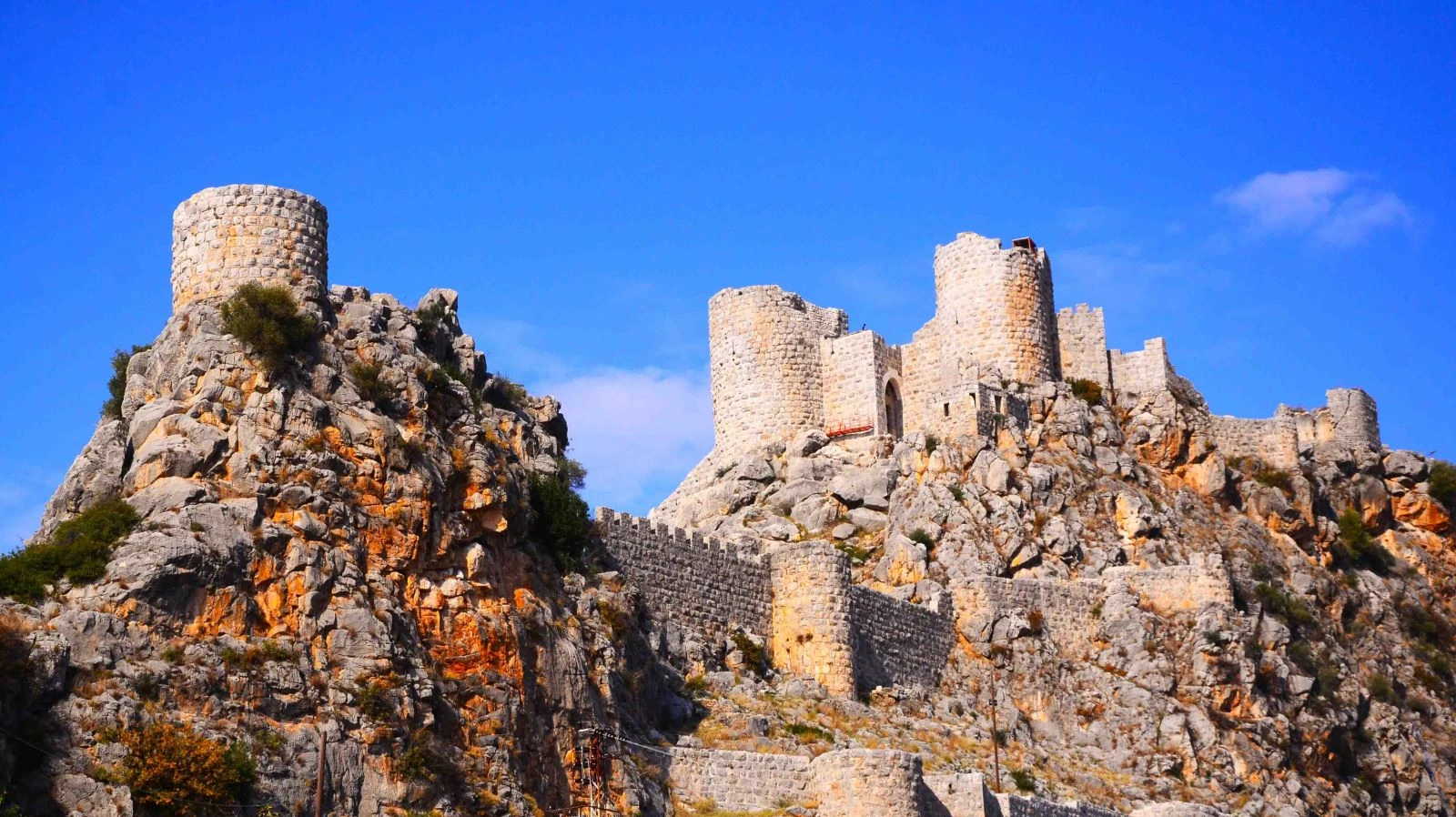
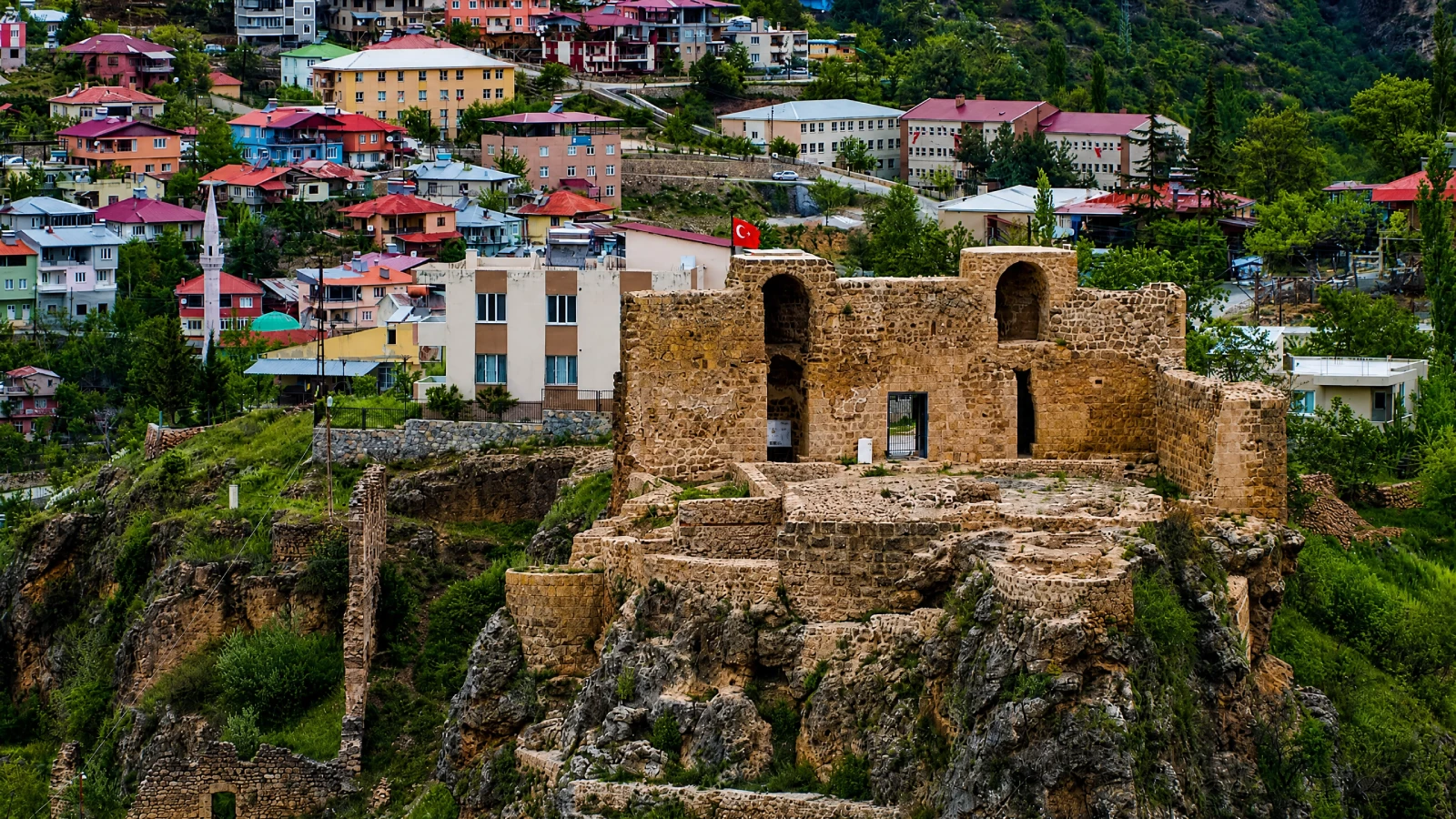
A sequence of towers and curtains follows the limestone crest overlooking the Ceyhan plain, illustrating the defensive geography of medieval Cilicia.
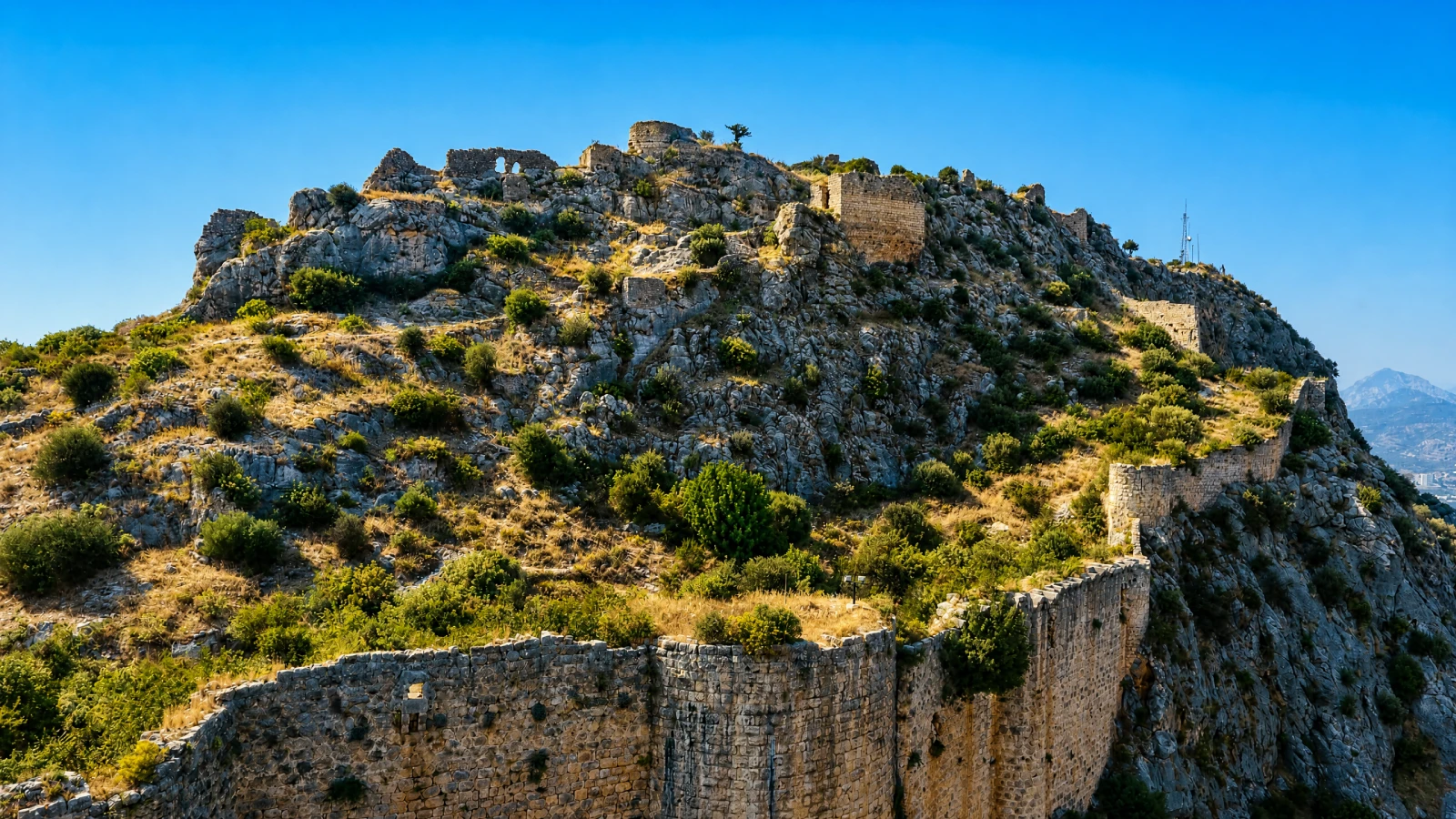
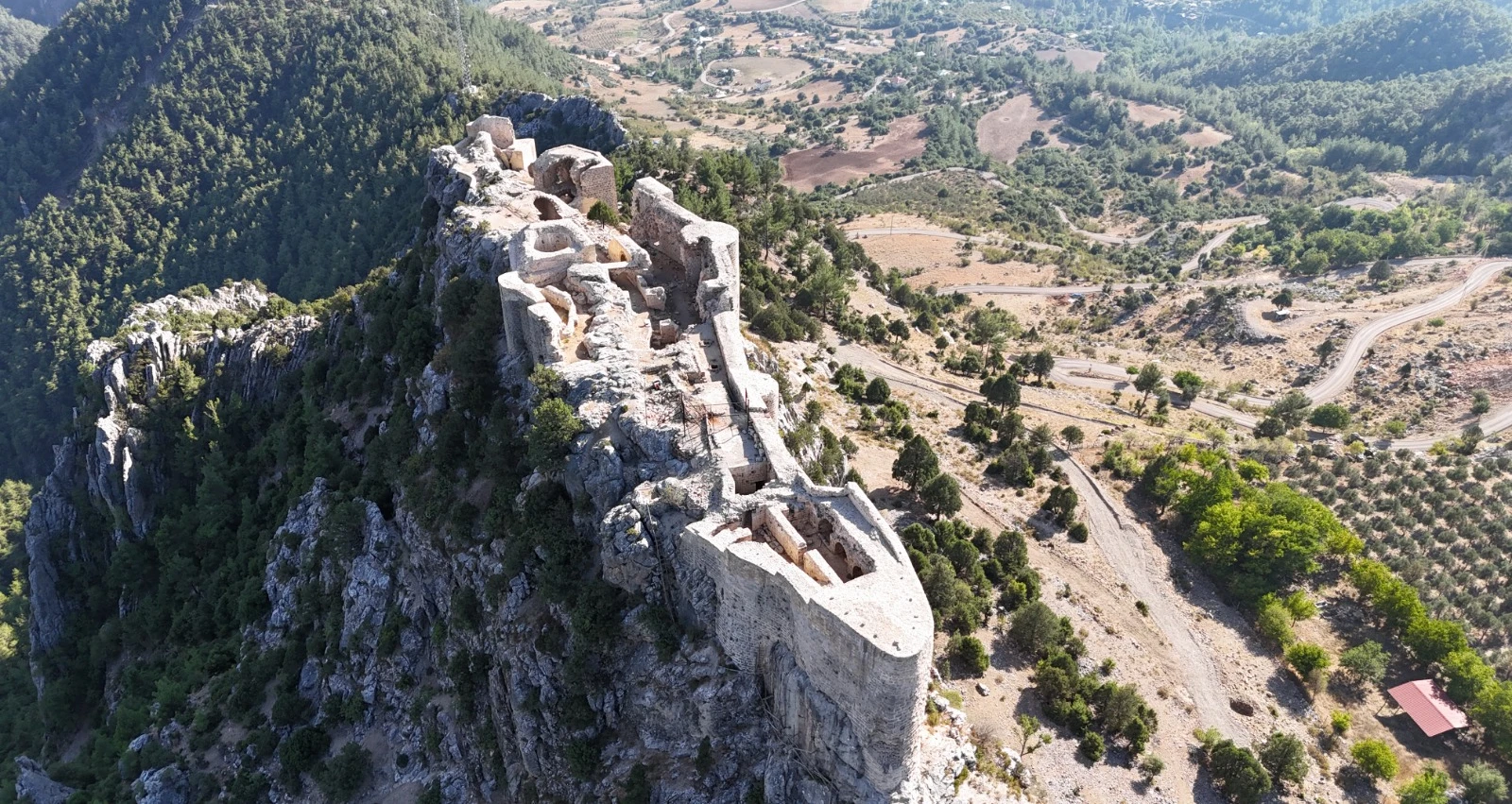
The castle overlooks the former royal city of Sis, a political and ecclesiastical centre of the Armenian Kingdom of Cilicia.
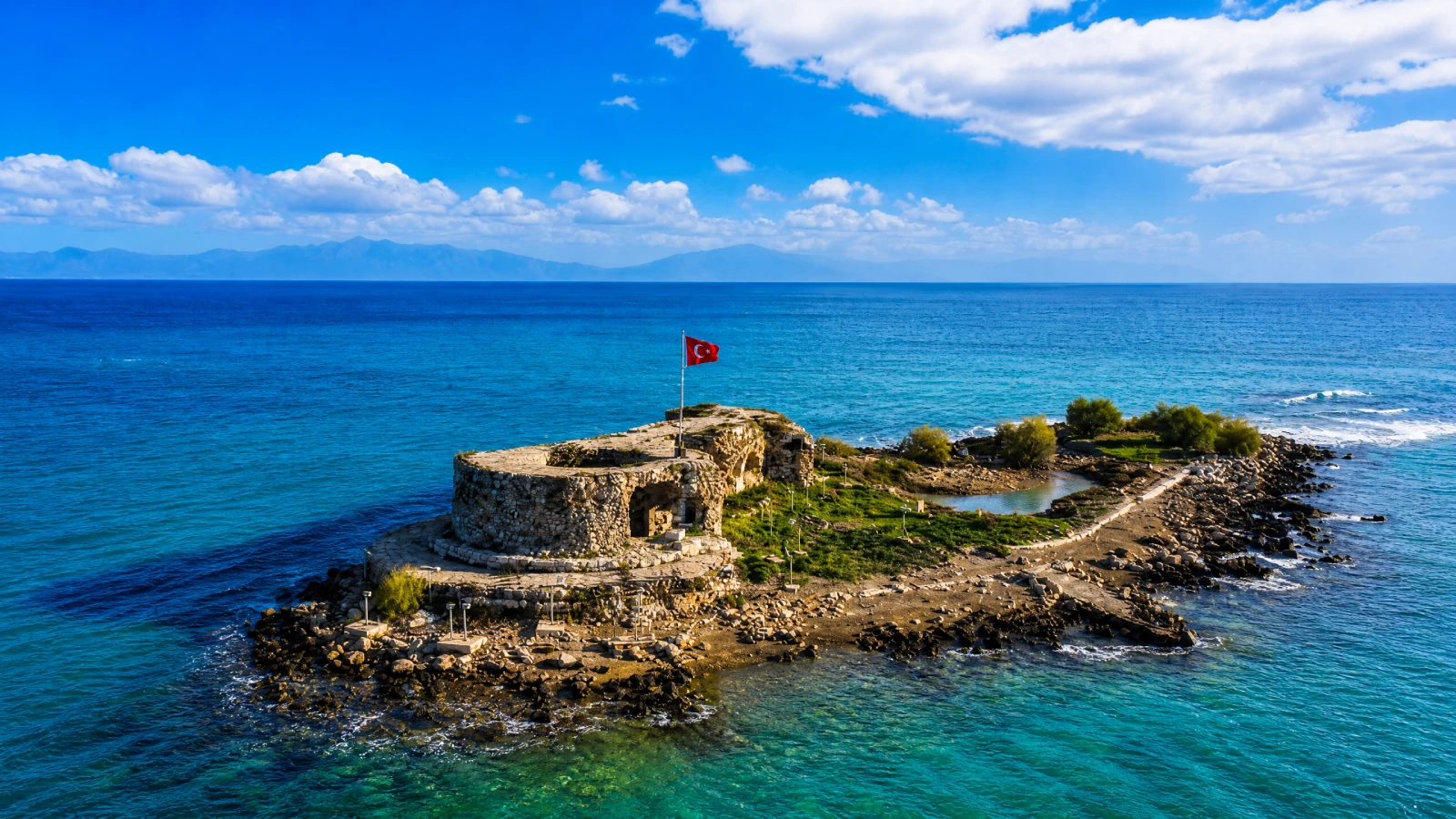
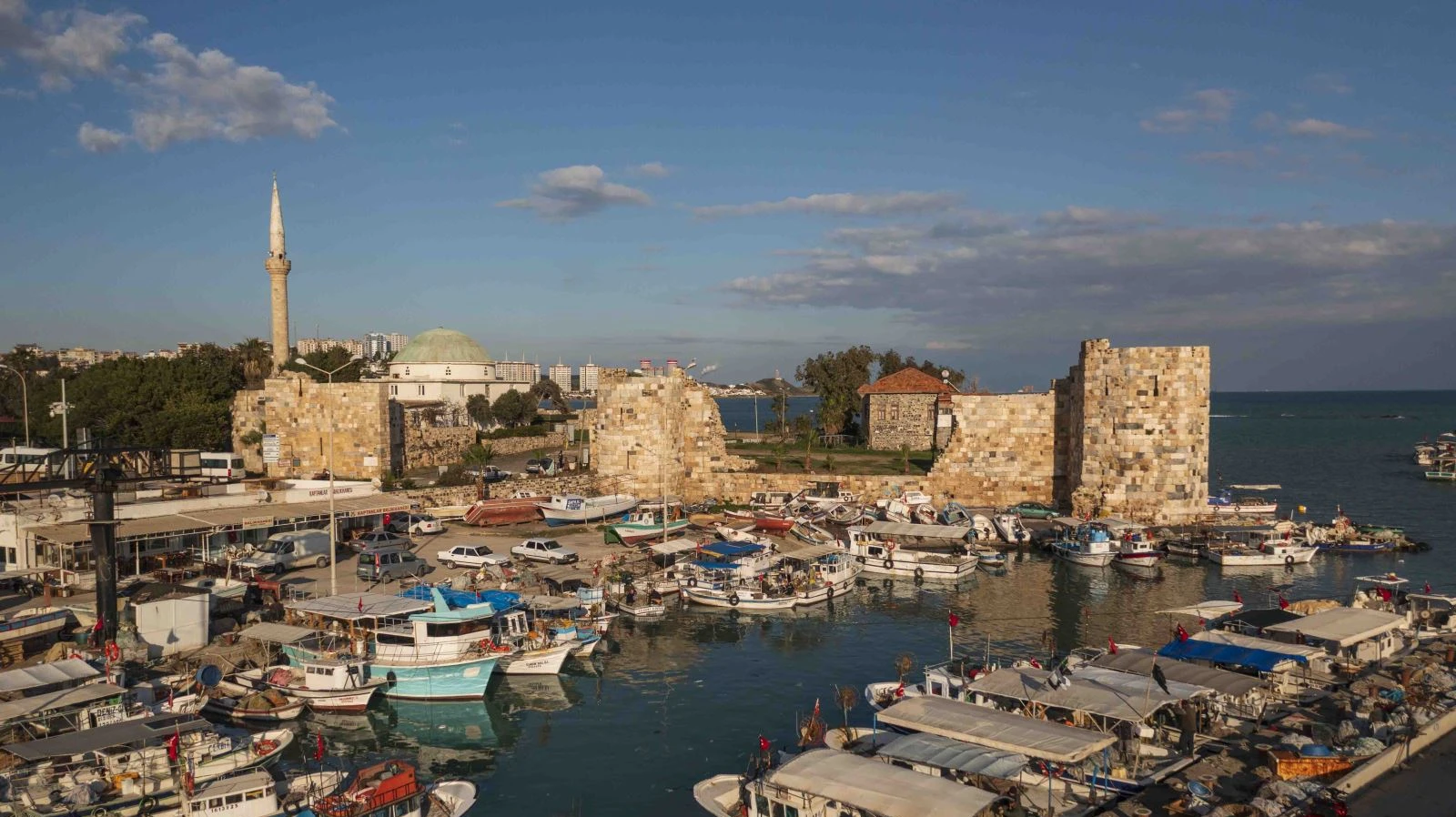
The ancient coastal settlement was associated with a sanctuary of Asclepius; medieval Ayas later connected Cilicia with Mediterranean merchant networks.
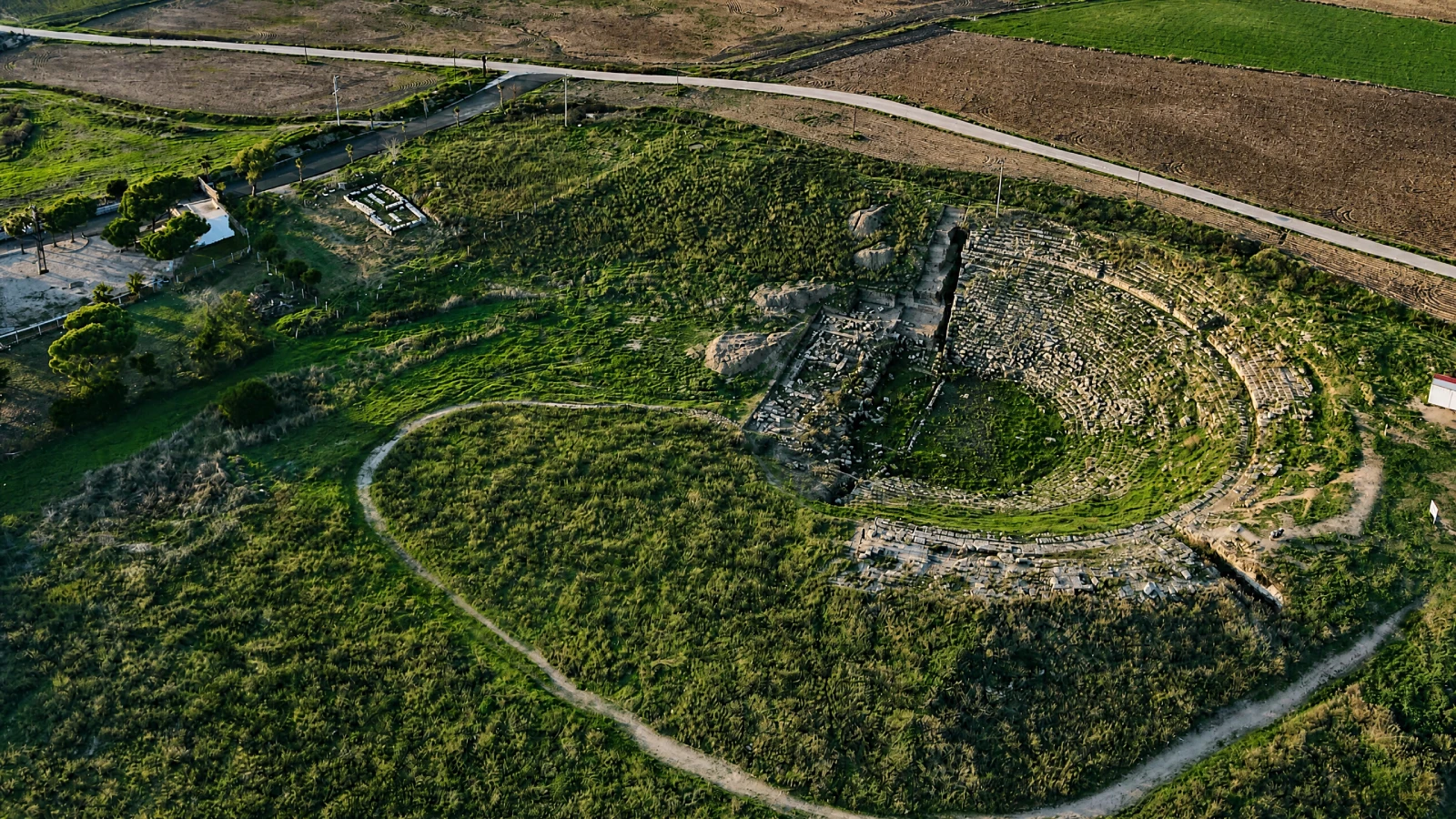
The remains near the coast include a theatre and the landscape of a sanctuary associated with Athena Magarsia.
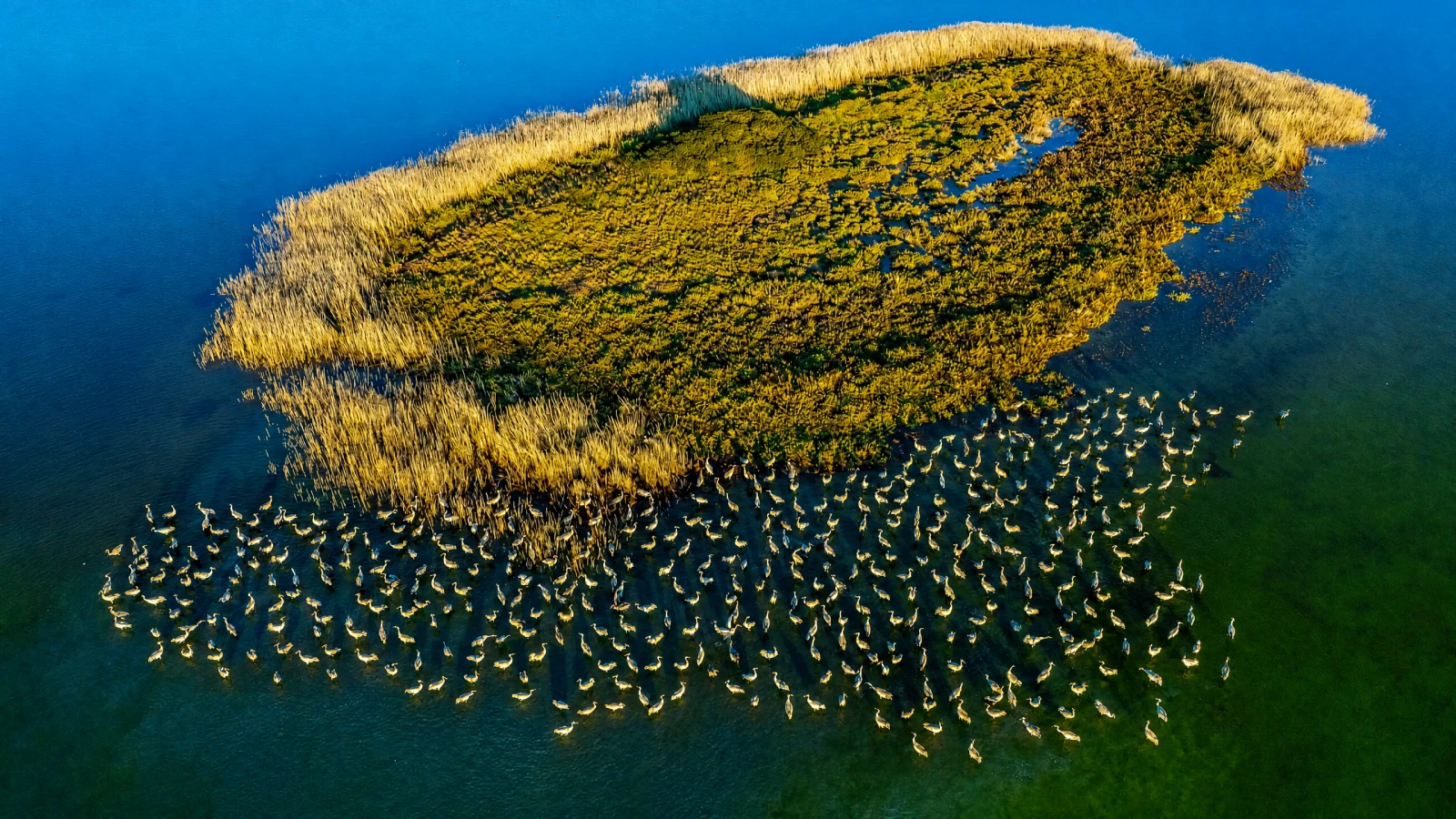
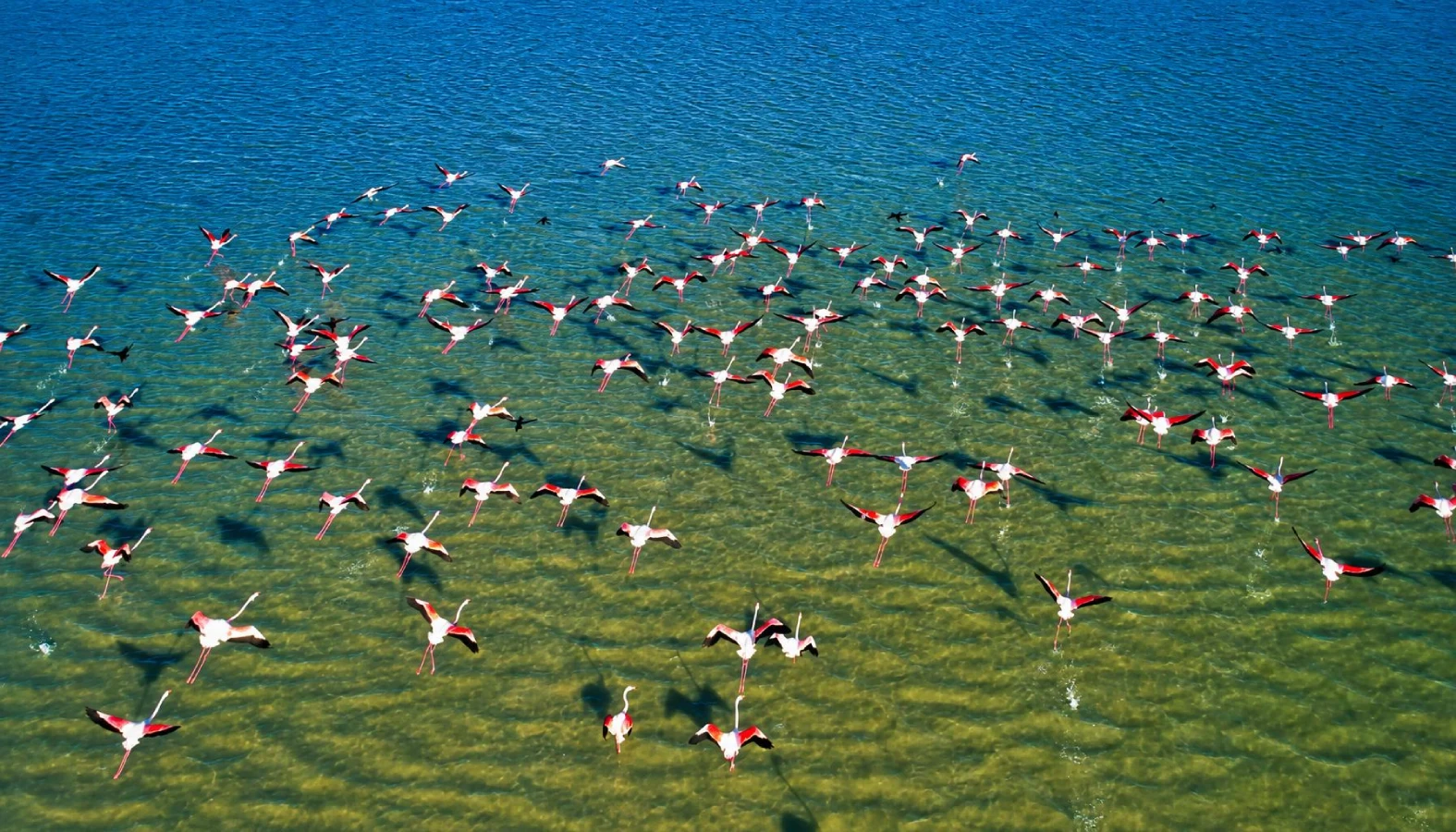
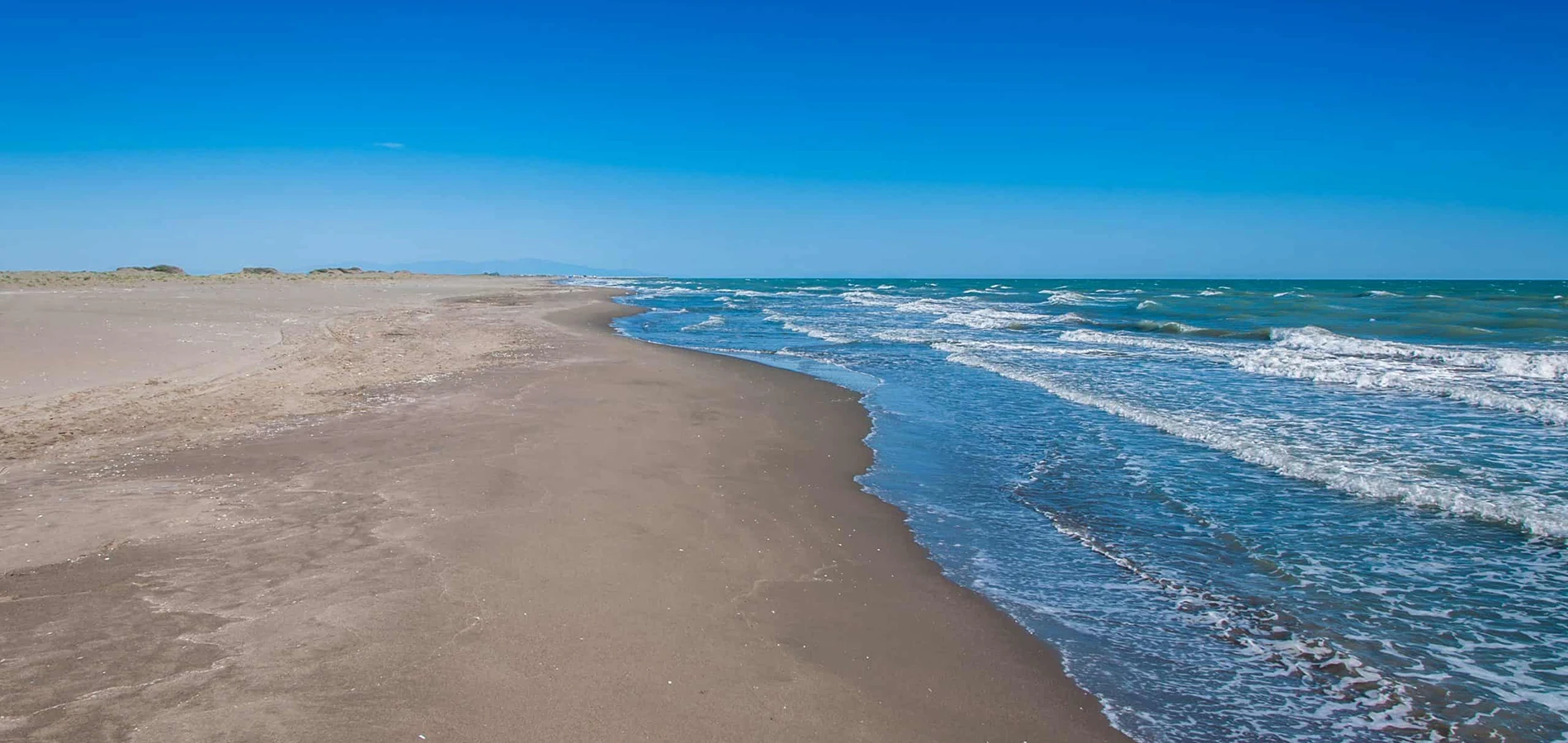
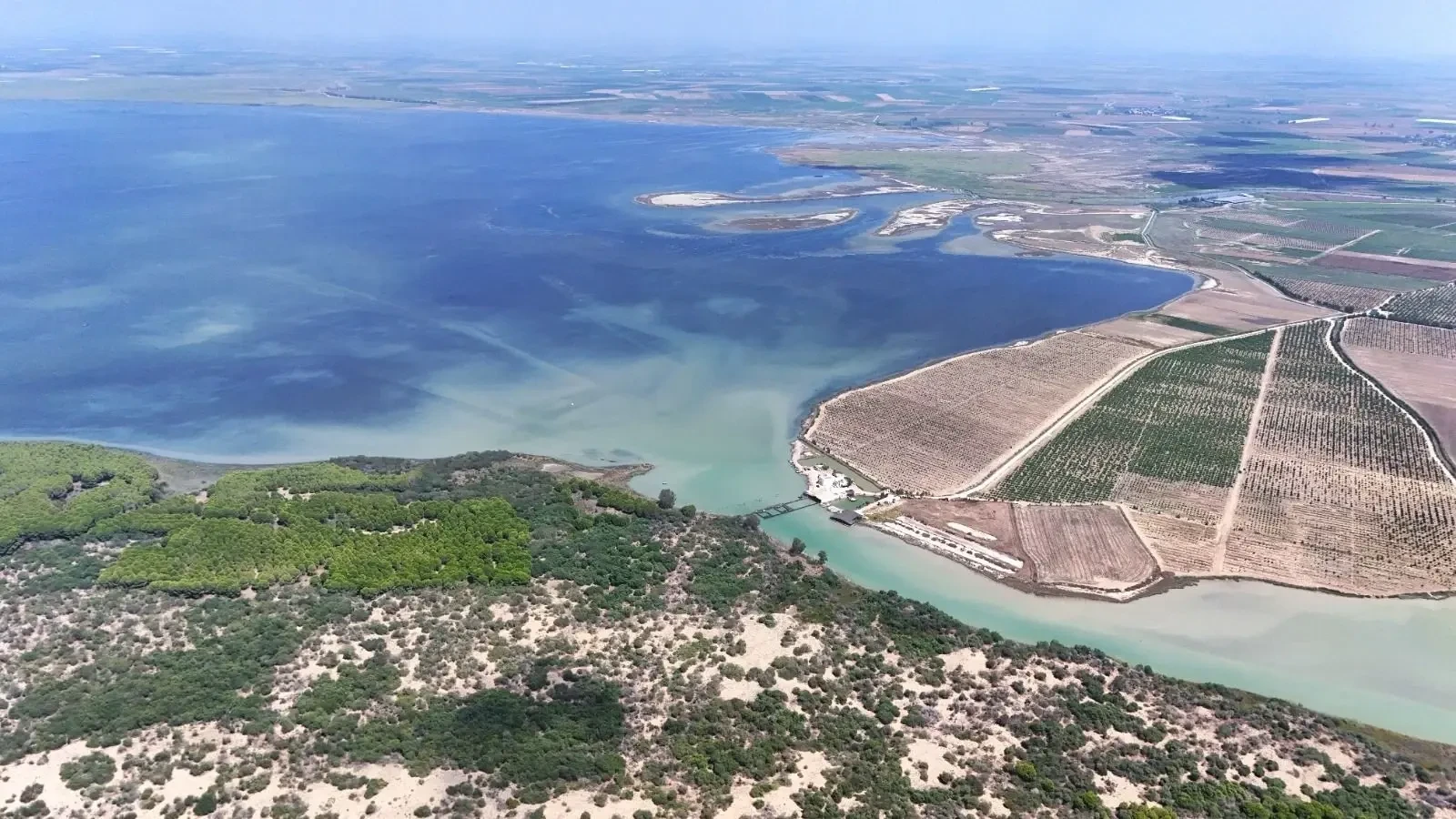
Coastal dunes separate this extensive lagoon from the Mediterranean, creating habitat for migratory birds and nesting sea turtles.
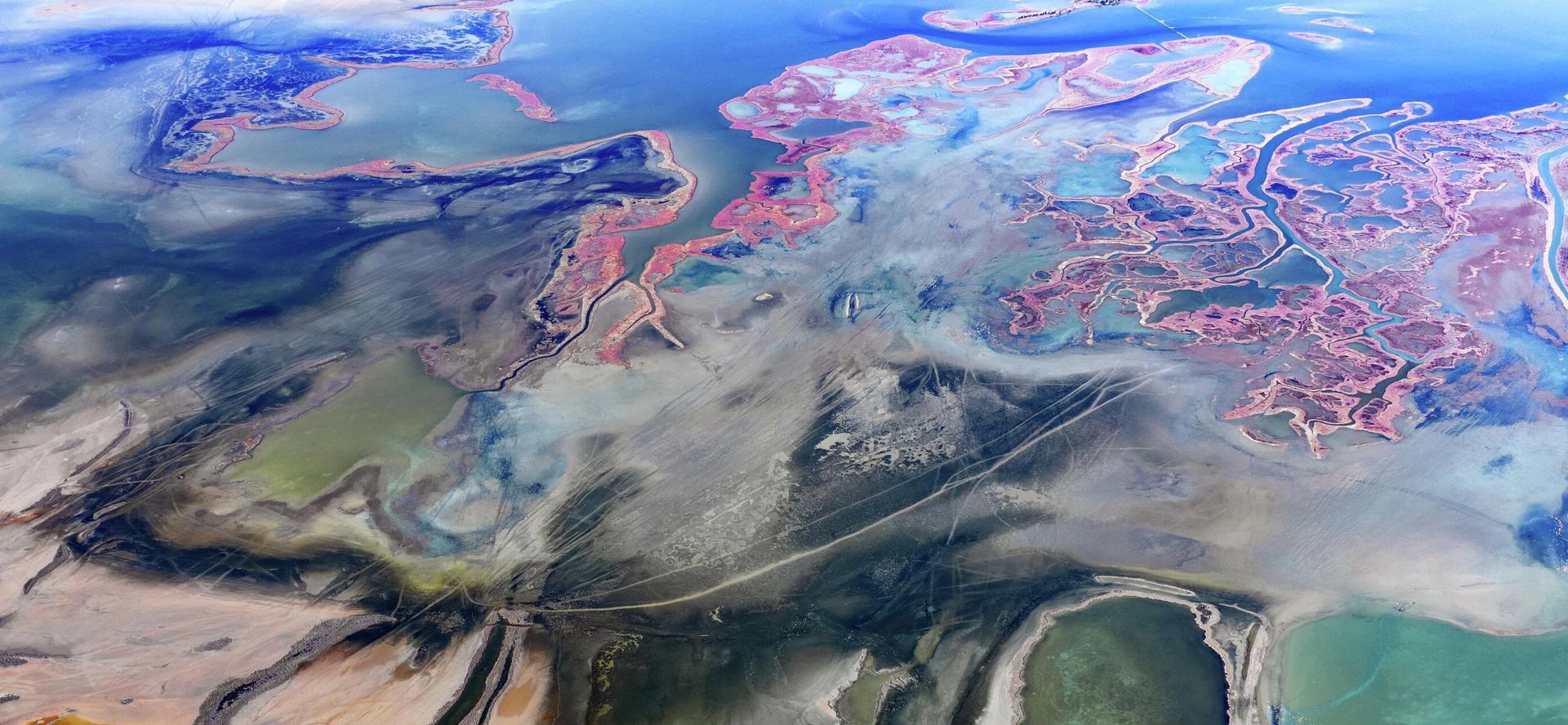
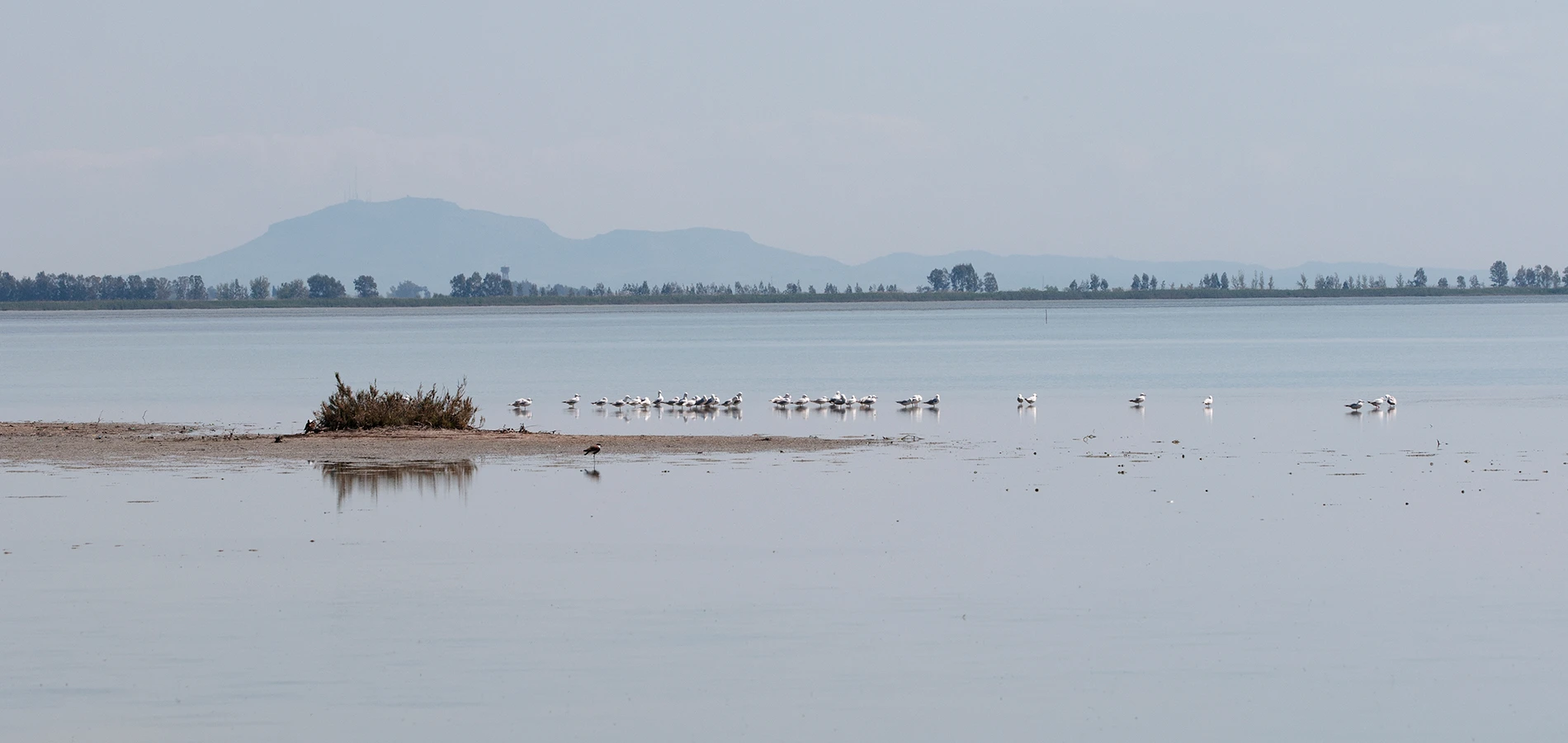
Shallow waters, reedbeds and mudflats provide feeding and resting habitat for migratory waterbirds.
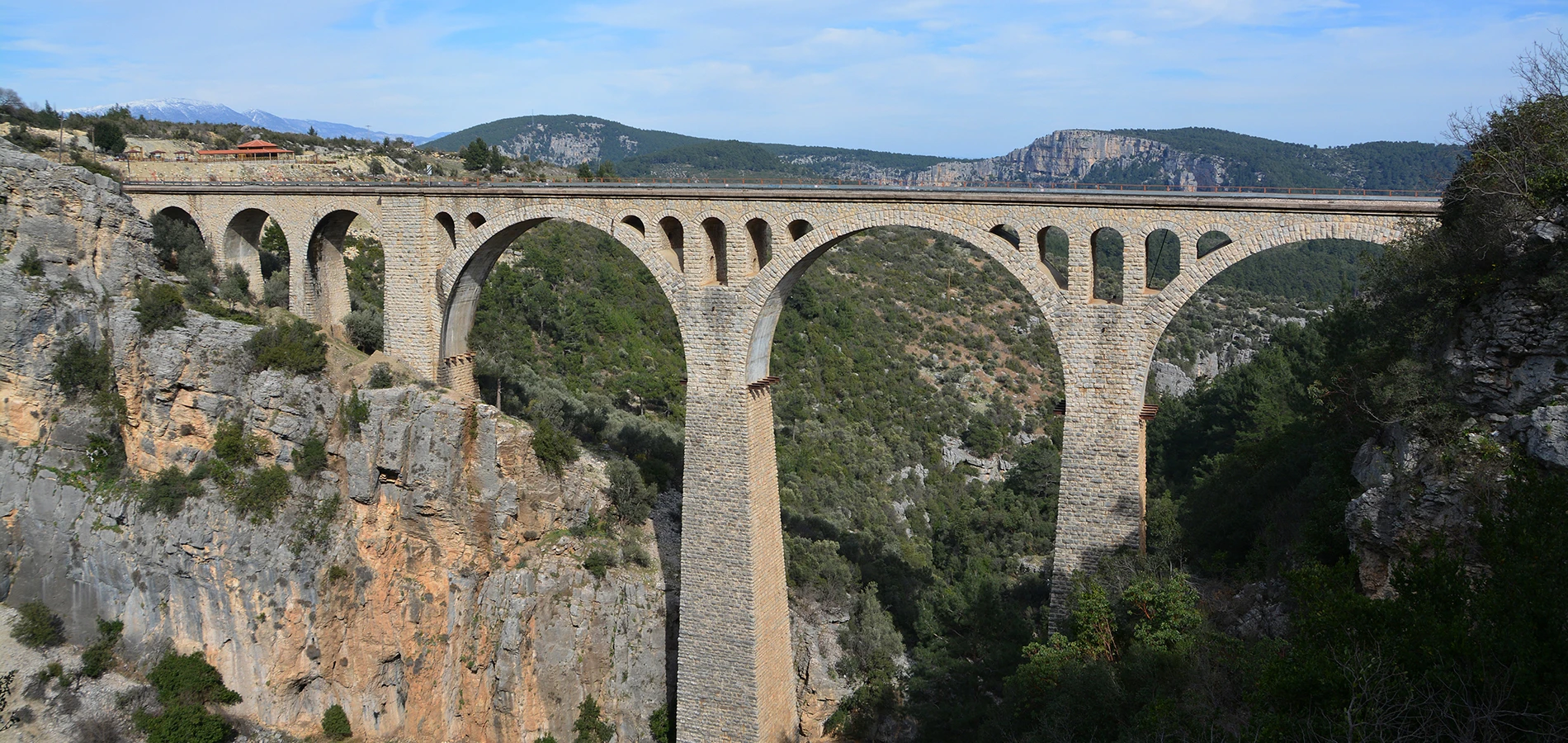
The early twentieth-century masonry viaduct near Hacıkırı carries the railway across a deep ravine, illustrating the engineering challenges of the Taurus crossing.
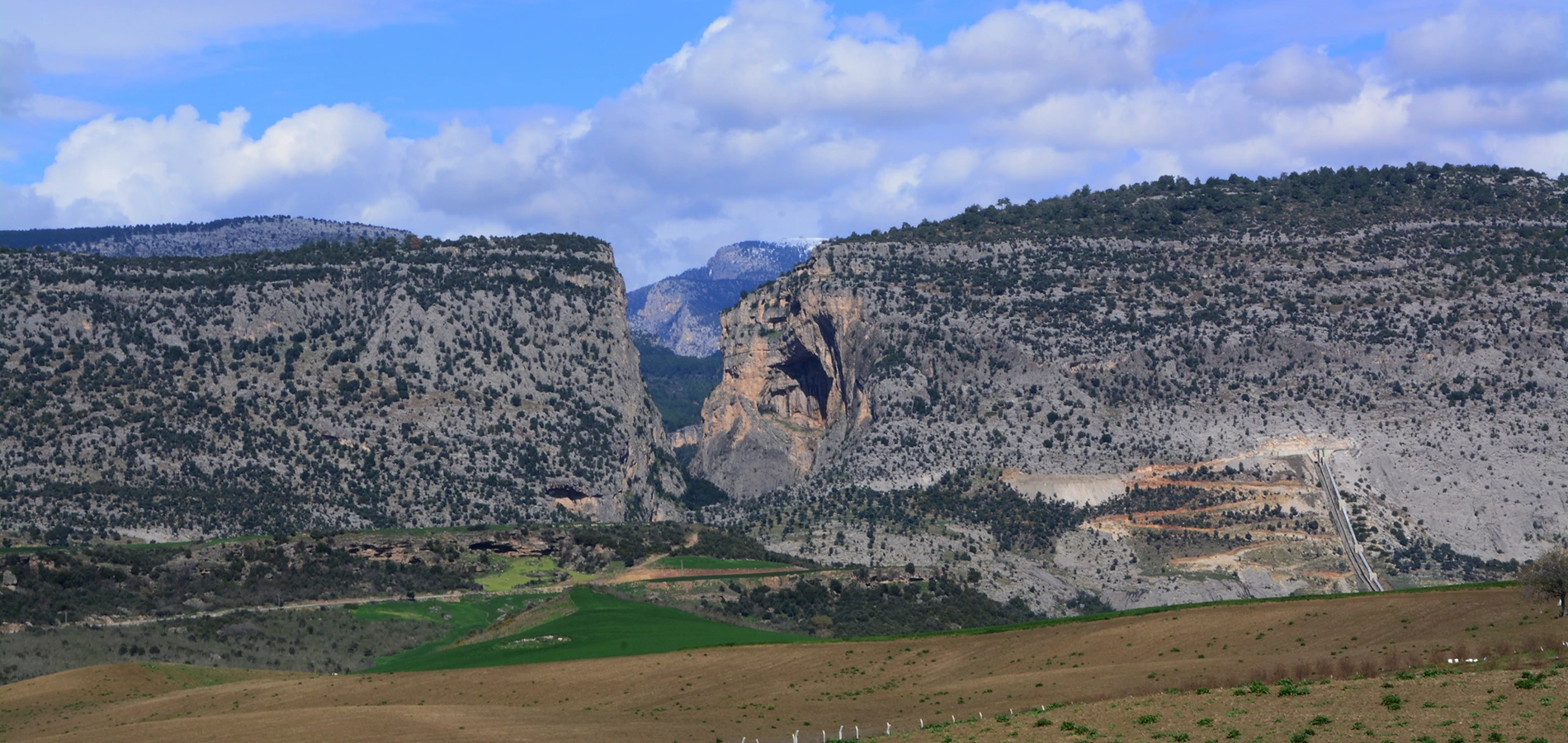
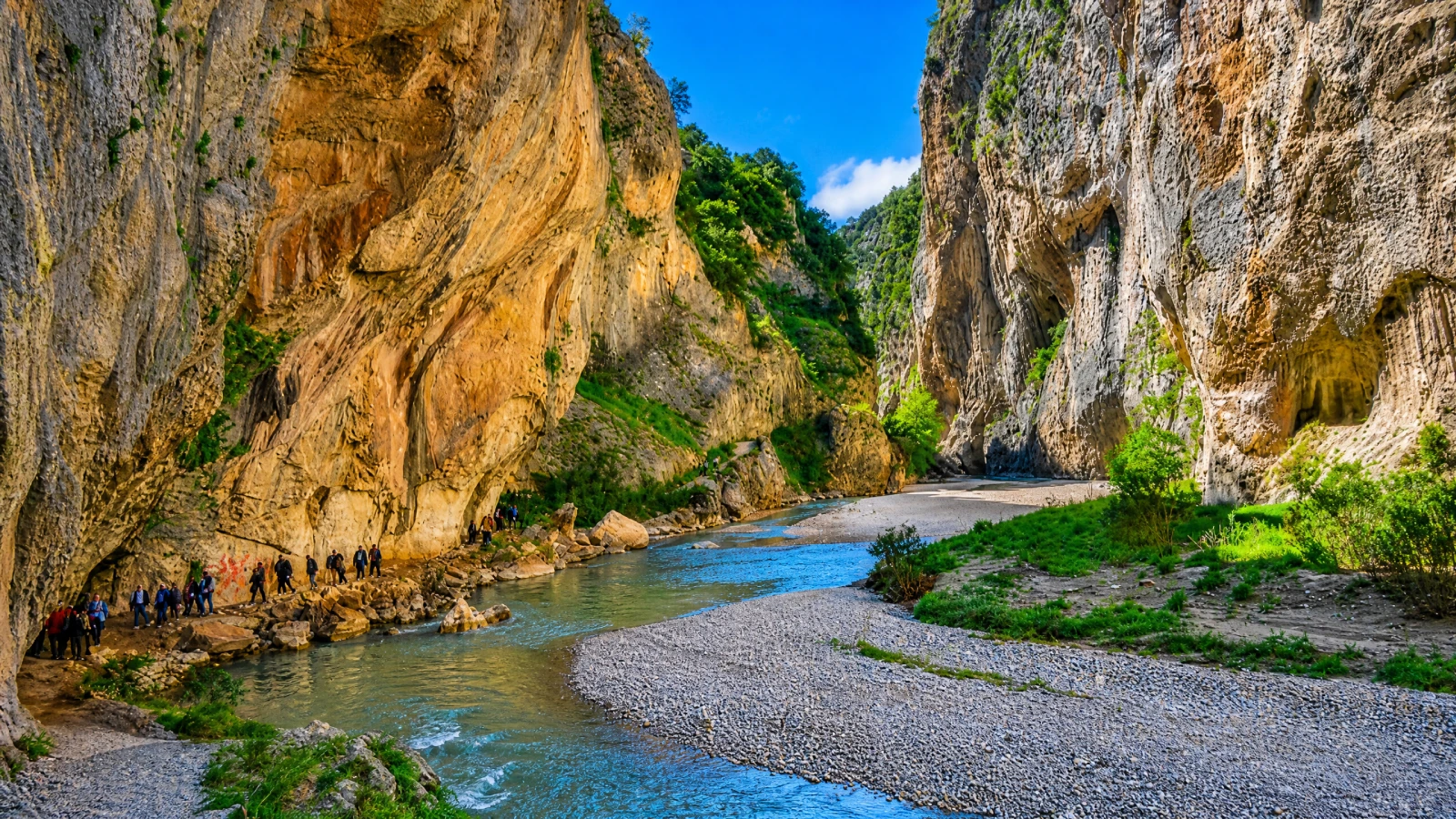
The Çakıt stream cuts through steep rock walls; use designated paths and check closures after heavy rain.
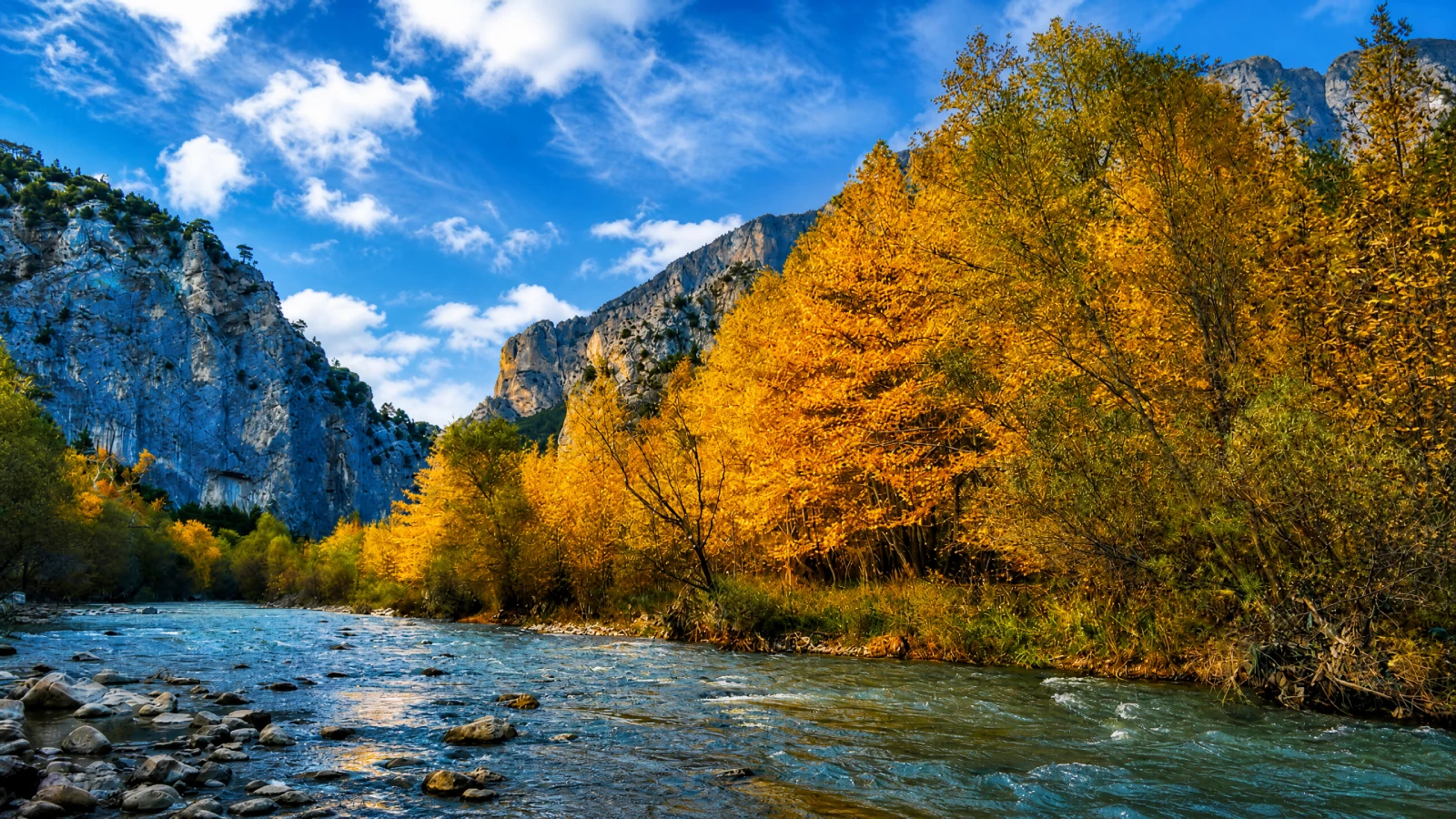
The valley retains traces of the construction camps and infrastructure of the Baghdad Railway amid wooded mountain slopes.
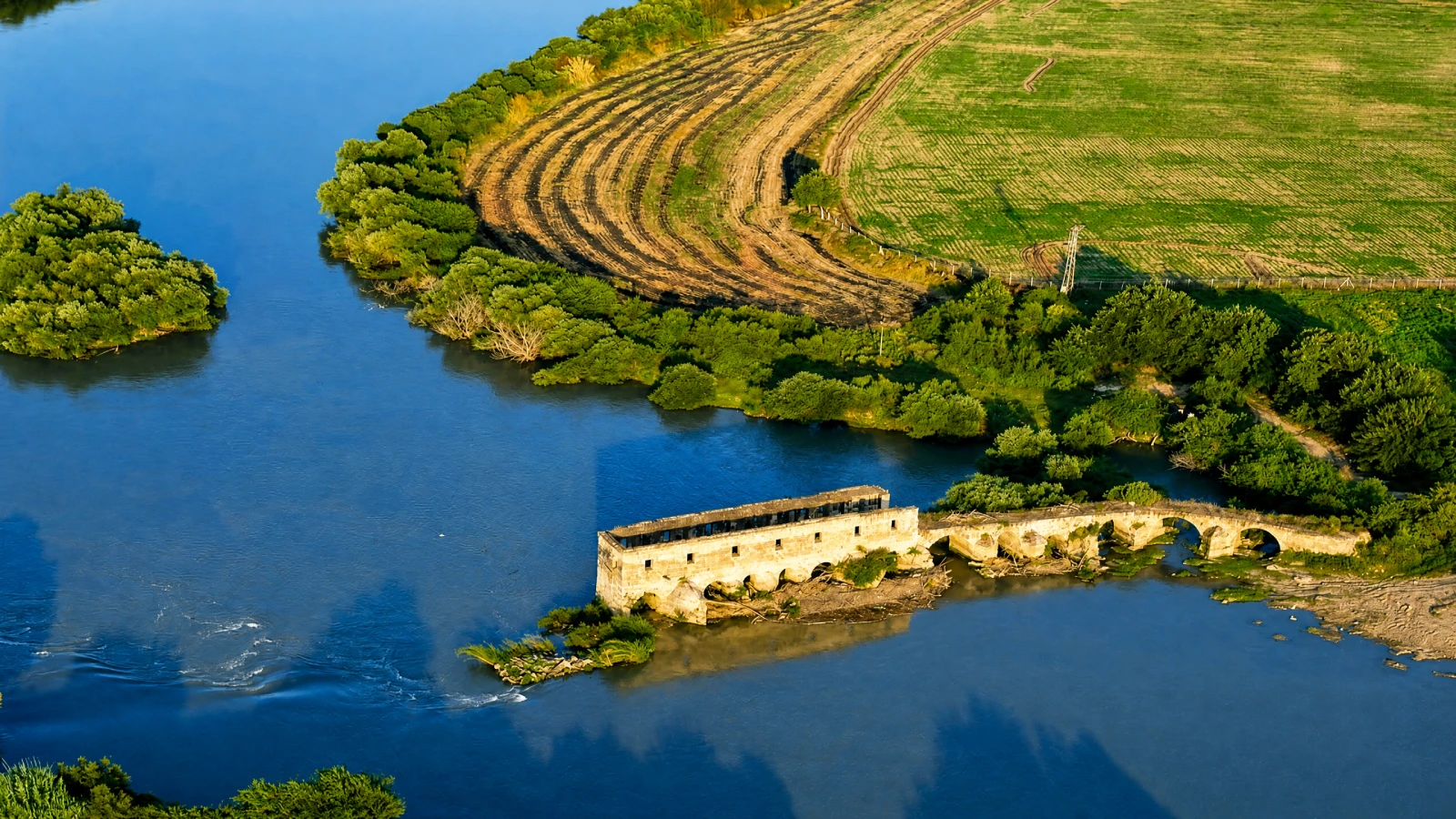
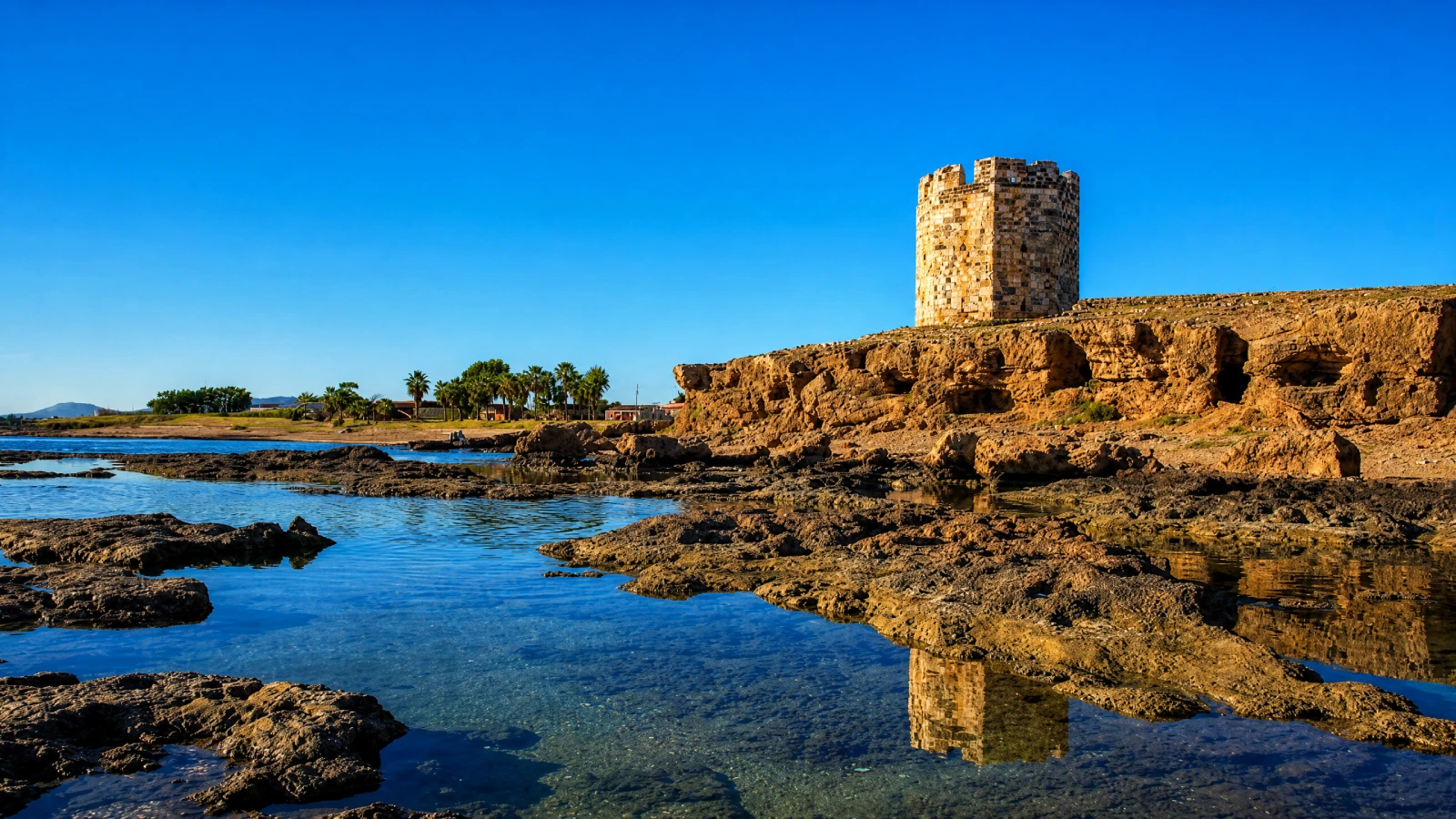
Near Kızıltahta on the Ceyhan, remnants of a bridge and watermill recall the historical use of the river for milling and crossings. Do not assume access to the ruined structure.
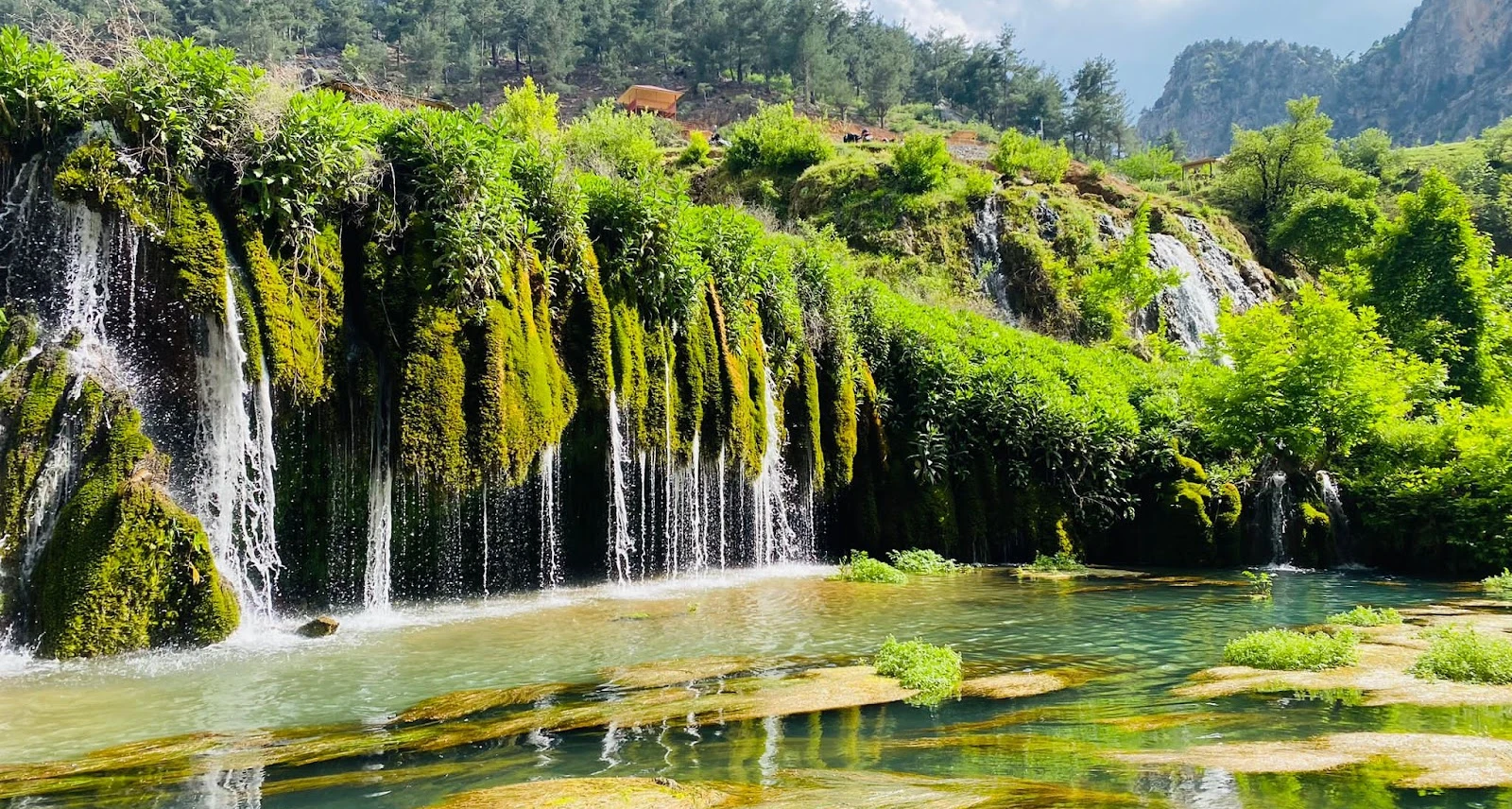
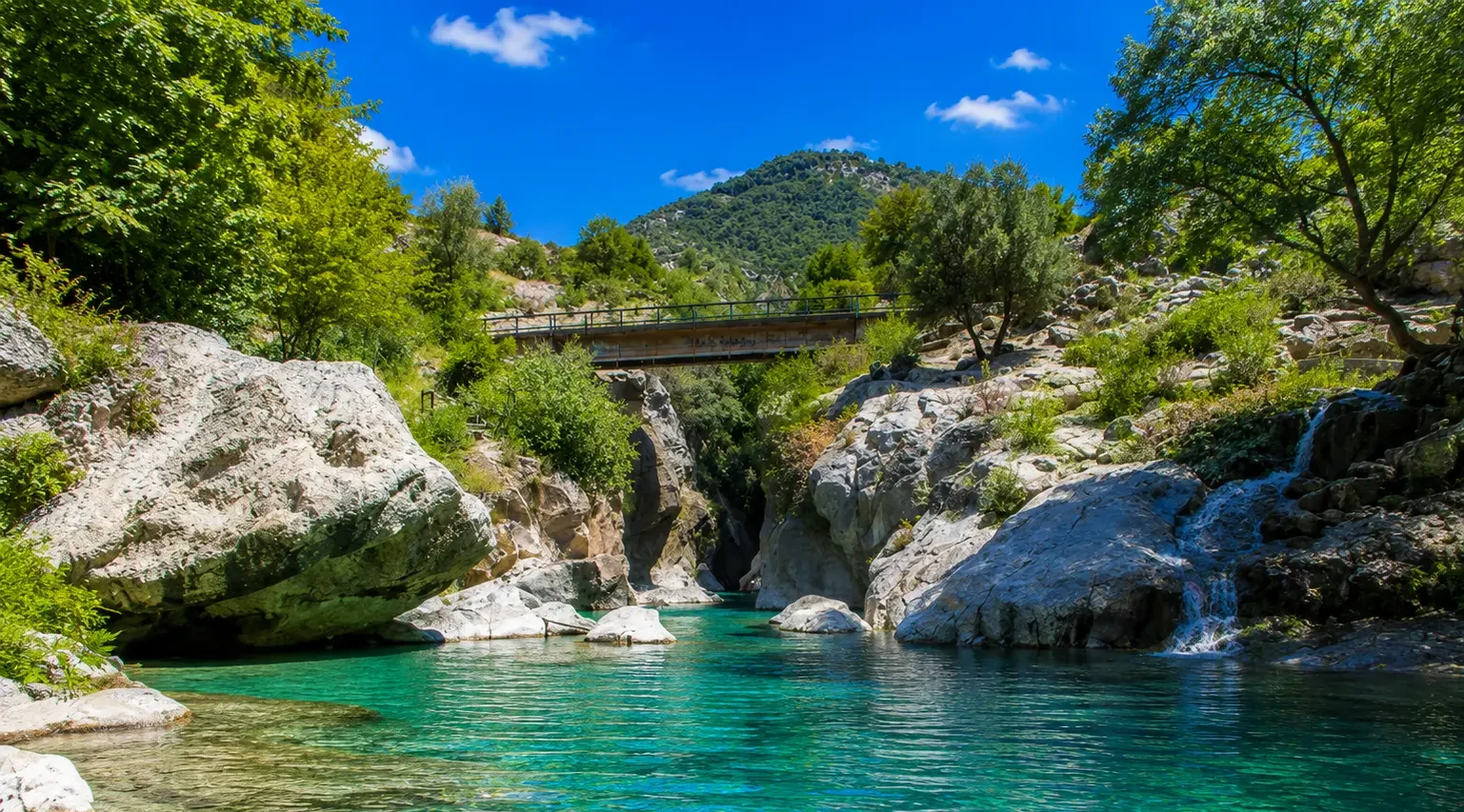
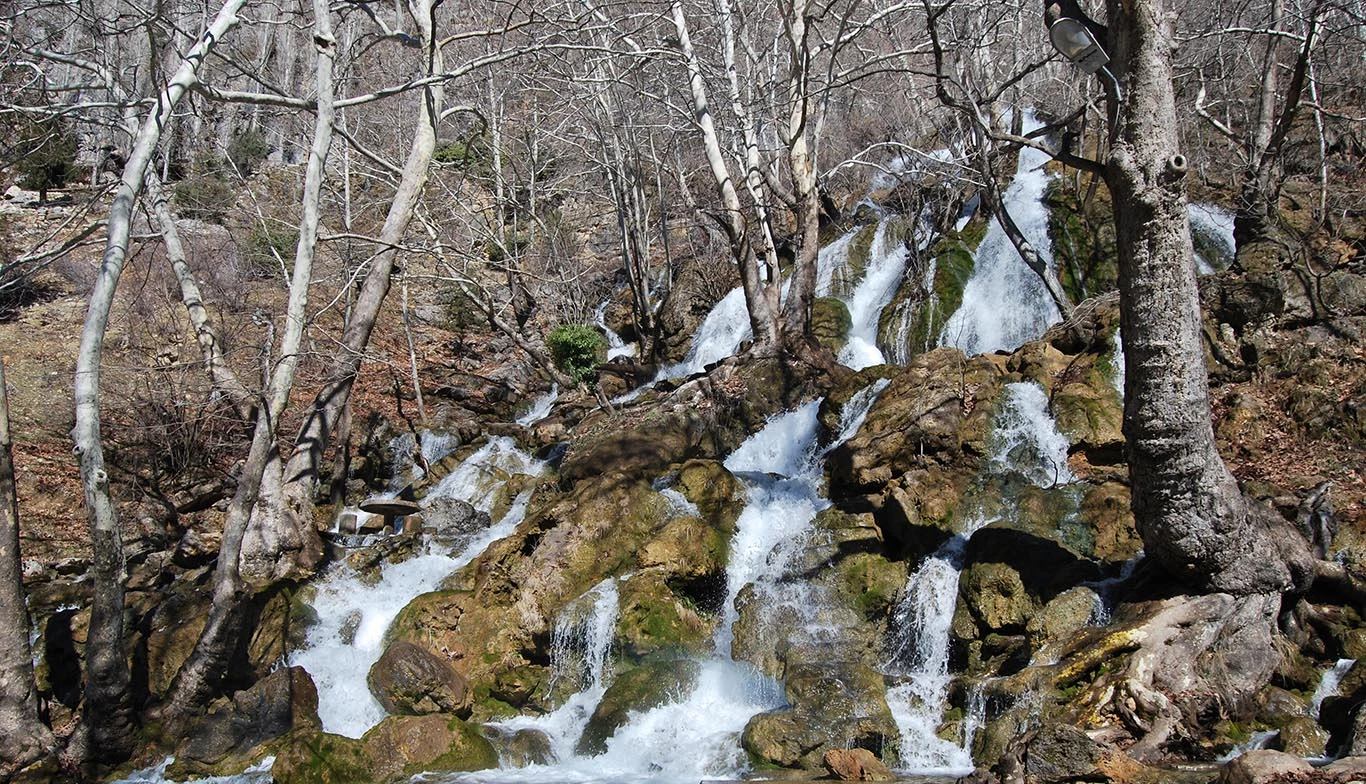
A series of cascades and pools in a wooded gorge, with conditions varying according to seasonal water flow.
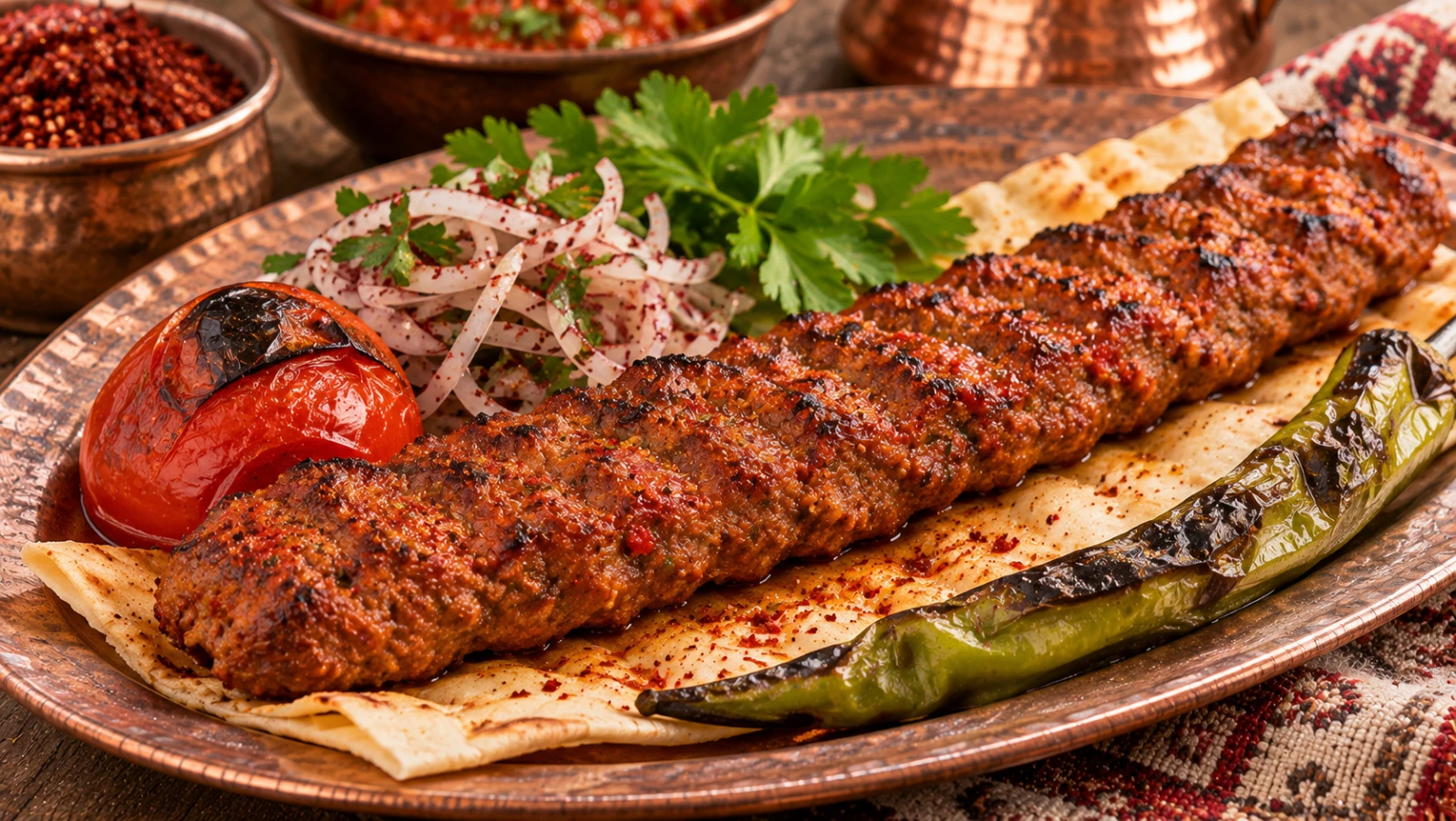
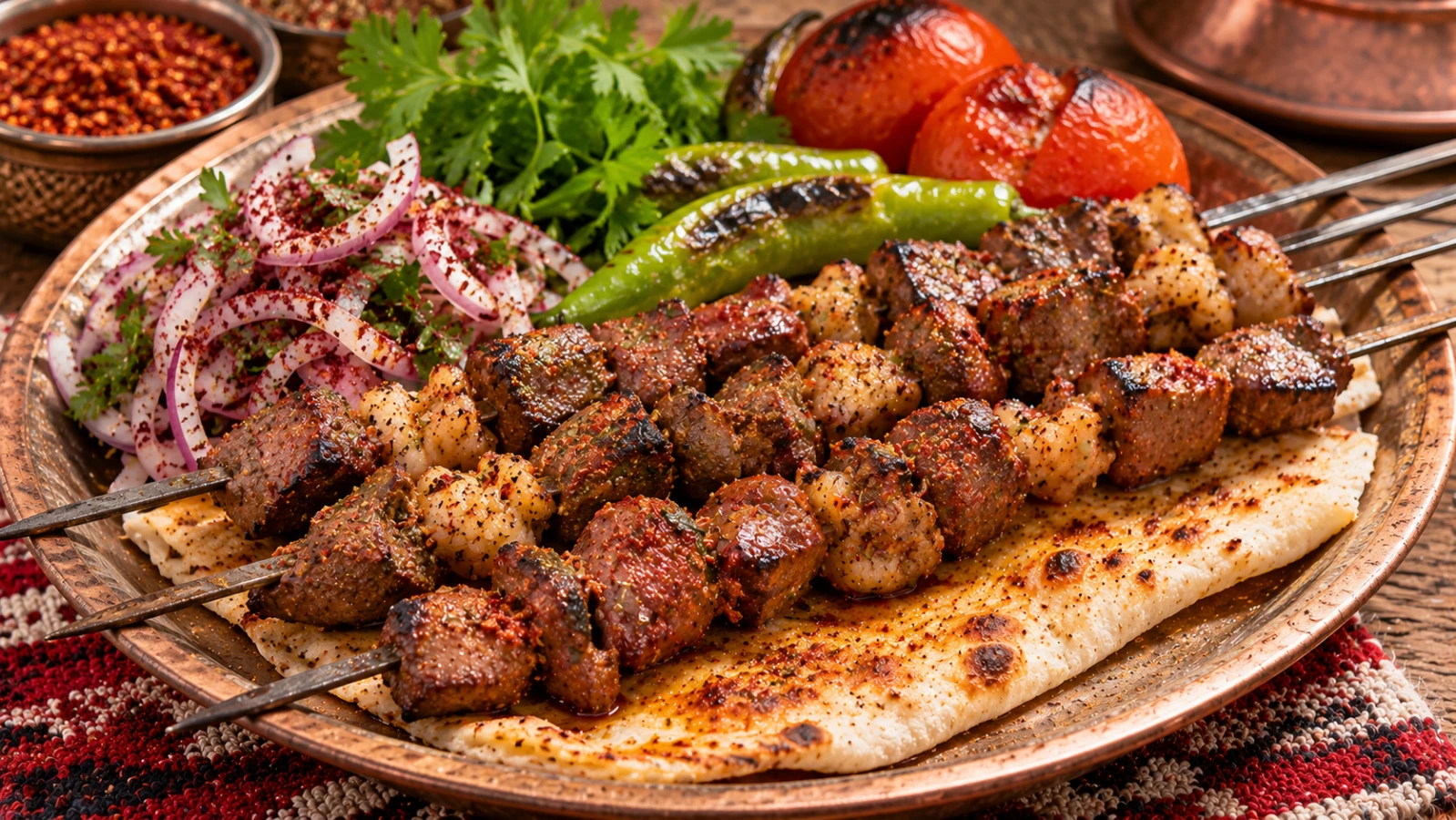
Registered zırh-chopped sheep meat, flat skewers, charcoal grilling and traditional salad service.
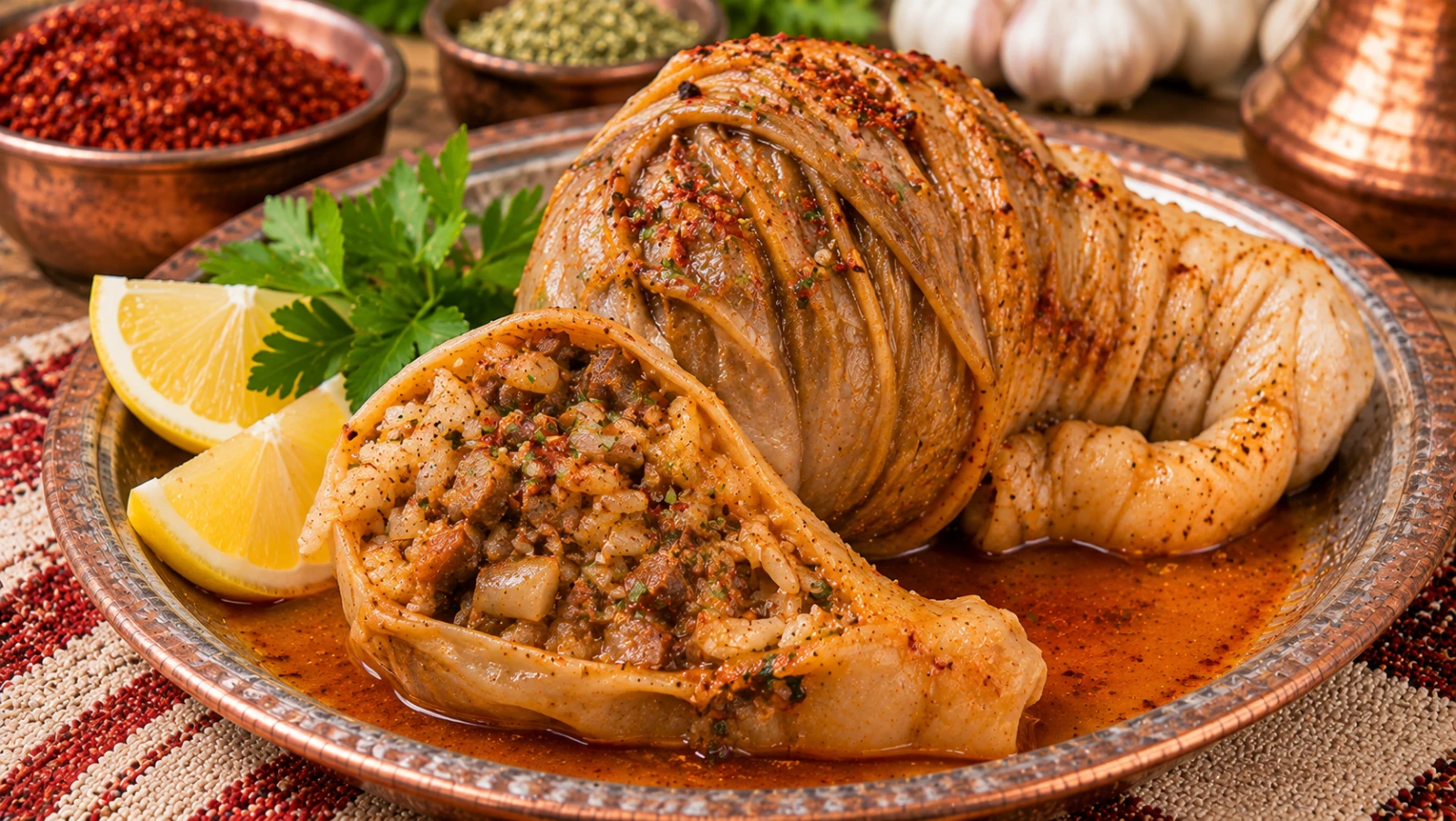
Rice-filled sheep abomasum, registered seasoning and Adana's evening offal tradition.

Small cubes of starch pudding are served with shaved ice, syrup and powdered sugar, especially during the hot Çukurova summer.
Four distinctive ways to explore the province.
Explore Anavarza, Misis, Magarsus and Şar; learn about Sirkeli and Tatarlı through museum collections.
Combine Ramazanoğlu buildings, traditional streets and Kozan’s medieval fortifications.
Visit the Varda Bridge, Kapıkaya Canyon, Belemedik and designated wetland observation areas.
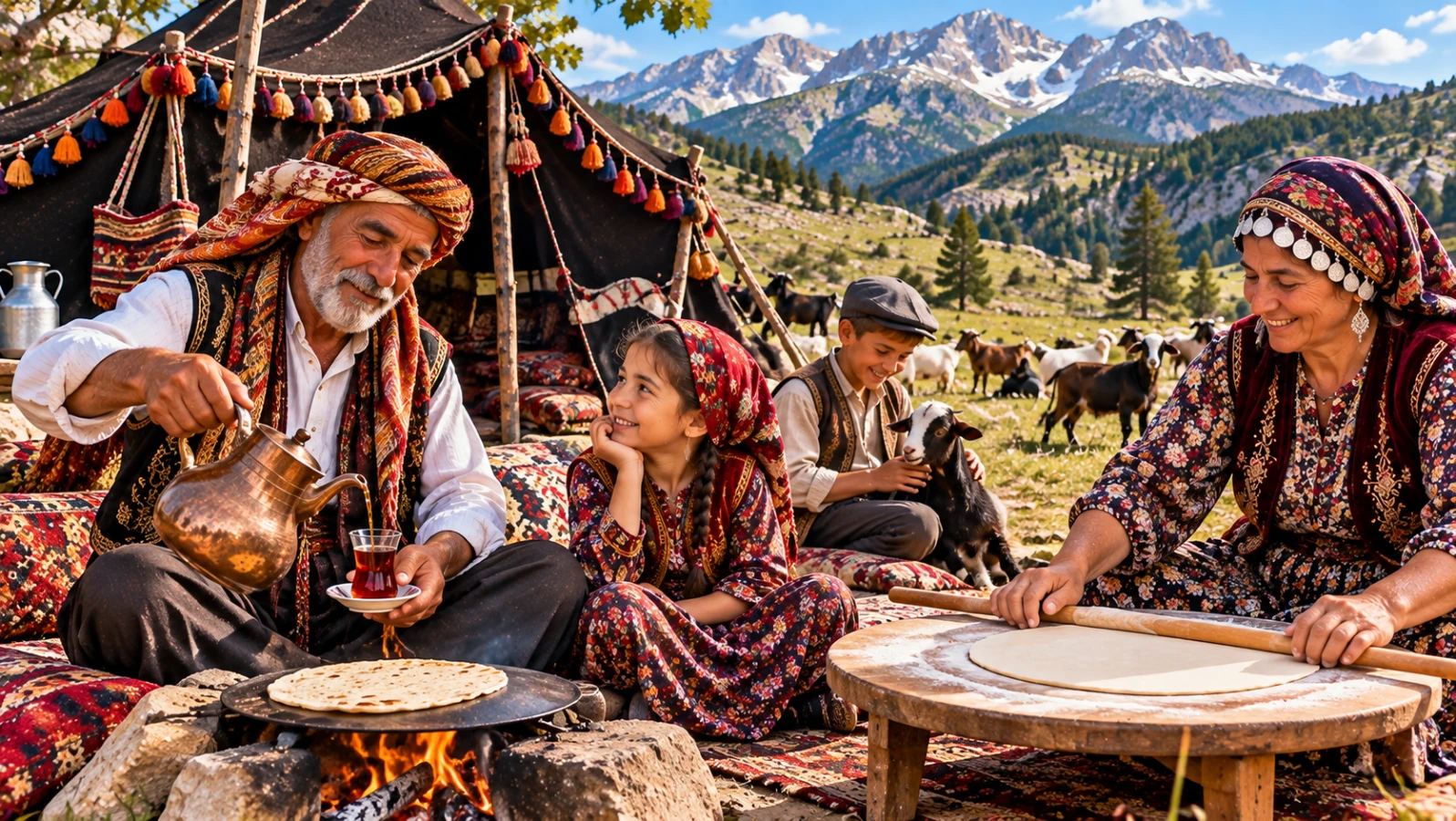
Try charcoal-grilled kebab, fermented şalgam, bulgur dishes and seasonal desserts.
The ancient plain was home to several cities with distinct histories. Mopsuestia is associated with Theodore of Mopsuestia, an influential late antique Christian theologian; the mosaic tradition at Misis preserves a remarkable visual record of biblical themes. Aigeai was renowned for its healing sanctuary in antiquity.
North of the plain, Şar preserves Roman and late antique remains at the site traditionally identified as Cilician Comana. Medieval Sis and its ecclesiastical institutions connect the region to Armenian Christian history. Surviving buildings, archaeological fragments and later historical records should be distinguished when interpreting these places.
Explore 136 detailed guides, from ancient Cilician cities and Taurus landscapes to Mediterranean wetlands, district guides, food and living traditions.
Trace Adana’s history from the Roman Seyhan crossing to the Ramazanoğlu foundations, Ottoman markets and religious buildings, late Ottoman civic architecture, traditional houses, and the museums that interpret the city’s ancient and modern heritage. The guides distinguish original fabric, later repairs, reconstructed monuments and current visitor access.
Explore the Roman metropolis of Anavarza, the Bronze Age river settlements of Sirkeli and Tatarlı, the mountain sanctuary landscape of Şar, early Christian churches and the medieval fortifications of Cilicia. Each guide distinguishes archaeological evidence, later rebuilding and present-day access.
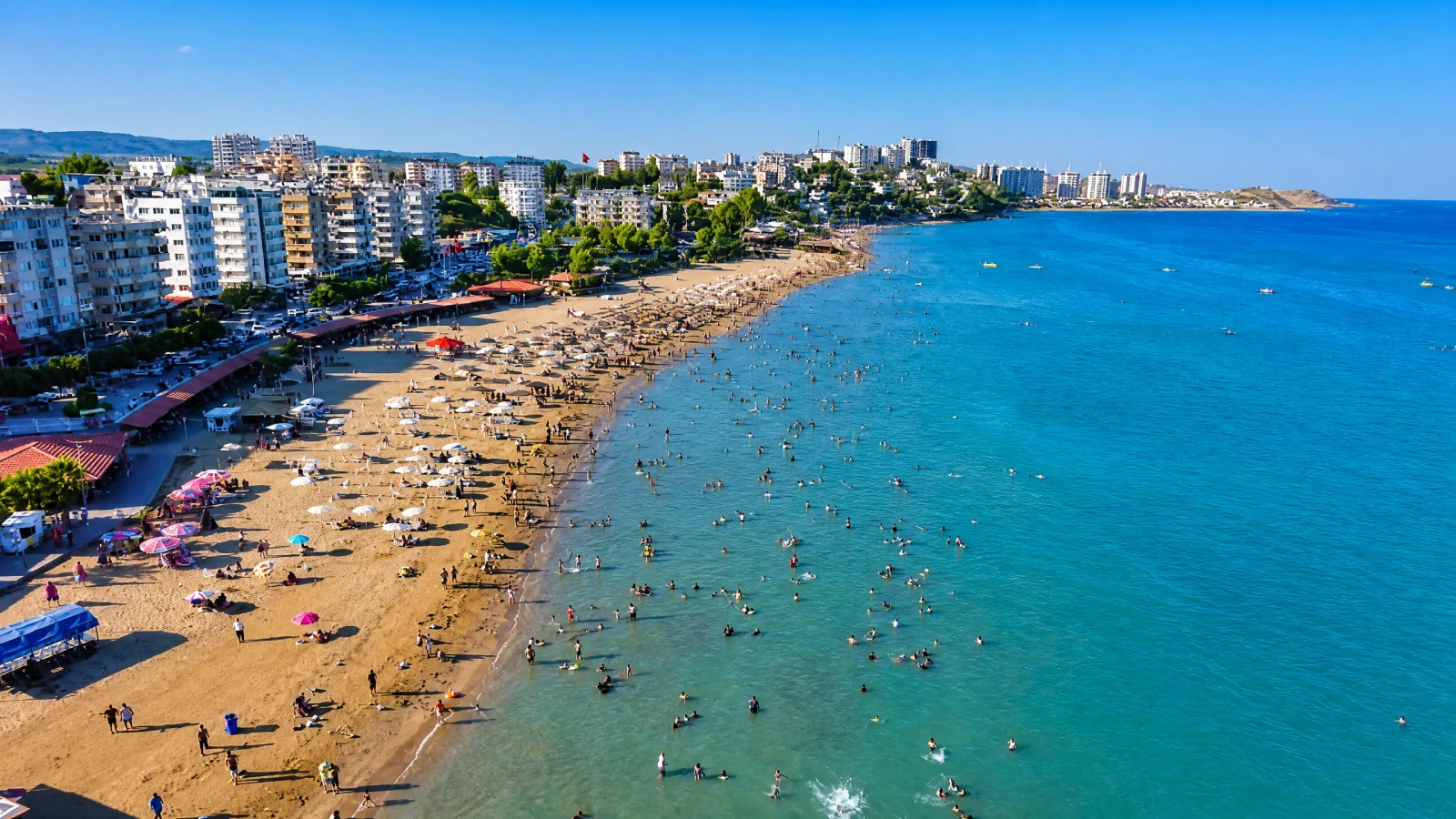
Discover the ancient coastal cities and medieval harbours of Cilicia alongside the delta’s internationally important Akyatan and Yumurtalık Ramsar wetlands, bird habitats and protected turtle nesting coast. Public beaches and protected natural areas require different visit plans.
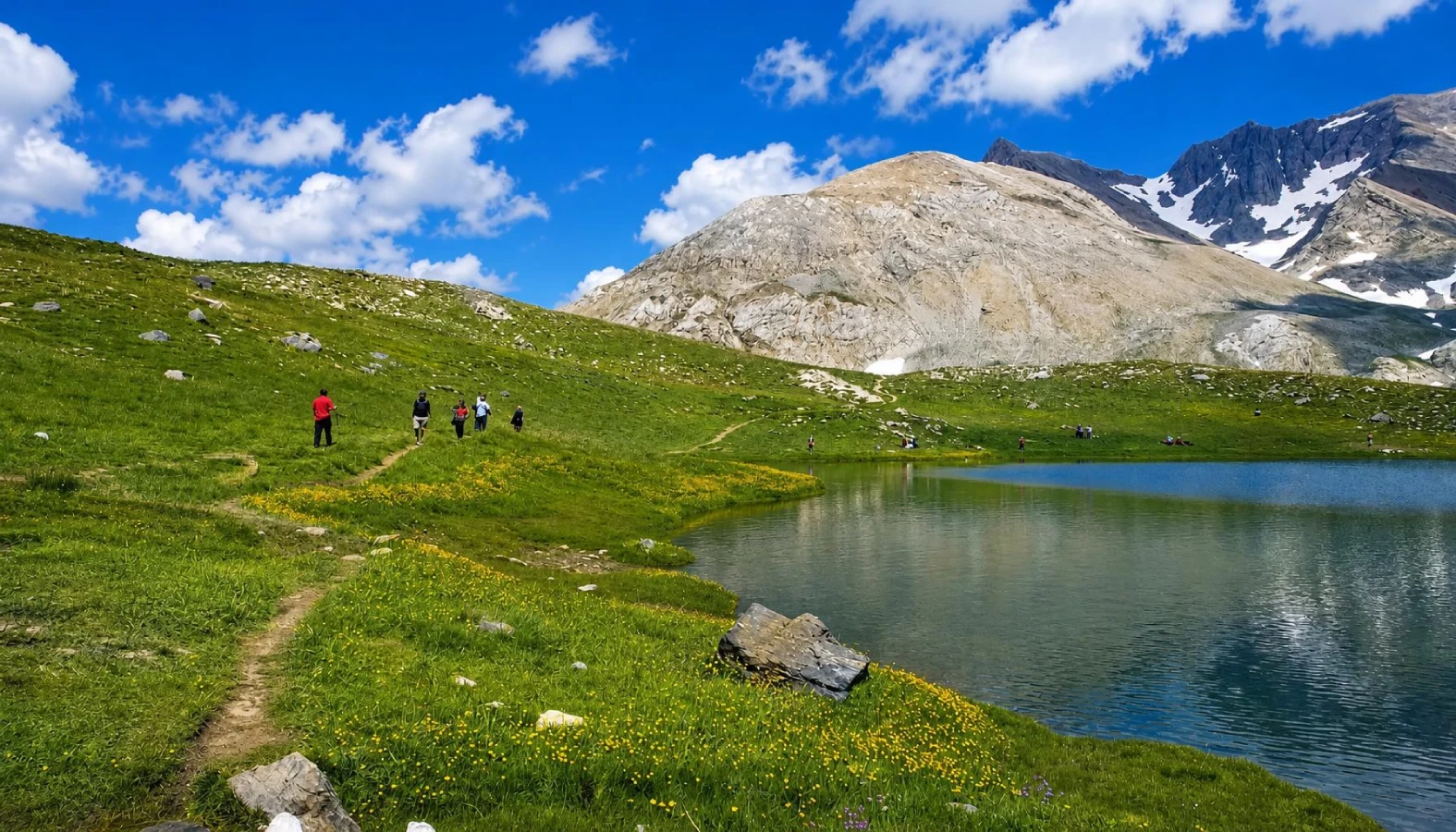
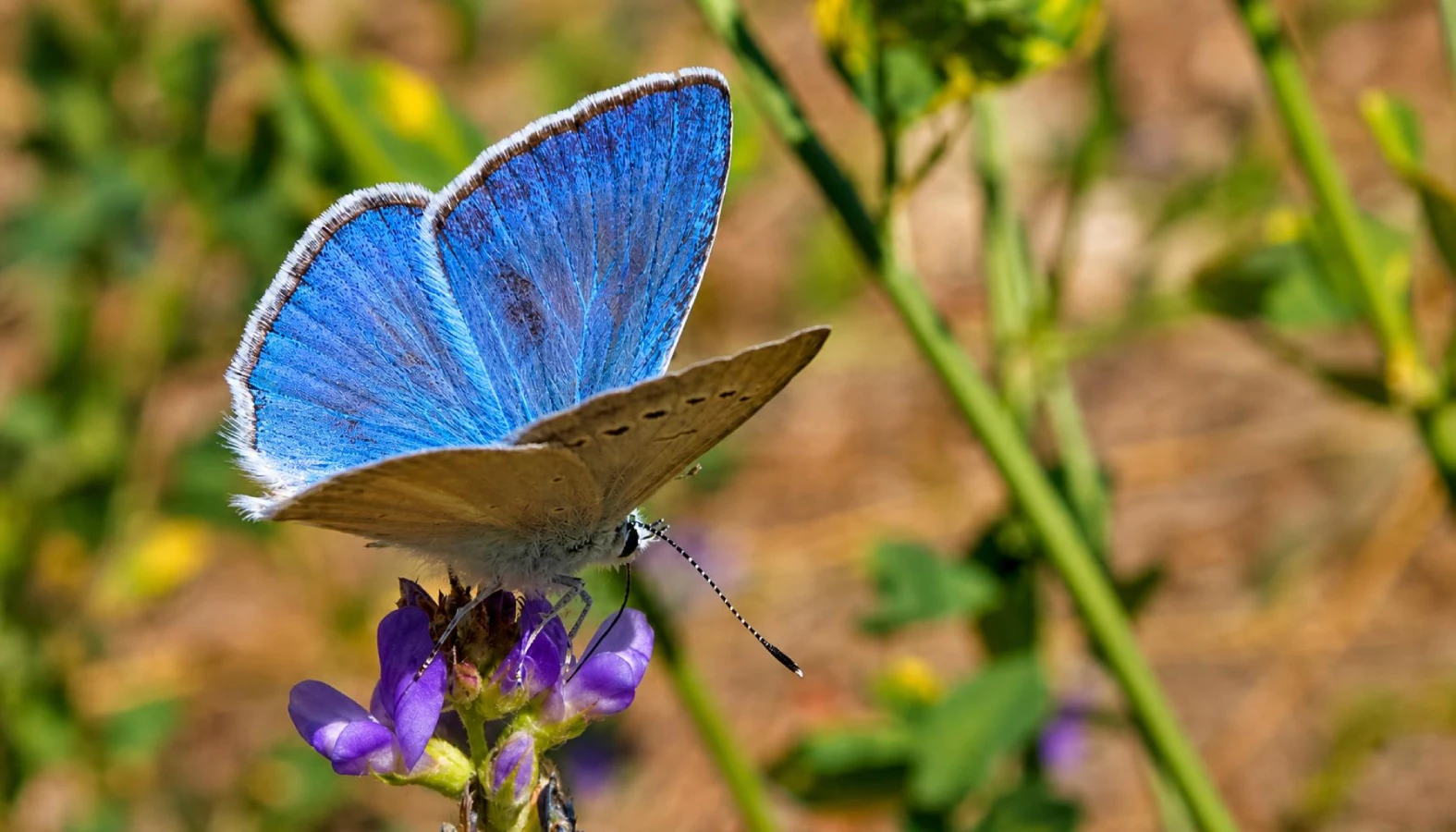
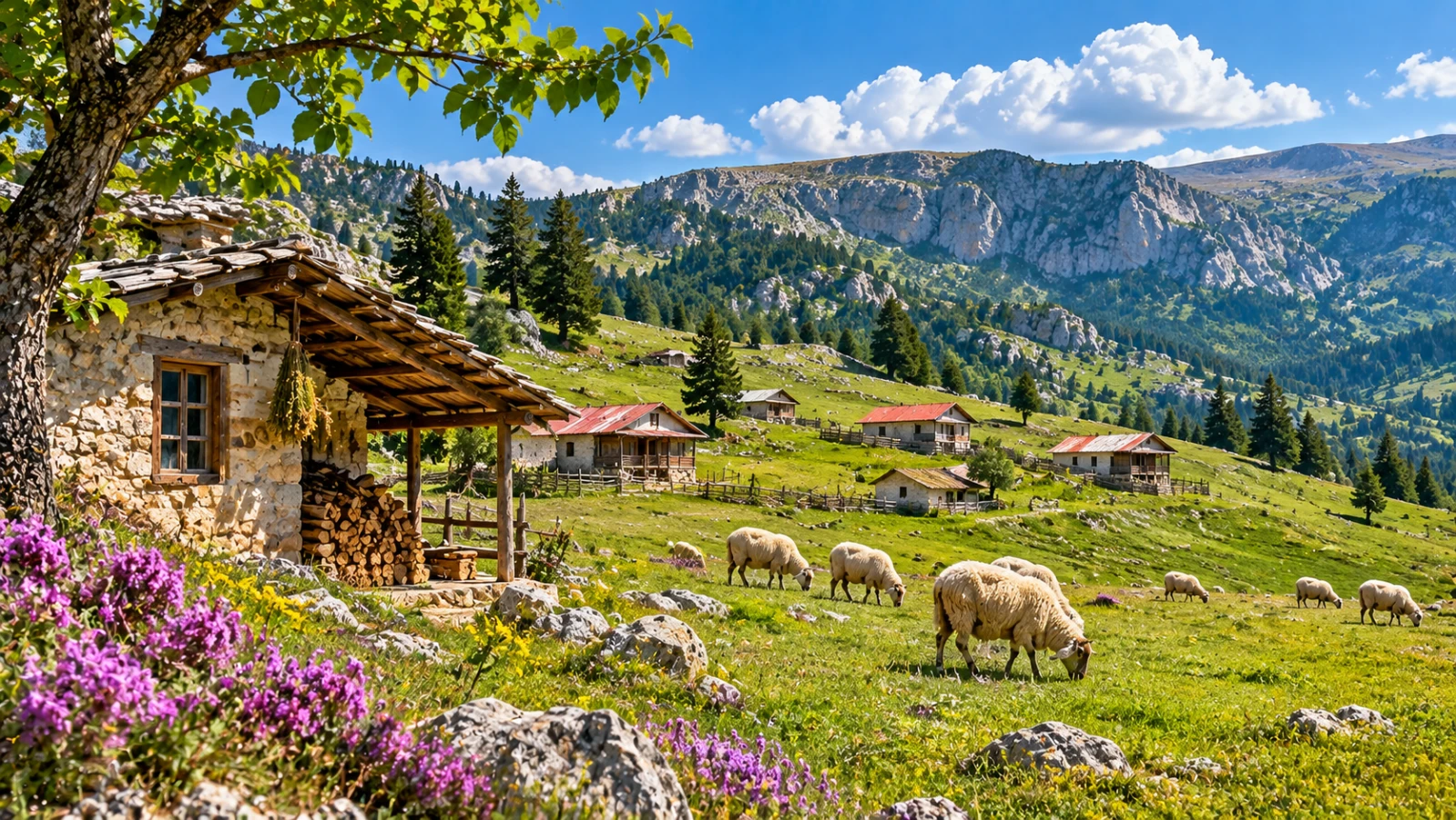
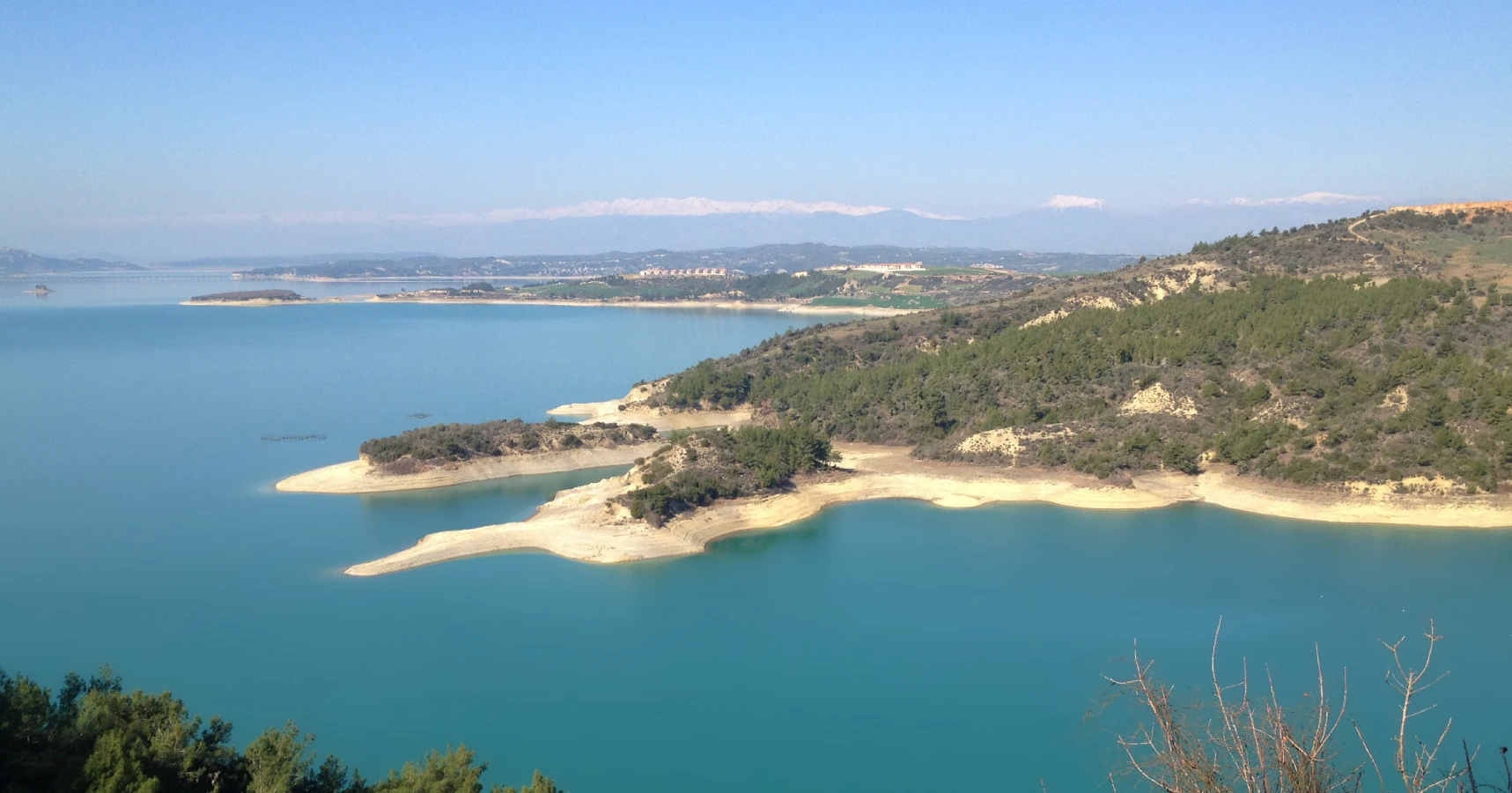
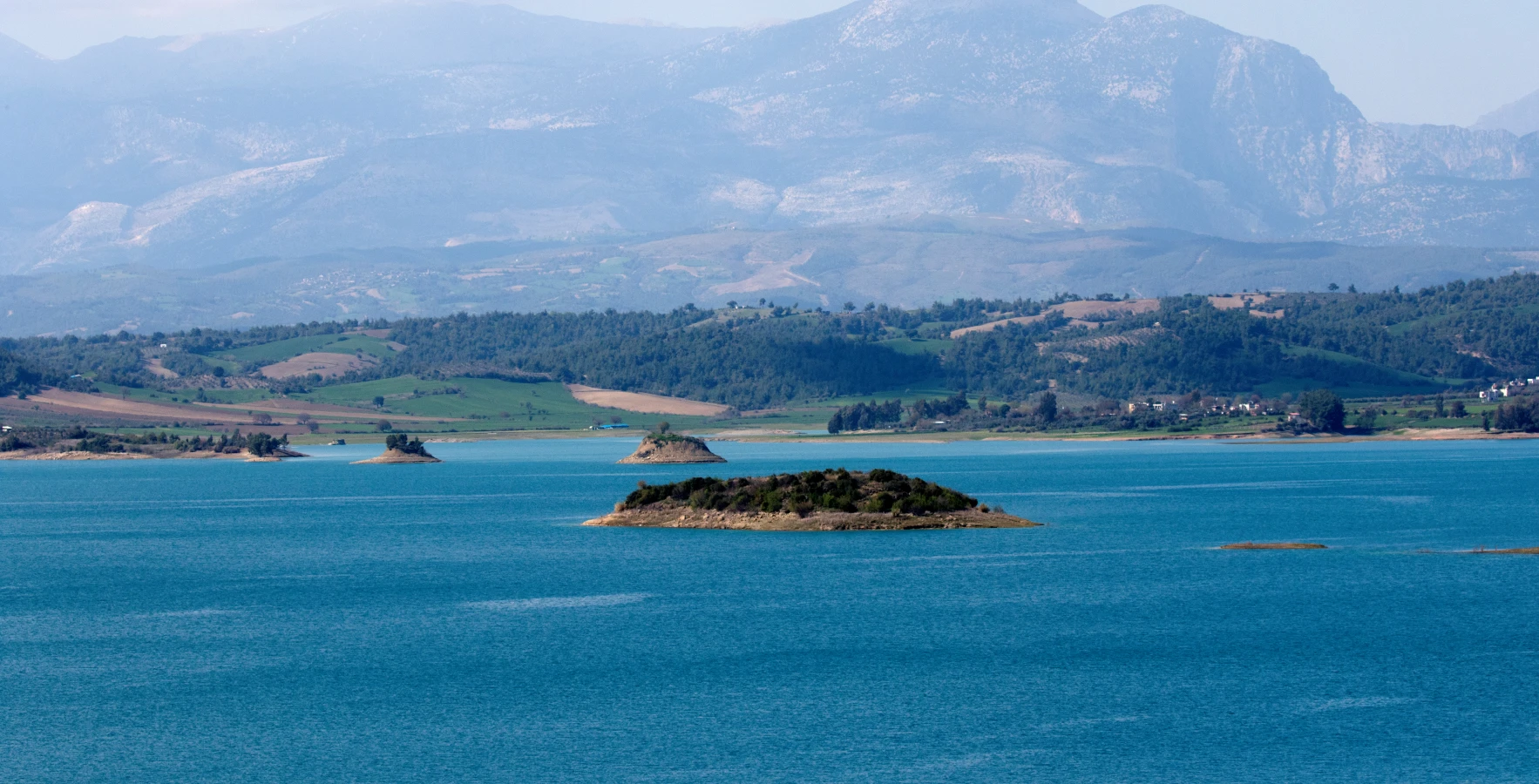
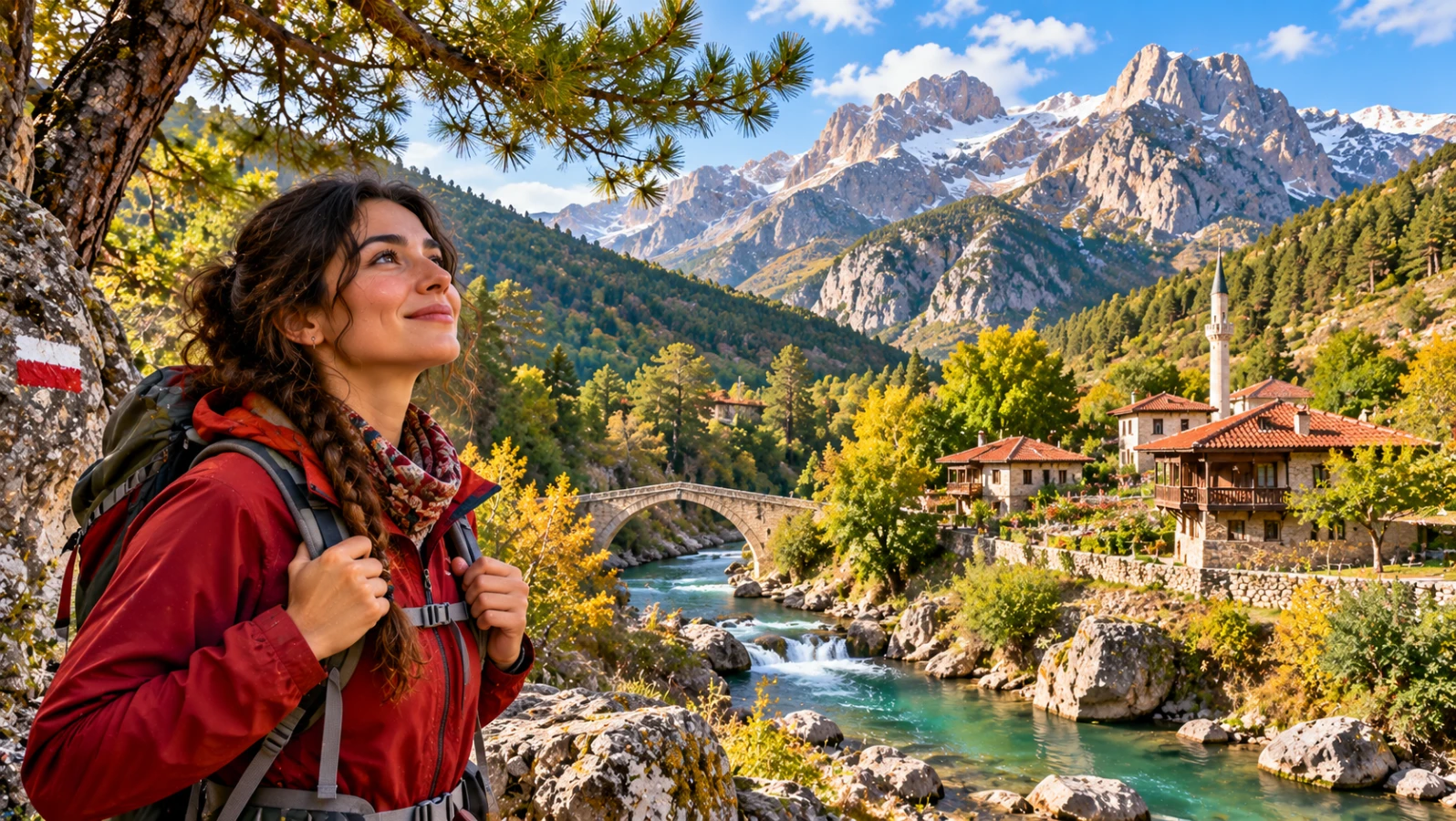
Explore the Baghdad Railway viaduct and construction landscape, the gorges of Çakıt and Eğlence rivers, the settled yaylas of the Taurus, the protected Aladağlar massif, Saimbeyli’s butterfly habitats and the engineered reservoirs north of Adana. Each guide distinguishes documented natural or historic features from practical travel suggestions and access conditions that need local confirmation.
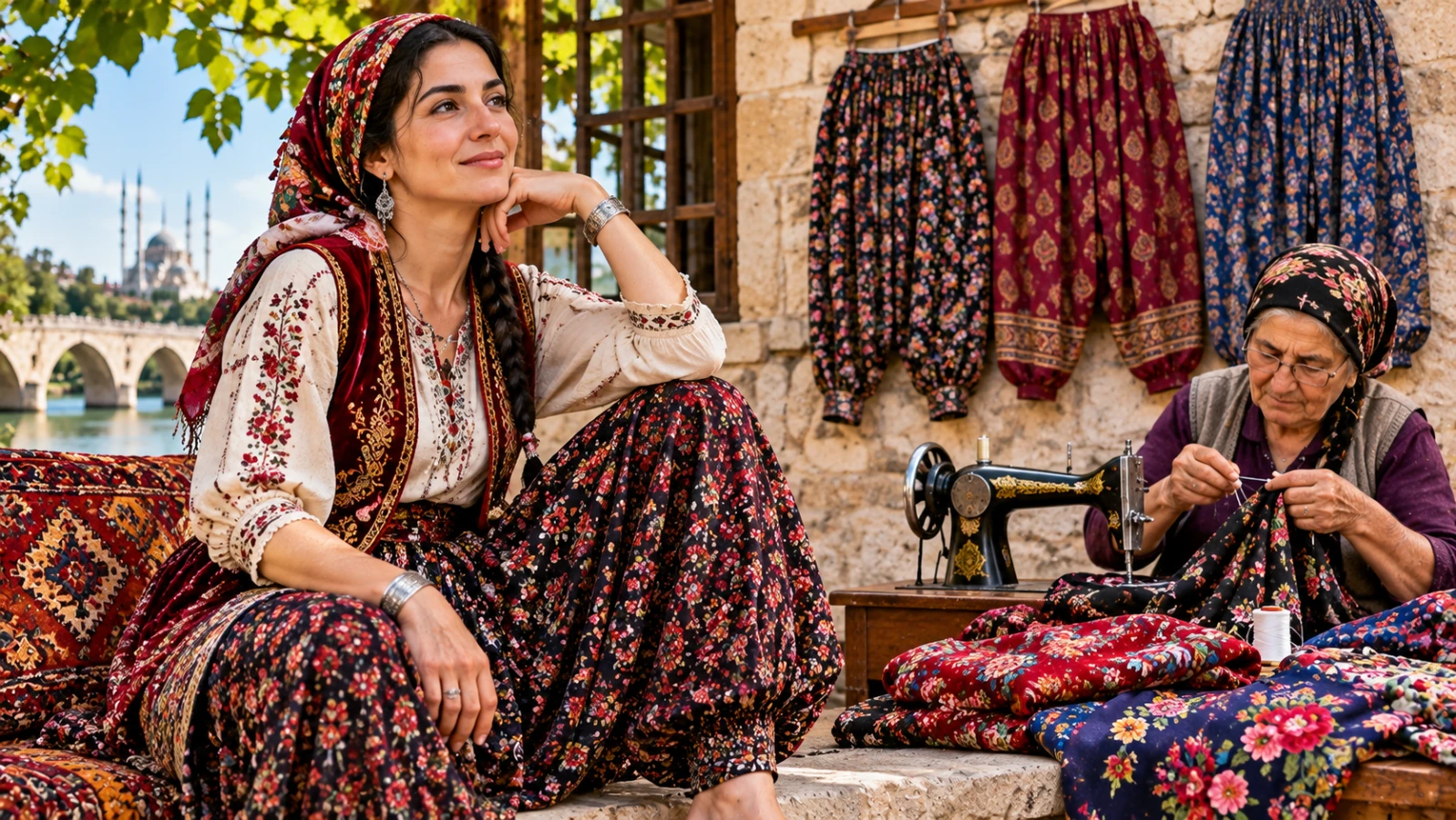
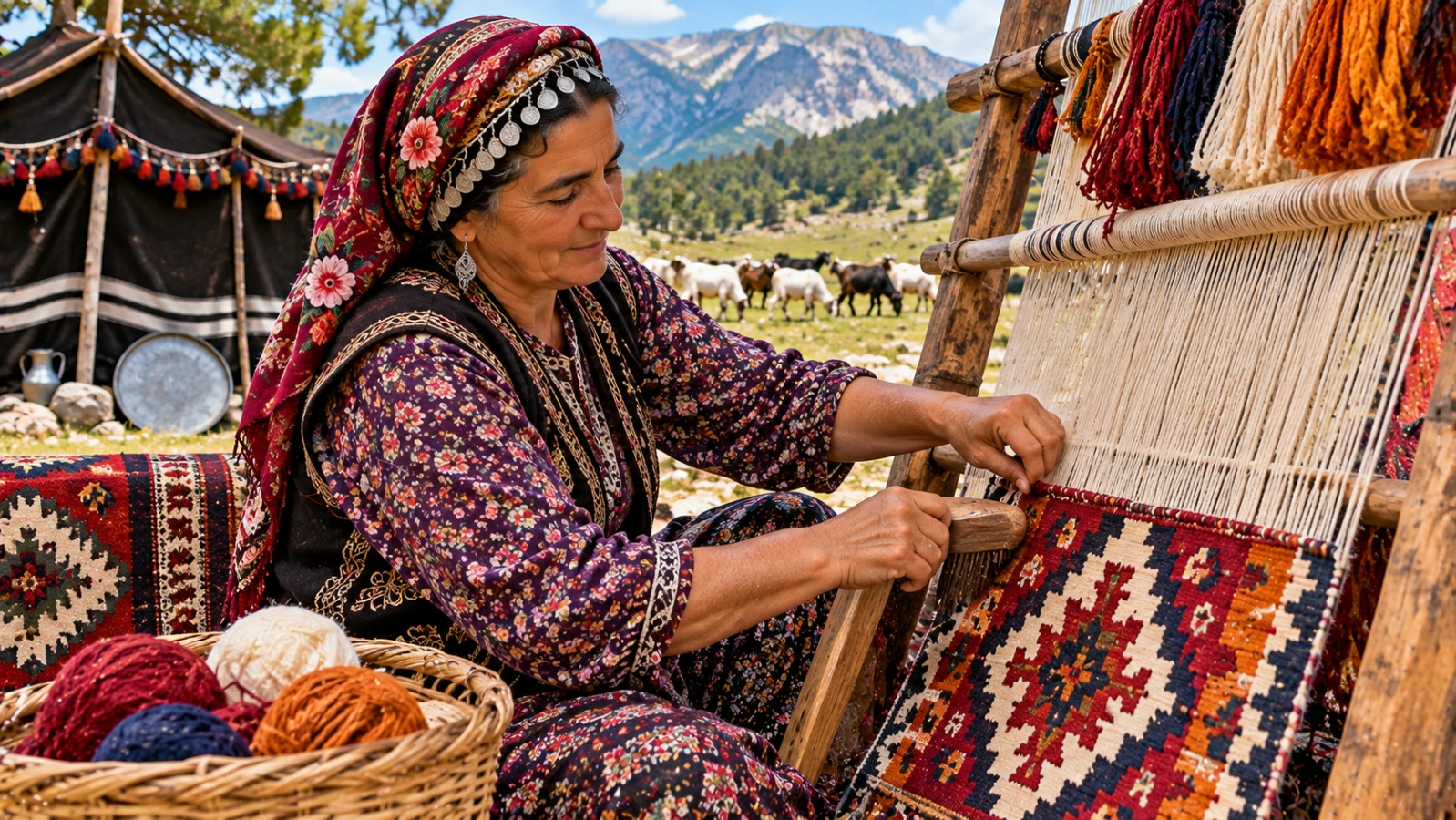
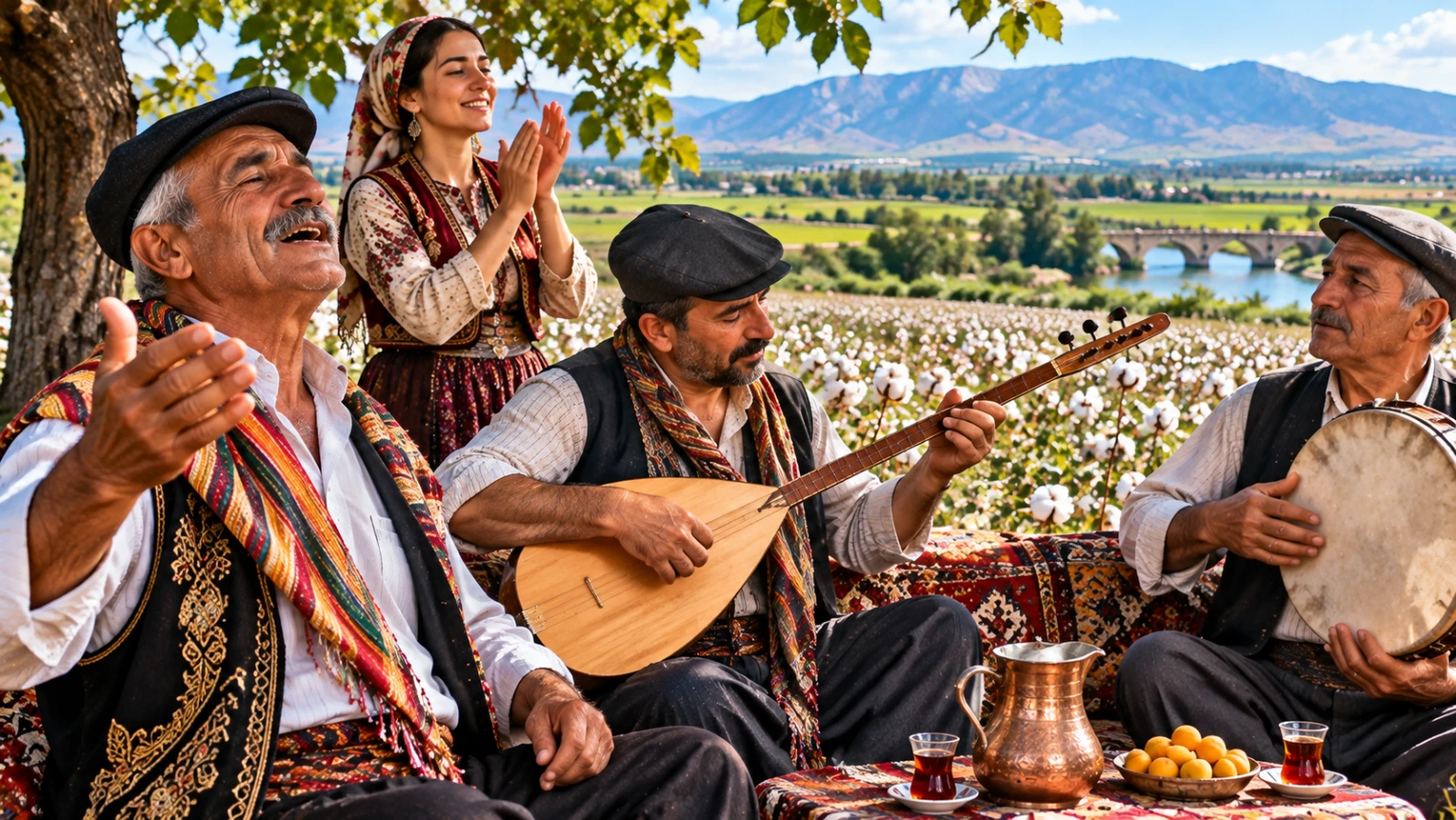
Explore the living heritage of Çukurova: Feke’s wool weaving and horn-handled craftsmanship, Adana’s registered garments and jewellery, the cotton economy, regional music and literature, and the festivals and food traditions that shape daily life.
Explore Adana district by district: the historic neighbourhoods of Seyhan and Yüreğir, the reservoirs of Çukurova and Sarıçam, the archaeological plains around Ceyhan and Kozan, the Mediterranean ports of Karataş and Yumurtalık, and the mountain roads, villages and highlands of the Taurus. Each guide includes historical context, recommended sightseeing routes and practical access notes.
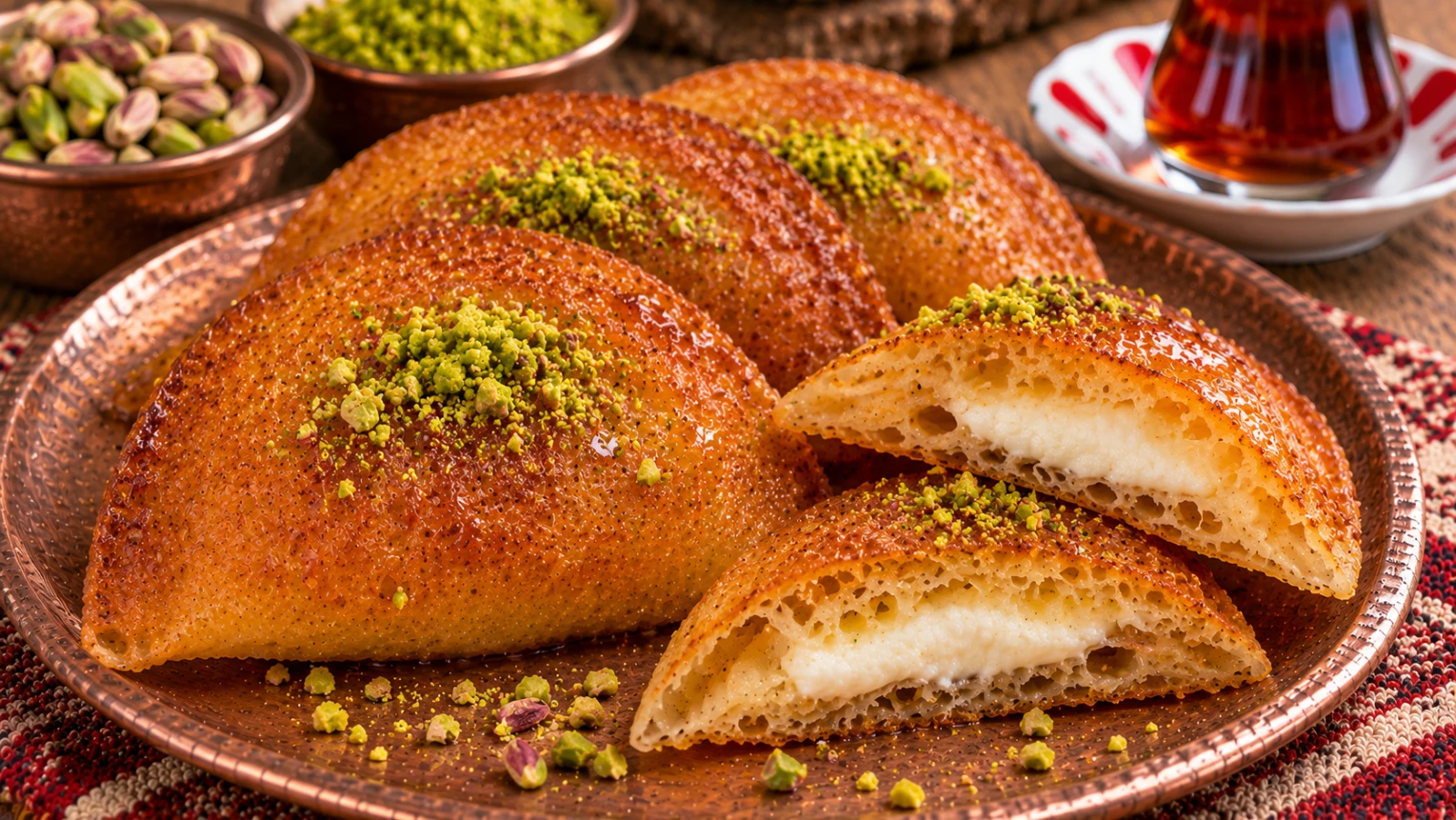
Discover the registered starch-and-ice dessert bici bici, fried syrup pastries, walnut-filled kadayıf, liquorice-root aşlama and fermented Adana şalgam, protected in the European Union since 2026. The guides distinguish commercial specifications from practical kitchen adaptations.
From the early watermelons and peanuts of the Çukurova plain to Kozan citrus, Kuytucak pomegranates, Ceyhan olive oil, Pozantı strawberries, Tufanbeyli beans and Karaisalı sweet peppers, explore the region’s registered agricultural products and their seasonal growing traditions.
Use the city as a base, but reserve separate days for the northern Taurus and coast.
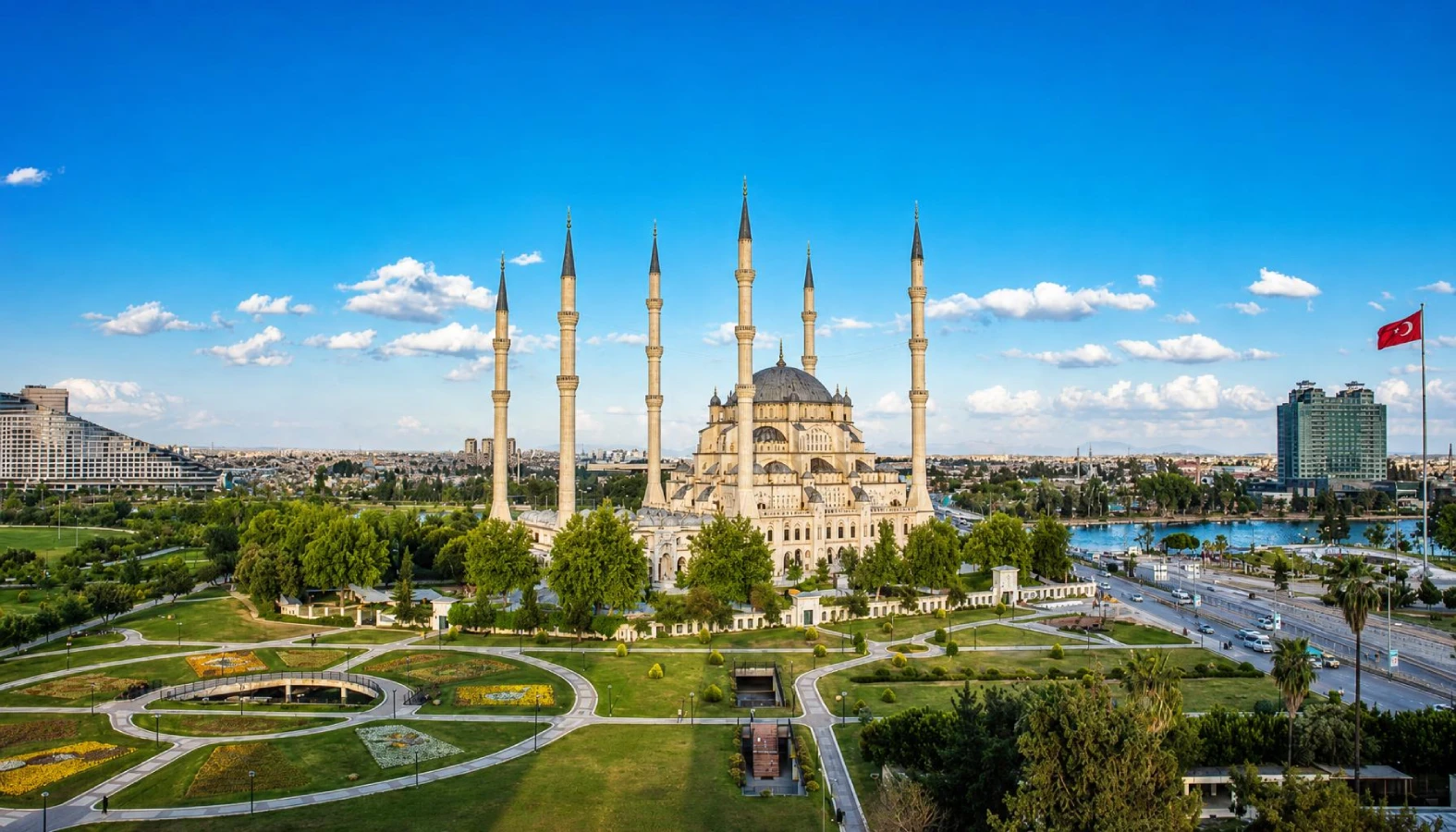
Walk through the bazaar, Ulu Mosque, Ramazanoğlu Mansion and Taşköprü; allow time for the museum.
Choose Anavarza and Sis for one trip, or Misis and Yılankale for another.
Combine Varda viewpoints with Kapıkaya; dedicate a separate outing to Belemedik if needed.
Choose Magarsus and Akyatan or the harbour at Ayas and the Yumurtalık wetlands.
Explore the region’s kebab houses, household cooking, bakeries, traditional drinks and produce.
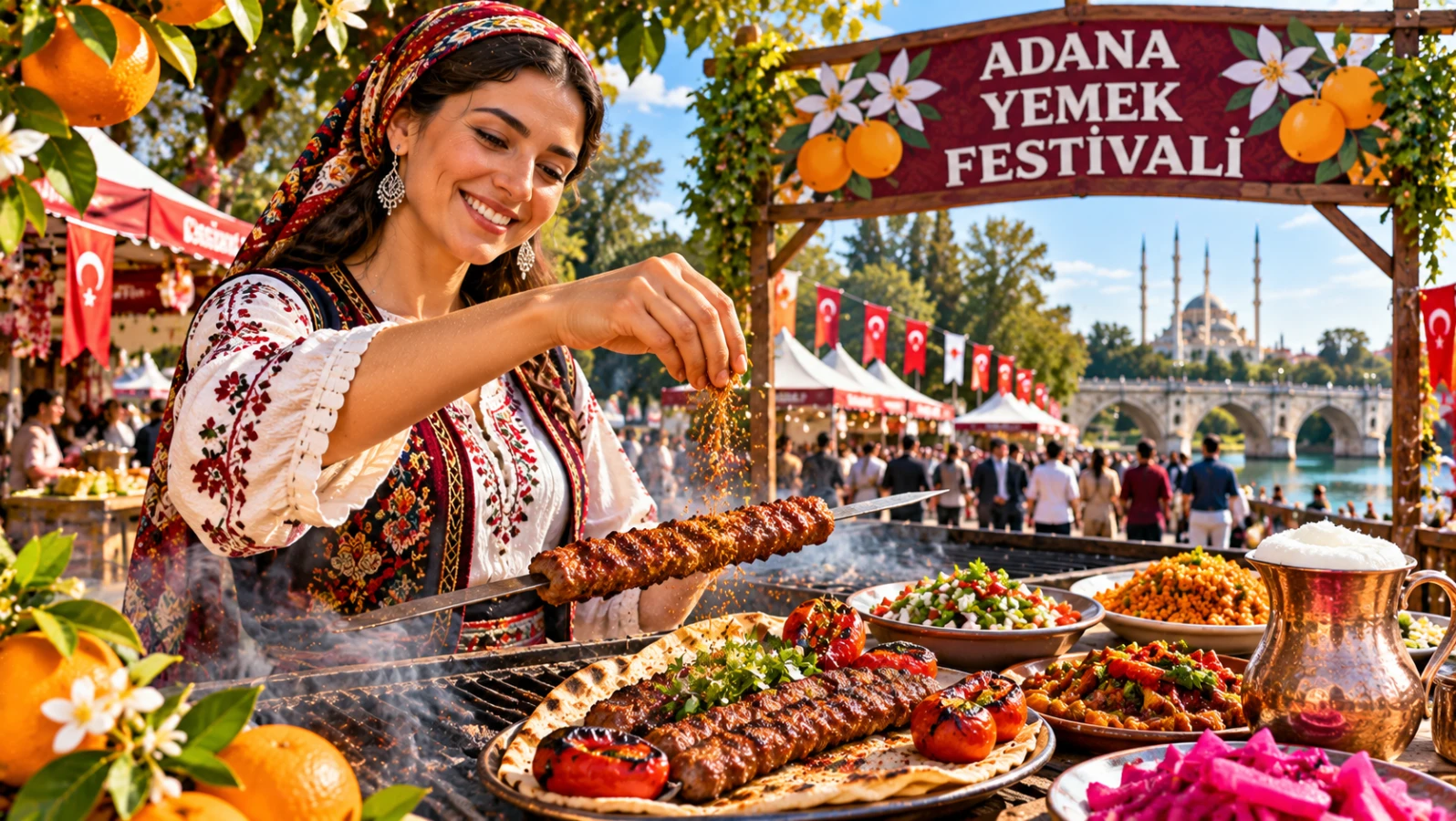
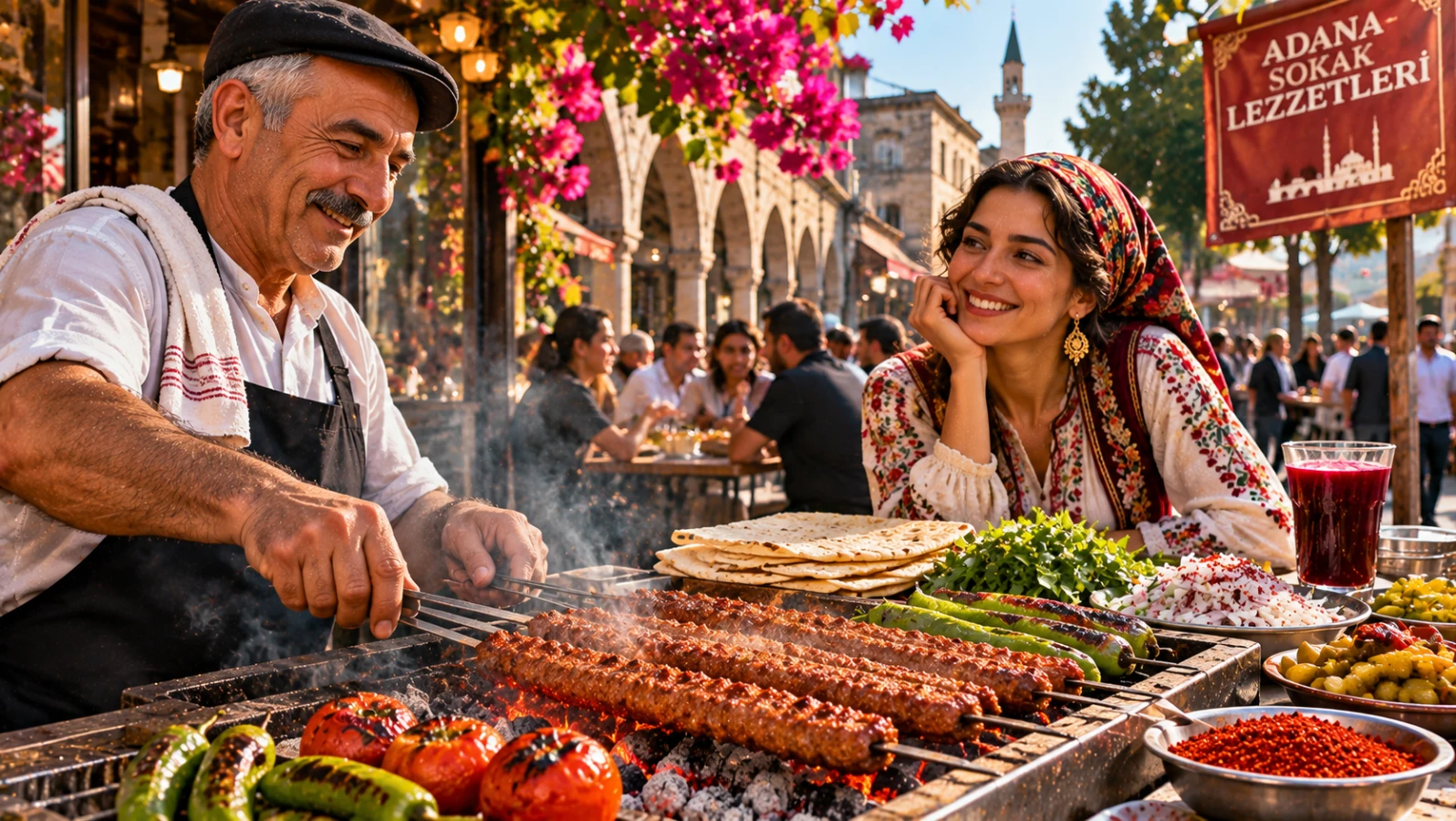
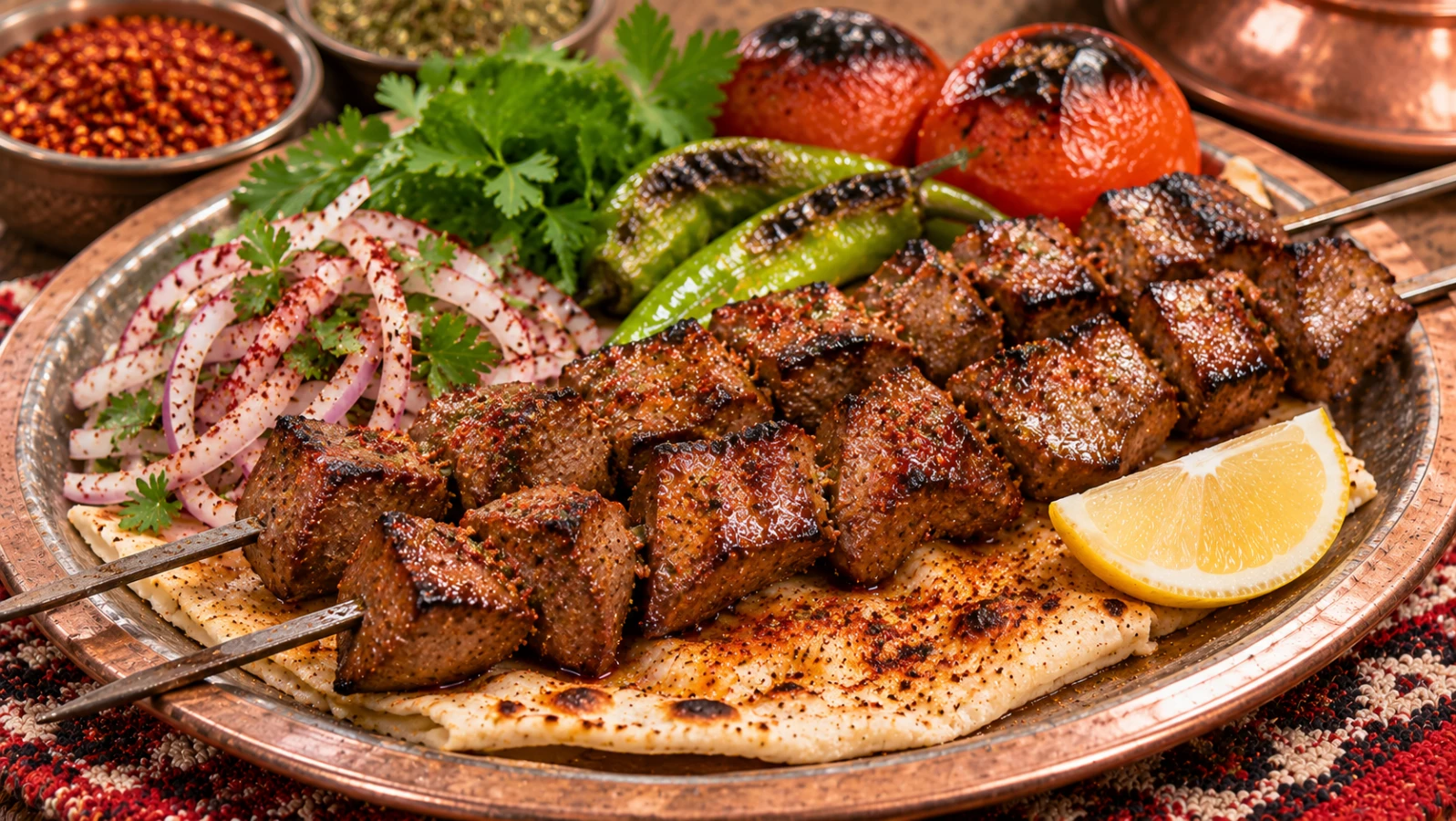
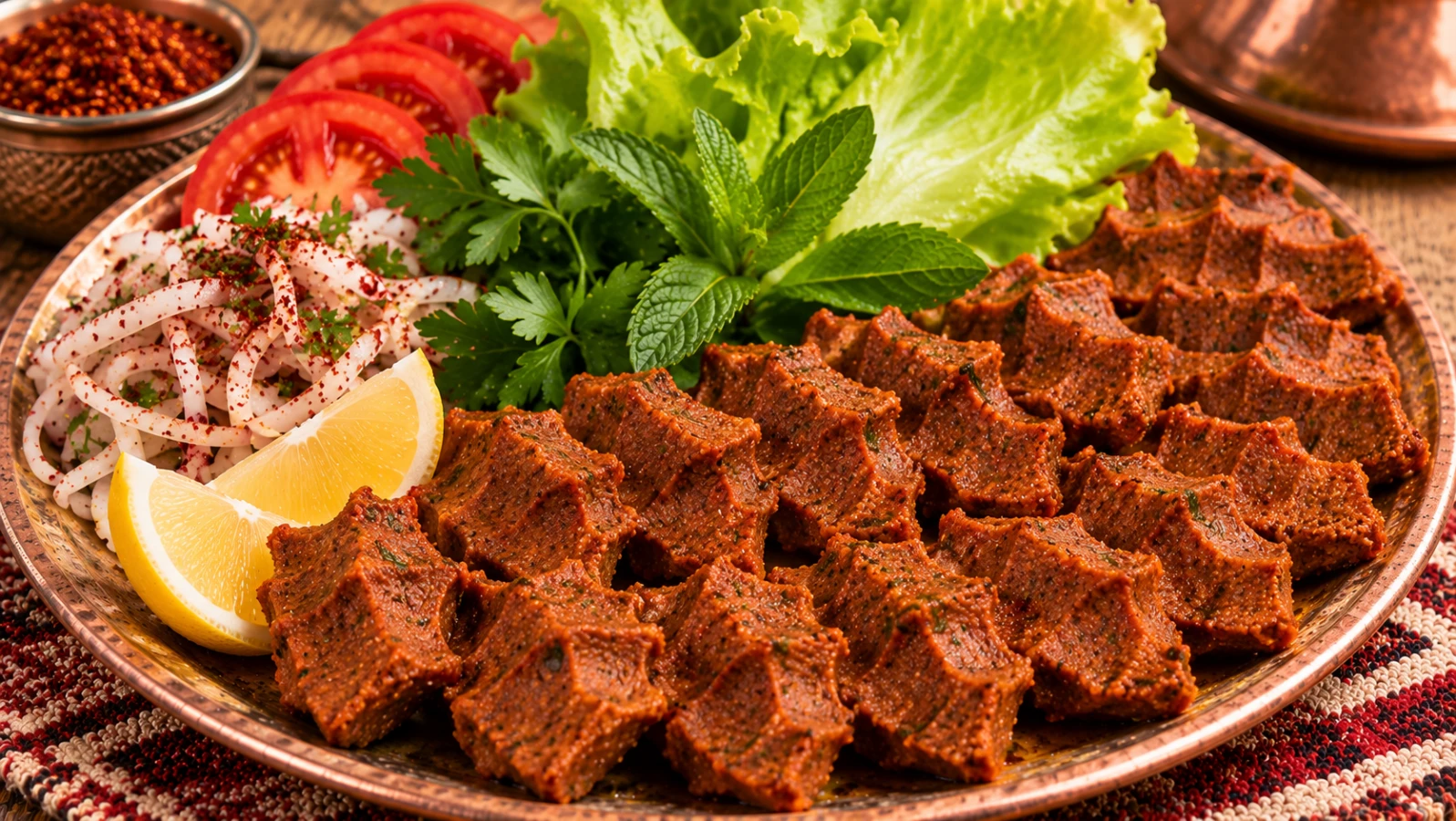
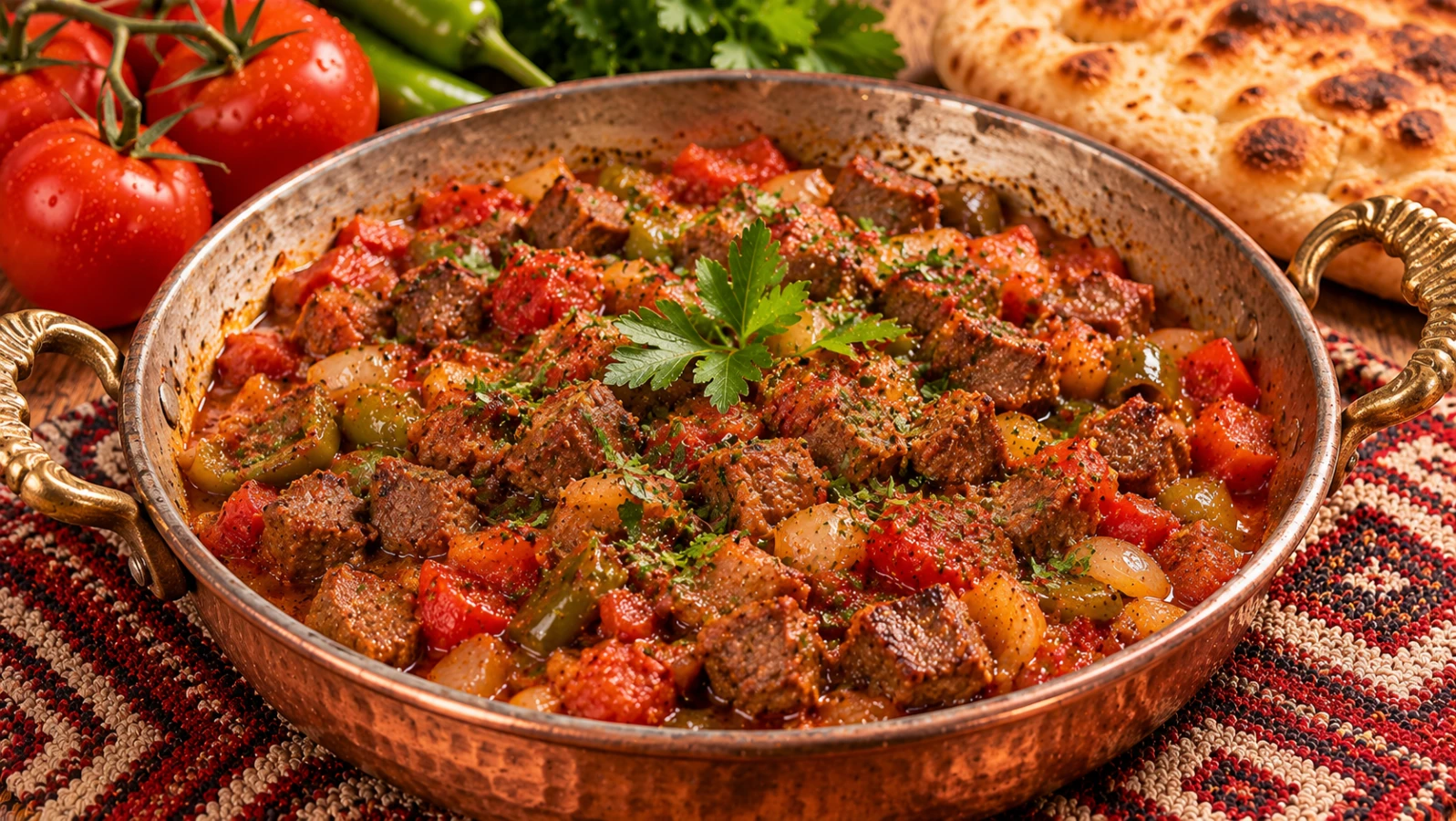
Adana kebab is distinguished by hand-minced lamb, tail fat and red pepper. It is grilled on broad skewers over charcoal and served with flatbread and onion salad. Şalgam, a fermented purple-carrot drink, is a customary accompaniment. In the old market, liver skewers and other grilled dishes are also associated with breakfast and street-food traditions.
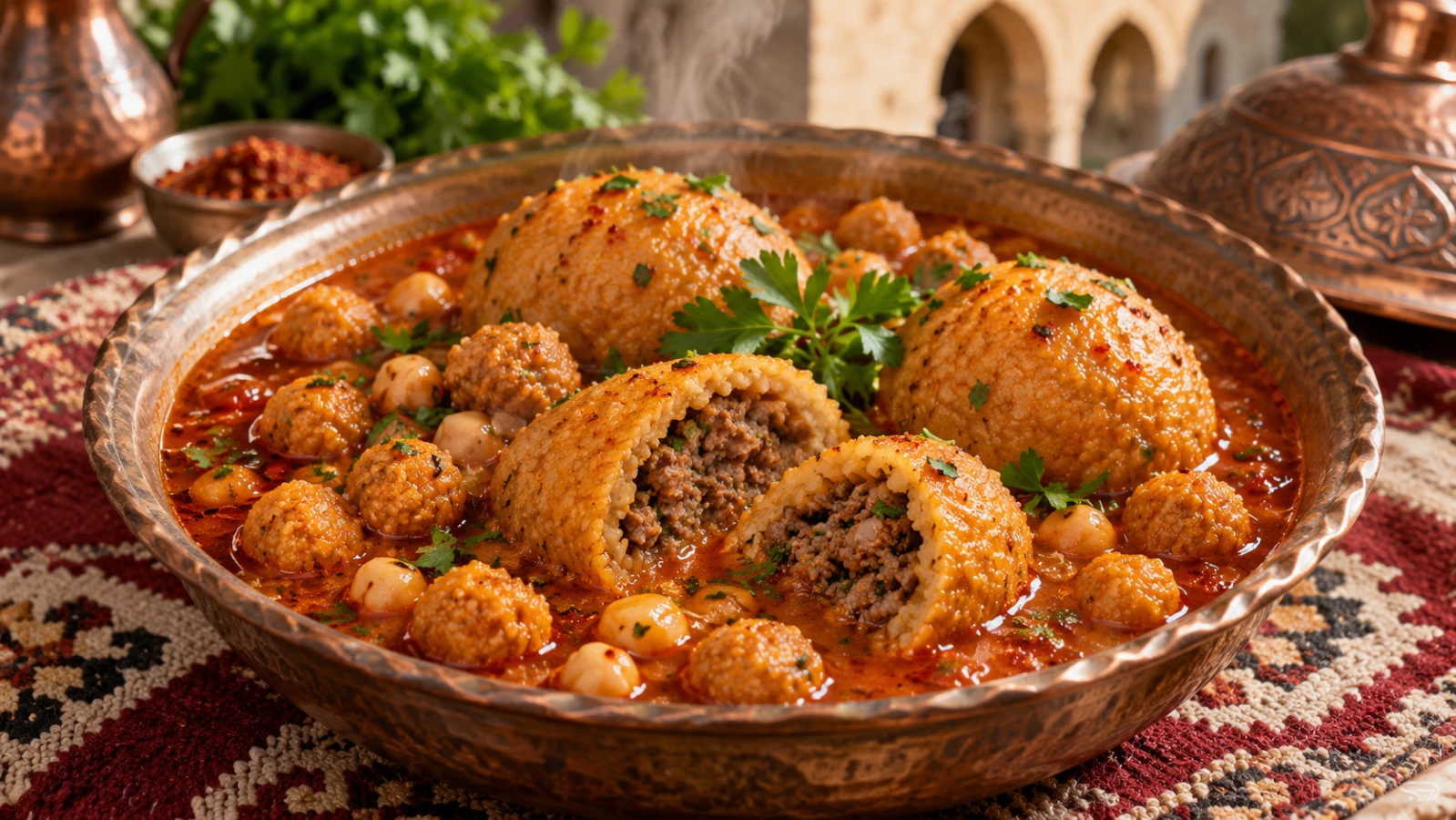
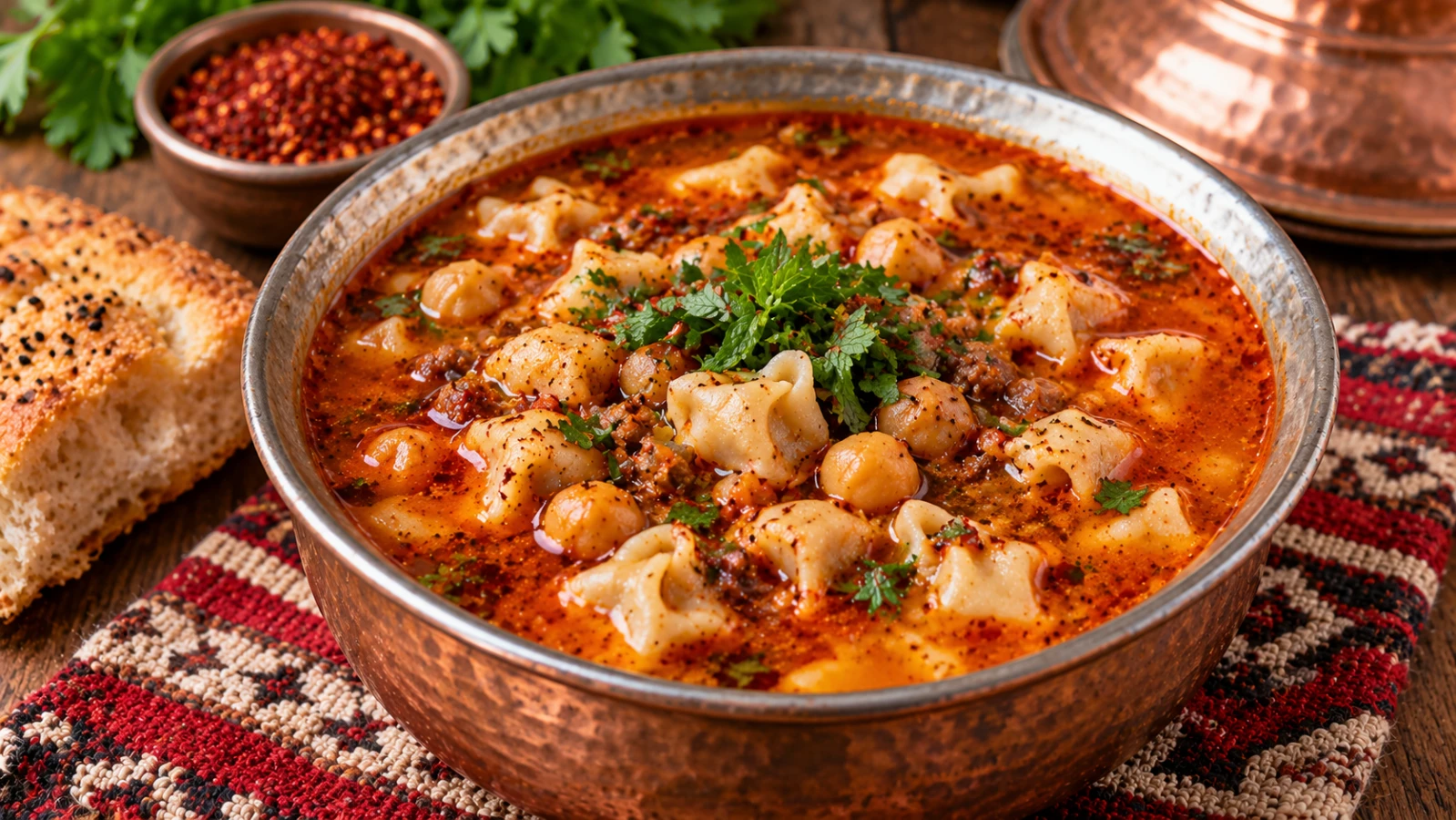
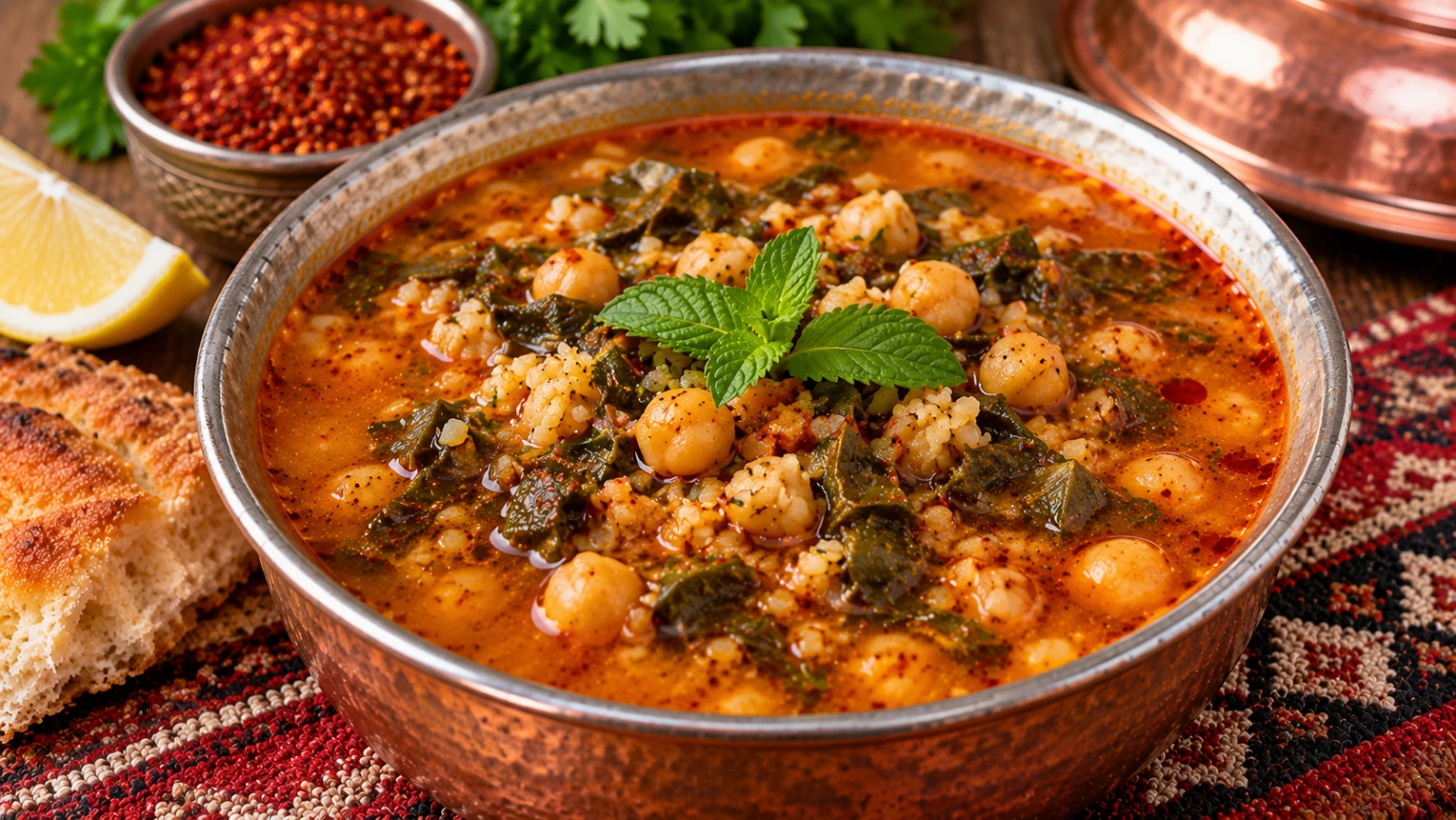
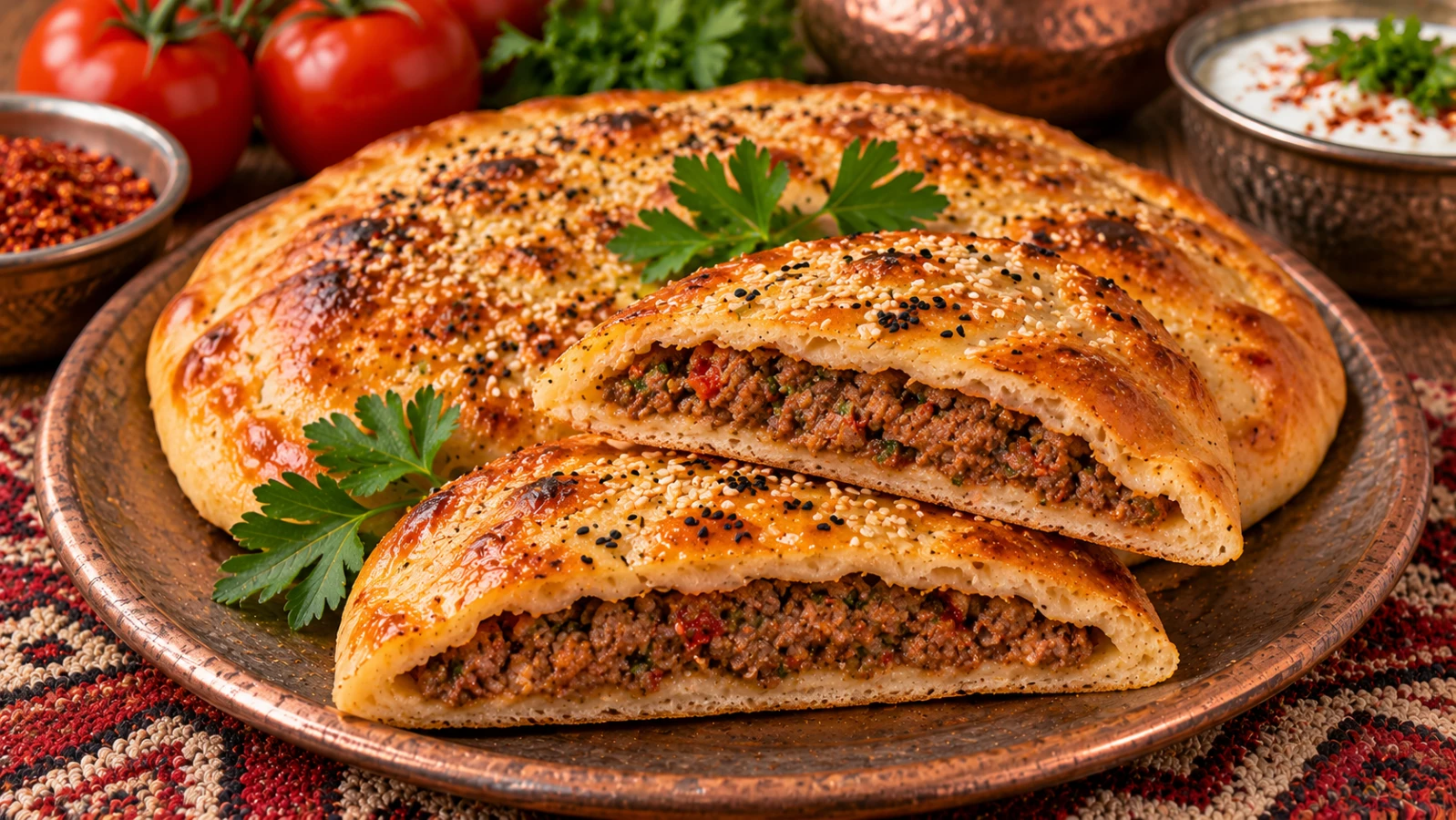
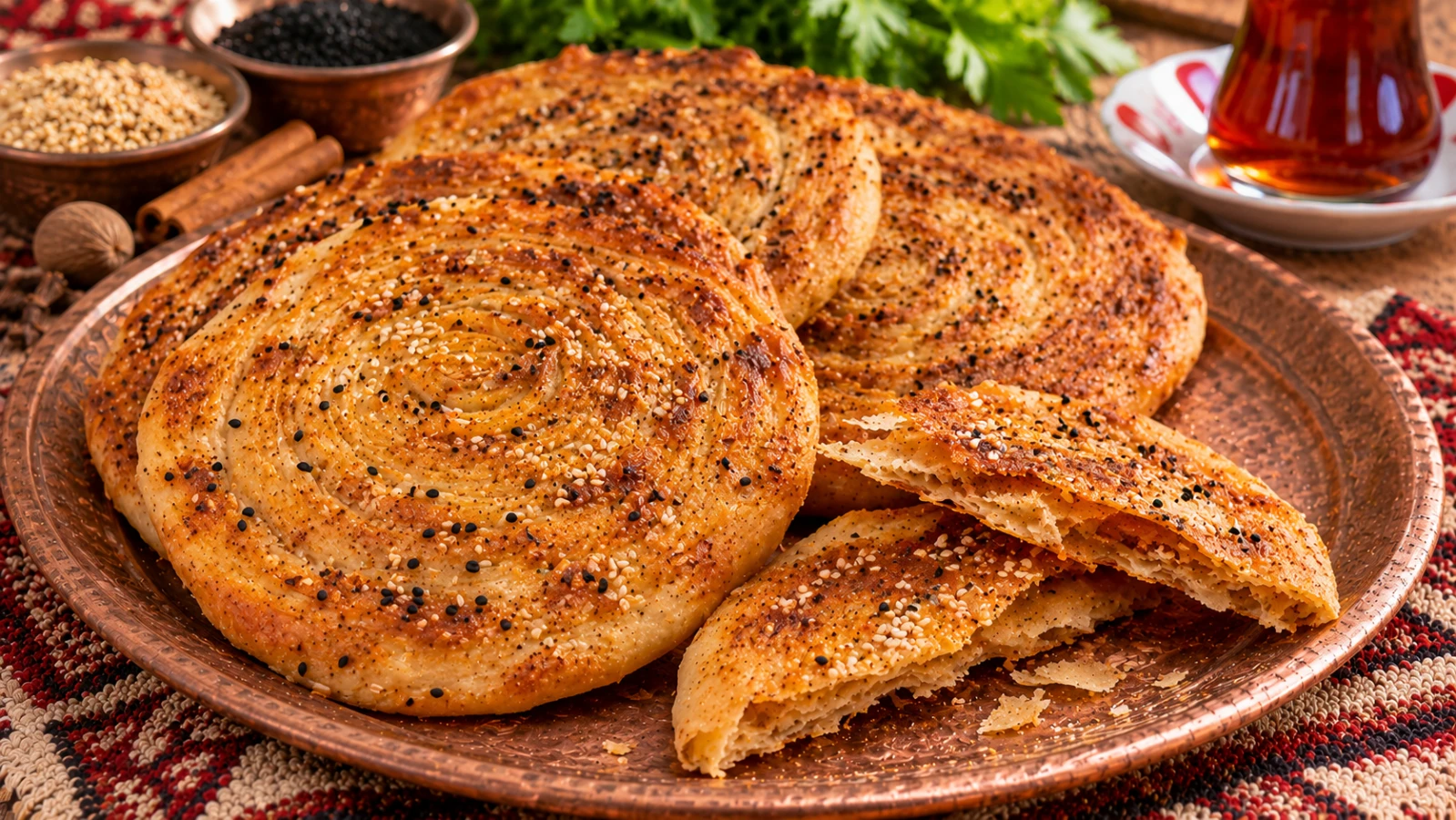
Bulgur is central to home cooking: analı kızlı combines large filled and small unfilled dumplings, while fellah köftesi uses smaller dumplings coated in garlic and tomato sauce. Yüksük çorbası brings dough parcels and chickpeas together in a soup. Karataş kıddesi is a spiced yeasted bread, not a dish called “seniority”.
For hot summer afternoons, bici bici combines starch pudding with shaved ice and syrup; aşlama offers a liquorice-root drink. The fertile plain supplies citrus, watermelons and peanuts, while the cooler uplands support crops such as Pozantı strawberries and Tufanbeyli beans.
A city stop and a province-wide journey require very different schedules.
Walk the old city and markets, cross Taşköprü and visit the museum; enjoy a kebab meal.
Spend the second day at Anavarza and Kozan or Misis and Yılankale.
Add a Varda–Kapıkaya outing and one coastal route to Karataş or Yumurtalık.
Allow dedicated time for Pozantı, Aladağ, Feke, Saimbeyli and remote Tufanbeyli.
Start near Taşköprü for the relationship between the river and the old commercial centre. Continue to Ulu Mosque and the Ramazanoğlu Mansion, then walk through Kazancılar Bazaar and the streets below Büyük Saat. Yağ Mosque shows the adaptation of earlier religious architecture.
Explore Bebekli Church and Tepebağ’s traditional houses from public streets, respecting worship and residential privacy. The museum complex occupies a separate former industrial site and deserves a generous visit.
Finish with grilled meat, şalgam or a regional dessert; the historic market is part of the city’s food culture, not merely a setting for monuments.
Devote a day to Anavarza’s lower archaeological area and Kozan’s old town. The castle above Anavarza is a separate, strenuous objective; medieval masonry and steep slopes require particular caution. In Kozan, visit the Hoşkadem Mosque and view the fortified ridge above the historic town.
A second eastern-plain route can combine Misis with views of Yılankale. Sirkeli and Tatarlı are research sites, so check whether any authorised visitor access is available and use the Adana Museum’s excavation displays when it is not. Tufanbeyli’s Şar is far enough north to justify a separate journey.
At Karataş, the theatre and sanctuary landscape at Magarsus connect the modern coast to ancient seafaring and cult practice. Akyatan’s lagoon and dunes have international wetland importance; use only authorised observation points.
Alternatively, visit Yumurtalık’s harbour, the remains of Ayas and the coastal fortifications, then explore the lagoon landscape where permitted. Avoid nesting beaches and keep well away from waterbirds. The two coastal districts are best planned as different routes rather than a rushed circuit.
The railway across the Taurus required bridges, tunnels and construction camps. At Varda, view the masonry viaduct from designated public viewpoints, never the active tracks. Kapıkaya follows the Çakıt stream and can be affected by floods and rockfall.
Belemedik near Pozantı preserves a different part of the railway story amid forests. In the northern districts, Küp Waterfalls, highland settlements and Saimbeyli’s butterfly habitats call for seasonal planning; snow, heavy rain and road conditions may affect access.
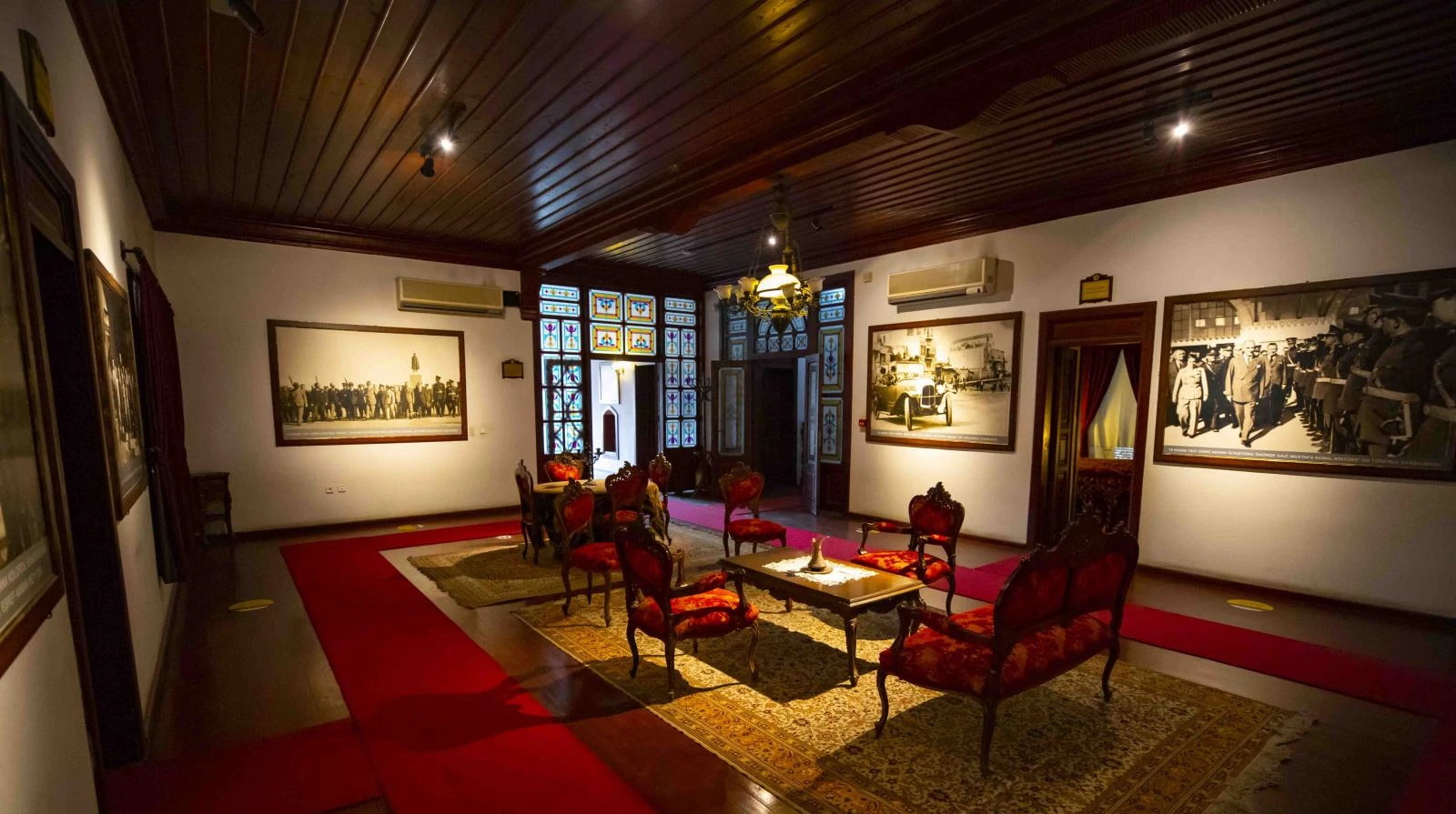
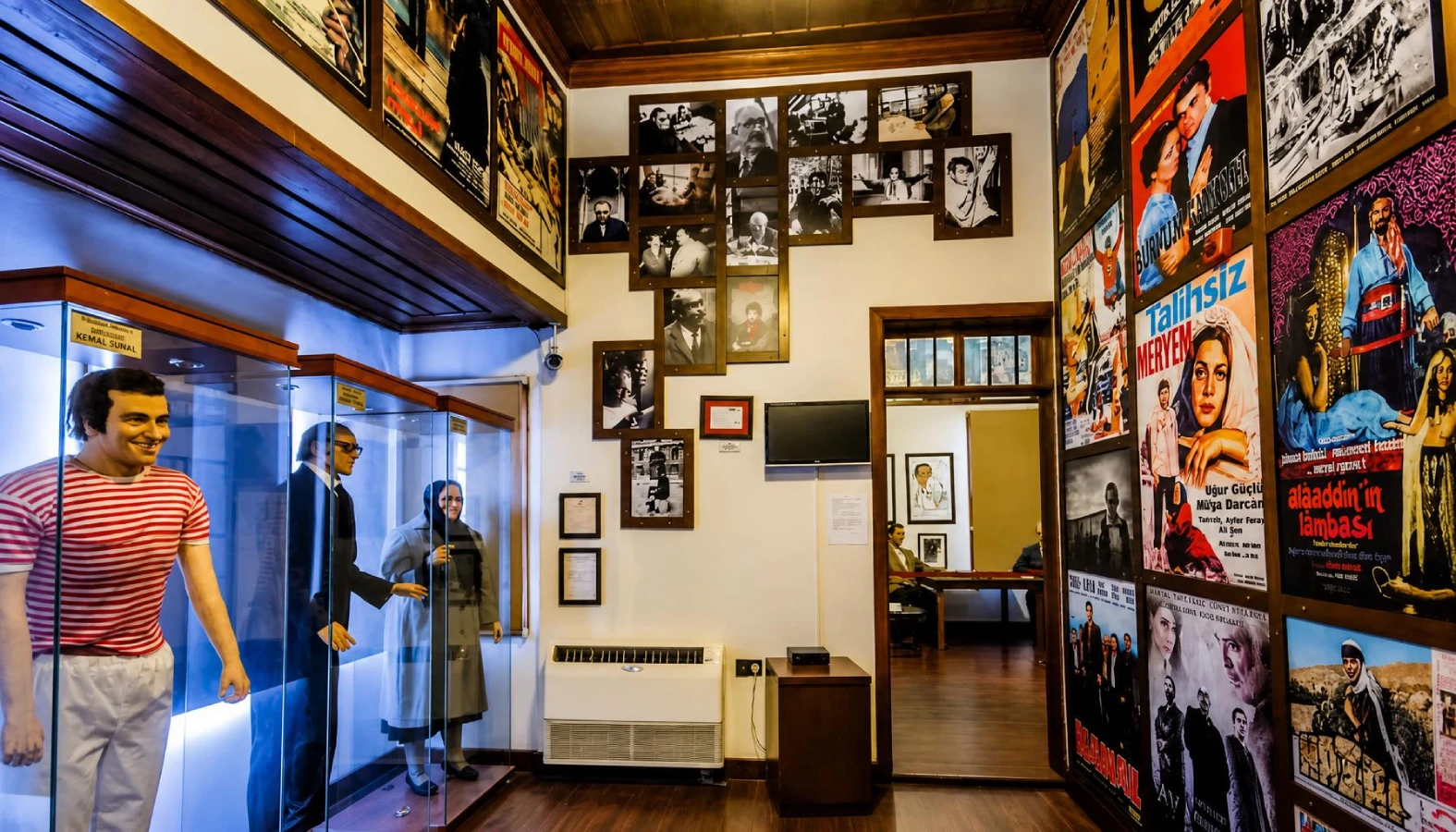
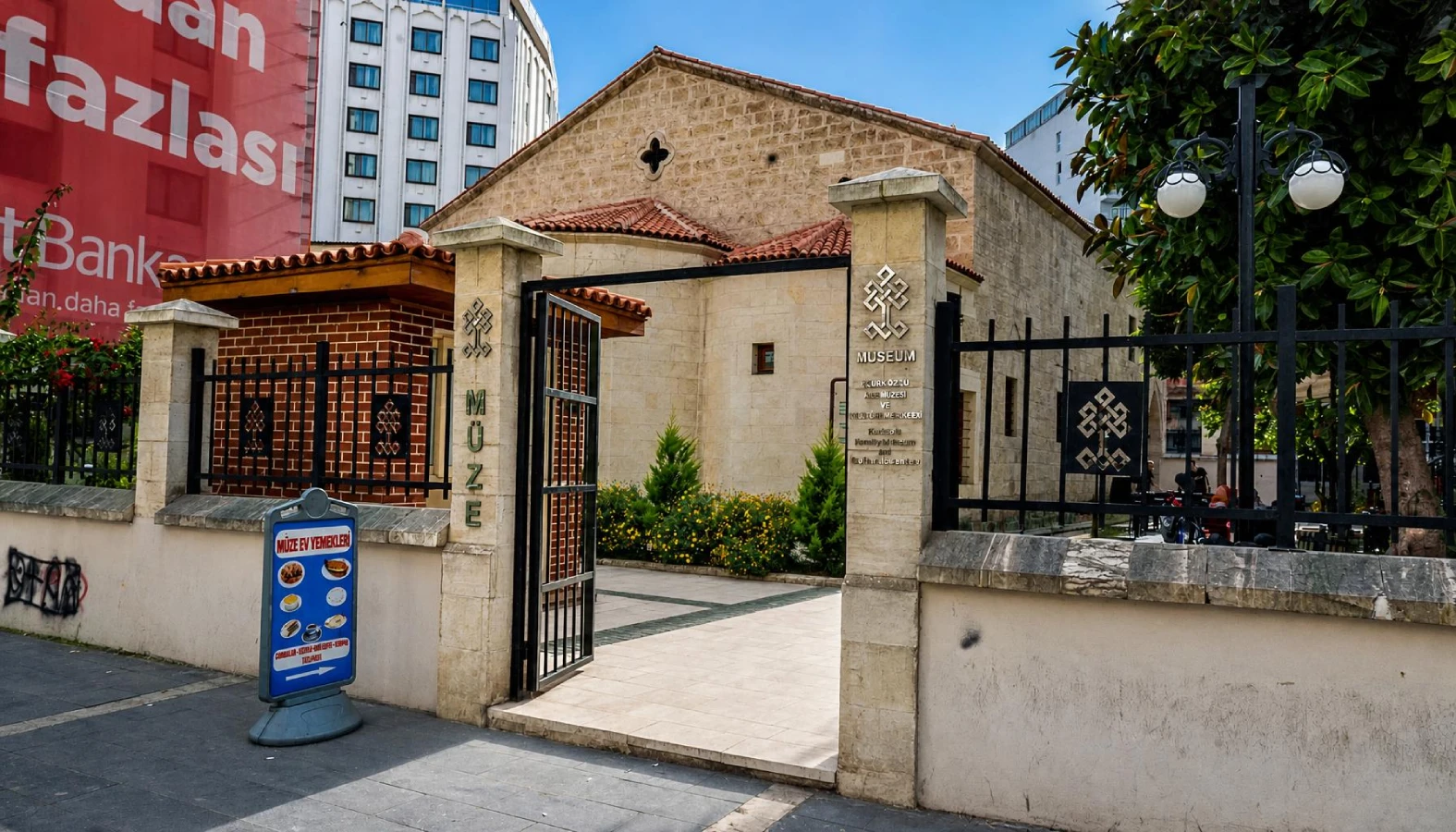
The former Milli Mensucat factory connects archaeology with industrial history and the world of textile labour described by Orhan Kemal. The city’s cinema museum and Golden Boll Film Festival highlight another aspect of Adana’s cultural identity.
Explore the old commercial streets and food shops, then consider a separate visit to Kozan’s citrus countryside or Feke’s Tapan area for traditional craftsmanship. The spring orange blossom celebrations offer an additional seasonal reason to visit, but festival dates change each year.
Sirkeli, Tatarlı and Tepebağ are archaeological research areas; permission, fencing and excavation schedules can limit access. Do not enter active trenches or climb walls. The steep fortifications at Anavarza, Yılankale, Kozan and Feke are not equivalent to managed city museums.
The Varda Bridge carries an active railway. Stay away from tracks, tunnels and bridge decks. In canyons, verify weather, trail conditions and local closures. At Akyatan and Yumurtalık, obey wildlife protection rules and do not approach turtle nests.
Check current opening information with the Ministry of Culture and Tourism and local authorities before departure. Useful references: Adana Provincial Culture and Tourism Directorate, UNESCO – Anazarbos and Türkiye’s protected wetlands.
Spring and autumn generally offer more comfortable conditions for exploring the lowland ruins and city streets. Summer on the plain can be very hot and humid, whereas the Taurus highlands have cooler conditions. Winter rain or snow can affect mountain routes.
Çukurova International Airport serves the region from neighbouring Mersin province. Allow transfer time to Adana. The city centre can be explored partly on foot, but a vehicle is useful for archaeological, coastal and mountain excursions.
Adana brings together the archaeology of the Cilician plain, medieval fortifications, Ramazanoğlu urban architecture and the industrial legacy of cotton. The museum complex offers a concrete connection between ancient artefacts and the twentieth-century factory landscape.
The coast and Taurus are equally important: the lagoons of Karataş and Yumurtalık form sensitive ecosystems, while the railway viaducts, forests and summer settlements of the mountains reveal a different rhythm of life. A visit can unite urban history, rural culture and regional cuisine without treating the entire province as a single day trip.
Adana is known for its kebab, Taşköprü, Ramazanoğlu monuments, Anavarza, cotton heritage and the Taurus and Mediterranean landscapes.
No. Adana is in the eastern Mediterranean region of Türkiye, centred on the Çukurova plain.
Allow one or two days for the city, three or four for selected regional highlights, and five or more for a broader provincial journey.
Anazarbos has been on Türkiye’s UNESCO World Heritage Tentative List since 2014; tentative listing is not the same as inscription on the World Heritage List.
Access depends on archaeological work and local arrangements. Confirm permission before visiting and consider the museum displays.
Spring and autumn are generally comfortable for the plain. Summer is better suited to higher mountain areas, with attention to weather and access.
Yes. Both are Ramsar wetlands. Use permitted observation areas and follow conservation restrictions.
No visitor itinerary should involve walking on active railway tracks or the bridge deck. Use safe, authorised viewpoints.
Çukurova International Airport in the neighbouring province of Mersin serves the wider region.
Adana kebab, şalgam, şırdan, analı kızlı, fellah köftesi, sıkma and bici bici are good introductions to regional food.
Yes. Contact Wow Cappadocia with your dates and interests for a tailor-made itinerary; site access is checked during planning.
Continue through the eastern Mediterranean and neighbouring Anatolian provinces.
Tell us your travel dates, departure point and interests. We can help plan a private journey through historic Adana, Anavarza, Kozan, the Taurus Mountains or the Mediterranean coast.
Private & Tailor-Made Journeys · Licensed Turkey Travel Specialists