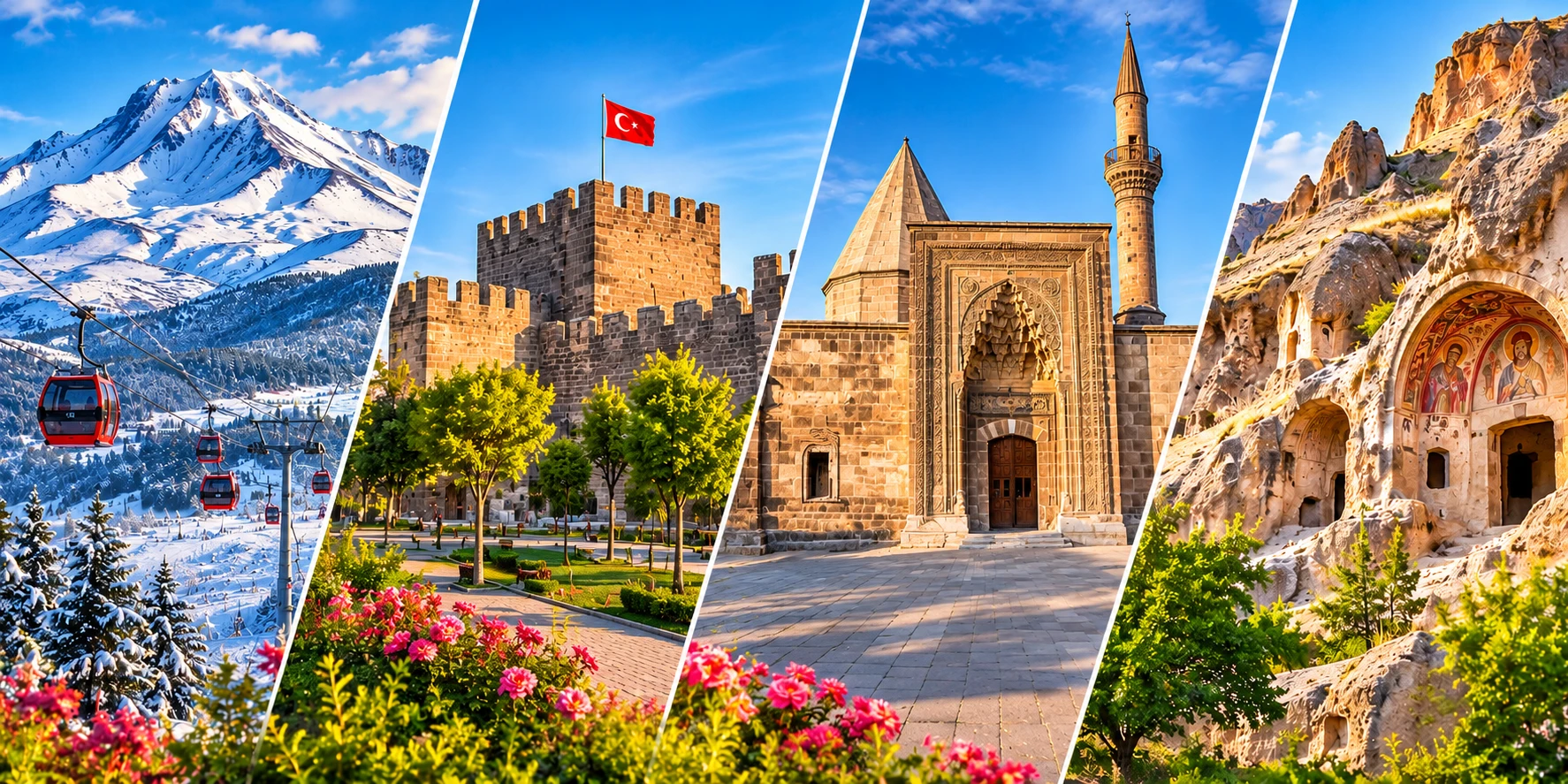
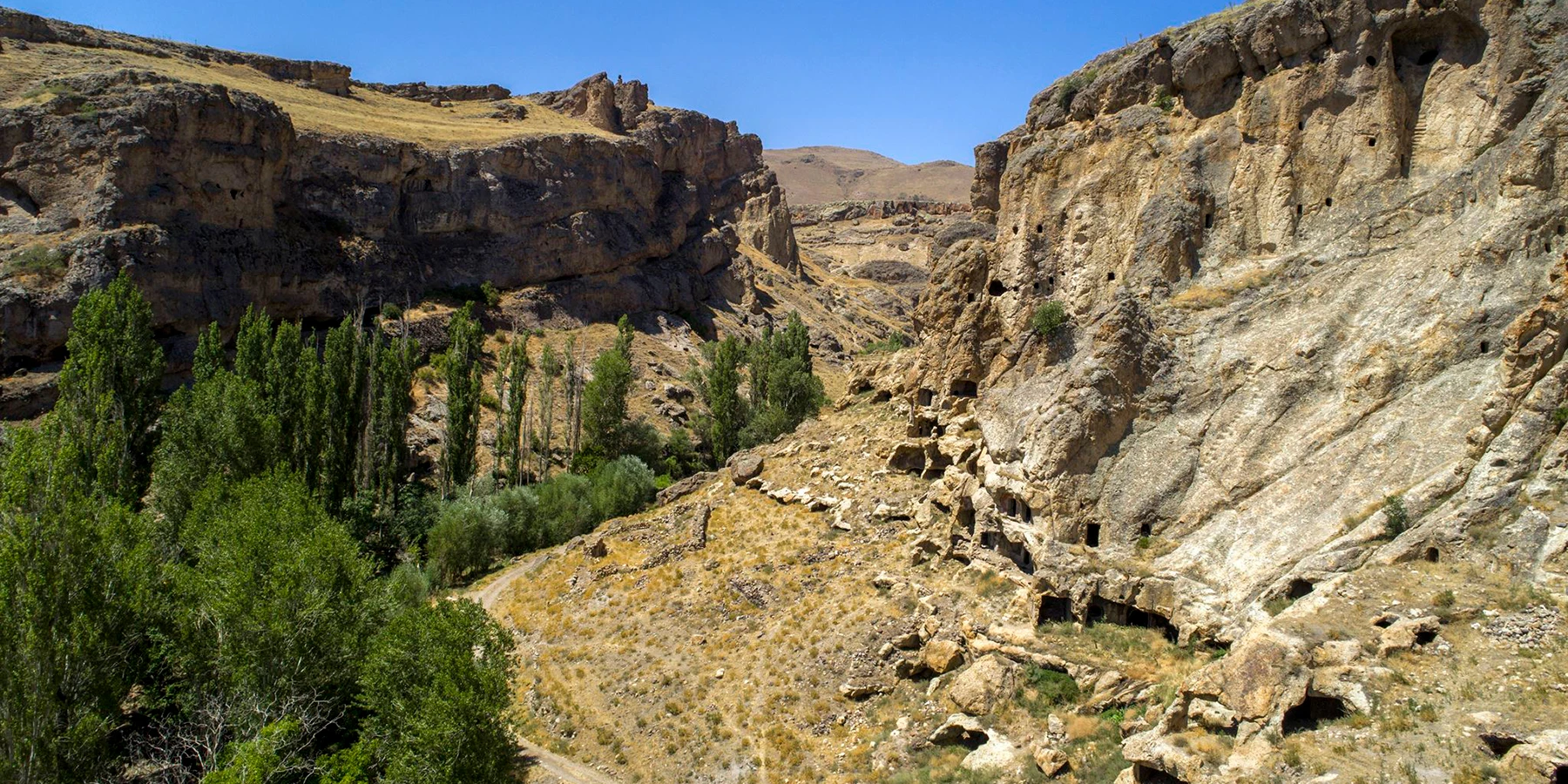
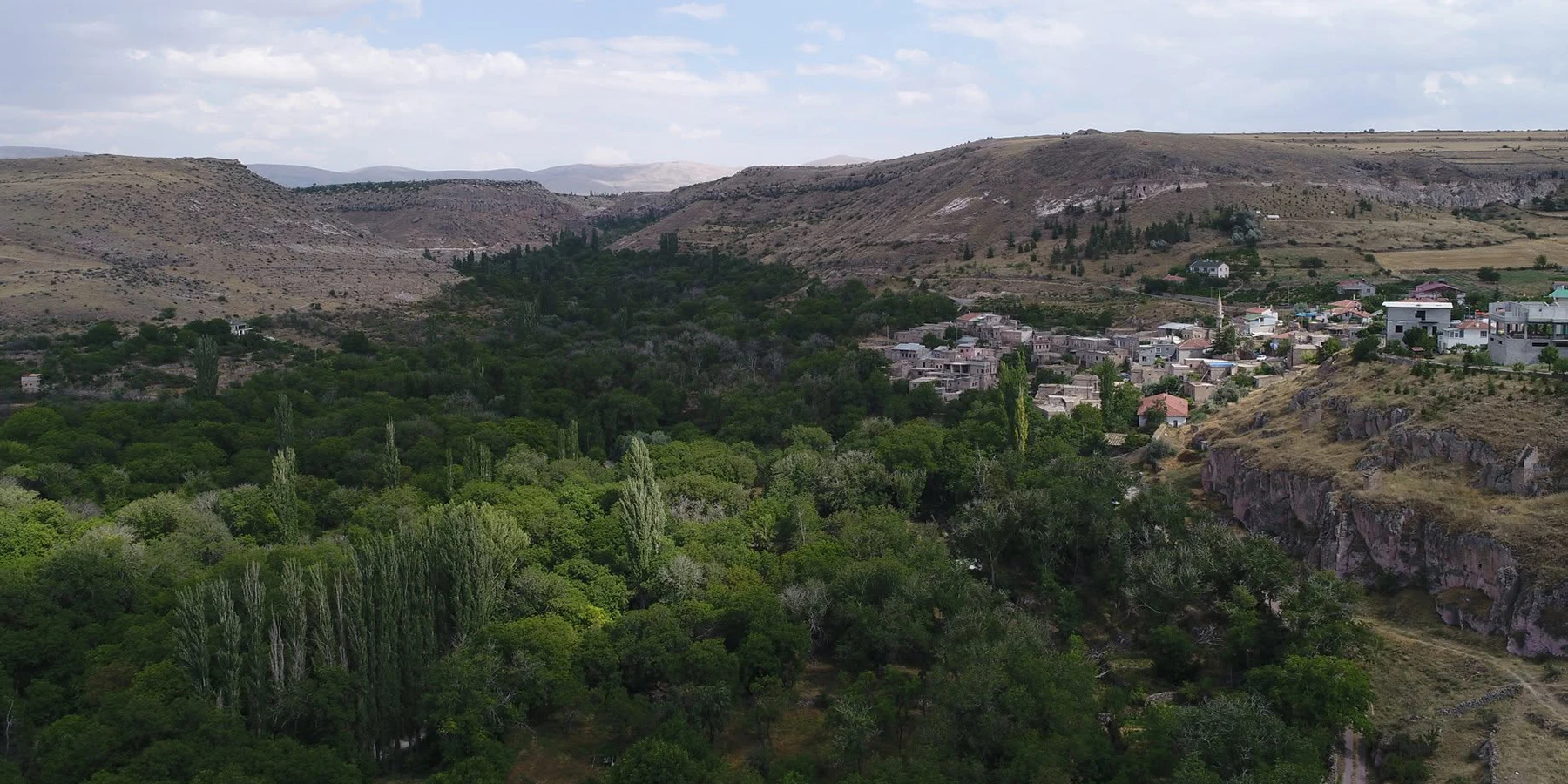
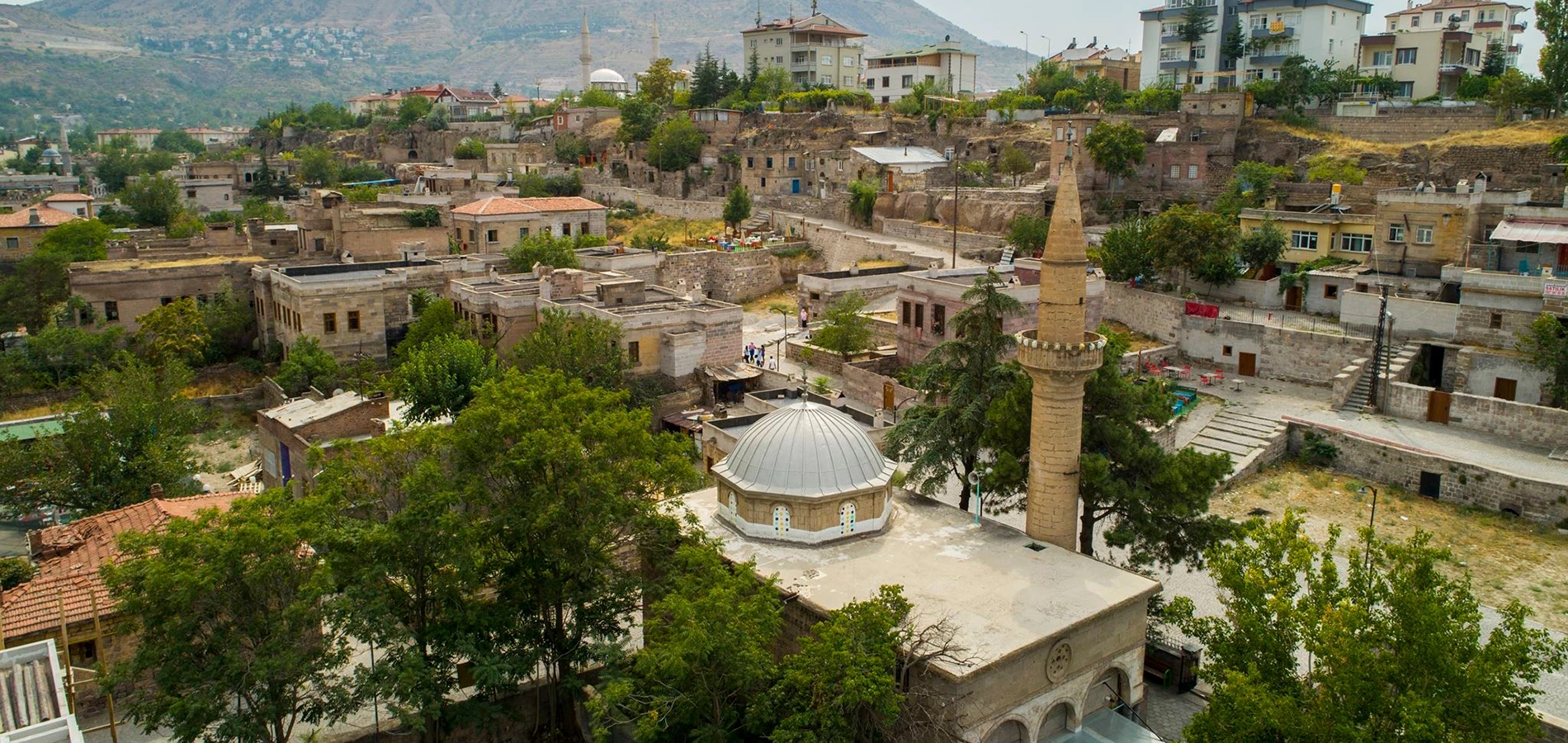
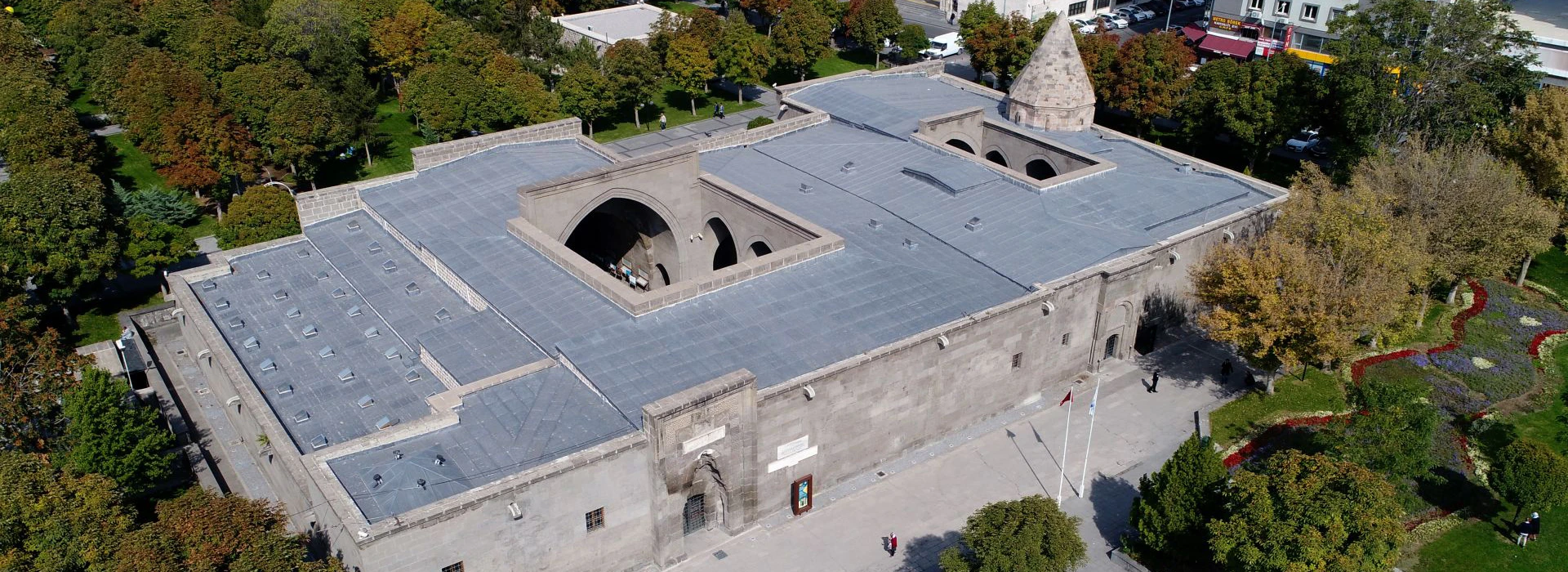
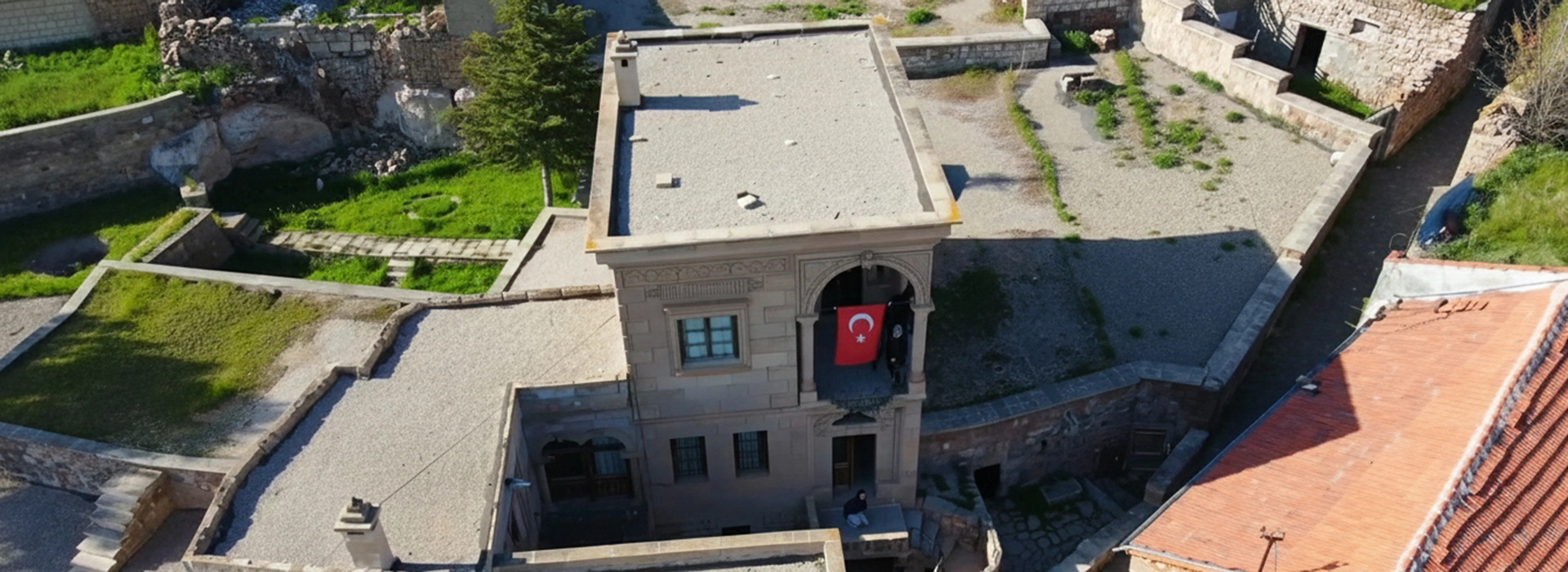
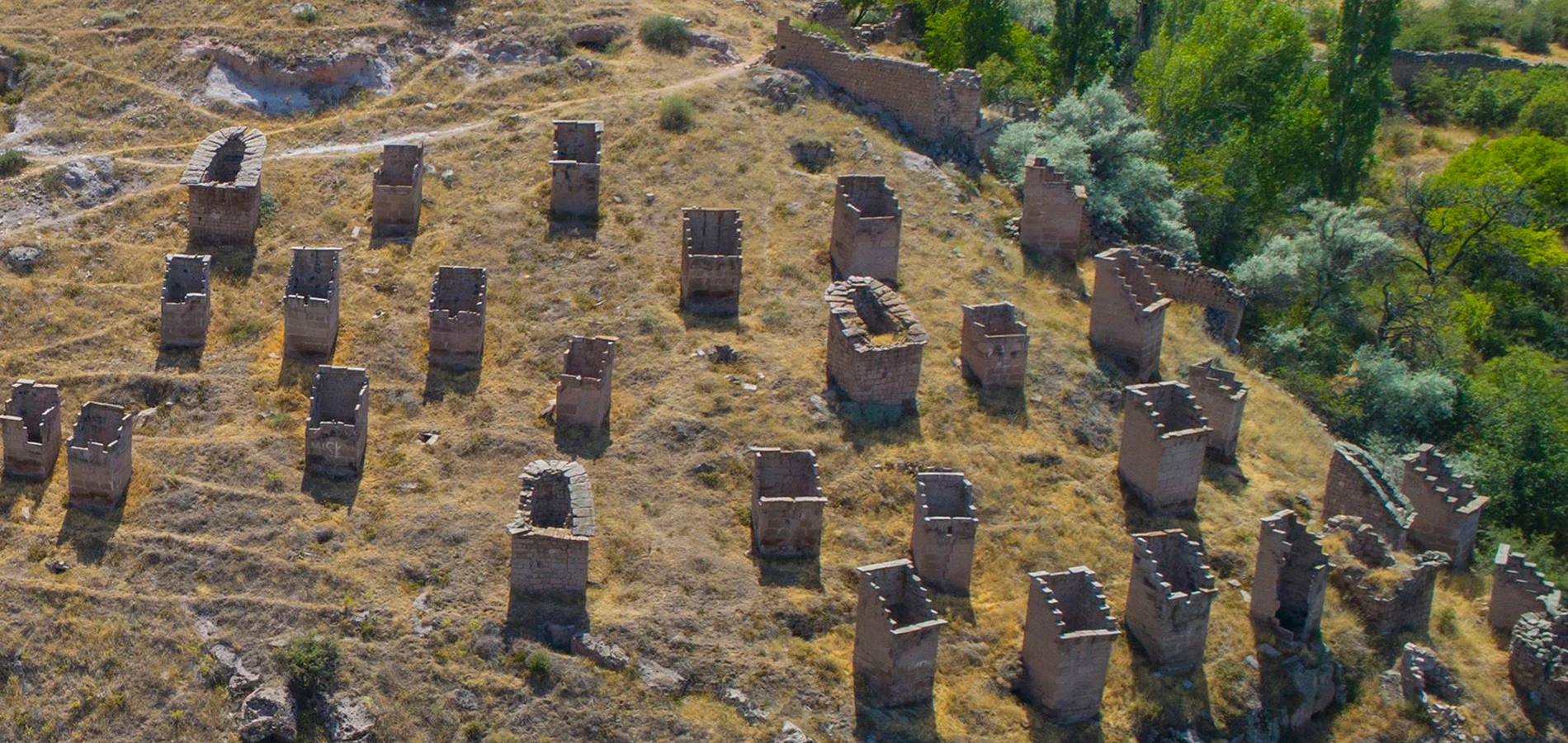
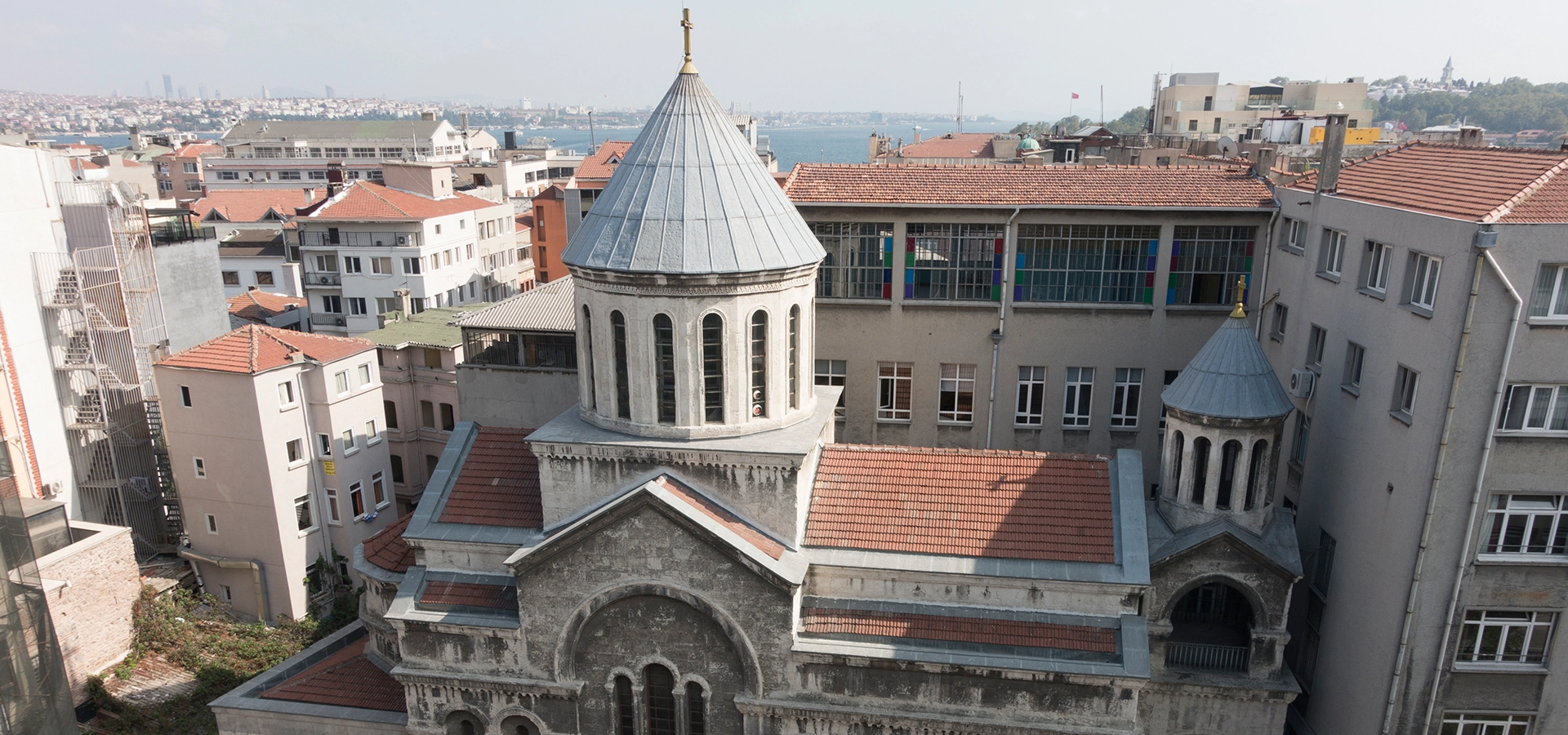
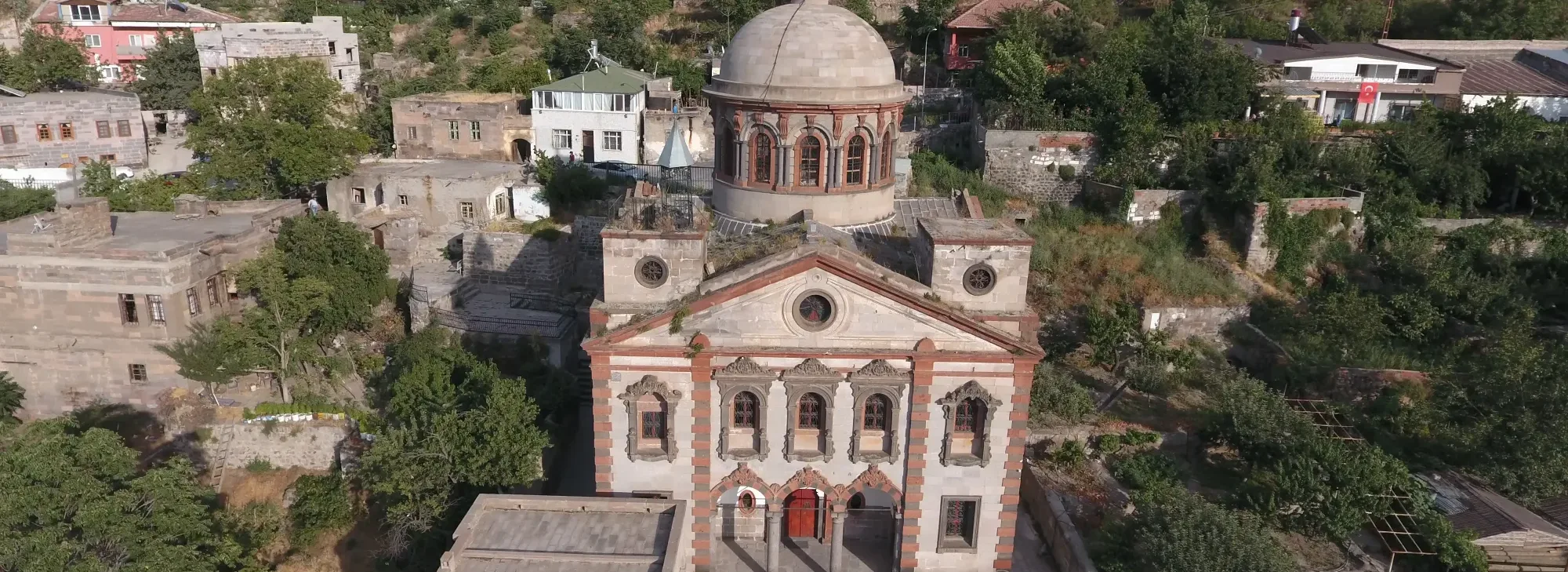
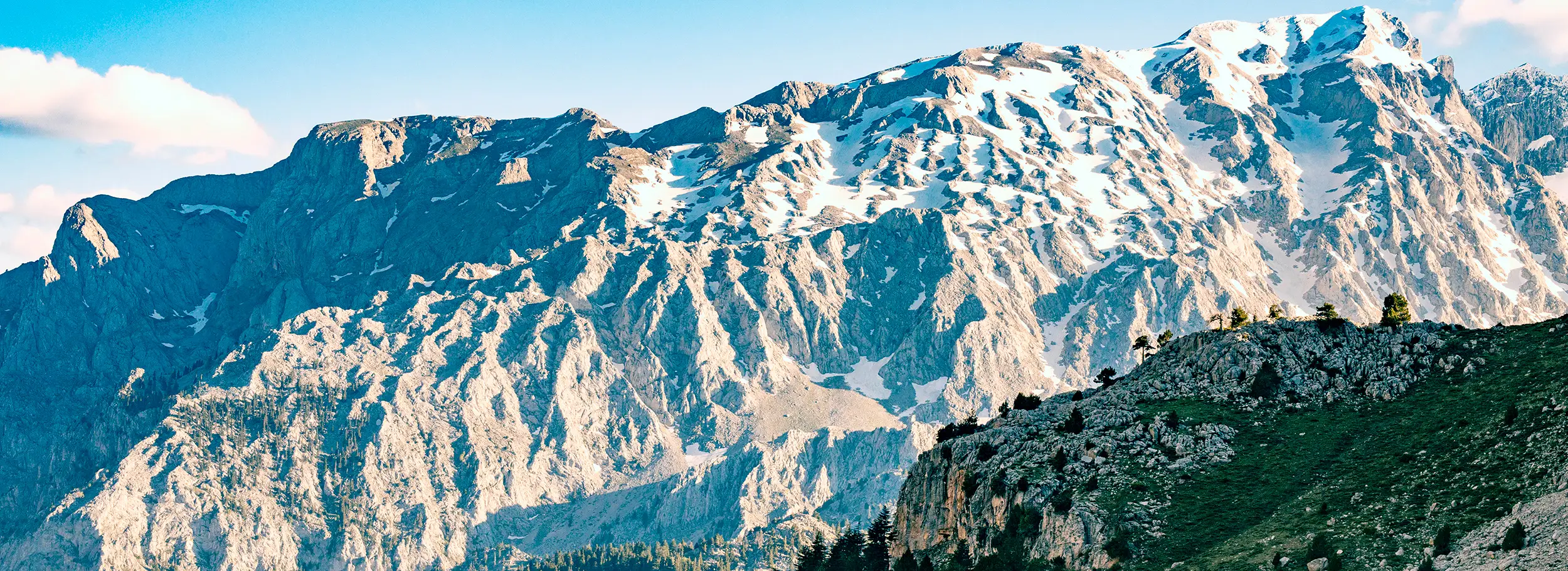
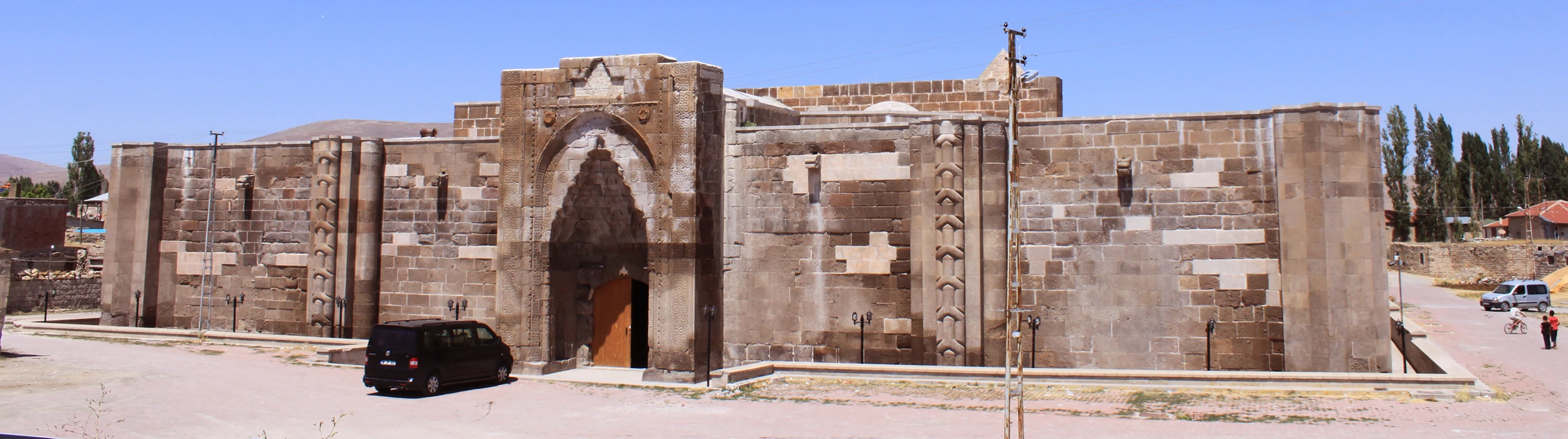
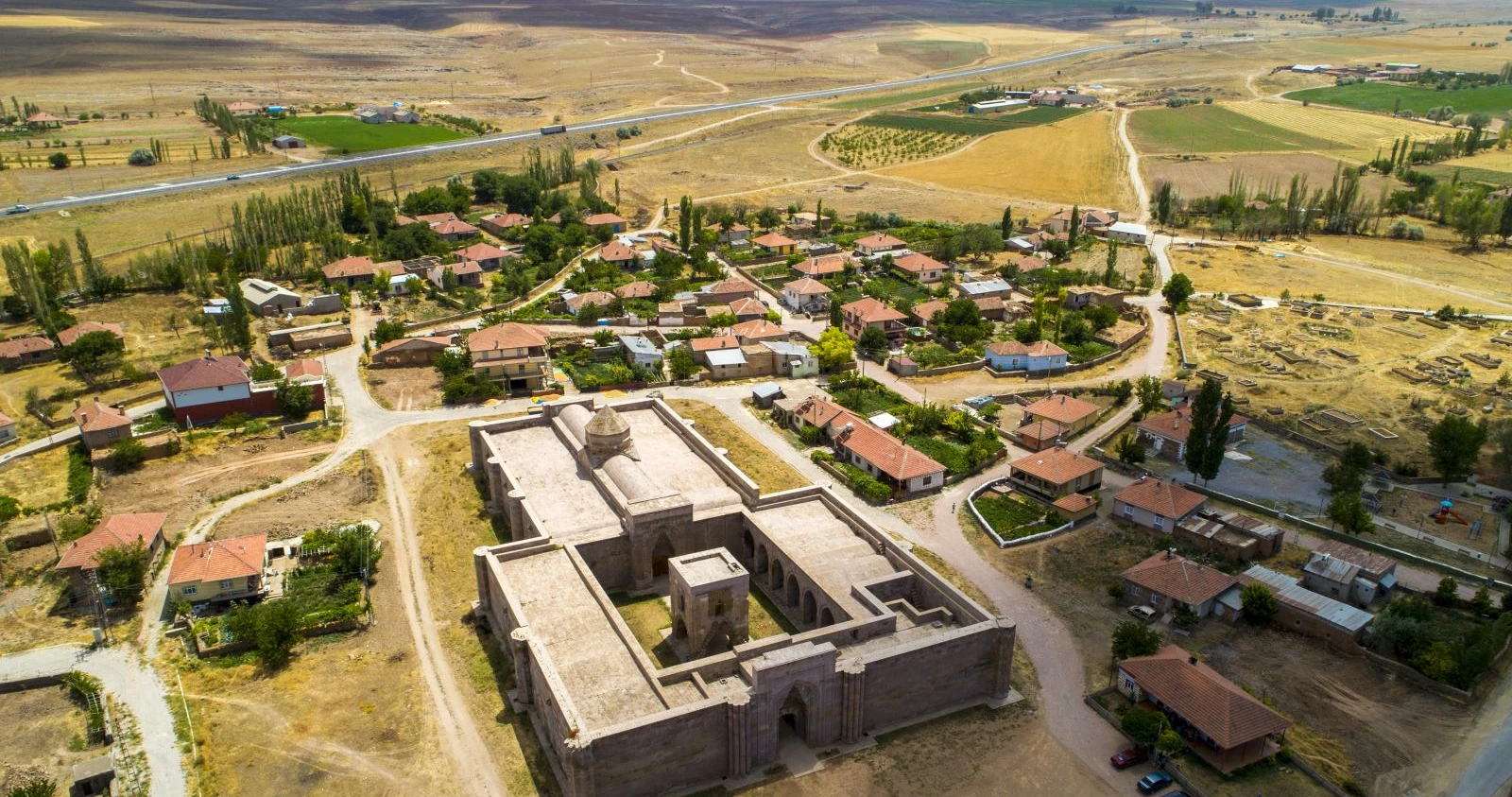
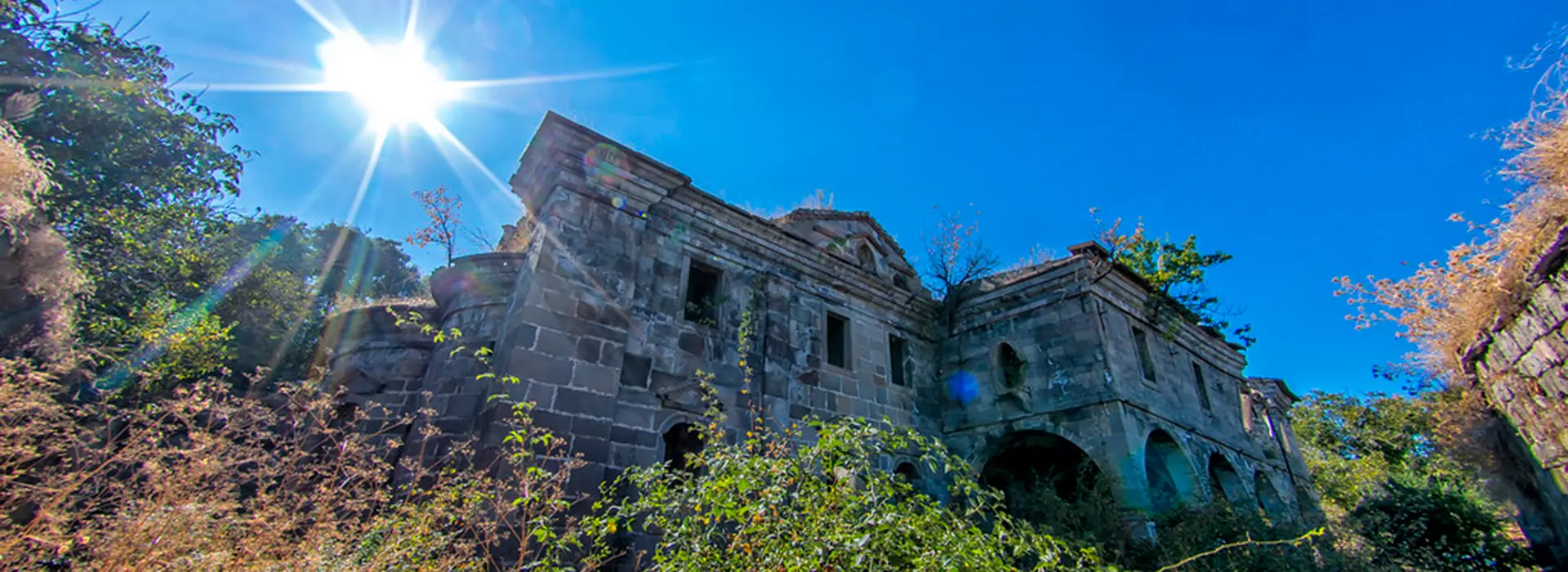
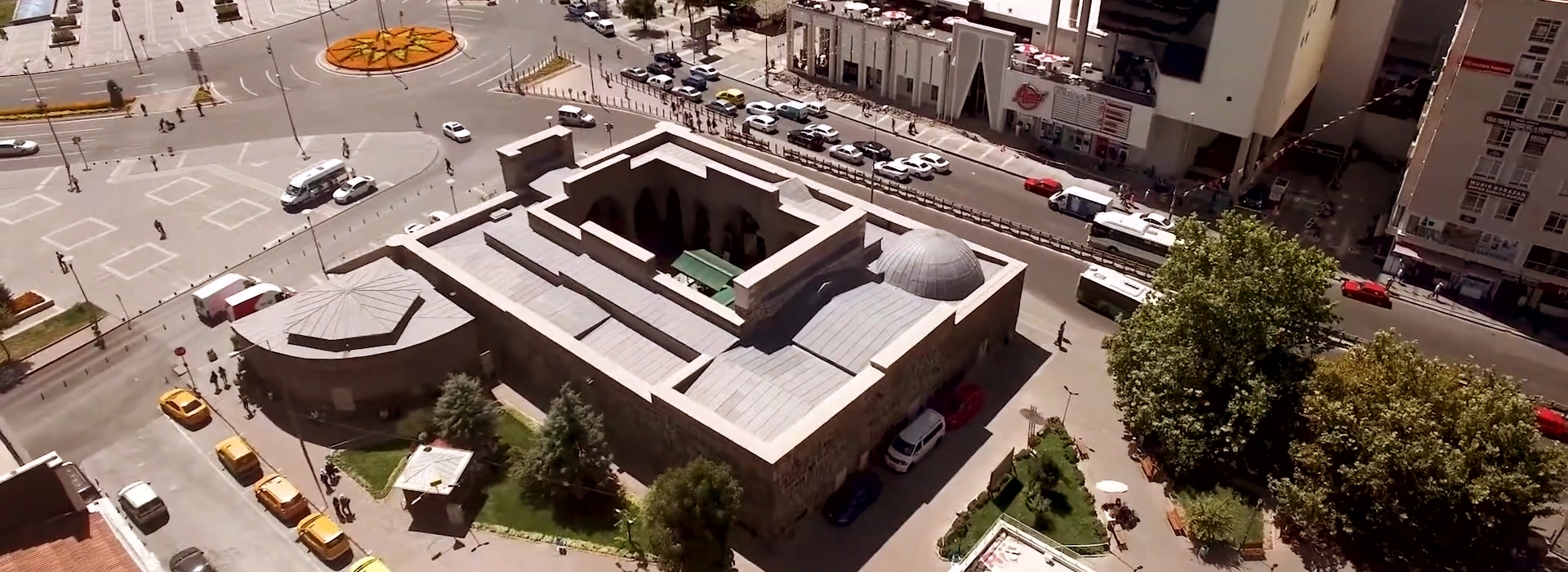
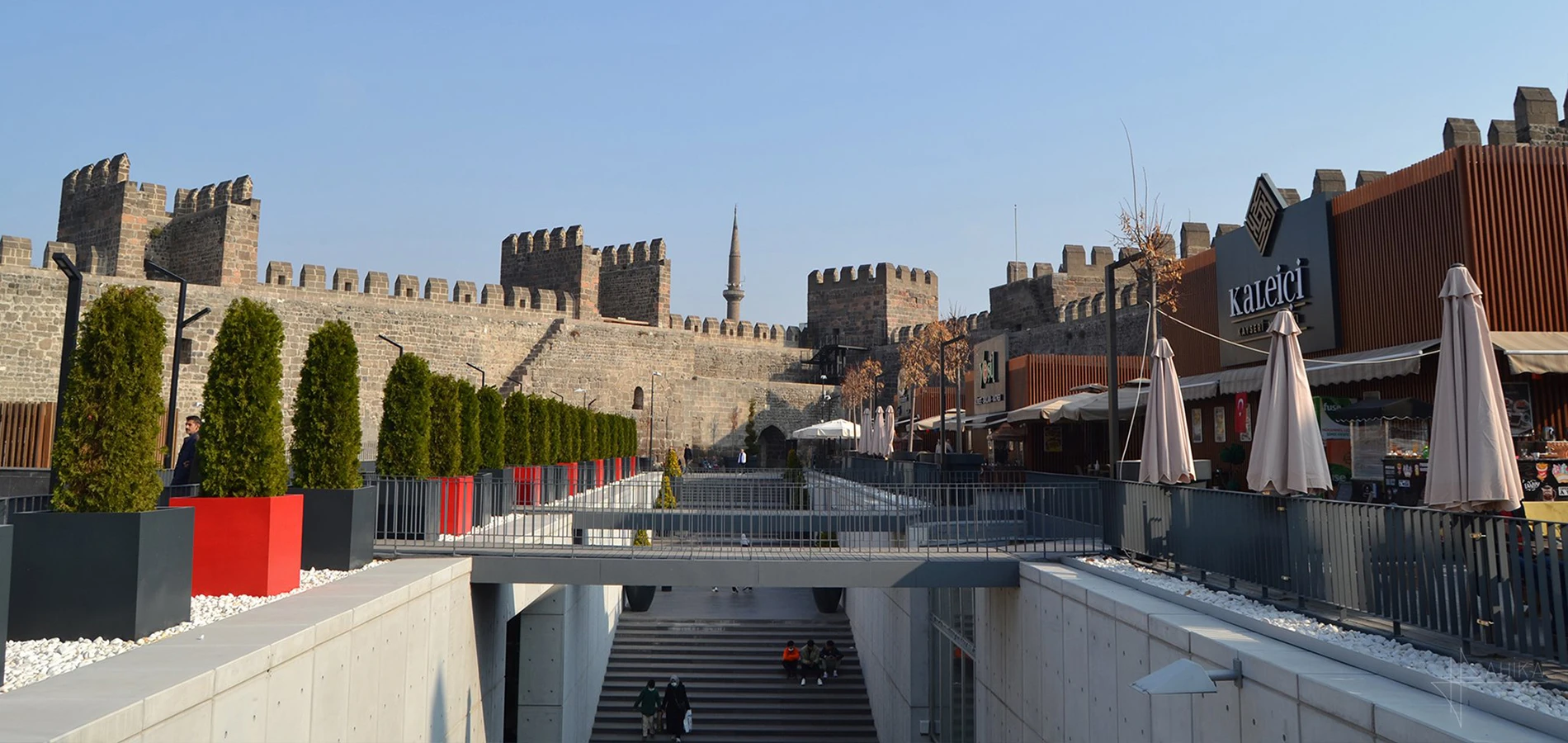
Kayseri panorama with Mount Erciyes, historic stone architecture and valleys in central Türkiye
Wow Cappadocia Turkey Travel Guide

Kayseri Travel Guide – Best Places to Visit

Discover the best places to visit in Kayseri, from Mount Erciyes and the ancient trading city of Kültepe-Kanesh to magnificent Seljuk monuments, the Byzantine rock churches of Soğanlı Valley, Kapuzbaşı Waterfalls, Sultan Marshes, historic Talas and the flavours of Kayseri mantı, pastırma and sucuk.

Mount Erciyes Kültepe-Kanesh Soğanlı Valley Seljuk Architecture

Discover Kayseri, Ancient Kanesh, Caesarea and Mount Erciyes

Kayseri stands at a historic crossroads between central Anatolia, the Cappadocian valleys and the Taurus Mountains. Beneath the modern city lies the legacy of ancient Mazaka and Roman Caesarea, while nearby Kültepe-Kanesh preserves evidence of an international trading network linked to Assyrian merchants around four thousand years ago.

In Late Antiquity, Caesarea became a major centre of Christian learning associated with Saint Basil the Great. In the medieval period, Seljuk rulers and patrons established mosques, madrasas, hospitals, caravanserais and monumental tombs. Armenian and Greek Orthodox communities also left significant churches, residences and neighbourhood heritage, particularly in Kayseri, Talas, Germir and surrounding villages.

Outside the historic centre, Erciyes, Soğanlı Valley, Sultan Marshes, Koramaz Valley, Yahyalı and the Aladağlar reveal an extraordinarily varied province. Visitors can combine archaeological sites, winter sports, Byzantine churches, birdwatching, mountain scenery and classic Kayseri cuisine in one regional itinerary.


Quick Visitor Information

  • Best for: Seljuk architecture, ancient commerce, Christian history, winter sports, wetlands, waterfalls and local food
  • Suggested stay: 1–2 days for the city and Kültepe; 3–5 days or longer for valleys, mountains and remote district trips
  • Main highlights: Mount Erciyes, Kültepe, Kayseri Castle, Hunat Hatun, Soğanlı Valley and Kapuzbaşı Waterfalls
  • Best regional routes: Historic Kayseri; Talas–Germir–Ağırnas; Yeşilhisar–Soğanlı; Develi–Sultan Marshes; Yahyalı–Kapuzbaşı
  • Best seasons: Spring and autumn for heritage; winter for Erciyes skiing; suitable summer periods for high-altitude hikes
  • Local identity: Kayseri mantısı, pastırma, sucuk, yağlama, nevzine and the city’s longstanding trading traditions
Kayseri’s Signature Story

From the Earliest Written Trade Records to Seljuk Masterpieces

The first great chapter of Kayseri’s story begins at Kültepe-Kanesh, where thousands of Old Assyrian cuneiform tablets illuminate merchants, family correspondence, loans and long-distance commerce during the early second millennium BC. The site allows visitors to connect archaeological remains with unusually personal written evidence.

The second chapter unfolds in Roman and Byzantine Caesarea. The city became an important urban and ecclesiastical centre, while the broader Cappadocian landscape preserved churches and monasteries such as those of Soğanlı and Erdemli valleys. The later Greek and Armenian Christian heritage of Talas and Kayseri adds another layer to this history.

The third chapter is Seljuk Kayseri: the Hunat Hatun Complex, Gevher Nesibe medical complex, Sahabiye Madrasah, caravanserais and mausoleums reveal a medieval centre of education, healthcare, commerce and remarkable stone craftsmanship. Above everything rises Mount Erciyes, a volcanic landmark that helped shape the region’s landscapes.

Choose Kayseri by Travel Style

Kayseri combines ancient commercial history, Roman and Byzantine Christianity, Seljuk architecture, mountain landscapes, winter sports, and one of Anatolia’s best-known regional cuisines.

Best for Archaeology

Kültepe & Hittite Heritage

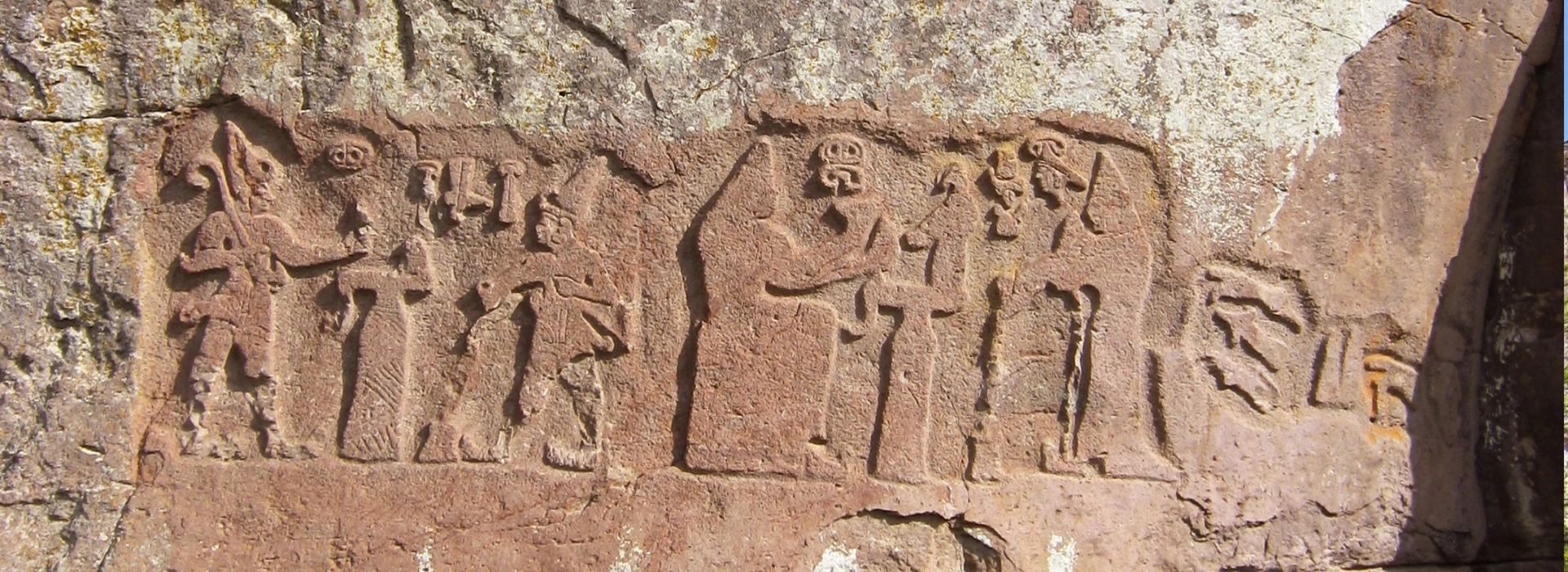
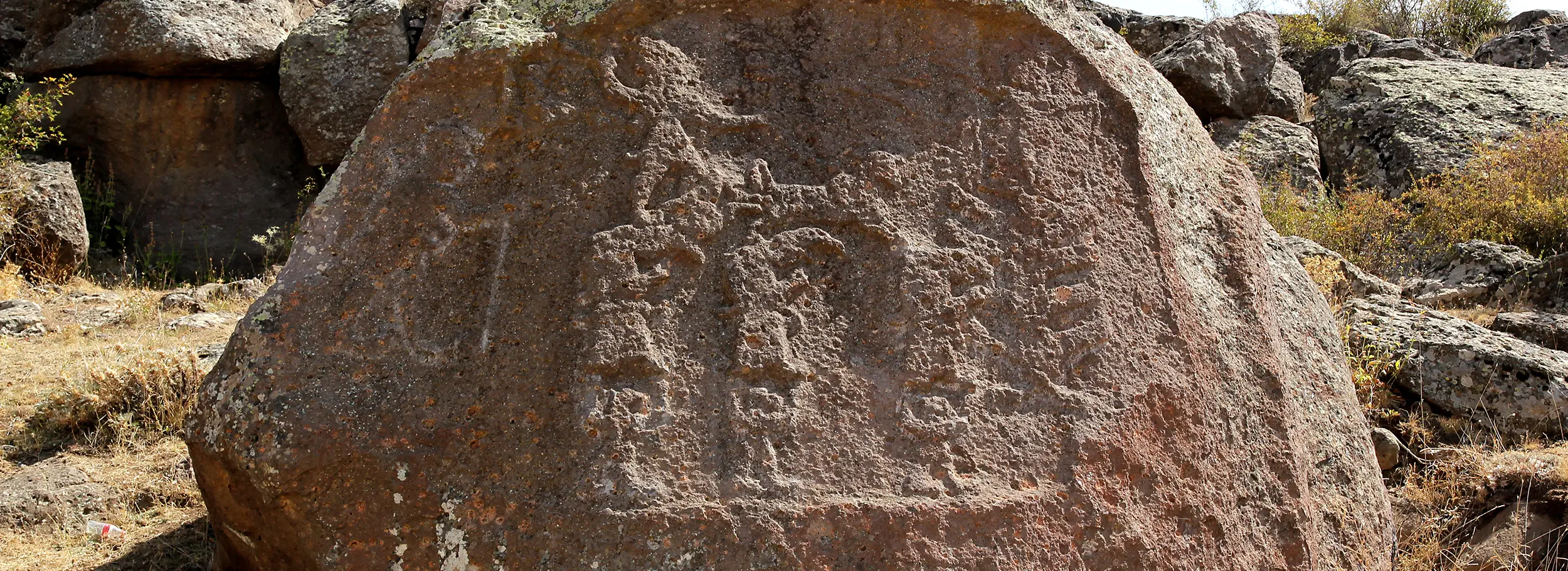
Explore the Assyrian merchant quarter at Kültepe and the Fıraktin and İmamkulu Hittite reliefs, then visit the castle museum.

Best for Architecture

Seljuk Kayseri

Discover the Hunat Hatun Complex, Gevher Nesibe, Sahabiye Madrasah, historic mosques and the carved Döner Kümbet.

Best for Faith History

Byzantine & Christian Kayseri

Follow the legacy of Caesarea, Saint Basil, Soğanlı’s frescoed churches and the Armenian and Greek monuments of Talas.

Best for Nature

Erciyes, Wetlands & Waterfalls

See Mount Erciyes, Sultan Marshes, the Yahyalı waterfalls, Koramaz Valley and the spectacular Aladağlar mountains.

Bronze Age Kanesh

Kültepe-Kanesh and the World of the Assyrian Merchants

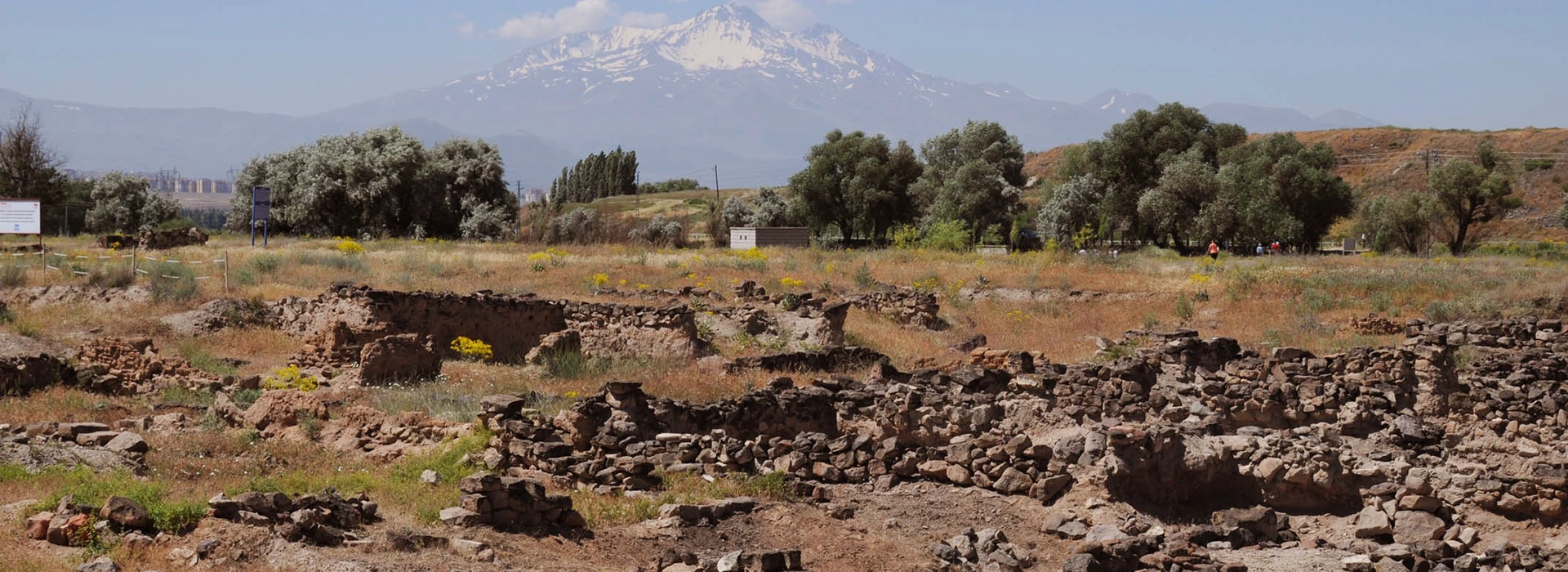
North-east of Kayseri, Kültepe-Kanesh preserves an ancient Anatolian city and its lower merchant settlement, known as a kārum. Thousands of tablets written in Old Assyrian provide detailed information about trade, credit, marriage, inheritance and life in the early second millennium BC.

Merchants transported tin and textiles from Mesopotamia and acquired commodities such as silver and gold in Anatolia. The records show networks of families, commercial partnerships and detailed legal arrangements, making Kültepe one of the most important written archives of ancient Near Eastern commerce.

The site belongs on any serious history-focused Kayseri itinerary. Pair the archaeological remains with Kayseri Archaeology Museum inside the castle, where selected artifacts help visitors understand how the ancient trade network shaped the region.
Explore All Kayseri Attractions

Browse Kayseri by historic city centre, Seljuk monuments, ancient trade routes, Christian heritage, Talas, Erciyes, Yahyalı, Soğanlı, wetlands and local districts.

Best Day Trips and Regional Routes in Kayseri

Kayseri is a large province. Build realistic day trips around one district or a connected cluster of attractions rather than trying to visit every valley and waterfall in one day.

City in One Day

Castle, Kültepe & the Seljuk Centre

Start with Kültepe for the Bronze Age, then continue to Kayseri Castle and the Archaeology Museum. Walk through Hunat Hatun, the Ulu Mosque, Sahabiye Madrasa and the covered bazaar. This route is strongest for visitors interested in urban history and trade.

Byzantine Heritage

Soğanlı, Erdemli & Southern Kayseri

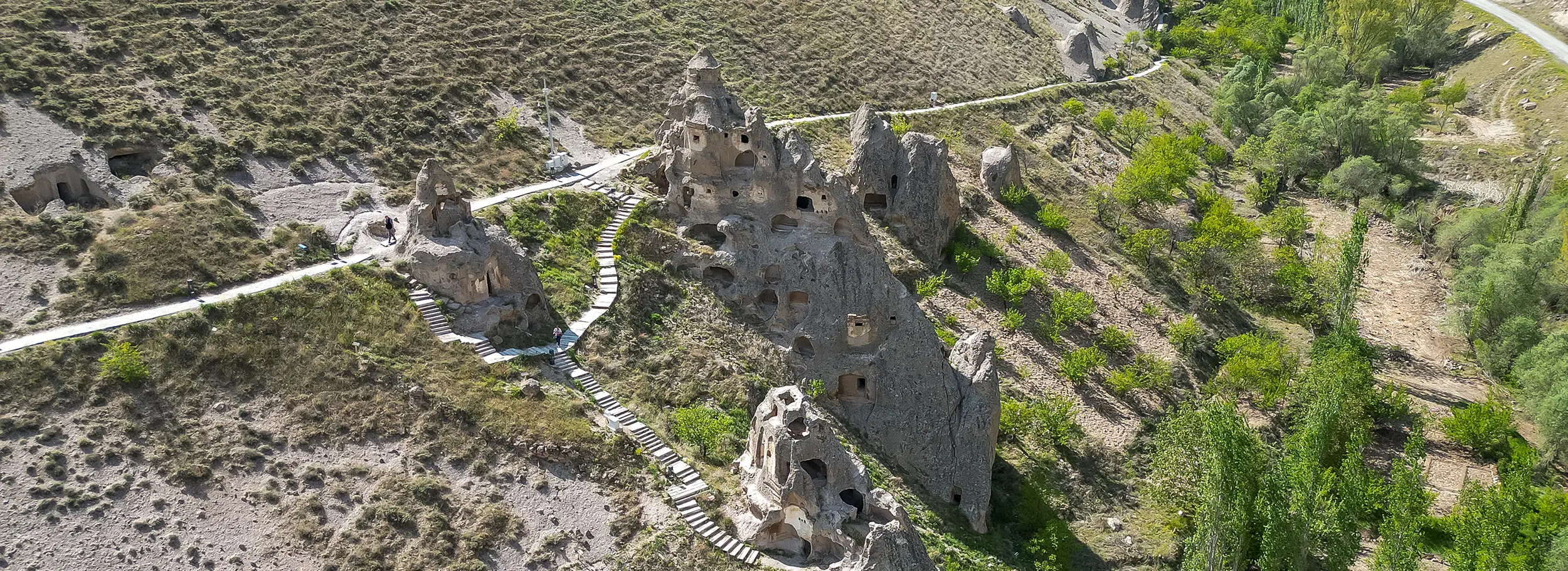
Dedicate a day to the rock-cut church heritage of Soğanlı Valley and Erdemli. Churches and access points are dispersed; allow time for quiet walking and avoid attempting to cover every site in one hurried afternoon.

Christian & Ottoman Kayseri

Talas, Endürlük, Germir & Ağırnas

Explore upper Talas and Panaya Church, then continue toward Endürlük and its Greek Orthodox church. Add Germir or Ağırnas to understand the multicultural settlements and the birthplace of Mimar Sinan.

Mountain Escape

Erciyes & Sultan Marshes

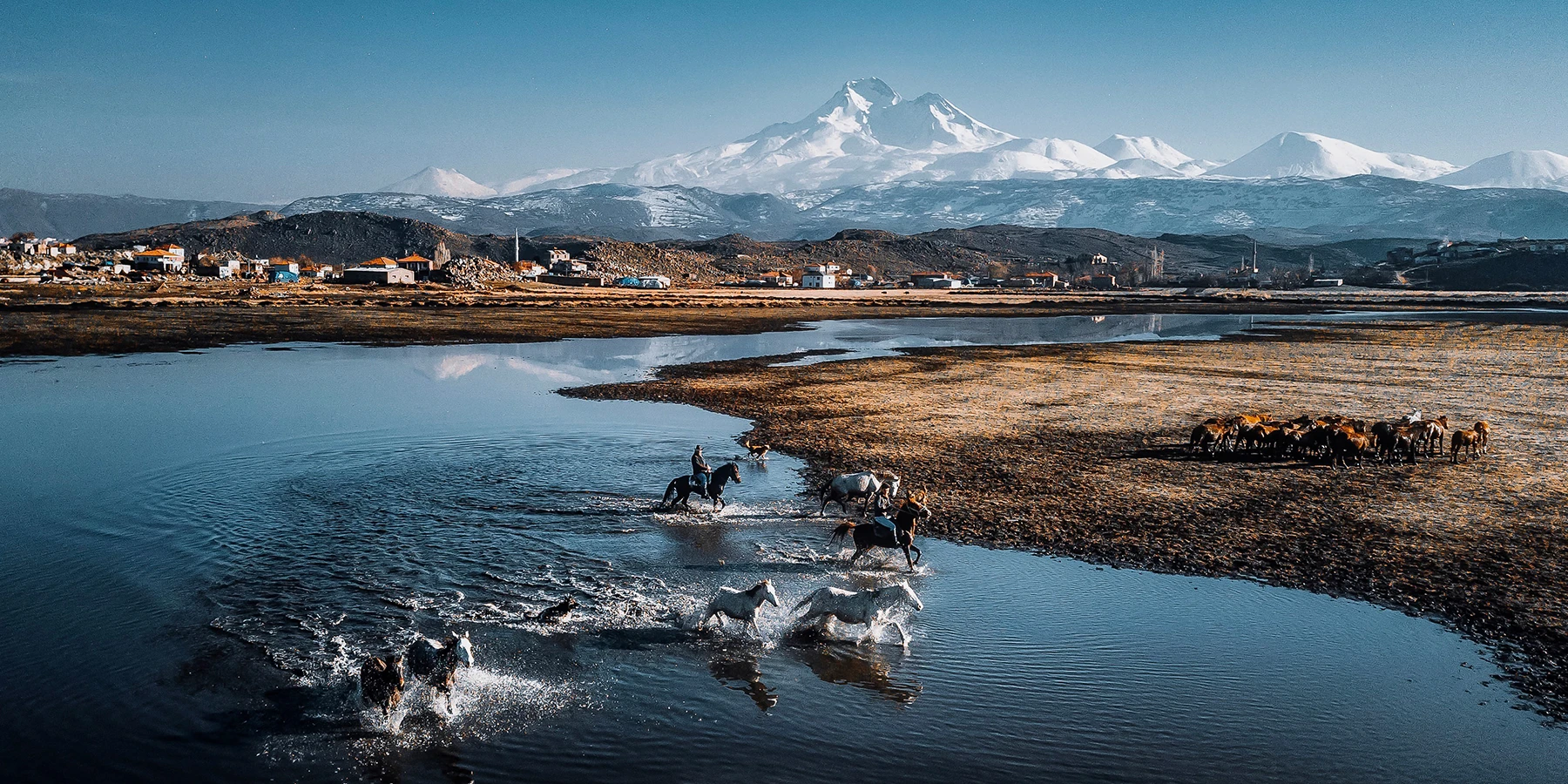
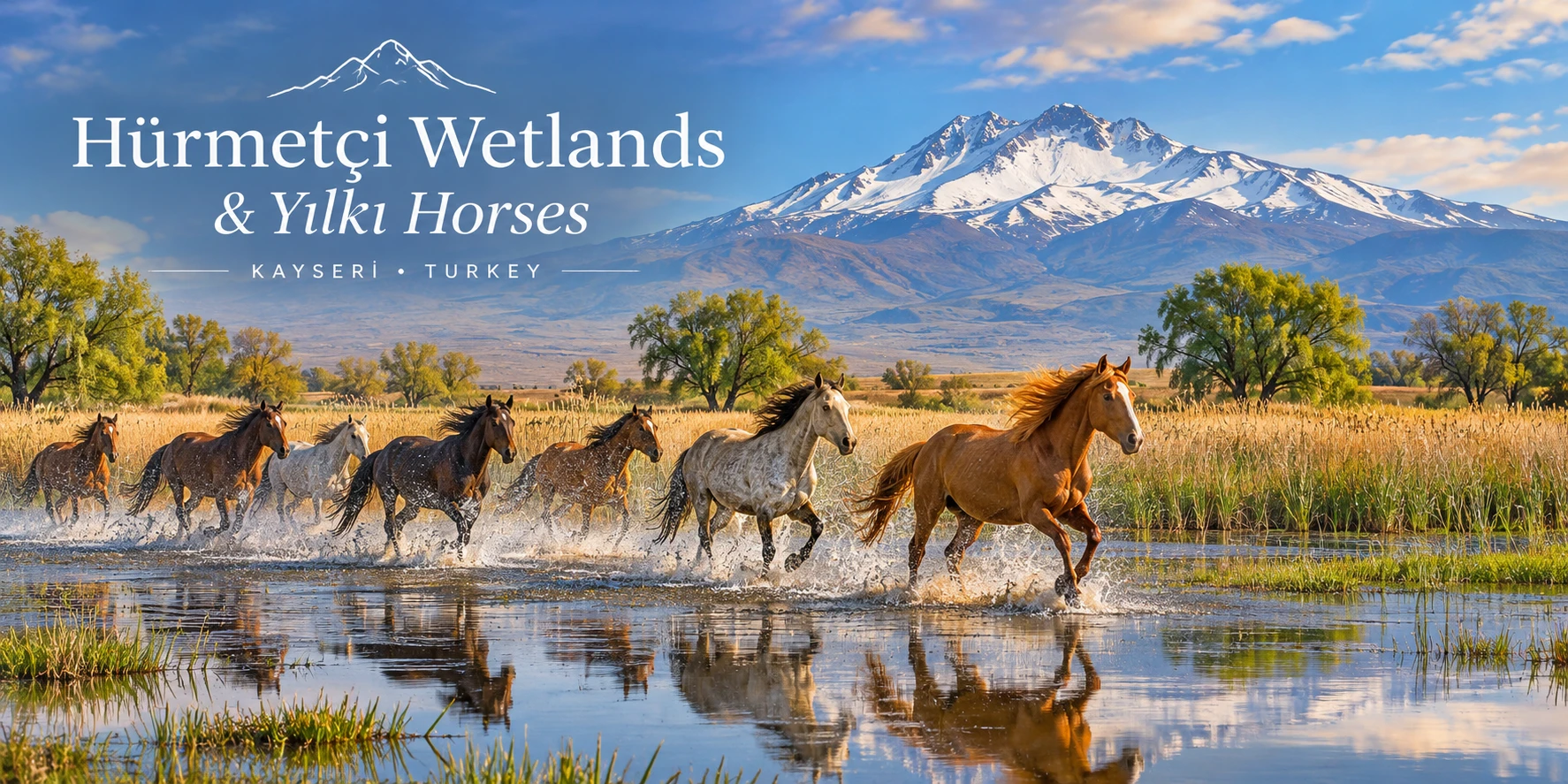
Follow the volcanic landscape around Erciyes before visiting Sultan Sazlığı on a suitable birdwatching day. The scenery, weather and water levels change substantially across the seasons.

Southern Wilderness

Yahyalı, Kapuzbaşı & Aladağlar

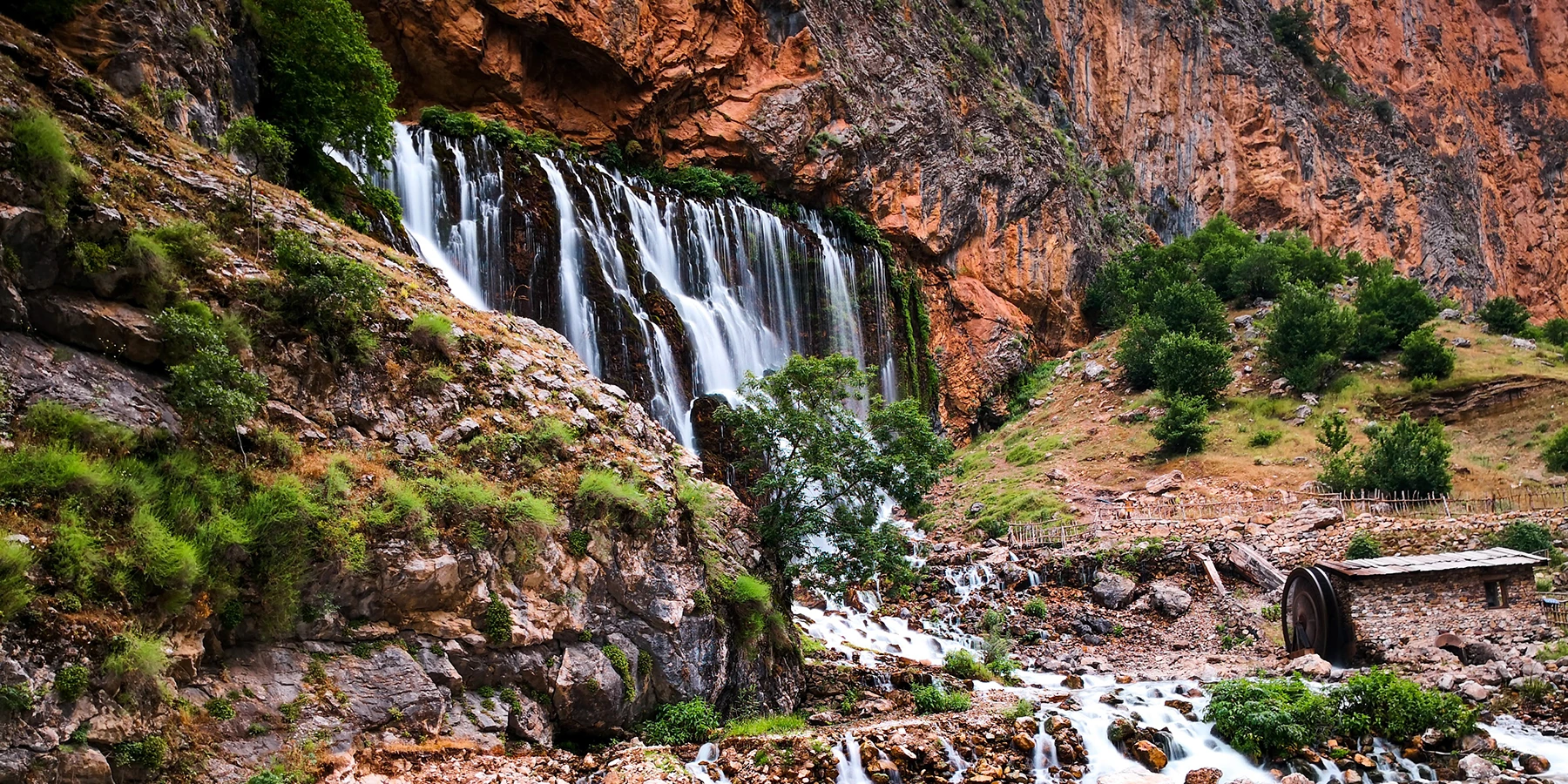
Plan a full separate day for the winding mountain roads and impressive waterfalls around Kapuzbaşı. Further trekking in the Aladağlar region requires additional time and appropriate preparation.

Seljuk Trade Roads

Karatay Han, Sultanhanı & Bünyan

Connect the monumental roadside architecture of two caravanserais with Kayseri’s old commercial quarter to tell the broader story of movement, exchange and medieval Seljuk patronage.

Bronze Age & Rock Art

Kültepe, Fıraktin & İmamkulu

For specialist history travelers, combine the Assyrian merchant texts at Kanesh with the iconography of the Hittite rock reliefs on separate well-planned excursions. Rural access deserves careful preparation.

Local Food & Markets

Bazaar, Mantı, Pastırma & Nevzine

Walk the traditional market streets, sample Kayseri mantısı or yağlaması, and discover cured meats, çemen and local desserts. Culinary storytelling is part of Kayseri’s cultural identity.

What to Eat in Kayseri

Kayseri cuisine is celebrated for tiny mantı dumplings, cured pastırma, sucuk, layered yağlama, soups, traditional pastries, desserts and regional dairy specialities.

Kayseri Food Culture

Mantı, Pastırma, Sucuk, Yağlama and Nevzine

Kayseri’s reputation as a historic commercial city is matched by an equally recognizable kitchen. The province is famous for mantı, small filled dumplings served with yoghurt and seasoned butter. Regional variants include tepsi mantısı and fried yağ mantısı, each prepared using different techniques.

Pastırma, cured and spice-coated beef, and sucuk, seasoned sausage, are especially associated with Kayseri. The city also has a tradition of yağlama, a layered flatbread dish assembled with a savoury meat mixture and typically served with yoghurt.

For dessert try nevzine, often prepared with walnuts and molasses, while a broader food journey can include regional pastries, rose-shaped baklava, çemen, traditional soups and dishes associated with Talas and the surrounding districts.

How Many Days Do You Need in Kayseri?

Plan at least one day for the historic city, then add dedicated days for Kültepe, Soğanlı, Erciyes, Sultan Marshes or Yahyalı according to your interests.

One Day

Historic Kayseri

Walk through Kayseri Castle, Hunat Hatun, Sahabiye, Ulu Mosque and the covered bazaar, with museum time.

Two Days

Kültepe, Talas & the City

Add Kültepe-Kanesh and a Talas–Germir–Ağırnas heritage circuit to the city centre.

Three Days

Erciyes or Soğanlı Valley

Add a full day dedicated either to Erciyes scenery or to Soğanlı and Erdemli’s rock churches.

Four to Five Days

Explore the Wider Province

Allow separate days for Sultan Marshes, Yahyalı waterfalls and Aladağlar or historic Develi.

Suggested Historic Center Route

Castle, Archaeology Museum, Hunat Hatun and the Old Bazaar

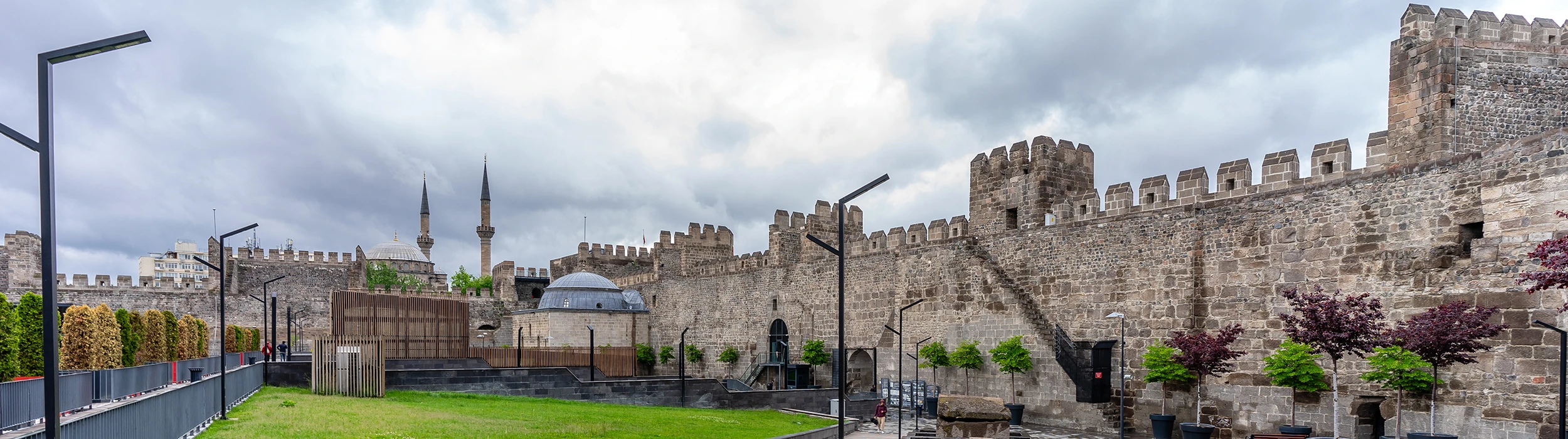
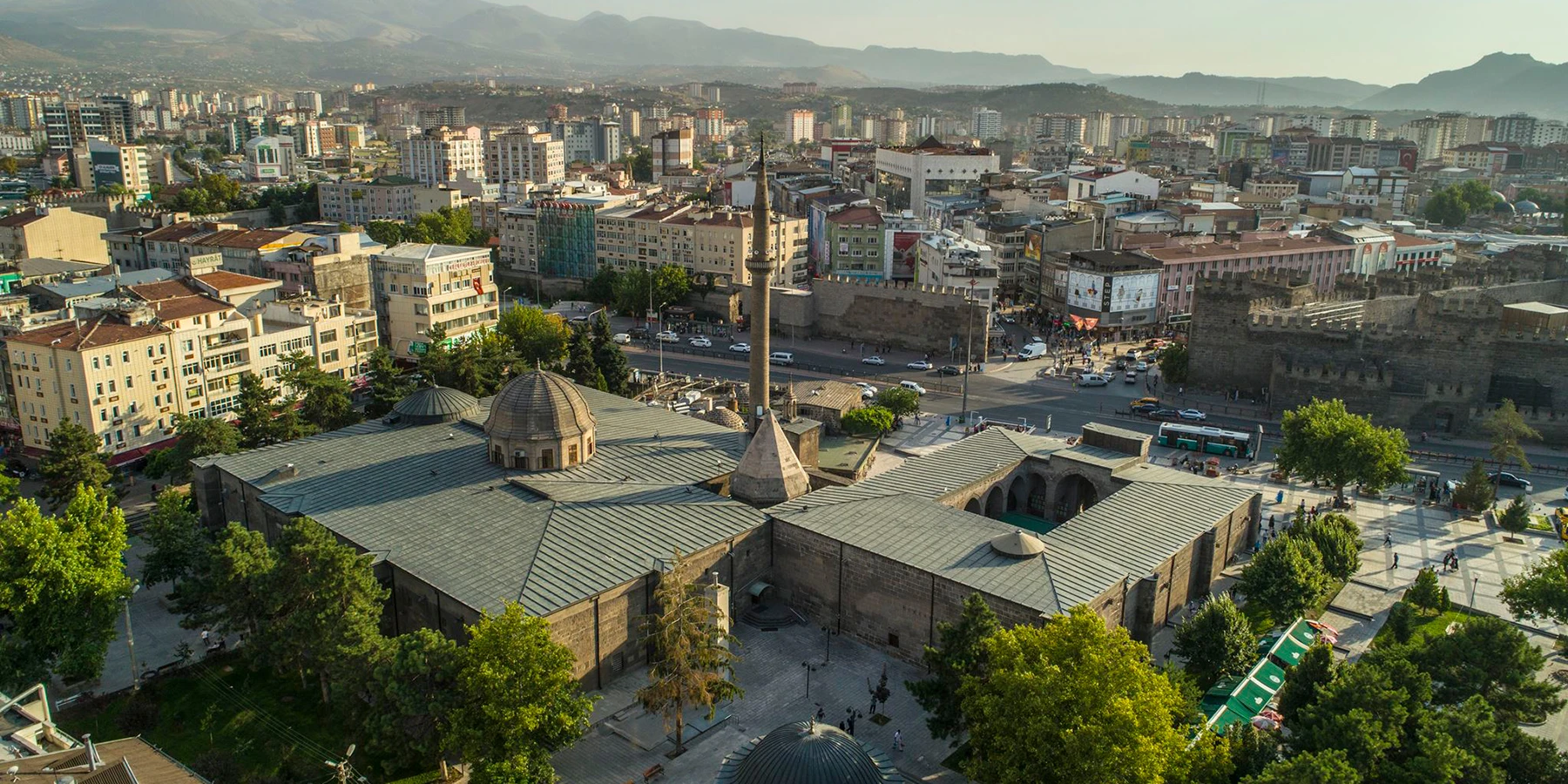
Begin at Kayseri Castle and the Archaeology Museum to introduce ancient Kanesh, Roman Caesarea and the wider archaeological landscape. Continue through Cumhuriyet Square to Sahabiye Madrasah and nearby historical monuments.

Walk to the Hunat Hatun Complex, the Ulu Mosque, Döner Kümbet and the old commercial quarter. Stop at the Grand Bazaar, Bedesten and Vezir Han, and finish with a traditional Kayseri meal.

Suggested Ancient Trade Route

Kültepe-Kanesh, Kayseri Museum and the Seljuk Caravans

Kültepe-Kanesh offers a rare look at the commercial and family networks documented in thousands of cuneiform tablets. Study the palace mound and lower merchant quarter before returning to Kayseri’s museum collection.

Explore the city’s medieval commercial heritage through Seljuk buildings and traditional markets. A longer regional extension can include the caravanserais at Sultanhanı and Karatay, depending on driving time and opening conditions.

Suggested Christian Heritage Route

Talas, Endürlük, Germir, Ağırnas and Caesarea’s Legacy

Explore the streets and historic houses of Talas and the 19th-century Greek Orthodox Agia Triada Church at Endürlük. Continue toward the layered architecture and surviving churches of Germir, with sensitive attention to conservation and community history.

Ağırnas is associated with Mimar Sinan and its rock-cut underground spaces. In central Kayseri, the Armenian Surp Krikor Lusavoriç Church and the former Panaya Church introduce further aspects of the city’s Christian heritage. Check access before entering any active church or privately managed building.

Suggested Southern Cappadocia Route

Soğanlı, Erdemli, Sultan Marshes and Develi

Soğanlı Valley is one of the most important quiet rock-cut church landscapes in the wider Cappadocia region. Its Byzantine-era chapels and painted interiors reward slow exploration and careful interpretation.

Nearby Erdemli Valley preserves further cave churches and archaeological traces. The Sultan Marshes and historic Develi create alternative southern routes; consider separating nature and church visits if you want sufficient time at each destination.

Suggested Mountains & Waterfalls Route

Erciyes, Yahyalı, Kapuzbaşı and the Aladağlar

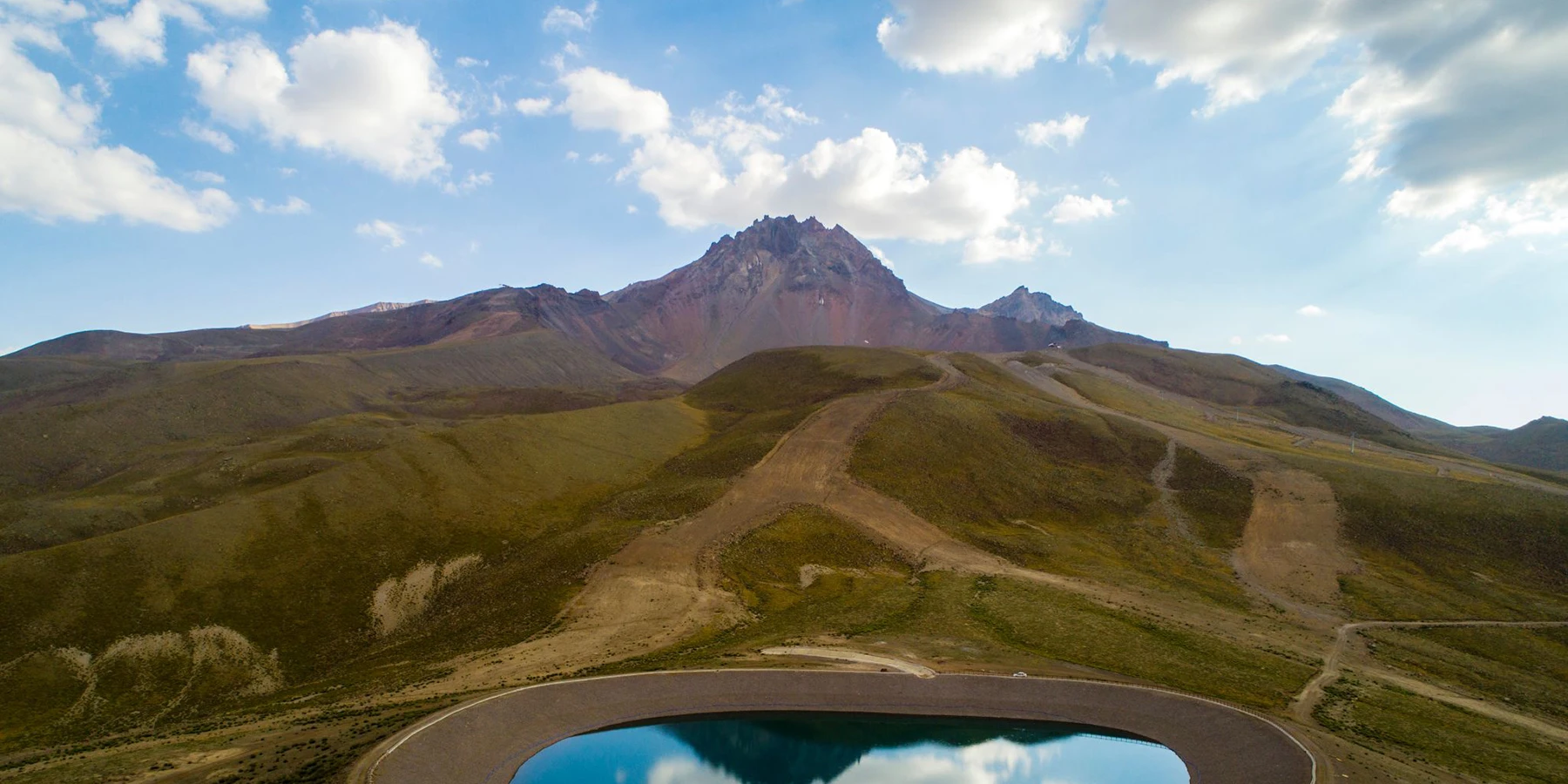
Spend a morning or full day on Mount Erciyes, Kayseri’s defining volcanic landmark. In winter the ski resort is the main draw, while in suitable warmer weather visitors can enjoy viewpoints and outdoor routes adapted to conditions.

Kapuzbaşı Waterfalls and Yahyalı lie a considerable distance from the city along mountain roads and deserve a separate excursion. The high landscapes of Aladağlar, Hacer Forest and Yedigöller should be planned with experienced local support and season-appropriate equipment.

Suggested Seljuk Road Route

Caravanserais, Bridges and Medieval Kayseri

Follow the historic movement of goods across Anatolia through the Karatay and Sultanhanı caravanserais, which testify to the importance of medieval road networks and the patronage of the Seljuk state.

Depending on the chosen direction, add historic İncesu, the Kara Mustafa Paşa Complex, stone bridges such as Tekgöz or Şahruh, and smaller towns with surviving religious and commercial monuments.

Suggested Food & Local Culture Route

Kayseri Mantı, Pastırma, Sucuk and Historic Market Streets

In the historic city, the bazaar quarter provides a natural starting point to discover pastırma and sucuk alongside the long history of Kayseri’s traders and artisans.

Allow time for a traditional meal of mantı or yağlama, followed by nevzine. Combine food experiences with a walk through the castle area, historic Seljuk buildings and cultural museums rather than treating culinary heritage as a separate attraction.

Important Visitor Note

Remote Churches, Wetlands and Mountains – Check Access Before Travel

Several destinations outside central Kayseri, including isolated rock-cut churches, Hittite reliefs, high-altitude lakes and remote waterfalls, are not managed like fully serviced museums. Paths, approach roads, opening conditions and conservation restrictions can change.

Protect fragile wall paintings and rock-cut surfaces, respect worship areas and private property, and avoid entering unstable structures. For mountain hikes and the Kapuzbaşı area, confirm weather and road conditions, carry sufficient water and plan an appropriate return schedule. For wetlands, observe wildlife from authorized areas.

Planning Your Kayseri Visit

Kayseri’s most interesting places lie across widely separated districts. Historic Kayseri, Talas, Kültepe, Yeşilhisar–Soğanlı, Develi, Yahyalı and Erciyes are better treated as connected day-tour clusters rather than a single rushed circuit.

Spring and autumn generally offer comfortable conditions for low-altitude cultural visits. Winter brings skiing on Erciyes, while some alpine routes become accessible only in suitable seasons. Opening hours, seasonal water levels and high-mountain road conditions should be checked locally.

Practical Kayseri Travel Tips

  • Transport: A private vehicle is best for widely separated valleys, waterfalls and archaeology sites
  • City center: Walk between the castle, Hunat Hatun, Sahabiye and bazaar quarter
  • Kültepe: Pair the ruins with the archaeology collections in Kayseri city
  • Soğanlı: Set aside enough time for multiple churches and uneven valley paths
  • Winter: Check Erciyes weather, ski operations and road conditions
  • Wildlife: Respect viewing zones and avoid disturbing birds at Sultan Marshes
  • Churches: Access may require prior permission and can change with restoration
  • Mountain trips: Do not combine remote Yahyalı sites with a packed city-centre schedule

Why Visit Kayseri?

Kayseri has an extraordinary concentration of heritage for travellers interested in ancient trade, Roman and Byzantine history, Seljuk architecture and the landscapes of central Anatolia. The Kültepe tablets illuminate one of the earliest documentary records of commercial life in the region, while Kayseri’s monumental stone buildings reflect its medieval importance.

Beyond the historic centre, Soğanlı and Erdemli are among the wider Cappadocia region’s evocative Christian landscapes, and Koramaz Valley, Talas, Germir and Ağırnas hold distinctive layers of local architectural and social history.

Natural attractions complete the experience: Mount Erciyes, Sultan Marshes, Kapuzbaşı Waterfalls and Aladağlar provide entirely different seasonal reasons to visit. Combined with Kayseri mantı, pastırma, sucuk and nevzine, the province offers a remarkable blend of history, culture and scenery.

Frequently Asked Questions About Kayseri

Kayseri is best known for Mount Erciyes, the ancient trade city of Kültepe-Kanesh, Seljuk monuments such as the Hunat Hatun Complex, traditional foods including mantı and pastırma, and nearby natural attractions.

Allow at least one day for the historic centre. Two or three days provide time for Kültepe, Talas or Soğanlı, while four or five days are better for the province’s remote waterfalls and natural landscapes.

Soğanlı Valley is in the Yeşilhisar district of Kayseri Province. It also belongs geographically and historically to the wider Cappadocia region.

Visit Kayseri Castle and its museum, Hunat Hatun, Sahabiye Madrasah, the Ulu Mosque, Döner Kümbet and the historic bazaar quarter.

Kültepe is known for thousands of Old Assyrian cuneiform tablets recording international trade, private correspondence, financial agreements and family life in the early second millennium BC.

Selected tablets and related artifacts can be seen in museum collections, including Kayseri Archaeology Museum and the Museum of Anatolian Civilizations in Ankara. Individual displays can change.

Erciyes is a year-round landmark, but ski operations depend on snow and weather. Walking, sightseeing and higher-elevation activities depend on season and current conditions.

The two attractions lie far apart and travel to Kapuzbaşı uses mountain roads. Separate days generally provide a safer and more enjoyable itinerary.
Yes. Its wetland habitats support many bird species, although what you see depends on migration, water levels, season and observation conditions.

Not all are regular visitor museums. Some are active places of worship, some require caretaker permission and others may be closed for restoration. Verify access before arrival.

Yes. The city centre, Kültepe and Talas are rewarding for history-focused visitors, while Soğanlı Valley can form part of a southern Cappadocia excursion.

Start with Kayseri mantısı, pastırma, sucuk and yağlama; for dessert, try nevzine. Regional soup and pastry specialities offer more variety.

Ready to Explore Kayseri, Mount Erciyes and Ancient Cappadocia?

Tell us your travel dates, departure point and interests, and we can help you plan a private Kayseri itinerary that includes Kültepe, Seljuk monuments, Soğanlı Valley, Erciyes, Talas and other remarkable destinations across central Anatolia.

WhatsApp Us for Kayseri Planning