Neolithic & Chalcolithic Bursa, 8,500 Years of Settlement, Prehistoric Village Reconstructions, Archaeological Excavations, Ancient Burials, Experimental Archaeology & Early Farming Communities

Aktopraklık Höyük Archaeopark Bursa – 8,500-Year Prehistoric Settlement & Visitor Guide

Travel back to the first farming villages of Bursa and explore reconstructed Neolithic houses,
Chalcolithic settlements, ancient burials and archaeological discoveries dating to around 6400 BCE.

Discover Aktopraklık Höyük

Travel Back 8,500 Years to Bursa's First Farming Communities

Long before Bursa became a Roman city, Byzantine stronghold or Ottoman capital, people were already building permanent villages, growing crops, raising animals, making pottery and burying their dead in the countryside west of the modern city.

Their story survives at Aktopraklık Höyük, one of the most important prehistoric archaeological sites in northwestern Türkiye.

Located near Akçalar in the Nilüfer district of Bursa, on terraces east of Lake Uluabat, Aktopraklık preserves evidence of human settlement beginning around 6400 BCE and continuing for roughly a thousand years through the Late Neolithic and Chalcolithic periods.

What makes Aktopraklık especially enjoyable for travellers is that it is not simply an excavation site.

The archaeological remains have become the centre of an extensive archaeopark and open-air museum where visitors can move between reconstructed prehistoric villages, actual excavation areas, experimental archaeology spaces and a traditional village created with historic buildings brought from the Bursa countryside.

One reconstructed settlement represents life roughly 8,500 years ago, while another demonstrates the increasingly organised villages of the Chalcolithic period.

The difference between them is immediately visible. Simple rounded dwellings constructed with lightweight materials gradually give way to more substantial rectangular buildings, organised open spaces, courtyards and settlement boundaries.

Aktopraklık therefore allows visitors to do something an archaeological display case alone cannot achieve: walk through the changing scale and organisation of prehistoric village life.

The site is also scientifically important. Its long occupational sequence provides evidence for the development of the earliest farming societies in northwestern Anatolia and contributes to the wider archaeological discussion surrounding the movement of farming communities, technologies and cultural traditions between Anatolia, the Marmara region and southeastern Europe.

8,500 Years of History

Discover settlement layers beginning around 6400 BCE, thousands of years before classical Bursa or the Ottoman Empire.

Neolithic Village

Enter reconstructed dwellings inspired by the earliest archaeological architecture discovered at Aktopraklık.

Chalcolithic Village

See how later communities created more substantial houses, courtyards and increasingly organised settlement plans.

Real Excavation Areas

Study archaeological remains in the landscape where they were discovered rather than seeing the story only inside a museum.

Ancient Burials

Learn how changing burial traditions provide rare evidence about family, community and prehistoric concepts of death.

Experimental Archaeology

Workshops, archaeological activities and reconstructed spaces help visitors understand how archaeologists interpret ancient life.


Plan Your Visit

Aktopraklık Höyük Archaeopark – Quick Facts

Essential information for exploring Bursa's remarkable prehistoric archaeological park and its reconstructed Neolithic and Chalcolithic villages.

📍

Location

Hasanağa OSB, Nilüfer, approximately 25 km west of central Bursa.

Open on Google Maps
🕰️

Earliest Settlement

Human occupation begins around 6400 BCE, approximately 8,500 years ago.

🏺

Periods

Late Neolithic through Chalcolithic, extending broadly from the 7th into the 6th millennium BCE.

⛏️

Excavations

Systematic archaeological investigations began in 2004 following the site's discovery in the early 2000s.

🏘️

Main Experience

Excavation areas, reconstructed prehistoric villages, traditional village buildings and archaeological interpretation.

🌿

Open-Air Museum

The museum landscape covers approximately 183 decares and is designed as an archaeological heritage park.

🕘

Current Hours

Tuesday–Sunday, 09:00–17:30. Monday is the regular weekly closing day.

🎟️

Admission

Independent visits are currently free. Separate arrangements apply to organised guided visits and workshops.

⏱️

Recommended Visit

Allow approximately 1.5–2 hours to explore the archaeological park without rushing.

👨‍👩‍👧

Good for Families

The reconstructed houses and archaeological learning areas make the site especially suitable for curious children and families.


Before Bursa Had Kings, Emperors or Sultans

Why Visit Aktopraklık Höyük Archaeopark?

Aktopraklık reveals a chapter of Bursa's history so early that it predates almost every famous monument associated with the city.

Travellers usually associate Bursa with the Ottoman Empire.

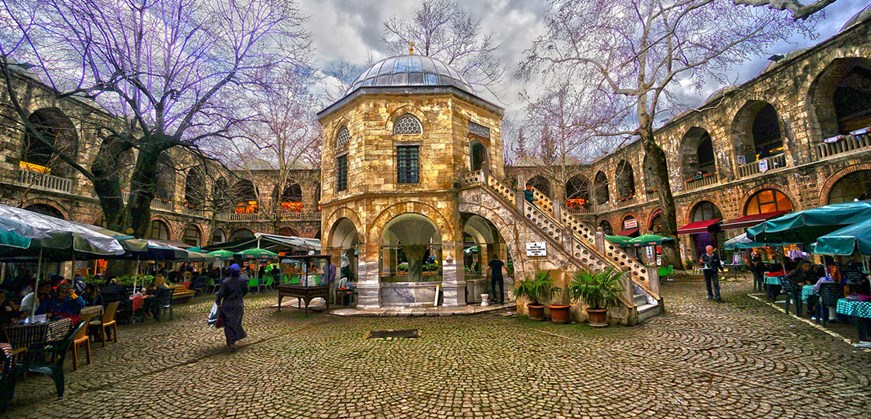
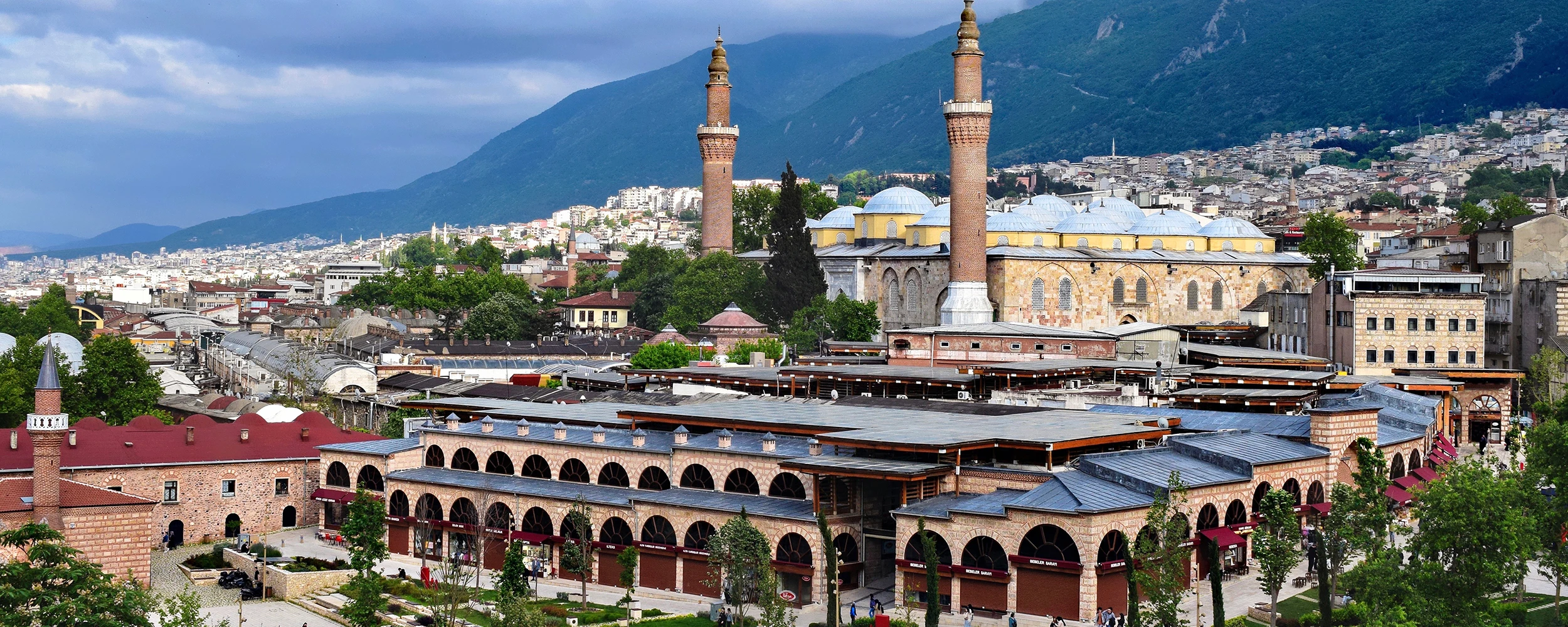
The city's monumental mosques, tombs, bazaars and caravanserais tell the story of the fourteenth and fifteenth centuries.

Aktopraklık changes the scale completely.

Here, visitors encounter communities who lived approximately seven thousand years before the Ottoman conquest of Bursa.

These were among the early farming societies of northwestern Anatolia: people who constructed permanent homes, cultivated plants, kept domesticated animals, made pottery, worked stone and bone and developed increasingly organised villages.

The archaeological importance of the site lies partly in its long sequence. Instead of showing only a single moment, Aktopraklık allows researchers to follow change through many centuries.

House plans changed. Building materials changed. Settlements moved short distances across the landscape. Burial traditions developed. Pottery styles evolved. The organisation of shared and private space became increasingly complex.

For visitors, the archaeopark translates these scientific questions into something much easier to understand.

You can physically move from one reconstructed village to another and see how the archaeological evidence suggests that communities transformed over time.

Aktopraklık is therefore valuable both as an archaeological site and as an unusually ambitious experiment in public archaeology and heritage interpretation.

What to See

Top Highlights of Aktopraklık Höyük Archaeopark

The site combines authentic archaeological remains with full-scale reconstructions and educational spaces designed to make prehistoric life easier to visualise.

The Neolithic Village

Reconstructed rounded dwellings evoke the earliest settlement traditions identified at Aktopraklık around the middle of the seventh millennium BCE.

  • Period: Late Neolithic
  • Date: Beginning around 6400 BCE
  • Focus: Early farming village life

The Chalcolithic Village

Later architecture demonstrates the development of more substantial rectilinear buildings and increasingly organised communal spaces.

  • Period: Chalcolithic
  • Date: Mainly 6th millennium BCE
  • Focus: Changing settlement organisation

Archaeological Excavation Areas

See the actual ground from which archaeologists reconstructed Aktopraklık's long sequence of prehistoric settlement.

  • Research: Systematic excavation
  • Areas: Conventionally labelled A, B & C
  • Value: Original archaeological context

The Settlement Ditch

Later prehistoric phases include an important ditch associated with a carefully organised group of houses and communal spaces.

  • Period: Early Chalcolithic
  • Function: Settlement boundary
  • Importance: Evidence of planned village organisation

Ancient Burial Areas

Human burials reveal changing relationships between houses, living communities and spaces reserved for the dead.

  • Evidence: Neolithic & Chalcolithic burials
  • Burial Form: Contracted inhumations occur
  • Study: Bioarchaeology & prehistoric society

Traditional Bursa Village

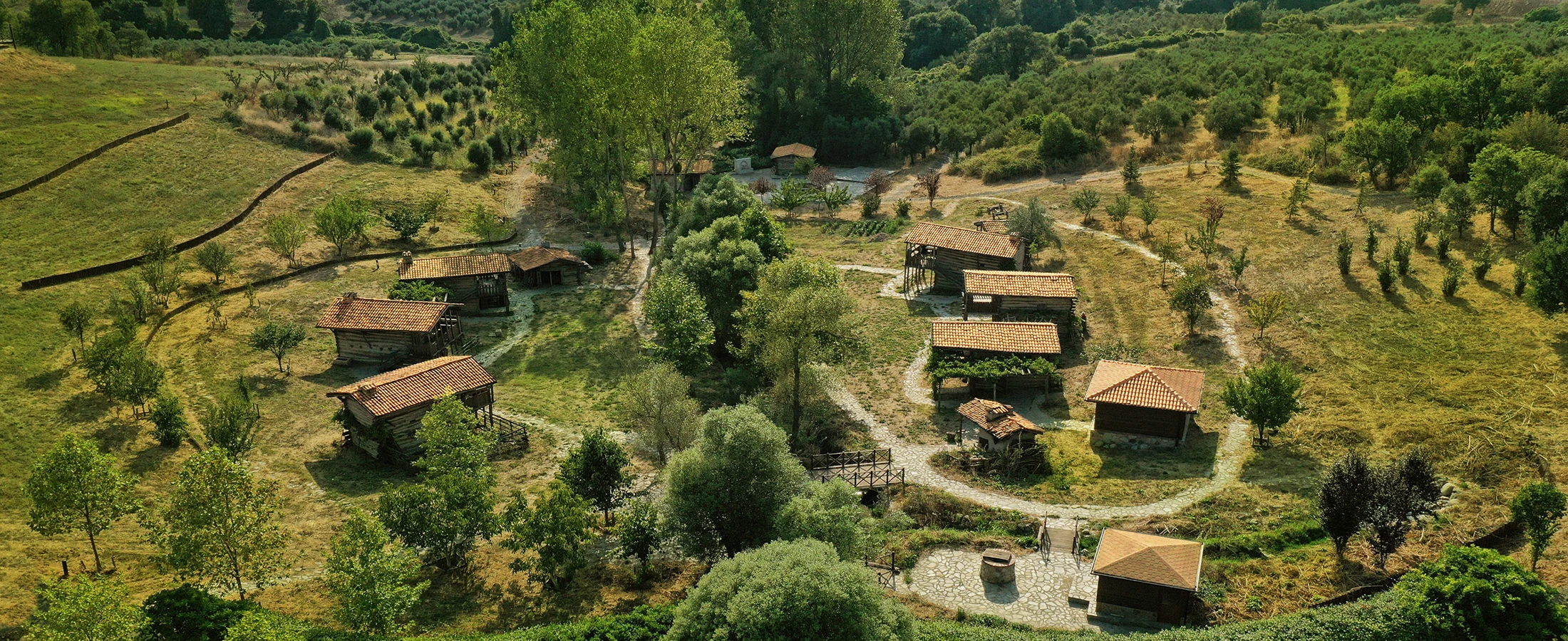
Historic buildings transferred from Eskikızılelma create a later rural settlement and connect prehistoric village life with Bursa's recent countryside traditions.

  • Buildings: Historic timber structures
  • Origin: Eskikızılelma
  • Purpose: Connect past and recent village life

Archaeology Learning Areas

Educational spaces introduce excavation methods, pottery, ancient technology and the process by which archaeological evidence becomes historical knowledge.

  • Experience: Archaeology workshops
  • Audience: Children, students & adults
  • Booking: Some programmes require reservation

Lake Uluabat Landscape

The position of Aktopraklık on the eastern terraces of the Uluabat basin helps explain why prehistoric communities were attracted to this productive landscape.

  • Region: Southern Marmara
  • Landscape: Terraces east of Lake Uluabat
  • Context: Farming, woodland & natural resources

What Is Aktopraklık Höyük?

Aktopraklık Höyük is a prehistoric settlement complex located in the Nilüfer district west of Bursa, close to Akçalar and the eastern side of the Lake Uluabat basin.

Despite the familiar Turkish word höyük, Aktopraklık does not consist simply of one enormous, steep-sided archaeological mound.

Prehistoric occupation shifted through the landscape over time, creating several related archaeological sectors conventionally identified as Areas A, B and C.

This horizontal movement is one of the reasons the site is so useful archaeologically.

Different phases were not always buried directly one above another. Instead, communities sometimes moved a short distance before constructing the next settlement.

This allows archaeologists to study changes in architecture, village planning, ceramics, burial practices and daily life across nearly a millennium.

Today, the archaeological site forms the heart of Aktopraklık Höyük Archaeopark and Open-Air Museum.

The park combines protected excavation areas, archaeological interpretation, prehistoric reconstructions, a traditional Bursa village and spaces for education and experimental archaeology.

Archaeological Settlement

Real prehistoric occupation layers survive beneath and across the Aktopraklık landscape.

Open-Air Museum

The archaeological remains are interpreted within an extensive outdoor heritage park.

Prehistoric Reconstructions

Full-scale buildings allow visitors to understand architecture that can otherwise appear only as foundations and postholes.

Research Site

Aktopraklık has produced internationally significant archaeological research on early farming societies.

Educational Centre

Workshops and guided programmes introduce archaeological methods to school groups and other visitors.

Landscape Museum

The surrounding terrain forms part of the story rather than merely serving as a background to museum objects.

The Discovery & Excavation of Aktopraklık Höyük

Aktopraklık entered modern archaeological research in the early 2000s during archaeological investigations connected with development in the rapidly industrialising area west of Bursa.

The discovery was especially important because industrial and infrastructure expansion can quickly transform landscapes in which low prehistoric settlement mounds are difficult to recognise.

Initial archaeological work demonstrated that the area contained much more than isolated ancient remains.

It preserved an extensive prehistoric sequence capable of transforming understanding of Bursa's earliest settled communities.

Systematic excavations began in 2004 under the archaeological direction of Prof. Dr. Necmi Karul, working within the wider South Marmara archaeological research programme.

As excavation expanded, archaeologists realised that occupation had shifted through several nearby areas rather than accumulating in one single vertical mound.

These zones became known as Aktopraklık A, Aktopraklık B and Aktopraklık C.

Excavation, archaeological survey, environmental analysis, human skeletal study, ceramic research and scientific dating together produced a remarkably detailed picture of communities living here between approximately 6400 and the middle of the sixth millennium BCE.

From 2009 onward, Bursa Metropolitan Municipality became closely involved in developing the archaeological landscape as an archaeopark, helping transform the scientific excavation into a major public heritage project.

Early 2000s Aktopraklık is recognised archaeologically during investigations connected with development west of Bursa
2004 Systematic excavation begins under the direction of Prof. Dr. Necmi Karul
A–B–C Areas Research identifies several chronologically related occupation zones across the landscape
2009 Bursa Metropolitan Municipality becomes an important partner in development of the archaeopark
Today The landscape functions as an excavation site, open-air museum, archaeological education centre and public heritage park

The Archaeological Timeline of Aktopraklık Höyük

Understanding Aktopraklık becomes easier once you stop thinking of it as one village occupied in exactly the same place for centuries.

Instead, imagine a community repeatedly rebuilding, reorganising and occasionally shifting its settlement across neighbouring terraces.

The overall archaeological sequence begins around 6400 BCE.

The earliest well-understood phases belong to the Late Neolithic and are particularly associated with the sector known as Aktopraklık C.

Architecture at this early stage includes relatively lightweight, rounded structures constructed using techniques such as wattle and daub.

As the sequence continued, settlement activity shifted toward other areas.

During the Early Chalcolithic, architecture became increasingly rectilinear and village space more formally organised.

Excavations revealed houses, courtyards, ovens, working areas and a substantial ditch defining part of the settlement.

By approximately the middle of the sixth millennium BCE, the long prehistoric occupation sequence represented at Aktopraklık had reached its later phases.

c. 6400 BCE Earliest major settlement phases documented at Aktopraklık C
Late Neolithic Rounded and lightweight wattle-and-daub dwellings characterise important early phases
Early 6th Millennium BCE Settlement gradually shifts across the Aktopraklık landscape
Early Chalcolithic More organised settlement plans, rectilinear architecture, communal areas and boundary features emerge
c. 5900–5600 BCE Major Chalcolithic settlement phases represented particularly strongly in Area B
Mid-6th Millennium BCE The principal prehistoric occupational sequence reaches its later stages

Neolithic Aktopraklık – Life Around 8,500 Years Ago

The earliest major settlement evidence at Aktopraklık belongs to the Late Neolithic period.

Around 6400 BCE, families were already living here in a fully developed farming community.

The houses discovered in the earliest settlement differ dramatically from the stone monuments most travellers associate with archaeology.

Instead of temples, palaces or defensive walls, archaeologists uncovered the subtle remains of rounded or oval huts constructed from organic materials.

Wooden posts and branches created the structural framework.

Interwoven branches could then be coated with mud, producing the architectural technique archaeologists call wattle and daub.

Some structures were slightly sunken into the ground.

Open spaces around them functioned as working areas, courtyards and places where daily tasks were performed.

The settlement may look simple compared with later villages, but the inhabitants were anything but primitive.

They understood crop cultivation, animal husbandry, pottery production, stone technology, bone working and food processing.

They maintained social relationships, made personal ornaments, created symbolic objects and followed carefully structured burial practices.

The reconstructed Neolithic village within the archaeopark is designed to help visitors transform these archaeological traces into three-dimensional living spaces.

Rounded Houses

Early architecture includes circular or oval structures rather than the later dominance of rectangular plans.

Wattle & Daub

Wooden frameworks and woven branches coated with earth created effective prehistoric walls.

Farming

The community belonged to the farming world already established across parts of Anatolia.

Animal Husbandry

Domestic animals formed an important component of the community's subsistence economy.

Pottery

Ceramic vessels were already part of food preparation, storage and everyday life.

Burials

The dead could remain physically connected with living settlement spaces through burial near or within the community.

Chalcolithic Aktopraklık – A New Kind of Settlement

Several centuries after the earliest village, Aktopraklık's architecture and settlement organisation changed significantly.

These later phases belong broadly to the Chalcolithic period.

The word Chalcolithic literally refers to the Copper Age, although the period is defined by much more than the appearance of metal.

At Aktopraklık, one of the most striking developments is visible in the way people organised their built environment.

Later houses were increasingly rectangular.

Some were constructed with substantial mudbrick walls, while other phases continued to use versions of wattle-and-daub technology.

Excavations in Area B revealed groups of buildings positioned in a carefully structured arrangement, with shared open areas between or within them.

Ovens, hearths and work spaces demonstrate that many activities occurred outside individual houses as well as indoors.

Perhaps the most impressive element is the large ditch associated with the settlement.

Together, the ditch, houses and central communal spaces suggest a village whose inhabitants were increasingly conscious of boundaries, shared space and collective organisation.

This is one reason Aktopraklık is particularly useful for understanding the gradual development of organised farming villages in western and northwestern Anatolia.

Rectangular Buildings

Later communities increasingly favoured more regular rectilinear house plans.

Mudbrick Walls

Substantial earthen architecture created buildings very different from the earliest light huts.

Central Open Space

Groups of buildings interacted with communal exterior areas used for shared activities.

Ovens & Hearths

Food preparation and production took place both inside houses and in exterior working spaces.

Settlement Ditch

A major boundary feature emphasised the distinction between the organised village and the landscape beyond.

Community Planning

The relationship between houses and shared areas suggests deliberate village organisation rather than random construction.

Prehistoric Architecture at Aktopraklık Höyük

Architecture is one of the best ways to understand the long-term story of Aktopraklık.

The archaeological sequence demonstrates that houses were not static.

Building traditions changed as communities altered the way they organised families, work and shared village space.

In early Neolithic phases, simple rounded dwellings were constructed largely with wood, woven branches and earth.

Only subtle traces survive archaeologically: postholes, floors, burned clay, wall fragments and changes in soil colour.

To a visitor unfamiliar with prehistoric excavation, these remains can be difficult to read.

That is precisely why the full-scale reconstructions are so valuable.

Later settlement phases introduce rectangular buildings, including houses with substantial earthen walls.

Some Chalcolithic buildings were repeatedly constructed according to very similar plans.

Features such as ovens, hearths, storage areas and work installations help archaeologists understand how individual rooms functioned.

The organisation of houses around larger open spaces also suggests that community planning increasingly operated at the scale of the whole village, not only the individual household.

Early Phase Rounded or oval houses constructed largely from organic materials
Wattle & Daub Interwoven branches coated with mud create strong but archaeologically fragile walls
Later Phase Rectangular plans become increasingly important
Mudbrick More substantial earthen walls appear within later prehistoric settlement traditions
Communal Areas Courtyards and exterior spaces contain ovens and evidence for shared activities
Settlement Boundary A substantial ditch helps define part of the Chalcolithic village

The Great Settlement Ditch of Aktopraklık

One of the most thought-provoking discoveries at Aktopraklık is a large ditch associated with the Chalcolithic settlement.

To modern eyes, a ditch may sound less impressive than a monumental stone wall.

Archaeologically, however, it is extremely important.

Creating such a feature required planning, labour and cooperation.

It also established a clear boundary between the community inside the settlement and the surrounding landscape.

Buildings were arranged in relationship with this boundary, strengthening the visual and functional distinction between inside and outside.

Whether the ditch served primarily defensive, symbolic, drainage or boundary functions is part of the wider archaeological interpretation of the site.

What is clear is that it demonstrates a community capable of organising labour at a scale extending beyond one household.

When walking through the archaeopark, try to imagine the settlement not as isolated houses, but as a single social landscape whose buildings, open spaces and boundaries worked together.

Burials & Cemeteries at Aktopraklık Höyük

Human burials are among the most important discoveries from Aktopraklık.

They allow researchers to study not only prehistoric concepts of death, but also diet, health, age, biological relationships and social identity.

During the site's earlier phases, the dead could be buried in close relationship with houses and other occupied spaces.

Some individuals were placed in contracted positions, with the body folded rather than extended.

The relationship between burial and domestic architecture demonstrates that prehistoric communities did not necessarily separate the world of the living from the dead in the same way as many modern societies.

As the settlement developed, burial traditions changed.

Later phases include a more clearly defined cemetery tradition associated with Chalcolithic occupation.

Some graves contained objects such as pottery vessels, stone implements, beads and personal ornaments.

These objects provide clues about individual identity, social customs and how communities prepared the dead for burial.

Scientific study of human remains from Aktopraklık has also contributed to broader research on the diet and mobility of early farming populations in the Marmara region.

Domestic Burials

Some early burials were closely connected with the spaces in which people lived.

Contracted Position

Bodies were often placed in a flexed posture within carefully prepared graves.

Changing Traditions

Burial practices evolved as the settlement itself moved and reorganised.

Grave Goods

Pottery, tools and ornaments occasionally accompanied the deceased.

Human Biology

Skeletal remains allow researchers to investigate diet, health and demographic patterns.

Community Memory

The placement of graves reveals how prehistoric people connected ancestors with settlement space.

Daily Life at Prehistoric Aktopraklık

Archaeology rarely preserves an entire prehistoric day.

Instead, researchers reconstruct daily life by combining thousands of small clues.

At Aktopraklık these include animal bones, plant remains, pottery, stone tools, bone tools, hearths, ovens, architectural surfaces and refuse deposits.

Together they reveal communities whose lives revolved around agriculture and animal husbandry.

Food had to be planted, harvested, processed, cooked and stored.

Animals required care.

Wood, clay, stone and plant fibres had to be collected from the surrounding landscape.

Houses required constant maintenance because mud and timber architecture must be regularly repaired.

Pottery production transformed clay into containers for cooking, serving and storage.

Stone was shaped into cutting and working tools.

Bone could be transformed into awls, points and other implements.

Personal ornaments and figurines remind us that life involved much more than survival.

People decorated themselves, created symbolic objects, maintained social traditions and expressed identity through material culture.

Archaeological Finds from Aktopraklık Höyük

Aktopraklık has produced a wide range of objects connected with everyday prehistoric life.

Unlike the gold jewellery or marble sculpture found in later ancient cities, many of Aktopraklık's most informative objects are humble.

A simple pottery fragment can reveal how a vessel was made, what technological traditions were followed and which archaeological phase it belongs to.

Chipped stone tools provide evidence for cutting, scraping and other everyday activities.

Flint was particularly important, while obsidian occurs in much smaller quantities.

Because obsidian had to reach the region through longer-distance exchange networks, even a small fragment can contribute to understanding prehistoric connections.

Polished stone tools include axes and other implements associated with woodworking and daily production.

Bone tools, including awls, demonstrate the skilled use of animal materials.

Beads and ornaments made from different stones provide evidence for personal decoration, identity and exchange.

Figurines add another layer to the story, raising questions concerning representation, symbolism and prehistoric social ideas.

Pottery

Ceramic vessels help archaeologists establish chronology and reconstruct food preparation and storage.

Flint Tools

Chipped stone implements formed an essential part of everyday prehistoric technology.

Obsidian

Rare obsidian pieces provide evidence for connections extending beyond the immediate Bursa landscape.

Polished Stone Axes

Ground stone implements were important for woodworking and other demanding tasks.

Bone Tools

Awls and other implements demonstrate the careful transformation of animal materials.

Beads & Ornaments

Personal decoration provides evidence for identity, craft traditions and prehistoric social life.

Figurines

Human representations add a symbolic dimension to the archaeological record.

Human Remains

Burials provide direct evidence for diet, health, population and funerary customs.

The Prehistoric Landscape Around Aktopraklık

Settlement location is rarely accidental.

Aktopraklık lies on terraces descending toward the Lake Uluabat basin, within a landscape capable of providing communities with varied ecological resources.

Archaeological environmental studies indicate that prehistoric inhabitants had access to diverse woodland vegetation.

Trees and shrubs supplied wood for buildings, fuel for fires, tool handles and potentially edible wild resources.

Open land provided space for cultivation and animal herding.

Watercourses and the wider lake basin contributed to a productive natural setting.

The site's position is also strategically important in a much larger geographical sense.

Bursa lies within northwestern Anatolia, between the agricultural heartlands of Anatolia and routes leading toward the Marmara Sea, Thrace and the Balkans.

Aktopraklık therefore belongs to a region essential for investigating how farming populations and Neolithic cultural traditions spread westward and northwestward.

Why Aktopraklık Matters to the Story of the Neolithic

The development of agriculture was one of the most consequential transformations in human history.

Over many generations, communities in different regions shifted toward lifestyles based increasingly on cultivated plants, domesticated animals and permanent settlements.

Anatolia played a fundamental role in this process.

By the seventh millennium BCE, established farming communities existed in several regions of the peninsula.

One of archaeology's major questions concerns how these ways of life moved into northwestern Anatolia, the Marmara region and eventually southeastern Europe.

Aktopraklık occupies an important geographical and chronological position within that story.

Its archaeological layers reveal communities already practising farming while maintaining material traditions characteristic of the Marmara region.

Comparisons with sites including Ilıpınar, Menteşe, Barcın, Fikirtepe and Pendik help researchers reconstruct cultural relationships across northwestern Anatolia.

Aktopraklık should therefore not be reduced to a simplistic idea that one population suddenly “carried civilisation into Europe.”

The real archaeological story is more interesting: long-term movement, interaction, adaptation, exchange and cultural change among many communities.

How Aktopraklık Became an Archaeopark

Aktopraklık was designed as more than a fenced archaeological excavation.

From the development of its cultural heritage programme, the aim was to create a place where archaeological conservation, research, education, tourism and local heritage could exist together.

This approach produced the modern Aktopraklık Höyük Archaeopark and Open-Air Museum.

The project includes protected archaeological remains, reconstructed prehistoric houses, experimental spaces, visitor facilities and educational activity areas.

One of its most successful ideas is the use of full-scale reconstruction.

Archaeologists frequently excavate only the lowest portions of prehistoric buildings.

Walls made from mud, branches and timber collapse and decay, leaving limited traces in the ground.

Reconstructions use excavation evidence and archaeological interpretation to propose how those buildings may once have appeared in three dimensions.

They are therefore not original prehistoric houses.

They are educational interpretations based on archaeological evidence, and visitors should understand them in exactly that way.

The archaeopark also creates a bridge between prehistoric archaeology and Bursa's much more recent rural heritage through its traditional village section.

Conservation

Original archaeological deposits remain the scientific foundation of the entire park.

Reconstruction

Full-scale buildings translate archaeological plans into spaces visitors can enter and understand.

Education

The park encourages learning through observation, guided interpretation and practical activities.

Experimental Archaeology

Recreating techniques can help archaeologists and visitors investigate how prehistoric technologies worked.

Traditional Heritage

The later village area connects deep prehistory with more recent rural architecture around Bursa.

Public Archaeology

Aktopraklık demonstrates how an active archaeological landscape can become understandable to a broad public.

The Reconstructed Neolithic Village

For many visitors, the Neolithic village reconstruction is the moment when Aktopraklık becomes truly memorable.

An excavation plan showing postholes and floors can be intellectually fascinating, but it requires experience to translate those traces into buildings.

The reconstruction gives those archaeological plans height, walls and interior volume.

The rounded dwellings demonstrate how a combination of wood, woven branches, earth and human labour could create practical homes using locally available materials.

Entering or standing beside these reconstructed buildings also changes your sense of scale.

Prehistoric houses were neither enormous nor empty.

They were compact working environments in which food preparation, sleeping, craft production, storage and family life could exist within closely connected spaces.

Look at the relationship between each house and the open ground around it.

At prehistoric settlements, much of everyday life probably occurred outdoors whenever weather permitted.

Courtyards and spaces between buildings could be as socially important as the houses themselves.

The Reconstructed Chalcolithic Village

Continue through the archaeopark and the architecture begins to change.

The Chalcolithic reconstruction represents communities living approximately a millennium after the earliest stages of Neolithic settlement represented at the park.

Here, rectangular forms, more substantial walls and more clearly organised village space create a very different impression.

This change is important.

It does not mean that people suddenly became “advanced.”

Instead, archaeology demonstrates gradual experimentation with building traditions, household organisation and communal space.

The reconstruction helps visitors visualise why the actual excavated settlement plan matters.

Buildings were arranged in relationship with one another, and larger communal areas contained ovens and work installations.

The village therefore functioned not merely as a collection of individual houses, but as an organised community.

Compare this area carefully with the Neolithic reconstruction.

That comparison is one of the most educational experiences at Aktopraklık.

The Traditional Eskikızılelma Village at Aktopraklık

One of the most unusual sections of the archaeopark belongs not to prehistory, but to the comparatively recent past.

Historic rural buildings from Eskikızılelma, a village in Bursa Province, were documented, dismantled and reconstructed within the Aktopraklık heritage landscape.

Some of these timber houses were already around two centuries old.

The purpose was not to pretend that an Ottoman village once stood directly on this exact location.

Instead, the reconstruction creates a historical bridge between prehistoric village communities and traditional rural life in Bursa.

The village environment includes more than houses.

Elements associated with traditional rural production have included a village coffeehouse, stable, woodshed, water mill, fountain, bread oven, granary, blacksmith's workshop and pekmez-making area.

Walking from prehistoric reconstructions into this much more recent village forces visitors to notice both enormous differences and surprising continuities.

For thousands of years, village life remained closely connected with agriculture, animals, water, craft production, food preparation and cooperation between households.

Historic Houses

Traditional timber buildings were transferred from Eskikızılelma and reconstructed within the park.

Village Coffeehouse

A communal gathering space represents an essential element of traditional Anatolian village life.

Bread Oven

Food preparation connects the interpretation of recent village life with much deeper archaeological traditions.

Water Mill

Traditional technology demonstrates how rural communities transformed agricultural products.

Blacksmith

Craft production forms another important component of the recreated village environment.

Past to Present

The traditional village intentionally extends Aktopraklık's story beyond prehistory.

Archaeology School, Workshops & Experimental Activities

Aktopraklık has long been designed as a place where visitors can participate in archaeological learning rather than simply read information panels.

The open-air museum hosts guided programmes, archaeological workshops and educational activities at different times of year.

Programmes offered through Bursa Müze have included excavation workshops, clay workshops, prehistoric house-model activities and guided archaeological visits.

These activities are especially useful for children.

Archaeology can otherwise appear mysterious: an archaeologist digs into the ground and somehow turns broken pottery into history.

Practical activities reveal the real process.

Excavation requires careful observation, recording, measuring, drawing, classification and interpretation.

Experimental archaeology goes one step further.

By attempting to reproduce ancient materials or techniques, researchers can test practical questions: How long does a mud wall take to construct? How does a clay vessel behave during firing? How effective is a stone cutting edge? What happens when a wooden-and-earth building is exposed to rain?

Scheduled workshops and guided programmes vary, so travellers interested in participating should check Bursa Müze's current programme before visiting.

Guided Archaeopark Visits

Organised guided programmes are available at selected times and normally require advance arrangements.

Excavation Workshops

Educational excavation activities introduce the methods used to uncover and document archaeological remains.

Clay Workshops

Hands-on pottery activities demonstrate one of the essential technologies of settled prehistoric communities.

House Models

Building small prehistoric structures helps children understand archaeological architecture.

Archaeofest

The archaeopark periodically hosts major archaeology-themed public events and demonstrations.

Check Before Visiting

Workshops and organised programmes operate according to separate schedules and reservation systems.

How to Read the Archaeological Site Correctly

One important distinction will make your visit much more rewarding: not everything you see at Aktopraklık is 8,500 years old.

The original archaeological remains are the foundations of scientific interpretation.

The complete prehistoric houses are modern reconstructions created from archaeological evidence.

This is normal and intentional.

A prehistoric mud-and-timber house almost never survives standing to roof height for thousands of years.

Archaeologists instead recover floors, wall bases, postholes, collapsed clay, burned surfaces, ovens and other traces.

From those remains, comparative archaeology and experimental building techniques can suggest how a structure may have looked above ground.

Treat the reconstructed villages as three-dimensional archaeological explanations.

Then return to the excavation areas and see whether you can recognise the traces from which those explanations were developed.

This back-and-forth between evidence and reconstruction is one of the most intellectually satisfying parts of visiting an archaeopark.

Aktopraklık Höyük Archaeopark Opening Hours & Admission

Tuesday 09:00–17:30
Wednesday 09:00–17:30
Thursday 09:00–17:30
Friday 09:00–17:30
Saturday 09:00–17:30
Sunday 09:00–17:30
Closed Monday
Independent Visit Currently free of charge
Guided Visits Advance reservation arrangements may apply
Address Hasanağa OSB Mahallesi, 14. Cadde No:10, Nilüfer / Bursa
Telephone +90 224 223 26 87

Important: Opening hours, holiday closures, guided-visit procedures, workshop schedules and reservation conditions can change. Bursa Müze currently states that its museums are closed on Mondays, 1 January and the first day of religious holidays. Always verify current information shortly before travelling.

How to Get to Aktopraklık Höyük Archaeopark

Aktopraklık is situated approximately 25 kilometres west of central Bursa in the Nilüfer district, within the Hasanağa–Akçalar area.

The archaeopark is outside Bursa's compact historic centre, so reaching it requires more planning than visiting the Grand Mosque, Koza Han or museums around central Osmangazi.

A private vehicle is the simplest option, particularly if you intend to combine Aktopraklık with Gölyazı, Lake Uluabat or other sites west of Bursa.

Public transport is also possible.

According to current Bursa Müze directions, take BursaRay Metro Line 2 to Üniversite station.

From the bus stop facing the İzmir road, continue on the 7/S bus.

Get off at Karsan or Akyapark and continue approximately 200 metres along Abdallar Caddesi toward the archaeopark.

Bus routes, stop names and frequencies can change, so check current BURULAŞ journey information before travelling.

From Central Bursa

Allow sufficient travel time because the archaeopark lies approximately 25 km west of the historical centre.

By Private Vehicle

The most flexible choice, especially when combining Aktopraklık with Gölyazı or the Uluabat region.

By Metro

Use BursaRay Line 2 toward Üniversite as the first stage of the public-transport journey.

By Bus

The current official museum directions specify bus 7/S from the Üniversite area.

Final Walk

From Karsan or Akyapark stop, the museum is approximately 200 metres along Abdallar Caddesi.

Private Bursa Tour

Aktopraklık can be incorporated into a customised archaeology and cultural heritage itinerary west of Bursa.

Parking, Walking & Accessibility at Aktopraklık

Unlike many museums in central Bursa, Aktopraklık occupies a large open-air landscape.

Expect to walk between reconstructed villages, excavation areas and interpretation spaces rather than moving through a compact indoor building.

Comfortable walking shoes are strongly recommended.

The terrain is generally manageable, but some surfaces are gravel, earth or uneven outdoor paths.

The site is listed as offering accessibility facilities, but some archaeological and stony paths may remain difficult for wheelchair users.

Visitors for whom step-free access is essential should contact the museum before travelling to confirm the current accessible route.

Travellers arriving by private vehicle should follow the signed museum entrance and designated parking arrangements rather than stopping within surrounding industrial roads.

Because much of the experience takes place outdoors, weather has a direct effect on comfort.

Wear Walking Shoes

The archaeopark is an outdoor landscape rather than a conventional indoor museum.

Uneven Surfaces

Expect combinations of paved, gravel and natural ground.

Wheelchair Access

Accessibility exists in parts of the site, but some rough archaeological paths can be challenging.

Parking

Private vehicles are practical for reaching this outlying part of Nilüfer.

Sun Protection

Bring a hat, water and sunscreen during warmer months because much of the visit is outdoors.

Rainy Weather

Outdoor paths and reconstructed village areas are less comfortable during prolonged rain.

Best Time to Visit Aktopraklık Höyük

Aktopraklık can be visited throughout the year, but spring and autumn usually provide the most comfortable conditions.

Temperatures are generally better for walking, and the surrounding vegetation creates a pleasant setting for the reconstructed villages.

Summer visits are absolutely possible, but the open-air nature of the museum means midday heat can become tiring.

During June, July and August, an earlier visit is preferable whenever possible.

Winter offers a quieter atmosphere.

However, cold, rain and muddy ground can reduce the amount of time you want to spend outdoors.

A weekday morning is an excellent choice for travellers who want to study the reconstructions and archaeological landscape slowly.

Families interested in workshops or archaeology-themed events should take the opposite approach: check the Bursa Müze event calendar, because selected weekends can offer activities that significantly enrich the visit.

Spring

Probably the most comfortable combination of mild temperatures, greenery and long outdoor visiting conditions.

Summer Morning

Visit earlier in the day before strong afternoon heat makes the open-air route tiring.

Autumn

Comfortable walking weather makes September and October especially attractive.

Winter

Quiet and atmospheric, but prepare for cold, rain and less predictable ground conditions.

Weekday

A good choice if you want uninterrupted time to compare the archaeological remains and reconstructions.

Event Days

Special archaeology programmes can add workshops, guided visits and demonstrations to the normal experience.

What to See Near Aktopraklık Höyük Archaeopark

Aktopraklık lies west of central Bursa, making it particularly useful as part of a Lake Uluabat and western Nilüfer itinerary.

The most attractive nearby destination for many travellers is Gölyazı, the historic lakeside settlement associated with ancient Apollonia ad Rhyndacum.

Aktopraklık and Gölyazı tell completely different archaeological stories, yet they fit together beautifully: one belongs to prehistoric farming communities, the other to the classical and later history of the Uluabat basin.

Gölyazı

A historic settlement on Lake Uluabat with traditional houses, ancient remains and an atmospheric waterside setting.

Lake Uluabat

The lake landscape provides geographical context for thousands of years of settlement west of Bursa.

Apollonia ad Rhyndacum

Ancient remains around Gölyazı introduce the region's much later Greek and Roman history.

Nilüfer Countryside

Rural landscapes around western Bursa provide a useful contrast with the dense historic centre.

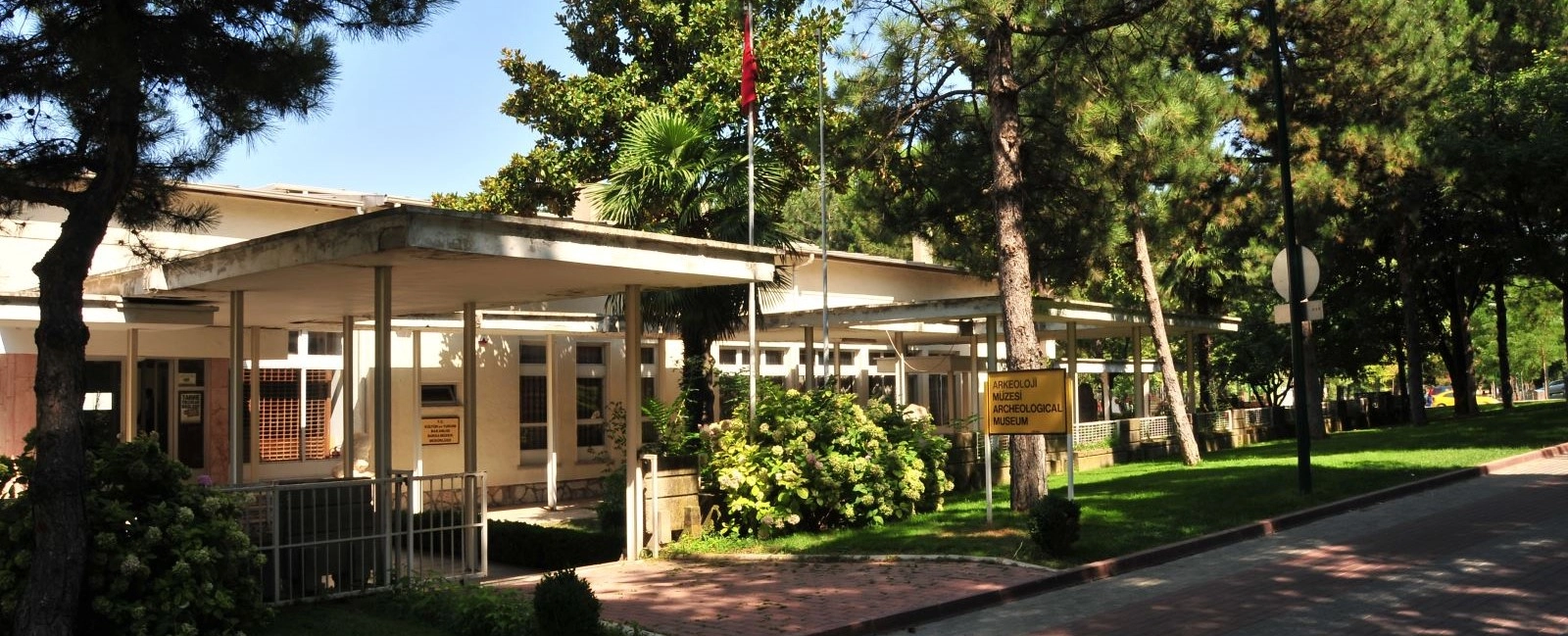
Bursa Archaeology Museum

Return to central Bursa to continue the archaeological story through objects from prehistoric, Bithynian, Roman and Byzantine periods.

Central Bursa

Complete the historical sequence with the city's early Ottoman mosques, tombs, bazaars and UNESCO heritage areas.


For additional archaeological context, continue your visit with the Bursa Archaeology Museum.

Travellers interested in later Bursa history can also visit the Bursa Turkish & Islamic Arts Museum and Panorama 1326 Bursa Conquest Museum.

For a wider introduction to the city, see our complete Bursa travel guide.

Suggested Aktopraklık, Gölyazı & Bursa Archaeology Route

Aktopraklık works particularly well within a full-day journey connecting prehistoric Bursa, Lake Uluabat and the city's archaeological collections.

With a private vehicle, allow approximately 6–8 hours for a relaxed itinerary including travel, museum visits, walking and lunch.

1 Aktopraklık Höyük Archaeopark – Begin with Bursa's earliest farming communities, reconstructed Neolithic and Chalcolithic villages and archaeological excavation areas
2 Gölyazı – Continue toward Lake Uluabat for historic streets, lakeside views and the landscape of ancient Apollonia ad Rhyndacum
3 Lake Uluabat Lunch Stop – Take a break in the lakeside area before returning toward central Bursa
4 Bursa Archaeology Museum – Continue the timeline through later prehistoric, ancient Bithynian, Roman and Byzantine finds
5 Historic Bursa – If time permits, finish among the city's early Ottoman monuments and bazaars

This route is especially useful for travellers who want to understand Bursa as a continuously inhabited region rather than only an Ottoman city.

Aktopraklık Höyük Visitor Tips

Begin with the Timeline

Remember the key sequence: around 6400 BCE → Late Neolithic → Chalcolithic → settlement shifts between A, B and C.

Compare the Two Villages

The contrast between the Neolithic and Chalcolithic reconstructions is one of the most important lessons at the site.

Look at House Shapes

Notice the transition from rounded lightweight structures toward increasingly rectilinear architecture.

Study the Open Spaces

Prehistoric life happened outside houses as well as inside them; courtyards and communal areas are essential to understanding the settlement.

Find the Ditch

Think about the labour required to create a large settlement boundary and what it suggests about community organisation.

Separate Evidence from Reconstruction

The complete houses are modern interpretations; the excavated remains beneath them provide the archaeological evidence.

Think About Materials

Wood, branches, mud and reeds disappear much more easily than stone, which is why prehistoric architecture often survives only as subtle traces.

Do Not Skip the Traditional Village

The Eskikızılelma buildings extend the story from prehistory into Bursa's much more recent rural heritage.

Bring Water

The museum is largely outdoors and summer temperatures can make walking tiring.

Wear Proper Shoes

Outdoor archaeological surfaces are more comfortable with supportive footwear.

Allow 1.5–2 Hours

Rushing through the reconstructions defeats the purpose of an archaeological open-air museum.

Check the Event Calendar

Guided visits, workshops and archaeology events can transform an ordinary museum visit into a much more interactive experience.

Remember Monday Closure

The archaeopark is currently closed on Mondays under Bursa Müze's regular schedule.

Combine with Gölyazı

If travelling by car, the Uluabat region offers one of the most natural combinations with Aktopraklık.

Visit Bursa Archaeology Museum

The indoor museum provides valuable additional context for the region's archaeological chronology.

Frequently Asked Questions About Aktopraklık Höyük Archaeopark

What is Aktopraklık Höyük?

Aktopraklık Höyük is an important prehistoric archaeological settlement complex in Nilüfer, Bursa, preserving evidence from the Late Neolithic and Chalcolithic periods beginning around 6400 BCE.

Where is Aktopraklık Höyük?

The archaeopark is located in the Hasanağa–Akçalar area of Nilüfer, approximately 25 kilometres west of central Bursa and east of Lake Uluabat.

How old is Aktopraklık Höyük?

The earliest major settlement phases date to approximately 6400 BCE, making the site roughly 8,500 years old.

What archaeological periods are represented at Aktopraklık?

The main prehistoric sequence extends from the Late Neolithic through the Chalcolithic period, broadly from the middle of the seventh millennium into the middle of the sixth millennium BCE.

Why is Aktopraklık important?

It provides unusually detailed evidence for the development of early farming villages in northwestern Anatolia and helps archaeologists investigate cultural connections between Anatolia, the Marmara region and southeastern Europe.

When was Aktopraklık discovered?

The archaeological significance of the area was recognised in the early 2000s during investigations associated with modern development west of Bursa.

When did excavations begin?

Systematic archaeological excavation began in 2004 under the direction of Prof. Dr. Necmi Karul.

What are Aktopraklık A, B and C?

They are different archaeological areas representing settlement and activity that shifted across the landscape over time. The sequence allows archaeologists to study changes without every occupation phase lying directly on top of the previous one.

What did the earliest houses at Aktopraklık look like?

Early Neolithic architecture included rounded or oval structures constructed largely with timber, woven branches and mud.

What changed during the Chalcolithic period?

Later settlement phases include increasingly rectangular buildings, substantial earthen walls, organised communal spaces and a major settlement ditch.

Did people farm at Aktopraklık?

Yes. Aktopraklık represents an established farming and animal-herding community, rather than an earlier hunter-gatherer settlement gradually experimenting with agriculture.

Were people buried at Aktopraklık?

Yes. Archaeologists discovered Neolithic and Chalcolithic human burials, including graves closely connected with settlement spaces as well as later cemetery traditions.

What objects were found at Aktopraklık?

Finds include pottery, flint tools, polished stone implements, bone tools, beads, ornaments, figurines and objects associated with burials.

Is the Neolithic village original?

The complete standing houses are modern reconstructions based on archaeological evidence. The original archaeological remains survive within the excavated areas.

What is the Chalcolithic village reconstruction?

It is a full-scale interpretation showing the more substantial architecture and organised village planning represented by later prehistoric layers.

Why is there an Ottoman or traditional village at Aktopraklık?

Historic buildings transferred from Eskikızılelma were reconstructed to connect deep prehistoric village life with Bursa's more recent rural architectural traditions.

What can I see in the traditional village?

The traditional village includes historic houses and features associated with rural life such as a village coffeehouse, bread oven, water mill, fountain, stable, granary and craft spaces.

Are there archaeology workshops at Aktopraklık?

Yes. Bursa Müze periodically organises guided archaeological visits, excavation workshops, clay activities and other educational programmes. Advance booking may be required.

What are Aktopraklık Höyük opening hours?

The current official Bursa Müze schedule lists Tuesday through Sunday, 09:00–17:30. The museum is closed on Monday. Always verify before travelling.

Is Aktopraklık Höyük free?

Independent visits are currently free of charge. Guided programmes and workshops can operate under separate reservation or deposit arrangements.

How long do you need at Aktopraklık Höyük?

Allow approximately 1.5–2 hours for a comfortable independent visit. Archaeology enthusiasts or families attending workshops may want longer.

Is Aktopraklık good for children?

Yes. The full-scale houses, open-air environment and archaeological activities make the site one of Bursa's most accessible introductions to archaeology for children.

Can you visit Aktopraklık in the rain?

Yes, but much of the museum is outdoors, so prolonged rain can make paths and open-air areas less comfortable.

Is Aktopraklık wheelchair accessible?

Parts of the site have accessibility provision, but some natural and stony paths may be difficult for wheelchair users. Contact the museum before travelling if full step-free access is essential.

How do I get to Aktopraklık by public transport?

Current official directions recommend BursaRay Line 2 to Üniversite station, followed by bus 7/S. Get off around Karsan or Akyapark and continue approximately 200 metres along Abdallar Caddesi.

Can I combine Aktopraklık and Gölyazı?

Yes. They make an excellent combination, especially by private vehicle: Aktopraklık provides the prehistoric story while Gölyazı introduces the Lake Uluabat landscape and the later history of Apollonia ad Rhyndacum.

Is Aktopraklık worth visiting?

Absolutely for travellers interested in prehistory, archaeology, Neolithic farming, ancient architecture, experimental archaeology or the earliest history of Bursa.

Details Not to Miss at Aktopraklık Höyük

Rounded Neolithic Houses

Compare their shape with the rectilinear buildings of the later reconstruction.

Wall Materials

Look at how timber, woven branches and mud can create effective architecture with almost no stone.

House Floors

Floors are often among the most important surviving traces archaeologists use to identify prehistoric rooms.

Courtyards

Remember that open space was an active part of the household rather than unused ground.

Settlement Ditch

Think about how much collective labour would have been required to excavate a large boundary feature without modern machinery.

Ovens & Hearths

Food preparation installations reveal how interior and exterior spaces were organised.

Village Planning

Step far enough away from individual structures to understand the overall relationship between buildings.

Burial Locations

The changing relationship between houses and graves provides important evidence for prehistoric social organisation.

Reconstruction vs Excavation

Compare the complete reconstructed buildings with the subtle original traces from which archaeologists interpreted them.

Traditional Timber Houses

The Eskikızılelma village demonstrates how differently organic architecture survives when it is only centuries rather than millennia old.

Landscape Position

Notice the relationship between the settlement terraces and the wider Uluabat basin.

Time Scale

Keep reminding yourself that the earliest houses were inhabited more than eight thousand years ago.

Private Aktopraklık & Bursa Archaeology Tours

Aktopraklık Höyük can be incorporated into private Bursa journeys exploring prehistoric Anatolia, early farming communities, Lake Uluabat, ancient Bithynia, Roman archaeology, Byzantine heritage, early Ottoman Bursa, traditional villages and the extraordinary continuity of human settlement across northwestern Türkiye.

Private Archaeology & Bursa Experiences

Flexible private journeys with transportation and professionally licensed guiding.

Longer Bursa & Türkiye Heritage Journeys

Connect the earliest villages of Bursa with the great archaeological landscapes of Anatolia.