Private Atik Valide & Üsküdar Heritage Tour
Ask us about a tailor-made route focused on Nurbanu Sultan, Mimar Sinan, İznik tiles, Ottoman royal women, charitable architecture and Üsküdar's historic neighborhoods.
Request a Custom Tour





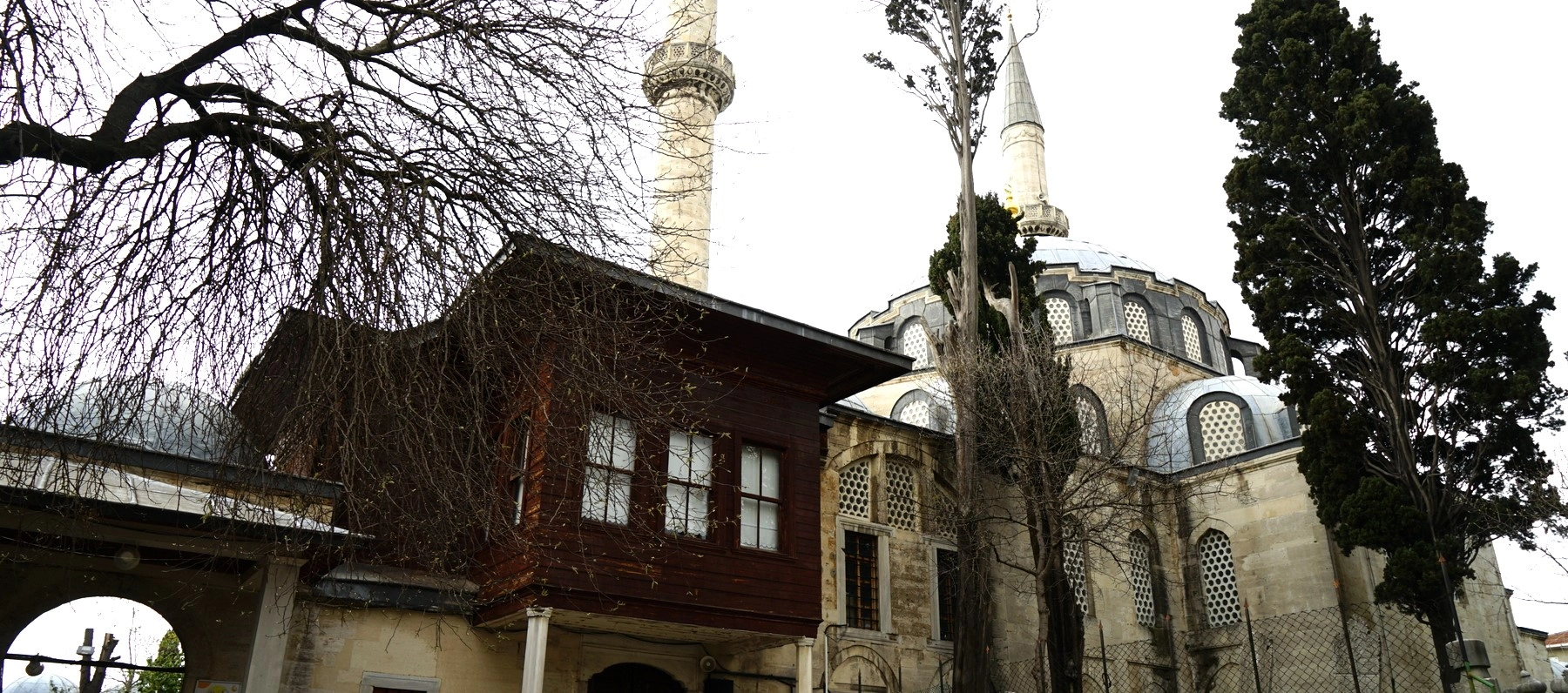
The Atik Valide Mosque, also known as Eski Valide Mosque, Valide-i Atik Mosque or Nurbanu Sultan Mosque, crowns a historic slope above central Üsküdar on Istanbul's Asian side. Designed by Mimar Sinan for Nurbanu Sultan, wife of Sultan Selim II and mother of Sultan Murad III, it is one of the most ambitious imperial foundations created by an Ottoman royal woman.
The mosque and its enormous külliye were developed during the 1570s and early 1580s. The foundation brought together a mosque, medrese, dervish lodge, primary school, schools for hadith and Qur'anic recitation, charitable kitchen, guest accommodation, caravanserai, hospital and bathhouse across several terraces of the Toptaşı hillside.
Inside the mosque, a central dome approximately 13 meters in diameter rises above a six-support system and five semi-domes. The bright prayer hall is illuminated by more than one hundred windows, while magnificent İznik tile panels around the mihrab display tulips, carnations, spring blossoms and the famous coral-red color of 16th-century Ottoman ceramics.
Although the complex is less visited than the imperial mosques of the Historic Peninsula, it rewards travelers with a quieter and more layered experience. Here, architecture, education, charity, medicine, Sufi life and royal patronage come together in one of Üsküdar's most remarkable historic ensembles.
The original mosque and great charitable complex were created for Nurbanu Sultan.
The complex is one of the master architect's most important late-period works.
A six-support system carries the luminous central dome of the prayer hall.
Exceptional floral and calligraphic tile panels enrich the mihrab area.
Essential information for visiting Nurbanu Sultan's magnificent 16th-century mosque and külliye in the Valide-i Atik neighborhood of Üsküdar.
Valide-i Atik and Toptaşı, Üsküdar, on the Asian side of Istanbul.
Open on Google MapsNurbanu Sultan, wife of Selim II and mother of Sultan Murad III.
Mimar Sinan; later enlargement may have involved members of his imperial workshop.
The main complex was built in 1570–1579, and the mosque was enlarged in the early 1580s.
Normally free; Atik Valide Mosque remains an active place of worship.
Allow 45–60 minutes for the mosque, or 2–3 hours for a wider Üsküdar route.
Atik Valide is one of the finest places in Istanbul to understand the influence of Ottoman royal women and the social purpose of a fully developed imperial külliye.
The complex is important first because of its patron, Nurbanu Sultan. As the mother of Murad III, she held the title of valide sultan and became one of the most influential women at the Ottoman court. Her Üsküdar foundation expressed dynastic prestige while supporting worship, education, food distribution, medicine, accommodation and spiritual life.
Architecturally, the mosque belongs to the mature final decades of Mimar Sinan's career. Its hexagonal support system, central dome, five semi-domes, lateral enlargement and encircling galleries demonstrate how Sinan and his workshop continued to experiment with centralized prayer spaces rather than repeating a single formula.
The site is also exceptional for its scale. Its buildings were distributed across the steep Toptaşı slope on a sequence of terraces, creating an entire charitable and educational quarter rather than an isolated mosque. The complex shaped the neighborhood so deeply that the surrounding district still carries the name Valide-i Atik.
For travelers following our guide to places to visit in Istanbul, Atik Valide offers a rewarding contrast with the busier monuments of Sultanahmet. It can be combined with Üsküdar's waterfront mosques, traditional neighborhoods, historic cemeteries and views across the Bosphorus.
Construction of the Atik Valide Sultan complex began around 1570 during the reign of Sultan Selim II. The project was commissioned for Nurbanu Sultan and designed by the chief imperial architect Mimar Sinan. Its first phase created the central mosque with its distinctive hexagonal domed plan together with the principal charitable and educational buildings.
The main complex is generally dated to 1570–1579. After Murad III came to the throne in 1574 and Nurbanu became valide sultan, the foundation acquired even greater ceremonial importance. A second minaret and an expanded entrance arrangement were introduced as the project developed.
Between approximately 1582 and 1583, the prayer hall was enlarged to the east and west with two domed bays on each side. The inscription above the entrance gives Nurbanu Sultan's name and the date 991 AH, corresponding to 1583. Because Sinan was elderly and frequently delegated work, scholars have suggested that an assistant such as the later chief architect Davud Ağa may have supervised parts of this enlargement.
The mosque continued to change after the classical period. Its minarets were damaged, probably in the 1765 earthquake, and rebuilt with details reflecting the taste of the 18th century. During the reign of Sultan Mahmud II, probably in 1834, a separate imperial pavilion and hünkâr mahfili were added to the southwest corner.
Work began on Nurbanu Sultan's ambitious Üsküdar foundation.
The original mosque and principal külliye buildings were constructed.
The prayer hall was enlarged with additional domed bays on both sides.
The entrance inscription records Nurbanu Sultan and the date 991 AH.
Earthquake damage affected the minarets, which were later rebuilt.
An imperial pavilion and hünkâr mahfili were added under Mahmud II.
Nurbanu Sultan was the wife of Sultan Selim II and the mother of Sultan Murad III. When her son ascended the throne in 1574, she became valide sultan—the mother of the reigning ruler—and occupied a position of extraordinary influence within the Ottoman dynasty.
Her foundation at Üsküdar was both a religious monument and a comprehensive public-service institution. Its endowment supported scholars, students, dervishes, travelers, patients, staff and people in need, turning architectural patronage into a permanent system of welfare.
The complex also contained a historically important library. It is identified as the first Ottoman library founded by a woman, adding intellectual significance to Nurbanu Sultan's already exceptional architectural legacy.
Nurbanu Sultan died in December 1583. She was not buried at Atik Valide; her tomb is beside her husband Selim II in the imperial mausoleum complex at Hagia Sophia. Her name nevertheless remains inseparable from the Üsküdar neighborhood created around her foundation.
Nurbanu belonged to the ruling household during the mature classical Ottoman age.
She became valide sultan when her son succeeded to the throne in 1574.
Her endowment united worship, education, healthcare, hospitality and charity.
The külliye contained the first Ottoman library founded by a woman.
Atik Valide Sultan Mosque is securely identified as a work of Mimar Sinan, the chief architect responsible for many of the Ottoman Empire's greatest mosques, bridges, schools, baths and charitable institutions. The original six-support central plan belongs unmistakably to his architectural vocabulary.
Sinan was already in the final phase of his long career when the complex was built. Rather than repeating the organization of Süleymaniye or Selimiye, he adapted a hexagonal support system to a hilltop site and linked the mosque with an exceptionally extensive collection of service buildings.
The mosque's enlargement in the early 1580s may have been supervised by one of Sinan's assistants. Davud Ağa, who later became chief imperial architect, is frequently proposed, although the exact division of responsibility cannot be proven with certainty.
The most accurate interpretation is therefore that the complex was designed under Sinan's authority and realized through the imperial architectural organization he led. Its changing construction phases reveal the collaborative character of major Ottoman building projects as well as the evolving status of the patron.
The original core of Atik Valide Mosque is organized around a central dome supported by six pointed arches arranged in a hexagonal system. Four of the supports are wall piers, while two are freestanding dark-colored stone columns positioned to the east and west.
Five semi-domes reinforce and expand the central volume—two on the east, two on the west and one above the projecting mihrab bay to the south. This creates a flowing interior in which the central dome remains dominant while the surrounding semi-domes draw the eye toward the qibla wall.
During the early 1580s enlargement, two additional domed bays were added on each side of the original prayer hall. The result is a broader interior whose construction history can still be read in the relationship between the central hexagonal core, the lateral aisles and the minarets that became partially enclosed by the expanded mass.
Galleries surround the prayer hall on three sides, and an extraordinary arrangement of approximately 114 windows fills the interior with light. From outside, the restrained cut-stone façades allow the domes, porticoes, minarets and terraced setting to define the monumental composition.
Six great arches create the hexagonal structural core beneath the main dome.
The principal dome measures approximately 13 meters in diameter.
Five exedral semi-domes expand and stabilize the central space.
Two domed bays on each side were added during the early 1580s enlargement.
The paired minarets reflect the mosque's imperial Friday-mosque status.
Multiple tiers of windows create one of the interior's most memorable qualities: light.
The central dome, approximately 13 meters across, is the architectural focus of the prayer hall. It rests on six pointed arches carried by four wall piers and two freestanding columns, creating a balanced hexagonal baldachin at the heart of the building.
Five semi-domes surround this central canopy. The southern semi-dome covers the deep mihrab projection, while pairs to the east and west expand the space laterally. Small pendentive-like transition elements connect the curved upper structure with the vertical walls below.
The later side bays do not compete with the central cupola. Instead, they widen the usable prayer area while preserving the visual authority of Sinan's original hexagonal core. This layered organization makes the mosque especially valuable for visitors interested in how Ottoman buildings evolved during construction.
The interior combines the disciplined proportions of classical Ottoman architecture with a rich decorative program concentrated around the qibla wall. The restrained upper structure makes the brilliant colors of the İznik tile panels particularly powerful.
The finest tiles appear around the projecting mihrab bay. Produced in the celebrated underglaze technique, they feature tulips, carnations, spring blossoms, scrolling leaves and complex medallion forms in cobalt blue, turquoise, green, white and the famous raised coral red associated with the golden age of İznik ceramics.
A calligraphic tile band containing the Ayat al-Kursi runs above the lower windows around the mihrab zone. White monumental lettering stands against a deep blue ground, with selected details enlivened by turquoise and red.
The white marble mihrab and minbar display refined classical workmanship. The minbar's pierced stone panels are especially delicate, while doors and shutters enriched with mother-of-pearl and ivory inlay preserve the high standard of Ottoman court craftsmanship. Painted ornament, colored-glass windows and decorated gallery ceilings complete the interior.
Outstanding underglaze tiles are concentrated around the mihrab projection.
The celebrated raised red of mature 16th-century İznik pottery appears in the floral designs.
A monumental calligraphic tile band encircles the qibla area above the windows.
Classical proportions and carved detail emphasize the direction of prayer.
Finely carved marble screens create an almost lace-like surface.
Historic doors and shutters include geometric mother-of-pearl and ivory decoration.
The mosque is approached through an unusually large şadırvan courtyard surrounding the building on the north, east and west. Four entrances connect the elevated enclosure with the surrounding streets, medrese and outer precinct.
Because the complex occupies a steep slope, several gateways are reached by stone stairs. Small domed rooms above three of the entrances may originally have accommodated gatekeepers, while fountains set into the outer walls served the neighborhood and visitors to the complex.
Long arcades of domed bays define the courtyard and create a calm architectural frame around the mosque. At the center stands a polygonal marble şadırvan, restored in the modern period and still forming the visual focus of the enclosure.
The entrance façade contains an outer portico supported by piers and sixteen columns. Behind it, the five-bay last-prayer portico leads to a magnificent white-marble portal with muqarnas, small side niches and the 1583 inscription naming Nurbanu Sultan.
Entrances connect the mosque with the streets, outer court and lower medrese.
Long porticoes create shaded circulation around the spacious enclosure.
The polygonal ablution fountain anchors the courtyard composition.
The outer entrance portico opens through pointed arches of marble and colored stone.
The inner last-prayer area combines domes with a raised central mirrored vault.
Muqarnas carving and the 1583 foundation inscription mark the ceremonial entrance.
Atik Valide Mosque was the spiritual center of one of Istanbul's largest and most complete Ottoman külliyes. The buildings were arranged on successive terraces so that each institution could function independently while remaining part of a unified charitable foundation.
The mosque and medrese occupy the central level. To the east stood the tekke, or dervish lodge, while the primary school was positioned to the south. Across the road to the west, a great interconnected group contained the dârülhadis, dârülkurrâ, hospital, charitable kitchen, guest house and caravanserai.
The endowment served many groups within Ottoman society. Students studied theology, hadith and Qur'anic recitation; dervishes lived and worshipped in the lodge; travelers received shelter; patients were treated in the hospital; and meals were prepared and distributed from the imaret kitchens.
Not every building is freely open to casual visitors today, and several structures have acquired educational or institutional uses. Even from the public streets, however, their domes, walls, gateways and courtyards communicate the extraordinary scale of Nurbanu Sultan's vision.
The religious and architectural center of the imperial foundation.
Student cells and a domed classroom supported advanced religious education.
A large dervish lodge provided spaces for spiritual practice and residence.
Specialized schools were dedicated to hadith and Qur'anic recitation.
Kitchens, dining spaces and guest rooms supported charity and hospitality.
The hospital added healthcare to the foundation's broad public mission.
Large accommodation and service spaces received travelers and animals.
A double bathhouse completed the social and economic program of the complex.
The foundation was originally known simply as the Valide Sultan Mosque and Külliye. In the early 18th century, another valide sultan, Gülnuş Emetullah Sultan, built the Yeni Valide complex beside Üsküdar's waterfront.
To distinguish Nurbanu Sultan's older foundation from the new one, the hilltop mosque became known as Eski Valide, Atik Valide or Valide-i Atik—all names emphasizing that it was the older valide sultan mosque.
The setting is essential to the experience. Rather than standing on the Bosphorus shore, the complex occupies a commanding slope in Toptaşı, with its buildings stepping down toward the Çavuşdere valley. The terraced plan turns difficult topography into a defining architectural feature.
The surrounding residential streets preserve a neighborhood atmosphere very different from Istanbul's busiest visitor zones. Walking around the complex reveals fountains, retaining walls, gateways, institutional buildings and unexpected views between domes and historic houses.
The foundation was first known simply as the Valide Sultan Mosque.
Both words identify it as the older valide mosque after Yeni Valide was built.
The historic complex occupies a prominent slope above central Üsküdar.
Separate institutions were placed on carefully organized levels across the hillside.
The buildings of the külliye did not remain frozen in the 16th century. As Ottoman institutions changed, the great service structures west of the mosque were repeatedly adapted to new functions. These transformations preserved parts of the complex but also altered its original architecture.
The imaret and hospital group served as military barracks between approximately 1800 and 1865. It then became the famous Toptaşı mental hospital, a role it retained from 1865 until 1927. Major alterations in 1834–1835 and later institutional changes reshaped several wings.
From 1935 to 1976, parts of the buildings were used as a tobacco-processing workshop. The dârülhadis and dârülkurrâ group also served for a period as Toptaşı Prison, while other components later became schools, student accommodation or university facilities.
This long afterlife is part of the site's significance. Atik Valide is not only a masterpiece of classical Ottoman design; it is also a record of how Istanbul repeatedly reused monumental charitable buildings in response to military, medical, penal, industrial and educational needs.
Large sections of the imaret and hospital group were adapted as military barracks.
The complex housed the historically important Toptaşı mental hospital.
The former dârülhadis and dârülkurrâ served a penal function in the modern era.
Parts of the complex became a tobacco-leaf maintenance and processing workshop.
Several restored buildings later became schools, dormitories or university spaces.
The mosque continues its original religious function within an active neighborhood.
Begin with the immense courtyard and study how the gateways, stairs and arcades respond to the hillside. Inside, focus first on the relationship between the central dome and five semi-domes, then move closer to the qibla wall for the İznik tile panels, marble furnishings and calligraphic band.
Look up into the approximately 13-meter dome carried by the hexagonal support system.
Follow the curved sequence that expands the central core toward the sides and mihrab.
Study the vases, medallions, tulips, carnations, blossom branches and coral-red details.
Notice the white calligraphy against a deep cobalt-blue background above the lower windows.
The exceptionally fine pierced carving is one of the prayer hall's greatest details.
Read the architecture of the white-marble entrance and its inscription to Nurbanu Sultan.
Observe the 19th-century hünkâr pavilion attached to the southwest corner.
Walk the surrounding streets to appreciate the medrese, tekke and great service buildings.
Shoulders and knees should be covered, and women should cover their hair in the prayer hall.
Shoes must be removed before entering the carpeted worship area.
Architectural sightseeing is most convenient outside congregational prayer periods.
The mosque is especially busy around the principal weekly prayer.
The surrounding route includes slopes, stone stairs and historic paving.
Many külliye sections have institutional uses and may not be open to casual visitors.
The dome, galleries and large courtyard are easier to photograph with a wider field of view.
Combine the mosque with waterfront monuments and traditional residential streets.
Begin at Üsküdar waterfront, easily reached by ferry, Marmaray or the M5 metro. See the Mihrimah Sultan Mosque beside the ferry piers and the Yeni Valide Mosque near the square before moving inland.
Continue toward the small Şemsi Ahmed Pasha Mosque on the shore if you want another intimate work by Mimar Sinan. You may also walk toward the Aziz Mahmud Hüdayi complex before beginning the climb through Üsküdar's residential streets.
Reach Atik Valide Mosque in Toptaşı and allow at least 45–60 minutes for the courtyard, prayer hall, İznik tiles, marble portal and exterior. Circle the surrounding streets to understand the terraced arrangement of the medrese, tekke, schools, hospital and imaret group.
Afterward, continue toward the historic Çinili Mosque or Karacaahmet Cemetery, or return downhill to the Bosphorus. If time allows, finish near the Maiden's Tower for waterfront views toward the Historic Peninsula.
Atik Valide Mosque remains an active place of worship and is not operated as a ticketed museum. It is used for the five daily prayers, Friday prayer and religious observances throughout the year.
There is normally no general entrance fee. Visitors of all backgrounds can generally enter respectfully outside congregational prayer periods, but access may change temporarily for worship, maintenance or local events.
The mosque follows a religious schedule rather than fixed museum opening hours. Check current Istanbul prayer times on the day of your visit and avoid arriving immediately before a service if your main purpose is architecture and photography.
The mosque is in the Valide-i Atik neighborhood of Üsküdar, close to the Zeynep Kamil area. From Üsküdar Square, use a local bus, minibus or taxi, or walk uphill if you are comfortable with a longer route through steep neighborhood streets.
Usually the calmest time for the courtyard, prayer hall and surrounding neighborhood streets.
Choose a generous interval so you can explore without interfering with worship.
Avoid the main midday congregational period if your purpose is sightseeing.
Mild temperatures make the uphill walk and wider Üsküdar route more comfortable.
Comfortable weather and softer light suit architectural photography and neighborhood walks.
Directional light can give depth to the stone façades, domes and arcaded courtyard.
Enough for a brief look at the courtyard, central dome, mihrab and tile panels.
The ideal range for the mosque, portal, galleries, imperial pavilion and immediate exterior.
Add a careful walk around the public streets bordering the wider külliye.
Combine Atik Valide with Üsküdar's waterfront mosques, Çinili Mosque and Maiden's Tower.
Atik Valide offers a rich combination of wide architectural compositions and intricate decorative detail. The courtyard is ideal for symmetrical views through the repeating arches, while the entrance portal works well for closer studies of marble carving and muqarnas.
Inside, the central position beneath the dome reveals the six-support system and the sequence of semi-domes. The qibla wall provides the strongest color: use a longer focal length for the İznik panels, calligraphic band, floral motifs and pierced minbar without approaching restricted prayer areas.
Exterior photography is most rewarding when you move around the surrounding streets. Changes in level create unexpected views of domes, minarets, courtyard walls, fountains and the institutional buildings of the külliye.
Remember that the mosque is a living sacred space. Avoid photographing worshippers intrusively, keep equipment discreet and never block doorways, prayer rows or circulation routes.
Use the repeating arches and central şadırvan for balanced compositions.
A wide view from the prayer hall reveals the hexagonal structural system.
Focus on the coral-red flowers, medallions, vases and calligraphic tile band.
Side light emphasizes muqarnas, niches and the 1583 inscription.
Walk the surrounding streets to show how the complex steps down the hill.
Afternoon light often adds depth to the pale stone walls and lead-covered domes.
The principal challenge at Atik Valide is its hilltop setting. The surrounding streets include steep gradients, historic paving, stairs and changes in level between the mosque, medrese and other parts of the complex.
A taxi, bus or minibus from Üsküdar reduces the demanding uphill approach.
Courtyard entrances differ in level and several include stone stairways.
Stone and marble paving may be uneven or slippery, especially in wet weather.
Shoes must be removed before entering the carpeted worship area.
Institutional buildings may have separate entrances and restricted public access.
If step-free access is essential, ask mosque staff for the most suitable currently available gate.
Atik Valide Mosque stands inland from the Üsküdar waterfront in the Valide-i Atik and Toptaşı area. The nearest useful road-transport stops are around Zeynep Kamil Hospital, a short walk from the mosque.
Take a Bosphorus ferry to Üsküdar, then continue by local bus, minibus, taxi or an uphill walk.
Leave at Üsküdar station and transfer to local road transport near the main square.
Use the M5 line to Üsküdar and continue inland, or approach from Bağlarbaşı depending on your route.
Services toward Zeynep Kamil and Bağlarbaşı provide the easiest approach from Üsküdar.
Use a bus or minibus toward Zeynep Kamil, then walk the final few minutes.
Narrow streets and limited parking make public transport or taxi more practical.
Atik Valide stands within one of Istanbul's richest districts for Ottoman religious architecture. Use our complete Istanbul visitor guide to connect the hilltop complex with a wider day on the Asian side.
Visit another mosque commissioned by an Ottoman royal woman and celebrated for its tiles.
Explore one of Istanbul's largest and most historically important burial landscapes.
See Mimar Sinan's earlier royal mosque beside the Üsküdar ferry piers.
Compare the “Old Valide” with the early 18th-century complex that gave it that name.
Discover Sinan's intimate waterfront composition directly beside the Bosphorus.
Visit one of Üsküdar's most important spiritual and pilgrimage complexes.
Continue to the waterfront for one of Istanbul's most famous Bosphorus landmarks.
Plan routes through mosques, palaces, churches, cisterns, markets and neighborhoods.
The mosque is in the Valide-i Atik and Toptaşı area of Üsküdar on Istanbul's Asian side.
It is also called Eski Valide Mosque, Valide-i Atik Mosque, Nurbanu Sultan Mosque and sometimes Toptaşı Mosque.
Atik or Eski identifies it as the older valide sultan mosque, distinguishing it from the later Yeni Valide Mosque near Üsküdar Square.
The mosque was commissioned by Nurbanu Sultan, wife of Selim II and mother of Murad III.
The complex was designed by Mimar Sinan. Members of his workshop may have supervised parts of the later enlargement.
The principal complex was built between 1570 and 1579, and the mosque was enlarged in the early 1580s.
It combines a major late-period design by Sinan, exceptional İznik tiles and one of the most extensive charitable complexes founded by an Ottoman royal woman.
No. She was buried beside her husband Sultan Selim II in his mausoleum at Hagia Sophia.
The main dome measures approximately 13 meters in diameter.
Six pointed arches arranged in a hexagonal system carry the central dome.
Five semi-domes surround and expand the central domed space.
The mosque has two minarets, although both were substantially repaired after historical earthquake damage.
They are high-quality 16th-century underglaze tiles with calligraphy, tulips, carnations, blossoms, medallions and vivid coral-red details.
The foundation included a mosque, medrese, tekke, primary school, hadith and Qur'an schools, imaret, guest house, caravanserai, hospital and hamam.
Yes. Its dârüşşifâ provided medical care as part of Nurbanu Sultan's charitable program.
Yes. The foundation's library is recognized as the first Ottoman library established by a woman.
There is normally no general admission fee because it remains an active mosque.
Visitors of all backgrounds can normally enter respectfully outside congregational prayer periods, subject to current mosque arrangements.
Women should cover their hair in the prayer hall, and all visitors should wear clothing that covers shoulders and knees.
Yes. Shoes must be removed before entering the carpeted worship area.
As an active mosque, it follows a religious schedule rather than fixed museum hours. Plan your visit between prayers.
A weekday morning between prayers is usually ideal for a quieter experience.
Allow 45–60 minutes for the mosque and immediate exterior, or longer for the surrounding külliye.
Discreet architectural photography is generally possible, but avoid flash, noise and intrusive images of worshippers.
Reach Üsküdar by ferry, Marmaray or M5 metro, then continue by local bus, minibus, taxi or an uphill walk toward Zeynep Kamil and Toptaşı.
Absolutely. It offers exceptional architecture and tilework in a peaceful neighborhood setting away from Istanbul's busiest visitor routes.
Never stand in front of people praying or block prayer rows, doors and circulation routes.
Modest clothing respects the religious function of the mosque and its congregation.
Avoid loud conversation, speakerphone use and disruptive behavior in the prayer hall and courtyard.
Architecture can be photographed discreetly, but private prayer should never become an intrusive photo opportunity.
Do not enter schools, residences or institutional buildings unless public access is clearly indicated.
Do not touch İznik tiles, carved marble, woodwork, inscriptions or fragile decorative elements.
Connect Atik Valide with Üsküdar's waterfront mosques, Mimar Sinan's architecture, Ottoman charitable institutions and traditional neighborhoods through a private route designed around your interests and without compulsory shopping stops.
Choose a focused half-day exploration of Üsküdar or create a deeper private journey connecting Atik Valide, Mihrimah Sultan Mosque, Şemsi Ahmed Pasha Mosque, Yeni Valide, Çinili Mosque and the Bosphorus shore.
Ask us about a tailor-made route focused on Nurbanu Sultan, Mimar Sinan, İznik tiles, Ottoman royal women, charitable architecture and Üsküdar's historic neighborhoods.
Request a Custom Tour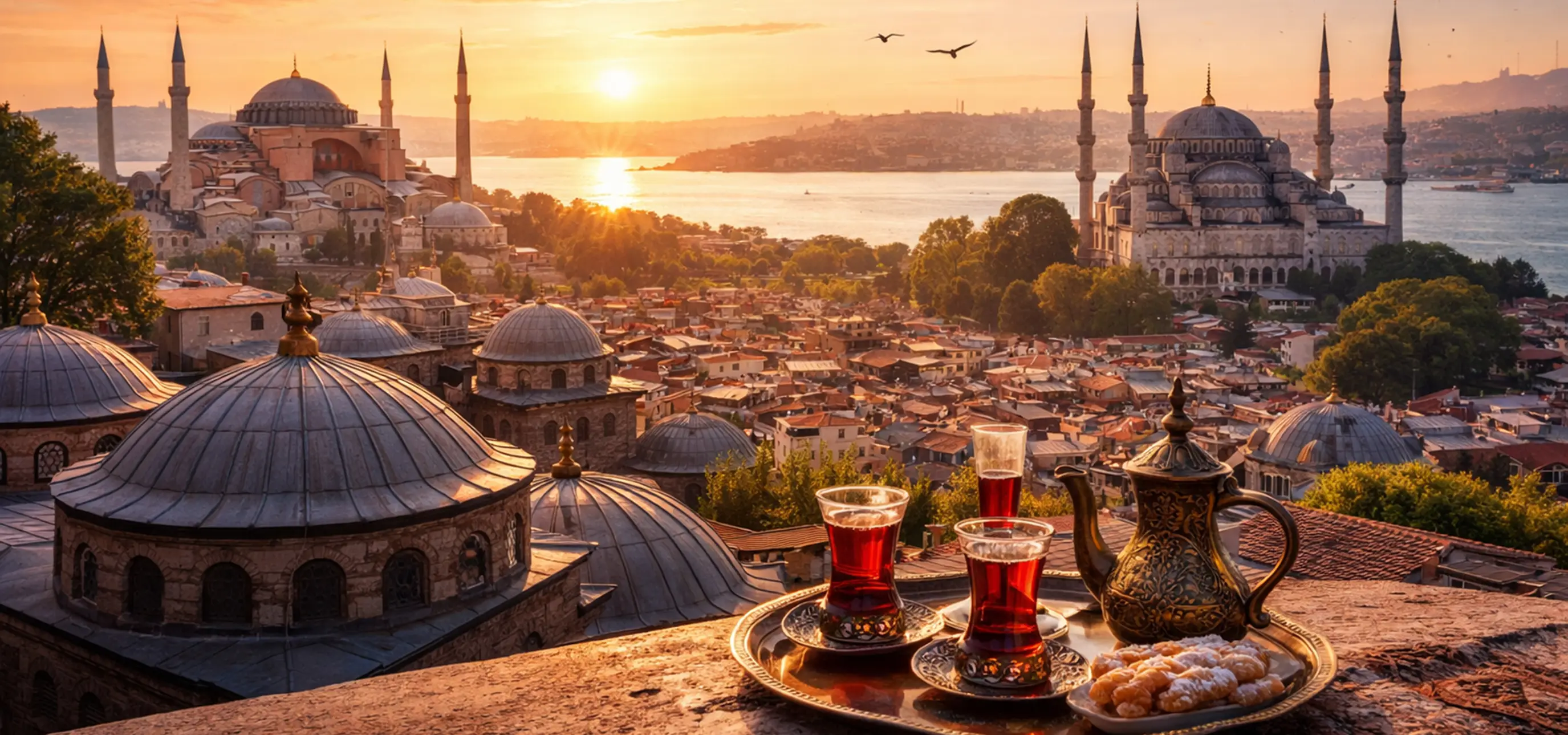
Create a private Istanbul itinerary around imperial mosques, Byzantine monuments, palaces, bazaars, Asian-side neighborhoods and the stories that connect them.
View Private Istanbul ToursConnect Atik Valide with the Bosphorus, Üsküdar's waterfront monuments and Istanbul's wider heritage landscape.
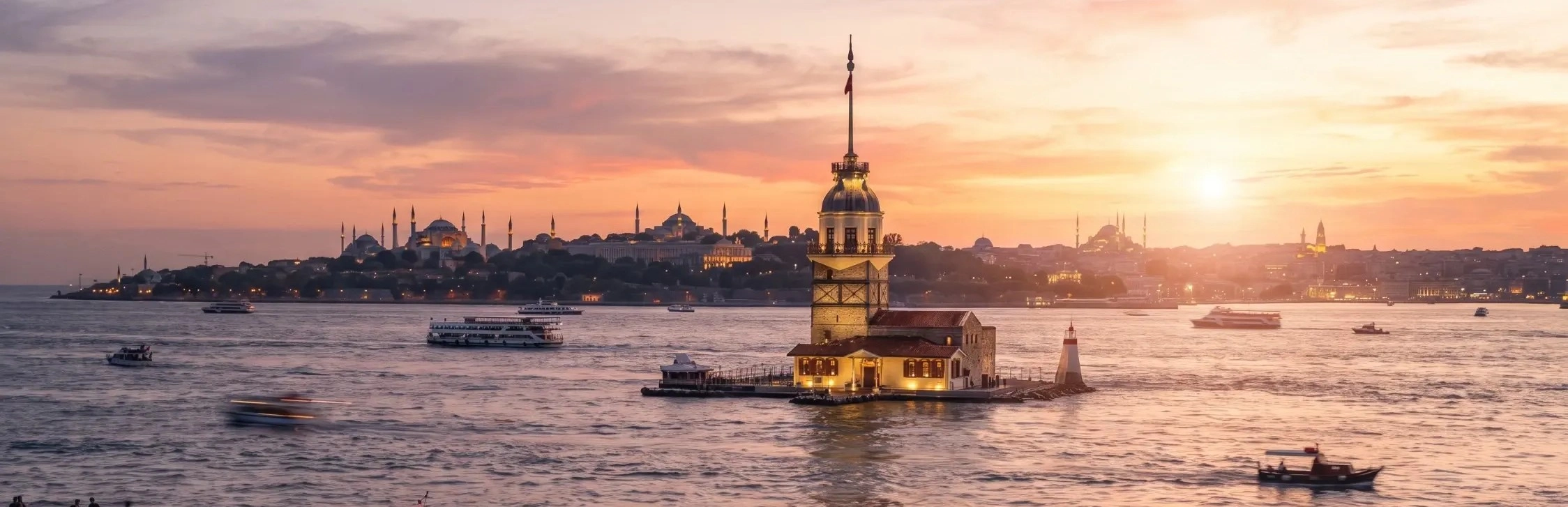
Return to the Üsküdar shore for one of Istanbul's most iconic monuments and panoramic Bosphorus views.
Explore Maiden's Tower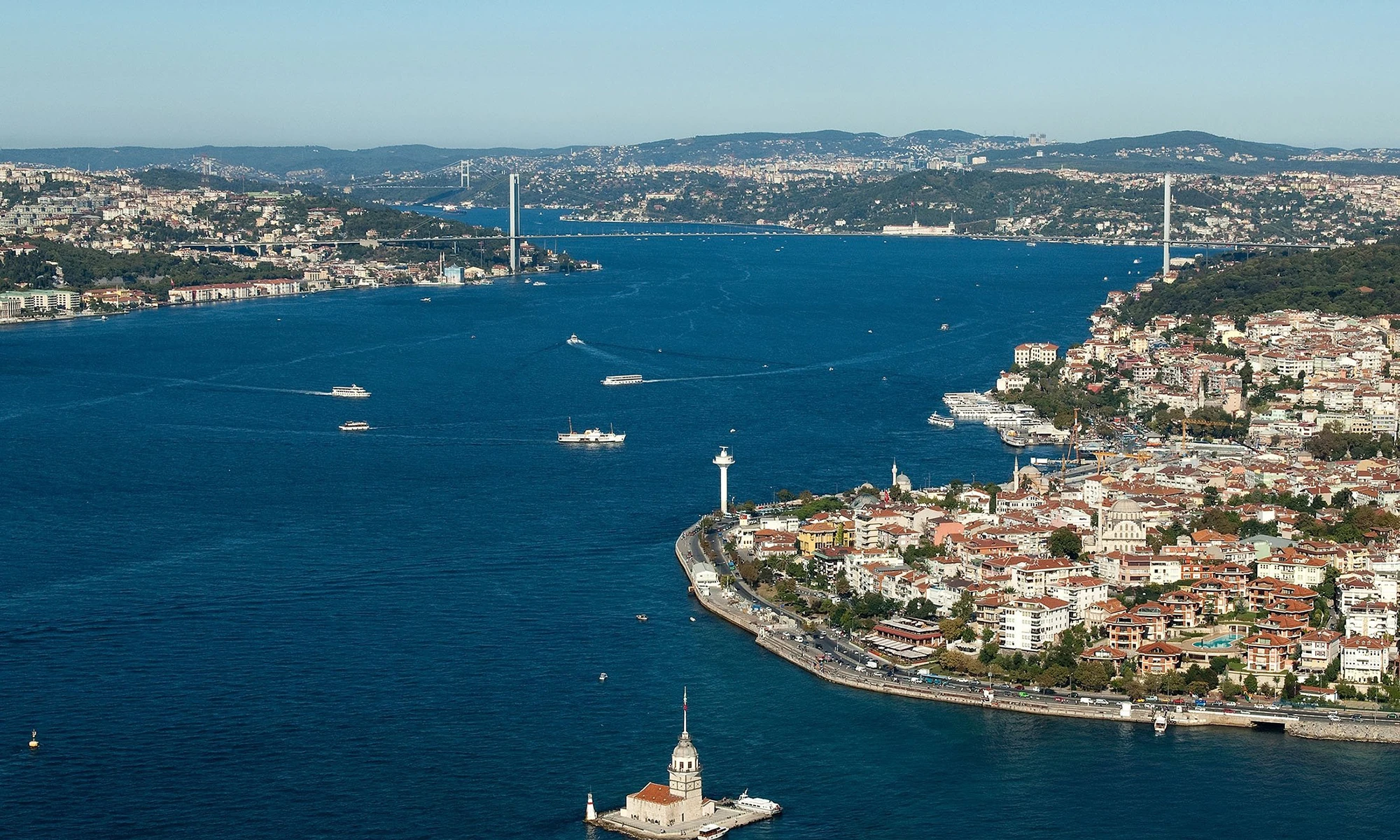
Discover waterfront mosques, local markets, hillside neighborhoods, Bosphorus views and the quieter heritage of Asian Istanbul.
Plan a Private Route
Continue across Istanbul with mosques, churches, palaces, cisterns, bazaars, archaeological sites and historic neighborhoods.
Explore Istanbul