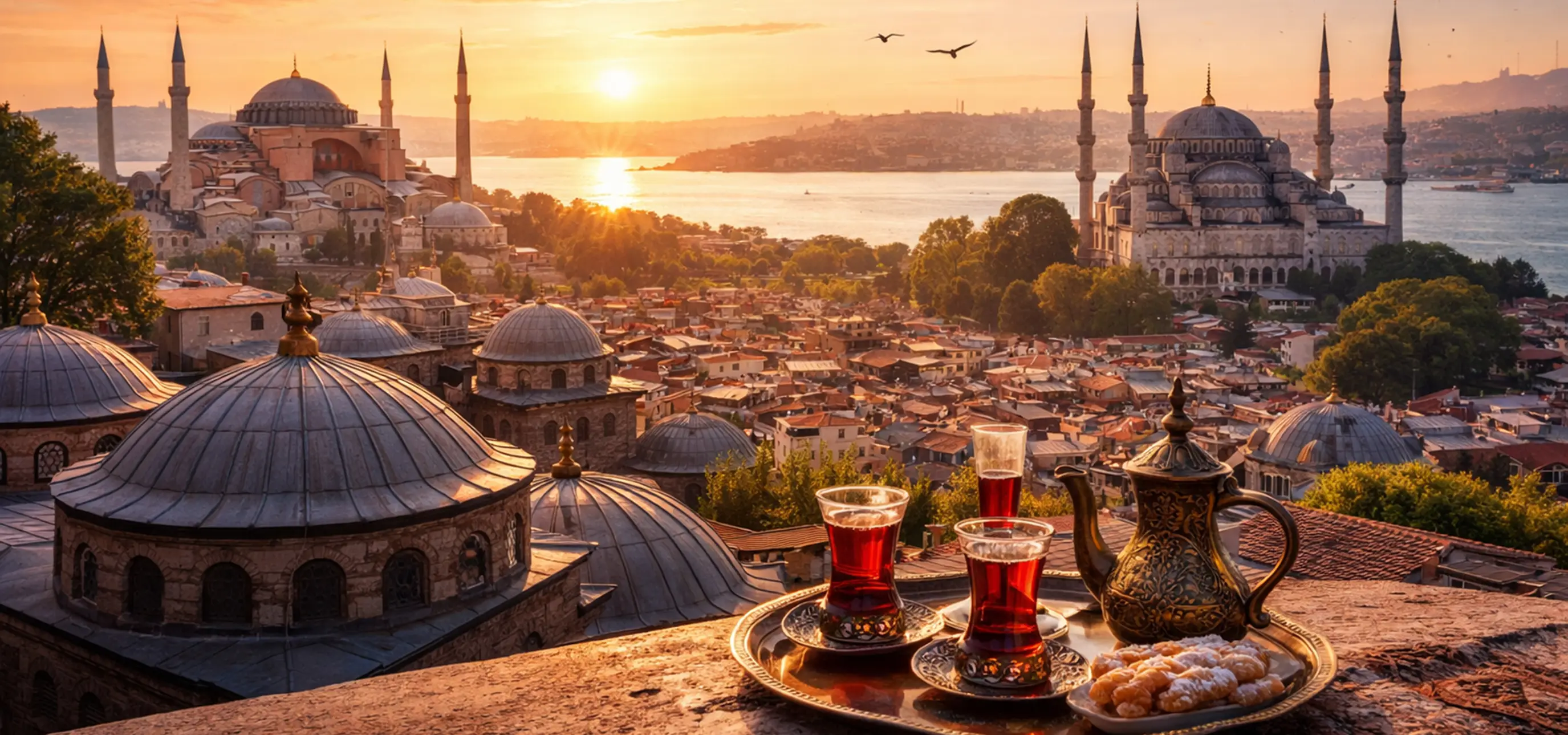
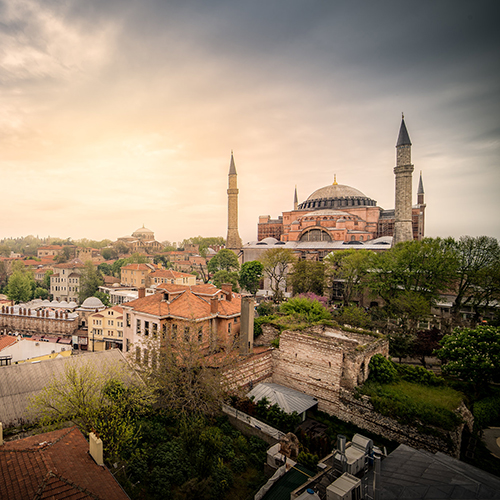
Hagia Sophia
One of Istanbul’s defining monuments, carrying the legacy of Byzantine Constantinople and the Ottoman capital.
- Essential for a first Istanbul visit
- Extraordinary imperial and religious history
- Easy to combine with Sultanahmet monuments
Discover the best places to visit in Istanbul, from Hagia Sophia, Topkapi Palace and the Grand Bazaar to Byzantine churches, Ottoman mosques, Bosphorus palaces, historic neighborhoods, museums, viewpoints and the cultural treasures of the Asian side. Whether you are visiting Istanbul for the first time or returning to explore more deeply, this guide brings the city’s most important places together in one carefully organized hub.
Istanbul is not a city that can be understood through only a handful of famous monuments. Its story stretches from ancient Byzantium and Constantinople to the Ottoman capital and the modern metropolis that now spreads across two continents. Roman columns, Byzantine cisterns, imperial mosques, royal palaces, churches, synagogues, bazaars, waterfront villages and contemporary museums all form part of the same city.
This expanded guide is designed as a master Istanbul sightseeing hub. Start with the essential attractions, then explore the city by interest: Byzantine heritage, Ottoman architecture, Christian and Jewish history, Bosphorus landmarks, traditional markets, museums, historic neighborhoods, the Asian side, parks, viewpoints and places that make rewarding excursions beyond the historic center.
A first-time visitor may naturally begin in Sultanahmet, where Hagia Sophia, the Blue Mosque, Topkapi Palace, the Hippodrome and Basilica Cistern stand within a remarkably compact historical area. But this is only the beginning.
To the west lie the surviving monuments of Byzantine Constantinople, including the city walls, Chora, Zeyrek and other former churches. Around the Golden Horn are Fener, Balat and Eyüp. Along the Bosphorus, palaces, pavilions, fortresses and waterfront districts reveal another Istanbul entirely.
Cross to Üsküdar, Kuzguncuk and Kadıköy and the atmosphere changes again. Add museums, bazaars, parks, viewpoints and the Princes’ Islands, and Istanbul becomes less a checklist of attractions and more a collection of distinct historical worlds waiting to be explored.
Start with these essential Istanbul attractions, then continue into the deeper historical and neighborhood guides below.
One of Istanbul’s defining monuments, carrying the legacy of Byzantine Constantinople and the Ottoman capital.
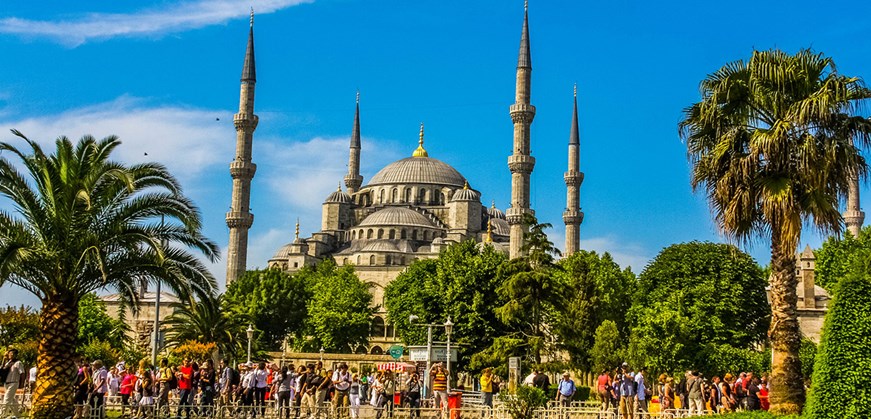
A masterpiece of classical Ottoman architecture facing Hagia Sophia across historic Sultanahmet Square.
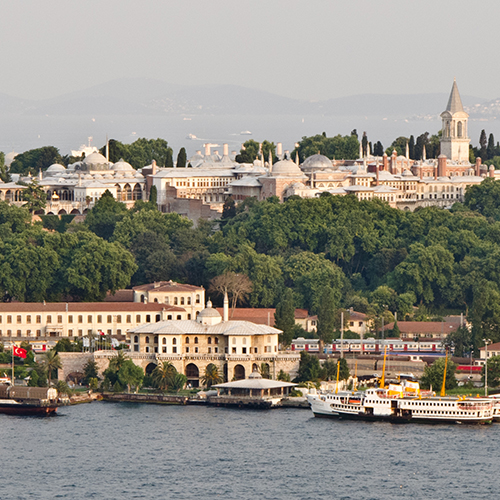
The ceremonial and administrative heart of the Ottoman Empire for centuries, overlooking the Bosphorus and Golden Horn.
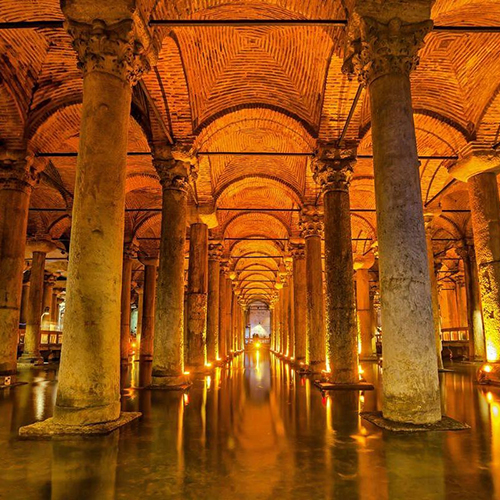
An atmospheric Byzantine water reservoir beneath the historic center, famous for its columns and Medusa heads.
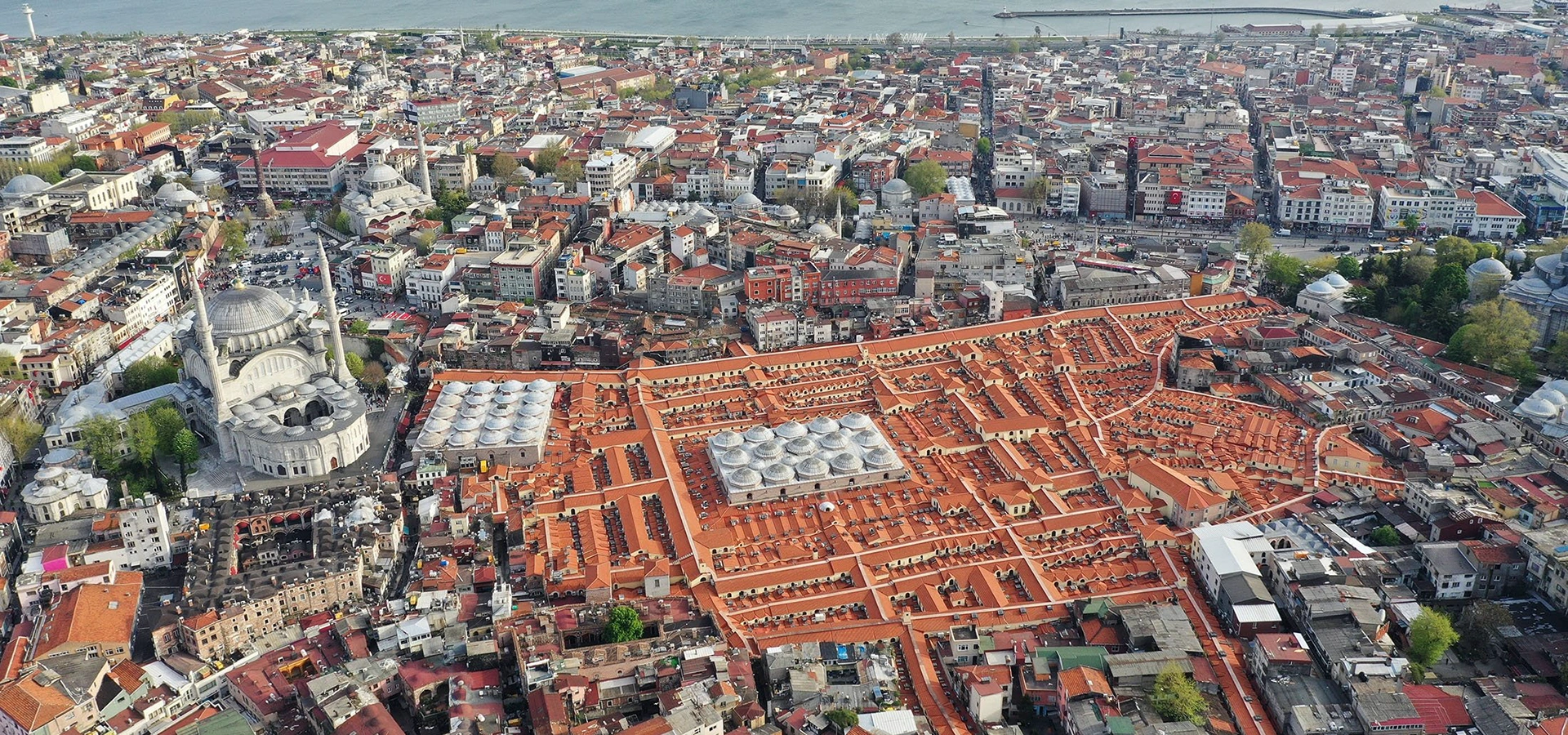
A vast covered market shaped by centuries of Ottoman commercial life, filled with lanes, hans, workshops and shops.
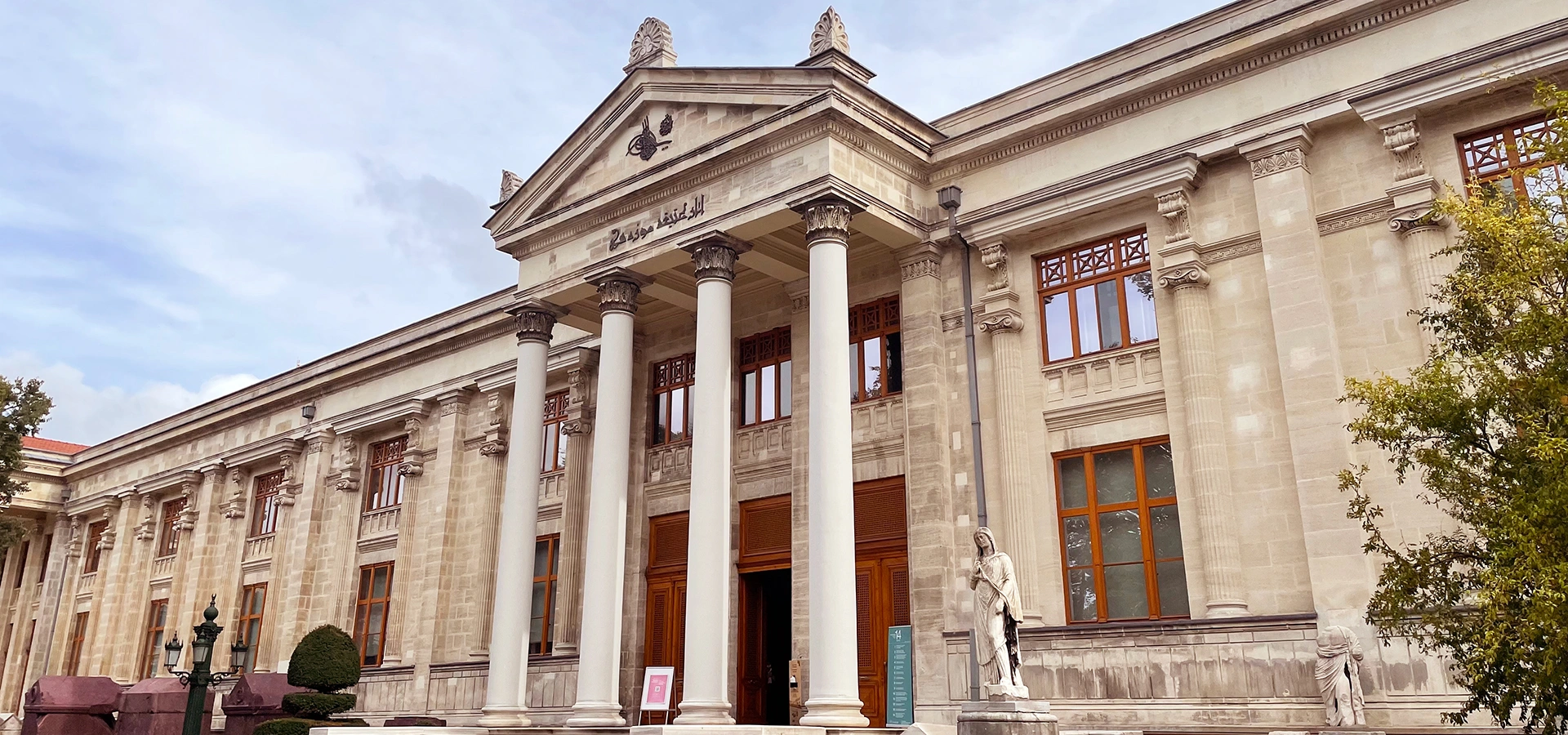
A major museum complex beside Topkapi Palace, bringing together archaeology, ancient Near Eastern collections and the Tiled Pavilion.
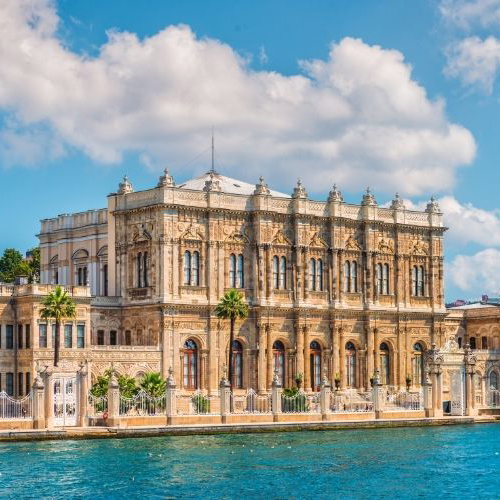
A grand nineteenth-century Ottoman palace where imperial ceremony meets a spectacular waterfront setting.
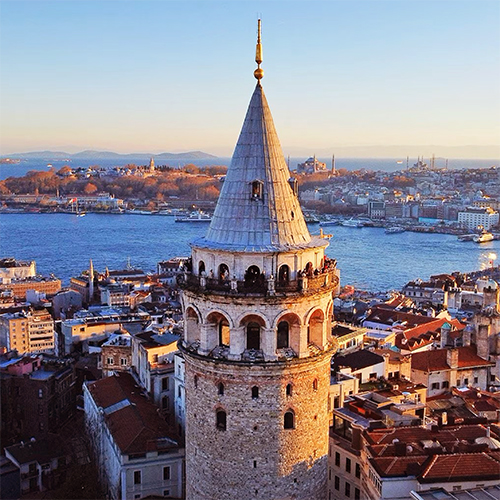
A medieval landmark above Galata with one of the most recognizable silhouettes and panoramas in Istanbul.
The waterway that defines Istanbul, lined with palaces, fortresses, waterfront mansions, villages and two continents.
Istanbul rewards different kinds of travelers in completely different ways. Choose the city you want to discover.
Begin with Hagia Sophia, Blue Mosque, Topkapi Palace, Basilica Cistern, Grand Bazaar, Galata and the Bosphorus.
Explore Chora, the city walls, former monasteries, cisterns, columns and surviving traces of the Byzantine capital.
Discover imperial mosques, palace complexes, pavilions, fortresses and neighborhoods shaped by the Ottoman centuries.
Visit historic churches, mosques and synagogues that reflect Istanbul’s long Christian, Muslim and Jewish heritage.
Combine a cruise with palaces, fortresses, Maiden’s Tower, Ortaköy, waterfront villages and panoramic viewpoints.
Explore the Grand Bazaar, Spice Bazaar, Fener-Balat, Galata, Karaköy, Eyüp and other areas full of character.
Go deeper with archaeology, Turkish and Islamic art, maritime history, modern art, industry and city history.
Discover Üsküdar, Kuzguncuk, Beylerbeyi, Çengelköy, Kadıköy, Moda and the viewpoints of the Asian shore.
Explore Istanbul by historical period, cultural interest, neighborhood and location. This section is designed to grow into the main internal-linking directory for our Istanbul travel guides.
The best places to visit in Istanbul are spread across several very different historical landscapes. For a first visit, the natural starting point is the historic peninsula, where Hagia Sophia, Blue Mosque, Topkapi Palace, Hippodrome and Basilica Cistern reveal some of the city’s most important imperial layers. Nearby, the Grand Bazaar and Spice Bazaar introduce the commercial life that has animated Istanbul for centuries.
Travelers interested in Byzantine Constantinople should continue far beyond Sultanahmet. Chora, the Walls of Constantinople, Zeyrek / Pantokrator Monastery, Little Hagia Sophia and Hagia Irene show how much of the former imperial capital still survives within the modern city. Cisterns, columns, archaeological remains and reused churches help connect the famous monuments with the wider urban history of Constantinople.
Ottoman Istanbul deserves just as much time. The city’s great mosques are not interchangeable: Suleymaniye, Rüstem Paşa, Nuruosmaniye, Eyüp Sultan, Şehzade Mosque and Sokollu Mehmed Pasha Mosque each belong to different architectural settings and historical stories. Together with imperial residences such as Topkapi, Dolmabahce, Yildiz and Beylerbeyi, they reveal how the Ottoman capital changed over several centuries.
Istanbul’s religious history is also much broader than its imperial mosques. In Fener, the Ecumenical Patriarchate and Church of St. George, the Bulgarian St. Stephen Church and St. Mary of the Mongols preserve important chapters of Orthodox Christian history. Istanbul’s Jewish heritage can be explored through Neve Shalom, Ahrida Synagogue, the Ashkenazi Synagogue and the historic quarters of Galata and Balat.
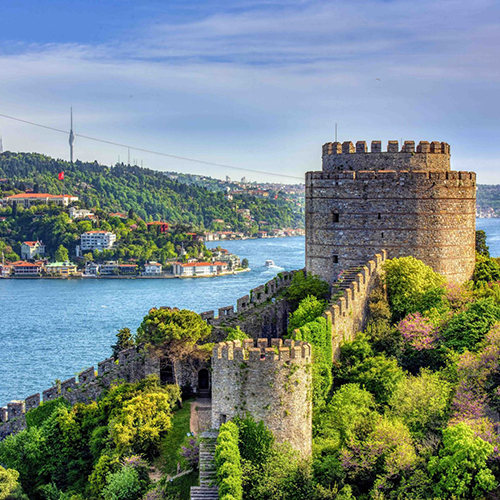
For many visitors, the Bosporus provides the most beautiful change of pace. A cruise or waterfront route links Dolmabahce Palace, Ortaköy Mosque, Rumeli Fortress, Küçüksu Pavilion, Beylerbeyi Palace and Maiden’s Tower. Between them are waterfront neighborhoods where Istanbul feels more relaxed, residential and closely connected to the sea.
Crossing to the Asian side adds another dimension. Üsküdar combines monumental mosques with classic Bosphorus views; Kuzguncuk offers an intimate neighborhood atmosphere; and Kadıköy and Moda are excellent for travelers who want to experience modern local life. For wider views, Çamlıca Hill looks back across the city from the Asian shore.
The most satisfying Istanbul itinerary usually mixes different kinds of experiences rather than spending every day inside monuments. A strong three- or four-day plan might combine the historic peninsula, one major palace, a Bosphorus cruise, one museum, one traditional market and one neighborhood outside the classic tourist center. Travelers with more time can add the Asian side, the Princes’ Islands, Byzantine sites along the land walls, or nature escapes such as Belgrad Forest and the outer Black Sea districts.
Helpful answers for planning what to see and how to organize your time in Istanbul.
A strong first visit usually includes Hagia Sophia, Blue Mosque, Topkapi Palace, Basilica Cistern, Grand Bazaar, Galata Tower, Dolmabahce Palace and a Bosphorus experience.
Three to five days gives most first-time visitors a better balance between major monuments, the Bosphorus, bazaars and neighborhoods. A week allows much deeper exploration.
Begin with Hagia Sophia and Basilica Cistern, then continue to Chora, the Theodosian Walls, Zeyrek, Little Hagia Sophia, Hagia Irene and surviving Byzantine cisterns and monuments.
Yes. Üsküdar, Kuzguncuk, Beylerbeyi, Çengelköy, Kadıköy and Moda offer a different atmosphere, excellent food, Bosphorus views and a stronger sense of everyday local life.
The Grand Bazaar and Spice Bazaar are the two essential historic markets. Arasta Bazaar, Sahaflar and Mahmutpaşa are useful additions for travelers who enjoy traditional commercial districts.
Fener-Balat, Galata-Karaköy, Beyoğlu, Kuzguncuk, Kadıköy-Moda, Ortaköy and parts of Üsküdar are especially rewarding when you want to experience Istanbul beyond individual monuments.
Yes. Seeing the city from the water helps visitors understand Istanbul’s geography while passing palaces, fortresses, waterfront mansions, bridges and neighborhoods on both continents.
Many places can be visited independently, but a licensed guide can be especially valuable at complex historical sites and when combining Byzantine, Ottoman and neighborhood history into one coherent route.
Continue planning with our Istanbul city guides, tours and Bosphorus experiences.
Tell us your travel dates, hotel, number of people and interests, and we will help you choose the best daily tour, private tour, Bosphorus experience or custom Istanbul itinerary.