Seven Centuries of Culinary Heritage in Karacasu, Aydın

Dedebağ Keşkeği – Complete Traditional Food Guide

Discover a centuries-old ceremonial dish of slow-cooked wheat and goat meat,
prepared in copper cauldrons and shared through an extraordinary tradition of generosity.

Discover Dedebağ Keşkeği

Discover the Legendary Dedebağ Keşkeği of Karacasu

Dedebağ Keşkeği, also known as Karacasu Keşkeği, is one of the most remarkable traditional foods of Aydın Province in western Türkiye. Prepared from young male goat meat, wheat, water, and salt, this distinctive regional speciality represents a culinary tradition that local accounts trace back more than seven centuries.

Unlike many contemporary versions of keşkek, the authentic Dedebağ preparation uses erkeç eti, the meat of a young male goat. The meat and wheat are cooked separately before being combined and vigorously beaten with traditional wooden implements until they develop a thick, smooth, elastic consistency.

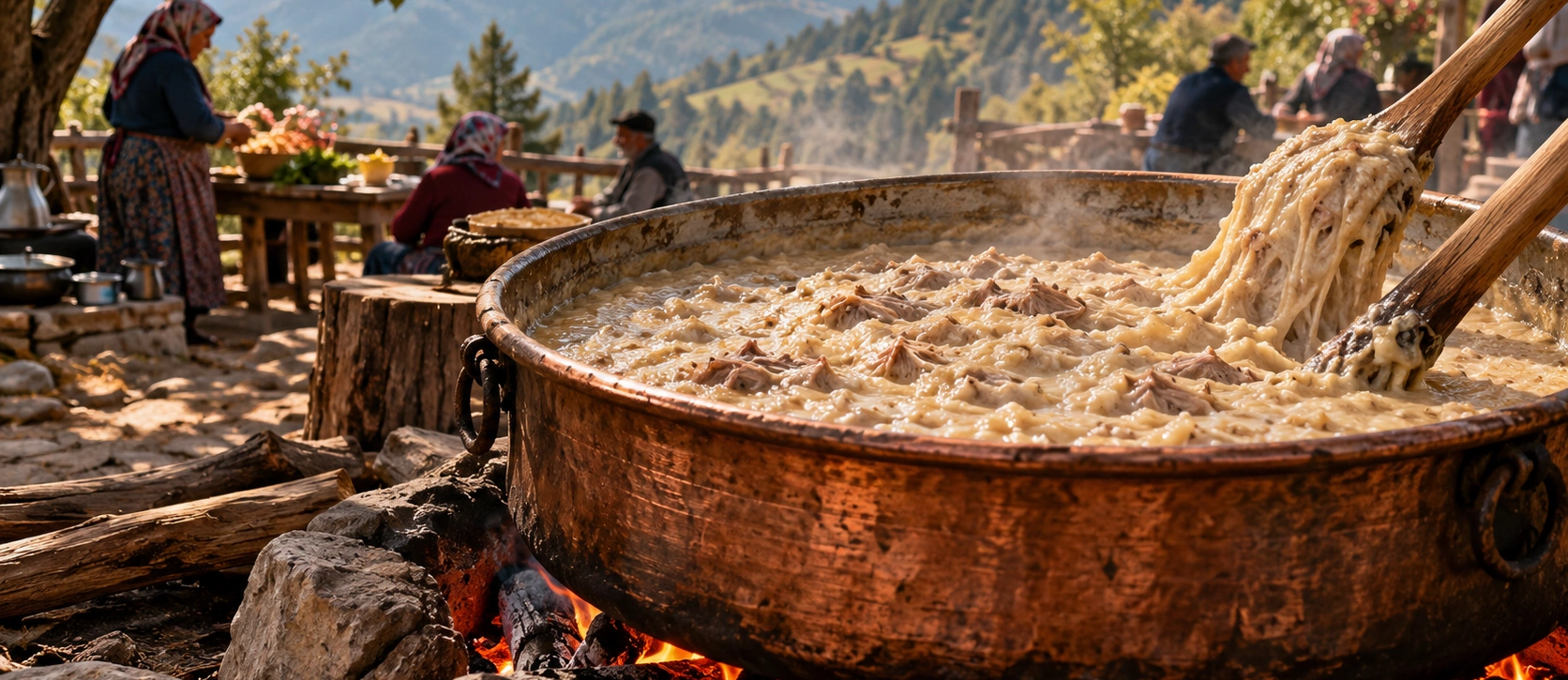
The preparation traditionally takes place in large copper cauldrons over wood fires. It requires several hours of cooking, considerable physical effort, and the coordinated work of experienced cooks and community volunteers.

Yet Dedebağ Keşkeği is much more than a regional wheat-and-meat dish. Its identity is inseparable from Dedebağ Yaylası, a highland gathering place in Karacasu, and the longstanding charitable feast known as Dedebağ Keşkek Hayrı.

According to the traditional historical account recorded in its geographical-indication registration, the custom began with a charitable figure named Dedebağ, who offered food to passing travellers, poor people, and those in need. After his death, the local community continued the practice in his memory.

Today, the annual gathering remains an important expression of hospitality, solidarity, collective work, and cultural continuity in Karacasu. Dedebağ Keşkeği received official geographical-indication recognition in 2021, confirming its distinctive ingredients, preparation techniques, and regional reputation.

This comprehensive guide explores the history of Dedebağ, the annual keşkek ceremony, the traditional ingredients, the importance of young male goat meat, copper-cauldron cooking, the seven-hour preparation, the distinctive beating technique, serving traditions, geographical protection, and practical advice for travellers visiting Karacasu.

Seven-Century Tradition

A charitable food tradition associated with Dedebağ Yaylası and the historical figure of Dedebağ.

Traditional Goat Meat

Authentic Dedebağ Keşkeği uses erkeç meat rather than the alternative meats found in other recipes.

Hand-Beaten Preparation

Wheat and meat are worked together with wooden implements until they develop an elastic texture.

Protected Culinary Heritage

Geographical-indication registration number 686, granted on 9 March 2021.

Know Before You Taste

Dedebağ Keşkeği – Quick Facts

Essential information about one of Karacasu's most significant culinary traditions and charitable gatherings.

📍

Origin

Dedebağ Yaylası, Karacasu district, Aydın Province, western Türkiye.

Explore Dedebağ Yaylası on Google Maps
🥣

Main Ingredients

Young male goat meat, wheat, water, and salt.

🔥

Traditional Method

Long cooking in copper cauldrons, followed by vigorous hand beating.

🏅

Geographical Indication

Registered as Dedebağ Keşkeği / Karacasu Keşkeği, number 686.


A Culinary Tradition of Generosity

The History of Dedebağ Keşkeği

Explore the remarkable story behind a regional food tradition passed through generations of the Karacasu community.

The historical identity of Dedebağ Keşkeği is closely connected with an individual remembered locally as Dedebağ. His story is preserved in the official geographical-indication documentation for the dish.

According to this traditional account, Dedebağ was a charitable shepherd associated with the Horasan alperenleri, a term used in Anatolian historical and cultural traditions for spiritual and pioneering figures connected with the eastward and westward movements of Turkic communities.

He is remembered for preparing food with his own hands and offering it to travellers passing through the region, people experiencing poverty, and those without family support.

This practice of preparing and distributing food eventually became associated with the location where he lived and where his tomb is traditionally identified today.

Following his death, relatives and local residents are said to have continued the charitable meal in his memory. Over the centuries, the event developed into a collective community tradition.

Local accounts describe the custom as having continued for more than seven hundred years. The annual gathering is regarded as one of the region's oldest surviving traditions of communal food preparation.

The name Dedebağ Keşkeği therefore refers not only to a particular recipe but also to a remembered individual, a highland location, and the social values associated with feeding others.

Although the historical account forms an important part of regional memory, it should be understood as a longstanding local tradition, rather than as a complete independently documented chronology of every year since its origins.

Who Was Dedebağ?

Dedebağ is remembered in the historical narrative of Karacasu as a generous individual whose hospitality created a tradition that outlived him by centuries.

A Shepherd by Occupation

The official registration describes Dedebağ as a person whose primary occupation was shepherding.

Connection with Horasan

Local tradition associates him with the Horasan alperenleri remembered in Anatolian cultural history.

Hospitality to Travellers

He is remembered for offering handmade meals to caravans and other people travelling through the region.

Helping Those in Need

The charitable meals were also associated with supporting poor and vulnerable members of the community.

The Dedebağ Tomb

The location traditionally identified as his burial place lies in the highland area that bears his name.

A Living Tradition

Local residents continued preparing and distributing keşkek in his memory, maintaining the charitable custom.


The enduring importance of Dedebağ comes from the values attached to his story: generosity, sharing, hospitality, and responsibility towards others.

These values remain central to the annual gathering, making the meal an expression of community identity rather than simply a regional culinary speciality.

Dedebağ Yaylası – The Historic Highland Setting

Dedebağ Yaylası is the highland area in Karacasu district traditionally associated with the Dedebağ charitable feast.

The location has special cultural significance because it contains the site identified with Dedebağ's tomb and serves as the traditional setting for the annual gathering.

A Highland Gathering Place

The natural setting provides the surroundings for one of the region's most recognisable community events.

Traditional Cooking Grounds

Large cooking cauldrons are prepared for the communal feast during the annual event.

The Dedebağ Tomb

The burial place associated with the historical figure gives the location additional cultural meaning.

Community Meeting Point

Residents and visitors gather to participate in the charitable food-sharing tradition.


For visitors, the significance of Dedebağ Yaylası lies in the relationship between landscape, food, local history, and community memory.

Travellers planning to attend the annual feast should check the event arrangements in advance. Access, parking, and visitor facilities may vary between ordinary days and the event.

Find Dedebağ Yaylası on Google Maps

The Annual Dedebağ Keşkek Hayrı

The Dedebağ Keşkek Hayrı is the annual charitable gathering that preserves the traditional preparation and distribution of Dedebağ Keşkeği.

It traditionally takes place during the final week of August at Dedebağ Yaylası in Karacasu district. The precise date can change, so visitors should consult current local announcements.

Preparation involves large quantities of wheat and goat meat, numerous copper cauldrons, experienced cooks, and volunteers working together.

Collective Preparation

Volunteers help obtain ingredients, prepare equipment, and organise the cooking process.

Large Copper Cauldrons

Traditional cauldrons make it possible to prepare substantial quantities for communal service.

Wood-Fire Cooking

The traditional method uses firewood and carefully managed heat during the long preparation.

Keşkek Dövme

Teams beat and stir the meat-and-wheat mixture with wooden implements to achieve its distinctive texture.

Charitable Distribution

The completed keşkek is distributed to participants as part of the traditional feast.

Community Solidarity

The gathering brings people together through shared work, hospitality, remembrance, and generosity.


The Centuries-Old Tradition in Modern Times

The annual event continues to attract substantial participation from Karacasu and surrounding communities.

On 30 August 2026, local reporting described the celebration as the 744th Dedebağ Keşkek Hayrı. The event featured communal preparation, charitable food distribution, and gatherings around Dedebağ Yaylası.

This numbered anniversary reflects the locally maintained chronology of the tradition. Its continued observance illustrates the strong cultural attachment that the community maintains to its historic feast.

İmece – The Community Tradition Behind Dedebağ Keşkeği

One of the most meaningful features of Dedebağ Keşkeği is its close connection with the Turkish tradition known as imece.

İmece refers to collective, cooperative work undertaken for a shared purpose. In rural Anatolian communities, this approach has historically helped people complete agricultural, social, and communal tasks.

Preparing Dedebağ Keşkeği on a ceremonial scale is an excellent example of this tradition in practice.

Sharing Responsibilities

Different participants contribute to purchasing, preparing, cooking, and distributing the food.

Physical Cooperation

The demanding beating process benefits from coordinated teamwork and experienced participants.

Passing Down Knowledge

Experienced cooks demonstrate the techniques needed to prepare the traditional keşkek.

Serving the Community

The finished meal is prepared for sharing, maintaining the charitable identity of the event.


The finished dish is therefore the result of more than individual cooking skill. It represents the combined effort of a community working towards a common goal.

What Makes It Special

Distinctive Features of Authentic Dedebağ Keşkeği

The registered regional recipe has several defining characteristics that distinguish it from other varieties of keşkek.

Traditional Erkeç Goat Meat

The registered recipe specifies meat from young male goats, locally called erkeç. This is essential to the identity and flavour of authentic Dedebağ Keşkeği.

  • Meat: Young male goat
  • Turkish name: Erkeç eti
  • Registered method: No alternative meat

Traditional Wheat

Aşurelik or yarma wheat forms the other major component of the dish. Extended cooking and beating gradually transform the wheat into a thick, cohesive mixture.

  • Ingredient: Prepared wheat
  • Types: Aşurelik or yarma
  • Purpose: Creates the main texture

Equal Meat and Wheat

The traditional recipe specifies equal quantities of meat and wheat by weight. This ratio is fundamental to the registered preparation.

  • Ratio: One part meat
  • Wheat: One part wheat
  • Example: 20 kg meat and 20 kg wheat

Traditional Copper Cauldrons

Large copper cauldrons are closely associated with the customary preparation. They provide the traditional setting for the long cooking and beating process.

  • Equipment: Copper cauldrons
  • Turkish: Bakır kazan
  • Use: Cooking and beating

Wood-Fire Cooking

The keşkek is traditionally prepared over a wood fire. This method contributes to the characteristic cooking experience and subtly smoky flavour.

  • Heat source: Firewood
  • Method: Prolonged cooking
  • Character: Traditional hearth flavour

Traditional Hand Beating

Wooden paddles and beaters are used to break down the cooked meat and wheat until the ingredients become thoroughly integrated.

  • Technique: Keşkek dövme
  • Implements: Wooden beaters
  • Mechanical equipment: Not used

Extended Preparation Time

The registered method describes approximately seven hours of cooking and repeated beating to create the required texture.

  • Cooking: Approximately 7 hours
  • Process: Repeated stirring and beating
  • Skill: Experienced preparation

Distinctive Elastic Texture

Properly prepared Dedebağ Keşkeği develops a dense, smooth, cohesive consistency, traditionally described as sakız gibi, meaning gum-like or elastic.

  • Texture: Thick and cohesive
  • Appearance: Smooth and integrated
  • Traditional description: Sakız gibi

Dedebağ Keşkeği's Geographical Indication

Dedebağ Keşkeği / Karacasu Keşkeği is officially registered by the Turkish Patent and Trademark Office, known as TÜRKPATENT.

The product is recognised as a Mahreç İşareti, a Turkish geographical-indication category identifying a product whose reputation, characteristics, or traditional production are connected to a particular region.

Registered Name

Dedebağ Keşkeği / Karacasu Keşkeği

Registration Number

686

Registration Date

9 March 2021

Application Date

1 October 2019

Registered Institution

Nazilli Chamber of Commerce

Geographical Boundary

Karacasu district, Aydın Province


What Does the Registration Protect?

The official product specification documents the ingredients, production method, characteristics, traditional beating process, and regional reputation of Dedebağ Keşkeği.

Authentic registered production requires young male goat meat, wheat, water, and salt, together with the traditional cooking and hand-beating method.

Because the preparation depends on established regional skills, all production stages of the geographically indicated product must take place within Karacasu district.

The protected name and geographical-indication emblem are subject to the rules described in the registration. Compliance is monitored under the coordination of Nazilli Chamber of Commerce.

View the Official TÜRKPATENT Registration

Read the Traditional Recipe and Specification from Nazilli Chamber of Commerce

Ingredients Used in Authentic Dedebağ Keşkeği

The registered Dedebağ Keşkeği recipe is remarkably simple. Its distinctive character comes not from numerous seasonings but from traditional ingredients, extended cooking, and skilled physical preparation.

The official specification identifies four principal ingredients: erkeç goat meat, wheat, water, and salt.

Young Male Goat Meat

Meat from young male goats, known locally as erkeç. The registered preparation specifies this meat exclusively.

Aşurelik or Yarma Wheat

Prepared wheat suitable for prolonged cooking, used in the same weight as the goat meat.

Water

Water is needed for boiling the meat and wheat. Locally sourced spring water is traditionally preferred.

Salt

Salt seasons the combined ingredients during the cooking and beating process.


Traditional Ingredient Proportions

The official registration provides an example designed for large-scale communal preparation.

Goat Meat 20 kilograms of erkeç meat
Wheat 20 kilograms of aşurelik or yarma wheat
Salt Approximately 500 grams for the registered example using 20 kilograms of meat
Water Sufficient for cooking the ingredients, preferably from a regional spring source
Meat-to-Wheat Ratio One to one by weight

These quantities illustrate the registered traditional preparation, not a typical household-size recipe. Smaller home batches require appropriate adjustment of equipment, water, heat, and cooking technique.

Important: The main registered recipe does not contain chicken, beef, lamb, onions, or other flavouring vegetables. Some of those ingredients appear in different regional varieties of keşkek, but Dedebağ Keşkeği has its own specification.

Why Is Erkeç Goat Meat Essential to Dedebağ Keşkeği?

The use of erkeç eti is one of the most significant distinguishing features of authentic Dedebağ Keşkeği.

The geographical-indication specification describes the use of carcass meat from young male goats. Animals reaching approximately 20 kilograms in carcass weight are generally preferred.

This meat contributes the distinctive savoury character of the dish and becomes fully integrated with the wheat during the prolonged cooking and beating process.

Specific Meat Selection

The registered recipe identifies young male goats rather than using a generic meat category.

Distinctive Savoury Taste

Goat meat contributes the characteristic flavour associated with the traditional preparation.

Long Cooking

The meat is cooked until suitable for hand separation and incorporation into the wheat.

Integrated Final Texture

Repeated beating combines the meat fibres with the softened wheat into one cohesive mixture.


In many other parts of Türkiye, keşkek can be prepared with lamb, beef, or chicken. These versions belong to a wider family of Anatolian wheat-and-meat dishes.

However, the authentic geographically indicated Dedebağ preparation specifically requires erkeç goat meat. Replacing it changes an essential characteristic of the registered dish.

The Importance of Wheat in Dedebağ Keşkeği

Wheat is the second principal ingredient in Dedebağ Keşkeği and provides the structure needed to achieve its thick, elastic consistency.

The official recipe permits aşurelik wheat or yarma wheat, both familiar ingredients in traditional Turkish cooking.

Traditional Grain

Wheat has long been one of the principal agricultural ingredients of Anatolian food culture.

Separate Initial Cooking

The wheat is initially boiled separately from the goat meat in traditional cauldrons.

Transformation Through Heat

Extended cooking softens the grain before the ingredients are worked together.

Final Elastic Structure

Continuous beating helps the softened wheat and meat form a smooth, cohesive texture.


The aim is not to leave the finished dish as separate grains of wheat mixed with pieces of meat. Instead, the ingredients should become thoroughly integrated into a unified consistency.

Copper Cauldrons, Wood Fires, and Wooden Beaters

The equipment used to prepare Dedebağ Keşkeği is an important part of the culinary tradition.

The registered method describes cooking in copper cauldrons over wood fires and working the ingredients with food-safe wooden implements.

Bakır Kazan

Large copper cauldrons provide the traditional cooking vessel for the preparation.

Odun Ateşi

Firewood is used as the traditional heat source during the extended cooking process.

Wooden Paddles

Flat wooden implements help stir and beat the cooked wheat and meat.

Wooden Beaters

Traditional wooden beaters provide the physical force needed for the distinctive keşkek dövme process.


Why Are Mechanical Tools Not Used?

The registered tradition specifically describes the manual preparation of Dedebağ Keşkeği. Mechanical or electrical beating equipment is not used in this method.

The hand-beating technique reflects the skills, teamwork, and physical labour that have traditionally been associated with the dish.

This distinction is particularly important because modern kitchen appliances can produce superficially similar textures without reproducing the original cooking process.

How Dedebağ Keşkeği Is Traditionally Prepared

Preparing authentic Dedebağ Keşkeği is a demanding process that begins before the day of serving.

The following explanation follows the production sequence documented in the official geographical-indication specification.

1. Begin Preparations the Previous Day Organise the ingredients, copper cauldrons, wood fuel, cooking utensils, and participants
2. Prepare the Goat Meat Select the traditional young male goat meat required by the recipe
3. Prepare the Wheat Use the appropriate quantity of aşurelik or yarma wheat
4. Establish the Cooking Fires Prepare the traditional wood-fire cooking area and copper cauldrons
5. Boil the Meat Cook the goat meat separately in a copper cauldron until it is sufficiently tender
6. Boil the Wheat Cook the wheat separately in water until the grains become soft
7. Clean the Cooked Meat Remove bones, unwanted fat, and sinew by hand from the boiled meat
8. Separate the Meat Tear the cleaned, cooked meat into smaller pieces by hand
9. Combine the Ingredients Place the cooked wheat and prepared meat together in the cauldron
10. Add Salt Season the mixture according to the traditional proportions
11. Begin Beating Use food-safe wooden implements to beat and stir the combined ingredients
12. Continue Working the Mixture Repeatedly beat and stir the wheat and goat meat as the cooking continues
13. Develop the Traditional Consistency Continue until the meat fibres and wheat become thoroughly integrated
14. Complete the Long Cooking Process The registered method describes approximately seven hours of cooking and beating
15. Check the Final Texture The finished keşkek should be thick, smooth, cohesive, and elastic rather than watery
16. Prepare for Serving Transfer the finished keşkek into appropriate serving portions
17. Add Traditional Accompaniments Serve with the characteristic accompaniments where desired, including tarator or red-pepper butter
18. Share the Meal At the traditional charitable gathering, distribute the prepared food to participants

The duration and skill required to produce authentic Dedebağ Keşkeği help explain why its preparation has historically depended on community cooperation.

For food safety, all meat must be thoroughly cooked, bones carefully removed, and hot food held at safe temperatures until serving. Traditional cooking times should not replace appropriate food-safety checks.

Keşkek Dövme – The Art of Beating Wheat and Meat

Keşkek dövme, literally meaning "beating keşkek", is the technique at the heart of Dedebağ Keşkeği's identity.

After the wheat and meat are cooked separately, the ingredients are combined and repeatedly beaten and stirred with traditional wooden implements.

The objective is to break down the ingredients until they no longer remain distinct pieces of grain and meat.

Breaking Down the Meat

Beating separates the cooked goat meat into fine fibres that become integrated into the wheat.

Transforming the Wheat

The softened grain gradually loses its separate structure during repeated stirring and beating.

Creating Elasticity

The ingredients develop the thick, cohesive quality described locally as sakız gibi.

Working as a Team

The demanding process requires physical effort and traditionally involves the cooperation of multiple participants.


What Does "Sakız Gibi Keşkek" Mean?

In Turkish, sakız gibi literally means "like gum". In describing keşkek, the expression refers to the desirable elastic, cohesive quality of a properly beaten dish.

The finished mixture should not resemble a thin soup or a bowl of individual wheat grains.

Instead, the meat and wheat should become so thoroughly integrated that they form a smooth, dense, slightly stretching consistency.

Local culinary knowledge holds that careful, vigorous, prolonged beating improves the final result.

Why Does Dedebağ Keşkeği Take Approximately Seven Hours?

The registered Dedebağ method describes a preparation involving approximately seven hours of cooking and repeated beating.

The extended duration serves several purposes. It allows the ingredients to soften, become integrated, and develop the dense, traditional consistency.

Complete Softening

The wheat and goat meat require adequate cooking before they can be fully integrated.

Gradual Texture Development

Repeated beating progressively transforms the mixture into its characteristic consistency.

Traditional Cooking Skill

Experienced cooks manage the heat, moisture, and repeated beating throughout preparation.

Collective Effort

The lengthy process creates opportunities for volunteers to contribute to the communal meal.


Actual preparation time can depend on the quantity of ingredients, size of the cauldron, strength of the fire, and condition of the meat and wheat.

The official duration should therefore be understood as a feature of the traditional registered preparation, not as a universal timer for every modern kitchen.

What Does Dedebağ Keşkeği Taste Like?

Dedebağ Keşkeği offers a substantial, savoury eating experience built around wheat, goat meat, and prolonged cooking.

Its flavour is relatively simple in terms of added seasonings, but the traditional ingredients and extended preparation create considerable depth.

Rich Goat-Meat Flavour

Erkeç meat gives the dish its distinctive savoury character.

Mild Wheat Notes

The cooked grain provides a gentle, comforting base for the stronger meat flavour.

Dense Consistency

The finished keşkek is substantial and cohesive rather than thin or broth-like.

Elastic Texture

Proper beating produces a slightly stretching consistency that distinguishes the traditional dish.

Subtle Smokiness

Traditional wood-fire cooking can contribute a characteristic hearth-cooked flavour.

Additional Serving Flavours

Garlic-pepper tarator and optional red-pepper butter can provide aromatic contrast.


Unlike a typical grain dish served with separate pieces of meat, Dedebağ Keşkeği is defined by the complete integration of its principal ingredients.

Its texture is as important to the experience as its flavour.

How Dedebağ Keşkeği Is Traditionally Served

Authentic Dedebağ Keşkeği is served after the meat and wheat have reached their required thick, cohesive texture.

The registered specification mentions several traditional serving accompaniments that may be offered alongside the completed dish.

Traditional Keşkek Thick, hot, hand-beaten wheat and goat meat, prepared until fully integrated
Tarator A regional accompaniment made with fresh peppers, olive oil, and garlic
Red-Pepper Butter Melted butter mixed with ground red pepper, optionally served hot over the keşkek
Communal Distribution During the traditional charitable feast, the prepared keşkek is shared among participants

The Importance of the Accompaniments

The simple wheat-and-meat base makes the serving accompaniments particularly noticeable.

Garlic, fresh peppers, olive oil, and optional red-pepper butter introduce contrasting aromas and textures without changing the principal ingredients of the keşkek itself.

These should be understood as serving components rather than additional ingredients required for cooking the main dish.

What Is the Tarator Served with Dedebağ Keşkeği?

The official Dedebağ Keşkeği specification describes a traditional accompaniment known locally as tarator.

In this context, tarator is prepared using fresh peppers, olive oil, and garlic.

It is important not to confuse this regional preparation with every other food called tarator. Across Turkish and neighbouring cuisines, the name may describe different sauces and accompaniments.

Fresh Peppers

Provide a fresh vegetable character and a contrast to the dense keşkek.

Garlic

Adds a pronounced aromatic flavour to the accompaniment.

Olive Oil

Brings richness and connects the accompaniment with Aegean culinary traditions.

Serving Purpose

Offers freshness and flavour contrast alongside the traditional keşkek.


The registered specification identifies these ingredients but does not provide a detailed measured recipe for the accompaniment.

How Is Dedebağ Keşkeği Different from Other Turkish Keşkek?

Keşkek is prepared in different forms throughout Türkiye. Many communities serve wheat-and-meat dishes at weddings, religious gatherings, communal celebrations, and charitable events.

Dedebağ Keşkeği belongs to this wider culinary tradition but possesses its own registered regional characteristics.

Meat Selection Dedebağ Keşkeği specifically uses young male goat meat; other varieties may use chicken, lamb, or beef
Ingredient Proportions The Dedebağ recipe specifies equal weights of meat and wheat
Main Ingredients Goat meat, wheat, water, and salt; other regional recipes may contain additional ingredients
Preparation Technique Extended traditional hand beating with wooden implements is central to Dedebağ Keşkeği
Traditional Equipment Copper cauldrons and wood fires are associated with the registered method
Cultural Setting Dedebağ Keşkeği is closely connected to the charitable feast at Dedebağ Yaylası
Geographical Identity The geographically indicated product is associated with Karacasu district in Aydın Province

These differences explain why not every dish labelled "keşkek" can accurately be described as authentic Dedebağ Keşkeği.

Dedebağ Keşkeği and UNESCO's Ceremonial Keşkek Heritage

Dedebağ Keşkeği belongs to the broader tradition of ceremonial keşkek found in many parts of Türkiye.

In 2011, UNESCO inscribed the Ceremonial Keşkek Tradition of Türkiye on the Representative List of the Intangible Cultural Heritage of Humanity.

The UNESCO recognition concerns the wider ceremonial practice, including communal cooking, shared responsibilities, social gatherings, and the transmission of culinary knowledge.

Community Cooking

Keşkek preparation frequently involves multiple people working together during communal events.

Ceremonial Traditions

The wider practice is associated with weddings, celebrations, and religious gatherings.

Cultural Transmission

Experienced cooks pass preparation knowledge and techniques to younger generations.

Shared Social Identity

Preparing and distributing food strengthens relationships and a sense of belonging.


UNESCO Heritage and Geographical Indication Are Different

It is important to distinguish between two separate forms of cultural recognition.

UNESCO's 2011 inscription recognises the broader ceremonial keşkek tradition of Türkiye.

The 2021 TÜRKPATENT registration, on the other hand, specifically protects Dedebağ Keşkeği / Karacasu Keşkeği as a geographically indicated regional product.

These recognitions are related in cultural meaning, but they are not the same designation. Dedebağ Keşkeği is a regional expression of the wider ceremonial keşkek heritage.

Discover UNESCO's Ceremonial Keşkek Tradition

Why Dedebağ Keşkeği Matters to Karacasu

Dedebağ Keşkeği is an important part of Karacasu's cultural identity because it combines cooking, memory, community cooperation, and charity.

Its significance extends beyond flavour and traditional culinary techniques.

A Tradition of Generosity

The dish is associated with feeding travellers and people in need.

Respect for Local History

The Dedebağ story connects the dish with the cultural memory of Karacasu.

Community Cooperation

The preparation illustrates the importance of imece and collective responsibility.

Traditional Cooking Skills

Hand beating, fire management, and texture assessment require experience.

Intergenerational Knowledge

The ceremony creates opportunities for younger people to observe traditional practices.

Regional Recognition

Geographical-indication protection formally recognises the dish's established relationship with Karacasu.


The continuation of this tradition demonstrates how a regional food can become a lasting symbol of community belonging.

Where to Taste Dedebağ Keşkeği

Travellers interested in authentic Dedebağ Keşkeği should begin in Karacasu district, where the traditional preparation is part of the region's cultural identity.

The most distinctive opportunity is the annual charitable gathering traditionally held at Dedebağ Yaylası during late August.

Dedebağ Keşkek Hayrı

The annual charitable gathering offers a direct connection to the traditional ceremonial preparation.

Karacasu Town

Ask local restaurants and residents about the availability of traditional Dedebağ Keşkeği.

Traditional Community Events

Regional gatherings and charitable meals may provide opportunities to experience keşkek.

Local Culinary Experiences

A specially arranged visit may offer an opportunity to learn about the registered method.


Authentic Dedebağ Keşkeği should not be assumed to be available at every restaurant throughout the year. The traditional method is labour-intensive and often connected with special gatherings.

Contact local establishments or organisers before travelling specifically to taste the dish.

Explore Karacasu on Google Maps

Practical Tips for Experiencing Dedebağ Keşkeği

Use the Turkish Name

Ask for Dedebağ Keşkeği or Karacasu Keşkeği when seeking the traditional dish.

Check Festival Dates

The charitable feast is traditionally held in late August. Confirm the precise date each year.

Arrive Prepared

Large gatherings can attract substantial crowds. Follow local parking and access arrangements.

Respect the Tradition

Remember that the annual event is a charitable and culturally meaningful gathering.

Ask About the Meat

Authentic Dedebağ Keşkeği uses erkeç goat meat, not the alternative meats of other recipes.

Observe the Preparation

When permitted, watch the traditional beating process to appreciate the physical skill involved.

Try the Accompaniments

Ask about the regional tarator and optional red-pepper butter.

Combine Food with Heritage

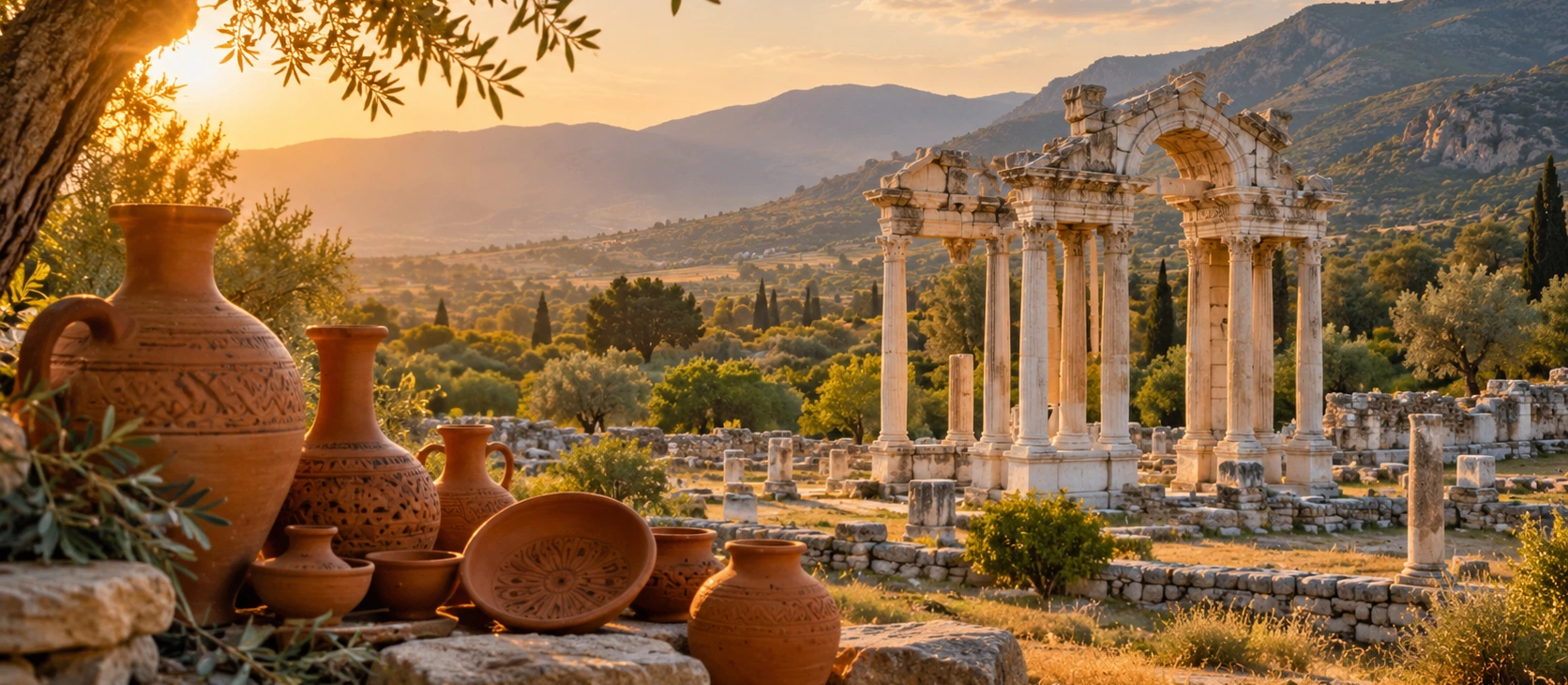
Visit Karacasu, discover traditional pottery, and explore nearby Aphrodisias.

Other Traditional Foods to Try Around Karacasu

Dedebağ Keşkeği belongs to a wider culinary landscape shaped by wheat production, rural animal husbandry, traditional baking, olive cultivation, and the hospitality of western Anatolia.

Karacasu Pide

A local expression of Aydın's rich pide-making tradition, associated with traditional baking skills.

Nazilli Pide

A celebrated regional variety of Turkish pide associated with nearby Nazilli.

Aydın Yuvarlaması

A traditional dish featuring small meat-based pieces in a savoury broth.

Memecik Olive Oil

Aegean olive oil associated with the widely cultivated Memecik olive variety.

Aydın Figs

The province's celebrated figs are enjoyed fresh, dried, and in traditional sweet preparations.

Nazilli Snow Halva

A refreshing regional speciality associated with mountain snow and sweet fruit syrup.

Places to Visit Around Dedebağ and Karacasu

A visit to Karacasu can combine the remarkable Dedebağ culinary tradition with ancient history, traditional crafts, countryside scenery, and the cultural heritage of Aydın.

Dedebağ Yaylası

Discover the highland location associated with the centuries-old charitable feast and the Dedebağ tradition.

Karacasu Town

Explore the traditional town atmosphere, local shops, regional food culture, and surrounding landscapes.

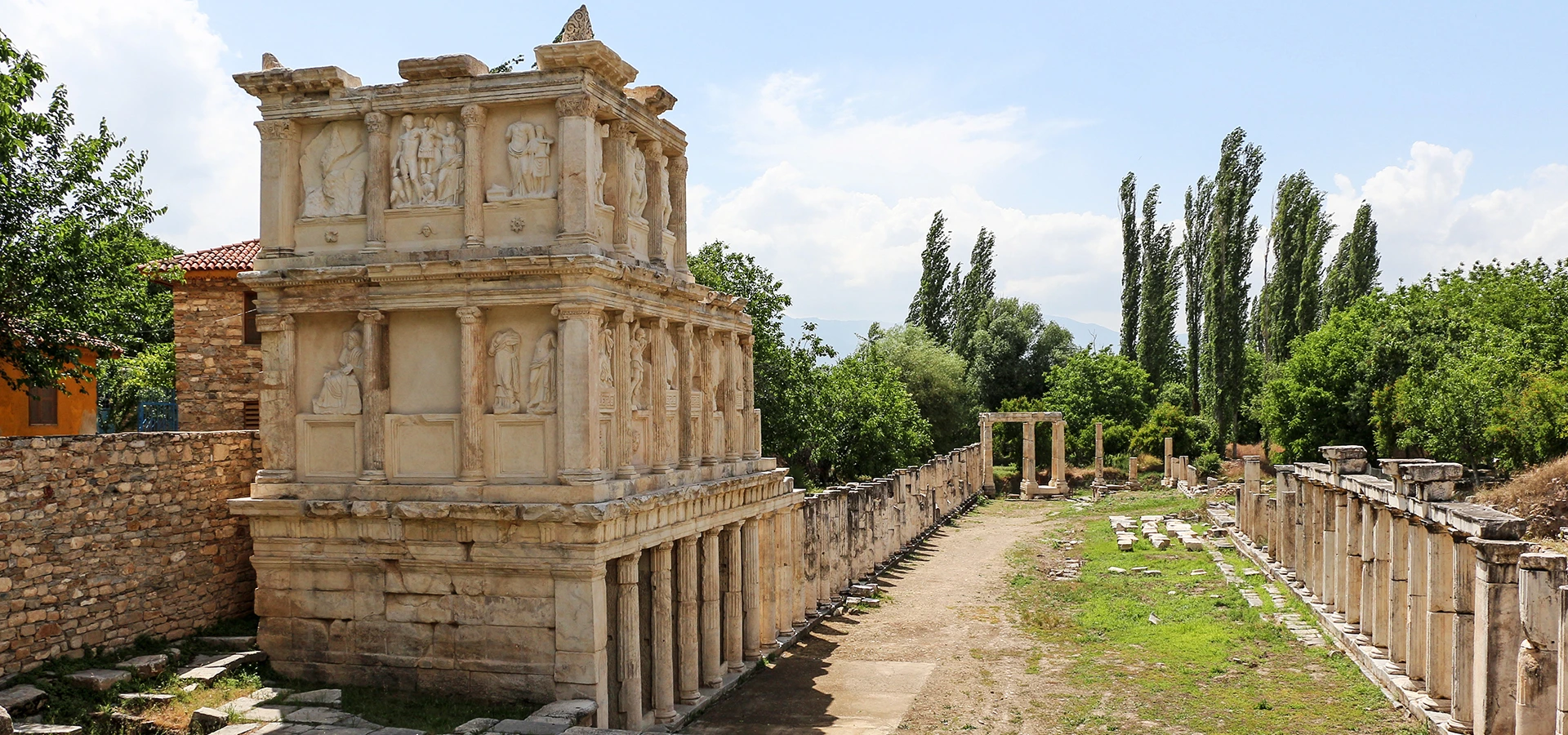
Ancient Aphrodisias

Discover a magnificent UNESCO World Heritage Site, famous for its Roman monuments, stadium, sculptures, and marble heritage.

Traditional Karacasu Pottery

Learn about the long-established pottery tradition of Karacasu and its distinctive ceramic craftsmanship.

Geyre Village

Explore the village associated with the archaeological landscape of Aphrodisias.

Karacasu Countryside

Experience the agricultural landscapes and rural scenery of the upper Büyük Menderes region.

Frequently Asked Questions About Dedebağ Keşkeği

What is Dedebağ Keşkeği?

Dedebağ Keşkeği is a traditional dish from Karacasu district in Aydın. It is prepared with young male goat meat, wheat, water, and salt, cooked and beaten together until thick and cohesive.

Where does Dedebağ Keşkeği come from?

It is associated with Dedebağ Yaylası in Karacasu district, Aydın Province, western Türkiye.

Is Dedebağ Keşkeği also called Karacasu Keşkeği?

Yes. The geographical-indication registration identifies the product as Dedebağ Keşkeği / Karacasu Keşkeği.

Who was Dedebağ?

According to local historical tradition, Dedebağ was a charitable shepherd associated with the Horasan alperenleri, remembered for feeding travellers and people in need.

How old is the Dedebağ Keşkek tradition?

Regional accounts trace the tradition back more than seven centuries. The locally maintained numbering identified the 2026 gathering as the 744th event.

What is Dedebağ Keşkek Hayrı?

It is the annual charitable gathering at Dedebağ Yaylası, where traditional keşkek is prepared collectively and shared with participants.

When is Dedebağ Keşkek Hayrı held?

The event is traditionally held during the final week of August. The precise date should be confirmed from current local announcements.

What meat is used in authentic Dedebağ Keşkeği?

The registered recipe specifically requires erkeç meat obtained from young male goats.

Can Dedebağ Keşkeği be made with chicken or beef?

Other keşkek recipes may use different meats, but the registered Dedebağ preparation requires young male goat meat.

What type of wheat is used?

The traditional specification allows aşurelik wheat or yarma wheat.

What are the main ingredients?

The main ingredients are erkeç goat meat, wheat, water, and salt.

What is the traditional meat-to-wheat ratio?

The registered recipe specifies equal weights of meat and wheat, such as 20 kilograms of each ingredient.

How long does Dedebağ Keşkeği take to cook?

The registered method describes approximately seven hours of cooking and repeated beating to achieve the required texture.

Why is Dedebağ Keşkeği beaten?

Beating helps the cooked meat and wheat become fully integrated into a smooth, thick, elastic mixture.

What does keşkek dövme mean?

Keşkek dövme is the traditional process of beating and stirring the cooked ingredients with wooden implements.

What does sakız gibi keşkek mean?

The phrase refers to keşkek with a cohesive, elastic, gum-like consistency, traditionally considered a desirable result.

Is Dedebağ Keşkeği cooked over a wood fire?

Yes. The traditional registered preparation uses wood-fire cooking in copper cauldrons.

Are electric mixers used in authentic preparation?

No. The registered traditional method describes hand beating with wooden implements, without mechanical or electrical equipment.

What is served with Dedebağ Keşkeği?

Traditional accompaniments include tarator made from fresh peppers, olive oil, and garlic. Optional hot butter mixed with ground red pepper may also be served on top.

Is Dedebağ Keşkeği geographically protected?

Yes. It is registered as a Mahreç İşareti geographical indication by TÜRKPATENT, registration number 686.

When was Dedebağ Keşkeği registered?

Its official geographical-indication registration date is 9 March 2021.

Which institution registered Dedebağ Keşkeği?

The registration was obtained by Nazilli Chamber of Commerce.

Is Dedebağ Keşkeği recognised by UNESCO?

Dedebağ Keşkeği belongs to the wider ceremonial keşkek tradition of Türkiye, which UNESCO inscribed in 2011. The individual Dedebağ recipe has a separate Turkish geographical-indication registration.

What does imece mean?

İmece refers to communal cooperative work in which people contribute their time and effort towards a shared purpose.

Can visitors attend Dedebağ Keşkek Hayrı?

The traditional gathering attracts visitors and local participants. Those wishing to attend should confirm current event arrangements in advance.

Where can I taste authentic Dedebağ Keşkeği?

Start by enquiring in Karacasu district or attending the traditional annual gathering at Dedebağ Yaylası. Availability outside special events should be confirmed.

What else can I visit around Karacasu?

Notable experiences include ancient Aphrodisias, traditional Karacasu pottery, the town centre, and the surrounding countryside.

Why is Dedebağ Keşkeği special?

Its significance comes from its distinctive goat-meat recipe, demanding hand-beating method, centuries-old charitable tradition, and strong connection with Karacasu's cultural identity.

Best Photography Ideas for Dedebağ Keşkeği

Dedebağ Keşkeği offers valuable opportunities for culinary and cultural photography. Its preparation, traditional equipment, and communal setting tell an important story of regional heritage.

The Finished Keşkek

Capture the thick, smooth texture of the prepared wheat-and-goat-meat dish.

Copper Cooking Cauldrons

Photograph traditional copper cauldrons and the carefully managed wood fires.

Traditional Hand Beating

Document the keşkek dövme technique, highlighting the physical skill involved in preparation.

Community Cooperation

Capture the collective work that makes the ceremonial preparation possible.

Traditional Accompaniments

Include the fresh-pepper tarator and optional red-pepper butter in food compositions.

Dedebağ Yaylası

Photograph the highland surroundings and cultural setting of the traditional feast.


During charitable or commemorative events, photograph respectfully. Ask permission before taking close-up photographs of cooks, volunteers, or individual participants.

Private Karacasu Tours and Culinary Experiences

Discover the historic landscapes of Karacasu, the cultural heritage of Aphrodisias, traditional craftsmanship, and the remarkable culinary identity of Aydın through personalised private travel.

Private Karacasu Cultural Experiences

Combine regional history, traditional crafts, and local gastronomy through a flexible private itinerary. Food experiences and event visits depend on local availability and arrangements.

Explore More of Western Türkiye

Combine Karacasu's living food traditions with the archaeological, artistic, and historical heritage of the Aegean region.