Identity and local meaning
The local name and its relationship with Delice & Eastern Kırıkkale matter; use documented ingredients and serving context when available.






Delice Natural Spring Salt is part of Kırıkkale Province, in the Delice & Eastern Kırıkkale area. Its particular interest is a protected regional product from saline springs.
Delice Doğal Kaynak Tuzu is a protected geographical indication registered by TÜRKPATENT as an origin designation, record number 1024, on 9 February 2022.
Delice & Eastern Kırıkkale — one of Kırıkkale's distinct regional routes.
A protected regional product from saline springs
The historical or cultural evidence for Delice Natural Spring Salt should be read alongside its known regional setting rather than replacing it with a legend or unverified date.
Check whether producers accept visitors. Do not enter extraction or processing areas without consent, and do not attribute medical benefits to the salt.
Only documented or explicitly qualified visiting information is included.
Delice & Eastern Kırıkkale, Kırıkkale Province, Türkiye
Food and living traditions
TÜRKPATENT – Delice Natural Spring Salt, registration 1024
Check whether producers accept visitors. Do not enter extraction or processing areas without consent, and do not attribute medical benefits to the salt.
The historic record for Delice Natural Spring Salt requires care in separating documented statements from later interpretation.
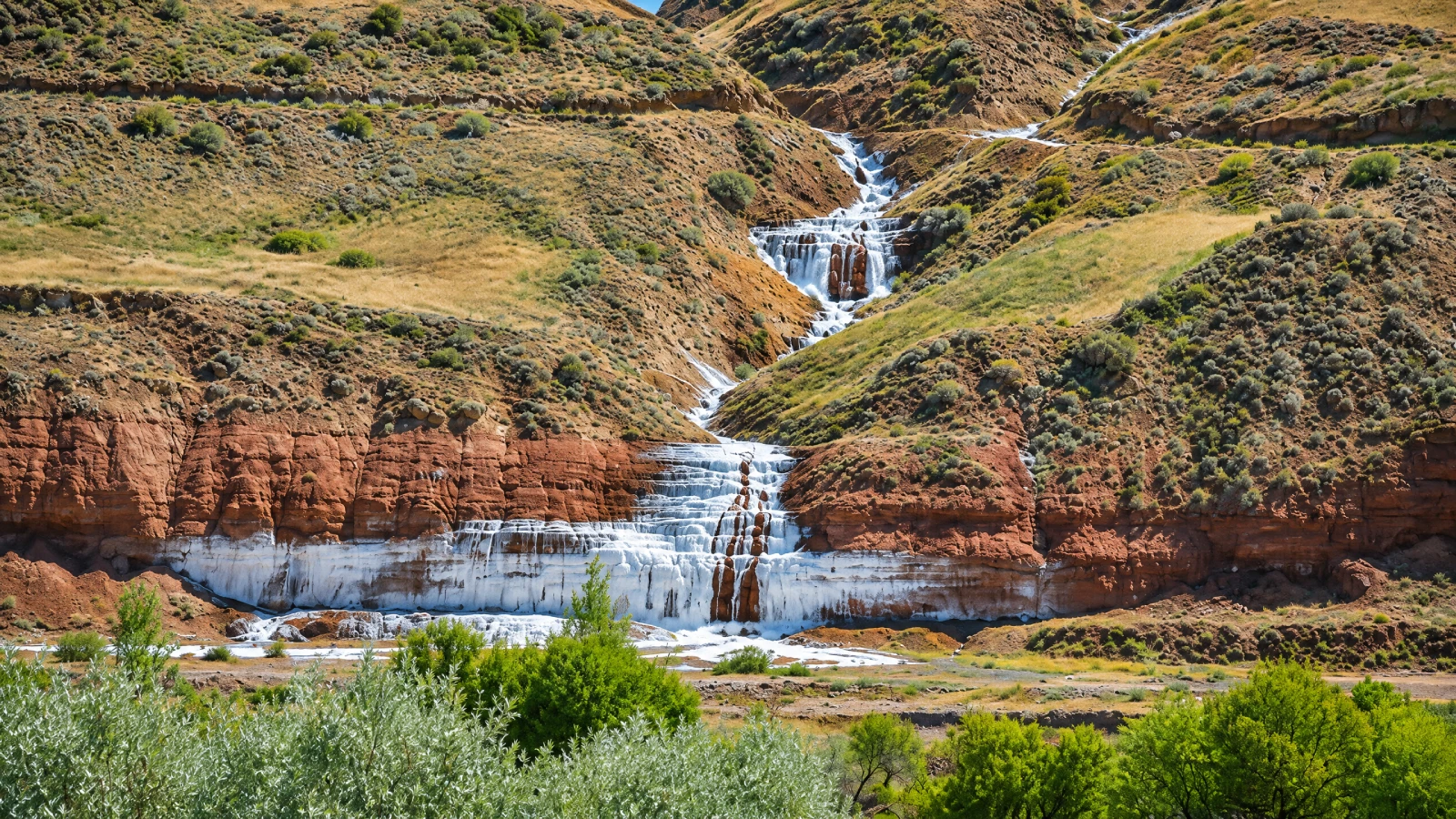
The product is associated with saline spring resources in Delice. The protected specification, rather than generic descriptions of 'mineral-rich salt', defines what constitutes the registered local product.
Delice takes its modern name from the river and its settlement record includes eighteenth-century Turkmen migration. Today historic structures, salt-related geology, vineyards and villages give this eastern district several distinct cultural stories.
Visitors interested in food heritage can compare the landscape, production methods and labelling rules. A geographical indication is a production standard, not a health certification.
Key local details, historical evidence and practical considerations.
The local name and its relationship with Delice & Eastern Kırıkkale matter; use documented ingredients and serving context when available.
The product is associated with saline spring resources in Delice. The protected specification, rather than generic descriptions of 'mineral-rich salt', defines what constitutes the registered local product.
Visitors interested in food heritage can compare the landscape, production methods and labelling rules. A geographical indication is a production standard, not a health certification.
An official listing is not always a complete recipe. Compare the Delice Natural Spring Salt description with actual local preparation before publishing measurements or presenting one method as universal.
Look for local food producers and kitchens around Delice & Eastern Kırıkkale, and ask about the actual preparation used.
Check the individual source links below, especially legal registration records where they exist. The difference between an application, a registered name and an ordinary dish is essential to accuracy.
Visitors interested in food heritage can compare the landscape, production methods and labelling rules. A geographical indication is a production standard, not a health certification.
This is also an opportunity to place Delice & Eastern Kırıkkale within a regional travel itinerary without confusing an ancient site, sacred building, contemporary recreation facility or living food tradition with another type of experience.
The most reliable material for Delice Natural Spring Salt comes from the listed documentary sources and the actual features they describe.
Recognise the particular history of Delice & Eastern Kırıkkale, not an interchangeable Anatolian landmark.
Visitors interested in food heritage can compare the landscape, production methods and labelling rules. A geographical indication is a production standard, not a health certification.
Check whether producers accept visitors. Do not enter extraction or processing areas without consent, and do not attribute medical benefits to the salt.
Check whether producers accept visitors. Do not enter extraction or processing areas without consent, and do not attribute medical benefits to the salt.
Check whether producers accept visitors. Do not enter extraction or processing areas without consent, and do not attribute medical benefits to the salt.
Delice takes its modern name from the river and its settlement record includes eighteenth-century Turkmen migration. Today historic structures, salt-related geology, vineyards and villages give this eastern district several distinct cultural stories.
This location may be sacred, a home, active infrastructure, an archaeological area or a working landscape. Check who administers Delice Natural Spring Salt before treating it as an unrestricted visitor attraction.
Check whether producers accept visitors. Do not enter extraction or processing areas without consent, and do not attribute medical benefits to the salt.
Ingredients can vary and allergens matter; seek the actual local preparation rather than assuming a generic national recipe.
Request permission before photographing kitchens, producers or markets.
For legally protected products, compare the menu or producer label with the official registry rather than relying on marketing language.
A food tradition makes most sense as part of everyday life, seasonal produce and local hospitality.
Readers interested in how Delice Natural Spring Salt connects to the larger story of Kırıkkale.
Travellers who want a grounded account of the Delice & Eastern Kırıkkale region rather than a checklist of generic Turkish attractions.
Visitors interested in the ingredients, method and local serving customs that distinguish Delice Natural Spring Salt.
Check whether producers accept visitors. Do not enter extraction or processing areas without consent, and do not attribute medical benefits to the salt.
Delice Doğal Kaynak Tuzu is a protected geographical indication registered by TÜRKPATENT as an origin designation, record number 1024, on 9 February 2022.
The product is associated with saline spring resources in Delice. The protected specification, rather than generic descriptions of 'mineral-rich salt', defines what constitutes the registered local product.
Visitors interested in food heritage can compare the landscape, production methods and labelling rules. A geographical indication is a production standard, not a health certification.
Check whether producers accept visitors. Do not enter extraction or processing areas without consent, and do not attribute medical benefits to the salt.
Only a formally registered geographical indication fixes a protected standard. For other foods, local kitchens may legitimately vary ingredients and methods; see the sources and evidence notes on this page.
Visitors interested in food heritage can compare the landscape, production methods and labelling rules. A geographical indication is a production standard, not a health certification.
Check whether producers accept visitors. Do not enter extraction or processing areas without consent, and do not attribute medical benefits to the salt.
Topic-specific official or archival documentation was consulted, although uncertain details remain.
The research record for Delice Natural Spring Salt is anchored in the specific public sources linked here; where a publication gives no exact dates or visiting guarantees, none are added.