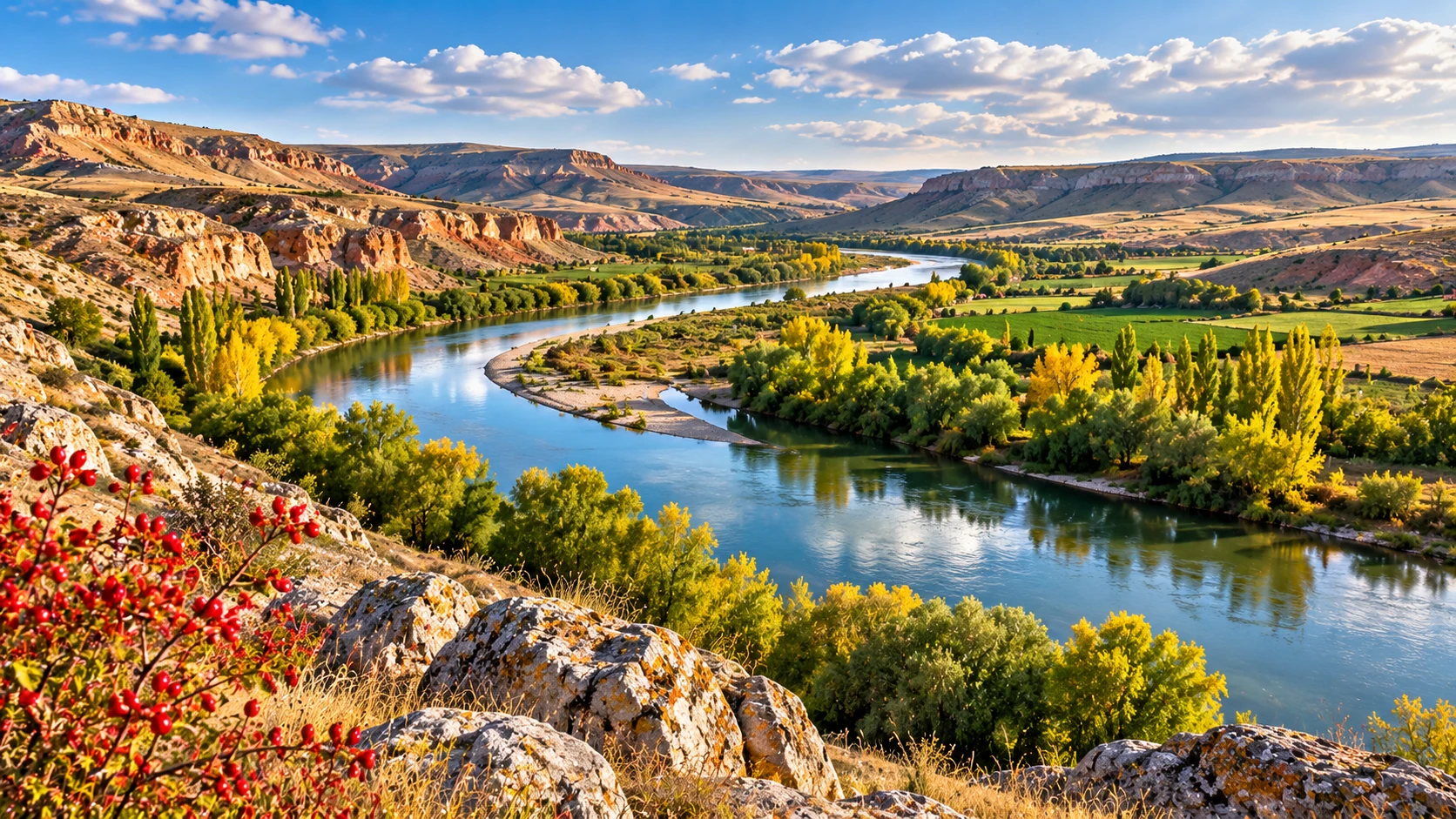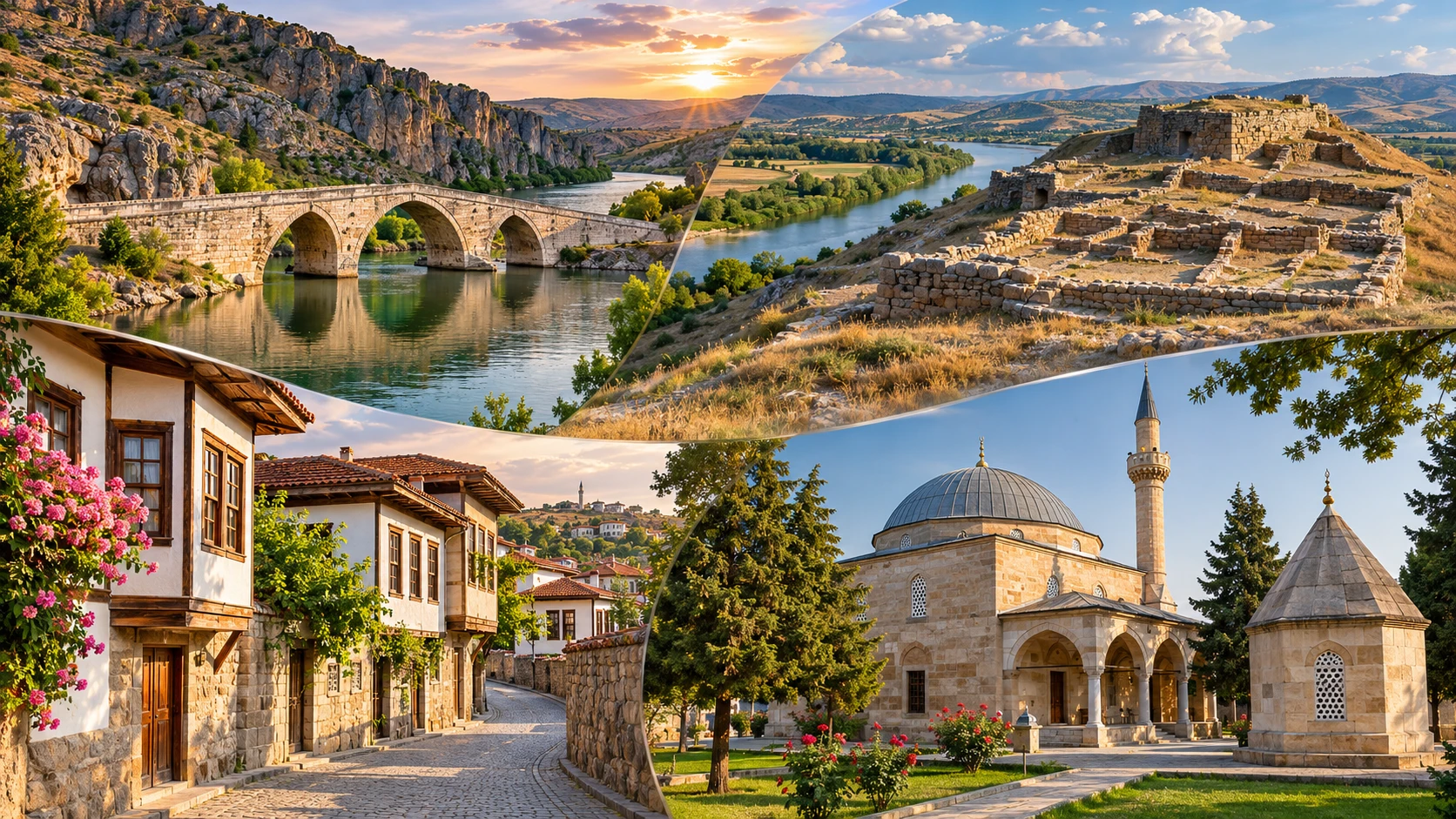
Kırıkkale, Türkiye: Çeşnigir Bridge, Kızılırmak canyon, Keskin heritage and Anatolian scenery
Wow Cappadocia Turkey Travel Guide

Kırıkkale Travel Guide – Best Places to Visit

Discover the best places to visit in Kırıkkale: the stone arches of Çeşnigir Bridge, Hittite archaeology at Büklükale, the caves and old streets of Keskin, sacred Anatolian shrines, reservoir landscapes and the powerful bozlak music tradition.

Çeşnigir & KızılırmakBüklükaleHistoric KeskinBozlak Heritage

Discover Kırıkkale: A Modern City in an Ancient Landscape

Just east of Ankara, Kırıkkale is often introduced as an industrial city. That description captures only its modern chapter. Its province covers a much older cultural landscape of Kızılırmak crossings, Bronze Age settlements, religious monuments, rural market towns and highland villages. The distinction between the young provincial capital and its older districts makes Kırıkkale unusually interesting.

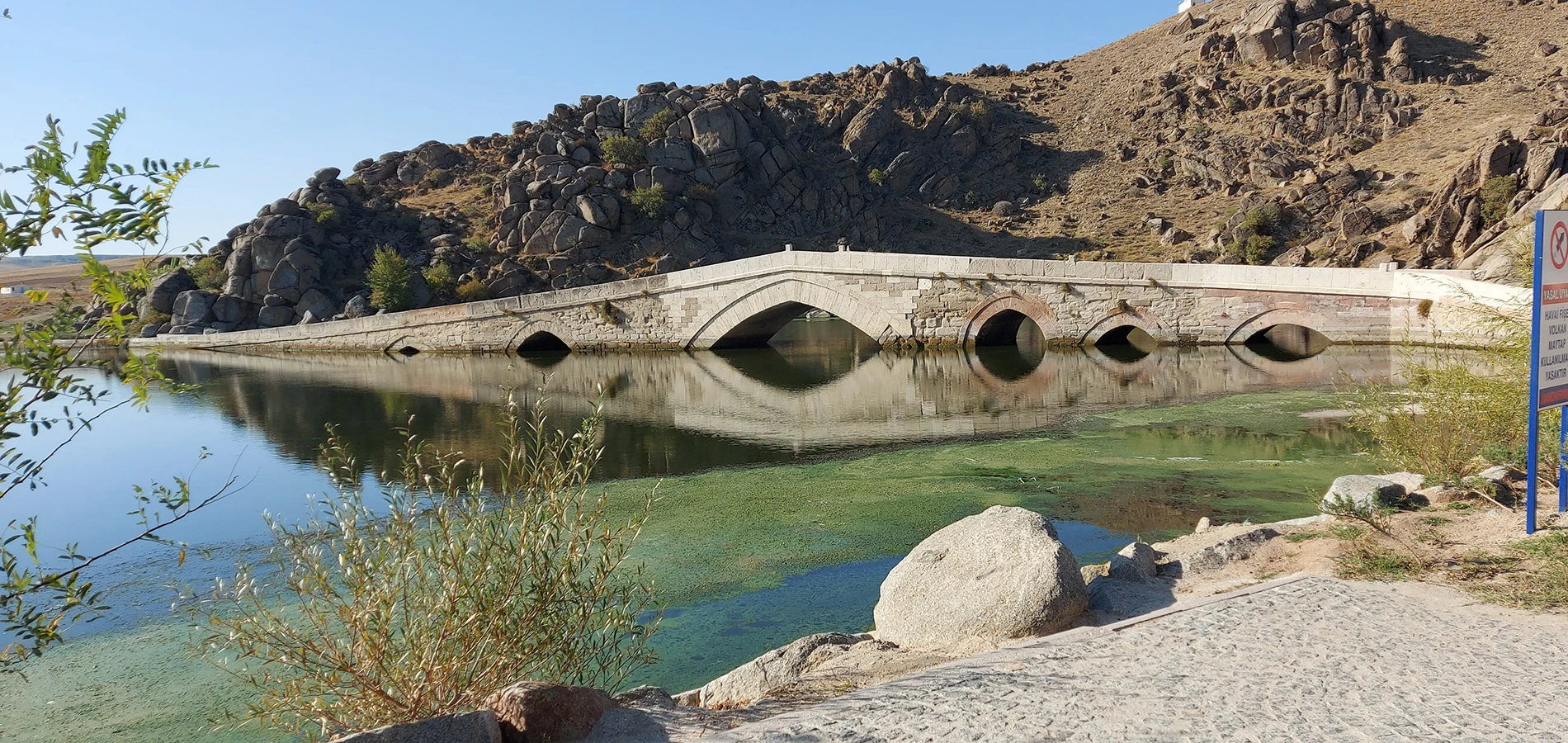
The archaeological site of Büklükale occupies a strategic position beside the Kızılırmak and has produced evidence reaching into the Hittite period. Nearby, Çeşnigir Bridge represents the continuing significance of the river crossing in medieval Anatolia. The bridge’s precise construction date is not documented by a surviving foundation inscription, so its attribution to the Seljuk period should be treated as a widely accepted dating rather than an absolute certainty.

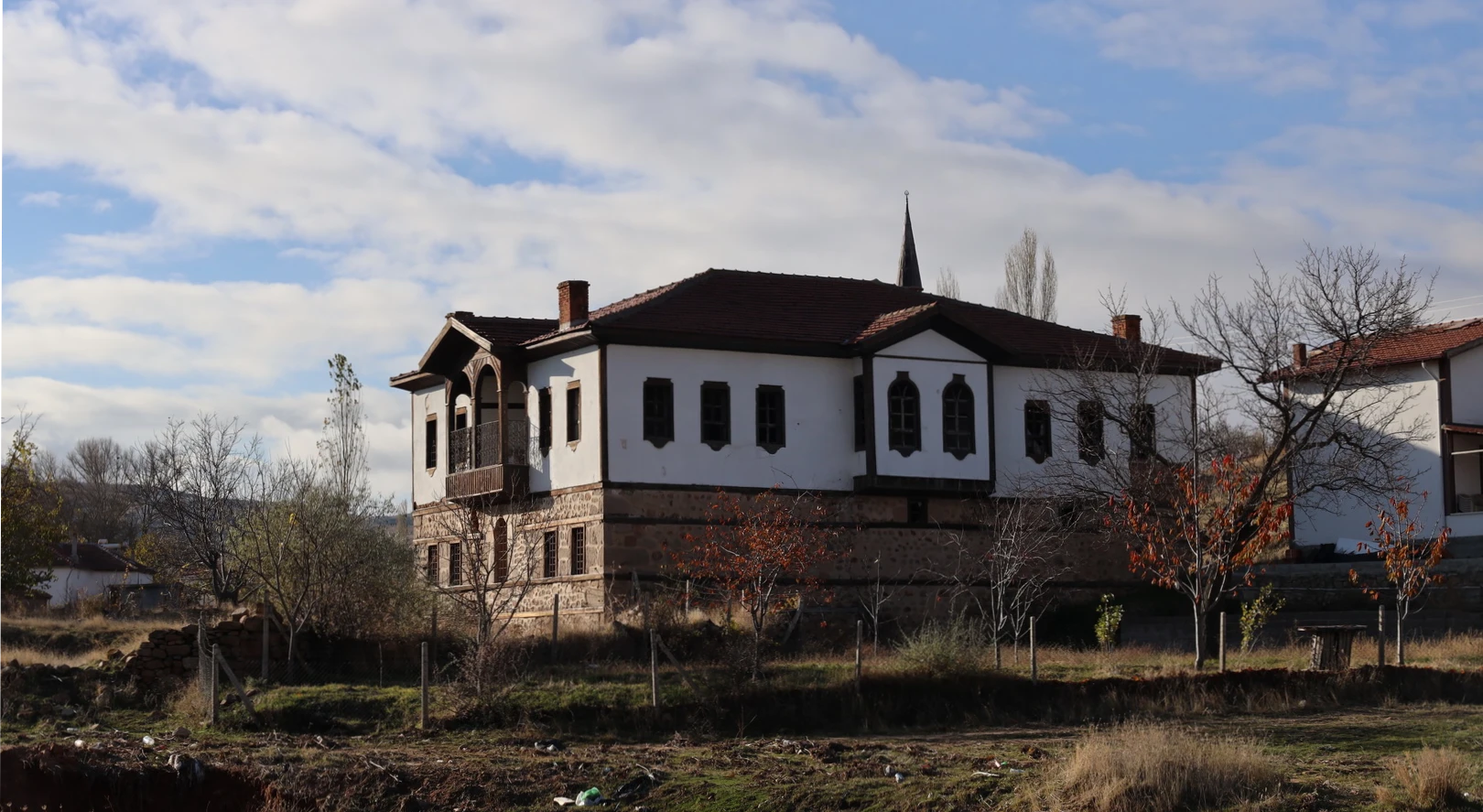
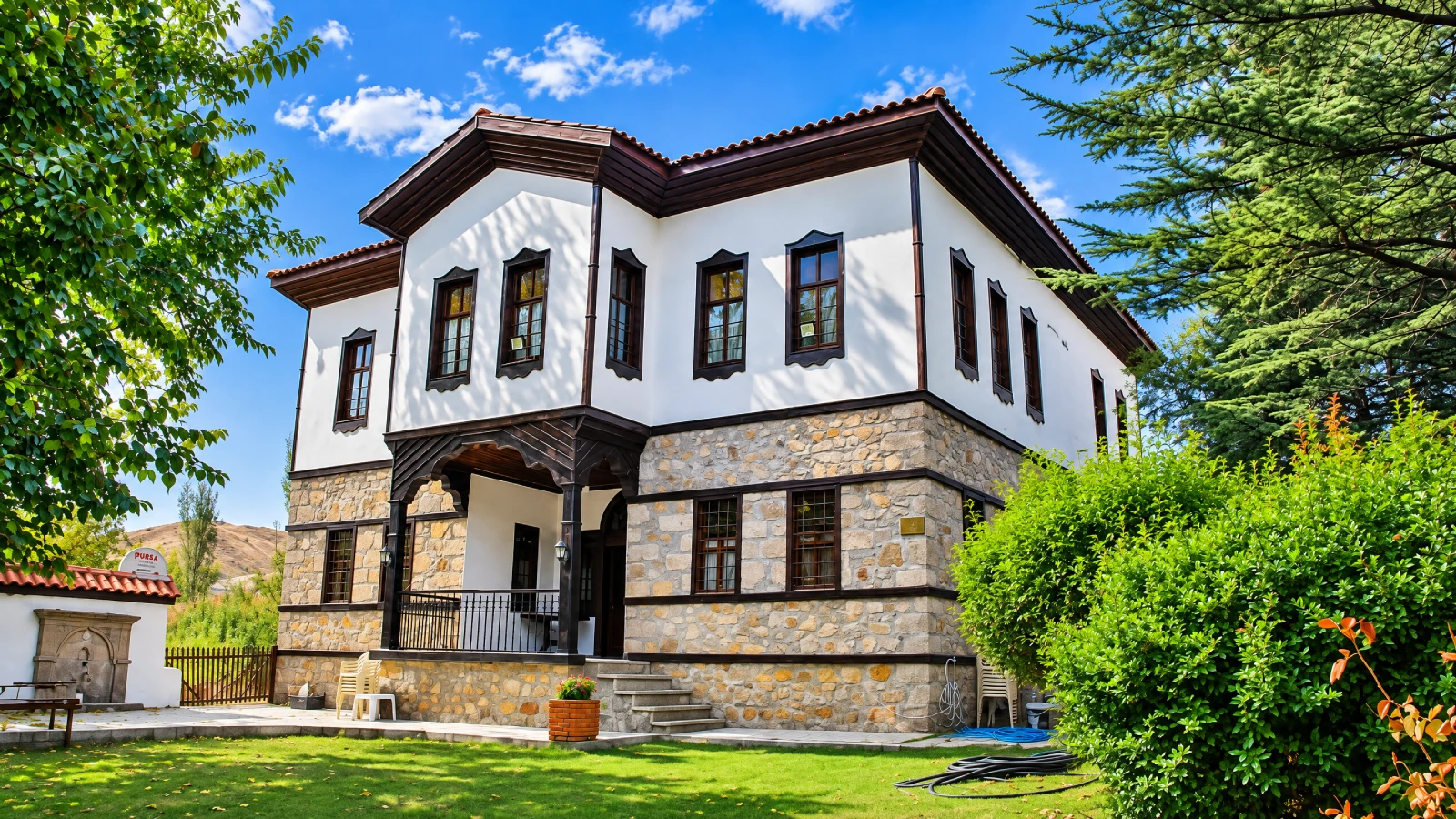
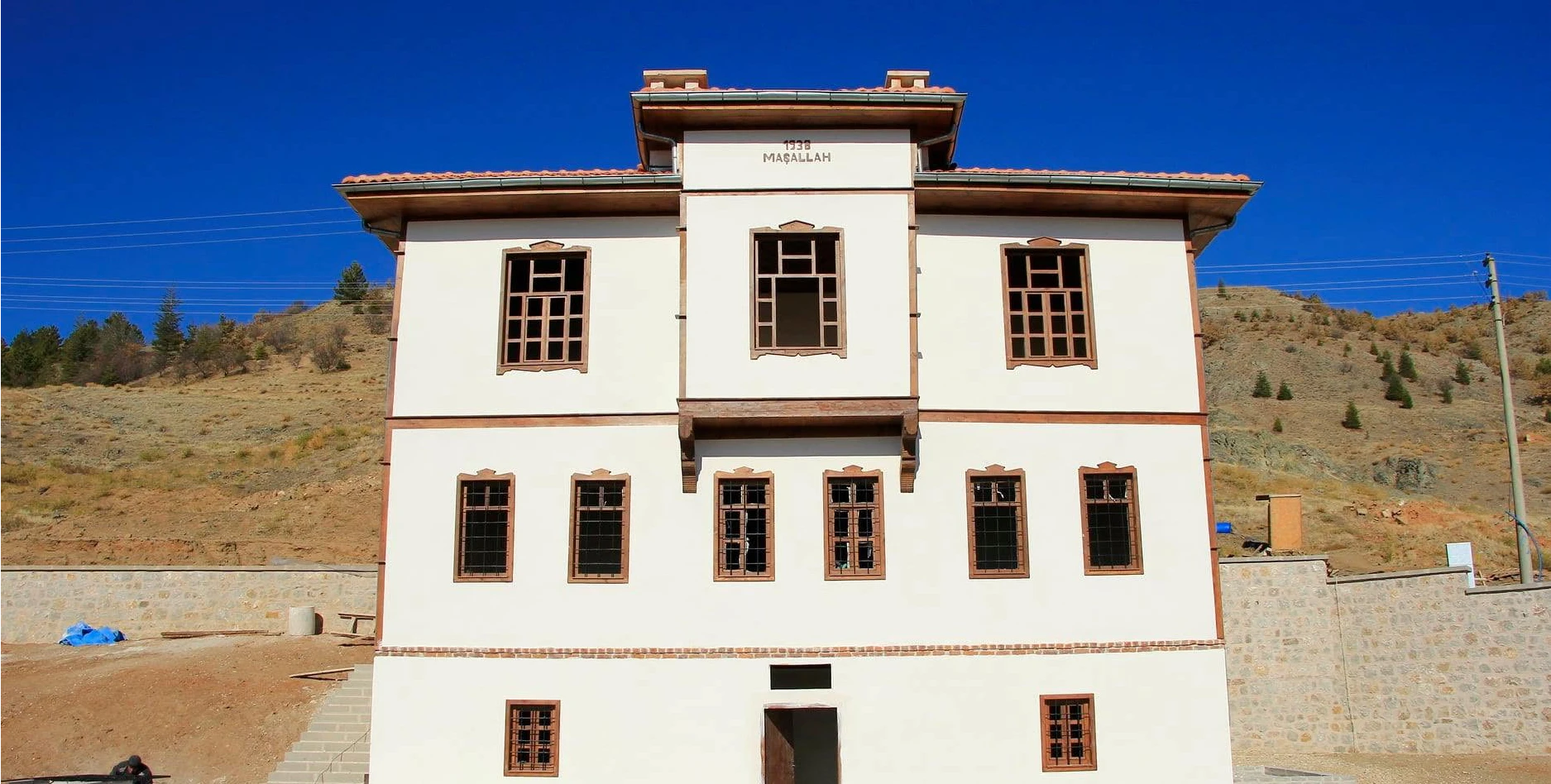
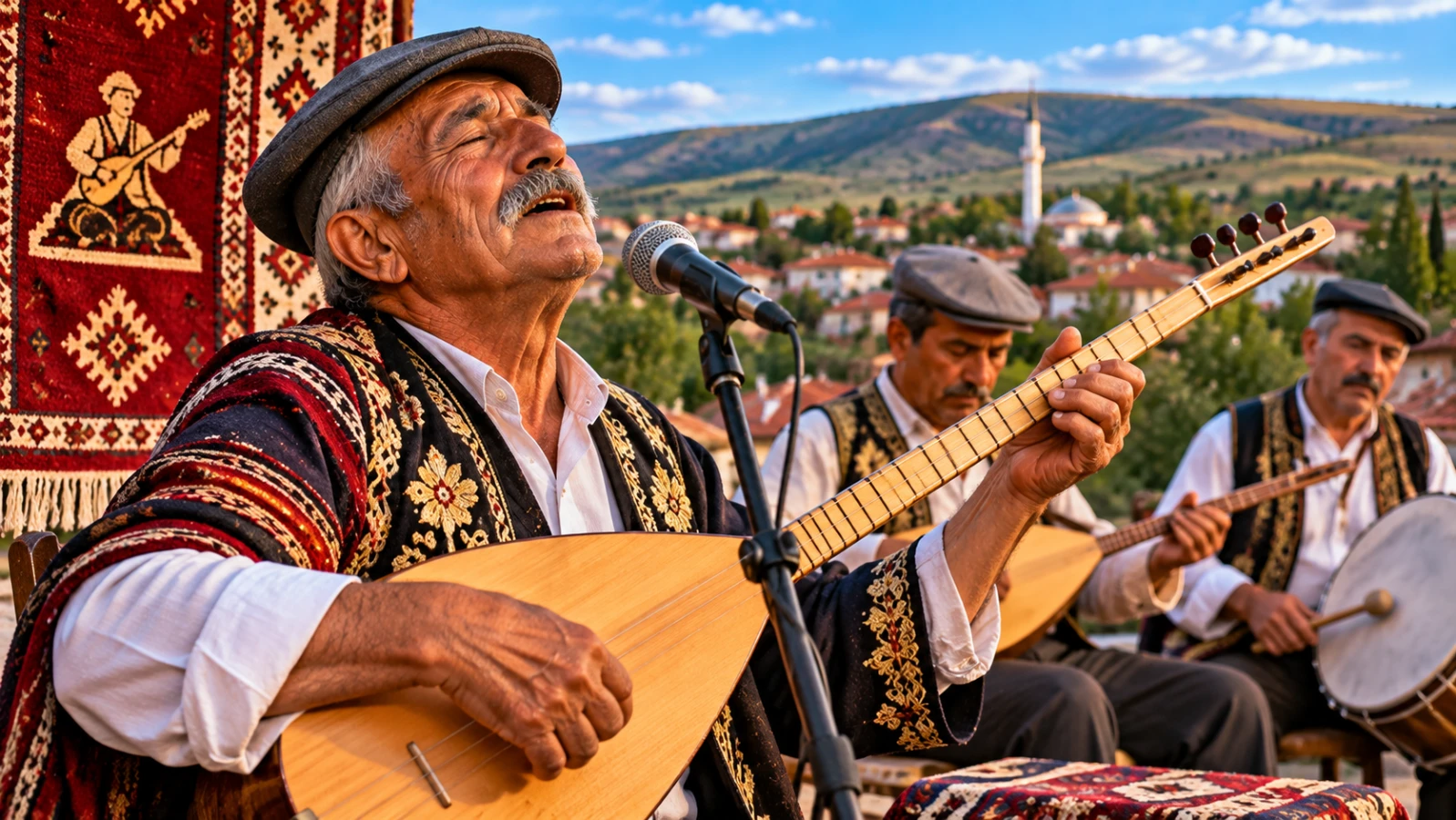
In Keskin, Sulu Cave, historic buildings, rock tombs, shrines and the Abdal–bozlak musical heritage create a very different experience from Kırıkkale city centre. Further afield, Hasandede, Balışeyh, Sulakyurt, Delice and Karakeçili preserve their own stories, landscapes and local craft traditions.

Quick Visitor Information

  • Best for: Kızılırmak scenery, Hittite archaeology, historic bridges, traditional music, religious heritage and local cuisine
  • Suggested stay: 1 day for Çeşnigir and Keskin highlights; 2–3 days for the wider province
  • Main highlights: Çeşnigir Bridge, Büklükale, Sulu Cave, Keskin Taş Mektep, Hasandede and Karaahmetli
  • Regional routes: Historic City & Yahşihan; Keskin Heritage; Kızılırmak & Karakeçili; Sacred Sites; Highland & Nature
  • Best seasons: Spring and autumn for walking and heritage; summer for selected highland and outdoor activities
  • Local identity: MKE industry, Keskin bozlak music, Karakeçili traditions, Keskin Tava, Delice salt and grapes
Kırıkkale’s Defining History

From Kızılırmak Crossroads to a Republican Industrial City

Kırıkkale’s modern urban expansion began in the 1920s as military and industrial facilities were established in the area. The opening of ammunition, metallurgy and related factories shaped an urban workforce and encouraged migration from different parts of Anatolia. Kırıkkale became a district in the mid-twentieth century and achieved provincial status in 1989. Its industrial identity is an essential part of the city’s historical significance, not something to omit from a travel guide.

The surrounding territory has a far longer history. Archaeological surveys and excavations document prehistoric occupation, the Bronze and Iron Ages, Roman and Byzantine periods and medieval and Ottoman settlements. In particular, Büklükale draws attention to the Hittite world, while Çeşnigir Bridge reflects later engineering at a long-used crossing. These stories belong to different centuries and should not be collapsed into a single legend.
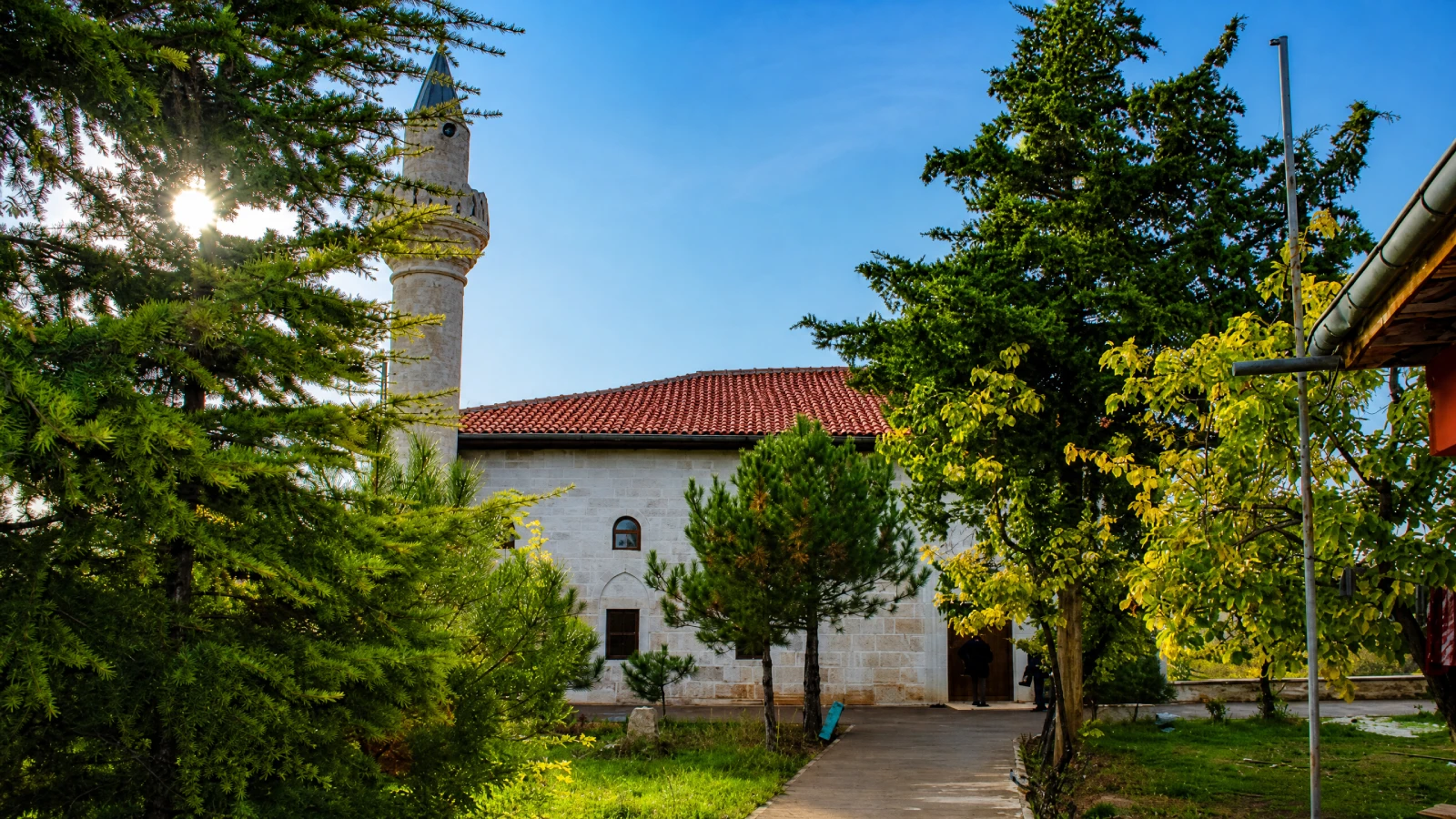
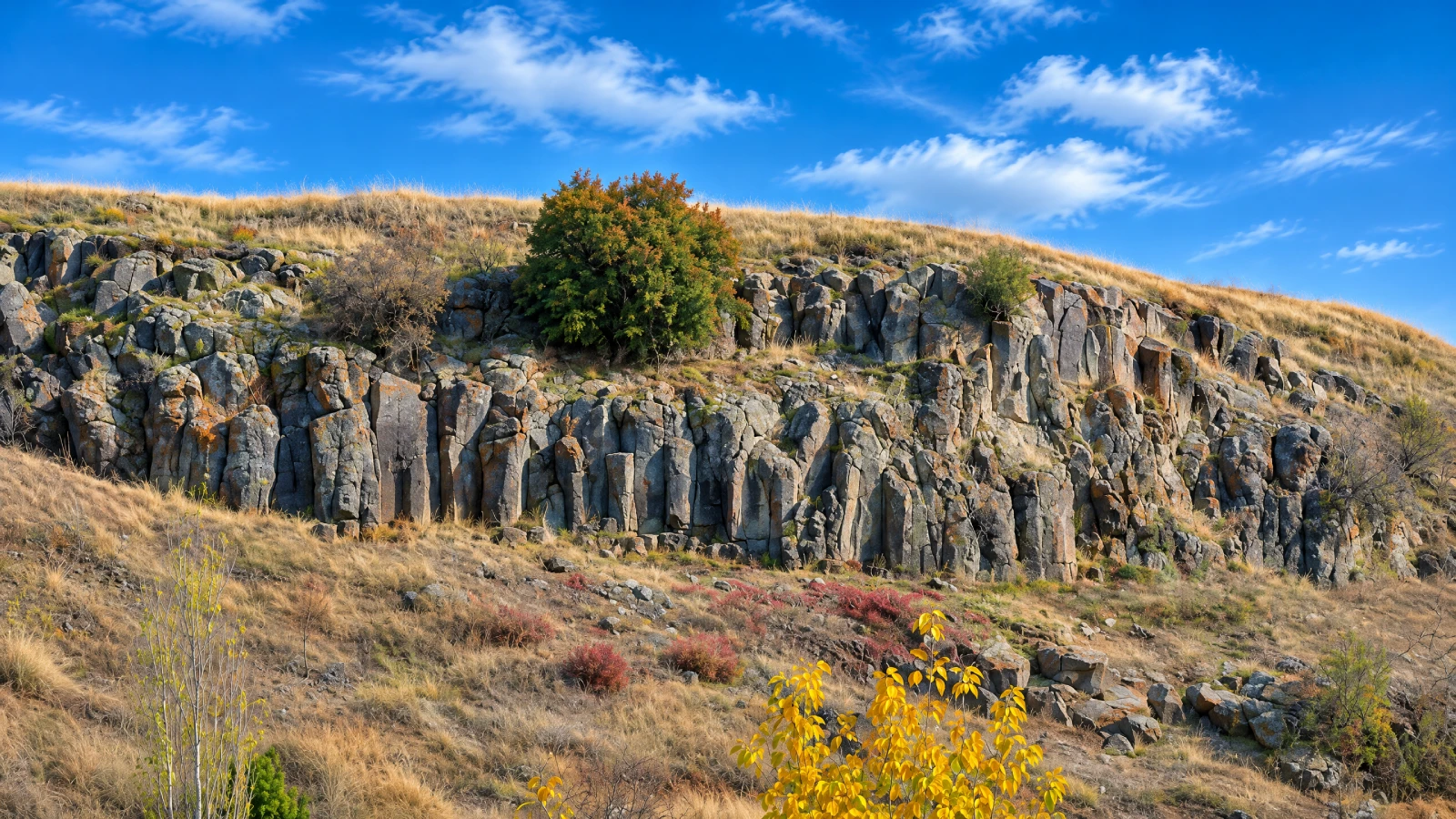
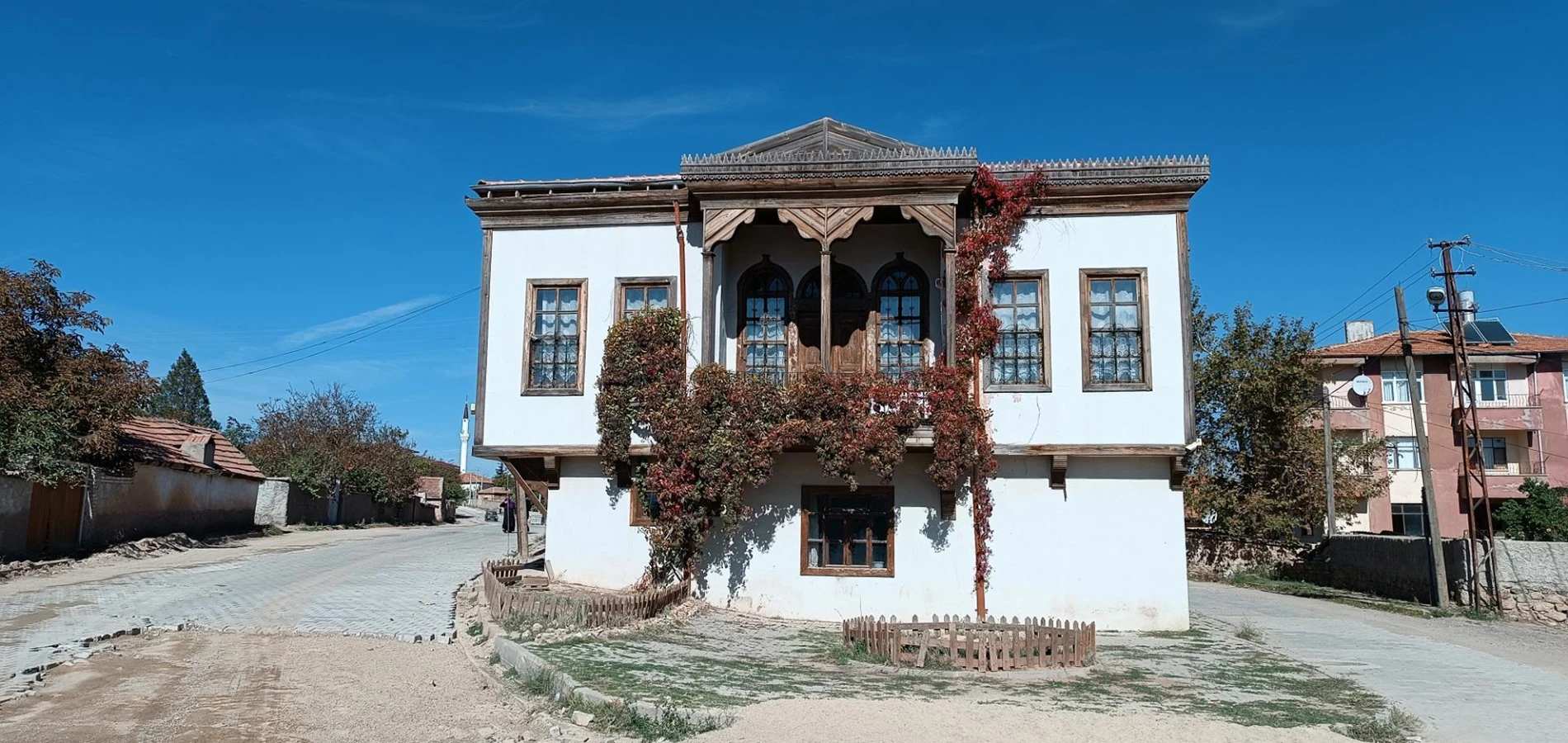
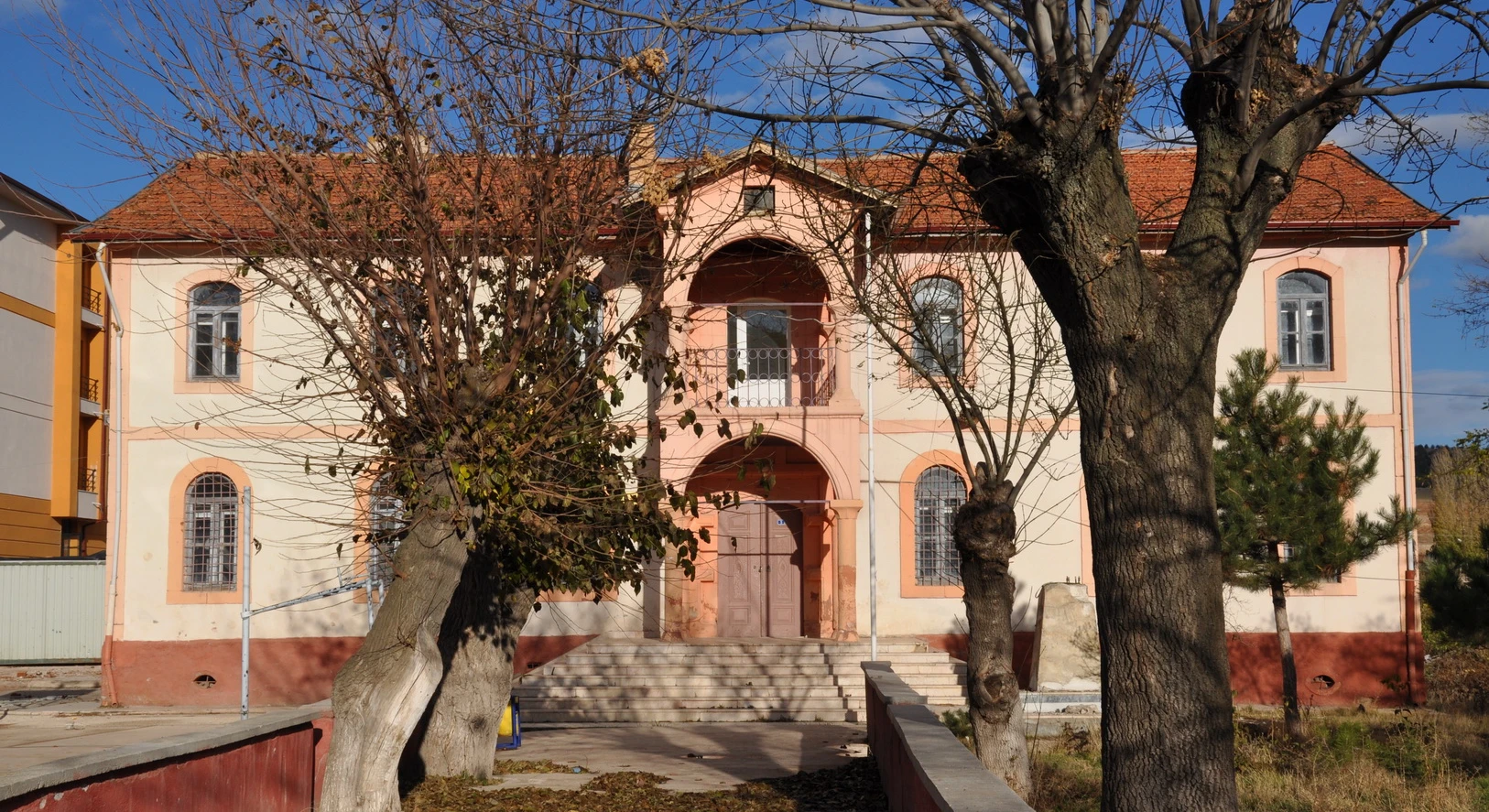
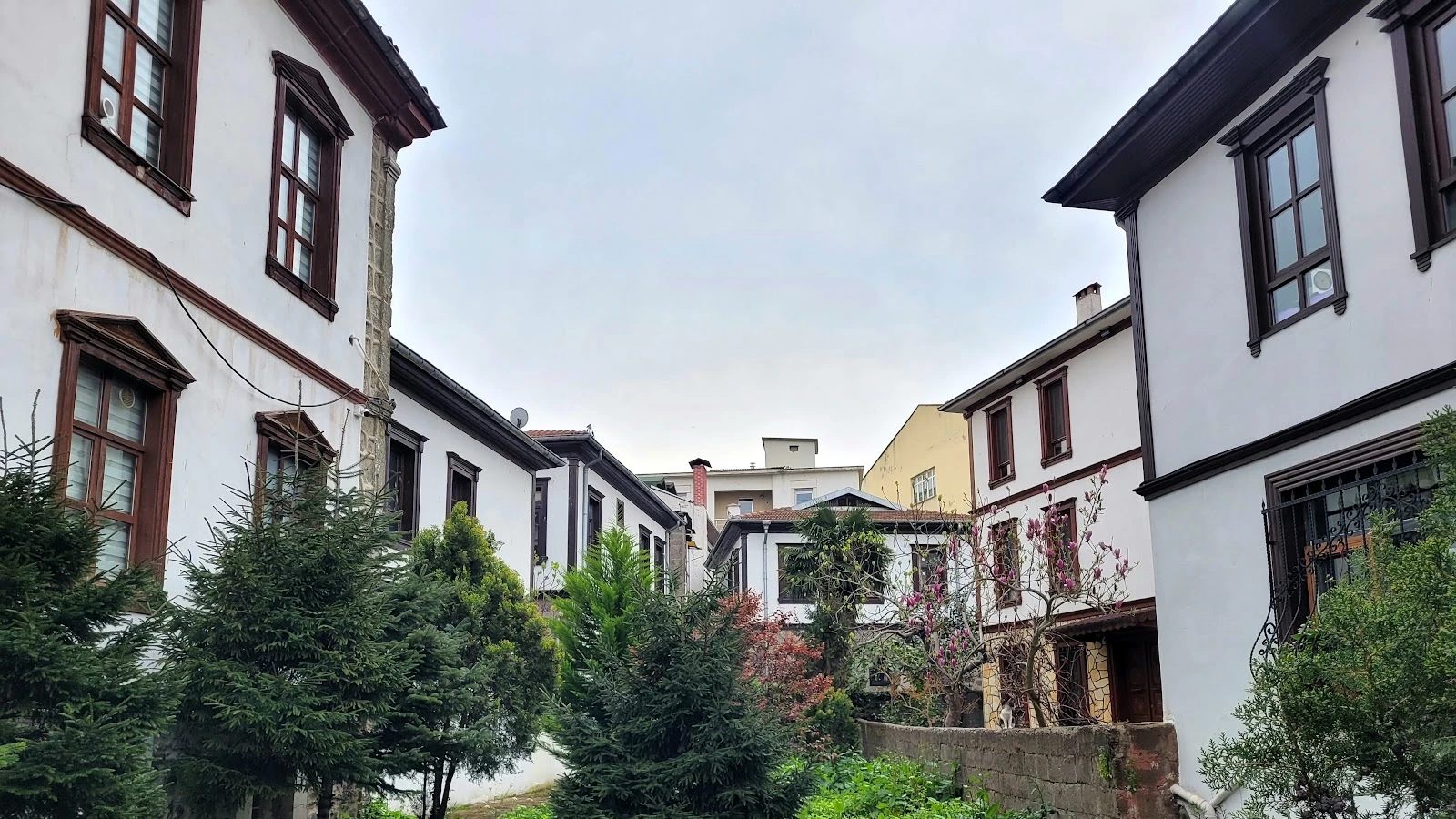
The town of Keskin adds Ottoman-era architecture, music and community life, while Hasandede, Koçubaba and Şeyh Şami represent distinct local devotional traditions. A careful visitor can experience Kırıkkale as a meeting point of archaeology, industry, folk culture, religion and landscape.

Choose Kırıkkale by Travel Style

Explore an ancient crossing, Republican industrial history, folk culture or the quiet valleys of central Anatolia.

Best for Archaeology

Büklükale & the Kızılırmak

Read the river landscape through Bronze Age excavations, medieval stone arches and strategic crossings.

Best for Culture

Keskin & Bozlak Music

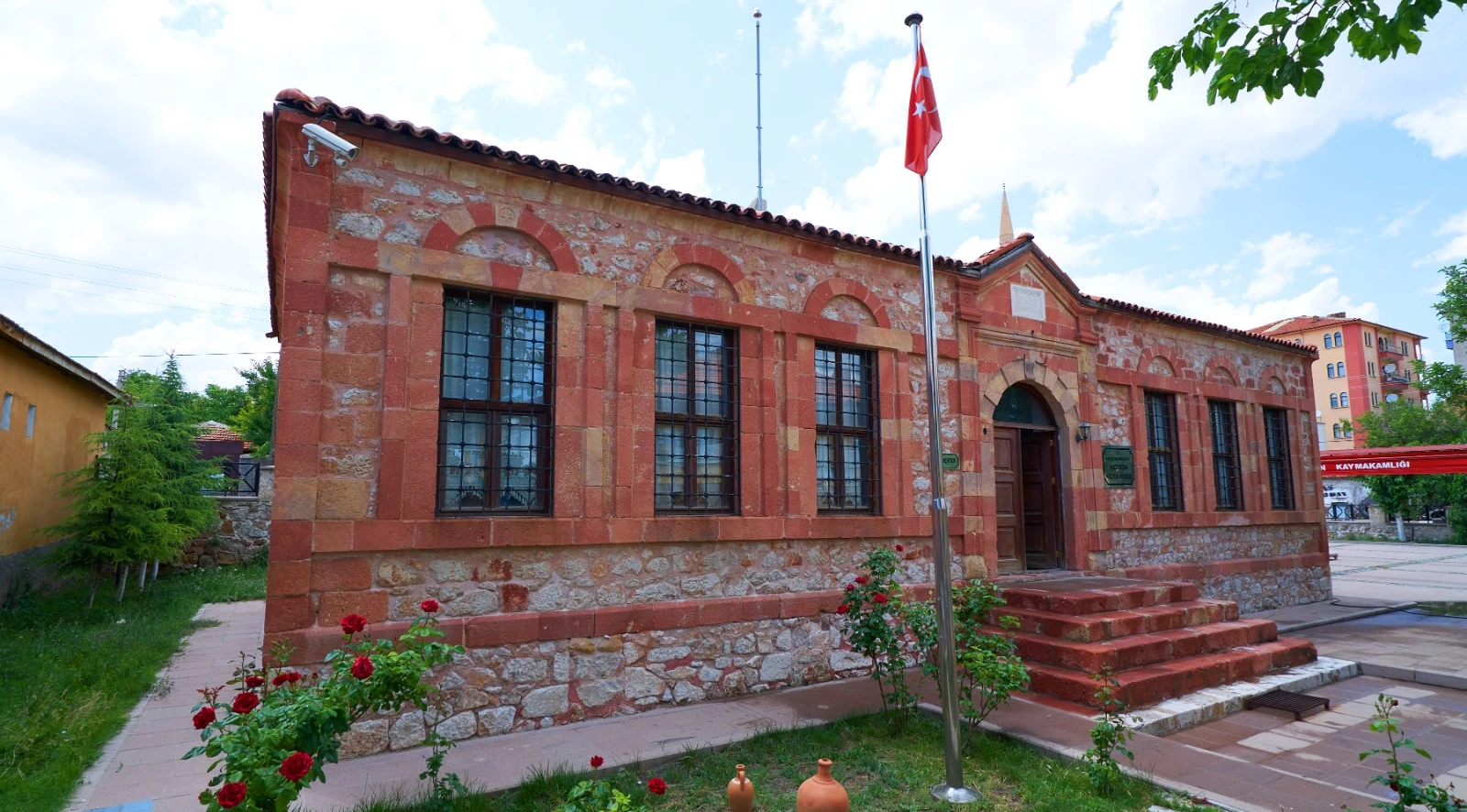
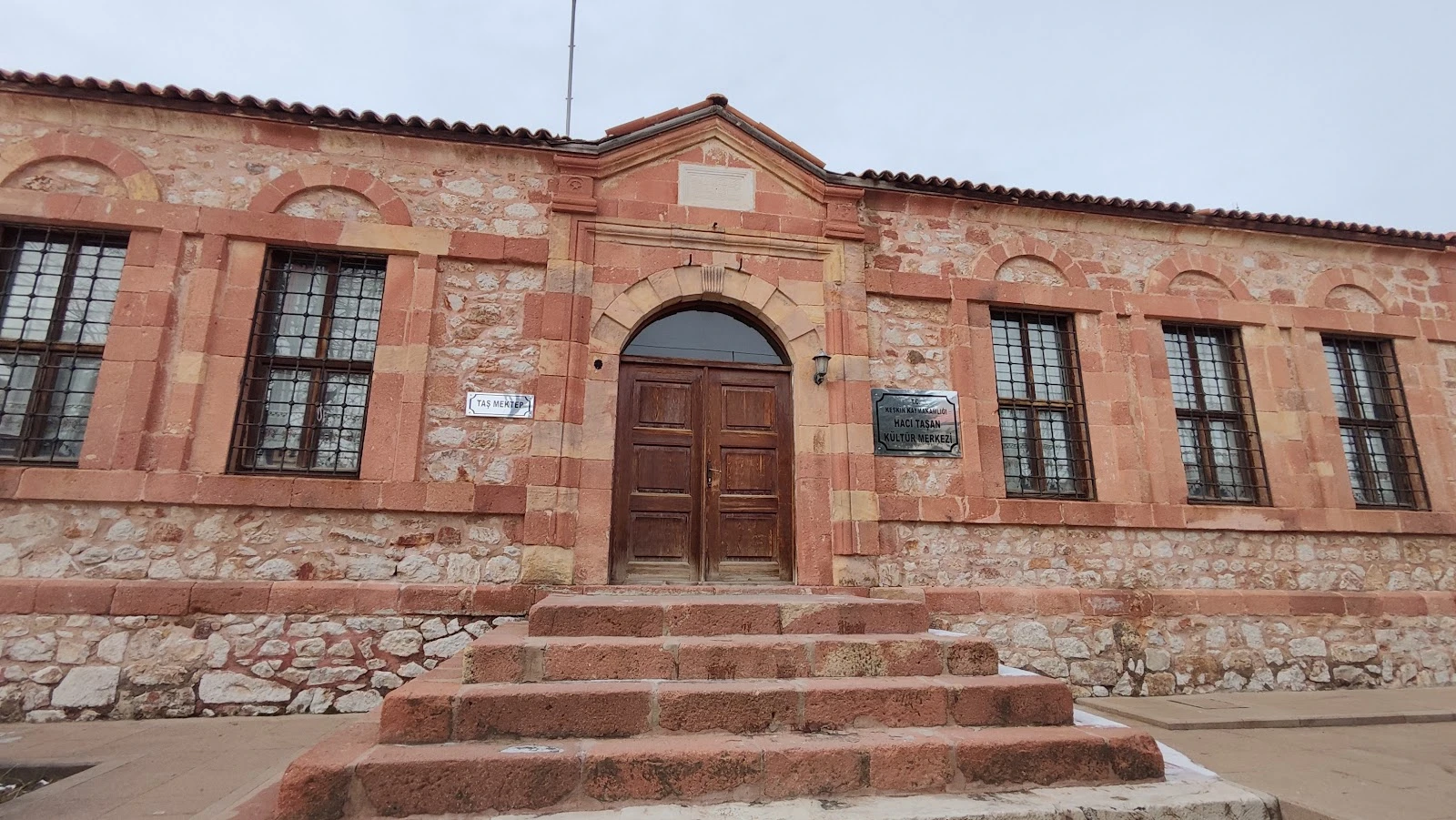
Visit the Taş Mektep, historic streets, local art sites and the musical legacy of Hacı Taşan.

Best for Spiritual Heritage

Hasandede & Rural Shrines

Explore mosque-and-tomb complexes while respecting active devotional spaces and local traditions.

Best for Nature

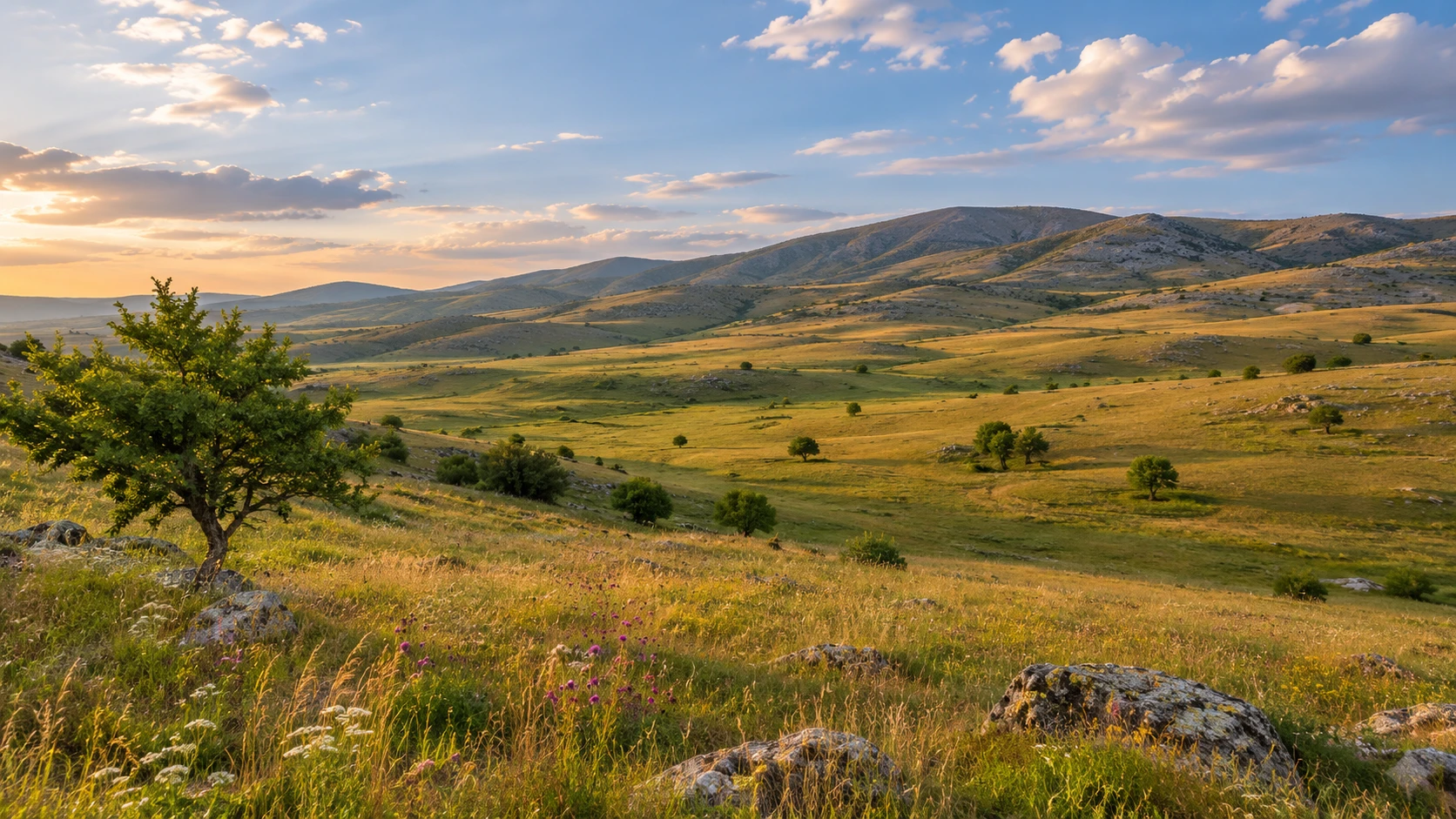
Canyon, Lake & Highland

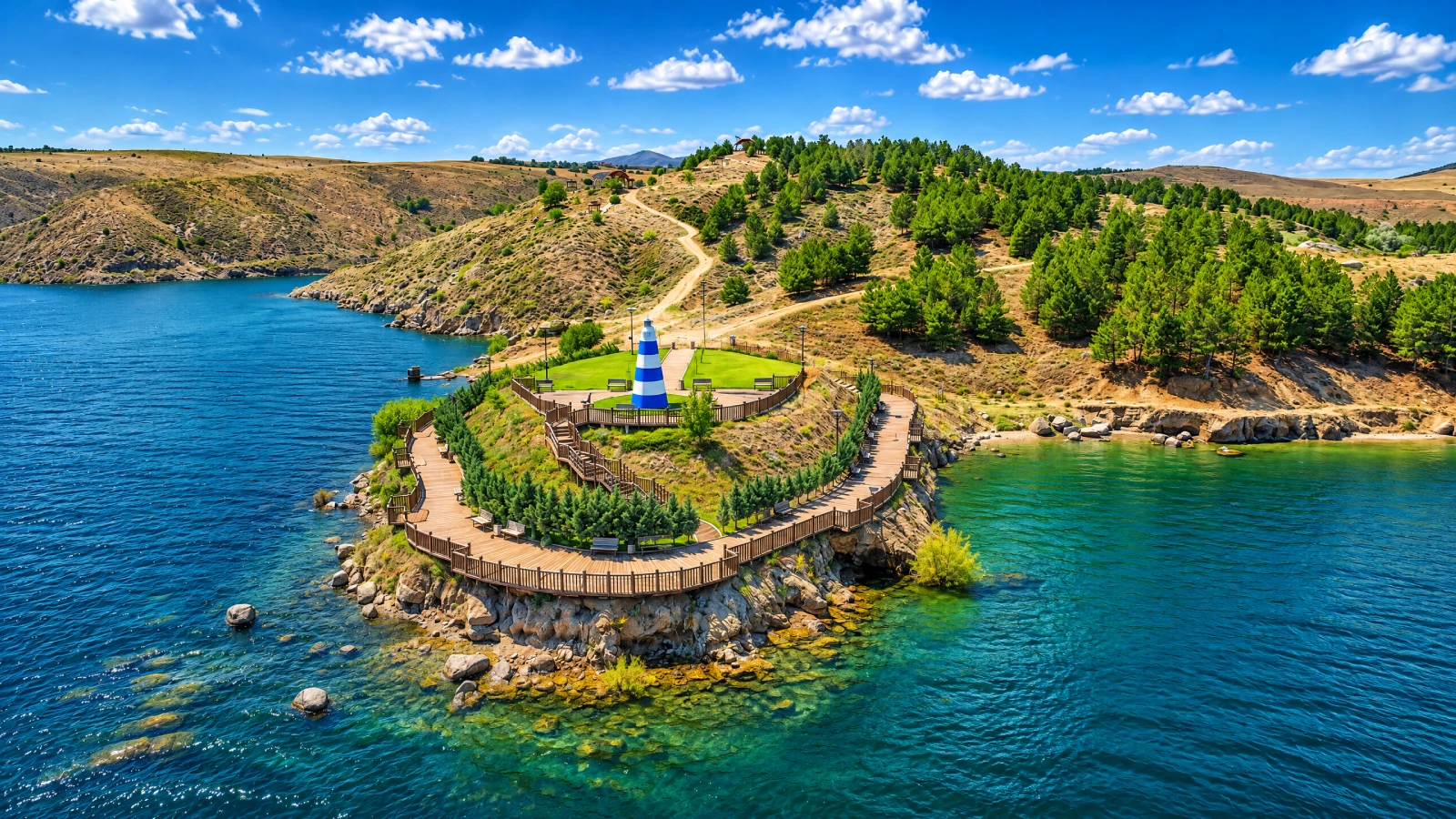
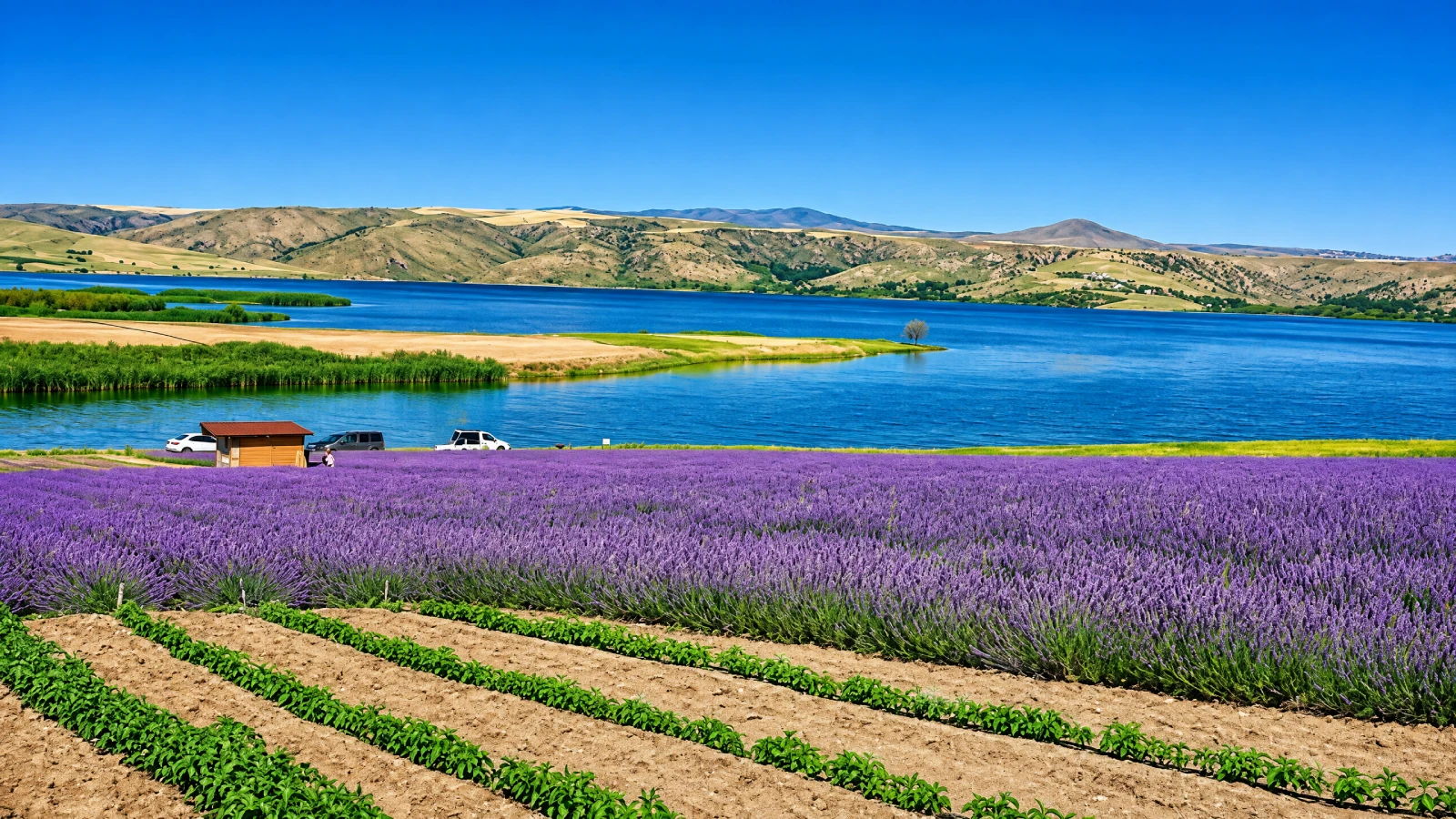
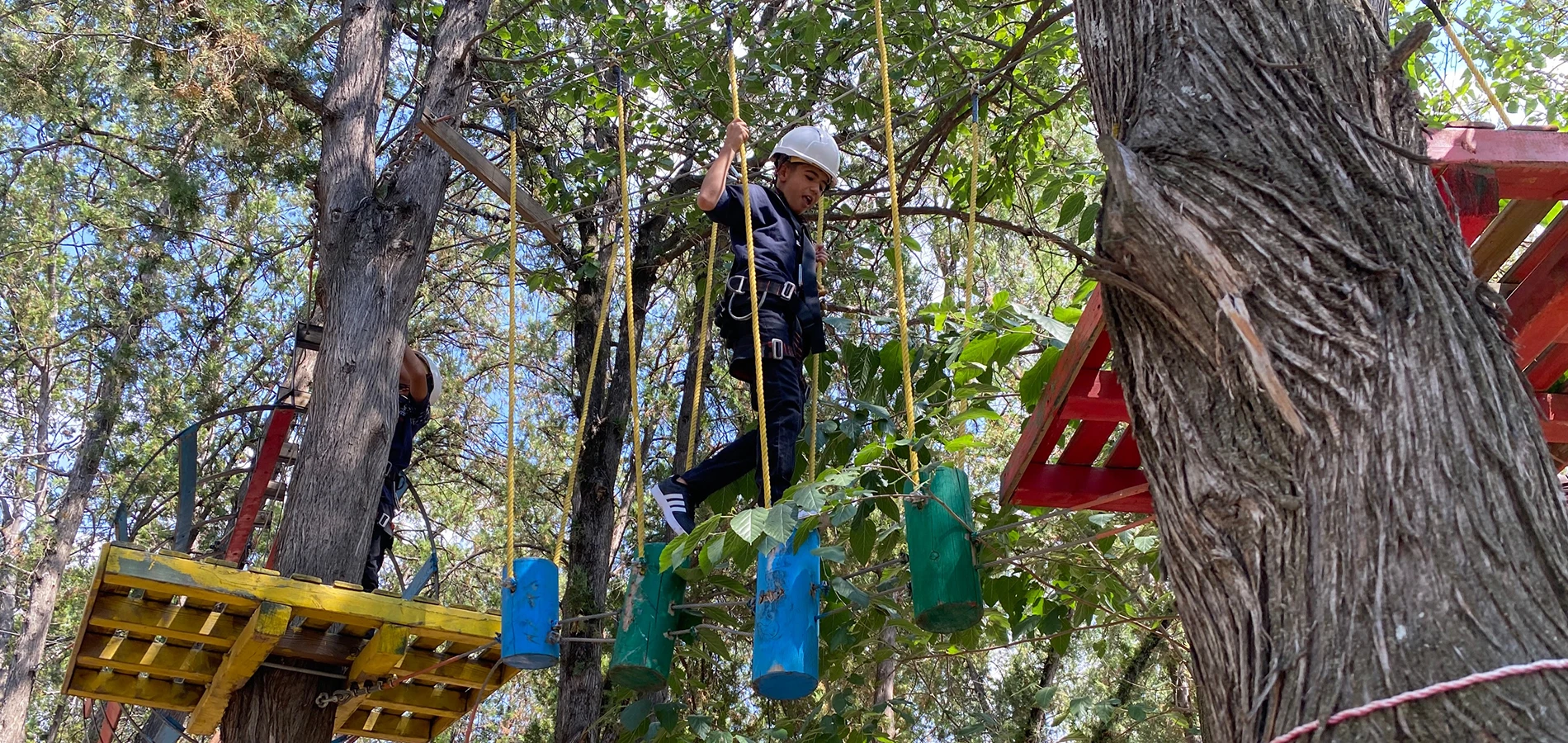
Discover the Çeşnigir viewpoints, Karaahmetli park, lavender fields and seasonal upland scenery.

In Focus: Kırıkkale’s Archaeological Crossroads

Büklükale, Çeşnigir and the Long History of the Kızılırmak

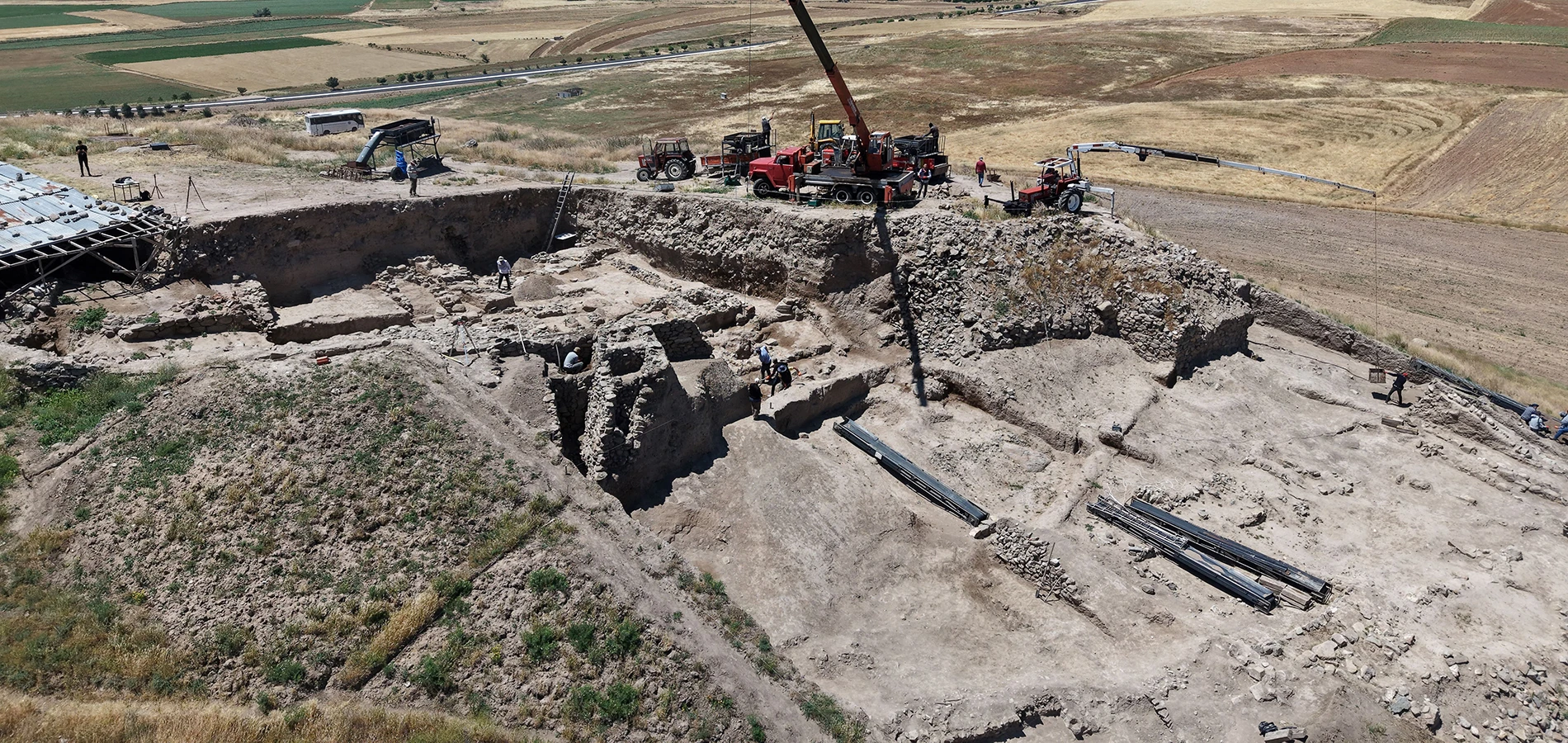
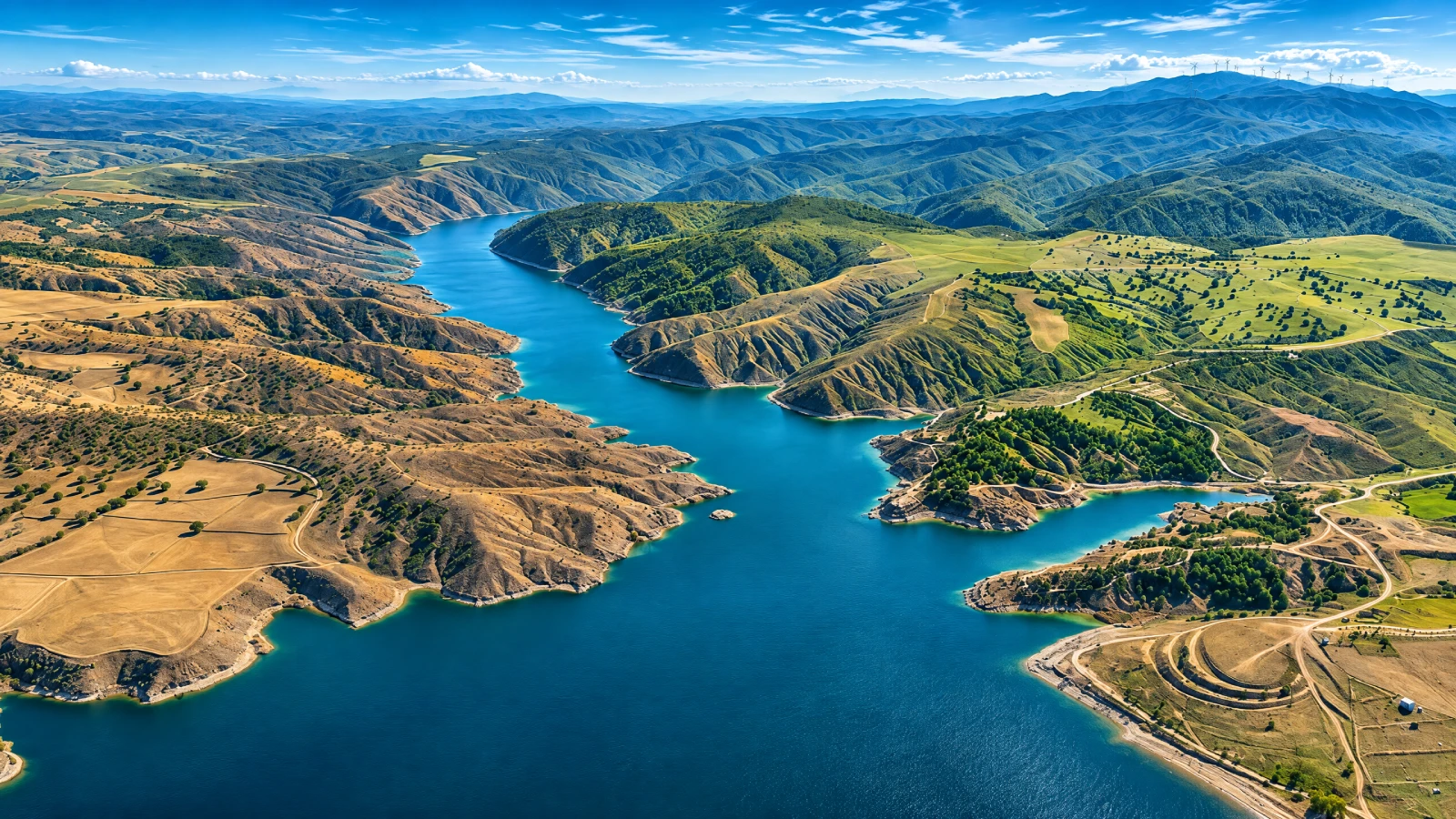
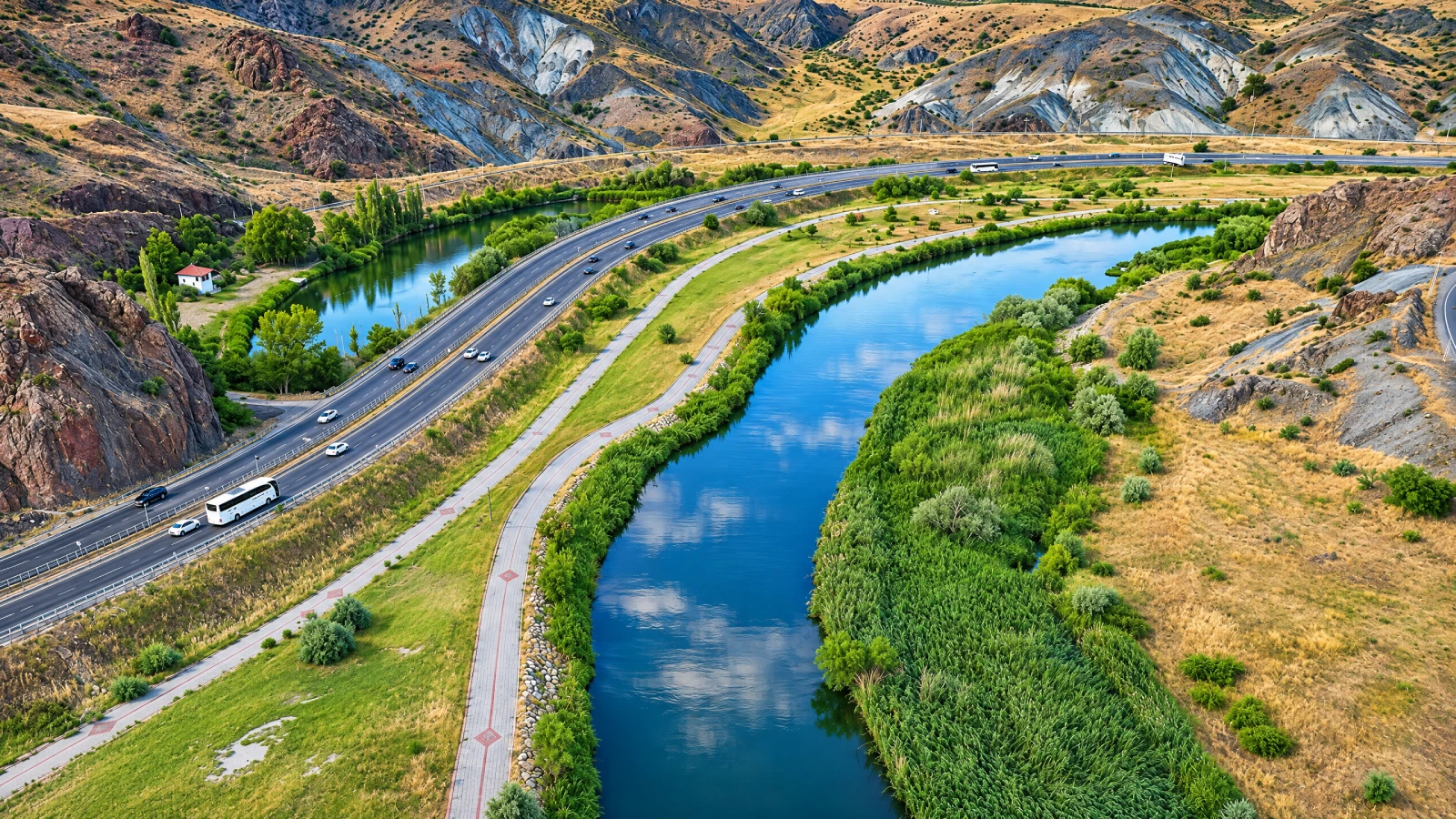
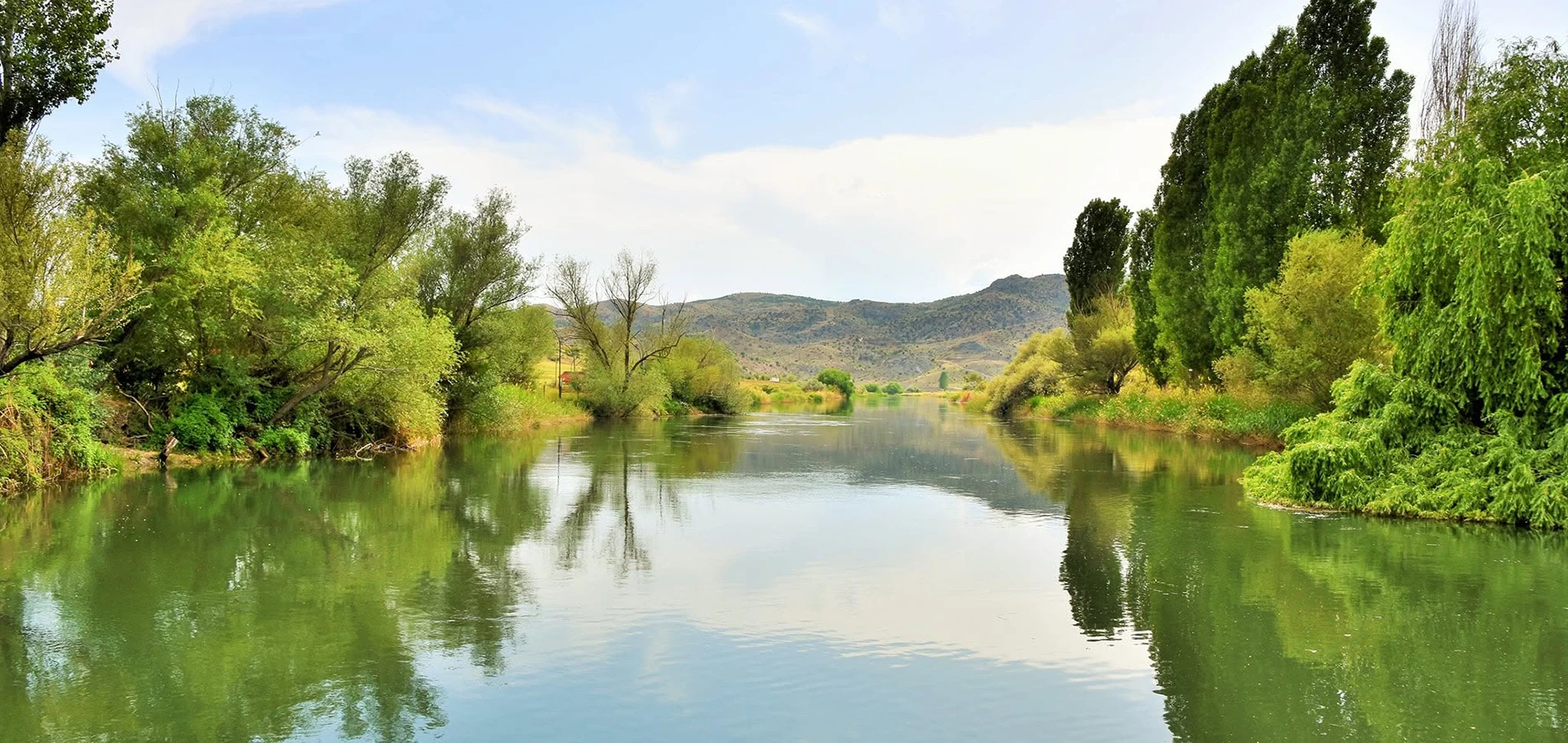
The Kızılırmak River is more than a scenic background. In central Anatolia it shaped routes and strategic crossings. Near Karakeçili, the archaeological settlement of Büklükale has been studied through modern excavations and is particularly important for its Late Bronze Age levels. Finds show why archaeologists consider the site relevant to the political landscape of the Hittite era, though identification with any specific ancient city should be made only when the evidence supports it.

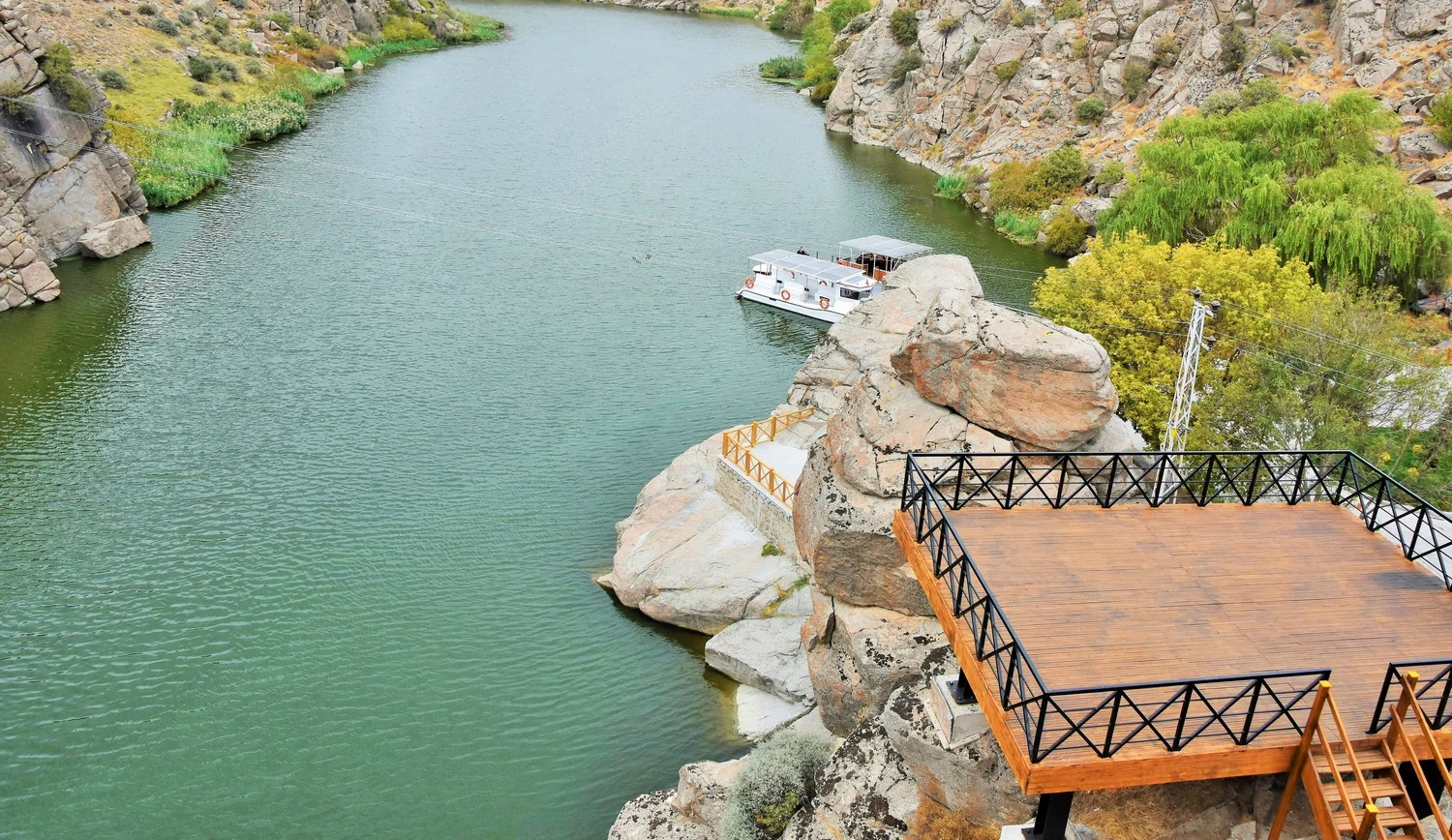
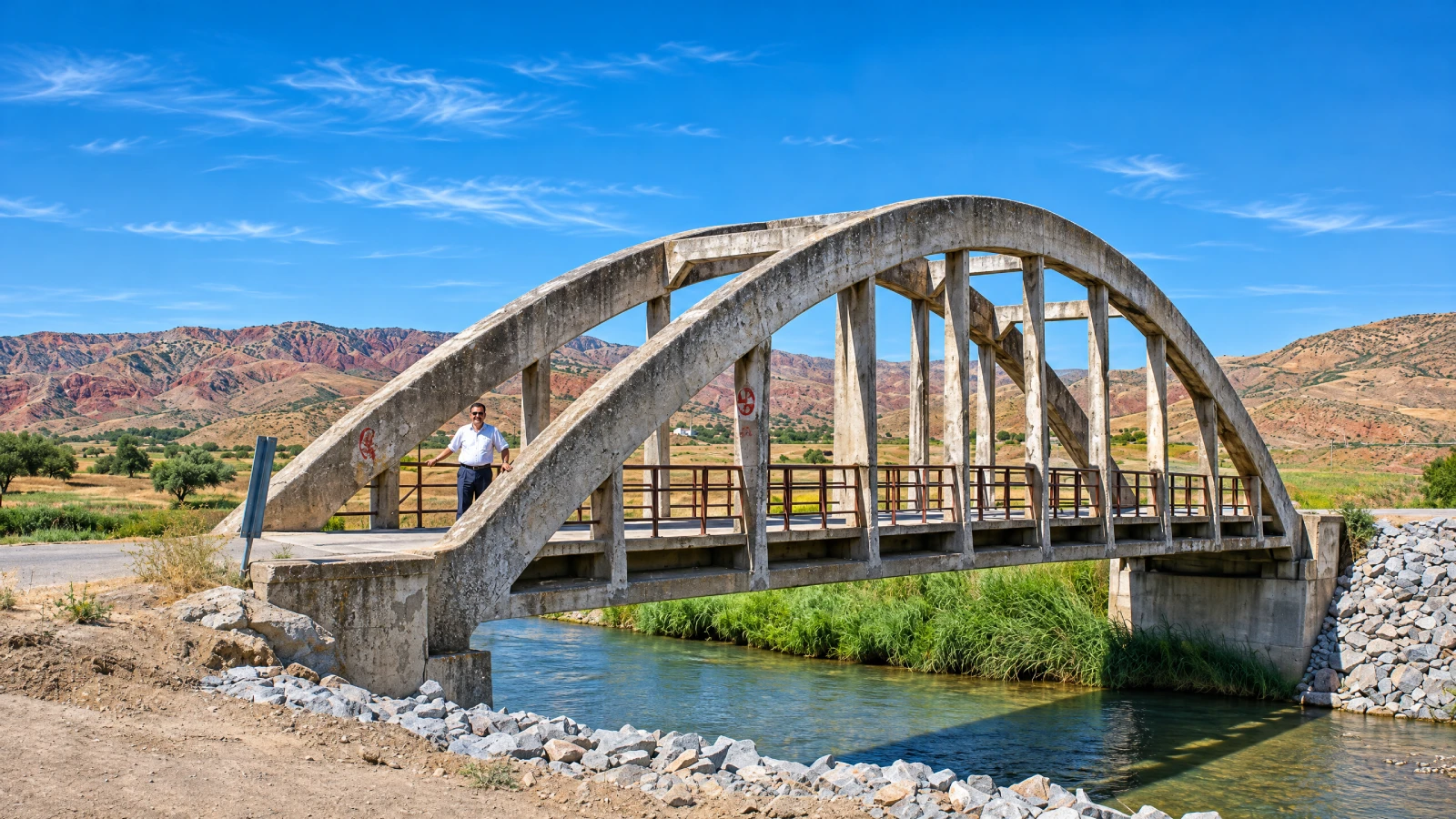
Not far away, Çeşnigir Bridge is usually dated to the thirteenth-century Seljuk period and later received Ottoman repairs. Because it lacks a surviving foundation inscription, confident claims about its original patron or a particular famous architect are unwarranted. The bridge should be appreciated as a structure whose alignment, masonry and relationship with the river help explain generations of movement across Anatolia.

Today the nearby canyon includes viewing platforms and modern visitor facilities. Those additions offer striking vantage points, but they are separate from the protected historic bridge and excavated settlement. Büklükale remains an archaeological site rather than an ordinary open-air museum; never enter trenches or restricted areas without permission.

Explore Kırıkkale

Complete Kırıkkale Travel & Culture Directory

Explore 65 carefully selected places, heritage subjects, nature areas and regional-food guides.

Çeşnigir Bridge in Kırıkkale, Türkiye
Kızılırmak & Karakeçili

Çeşnigir Bridge

A remarkable stone crossing on the Kızılırmak

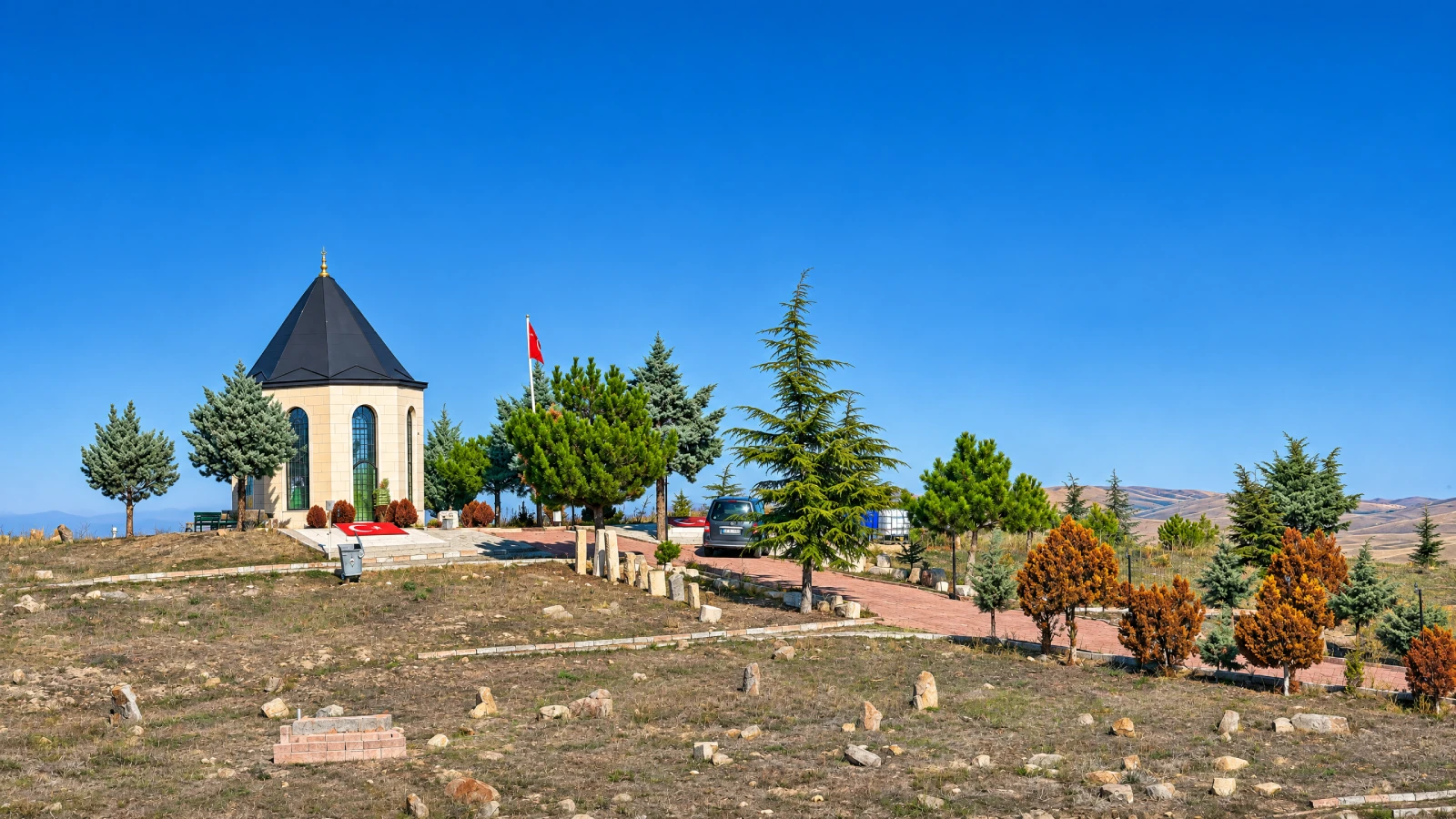
Koçubaba Tomb in Kırıkkale, Türkiye
Balışeyh & Highland

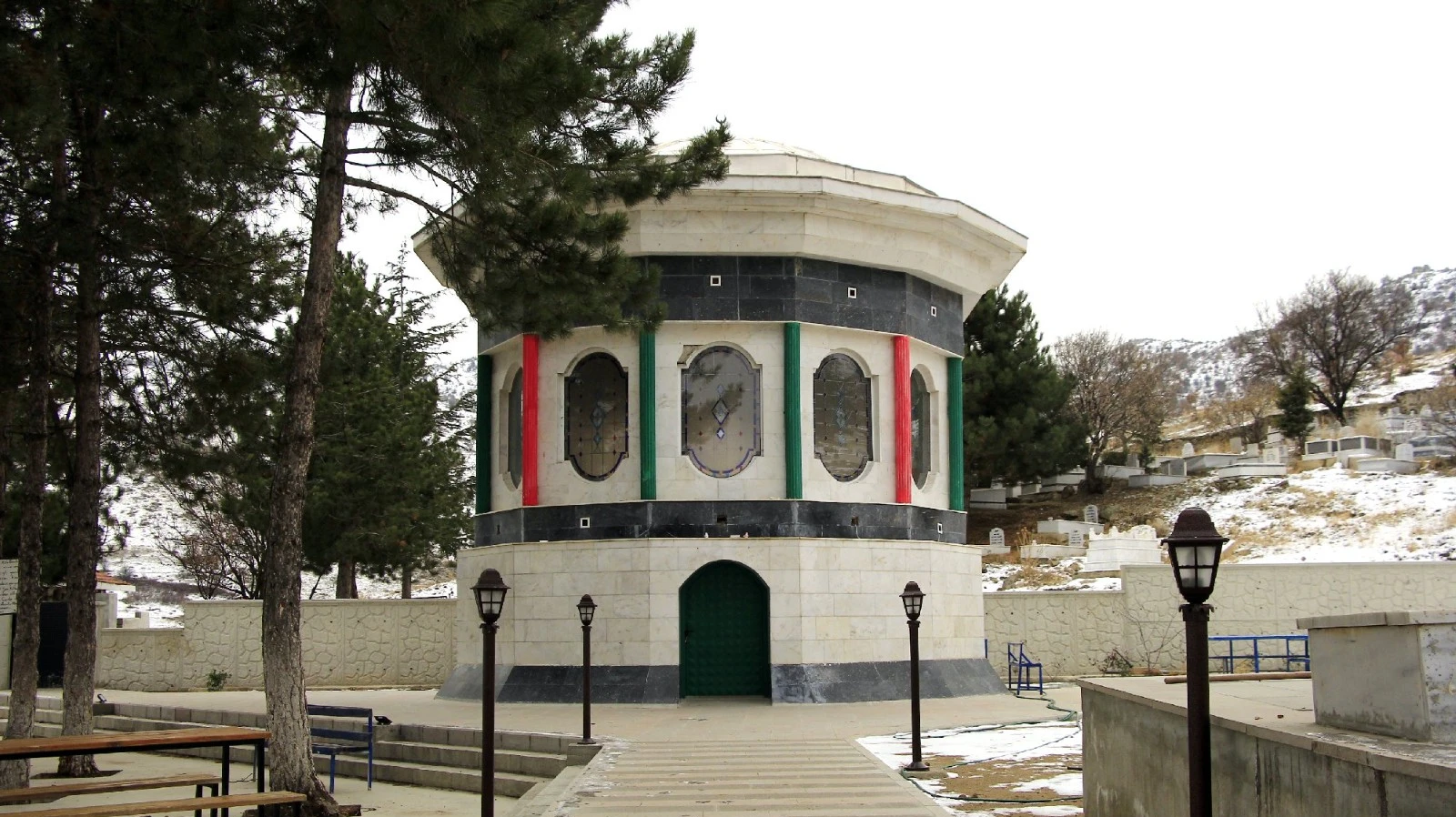
Koçubaba Tomb

Turkmen and Bektashi devotional heritage

Keskin Fişekhane in Kırıkkale, Türkiye
Historic Keskin

Keskin Fişekhane

A former ammunition-related building in the townscape

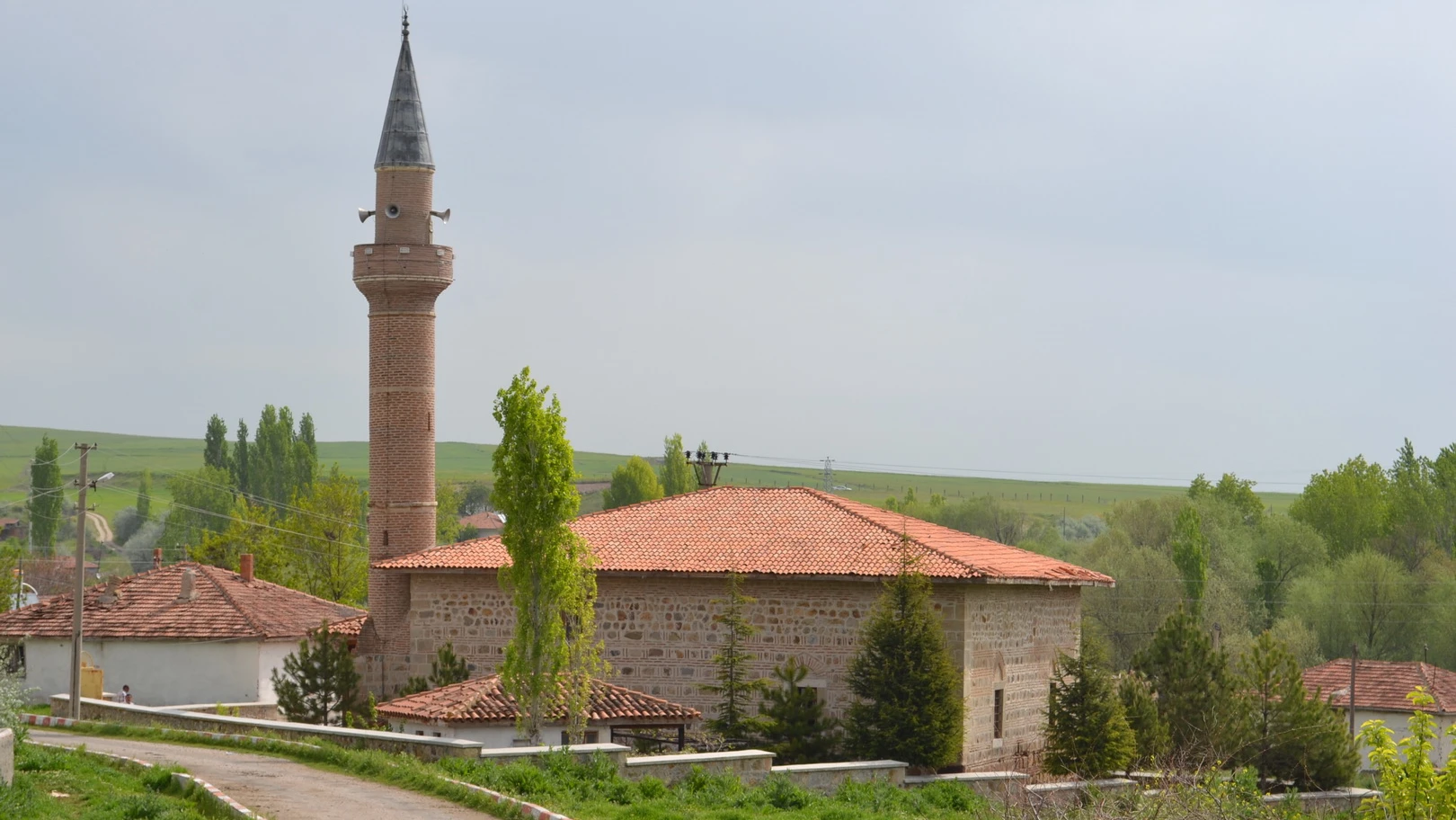
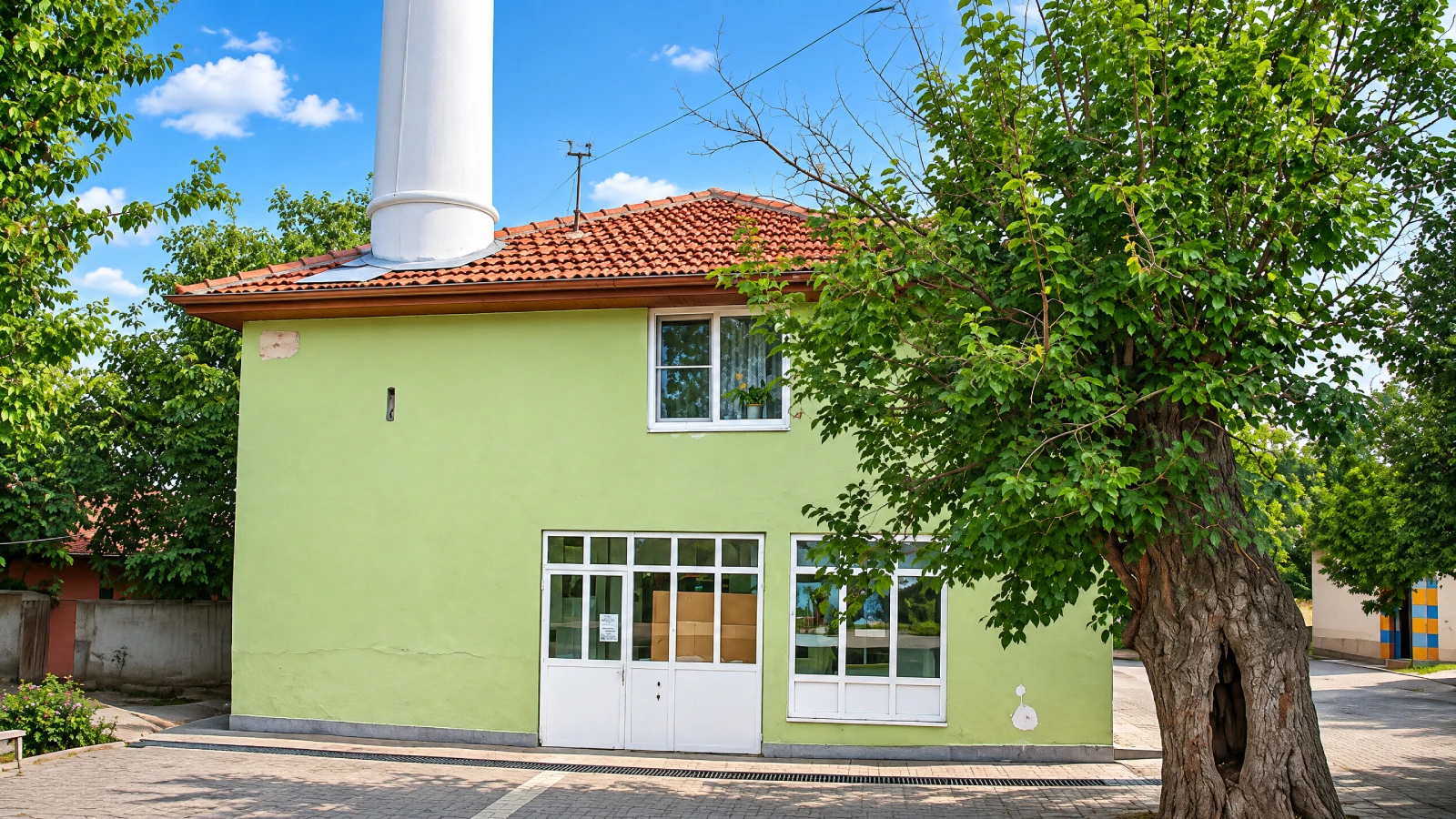
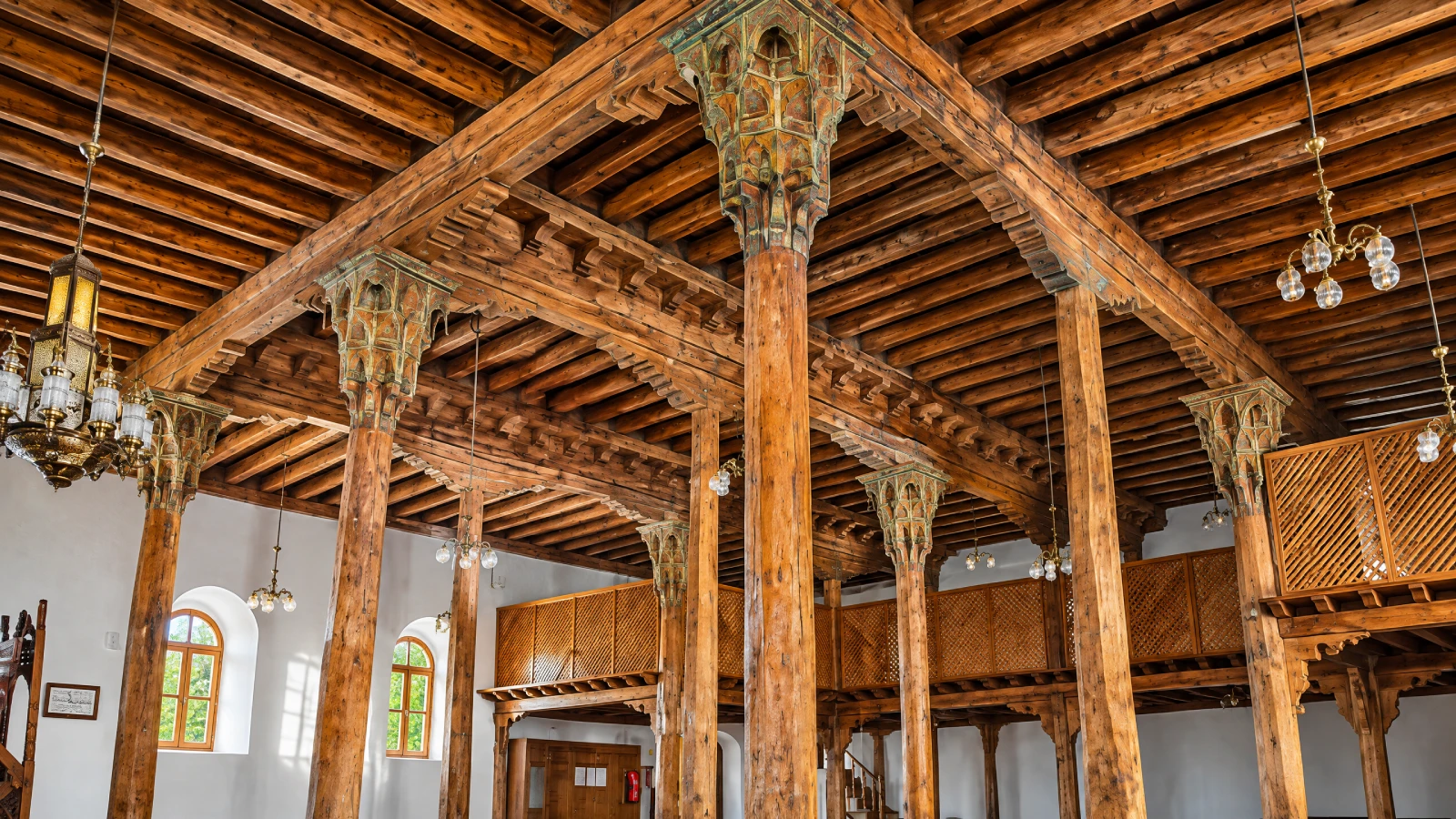
Ballı Mosque in Kırıkkale, Türkiye
Balışeyh & Highland

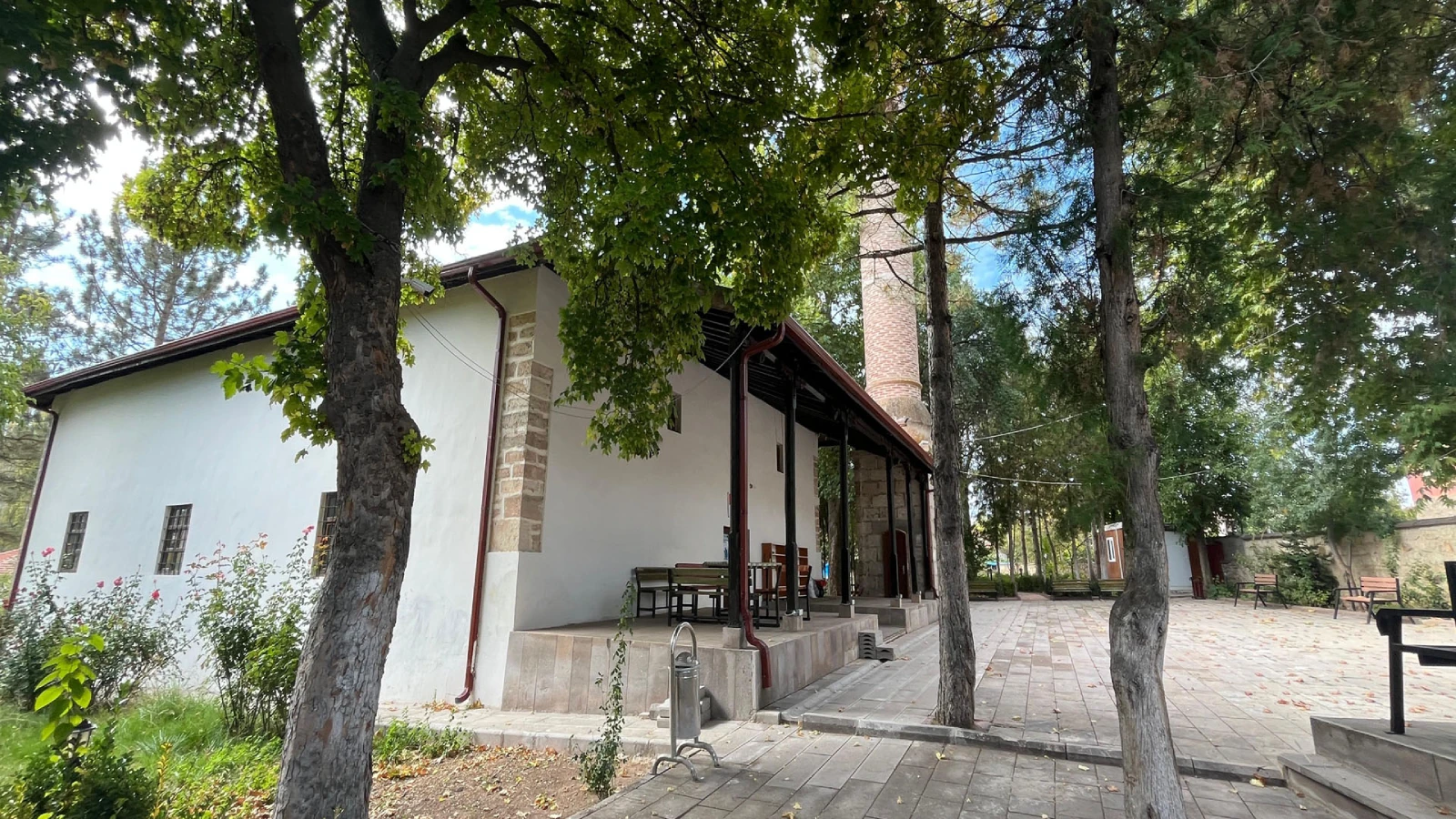
Ballı Mosque

Religious architecture on the Balışeyh route

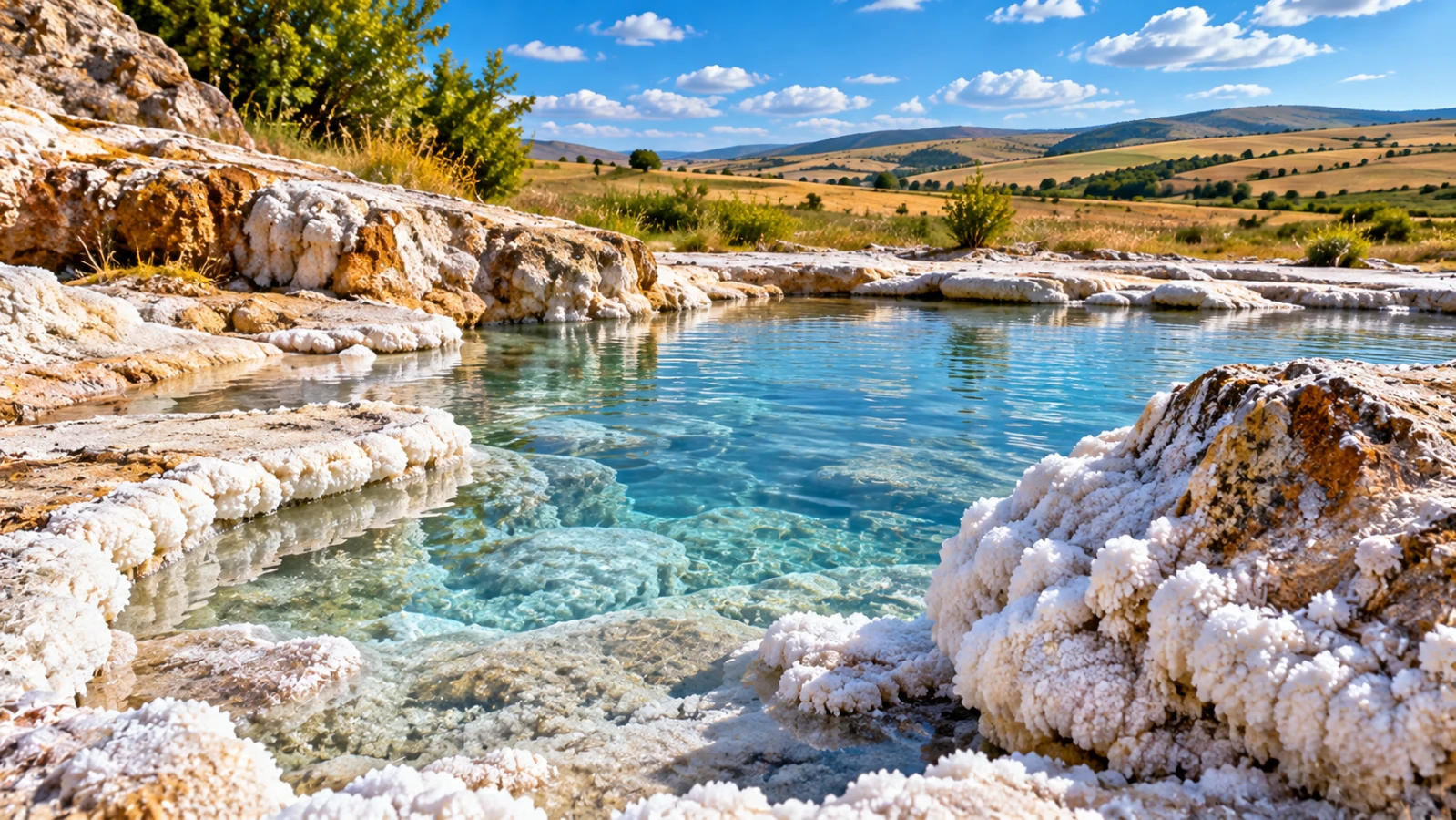
Delice Salt Cave in Kırıkkale, Türkiye
Delice & Eastern Kırıkkale

Delice Salt Cave

Geology and salt traditions of the district

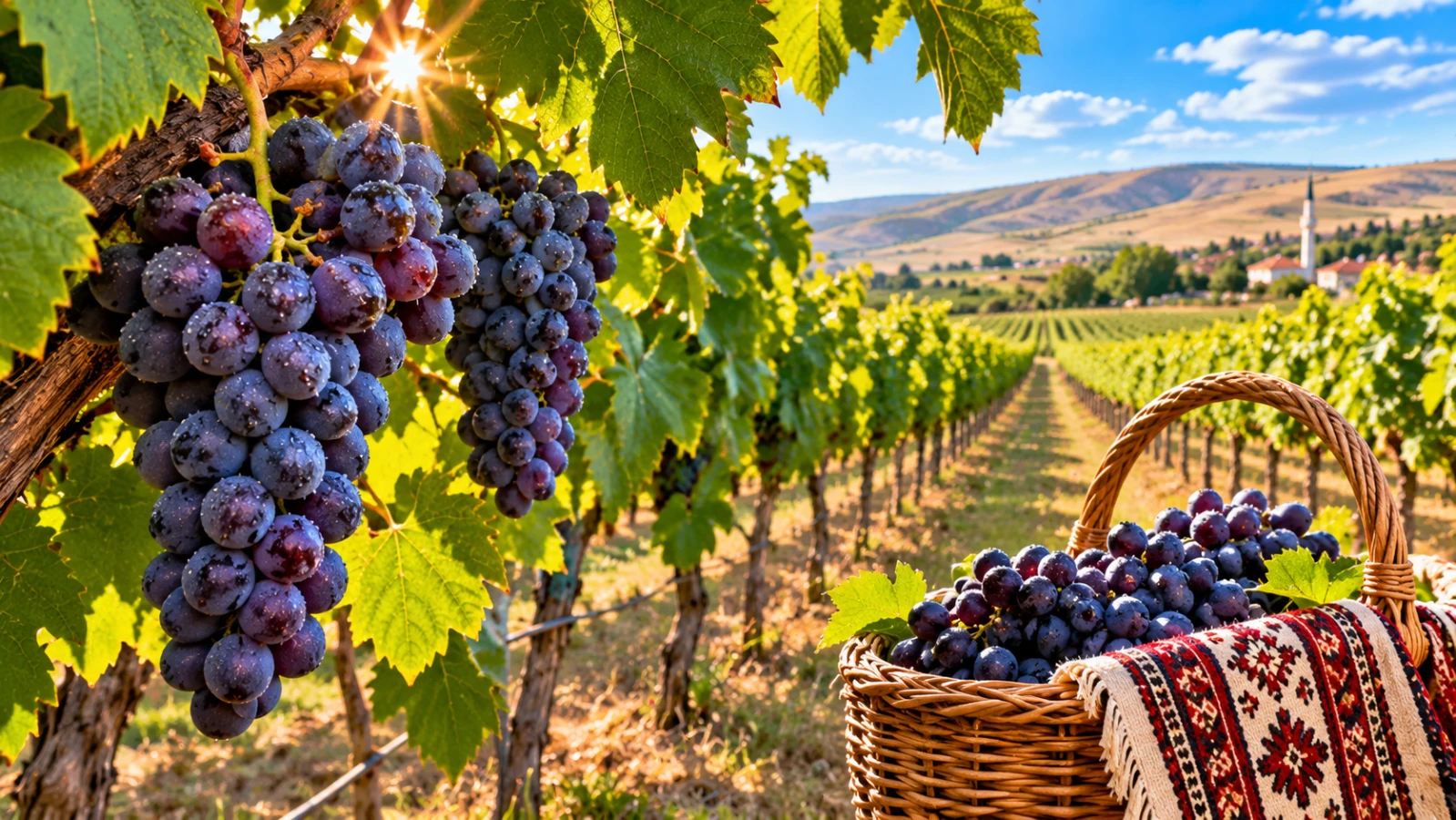
Delice Grapes in Kırıkkale, Türkiye
Delice & Eastern Kırıkkale

Delice Grapes

Local viticulture and a geographical indication application awaiting registration

Best Day Trips and Regional Routes in Kırıkkale

Organise your travel by geography. These are thematic clusters, not guarantees that every attraction is accessible on a given day.

Ancient River Crossing

Çeşnigir & Büklükale

Combine the protected bridge, canyon viewpoints and the setting of a major Bronze Age excavation.

Art, Music & Heritage

Historic Keskin

Focus on the Taş Mektep, Rahmi Pehlivanlı, old houses, Sulu Cave and Keskin Tava.

Faith & History

Hasandede & Koçubaba

Learn about local shrine traditions and the architecture of village mosque complexes.

Scenic Escape

Bahşılı & Balışeyh

Choose Karaahmetli and the reservoir or a seasonal highland and lavender outing.

What to Eat in Kırıkkale

Kırıkkale’s tables bring together local oven dishes, soups, wheat-based foods, festive pastries and products from the Delice countryside.

Kırıkkale at the Table

Keskin Tava, Delice Salt and the Foods of Rural Anatolia

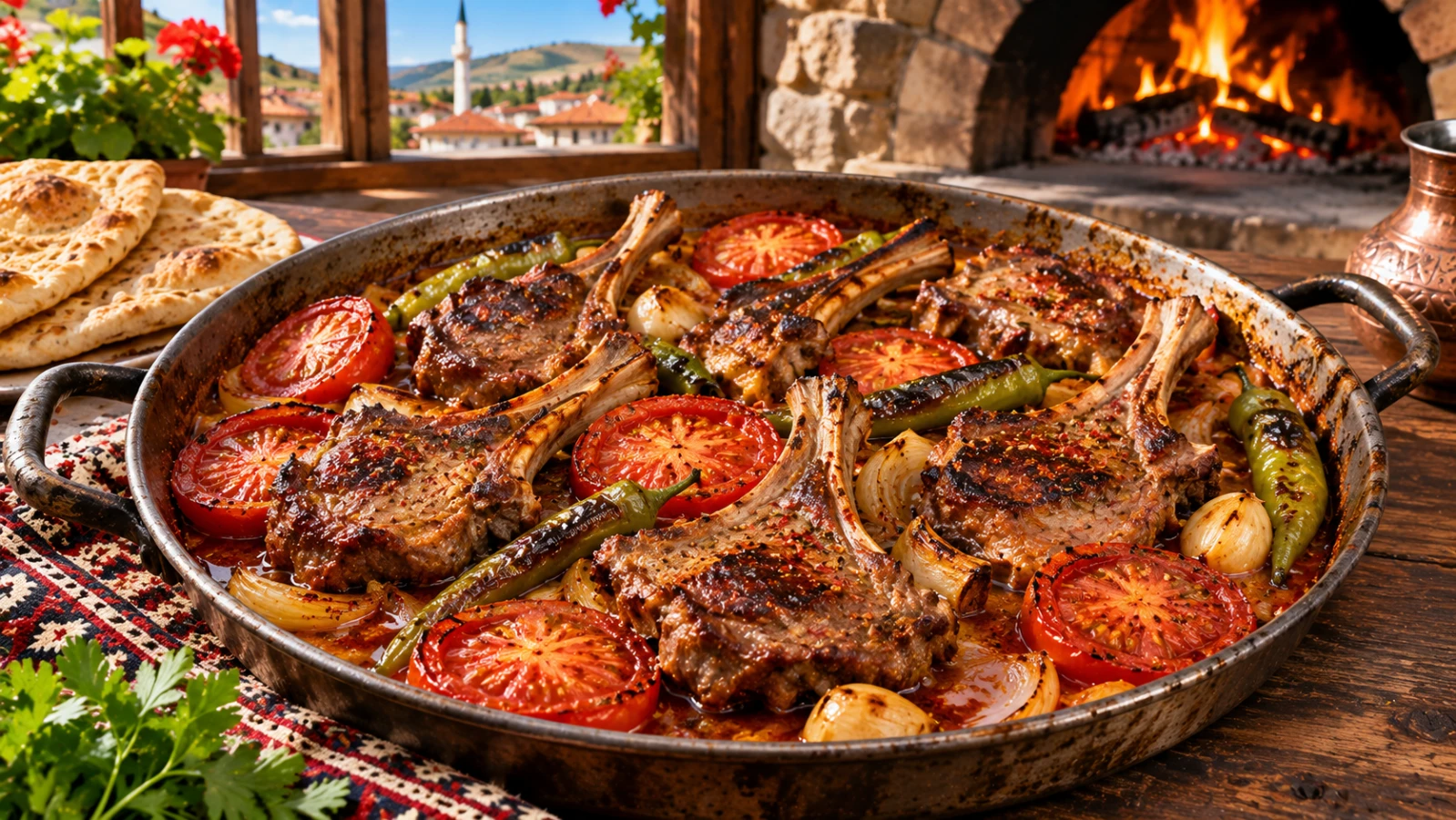
Keskin Tava is the province’s best-known specialty and has geographical-indication status. Its oven-baked combination of meat and vegetables belongs to a culinary tradition of slow cooking and shared meals. The existing Wow Cappadocia article is retained at kirikkale-sharp-pan.html for continuity, while this guide uses the proper dish name in English.

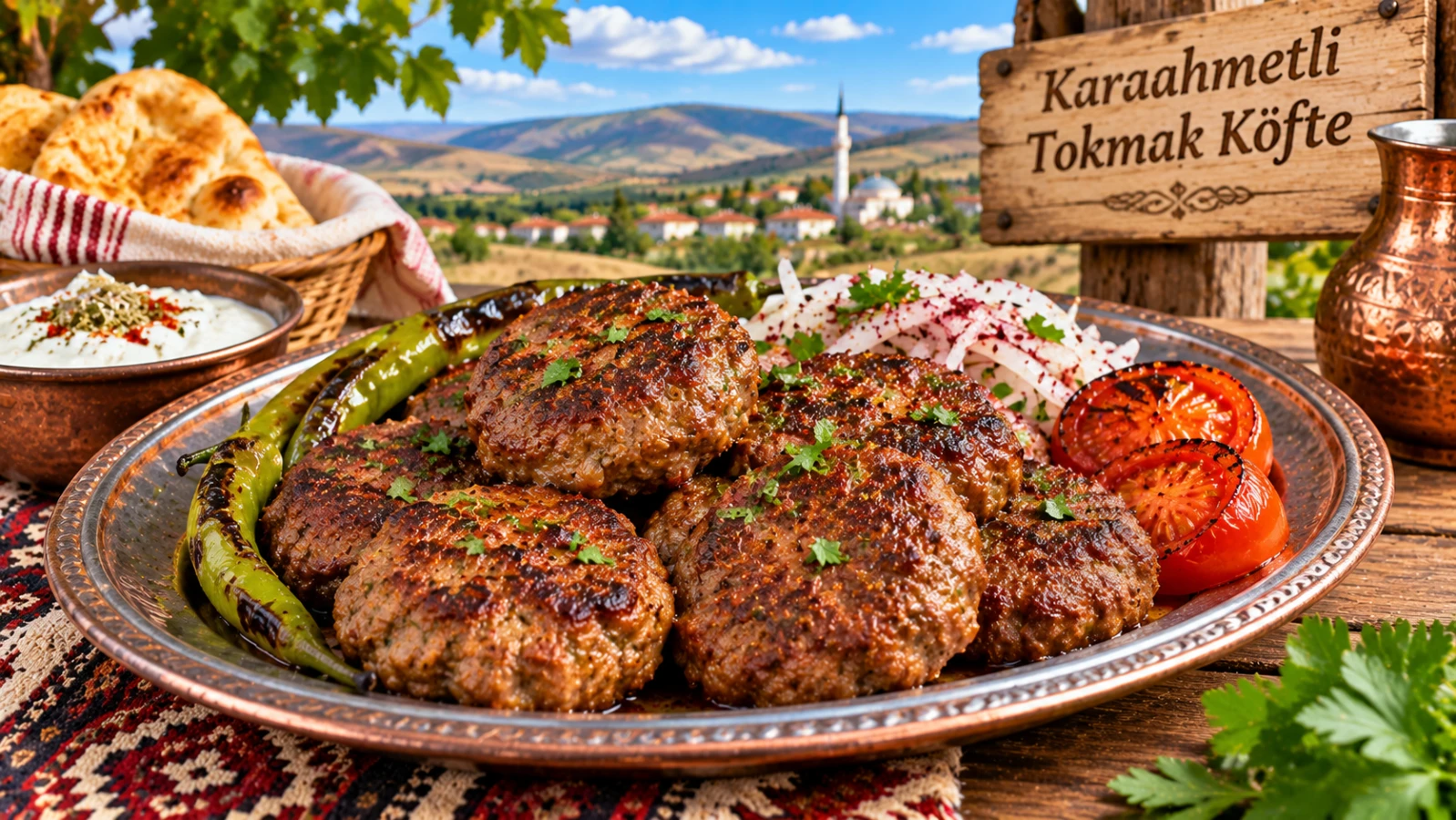
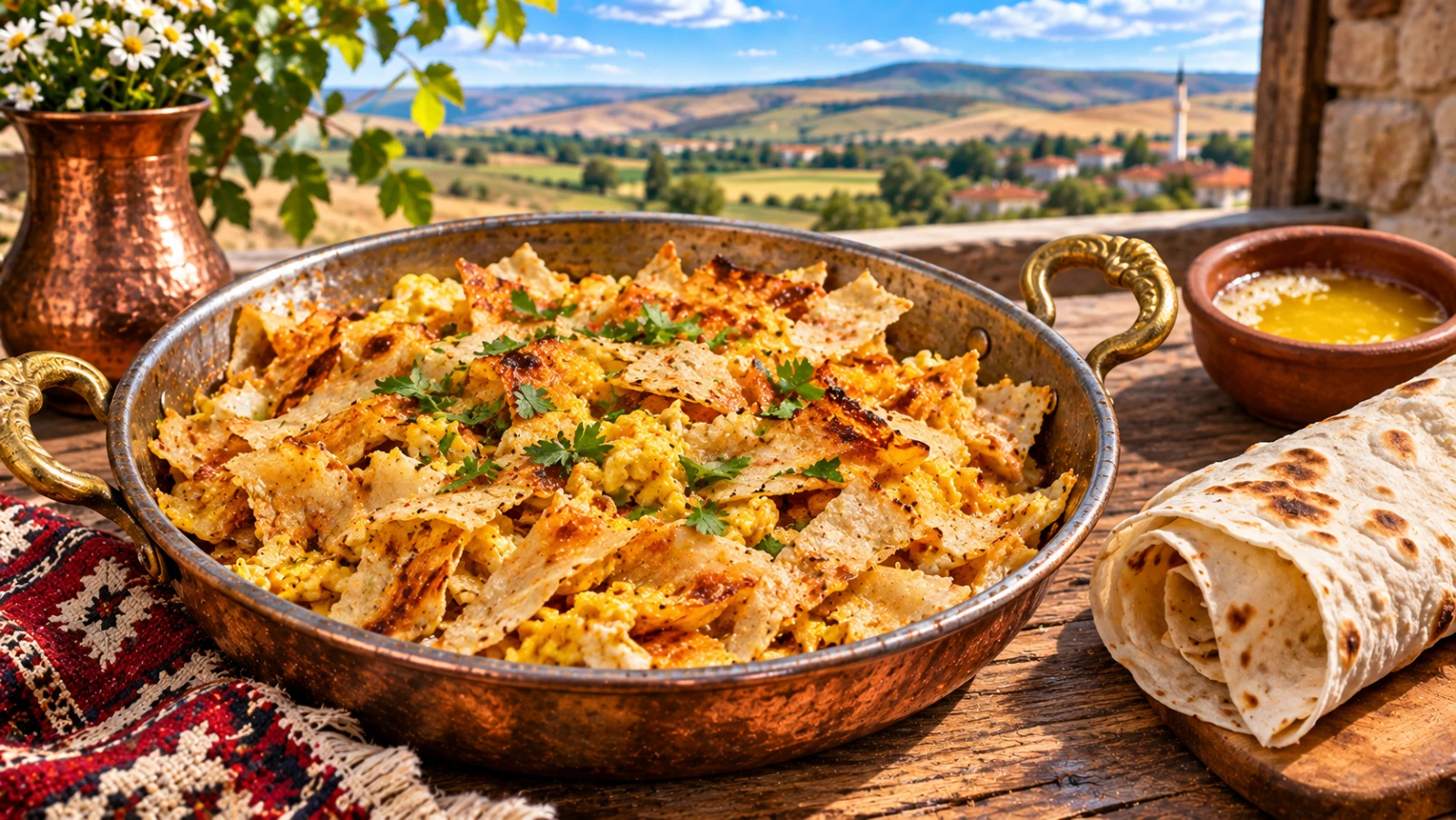
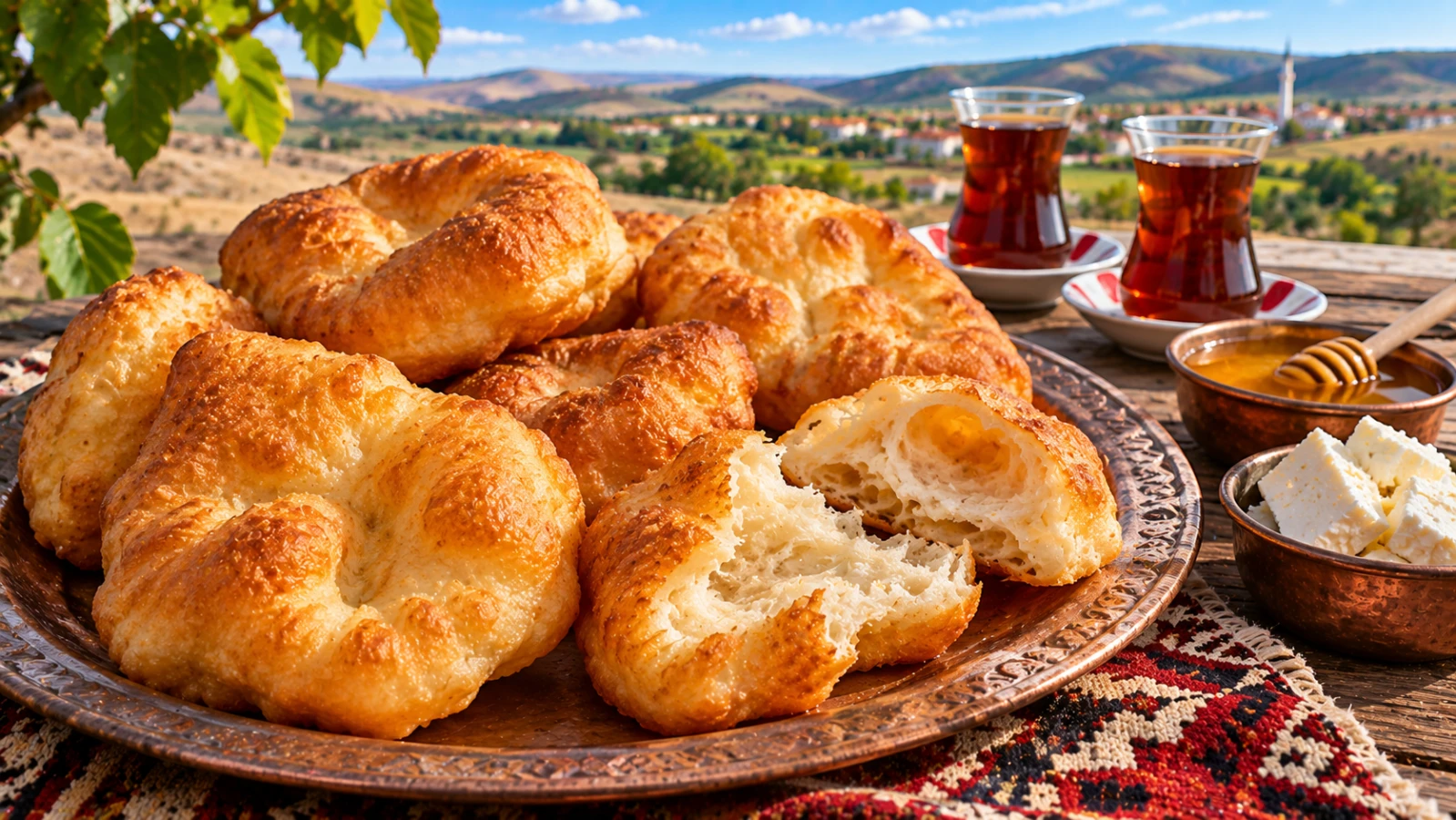
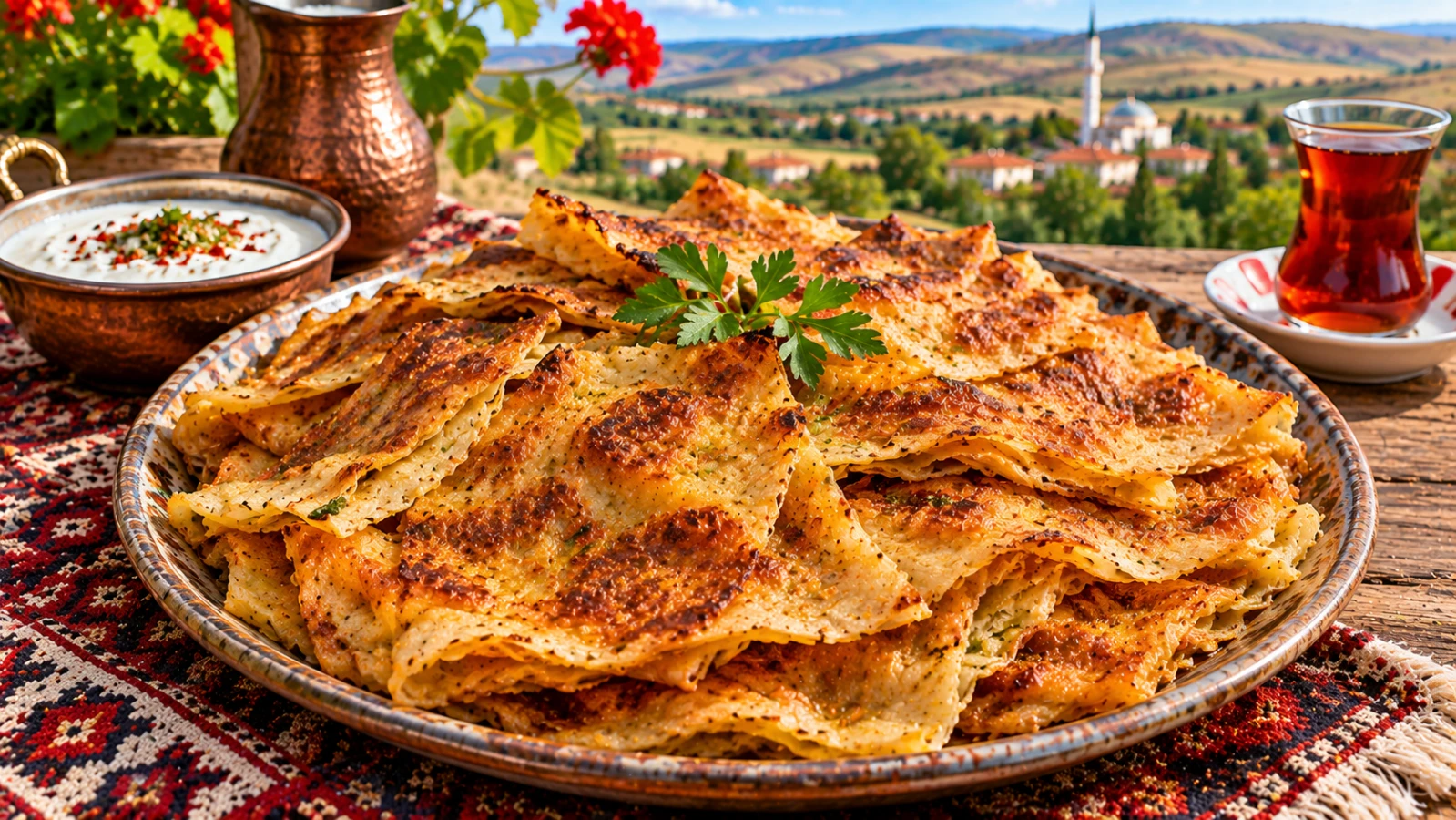
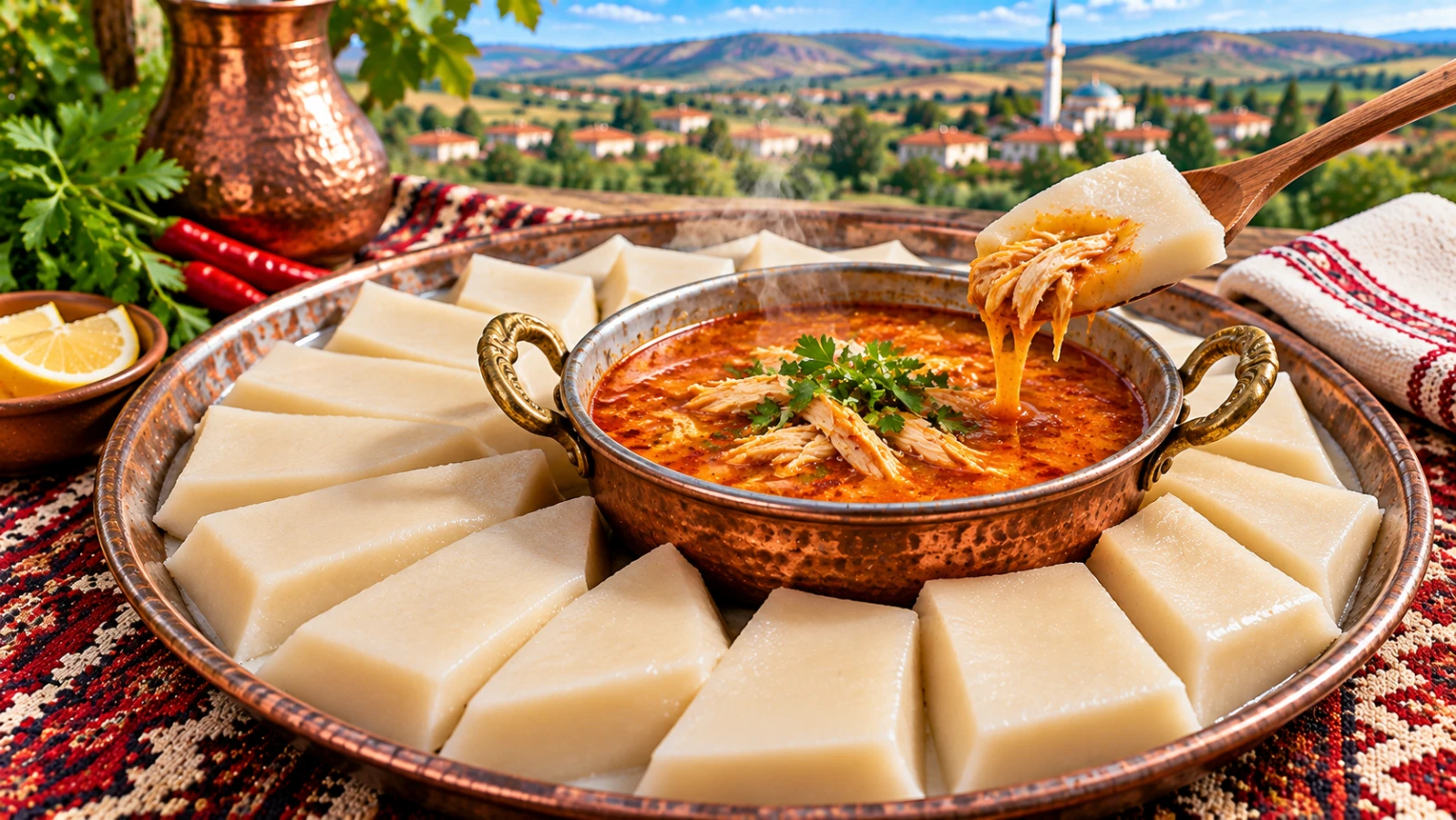
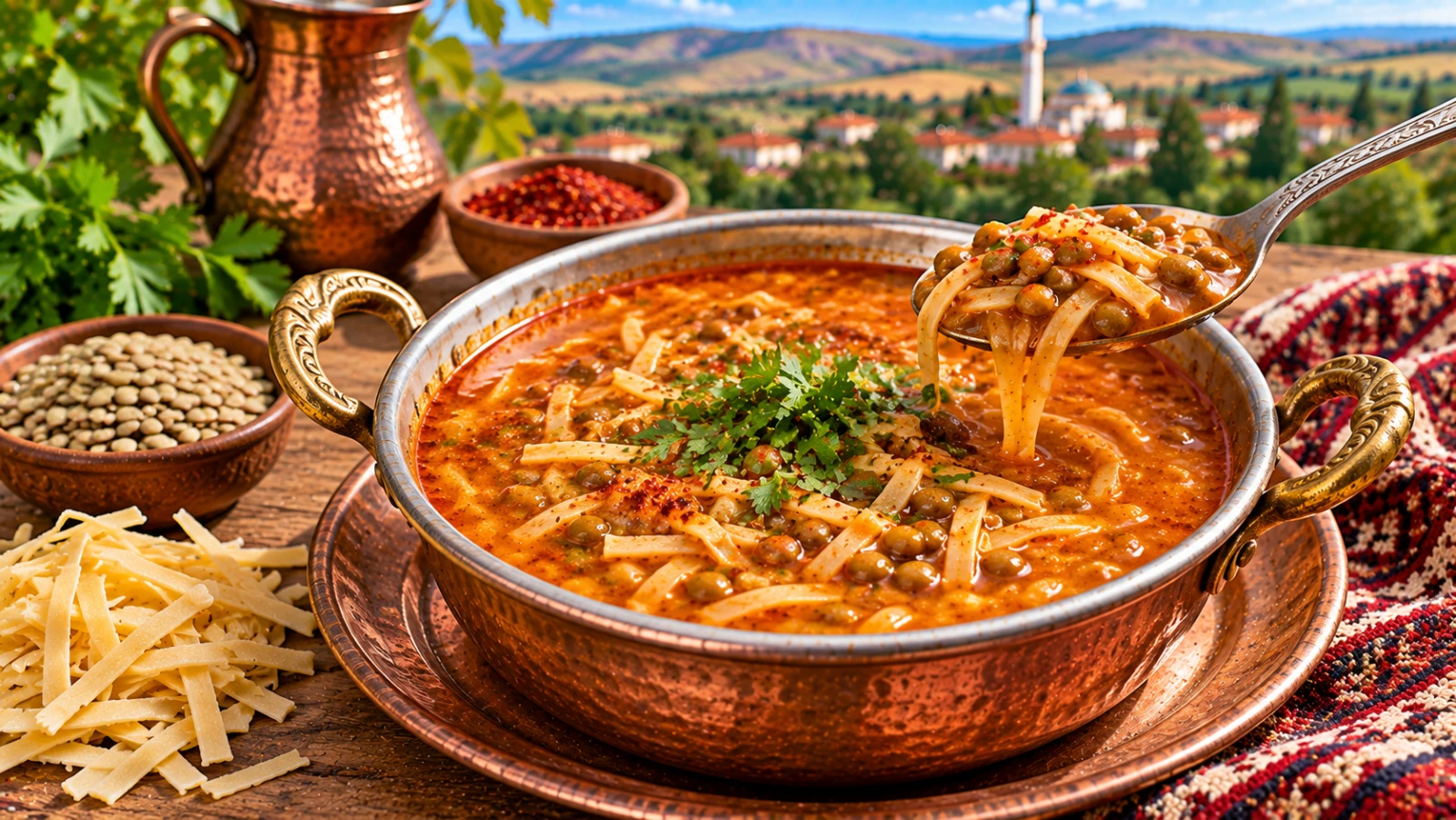
The food story extends from Karaahmetli Tokmak Köfte to omaç, bişi, cacıran, arabaşı and lentil-noodle soup. Not every recipe is exclusive to Kırıkkale; many circulate across central Anatolia. This shared culinary geography is part of the culture, rather than a reason to claim that every dish originated in one province.

Delice Natural Spring Salt is a geographically indicated product from spring waters in the district, while Delice grapes reflect long-running local agricultural practice. Regional dishes and products are not always available in every restaurant or market, so ask locally and respect seasonal availability.

How Many Days Do You Need in Kırıkkale?

The city is compact, but its most rewarding heritage sites are dispersed across separate districts.

One Day

Çeşnigir & Keskin Highlights

Visit the bridge and canyon, then continue to historic Keskin for a selective walk and a meal of Keskin Tava. Add Büklükale only if access permits.

Two Days

River, Archaeology & Keskin

Give the river sites and Büklükale a day; spend the next at Sulu Cave, Taş Mektep, historic streets and local art landmarks.

Three Days

Add City & Shrines

Include MKE museum and the modern city, Hasandede and a nature stop in Bahşılı or Balışeyh.

Four or More Days

Explore the Outlying Districts

Build a slower circuit through Sulakyurt, Delice and villages; confirm minor-site access and road conditions in advance.

Suggested City & Railway Route

MKE Museum, Kırıkkale Centre and Yahşihan

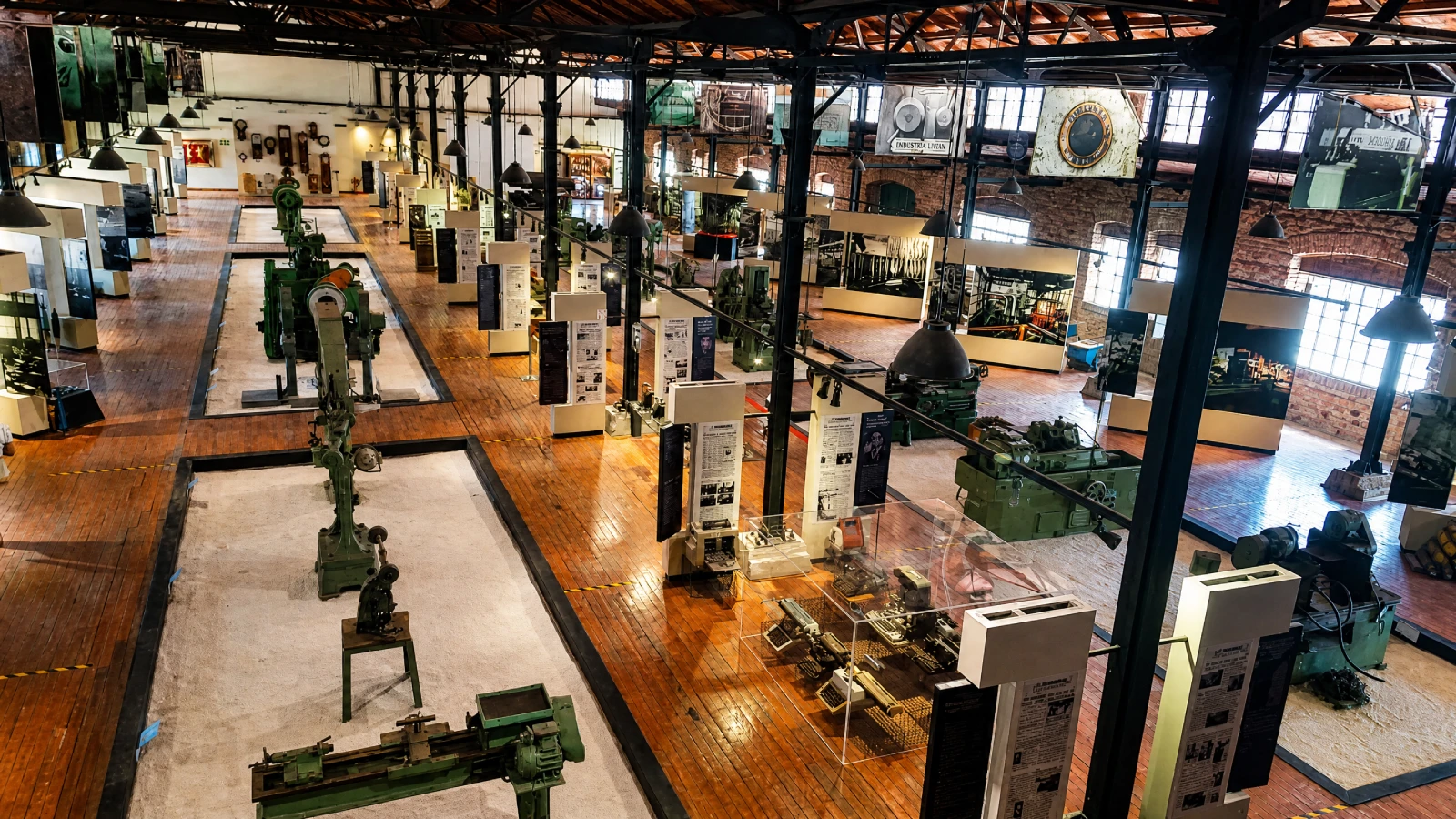
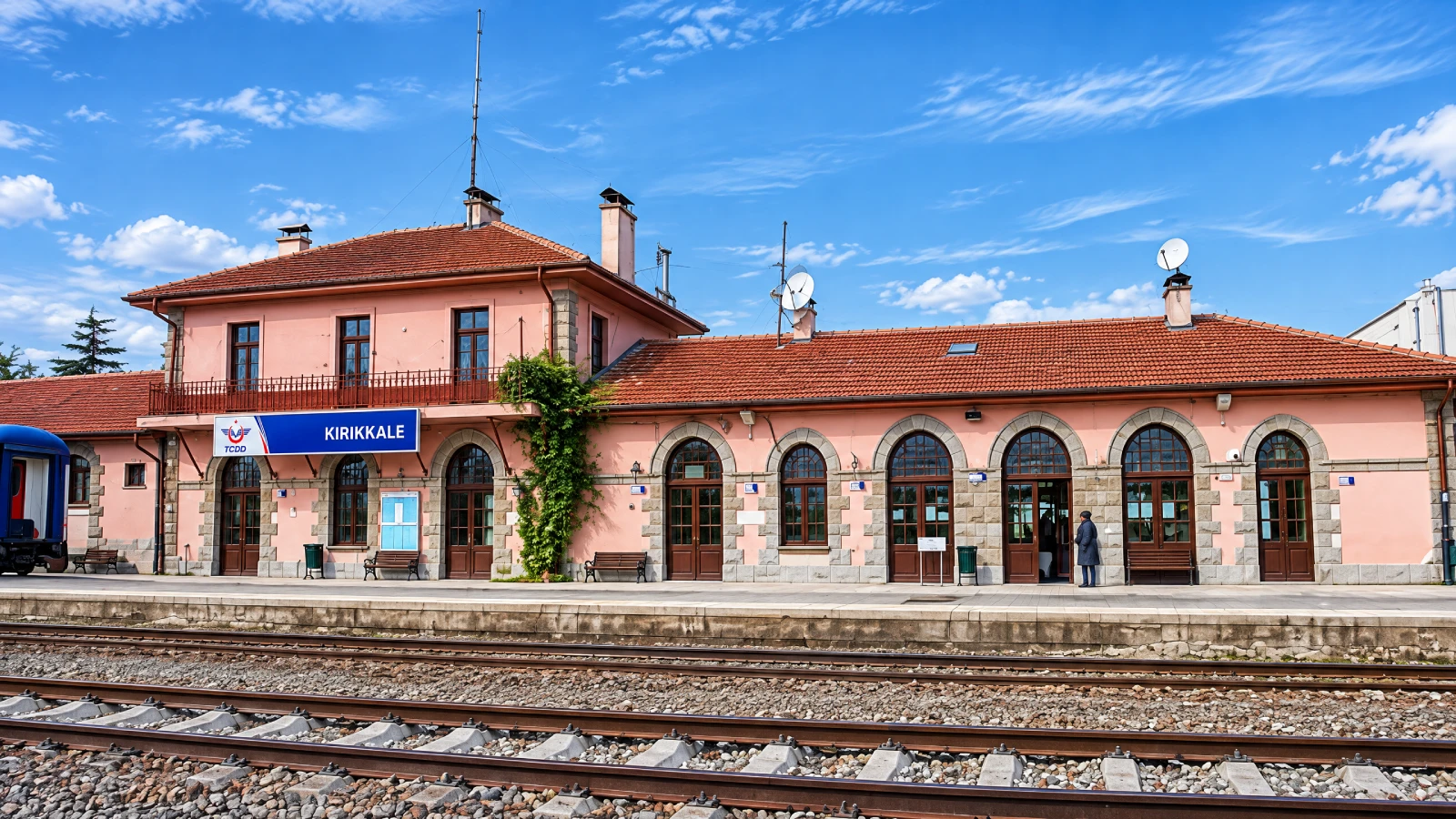
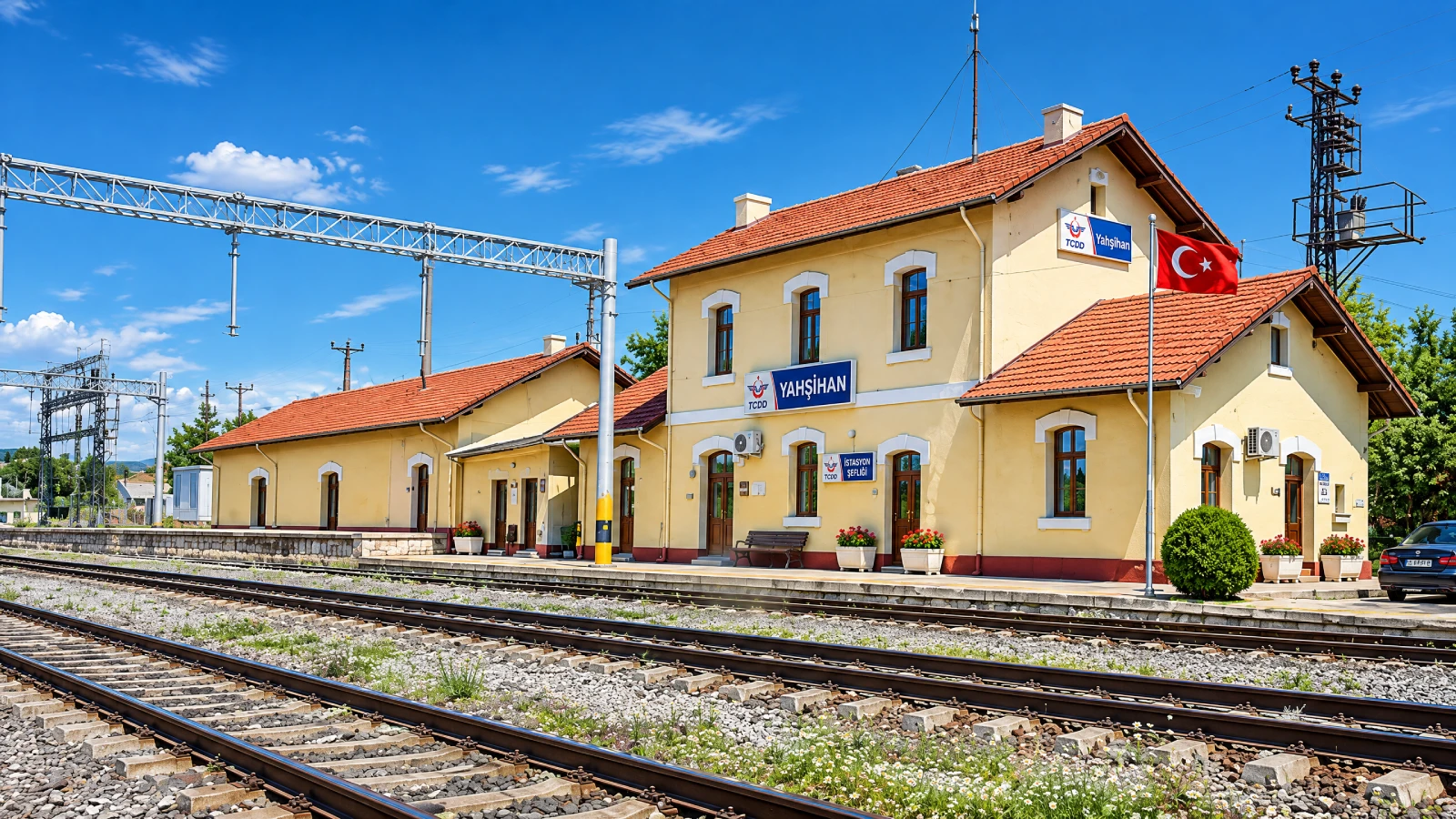
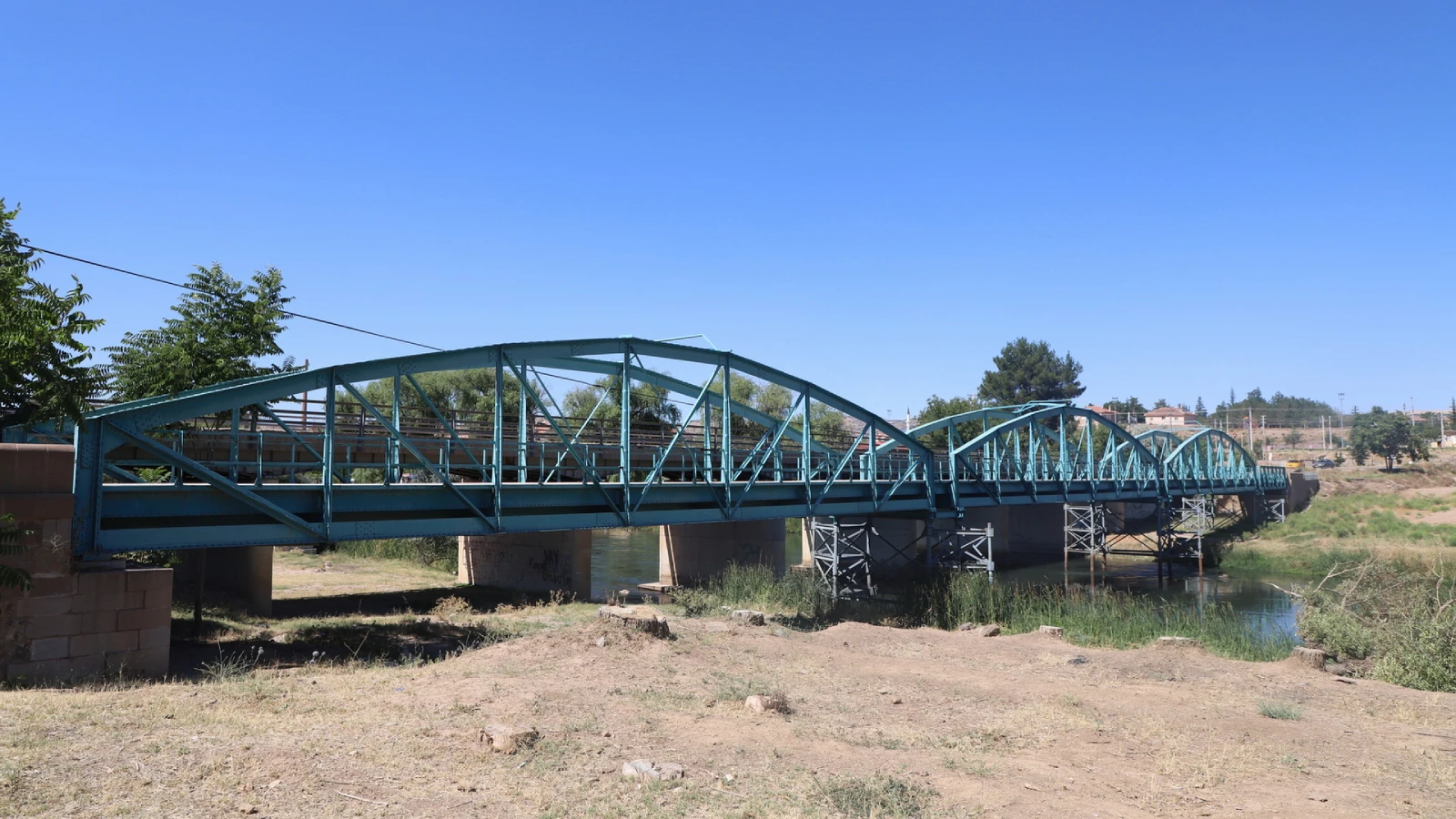
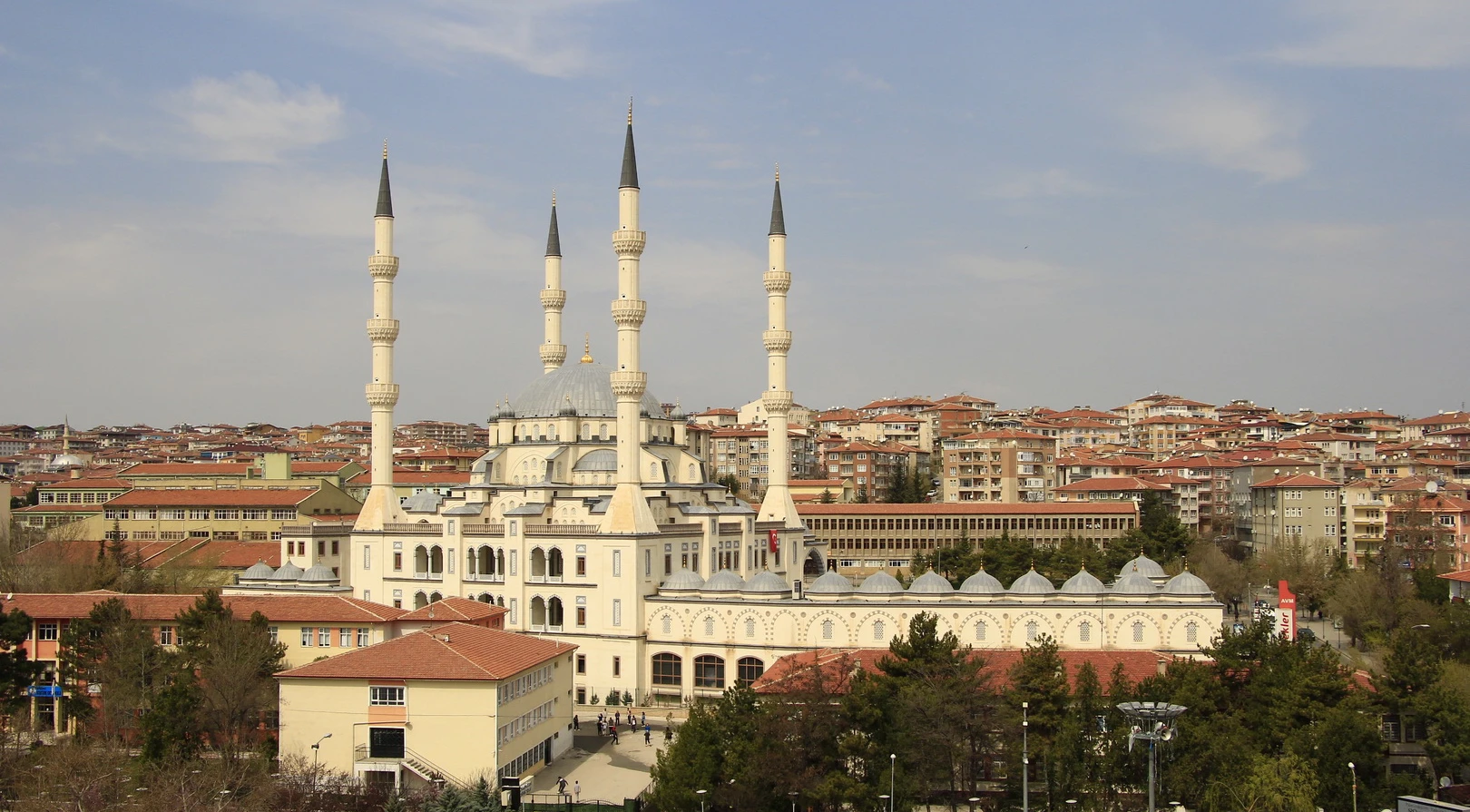
Begin at the MKE Arms Industry Museum to understand the industrial transformation of modern Kırıkkale. Continue through the city centre to see Nur Mosque and places connected to local civic history. Travel toward Yahşihan for its historic railway station and iron bridge. Treat rail infrastructure as an exterior heritage viewpoint unless access is officially permitted.

Suggested River & Archaeology Route

Çeşnigir Bridge, Büklükale and the Kızılırmak

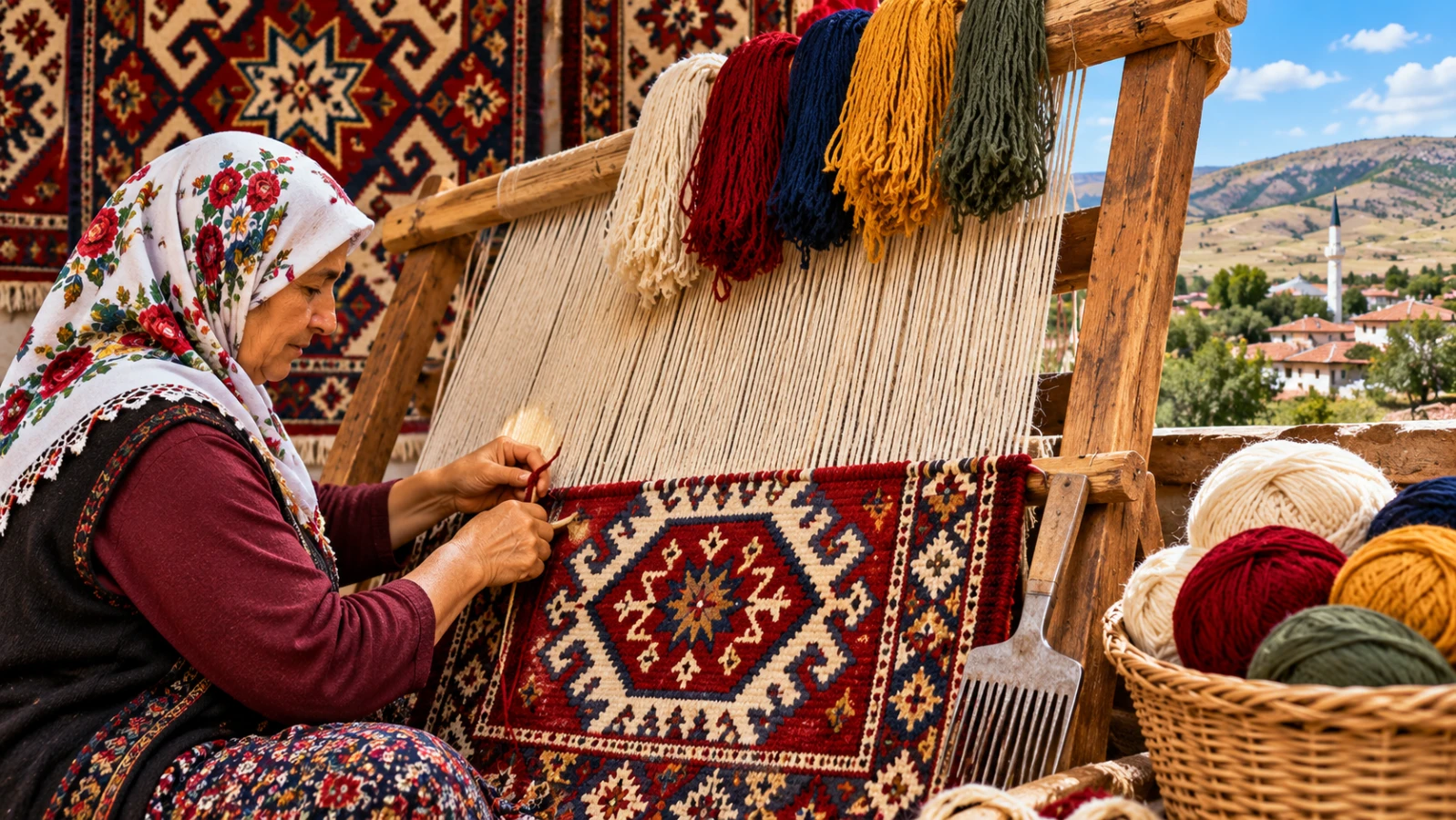
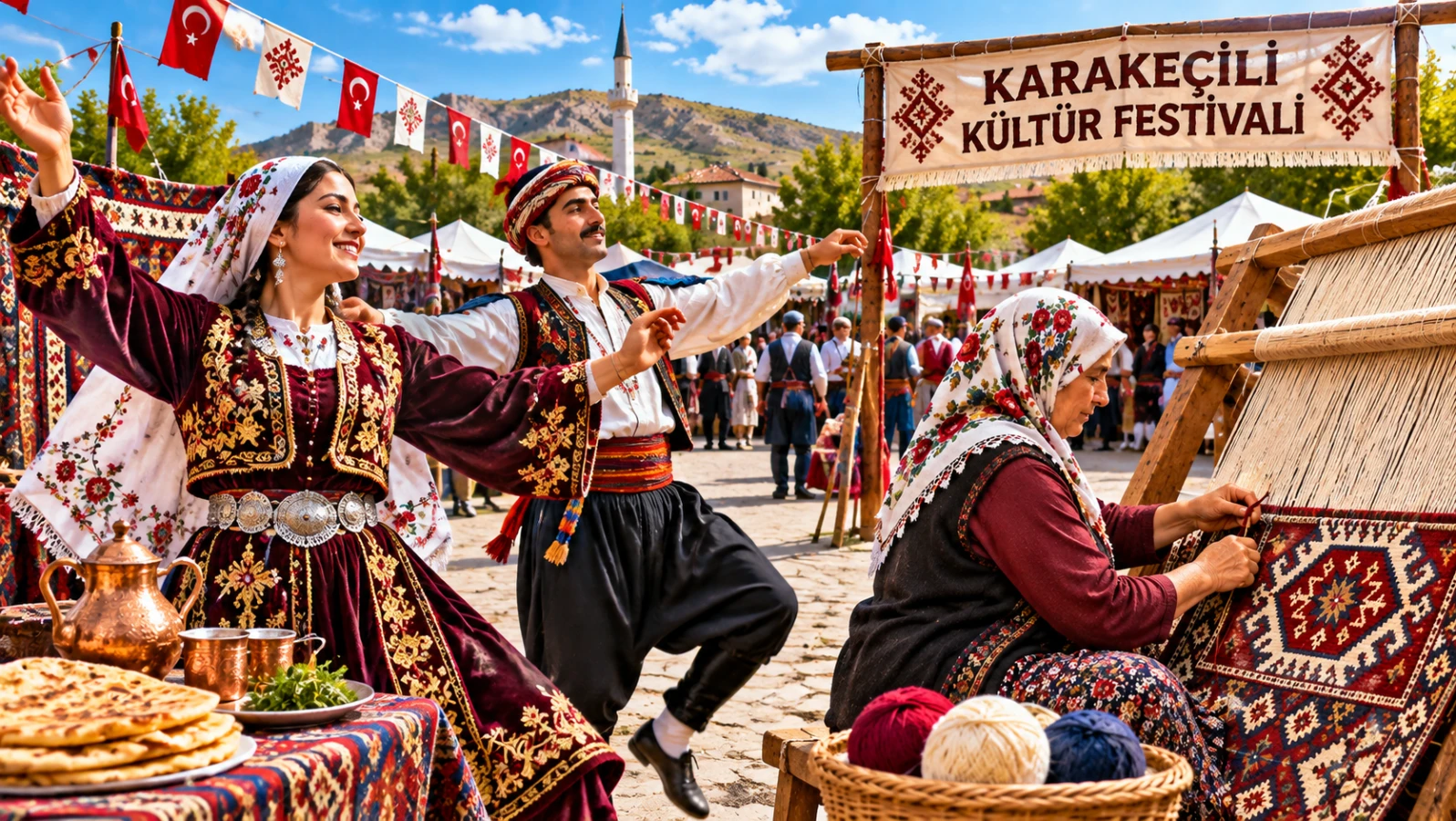
Start with Çeşnigir Bridge, allowing time to examine the stone arches and the approach to the water. The canyon viewpoints reveal how the crossing sits within rocky terrain. Continue to the general setting of Büklükale to discuss its excavated Bronze Age occupation. The archaeological area may not be open to casual entry; respect signs, barriers and the work of excavation teams. If time allows, introduce the Karakeçili weaving tradition in the district.

Suggested Culture & Cave Route

Historic Keskin, Sulu Cave and Bozlak Music

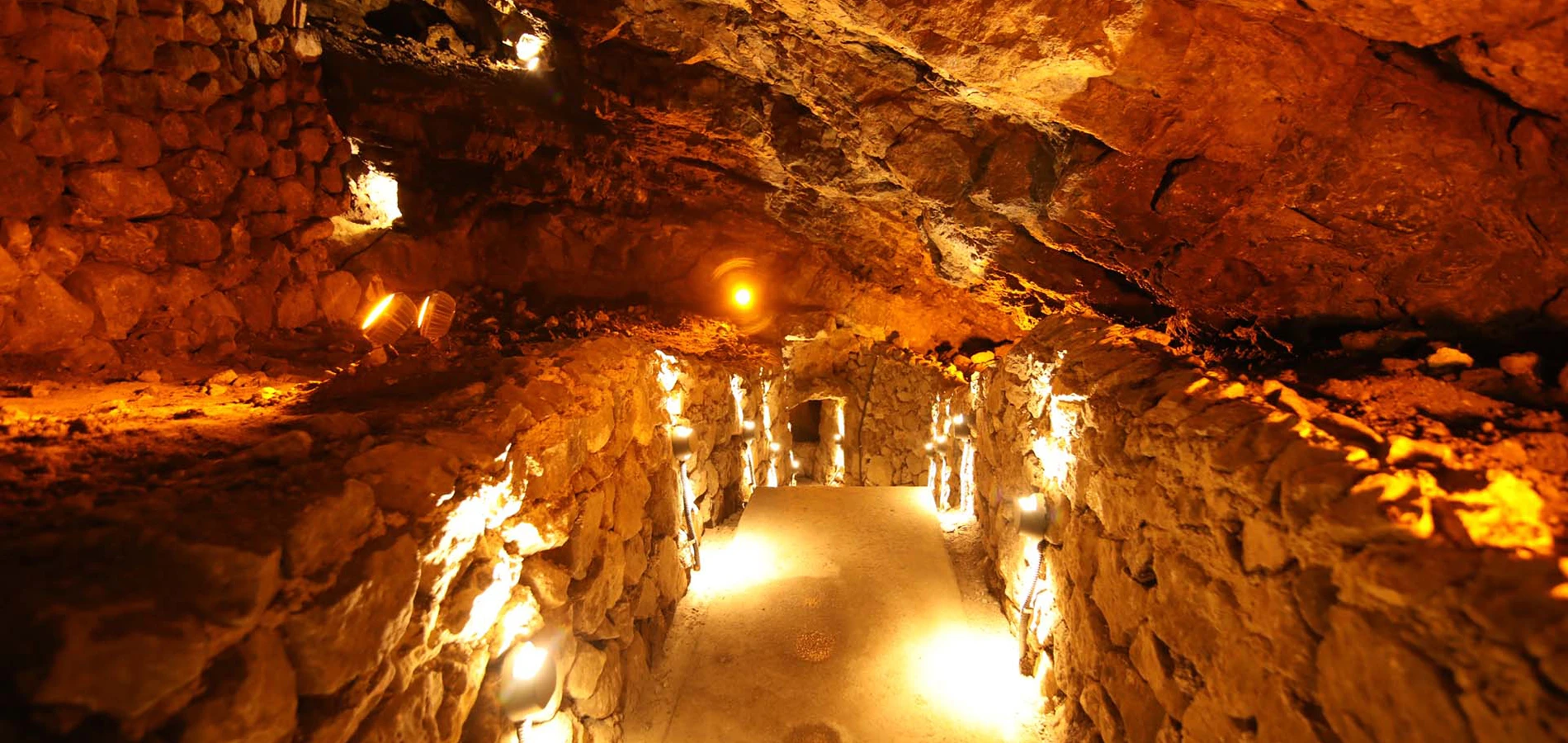
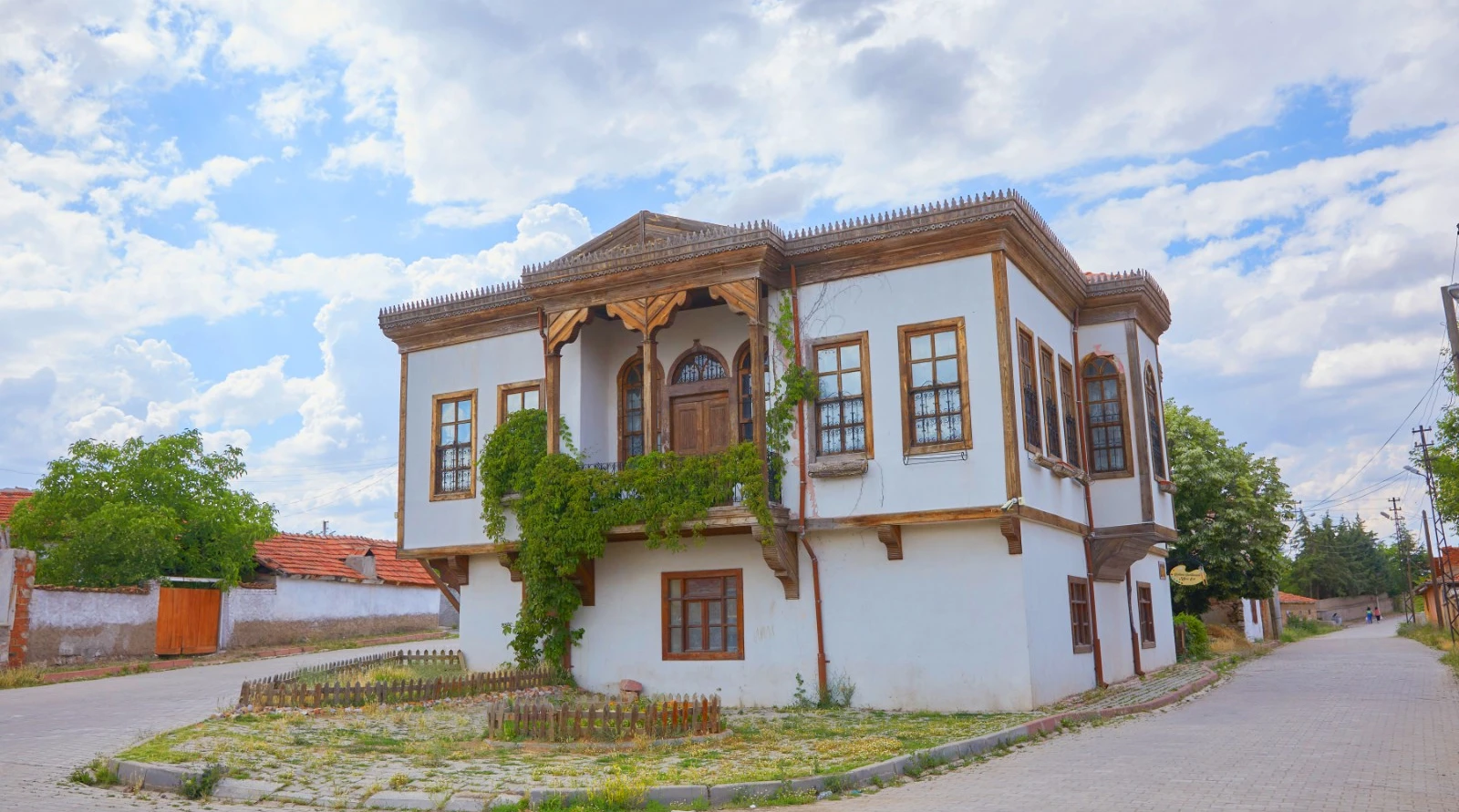
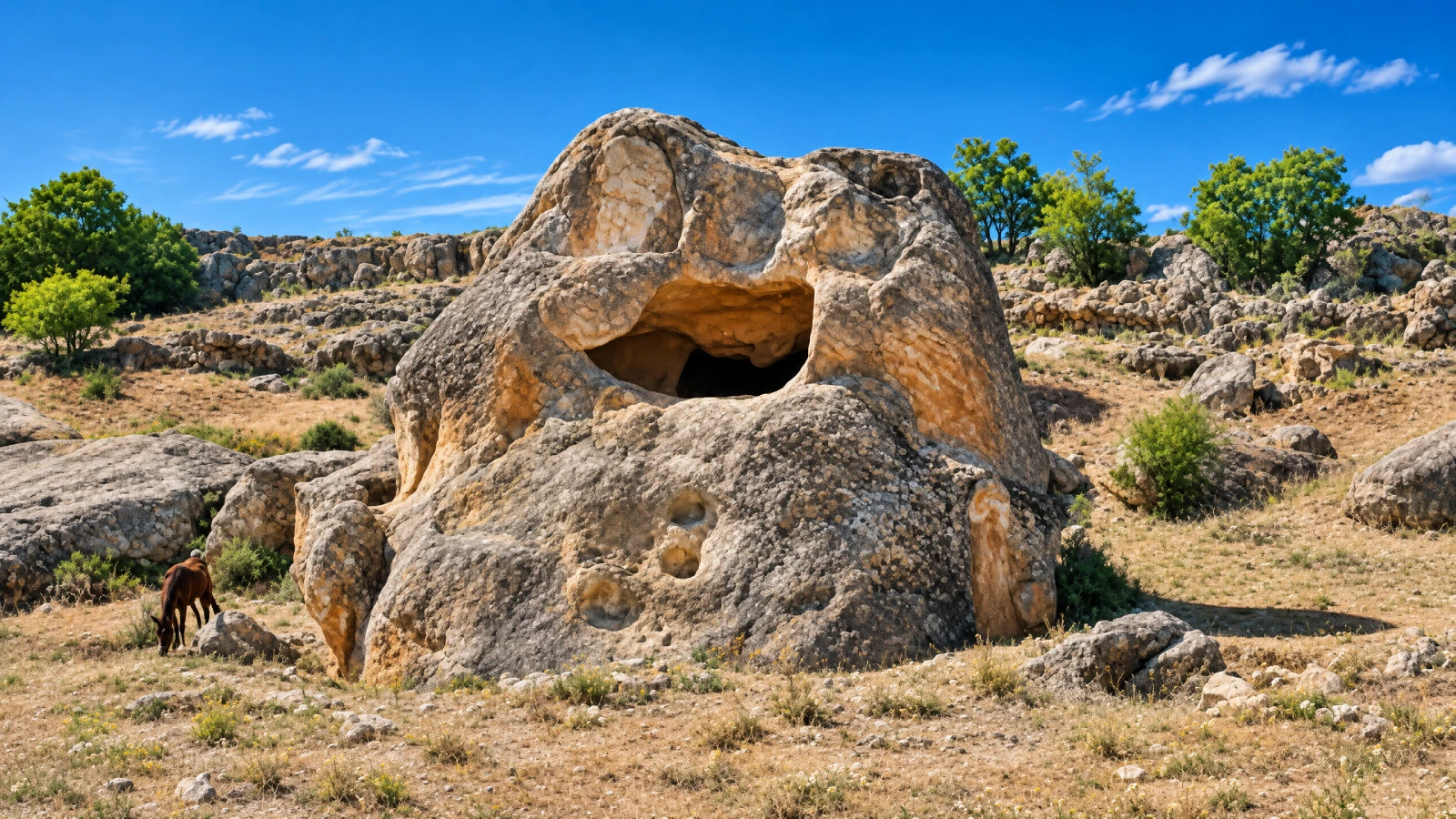
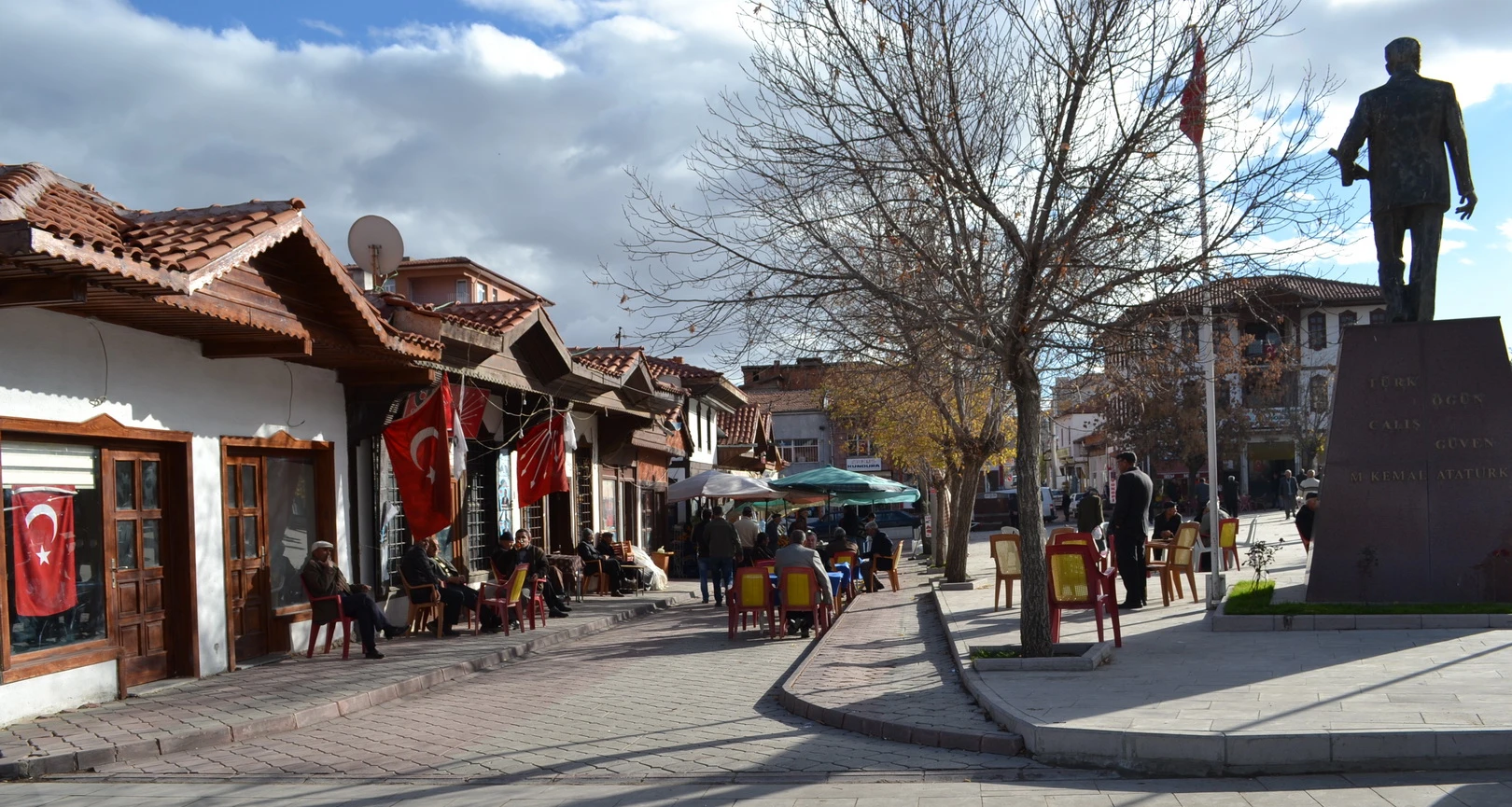
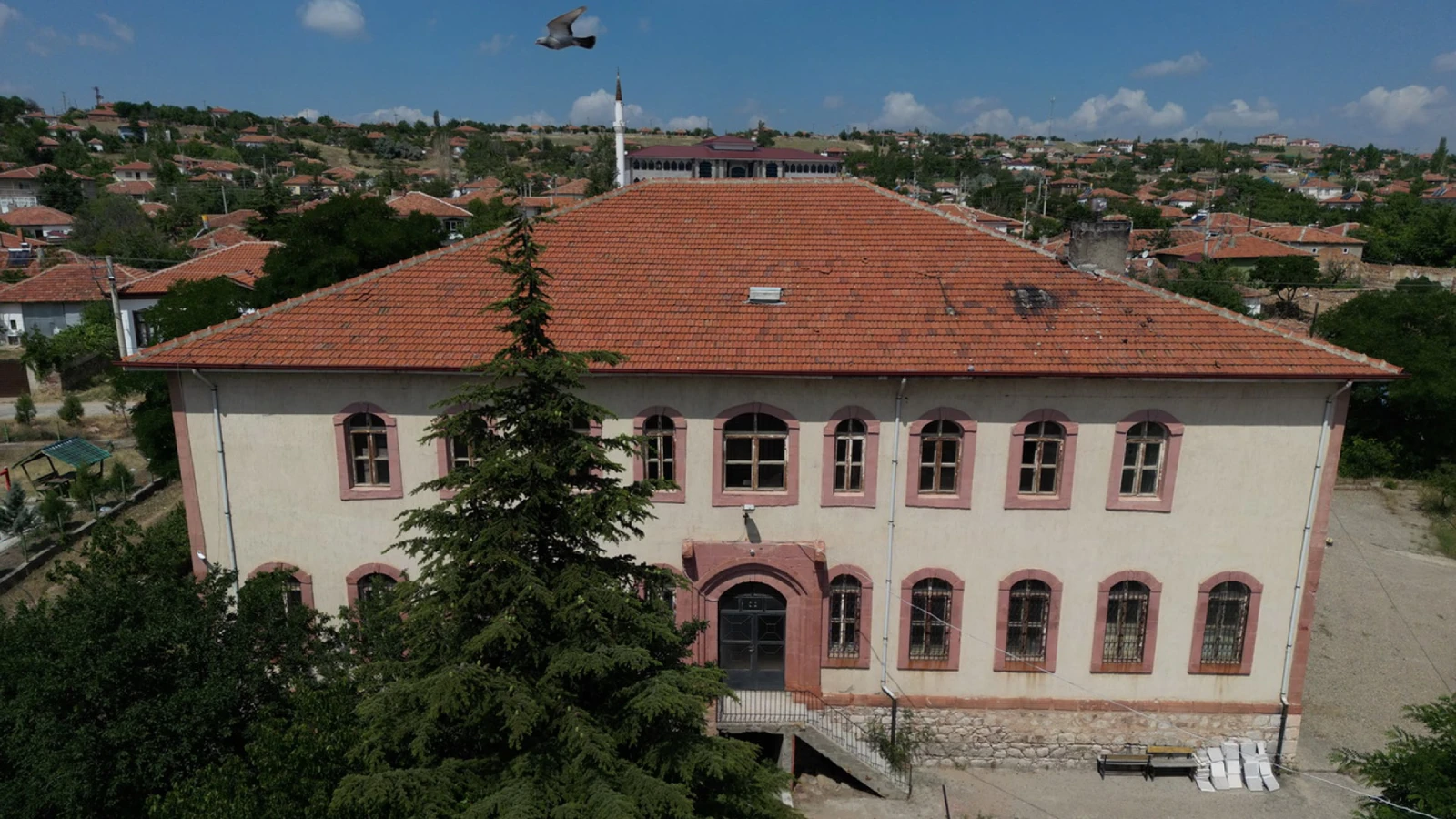
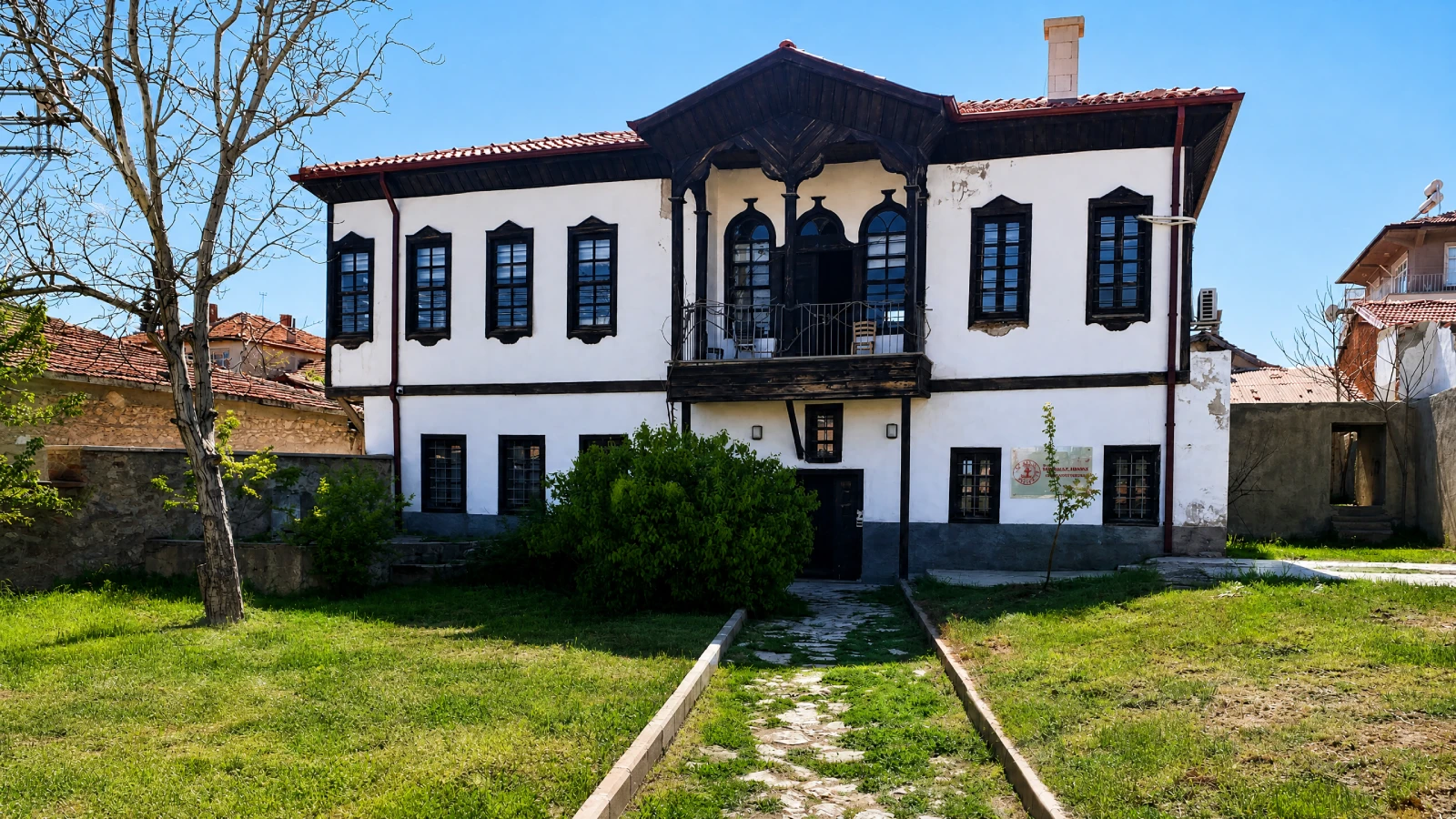
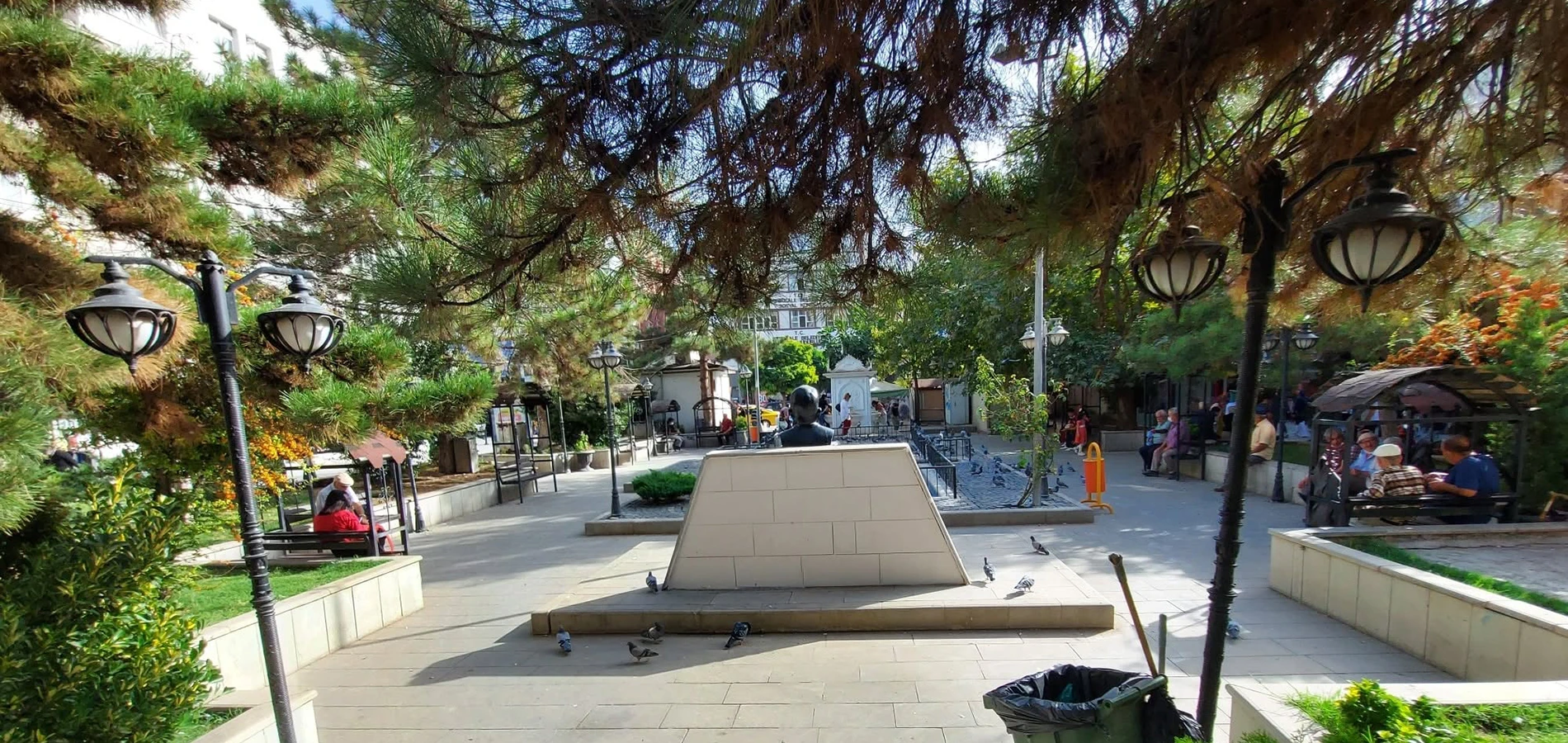
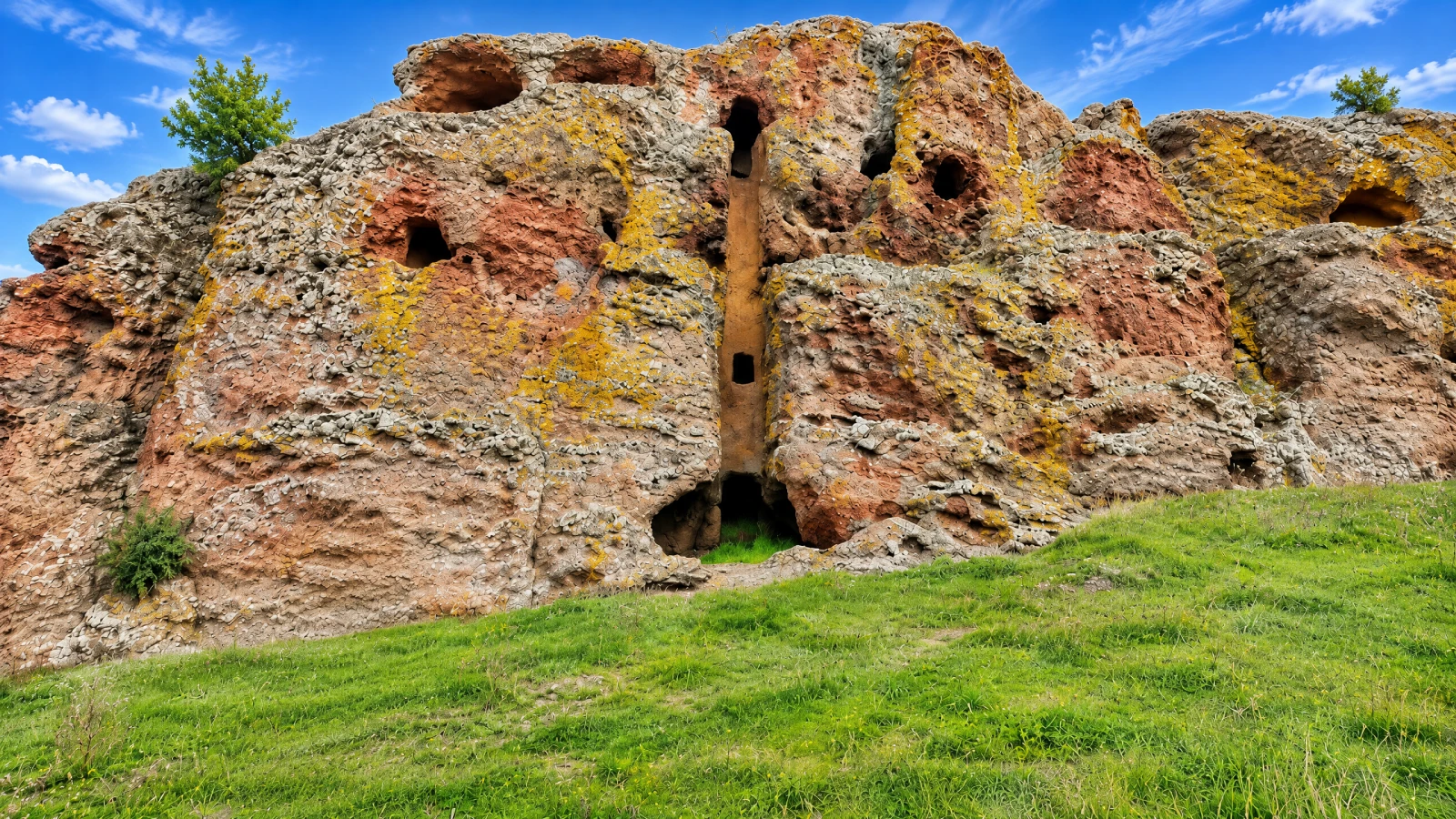
Explore the Taş Mektep/Hacı Taşan Culture House and the area around Keskin Bedesten, Kibrithane and historic houses. Visit Rahmi Pehlivanlı Art House where public access is available. Reserve time for Sulu Cave, checking the museum’s latest schedule. Archaeology enthusiasts may consider Ceritkale Rock Tombs, but rural access and safe footing require care. Finish with Keskin Tava and a thoughtful introduction to local bozlak music.

Suggested Spiritual Heritage Route

Hasandede, Haydar Sultan, Koçubaba and Şeyh Şami

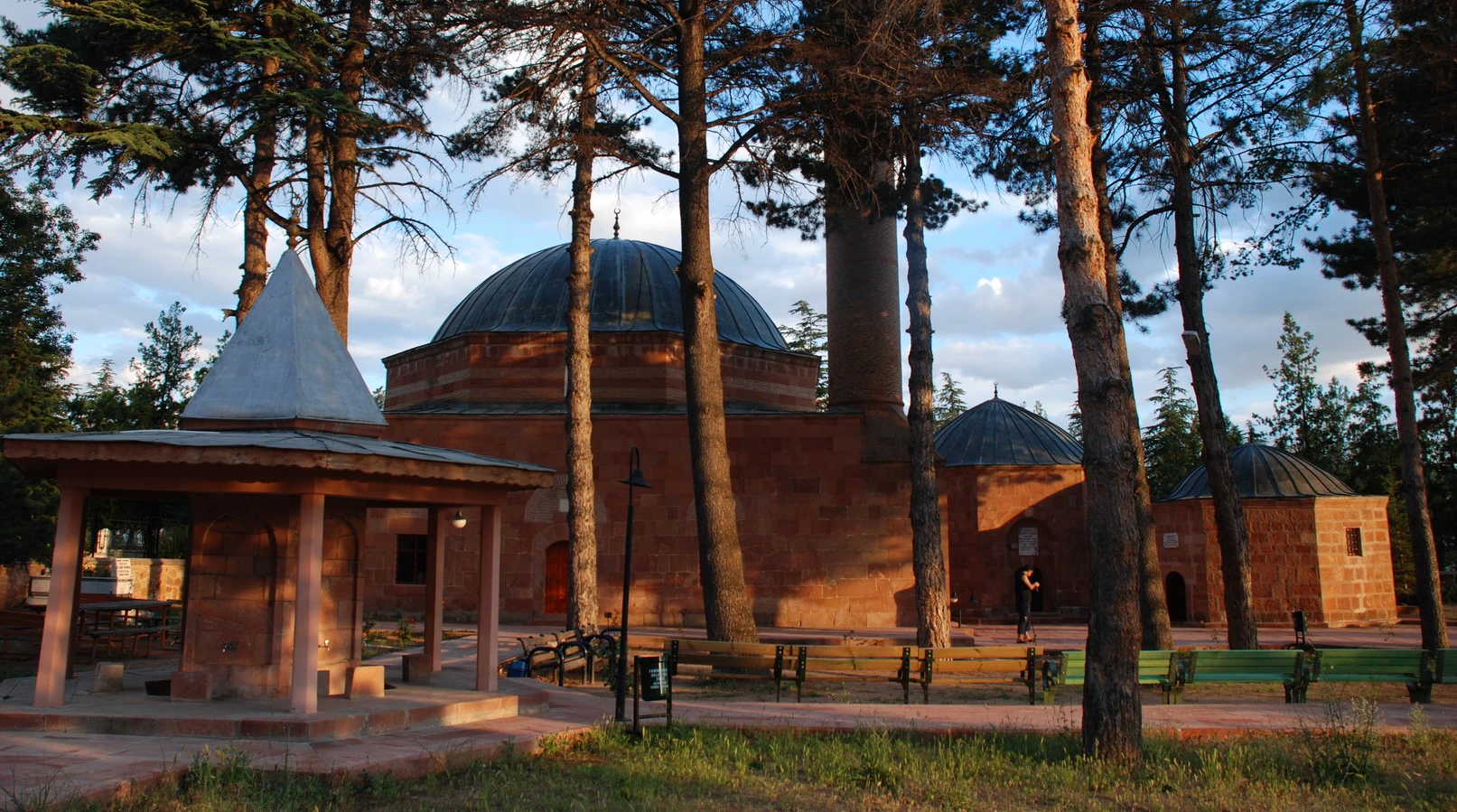
The province’s mosque-and-tomb complexes belong to distinct traditions. A route might begin at Hasandede, then focus on either Haydar Sultan near Keskin or Koçubaba near Balışeyh. Şeyh Şami at Sulakyurt deserves its own northern extension. These sites are geographically dispersed and should not all be advertised as a short single-day loop. Observe prayer schedules and dress respectfully.

Suggested Landscape Route

Karaahmetli, Kapulukaya, Dinek Mountain and Lavender

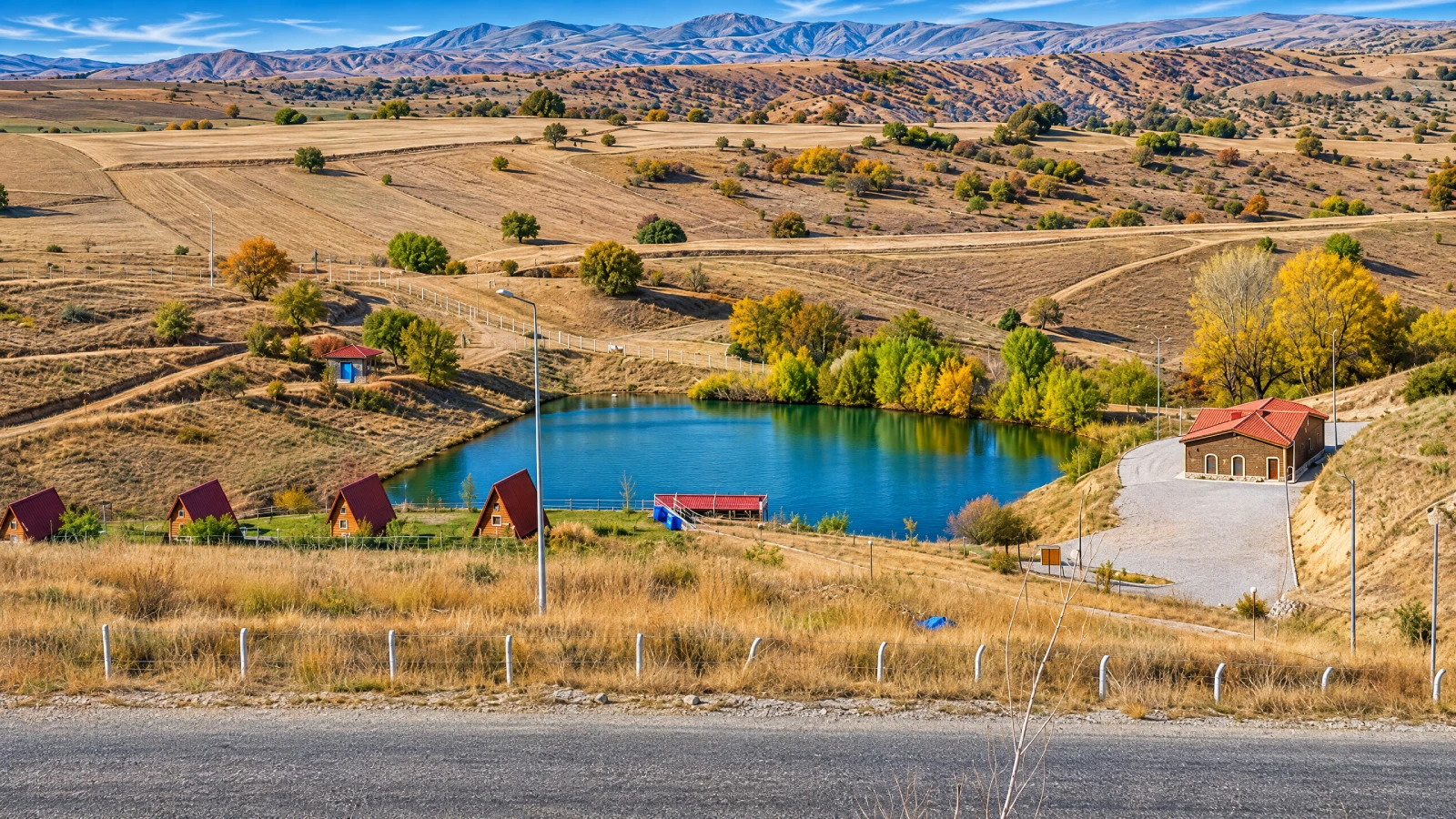
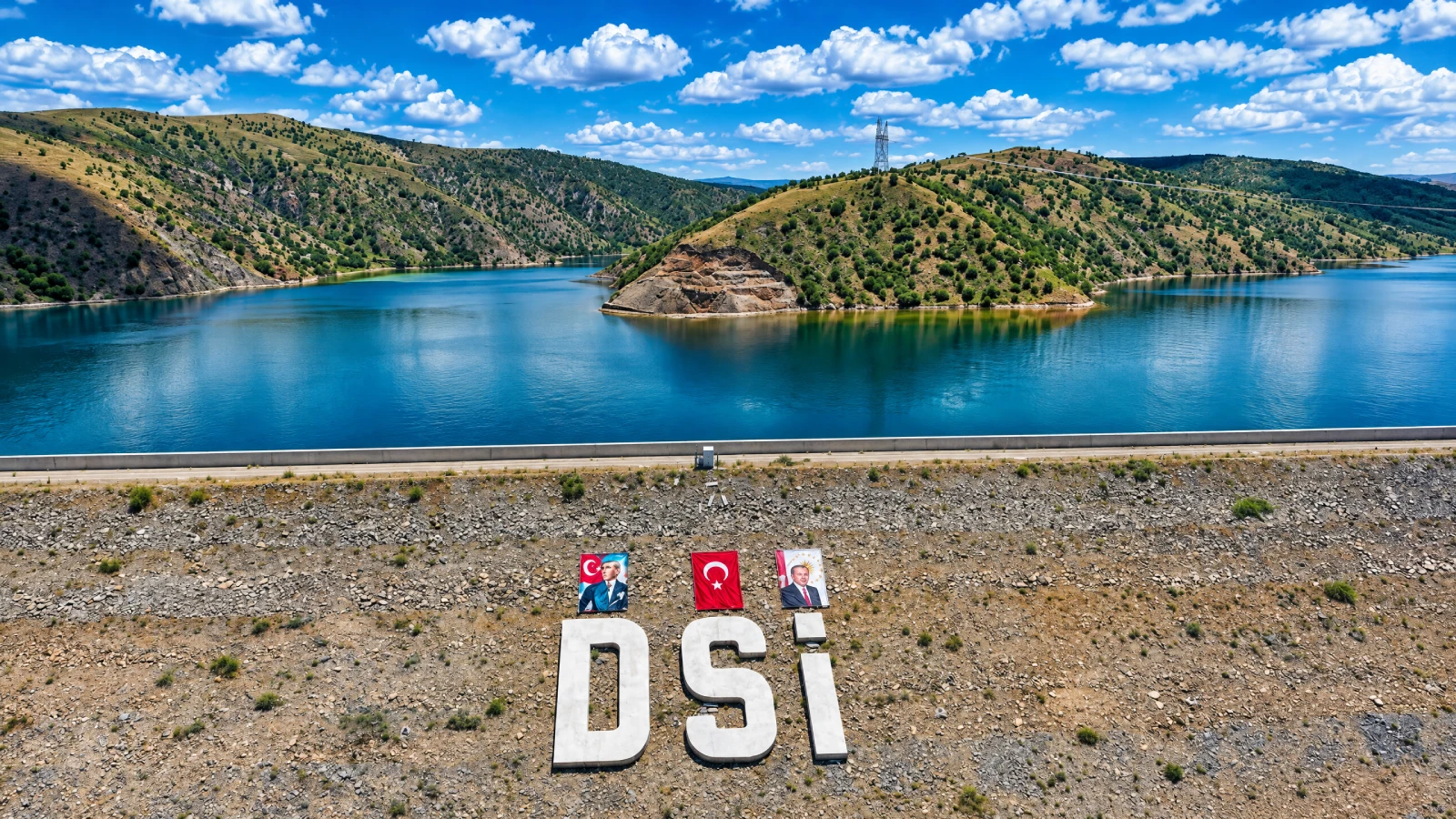
For a slower day, choose the Karaahmetli Nature Park and Kapulukaya Reservoir around Bahşılı. Alternatively, head toward Dinek Mountain for seasonal outdoor activities and highland landscapes. Balışeyh lavender fields are most photogenic during the flowering period; visits outside that season offer a very different appearance. Do not treat riverbank fishing or boating as universally permitted.

Suggested Rural Heritage Route

Sulakyurt, Delice and the Less-Visited Districts

Visit Şeyh Şami Mosque and Tomb and nearby Sulakyurt villages to explore religious and rural history. Where safe, view the landscape around Kalekışla Castle and the archaeological area called Gavurevi. In Delice, traditional mansions, mosques, spring salt and vineyards add another regional story. Many of these locations are rural, unstaffed or seasonally difficult to reach, so make local access checks before departure.

Suggested Flavour Route

Keskin Tava, Delice Salt and Regional Kitchens

Begin with a meal of Keskin Tava in Keskin, then explore local cooking traditions such as omaç, bişi and arabaşı through restaurants or home-style kitchens that actually serve them. A separate Delice outing can focus on spring salt and local grapes, with visits arranged around markets and producers rather than unannounced access to working facilities.

Important Visitor Note

Archaeological Excavations, Caves and Historic Buildings: Check Access

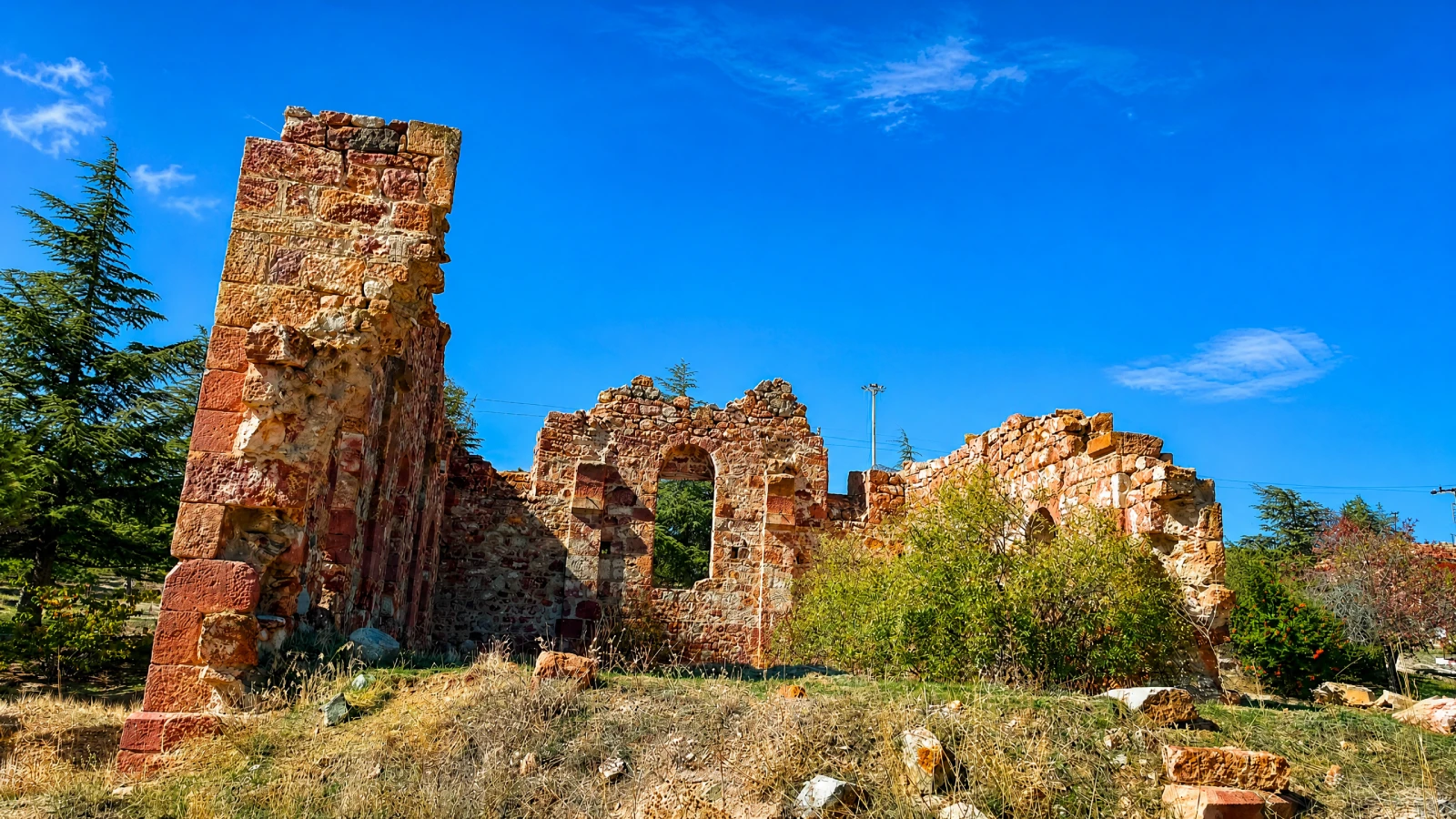
Kırıkkale is not a province where every attractive place operates as a staffed museum. Büklükale is an archaeological excavation; Ceritkale Rock Tombs, Kalekışla Castle and parts of Gavurevi may have uneven ground, sensitive remains or no public visitor infrastructure. Do not enter excavations, closed monuments or unstable ruins.

For Sulu Cave, check the official museum website for up-to-date opening days and permitted routes. For privately held historic houses, active mosques and tomb complexes, ask permission where appropriate. River and reservoir levels, weather and seasonal outdoor-activity providers can also affect travel plans.

Planning Your Kırıkkale Visit

Getting there: Kırıkkale is east of Ankara on important intercity road and railway corridors. The provincial capital is a convenient starting point, but attractions are spread across Keskin, Karakeçili, Bahşılı, Balışeyh, Yahşihan, Delice and Sulakyurt. A private vehicle or planned driver is generally the easiest way to combine rural sites.

When to visit: Spring and autumn are well suited to open-air heritage, the bridge and historic town walking. Summer is appropriate for some upland recreation and lavender visits when in season; winter conditions may make rural approaches slippery or slow. Museums, caves and outdoor activities should be checked individually rather than given a single all-purpose timetable.

Travel style: The appeal is in the details: read the Kızılırmak landscape through archaeology, spend time with the human stories of Keskin, and learn why industrialisation shaped a previously modest settlement into a modern provincial city. Avoid rushing through many small, remote sites merely to complete a list.

Practical Kırıkkale Travel Tips

  • City centre: Use the city as a base for the industrial heritage of Kırıkkale and Yahşihan
  • Çeşnigir & Büklükale: Check archaeological access and protect the riverside landscape
  • Keskin: Allow time for traditional streets, local food and the bozlak music tradition
  • Museums: Confirm opening hours and advance-visit arrangements for specialised institutions
  • Sacred sites: Respect worshippers, village customs and any visitor restrictions
  • Nature excursions: Check rural road conditions, reservoir access and weather before travelling
  • Seasons: Spring and autumn suit most outdoor visits; expect cold winters and hot summers

Why Visit Kırıkkale?

The appeal of Kırıkkale is the unexpected continuity between eras. At Büklükale, archaeology reaches back to the Bronze Age; at Çeşnigir, a stone crossing represents medieval infrastructure; and in modern Kırıkkale, factories reveal the ambitions and everyday experiences of early Republican industrialisation.

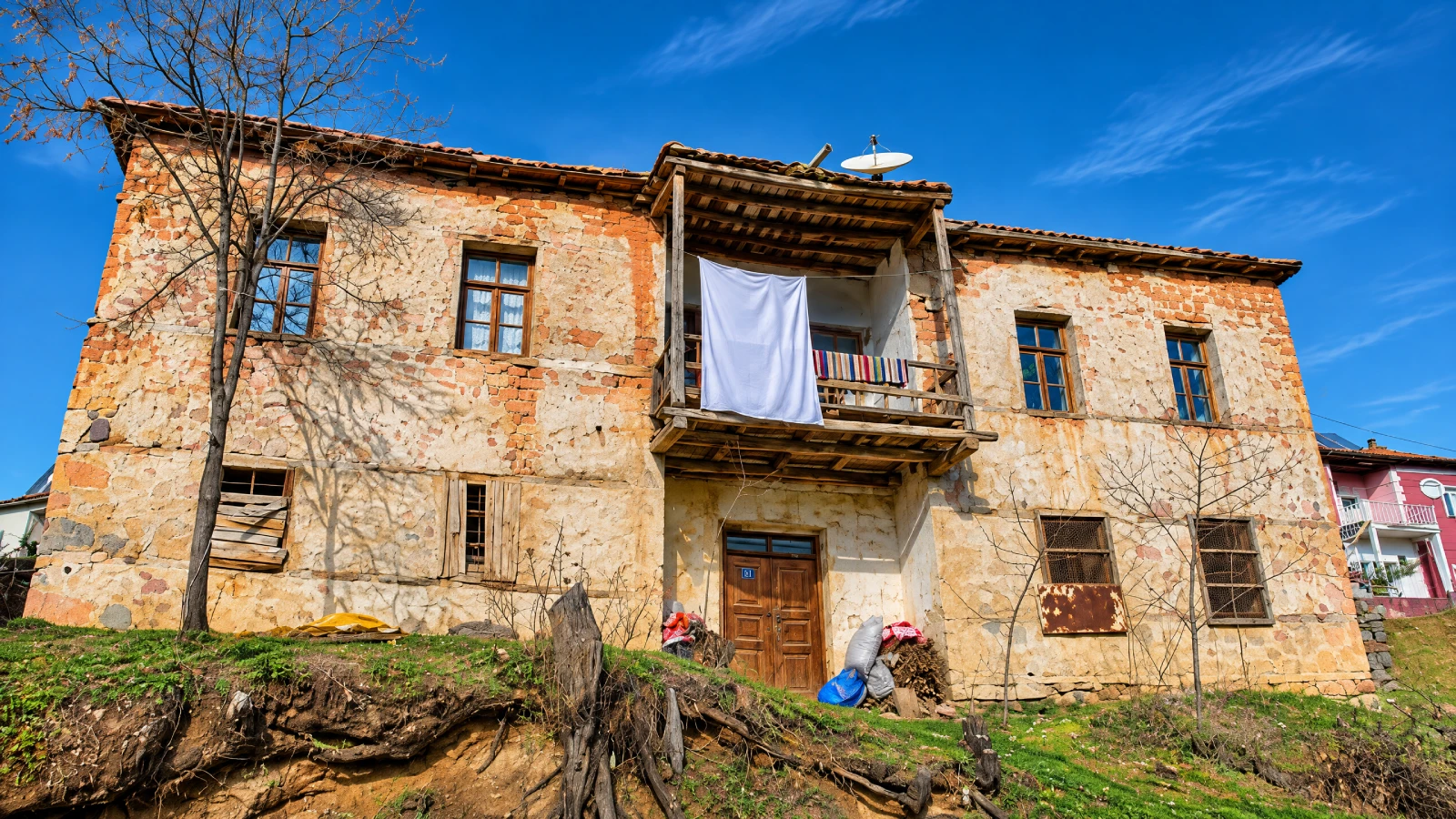
Keskin is equally important for its architecture, folk music and diverse local heritage. The voices of bozlak singers, the painted world of Rahmi Pehlivanlı and the stories of shrines such as Hasandede give the province cultural depth that a conventional factory-town description misses.

Kırıkkale works particularly well for travellers who enjoy archaeology, local history, folk traditions, unhurried food discoveries and the landscapes of the central Anatolian plateau.

Frequently Asked Questions About Kırıkkale

Kırıkkale is known for its defence-industrial heritage and MKE factories, Çeşnigir Bridge and Canyon, the Büklükale archaeological site, Sulu Cave, and the historic music and architecture of Keskin.

One day can cover selected Çeşnigir and Keskin highlights. Two or three days allow a better-paced visit to archaeology, the city, sacred sites and nature areas.

The present provincial capital grew rapidly around industrial development from the 1920s and became a province in 1989. The surrounding province, however, contains much older sites, including Büklükale and other archaeological landscapes.

Büklükale is a strategically located multi-period archaeological site near the Kızılırmak. Excavation has revealed important Late Bronze Age evidence linked to the Hittite world. It is not a freely accessible reconstructed monument.

The bridge is generally associated with the thirteenth-century Seljuk period and later Ottoman repairs. Without an original foundation inscription, its exact building date and patron should not be stated as certain.

Sulu Cave at Keskin is managed as an archaeological visitor site. Check the official Turkish Museums listing before travelling for current opening, closures and permitted visitor areas.

Keskin is known for its historic houses and civic buildings, Sulu Cave, and the Abdal–bozlak folk-music tradition associated with artists such as Hacı Taşan.

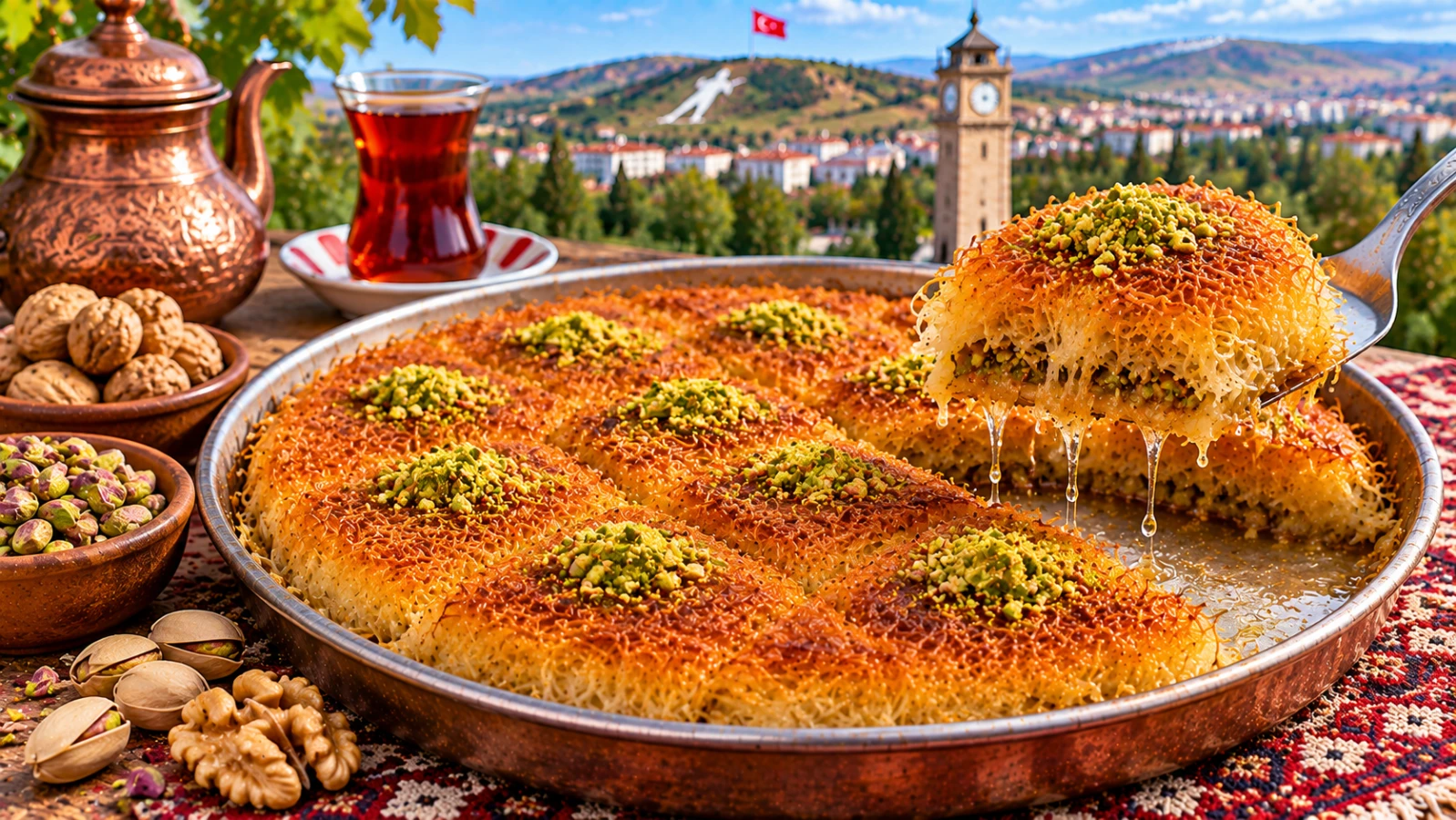
Try Keskin Tava, the province’s geographically indicated meat dish. Depending on availability, explore Karaahmetli Tokmak Köfte, omaç, bişi, regional soups, kadayıf and Delice products.

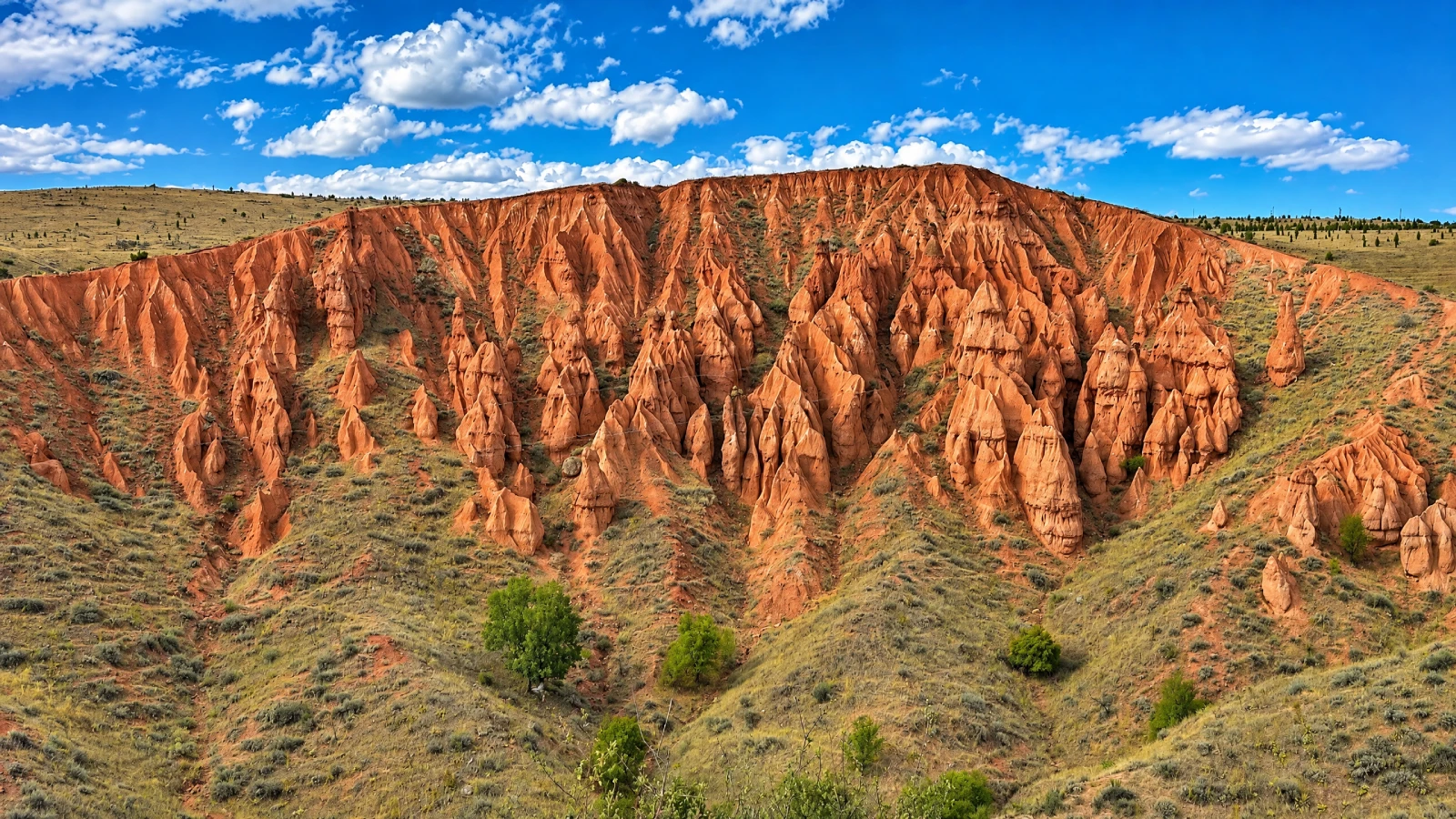
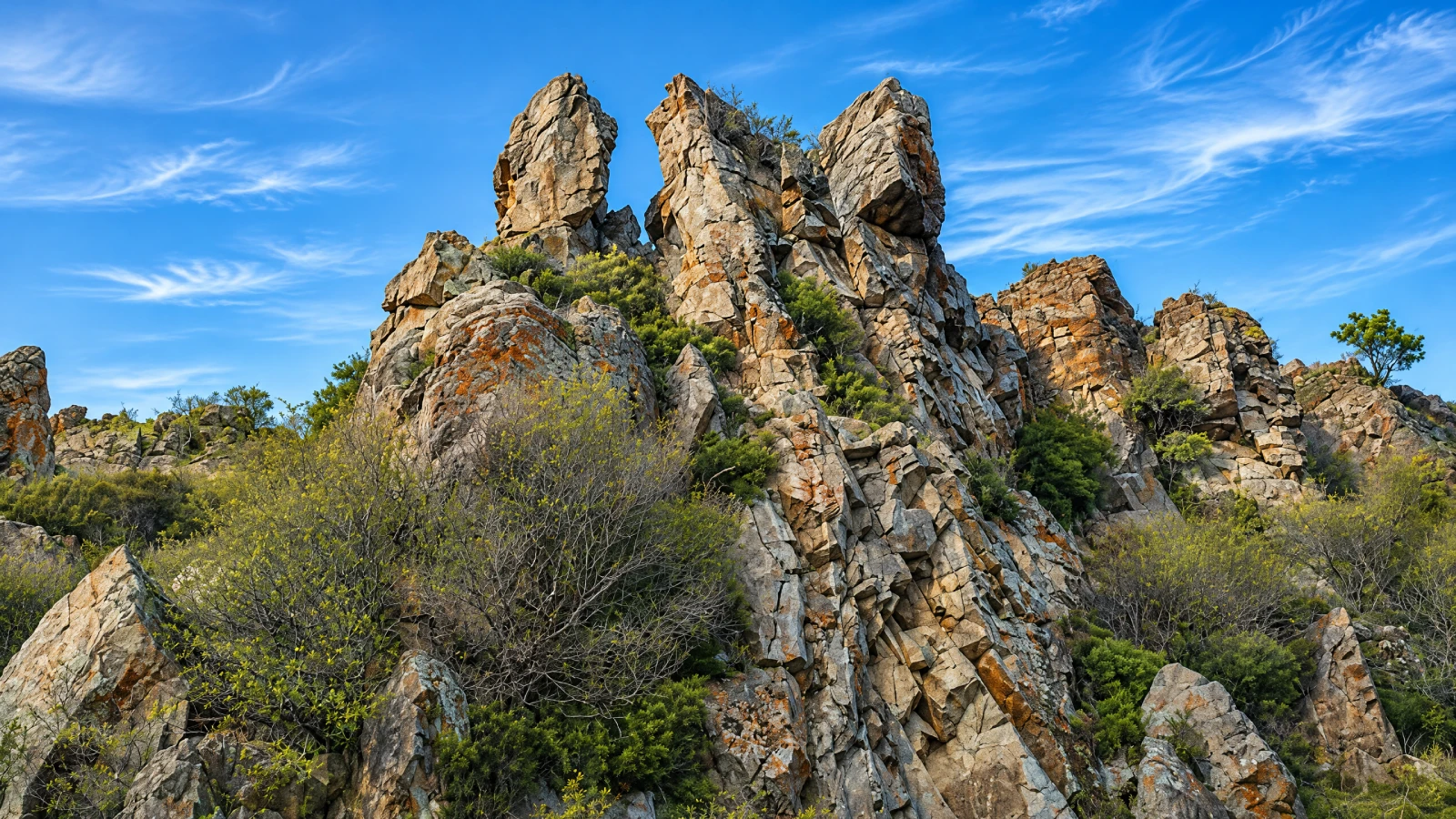
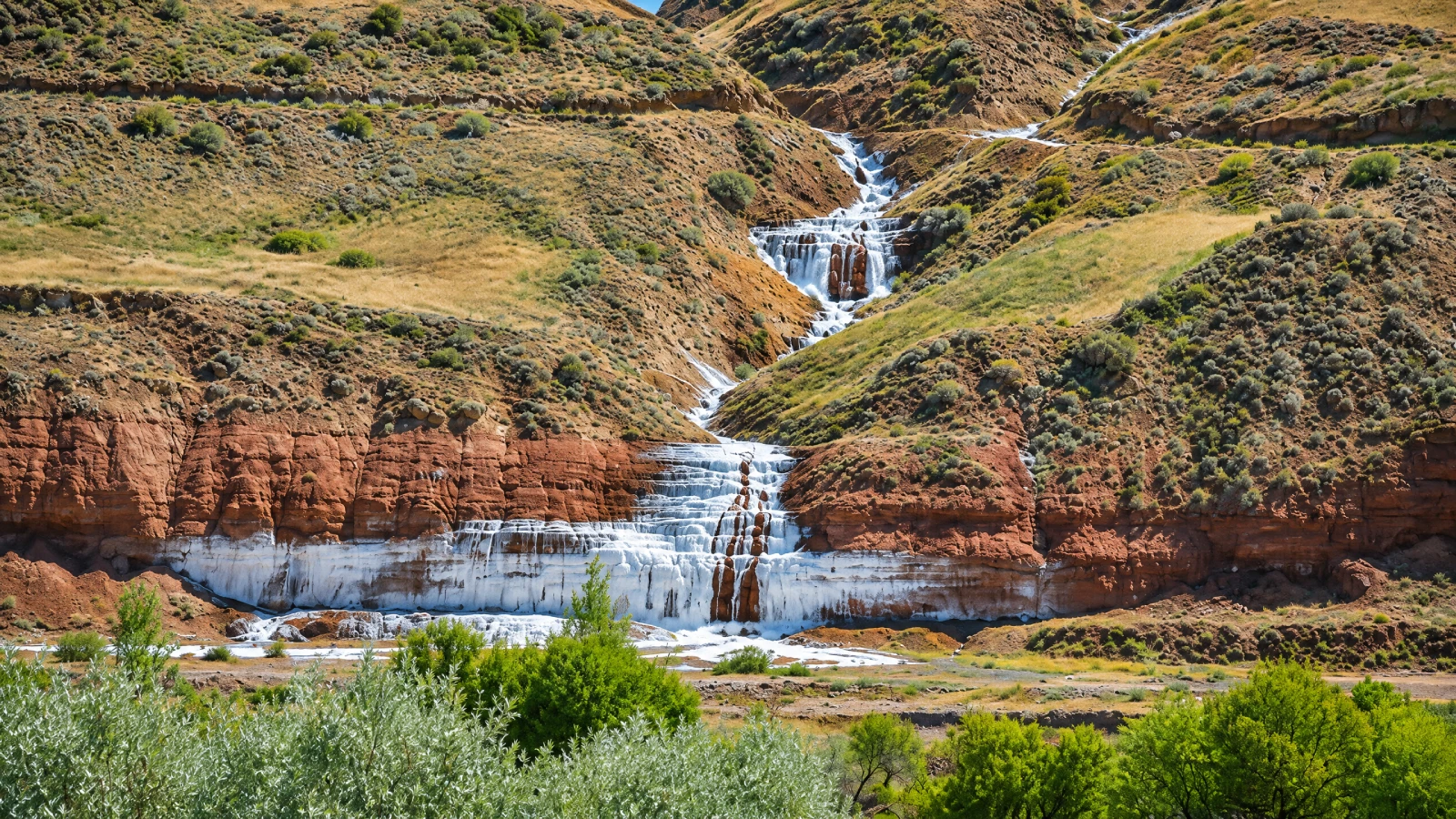
No. Kırıkkale’s Kızılırmak canyon and the red eroded rock formations around Hasandede are separate geological and geographical settings from the volcanic tuff landscapes of Cappadocia.

Do not enter archaeological trenches, caves or ruins unless the site is explicitly open and safe for visitors. Protected areas, private property and hazardous terrain may restrict access.

Research & Visitor Information

Official Resources for Planning Kırıkkale

For conservation, access and historic background, consult the Kırıkkale Provincial Culture and Tourism Directorate, GoTürkiye’s Kırıkkale routes, official Sulu Cave museum listing, and the Turkish geographical-indications registry. Published histories and tourism materials are valuable guides, but opening conditions and seasonal facilities may change.

Ready to Explore Kırıkkale, Keskin and the Kızılırmak?

Tell us your travel dates, starting point and interests. We can help you design a carefully paced private journey covering the Çeşnigir landscape, Keskin’s historic and musical heritage, archaeological sites or the quieter villages of central Anatolia.

Private & Tailor-Made Journeys · Licensed Turkey Travel Specialists