Landscape identity
Understand the landform, water, crops or modern recreation setting as a particular feature of Delice & Eastern Kırıkkale.






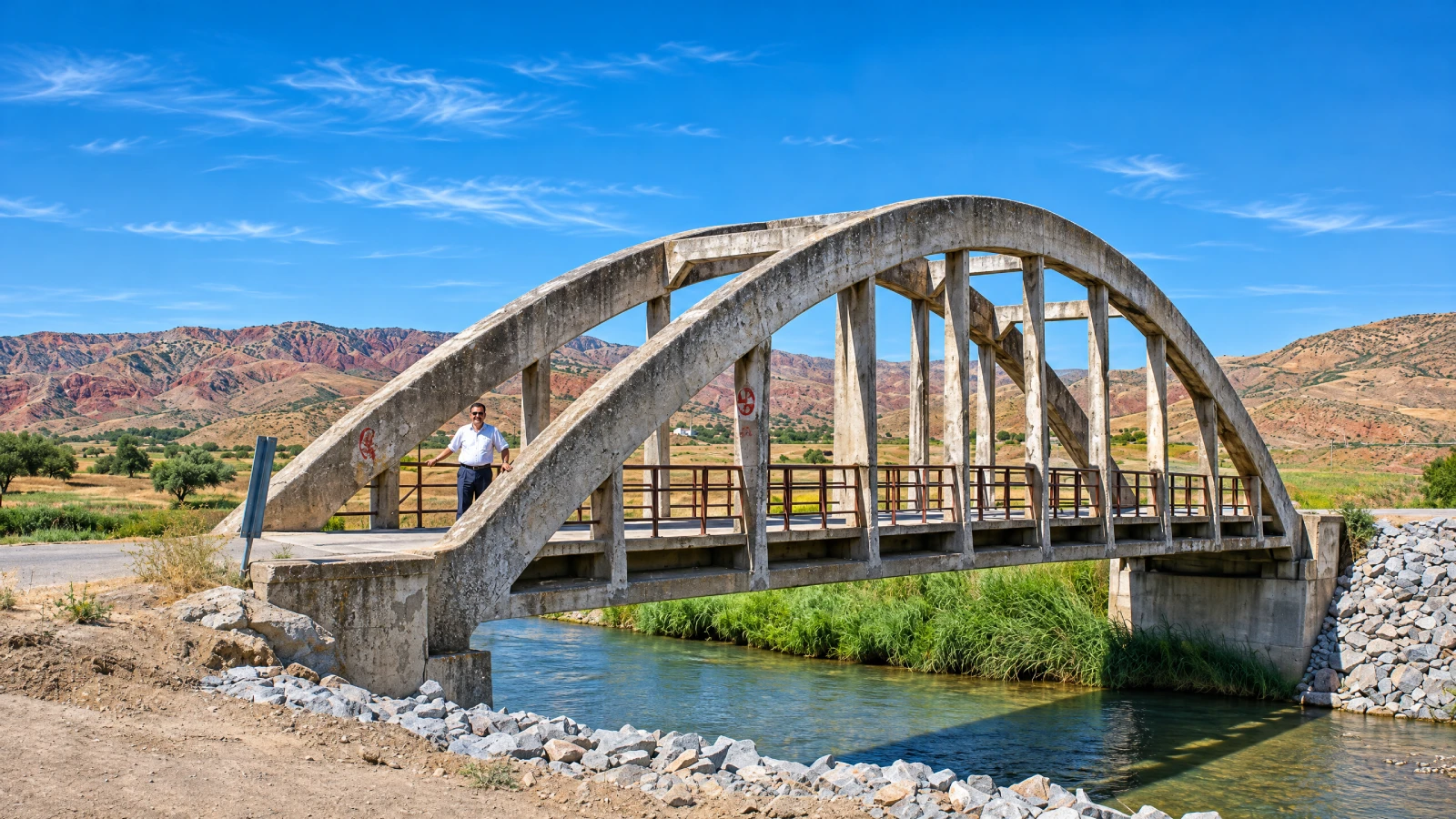
Delice River Valley is part of Kırıkkale Province, in the Delice & Eastern Kırıkkale area. Its particular interest is a working river landscape east of the city.
The Delice River gives the district its modern name and helps define its eastern boundary with neighbouring provinces in the official district account.
Delice & Eastern Kırıkkale — one of Kırıkkale's distinct regional routes.
A working river landscape east of the city
The historical or cultural evidence for Delice River Valley should be read alongside its known regional setting rather than replacing it with a legend or unverified date.
Riverbanks can flood or become unstable. Use public roads and designated viewpoints instead of crossing fields and streams.
Only documented or explicitly qualified visiting information is included.
Delice & Eastern Kırıkkale, Kırıkkale Province, Türkiye
Nature and responsible travel
Kırıkkale Provincial Culture Directorate – Delice heritage inventory
Riverbanks can flood or become unstable. Use public roads and designated viewpoints instead of crossing fields and streams.
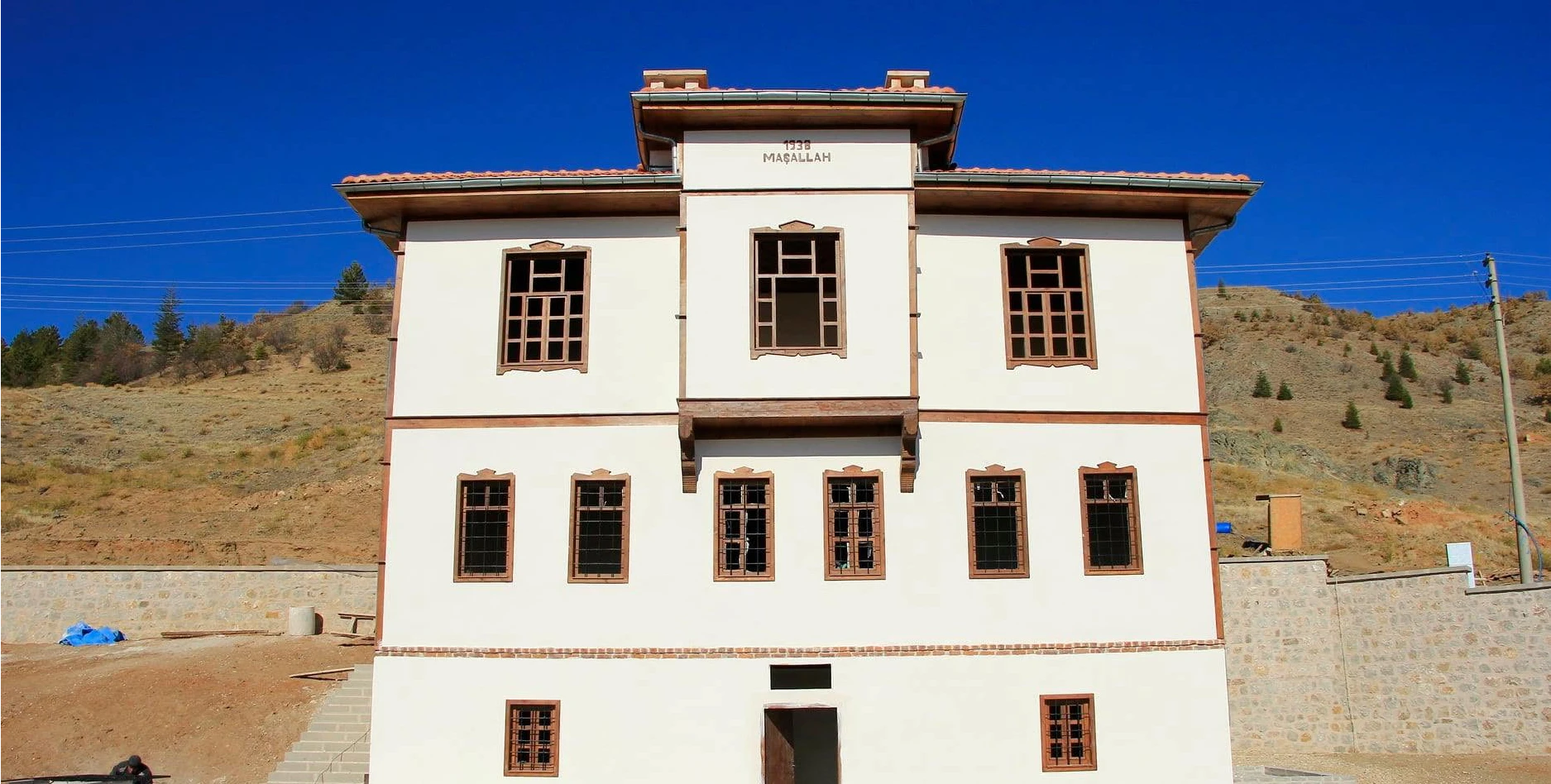
The historic record for Delice River Valley requires care in separating documented statements from later interpretation.
The valley is a living agricultural and transport corridor. Its water, floodplain and settlements form a different landscape from the Kızılırmak canyon at Çeşnigir.
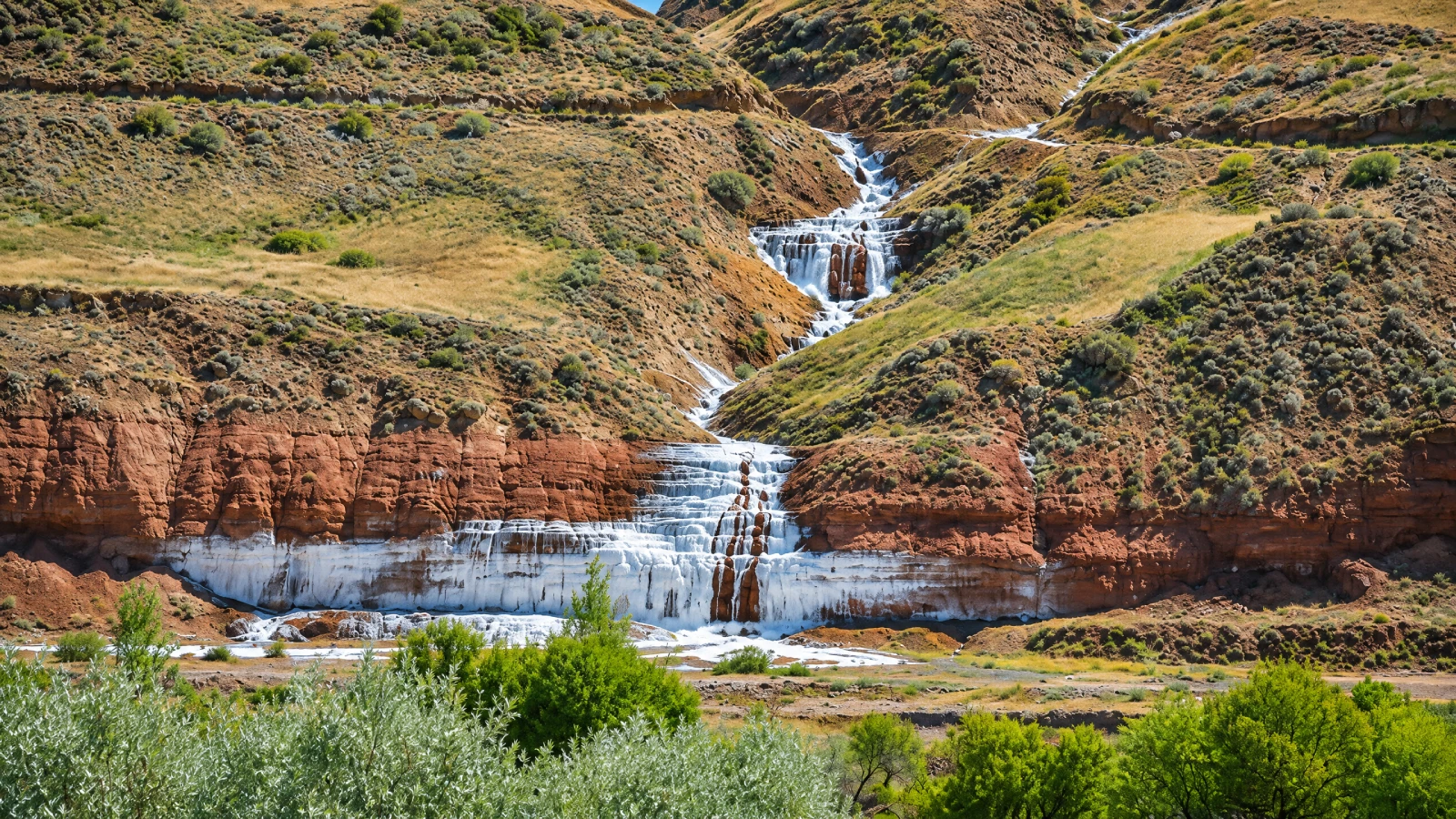
Delice takes its modern name from the river and its settlement record includes eighteenth-century Turkmen migration. Today historic structures, salt-related geology, vineyards and villages give this eastern district several distinct cultural stories.
Travel through the valley offers a way to understand regional geography, orchards and the importance of water to villages, without assuming a continuous signposted walking path.
Key local details, historical evidence and practical considerations.
Understand the landform, water, crops or modern recreation setting as a particular feature of Delice & Eastern Kırıkkale.
The valley is a living agricultural and transport corridor. Its water, floodplain and settlements form a different landscape from the Kızılırmak canyon at Çeşnigir.
Travel through the valley offers a way to understand regional geography, orchards and the importance of water to villages, without assuming a continuous signposted walking path.
Use authorised entrances and check conditions directly; natural attractions are not necessarily maintained throughout the year.
Photograph Delice River Valley in a way that shows its particular geology, water, agriculture or built visitor facilities rather than using a generic landscape image.
Use the Kırıkkale guide to identify other places in Delice & Eastern Kırıkkale; a nearby map marker alone does not prove the existence of a public trail.
Travel through the valley offers a way to understand regional geography, orchards and the importance of water to villages, without assuming a continuous signposted walking path.
This is also an opportunity to place Delice & Eastern Kırıkkale within a regional travel itinerary without confusing an ancient site, sacred building, contemporary recreation facility or living food tradition with another type of experience.
The most reliable material for Delice River Valley comes from the listed documentary sources and the actual features they describe.
Recognise the particular history of Delice & Eastern Kırıkkale, not an interchangeable Anatolian landmark.
Travel through the valley offers a way to understand regional geography, orchards and the importance of water to villages, without assuming a continuous signposted walking path.
Riverbanks can flood or become unstable. Use public roads and designated viewpoints instead of crossing fields and streams.
Riverbanks can flood or become unstable. Use public roads and designated viewpoints instead of crossing fields and streams.
Riverbanks can flood or become unstable. Use public roads and designated viewpoints instead of crossing fields and streams.
Delice takes its modern name from the river and its settlement record includes eighteenth-century Turkmen migration. Today historic structures, salt-related geology, vineyards and villages give this eastern district several distinct cultural stories.
This location may be sacred, a home, active infrastructure, an archaeological area or a working landscape. Check who administers Delice River Valley before treating it as an unrestricted visitor attraction.
Riverbanks can flood or become unstable. Use public roads and designated viewpoints instead of crossing fields and streams.
Cliff edges, wet stone, slopes and unmanaged paths call for caution.
Weather, flowering, water levels and activity operators change the experience.
Keep to legal routes, do not leave litter, and respect agriculture and wildlife.
Swimming, campfires, fishing, boating and organised sports may require authorisation.
Readers interested in how Delice River Valley connects to the larger story of Kırıkkale.
Travellers who want a grounded account of the Delice & Eastern Kırıkkale region rather than a checklist of generic Turkish attractions.
The details at Delice River Valley reward visitors who want to recognise its locally documented features rather than relying on generic photographs.
Riverbanks can flood or become unstable. Use public roads and designated viewpoints instead of crossing fields and streams.
The Delice River gives the district its modern name and helps define its eastern boundary with neighbouring provinces in the official district account.
The valley is a living agricultural and transport corridor. Its water, floodplain and settlements form a different landscape from the Kızılırmak canyon at Çeşnigir.
Travel through the valley offers a way to understand regional geography, orchards and the importance of water to villages, without assuming a continuous signposted walking path.
Riverbanks can flood or become unstable. Use public roads and designated viewpoints instead of crossing fields and streams.
The site or tradition is associated with the Delice & Eastern Kırıkkale area of Kırıkkale Province, Türkiye. Use local wayfinding and verify the present venue before setting out.
Travel through the valley offers a way to understand regional geography, orchards and the importance of water to villages, without assuming a continuous signposted walking path.
Riverbanks can flood or become unstable. Use public roads and designated viewpoints instead of crossing fields and streams.
Official regional listings or route descriptions support the subject; some details still require onsite verification.
The research record for Delice River Valley is anchored in the specific public sources linked here; where a publication gives no exact dates or visiting guarantees, none are added.