Private Grand Bazaar & Ottoman Trade Experience
Ask us about a tailor-made walk focused on the bazaar's history, bedestens, gates, hans and craft traditions—without compulsory demonstrations or purchases.
Request a Custom Tour





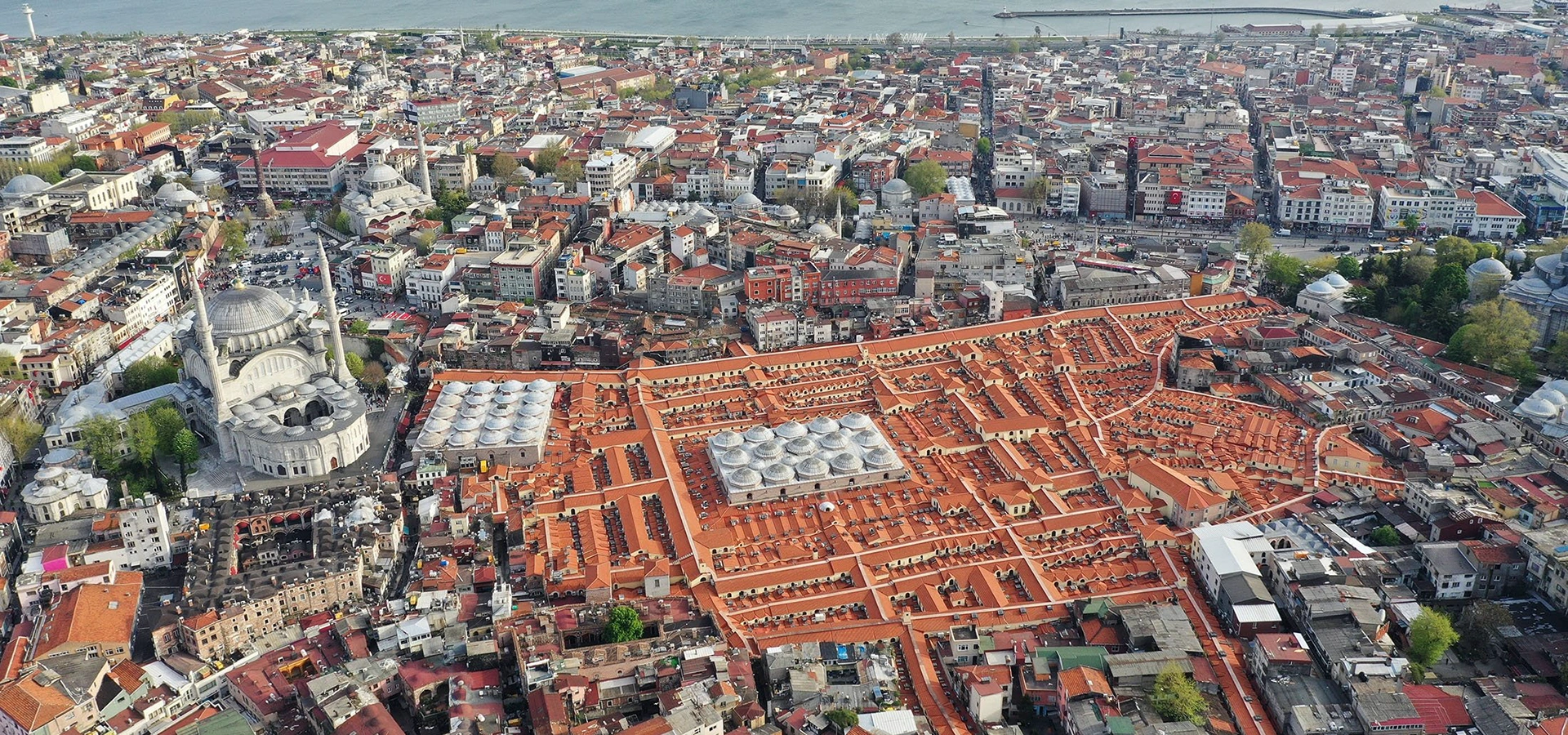
The Grand Bazaar, known in Turkish as Kapalıçarşı, is one of the oldest and largest covered markets in the world. Its vaulted streets spread between Beyazıt and Nuruosmaniye in Istanbul's Historic Peninsula.
The bazaar began to grow around two secure commercial buildings, the İç Bedesten and Sandal Bedesten, created under Sultan Mehmed II after the Ottoman conquest of Constantinople. Shops, workshops, hans, fountains and places of worship gradually formed an extraordinary commercial district around them.
Today, more than sixty covered streets contain thousands of businesses. Visitors encounter jewellery, carpets, textiles, leather, ceramics, metalwork, antiques and souvenirs, but the Grand Bazaar is far more than a shopping stop. Its gates, domes, street names and trading customs preserve the memory of Ottoman urban life.
The best visit combines architecture with observation. Look beyond the brightest displays, enter the older bedestens, notice the small courtyards and hans, and allow time to understand how the bazaar works as a living neighborhood.
Discover the commercial complex that developed around Mehmed II's two historic bedestens.
Explore more than sixty covered lanes traditionally associated with different trades.
Meet merchants selling jewellery, carpets, textiles, ceramics and handmade objects.
Walk through the historic market without an admission ticket during its operating days.
Essential information for planning a visit to Istanbul's famous covered market.
Between Beyazıt and Nuruosmaniye in Fatih, on Istanbul's Historic Peninsula.
Open on Google MapsIts Ottoman core dates from the reign of Sultan Mehmed II in the 15th century.
A vast covered commercial district of streets, shops, bedestens and hans.
The İç Bedesten and Sandal Bedesten formed the protected center of the bazaar.
Entry to the bazaar is free; purchases and private guided services cost extra.
Allow 2–3 hours for the historic core, selected shops and surrounding streets.
Kapalıçarşı preserves the architecture, organization and human traditions of Istanbul's commercial life.
The Grand Bazaar was one of the economic engines of Ottoman Istanbul. Its early buildings were connected with the waqf, or charitable endowment, system: commercial income helped support religious and civic institutions, including Hagia Sophia.
The bazaar brought merchants and artisans into a protected, organized district. Valuable goods could be stored in secure bedestens, while trades clustered in particular streets and hans. Several street names still recall the craftsmen or products once concentrated there.
Its importance is also architectural. The bazaar is not one hall but an urban network of vaulted lanes, domed buildings, courtyards and gateways. Fires, earthquakes and restorations changed its fabric, yet the market continued to function rather than becoming a static monument.
For visitors exploring the wider Historic Peninsula of Istanbul, the Grand Bazaar reveals a different side of imperial history: not palaces and ceremonies, but trade, credit, craftsmanship, conversation and daily work.
The Grand Bazaar's core took shape soon after Sultan Mehmed II conquered Constantinople in 1453. The sultan commissioned a secure bedesten for the storage and sale of valuable textiles and luxury goods. This building is now known by names including the İç Bedesten, Cevahir Bedesteni and Old Bedesten.
A second domed market, the Sandal Bedesten, was also established in the early Ottoman period. Its name refers to a valuable mixed silk-and-cotton textile once associated with the building. Between and around these two structures, merchants opened shops and workshops, and hans provided spaces for commerce, production and storage.
By the classical Ottoman centuries, the bazaar had become Istanbul's principal commercial and financial center. Guild traditions shaped working life, and streets often specialized in jewellery, textiles, slippers, mirrors, weapons or other goods.
Fire was a constant danger in a dense commercial district. Major fires and the earthquakes of 1766 and 1894 led to extensive rebuilding. After the 1894 earthquake, damaged areas were repaired and the bazaar's perimeter was reduced. Further fires and restorations in the 20th and 21st centuries continued to alter and protect the complex.
Although tourism now plays a major role, Kapalıçarşı remains a working marketplace. Its survival depends not only on restored architecture, but also on the merchants, craftspeople and customers who continue its commercial traditions.
Mehmed II established the bedestens that became the center of the developing bazaar.
Shops, workshops, hans and covered streets grew into a major commercial district.
Repeated disasters required reconstruction, masonry improvements and changes to the perimeter.
The complex continues its original commercial function more than five centuries later.
A bedesten was a strongly built, guarded commercial structure where valuable goods could be sold and stored. In the Grand Bazaar, the two bedestens are essential for understanding how the entire district developed.
The İç Bedesten is the older and more fortress-like of the two. Its thick masonry, four entrances, powerful piers and fifteen domes created a secure interior for precious textiles, jewellery and other high-value possessions. Small vaulted chambers around the building also served storage and security functions.
The nearby Sandal Bedesten follows a related architectural idea but is covered by twenty domes. Its name preserves the memory of the sandal textile formerly traded there. The building's changing uses demonstrate how commercial spaces adapted as products and economic conditions changed.
The oldest secure market building and the symbolic heart of the Grand Bazaar.
Two rows of massive piers support the domed bays of the İç Bedesten.
A second historic market hall named for a silk-and-cotton textile.
The Sandal Bedesten's broad interior is organized beneath twenty domed bays.
The Grand Bazaar is best understood as a piece of city rather than a single building. Its main routes cross beneath masonry vaults and small domes, while narrower passages connect shops, hans, courtyards, fountains and places of prayer.
Multiple gates open toward Beyazıt, Nuruosmaniye, Çemberlitaş, Mercan and the surrounding commercial quarters. The famous Nuruosmaniye Gate creates a monumental eastern entrance, while the Beyazıt Gate provides a practical approach from the tram line and Beyazıt Square.
Inside, the architecture helps organize movement. Painted street signs, numbered gates and recognizable landmarks are useful, but the dense plan can still be confusing. Getting briefly lost is part of the experience, provided you allow enough time and keep your valuables secure.
Look above the shopfronts. The curved ceilings, structural piers, decorative motifs and shafts of filtered light tell the architectural story more clearly than the modern merchandise at eye level.
Vaulted lanes turn a commercial neighborhood into a sheltered network of public interiors.
Entrances connect the market with different quarters of the Historic Peninsula.
Courtyard buildings supported merchants, storage, production and specialized trades.
Names such as Kalpakçılar and Kuyumcular preserve memories of historic trade groupings.
Small fountains and civic details reveal that the bazaar functioned as a complete urban community.
Reconstruction after fires and earthquakes produced architecture from several periods.
A rewarding route mixes celebrated landmarks with quieter side streets. Do not try to see every lane; choose a few anchor points and leave room for unexpected discoveries.
Begin or finish beneath one of the bazaar's most recognizable monumental entrances.
Follow a grand central route known today for jewellery displays and constant movement.
Enter the oldest secure core and study its thick masonry, piers and domed roof.
Compare the second historic bedesten and its spacious twenty-domed interior.
Look for a picturesque courtyard atmosphere associated with jewellery and craft traditions.
Step away from the main routes to notice workshops, architectural details and slower local trade.
Look up at vaults, domes, painted ornament and the daylight openings above the shops.
Continue outside the gates into Mahmutpaşa, Tahtakale or the streets toward the Spice Bazaar.
The Grand Bazaar offers everything from inexpensive souvenirs to museum-quality carpets and high-value jewellery. Quality, age, materials and workmanship vary enormously, so compare several sellers before making an important purchase.
Ask about origin, materials, knotting, age, repairs and export documentation before purchasing.
Compare weight, purity, workmanship, stone certificates and written invoices carefully.
Distinguish hand-painted work from printed decoration and ask how fragile pieces will be packed.
Look for peshtemals, scarves, embroidery and woven fabrics while confirming fiber content.
Inspect seams, lining, hardware, material quality and return terms rather than judging by appearance alone.
Coffee pots, trays, bowls and lamps range from factory-made items to detailed handwork.
Seek specialist advice and confirm Türkiye's cultural-property export rules before buying older objects.
Choose useful, locally made items and ask directly where and how they were produced.
Price discussion remains common in many independent shops, especially for carpets, jewellery, leather and decorative objects. It is not required everywhere, and the goal should be a respectful agreement rather than a confrontation.
Ask the price, inspect the item and compare similar products before negotiating. Decide what the object is worth to you and remain prepared to walk away politely. Tea may be offered as hospitality, but accepting it never obliges you to buy.
Visit more than one shop before negotiating for an expensive or unfamiliar product.
Confirm materials, origin, age, dimensions, condition and what is included in the quoted price.
Make certain whether a price is in Turkish lira, euros, US dollars or another currency.
Confirm taxes, shipping, card charges and insurance before approving payment.
Request an itemized receipt for valuable goods and photograph relevant certificates.
A simple “No, thank you” is enough if a product or sales approach does not suit you.
For a first visit, enter from the Nuruosmaniye side and walk toward the historic center. This approach combines a memorable gateway with the bazaar's principal commercial lanes.
Continue along Kalpakçılar Caddesi, then turn toward the İç Bedesten. After exploring its architecture and nearby antique or jewellery shops, continue toward Sandal Bedesten and one or two quieter hans.
Finish toward Beyazıt if you plan to use the tram, or descend through the surrounding market streets toward Eminönü and the Spice Bazaar. The latter route is lively and atmospheric but can be crowded and steep in places.
The Grand Bazaar stands in the Fatih district between Beyazıt Square and Nuruosmaniye Mosque. The Beyazıt–Kapalıçarşı stop on the T1 tram line is the easiest approach for many visitors.
The bazaar is generally open from Monday to Saturday during daytime business hours and closed on Sundays and certain official or religious holidays. Published hours can vary, individual shops may open later or close earlier, and holiday arrangements can change. Check current information shortly before your visit.
There is no general admission fee. Security checks may operate at entrances, and some gates or passages can be affected by restoration, maintenance or crowd-control measures.
The covered streets make the bazaar a year-round attraction, but the time of day strongly affects noise, crowds and the pace of shopping.
Arrive soon after shops open for easier navigation and a calmer introduction to the architecture.
Expect the busiest atmosphere, larger tour groups and slower movement along central streets.
The market remains lively, but do not begin important shopping too close to closing time.
A good option for many itineraries, though usually busier than a weekday morning.
The roof provides shelter, making the bazaar useful when outdoor sightseeing is uncomfortable.
Confirm closures in advance, particularly around national observances and religious festivals.
Enough for one main street, the İç Bedesten and a quick look at the architecture.
Suitable for major landmarks and light browsing without detailed shopping.
Ideal for a first visit with both bedestens, side lanes and selected purchases.
Best for serious carpet, jewellery, antique or craft shopping with careful comparisons.
Combine the bazaar with Nuruosmaniye Mosque, Çemberlitaş, Beyazıt and Süleymaniye.
Allow extra time for the bedestens, gates, hans, fountains and quieter upper details.
Kapalıçarşı is visually rich but also a place of work. Photograph architecture freely where permitted, and ask before taking close portraits of merchants, craftspeople or customers.
Use long central views to show the rhythm of arches, signs, lamps and shopfronts.
Look upward for strong geometric compositions formed by piers, arches and domed bays.
Ceramics, carpets, metalwork and textiles offer color without requiring intrusive portraits.
Frame the transition between bright outdoor streets and the covered interior.
Some interiors are dim; steady your camera and avoid blocking busy passages with tripods.
Always request consent before photographing people closely or entering a workshop area.
The bazaar is centrally located on the Historic Peninsula, but traffic and limited parking make public transport or walking the most practical choices. Choose your entrance according to what you plan to see next.
Use Beyazıt–Kapalıçarşı for the western side or Çemberlitaş for the Nuruosmaniye approach.
Walk uphill or take the T1 tram toward Beyazıt; the journey is short but the route can be crowded.
Take the T1 tram uphill or walk through the busy market streets toward Mahmutpaşa.
Walk through Beyazıt and the university quarter, allowing for sloping and crowded streets.
Ask to stop near Beyazıt or Nuruosmaniye because vehicles cannot enter the covered market.
Driving is not recommended; use a legal paid car park outside the pedestrian market zone.
The bazaar stands within walking distance of many highlights included in our complete Istanbul guide. Plan a route that moves mostly downhill when possible.
Admire an important 18th-century Ottoman Baroque complex immediately beside the eastern gate.
See Beyazıt Mosque, Istanbul University's monumental gate and the lively western approach.
Visit Sinan's imperial masterpiece and enjoy commanding views over the Golden Horn.
Descend into one of Istanbul's most atmospheric Byzantine water reservoirs.
Continue to Sultanahmet for one of the world's most important monuments of Byzantine and Ottoman history.
Experience the architecture and living religious atmosphere of Sultan Ahmed Mosque.
Explore the ceremonial and residential center of the Ottoman court.
Walk downhill through the commercial streets to Eminönü's colorful food and spice market.
It is in Istanbul's Fatih district, between Beyazıt Square and Nuruosmaniye Mosque on the Historic Peninsula.
Its Turkish name is Kapalıçarşı, meaning “Covered Bazaar” or “Covered Market.”
Its Ottoman core dates from the 15th century, when bedestens commissioned under Sultan Mehmed II became the center of a growing commercial district.
It is widely described as one of the world's oldest and largest covered markets. Claims that it is definitively the single oldest depend on how different historic market complexes are defined.
Counts vary as businesses and definitions change, but the complex is commonly described as containing roughly 4,000 shops across more than sixty covered streets.
It is normally closed on Sundays. It may also close for national or religious holidays, so verify current arrangements before visiting.
Typical published hours are approximately 08:30/09:00–19:00 from Monday to Saturday. Hours can change, and individual shops may follow shorter schedules.
No. Entry to the covered market is free. You pay only for purchases, food, private guiding or other optional services.
Allow around 2–3 hours for a balanced first visit. Serious shopping may require half a day or a return visit.
No, but a knowledgeable licensed guide can explain the architecture, historic trades and hidden hans while helping you use your time efficiently.
No. Negotiation is common in many independent shops but not obligatory. Always remain polite and do not begin serious bargaining unless you are genuinely interested.
Many established shops accept cards, but policies differ. Confirm the currency and final total before authorizing payment and retain your receipt.
It is heavily visited and generally straightforward to explore, but crowded places require normal precautions against pickpocketing, distraction and lost belongings.
Many principal lanes are paved, but slopes, thresholds, dense crowds, narrow passages and steps into some hans can create difficulties. Visitors with mobility concerns should choose quieter hours and a suitable entrance.
Yes, but supervise them closely in crowded lanes and agree on a meeting point in case anyone becomes separated.
General photography is common, but ask before photographing people, merchandise closely, workshops or shop interiors.
Yes. Its bedestens, gates, vaulted streets, hans and living commercial culture make it one of Istanbul's essential historic experiences.
Keep entrances clear and do not enter workshops, storage rooms or upper floors without permission.
Ask about origin and production, and favor genuine craftsmanship when your budget permits.
Do not purchase archaeological objects or protected heritage items without lawful documentation.
Carry a reusable bag and decline unnecessary layers of plastic packaging for small purchases.
Ask before filming merchants, customers, craftspeople or private conversations.
Do not touch decoration, attach equipment to historic surfaces or enter restricted restoration areas.
Explore Ottoman commercial life, imperial monuments and the streets of the Historic Peninsula with a private route designed around your interests and without compulsory shopping stops.
Combine the bazaar's architecture and living traditions with Nuruosmaniye, Süleymaniye, Sultanahmet or the markets descending toward the Golden Horn.
Ask us about a tailor-made walk focused on the bazaar's history, bedestens, gates, hans and craft traditions—without compulsory demonstrations or purchases.
Request a Custom Tour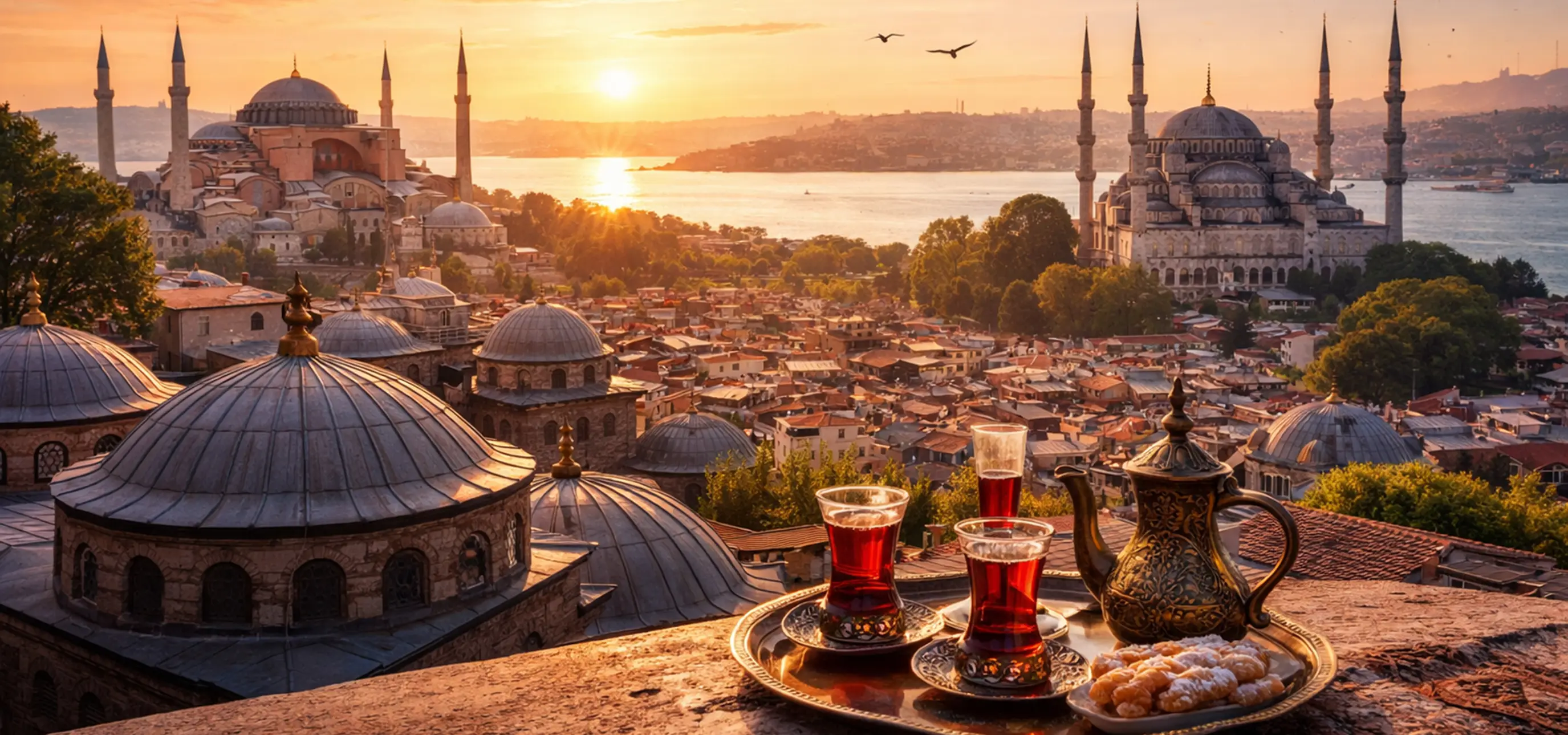
Discover imperial mosques, Byzantine monuments, palaces, bazaars, historic neighborhoods and Bosphorus landscapes across Istanbul.
View Istanbul GuideCombine the Grand Bazaar with Istanbul's greatest Byzantine and Ottoman monuments.
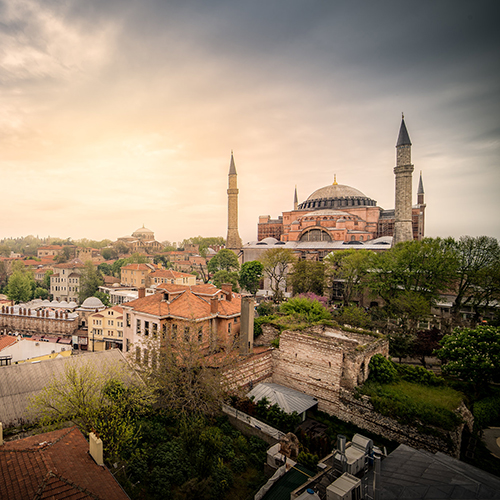
Experience one of the world's most influential monuments, where Byzantine and Ottoman history meet beneath a vast dome.
Explore Hagia Sophia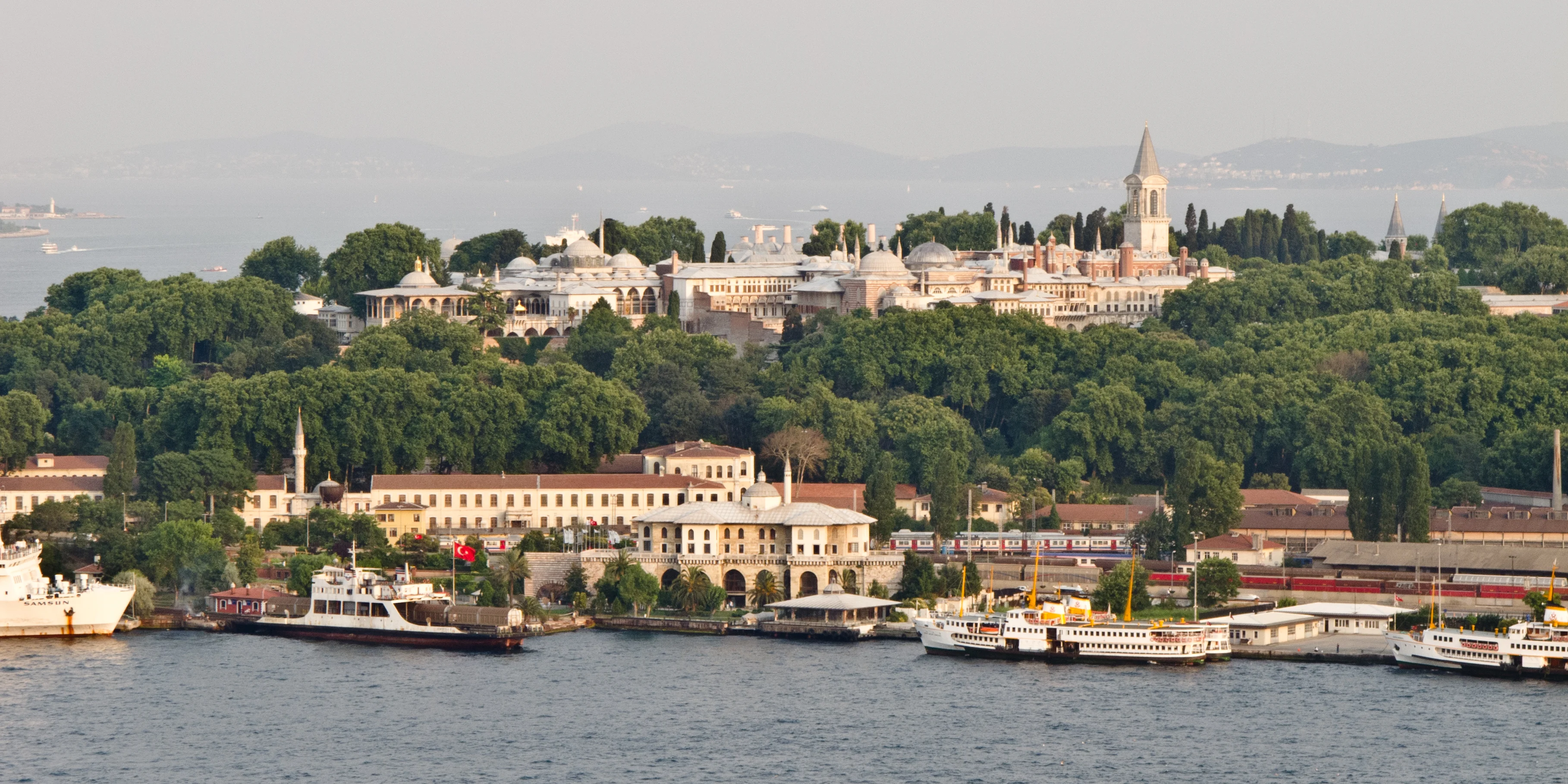
Walk through the courtyards, treasury and ceremonial spaces of the Ottoman dynasty's historic Istanbul residence.
Explore Topkapı Palace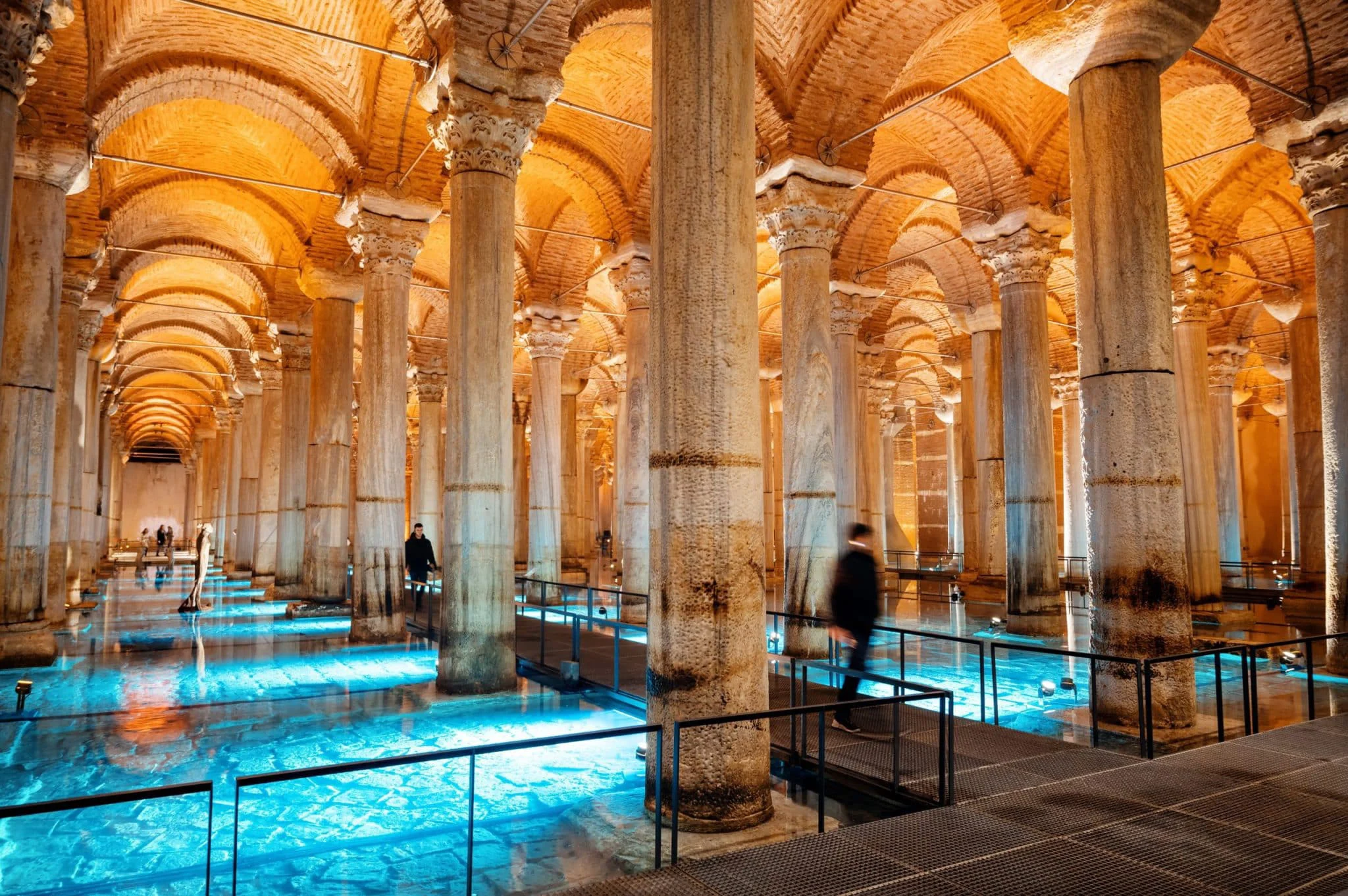
Enter Istanbul's atmospheric underground world of ancient columns, reflected light and Byzantine water engineering.
Explore the Basilica Cistern