Underground places & historic landscapes

Hacıfakılı Church – History & Visitor Guide

Investigate a lesser-known church site in a setting shaped by settlement, worship and the gradual transformations of central Anatolian communities. Local access is not assured.

Discover Hacıfakılı Church

Discover Hacıfakılı Church

Explore Hacıfakılı Church through archaeological evidence, the regional timeline and carefully distinguished interpretations.

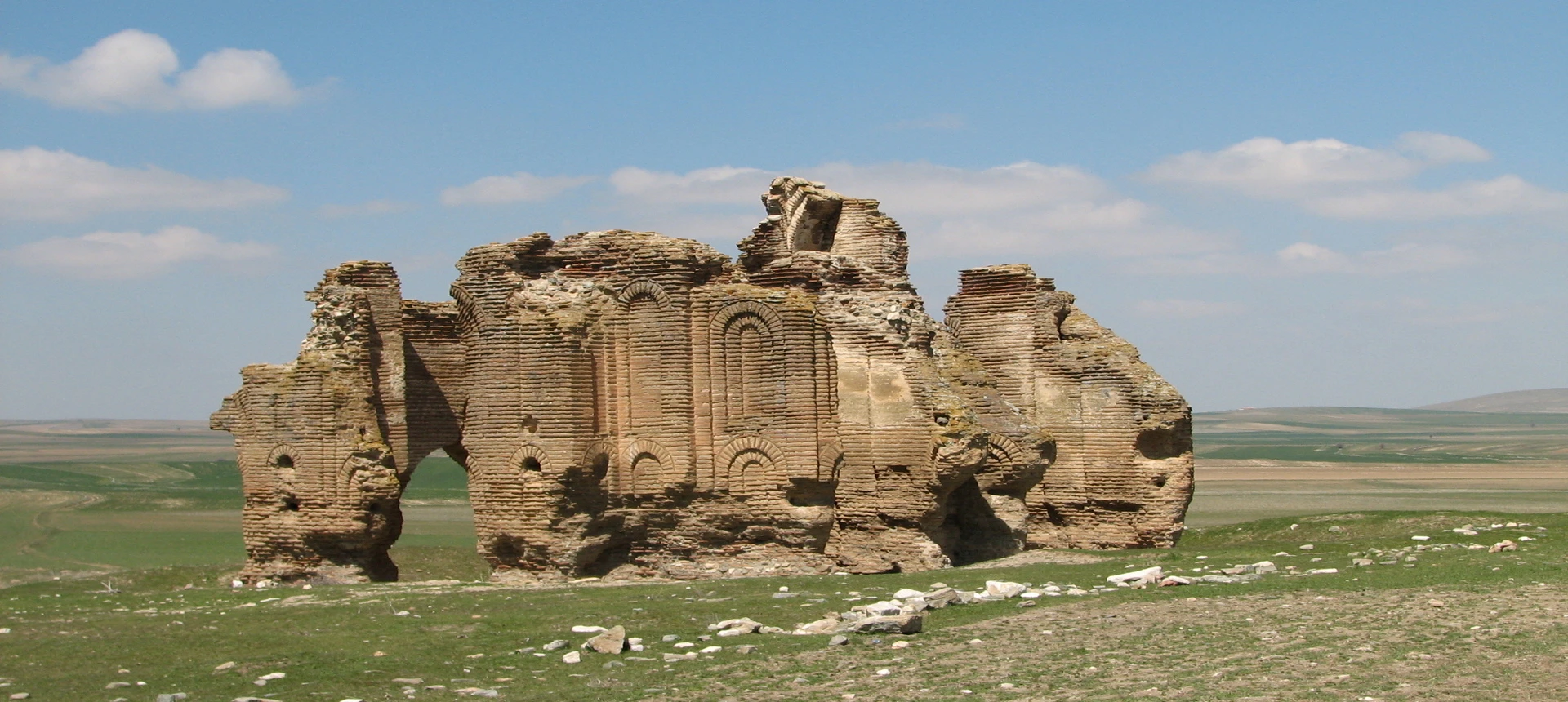
The provincial culture directorate locates Hacıfakılı Church inside Hacıfakılı village in Akçakent district. The surrounding settlement preserves Byzantine-era architectural material, including reused stonework visible in domestic and garden walls. The structure identified as the church survives in a much reduced state: the official account describes only one remaining room.

A Byzantine settlement represented by surviving fragments

The provincial culture directorate locates Hacıfakılı Church inside Hacıfakılı village in Akçakent district. The surrounding settlement preserves Byzantine-era architectural material, including reused stonework visible in domestic and.

Brickwork and the danger of over-reconstruction

Brick is singled out as a significant building material in the surviving church fabric. No securely published foundation date appears in the public inventory, so it would be misleading to reconstruct a complete basilica plan or invent.

Access and heritage protection

Hacıfakılı is a village environment rather than a fully staffed monument site. Please respect homes, gardens and religious remains; do not climb onto walls or remove decorated stones. Do not promise unrestricted interior access.

What to look for

Two useful themes here are christian architectural remains and rural historical context. Observe the site in relation to the surrounding land and settlements. Where the evidence is fragmentary, avoid assigning precise dates or.

Quick reference

Hacıfakılı Church – Essential Facts

Key distinctions, reliable context and practical considerations.

📍

Area / Location

Akçakent District, Kırşehir, Türkiye

🏛️

Known For

Traces of rural Christian Anatolia

🔎

Context to Know

The provincial culture directorate locates Hacıfakılı Church inside Hacıfakılı village in Akçakent district. The surrounding settlement preserves Byzantine-era architectural material, including reused stonework visible in.

ℹ️

Plan Carefully

Visitor information: Opening hours, admission, site access and road conditions are not guaranteed. Please verify locally before travel, especially for remote ruins and research areas.


Culture, evidence & context

History and Interpretation of Hacıfakılı Church

Page-specific research and local distinctions, not generic regional claims.

A Byzantine settlement represented by surviving fragments

The provincial culture directorate locates Hacıfakılı Church inside Hacıfakılı village in Akçakent district. The surrounding settlement preserves Byzantine-era architectural material, including reused stonework visible in domestic and garden walls. The structure identified as the church survives in a much reduced state: the official account describes only one remaining room.

Brickwork and the danger of over-reconstruction

Brick is singled out as a significant building material in the surviving church fabric. No securely published foundation date appears in the public inventory, so it would be misleading to reconstruct a complete basilica plan or invent an imperial patron. The reused building blocks suggest a landscape with a longer occupation history, but individual stones do not automatically date the surviving masonry.


Surviving Features & Responsible Exploration

Original Kırşehir context, significant details and interpretation from the researched guide.

Access and heritage protection

Hacıfakılı is a village environment rather than a fully staffed monument site. Please respect homes, gardens and religious remains; do not climb onto walls or remove decorated stones. Do not promise unrestricted interior access.

What to look for

Two useful themes here are christian architectural remains and rural historical context. Observe the site in relation to the surrounding land and settlements. Where the evidence is fragmentary, avoid assigning precise dates or functions to individual features without a published source.

A surviving room in a reused village landscape

The ministry’s church inventory is unusually clear about the limits of the remains at Hacıfakılı in Akçakent: only a single room of the church is described as surviving. Byzantine fragments are reused in nearby garden and house walls. These features are evidence for a historical settlement, but not a license to reconstruct a complete three-aisled church from imagination.

Brickwork is part of the visible material story. A visitor should avoid climbing walls or entering private yards to inspect fragments. The source does not provide a securely dated foundation inscription, so claims naming a particular Byzantine emperor or a tenth-century monastery should be avoided.

Why Hacıfakılı Church Matters

The ministry’s church inventory is unusually clear about the limits of the remains at Hacıfakılı in Akçakent: only a single room of the church is described as surviving. Byzantine fragments are reused in nearby garden and house walls. These features are evidence for a historical settlement, but not a license to reconstruct a complete three-aisled church from imagination.

A Byzantine settlement represented by surviving fragments

The provincial culture directorate locates Hacıfakılı Church inside Hacıfakılı village in Akçakent district. The surrounding settlement preserves Byzantine-era architectural material, including reused stonework visible in domestic and garden walls. The.

Brickwork and the danger of over-reconstruction

Brick is singled out as a significant building material in the surviving church fabric. No securely published foundation date appears in the public inventory, so it would be misleading to reconstruct a complete basilica plan or invent an imperial patron. The.

Access and heritage protection

Hacıfakılı is a village environment rather than a fully staffed monument site. Please respect homes, gardens and religious remains; do not climb onto walls or remove decorated stones. Do not promise unrestricted interior access.

What to look for

Two useful themes here are christian architectural remains and rural historical context. Observe the site in relation to the surrounding land and settlements. Where the evidence is fragmentary, avoid assigning precise dates or functions to individual features.

Finding & Experiencing Hacıfakılı Church

Visitor information: Opening hours, admission, site access and road conditions are not guaranteed. Please verify locally before travel, especially for remote ruins and research areas.

Where to Start

Akçakent District in Kırşehir Province, central Türkiye. Check the exact approach or local kitchen before travel.

Evidence and Expectations

The provincial culture directorate locates Hacıfakılı Church inside Hacıfakılı village in Akçakent district. The surrounding settlement preserves Byzantine-era architectural material, including reused stonework visible in.

What to Verify

Visitor information: Opening hours, admission, site access and road conditions are not guaranteed. Please verify locally before travel, especially for remote ruins and research areas.

Wider Regional Context

Explore our Kırşehir province guide to plan related places and regional food traditions.

Responsible Visiting Tips

Do not enter excavations

An active research site or unprotected underground space may not be open to visitors.

Respect fragile remains

Avoid walking on masonry, removing fragments or touching surviving decoration.

Separate evidence from legend

Site names and local traditions do not establish an exact founding date or ancient identity.

Check current access

Ask the responsible museum or local authority about restrictions and safe approach routes.

Who Will Appreciate Hacıfakılı Church?

History enthusiasts

Read visible features in the light of excavated evidence and research.

Architecture students

Compare construction methods and later phases without guessing a chronology.

Careful explorers

Visit public viewing areas rather than assuming access to restricted remains.

Regional travellers

Pair the subject with established museums that can provide context.

Frequently Asked Questions about Hacıfakılı Church

Where is Hacıfakılı Church?

Hacıfakılı Church is associated with Akçakent District, in Kırşehir province, central Türkiye. Confirm the exact entrance or meeting point before setting out.

Can I visit Hacıfakılı Church without advance arrangements?

Access arrangements for Hacıfakılı Church can change. For archaeological sites, ruins, thermal sources and small cultural houses especially, verify whether public admission is currently possible.

What else can I see near Hacıfakılı Church?

Use the Kırşehir province guide to plan other underground stops and consider the Kaman museum, the historic city centre or Mucur depending on your route.

Photographing Fragile Heritage Responsibly

Look for the subject's real character, rather than using a photograph from a different site or a generic representation as documentary evidence.

A Byzantine settlement represented by surviving fragments

The provincial culture directorate locates Hacıfakılı Church inside Hacıfakılı village in Akçakent district. The surrounding settlement preserves Byzantine-era architectural material, including reused stonework visible in domestic and.

Brickwork and the danger of over-reconstruction

Brick is singled out as a significant building material in the surviving church fabric. No securely published foundation date appears in the public inventory, so it would be misleading to reconstruct a complete basilica plan or invent.

Access and heritage protection

Hacıfakılı is a village environment rather than a fully staffed monument site. Please respect homes, gardens and religious remains; do not climb onto walls or remove decorated stones. Do not promise unrestricted interior access.

What to look for

Two useful themes here are christian architectural remains and rural historical context. Observe the site in relation to the surrounding land and settlements. Where the evidence is fragmentary, avoid assigning precise dates or.

Best Time & Practical Planning

Schedules and conditions vary. These are planning considerations, not fixed opening hours or admission guarantees.

Permission

Ask whether the place is a staffed visitor site or an active research area.

Daylight

Unstaffed exterior remains are best approached only in suitable, safe conditions.

Conservation works

Sections of the site may be closed or protected.

Museums

Consider a museum visit for finds and interpretation.

Plan a More Meaningful Kırşehir Route

Choose a realistic combination of Kırşehir heritage and landscapes, taking road distances, access permissions and conservation requirements into account.

Evidence, Historical Context & Further Reading

Sources below were used in the previous research and editorial review. Historical inventories do not by themselves guarantee current opening, access, prices or conservation status. Where published sources disagree, the text distinguishes the accounts rather than presenting an invented certainty.

Editorial review: November 2026. For current arrangements, consult the operator or relevant local authorities.

Kırşehir Provincial Directorate of Culture and Tourism