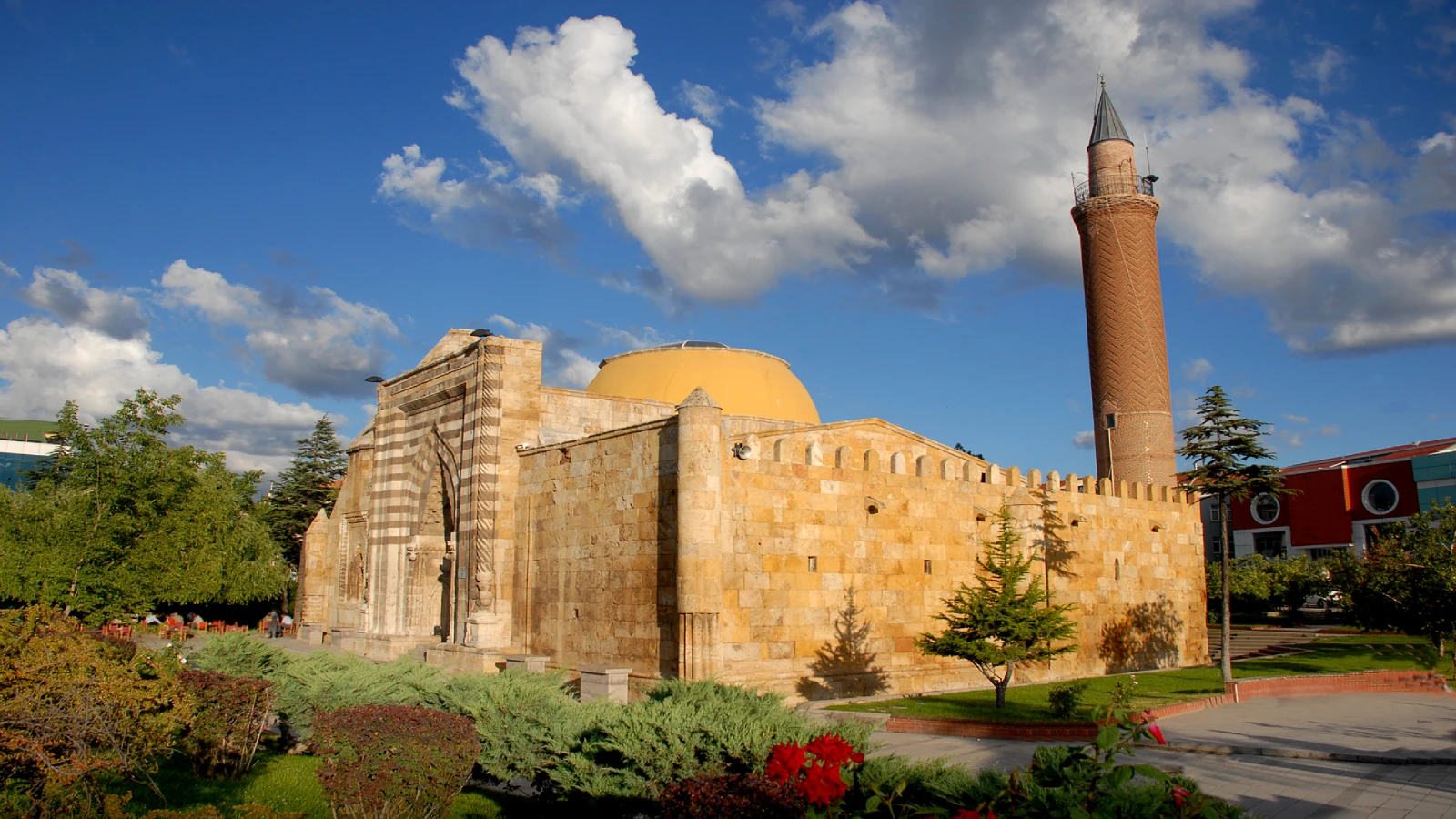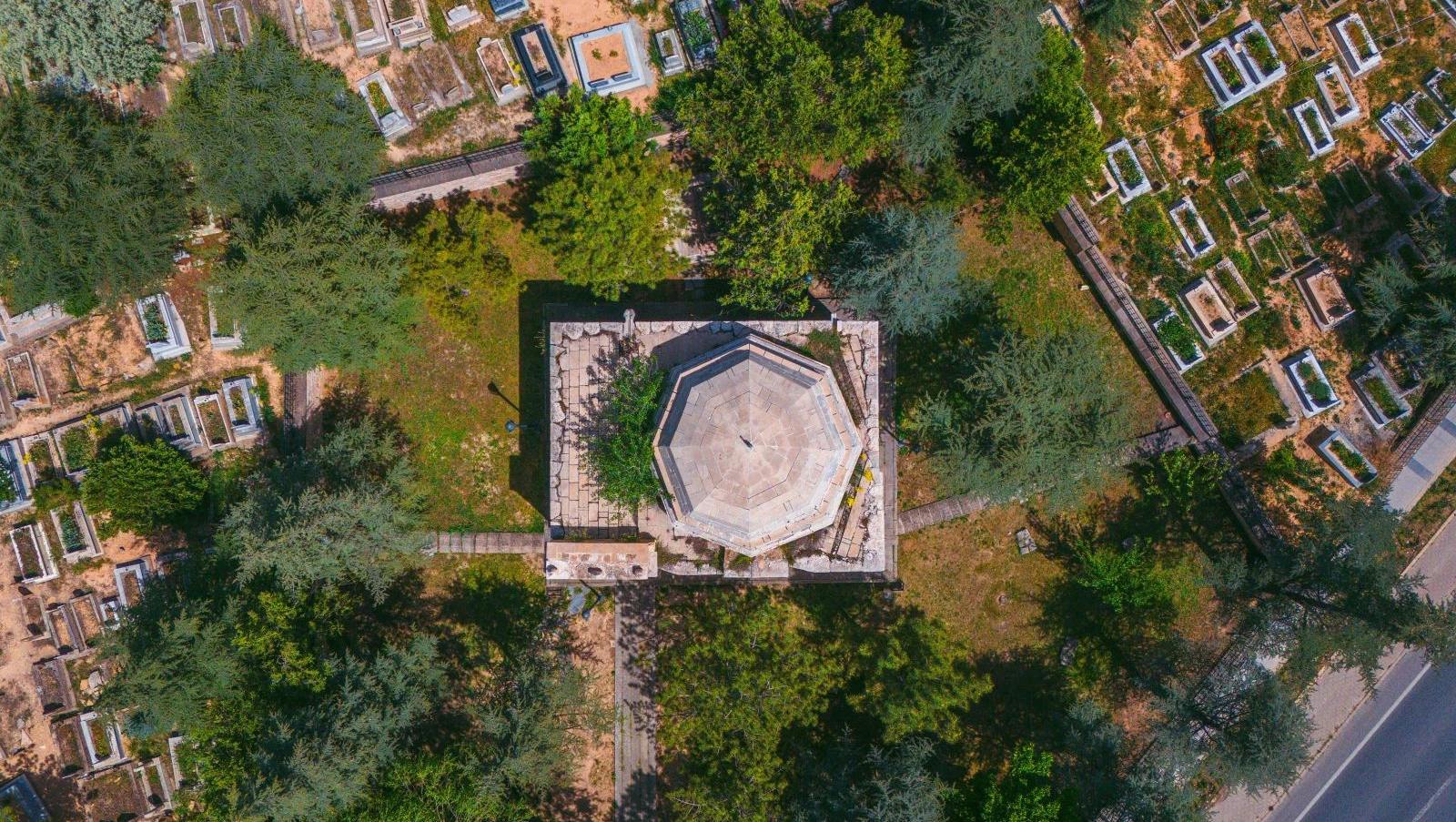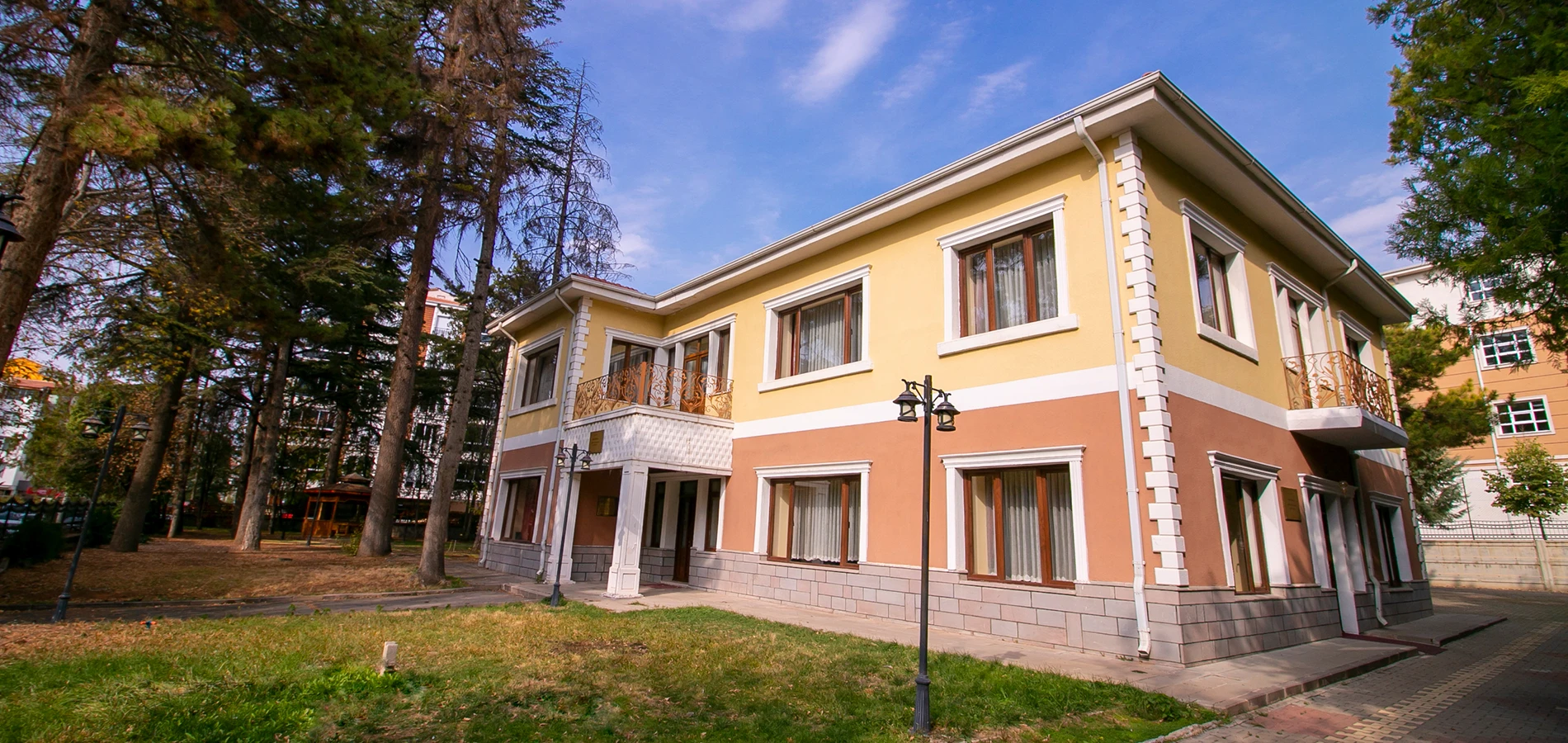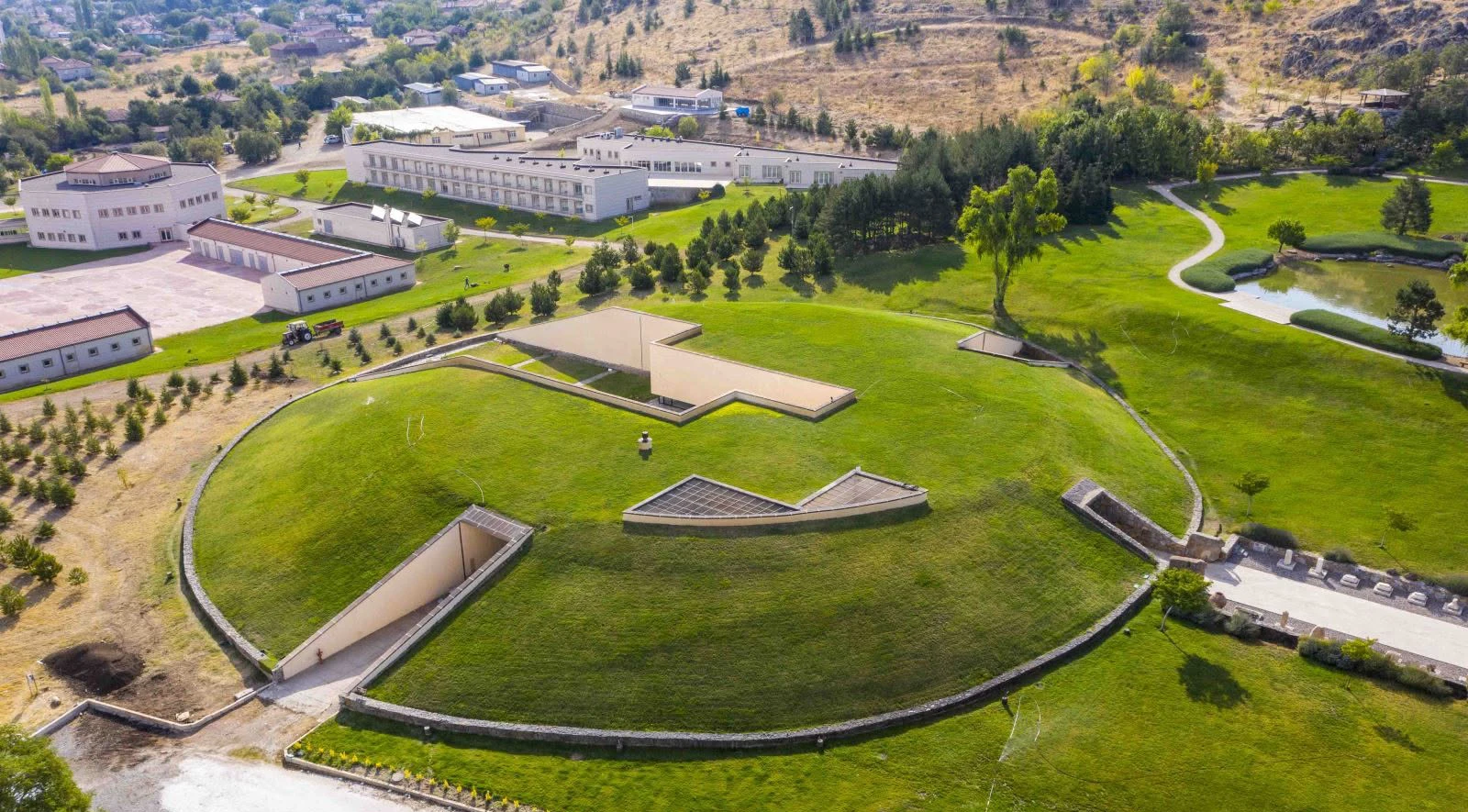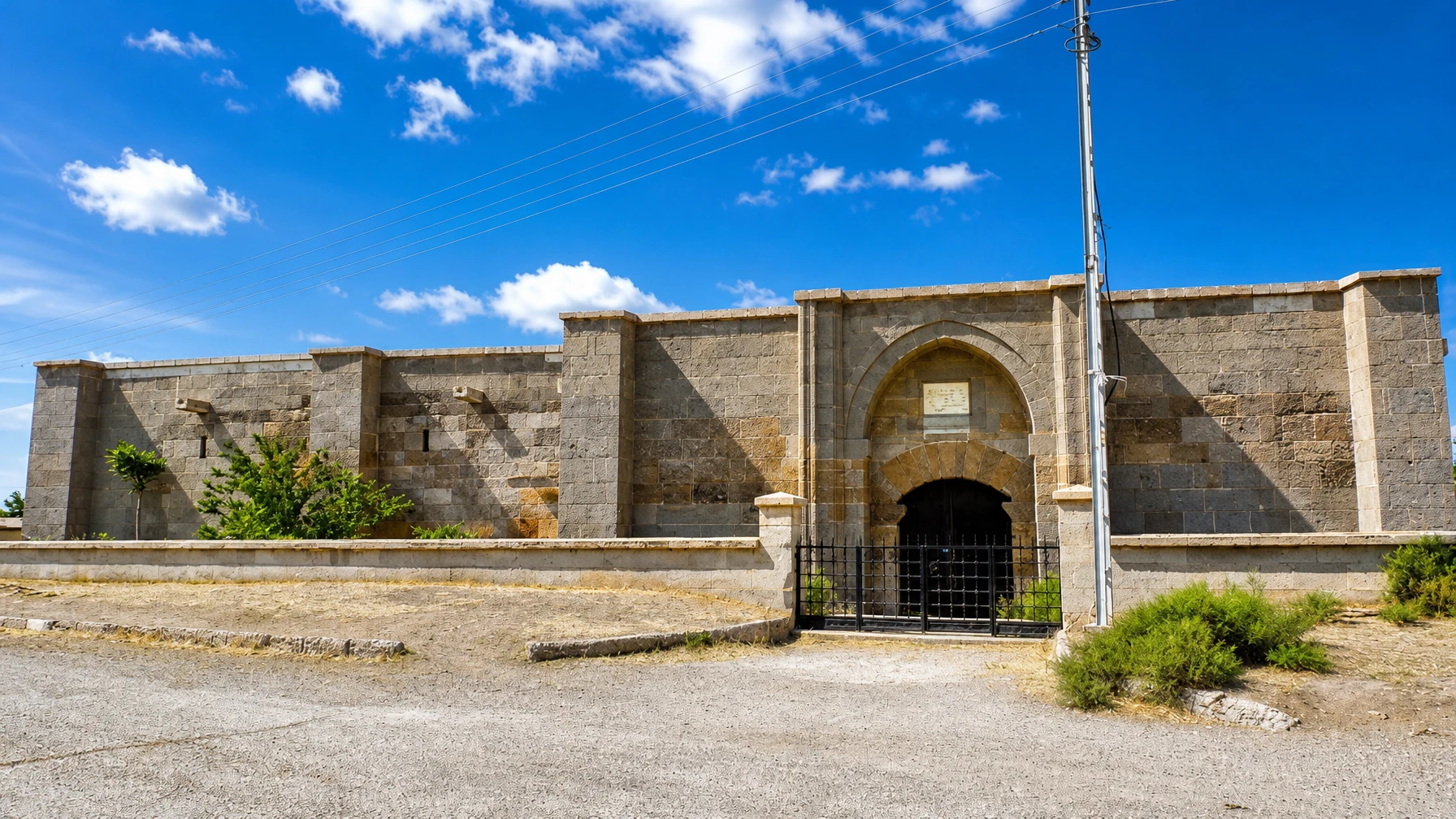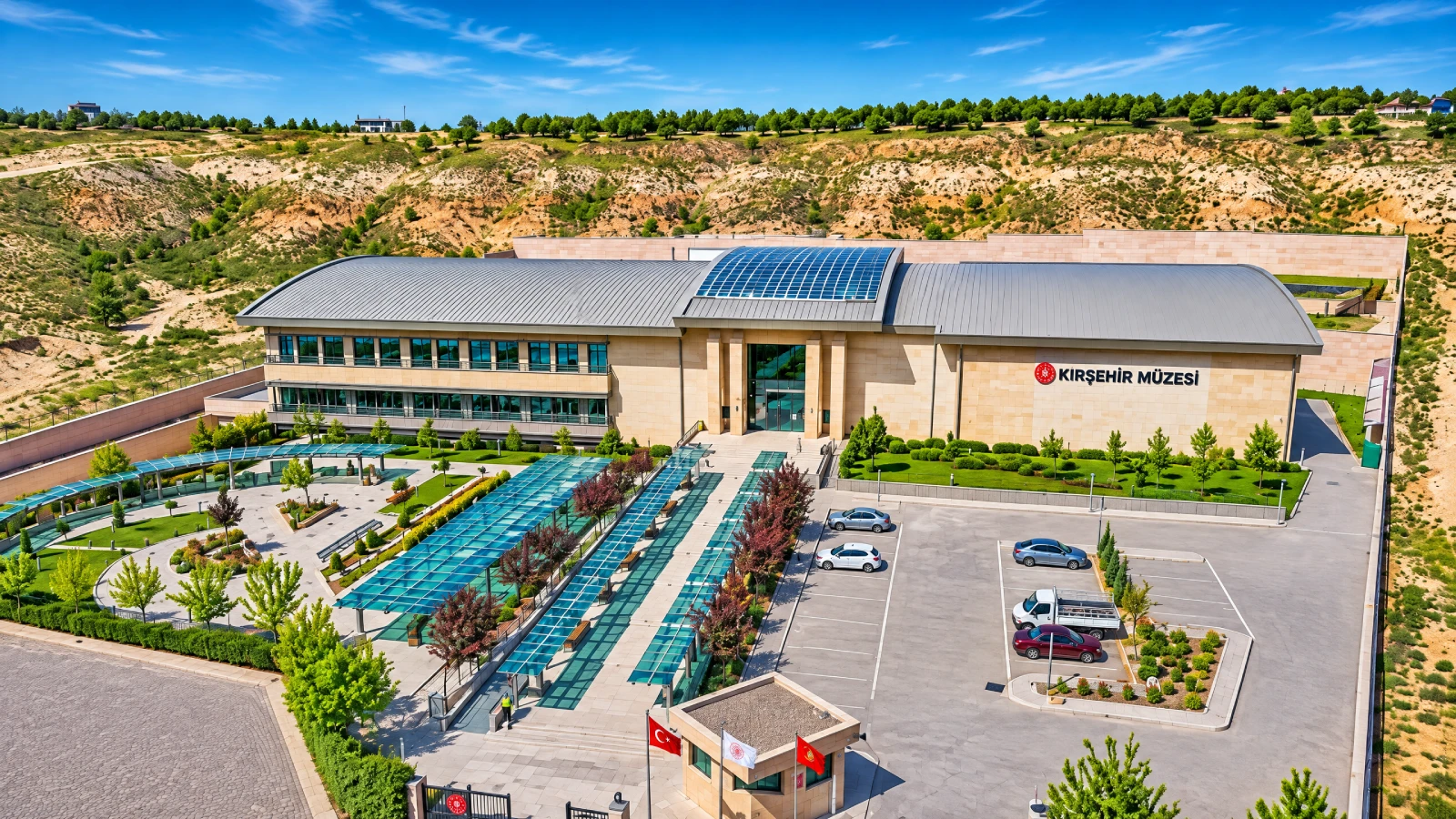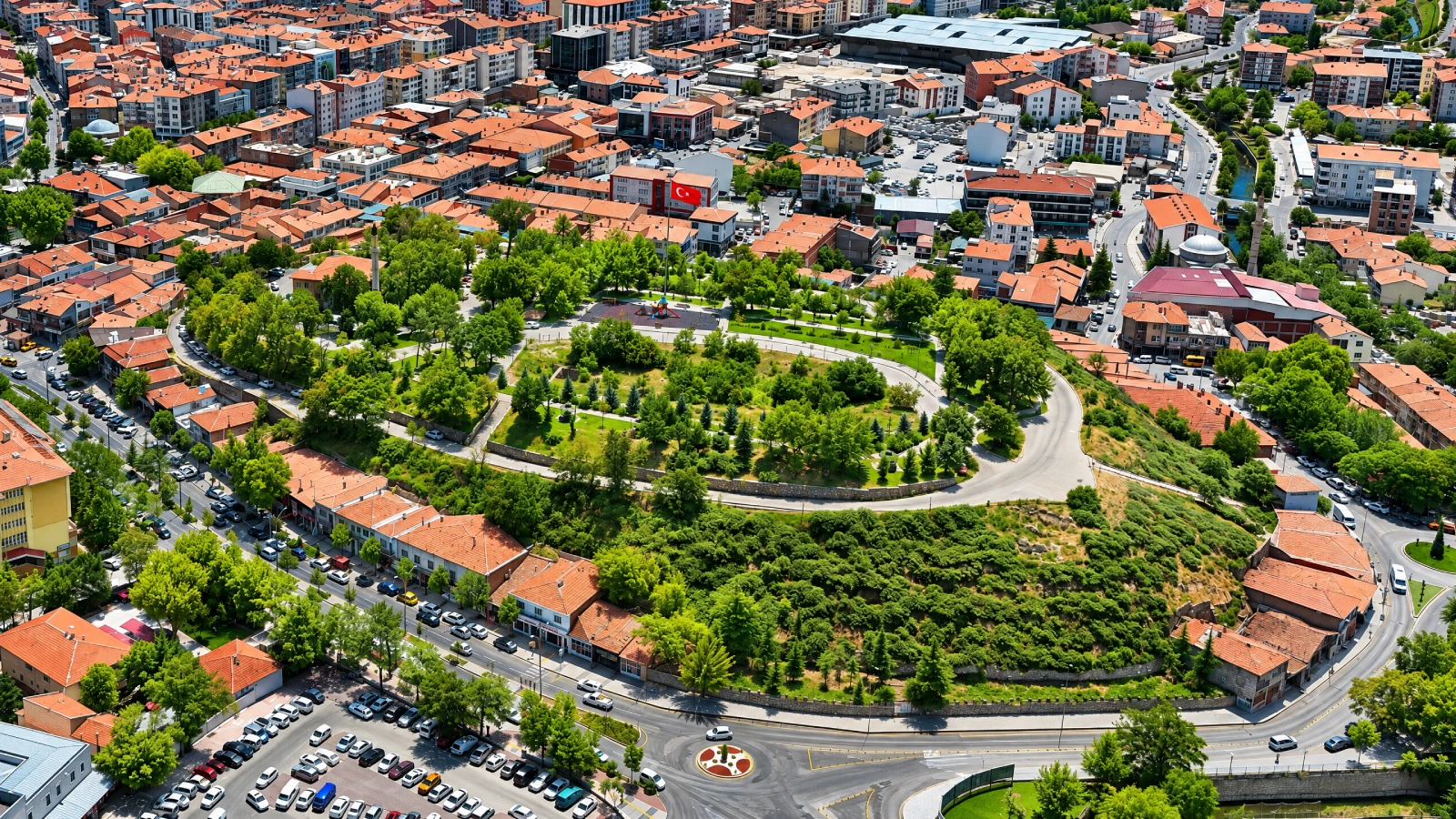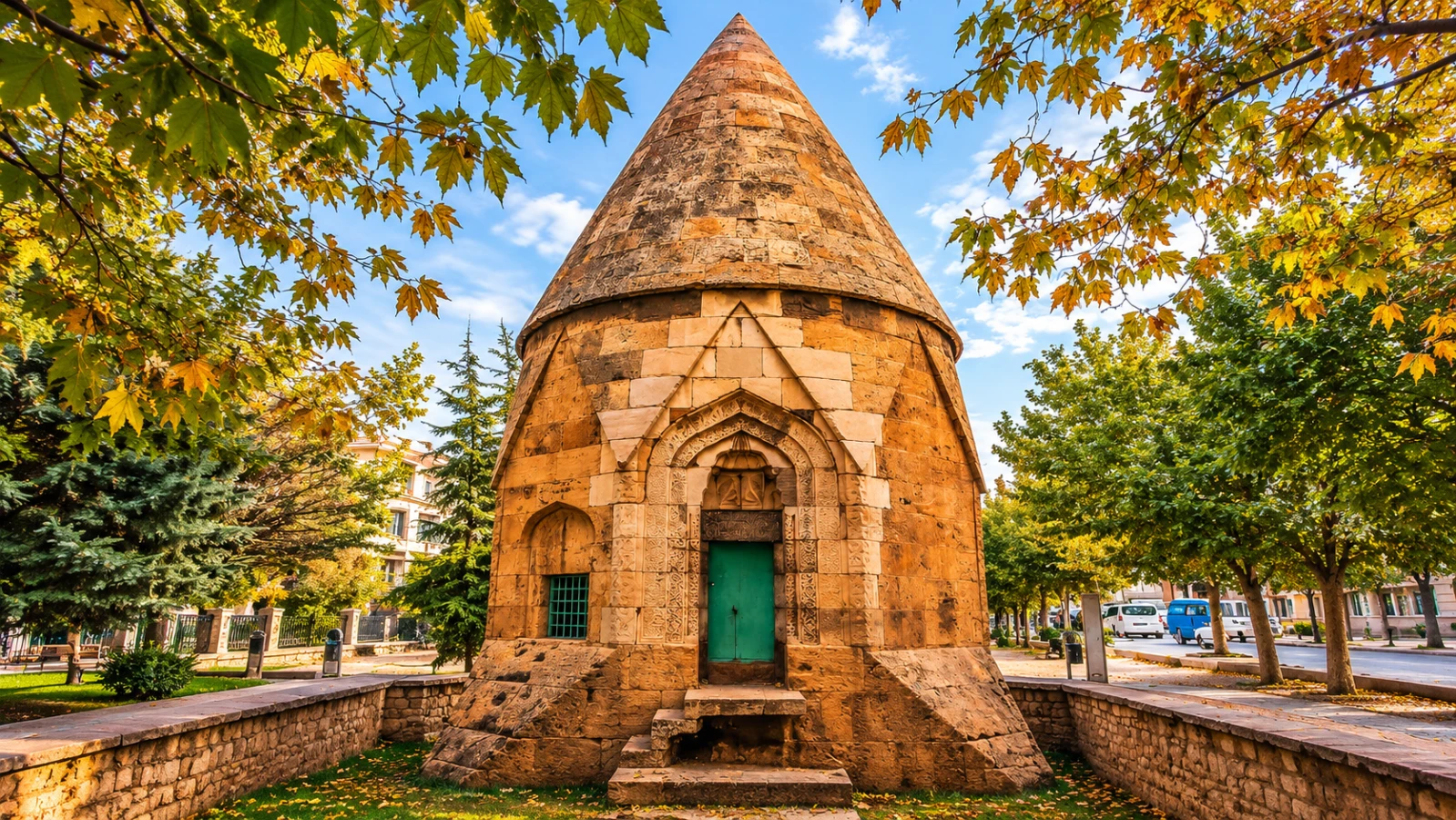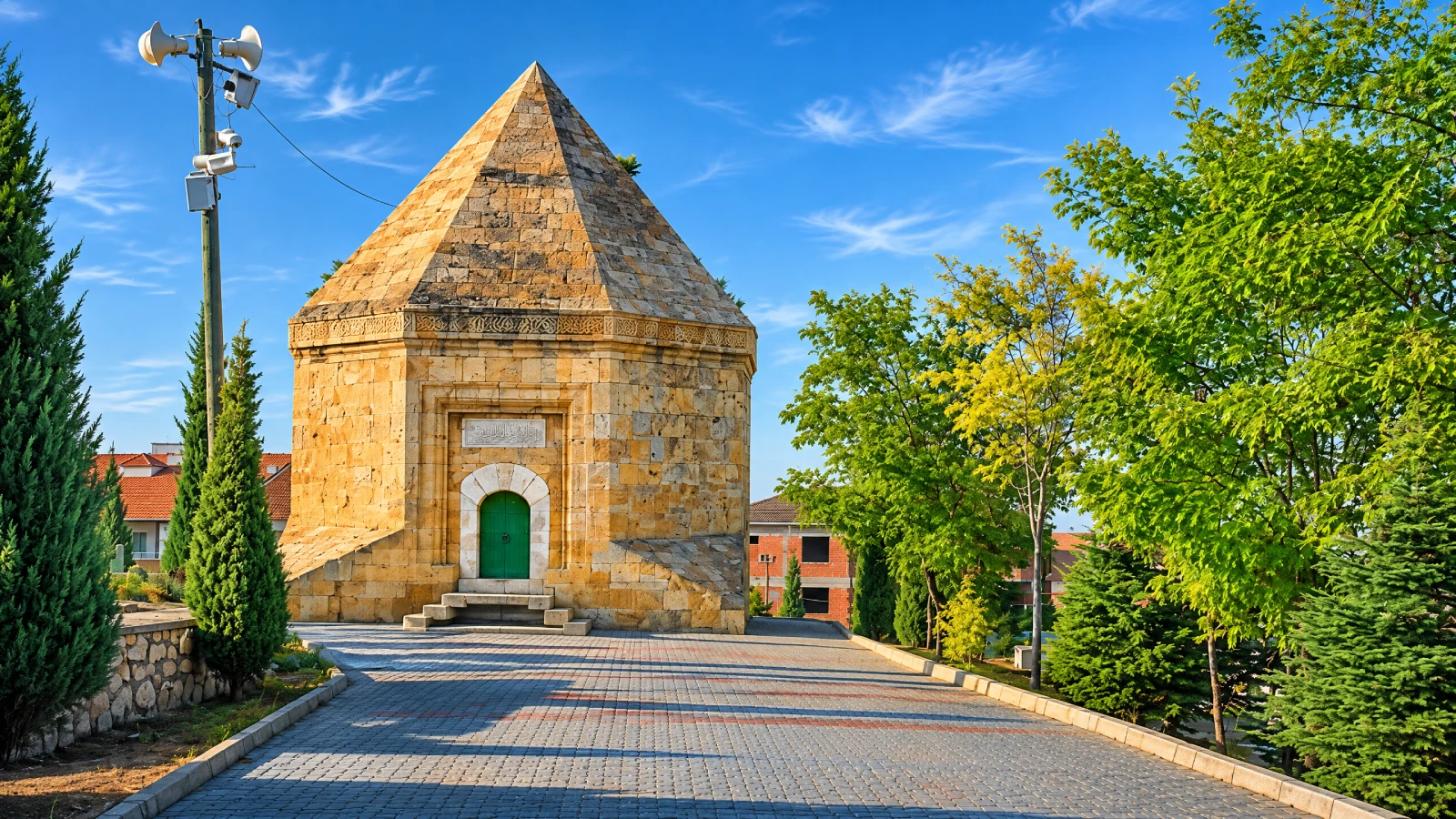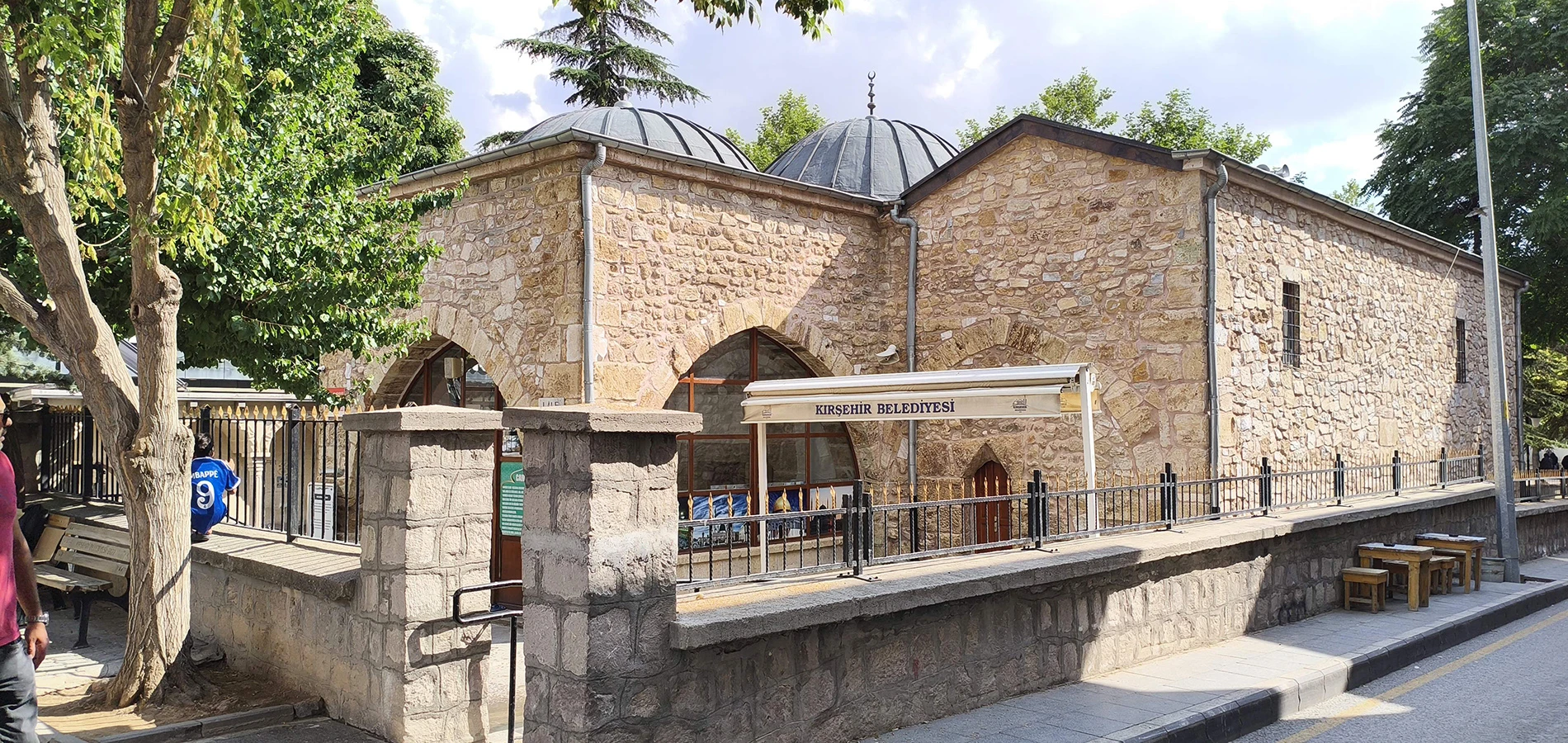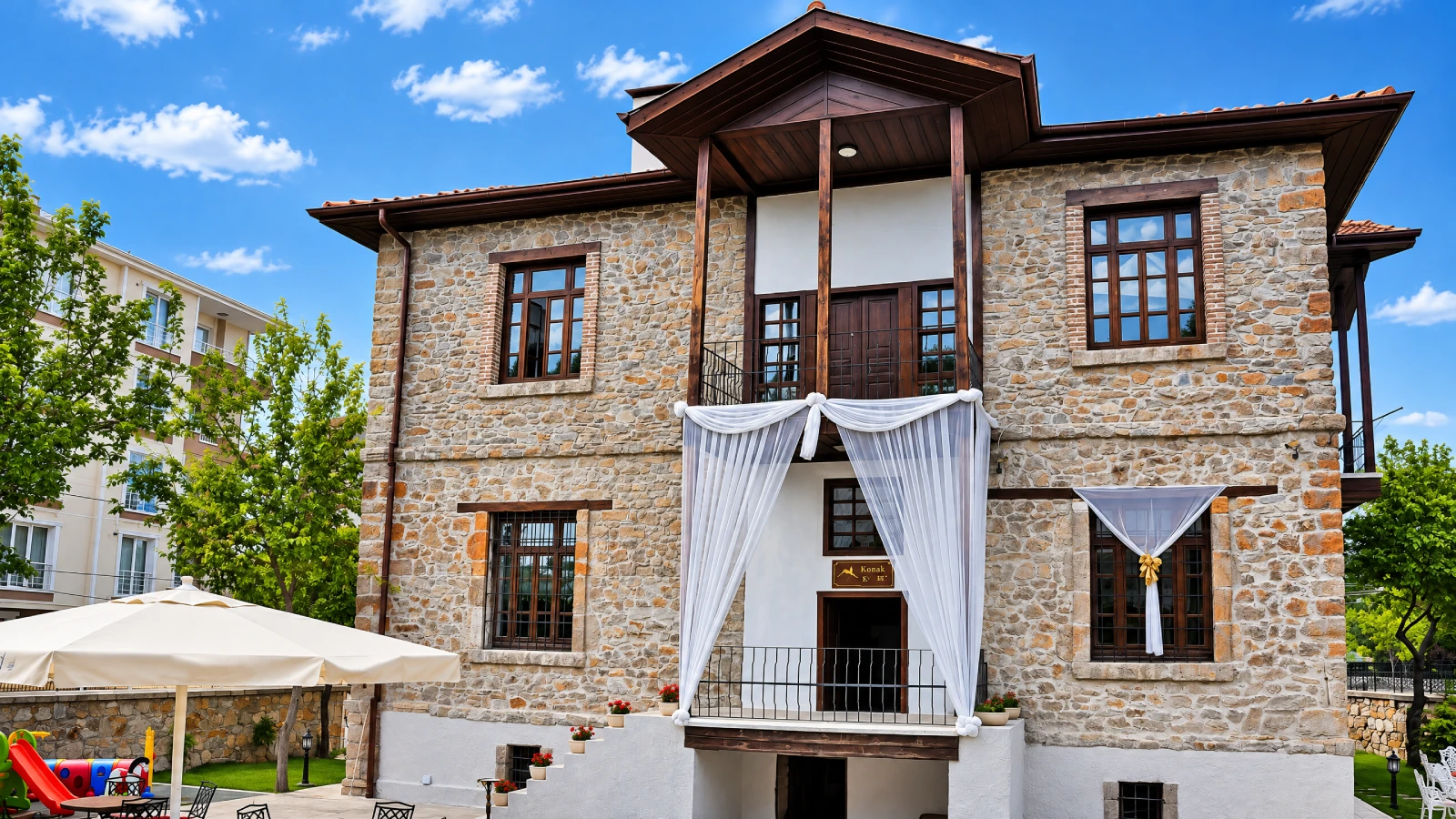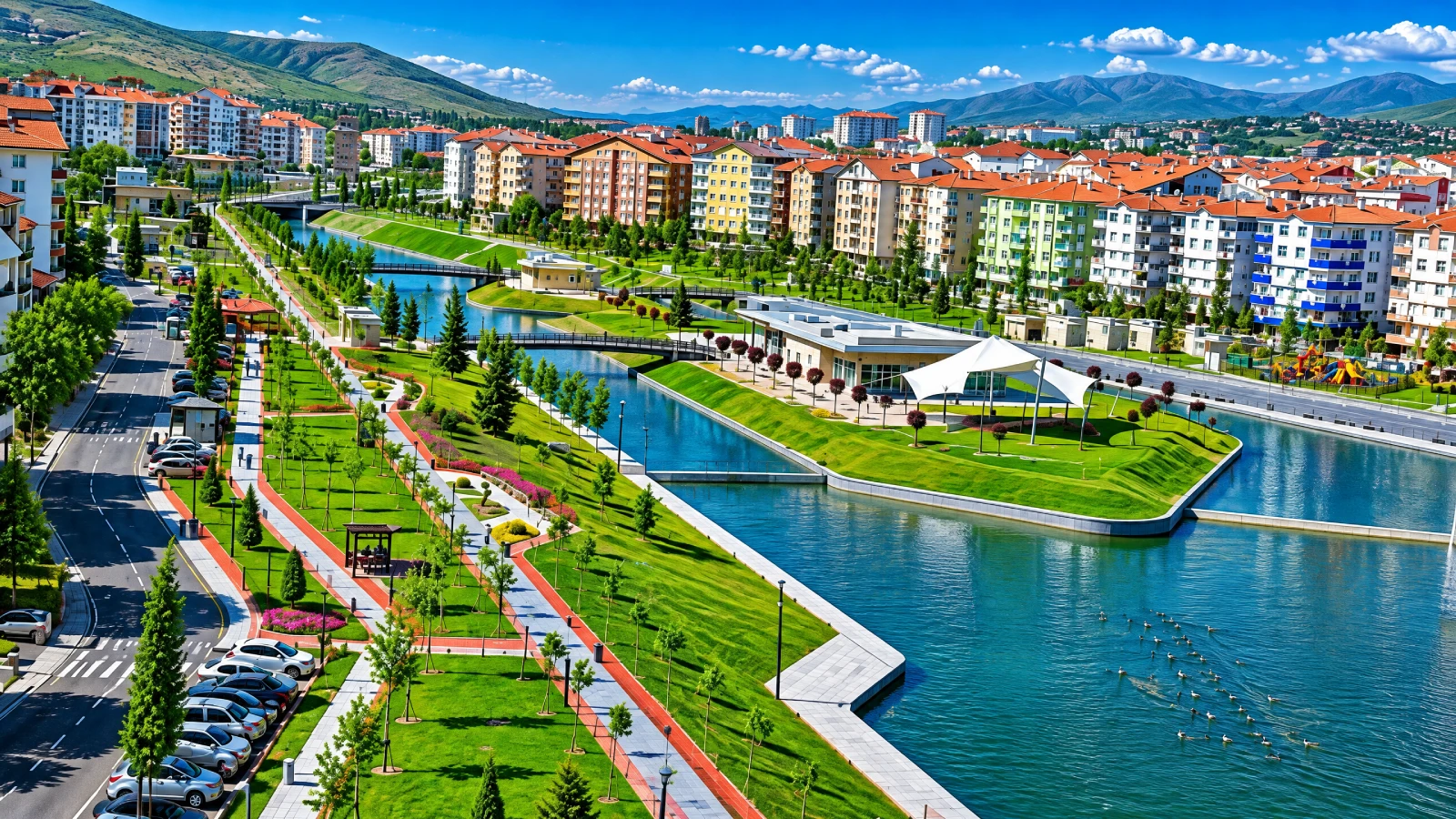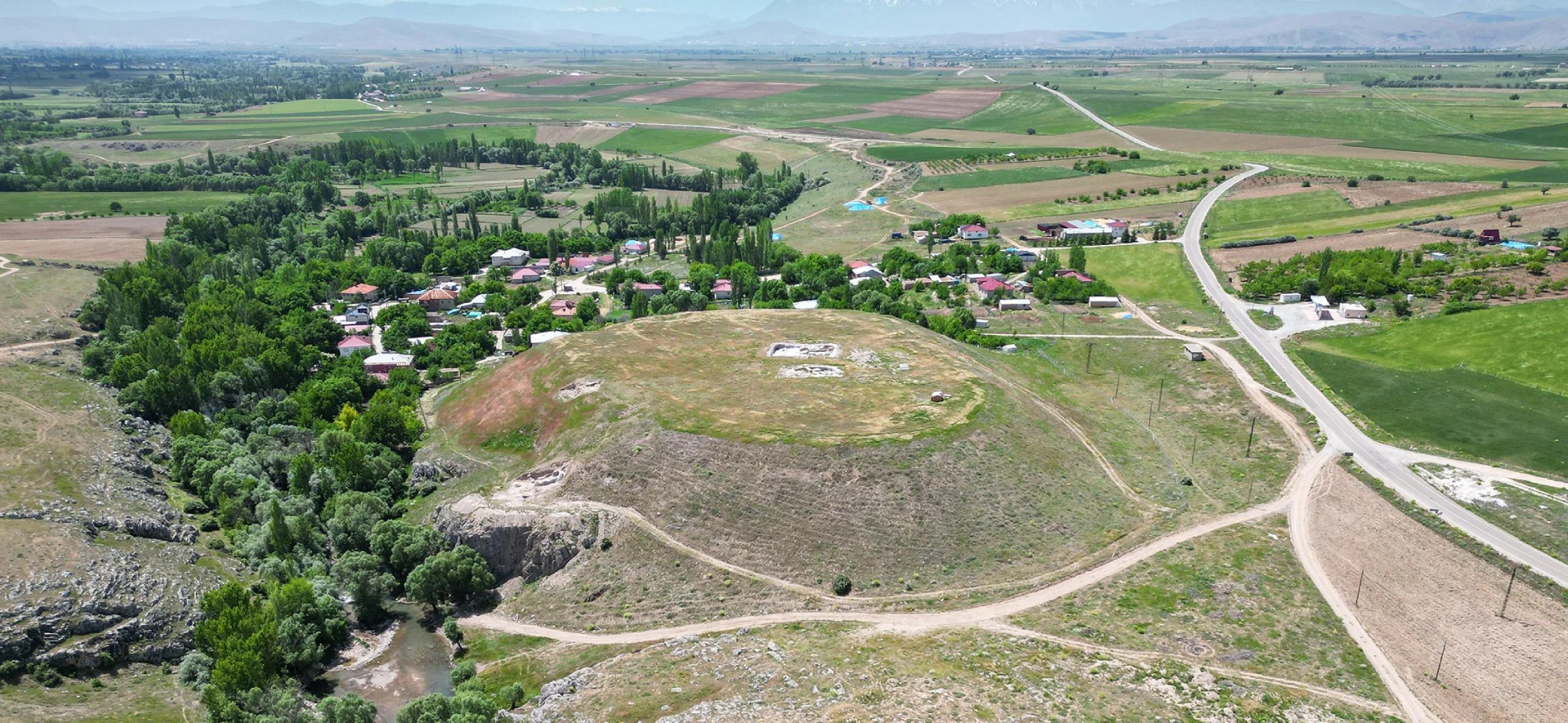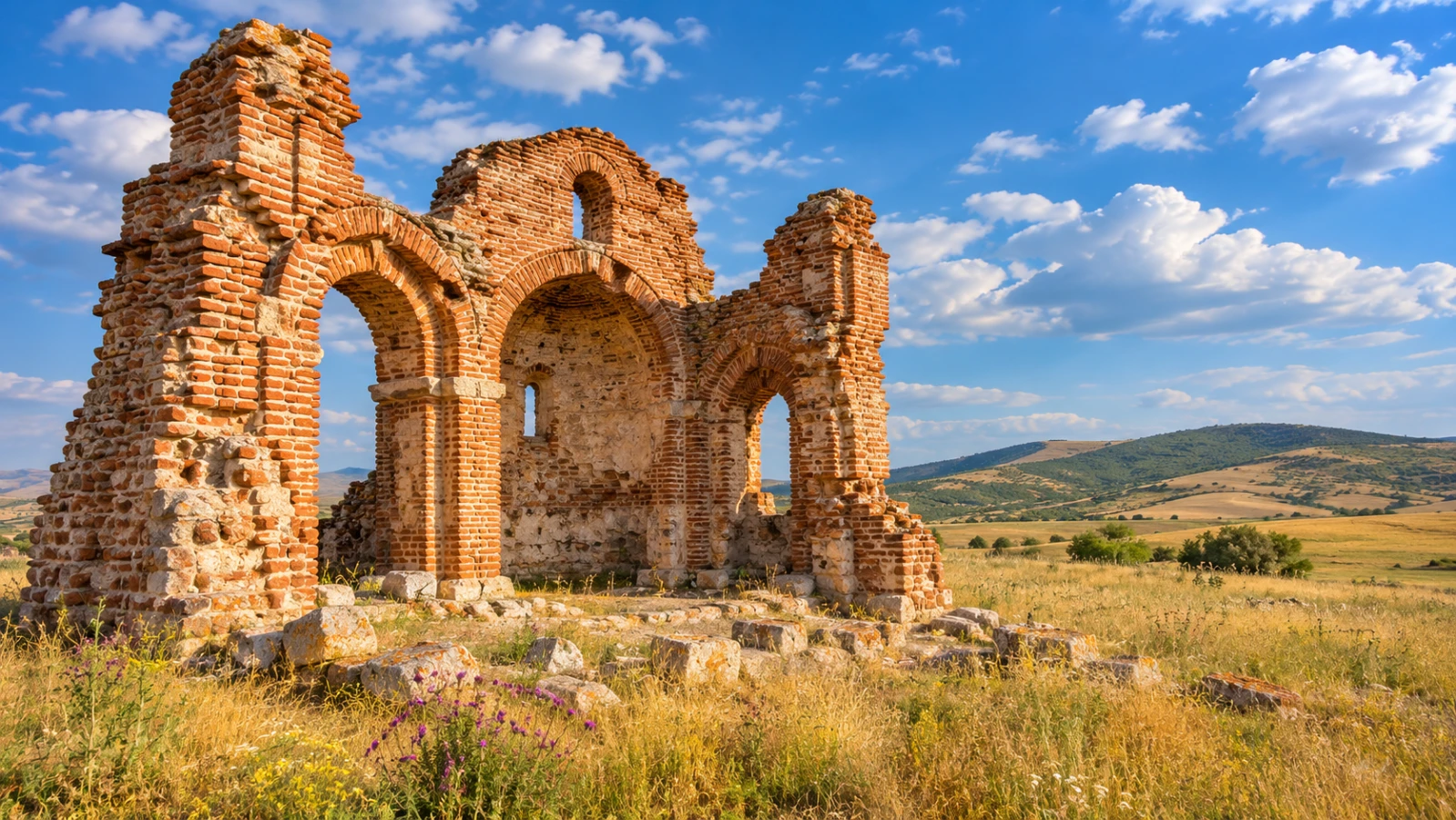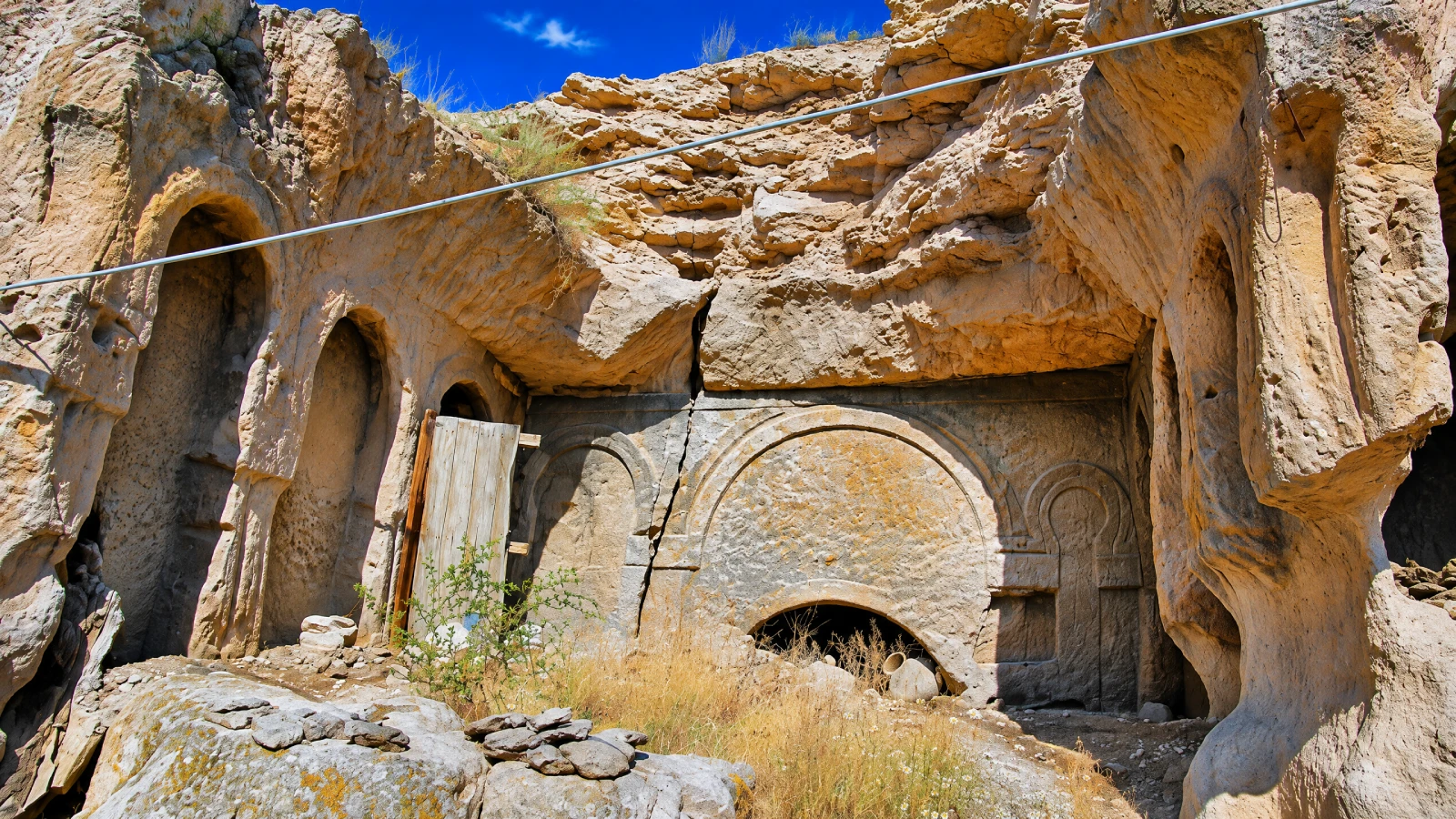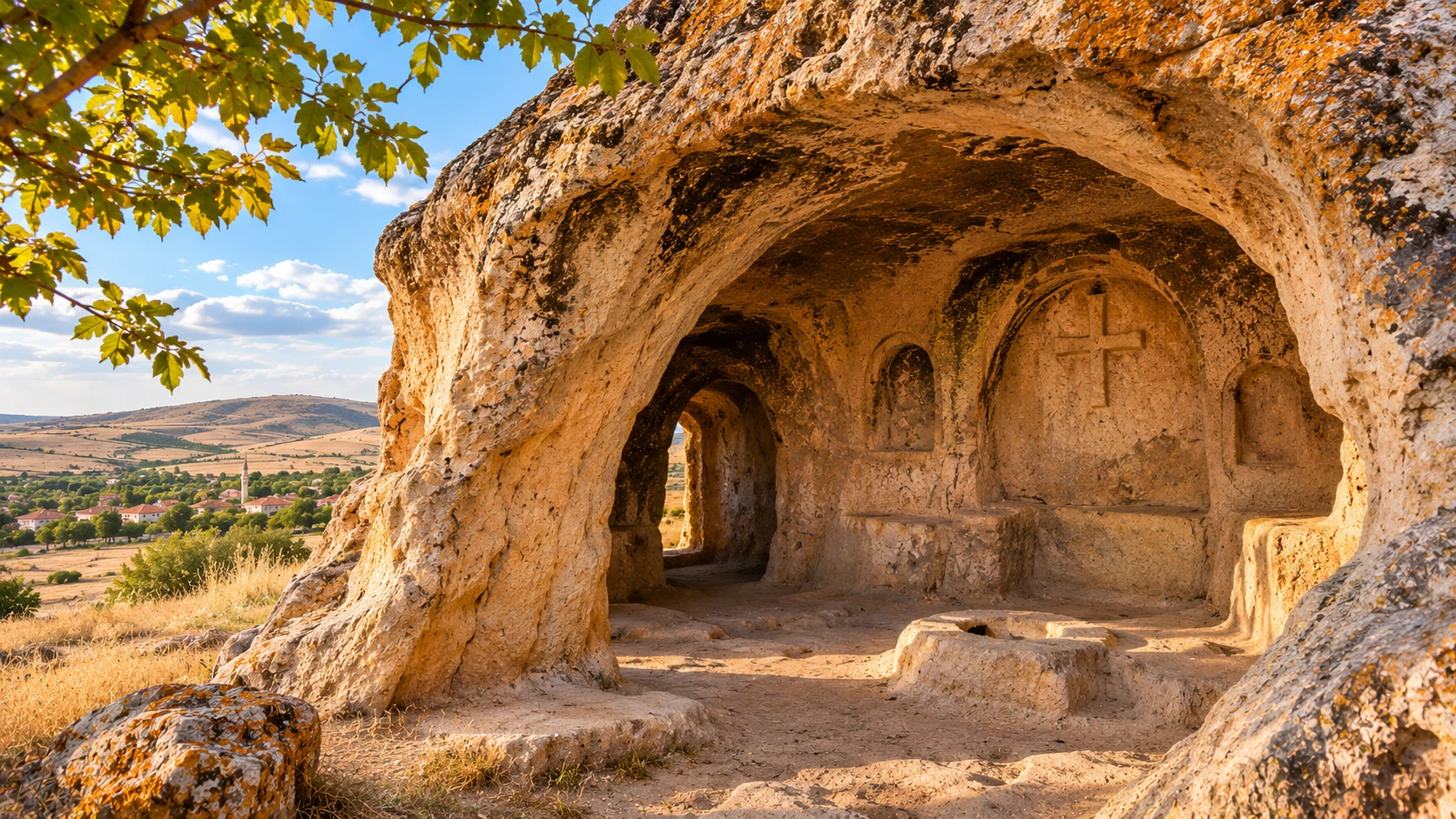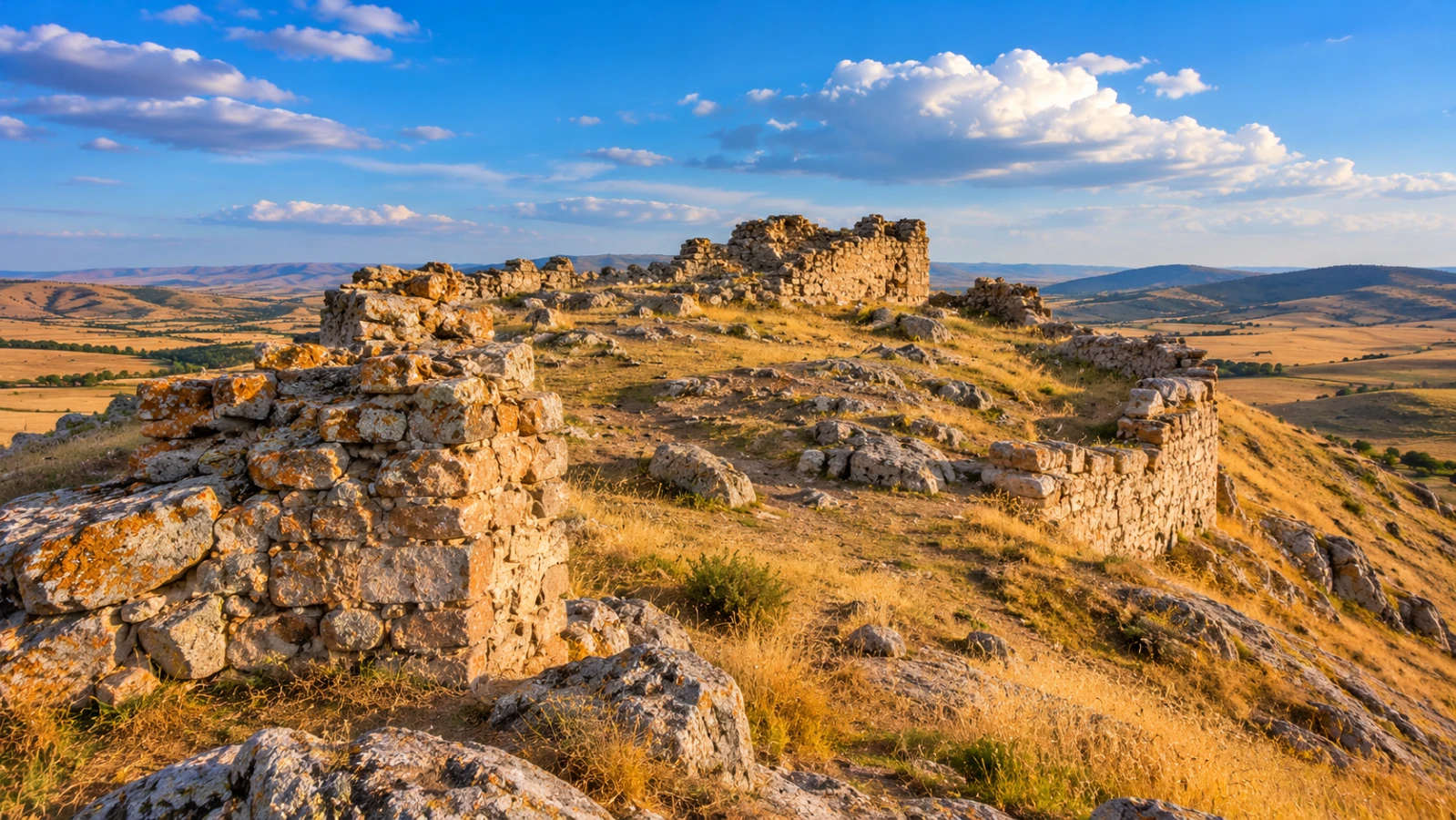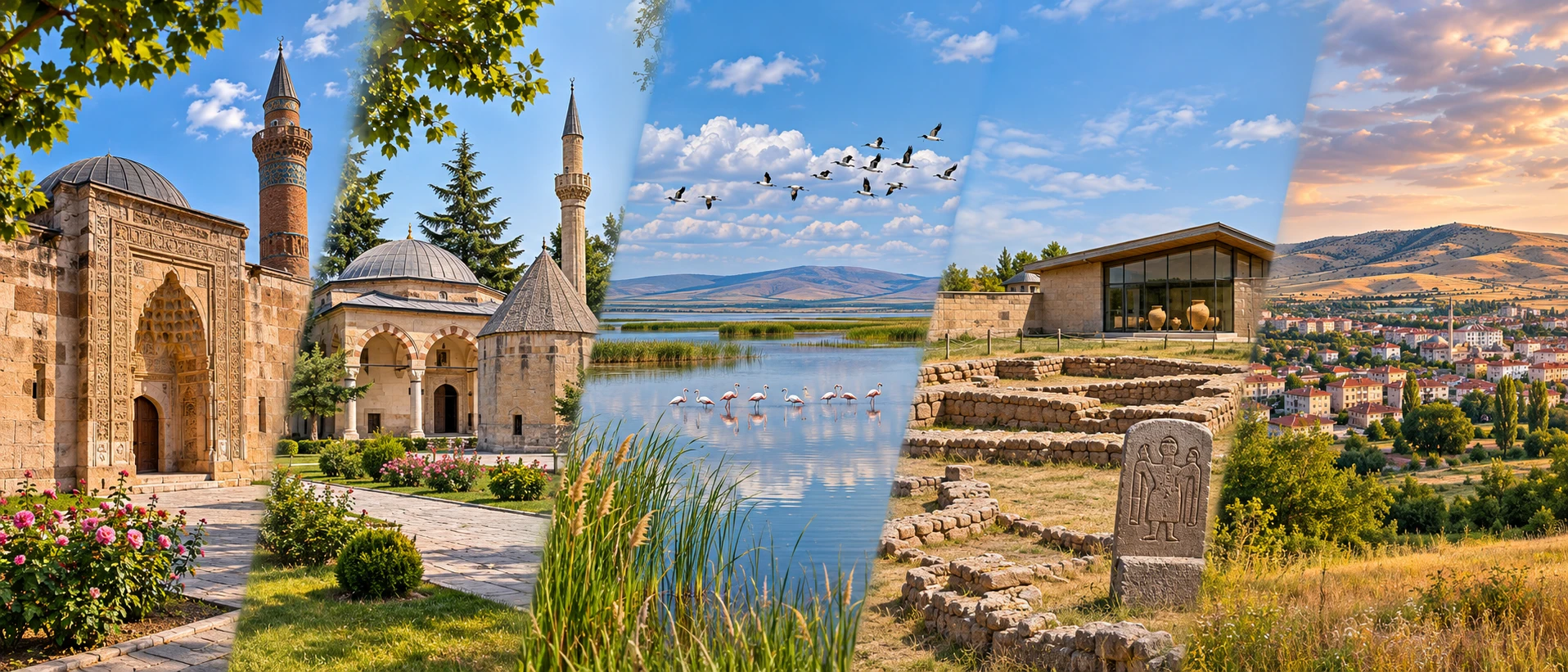
Kırşehir, Türkiye – Cacabey Madrasa, Ahi Evran, Kaman Kalehöyük and Central Anatolian scenery
Wow Cappadocia Turkey Travel Guide

Kırşehir Travel Guide – Best Places to Visit

Discover Kırşehir, UNESCO Creative City of Music: the legacy of Ahi Evran and Âşık Paşa, remarkable Seljuk monuments, Kaman Kalehöyük archaeology, underground cities, Japanese gardens and the fragile wetlands of Seyfe Lake.

UNESCO City of MusicAhi Evran & AhilikKaman KalehöyükSeyfe Wetlands
A Different Side of Central Anatolia

Discover Kırşehir: A Crossroads of Music, Crafts & Ancient History

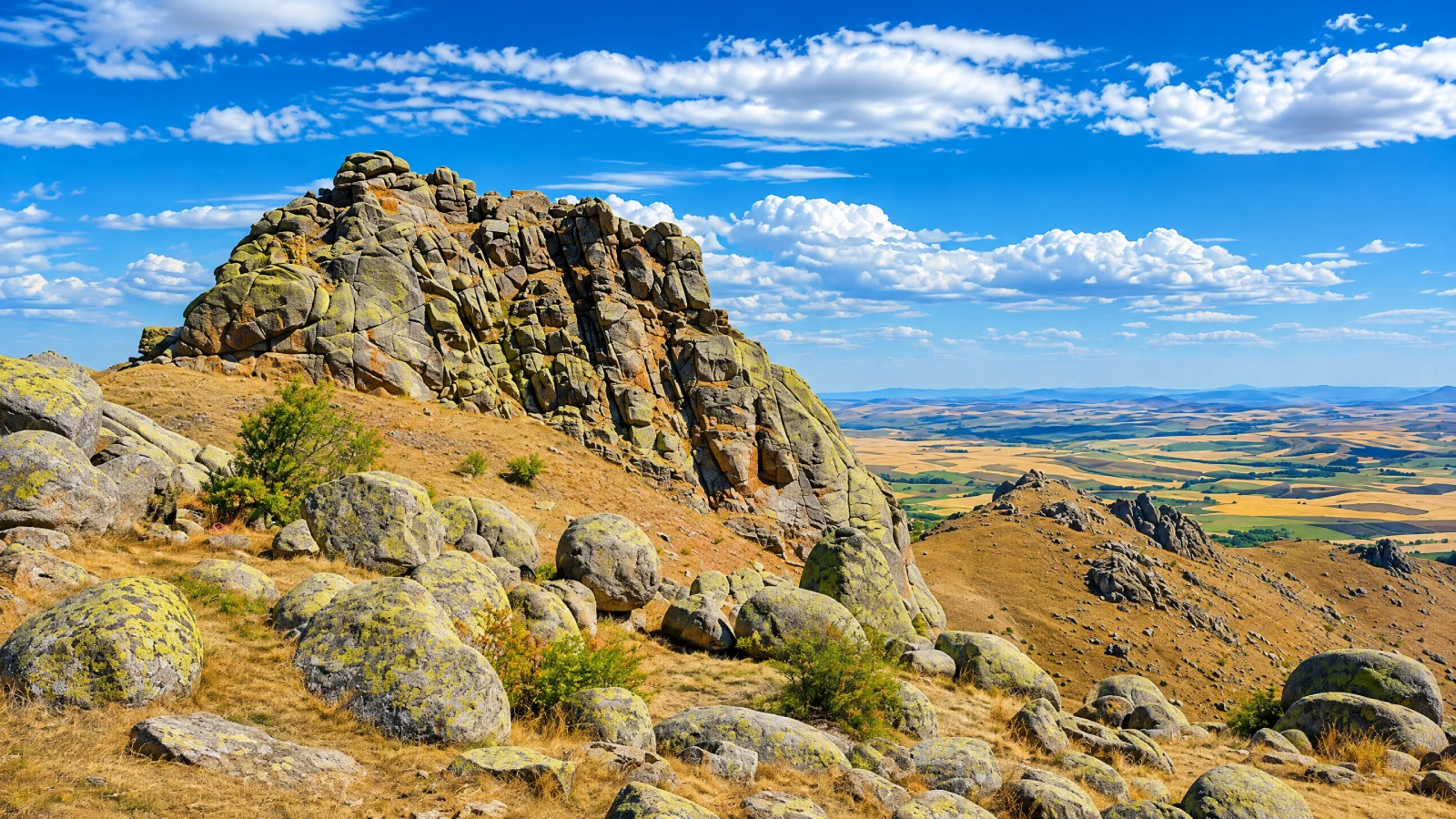
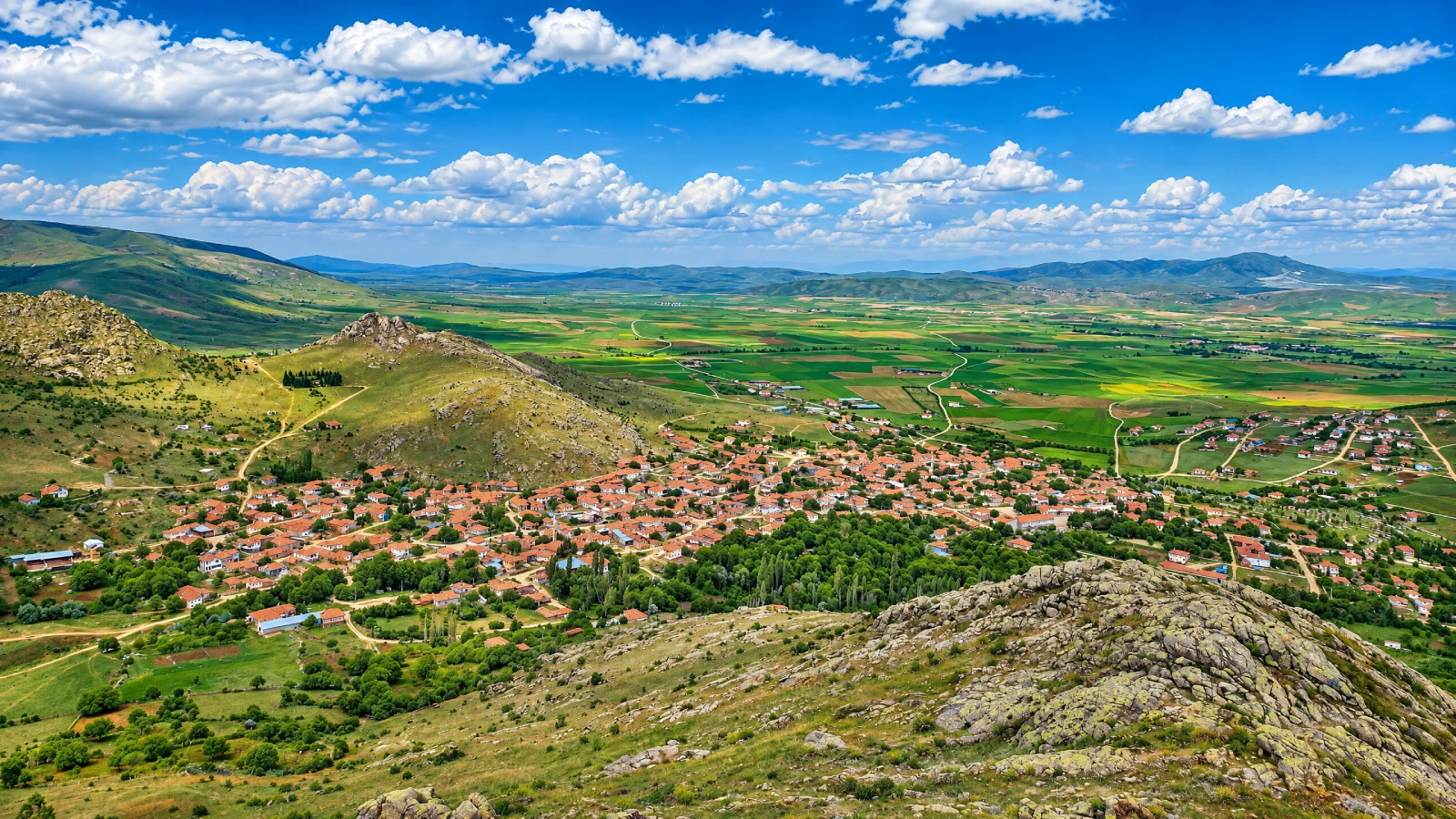
Kırşehir is a province and city in Central Anatolia, not a district of Cappadocia. It sits on the broad Anatolian plateau between important historical routes and is often overlooked by international visitors travelling between Ankara and the famous rock-cut landscapes of Cappadocia. Its distinct identity deserves more than a passing stop.

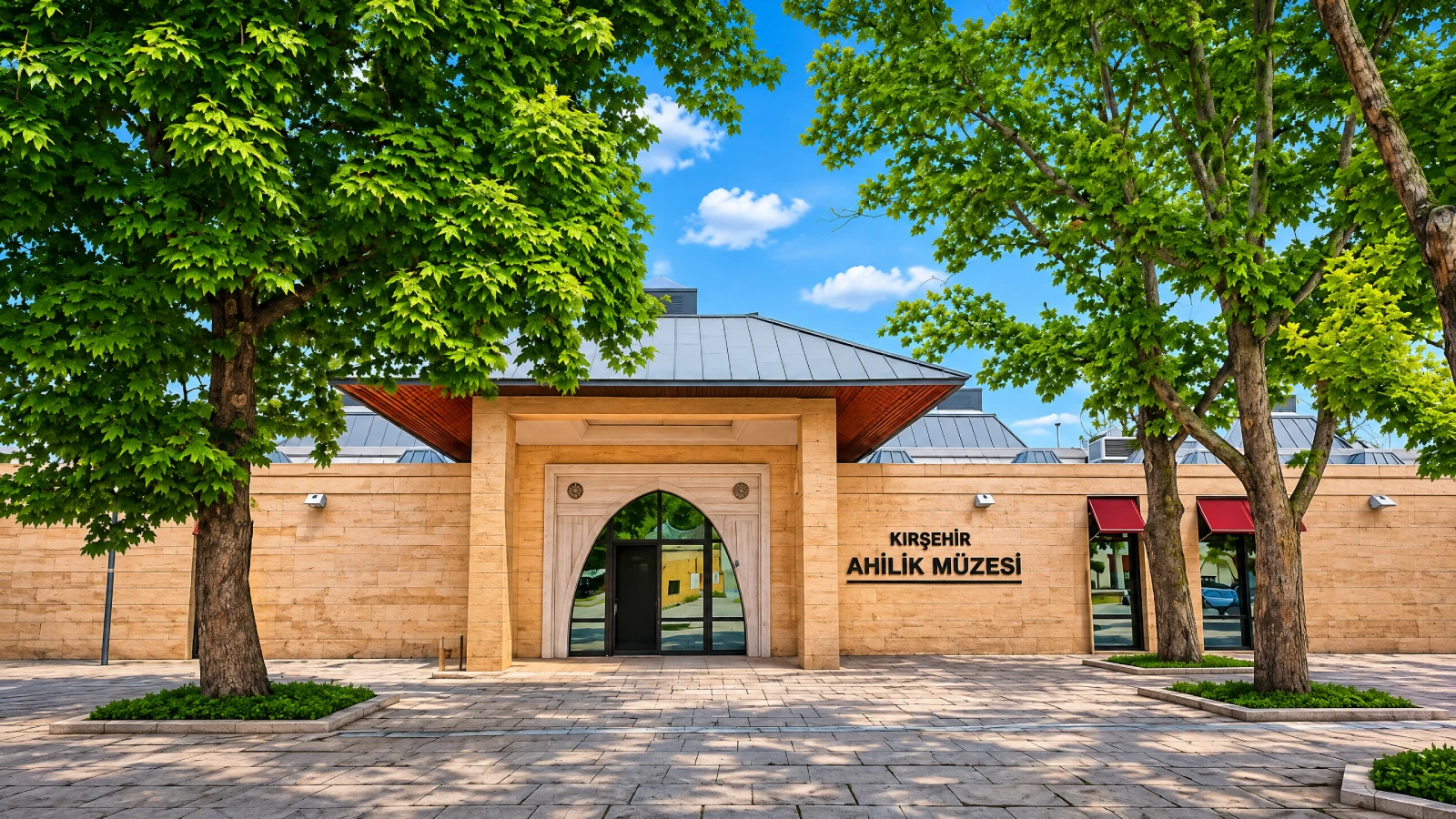
In the provincial capital, Ahi Evran represents the ethical and social world of crafts and trade, while Âşık Paşa connects Kırşehir to the development of Turkish literary expression in medieval Anatolia. Cacabey Madrasa reveals the ambition and artistry of the late Seljuk period. The city’s squares and museums make these histories approachable on foot.
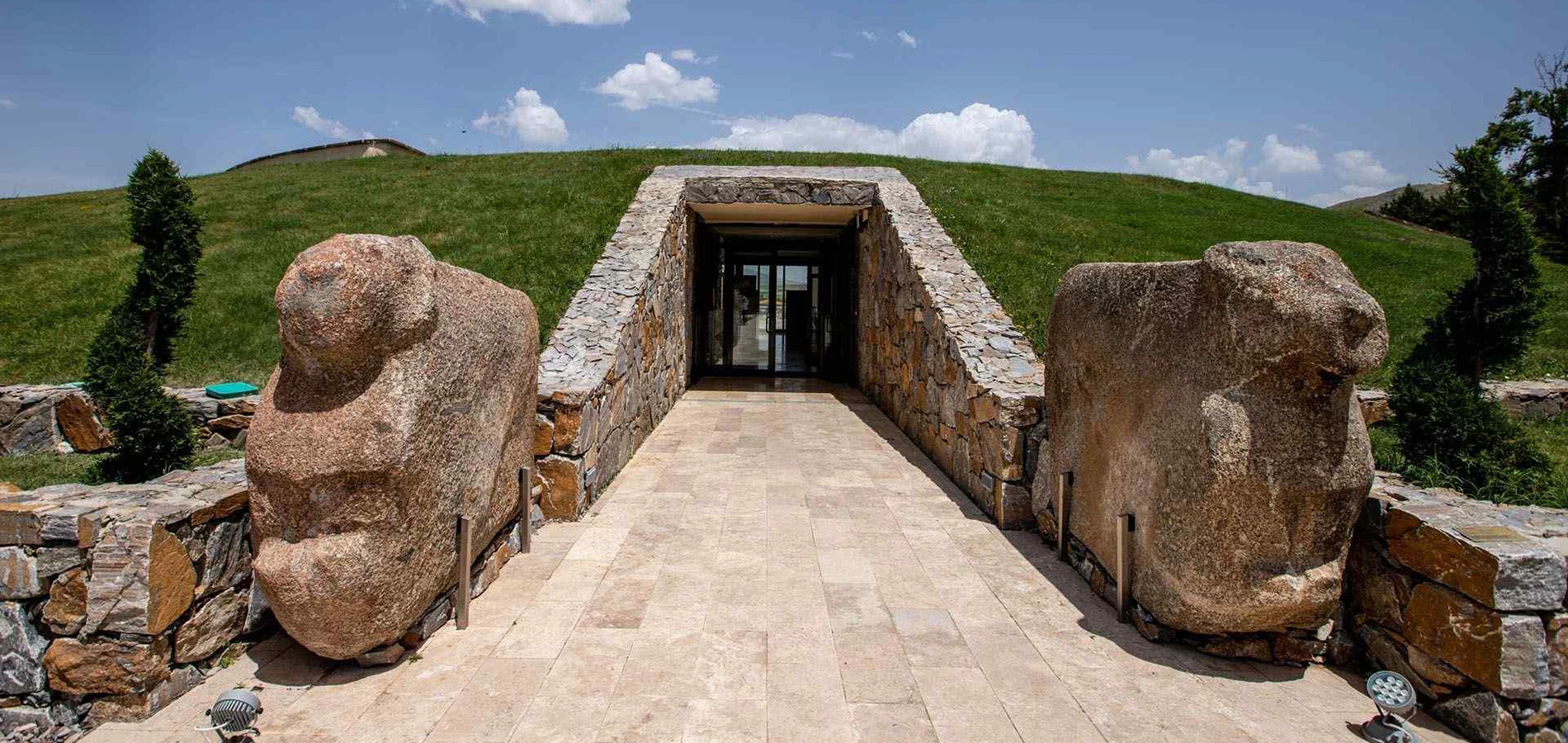
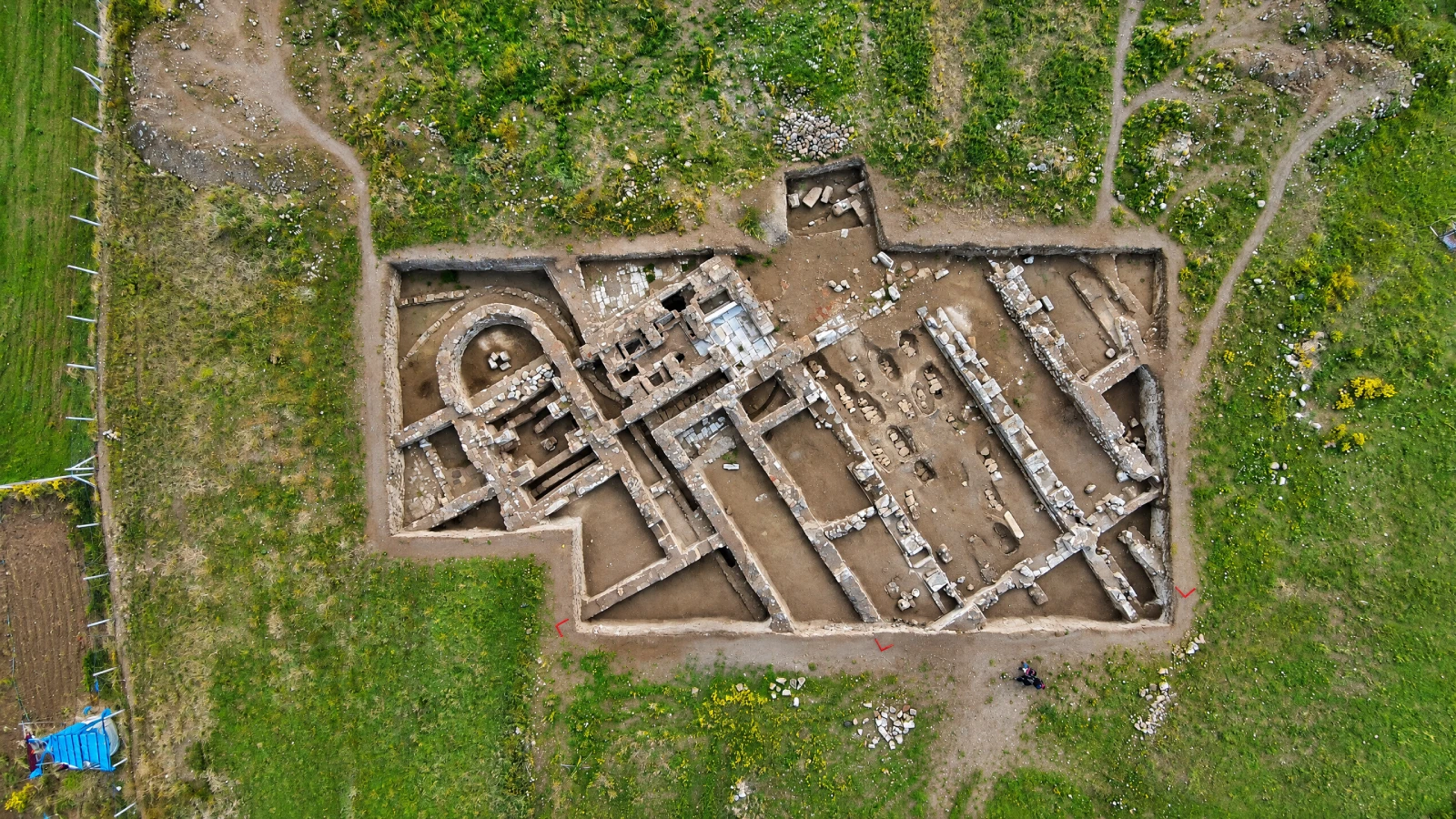
Farther west, Kaman Kalehöyük and Kaman Archaeology Museum offer a different chronology: Bronze and Iron Age settlements, archaeological research and remarkable Turkish–Japanese cooperation. East and south, Mucur, Seyfe Lake and underground complexes tell stories of settlement, water and survival on the steppe.

Kırşehir joined the UNESCO Creative Cities Network in the field of Music in 2019. That living designation celebrates the Abdal tradition, bağlama virtuosity and the heartfelt bozlak repertoire associated with master artists including Neşet Ertaş. It should not be confused with UNESCO World Heritage inscription, which is a different process.
Quick Visitor Information
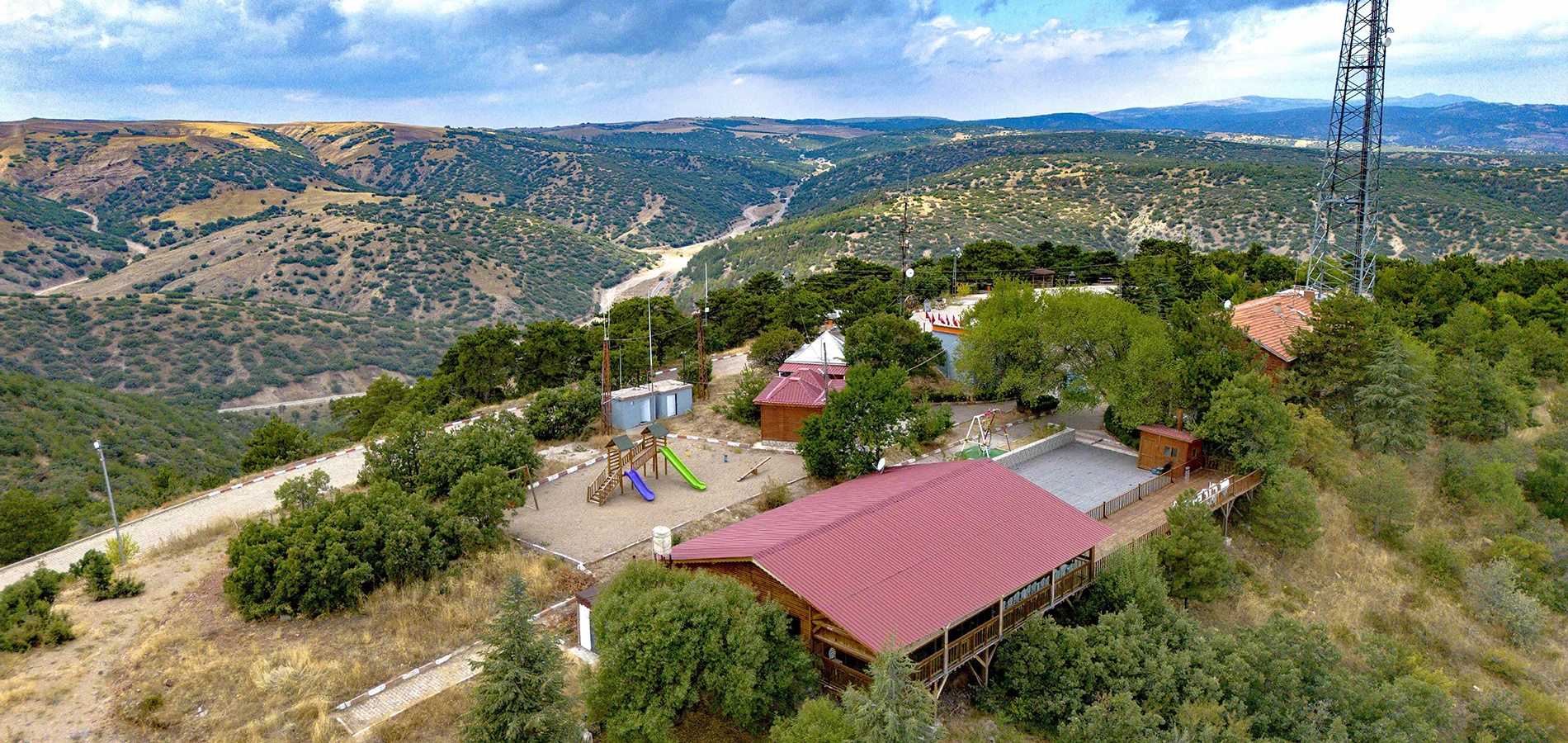
  • Region: Central Anatolia, Türkiye
  • UNESCO: Creative City of Music since 2019
  • Best for: History, archaeology, music, culture and bird ecology
  • Key sites: Ahi Evran, Cacabey, Kaman and Mucur
  • Districts: Centre + six outlying districts
  • Travel season: Spring and autumn for comfortable sightseeing
  • Suggested visit: 1–2 days; longer for remote sites
  • Important: Check access at excavations and underground locations
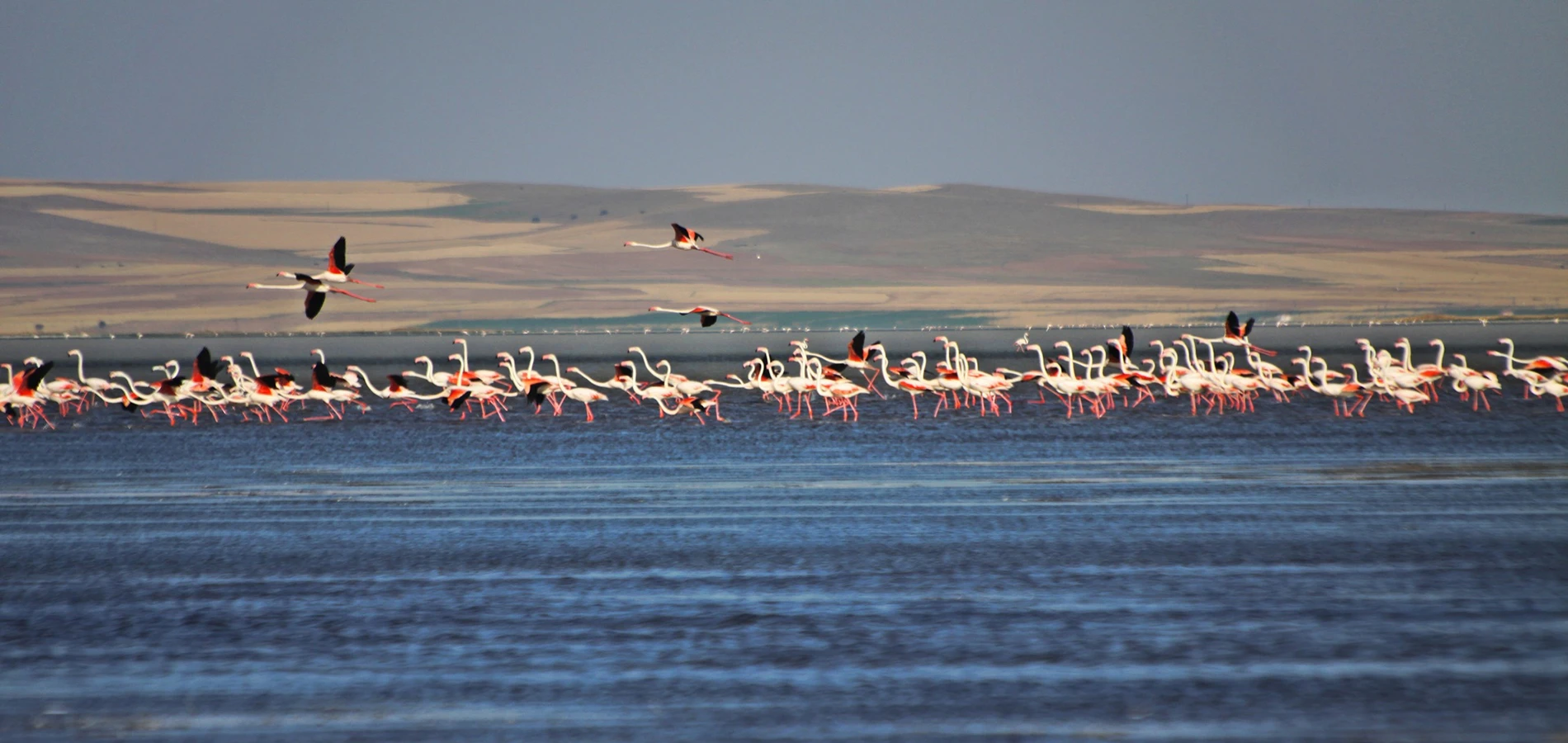
  • Wetland note: Wetland conditions at Seyfe change substantially with rainfall and drought. Flamingo sightings cannot be guaranteed.
Kırşehir Through the Centuries

From Prehistoric Mounds to Seljuk Monuments and a Music City

Human occupation in and around Kırşehir extends across many millennia. Settlement mounds such as Kaman Kalehöyük, Yassıhöyük and central Kalehöyük preserve traces of communities living through the Bronze and Iron Ages and later periods. Their findings matter precisely because individual layers can be studied chronologically; not every mound was one continuous city with a single ancient name.

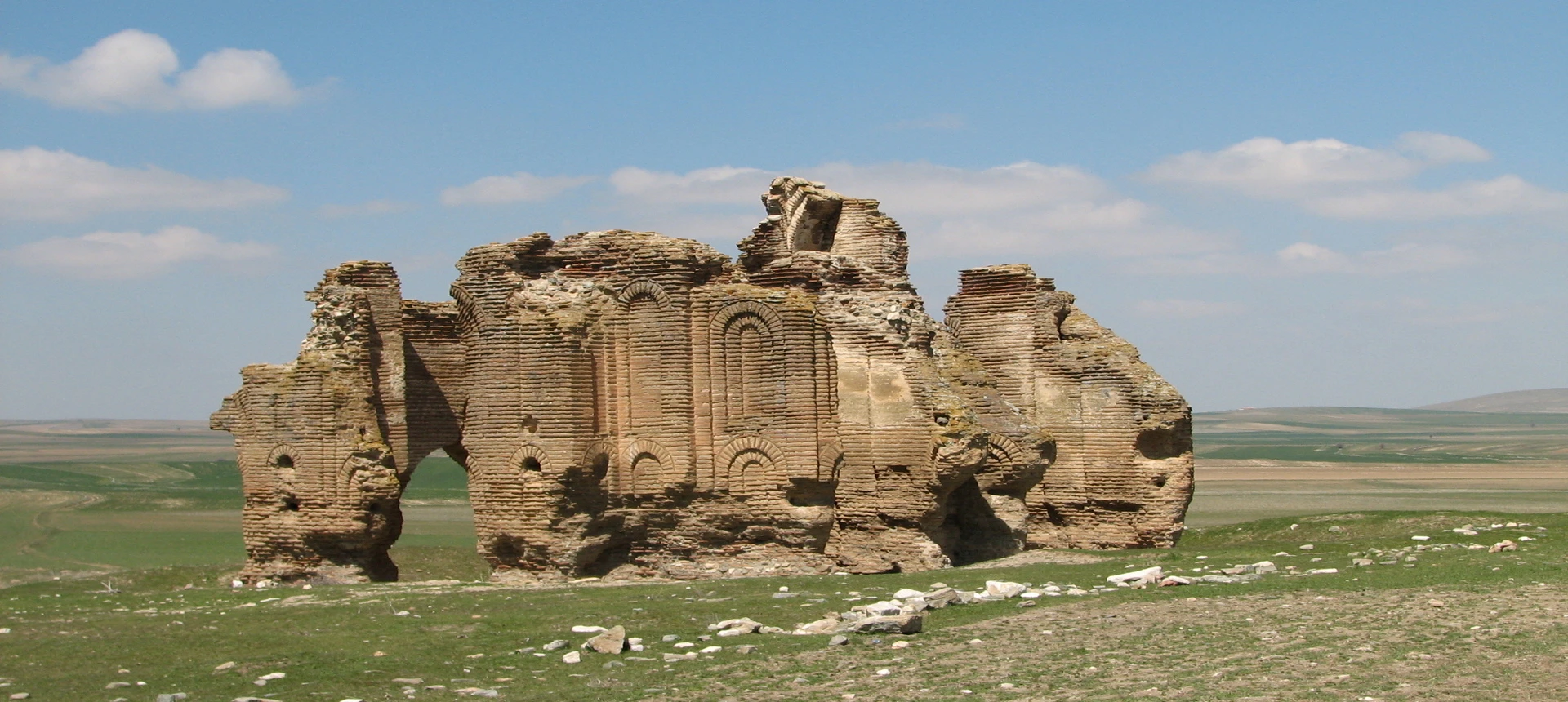
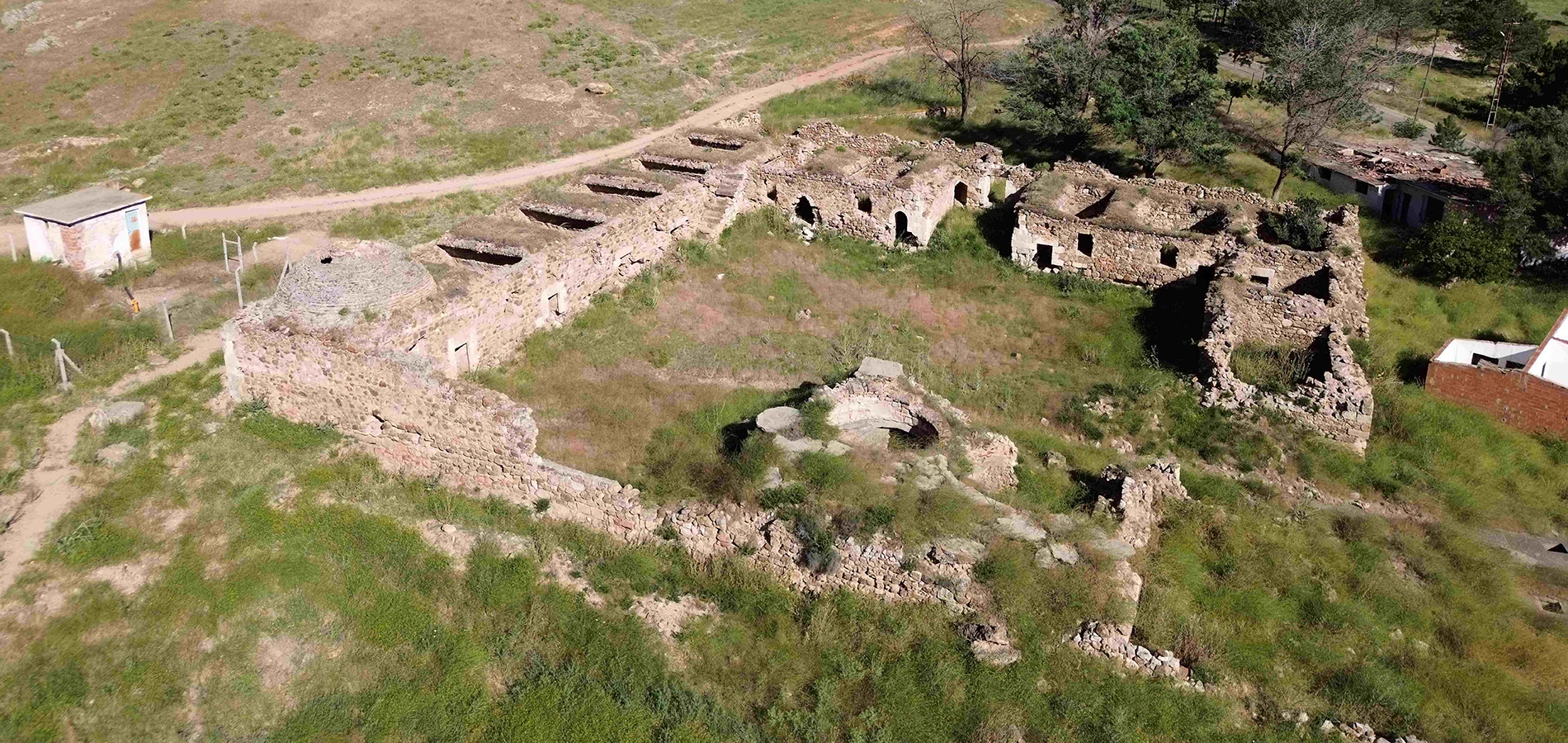
Classical and Byzantine communities inhabited the broader region, leaving religious remains, rural settlements and fortification traces. Underground structures are an important part of the landscape, but their surviving forms should not automatically be assigned to a single century or exclusively to one religious community without archaeological evidence.

The thirteenth century brought prominent monuments in the context of Seljuk rule and the complex political environment of the Mongol era. Cacabey’s madrasa and the wider world of caravan traffic testify to a society in which religious learning, commerce and craftsmanship intersected. The traditions associated with Ahi Evran, who died in the thirteenth century, became central to Kırşehir’s historical identity; the extant tomb complex includes later building phases.

In the fourteenth century, the poet and Sufi thinker Âşık Paşa composed the Garibnâme in Turkish. Later Ottoman history added new architectural and social layers. Modern Kırşehir continues to express this heritage through music, trade traditions, local foods, museums and community celebrations.

Choose Kırşehir by Travel Style

Four themes reveal how unusually varied the province can be.

Best for Living Culture

UNESCO Music & Abdal Traditions

Explore Neşet Ertaş, Muharrem Ertaş, folk poetry, the bağlama and the remarkable expressive traditions of bozlak.

Best for Archaeology

Kaman Kalehöyük & Museum

Understand layered Anatolian history through excavated objects and the research of Japanese and Turkish archaeologists.

Best for Sacred Architecture

Ahi Evran, Cacabey & Âşık Paşa

Follow Kırşehir’s medieval intellectual life from artisan brotherhoods to stone monuments and Turkish literature.

Best for Nature

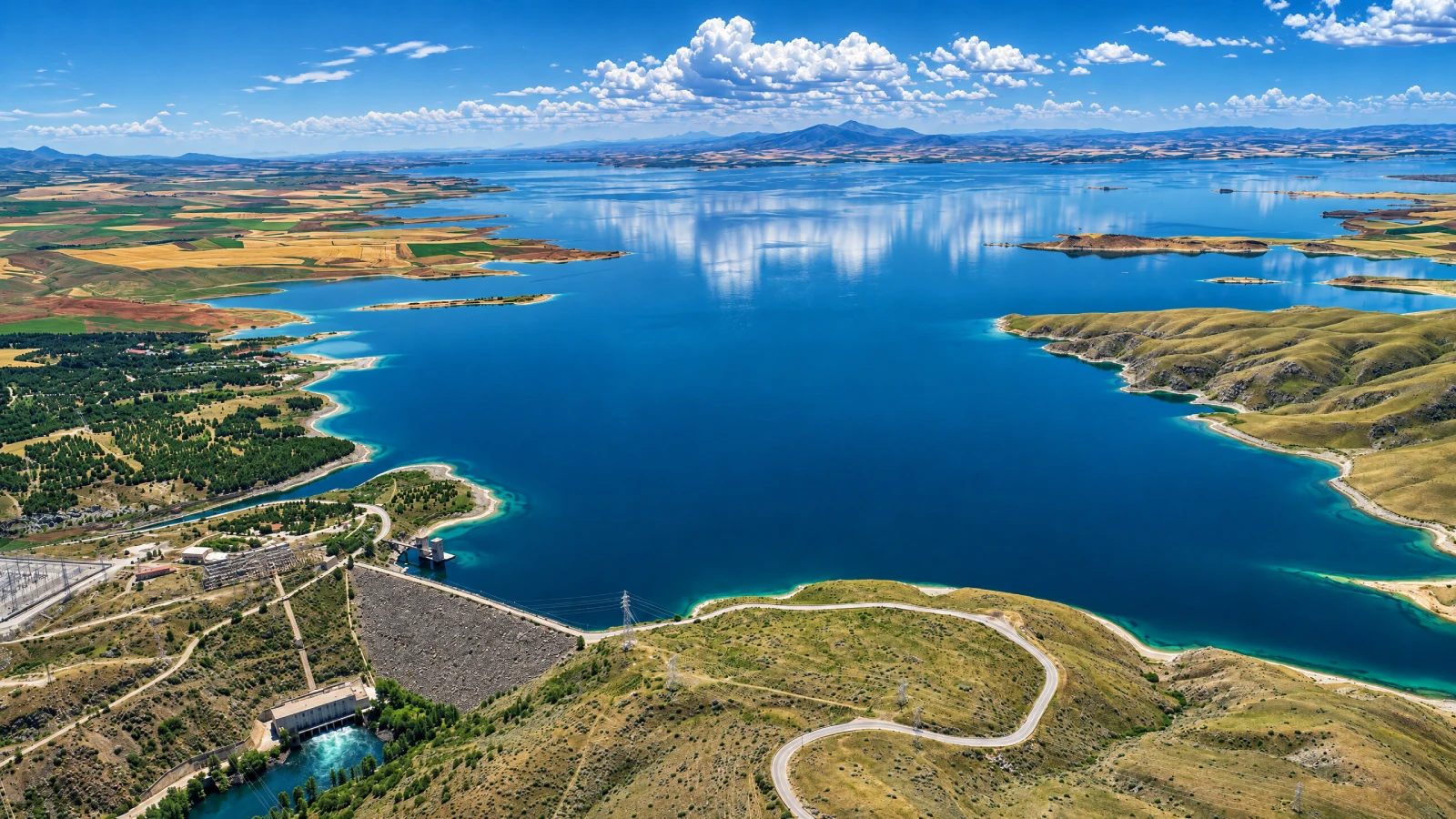
Seyfe, Hirfanlı & Oak Woods

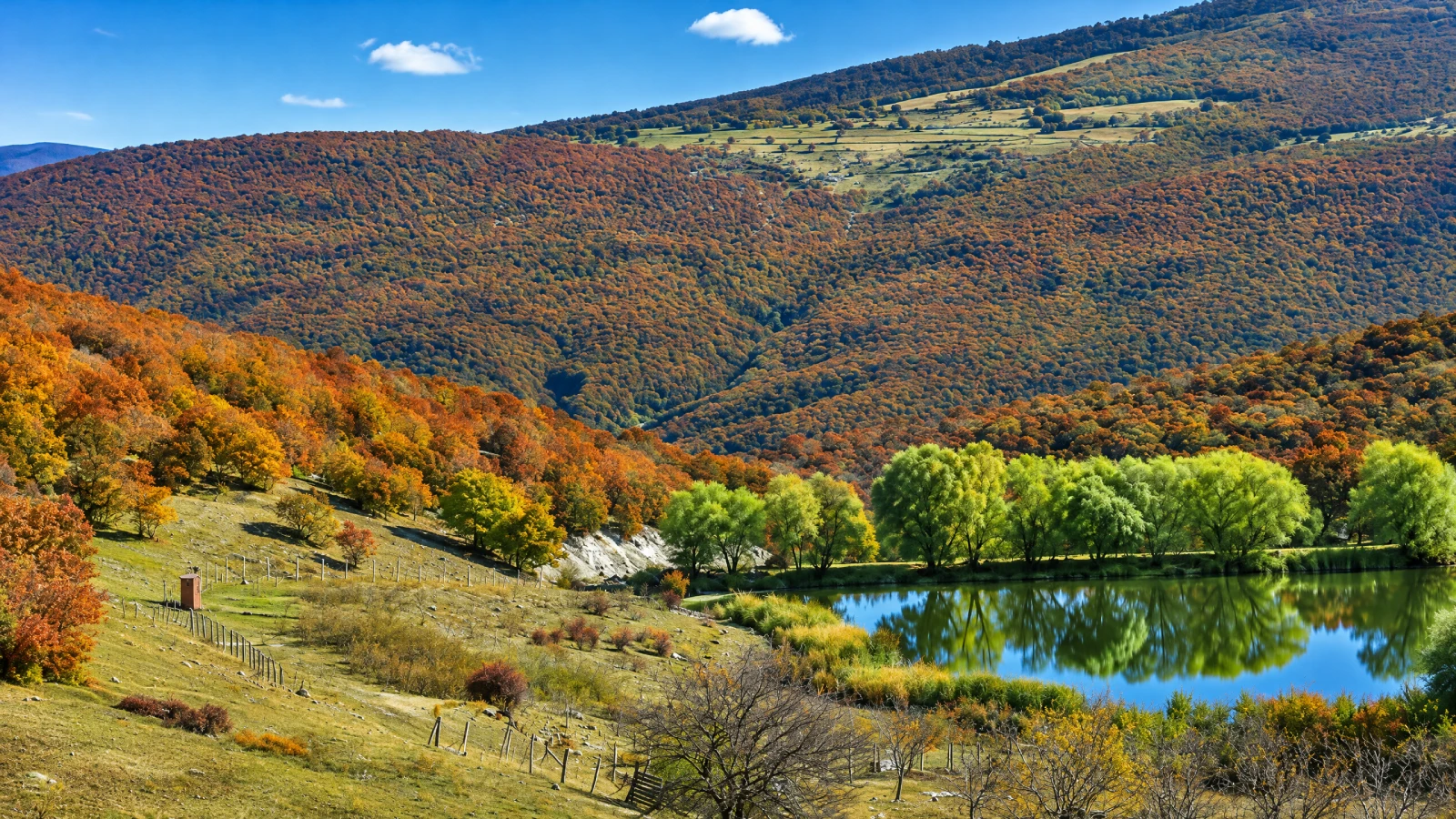
See a wetland shaped by drought, broad reservoir horizons, thermal landscapes and greener northern hills.

A Global Musical Heritage

Kırşehir: UNESCO Creative City of Music

In 2019, Kırşehir entered UNESCO’s Creative Cities Network as a City of Music, recognising both the strength of its living heritage and its ambitions to sustain musical creativity. The designation describes an active cultural ecosystem, not a World Heritage listing of the city’s monuments.

The Abdal musical tradition is central to that identity. Performers have transmitted melodies, poetry and performance practices through families, apprenticeships and communal occasions. Bozlak singing often uses a highly expressive, free-flowing style that evokes longing, separation, hardship and affection; the bağlama is one of its emblematic instruments.

Neşet Ertaş (1938–2012) and his father Muharrem Ertaş are among the artists most closely associated with this legacy. Visitors can deepen their understanding through cultural centres, local music events and conversations with the city’s communities; do not assume a live performance takes place daily. This music belongs to living people, not just museums.

Kırşehir’s medieval identity is equally distinctive. The traditions of Ahilik connected commerce, moral discipline and mutual assistance, while poet Âşık Paşa helped give Turkish an important place in religious and literary expression. These cultural threads make a compelling walk through the city centre.

Explore Kırşehir

Complete Kırşehir Travel & Culture Directory

Browse 39 heritage, archaeology, nature and cultural entries. Discover Kırşehir through detailed guides to its historic places, museums, natural landscapes and traditions.

Historic Centre & Cultural Heritage 12 places

Ahi traditions, sacred architecture, Turkish literature and the music of the Anatolian steppe.

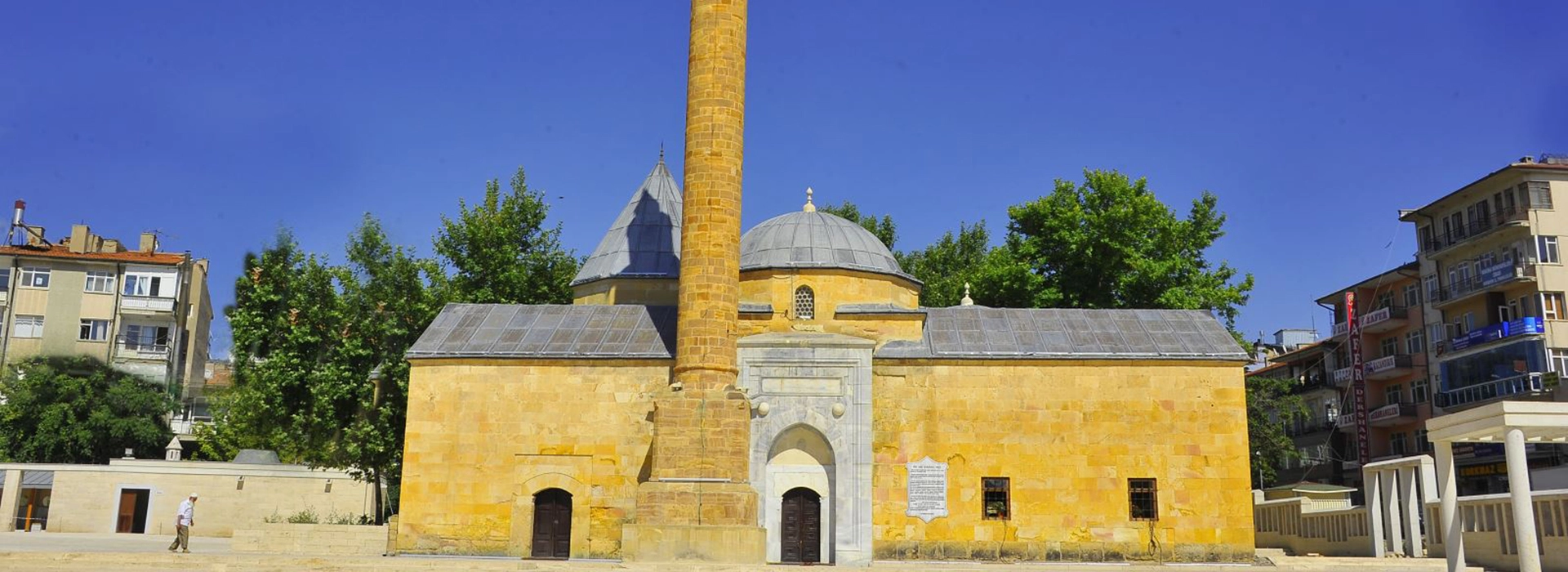
Lale Mosque, Kırşehir Centre, Kırşehir, Türkiye
Kırşehir Centre

Lale Mosque

Historic worship in the old city.

Kaman, Museums & Archaeology 6 places

Kaman Kalehöyük and lesser-known Bronze Age, Iron Age and fossil research landscapes.

Underground Cities, Churches & Fortifications 11 places

Subterranean networks, Byzantine remains, Seljuk buildings and rural defensive sites.

Keçi Castle, Rural Kırşehir, Kırşehir, Türkiye
Rural Kırşehir

Keçi Castle

Ruined fortifications of the uplands.

Kuş Castle, Rural Kırşehir, Kırşehir, Türkiye
Rural Kırşehir

Kuş Castle

A little-known fortress ruin.

Lakes, Forests & Thermal Springs 10 places

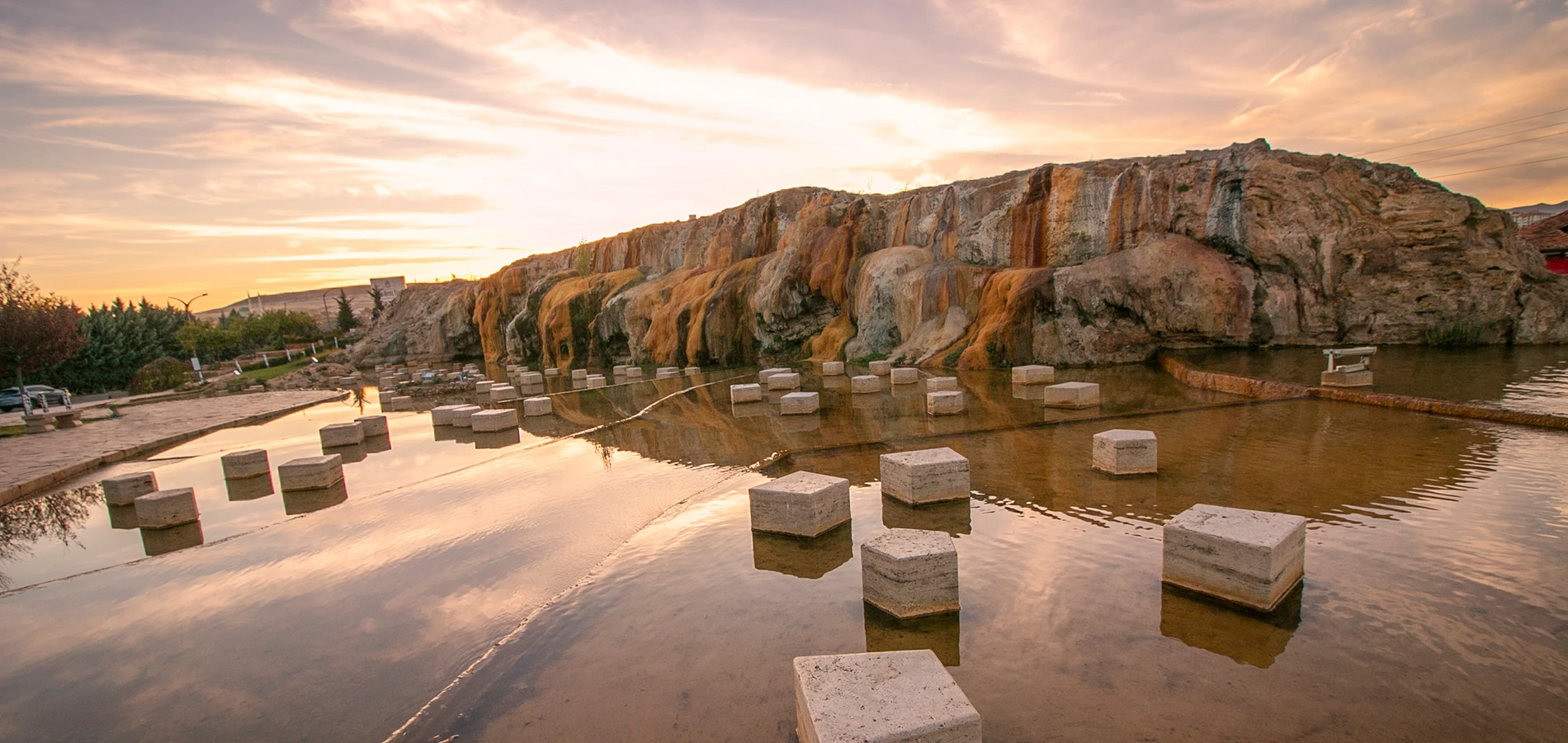
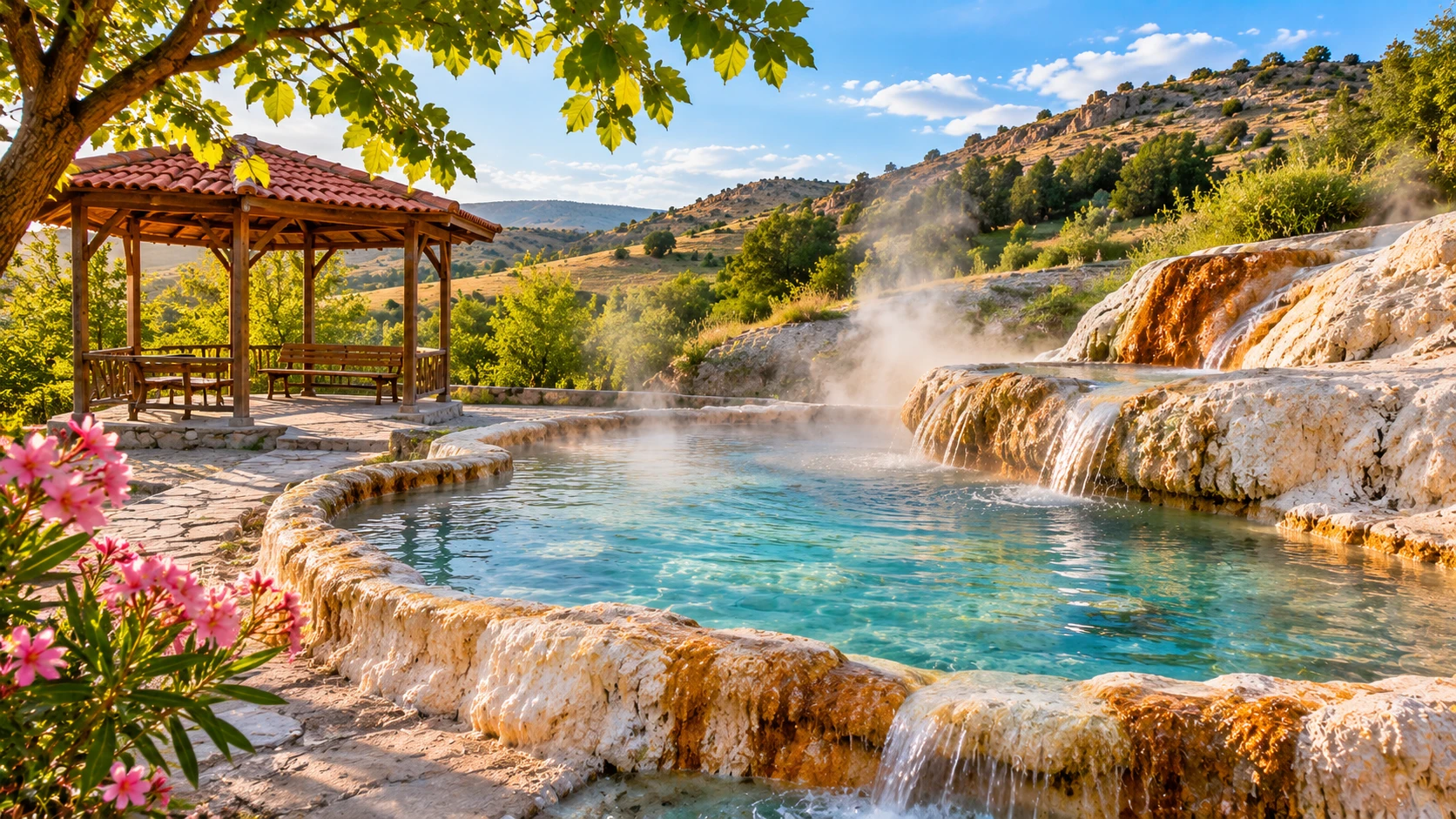
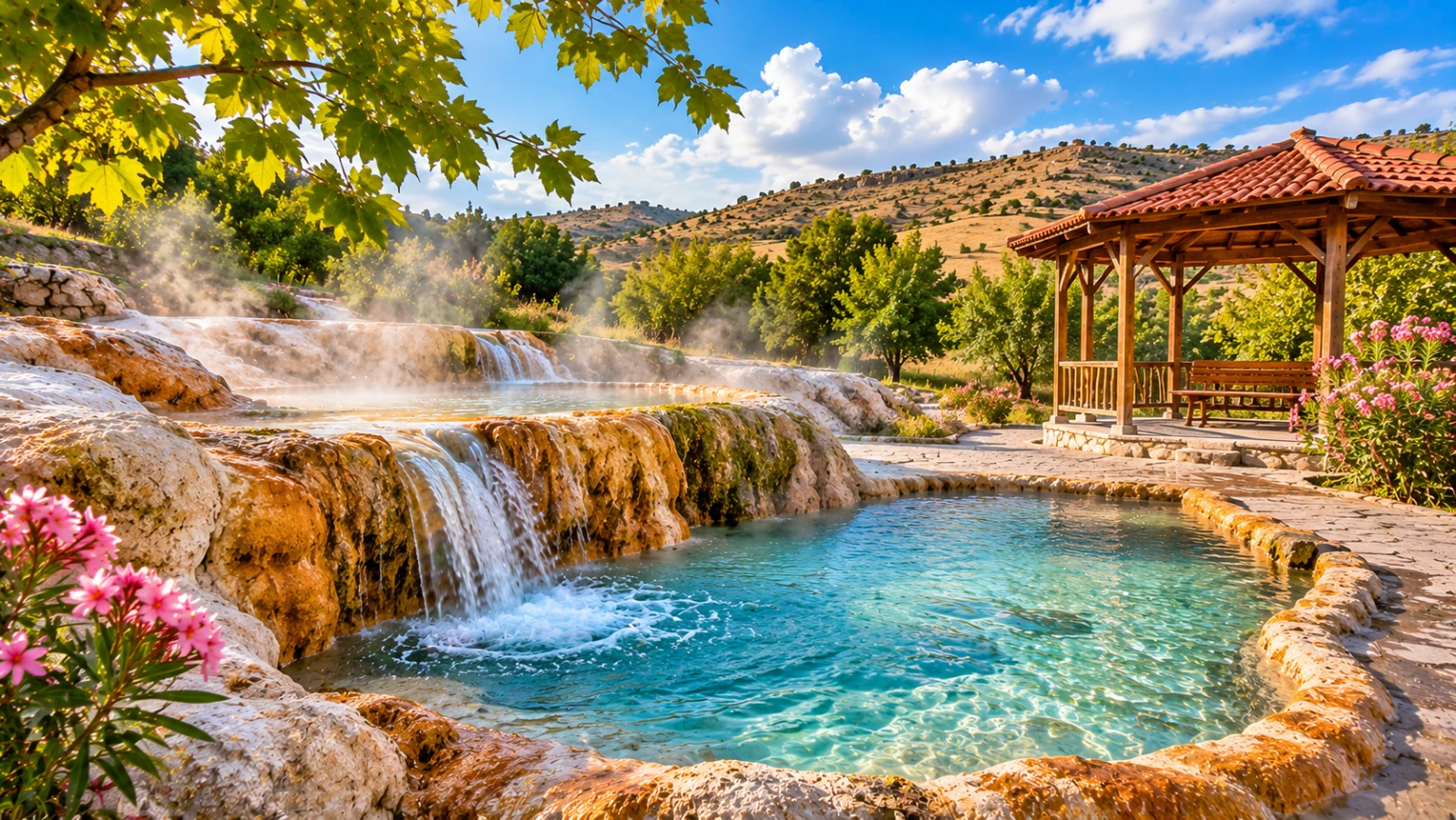
Sensitive wetlands, reservoirs, oak woodland and centuries-old thermal bathing traditions.

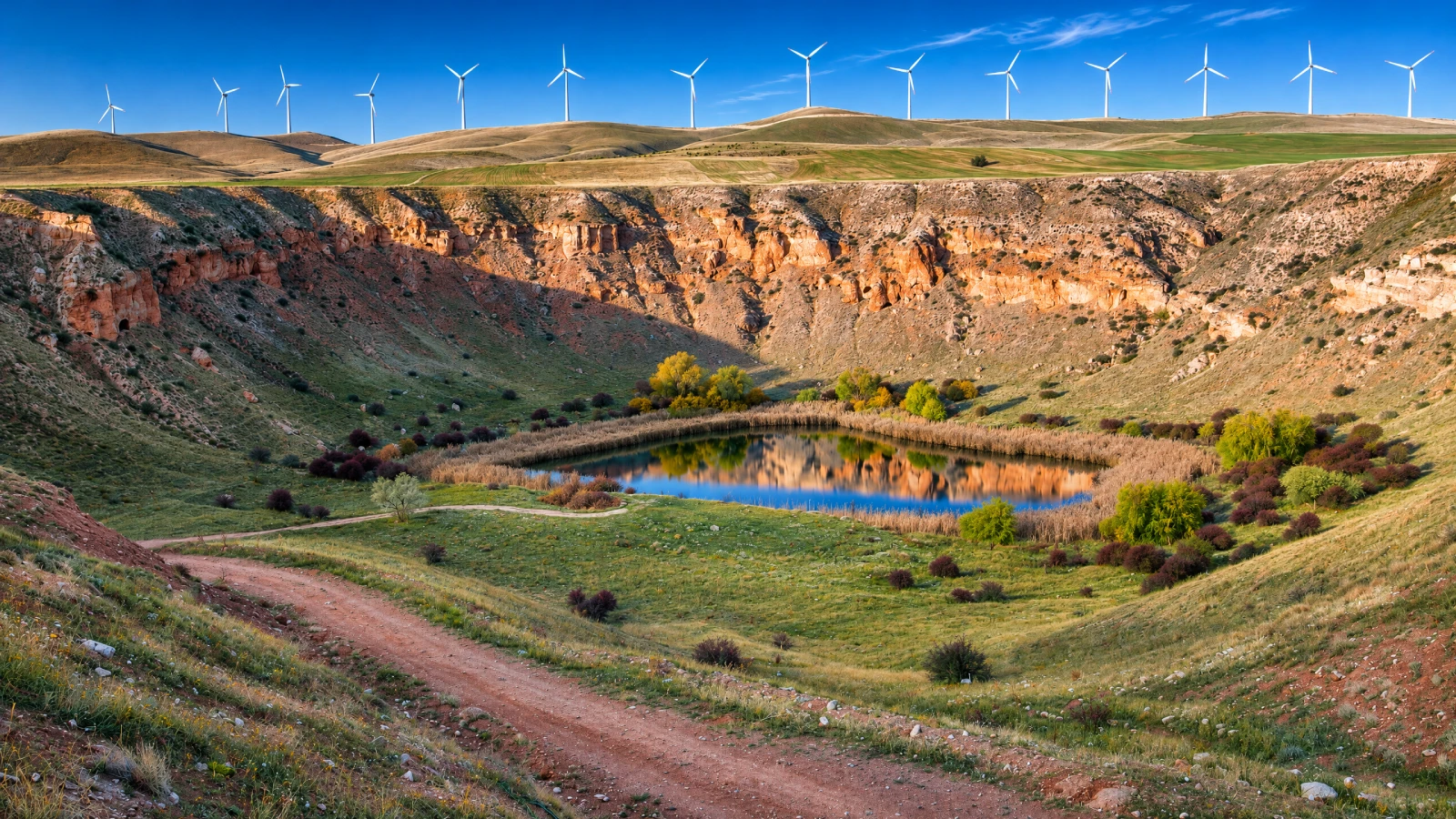
Obruk Lake, Kırşehir Region, Kırşehir, Türkiye
Kırşehir Region

Obruk Lake

A quiet lake in open countryside.

Archaeological Field Notes

Kaman Kalehöyük, Yassıhöyük and the Importance of Excavation Context

Kaman Kalehöyük is a benchmark for understanding the long archaeological sequence of central Anatolia. Excavations undertaken with Japanese research involvement have studied successive cultural phases from the Bronze Age onward. Kaman Archaeology Museum is the visitor-friendly place to see the material and learn why careful stratigraphy changes our picture of the past.

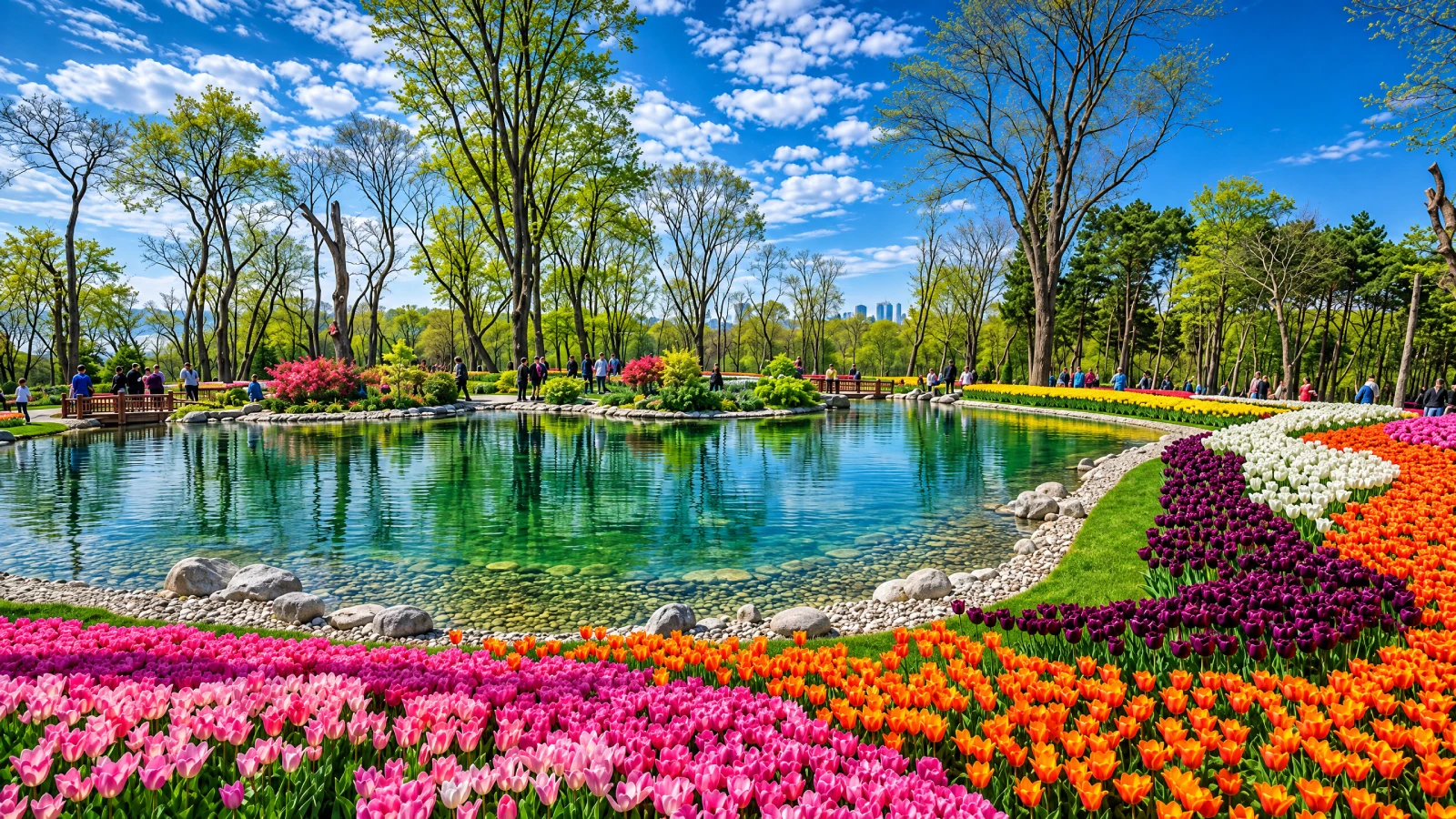
The nearby Mikasanomiya Japanese Garden is an unusual and photogenic expression of the relationship between Japanese archaeological work and local cultural life. It is best paired with the museum rather than treated as an isolated roadside stop.

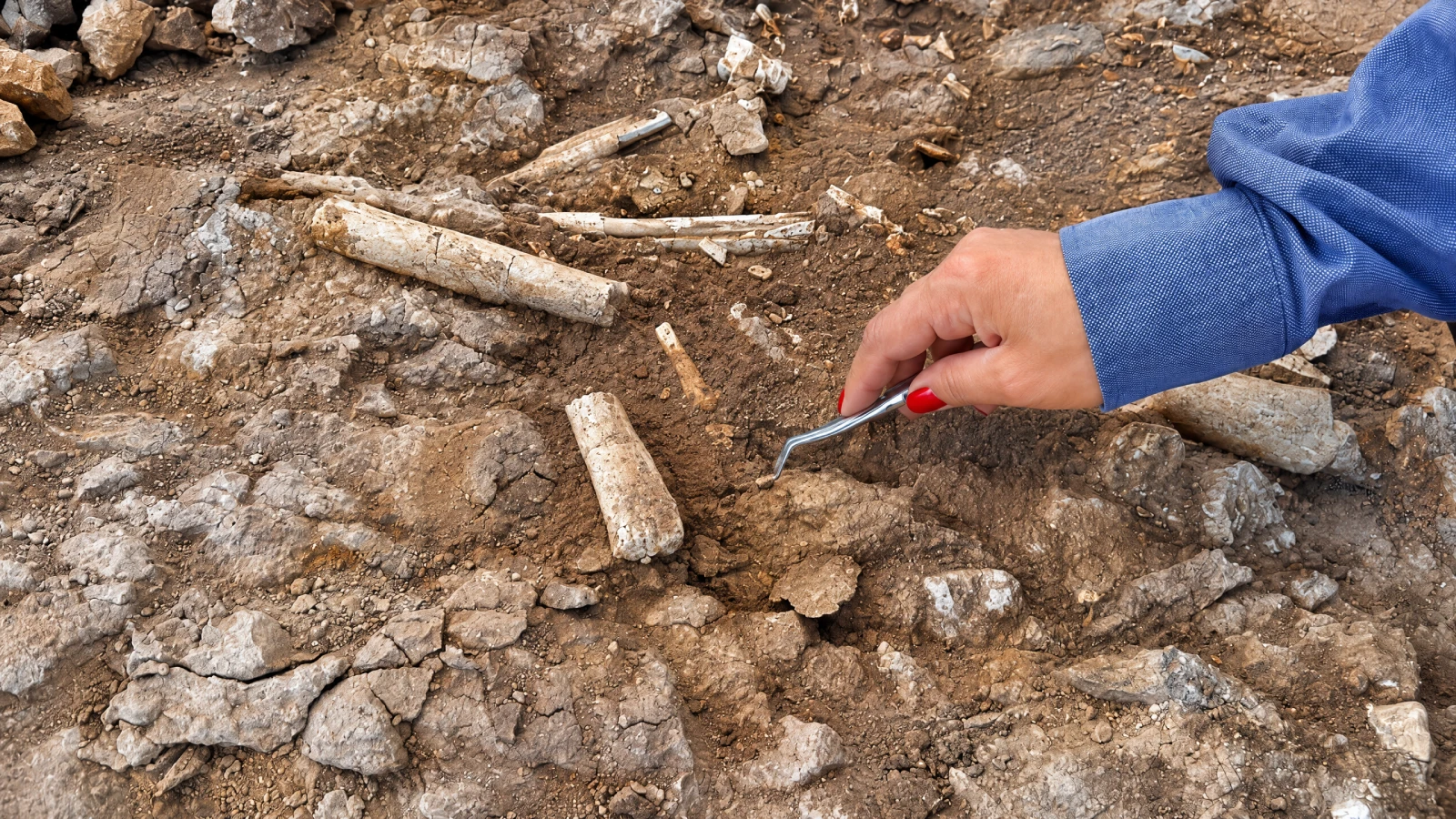
At Yassıhöyük, investigators have documented Bronze and Iron Age layers. The province also lists Büyükteflek, central Kalehöyük and Kurutlu among archaeological or palaeontological research localities. Kurutlu, near the Hirfanlı waterscape, is particularly noteworthy for fossil research into prehistoric fauna.

These are different kinds of places: a managed museum, a garden, a protected settlement mound and a scientific excavation field. Do not enter excavation trenches or collect finds. Admission, visibility and access may change with active fieldwork and conservation.

Anatolia Beneath the Surface

Kırşehir’s Underground Cities & the Wider Cappadocia Connection

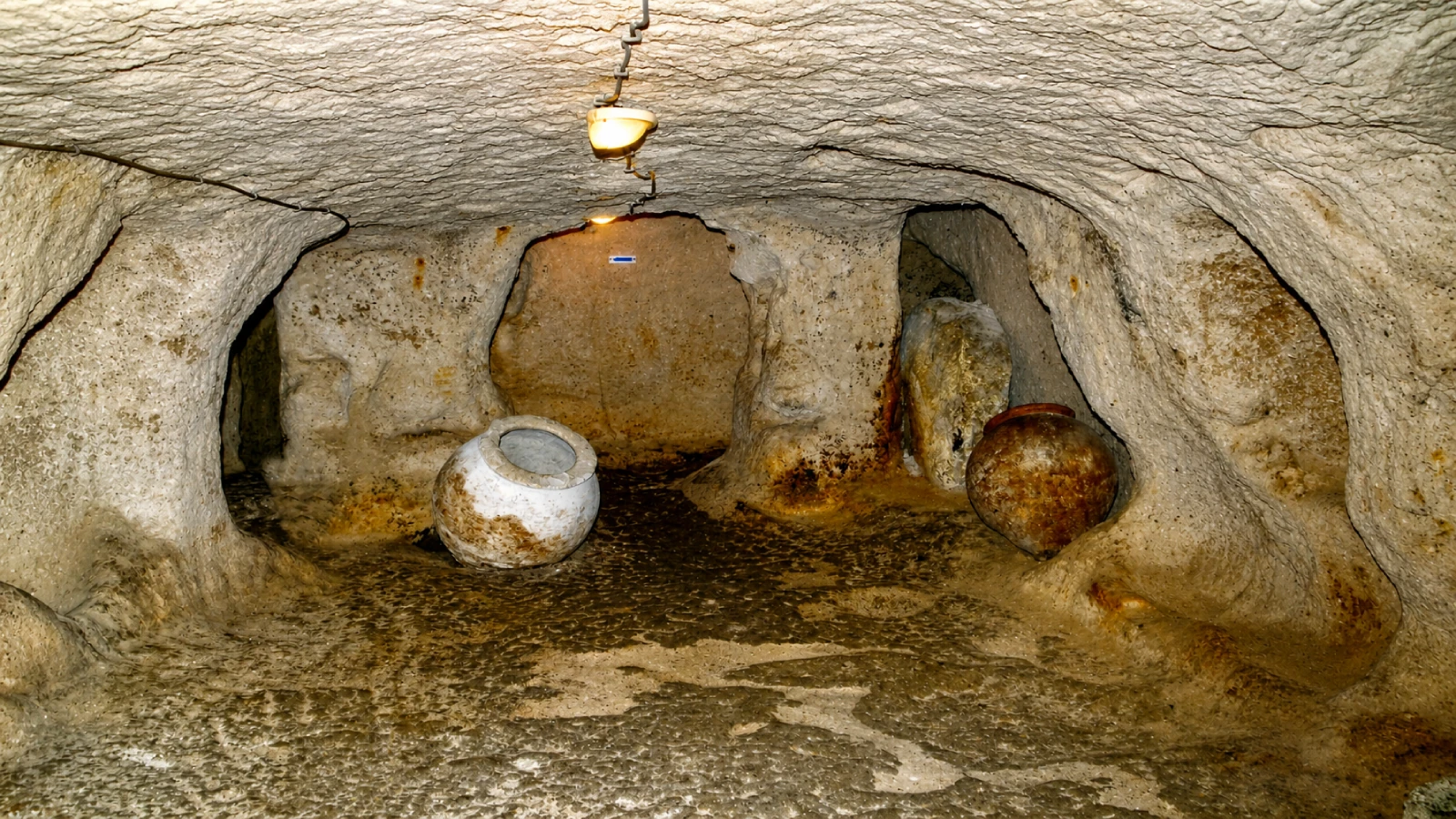
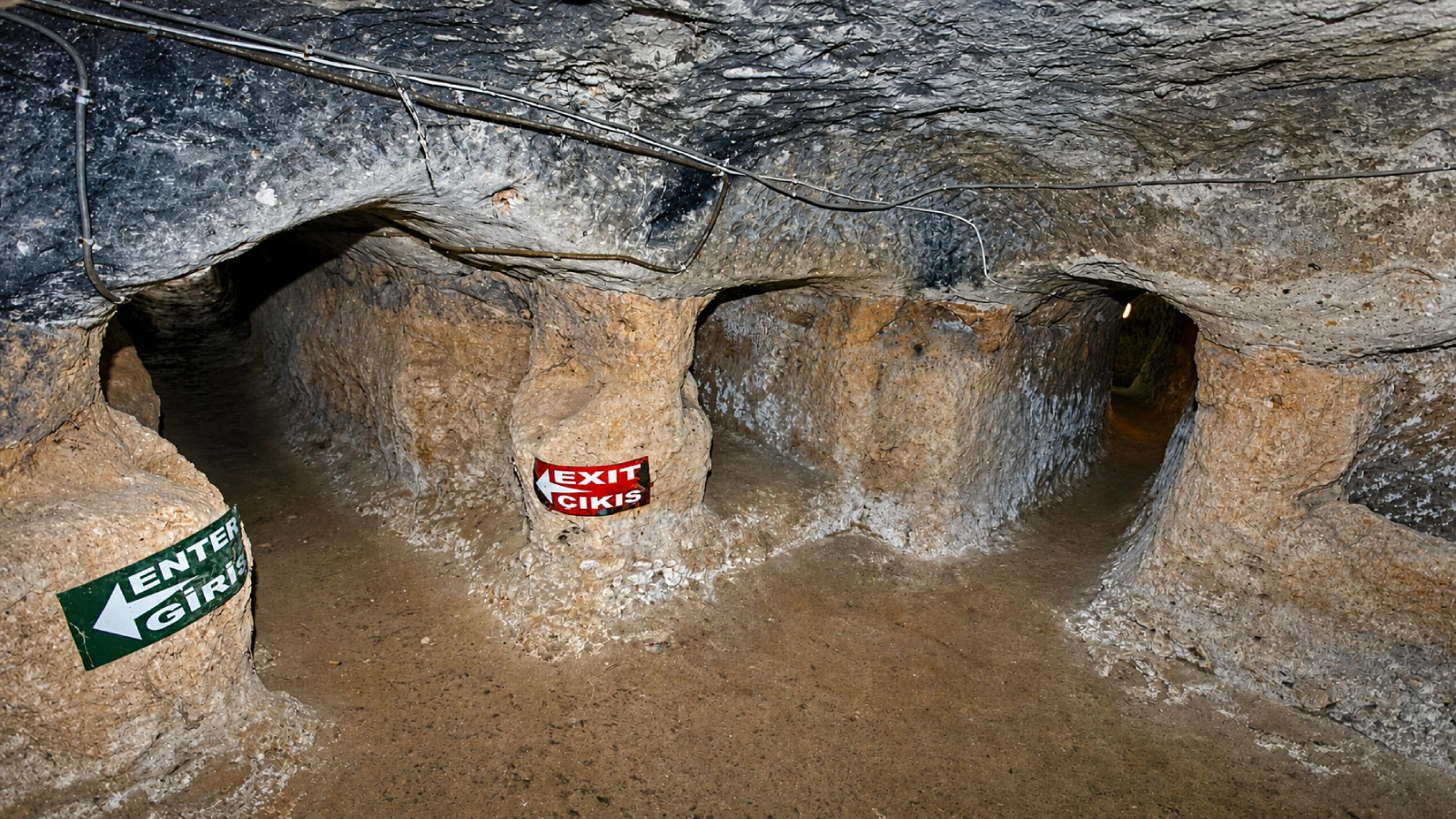
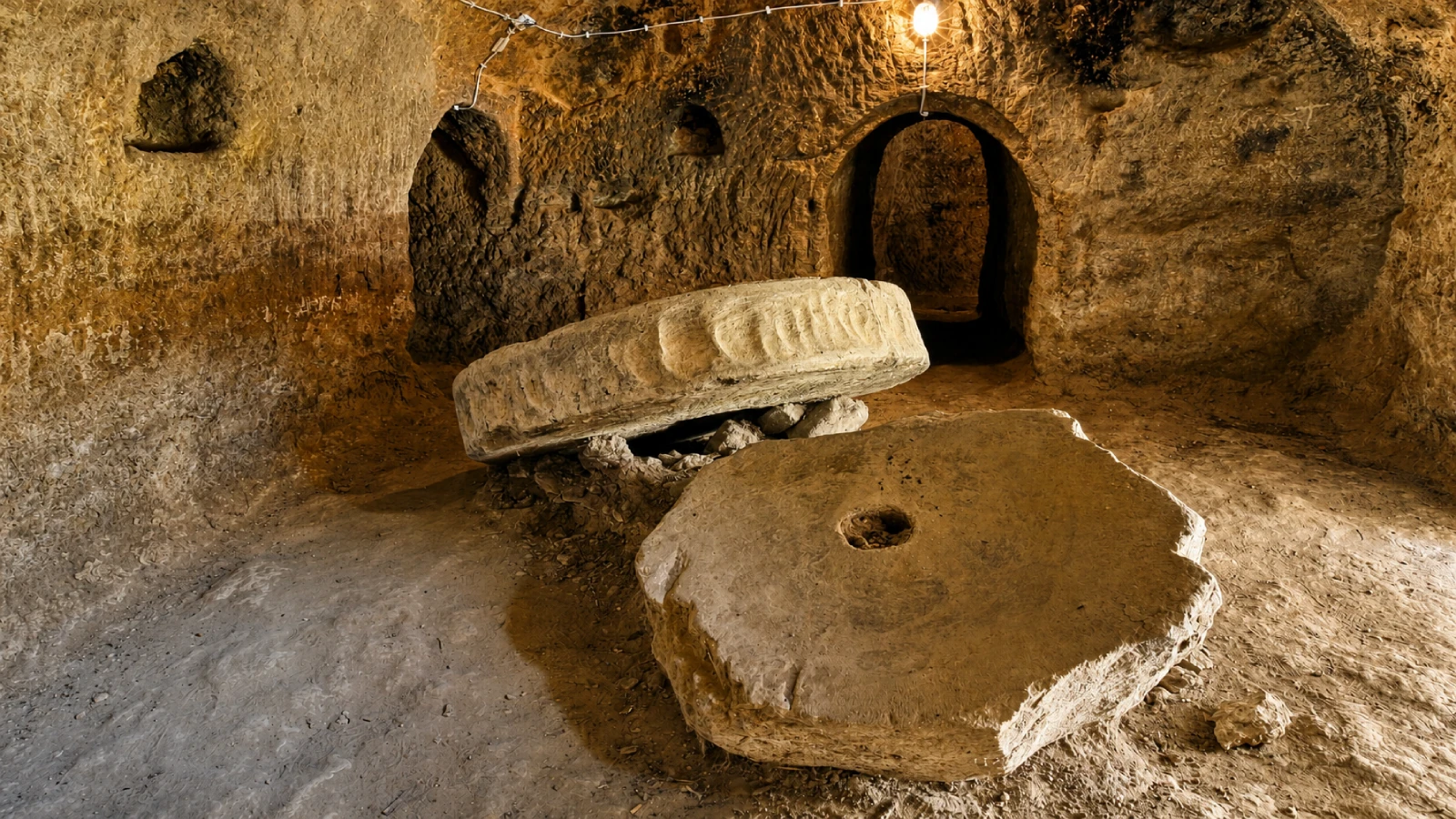
The underground complexes at Mucur, Kepez and Dulkadirli show that subterranean architecture extends well beyond the famous tourist centres of Göreme, Derinkuyu and Kaymaklı. Such spaces may have been altered or reused over long periods, and a single foundation date is often impossible to establish.

Corridors, chambers and air shafts illustrate practical choices in building underground. These places can also be physically demanding: restricted headroom, steep steps, low light and narrow routes are common issues in rock-cut environments. Visitor access is not uniform among sites.

The church remains at Üçayak and the road architecture of Kesikköprü widen the picture from refuge and religion to movement and trade. It is useful to distinguish modern administrative Kırşehir from the larger historical geography of Cappadocia; they overlap in cultural discussions but are not interchangeable.

Best Day Trips and Regional Routes in Kırşehir

Organise the province into logical areas instead of trying to visit distant locations in a single rushed day.

City-Centre Heritage

Ahi Evran, Cacabey & Âşık Paşa

Walk the medieval core, add the museum and enjoy a local food stop.

Kaman Archaeology

Kalehöyük, Museum & Japanese Garden

Dedicate a focused half-day or longer to archaeology and the Turkish–Japanese cultural connection.

Mucur & Nature

Underground City & Seyfe

Combine subterranean history with a wetland visit only after checking lake and site conditions.

Countryside & Water

Hirfanlı, Forests & Thermal Landscapes

Slow down for reservoir horizons, woodlands or a functioning thermal facility.

What to Eat in Kırşehir

A kitchen of wheat, meat, seasonal produce and welcoming domestic traditions. Five existing food articles keep their original URLs.

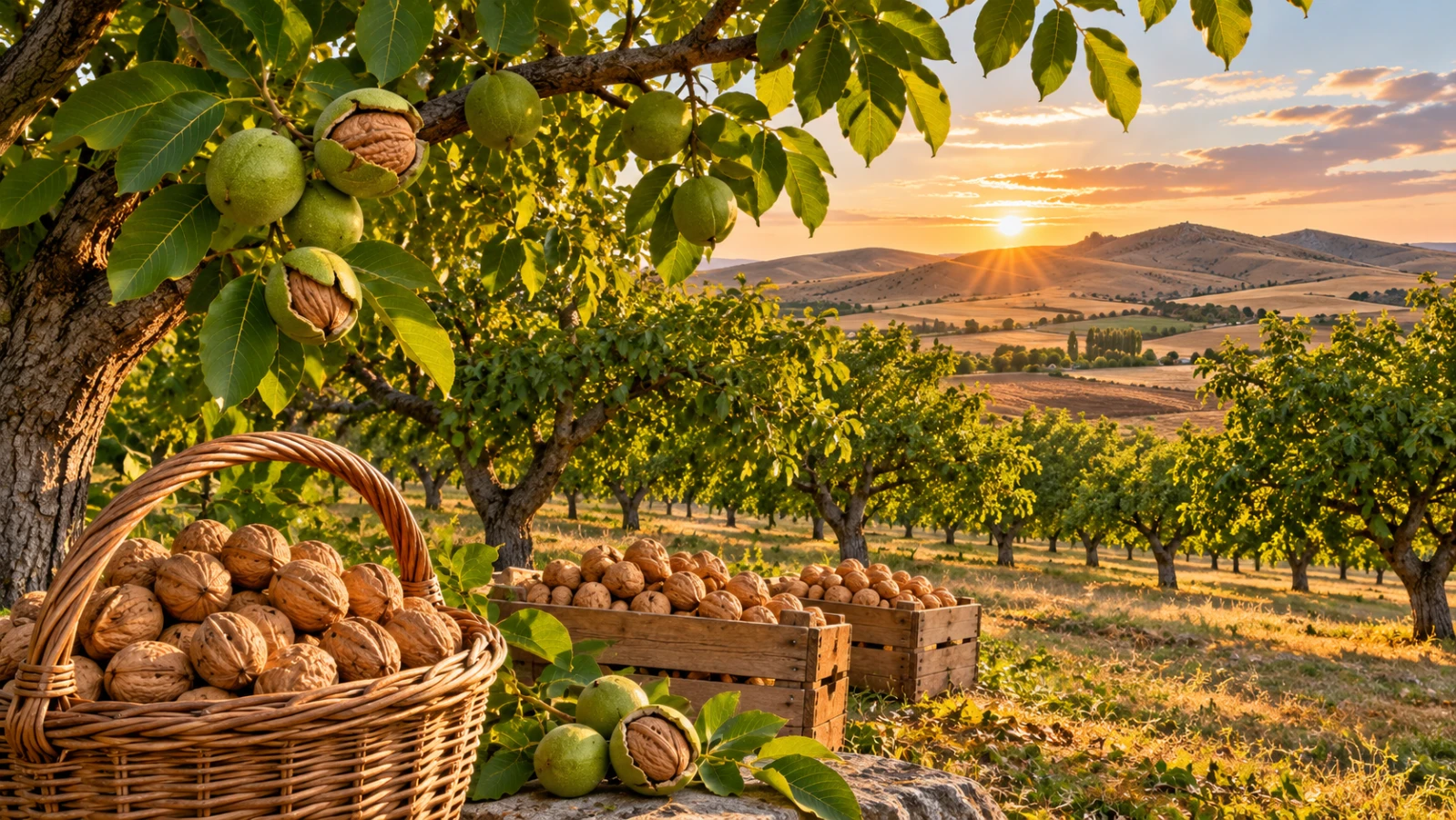
Kaman Walnuts traditional Kırşehir food
Planned detail guide

Kaman Walnuts

A celebrated geographically indicated walnut from Kaman.

Cemele Pepper traditional Kırşehir food
Planned detail guide

Cemele Pepper

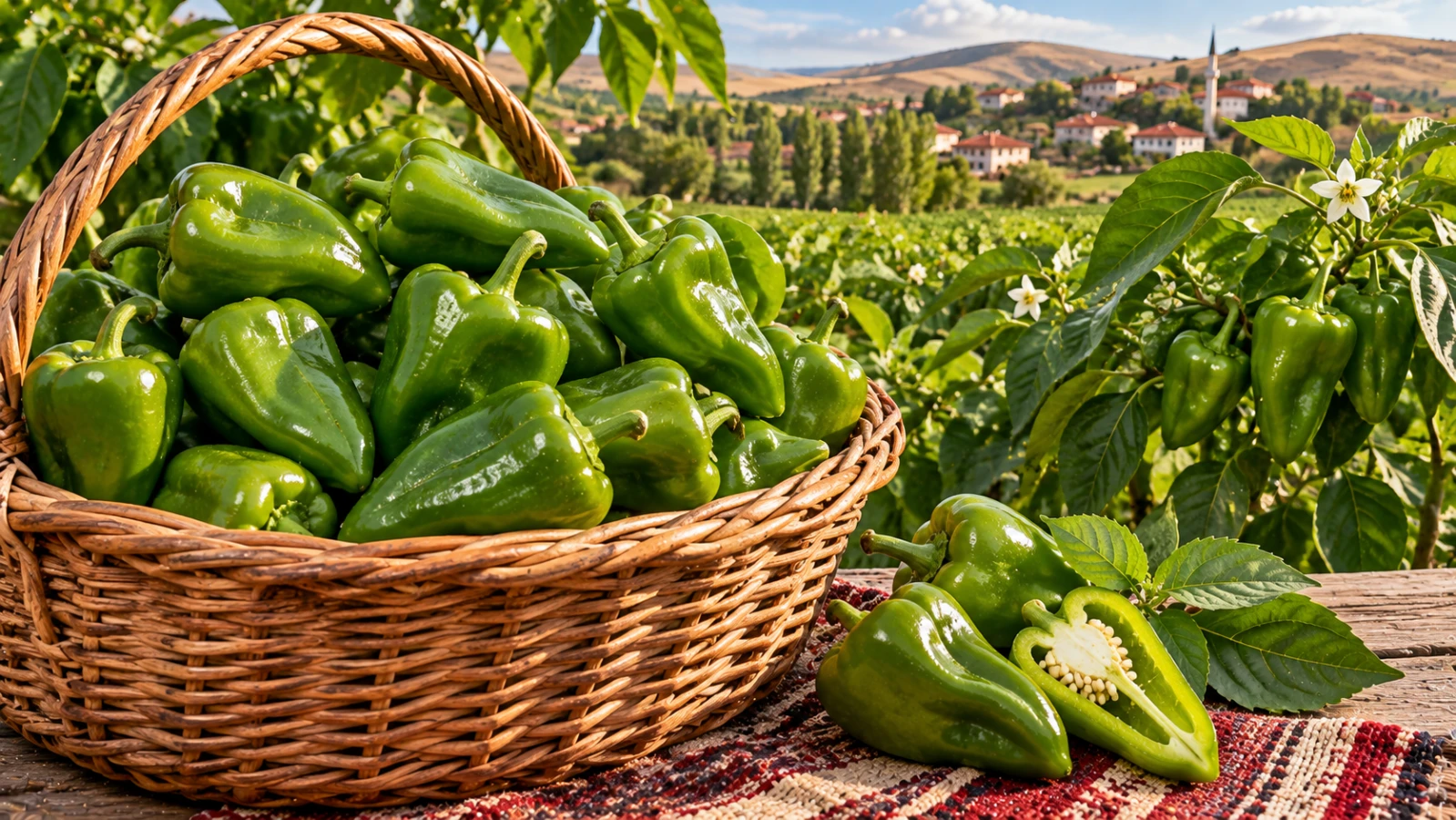
The thin-skinned pepper associated with Çayağzı / Cemele.

Madımak traditional Kırşehir food
Traditional dish

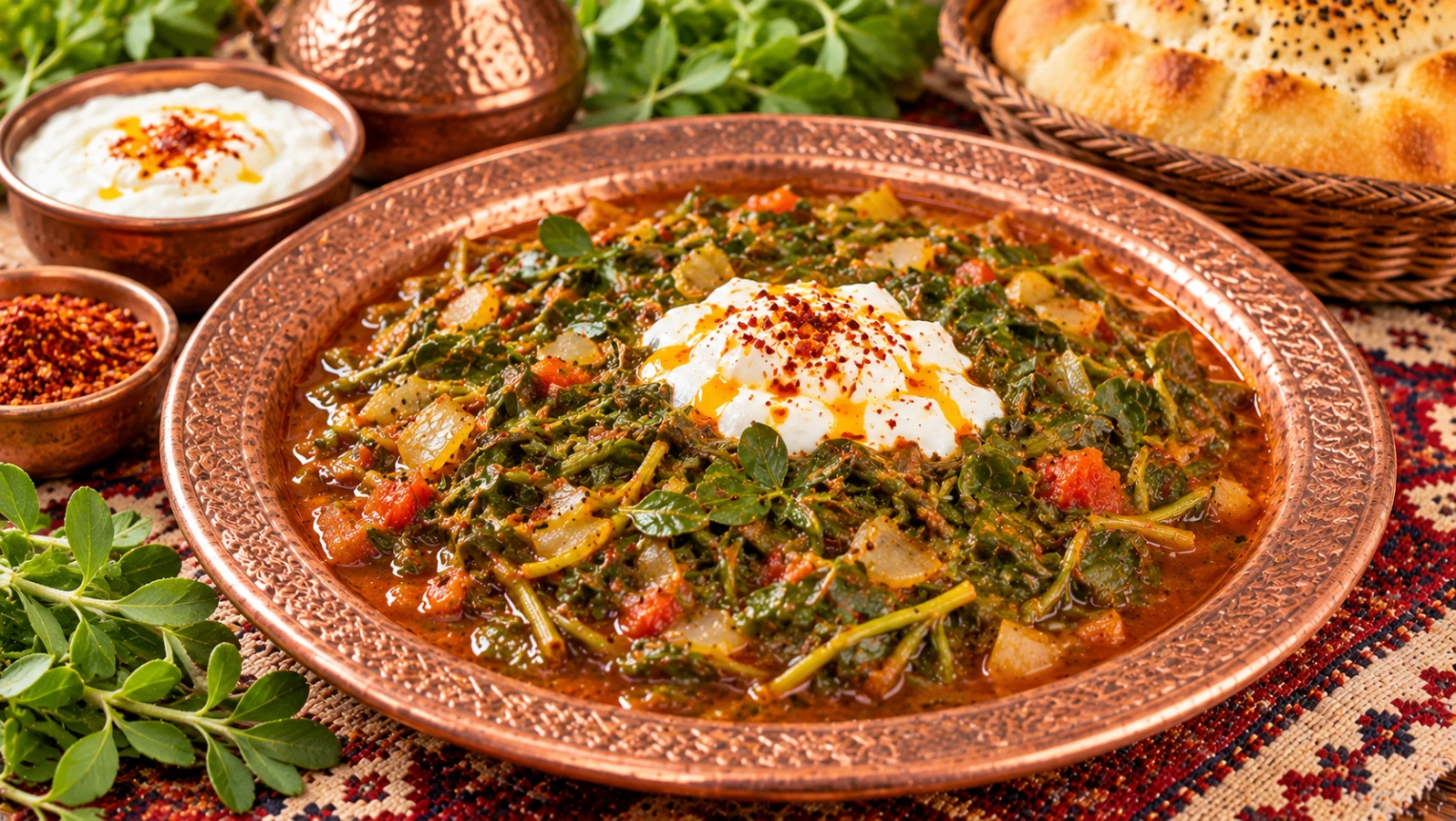
Madımak

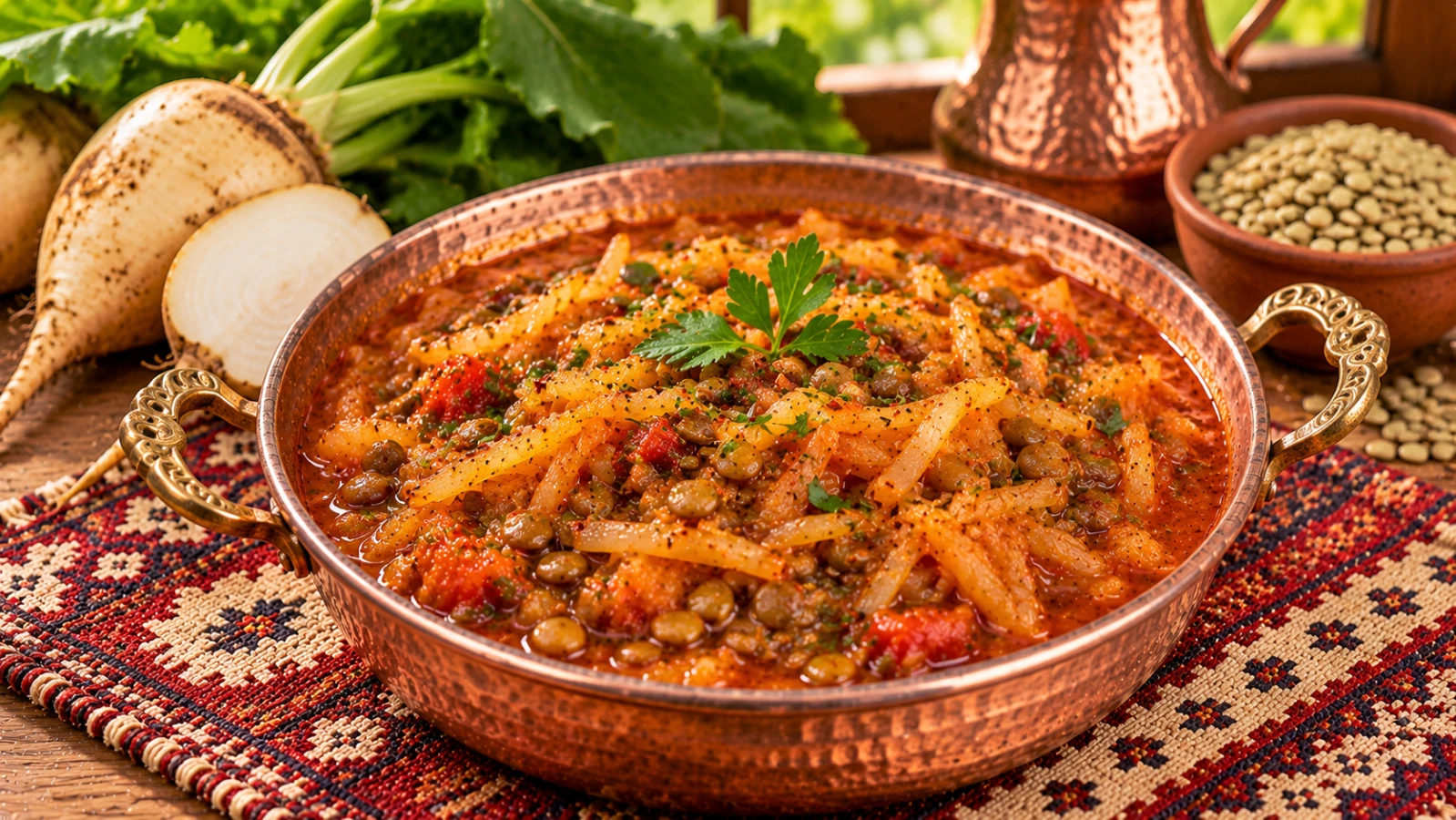
Wild greens and seasonal home-style cooking.

Kesme Aşı traditional Kırşehir food
Traditional dish

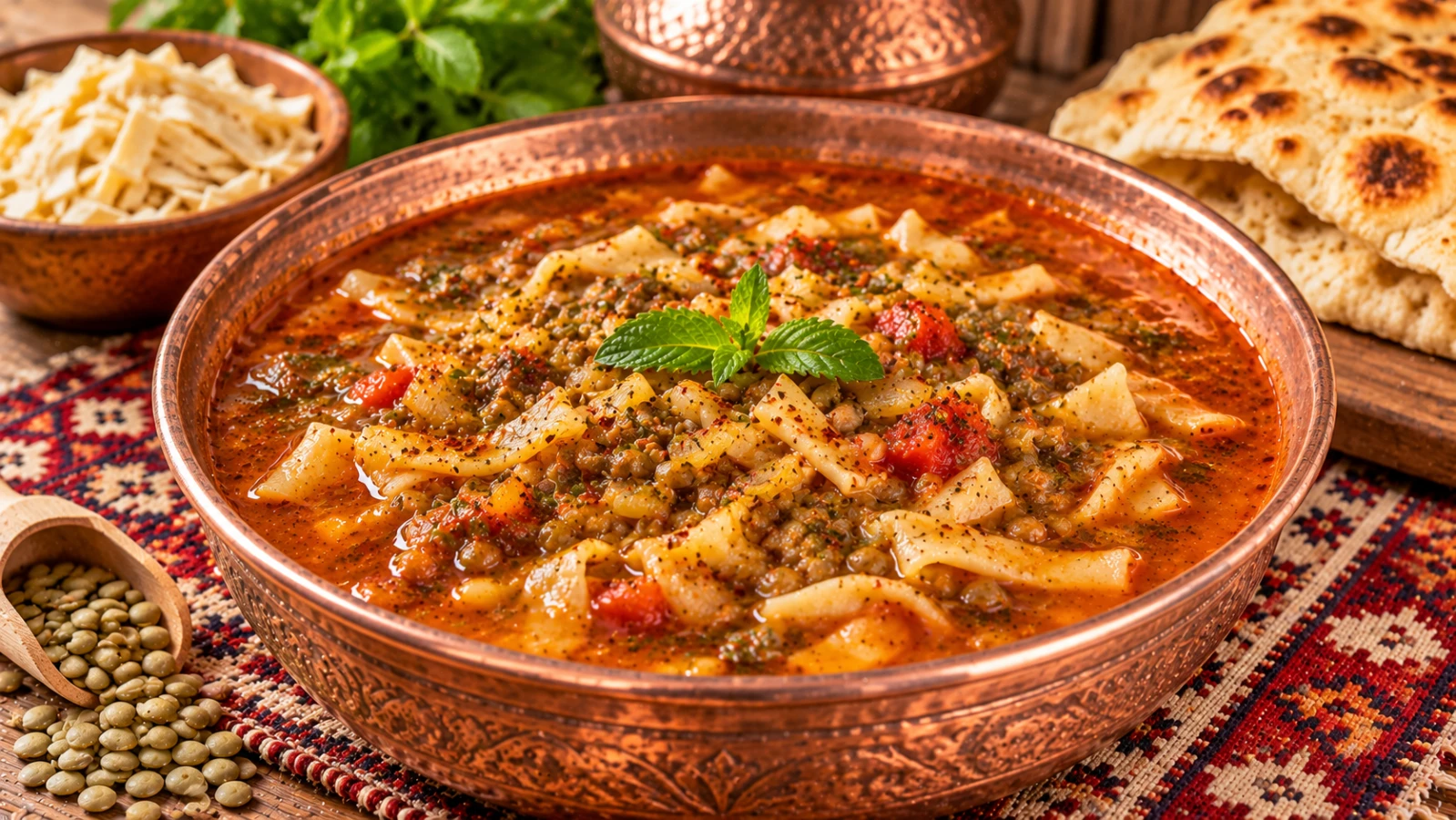
Kesme Aşı

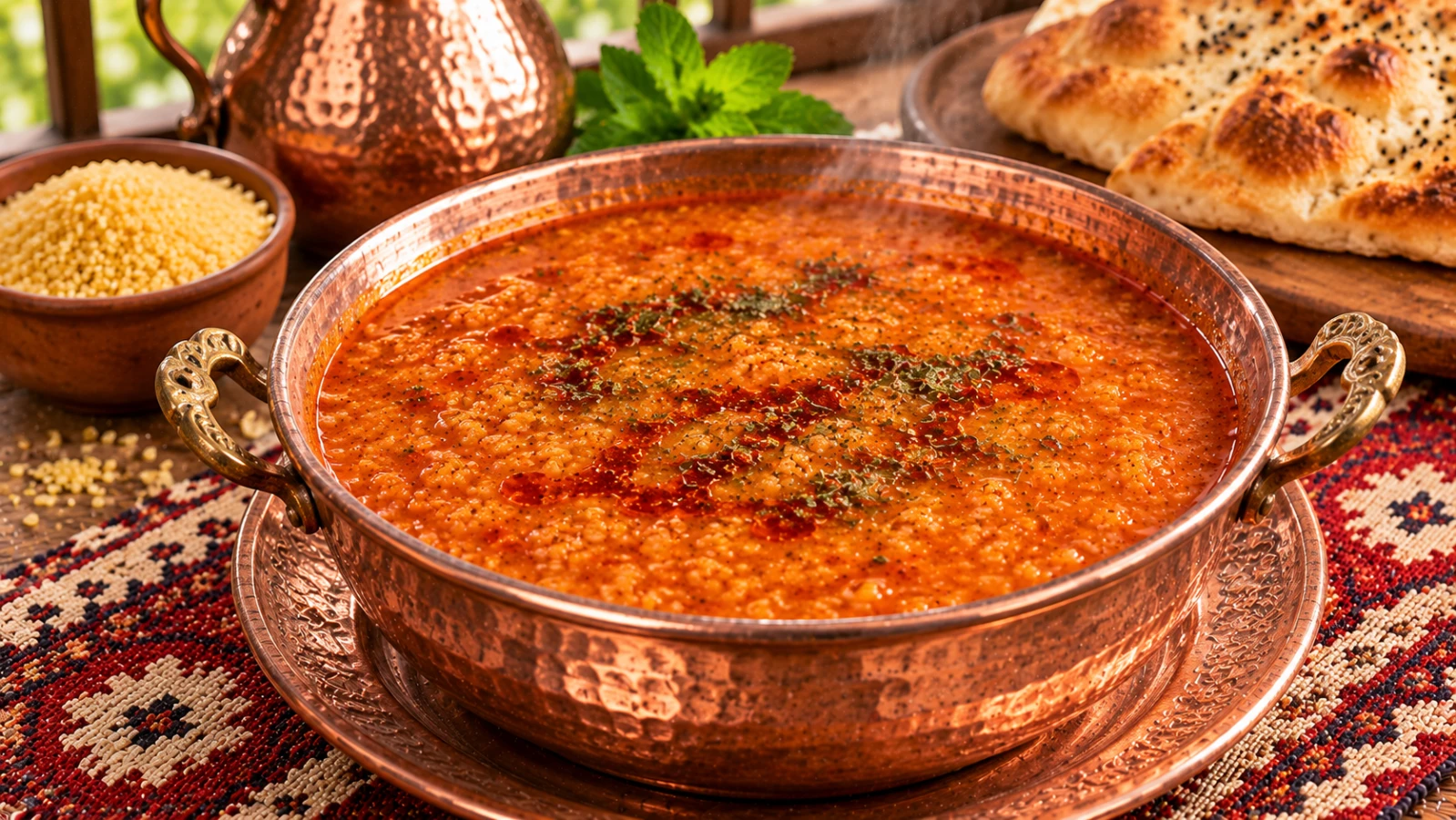
A warming soup with hand-cut dough.

Topalak traditional Kırşehir food
Traditional dish

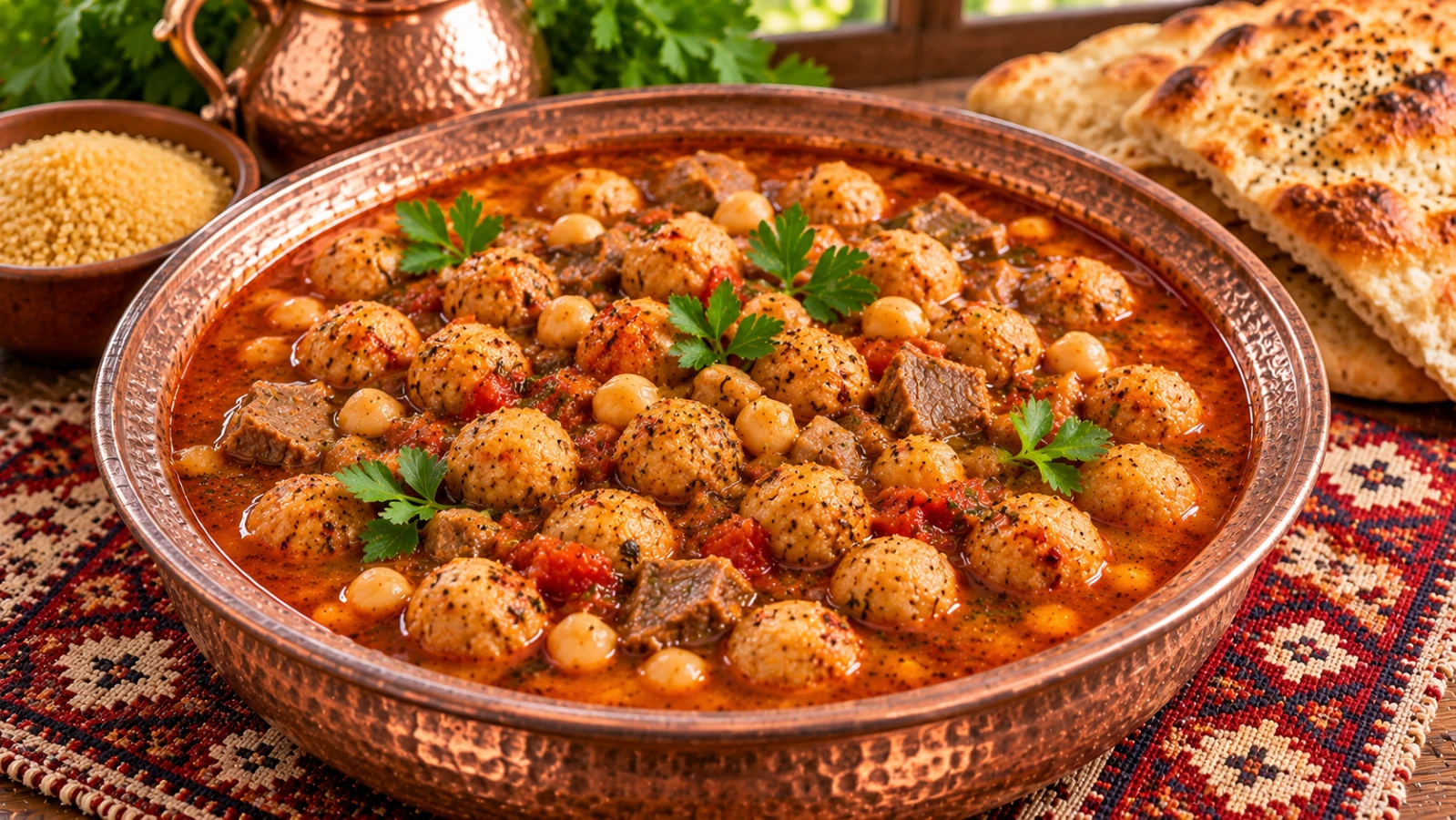
Topalak

Small dumpling-like bulgur or flour morsels.

Düğür Soup traditional Kırşehir food
Traditional dish

Düğür Soup

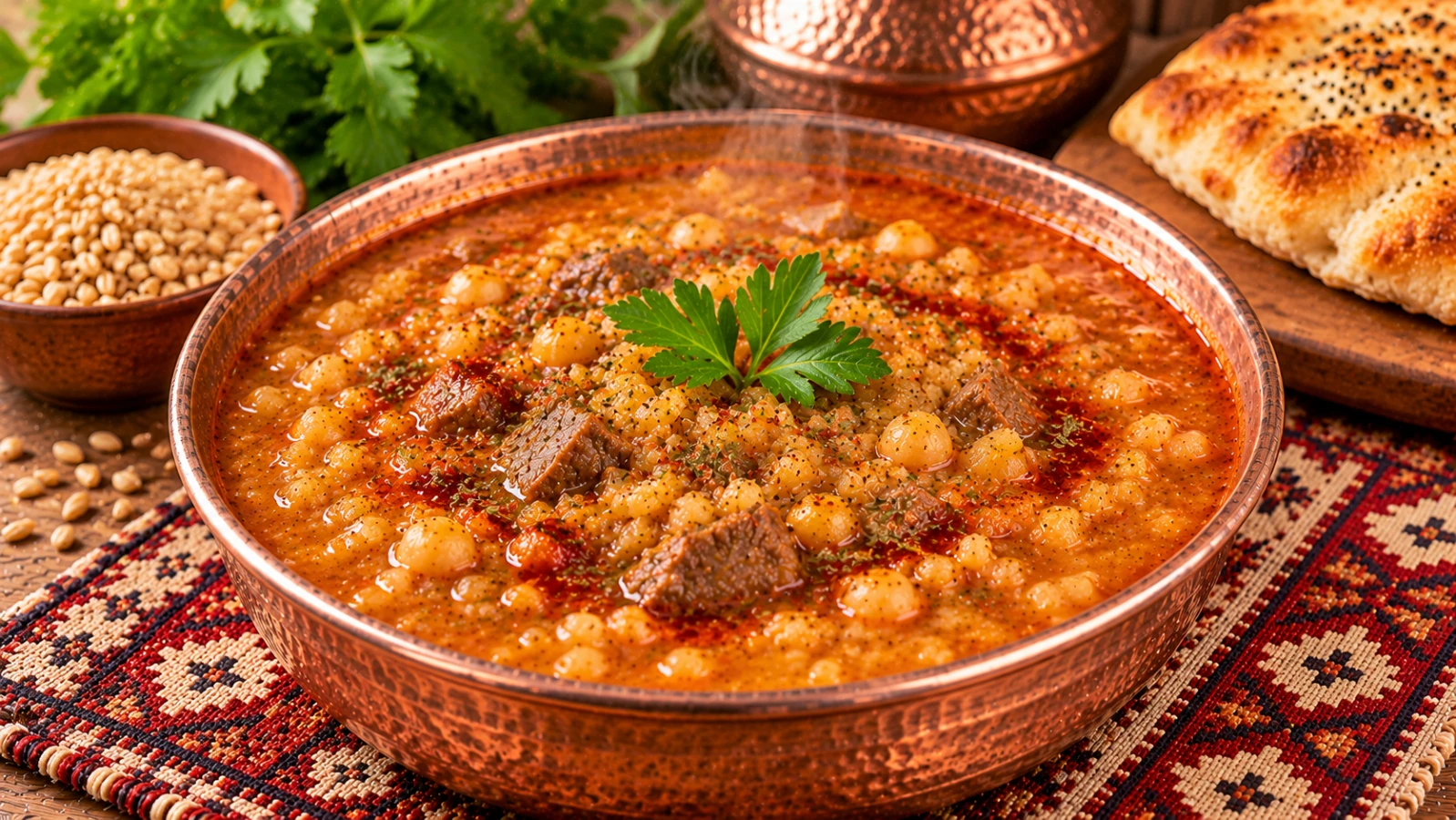
Wheat-based soup from Anatolian kitchens.

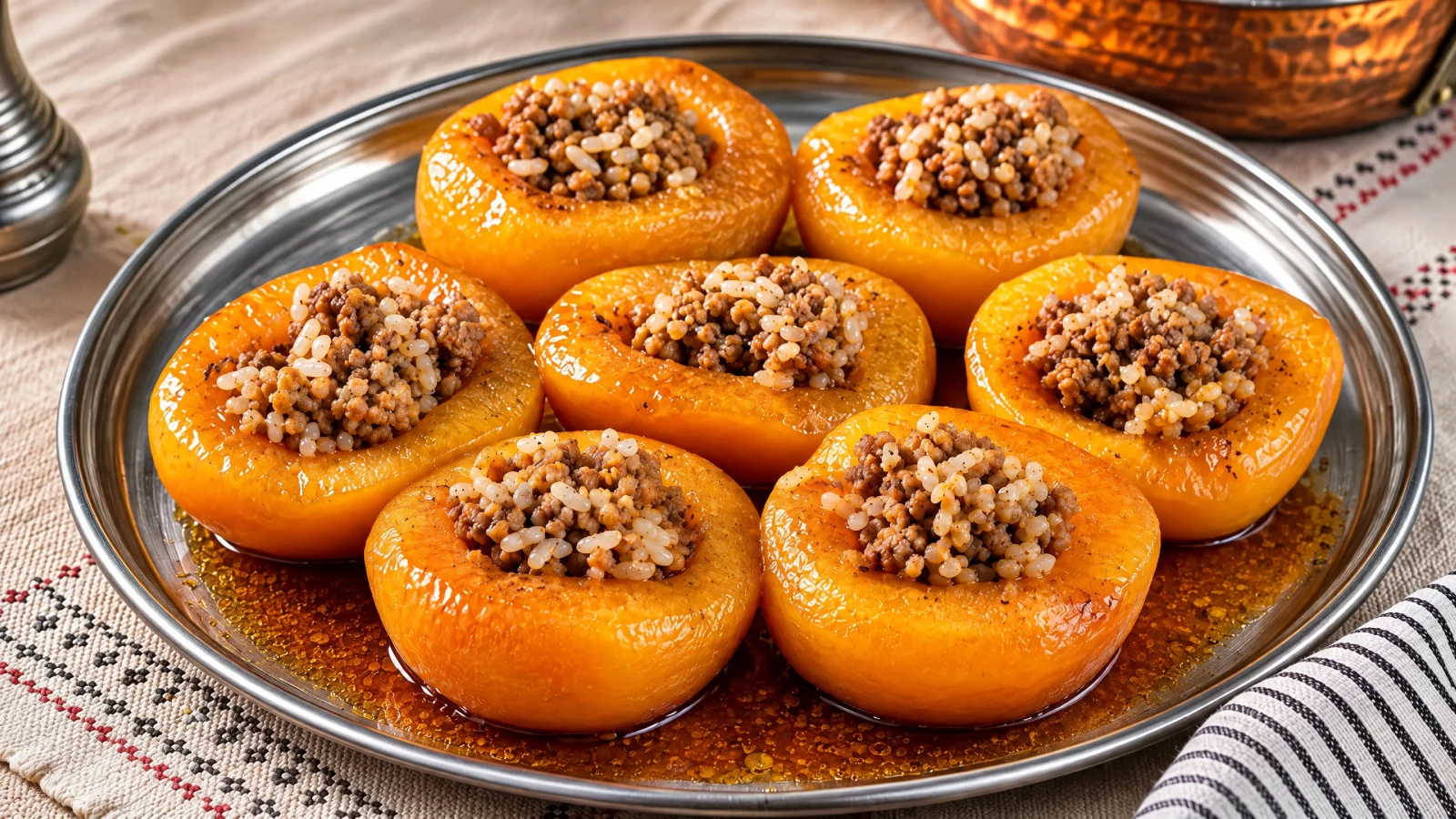
Ayva Dolması traditional Kırşehir food
Traditional dish

Ayva Dolması

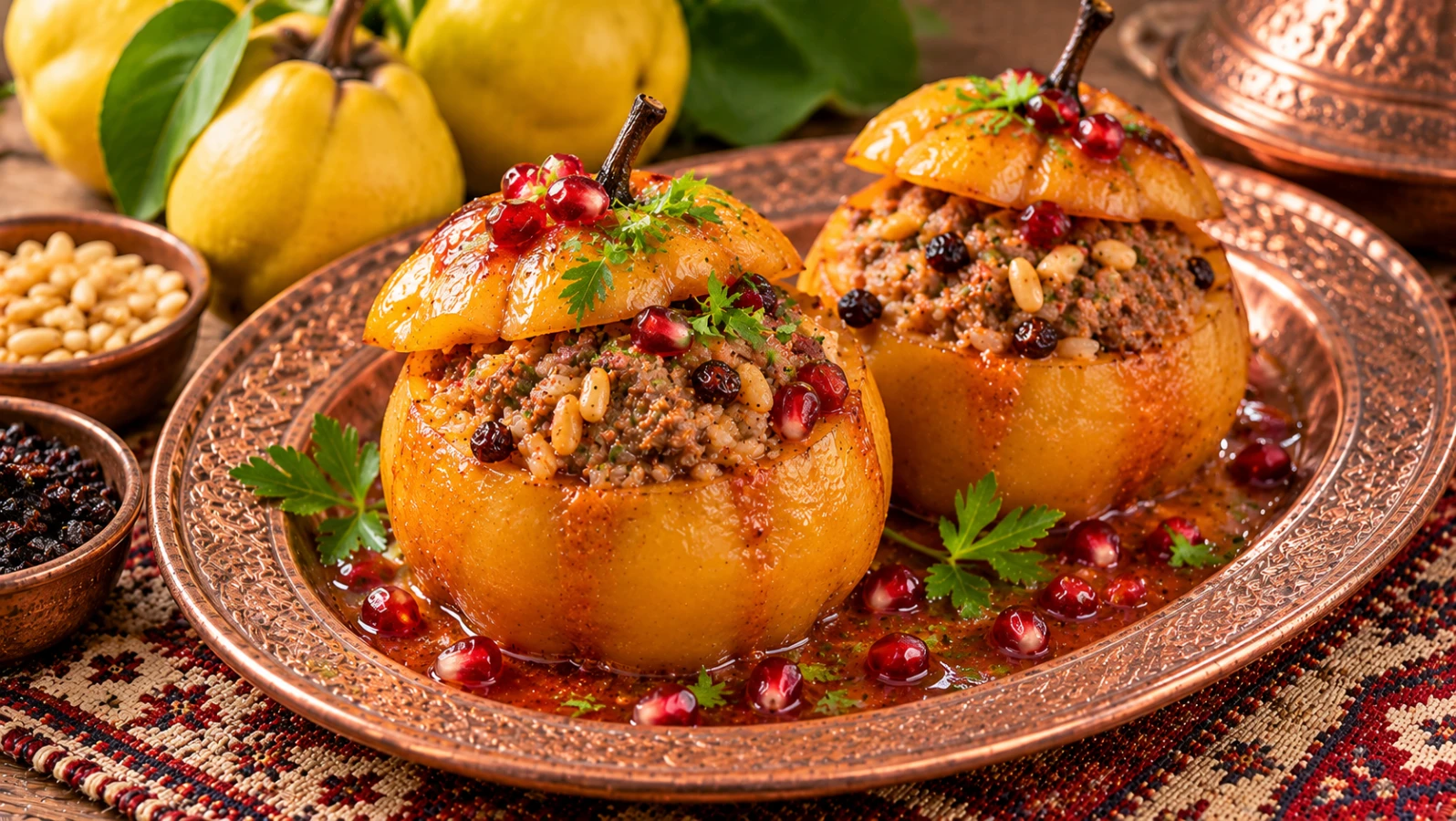
Quince stuffed in the savoury-fruit tradition.

Flavours of Kırşehir

Kaman Walnuts, Kırşehir Çullaması & Rural Anatolian Cooking

Kırşehir’s most distinctive food story connects local agriculture with communal meals. Kaman is famous for its walnuts, a geographically indicated product that serves as both a source of local pride and a key ingredient in regional kitchens. Cemele pepper, associated with Çayağzı (historically Cemele), shows the importance of small agricultural specialties in regional identity.

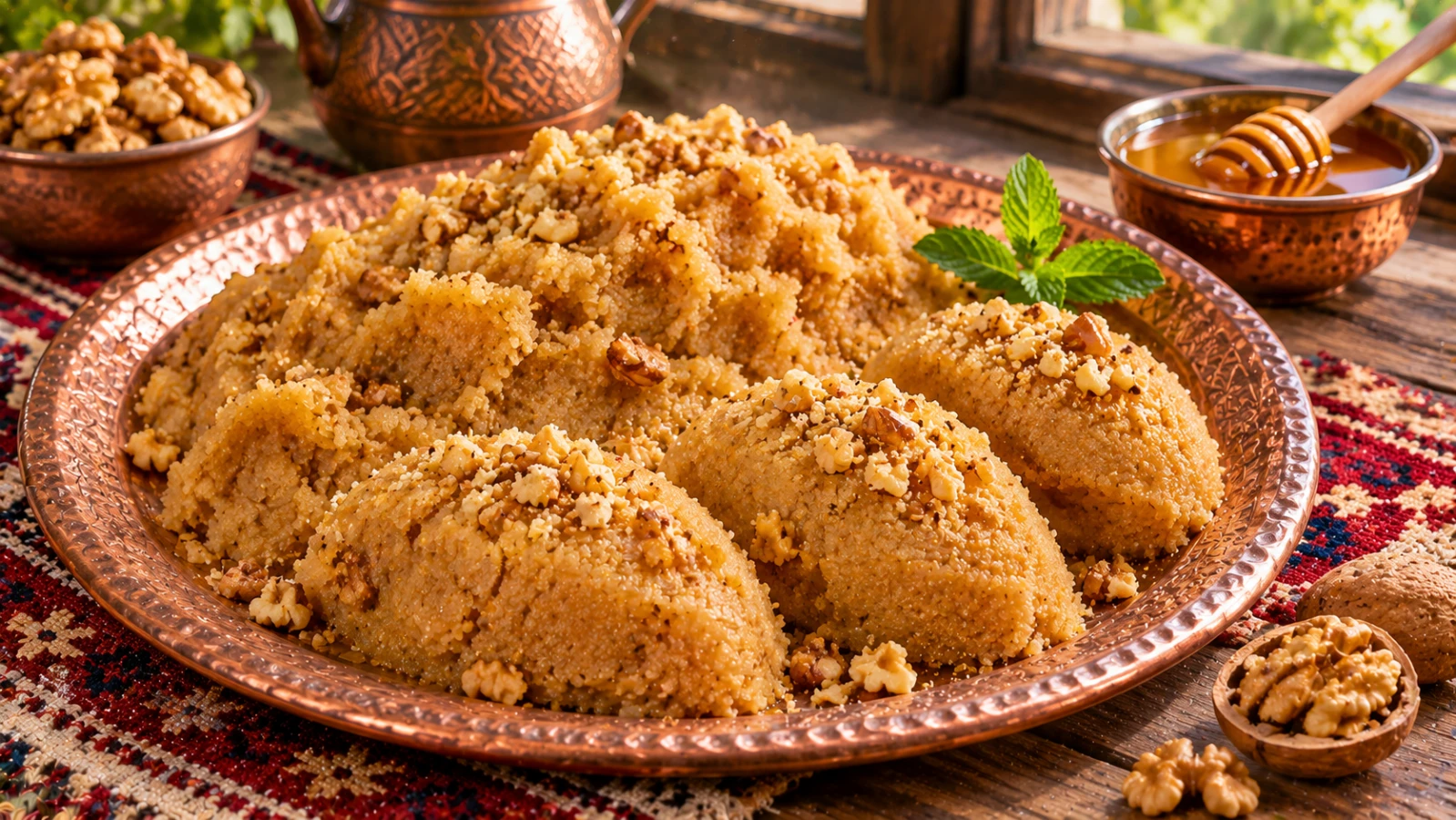
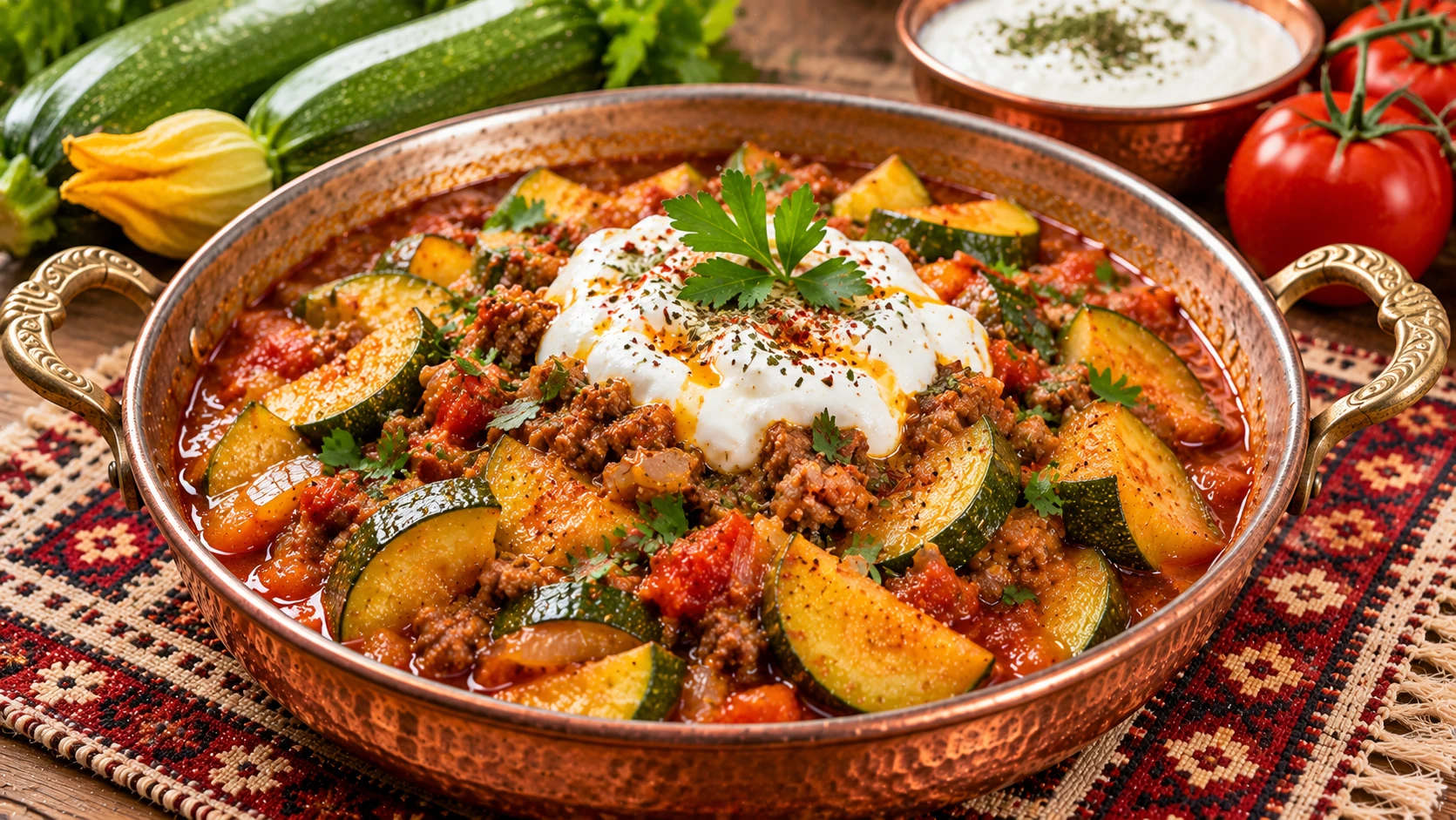
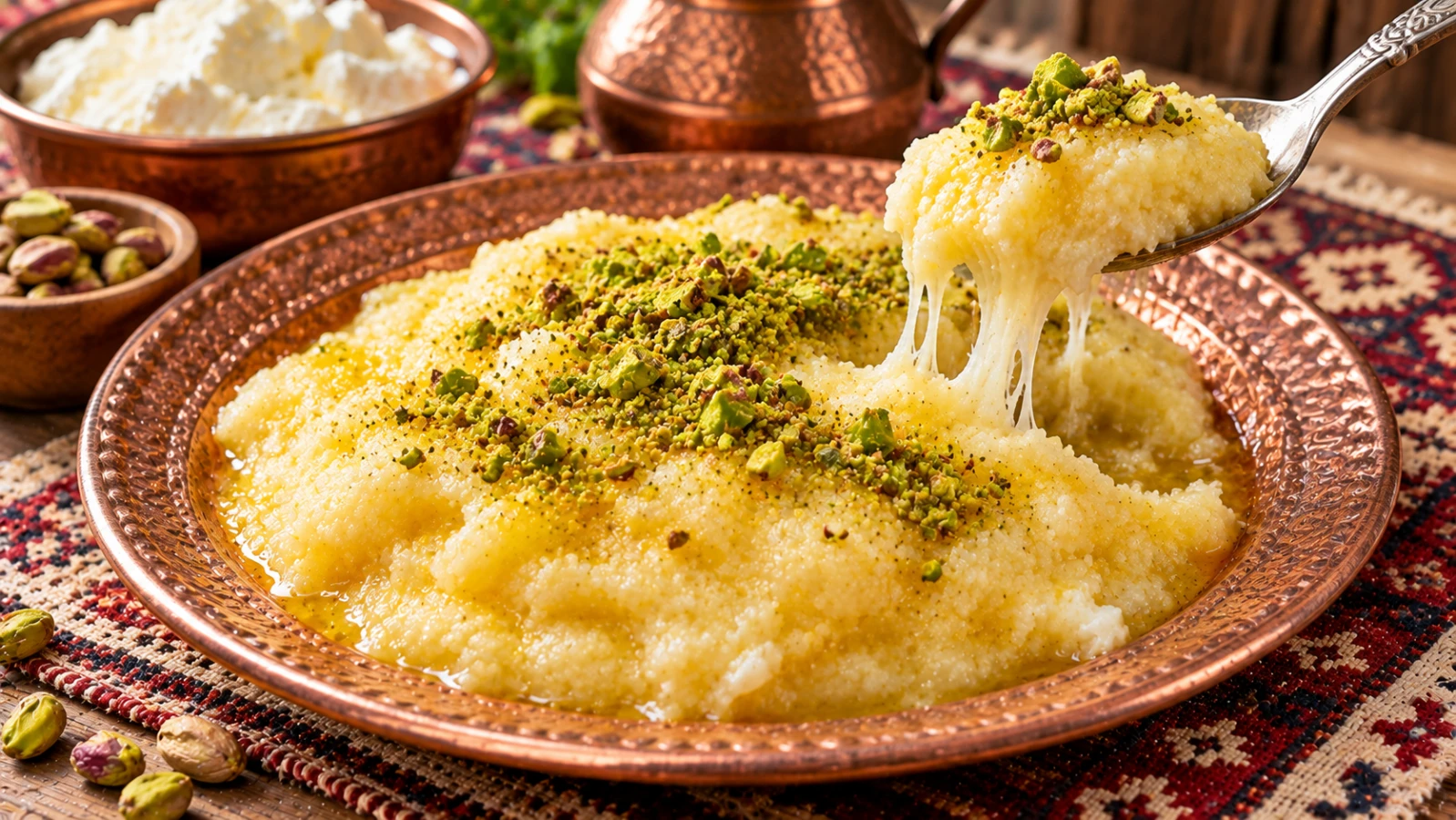
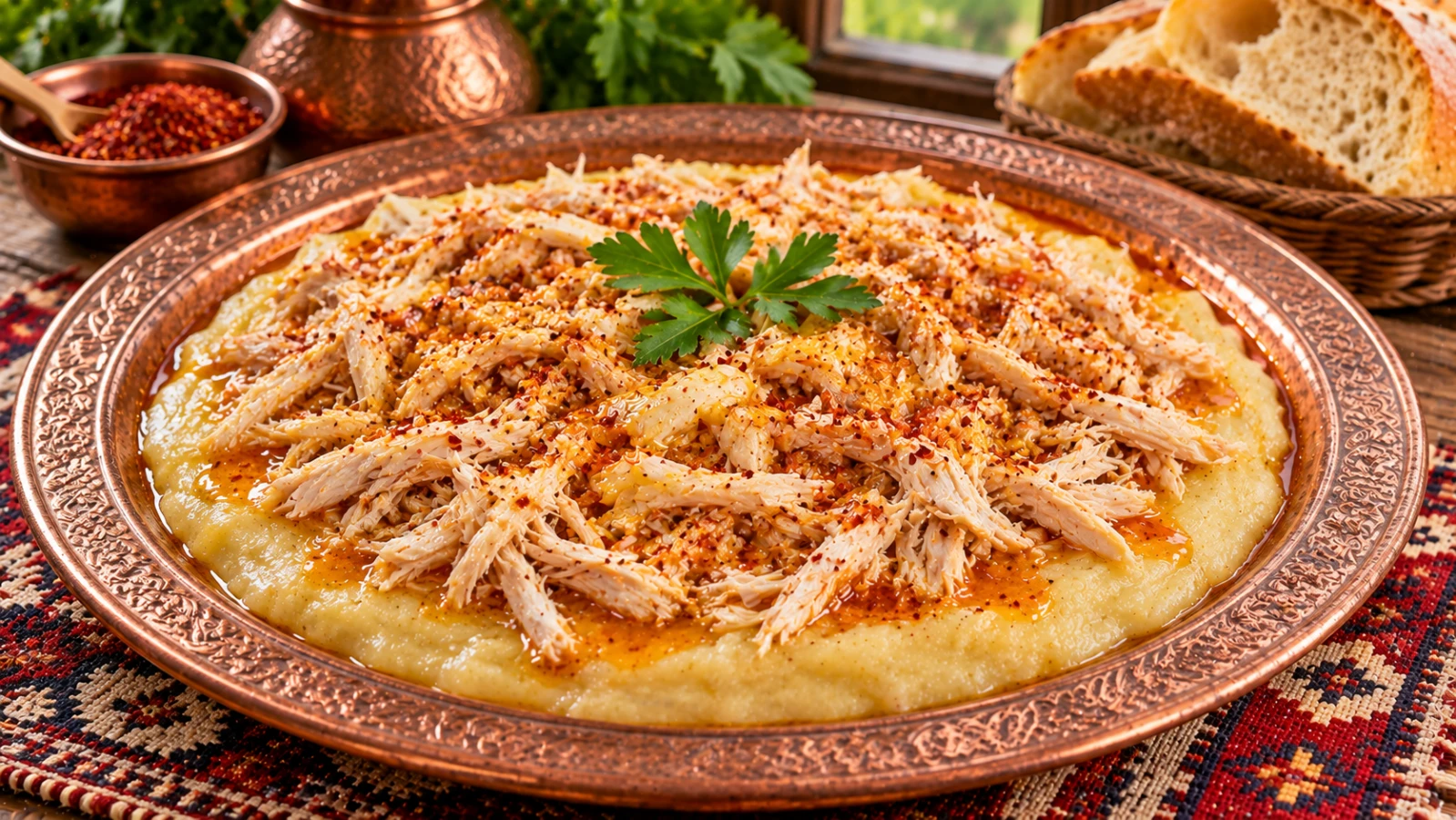
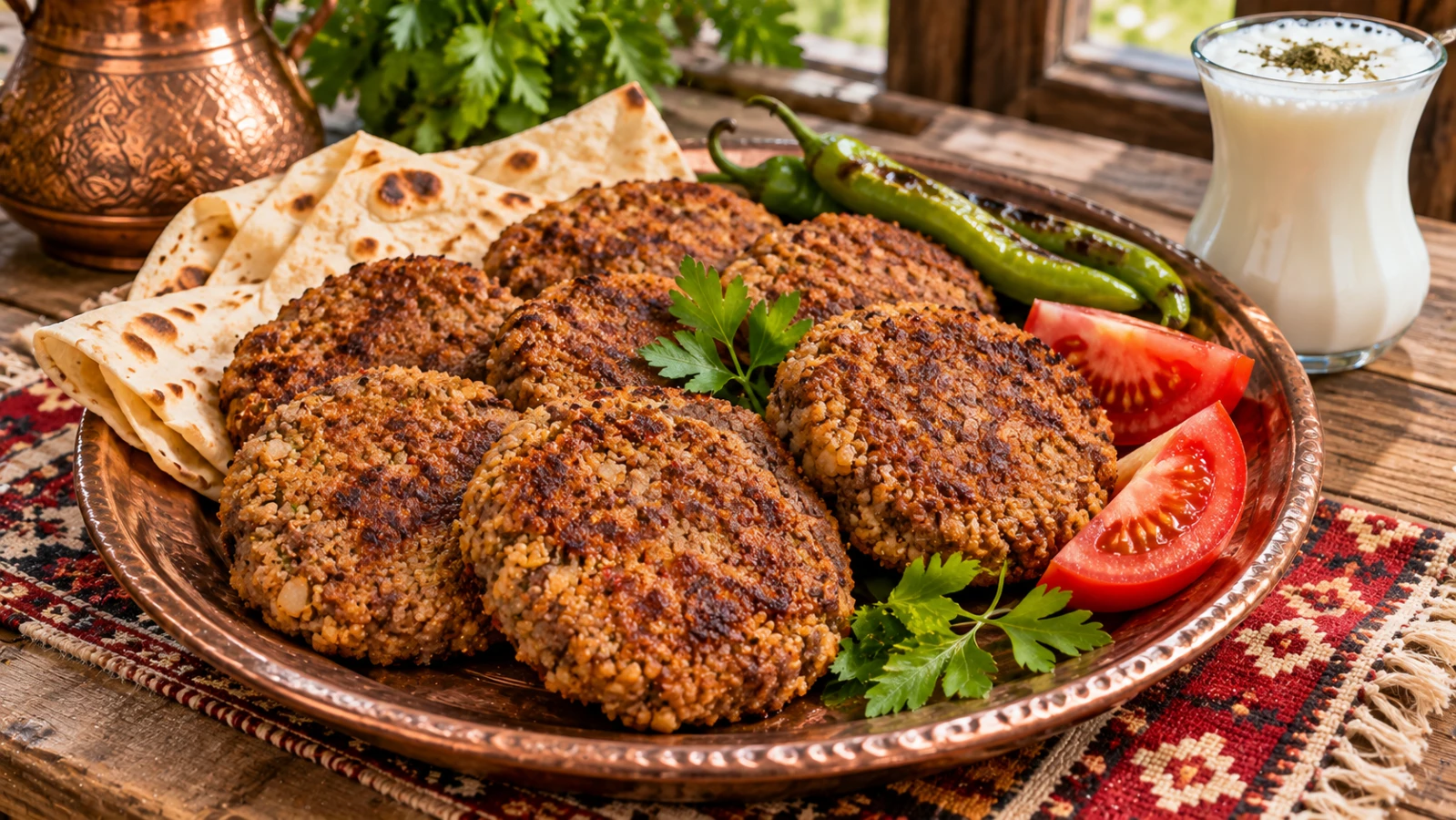
Among registered foods are Kaman besmeç, an expertly mixed bulgur-and-meat patty, Kırşehir çullaması, a chicken-based traditional dish, and Kırşehir höşmerim, a local dessert. Existing Wow Cappadocia guides to Ahi halva, çirleme, quince borani and zucchini dishes remain connected at their original addresses.

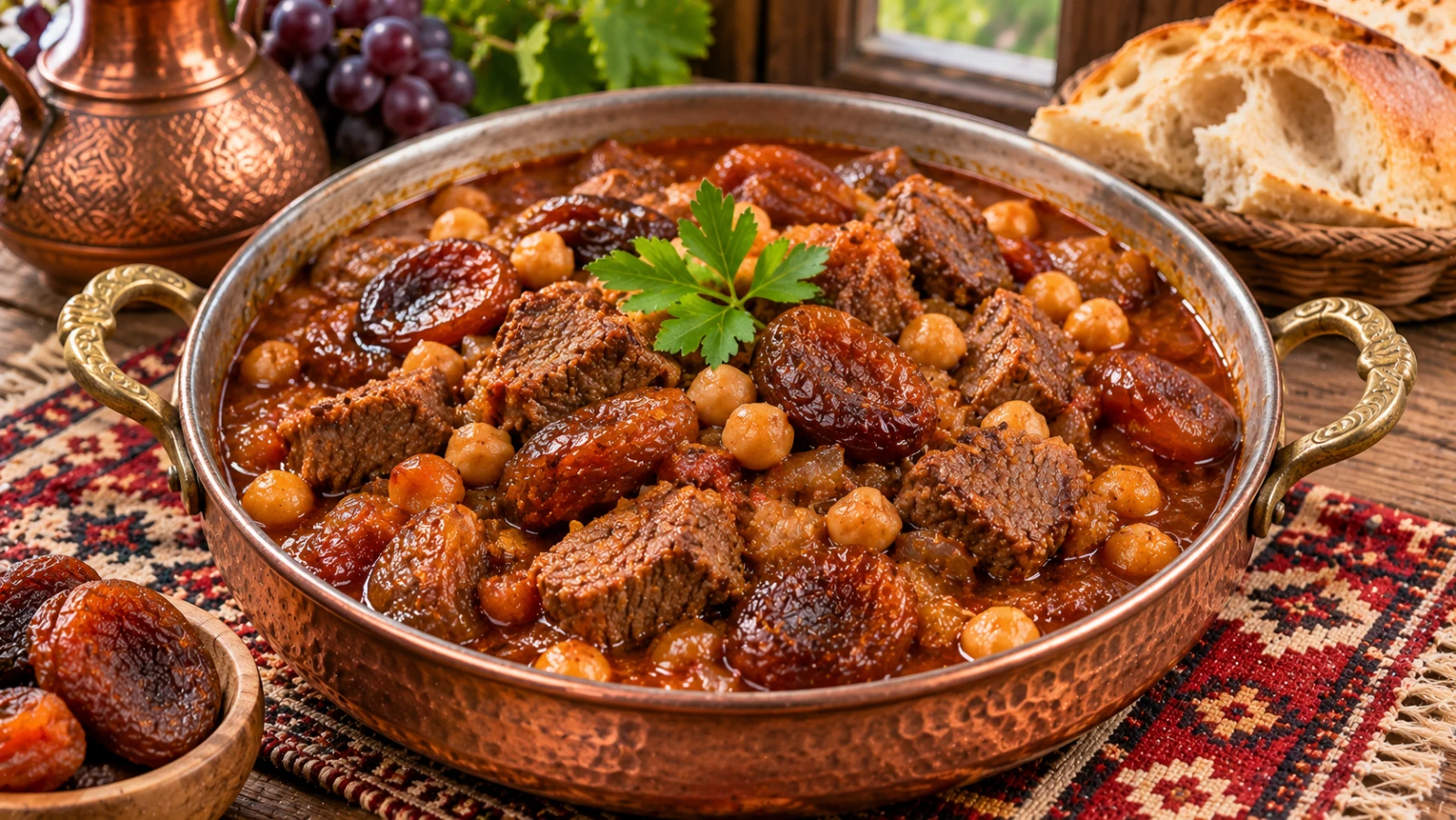
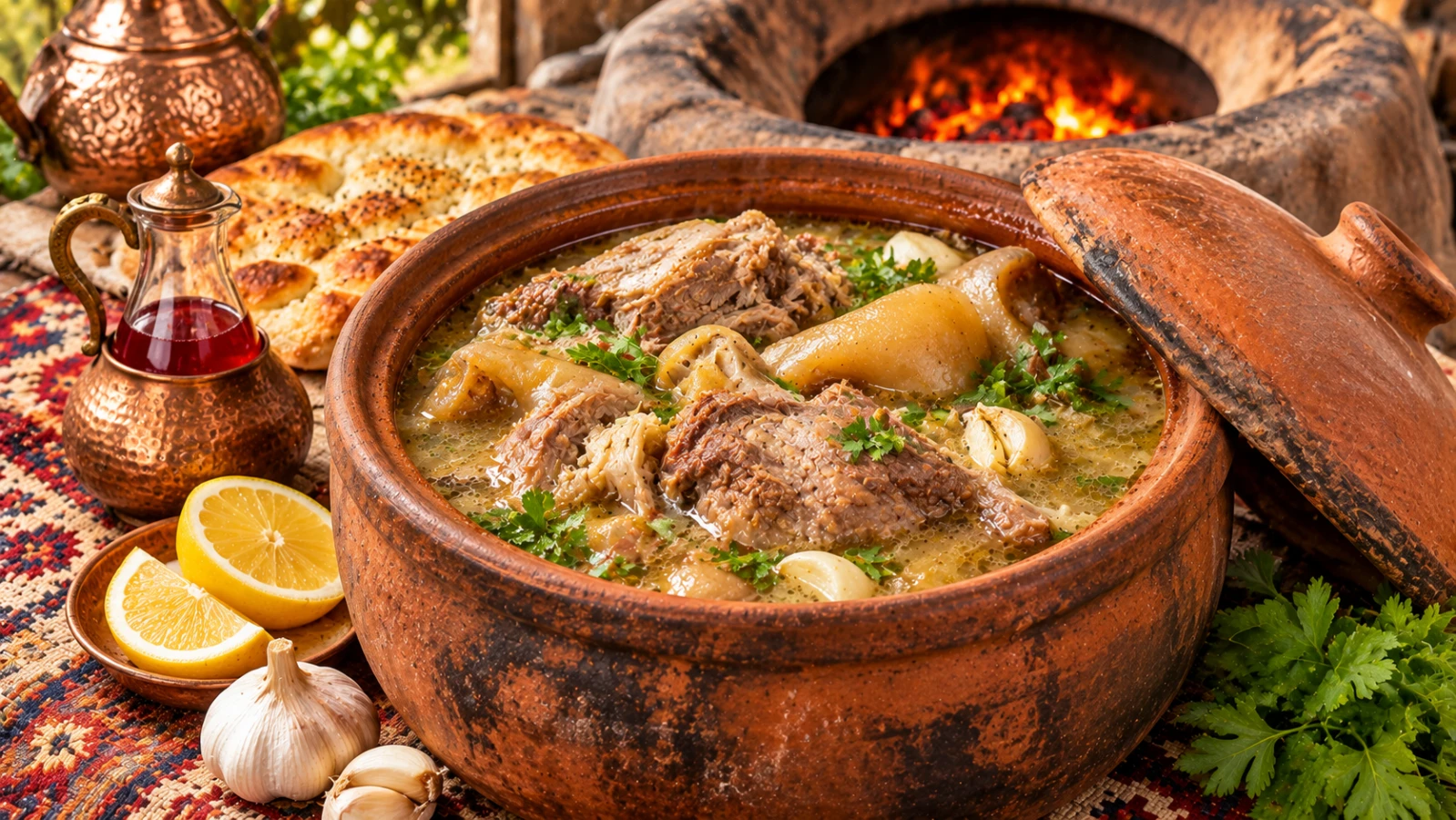
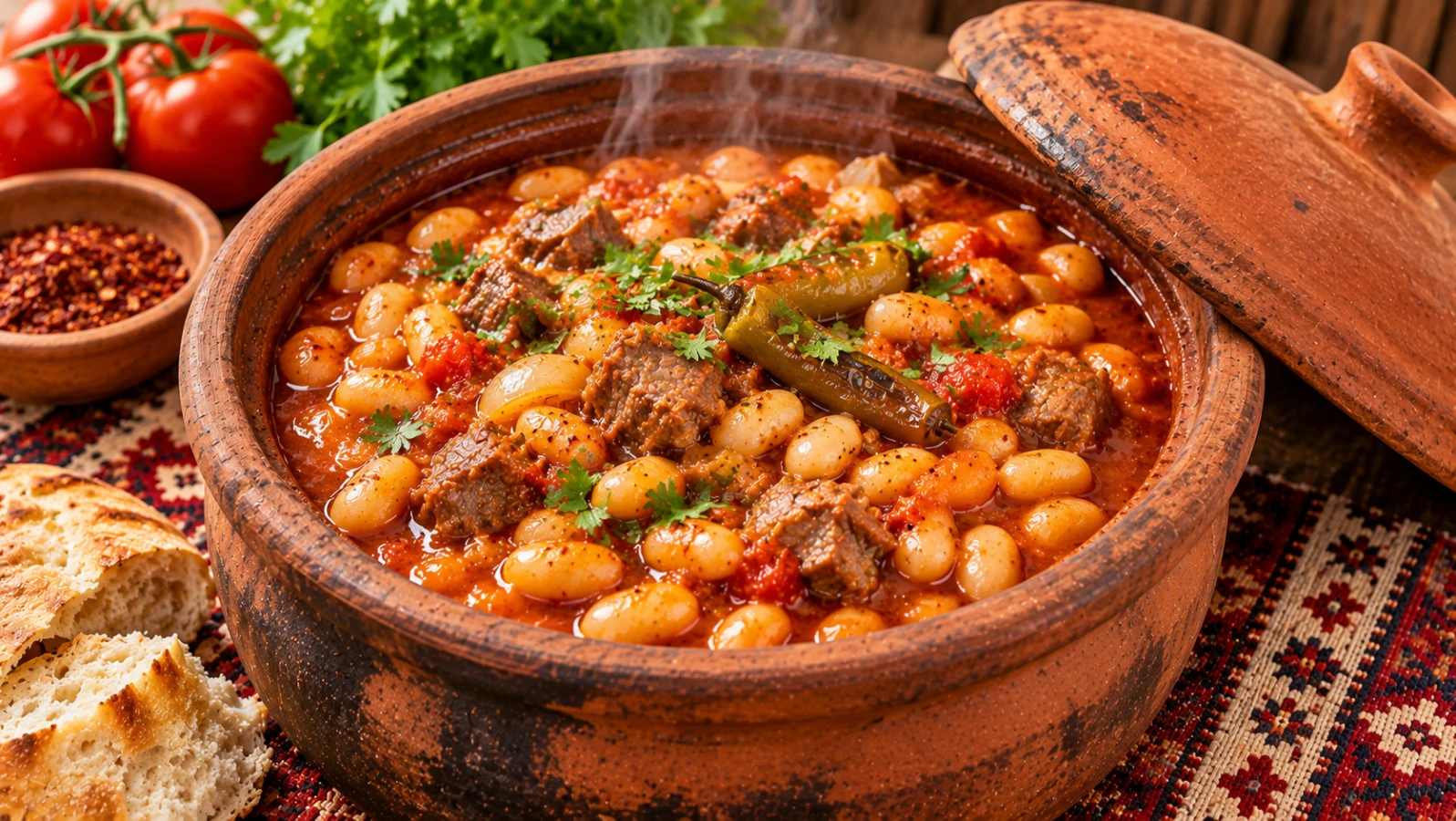
Home cooking also features clay-pot meat and beans, madımak, cut-noodle soups, topalak, yarma and seasonal vegetable dishes. Many recipes are shared with neighbouring provinces; describing them as Kırşehir traditions is more accurate than claiming every recipe was invented here. Ask in advance, since not every local specialty appears on restaurant menus every day.

How Many Days Do You Need in Kırşehir?

Plan realistically around the provincial centre, Kaman and the outlying districts.

One Day

Historic Centre & Music

Ahi Evran, Cacabey, Âşık Paşa and a museum or Neşet Ertaş cultural stop.

Two Days

Add Kaman Archaeology

Give the second day to Kaman Kalehöyük, the archaeology museum and Japanese Garden.

Three Days

Mucur & Seyfe Nature

Add Mucur Underground City and Seyfe wetland only if conditions make them worthwhile.

Four or More Days

Explore Rural Kırşehir

Allow time for Hirfanlı, the distant churches, rural heritage and a slower thermal or forest excursion.

Suggested City Walk

Ahi Evran, Cacabey, Âşık Paşa & the Cultural Heart

Start near Ahi Evran Mosque and Tomb, the symbolic centre of Kırşehir’s guild traditions. Continue to Cacabey Madrasa to appreciate the Seljuk stonework, and include the historic Kalehöyük area for context on the city’s much earlier layers.

The Âşık Paşa Mausoleum adds a literary dimension that most short tours miss. A visit to the provincial museum or a music-oriented cultural house complements the monuments with artefacts and living traditions. Allow time to pause, enjoy a local meal and respect prayer hours at active religious buildings.

Suggested Archaeology Day

Kaman Kalehöyük, Museum & Mikasanomiya Japanese Garden

At Kaman Kalehöyük, the story is not a single celebrated ruin but a long sequence of occupation painstakingly studied by archaeologists. Begin with the Kaman Archaeology Museum for its displays and then view the research landscape from authorised areas.

The neighbouring Mikasanomiya Japanese Garden offers a memorable change of pace. If driving onward to Hirfanlı, allow ample time and choose a publicly accessible shoreline location; the reservoir covers a large area, not one fixed viewpoint.

Suggested Heritage & Nature Day

Mucur Underground City and Seyfe Lake

The Mucur Underground City introduces rock-cut spaces and underground planning. It can be a meaningful alternative for travellers who have already visited the busy subterranean sites near Göreme.

Seyfe Lake is an ecologically sensitive basin. At times it holds impressive waterbird habitat; in dry spells, sections may be empty or severely reduced. Check recent conditions and follow conservation rules rather than planning around guaranteed flamingo sightings.

Specialist Heritage Route

Üçayak Church, Kesikköprü & Outlying Sites

Üçayak Church and Kesikköprü belong to different historical traditions, one focused on Christian sacred architecture and the other on medieval travel and exchange. Visit them as part of a planned road journey rather than an urban walking circuit.

Remote churches, archaeological mounds and castle remains can have unclear paths, restricted access or unstable masonry. A specialist route is best built after confirming local roads, permissions and current conditions.

A Cultural Journey

Bozlak, Neşet Ertaş & the Ahilik Tradition

Kırşehir’s most memorable experience may be intangible: the sound of a bağlama and a heartfelt bozlak. Learn the stories of Neşet Ertaş and Muharrem Ertaş before visiting cultural displays or seeking a publicly announced music event.

The legacy of Ahi Evran invites another kind of cultural encounter: attention to trades, local workshops, cooperation and the ethical obligations of craftspeople. Together these two threads explain why Kırşehir’s identity reaches far beyond its monuments.

Planning Your Kırşehir Visit

Small practical decisions make a big difference in a province where many sites lie far apart.

Getting Around

A Vehicle Makes Exploration Easier

The city centre is manageable, but Kaman, Mucur, Seyfe and rural ruins are spread out.

Museums & Research Sites

Check Entry and Opening Rules

Excavations are not open-air museums; special rules, closures and research can limit access.

Nature & Wetlands

Verify Conditions on the Day

Seyfe’s water, birdlife and the roads to rural viewpoints are seasonal and variable.

Sacred Sites

Dress and Behave Respectfully

Mosques and tombs are active places of devotion; allow for prayer and quiet reflection.

Why Kırşehir Deserves More Attention

A Different History from the Cappadocian Postcard

Kırşehir is not another valley of fairy chimneys, and that is its appeal. It brings visitors into contact with medieval education, commercial ethics, Anatolian poetry and vernacular music, while Kaman opens an archaeologist’s window onto much earlier settlement layers.

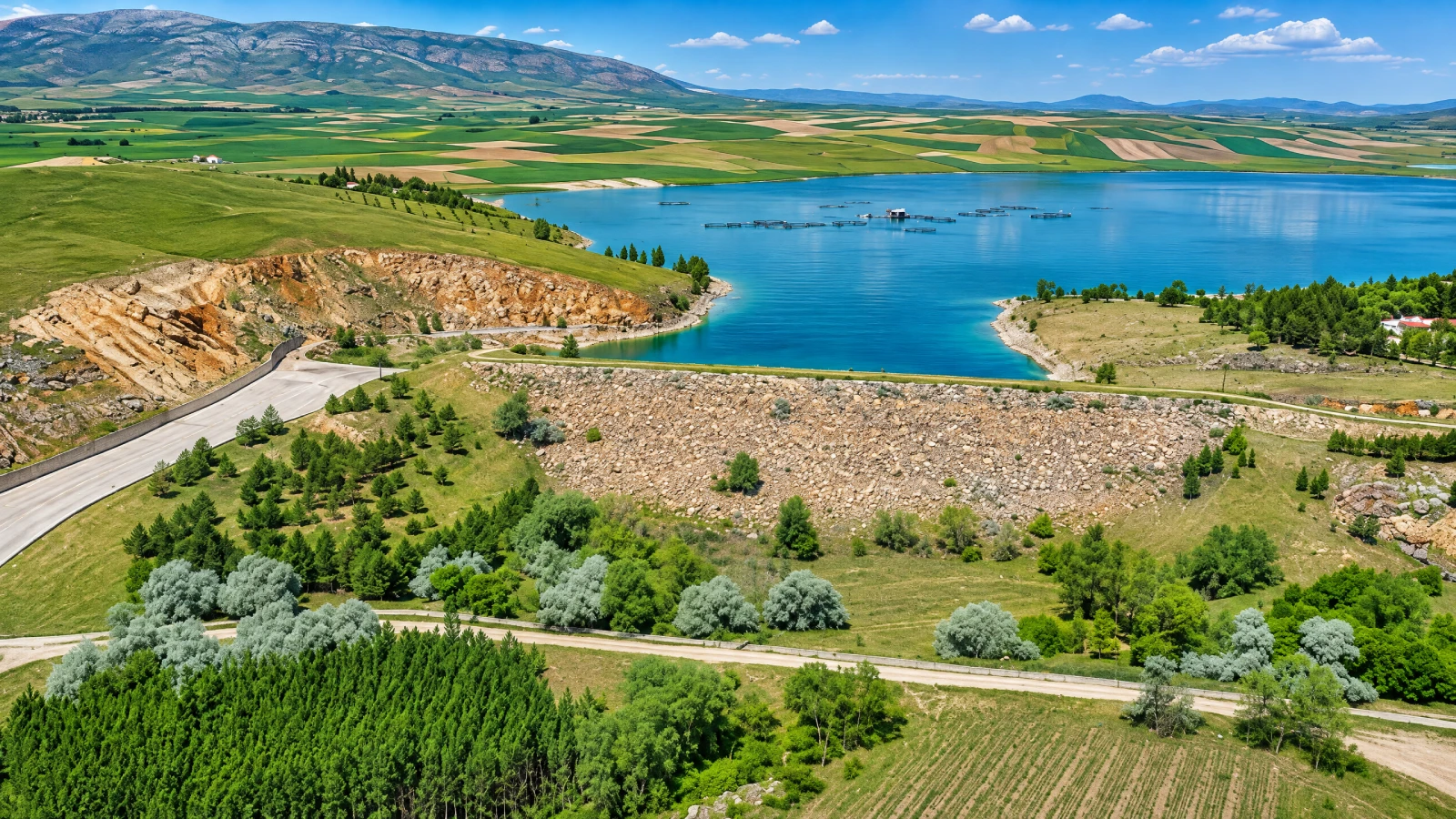
The province also demonstrates the complex relationship between settlement and water on the Anatolian plateau. Hirfanlı’s reservoir, Seyfe’s drought-sensitive basin and the northern wooded districts form a useful ecological counterpoint to stone monuments and underground spaces.

If travelling from Cappadocia, see Kırşehir as a complementary regional destination rather than a rushed add-on. Good interpretation, sensible geography and respect for living traditions create the most rewarding itinerary.

Frequently Asked Questions About Kırşehir

Answers to common questions on UNESCO heritage, archaeological attractions and responsible travel.

Kırşehir is a separate modern Turkish province. It is sometimes included when discussing wider historical and cultural Cappadocia, but it is not the same as the central Göreme–Ürgüp tourism area.

Kırşehir joined the UNESCO Creative Cities Network in the field of Music in 2019, reflecting its strong Abdal, bağlama and bozlak traditions and its plans to support musical creativity.

Ahi Evran Tomb, Cacabey Madrasa, Âşık Paşa Mausoleum, Kaman Kalehöyük and its museum, the Japanese Garden, Mucur Underground City and Seyfe Lake are important options.

No. Kaman Kalehöyük is near Kaman and is closely associated with Japanese-led archaeology. Central Kalehöyük lies in Kırşehir city centre near the historic Alaaddin Mosque area.

No. Seyfe is a sensitive and changeable wetland. Water and bird numbers vary with season, drought and recent rainfall; there is no guarantee of sightings.

No. Conditions differ among Mucur, Kepez, Dulkadirli and other sites. Confirm current visitor access, conservation closures and safety rules before travelling.

One day introduces the main city monuments. Two days allow an unhurried Kaman archaeology excursion. Three or more days suit Mucur, nature and rural heritage.

Look for Kaman besmeç, Kırşehir çullaması, local höşmerim, Kaman walnuts, Cemele pepper and traditional grain or clay-pot dishes. Availability changes by season and restaurant.

Official Resources for Planning Kırşehir

Useful references for opening conditions, heritage classifications, research and food registrations.

Discover Kırşehir With Local Knowledge

Ready to Explore Kırşehir, Kaman & Northern Cappadocia?

Tell us your travel dates, group size and interests. We can help plan a private journey focused on archaeology, Ahilik, music traditions or a wider Central Anatolian route.

Or write directly to [email protected]