Setting and religious role
The building or shrine must be read through its local community and present sacred use, rather than as a detached archaeological museum.






Haydar Sultan Mosque & Tomb is part of Kırıkkale Province, in the Historic Keskin area. Its particular interest is a sacred landscape below the böyrek mountains.
The Haydar Sultan complex stands near Haydar Sultan village in the foothills of the Böyrek Mountains, outside central Keskin.
Historic Keskin — one of Kırıkkale's distinct regional routes.
A sacred landscape below the Böyrek Mountains
The historical or cultural evidence for Haydar Sultan Mosque & Tomb should be read alongside its known regional setting rather than replacing it with a legend or unverified date.
Visit as a sacred place and take care around the enclosed well. Do not drink or touch mineral water on the assumption that it offers health benefits.
Only documented or explicitly qualified visiting information is included.
Historic Keskin, Kırıkkale Province, Türkiye
Sacred architecture and community
Kırıkkale Provincial Culture Directorate – Mosques and Shrines
Visit as a sacred place and take care around the enclosed well. Do not drink or touch mineral water on the assumption that it offers health benefits.
The historic record for Haydar Sultan Mosque & Tomb requires care in separating documented statements from later interpretation.
Official descriptions mention a mosque, tomb, burial ground, fountain and well, with a possible earlier late Roman or early Byzantine monastic context. The earlier interpretation is not proof of surviving continuous occupation.
Keskin is an old market and cultural district south of the present provincial centre. Red Ankara stone buildings, late Ottoman commercial and public architecture, rock-cut remains and the Abdal–bozlak music tradition are different chapters in its long local history.
Deliler Kuyusu is noted for cold sulphurous water that can look as if it is boiling. Its appearance belongs to local geology and folklore, not to evidence of medicinal effects.
Key local details, historical evidence and practical considerations.
The building or shrine must be read through its local community and present sacred use, rather than as a detached archaeological museum.
Official descriptions mention a mosque, tomb, burial ground, fountain and well, with a possible earlier late Roman or early Byzantine monastic context. The earlier interpretation is not proof of surviving continuous occupation.
Deliler Kuyusu is noted for cold sulphurous water that can look as if it is boiling. Its appearance belongs to local geology and folklore, not to evidence of medicinal effects.
The site is valued by an active community; avoid disrupting worship and seek permission for close photography.
Original masonry, later repairs, inscriptions and devotional traditions are separate sources of information at Haydar Sultan Mosque & Tomb; do not infer an exact date from a stylistic feature alone.
Ask whether access is limited during worship or ceremonies and approach the site as a place with present-day community significance.
Deliler Kuyusu is noted for cold sulphurous water that can look as if it is boiling. Its appearance belongs to local geology and folklore, not to evidence of medicinal effects.
This is also an opportunity to place Historic Keskin within a regional travel itinerary without confusing an ancient site, sacred building, contemporary recreation facility or living food tradition with another type of experience.
The most reliable material for Haydar Sultan Mosque & Tomb comes from the listed documentary sources and the actual features they describe.
Recognise the particular history of Historic Keskin, not an interchangeable Anatolian landmark.
Deliler Kuyusu is noted for cold sulphurous water that can look as if it is boiling. Its appearance belongs to local geology and folklore, not to evidence of medicinal effects.
Visit as a sacred place and take care around the enclosed well. Do not drink or touch mineral water on the assumption that it offers health benefits.
Visit as a sacred place and take care around the enclosed well. Do not drink or touch mineral water on the assumption that it offers health benefits.
Visit as a sacred place and take care around the enclosed well. Do not drink or touch mineral water on the assumption that it offers health benefits.
Keskin is an old market and cultural district south of the present provincial centre. Red Ankara stone buildings, late Ottoman commercial and public architecture, rock-cut remains and the Abdal–bozlak music tradition are different chapters in its long local history.
This location may be sacred, a home, active infrastructure, an archaeological area or a working landscape. Check who administers Haydar Sultan Mosque & Tomb before treating it as an unrestricted visitor attraction.
Visit as a sacred place and take care around the enclosed well. Do not drink or touch mineral water on the assumption that it offers health benefits.
Do not climb historic masonry, move stones, enter unsafe chambers or cross barriers.
Construction, rebuilding and later use may be several different episodes.
Active religious sites, schools and private buildings require special respect.
Historic significance does not imply that every building has public opening hours.
Readers interested in how Haydar Sultan Mosque & Tomb connects to the larger story of Kırıkkale.
Travellers who want a grounded account of the Historic Keskin region rather than a checklist of generic Turkish attractions.
The details at Haydar Sultan Mosque & Tomb reward visitors who want to recognise its locally documented features rather than relying on generic photographs.
Visit as a sacred place and take care around the enclosed well. Do not drink or touch mineral water on the assumption that it offers health benefits.
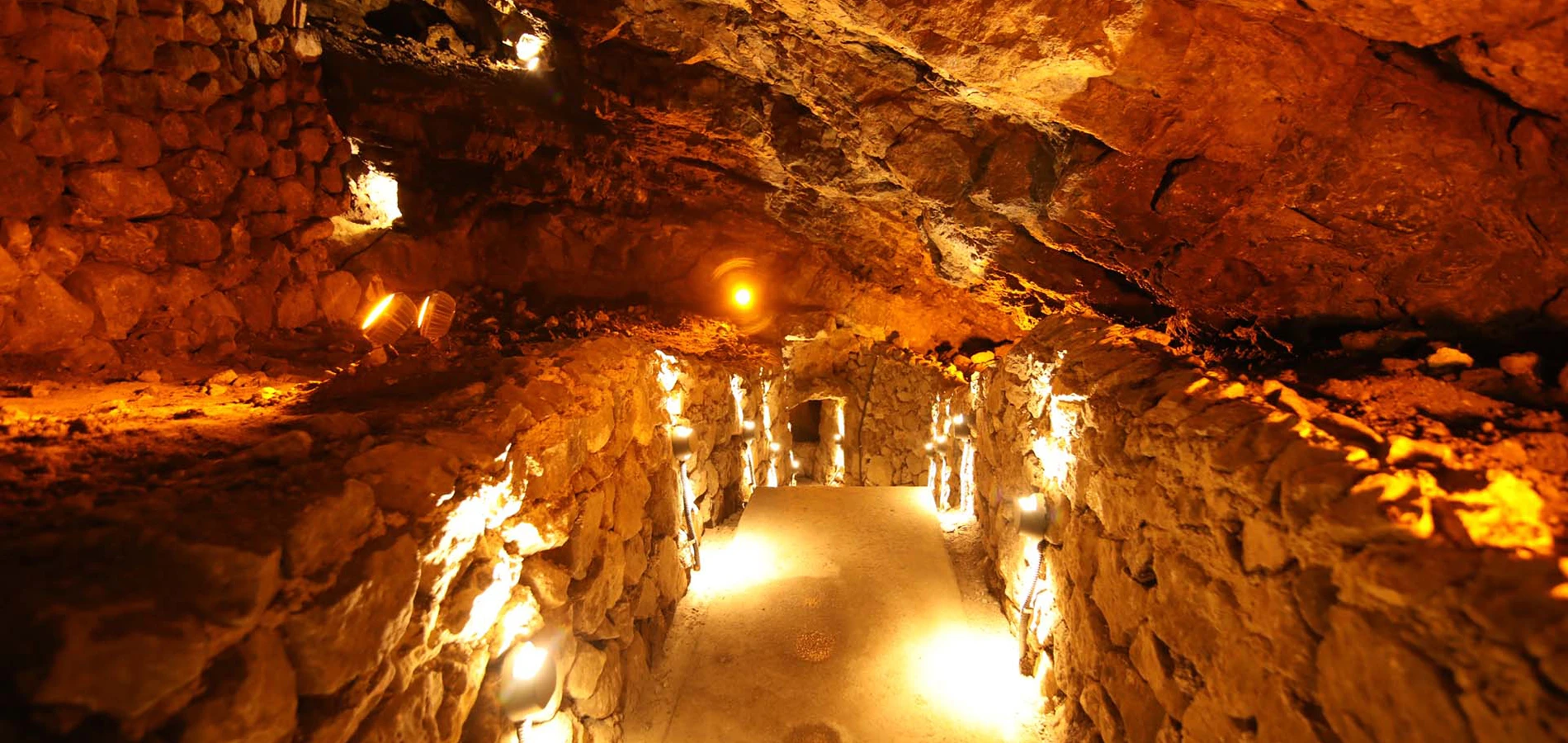
Natural passages and traces of human modification
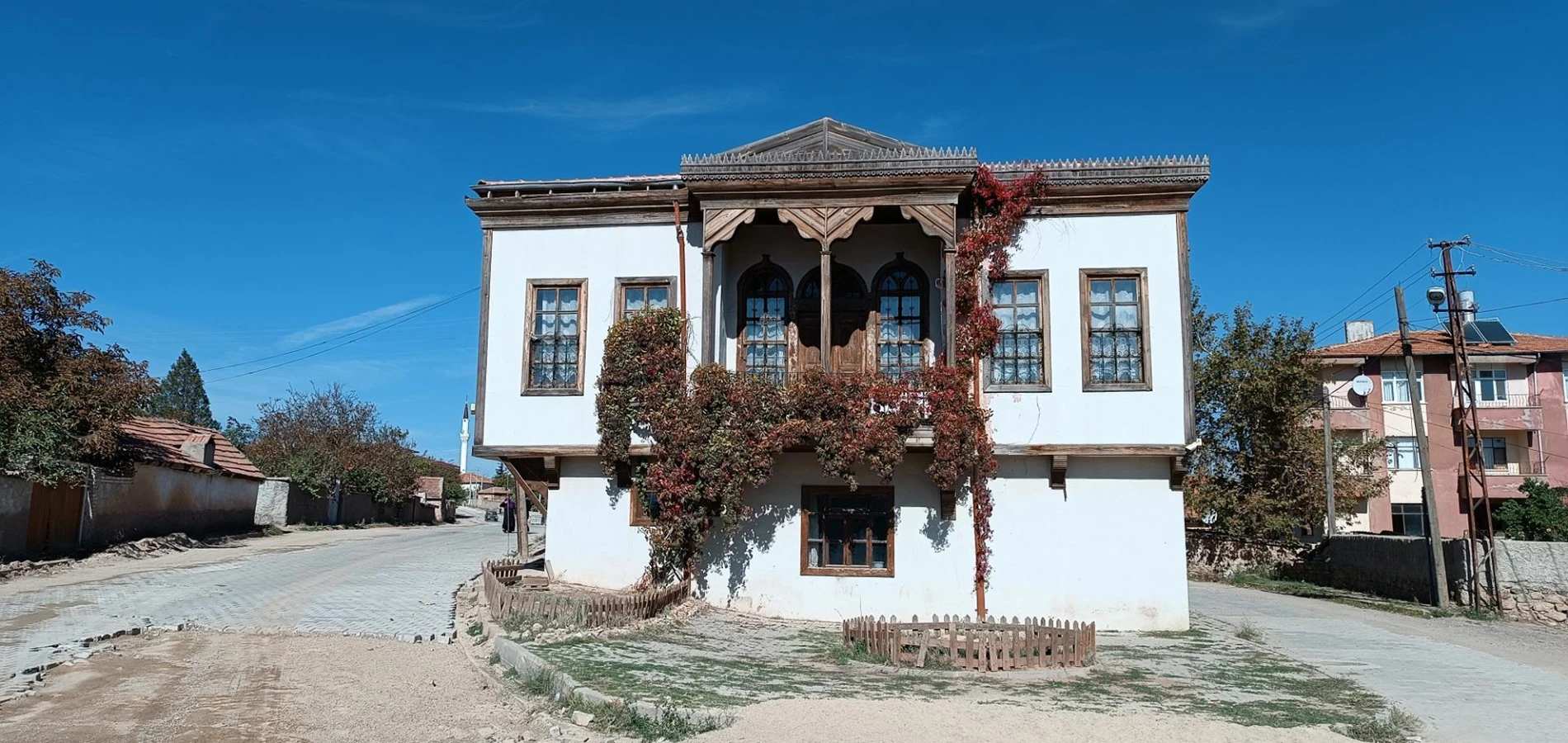
Traditional townscape beyond the industrial city
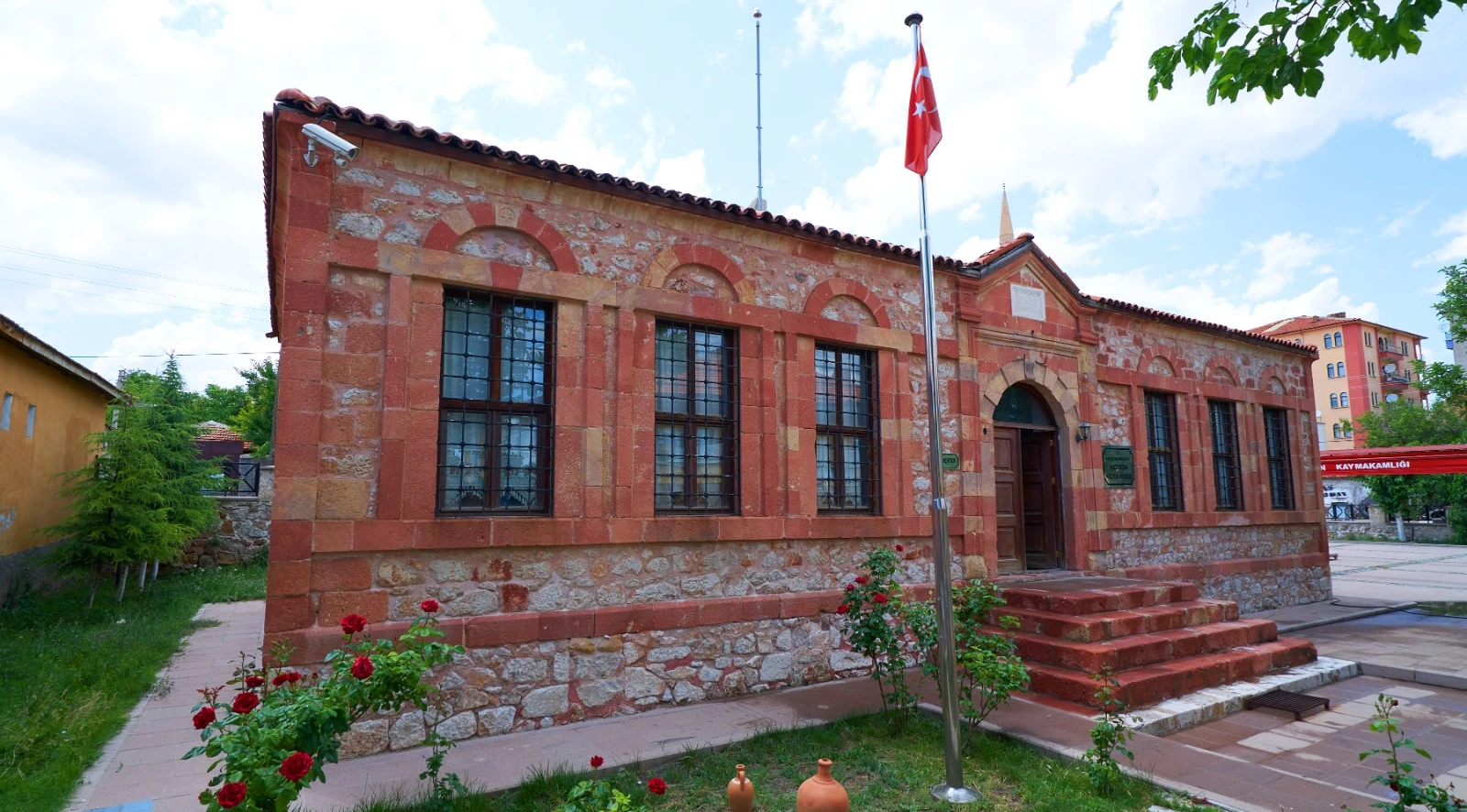
Where stone architecture meets the bozlak tradition
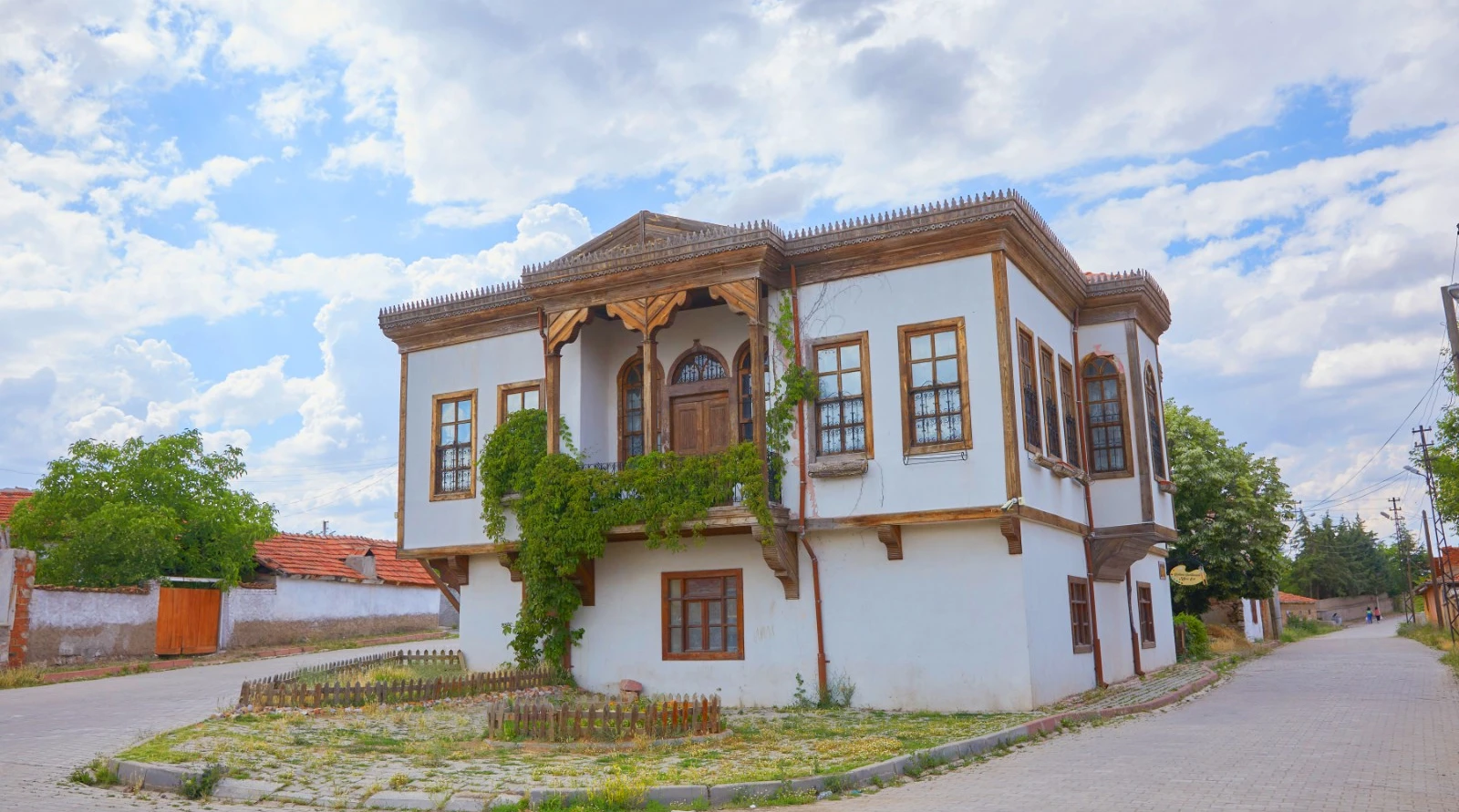
The artistic heritage of the “Painter of Kings”
The Haydar Sultan complex stands near Haydar Sultan village in the foothills of the Böyrek Mountains, outside central Keskin.
Official descriptions mention a mosque, tomb, burial ground, fountain and well, with a possible earlier late Roman or early Byzantine monastic context. The earlier interpretation is not proof of surviving continuous occupation.
Deliler Kuyusu is noted for cold sulphurous water that can look as if it is boiling. Its appearance belongs to local geology and folklore, not to evidence of medicinal effects.
Visit as a sacred place and take care around the enclosed well. Do not drink or touch mineral water on the assumption that it offers health benefits.
The site or tradition is associated with the Historic Keskin area of Kırıkkale Province, Türkiye. Use local wayfinding and verify the present venue before setting out.
Deliler Kuyusu is noted for cold sulphurous water that can look as if it is boiling. Its appearance belongs to local geology and folklore, not to evidence of medicinal effects.
Visit as a sacred place and take care around the enclosed well. Do not drink or touch mineral water on the assumption that it offers health benefits.
Topic-specific official or archival documentation was consulted, although uncertain details remain.
The research record for Haydar Sultan Mosque & Tomb is anchored in the specific public sources linked here; where a publication gives no exact dates or visiting guarantees, none are added.