Heritage and backgroundHistory & Cultural Significance: İbrahim Bey Imaret
A carefully contextualised introduction, distinguishing the evidence from later interpretation.
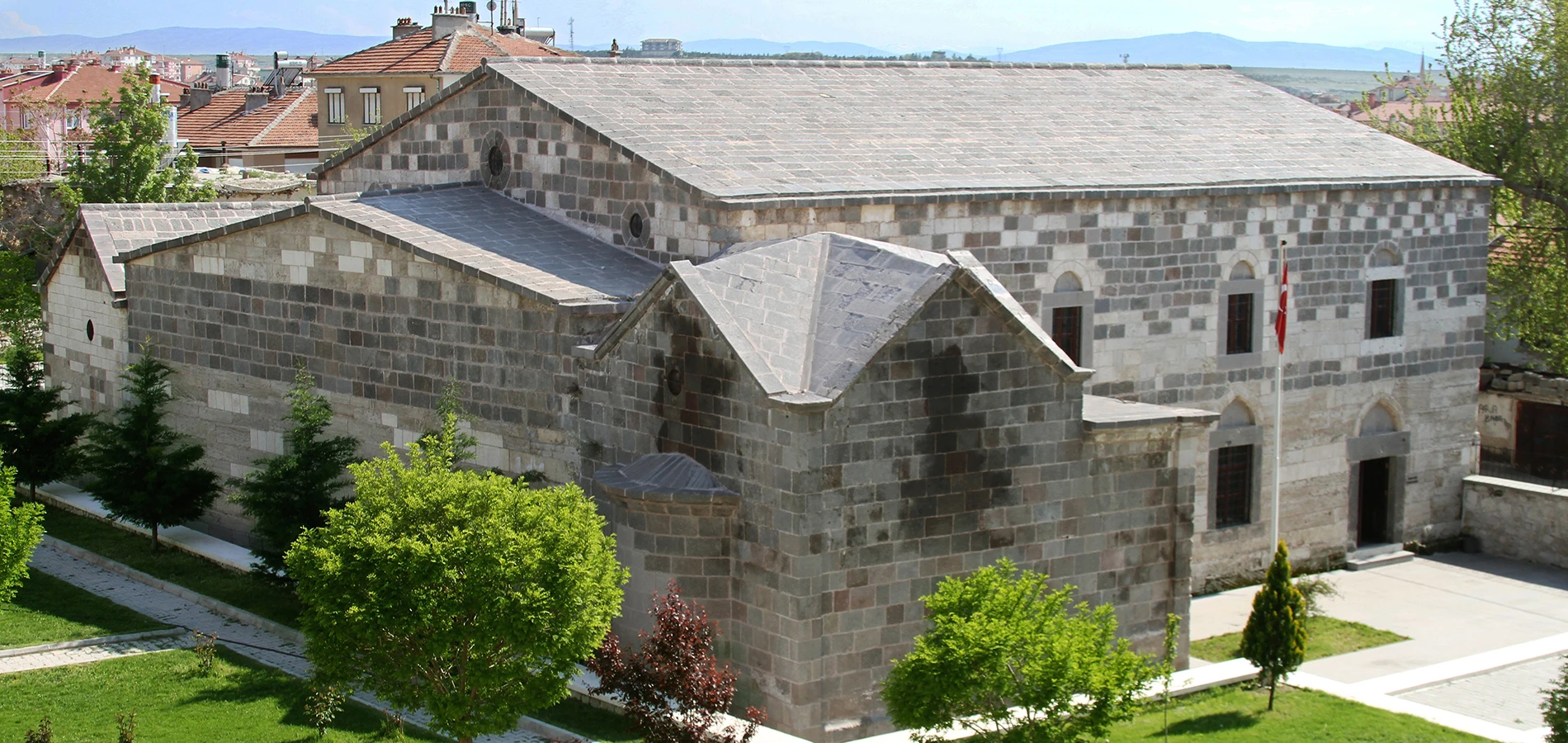
İbrahim Bey’s imaret is associated with the fifteenth-century Karamanid ruler İbrahim II and the tradition of endowed charitable institutions in Anatolian towns.
An imaret should be understood as part of a social infrastructure of feeding, religious service and public benefaction, rather than simply an attractive historic mosque facade.
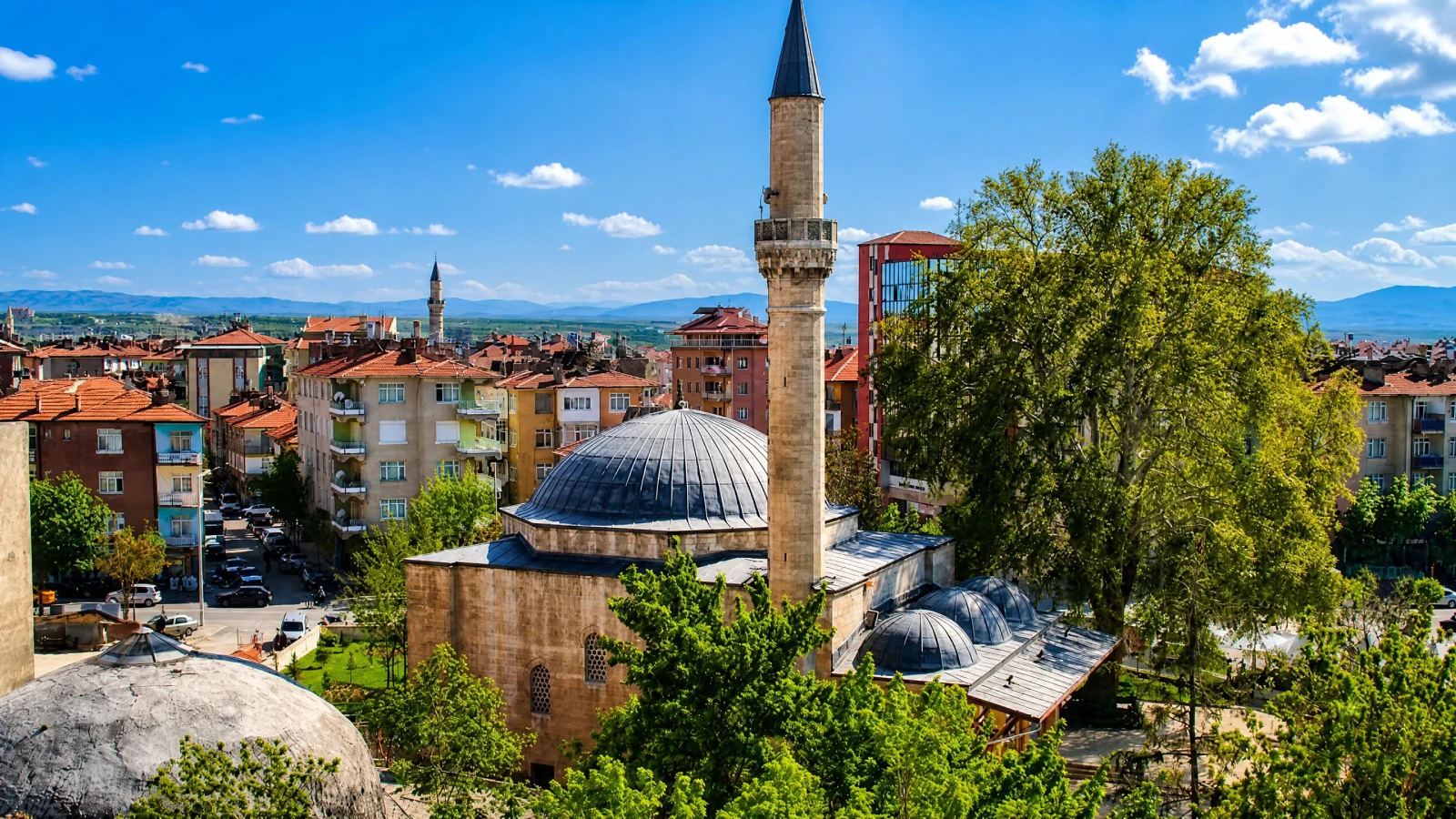
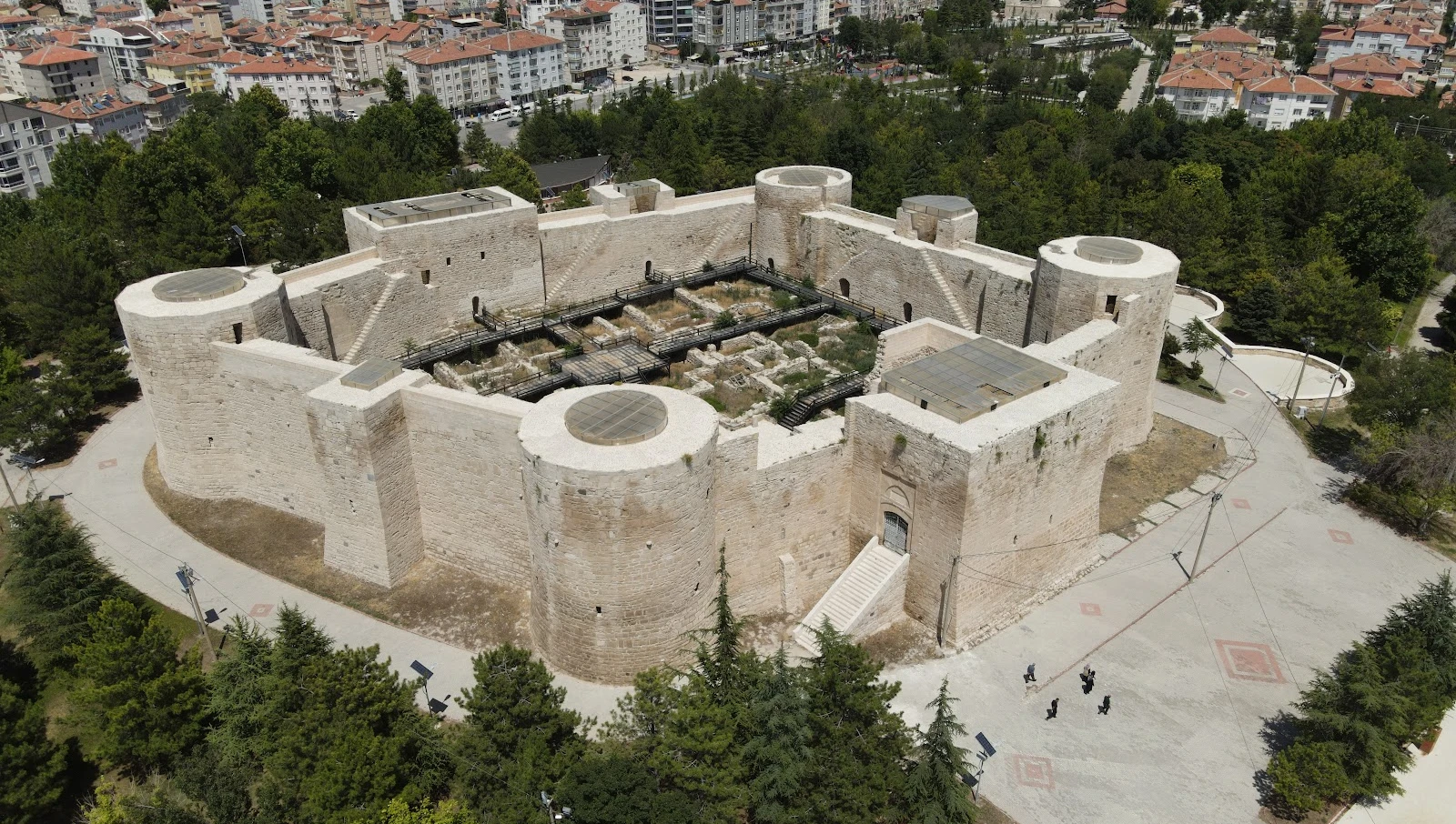
The building helps explain Karamanid civic life alongside education at Hatuniye and the defensive presence of the castle. Consider patronage and how foundations shaped neighbourhoods.
Historic buildings functioned in networks: defensive structures, homes, madrasas, religious institutions and markets all depended on one another within a working town.
A responsible architectural account looks at visible material, patterns of use, restoration and changes to the surrounding streets. Not every important detail survives in original form.