Private İznik Hagia Sophia & Nicaea Tour
Ask us about a tailor-made route focused on the Seventh Ecumenical Council, Byzantine architecture, city walls, early Ottoman monuments and the history of Nicaea.
Request a Custom Tour





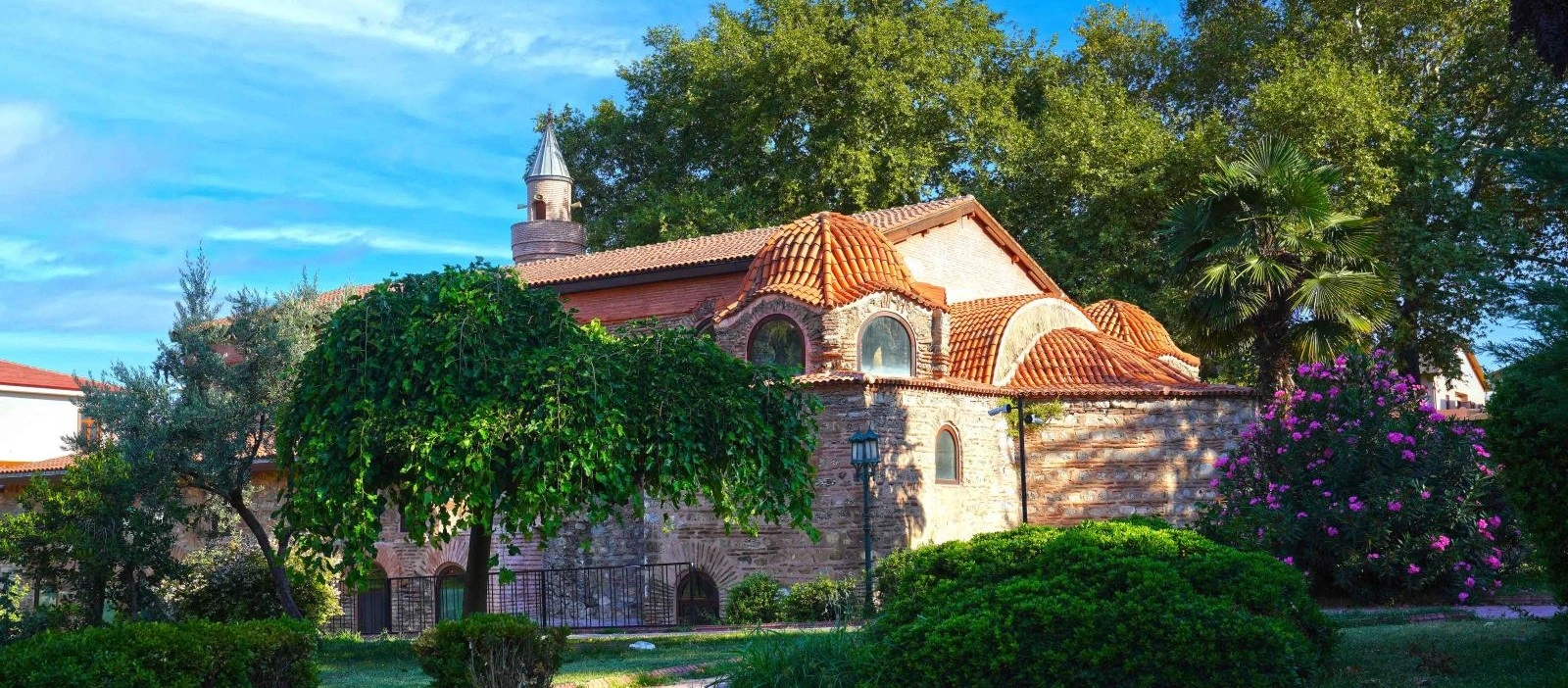
The İznik Hagia Sophia, also known as Ayasofya Orhan Mosque or Orhan Camii, stands at the historic center of İznik, ancient Nicaea. Few monuments in the city express İznik's extraordinary religious and political history so clearly.
The site preserves the remains of a Byzantine basilica associated with one of the most important religious gatherings of the medieval Christian world: the Seventh Ecumenical Council of 787. The council helped resolve the first phase of the Byzantine Iconoclast controversy and restored the veneration of religious images.
After Orhan Gazi captured İznik in 1331, the church was converted into a mosque. During the Ottoman period it was altered several times, and important changes are traditionally associated with Mimar Sinan during the reign of Sultan Süleyman the Magnificent.
Today, the building combines archaeological remains, Byzantine masonry, traces of frescoes and floor decoration, Ottoman architectural additions and an active prayer space. It is therefore not simply a ruined church or historic mosque, but a rare monument where successive eras can still be read together.
Visit the monument traditionally identified with the council held in Nicaea in AD 787.
Study the surviving three-aisled church plan, apse, masonry and archaeological remains.
See the church converted into a mosque following Orhan Gazi's conquest in 1331.
Experience a monument that remains both a historic site and an active place of Muslim worship.
Essential information for visiting the historic Hagia Sophia / Orhan Mosque in central İznik.
Central İznik, near the junction of Kılıçaslan and Atatürk streets, Bursa Province.
Open on Google MapsByzantine Christian basilica built over or near earlier Roman-period remains.
The Seventh Ecumenical Council met here in AD 787 according to the traditional identification.
Converted into a mosque after Orhan Gazi captured İznik in 1331.
Historic monument, archaeological site and active mosque with visible Byzantine and Ottoman layers.
Allow approximately 30–60 minutes, or longer if studying the archaeology in detail.
Its importance comes from the extraordinary overlap of Byzantine Christianity, the history of the Ecumenical Councils and the rise of the Ottoman state.
İznik was known in antiquity and the Byzantine period as Nicaea, one of the most important cities of northwestern Anatolia. Its strong walls, strategic position and proximity to Constantinople made it important to Roman, Byzantine, Seljuk and Ottoman rulers.
For Christian history, Nicaea is especially famous for the First Council of Nicaea in 325 and the Seventh Ecumenical Council in 787. The First Council is associated with the formation of the Nicene Creed, while the Seventh Council dealt with the use and veneration of sacred images.
The present Hagia Sophia is connected specifically with the 787 council. Its association with this event gives the monument significance far beyond İznik itself, especially for Orthodox, Catholic and other Christian visitors interested in the history of the early Church.
The building later became equally important to Ottoman history. When Orhan Gazi conquered İznik in 1331, the church was transformed into a mosque, symbolizing the city's transition from Byzantine to Ottoman rule.
For travelers following our guide to places to visit in Bursa Province, the monument is one of the clearest places to understand how İznik became a meeting point of Roman, Byzantine and Ottoman civilizations.
The precise beginnings of the structure are complex because the surviving building contains several construction phases. Official cultural records associate the site with earlier Roman-period remains, possibly including the foundations of a public building traditionally described as a gymnasium.
An early Byzantine basilica was subsequently established here. The first major church phase is generally placed in Late Antiquity or the early Byzantine period, although the monument was repeatedly damaged, rebuilt and altered.
The building enters written history most dramatically in AD 787, when the Seventh Ecumenical Council gathered in Nicaea. The council was convened during the reign of Empress Irene and Emperor Constantine VI and played a decisive role in the Byzantine debate over religious images.
A major earthquake in the 11th century, often associated with the destructive earthquake of 1065, caused extensive damage. The church was rebuilt with important changes, including a raised floor level, alterations to the aisles and a redesigned eastern end.
After Orhan Gazi captured Nicaea in 1331, the church was converted into a mosque. A mihrab and minaret were introduced, and the interior was adapted for Muslim worship. Later Ottoman interventions, particularly during the 16th century, are traditionally associated with Mimar Sinan.
The building eventually fell into a ruined state. Modern conservation and archaeological work revealed floor decoration, liturgical remains and fragments of Christian wall painting. Restoration beginning in the 2000s prepared the monument for renewed use, and in 2011 part of the structure again began functioning as a mosque.
An early basilica develops over or near older Roman-period remains in the center of Nicaea.
The Seventh Ecumenical Council meets in Nicaea and is traditionally associated with Hagia Sophia.
A destructive earthquake leads to extensive rebuilding and a new architectural phase.
Orhan Gazi captures İznik and the church is converted into a mosque.
Ottoman alterations linked with Mimar Sinan reshape parts of the building.
Following restoration, part of the monument returns to active mosque use.
The Second Council of Nicaea, usually called the Seventh Ecumenical Council, was held in AD 787 during one of the most intense theological disputes of the Byzantine world. The central issue was whether sacred images of Christ, the Virgin Mary and the saints could be honored in Christian worship.
For decades, Byzantine Iconoclasm had resulted in the destruction or removal of many religious images. Supporters of icons argued that honor shown to an image was directed toward the sacred person represented, while opponents feared that such practices encouraged idolatry.
The council rejected the radical iconoclast position and affirmed the legitimacy of venerating sacred images while distinguishing veneration from the worship due to God alone. Its decisions had an enormous effect on Byzantine religious art and later Orthodox Christian tradition.
For visitors today, this history adds unusual depth to the building. The ruined brickwork and surviving traces of Christian decoration are not simply architectural remains; they belong to a monument connected with a debate that shaped the visual culture of Eastern Christianity.
The building is essentially a three-aisled basilica whose present appearance reflects repeated rebuilding. Rather than representing one untouched Byzantine design, it contains masonry and structural changes from several periods.
The main entrance lies to the west, leading toward the central nave and side aisles. At the eastern end is the large apse, one of the most important surviving elements of the Christian church. Archaeological investigation has shown that the form of the eastern end changed as the building was reconstructed.
After the major 11th-century earthquake, the floor level was raised substantially and the internal supports were reorganized. Later Ottoman builders adapted the space for Islamic worship and introduced the architectural elements required for a mosque.
The result is visually unusual. Brick arches, rough stonework, reconstructed roof sections, open archaeological areas, a mihrab and a minaret all belong to different chapters in the monument's history.
The church was organized around a broad central nave flanked by narrower side aisles.
The sanctuary end preserves major Byzantine masonry and evidence of multiple building phases.
The church floor was raised during the extensive reconstruction following the 11th-century earthquake.
Different masonry techniques make the chronological layers visible to careful observers.
The Ottoman conversion introduced a prayer orientation toward Mecca within the former basilica.
The minaret expresses the building's long use as a mosque after the Ottoman conquest.
The Ottoman capture of İznik in 1331 was one of the major achievements of Orhan Gazi, son of Osman Gazi and the second ruler of the Ottoman dynasty. The conquest brought the former Byzantine city into the expanding Ottoman principality.
Following the conquest, Hagia Sophia was converted into a mosque. This involved more than a change of name. The interior had to be adapted to Islamic prayer, including the creation of a mihrab indicating the qibla direction and the addition of a minaret.
The monument therefore became known as Orhan Mosque. It stands alongside İznik's other early Ottoman monuments as evidence of the city's importance during the formative decades of Ottoman architecture and administration.
Further work took place under later sultans. During the reign of Süleyman the Magnificent, architectural interventions associated with Mimar Sinan modified openings, supports and mosque elements while preserving much of the older basilica.
The Ottoman ruler who captured İznik and transformed the former church into a mosque.
The prayer niche introduced the Islamic liturgical orientation into the Byzantine interior.
A vertical Ottoman element announced the building's new function within the city.
Later Ottoman alterations are associated with the empire's most celebrated 16th-century architect.
The monument rewards slow observation. Its importance is not concentrated in a single spectacular feature; instead, visitors encounter a sequence of architectural and archaeological details that reveal how the building changed over more than a millennium.
Stand within the main body of the former basilica and read the surviving arches and structural divisions.
Examine the eastern sanctuary area where Byzantine building phases remain especially visible.
Look for surviving archaeological surfaces and decorative floor fragments uncovered during modern conservation.
Archaeological work exposed semicircular stepped seating associated with the church's liturgical use.
Small surviving traces of Christian wall painting provide a rare connection with the building's Byzantine interior.
The mihrab shows how the basilica was adapted for Muslim prayer following the conquest.
Observe the mosque's Ottoman vertical element and its relationship with the much older basilica.
Walk around the monument to compare brickwork, stone construction, repaired walls and later additions.
Modern restoration and archaeological investigation have revealed evidence of the monument's Christian liturgical life. Among the most important discoveries are decorative floor remains, parts of the sanctuary arrangement and traces of painted decoration.
Official cultural records note the discovery of floors decorated with colored stone and semicircular seating used by clergy during ceremonies. These remains help visitors imagine the appearance and organization of the Byzantine church before its Ottoman conversion.
Fragments of Christian wall painting have also survived. One of the best-known examples is associated with a burial chamber and includes a representation of Christ. The surviving painting is fragmentary, but it is particularly evocative because so little of the original painted interior remains.
İznik Hagia Sophia is not only an archaeological monument. Part of the building functions as an active mosque, so visitors should approach it with the same respect expected at other working mosques in Türkiye.
Non-Muslim visitors are generally welcome outside prayer activity, but access to the active prayer area can be limited during services, religious holidays or special events. Prayer always takes priority over sightseeing.
Wear clothing that covers shoulders and knees; additional covering may be requested in the prayer area.
Take off shoes before entering carpeted prayer spaces and place them where directed.
Avoid moving through the worship area while congregational prayer is taking place.
Photograph discreetly and never interrupt worshippers for pictures.
Some archaeological sections may be protected by glass, ropes or designated paths.
Expect higher attendance and possible visitor restrictions during major Islamic observances.
The outside walls make the different building phases easier to understand than the interior alone.
For a quieter experience, plan sightseeing outside the main congregational prayer periods.
Look for brick arches, blocked openings, changes in floor level and Ottoman interventions.
The monument stands in central İznik and can easily be combined with the city walls, museum and Ottoman monuments.
Understanding the crossroads of ancient Nicaea helps explain why this location was so important.
Visitors interested in Christian councils or early Ottoman history may want considerably more than a quick photo stop.
The monument stands directly in the historic center of İznik, making it one of the easiest major sights in the city to reach on foot. Because it is an active mosque as well as a heritage site, visitor access can be affected by prayer times and religious services.
There is generally no need to plan a long standalone visit. Most travelers can understand the principal features in approximately 30–60 minutes, while specialists in Byzantine architecture, church history or Ottoman heritage may prefer to stay longer.
Mild weather makes it easy to combine Hagia Sophia with a long walk around İznik's walls and lakeside.
Comfortable temperatures and softer light are excellent for architecture and photography.
Visit earlier in the day before central İznik becomes hotter and busier.
The monument can be much quieter, although cold and rain may affect a broader walking route.
Usually calmer for visitors who want time to study the architecture without larger excursion groups.
The most practical sightseeing window is usually between scheduled prayers.
Enough for a quick interior view and exterior photographs if you are following a tight itinerary.
A good minimum for understanding the major Byzantine and Ottoman features.
Ideal for careful observation of the apse, archaeological areas, mosque additions and exterior masonry.
Recommended for travelers especially interested in the Seventh Ecumenical Council or Byzantine architecture.
Combine Hagia Sophia with İznik Museum, the Roman Theatre, city walls and major Ottoman monuments.
Add the lakeside, tile workshops, Lefke Gate, Istanbul Gate and additional historic neighborhoods.
The monument is especially rewarding for architectural photography because Byzantine masonry, archaeological remains and Ottoman additions appear within the same compact space.
Use diagonal views to show the basilica walls together with the minaret and later roof structure.
Photograph the eastern end to emphasize brickwork, masonry changes and the original church form.
Frame the large interior arches to show the spatial relationship between the central nave and side aisles.
Use wider compositions rather than leaning over barriers or entering protected areas.
Look for compositions that place the mihrab or minaret against clearly Byzantine masonry.
Never photograph individual worshippers closely without permission and avoid disruptive camera behavior.
The monument is centrally located on relatively level urban streets, but the historic structure itself includes archaeological areas, changes in floor level and surfaces that may not be equally accessible to every visitor.
The mosque is easy to reach from most central İznik hotels, restaurants and monuments.
Expect some uneven stone, thresholds and archaeological features inside or around the monument.
Ask locally about the most suitable entrance and which archaeological sections are step-free.
Nearby cafés and public spaces in the center of İznik make it easy to rest before or after the visit.
Compact strollers are practical in the surrounding streets, though some interior areas may require extra care.
A short drop-off near the center can reduce walking for visitors with limited mobility.
Hagia Sophia stands in the historic center of İznik, near the crossroads formed by the city's main east-west and north-south routes. Its central position makes it a natural starting point for exploring ancient Nicaea.
The monument is within easy walking distance of the main central streets, shops, restaurants and historic attractions.
İznik can be reached by road from Bursa; private vehicle or organized touring is convenient for a full heritage day.
İznik can be visited on a long day trip by road, though an overnight stay allows a much deeper exploration.
A private guide is especially useful for connecting Hagia Sophia with the councils, city walls and early Ottoman monuments.
Once in central İznik, walking is the best way to connect Hagia Sophia with nearby historic sites.
Use designated central parking areas rather than expecting parking immediately beside the monument.
Because Hagia Sophia stands near the center of historic İznik, many of the city's most important Byzantine, Roman and Ottoman monuments can be combined on foot or with short transfers.
Explore archaeological finds and the Ottoman Nilüfer Hatun Imaret, one of İznik's most important historic buildings.
See one of the major surviving monuments of Roman Nicaea and the subject of extensive archaeological excavation.
Walk through an impressive northern gateway in the ancient and Byzantine city-wall circuit.
Explore the monumental eastern gate and one of the best-preserved sections of İznik's fortifications.
Admire one of İznik's finest early Ottoman mosques, famous for the decorative tilework of its minaret.
Visit an important early Ottoman educational complex now associated with İznik ceramics and craft workshops.
Discover the submerged early Christian basilica found just offshore beneath the waters of Lake İznik.
Finish the day beside the lake for sunset views, cafés and a completely different perspective on the historic city.
Begin at İznik Hagia Sophia in the center of the old city. Spend time understanding the basilica plan, the Seventh Ecumenical Council, the Ottoman conversion and the surviving archaeological remains.
Continue to the İznik Museum and Green Mosque to see how the city developed under the early Ottomans. From there, walk toward Lefke Gate and the eastern section of the city walls.
Continue to the Roman Theatre, then cross the historic center toward the lakeshore. If conditions and access allow, add the viewing area associated with the İznik Lake Basilica before finishing beside Lake İznik.
İznik Hagia Sophia is a former Byzantine basilica in ancient Nicaea that later became an Ottoman mosque. Today it is also known as Ayasofya Orhan Mosque.
No. They are completely different monuments. The famous Hagia Sophia in Istanbul stands in Constantinople, while İznik Hagia Sophia is located in ancient Nicaea in Bursa Province.
It is especially famous for its association with the Seventh Ecumenical Council of 787 and for its later conversion into a mosque after the Ottoman conquest of İznik.
The building is traditionally associated with the Seventh Ecumenical Council, also known as the Second Council of Nicaea, held in AD 787.
No. The First Council of Nicaea took place in AD 325, centuries before the 787 council associated with this monument. Its exact meeting place is generally connected with the imperial palace rather than the present Hagia Sophia.
The council addressed the Byzantine Iconoclast controversy and affirmed the legitimacy of venerating sacred Christian images while distinguishing veneration from worship.
It was converted into a mosque after Orhan Gazi captured İznik in 1331.
The name refers to Orhan Gazi, the Ottoman ruler who conquered İznik and under whose rule the former church was converted for Muslim worship.
Major Ottoman-period alterations to the building are traditionally associated with Mimar Sinan during the reign of Sultan Süleyman the Magnificent.
Yes. Visitors can see the basilica form, apse, brick masonry, archaeological floor remains and traces of Christian decoration.
Small fragments of Christian wall painting survive, including remains associated with a burial chamber.
Yes. Part of the historic monument functions as an active mosque, while important archaeological and Byzantine elements remain visible to visitors.
Visitors can generally enter respectfully outside prayer activity, although access to worship areas can be restricted during prayers, religious holidays or special occasions.
Shoes should be removed before entering carpeted active prayer areas. Follow local signs and the directions of mosque staff.
As a functioning mosque, the monument is generally approached as a religious site rather than a conventional ticketed museum. Local access arrangements can change, so check on arrival.
Most visitors need around 30–60 minutes. Allow longer if you are especially interested in Byzantine architecture, the Ecumenical Councils or early Ottoman history.
It stands in the center of İznik in Bursa Province, near the intersection of the city's historic east-west and north-south axes.
Combine Hagia Sophia with İznik Museum, Green Mosque, the Roman Theatre, Lefke Gate, Istanbul Gate, the city walls and Lake İznik.
Absolutely. It is one of the most important monuments in İznik and one of the best places to understand the city's Byzantine Christian and Ottoman history in a single building.
Remember that the building is not only a monument but also an active religious space.
Stay behind barriers and never touch exposed frescoes, ancient plaster or floor remains.
Follow mosque etiquette and any clothing guidance posted at the entrance.
A quiet visit respects both worshippers and other travelers studying the monument.
Follow photography restrictions around vulnerable painted surfaces and archaeological displays.
Do not leave bottles, food packaging or other waste around the historic building.
Discover Hagia Sophia, the Ecumenical Councils, İznik's Byzantine walls, Roman heritage, early Ottoman monuments and famous tile tradition through a private route shaped around your interests and without compulsory shopping stops.
Choose a focused Byzantine and Christian history route, an Ottoman İznik itinerary or a complete private day exploring ancient Nicaea.
Ask us about a tailor-made route focused on the Seventh Ecumenical Council, Byzantine architecture, city walls, early Ottoman monuments and the history of Nicaea.
Request a Custom Tour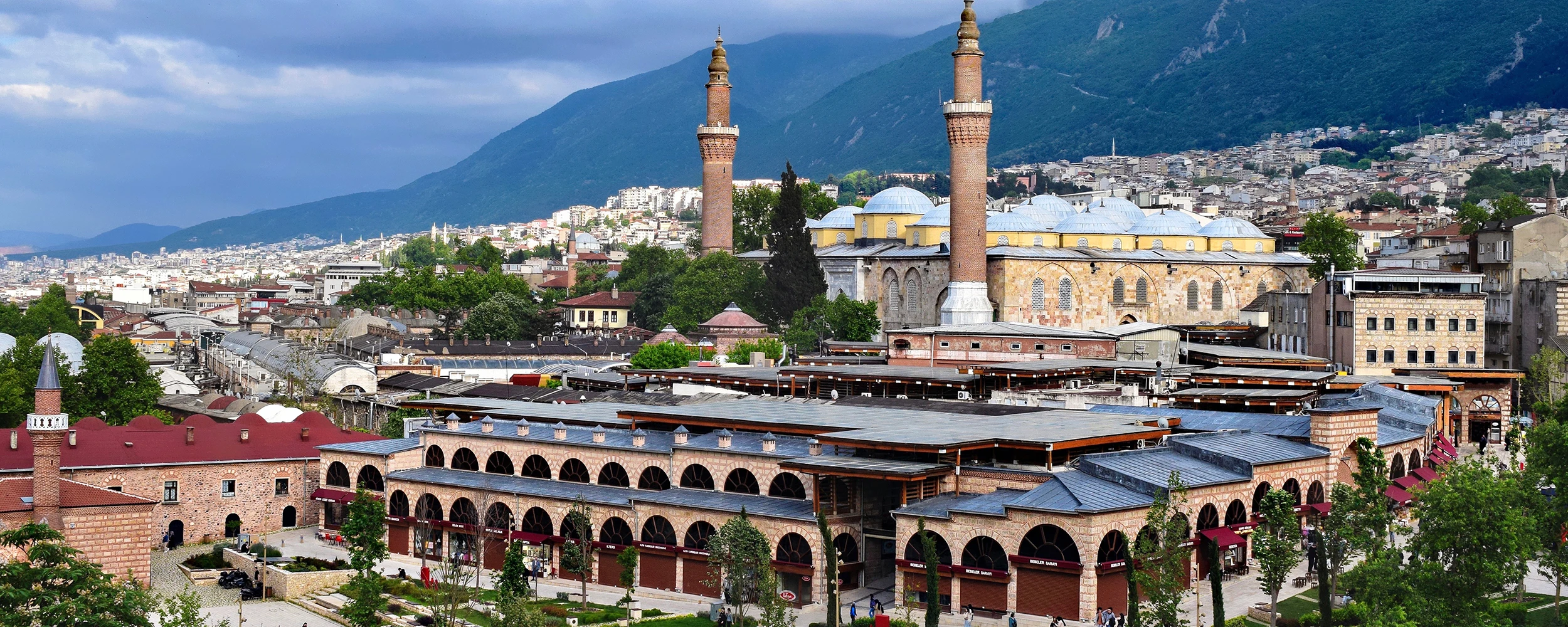
Continue through Bursa's Ottoman monuments, historic villages, archaeological sites, lakes, forests and traditional food culture.
View Bursa GuideConnect Hagia Sophia with the monuments that reveal Nicaea's Roman, Byzantine, Christian and Ottoman history.
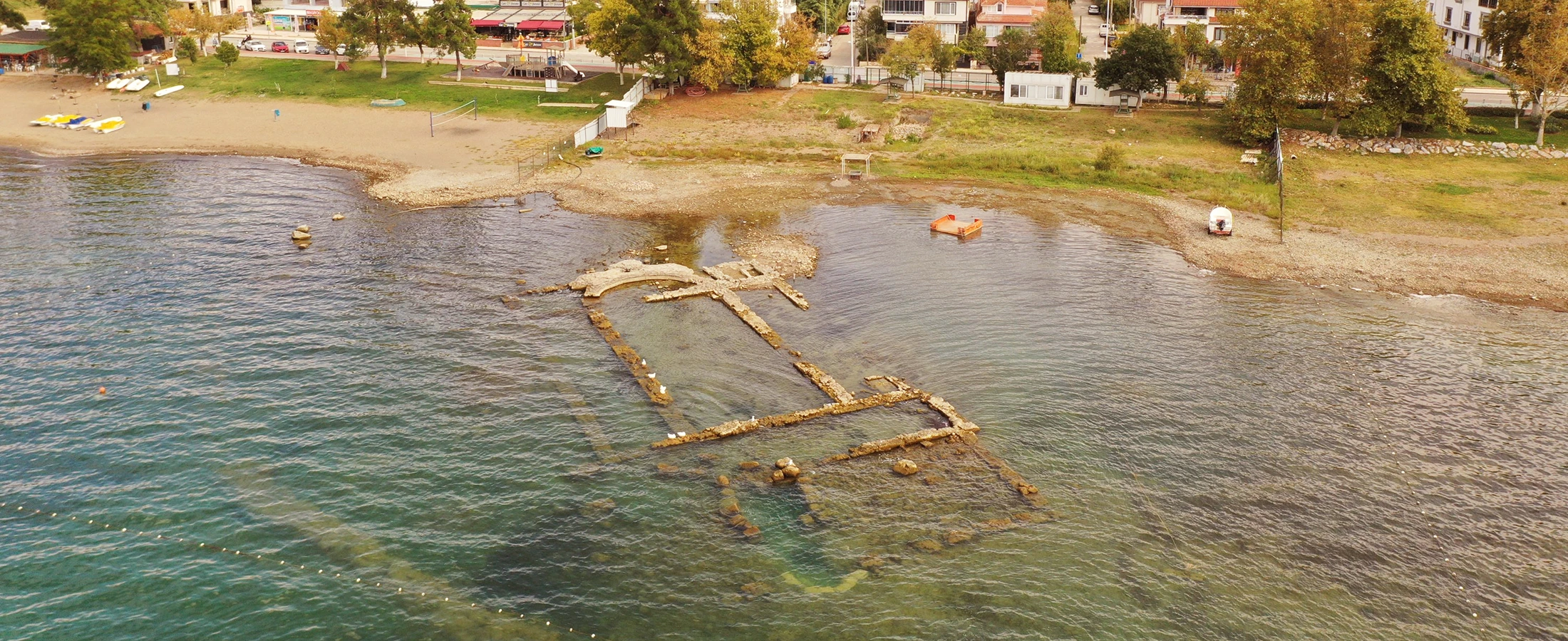
Discover the remarkable early Christian basilica lying beneath the waters just offshore from ancient Nicaea.
Explore the Lake Basilica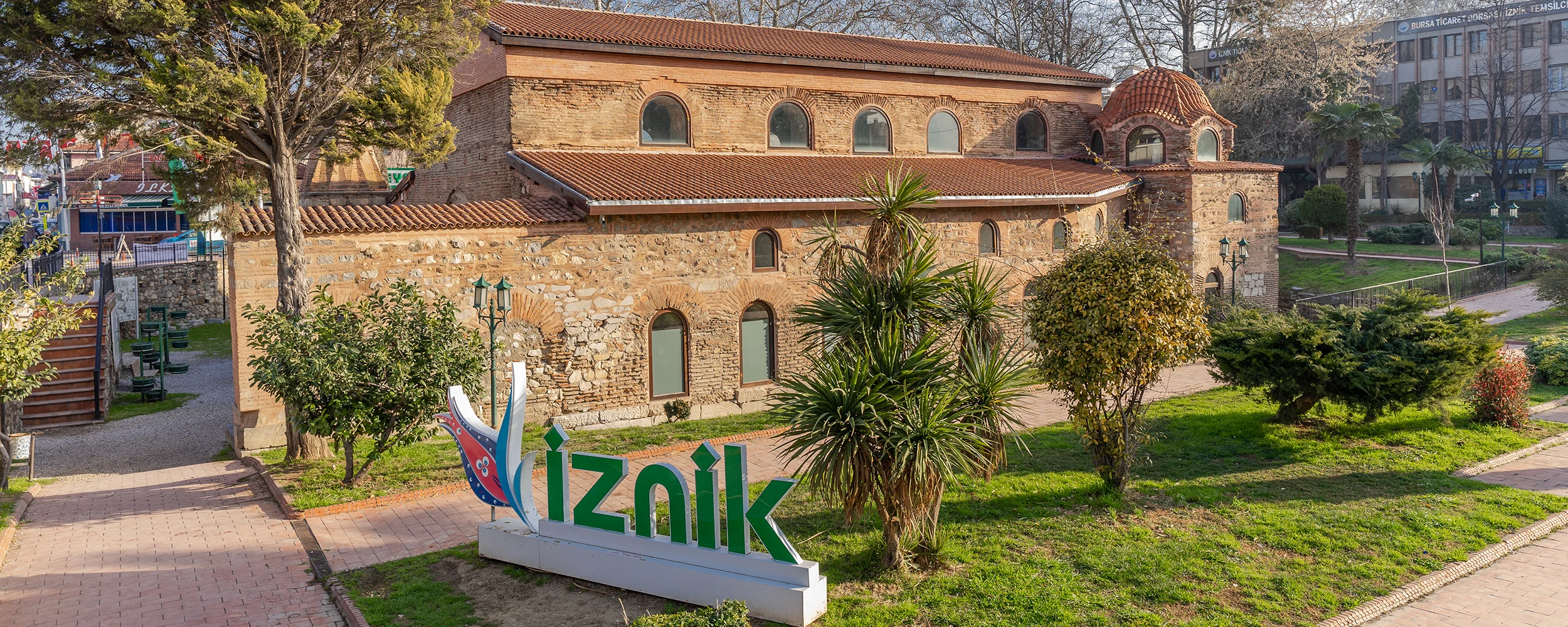
Explore the Roman theatre, Byzantine walls, monumental gates, Ottoman mosques, museums and lakeside landscapes of ancient Nicaea.
Explore İznik
Continue to Bursa city, Cumalıkızık, Mudanya, Trilye, Uludağ and the wider cultural landscapes of Bursa Province.
Continue Exploring Bursa