Cultural origins
This is a living community tradition rooted in Kızılırmak & Karakeçili; distinguish documented continuity from modern festival or tourism presentation.






Karakeçili Weaving Heritage is part of Kırıkkale Province, in the Kızılırmak & Karakeçili area. Its particular interest is textile traditions linked to a turkmen community.
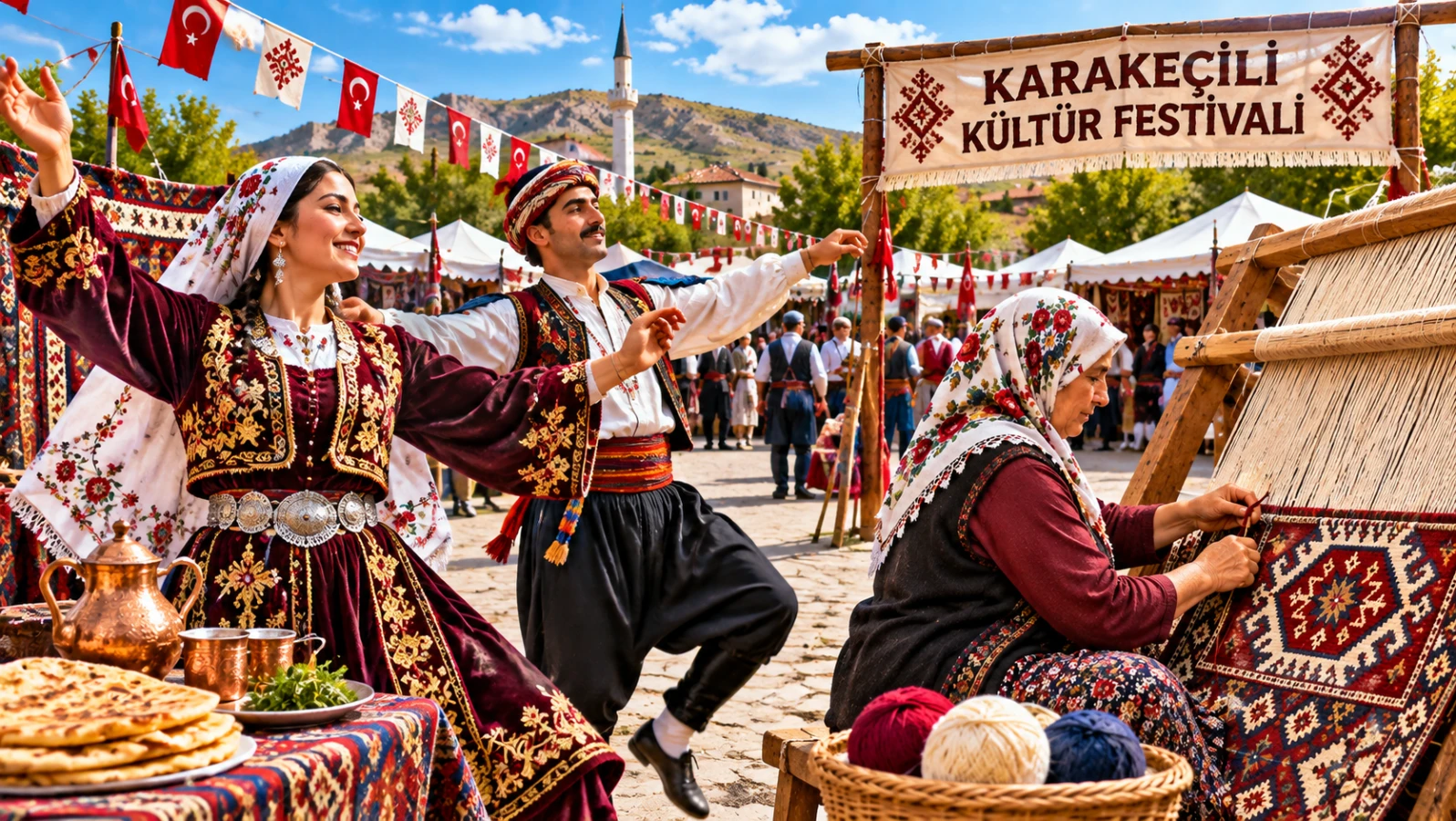
Karakeçili kilims are part of the district's traditional weaving culture and are identified explicitly in provincial tourism inventories.
Kızılırmak & Karakeçili — one of Kırıkkale's distinct regional routes.
Textile traditions linked to a Turkmen community
The historical or cultural evidence for Karakeçili Weaving Heritage should be read alongside its known regional setting rather than replacing it with a legend or unverified date.
If possible, visit a working craftsperson rather than a random souvenir stall. Ask before photographing people and distinguish handmade items from factory-made textiles.
Only documented or explicitly qualified visiting information is included.
Kızılırmak & Karakeçili, Kırıkkale Province, Türkiye
Intangible heritage and community
Kırıkkale Provincial Culture Directorate – Karakeçili
If possible, visit a working craftsperson rather than a random souvenir stall. Ask before photographing people and distinguish handmade items from factory-made textiles.
The historic record for Karakeçili Weaving Heritage requires care in separating documented statements from later interpretation.
Flatwoven textiles express practical household needs, portable material culture and artisan skills. Fibre choice, looms, dyes and patterns can differ by maker and period.
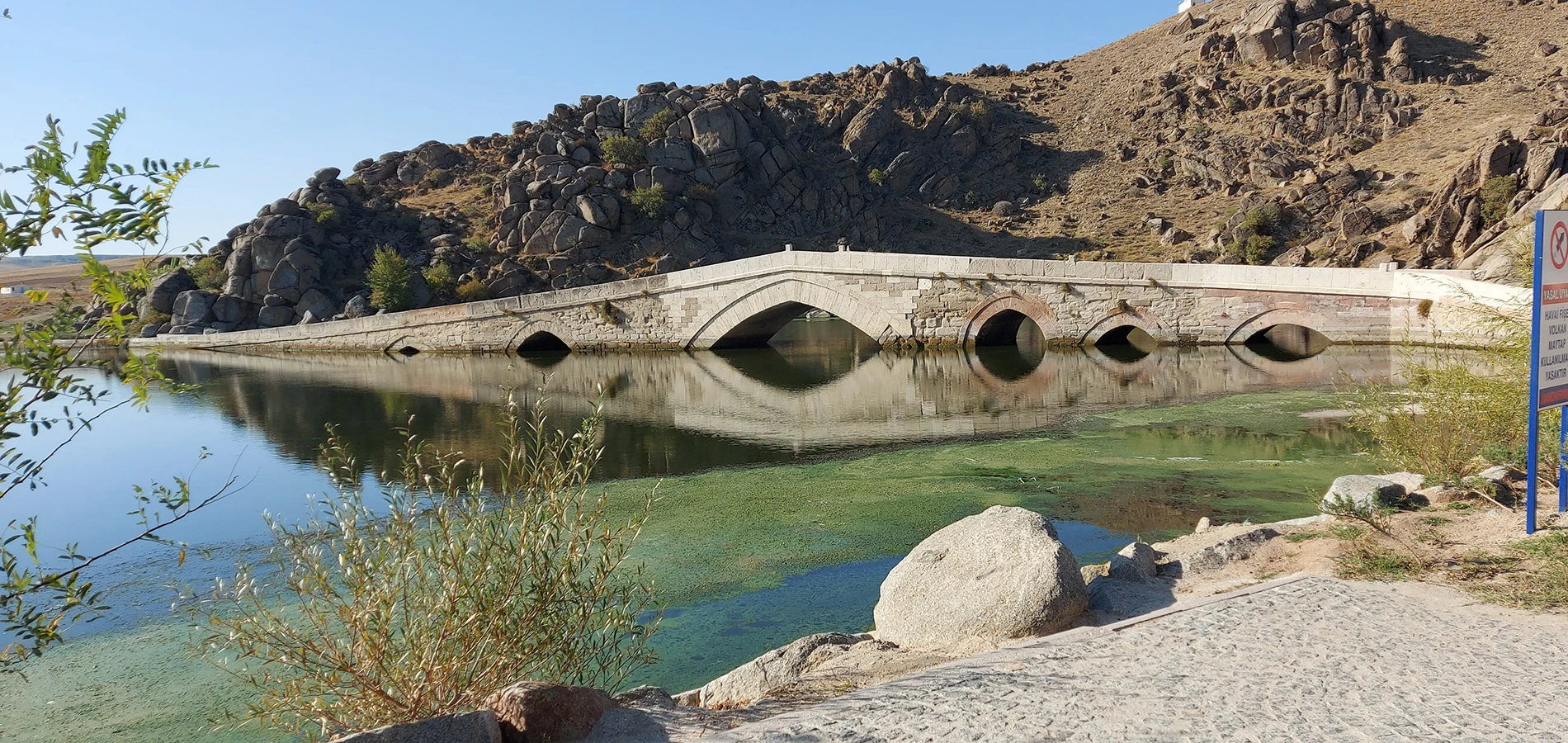
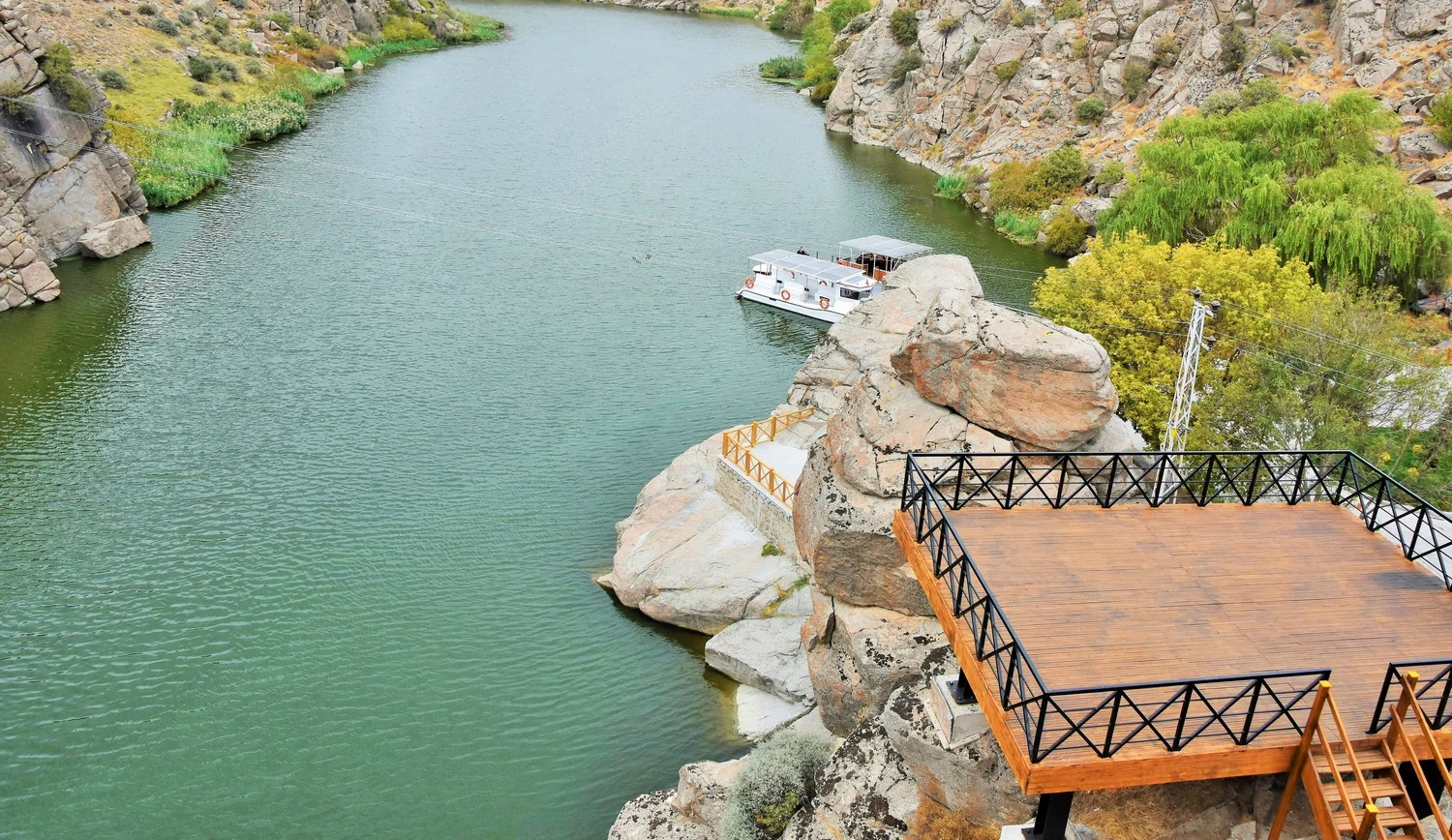
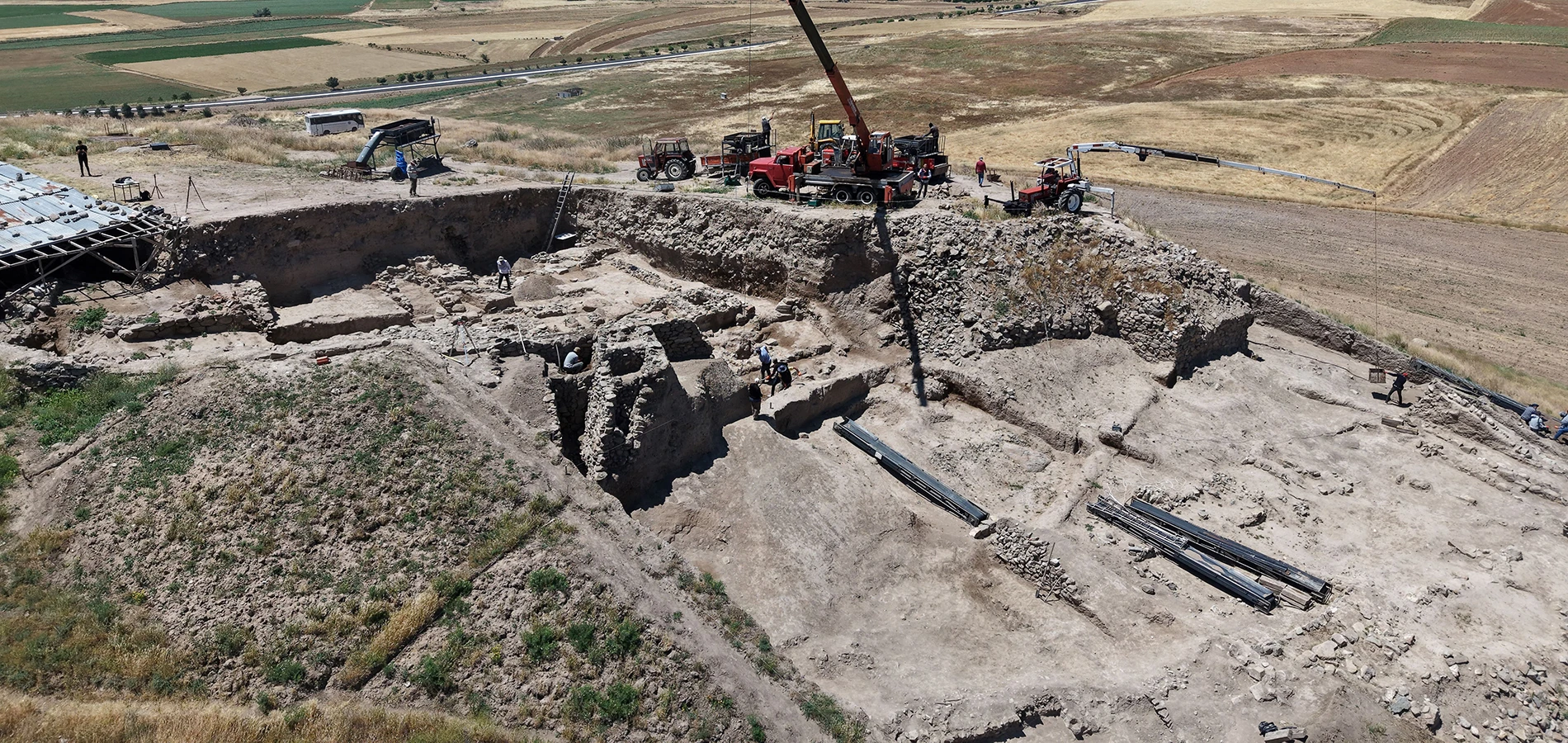
This part of Kırıkkale is shaped by the river and its crossing points. Archaeology at Büklükale, masonry at Çeşnigir and later water-management projects need separate chronological explanations; they are connected by geography but not by a single building campaign.
Motifs may carry locally explained meanings, but universal translations of every pattern into a fixed tribal symbol are unreliable without named weaver testimony.
Key local details, historical evidence and practical considerations.
This is a living community tradition rooted in Kızılırmak & Karakeçili; distinguish documented continuity from modern festival or tourism presentation.
Flatwoven textiles express practical household needs, portable material culture and artisan skills. Fibre choice, looms, dyes and patterns can differ by maker and period.
Motifs may carry locally explained meanings, but universal translations of every pattern into a fixed tribal symbol are unreliable without named weaver testimony.
If possible, visit a working craftsperson rather than a random souvenir stall. Ask before photographing people and distinguish handmade items from factory-made textiles.
Festival programmes, performance dates and craft availability change; Karakeçili Weaving Heritage should never be described as a permanently bookable performance.
Explore neighbouring Kırıkkale heritage pages for the places and communities connected with Karakeçili Weaving Heritage.
Motifs may carry locally explained meanings, but universal translations of every pattern into a fixed tribal symbol are unreliable without named weaver testimony.
This is also an opportunity to place Kızılırmak & Karakeçili within a regional travel itinerary without confusing an ancient site, sacred building, contemporary recreation facility or living food tradition with another type of experience.
The most reliable material for Karakeçili Weaving Heritage comes from the listed documentary sources and the actual features they describe.
Recognise the particular history of Kızılırmak & Karakeçili, not an interchangeable Anatolian landmark.
Motifs may carry locally explained meanings, but universal translations of every pattern into a fixed tribal symbol are unreliable without named weaver testimony.
If possible, visit a working craftsperson rather than a random souvenir stall. Ask before photographing people and distinguish handmade items from factory-made textiles.
If possible, visit a working craftsperson rather than a random souvenir stall. Ask before photographing people and distinguish handmade items from factory-made textiles.
If possible, visit a working craftsperson rather than a random souvenir stall. Ask before photographing people and distinguish handmade items from factory-made textiles.
This part of Kırıkkale is shaped by the river and its crossing points. Archaeology at Büklükale, masonry at Çeşnigir and later water-management projects need separate chronological explanations; they are connected by geography but not by a single building campaign.
This location may be sacred, a home, active infrastructure, an archaeological area or a working landscape. Check who administers Karakeçili Weaving Heritage before treating it as an unrestricted visitor attraction.
If possible, visit a working craftsperson rather than a random souvenir stall. Ask before photographing people and distinguish handmade items from factory-made textiles.
Craft workshops, festivals and performances may depend on local calendars and availability.
Ask for the names of makers and performers when writing captions or stories.
Do not assign a single universal interpretation to every craft motif or musical phrase.
Choose respectful visits and local professionals rather than staged representations presented as ancient rituals.
Readers interested in how Karakeçili Weaving Heritage connects to the larger story of Kırıkkale.
Travellers who want a grounded account of the Kızılırmak & Karakeçili region rather than a checklist of generic Turkish attractions.
The details at Karakeçili Weaving Heritage reward visitors who want to recognise its locally documented features rather than relying on generic photographs.
If possible, visit a working craftsperson rather than a random souvenir stall. Ask before photographing people and distinguish handmade items from factory-made textiles.
Karakeçili kilims are part of the district's traditional weaving culture and are identified explicitly in provincial tourism inventories.
Flatwoven textiles express practical household needs, portable material culture and artisan skills. Fibre choice, looms, dyes and patterns can differ by maker and period.
Motifs may carry locally explained meanings, but universal translations of every pattern into a fixed tribal symbol are unreliable without named weaver testimony.
If possible, visit a working craftsperson rather than a random souvenir stall. Ask before photographing people and distinguish handmade items from factory-made textiles.
The site or tradition is associated with the Kızılırmak & Karakeçili area of Kırıkkale Province, Türkiye. Use local wayfinding and verify the present venue before setting out.
Motifs may carry locally explained meanings, but universal translations of every pattern into a fixed tribal symbol are unreliable without named weaver testimony.
If possible, visit a working craftsperson rather than a random souvenir stall. Ask before photographing people and distinguish handmade items from factory-made textiles.
Official regional listings or route descriptions support the subject; some details still require onsite verification.
The research record for Karakeçili Weaving Heritage is anchored in the specific public sources linked here; where a publication gives no exact dates or visiting guarantees, none are added.