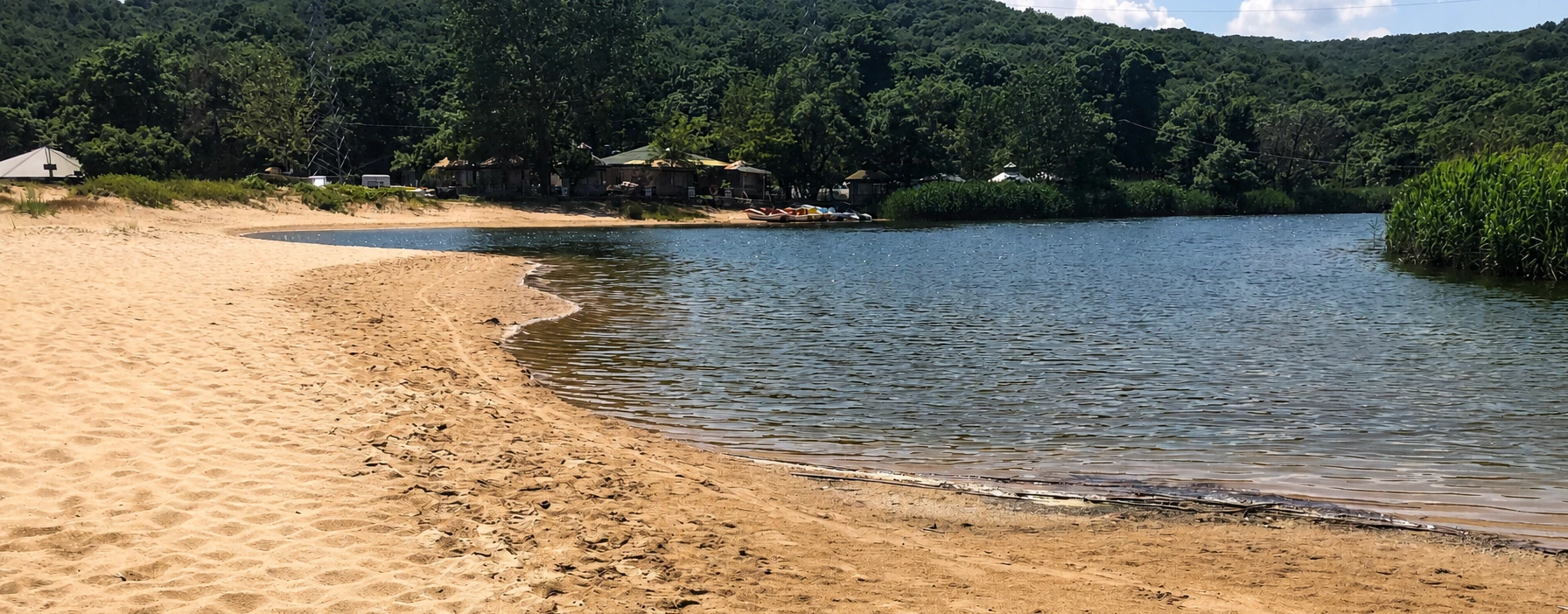
Private Kıyıköy & Istranca Nature Experience
Ask us about a tailor-made journey through Kıyıköy's heritage, the Kastro coast and accessible Istranca landscapes, planned around official conservation rules.
Request a Custom Tour




Between Kıyıköy and the Tekirdağ provincial border, Kaşatura Bay Nature Reserve protects an exceptional meeting of forest, dunes, coastal vegetation and Black Sea habitat.
The reserve covers approximately 315.17 hectares in the Vize district of Kırklareli. It received nature-reserve status on 18 April 1987, recognizing an ecosystem whose conservation value reaches far beyond its scenic shoreline.
Its defining natural treasure is the only naturally occurring Anatolian black pine ecosystem in Thrace. Black pine and oak woodland, maquis vegetation, sandy dunes and coastal habitats survive within a remarkably compact landscape.
Kaşatura is not an ordinary beach park. In Türkiye, a Tabiatı Koruma Alanı is a strictly protected nature reserve set aside primarily for conservation, science and education. Public access, permitted routes and activities may therefore be limited or require advance authorization.
For nature lovers exploring Kıyıköy, Kastro and the Istranca Mountains, Kaşatura offers a powerful lesson in why some landscapes are most valuable when they remain quiet, intact and carefully protected.
See the landscape protecting Thrace's only natural Anatolian black pine ecosystem.
Experience a dramatic transition from woodland and maquis to dunes and the Black Sea coast.
Discover habitat supporting diverse trees, coastal plants, mammals, birds and smaller forest life.
Understand a reserve managed first for ecological protection, scientific study and environmental education.
Essential information about one of Kırklareli's most carefully protected coastal landscapes.
On the Black Sea coast between Kıyıköy and the Tekirdağ provincial border, Vize, Kırklareli.
Open on Google MapsTabiatı Koruma Alanı — a strictly protected nature reserve for conservation, science and education.
Approximately 315.17 hectares of forest, maquis, dunes and coastal habitat.
18 April 1987 under Türkiye's national nature-conservation system.
The only natural Anatolian black pine forest ecosystem in the Thrace Region.
May be restricted or permission-based; confirm current rules with DKMP Kırklareli before travelling.
Kaşatura protects a rare natural sequence in which forest, scrub, dunes and marine-influenced habitats remain connected.
Kaşatura Bay is nationally important because it contains the only natural black pine ecosystem in Thrace. This isolated forest community makes the reserve valuable for understanding the natural history and ecological diversity of northwestern Türkiye.
The protected landscape is not limited to pine woodland. Oak forests, eastern and black hornbeam, ash, beech, birch, linden and alder contribute to a varied woodland mosaic, while maquis communities and coastal dunes create additional habitats close to the sea.
This variety supports wildlife including roe deer, wild boar, wolf, jackal, fox, marten, badger and rabbit. The coast has also been identified as naturally suitable habitat for the endangered Mediterranean monk seal, although visitors should never expect or attempt to approach wildlife.
The reserve is equally significant as a scientific reference area. Because natural processes are given priority, researchers can study vegetation, forest ecology, coastal change and less conspicuous organisms such as mosses and liverworts in a comparatively undisturbed setting.
Kaşatura's protected status reminds visitors that scenic beauty is only one part of its value. Its deeper importance lies in ecological continuity, rare habitat and the survival of species that depend on minimal disturbance.
Kaşatura Bay was declared a nature reserve on 18 April 1987. Its legal designation recognizes ecosystems and natural features considered rare, threatened or scientifically important enough to require strict protection.
The Turkish term Tabiatı Koruma Alanı does not mean the same thing as a conventional nature park. Nature parks generally accommodate recreation within managed landscapes, whereas nature reserves are set aside primarily for the protection of exceptional ecosystems and for carefully controlled scientific and educational use.
That distinction is especially important at Kaşatura. Uncontrolled vehicle access, fires, camping, waste, dune trampling, plant collection and disturbance of wildlife could damage habitats that the reserve was created to preserve.
Conservation work has included ecological inventory and monitoring. Research conducted in the area has documented not only its conspicuous forest vegetation, but also smaller plant groups that help scientists understand moisture, soil and woodland conditions.
Rules can change according to fire risk, habitat sensitivity, research activity and local management decisions. Travelers should therefore obtain current information from the Nature Conservation and National Parks authorities in Kırklareli rather than relying on old travel reports.
The official date on which Kaşatura Bay entered Türkiye's nature-reserve system.
A compact protected area containing several interconnected terrestrial and coastal ecosystems.
The reserve's primary purpose is conservation supported by controlled research and environmental learning.
The landscape's ecological integrity depends on visitors respecting all access limits and official instructions.
Kaşatura's importance comes from the way several habitat types meet within a relatively small area. Changes in soil, salt exposure, wind, moisture and distance from the sea create distinct ecological zones.
Further inland, Anatolian black pine forms the reserve's signature forest community. Mixed pine-and-oak stands and broader deciduous woodland add structural variety, providing shelter, food and movement corridors for wildlife.
Closer to open ground, maquis vegetation forms dense, drought-tolerant scrub. At the coast, dune plants survive wind, mobile sand, summer heat and salt spray—conditions that ordinary woodland species cannot tolerate.
The Black Sea shore completes the sequence. Rocky and sandy coastal sections create feeding, resting and breeding opportunities for marine and shoreline species, while the forested hinterland helps protect water and soil quality.
The reserve's most distinctive ecosystem and the only natural example of its kind in Thrace.
Oak and other deciduous trees create a diverse canopy beneath and beside the pine stands.
Evergreen shrubs occupy exposed slopes and transitional ground between forest and coast.
Fragile sand habitats support specialist plants and should never be crossed outside permitted routes.
The coastline connects the terrestrial reserve with a dynamic marine environment shaped by waves and storms.
The close connection between ecosystems allows wildlife and ecological processes to move across the landscape.
The reserve's plant life changes from shaded forest to exposed coastal sand. The best-known species is Anatolian black pine, but Kaşatura also supports a broad mixture of oaks and other deciduous trees.
Official descriptions list eastern hornbeam, black hornbeam, ash, beech, birch, linden and alder among the principal trees. Shrubs, woodland-floor plants, mosses and liverworts add further layers of biodiversity that are easily overlooked during a quick visit.
Large and medium-sized mammals recorded from the wider ecosystem include roe deer, wild boar, wolf, jackal, fox, marten, badger and rabbit. Birds, reptiles, amphibians and invertebrates also depend on the reserve's connected woodland, dune and coastal habitats.
The Mediterranean monk seal is one of the world's most endangered marine mammals. Official conservation information describes Kaşatura's natural coast as suitable habitat for the species, which is another reason caves, quiet coves and shoreline areas must remain undisturbed.
Access may be controlled, but understanding the reserve's key features helps visitors appreciate the landscape responsibly from any authorized route or viewpoint.
Look for the dark, irregular pine canopy that gives the protected forest its exceptional regional importance.
Notice how pine, oak, hornbeam and other trees create a varied transition across the woodland.
Dense evergreen shrubs reveal the influence of exposure, summer dryness and the nearby coast.
Coastal sand may appear empty, but it supports fragile plants adapted to wind, salt and shifting ground.
The meeting of dark woodland, pale sand and the Black Sea creates the reserve's defining scenery.
Tracks, calls and feeding traces can reveal animal presence without the need to approach or disturb wildlife.
Spring growth, summer coastal light, autumn woodland color and winter storms continually reshape the experience.
The absence of intensive development is itself one of Kaşatura's most valuable and memorable qualities.
Kaşatura Bay lies on the Black Sea coast in the Vize district of Kırklareli, between Kıyıköy and the Tekirdağ provincial boundary. Official tourism information places the forest approximately 48 kilometres from Vize.
The reserve should not be approached as a normal public beach, picnic site or nature park. Its legal status places conservation first, and general recreational access may be restricted. Do not assume that an informal road, social-media post or old travel account confirms legal entry.
Before making a special journey, contact the Kırklareli branch of the General Directorate of Nature Conservation and National Parks or consult current official notices for permission requirements, seasonal closures and permitted routes.
The ecological landscape changes beautifully through the year, but the best time for any authorized visit depends first on current access rules and then on weather and fire conditions.
Fresh woodland growth and flowering coastal plants make spring especially rewarding for permitted educational observation.
Dry vegetation and heavy regional beach traffic increase fire and disturbance risks; restrictions may become stricter.
Changing forest color and softer light reveal the contrast between pine, deciduous woodland and coast.
Black Sea storms can make roads, slopes and shorelines dangerous, while rain creates mud and poor visibility.
Where access is authorized, quieter hours are better for low-impact observation and soft landscape photography.
Never enter during closure periods, ignore barriers or use any flame in or near the protected forest.
Because entry can be restricted, plan your day around confirmed legal access rather than a fixed sightseeing schedule. The wider Kıyıköy and Kastro region provides excellent alternatives if the reserve itself is closed.
Allow 20–30 minutes for a legal roadside or coastal viewpoint outside restricted habitat.
Follow the duration, route and group conditions given by the responsible conservation authority.
Combine an authorized nature experience with Kıyıköy's historic center, rivers and Black Sea viewpoints.
Create a wider route through Kıyıköy, Kastro, Vize and the southern Istranca landscape.
Research timing and methods must follow the conditions of the relevant official permit.
Do not wait at barriers or search for unofficial entry; continue to nearby public attractions instead.
Kaşatura's landscape can be visually striking, but no photograph is worth entering a closed area, crushing dune plants or disturbing wildlife.
Use an elevated legal viewpoint to place dark pine canopy, pale coastal sand and blue-grey water in one frame.
Side light can emphasize the irregular crowns and textured trunks of the reserve's signature trees.
Clouds, mist and changing Black Sea light often communicate the landscape better than a bright midday sky.
From a permitted path, look for bark, leaves, lichens and sand textures without touching or collecting them.
Use a long lens and retreat immediately if an animal changes its behavior because of your presence.
Do not fly a drone without explicit authorization; aircraft can disturb wildlife and may violate protected-area rules.
The reserve lies south of Kıyıköy, close to the boundary between Kırklareli and Tekirdağ provinces. The general region is reached by road through Vize and Kıyıköy or from the Saray–Kastro side.
Rural forest roads may be narrow, unpaved, muddy or temporarily closed. Navigation apps can suggest unsuitable tracks, so follow official signs and never drive past a barrier or onto dunes, beaches or forest ground.
The reserve is on the coast south of town; confirm the permitted approach before leaving Kıyıköy.
Travel toward Kıyıköy through the Istranca landscape; official information places the forest about 48 km from Vize.
Drive toward Vize and continue to the Kıyıköy region, allowing extra time for rural road conditions.
Approach through Saray or Vize depending on your wider route; a private vehicle offers the greatest flexibility.
Kaşatura lies along the protected coastal landscape north of Kastro, but reserve entry rules still apply.
Obey gates, warning signs and staff instructions; park only in clearly permitted areas outside sensitive habitat.
Kaşatura fits naturally into a journey through Kıyıköy, Kastro, Vize and the Istranca Mountains. These nearby destinations also provide legal alternatives when reserve access is unavailable.
Explore a historic Black Sea town with Byzantine walls, a harbor, beaches and two forested river valleys.
Discover an extraordinary Byzantine sanctuary carved into rock on the wooded Pabuçdere side of Kıyıköy.
See a more recreation-oriented coastal landscape where the Bahçeköy Stream, lagoon, beach and forest meet.
Explore the forested mountain system shaping Kırklareli's rivers, caves, wildlife and rural scenery.
Continue to an ancient town with Roman, Byzantine and Ottoman monuments in the foothills of the Istrancas.
Walk among surviving fortifications associated with the long history of ancient and medieval Vize.
Visit the only known surviving Roman theatre in Turkish Thrace.
Plan a wider journey through prehistoric sites, historic towns, caves, forests and local food traditions.
It is on the Black Sea coast in the Vize district of Kırklareli Province, between Kıyıköy and the border with Tekirdağ Province.
Current official information gives the protected area as approximately 315.17 hectares.
The official national list records its declaration as a nature reserve on 18 April 1987.
It protects Thrace's only natural Anatolian black pine ecosystem together with oak woodland, maquis, coastal dunes and Black Sea habitat.
No. It is a Tabiatı Koruma Alanı, or nature reserve. This status generally provides stricter protection and places conservation, research and education ahead of recreation.
Do not assume free public entry. Access may be restricted, permission-based or limited to specified routes and purposes. Confirm current conditions with DKMP Kırklareli before travelling.
The reserve is not a conventional public beach. Swimming, shoreline access and other recreational activities may be prohibited or limited, so use only officially designated public areas and obey current signs.
Do not camp inside the protected reserve unless an authority has explicitly designated and authorized an area. Choose a licensed or officially managed camping facility elsewhere in the region.
No fire should be lit in or near the protected forest. Fire rules can become especially strict during dry and windy periods, and seasonal closures must be respected.
Tracks may exist, but their presence does not make them public visitor trails. Use only routes currently identified as permitted by the responsible conservation authority.
Official descriptions include roe deer, wild boar, wolf, jackal, fox, marten, badger and rabbit. The coast is also considered naturally suitable habitat for the endangered Mediterranean monk seal.
Sightings are rare and should never be expected. Suitable habitat does not guarantee an encounter, and any seal must be observed from a great distance without noise or pursuit.
Bring supportive footwear, water, sun and rain protection, a charged phone and any required written permission. Carry all waste away and avoid single-use items where possible.
Only where access is officially permitted and conditions are suitable. Children require close supervision around forest roads, slopes, dunes, waves and wildlife habitat.
Natural terrain, unpaved roads, sand and slopes may create substantial barriers. Ask the relevant authority about accessible viewpoints or permitted vehicle access before travelling.
Do not fly without explicit authorization. Drones can disturb birds and mammals, conflict with protected-area management and violate aviation or local restrictions.
Continue to Kıyıköy, Çamlıkoy–Kastro, Vize or other public attractions in the Istranca region.
Yes—as a protected landscape to understand rather than a guaranteed recreation stop. Its rare forest and coastal ecology add an important conservation dimension to a wider Kıyıköy and Kastro journey.
Check current access rules with DKMP Kırklareli before setting out for the reserve.
Gates and warning signs protect sensitive habitat and may also reflect fire, road or safety risks.
Shortcuts compact soil, erode slopes and destroy dune vegetation that may take years to recover.
Never smoke, light a stove, build a fire or barbecue in or near the protected forest.
Use officially designated accommodation or recreation facilities outside the nature reserve.
Do not pick flowers, remove cones, collect mushrooms or take any living or geological material.
Keep quiet, maintain distance, control pets where allowed and never feed or pursue an animal.
Carry out food scraps, tissues and biodegradable waste as well as plastic, glass and metal.
Discover historic Black Sea towns, protected landscapes, forests and ancient monuments with a private route designed around current access conditions and your interests.
Combine legal public viewpoints near Kaşatura with Kıyıköy's heritage, Kastro's river landscape and the forests of the southern Istranca Mountains.
Ask us about a tailor-made journey through Kıyıköy's heritage, the Kastro coast and accessible Istranca landscapes, planned around official conservation rules.
Request a Custom Tour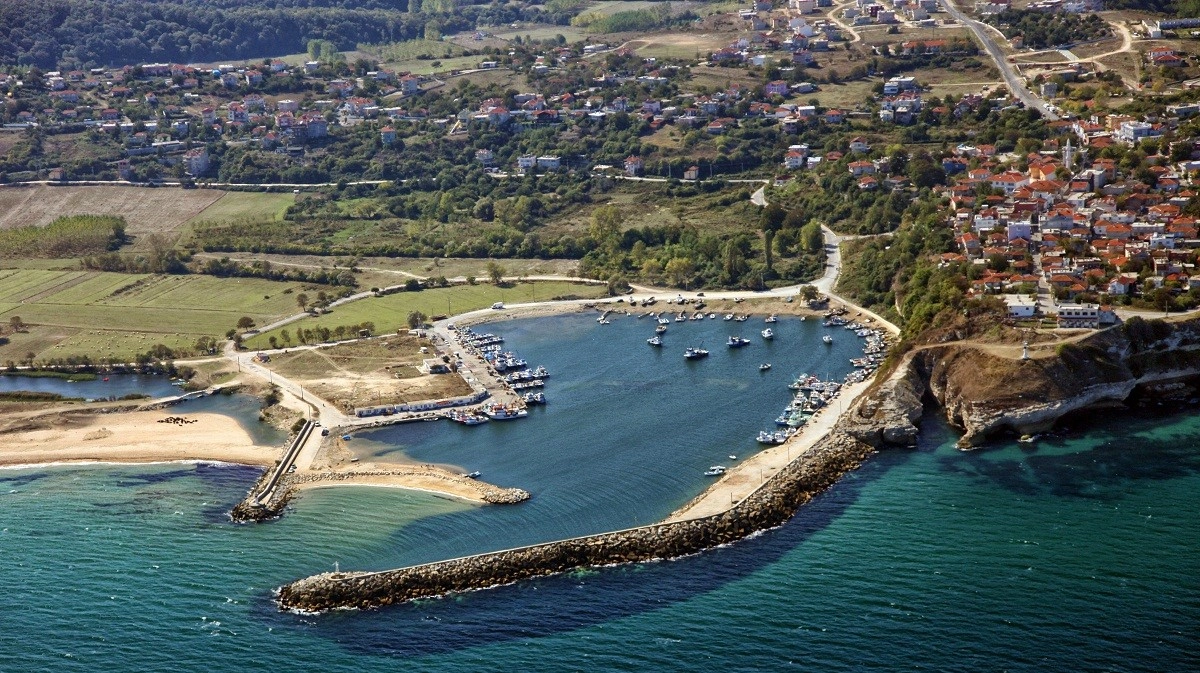
Discover Kıyıköy's Byzantine walls, rock-cut monastery, harbor, beaches, rivers and forested Black Sea setting.
View Kıyıköy GuideCombine the Black Sea coast with ancient towns, Byzantine heritage and protected forest landscapes across Turkish Thrace.
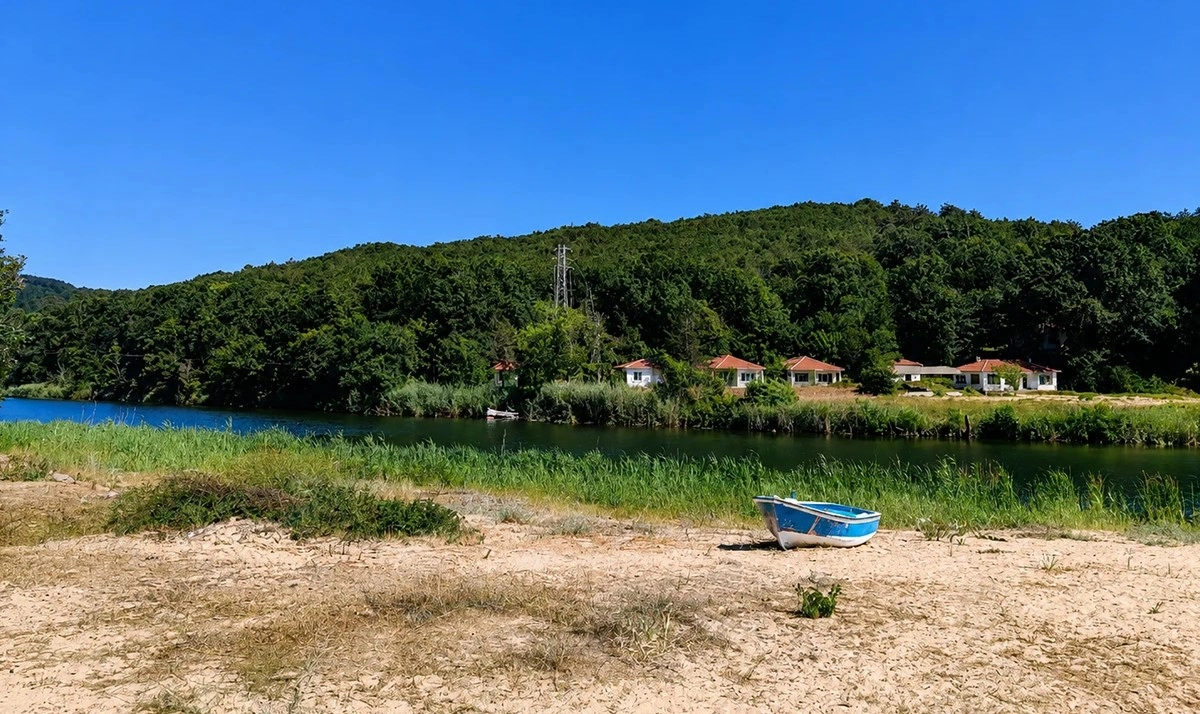
Discover a protected Black Sea landscape where river, lagoon, beach and Istranca forest meet.
Discover Kastro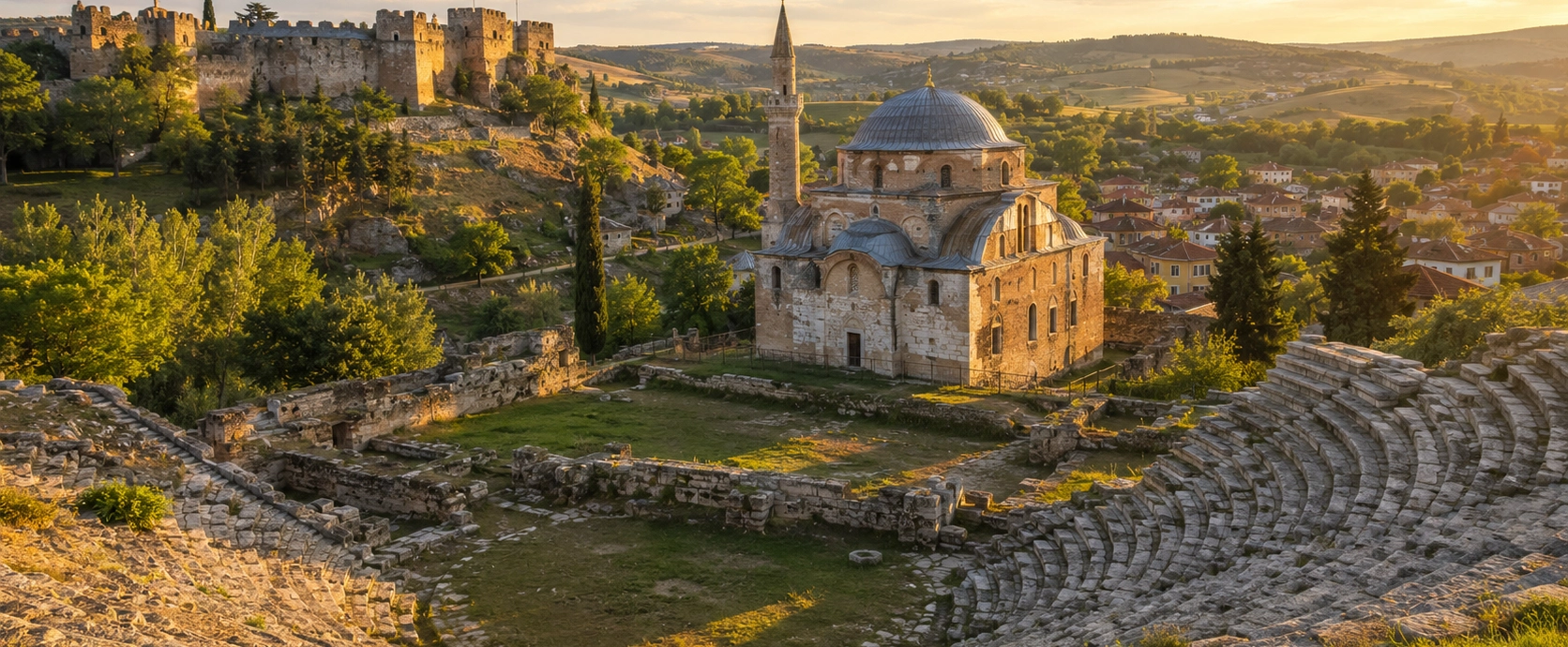
Explore an ancient Thracian and Roman town with Byzantine fortifications, historic churches and Ottoman heritage.
Explore Vize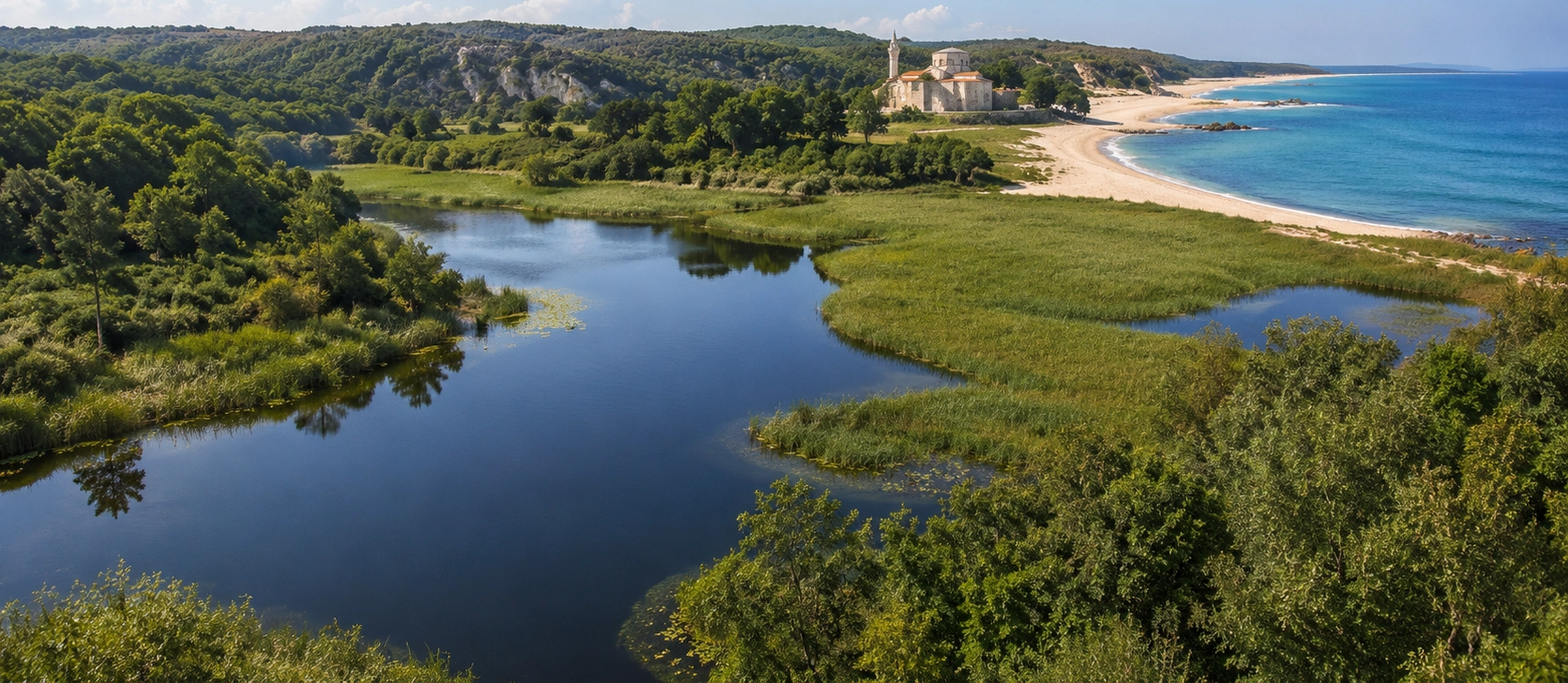
Plan a wider journey through prehistoric sites, historic towns, caves, forests, local food and the Black Sea coast.
View Kırklareli Guide