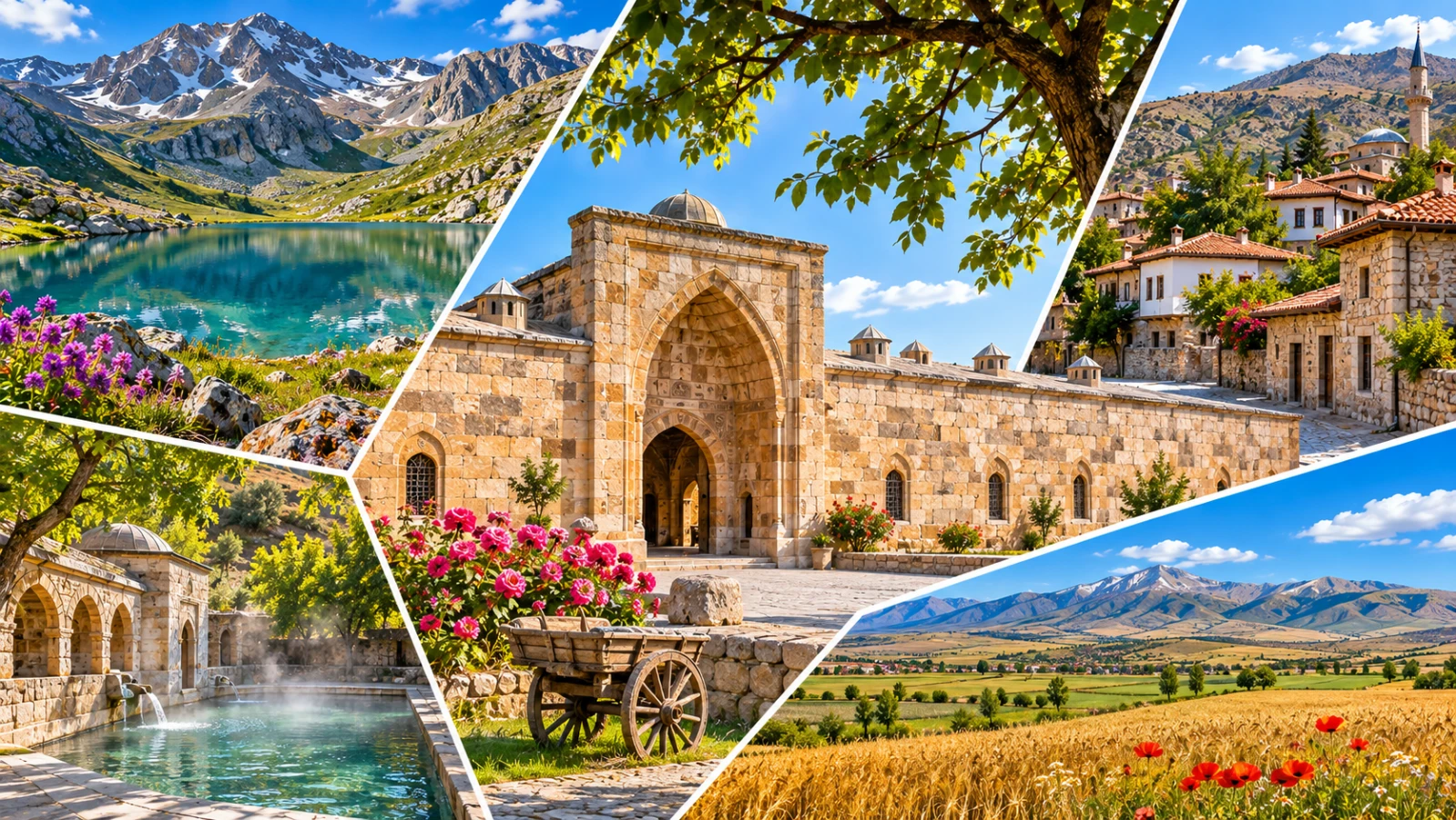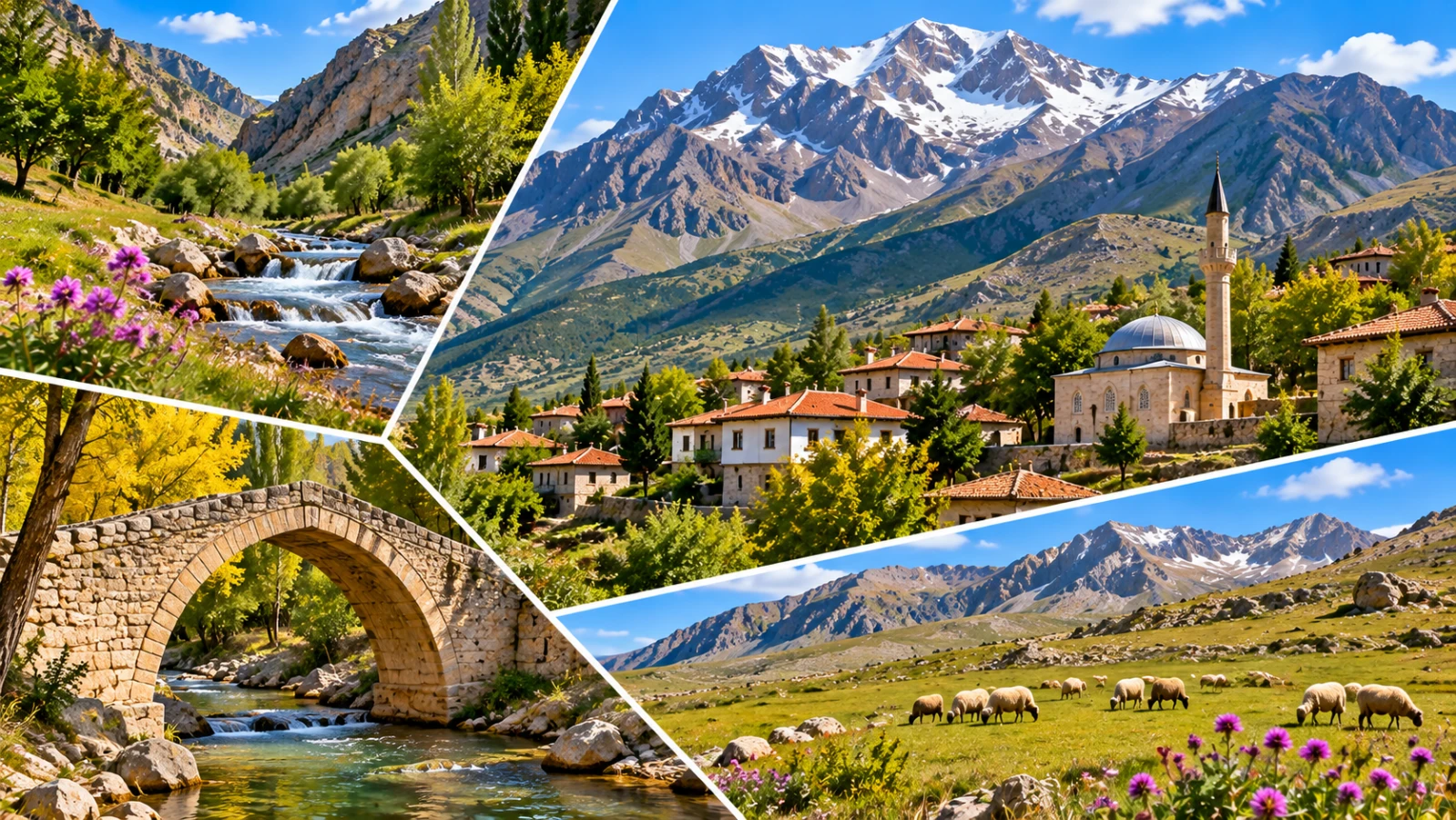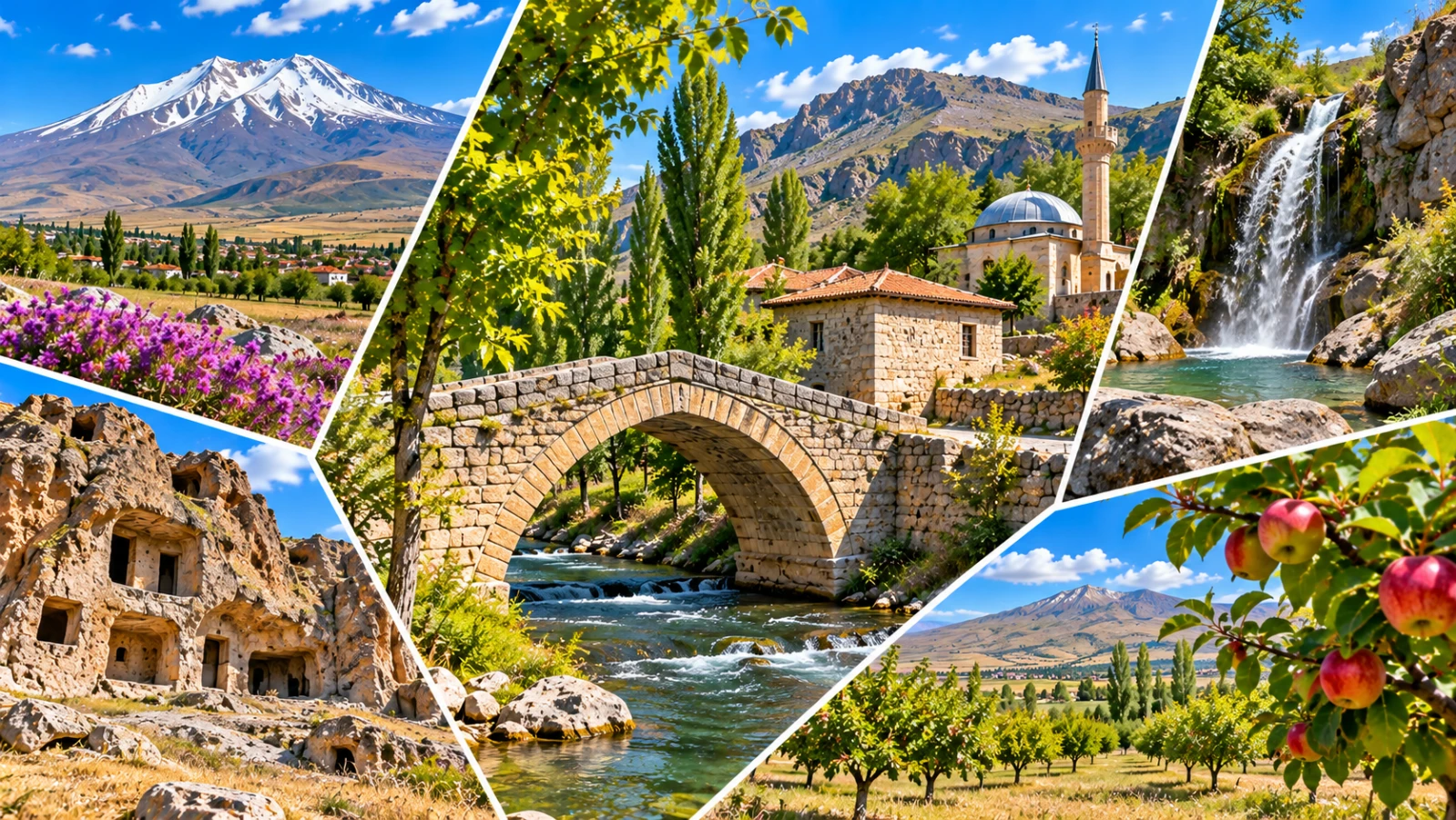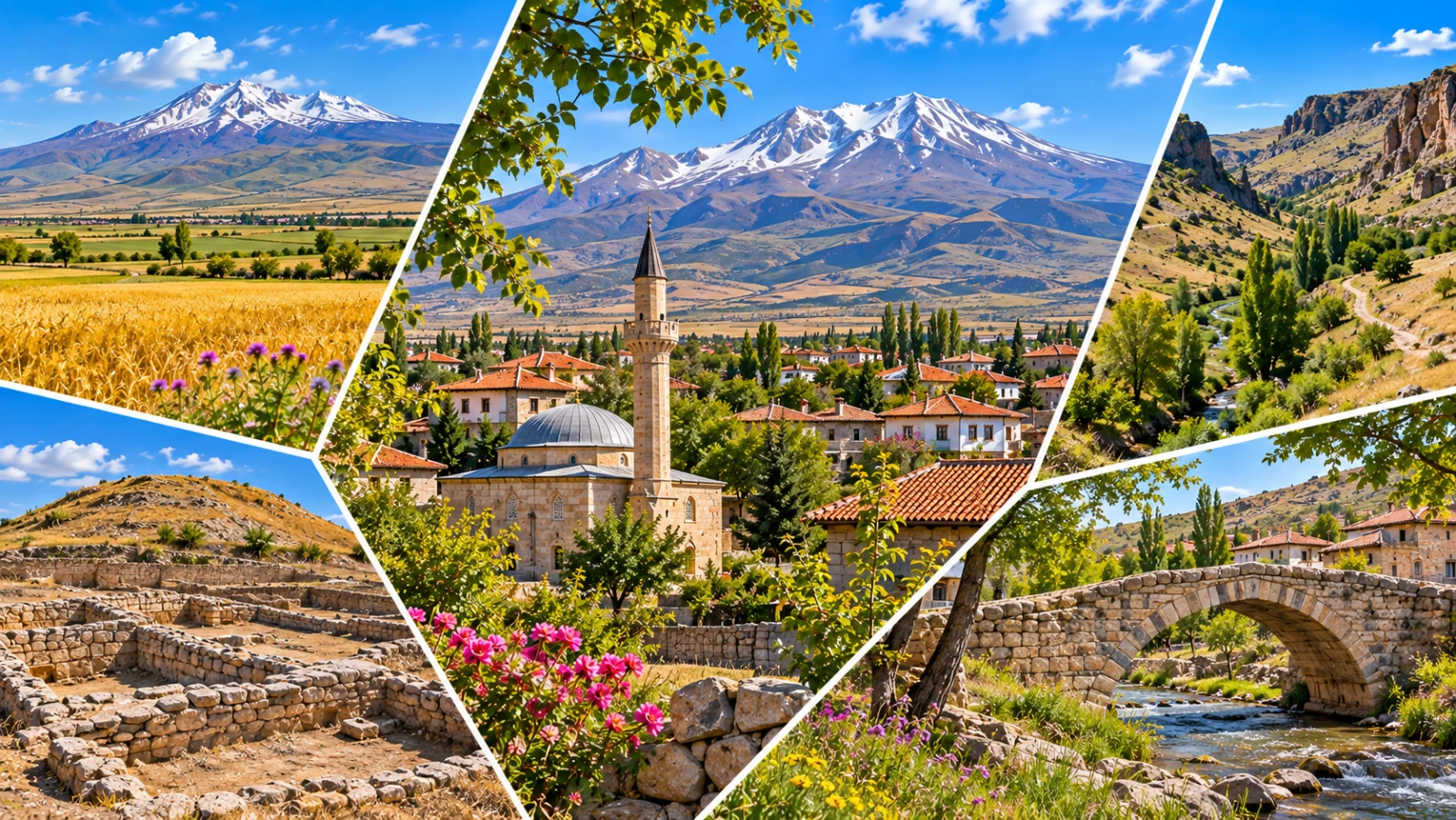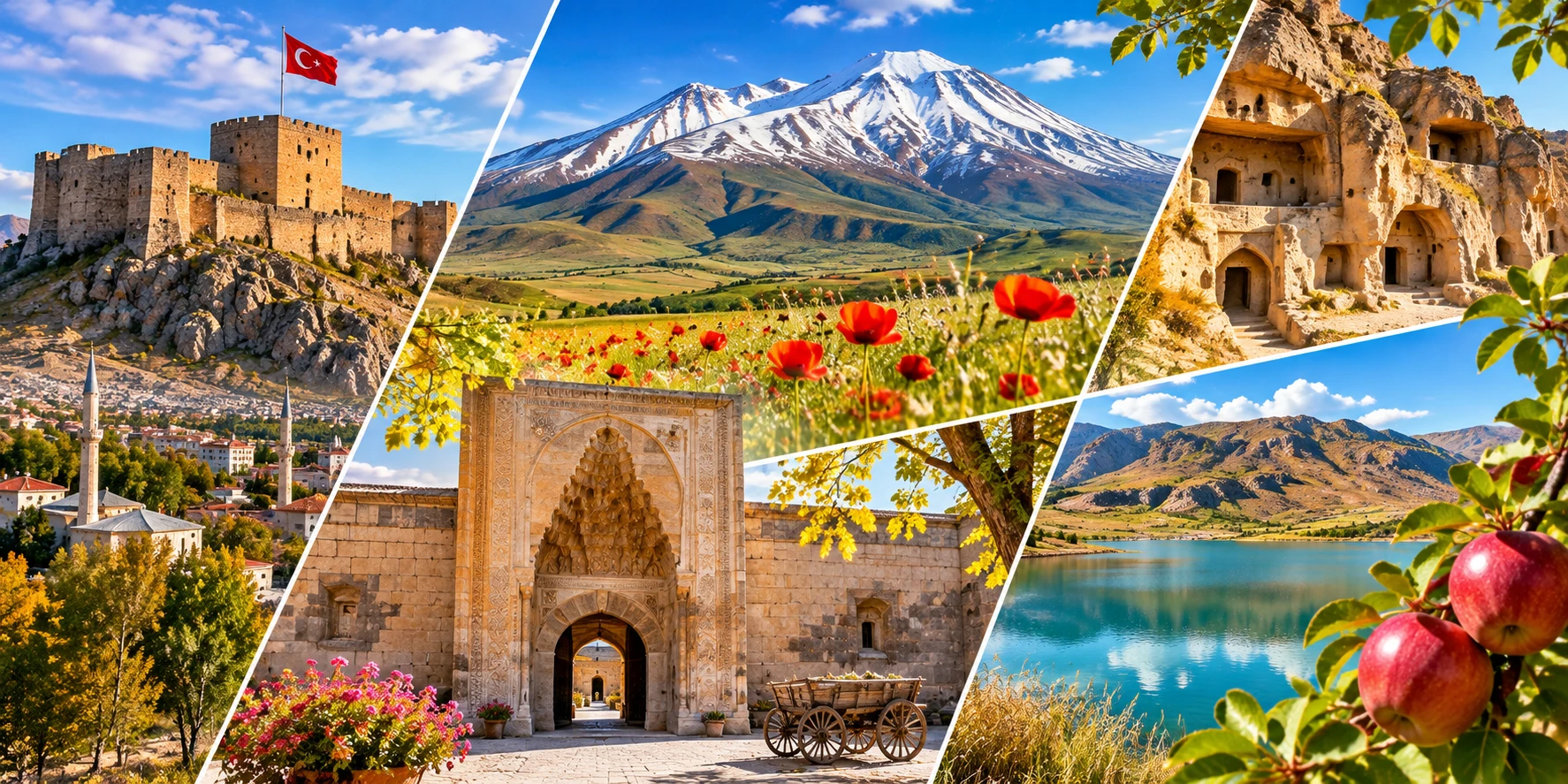
Niğde, Türkiye: Seljuk mausoleums, Gümüşler Monastery and the Taurus Mountains
Wow Cappadocia Turkey Travel Guide

Niğde Travel Guide – Best Places to Visit

Explore the best places to visit in Niğde: Seljuk stonework in the historic city, Gümüşler’s Byzantine frescoes, Roman Tyana, prehistoric obsidian landscapes and the towering summits and alpine lakes of the Taurus Mountains.

Seljuk ArchitectureGümüşler MonasteryAncient TyanaAladağlar & Bolkar

Discover Niğde: Ancient Cappadocia and the Taurus Gateway

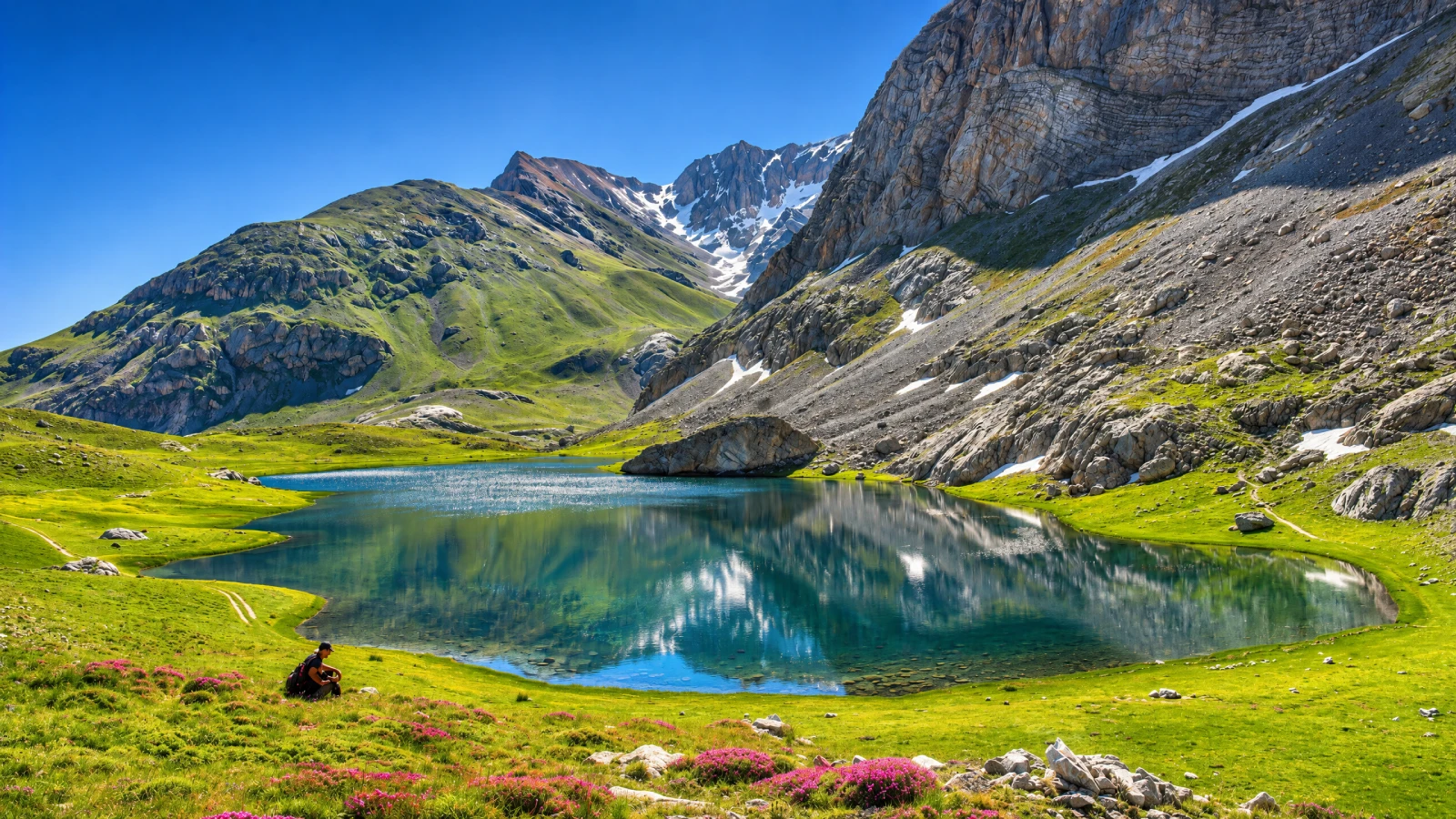
South of the better-known valleys of Cappadocia, Niğde stands between the Anatolian plateau and the Taurus Mountains. Its medieval urban monuments, rock-cut churches and extraordinary highland landscapes offer several different travel experiences in one province.

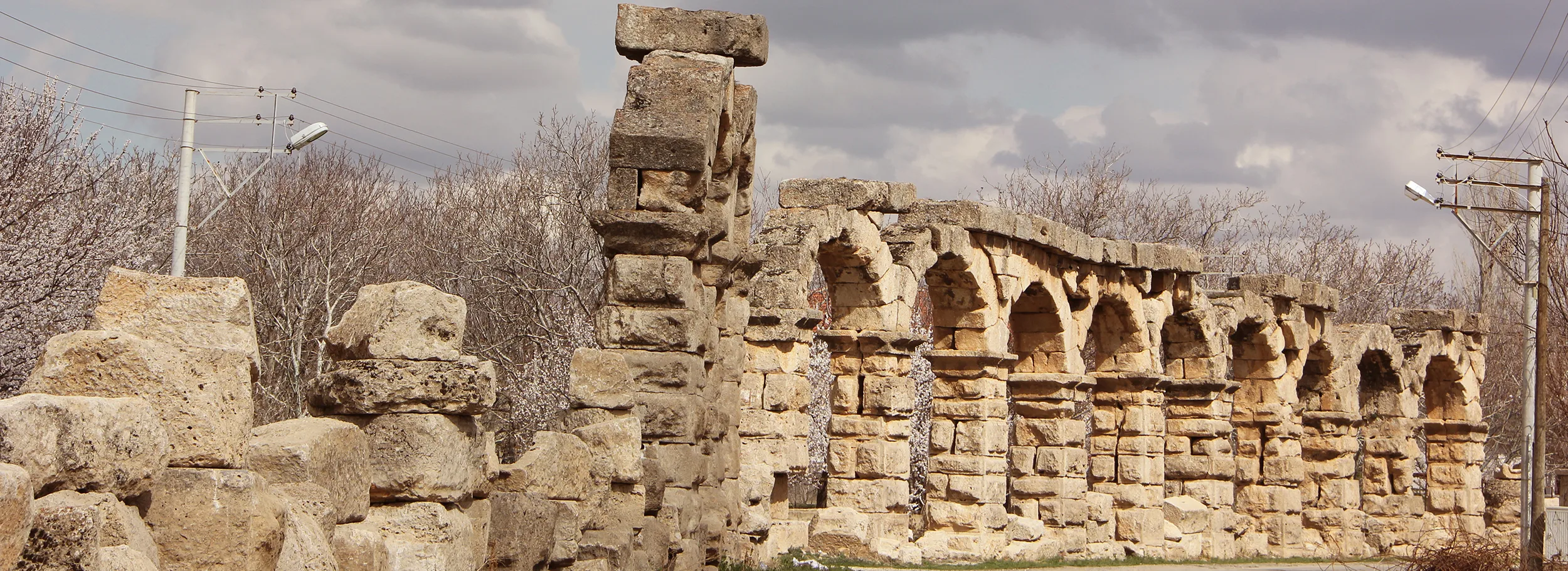
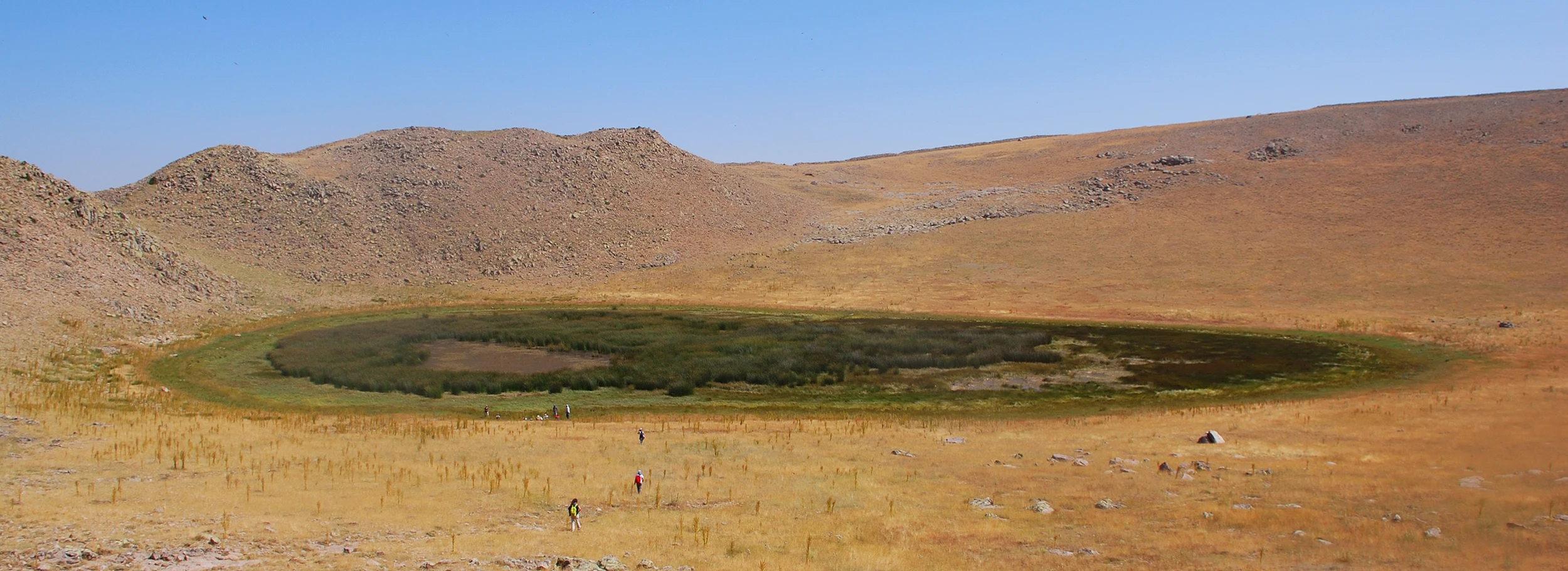
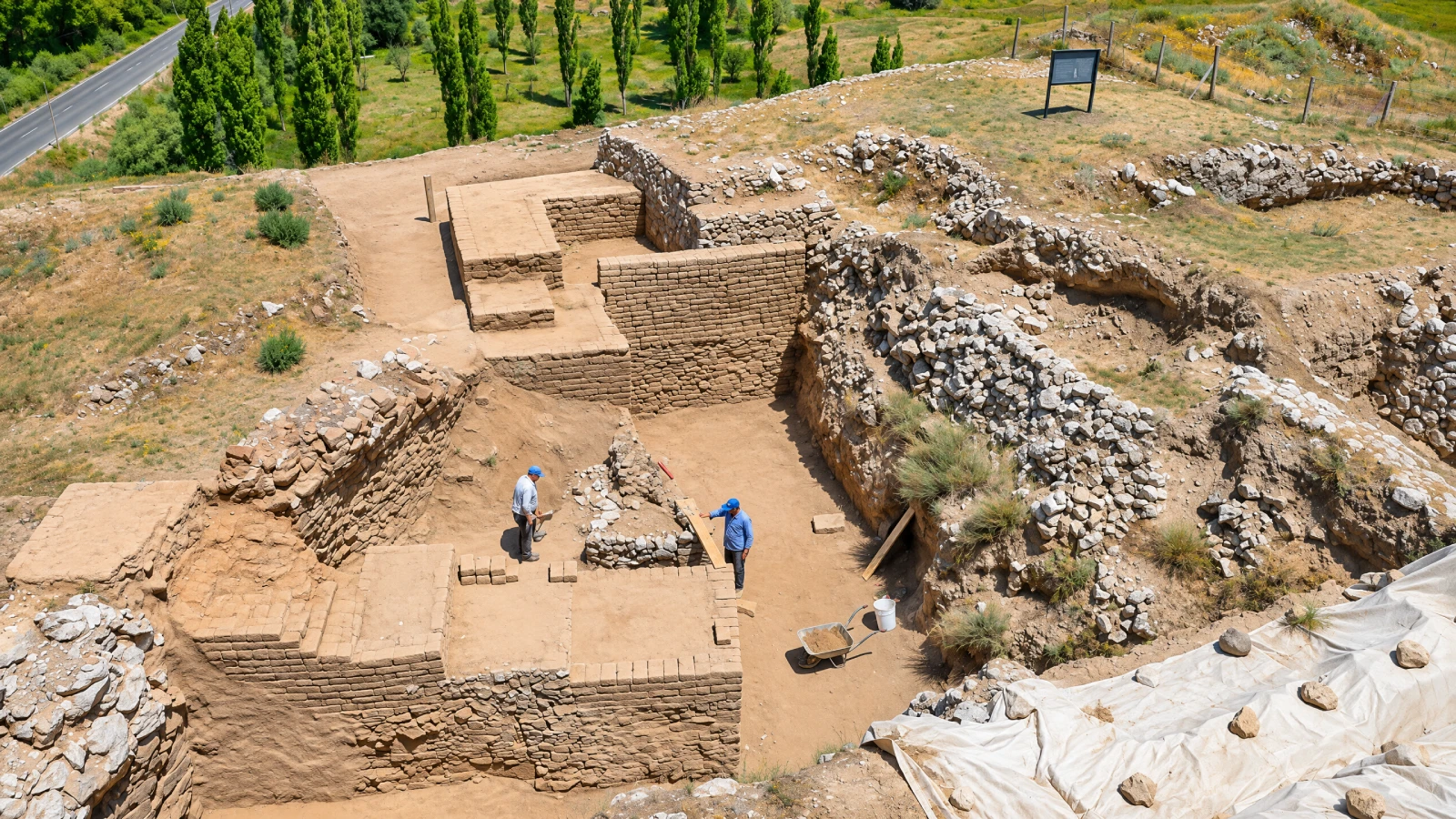
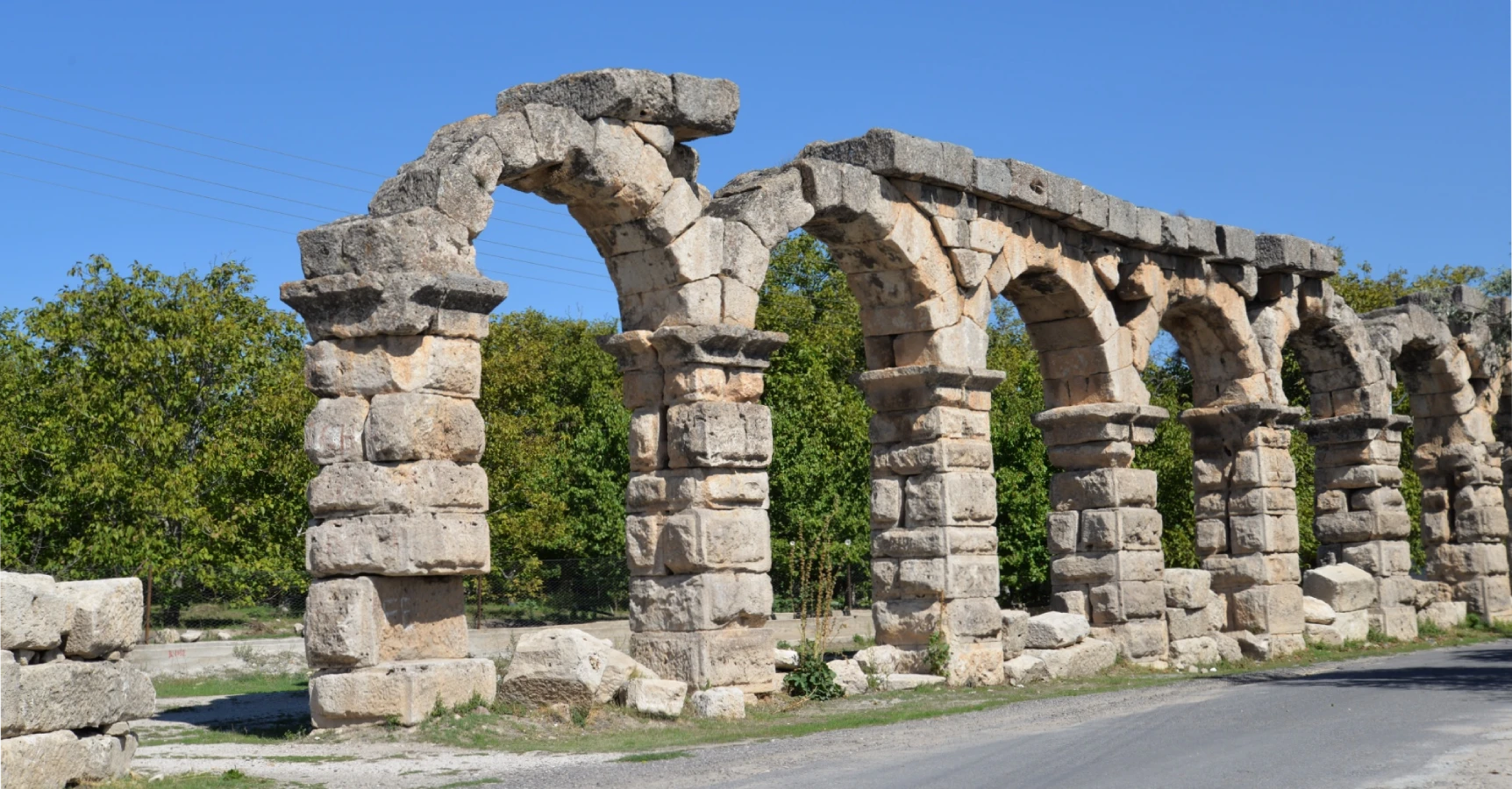
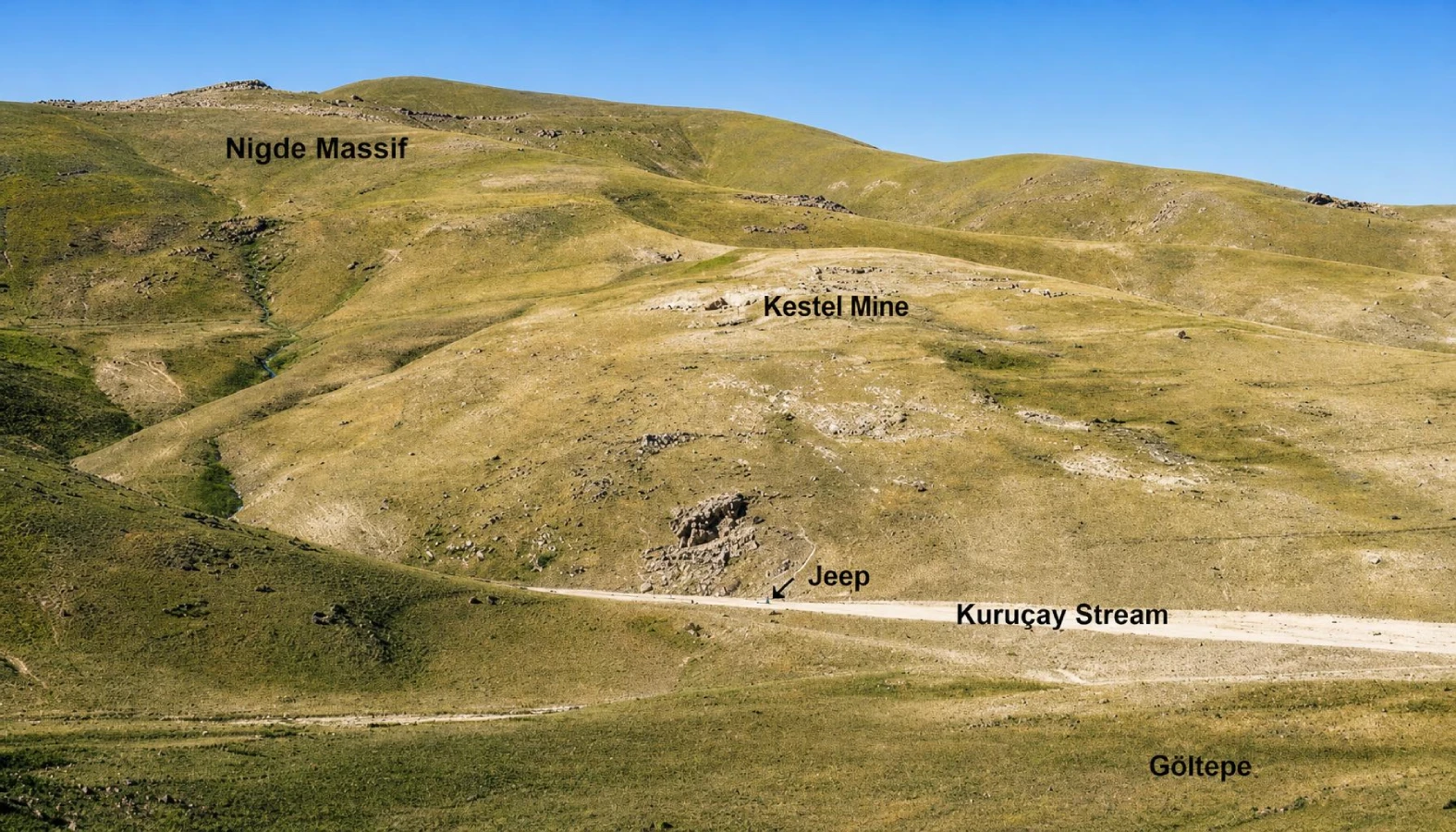
The region’s history extends far beyond the Seljuk era. Research at Köşk Höyük, Kaletepe and Göllüdağ reveals prehistoric settlement, obsidian technology and Iron Age political landscapes. Around Kemerhisar, ancient Tyana belonged to the world of Tuwanuwa and later became a Roman city whose aqueduct system remains one of the region’s most recognisable archaeological features.

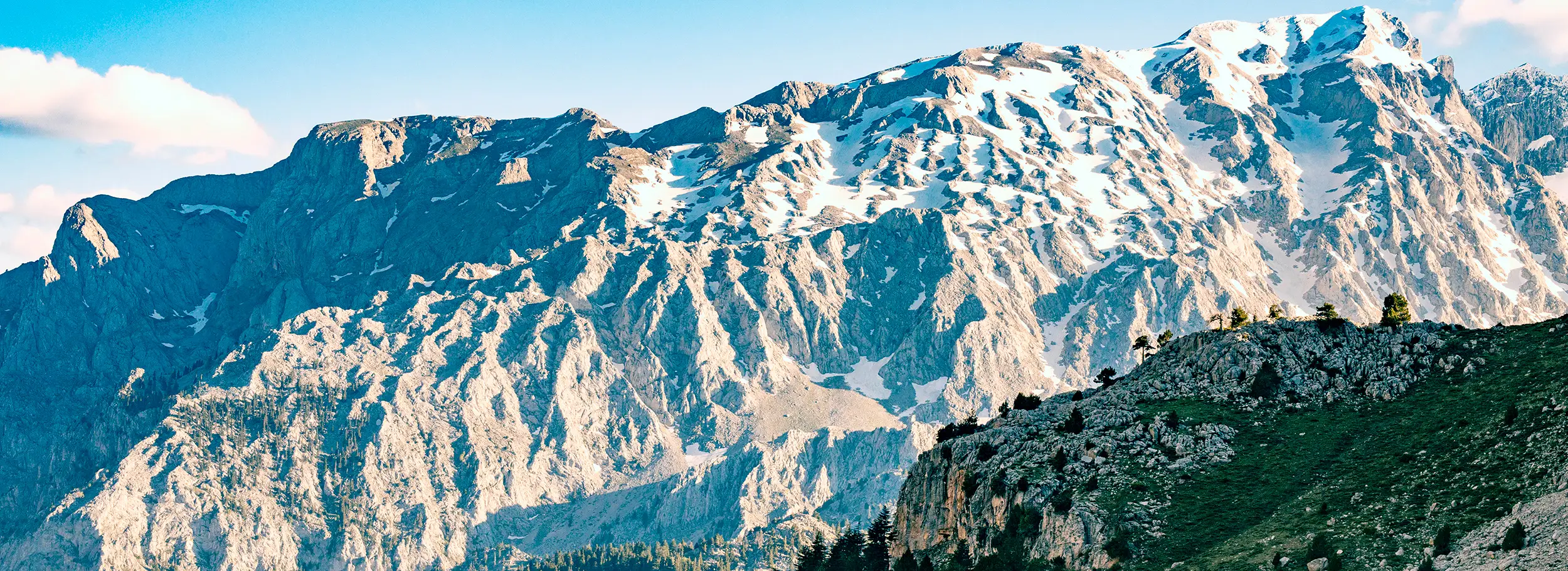
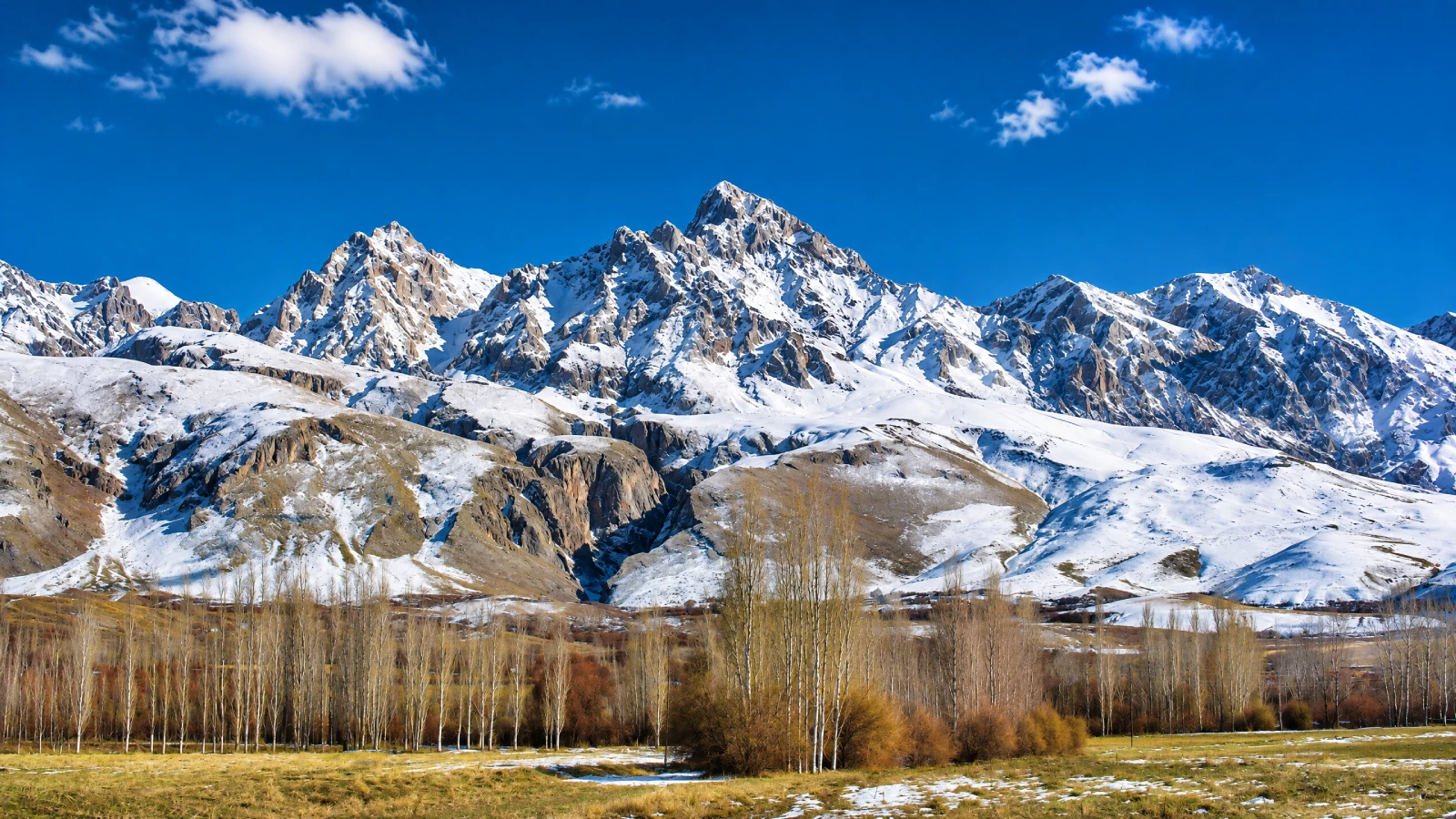
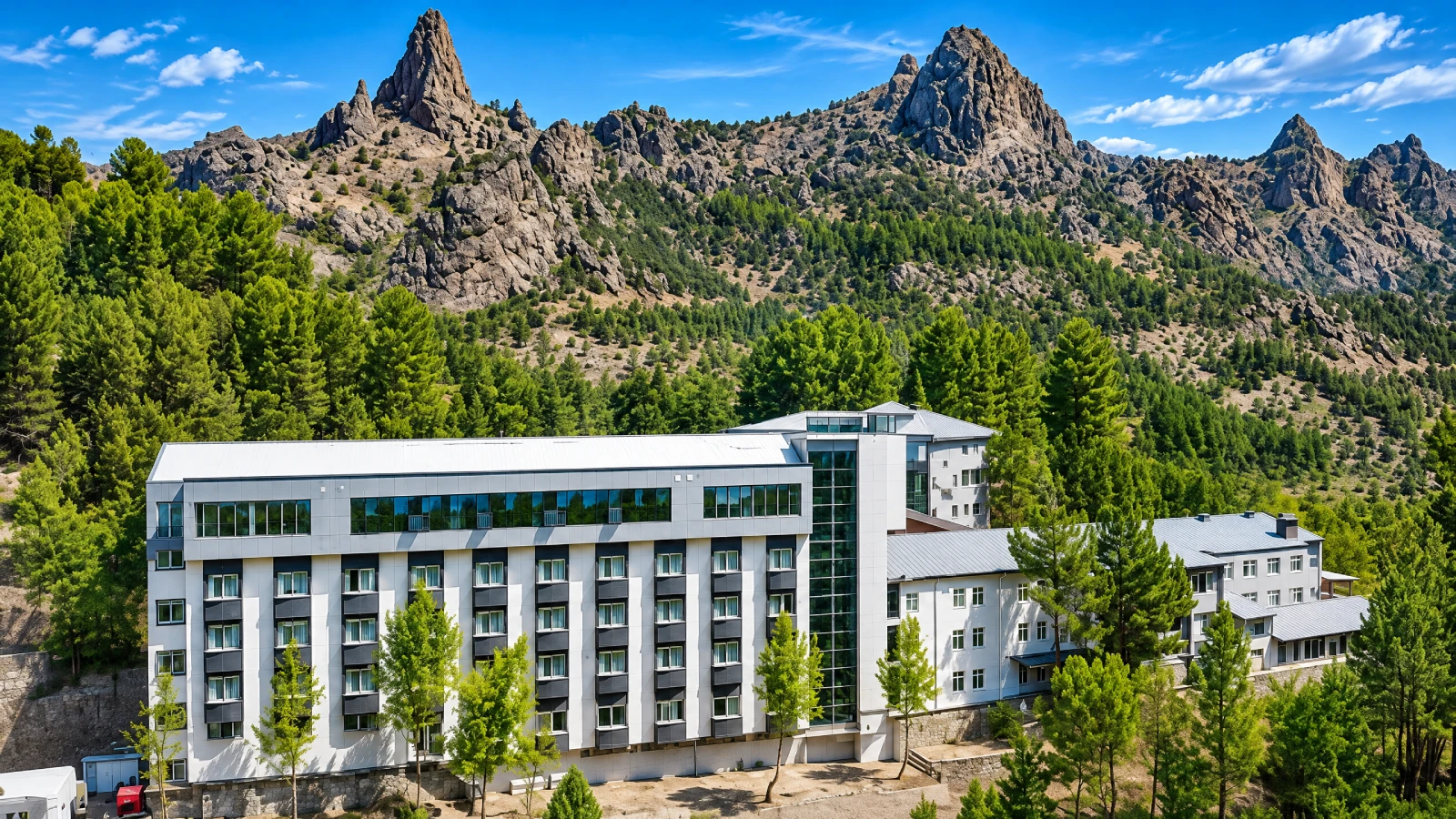
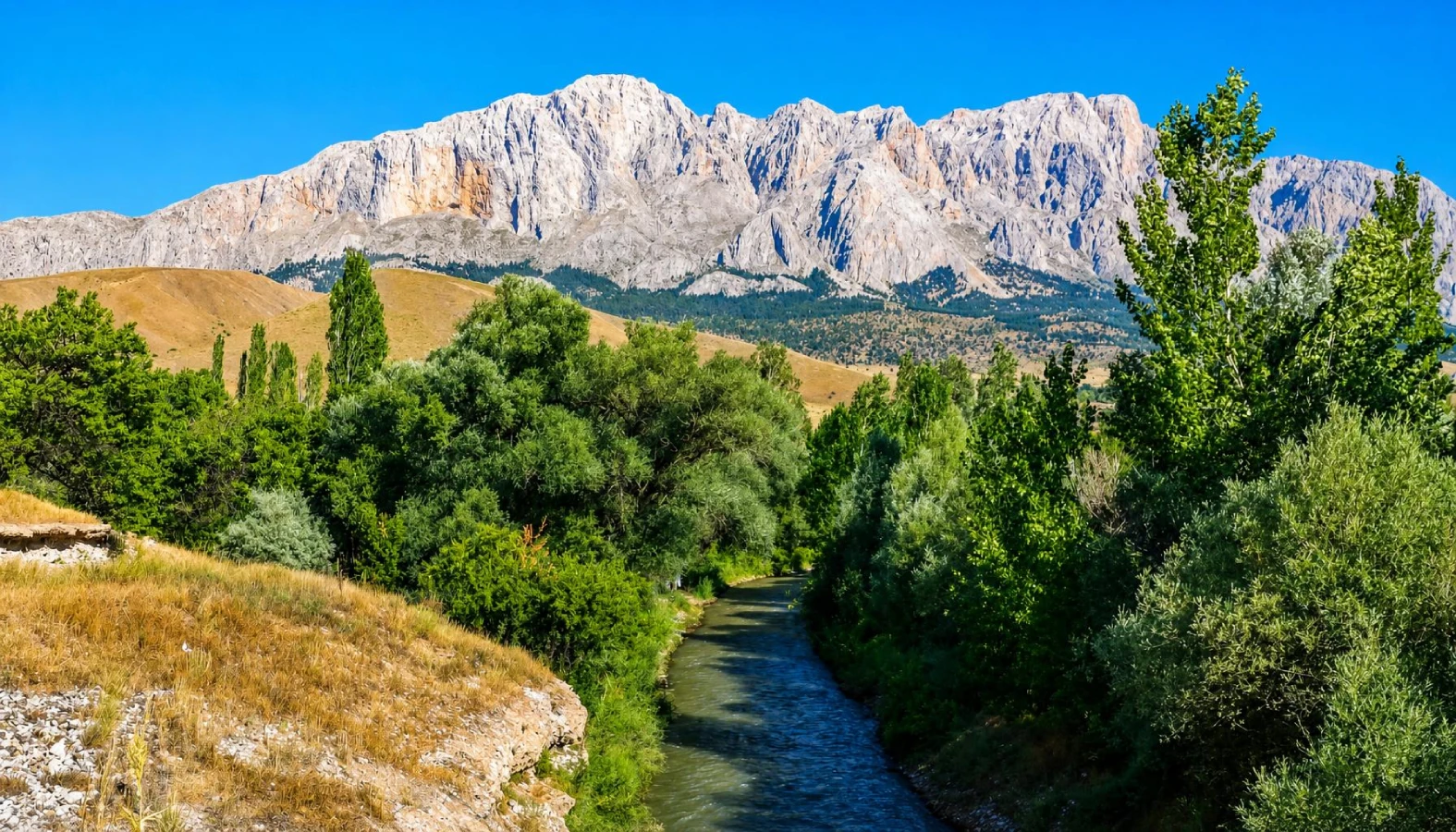
Niğde grew into an important medieval city under Seljuk and successor dynasties. Its carved mausoleums and mosques complement the Christian heritage of Gümüşler, Andaval, Fertek and Konaklı. Farther south, Demirkazık, the Aladağlar and the Bolkar lakes introduce a mountainous geography that should be explored with realistic timing and seasonal precautions.

Quick Visitor Information

  • Best for: Seljuk architecture, Byzantine art, archaeology, high mountains, village culture and regional food
  • Suggested stay: 1 day for the city and Gümüşler; 2–3 days for Tyana, Bor and further heritage; additional days for mountain routes
  • Main highlights: Niğde Castle, Alaeddin Mosque, Hüdavend Hatun, Gümüşler, Tyana, Aladağlar and Bolkar lakes
  • Suggested routes: Old City; Tyana & Prehistory; Byzantine Villages; Aladağlar; Ulukışla & Bolkar
  • Best seasons: Spring and autumn for historic sites; summer for suitable high-altitude outings
  • Museum note: Niğde Archaeological Museum remains listed as temporarily closed; check official updates before visiting
  • Local flavours: Niğde Tava, Bor Söğürme, Tahinlisi, Kelle Söğüş and seasonal Darboğaz cherries
Niğde’s Signature Story

From Nahita and Tyana to Seljuk Carving and Living Villages

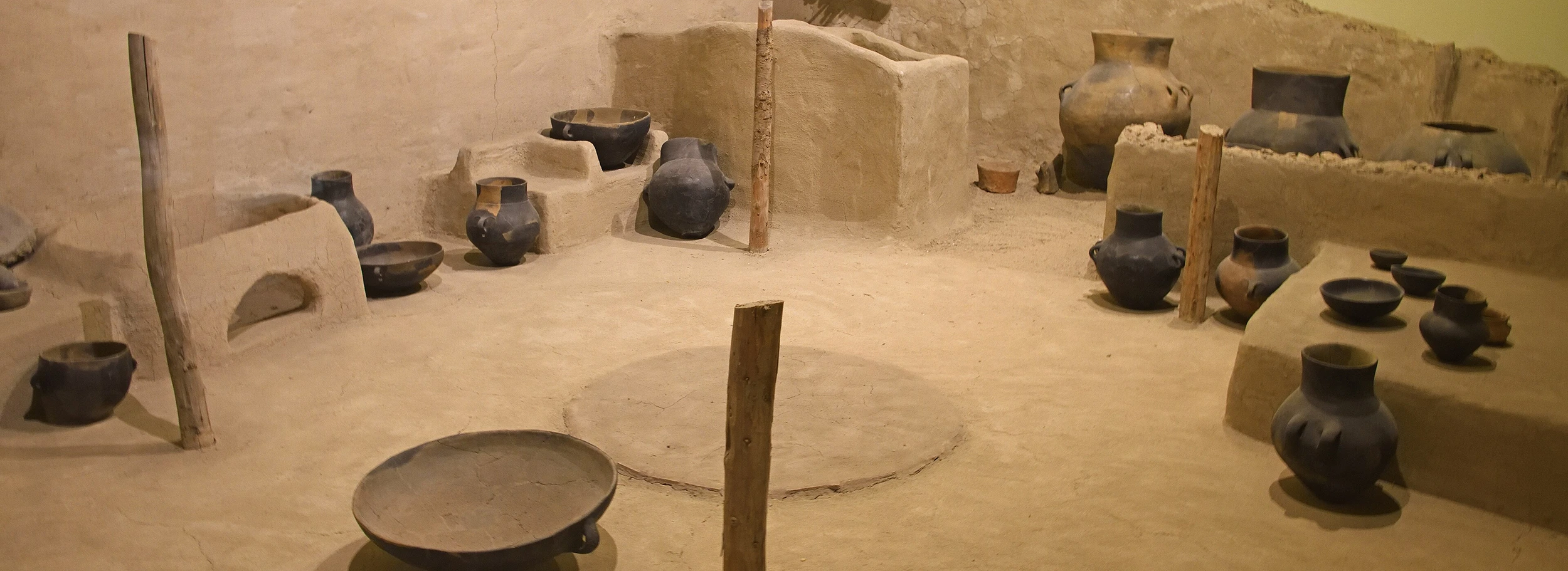
The landscape around Niğde was inhabited and worked long before it became a medieval provincial centre. The obsidian sources near Göllüdağ are part of a much older story of stone-tool production. Köşk Höyük illuminates Neolithic beliefs and everyday life; the late ancient and Roman settlement of Tyana reflects a different world of urban planning and water engineering.

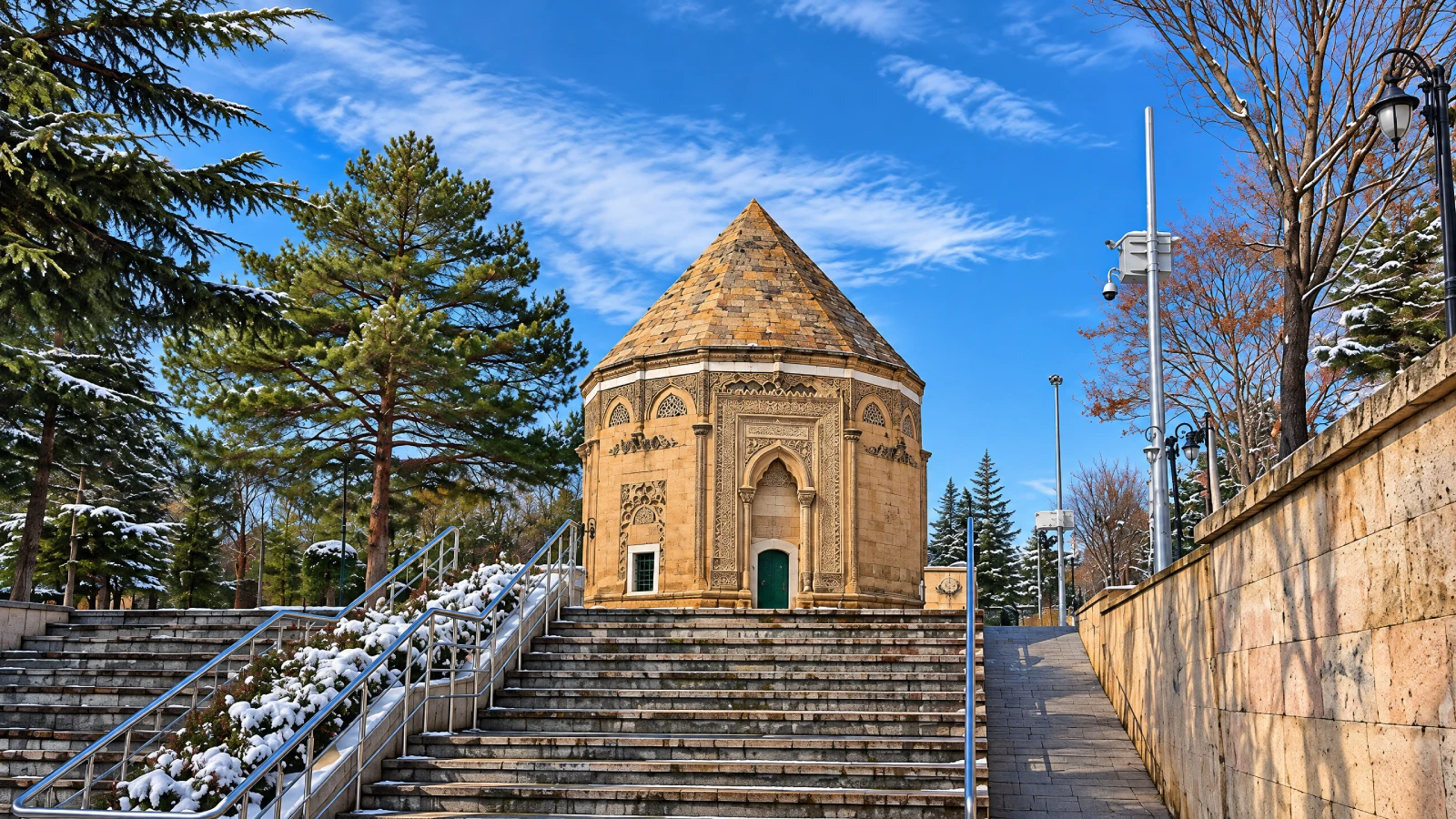
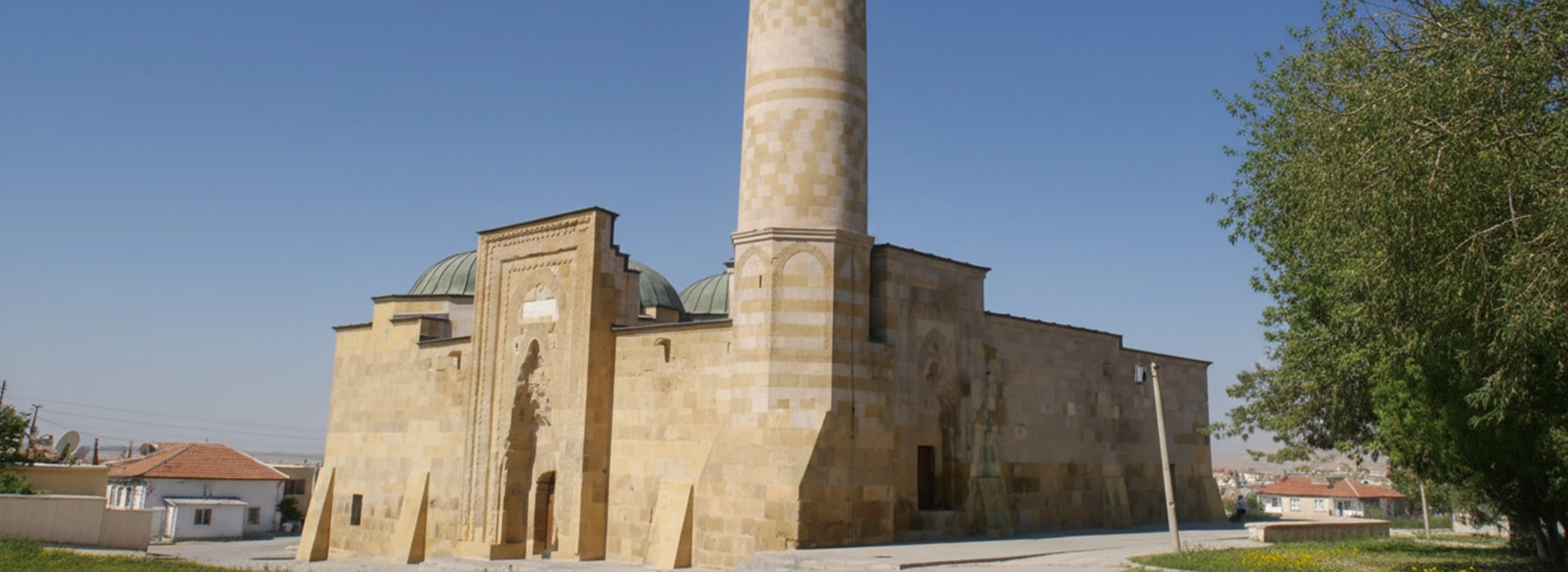
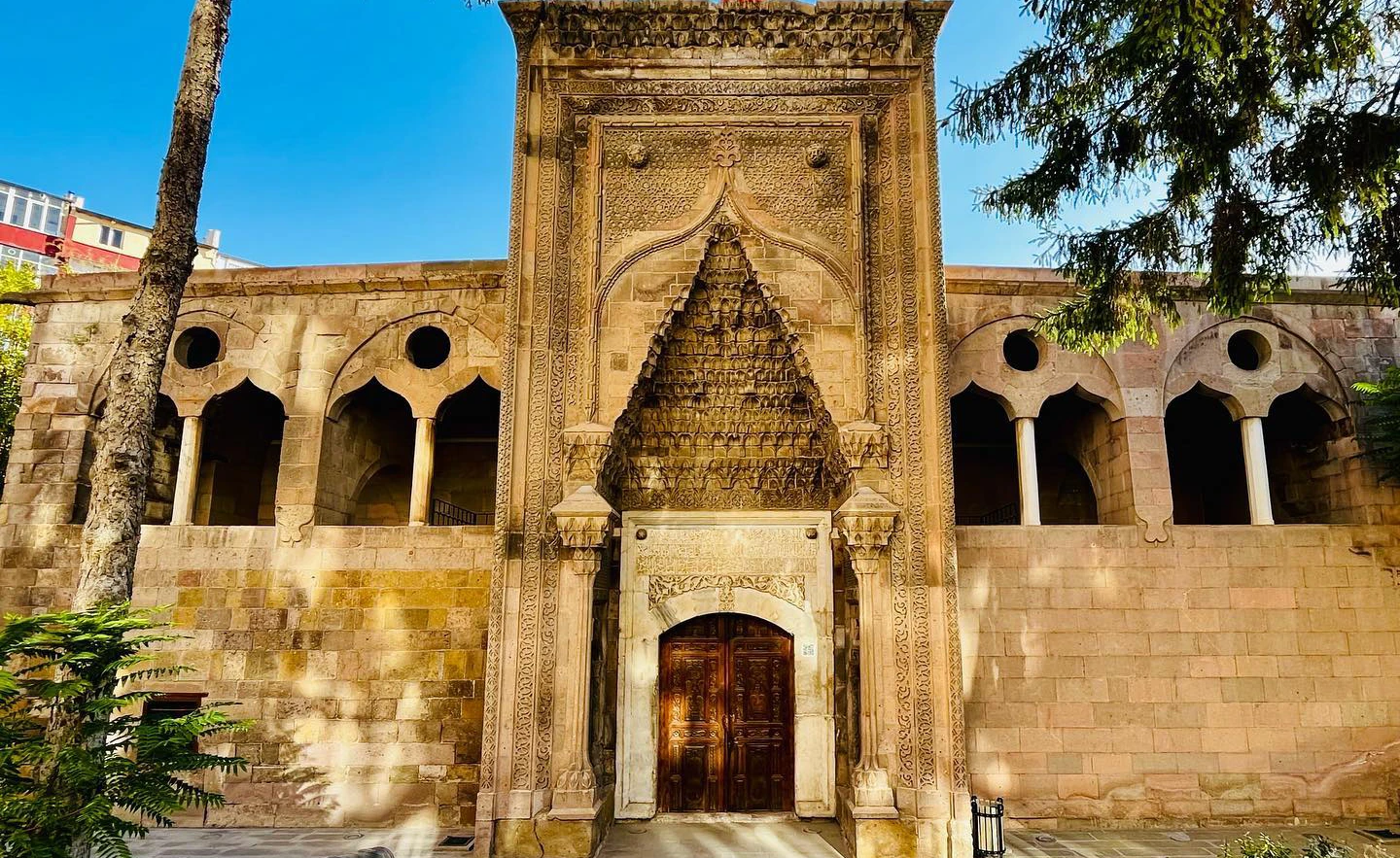
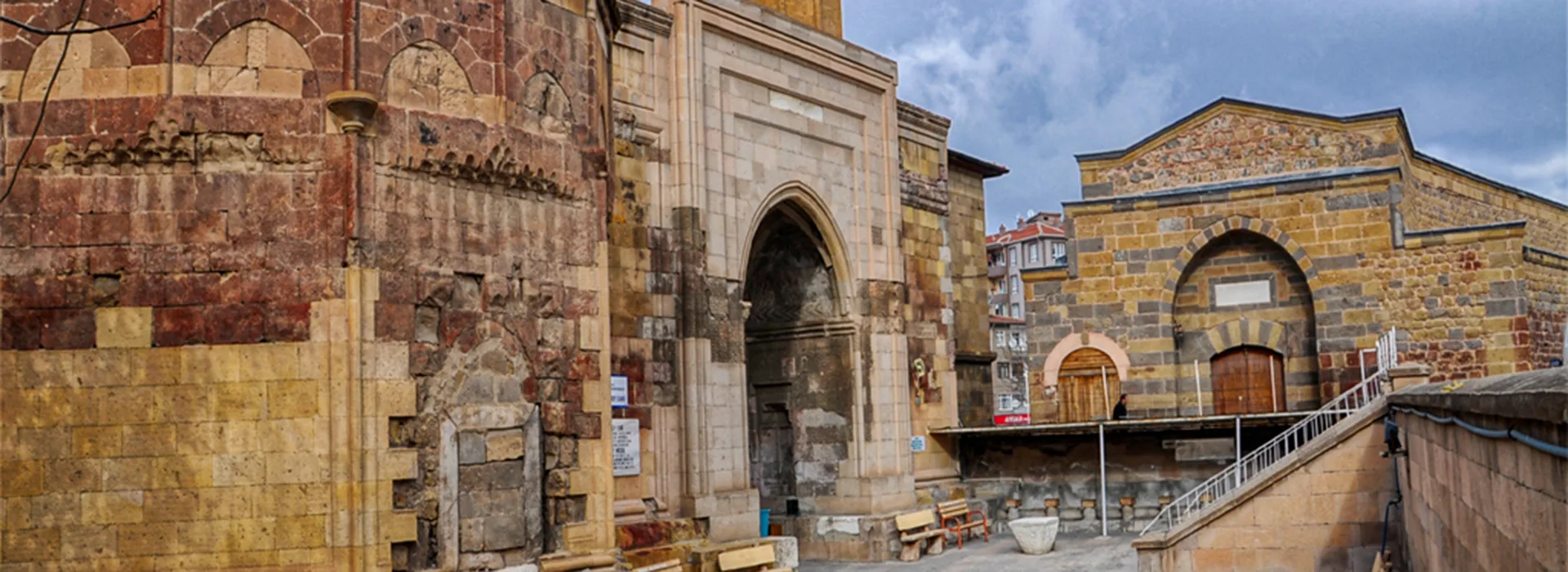
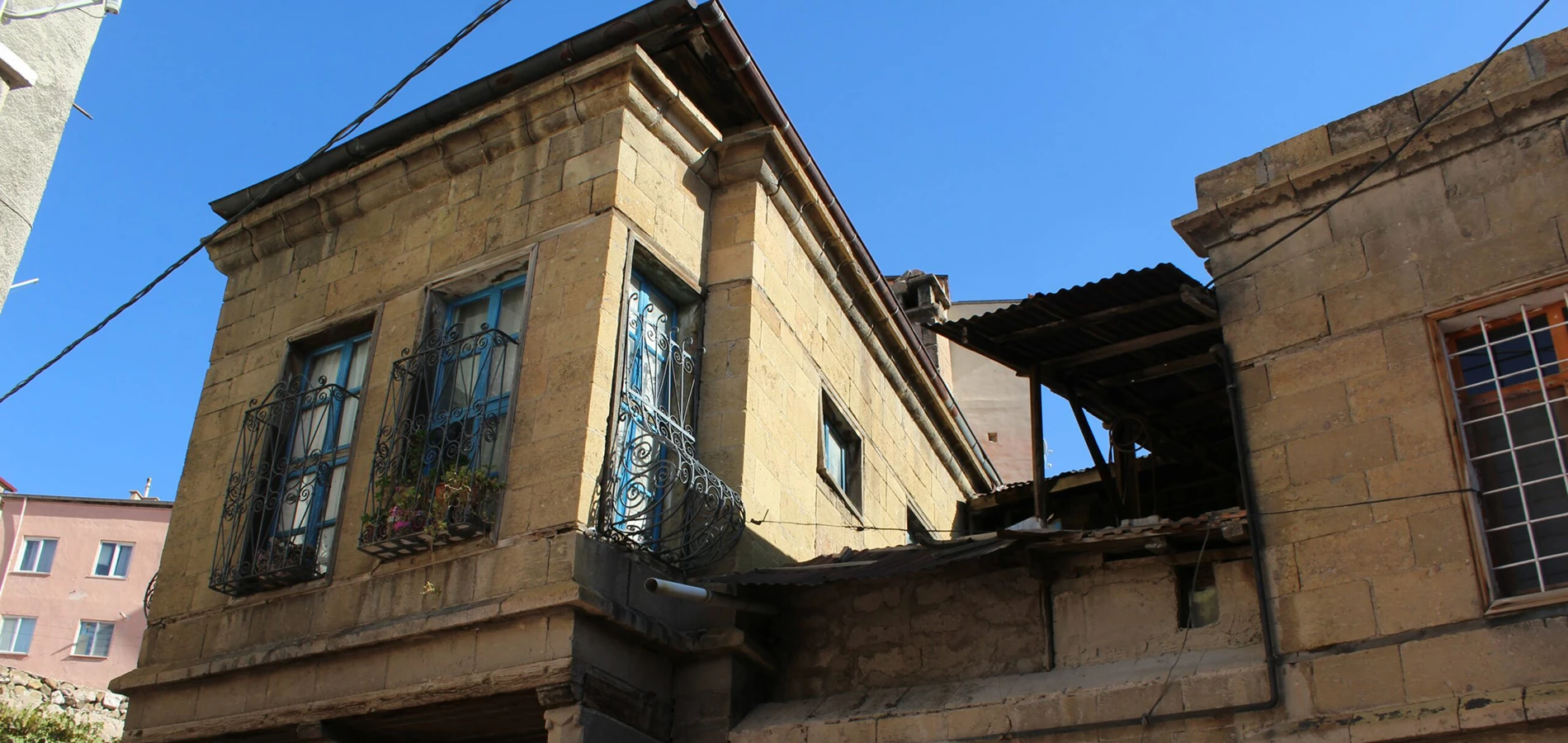
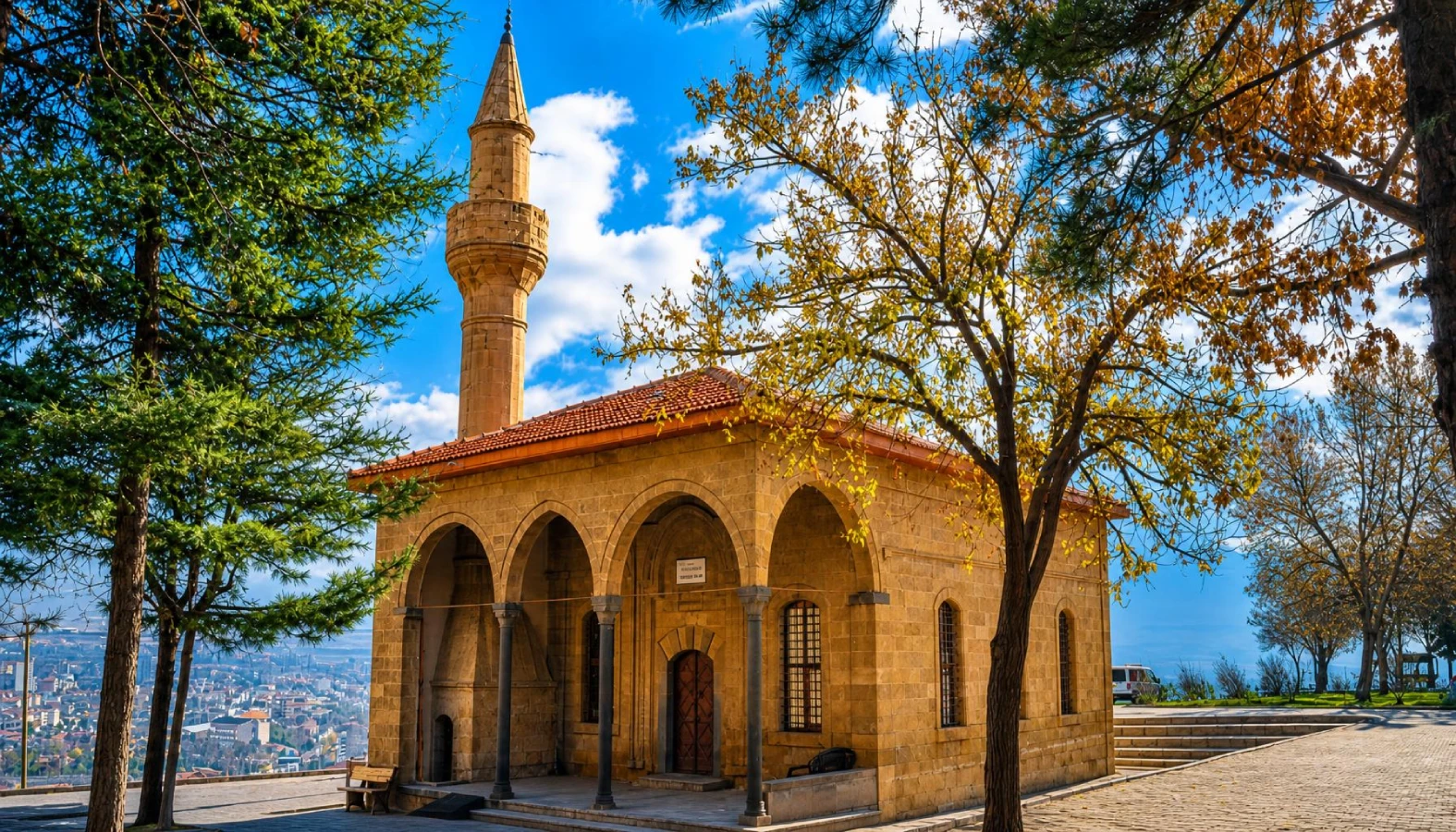
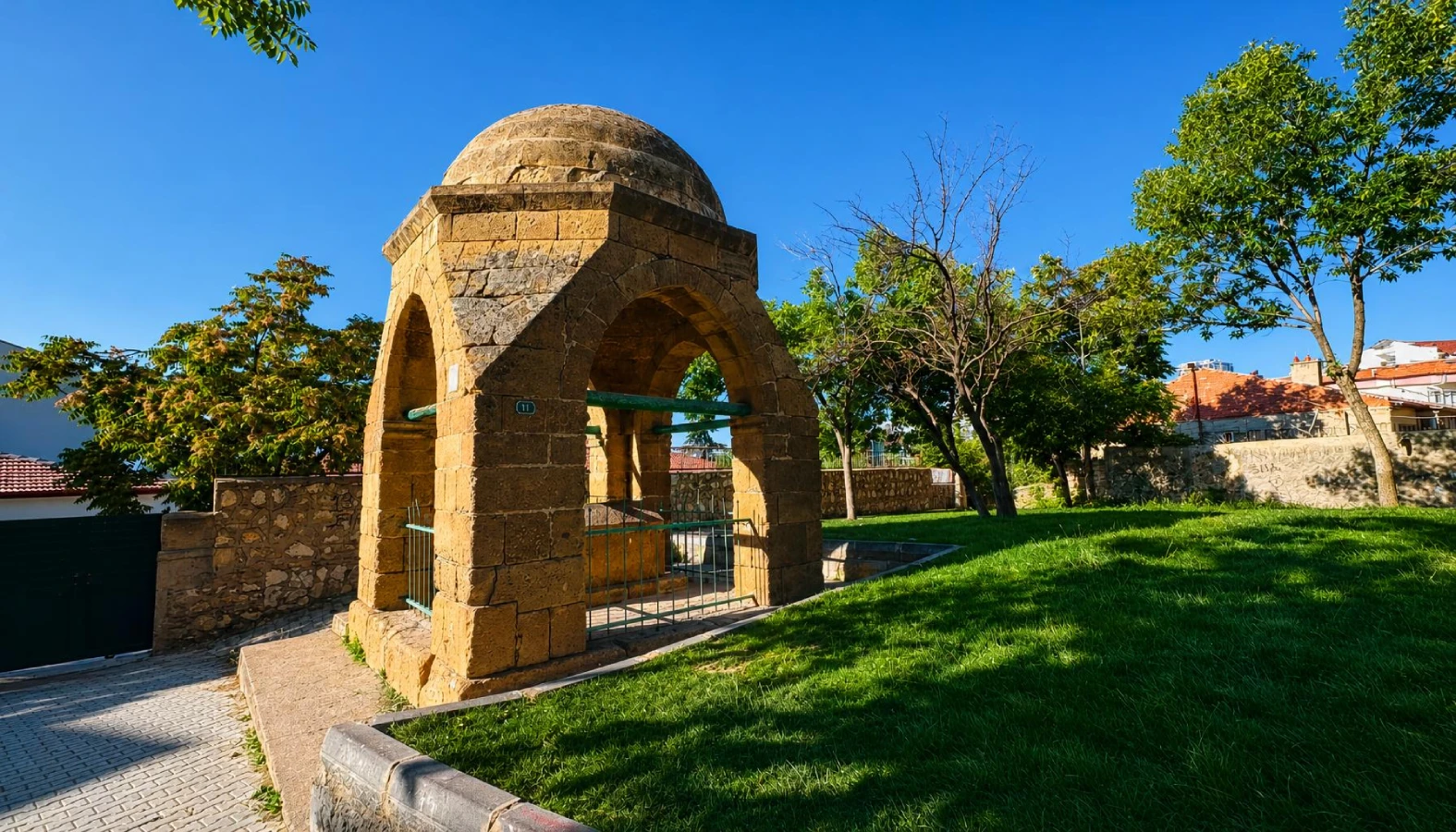
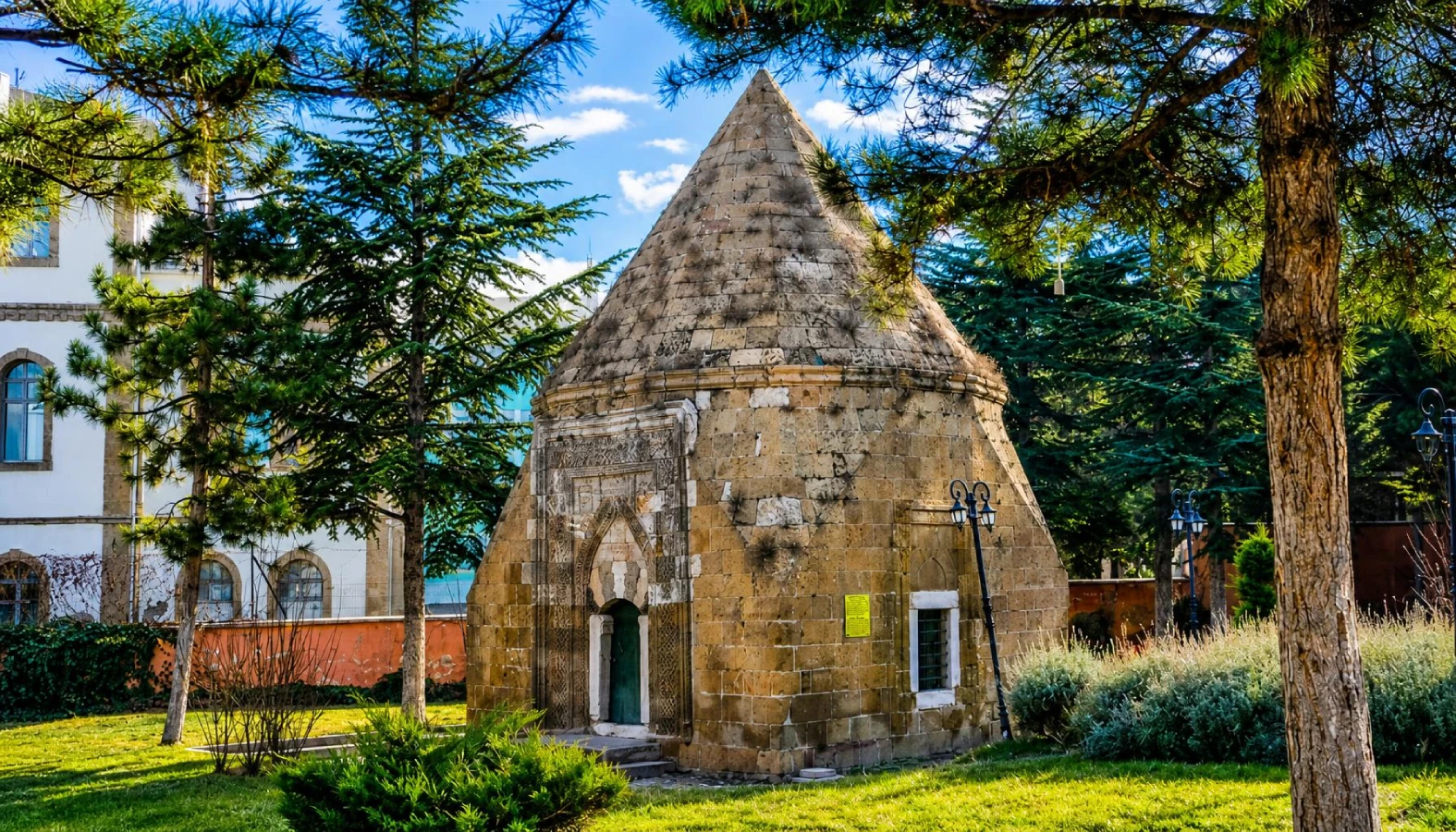
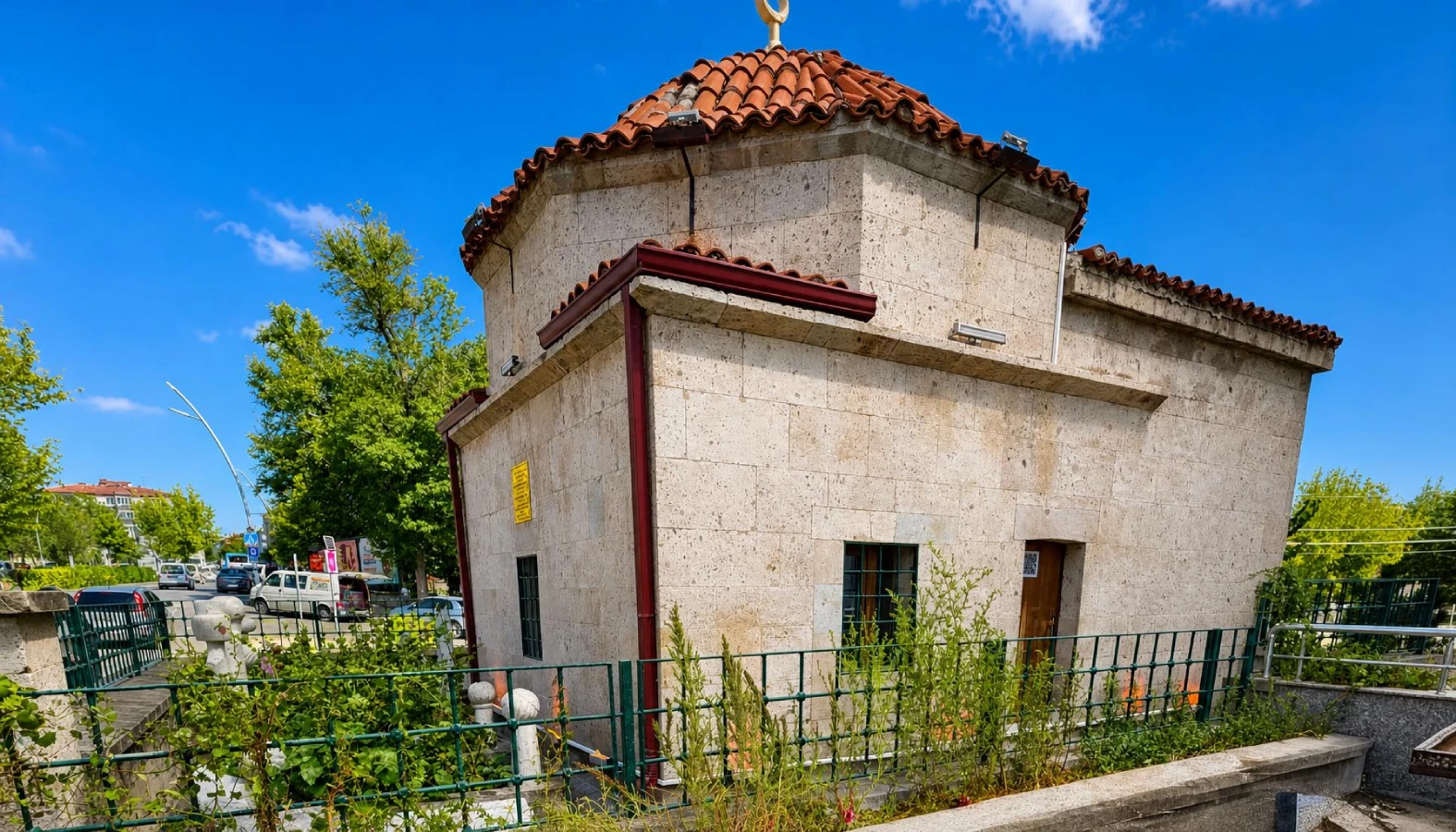
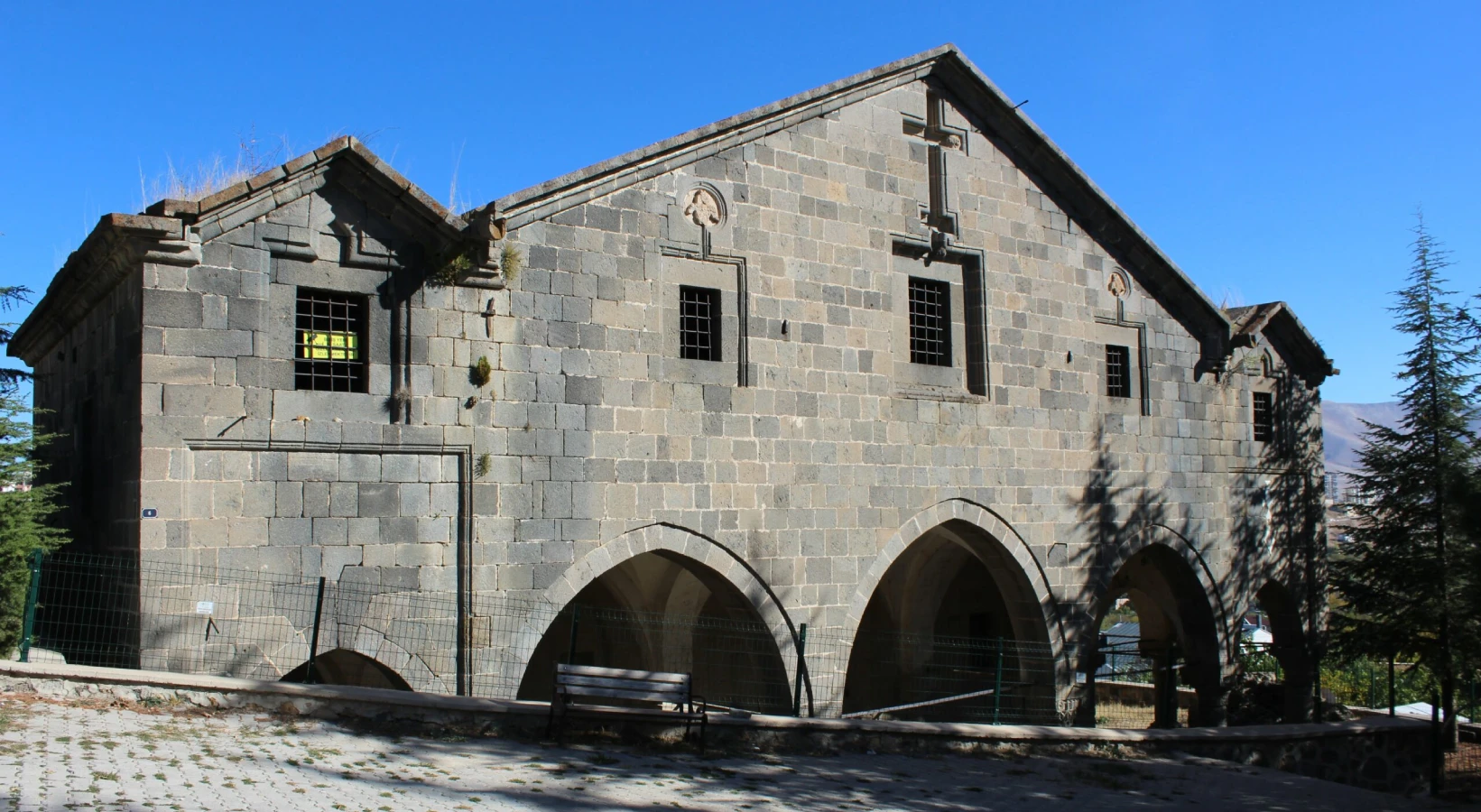
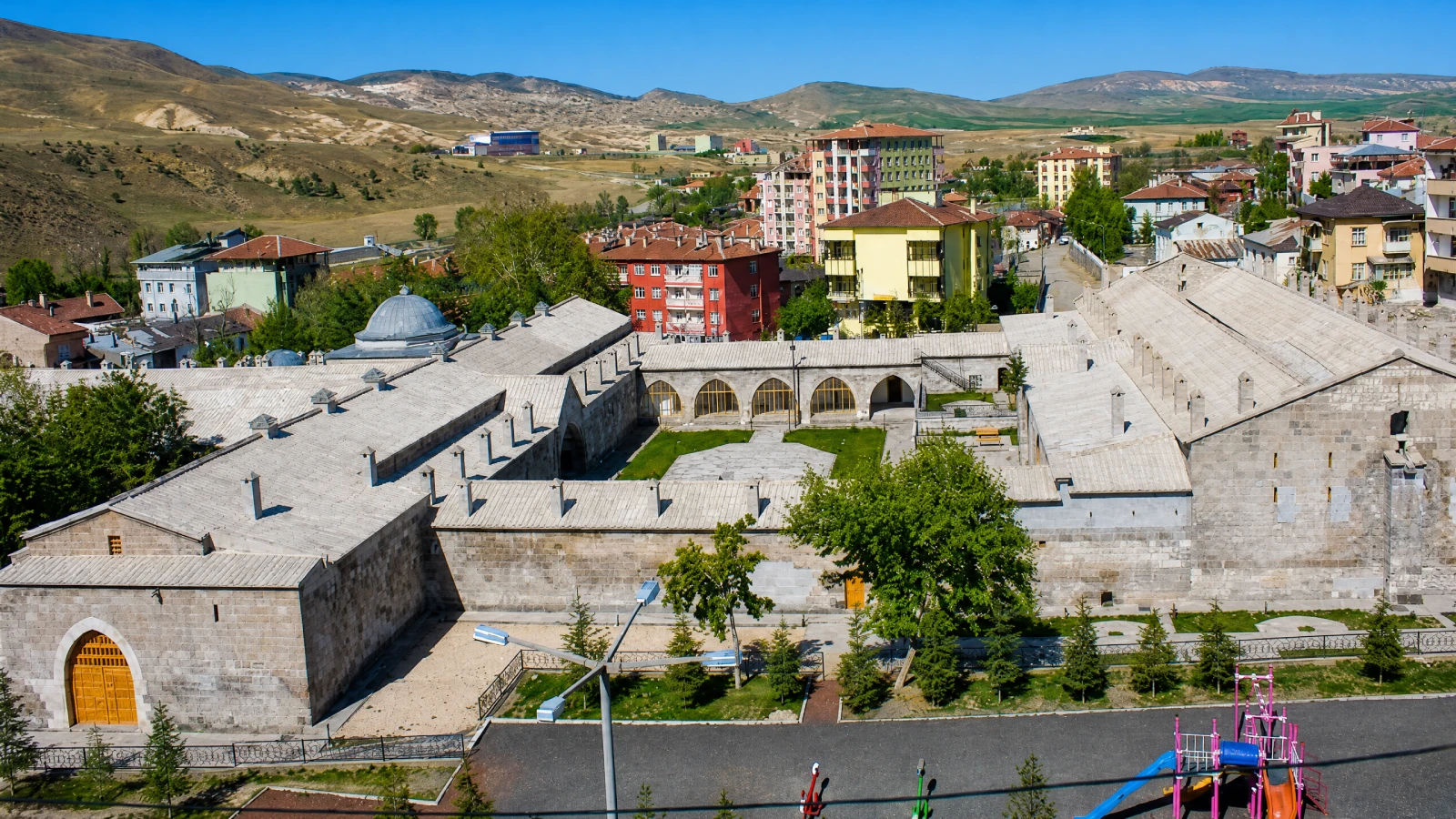
In medieval Niğde, Alaeddin Mosque (1223), Hüdavend Hatun Mausoleum (1312), Sungur Bey Mosque and Akmedrese (1409) show how religious patronage and artistic innovation shaped the city. Architectural details are best interpreted through inscriptions and conservation research rather than only through legends.

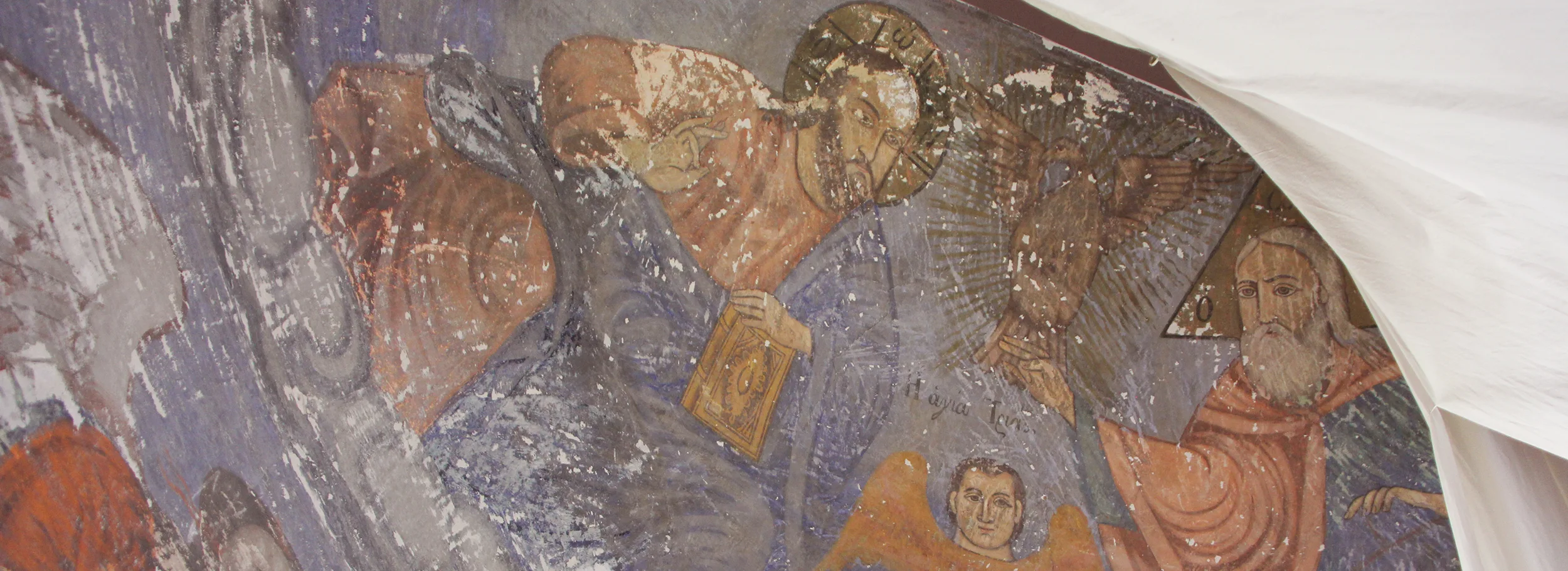
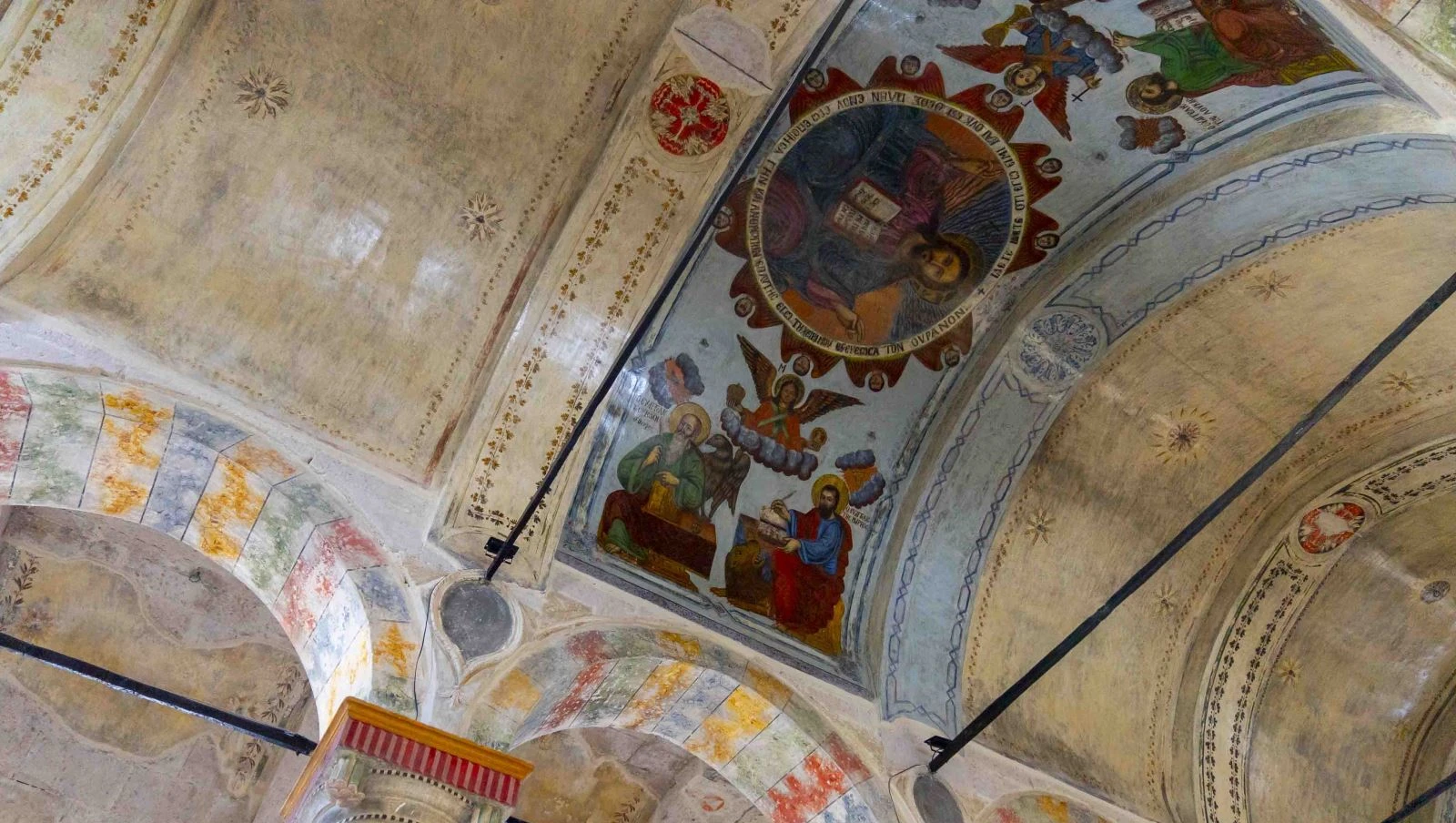
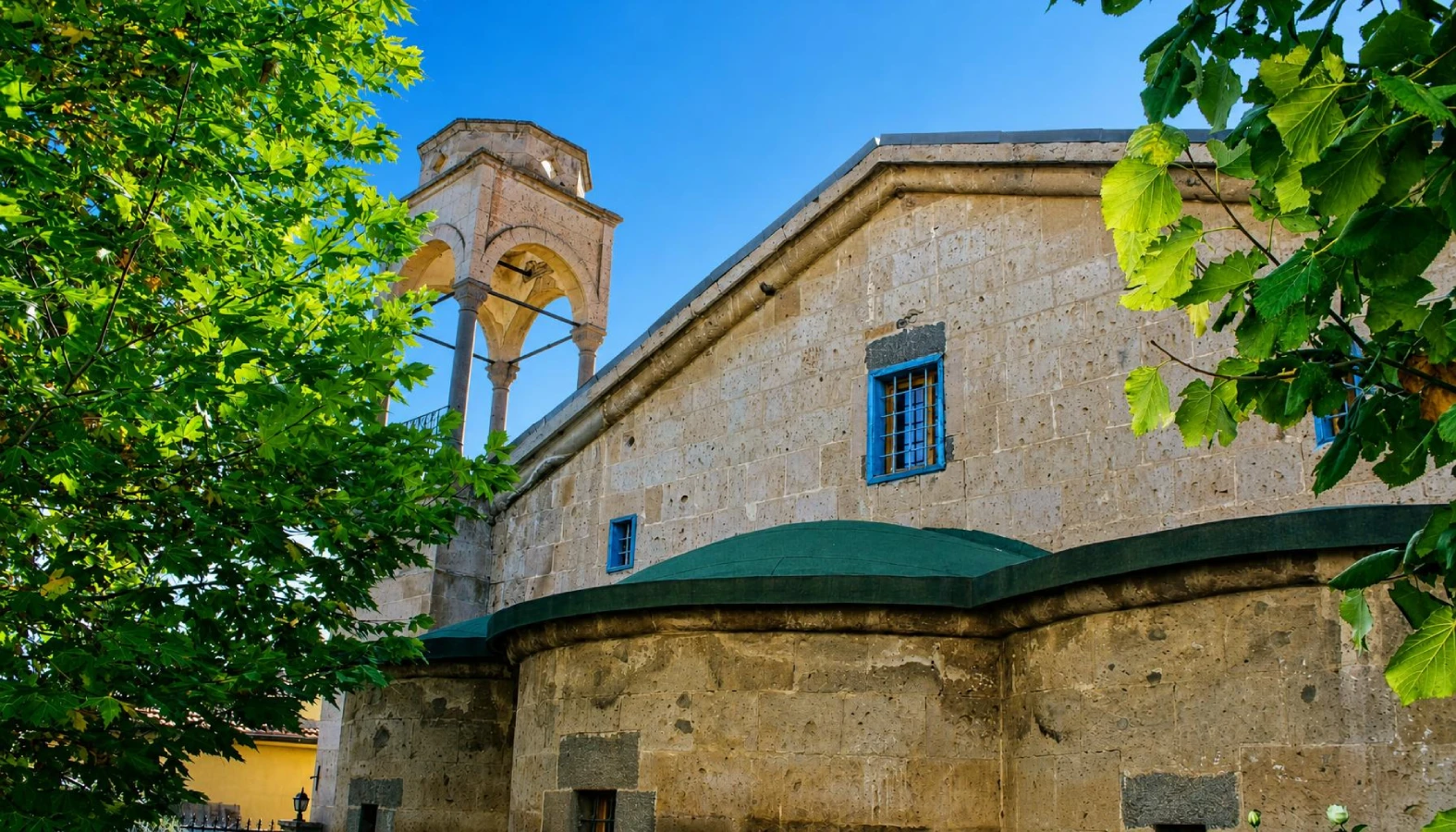
Christian landscapes also form a vital part of the province’s story. Gümüşler Monastery preserves a distinctive complex of carved rooms and painted interiors, while churches in Andaval, Konaklı, Fertek and other villages preserve traces of communities, liturgical traditions and changing uses of buildings.

Choose Niğde by Travel Style

Choose the part of Niğde that fits your interests instead of trying to see distant highland and archaeological sites in one hurried day.

Medieval Masterpieces

Seljuk & Karamanid Niğde

Compare Alaeddin Mosque, Hüdavend Hatun, Sungur Bey, Akmedrese and the historic castle quarter.

Byzantine Cappadocia

Frescoes & Village Churches

Visit Gümüşler and investigate the rich late antique and Ottoman-era Christian landscape of Niğde.

Deep Time

Prehistory & Ancient Tyana

Travel from Köşk Höyük and obsidian research to Göllüdağ and Roman aqueducts.

Outdoor Adventures

Taurus Peaks & Highland Lakes

Discover Aladağlar, Bolkar, Demirkazık and demanding alpine routes with an appropriate mountain plan.

In Focus: Niğde’s Christian Heritage

Gümüşler, Andaval, Konaklı and the Rural Church Landscape

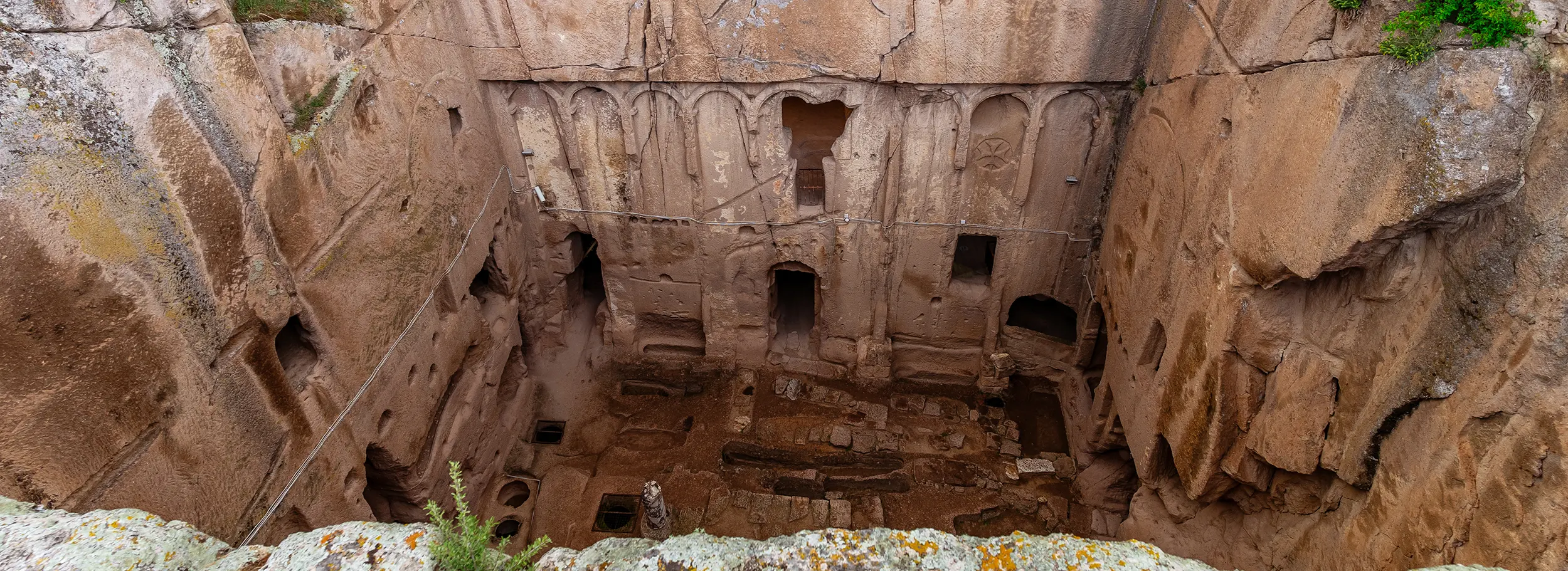
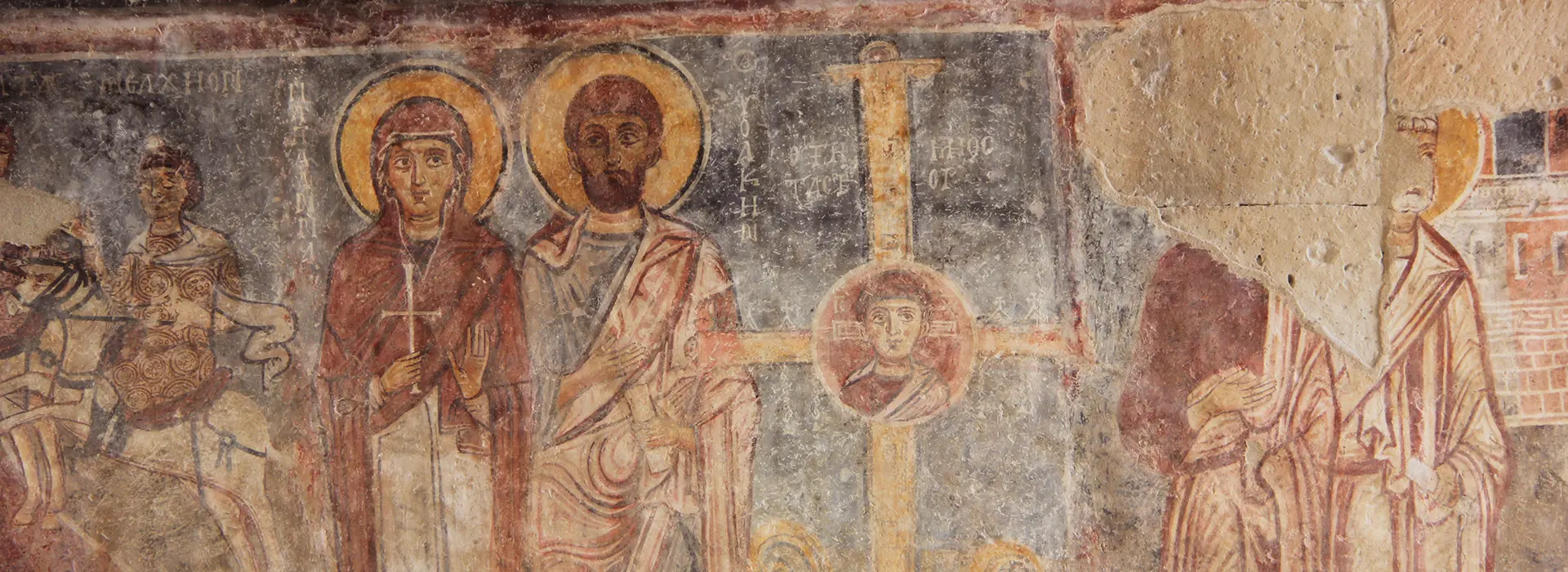
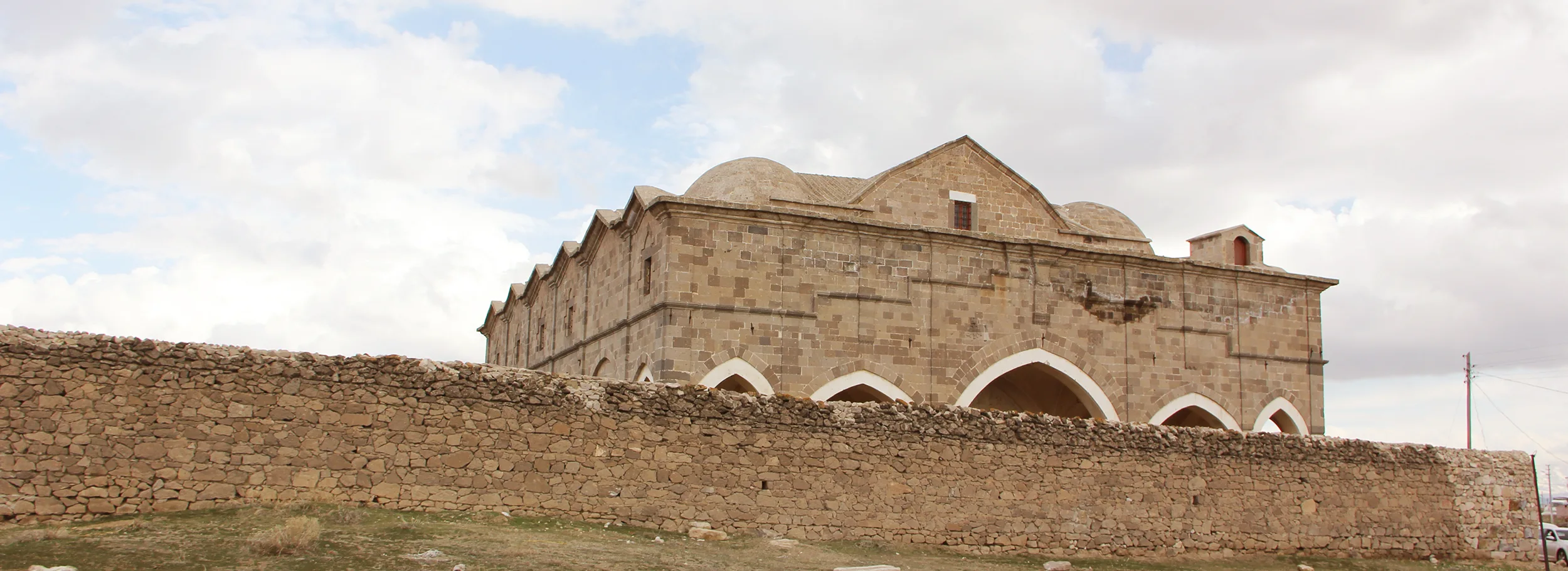
The rock-cut Eski Gümüşler Monastery is a major starting point for Christian heritage in Niğde. Its painted surfaces, carved courtyard and monastic rooms tell a story distinct from the better-known Göreme churches. Interpretations of specific painted figures can vary, and conservation conditions deserve care.

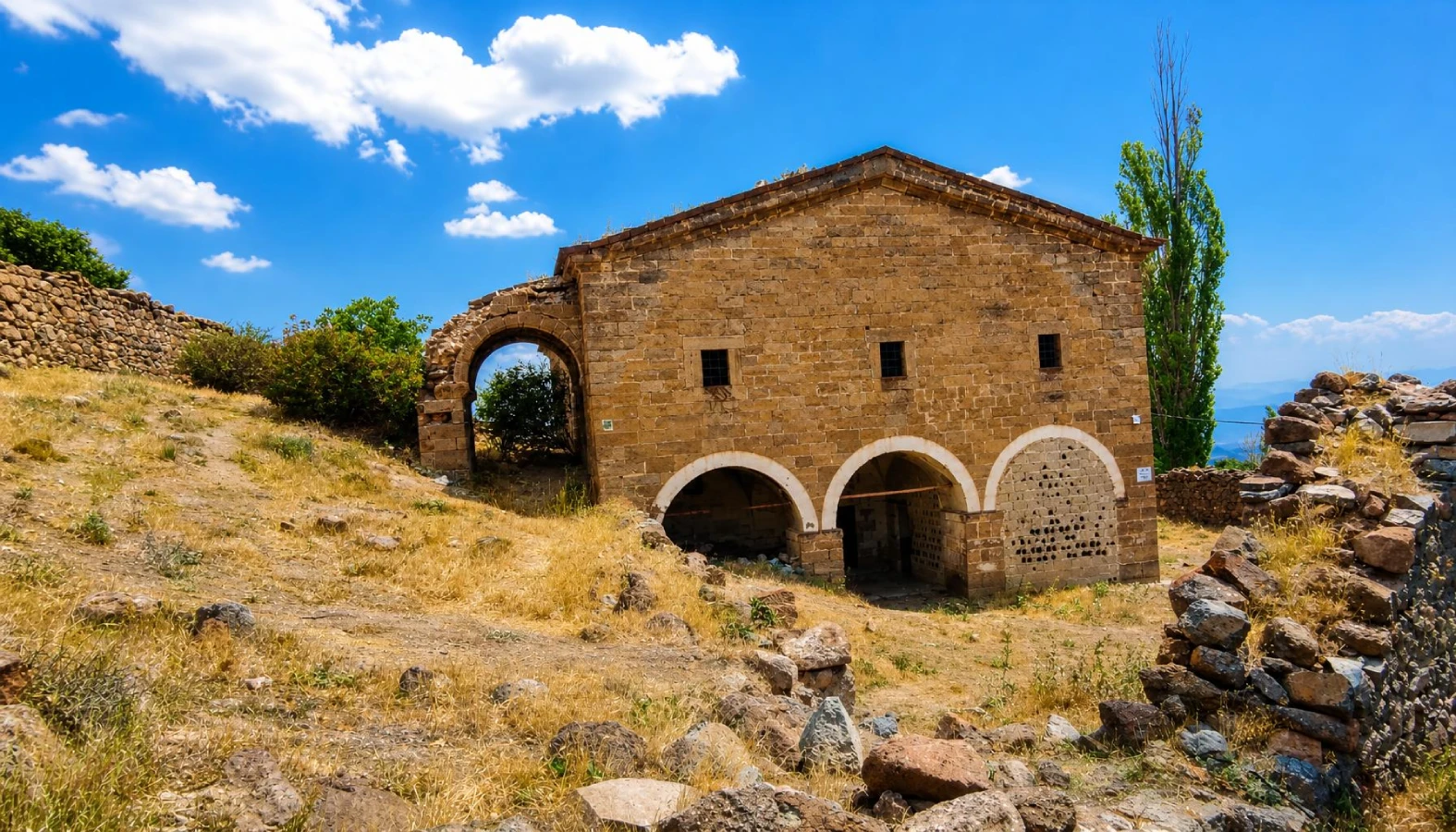
Andaval (Andabalis) belongs to the network of historical roads connecting Cappadocia with neighbouring regions. Konaklı (Misthi) and Fertek are valuable reminders that Christian communities and church building continued into more recent centuries, not just the Byzantine period.

Other village churches are less frequently visited and may have limited or no visitor infrastructure. A thoughtful itinerary should distinguish archaeological remains, active religious buildings, adapted uses and private or protected spaces.

Explore Niğde

Complete Niğde Travel & Culture Directory

Explore 63 detailed-guide destinations and topics, from historic monuments and mountain routes to food and crafts.

Sungur Bey Mosque in Niğde, Türkiye
Niğde City & Seljuk Heritage

Sungur Bey Mosque

An unusual meeting of medieval design traditions

Akmedrese in Niğde, Türkiye
Niğde City & Seljuk Heritage

Akmedrese

A Karamanid madrasa founded in 1409

Gündoğdu Tomb in Niğde, Türkiye
Niğde City & Seljuk Heritage

Gündoğdu Tomb

A lesser-known monument near Hüdavend Hatun

Köşk Höyük in Niğde, Türkiye
Archaeology & Ancient Roads

Köşk Höyük

Neolithic and Chalcolithic communities

Fertek Church in Niğde, Türkiye
Byzantine Churches & Villages

Fertek Church

A church associated with the archangels

Hamamlı Church in Niğde, Türkiye
Byzantine Churches & Villages

Hamamlı Church

A local church beyond the usual tourist circuit

Ovacık Church in Niğde, Türkiye
Byzantine Churches & Villages

Ovacık Church

Late historic ecclesiastical architecture

Cimbar Valley in Niğde, Türkiye
Mountains, Lakes & Nature

Cimbar Valley

A steep and scenic rock corridor

Emli Valley in Niğde, Türkiye
Mountains, Lakes & Nature

Emli Valley

Mountain meadows and striking rock walls

Ecemiş Valley in Niğde, Türkiye
Mountains, Lakes & Nature

Ecemiş Valley

A corridor between mountains and settlements

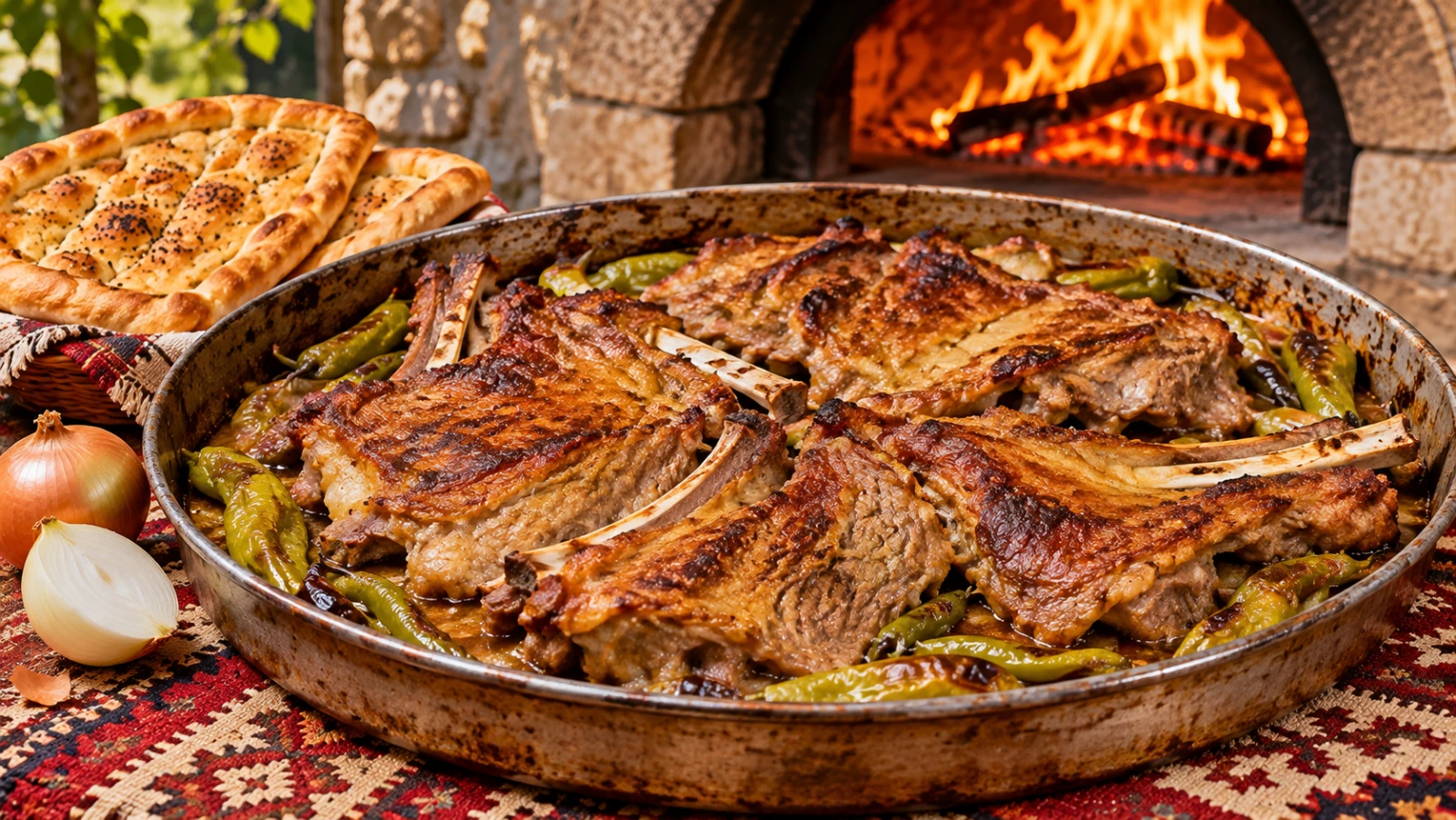
Niğde Tava in Niğde, Türkiye
Niğde Food & Local Products

Niğde Tava

Slow-roasted lamb and vegetables

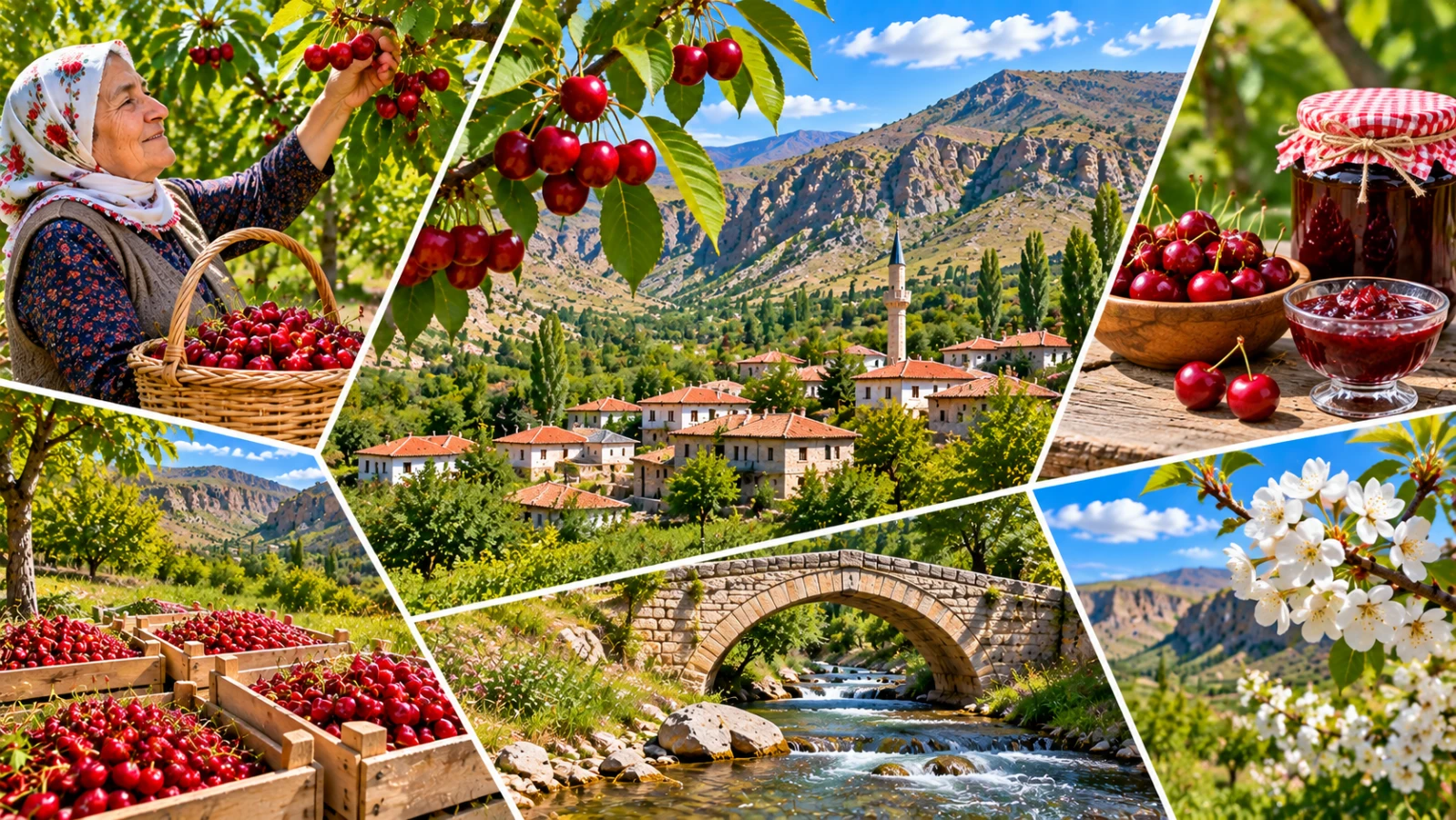
Darboğaz Cherries in Niğde, Türkiye
Niğde Food & Local Products

Darboğaz Cherries

Highland cherries with a protected regional name

Fertek Halkası in Niğde, Türkiye
Niğde Food & Local Products

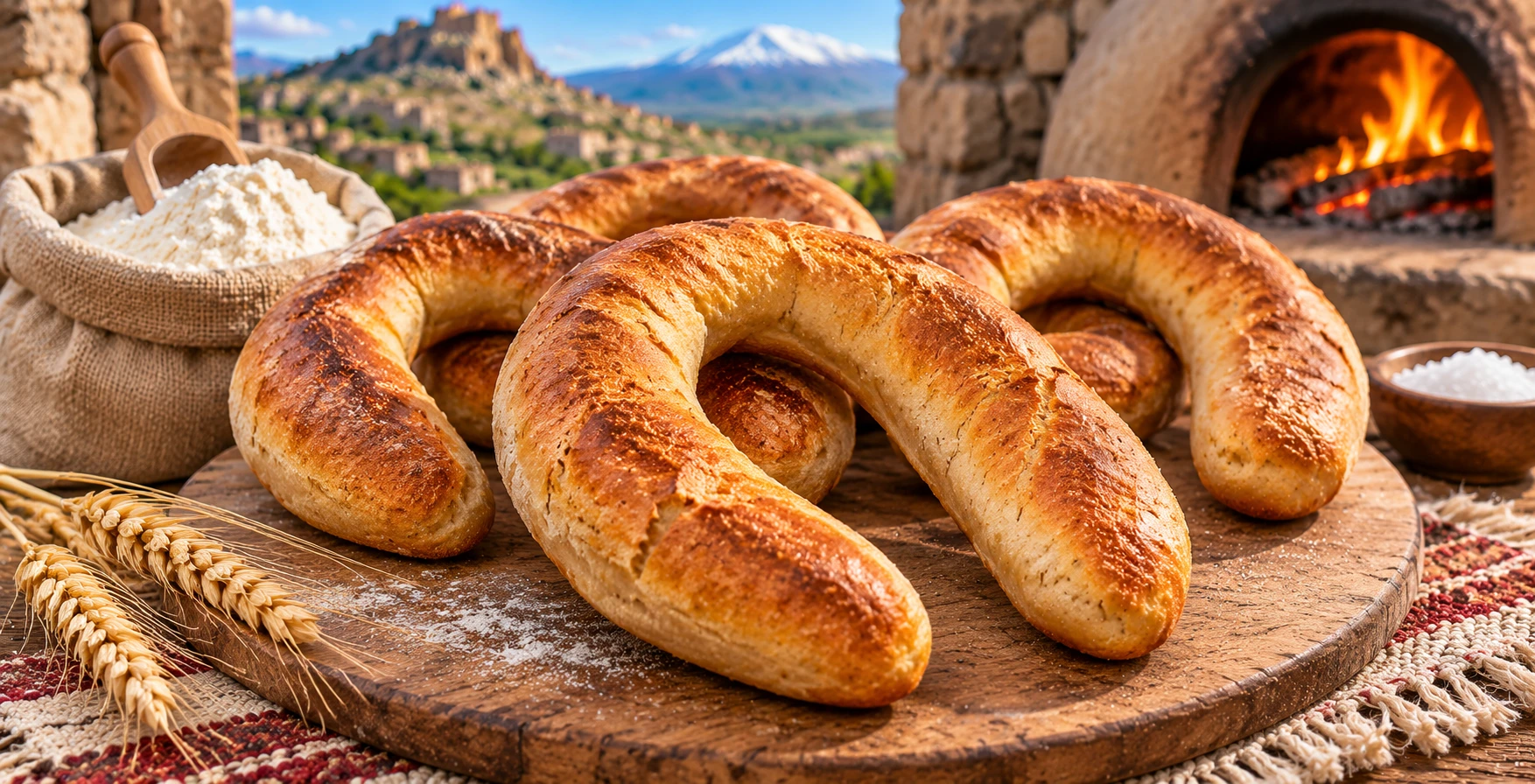
Fertek Halkası

A local ring-shaped bakery tradition

Best Day Trips and Regional Routes in Niğde

Use these themes to plan realistic trips across Niğde’s city, archaeological plain, village churches and mountain districts.

Historic Center

Niğde Castle & Old Town

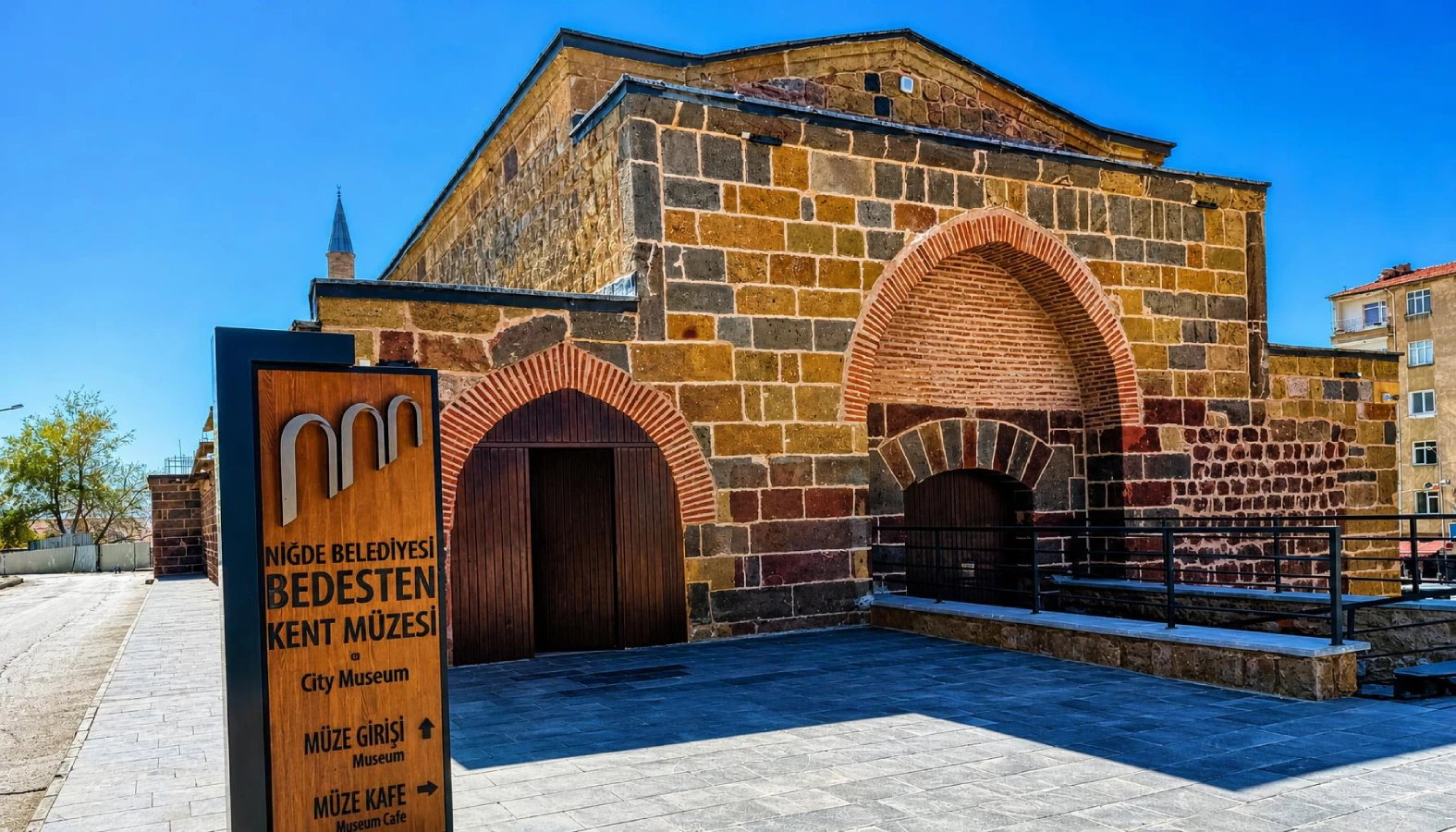
Alaeddin Mosque, Hüdavend Hatun, Akmedrese, Sungur Bey, Bedesten Kent Müzesi and traditional streets.

Ancient Civilizations

Tyana, Köşk Höyük & Göllüdağ

Roman hydraulic engineering, prehistoric settlement and more remote archaeology—some stops need separate days.

Christian Heritage

Gümüşler and Historic Villages

Begin with Gümüşler, then consider Andaval, Fertek or Konaklı with confirmed site access.

Nature & Mountains

Çamardı, Aladağlar & Bolkar

Use a dedicated outdoor plan for Demirkazık, trails, alpine lakes or the Ulukışla thermal area.

What to Eat in Niğde

Discover registered regional specialities and local home cooking; availability varies by restaurant, bakery and season.

Niğde Food Culture

From Niğde Tava and Tahinlisi to Darboğaz Cherries

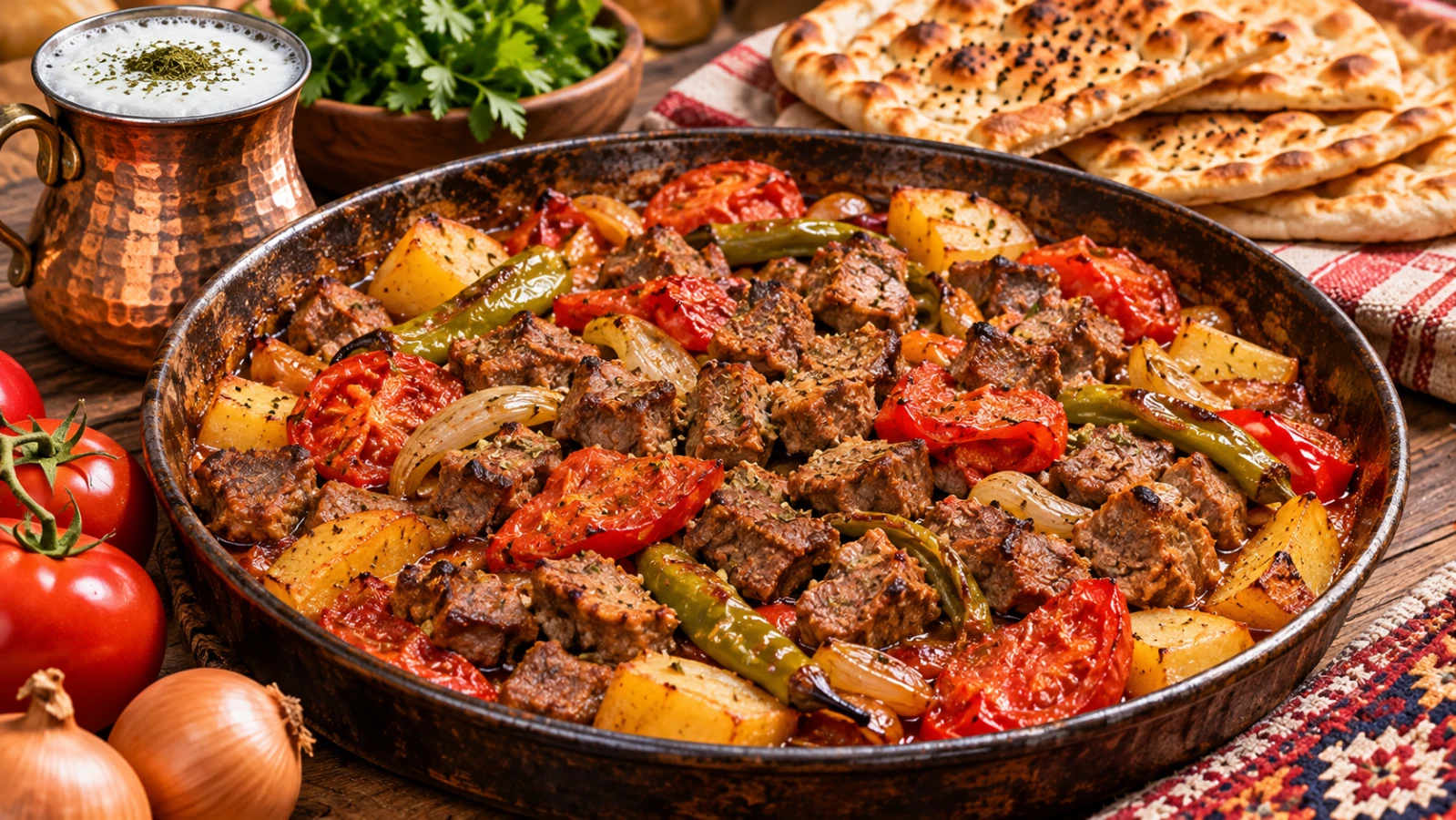
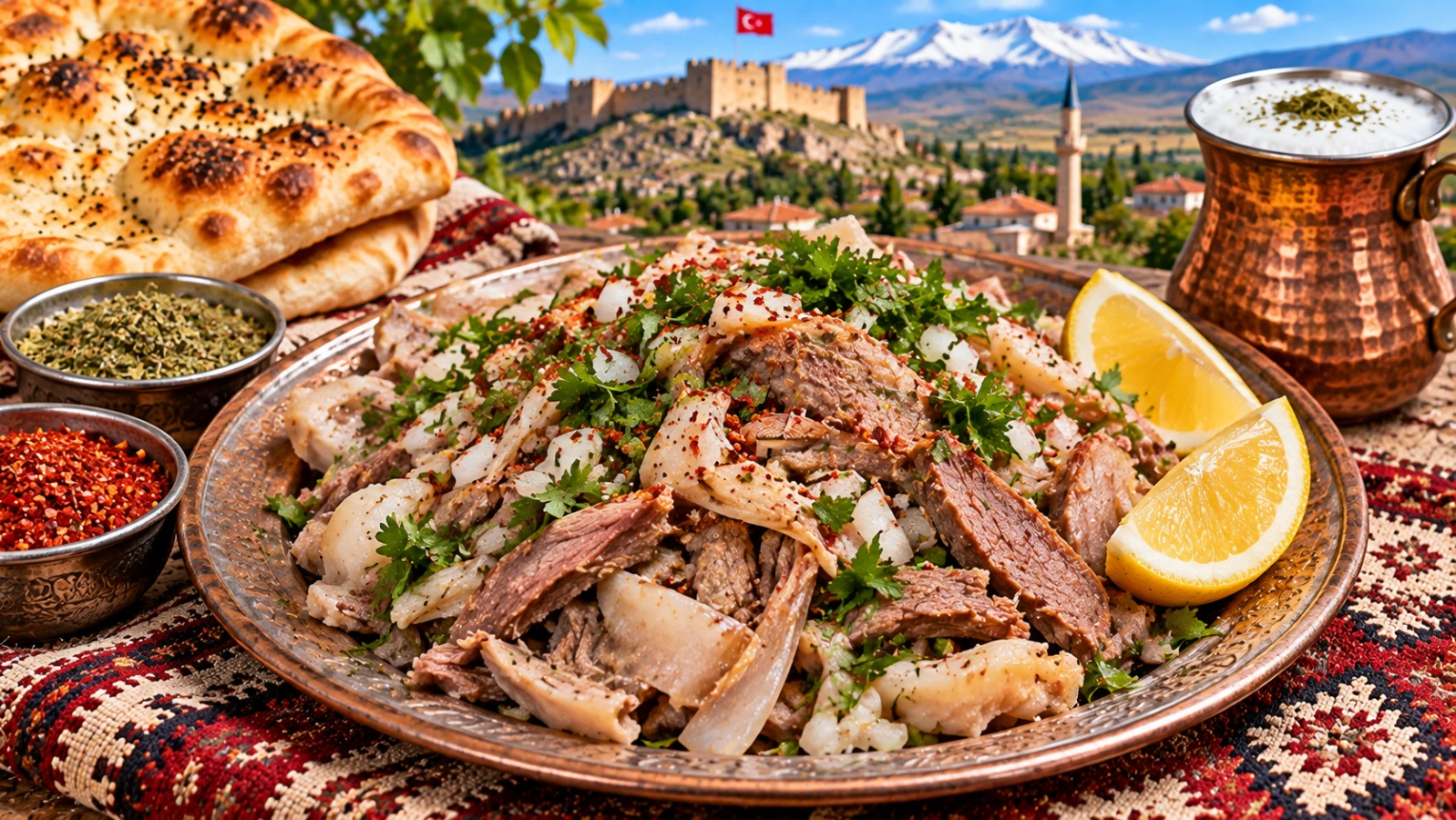
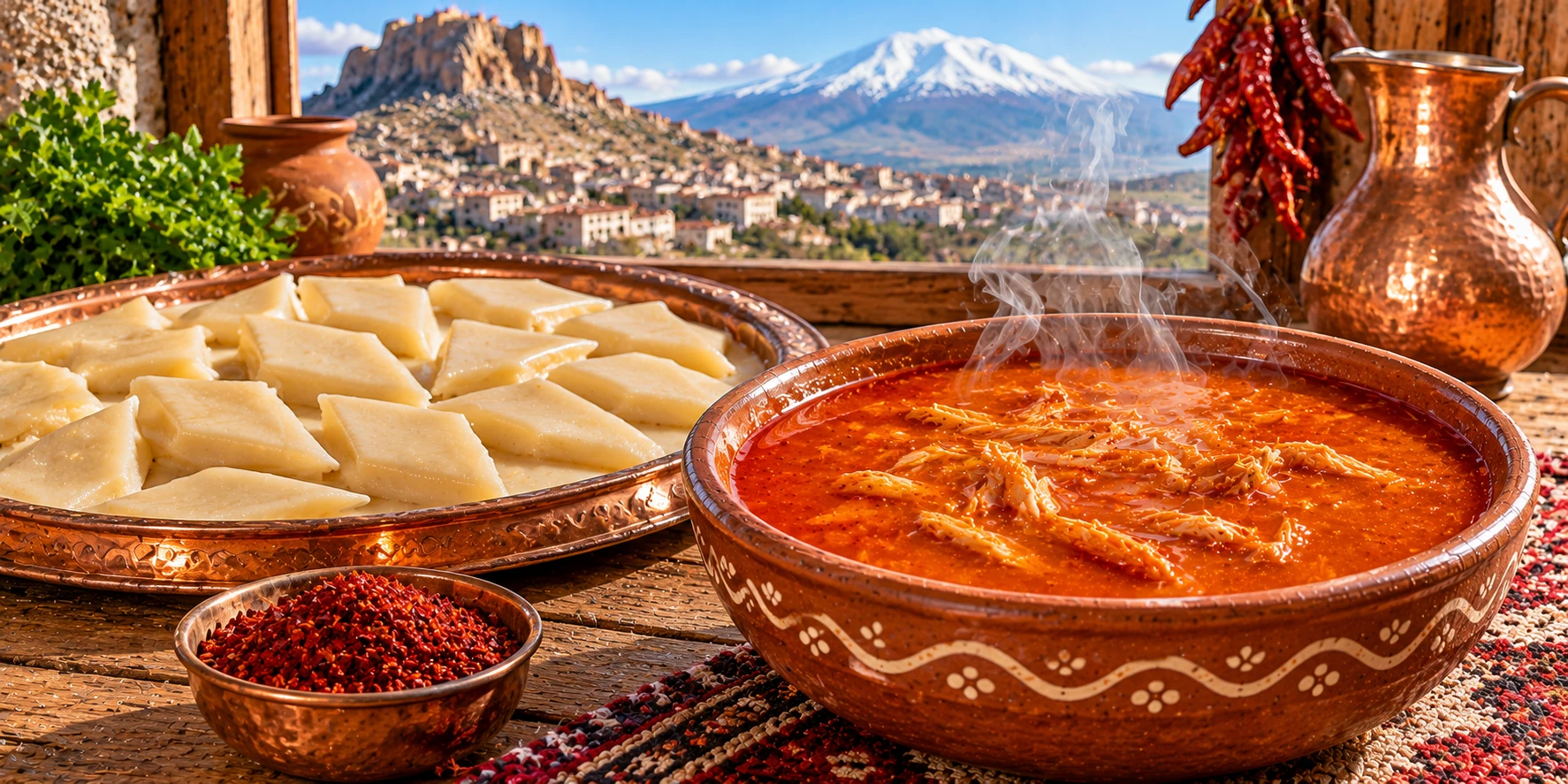
Niğde Tava is among the region’s best-known meat dishes: lamb or mutton is baked with vegetables and seasoning. Bor Söğürme and Niğde Kelle Söğüş bring other local traditions to the table, reflecting both domestic and market-based food culture.

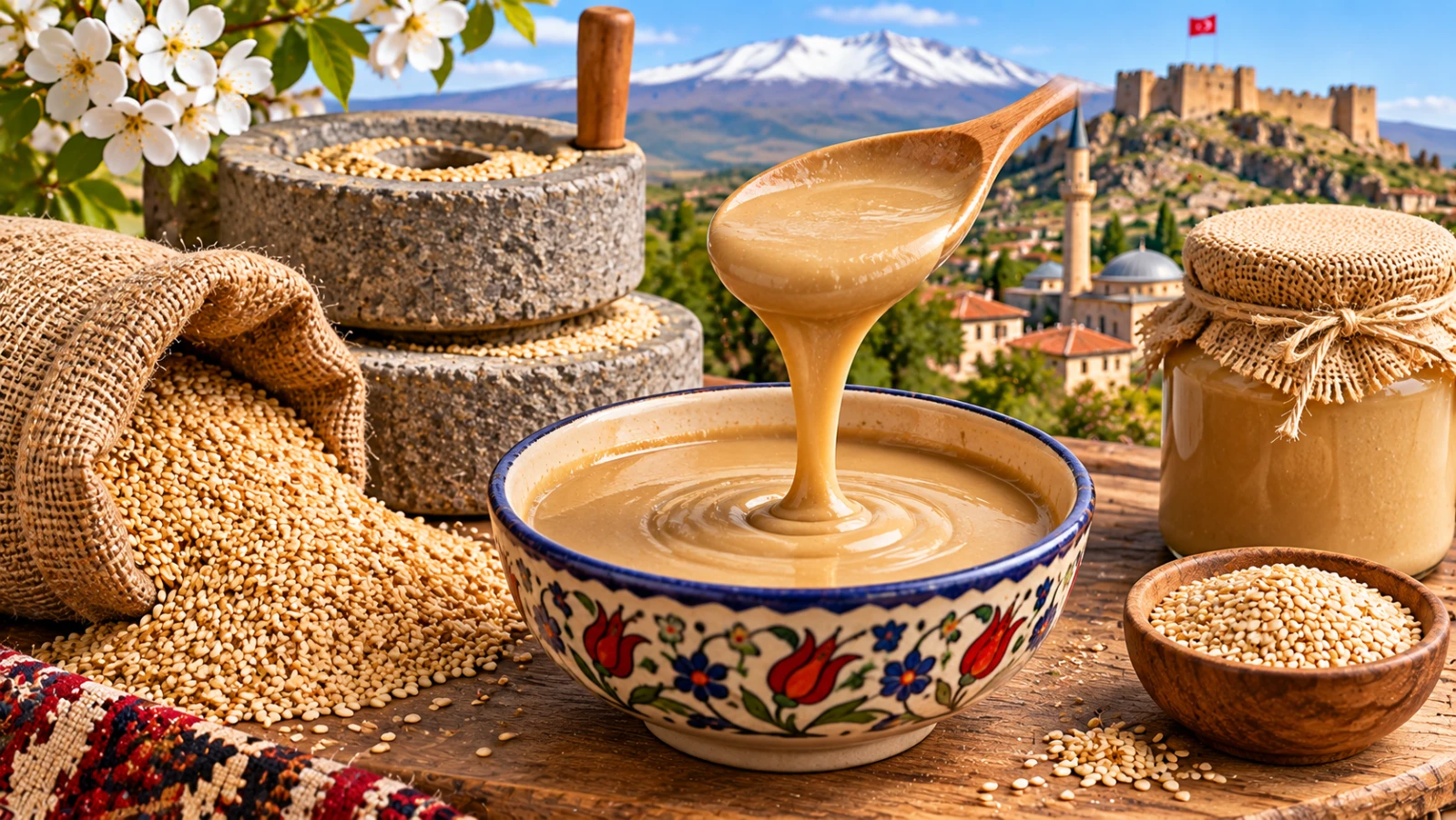
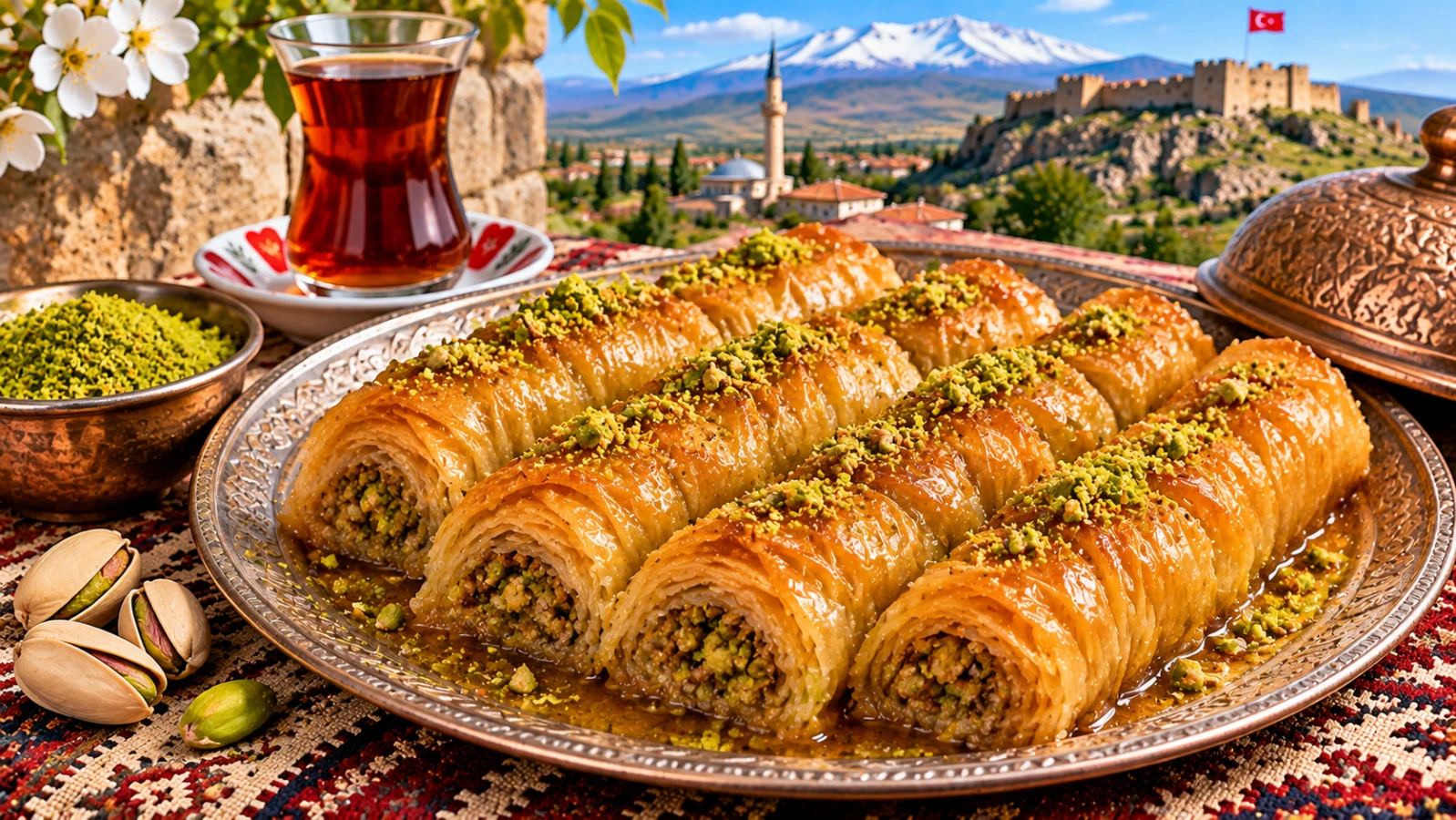
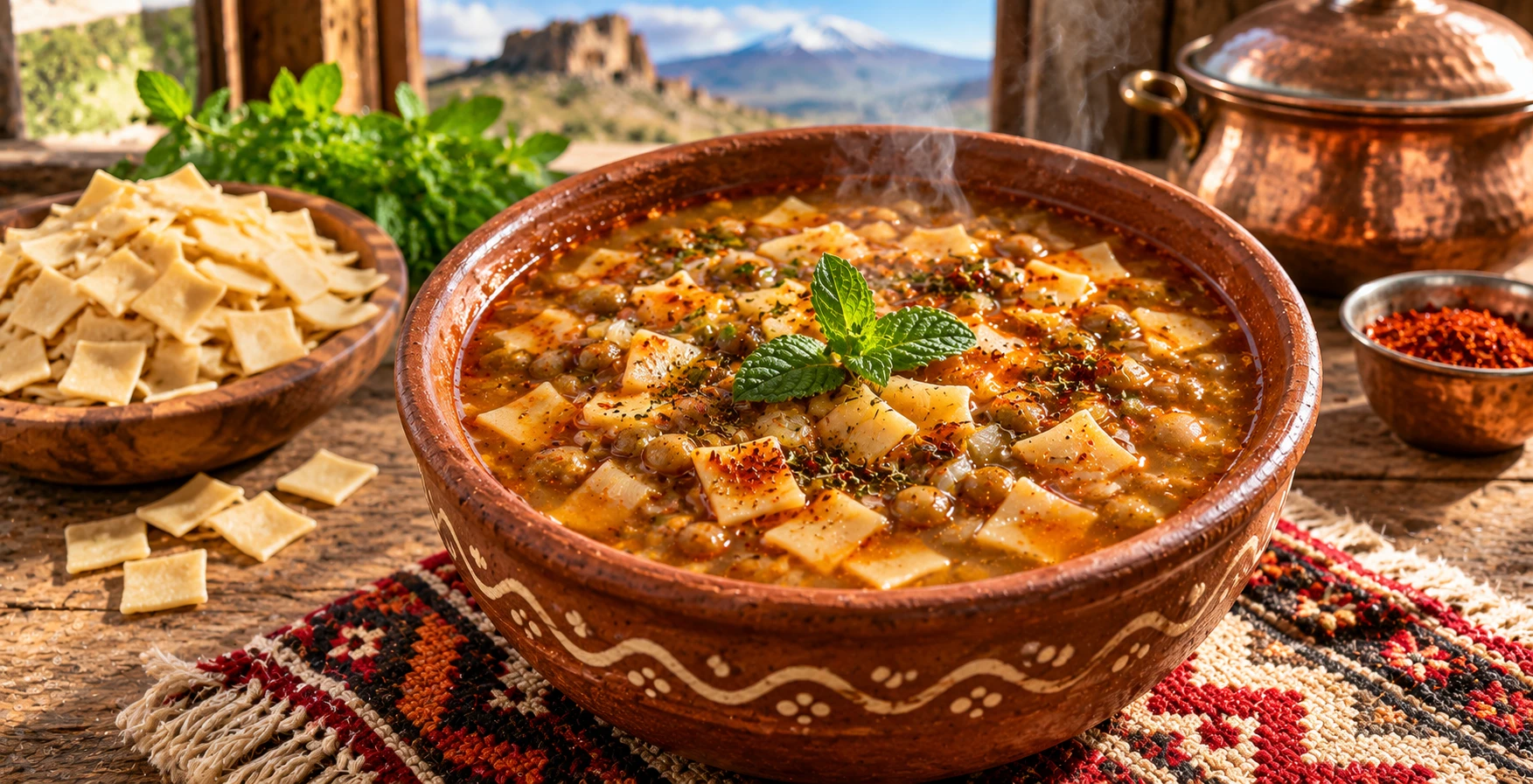
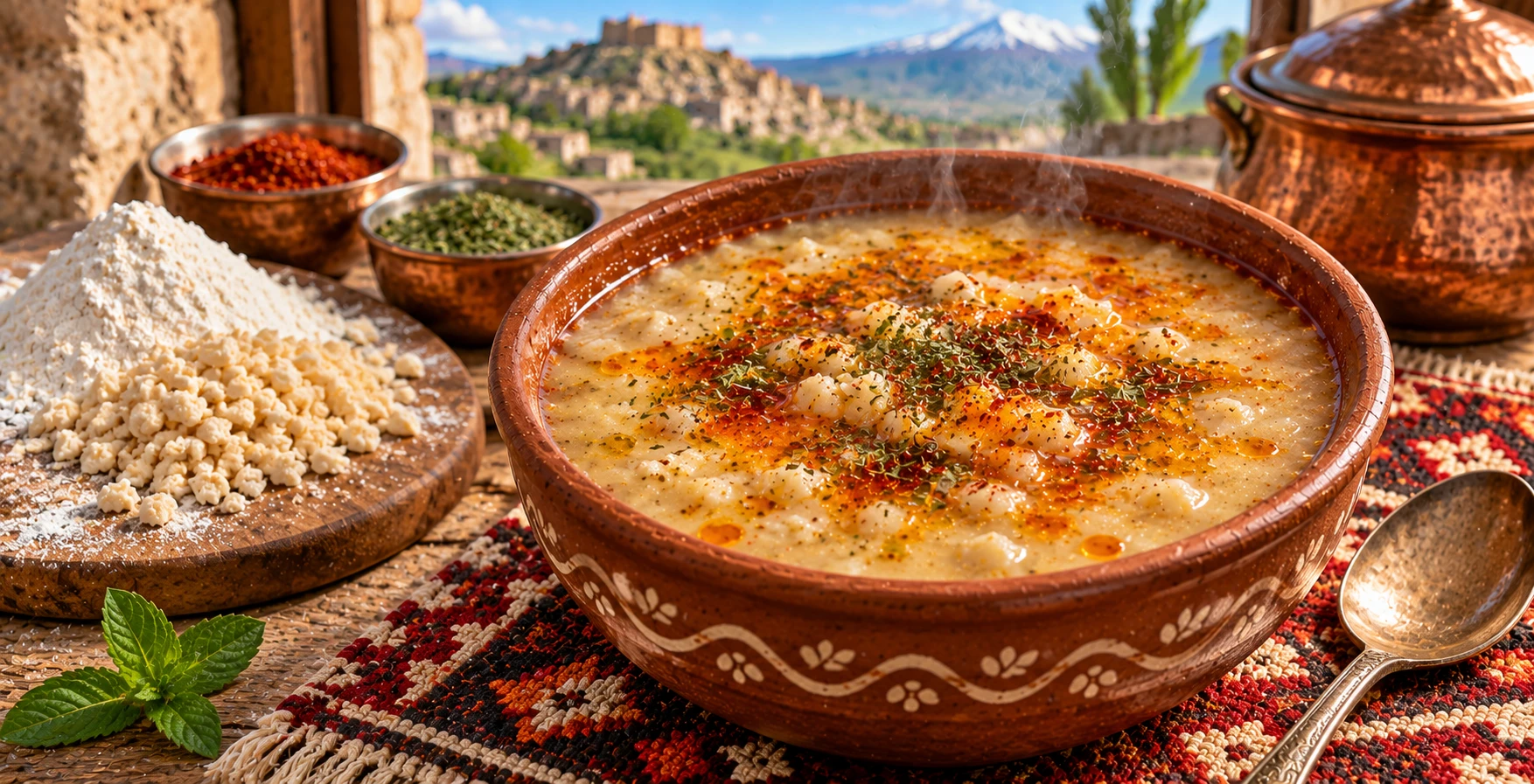
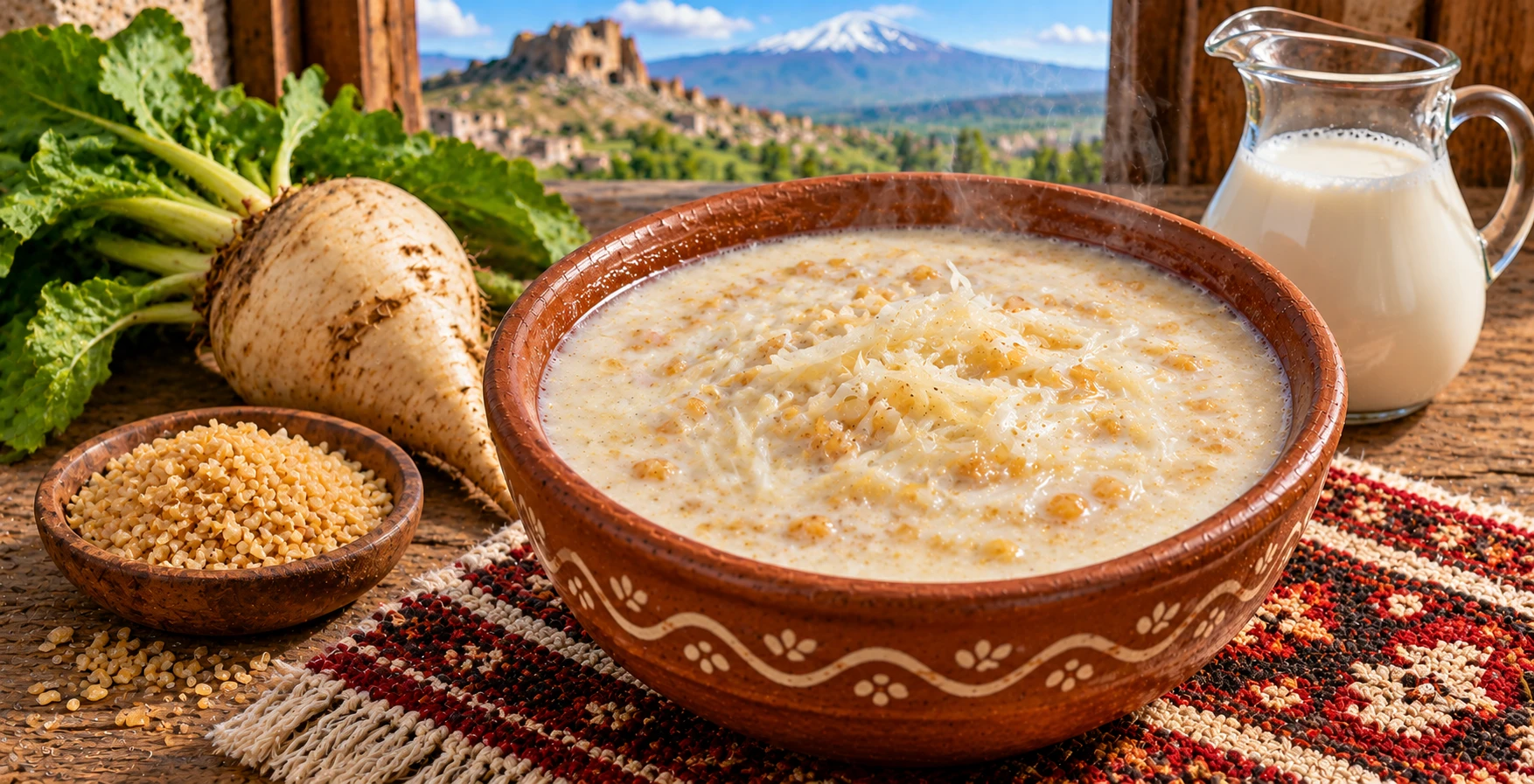
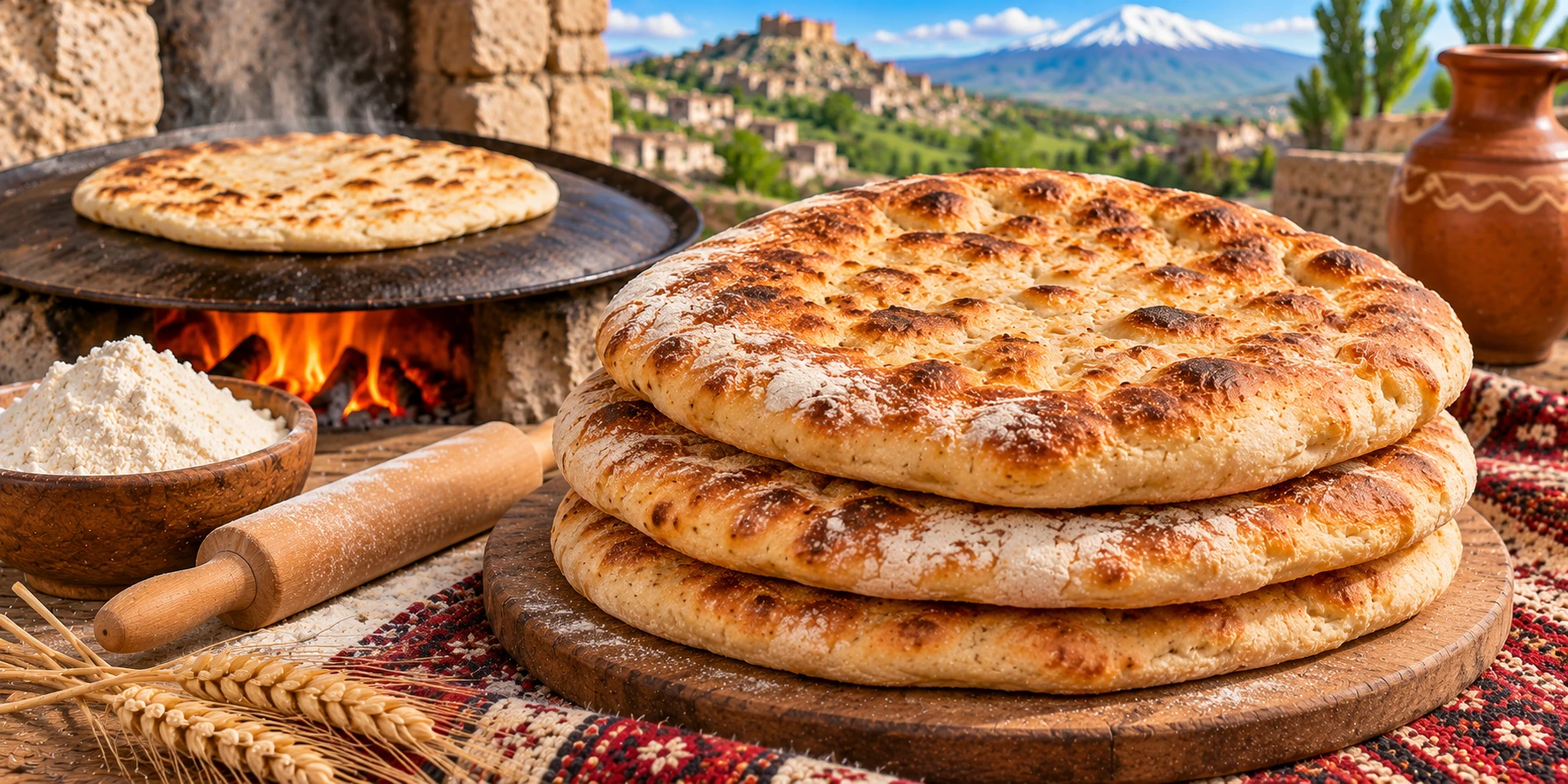
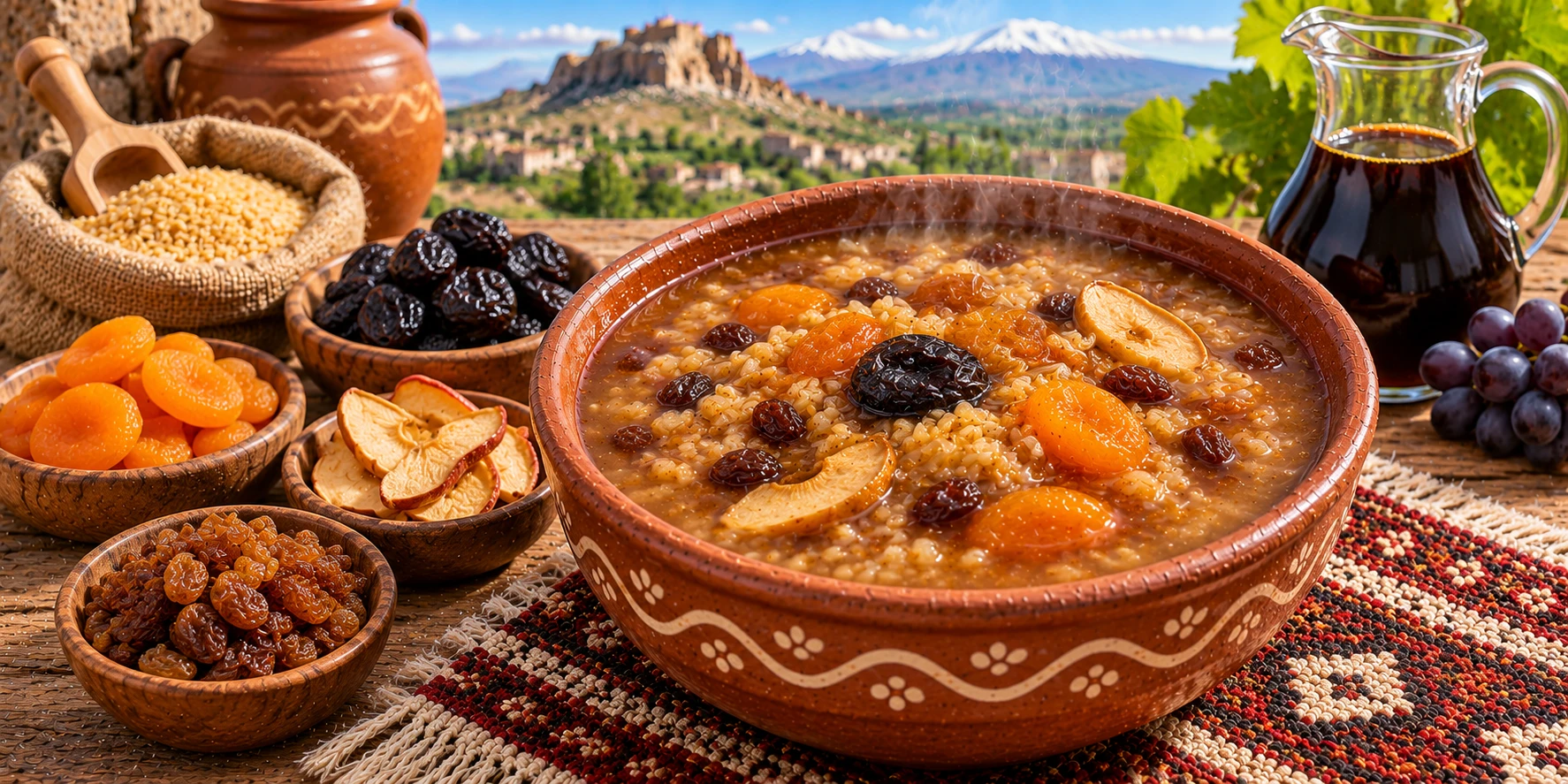
Niğde Tahinlisi and Sarım Burma belong to the region’s pastry and dessert repertoire. Traditional soups, hand-rolled dough and village-style breads illustrate the everyday meals that rarely appear in short tourist guides.
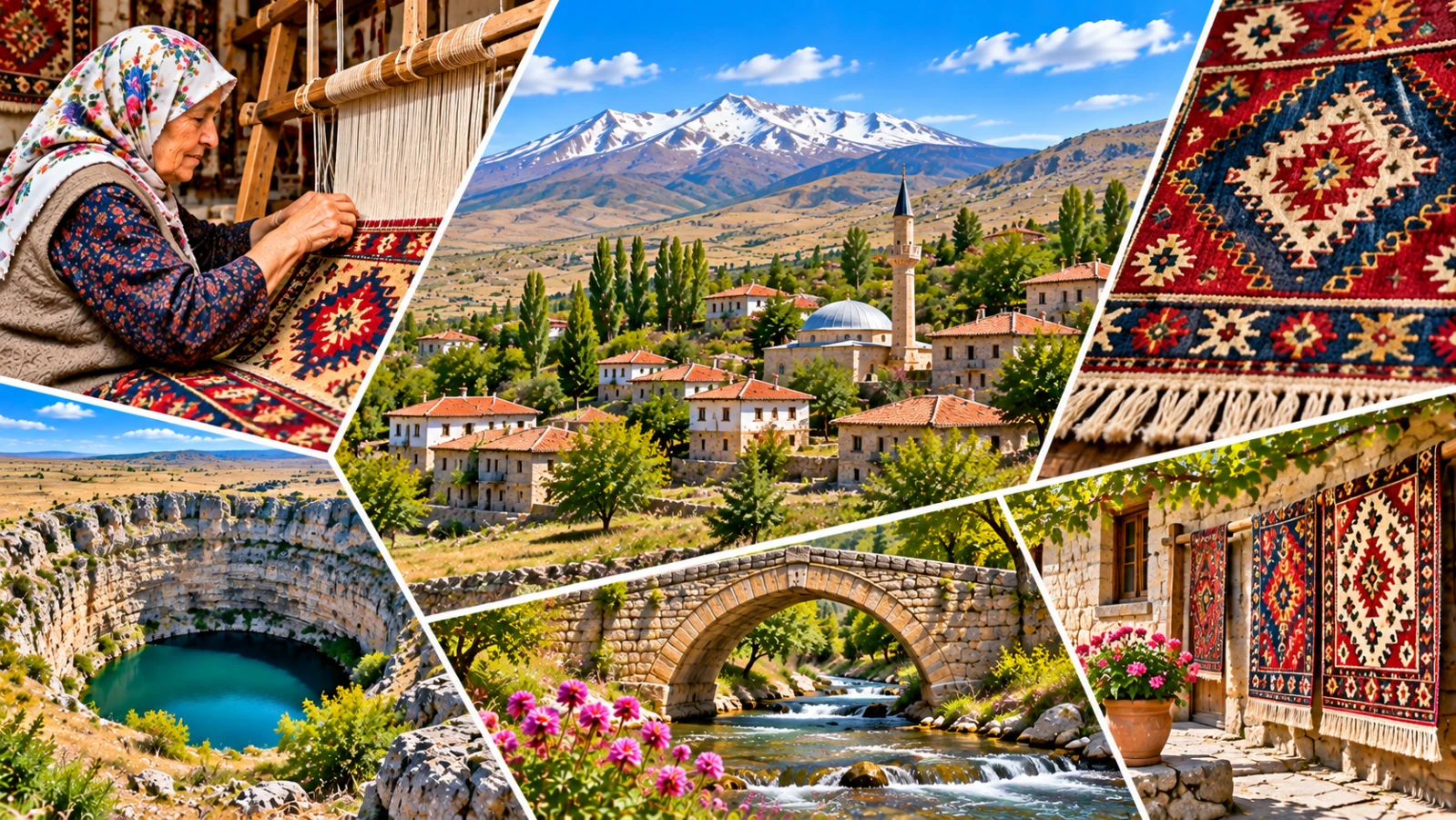
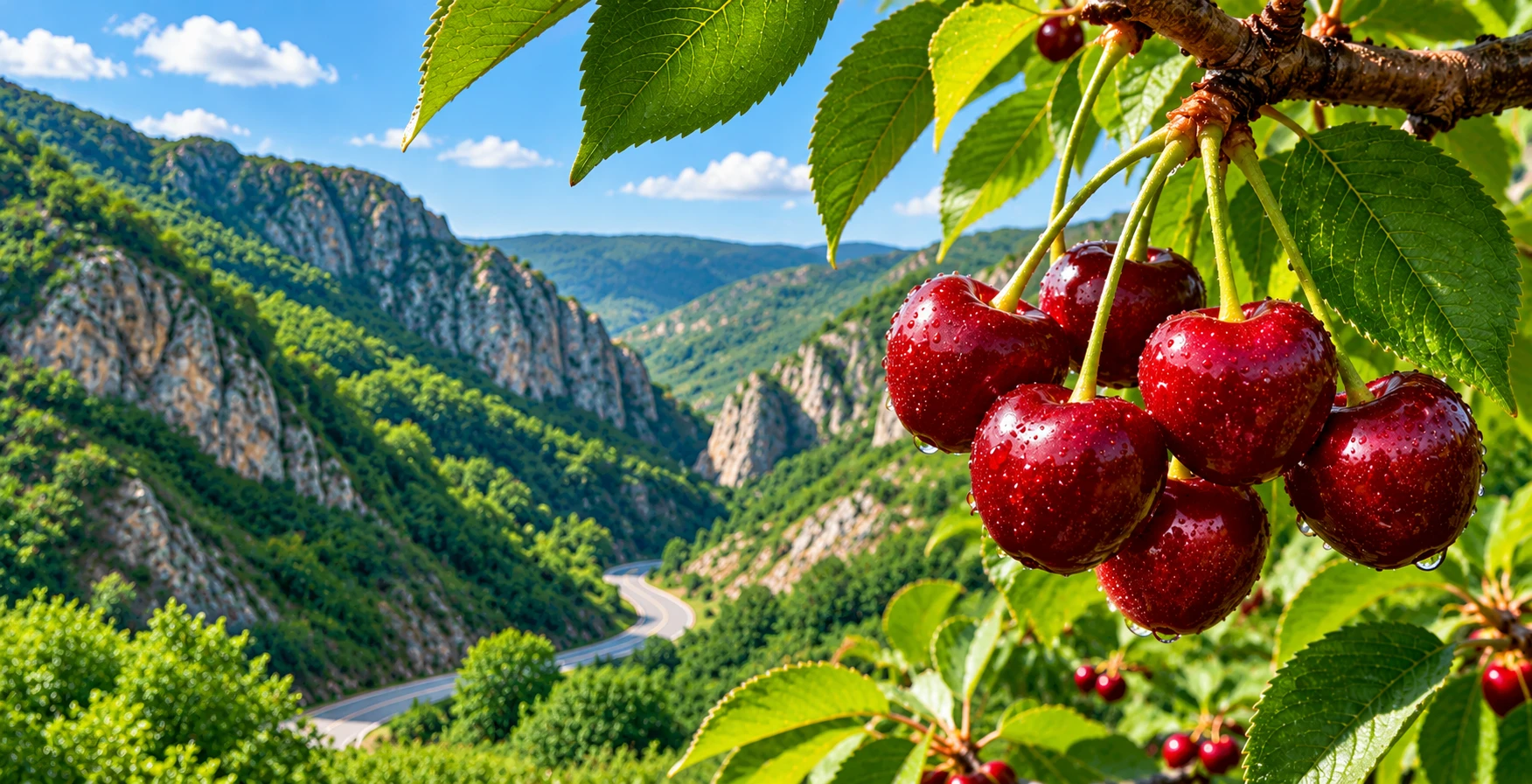
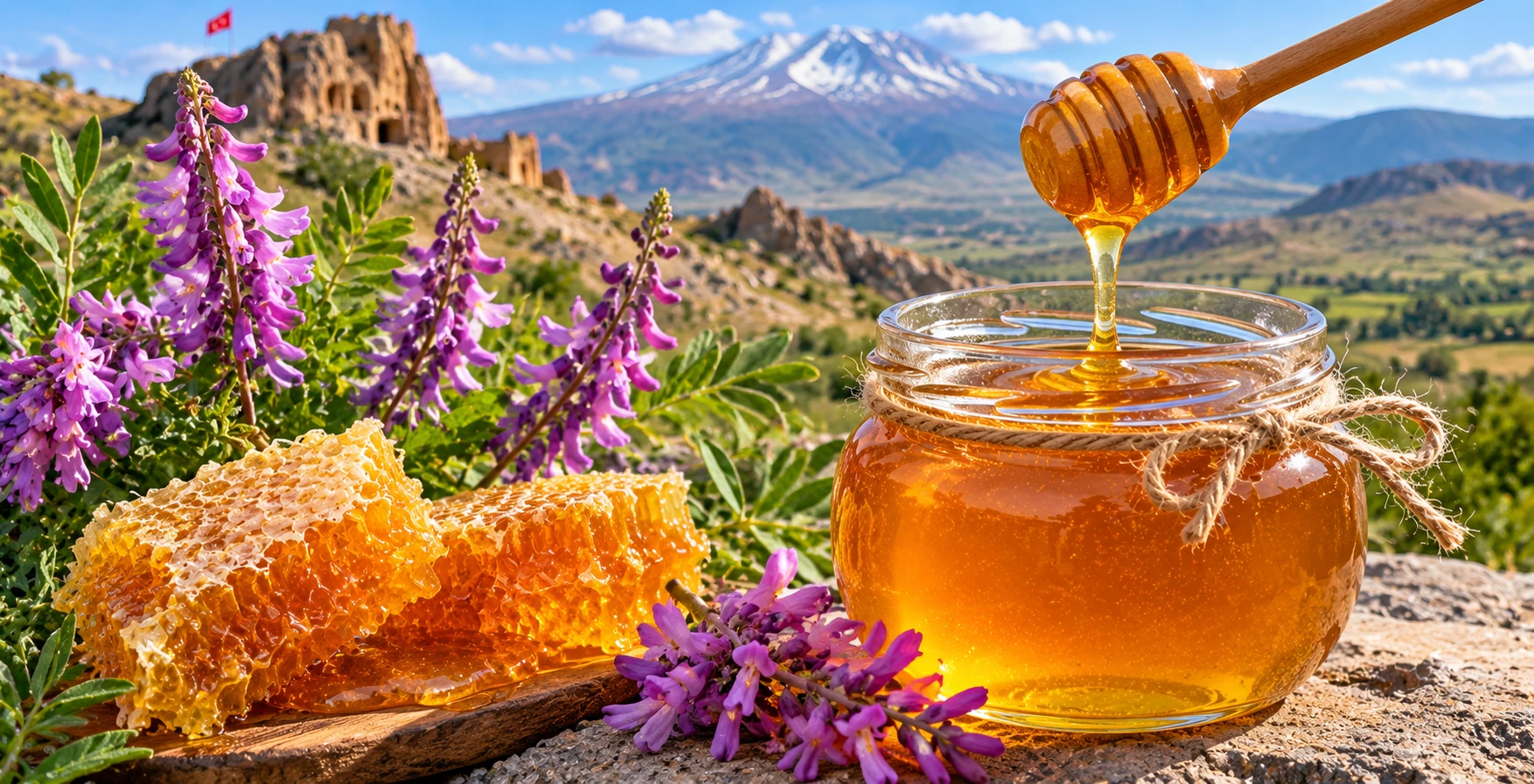
The mountain environment also shapes produce and crafts. Darboğaz cherries and Niğde Geven Honey carry geographically indicated identities, while Obruk (Arısama) carpets represent a related strand of living rural heritage.
How Many Days Do You Need in Niğde?

Historic sights can be grouped compactly, but the wide spread of archaeological sites and mountainous terrain makes careful pacing essential.

One Day

Historic City & Gümüşler

Choose the city’s Seljuk monuments, Bedesten City Museum and Gümüşler Monastery for a full heritage-focused day.

Two Days

Add Tyana & Bor

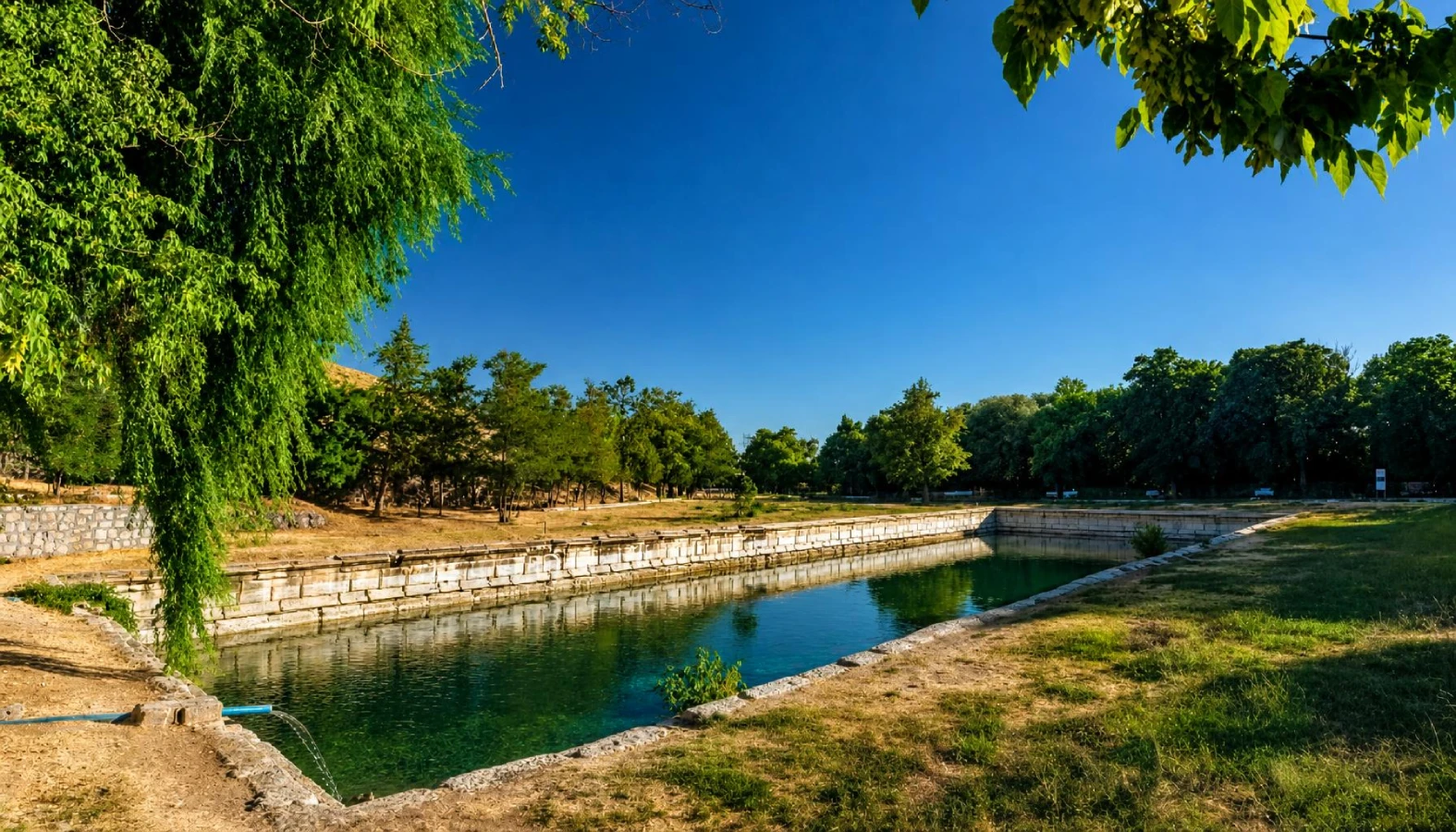
Add Kemerhisar aqueducts, Bahçeli Roman Pool, Bor or another accessible archaeological stop.

Three Days

Add Village Churches

Use the third day for Konaklı, Andaval, Fertek or another focused route based on verified opening and road conditions.

More Days

Explore the Taurus Mountains

Give the Aladağlar or Bolkar mountains dedicated days; high-altitude routes require suitable equipment and experience.

Suggested Historic City Route

Niğde Castle, Alaeddin Mosque, Hüdavend Hatun and Akmedrese

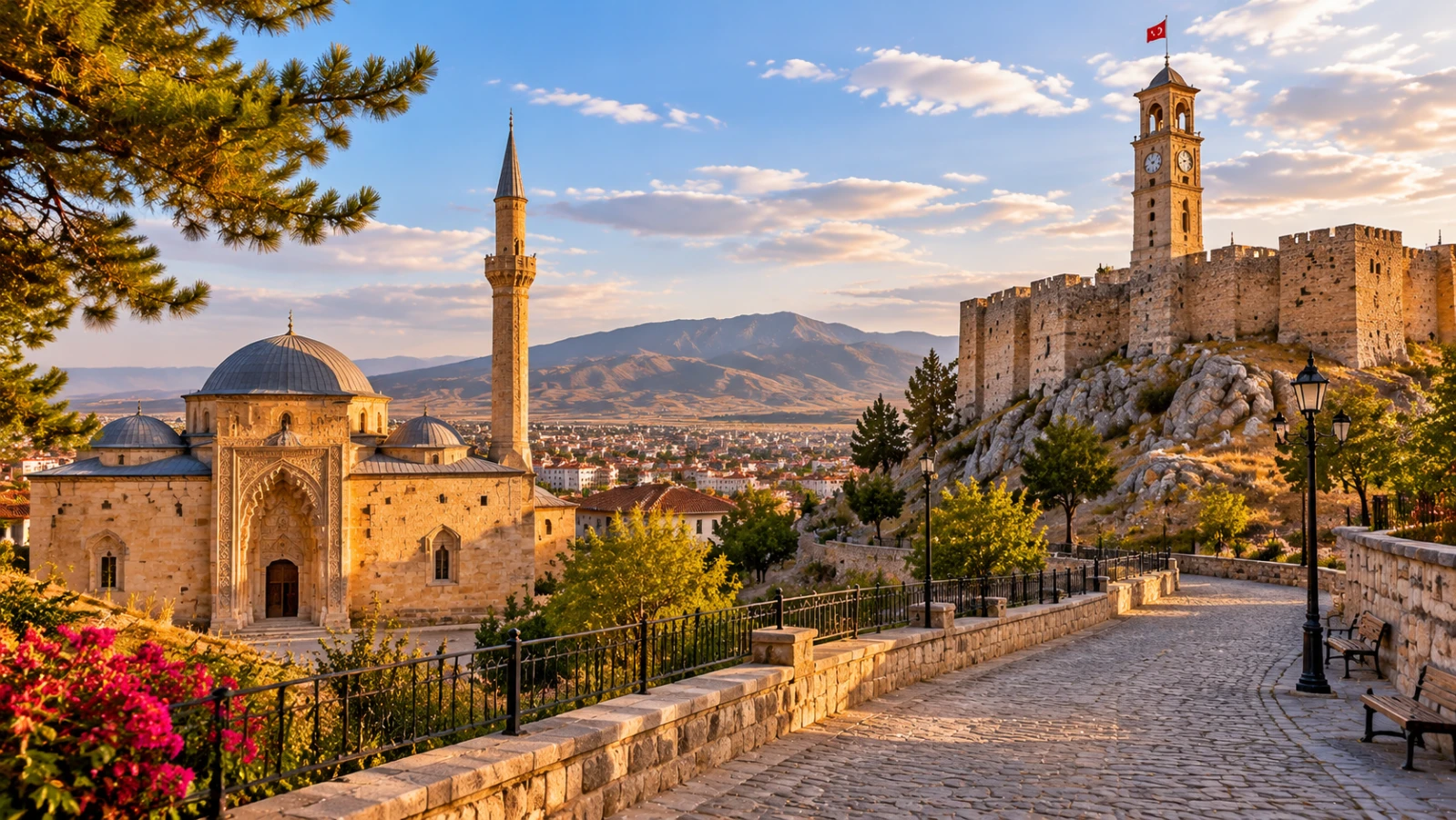
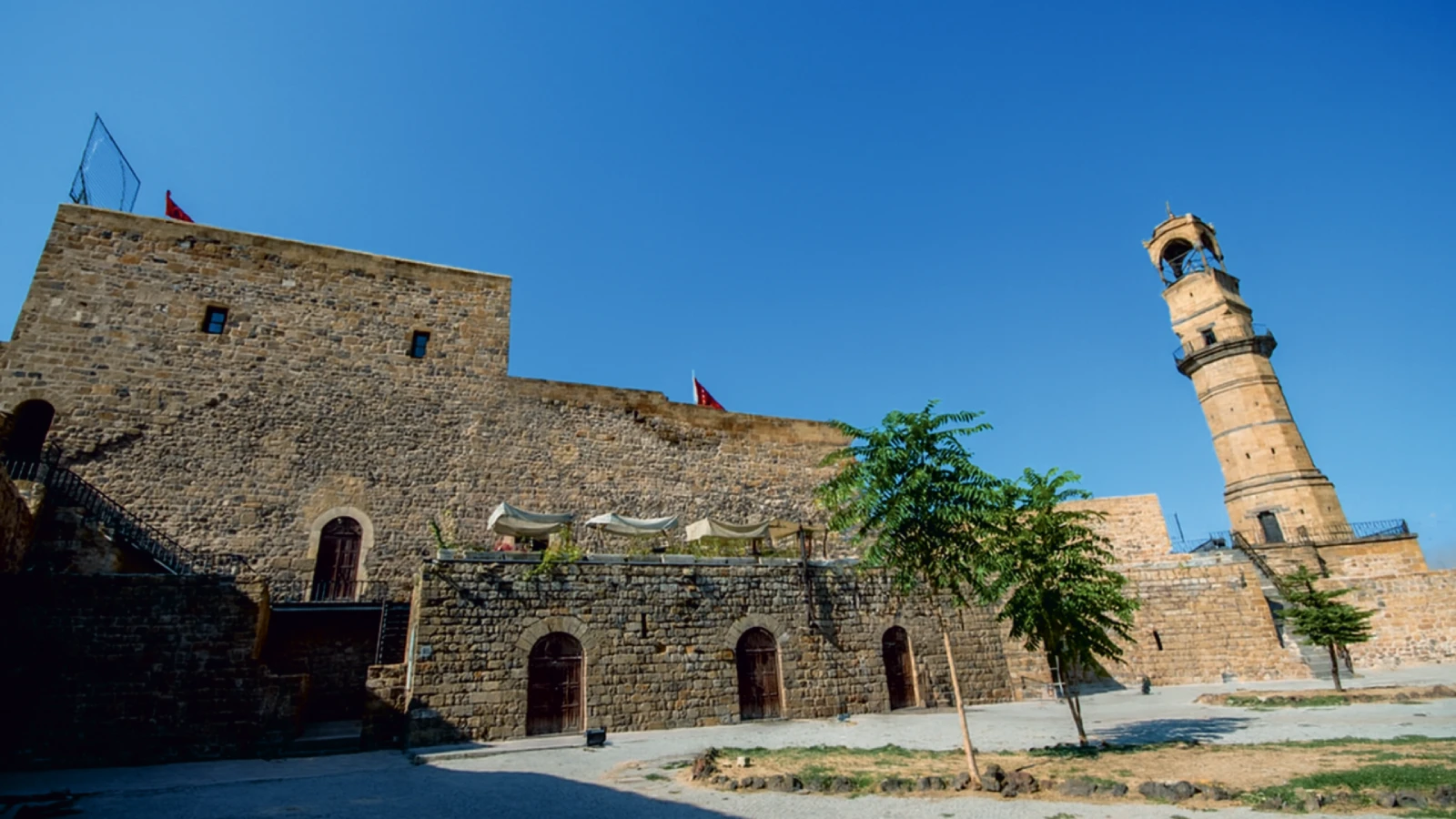
Begin around Niğde Castle and the clock tower to understand the city’s defensive and topographical setting. Continue to Alaeddin Mosque and examine its 1223 inscription and richly worked entrances. The popular story about the play of light on a portal can enrich a visit when presented as local tradition, not a proven architectural intention.

Then visit Sungur Bey Mosque, Hüdavend Hatun Mausoleum and Akmedrese. For local history exhibits, consider the Bedesten City Museum. The separate archaeological museum is officially listed as temporarily closed; do not plan on entering without checking for reopening.

Suggested Archaeology Route

Tyana, Köşk Höyük, Göllüdağ and the Obsidian Landscape

The most accessible introduction to Roman-era Niğde is the Kemerhisar–Tyana area, especially its aqueducts and Bahçeli Roman Pool. These monuments are evidence of a wider urban water system and should be interpreted together.

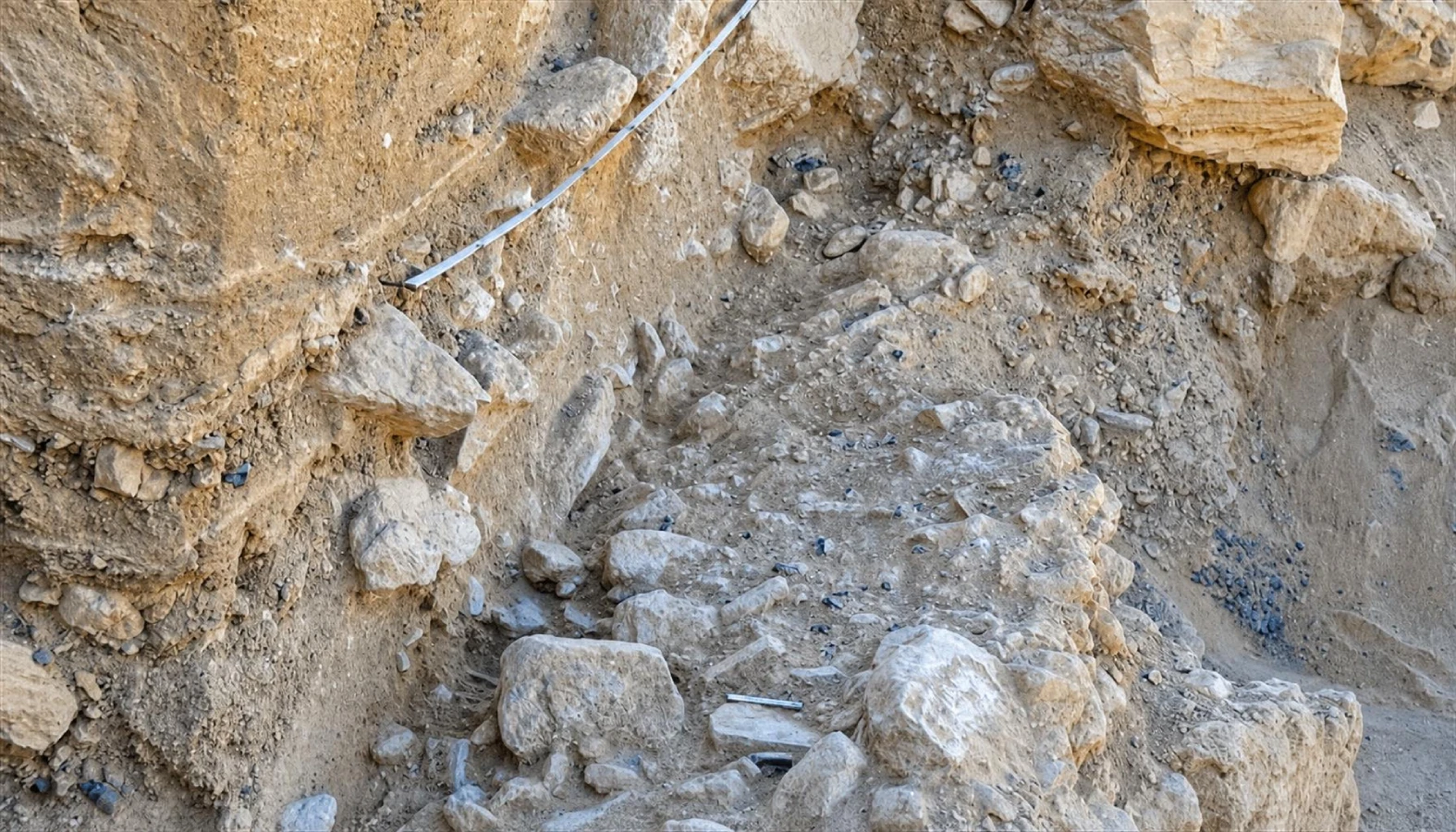
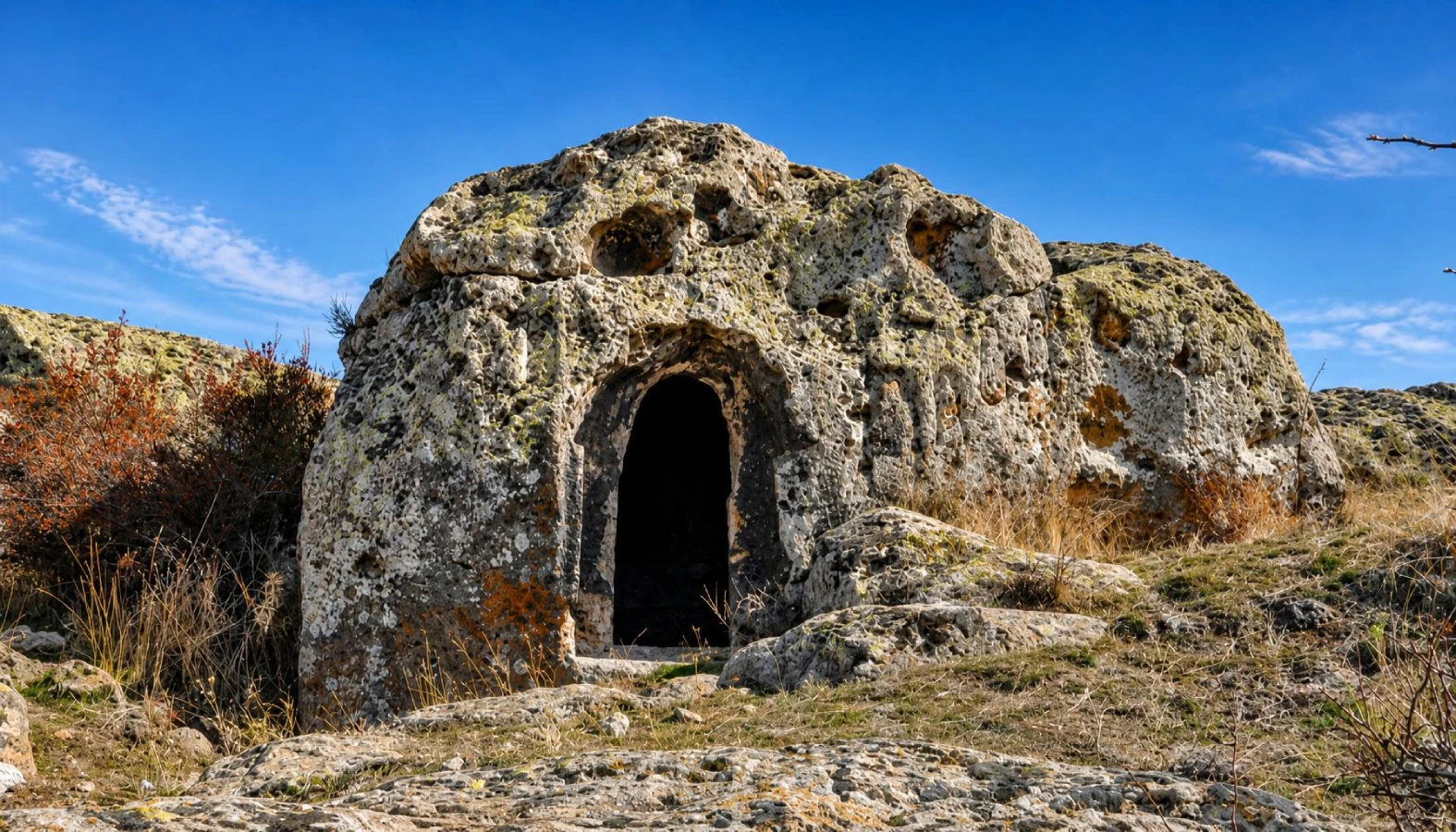
Köşk Höyük, Kaletepe, Porsuk Höyük and Göllüdağ deepen the prehistoric and Iron Age story. They are dispersed research or ruin landscapes, not an easy multi-stop museum circuit. Choose one cluster and verify roads, conservation regulations and any current excavation restrictions.

Suggested Christian Heritage Route

Gümüşler Monastery, Andaval, Konaklı and Fertek

Start with Gümüşler Monastery and spend time with the courtyard, interiors and frescoes. It provides a context for the monastic traditions of southern Cappadocia.

Then choose an additional focus rather than attempting every village church: Andaval is valuable for ancient roads and basilica architecture; Konaklı and Fertek speak to more recent church and community histories. Check whether a given building is open, in worship or being restored before arranging a visit.

Suggested Mountain Route

Aladağlar, Demirkazık, Bolkar Lakes and Çiftehan

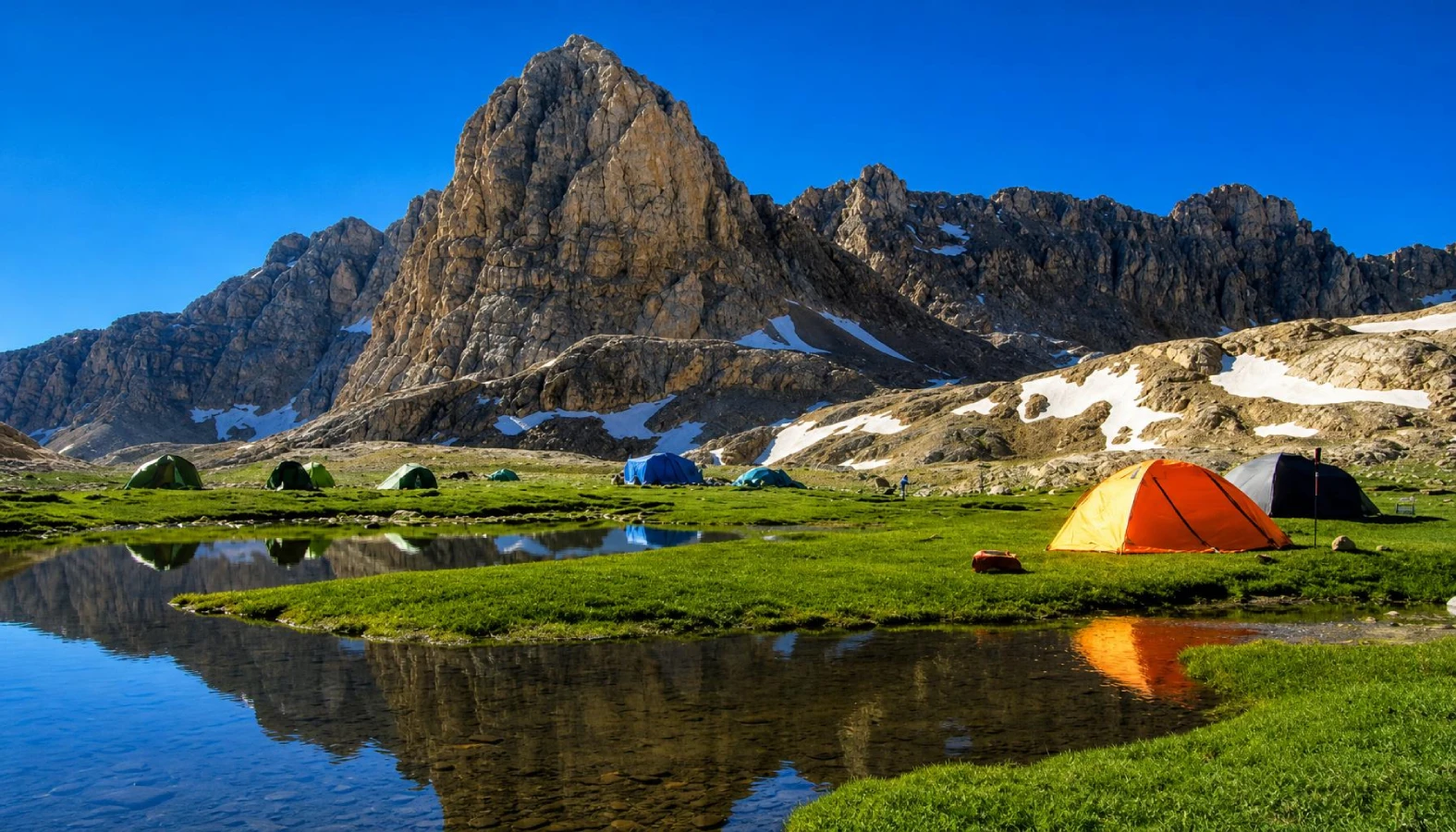
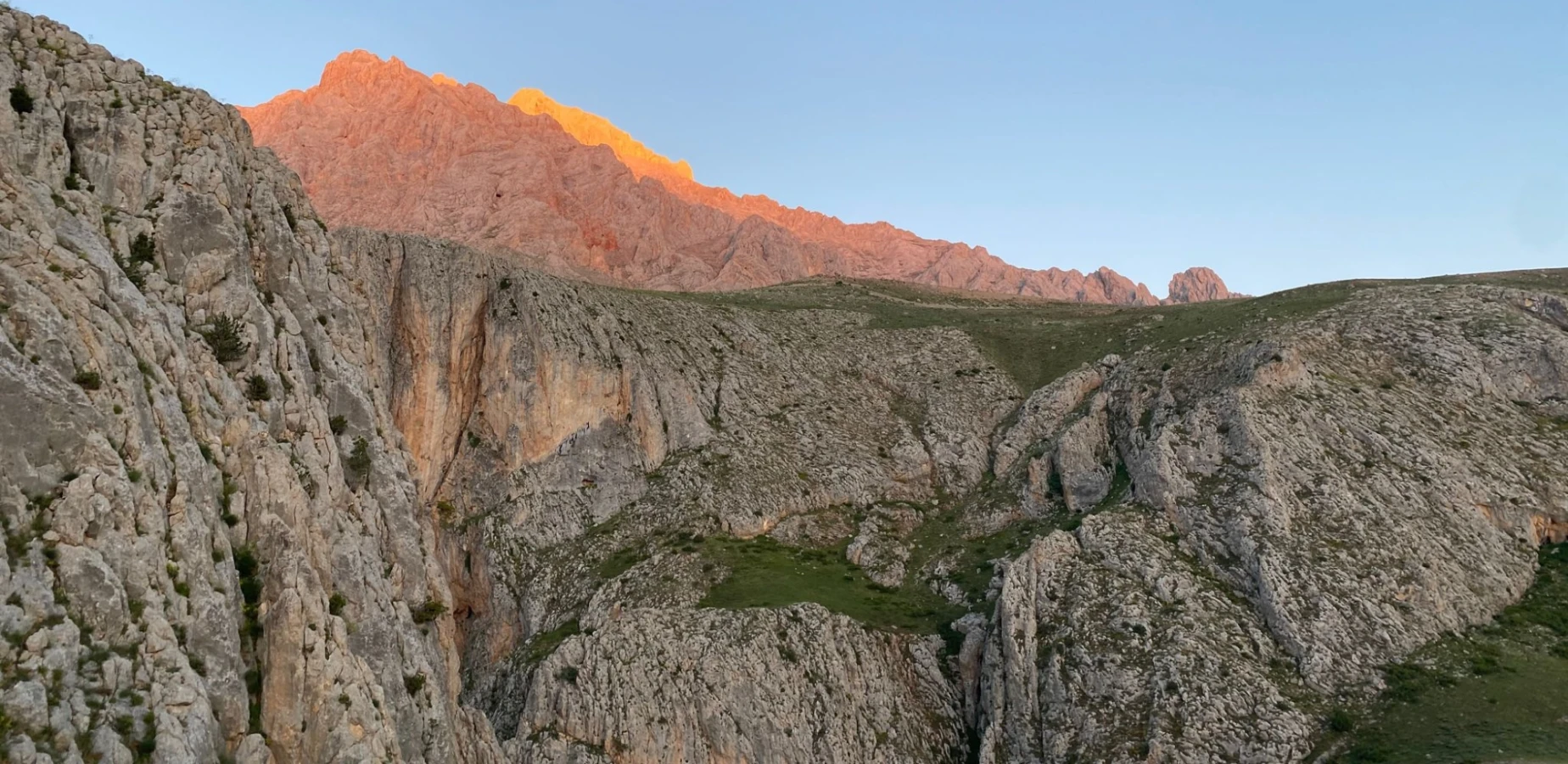
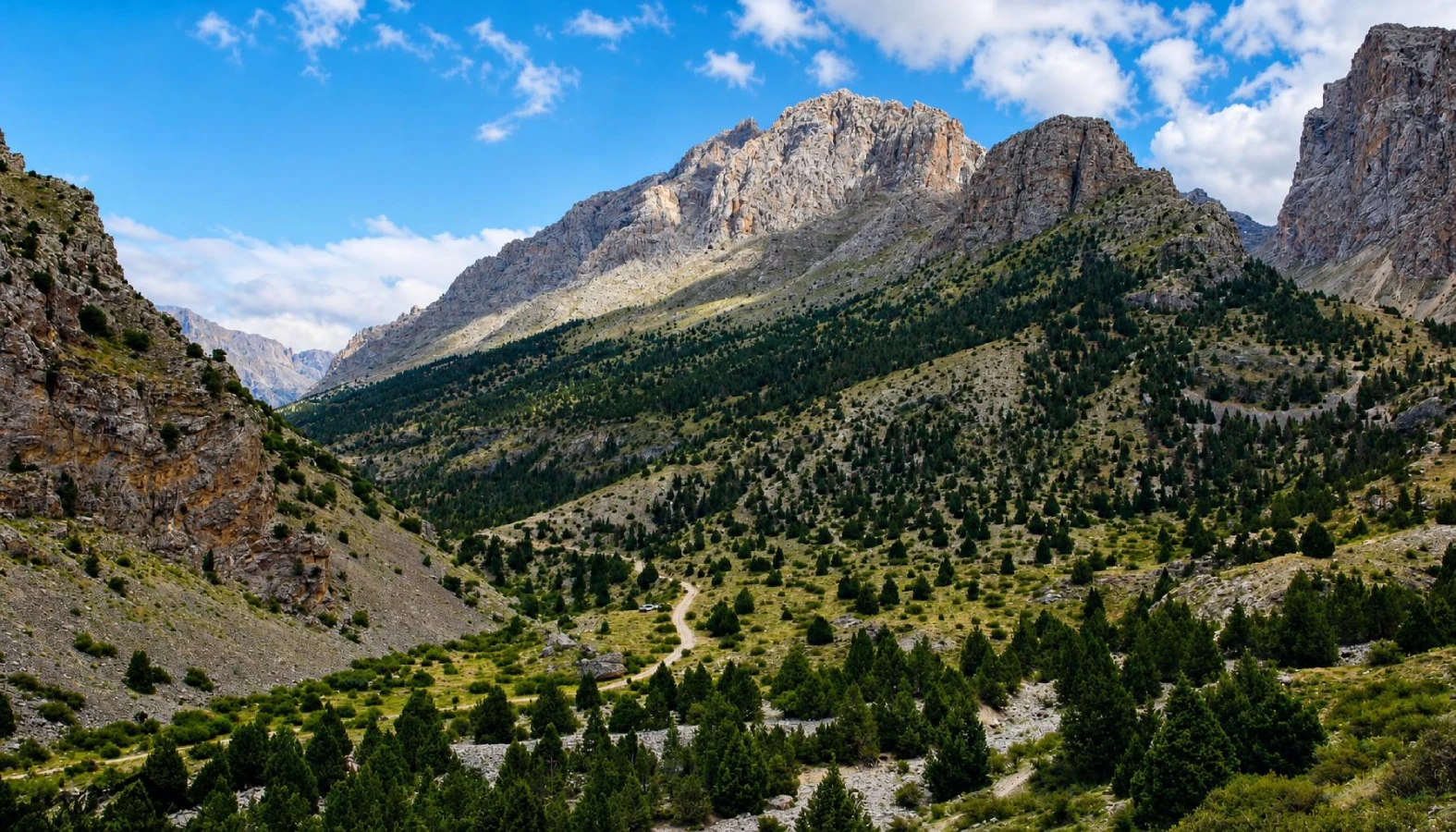
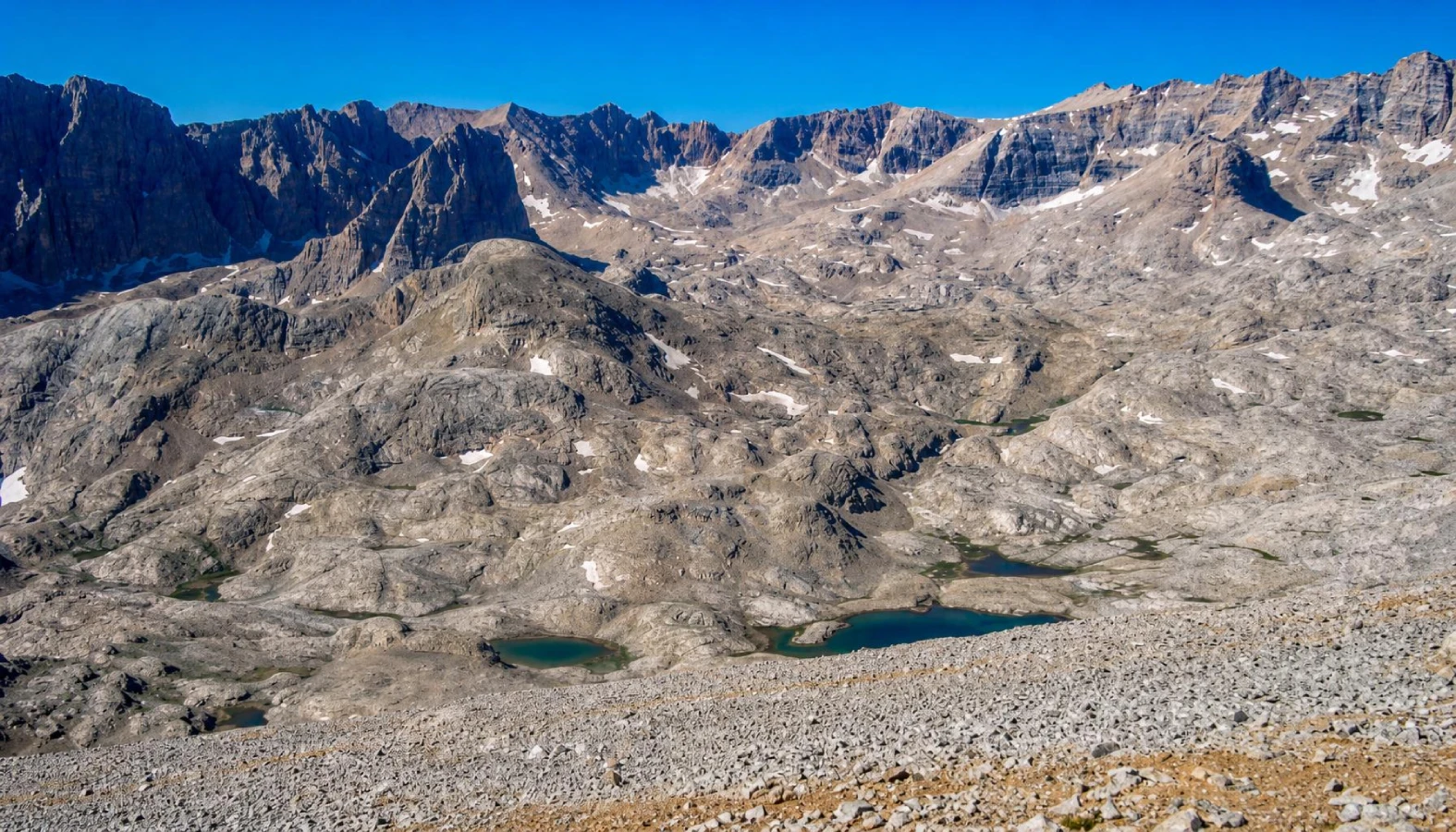
The Çamardı–Demirkazık area is a major northern access point for the Aladağlar. From valley landscapes around Cimbar and Emli to the remote Yedigöller Plateau, the difference in difficulty is substantial. Match every route to experience, guide availability and weather.

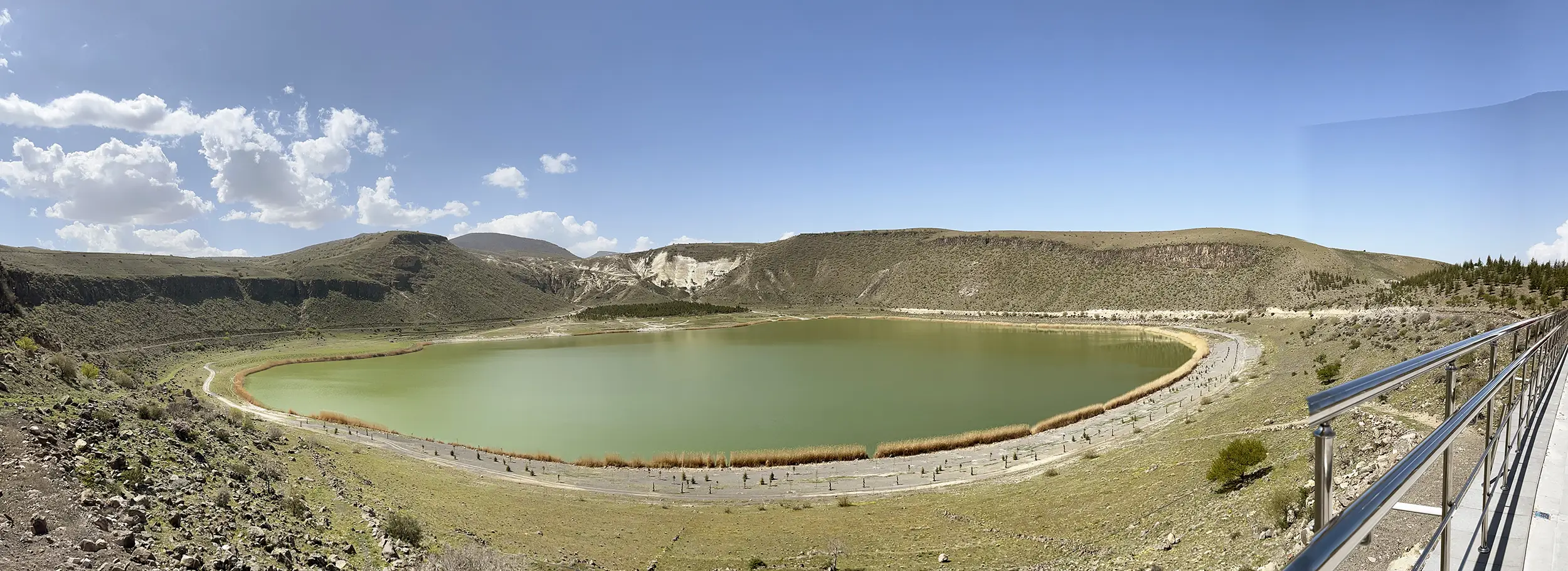
In the Bolkar Mountains, Karagöl and Çiniligöl are rewarding alpine subjects, not simple roadside stops. Protect the sensitive habitat of the Taurus frog and avoid disturbance. Çiftehan offers a separate low-intensity thermal excursion near Ulukışla.

Suggested Districts Route

Bor, Ulukışla, Çamardı, Çiftlik and Altunhisar

The districts reveal why Niğde’s heritage cannot be understood through the city centre alone. Bor is linked to historic town architecture and Tyana; Ulukışla connects caravan routes, rail transport, archaeology and the Bolkar Mountains.

Çamardı is the gateway to demanding Aladağlar landscapes. Çiftlik provides access to plateau culture and Göllüdağ, while Altunhisar invites slower rural exploration. Village facilities and road conditions may vary by season.

Conservation & Visitor Access

Remote Ruins, Protected Habitats and Mountain Safety: Check Before Travel

Niğde’s archaeological mounds, rock tombs, unfinished excavation areas and village churches do not all function as ticketed museums. A guide describing the site does not imply that interiors are open or that visitors can enter without permission.

For Göllüdağ, the Aladağlar, the Bolkar lakes and remote valleys, prepare for rapidly changing weather, rough approaches, fragile ecosystems and possible restrictions. Use authorised local advice, especially for technical climbing and extended mountain hikes.

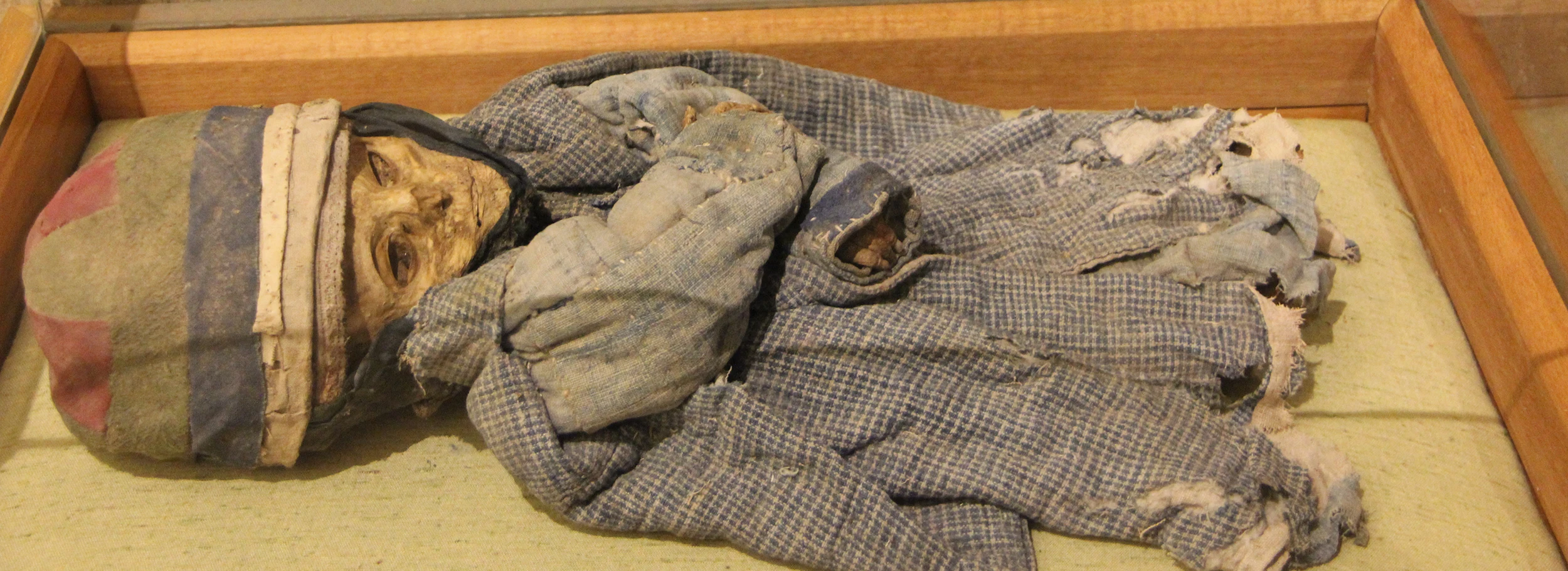
Niğde Archaeological Museum: official Turkish Museums and Ministry sources list the museum as closed pending works. The separate Bedesten City Museum has a different administration and should not be confused with it.

Planning Your Niğde Visit

Niğde is accessible as a south Cappadocia excursion, but its greatest treasures extend far beyond the city. The historic centre, Gümüşler, Bor–Tyana, Ulukışla and Çamardı are different clusters and should be planned with realistic travel times rather than compressed into one day.

Spring and autumn are often comfortable for lower-elevation historic sites. The Aladağlar and Bolkar highlands have their own mountain seasons, weather and terrain. Confirm the status of museums, churches, archaeological protection areas, guides and roads before any visit. Food and craft traditions are best enjoyed respectfully through local businesses and communities.

Practical Niğde Travel Tips

  • Historic centre: Combine the castle, Alaeddin, Sungur Bey, Hüdavend Hatun and Bedesten
  • Tyana: Treat the aqueducts and Roman Pool as parts of one system
  • Gümüşler: Allow time to look at the carved spaces and paintings
  • Museum: Verify reopening of the archaeological museum with official authorities
  • Aladağlar: Technical routes require expertise and suitable equipment
  • Bolkar lakes: Protect fragile habitats and avoid disturbing wildlife
  • Districts: Private transport may be preferable for dispersed sites

Why Visit Niğde?

Niğde rewards travellers who want to look beyond the standard Cappadocia circuit. In a relatively compact historic centre, Seljuk mosques, a remarkable 1312 mausoleum and an Ottoman bedesten sit alongside a much deeper record of Anatolian settlement.

The rock-cut Gümüşler Monastery and village churches preserve religious art and social history, while Tyana and Köşk Höyük bring Roman and prehistoric worlds into view. Southward, the Aladağlar and Bolkar Mountains replace the plateau’s gentle horizons with dramatic peaks, alpine valleys and high lakes.

Rather than visiting everything in a single hurried day, Niğde is best explored through carefully selected themes: a historic city walk, a Christian heritage route, an archaeology day or a serious outdoor adventure with responsible local guidance.

Frequently Asked Questions About Niğde

Niğde is known for its Seljuk and Karamanid monuments, Gümüşler Monastery, ancient Tyana, the Aladağlar and Bolkar mountain landscapes, and distinctive local food.

One day is enough for central Niğde and Gümüşler. Two to three days allow Tyana and another archaeological route. Dedicated mountain visits require additional days and seasonal planning.

The official museum sources currently list Niğde Archaeological Museum as temporarily closed pending strengthening or replacement works. Verify status before travel; the separate Bedesten City Museum is another option.

Alaeddin Mosque, Hüdavend Hatun Mausoleum, Niğde Castle, Akmedrese, Sungur Bey Mosque, Gümüşler Monastery, Tyana and Köşk Höyük are major places to research.

Niğde forms part of the broader historic and geological Cappadocian landscape, although popular tourist routes often focus on towns in neighbouring Nevşehir Province.

Some archaeological sites are remote, exposed or without formal visitor infrastructure. Do not assume interior access or safe roads, and verify local conditions and protection rules.

Mountain routes can involve rough access, large elevation changes and rapidly changing weather. Karagöl and Çiniligöl are not ordinary city sightseeing stops; use a suitable local mountain plan.

Try Niğde Tava, Bor Söğürme, Niğde Tahinlisi, Niğde Kelle Söğüş and local soups and pastries. Seasonally available Darboğaz cherries and Niğde Geven Honey are also regional products.

Ready to Explore Niğde’s History and Landscapes?

Tell us your travel dates, starting point and interests. We can help plan a carefully paced private route focused on the old city, Gümüşler, ancient Tyana, archaeology or the northern Taurus landscapes.

Private & Tailor-Made Journeys · Licensed Turkey Travel Specialists