The Ottoman Fortress that Locked the Dardanelles

Kilitbahir Castle – Complete Visitor Guide

Discover Mehmed the Conqueror's remarkable clover-shaped fortress,
built to control the narrowest passage of the Dardanelles.

Discover Kilitbahir Castle

Discover Kilitbahir Castle

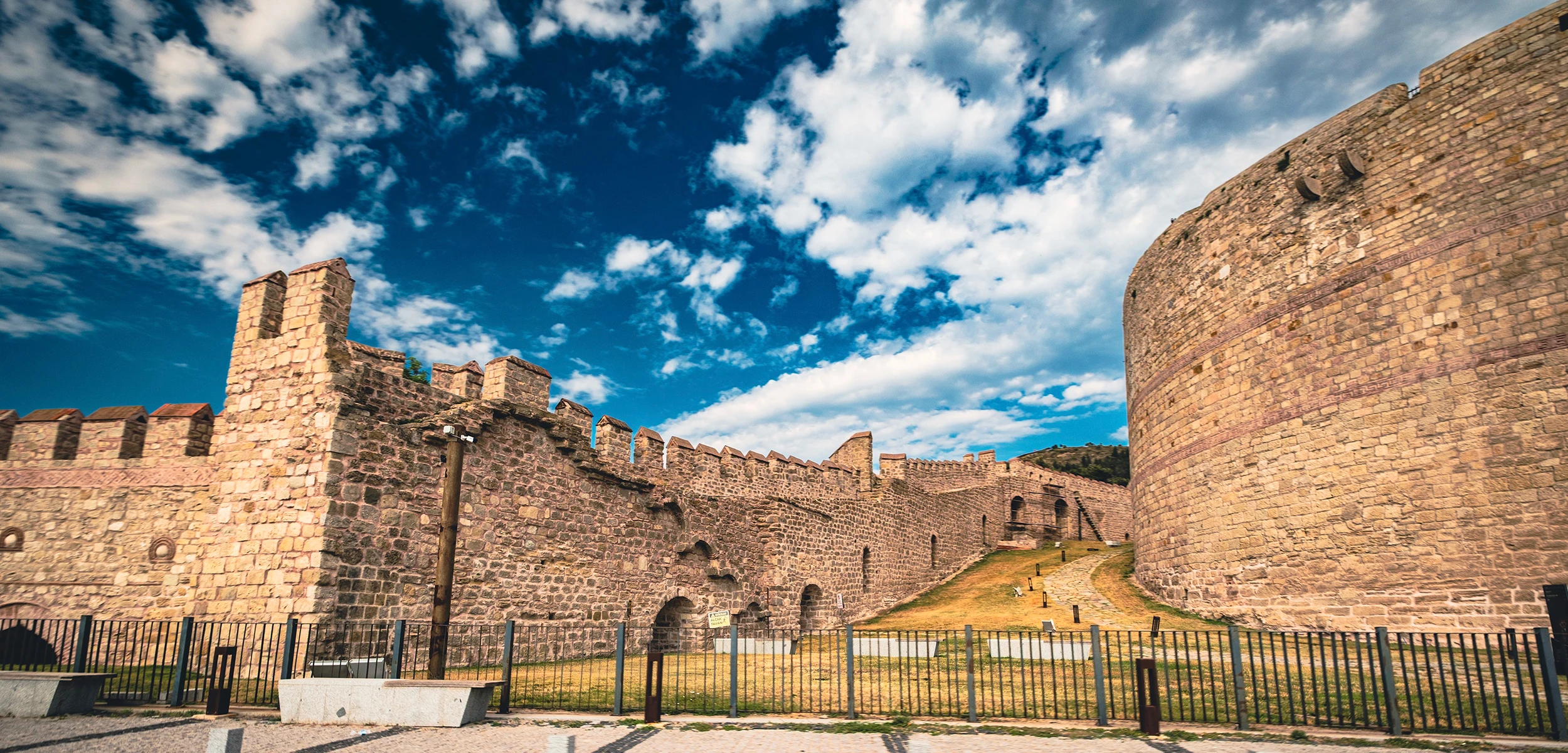
Standing directly beside the narrow waters of the Dardanelles Strait, Kilitbahir Castle is one of the most distinctive works of Ottoman military architecture in northwestern Türkiye. Commissioned by Sultan Mehmed II – Fatih Sultan Mehmet in the years following the conquest of Constantinople, the fortress was constructed opposite Çimenlik Castle so that the two strongholds could control ships moving between the Aegean Sea and the Sea of Marmara.

The castle is famous for its extraordinary plan. From above, the main defensive enclosure resembles a three-leaf clover wrapped around a tall central tower. This unusual geometry was not simply decorative: it created a compact fortified core designed for the age of artillery and for the defence of one of the Ottoman Empire's most strategically important waterways.

Kilitbahir continued to evolve long after its first construction. Suleiman the Magnificent strengthened the fortress in 1541 and added the imposing Sarı Kule – Yellow Tower and additional defensive walls. Later repairs under Sultan Abdülaziz and Sultan Abdülhamid II, together with the castle's survival through the Gallipoli Campaign of 1915, turned the site into a remarkable architectural record of several centuries of Ottoman defence.

Clover-Shaped Fortress

See one of the most unusual plans in Ottoman military architecture, built around a powerful central keep.

The Lock of the Sea

Understand how Kilitbahir and Çimenlik Castle worked together to control the Dardanelles.

Seven-Storey Inner Tower

Climb through museum displays exploring defence, daily life, trade, worship and the history of the fortress.

Sarı Kule

Explore the major 1541 addition built during the reign of Suleiman the Magnificent.

Plan Your Visit

Kilitbahir Castle – Quick Facts

Essential information for visiting one of the most impressive Ottoman fortresses on the Dardanelles.

📍

Location

Kilitbahir village, Eceabat District, on the European shore of the Dardanelles opposite Çanakkale.

Open on Google Maps
🏰

Construction

Built in 1462–63 for Sultan Mehmed II as part of a paired defensive system with Çimenlik Castle.

Visit Duration

Allow approximately 1.5–2 hours for the castle, Inner Tower, Sarı Kule and museum displays.

Main Highlights

Three-leaf-clover plan, Inner Tower, Sarı Kule, Piri Reis section, Hisar Peçe courtyard and Dardanelles views.


From Mehmed II to the Gallipoli Campaign

The History of Kilitbahir Castle

Kilitbahir tells the story of how the Ottoman Empire defended the Dardanelles from the fifteenth century into the modern age.

After the conquest of Constantinople in 1453, control of the waterways leading toward the new Ottoman capital became a major strategic concern. Sultan Mehmed II ordered the construction of two fortresses facing one another at the narrowest section of the Dardanelles: Kilitbahir Castle on the European shore and Kal'a-i Sultaniye, now known as Çimenlik Castle, on the Asian shore.

Ottoman and Byzantine-era historical accounts place the construction of Kilitbahir in the early 1460s. The official interpretation used today at the Gallipoli Historical Site dates the fortress to 1462–63. Its position allowed Ottoman forces to stop and inspect ships passing through the strait and, when necessary, bring the channel under artillery fire from both shores.

The name Kilid-ül Bahir is traditionally understood as “Lock of the Sea”. Few place names describe a military purpose so perfectly: together with Çimenlik Castle, the fortress formed a powerful gateway controlling movement between the Mediterranean-Aegean world and the Sea of Marmara.

In 1541, during the reign of Suleiman the Magnificent, Kilitbahir was repaired and expanded. A new defensive wall enclosed the southern side and the substantial Sarı Kule – Yellow Tower was built at the outer end of the new works. Its inscription preserves the date of this important Ottoman renovation.

The fortress remained strategically relevant for centuries. It underwent another restoration under Sultan Abdülaziz in 1870, while the northern part of the outer seawall was reconstructed during the reign of Sultan Abdülhamid II in 1893–94.

The Dardanelles again became one of the world's most heavily contested waterways during the Gallipoli Campaign of 1915. Part of the Inner Tower suffered damage during the fighting, while the surrounding Kilitbahir defensive zone – including nearby coastal batteries and forts – formed part of the wider Ottoman system protecting the strait.

Modern conservation has allowed the fortress to become a museum rather than a military ruin. Restoration work in the early 2010s repaired major sections and reconstructed the lost wooden floors of the Inner Tower according to the surviving architectural evidence. The result is one of the most rewarding historic sites to visit on the Gallipoli Peninsula.


What to See

Top Highlights of Kilitbahir Castle

The castle is far more than a single tower. Its walls, courtyards, museum galleries and later Ottoman additions reveal how the fortress developed over several centuries.

Three-Leaf-Clover Plan

Kilitbahir is immediately recognizable from the air because its fortified core resembles a three-leaf clover. The curved defensive sections wrap around the central keep, creating one of the most distinctive castle plans in Ottoman architecture.

  • Form: Three-lobed or clover-shaped inner fortification
  • Purpose: Compact artillery-era defence
  • Best view: The geometry is easiest to understand from elevated viewpoints and aerial photographs

Inner Tower – İç Kule

Rising at the centre of the fortress, the Inner Tower was the last defensive refuge of Kilitbahir. The tall, triangular-plan structure contains multiple levels and today serves as the heart of the castle museum.

  • Height: Approximately 27 metres
  • Levels: Seven storeys in the historic structure
  • Original uses: Shelter, storage and final defence

Sarı Kule – Yellow Tower

Added during the major reconstruction ordered by Suleiman the Magnificent, Sarı Kule represents a later stage in the castle's adaptation to changing military needs.

  • Date: 1541
  • Patron: Suleiman the Magnificent
  • Today: Museum displays explain Ottoman castle architecture, weapons, organisation and everyday life

Hisar Peçe – Late Period Courtyard

This additional defensive courtyard was created during the sixteenth-century strengthening of the fortress. It provided an extra protected zone outside the earlier core.

  • Period: Sixteenth-century expansion
  • Function: Forward defensive space
  • What to see: Remains of a later headquarters building and artillery interpretation

Piri Reis Section

The famous Ottoman navigator Piri Reis served at Kilitbahir for a period, and the museum includes a section dedicated to his life and maritime world.

  • Theme: Ottoman navigation and maritime knowledge
  • Display: Period nautical equipment and interpretation
  • Highlight: Comparison of Piri Reis's famous world map with a modern map

Inner Tower Cistern

Beneath the entrance to the Inner Tower lies a triangular-plan cistern, an important reminder that a fortress had to survive isolation as well as attack.

  • Location: Beneath the Inner Tower entrance
  • Form: Triangular plan
  • Purpose: Water storage for the fortified garrison

Castle Life Museum Floors

The reconstructed floors of the Inner Tower allow visitors to move through themed displays explaining how soldiers and residents lived inside an Ottoman fortress.

  • Themes: Defence, food and drink, trade and worship
  • Ground floor: Castle construction, repairs, engravings and coins
  • Upper display: Finds uncovered during archaeological and conservation work

Dardanelles Views

Few places explain the strategic geography of Çanakkale as clearly as Kilitbahir. From the fortress, visitors can look directly across the narrow strait toward the Asian shore and understand why this location was chosen.

  • Across the water: Çanakkale and Çimenlik Castle
  • Strategic value: Control of the narrowest navigable section of the Dardanelles
  • Best experience: Combine the castle visit with the ferry crossing

Why Is Kilitbahir Called the “Lock of the Sea”?

The historic name Kilid-ül Bahir is generally understood as “Lock of the Sea,” and it describes the fortress's purpose with remarkable accuracy. Kilitbahir was not designed to defend an isolated town. It was built to control the movement of ships through the Dardanelles, one of the most important maritime corridors connecting the Mediterranean world with Istanbul and the Black Sea.

The Narrowest Point

The castle was deliberately placed where the Dardanelles narrows sharply, allowing artillery to cover the channel more effectively.

Two Fortresses

Kilitbahir on the European shore faced Çimenlik Castle on the Asian side, creating a coordinated defensive line across the strait.

Crossing Fire

The facing positions allowed Ottoman artillery fields to overlap, greatly reducing the possibility of a ship passing through an undefended zone.

Control of Shipping

Ships entering or leaving the Dardanelles could be stopped and inspected at this strategic line.


Standing beside the castle today, the military logic is immediately visible. Çanakkale lies directly across the water, while the currents and narrow channel compress maritime traffic into a confined corridor. Kilitbahir is therefore best understood not as a standalone monument but as one half of an integrated Ottoman system for controlling the Dardanelles.

The Architecture of Kilitbahir Castle

Kilitbahir Castle stands apart from more conventional rectangular or polygonal fortresses. Its compact central design reflects a period when gunpowder artillery was transforming military architecture and fortifications had to respond to increasingly powerful cannon.

Clover-Shaped Core

Three rounded fortified sections form the famous clover-like inner enclosure surrounding the central tower.

Triangular Inner Tower

The central keep has a triangular plan and rises above the surrounding walls as the fortress's final defensive stronghold.

Multiple Defensive Layers

Outer walls, inner walls, courtyards and towers forced any attacker to overcome several successive protected spaces.

Adapted Over Centuries

Sixteenth- and nineteenth-century additions show how the castle continued to change as artillery, naval warfare and defensive requirements evolved.


The architectural experience is particularly impressive because visitors can move between these layers. Rather than seeing only an exterior silhouette, you can enter the courtyards, climb through the Inner Tower and study how storage, shelter, circulation and defence were organised inside the fortified complex.

The Seven-Storey Inner Tower and Museum

The Inner Tower is the centrepiece of a visit to Kilitbahir. Rising approximately 27 metres, the triangular keep once served as a protected space for shelter and storage and represented the final defensive position inside the castle. Today its reconstructed wooden floors contain the principal museum displays.

Ground Floor History of the castle, construction phases, repairs, period engravings and coins
Defence Floor Fortification systems, defensive organisation and military objects
Food & Drink Floor Interpretation of everyday eating and drinking culture inside an Ottoman castle
Trade Floor The commercial life that developed around Kilitbahir and the strategic strait
Worship Floor Displays and reconstructions relating to religious life within the fortress
Excavation Floor Archaeological finds uncovered during excavation, restoration and exhibition work

The climb is part of the experience. Historic proportions, narrow passages and reconstructed wooden stairs make it easier to imagine the keep as a functioning military building rather than an empty ruin. Visitors with limited mobility should be aware that access to every level may not be equally easy.

Sarı Kule and the 1541 Restoration

Nearly eight decades after the original fortress was built, Kilitbahir received an important new phase of construction during the reign of Suleiman the Magnificent. In 1541, the castle was repaired, the southern defensive perimeter was strengthened and Sarı Kule was added.

Dated by Inscription

An inscription above the tower entrance records the sixteenth-century building phase and provides the date 1541.

Stronger Southern Defence

The new wall and tower increased the protection of the castle's southern approach and created an expanded defensive zone.

Ottoman Castle Life

Modern displays inside Sarı Kule explain castle architecture, military organisation, weapons, commerce and everyday life.

A Changing Fortress

The addition demonstrates that Kilitbahir was continually adapted rather than frozen in its original fifteenth-century form.


Sarı Kule is therefore essential for understanding Kilitbahir as a living military complex. The fortress seen today is the result of successive Ottoman interventions responding to new weapons, new strategic conditions and the continuing importance of the Dardanelles.

Piri Reis and Kilitbahir Castle

One of the most memorable museum sections is dedicated to Piri Reis, the celebrated Ottoman admiral, navigator and cartographer who served at Kilitbahir during his career. His presence connects the fortress not only with coastal defence but also with the wider maritime world of the Ottoman Mediterranean.

Navigator

Piri Reis belonged to the maritime culture that made the Dardanelles one of the empire's great strategic gateways.

Cartographer

He is internationally famous for his early sixteenth-century maps and for the geographical knowledge preserved in his works.

Kilitbahir Connection

The museum interpretation commemorates the period in which Piri Reis served at the fortress.

World Map Display

Visitors can compare the famous Piri Reis world map with a modern map and explore the maritime tools of his age.

Kilitbahir Castle and the 1915 Gallipoli Campaign

By 1915, Kilitbahir Castle was already more than four centuries old, but the narrow waters it guarded were again at the centre of a major international conflict. During the Gallipoli Campaign, Allied naval forces attempted to force the Dardanelles and reach the Sea of Marmara, while Ottoman coastal defences sought to prevent their passage.

A Historic Defensive Corridor

The strategic principle established in Mehmed II's era remained unchanged: whoever controlled the narrows could influence passage through the Dardanelles.

Damage to the Inner Tower

Part of Kilitbahir's Inner Tower was damaged during the 1915 fighting before later restoration preserved the structure.

Namazgâh Battery

Immediately beside Kilitbahir, Namazgâh became an important component of the later Ottoman coastal artillery system defending the narrows.

A Layered Battlefield

The area allows visitors to understand both early Ottoman fortress building and the much later technology of the First World War in a single landscape.


For travellers exploring Gallipoli, this long continuity is one of Kilitbahir's greatest strengths. The castle explains the strategic geography of the Dardanelles centuries before 1915, while the nearby batteries reveal how the same defensive problem was confronted in the age of modern battleships and heavy coastal artillery.

Kilitbahir Castle Entrance Fee

The official Ministry museum listing currently publishes a full admission price of 250 TL for Türkiye citizens, with a reduced ticket of 100 TL. It also lists a Kilitbahir–Namazgâh combined ticket at 250 TL and an audio-guide fee of 50 TL. International visitor pricing is not separately stated on the current Turkish Ministry listing, so foreign travellers should confirm the applicable rate shortly before visiting or at the ticket office.

Current Full Ticket

250 TL for Türkiye citizens according to the current official Ministry listing.

Combined Ticket

250 TL for the Kilitbahir Castle and Namazgâh combination according to the current official listing.

MuseumKart

MuseumKart access is available for eligible cardholders under the current Ministry museum-pass rules.

Check Before Travelling

Admission prices and visitor categories can change, particularly between seasons and annual national pricing updates.

Kilitbahir Castle Opening Hours and Best Time to Visit

Kilitbahir Castle Museum follows seasonal opening hours and is currently listed as closed on Mondays. Because museum schedules can change for public holidays, maintenance or seasonal administration, check the latest official information before travelling.

Summer – 11 May to 16 September 09:00–19:00
Summer Ticket Office Closes at 18:15
Winter – 16 September to 11 May 09:00–17:00
Winter Ticket Office Closes at 16:15
Closed Day Monday
Recommended Duration Approximately 1.5–2 hours

Morning is excellent for a quieter museum visit, while late afternoon can be especially attractive for views across the Dardanelles. If you are combining the castle with Namazgâh Battery and other Gallipoli sites, beginning early gives you much more flexibility.

How to Get to Kilitbahir Castle

Kilitbahir Castle stands in Kilitbahir village in Eceabat District, directly on the European shore of the Dardanelles. Its waterfront location makes it one of the easiest major monuments in the Gallipoli area to reach from central Çanakkale.

From Çanakkale

Passenger and vehicle ferries cross directly from Çanakkale to Kilitbahir, placing visitors only a short distance from the castle.

From Eceabat

Kilitbahir is reached by road along the Dardanelles coast south of Eceabat and is easily included in a Gallipoli Peninsula itinerary.

From Gallipoli Battlefields

The castle fits naturally before or after visits to the peninsula's memorials, cemeteries, coastal batteries and battlefield landscapes.

By Private Tour

A private vehicle and licensed guide make it easy to combine Kilitbahir with Namazgâh, Çanakkale, Troy and the principal Gallipoli sites.

Best Route for Visiting Kilitbahir Castle

The fortress becomes easier to understand when you follow its defensive layers in sequence rather than moving directly to the highest viewpoint. The exact route inside the museum may occasionally change according to conservation or visitor management.

1. Begin with the Dardanelles View Look across toward Çanakkale and understand why Mehmed II chose this narrow point for a paired fortress system
2. Enter the Main Castle Study the walls and courtyards and begin to recognize the unusual clover-shaped geometry
3. Explore the Inner Tower Climb through the museum levels covering the castle's history, defence, daily life, trade, worship and archaeological finds
4. Visit the Piri Reis Section Connect Kilitbahir with Ottoman navigation, cartography and the maritime world of the Dardanelles
5. Continue to Hisar Peçe Explore the later defensive courtyard and understand the sixteenth-century expansion of the fortress
6. Finish at Sarı Kule Examine the 1541 addition and enjoy the broader relationship between castle, village and strait

Kilitbahir Castle Visitor Tips

Do Not Skip the Inner Tower

The museum floors are one of the strongest parts of the visit and explain how the fortress actually functioned.

Look Across to Çimenlik

The castle makes far more sense when you identify its partner fortress on the opposite shore of the Dardanelles.

Wear Comfortable Shoes

Expect historic stone surfaces, slopes, stairs and narrow passages inside parts of the fortress.

Allow Time for Namazgâh

The neighbouring battery adds the crucial nineteenth- and twentieth-century chapter to the defensive history of the narrows.

Use the Ferry Experience

Approaching Kilitbahir from Çanakkale by ferry gives one of the best views of the castle's relationship with the Dardanelles.

Check Monday Closures

The castle museum is currently closed on Mondays, so build your Gallipoli itinerary around the official schedule.

Allow More Than a Photo Stop

The castle exterior is impressive, but the interior museum and layered defensive architecture are what make Kilitbahir exceptional.

Ask About Accessibility

The site offers visitor facilities, but the historic tower stairs and uneven surfaces may limit access to some upper areas.

Why Visit Kilitbahir Castle?

Kilitbahir is one of the best places in Türkiye to understand the relationship between architecture and geography. Its walls were designed around a single strategic problem: how to control the Dardanelles. Because that same waterway remained militarily important for centuries, the castle also provides a powerful introduction to the much later story of Gallipoli.

Unique Ottoman Architecture

The clover-shaped plan and central triangular keep make Kilitbahir visually and architecturally unlike most other Ottoman castles.

Mehmed the Conqueror's Strategy

The fortress demonstrates how the Ottoman state secured maritime approaches to its new imperial capital after 1453.

A Castle You Can Explore Inside

Reconstructed floors and museum galleries transform the visit from a simple ruin walk into an immersive historical experience.

The Gateway to Gallipoli

Its location beside later coastal batteries makes Kilitbahir an ideal starting point for understanding the defence of the Dardanelles before exploring the 1915 battlefields.

Nearby Attractions

Kilitbahir sits at the centre of one of Türkiye's richest military and archaeological landscapes, with Ottoman fortifications, Gallipoli memorials and ancient Troy all within the wider Çanakkale region.

Namazgâh Battery

Visit the major coastal artillery position immediately beside Kilitbahir and continue the story of Dardanelles defence into the modern era.

Çanakkale

Cross the Dardanelles to explore the waterfront city, museums, historic streets and the Asian side of the narrows.

Çimenlik Castle

See Kilitbahir's partner fortress on the opposite shore and understand the paired defensive strategy created under Mehmed II.

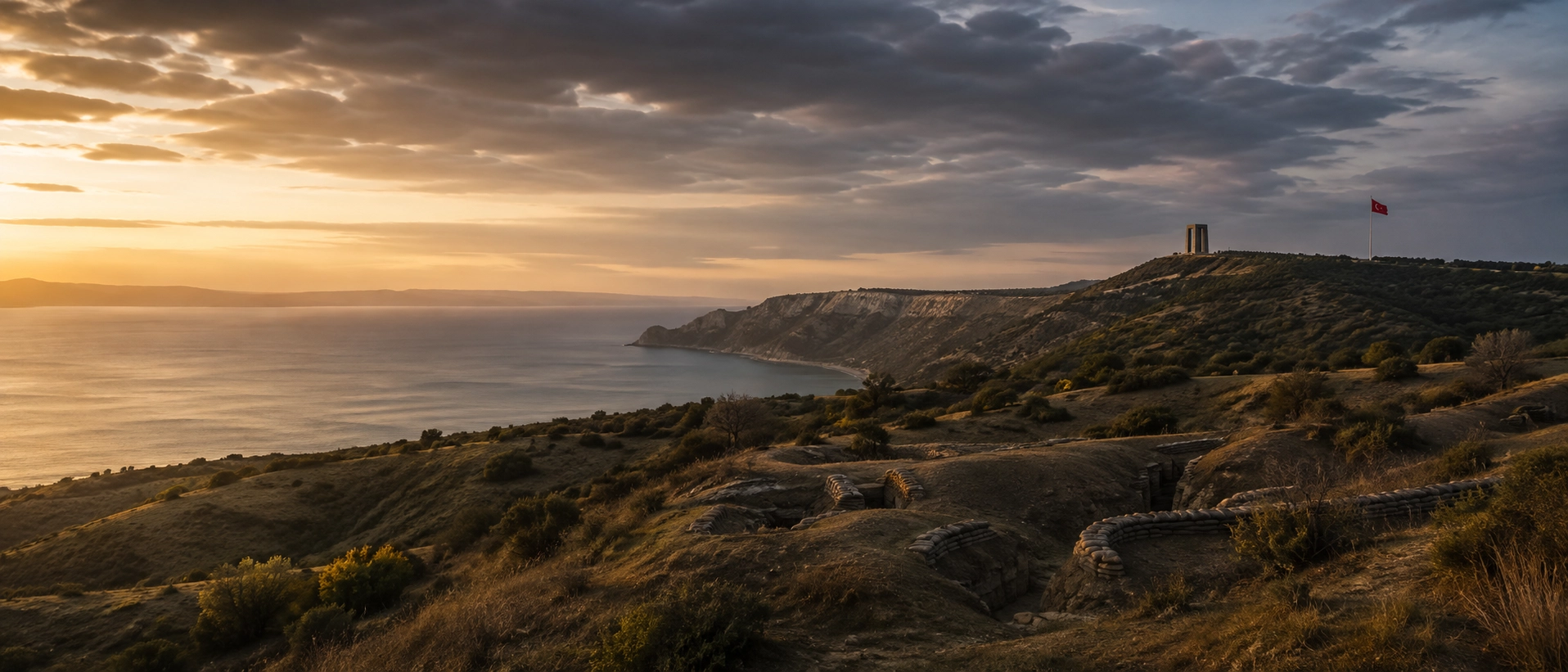
Gallipoli Battlefields

Continue through the peninsula to memorials, cemeteries and battlefield landscapes associated with the 1915 campaign.

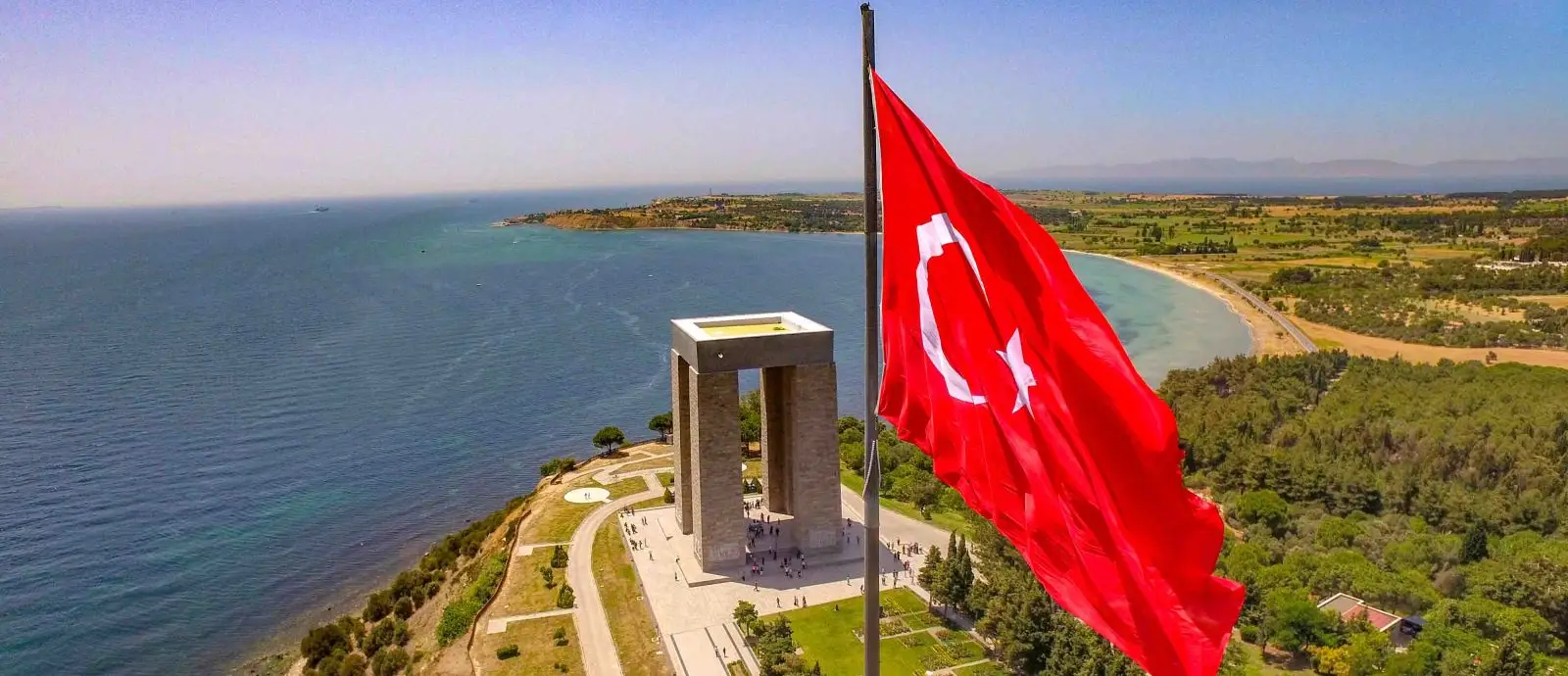
Seyit Onbaşı Memorial

Explore one of the best-known Turkish memorial sites connected with the naval fighting in the Dardanelles during March 1915.

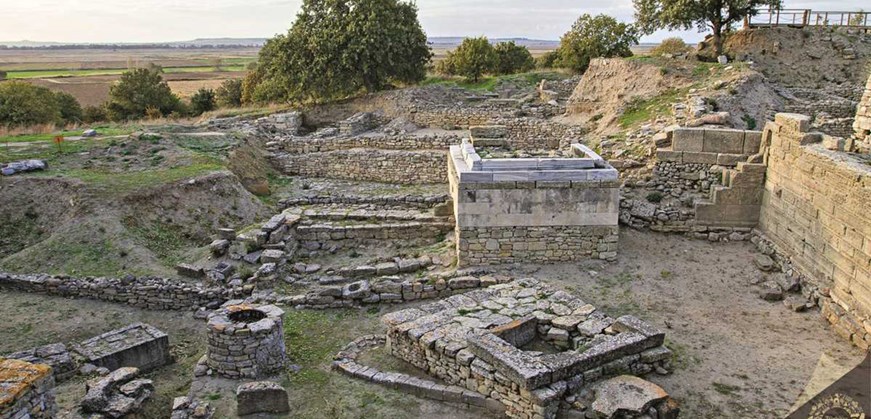
Ancient City of Troy

Cross to the Asian side and combine Ottoman military history with the legendary archaeological landscape of Troy.

Frequently Asked Questions About Kilitbahir Castle

Where is Kilitbahir Castle?

Kilitbahir Castle is in Kilitbahir village, Eceabat District, Çanakkale Province, on the European side of the Dardanelles directly opposite the city of Çanakkale.

Who built Kilitbahir Castle?

The castle was commissioned by Sultan Mehmed II, known as Fatih Sultan Mehmet or Mehmed the Conqueror, as part of the Ottoman effort to control the Dardanelles.

When was Kilitbahir Castle built?

The official Gallipoli Historical Site interpretation dates the construction of Kilitbahir Castle to 1462–63, in the decade following the Ottoman conquest of Constantinople.

What does Kilitbahir mean?

The historic form Kilid-ül Bahir is commonly interpreted as “Lock of the Sea,” referring to the castle's role in controlling passage through the Dardanelles.

Why is Kilitbahir Castle shaped like a clover?

The inner fortification has three rounded lobes arranged around the central keep, producing the famous three-leaf-clover appearance. The plan created a compact, strongly defended core suited to the developing age of artillery.

What is the connection between Kilitbahir and Çimenlik Castle?

The two castles were built opposite one another on the European and Asian shores of the narrow Dardanelles so that Ottoman artillery could control the channel from both sides.

What is Sarı Kule?

Sarı Kule, or the Yellow Tower, is a major addition built in 1541 during the reign of Suleiman the Magnificent when Kilitbahir was repaired and strengthened.

How tall is the Inner Tower?

The central Inner Tower is approximately 27 metres high and historically contained seven storeys used for shelter, storage and defence.

Is there a museum inside Kilitbahir Castle?

Yes. The castle functions as a museum with displays covering its construction, defence, food culture, trade, worship, archaeology, Ottoman castle life and maritime history.

What is the Piri Reis connection?

The famous Ottoman navigator and cartographer Piri Reis served at Kilitbahir for a period. A museum section commemorates him and presents maritime interpretation, including his famous map.

Was Kilitbahir Castle involved in the Gallipoli Campaign?

The fortress stood within the strategic defensive zone of the Dardanelles during the 1915 campaign, and part of the Inner Tower was damaged during the fighting. Nearby later batteries played a major role in the defence of the narrows.

How much is the entrance fee to Kilitbahir Castle?

The current official Ministry listing publishes a 250 TL full ticket for Türkiye citizens and a 250 TL combined Kilitbahir–Namazgâh ticket. International visitor pricing should be confirmed before travel because the official listing does not currently state a separate foreign-adult rate.

Is MuseumKart valid at Kilitbahir Castle?

Yes, Kilitbahir Castle Museum is included among the Gallipoli Historical Site museums accessible under eligible MuseumKart products and conditions.

What are the opening hours of Kilitbahir Castle?

The current seasonal schedule lists 09:00–19:00 from 11 May to 16 September and 09:00–17:00 from 16 September to 11 May. The museum is closed on Mondays.

How long should I spend at Kilitbahir Castle?

Around 1.5–2 hours is comfortable for the main courtyards, Inner Tower, museum displays, Sarı Kule and Dardanelles viewpoints.

Can I visit Kilitbahir Castle from Çanakkale without a car?

Yes. Ferries operate between Çanakkale and Kilitbahir, making the castle one of the easiest Gallipoli Peninsula sites to reach independently from the city.

Can Kilitbahir Castle and the Gallipoli battlefields be visited on the same day?

Yes. Kilitbahir is an excellent beginning or ending point for a Gallipoli battlefield itinerary and adds valuable historical context about the long-term defence of the Dardanelles.

Is Kilitbahir Castle worth visiting?

Absolutely. It combines unusual Ottoman architecture, excellent views, a well-developed museum experience and direct connections with both the history of Mehmed the Conqueror and the strategic landscape of Gallipoli.

Best Photo Spots at Kilitbahir Castle

Kilitbahir combines massive stone fortifications, geometric architecture, a waterfront village and sweeping Dardanelles views, making it one of the most photogenic historic sites in Çanakkale.

From the Çanakkale–Kilitbahir Ferry

The approach from the water reveals the fortress in its true strategic setting and is one of the best ways to photograph its relationship with the strait.

Sarı Kule

The rounded sixteenth-century tower creates a powerful foreground against the blue Dardanelles and the opposite shoreline.

Inner Courtyard

Use the curved walls and central keep to emphasize the unusual geometry and monumental scale of the castle.

Upper Castle Views

Higher points inside the fortress reveal Çanakkale, passing ships and the narrow channel that gave Kilitbahir its strategic importance.

Kilitbahir Village

Traditional streets, red-tiled roofs and Ottoman monuments around the castle provide a softer historical contrast to the military architecture.

Late Afternoon Light

Warm side-light brings out the texture of the masonry and creates dramatic views across the water toward Çanakkale.


Respect museum barriers and avoid climbing on historic masonry outside permitted visitor areas. Drone use around military, museum and protected historical zones may be restricted and should never be assumed to be permitted without the necessary authorization.

Private Kilitbahir Castle and Gallipoli Tours

Kilitbahir can be included in private journeys through the Gallipoli Peninsula, Çanakkale, Troy and the wider historic landscape of the Dardanelles.

Private Dardanelles Heritage Tours

Custom-designed services with private transportation, licensed professional guiding and flexible timing.

Continue Exploring Çanakkale

Combine the Dardanelles with the ancient and modern heritage of the wider Çanakkale region.