Archaeology and early history · Karadağ & Archaeology

Kızıldağ Hartapu Monument – Complete Travel Guide

An enigmatic monument from ancient Anatolia. Explore the heritage and character of Karaman.

Discover Kızıldağ Hartapu Monument

Discover Kızıldağ Hartapu Monument

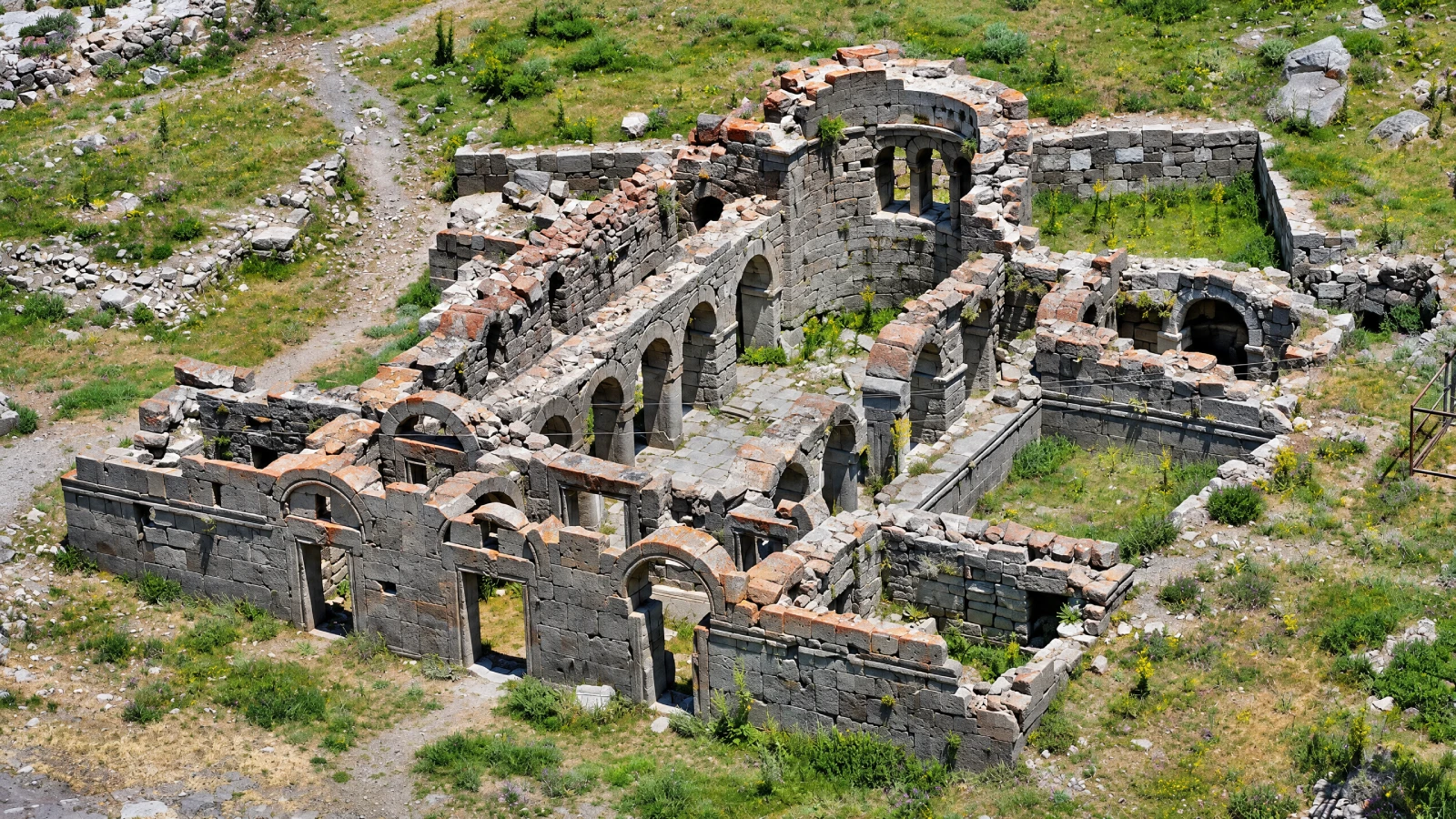
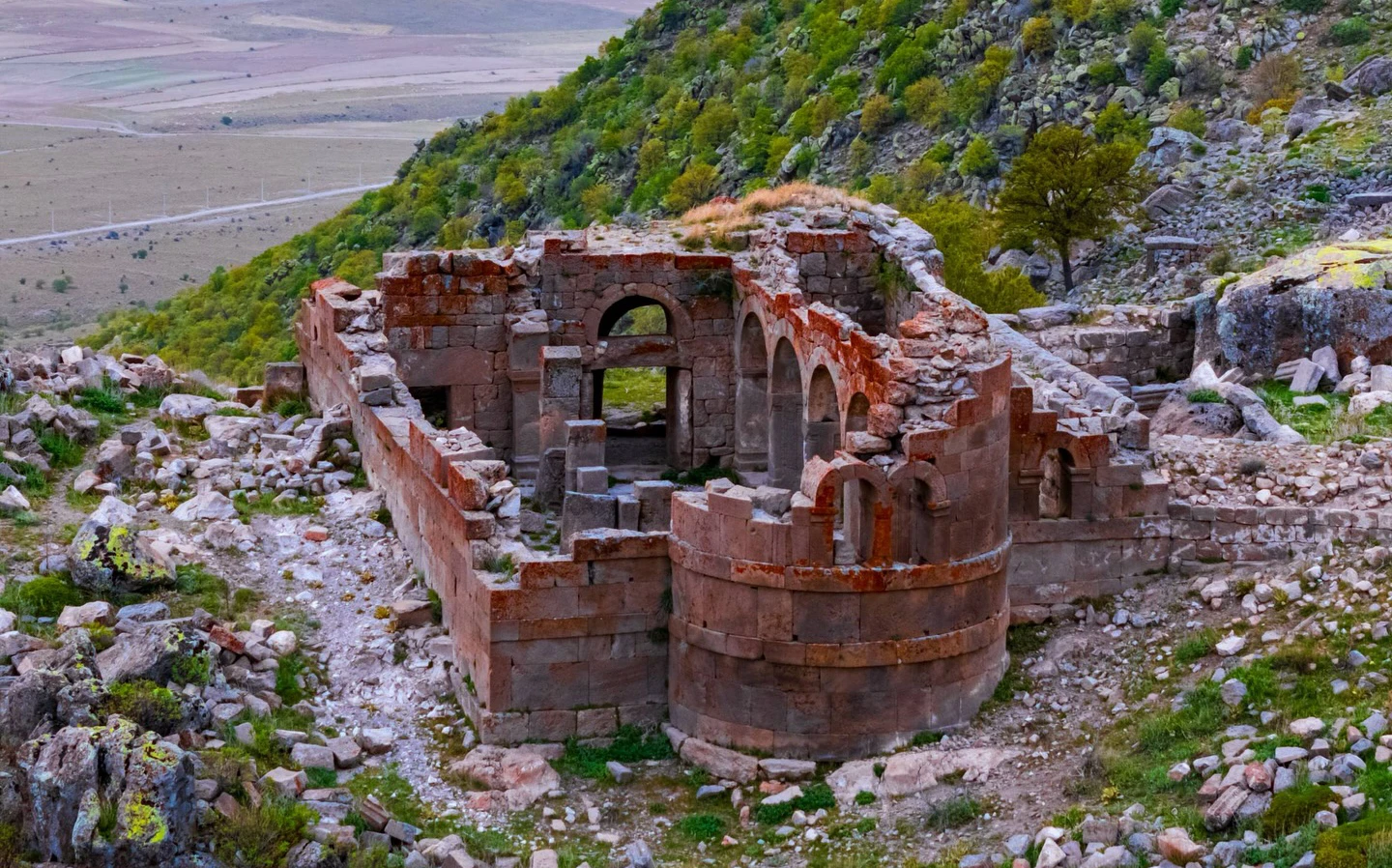
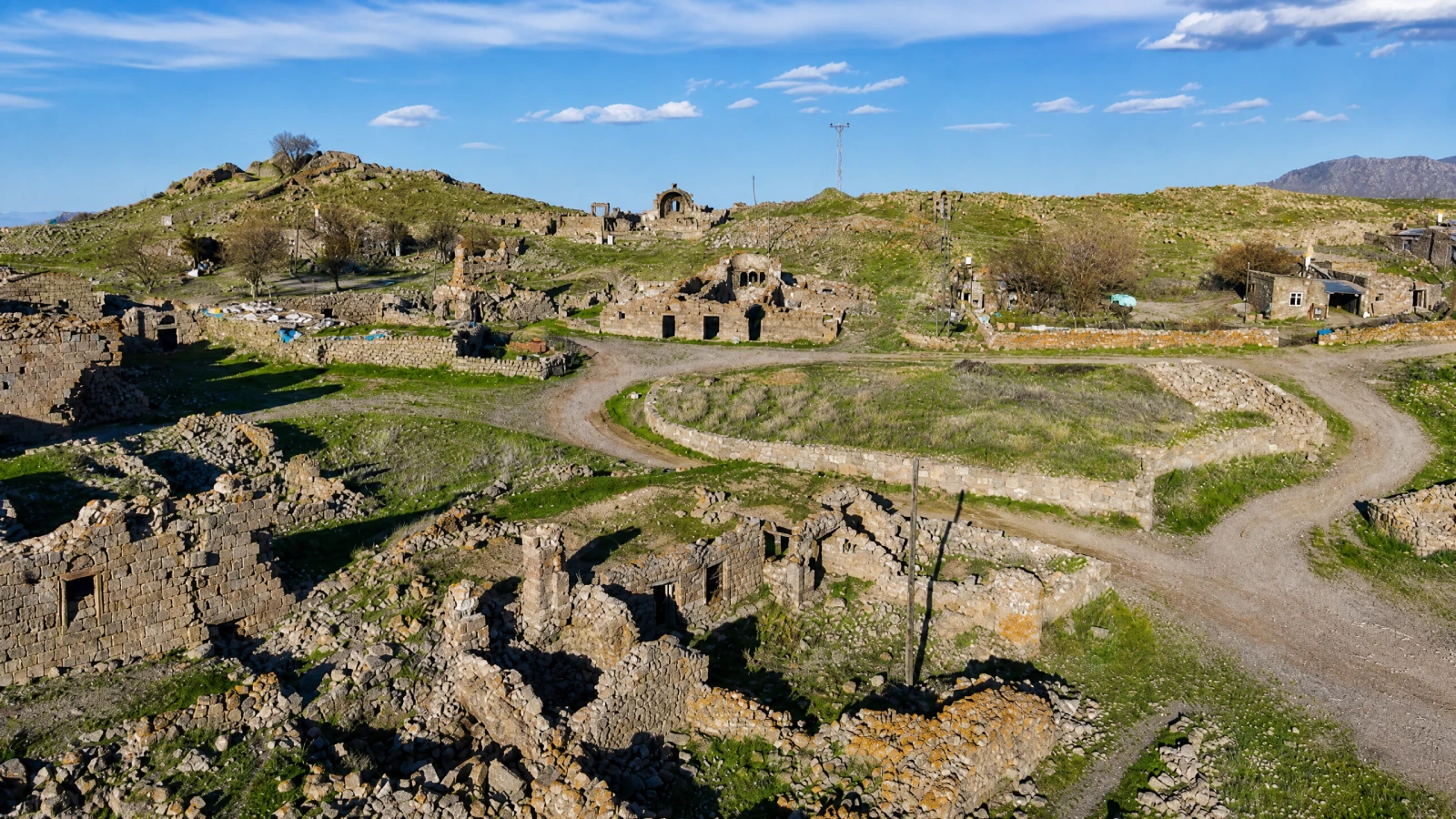
Kızıldağ Hartapu Monument is part of Karadağ and the surrounding Karaman plain, whose archaeological remains extend from ancient political history to Byzantine settlements. Kızıldağ’s Hieroglyphic Luwian inscriptions and rock monuments preserve the name Hartapu (also written Hartapus), a ruler central to debates about the political history of south-central Anatolia.

Together with Karadağ inscriptions, Kızıldağ shifts attention beyond later churches to the pre-Byzantine landscape of kingdoms and royal representation.

Investigate the surviving evidence, historical interpretations and wider human landscape.

Heritage

Kızıldağ’s Hieroglyphic Luwian inscriptions and rock monuments preserve the name Hartapu (also written Hartapus), a ruler central to debates about the political history of south-central Anatolia.

Visible Features

The inscriptions are material evidence, but the ruler’s exact chronology and political relationship to other Anatolian polities continue to be discussed. Distinguish what the text actually names from reconstructions in secondary literature.

Local Connections

Together with Karadağ inscriptions, Kızıldağ shifts attention beyond later churches to the pre-Byzantine landscape of kingdoms and royal representation.

Plan Carefully

Rock inscriptions are fragile and locations may be difficult or restricted. Avoid touching, tracing, wetting or otherwise marking carved surfaces.

Plan and understand

Kızıldağ Hartapu Monument – Essential Archaeological Facts

Key facts, distinguishing characteristics and access considerations.

📍

Location / Region

Karadağ & Archaeology, Karaman Province, Türkiye

🏛️

Known For

An enigmatic monument from ancient Anatolia

🔎

Principal Evidence

The inscriptions are material evidence, but the ruler’s exact chronology and political relationship to other Anatolian polities continue to be discussed. Distinguish what the text actually names from reconstructions in secondary literature.

ℹ️

Access Note

Rock inscriptions are fragile and locations may be difficult or restricted. Avoid touching, tracing, wetting or otherwise marking carved surfaces.


Heritage and background

History & Archaeological Significance: Kızıldağ Hartapu Monument

A carefully contextualised introduction, distinguishing the evidence from later interpretation.

Kızıldağ’s Hieroglyphic Luwian inscriptions and rock monuments preserve the name Hartapu (also written Hartapus), a ruler central to debates about the political history of south-central Anatolia.

The inscriptions are material evidence, but the ruler’s exact chronology and political relationship to other Anatolian polities continue to be discussed. Distinguish what the text actually names from reconstructions in secondary literature.

Together with Karadağ inscriptions, Kızıldağ shifts attention beyond later churches to the pre-Byzantine landscape of kingdoms and royal representation.

Interpreting a ruin is different from identifying a modern-looking building: surviving foundations, inscriptions, ceramic finds and relationships between features provide evidence for chronology and use.

Material remains do not always yield a single answer. Archaeologists may agree about the broad period of a place while continuing to debate a specific date, ancient name or interpretation of an individual structure.


Archaeological Features & What to Look For

Explore six complementary ways to understand this Karaman subject, from its characteristic details to its wider setting.

Historical or Cultural Character

Kızıldağ’s Hieroglyphic Luwian inscriptions and rock monuments preserve the name Hartapu (also written Hartapus), a ruler central to debates about the political history of south-central Anatolia.

  • Remember: Interpret the subject in its historical, cultural and local context.

Details Worth Noticing

The inscriptions are material evidence, but the ruler’s exact chronology and political relationship to other Anatolian polities continue to be discussed. Distinguish what the text actually names from reconstructions in secondary literature.

  • Remember: Interpret the subject in its historical, cultural and local context.

Wider Karaman Connections

Together with Karadağ inscriptions, Kızıldağ shifts attention beyond later churches to the pre-Byzantine landscape of kingdoms and royal representation.

  • Remember: Interpret the subject in its historical, cultural and local context.

How to Interpret the Evidence

Interpreting a ruin is different from identifying a modern-looking building: surviving foundations, inscriptions, ceramic finds and relationships between features provide evidence for chronology and use.

  • Remember: Interpret the subject in its historical, cultural and local context.

What Makes It Distinctive

An enigmatic monument from ancient Anatolia. Material remains do not always yield a single answer. Archaeologists may agree about the broad period of a place while continuing to debate a specific date, ancient name or interpretation of an individual structure.

  • Remember: Interpret the subject in its historical, cultural and local context.

Access and Preservation

Rock inscriptions are fragile and locations may be difficult or restricted. Avoid touching, tracing, wetting or otherwise marking carved surfaces.

  • Remember: Interpret the subject in its historical, cultural and local context.

Why This Site Is Important

Kızıldağ’s Hieroglyphic Luwian inscriptions and rock monuments preserve the name Hartapu (also written Hartapus), a ruler central to debates about the political history of south-central Anatolia.

Together with Karadağ inscriptions, Kızıldağ shifts attention beyond later churches to the pre-Byzantine landscape of kingdoms and royal representation.

A Distinctive Karaman Story

Kızıldağ’s Hieroglyphic Luwian inscriptions and rock monuments preserve the name Hartapu (also written Hartapus), a ruler central to debates about the political history of south-central Anatolia.

Connections Across the Region

Together with Karadağ inscriptions, Kızıldağ shifts attention beyond later churches to the pre-Byzantine landscape of kingdoms and royal representation.

What Research Can Tell Us

Interpreting a ruin is different from identifying a modern-looking building: surviving foundations, inscriptions, ceramic finds and relationships between features provide evidence for chronology and use.

What Remains Uncertain

Rock inscriptions are fragile and locations may be difficult or restricted. Avoid touching, tracing, wetting or otherwise marking carved surfaces.

Getting There & Archaeological Access

Rock inscriptions are fragile and locations may be difficult or restricted. Avoid touching, tracing, wetting or otherwise marking carved surfaces.

The subject is connected with Karadağ and the surrounding Karaman plain, whose archaeological remains extend from ancient political history to Byzantine settlements. Where the location is in mountainous, rural or protected terrain, travel times and safe access can differ from a map's straight-line distance. Conditions should be checked with local authorities or the relevant producer before travel.

Where It Belongs

Karadağ & Archaeology in Karaman Province, Türkiye

What to Confirm

Rock inscriptions are fragile and locations may be difficult or restricted. Avoid touching, tracing, wetting or otherwise marking carved surfaces.

Before Setting Out

Check access, ownership, seasonal conditions, transport and available visitor facilities. No unverified ticket price or opening time is stated here.

A Sensible Approach

Treat rural routes, heritage structures and local workspaces with care. A viewpoint or local introduction may be preferable to entering restricted areas.

Archaeological Site Etiquette

Protect fragile remains

Do not climb on masonry or shift loose architectural stones.

Respect research areas

Never enter active excavations or collect pottery from the ground.

Interpret with context

Compare visible ruins with dated reports; not every ancient site is fully identified.

Check local access

Remote sites may lack signs, staff, guardrails or public pathways.

Who Should Visit?

Curious Visitors

Explore why Kızıldağ Hartapu Monument matters within the wider story of Karaman and south-central Anatolia.

Culture and Community

Together with Karadağ inscriptions, Kızıldağ shifts attention beyond later churches to the pre-Byzantine landscape of kingdoms and royal representation.

Photography and Detail

The inscriptions are material evidence, but the ruler’s exact chronology and political relationship to other Anatolian polities continue to be discussed. Distinguish what the text actually names from reconstructions in secondary literature.

Thoughtful Independent Travellers

Especially rewarding for visitors happy to check local information and adapt plans to the conditions on site.

Frequently Asked Questions about Kızıldağ Hartapu Monument

Where is Kızıldağ Hartapu Monument?

The subject belongs to Karadağ & Archaeology in Karaman Province, Türkiye. Confirm the exact approach or producer location rather than relying only on a map pin.

What makes Kızıldağ Hartapu Monument significant?

Kızıldağ’s Hieroglyphic Luwian inscriptions and rock monuments preserve the name Hartapu (also written Hartapus), a ruler central to debates about the political history of south-central Anatolia.

What should I pay attention to?

The inscriptions are material evidence, but the ruler’s exact chronology and political relationship to other Anatolian polities continue to be discussed. Distinguish what the text actually names from reconstructions in secondary literature.

What other Karaman places fit with this topic?

Together with Karadağ inscriptions, Kızıldağ shifts attention beyond later churches to the pre-Byzantine landscape of kingdoms and royal representation.

Is it possible to visit at any time?

Rock inscriptions are fragile and locations may be difficult or restricted. Avoid touching, tracing, wetting or otherwise marking carved surfaces.

How should I plan my visit?

Verify on-the-ground conditions, permission and seasonal factors; take a flexible approach rather than assuming all sites have staffed visitor facilities.

Documenting Ruins Responsibly

Use photography to explain character and context; never treat unsafe access or inaccurate images as a substitute for observation.

Wider Setting

Show the connection between Kızıldağ Hartapu Monument and Karadağ and the surrounding Karaman plain, whose archaeological remains extend from ancient political history to Byzantine settlements rather than cropping away all surroundings.

Characteristic Detail

The inscriptions are material evidence, but the ruler’s exact chronology and political relationship to other Anatolian polities continue to be discussed. Distinguish what the text actually names from reconstructions in secondary literature.

A Human Scale

Where appropriate, show how the place or tradition is experienced, without disturbing local residents or workers.

Historical Context

Together with Karadağ inscriptions, Kızıldağ shifts attention beyond later churches to the pre-Byzantine landscape of kingdoms and royal representation.

Respect for Heritage

Rock inscriptions are fragile and locations may be difficult or restricted. Avoid touching, tracing, wetting or otherwise marking carved surfaces.

Light & Season

Soft natural light and a patient viewpoint can communicate texture and setting without entering fragile or private areas.

When to Plan an Archaeology Visit

Rock inscriptions are fragile and locations may be difficult or restricted. Avoid touching, tracing, wetting or otherwise marking carved surfaces.

Spring

Milder temperatures can suit open archaeological landscapes, but check ground conditions.

Summer

Open sites may be exposed and hot; plan water and sun protection.

Autumn

Softer light and moderate conditions can help study stonework and topography.

Winter

Wind, frost, mud or snow can make rural ruins difficult to approach.

Explore the Karaman Archaeology Routes

Together with Karadağ inscriptions, Kızıldağ shifts attention beyond later churches to the pre-Byzantine landscape of kingdoms and royal representation.

For a more meaningful visit, start with the main subject and follow the connected local story: landscape, settlement, architecture, or the people behind a regional dish. Avoid collecting distant stops in a single day without considering driving, weather, permissions and opening conditions.

Evidence, Historical Context & Further Reading

Interpreting a ruin is different from identifying a modern-looking building: surviving foundations, inscriptions, ceramic finds and relationships between features provide evidence for chronology and use.

Material remains do not always yield a single answer. Archaeologists may agree about the broad period of a place while continuing to debate a specific date, ancient name or interpretation of an individual structure.

The linked resource is an editorial starting point rather than a claim that every aspect of this page has been independently verified. For contested identifications, archaeological interpretation, active worship, food registration and access, more recent primary records may supersede older descriptions.

Source to consult: Karaman heritage / subject-specific reference. Official local resource: Karaman Provincial Directorate of Culture and Tourism.