Setting and religious role
The building or shrine must be read through its local community and present sacred use, rather than as a detached archaeological museum.






Nur Mosque in Kırıkkale is part of Kırıkkale Province, in the Kırıkkale Centre & Hasandede area. Its particular interest is monumental modern religious architecture.
Nur Mosque is a prominent modern religious building at Kırıkkale's urban centre, contrasting with the smaller historic village mosques in surrounding districts.
Kırıkkale Centre & Hasandede — one of Kırıkkale's distinct regional routes.
Monumental modern religious architecture
The historical or cultural evidence for Nur Mosque in Kırıkkale should be read alongside its known regional setting rather than replacing it with a legend or unverified date.
As an active mosque, access for visitors depends on services and respectful conduct. Do not interrupt worship or use flash photography without permission.
Only documented or explicitly qualified visiting information is included.
Kırıkkale Centre & Hasandede, Kırıkkale Province, Türkiye
Sacred architecture and community
Kırıkkale official thematic route brochure
As an active mosque, access for visitors depends on services and respectful conduct. Do not interrupt worship or use flash photography without permission.
The historic record for Nur Mosque in Kırıkkale requires care in separating documented statements from later interpretation.
The provincial tourism route brochure reports a large central dome, four minarets and an extensive congregation capacity. These are features of a contemporary monumental mosque, not evidence of medieval construction.
Modern Kırıkkale developed through twentieth-century industry and rail connections. Places in the city centre should not be mistaken for Ottoman districts simply because the surrounding province preserves older houses and religious sites.
Its scale and lighting contribute to the public urban landscape of a city shaped principally by Republican development.
Key local details, historical evidence and practical considerations.
The building or shrine must be read through its local community and present sacred use, rather than as a detached archaeological museum.
The provincial tourism route brochure reports a large central dome, four minarets and an extensive congregation capacity. These are features of a contemporary monumental mosque, not evidence of medieval construction.
Its scale and lighting contribute to the public urban landscape of a city shaped principally by Republican development.
The site is valued by an active community; avoid disrupting worship and seek permission for close photography.
Original masonry, later repairs, inscriptions and devotional traditions are separate sources of information at Nur Mosque in Kırıkkale; do not infer an exact date from a stylistic feature alone.
Ask whether access is limited during worship or ceremonies and approach the site as a place with present-day community significance.
Its scale and lighting contribute to the public urban landscape of a city shaped principally by Republican development.
This is also an opportunity to place Kırıkkale Centre & Hasandede within a regional travel itinerary without confusing an ancient site, sacred building, contemporary recreation facility or living food tradition with another type of experience.
The most reliable material for Nur Mosque in Kırıkkale comes from the listed documentary sources and the actual features they describe.
Recognise the particular history of Kırıkkale Centre & Hasandede, not an interchangeable Anatolian landmark.
Its scale and lighting contribute to the public urban landscape of a city shaped principally by Republican development.
As an active mosque, access for visitors depends on services and respectful conduct. Do not interrupt worship or use flash photography without permission.
As an active mosque, access for visitors depends on services and respectful conduct. Do not interrupt worship or use flash photography without permission.
As an active mosque, access for visitors depends on services and respectful conduct. Do not interrupt worship or use flash photography without permission.
Modern Kırıkkale developed through twentieth-century industry and rail connections. Places in the city centre should not be mistaken for Ottoman districts simply because the surrounding province preserves older houses and religious sites.
This location may be sacred, a home, active infrastructure, an archaeological area or a working landscape. Check who administers Nur Mosque in Kırıkkale before treating it as an unrestricted visitor attraction.
As an active mosque, access for visitors depends on services and respectful conduct. Do not interrupt worship or use flash photography without permission.
Do not climb historic masonry, move stones, enter unsafe chambers or cross barriers.
Construction, rebuilding and later use may be several different episodes.
Active religious sites, schools and private buildings require special respect.
Historic significance does not imply that every building has public opening hours.
Readers interested in how Nur Mosque in Kırıkkale connects to the larger story of Kırıkkale.
Travellers who want a grounded account of the Kırıkkale Centre & Hasandede region rather than a checklist of generic Turkish attractions.
The details at Nur Mosque in Kırıkkale reward visitors who want to recognise its locally documented features rather than relying on generic photographs.
As an active mosque, access for visitors depends on services and respectful conduct. Do not interrupt worship or use flash photography without permission.
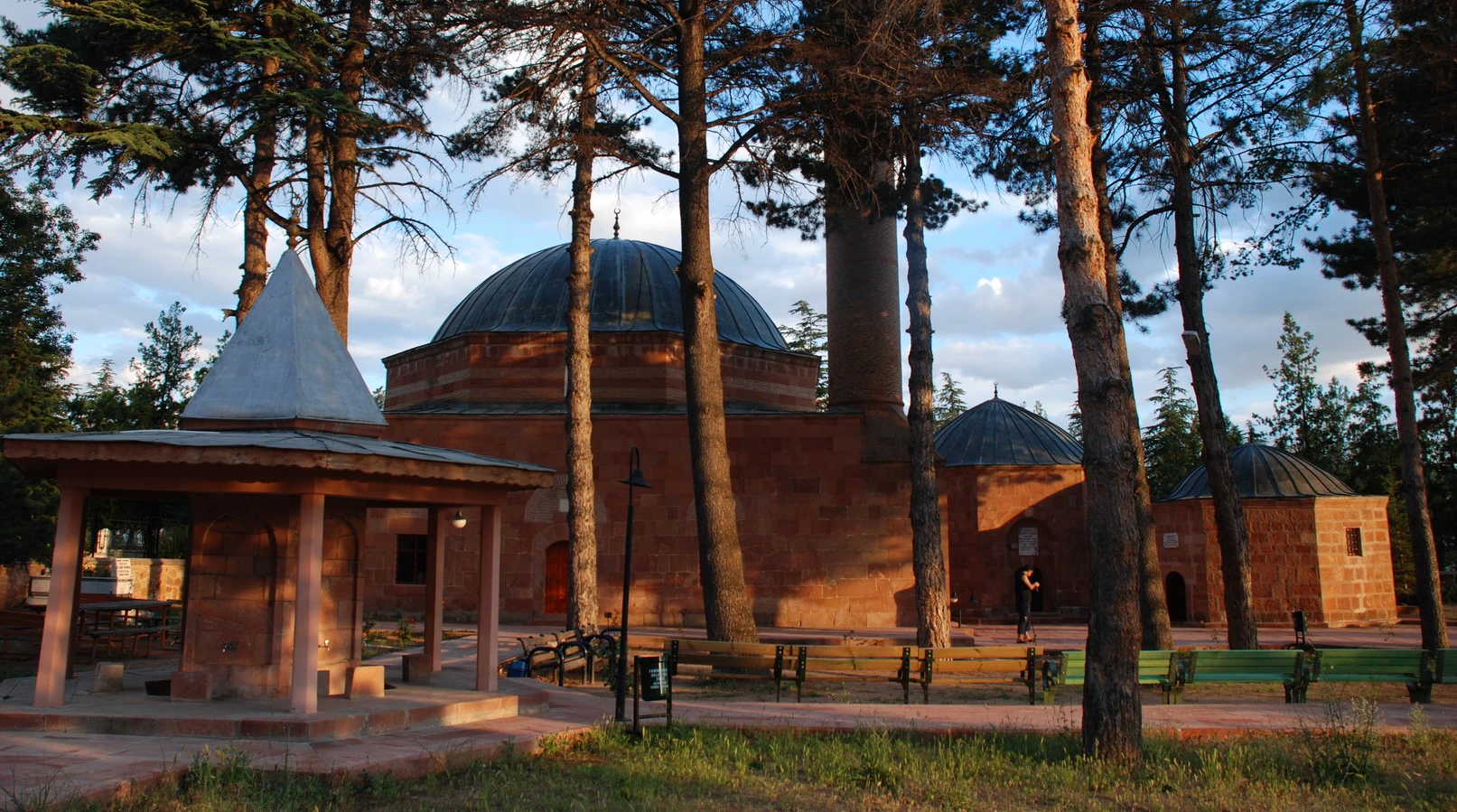
Ottoman-period architecture and living religious memory
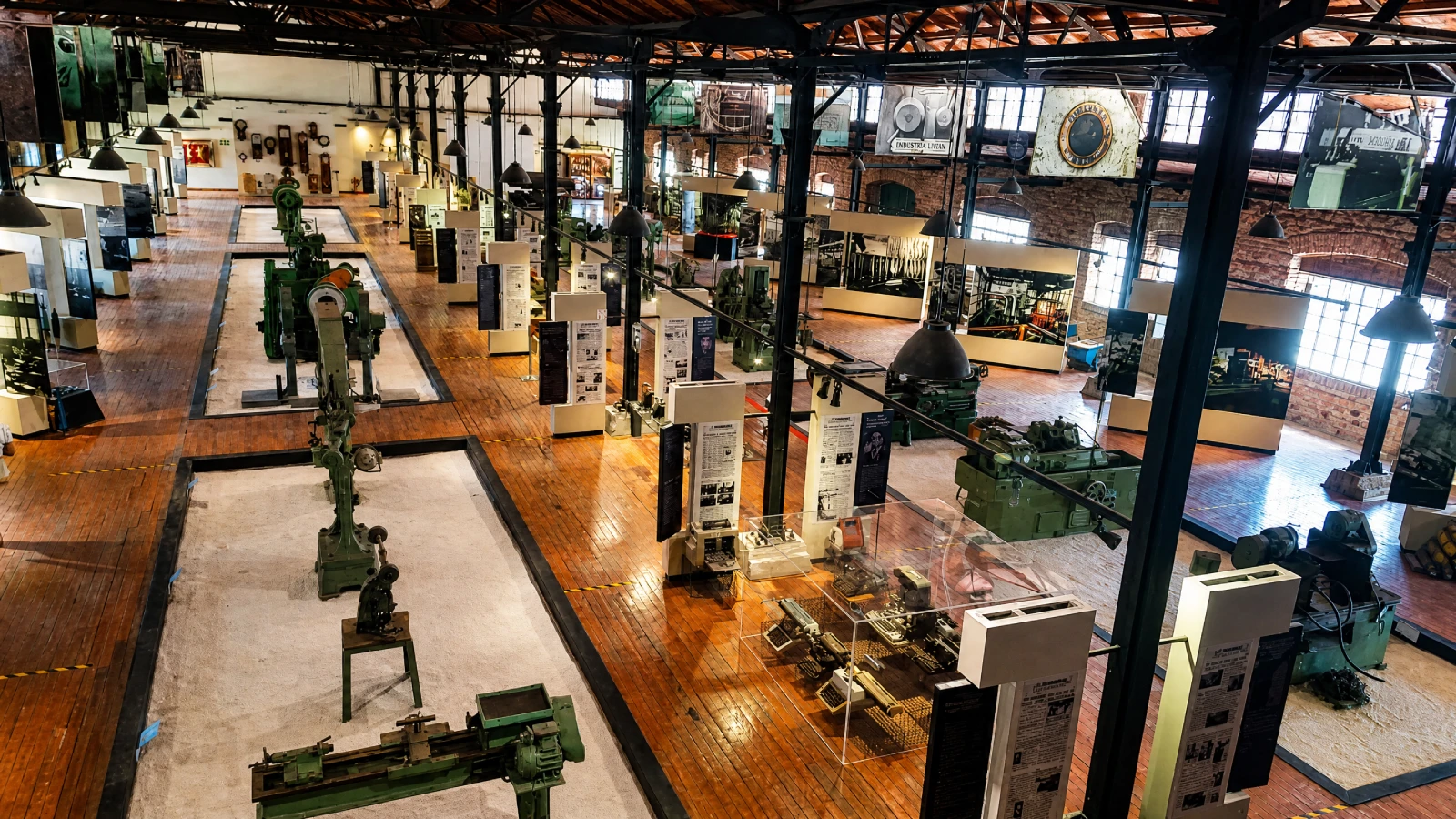
The industrial story that shaped modern Kırıkkale
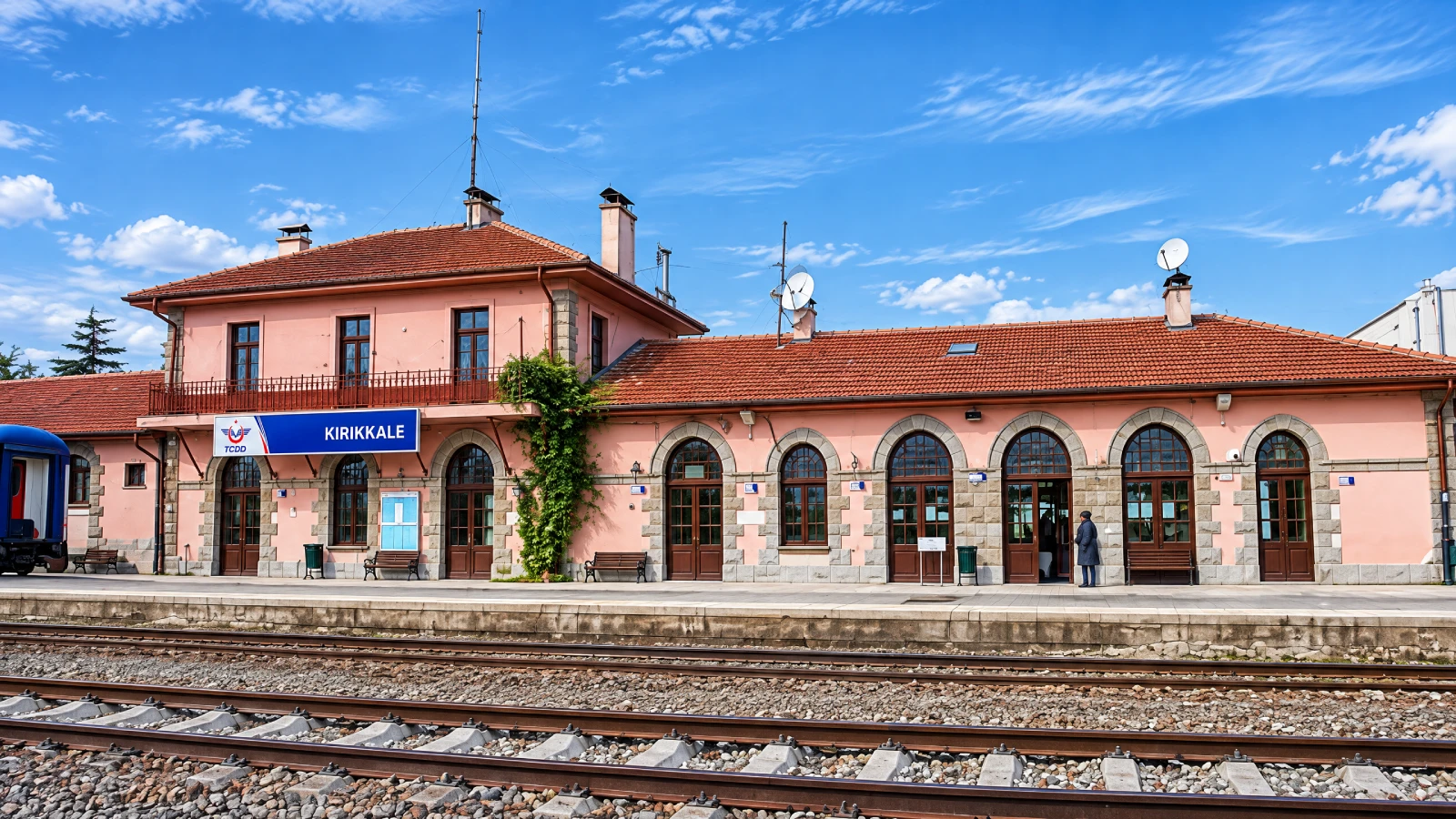
Railways and the rise of a Republican-era city
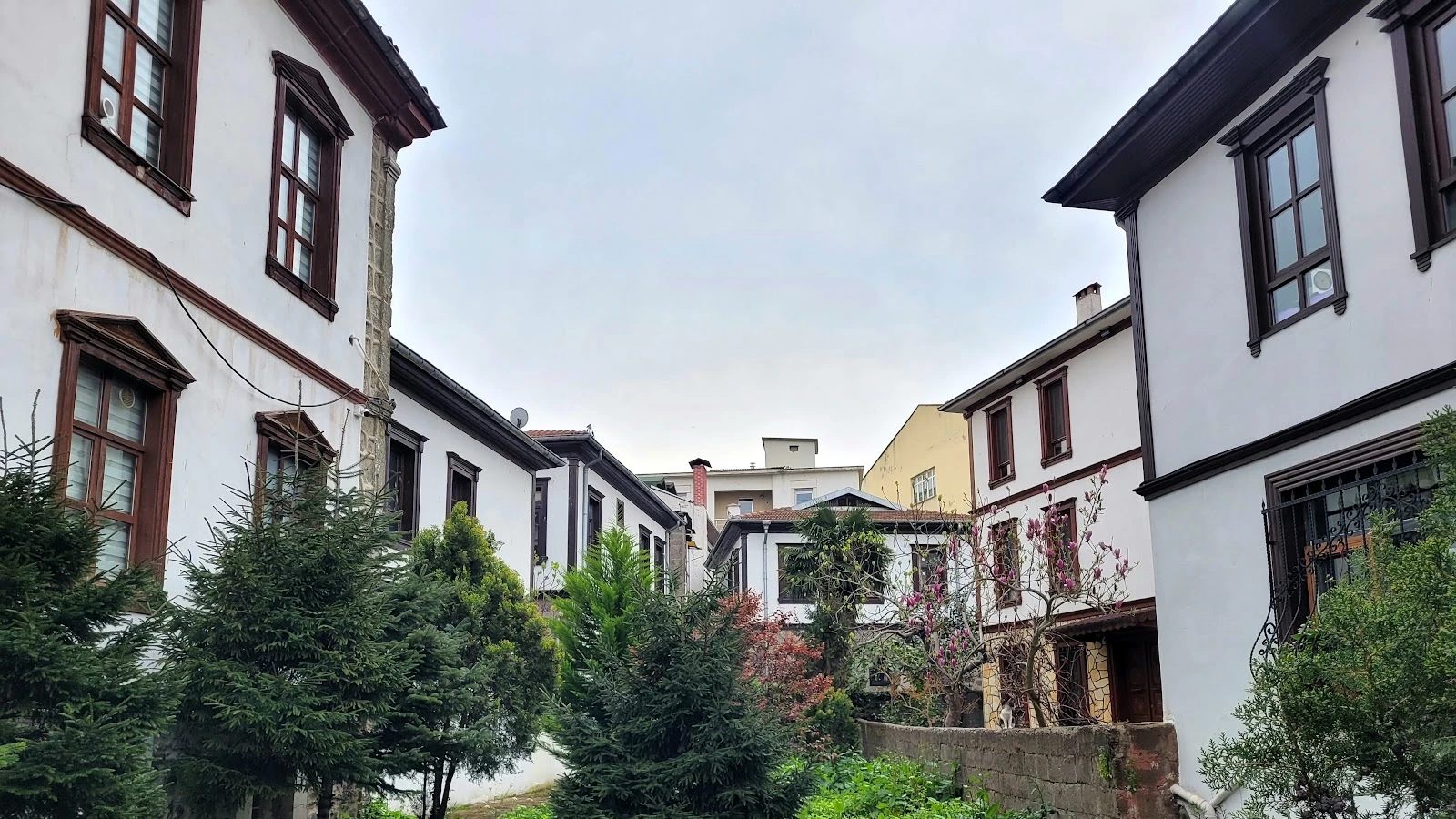
Domestic heritage within a modern city
Nur Mosque is a prominent modern religious building at Kırıkkale's urban centre, contrasting with the smaller historic village mosques in surrounding districts.
The provincial tourism route brochure reports a large central dome, four minarets and an extensive congregation capacity. These are features of a contemporary monumental mosque, not evidence of medieval construction.
Its scale and lighting contribute to the public urban landscape of a city shaped principally by Republican development.
As an active mosque, access for visitors depends on services and respectful conduct. Do not interrupt worship or use flash photography without permission.
The site or tradition is associated with the Kırıkkale Centre & Hasandede area of Kırıkkale Province, Türkiye. Use local wayfinding and verify the present venue before setting out.
Its scale and lighting contribute to the public urban landscape of a city shaped principally by Republican development.
As an active mosque, access for visitors depends on services and respectful conduct. Do not interrupt worship or use flash photography without permission.
Official regional listings or route descriptions support the subject; some details still require onsite verification.
The research record for Nur Mosque in Kırıkkale is anchored in the specific public sources linked here; where a publication gives no exact dates or visiting guarantees, none are added.