Private Sığacık, Teos & Seferihisar Experience
Ask us about a tailor-made day combining Sığacık Castle, ancient Teos, the waterfront, local food and selected stops across Seferihisar.
Request a Custom Sığacık Tour





Sığacık and Seferihisar offer a different kind of Aegean escape. There are beaches and marinas, but the character of the district comes just as much from ancient archaeology, local agriculture, producer markets, castle streets, fishing traditions, citrus orchards and village food.
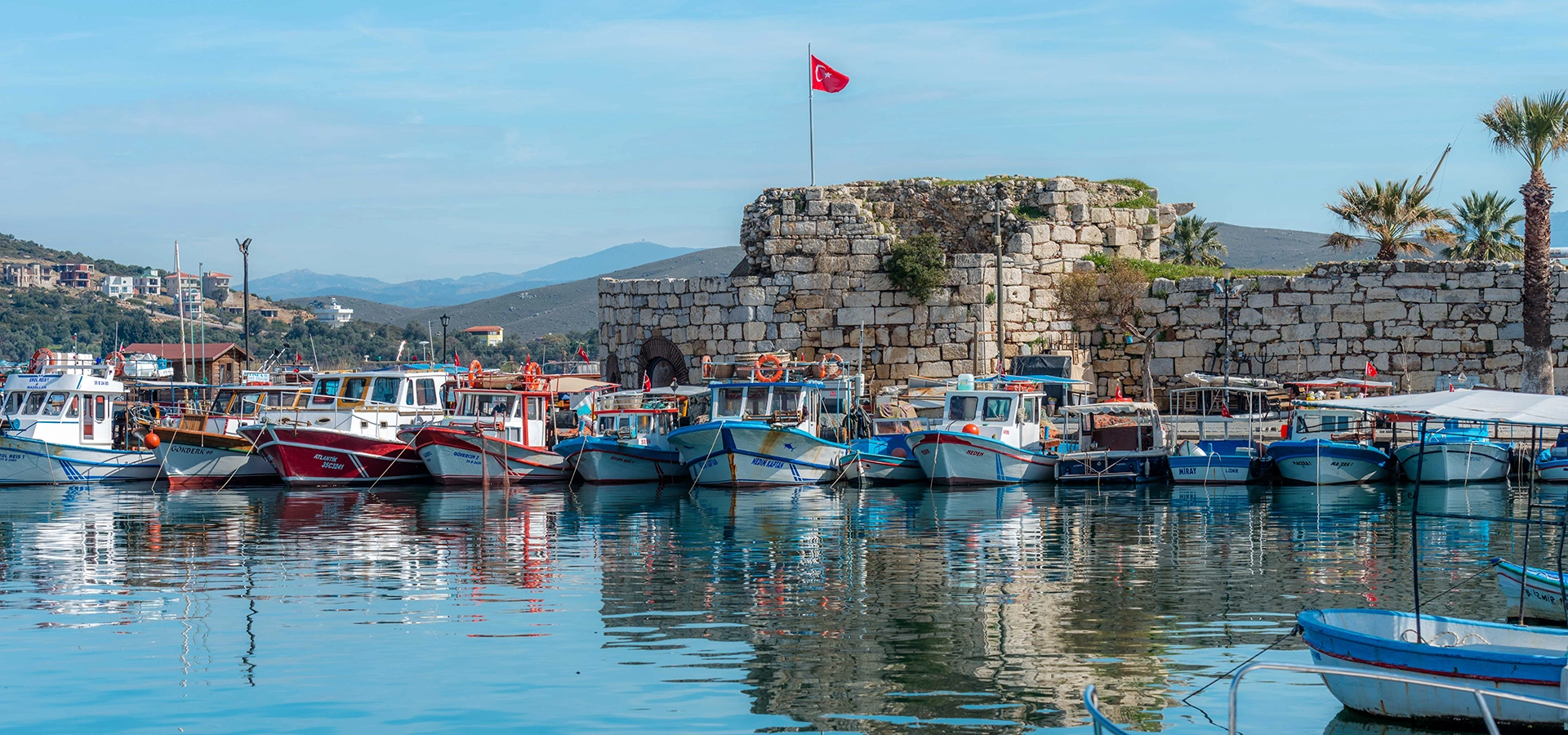
The best-known coastal settlement is Sığacık, a compact harbour neighbourhood wrapped around a sixteenth-century castle. Inside the walls, narrow streets, courtyard houses, small cafés and local producers create an atmosphere that feels especially lively on market day but remains rewarding throughout the week.
Just south of Sığacık lies Teos, one of the ancient cities of Ionia. Its Temple of Dionysus, theatre, bouleuterion, city walls and harbour landscape reveal a much deeper history beneath the modern holiday coast.
Beyond Sığacık, the wider Seferihisar district stretches through mandarin country, farming villages, Akarca, Doğanbey and Ürkmez. Türkiye's first Cittaslow has built much of its modern identity around local production, seasonal food and a slower relationship with place.
Walk through a living historic quarter of stone lanes, traditional houses, small shops and the walls of Sığacık Castle.
Explore one of the twelve Ionian cities and discover the Temple of Dionysus, theatre, council building, fortifications and ancient harbour landscape.
Visit for local vegetables, preserves, breads, pastries, handicrafts and the food culture that helped make Seferihisar a model Cittaslow destination.
Swim at Büyük Akkum, explore the Akarca coast or travel farther south toward Doğanbey and Ürkmez for a wider range of seaside landscapes.
Essential information for planning castle walks, archaeology, Sunday markets, beaches, boat trips and village food experiences on the southern İzmir Peninsula.
Southwest of İzmir city on the Aegean coast; Sığacık is a coastal neighbourhood of Seferihisar district.
Sığacık Kaleiçi, a living settlement within and around the walls of a sixteenth-century Ottoman castle.
Teos, one of the ancient Ionian cities, lies immediately south of Sığacık.
Seferihisar became Türkiye's first member of the international Cittaslow network in 2009.
The Sığacık Kaleiçi producer market is traditionally held on Sundays and is one of the district's best-known visitor experiences.
Mandarins, especially satsuma-type citrus, are closely tied to Seferihisar's agriculture and seasonal identity.
Teos Marina gives Sığacık a strong sailing and yachting character alongside its older fishing harbour traditions.
Büyük Akkum, Akarca, Doğanbey and Ürkmez are among the district's best-known coastal areas.
Look for Armola cheese, Ata Ekmeği, samsades, local pastries, mandarin products, seafood and olive-oil dishes.
Seasonal excursion boats and private charters depart from the Sığacık harbour area for nearby bays.
April–June and September–October are excellent for archaeology, markets and walking; summer is strongest for swimming.
One full day works well for Sığacık and Teos; two or three nights allow beaches, villages and the wider Seferihisar coast.
This part of İzmir works especially well for travellers who want history and food to sit naturally beside the sea rather than feeling like separate sightseeing categories.
The first reason to visit is Sığacık itself. Kaleiçi is small enough to explore slowly, but the combination of castle walls, traditional houses, market culture, cafés and harbour views gives it far more character than its size suggests.
The second reason is Teos. The ancient city is not simply an extra stop beside the beach. It was one of the cities of Ionia and preserves a landscape of sanctuaries, civic buildings, fortifications and harbour connections that rewards travellers interested in archaeology.
The third reason is local production. Seferihisar's identity is closely tied to mandarins, olives, village breads, cheeses, vegetables and producer markets. The Cittaslow story makes most sense when experienced through these everyday products rather than as a slogan alone.
Finally, the district has enough coastline and variety to support a longer stay. You can combine Sığacık with Akkum, Akarca, Doğanbey, Ürkmez, villages and boat trips without repeating the same kind of day.
Seferihisar is a district southwest of İzmir city. Its territory reaches from agricultural inland villages to a long Aegean coastline, making it much larger and more varied than the historic harbour settlement most visitors first picture.
Sığacık is the district's best-known coastal neighbourhood, around 5 kilometres from Seferihisar centre. The historic castle, Kaleiçi streets, fishing harbour and Teos Marina sit close together, while ancient Teos lies just to the south.
This distinction matters when planning. Sığacık can be explored largely on foot once you arrive, but the wider Seferihisar district requires a vehicle if you want to combine beaches, villages, Doğanbey, Ürkmez or rural food stops in the same day.
Visitors sometimes use the names Sığacık and Seferihisar interchangeably, but they describe different scales. Sığacık is the compact harbour settlement with the castle, marina and nearby Teos archaeological site.
Seferihisar centre lies inland and has a more everyday district-town character. It is where local administration, shops, residential streets and much of the area's year-round daily life are concentrated.
The northern and central coast includes Sığacık, Akkum and Akarca, while the district continues south toward Doğanbey and Ürkmez. Inland, villages such as Ulamış, Orhanlı and Gödence connect the coast with farming, bread, cheese, olives and local seed traditions.
For a first visit, think in layers: Sığacık for atmosphere, Teos for history, one beach for the sea and one village or food stop for the wider Seferihisar identity.
The deepest historical layer belongs to Teos. The city formed part of ancient Ionia and developed through maritime trade, agriculture, religion and culture. Its position between two harbour zones made the coast important long before modern Sığacık existed.
The area remained strategically useful through later centuries, but the most visible historic structure in Sığacık today is its Ottoman castle. The present fortress was built in the early sixteenth century during preparations for the Rhodes campaign under Sultan Süleyman I.
The castle was not simply an isolated military monument. Settlement developed within its walls, and houses, religious buildings and commercial spaces transformed the fortification into a lived-in neighbourhood.
In the modern period, agriculture remained central to Seferihisar. Citrus, olives, vegetables and local grains supported village life, while tourism gradually expanded around Sığacık, beaches and the marina.
A new chapter began when Seferihisar joined the Cittaslow network in 2009. Local production, producer markets, traditional foods, environmental projects and slower urban development became closely associated with the district's public identity.
Sığacık Castle defines the historic character of the settlement. The present fortification was built in 1521–1522 during preparations for the Ottoman campaign against Rhodes, under the orders of Sultan Süleyman I and the direction of naval commander Parlak Mustafa Paşa.
Stone from the nearby ruins of Teos was reused in parts of the construction, creating a direct physical connection between ancient and Ottoman history. Look carefully at the masonry and you may notice carved or inscribed stones incorporated into later walls.
The castle served maritime and customs functions rather than defending a large inland city. Over time, houses and neighbourhood life filled the interior, which is why Sığacık is best experienced not as a museum fortress but as a living historic quarter.
Walk the walls and gateways slowly, then continue into the lanes behind them. The interest comes from the relationship between fortification, homes, courtyards, market stalls and the harbour immediately outside.
The most enjoyable part of Sığacık is often the simplest: wandering without a strict route through Kaleiçi. Traditional houses stand close together along narrow streets, many with small courtyards, wooden details, climbing plants and tables spilling into the lanes.
Restoration and street-improvement projects have helped preserve the visual identity of the quarter, but Kaleiçi remains a residential area rather than an open-air set. Some doors lead to cafés or shops; others are private homes.
Weekdays are quieter and reveal more of the neighbourhood's architecture. Sundays are livelier because the producer market spreads through the streets and brings a very different energy.
For photography, morning light is especially good. For atmosphere, return toward sunset when restaurant tables begin to fill and the stone lanes become softer in the evening light.
The Sığacık Kaleiçi producer market is one of the most recognizable experiences in Seferihisar. Traditionally held on Sundays, it brings producers and home-based makers into the streets inside and around the castle.
Depending on the season, stalls may feature vegetables, fruit, herbs, olives, preserves, breads, pastries, sweets, handmade products and small gifts. The strongest part of the market is the connection between what is sold and the surrounding agricultural district.
The market can become extremely busy, especially in warm weather. Arrive early if you want to photograph the streets, speak with producers and browse before the heaviest day-trip crowds.
Market arrangements can occasionally change for events, weather or local administration, so confirm the current schedule if Sunday market day is the main reason for your trip.
Teos lies about one kilometre south of Sığacık and is the district's most important archaeological site. In antiquity it belonged to the Ionian world and developed as a maritime city connected with trade, culture, religion and two harbour zones.
The ruins are spread across a broad landscape rather than concentrated around a single monumental street. Important remains include the Temple of Dionysus, theatre, bouleuterion, agora, city walls, Roman-period cistern and harbour structures.
Teos is also closely associated with artistic life. Ancient inscriptions and historical evidence show the importance of music and performance, and the city became connected with the guild of Dionysian artists in the Hellenistic period.
Allow enough time to walk rather than treating Teos as a quick photo stop before the beach. Shade is limited in parts of the site, so spring, autumn and morning visits are especially comfortable.
The Temple of Dionysus is the monument most closely associated with Teos. The Hellenistic sanctuary was designed by the architect Hermogenes of Priene and became one of the most important temples dedicated to Dionysus in Anatolia.
The surviving remains are fragmentary, but the scale of the sanctuary becomes clearer when you walk around its platform, column elements and surrounding sacred area. Earthquakes, rebuilding and centuries of stone reuse all shaped what survives today.
The temple is especially meaningful when viewed together with Teos's history of musicians, actors and Dionysian artists. Religion and performance were closely connected here, giving the site cultural significance beyond architecture alone.
The ancient theatre reflects Teos's strong relationship with performance and helps place the city's artistic reputation into a physical setting.
The council building represents the civic life of the city and is one of the key structures for understanding how Teos was governed.
The public-commercial heart of the city helps visitors imagine Teos as a working urban centre rather than only a sanctuary site.
Hellenistic fortifications once enclosed a large urban area and reveal the scale of ancient Teos beyond the best-known monuments.
Water infrastructure provides another layer of everyday urban history and shows how the city supported a substantial population.
Teos had northern and southern harbour zones, reinforcing its identity as a maritime city connected with the wider Aegean.
The modern Teos Marina sits beside historic Sığacık and creates a striking contrast with the castle and fishing harbour. Rows of yachts, marina facilities, cafés and waterfront walking areas give this side of town a contemporary nautical character.
You do not need to be sailing to enjoy the area. A walk between the castle, harbour and marina is one of the easiest ways to understand how maritime life has remained central to Sığacık across very different periods.
Late afternoon is particularly attractive, when fishing boats, yachts and castle walls catch softer light. The waterfront also works well before dinner in Kaleiçi.
In the warmer months, boat excursions leave from the Sığacık harbour area for swimming stops around the surrounding coast. The exact route depends on the operator, sea conditions and wind.
A boat day is especially useful for travellers staying two or more nights because it reveals parts of the coastline that feel completely different from busy public beaches.
Before booking, ask about boat size, number of guests, lunch, drinks, shade, swimming stops, departure time and return time. Private charters may be preferable if your priority is quiet bays or a flexible schedule.
Büyük Akkum is the classic beach choice near Sığacık. Its proximity to the historic quarter makes it easy to combine a morning at Teos or Kaleiçi with an afternoon swim.
The beach is popular in summer and can become busy on weekends. Arriving early makes parking and finding a comfortable place much easier.
Wind conditions can change the feel of the water from one day to another. If the sea is rough, consider the wider Seferihisar coast rather than assuming conditions will be identical at every beach.
Büyük Akkum is among Seferihisar's Blue Flag beaches for the 2026 season, reflecting current environmental, safety and service criteria, but visitors should still check daily conditions and local notices.
The Ekmeksiz area is one of the most attractive natural coastal landscapes around Sığacık, with clear water, pine-covered surroundings and a setting close to Teos.
Access arrangements and facilities have changed at different times, so it is wise to check the current situation before planning your entire beach day around Ekmeksiz.
Even when you are not using the beach itself, the road and surrounding coastal landscape are worth understanding as part of the transition between ancient Teos, natural shoreline and modern Sığacık.
Akarca stretches along the coast east and southeast of Sığacık and offers a more residential seaside atmosphere. Rather than one compact resort centre, it is a sequence of beaches, housing areas and local waterfront sections.
Several public beaches along the Akarca coast have held Blue Flag status, and the area is useful for travellers who want a straightforward swimming day without the concentrated visitor traffic of Sığacık Kaleiçi.
Akarca is especially practical for families, longer stays and travellers with a car. Facilities vary from one section of coast to another, so choose your exact beach according to access, wind and the kind of day you want.
The Seferihisar coast continues well beyond Sığacık and Akarca. Doğanbey and Ürkmez offer a more extended summer-residential landscape with public beaches, local restaurants and a slower rhythm away from the historic centre.
These areas are most useful for travellers staying several days or driving south toward Gümüldür and the Selçuk direction. They allow you to experience Seferihisar as a full coastal district rather than only a single picturesque harbour.
Multiple beaches in Doğanbey and Ürkmez are included in Seferihisar's 2026 Blue Flag list, but exact services vary by beach and season.
Seferihisar became Türkiye's first Cittaslow in 2009. The international movement encourages towns to protect local identity, improve quality of life, support local production and resist the kind of standardization that can make destinations feel interchangeable.
For visitors, the Cittaslow idea is most visible in practical experiences: producer markets, local seeds, seasonal food, village festivals, traditional products and an emphasis on small-scale community life.
The title does not mean that every street is quiet or that tourism disappears. Sığacık can be very busy on summer Sundays. The more useful way to understand Cittaslow is as a long-term local-development philosophy rather than a promise of silence.
To experience it properly, leave time for Seferihisar centre and the villages instead of spending the entire trip only between the marina and beach.
Seferihisar centre has a more practical, year-round character than Sığacık. Local shops, bakeries, markets and public spaces serve residents rather than being designed primarily for visitors.
That contrast is worth seeing. Sığacık gives you the historic coastal image; Seferihisar centre gives you the working town behind it.
A short stop works well for coffee, local shopping or a market visit before continuing toward villages or beaches. Travellers interested in the Cittaslow story will understand it more clearly here than by staying only inside Kaleiçi.
Best known to many visitors for village food, local producers and the traditions surrounding Ata Ekmeği and Armola cheese.
A rural stop where olive groves, agriculture and village roads reveal a quieter side of the district away from the marina.
Associated with local agricultural traditions, olives and the recovery of Topan Karakılçık wheat used in Seferihisar's Ata Ekmeği story.
A useful countryside stop for travellers building a wider inland route between villages, farms and local-food experiences.
Connected with village bread-making and agricultural traditions that have become part of Seferihisar's slow-food identity.
A small rural settlement associated with local-food events and the district's efforts to preserve traditional products and cooking.
Mandarins are one of Seferihisar's defining agricultural products. Orchards shape parts of the district's landscape, and the fruit appears in markets, sweets, drinks, preserves and seasonal celebrations.
Autumn and early winter bring the strongest mandarin atmosphere. Roadside stands and local shops fill with fresh fruit, while the annual Mandarin Festival celebrates producers and the district's relationship with citrus agriculture.
Look beyond fresh fruit. Dried mandarin, jams, desserts and other locally made products can be excellent edible souvenirs when clearly labelled and properly packaged.
Food is one of the best reasons to spend more than a few hours in Seferihisar. The district's cuisine combines Aegean vegetables and herbs, village breads and cheeses, seafood, citrus and traditional home cooking.
A distinctive local cheese associated especially with Seferihisar and the Ulamış food tradition; excellent with bread, herbs and olive oil.
Traditional bread made with locally revived Topan Karakılçık wheat and closely connected with Seferihisar's local-seed movement.
A traditional sweet pastry associated with Seferihisar cuisine and one of the regional desserts worth looking for in local markets and kitchens.
A local tarhana preparation that reflects the district's older home-cooking traditions and appears in regional food programmes.
A richer traditional dish associated with festive or home-style cooking rather than everyday seaside restaurant menus.
A regional version of mantı that appears among the dishes promoted as part of the district's traditional cuisine.
Seasonal Aegean herbs, salads and vegetable dishes are essential to understanding the local table.
Sığacık is a natural place for grilled fish, calamari, octopus and changing meze selections beside the harbour.
Look for jams, cakes, sweets, dried fruit and drinks that use Seferihisar's signature citrus crop.
Local cheese, olives, tomatoes, eggs, herbs, preserves and fresh bread fit naturally into a rural Seferihisar morning.
Seasonal greens are often baked into simple village pastries that are especially satisfying when bought fresh from local producers.
Olive culture links coastal food with the inland villages and is one of the district's most useful products to taste and take home.
The best-known market is the Sığacık Kaleiçi producer market, traditionally held on Sunday. It combines local produce, prepared food, handmade goods and the visual setting of the castle streets.
Seferihisar centre also has regular market activity, while villages have developed producer markets and special food events at different times. These are particularly worthwhile if you are interested in local agriculture rather than souvenir shopping alone.
Market schedules can change. If a specific producer market is central to your itinerary, confirm the current day and location shortly before travelling.
Fresh fruit in season, plus dried mandarin, marmalade, sweets and packaged citrus products.
Buy from reputable producers and plan refrigeration carefully if you are travelling for several hours.
Look for clearly identified local producers using the district's traditional wheat and bread-making story.
Choose labelled regional producers and ask about harvest date, olive variety and storage.
Markets and village stalls are good places to find olives, jams, sauces and pantry products made from local crops.
Dried thyme and other Aegean herbs are practical, lightweight purchases when sourced from identifiable producers.
Sunday market stalls and Kaleiçi shops often carry small-scale handmade household goods and accessories.
Small studios and shops around Sığacık sell contemporary pieces inspired by the Aegean coast and local table culture.
A long-running celebration of the district's citrus harvest, with producer competitions, performances and mandarin-focused food.
A contemporary arts and culture programme inspired by the ancient artistic heritage of Teos and spread across Sığacık, Seferihisar and nearby villages.
Village celebrations around Ulamış highlight local wheat, traditional bread, Armola cheese and producer culture.
Smaller seasonal events may focus on seeds, local foods, theatre, music or agricultural traditions.
Festival dates change from year to year. Check official local announcements before booking accommodation or transport specifically around an event.
Sığacık is especially attractive after the hottest part of the day. Families and day visitors drift toward the waterfront, café tables fill inside Kaleiçi and the castle streets become more atmospheric.
A simple evening works beautifully: walk the marina, watch the light change around the harbour, then choose a long dinner inside or just outside the castle.
The atmosphere is generally more about food, conversation and walking than large-scale nightlife. Summer weekends are livelier; spring and autumn evenings feel much calmer.
Excellent for Teos, walking and green countryside before summer heat arrives.
One of the strongest overall periods, with warm days, comfortable archaeology visits and increasingly good swimming conditions.
Peak beach season, with hotter afternoons, busy Sunday markets and heavier weekend traffic around Sığacık.
Superb for warm sea temperatures, archaeology, boat trips and easier evenings after the height of summer.
Mandarin season brings a distinctive agricultural character and a quieter coastline.
Very quiet, with fewer seasonal businesses but rewarding castle walks, local food and uncrowded archaeological visits on clear days.
For most first-time visitors, May–June and September–October provide the best balance of weather, sea, archaeology and manageable crowds.
Early morning is ideal for Kaleiçi photography, especially on Sundays before the market reaches peak intensity.
Morning to late morning is the best window for Teos in warm weather. The archaeological site has exposed sections, so avoid the strongest summer heat when possible.
Afternoon works well for Akkum, Akarca or a boat trip. Beach conditions depend on wind, so choose the coast according to the day rather than habit.
Sunset and evening belong to the harbour, marina and castle streets. This is when Sığacık feels most relaxed and photogenic.
Seferihisar is reached by the southwest road corridor from İzmir and works well as either a day trip or overnight destination.
Rental car, private transfer and public-transport combinations are the most practical options from Adnan Menderes Airport.
The best choice if you want to combine Sığacık, Teos, Akarca, villages, Doğanbey and Ürkmez independently.
Regional services connect İzmir with Seferihisar, with local onward transport toward Sığacık. Check current routes and schedules before travel.
A comfortable option for airport arrivals, families, archaeology-focused days or travellers combining several scattered coastal stops.
Sığacık and Seferihisar combine naturally with Urla for a broader peninsula route focused on food, coast and archaeology.
Walk. The historic lanes are compact and best explored slowly on foot.
Also walkable from Kaleiçi, making Sığacık an easy destination once you have parked.
Close to Sığacık but easiest with a short drive, taxi or planned walking route depending on weather and mobility.
A vehicle gives the most flexibility, especially if you want to compare Akkum, Akarca and the southern coast.
Use a car or private vehicle for Ulamış, Orhanlı, Gödence and other rural stops.
Arrive early around Sığacık and popular beaches on weekends, when parking pressure can become the main inconvenience.
Choose Sığacık Kaleiçi and the harbour, with either a short Teos visit or a meal.
Ideal for Kaleiçi, Teos, lunch and either Akkum or a sunset harbour walk.
Add a proper beach day, Sunday market or boat trip without rushing the archaeological site.
Include Akarca or the southern coast plus one village and a deeper food-focused route.
Use Sığacık or Seferihisar as a base for Urla, villages, beaches and the southern İzmir Peninsula.
Two nights is an excellent balance if you want archaeology, market atmosphere and the sea.
If your visit falls on a busy summer Sunday, reverse the rhythm: market first, Teos before midday, then leave the central area for the beach during peak crowd hours.
Morning is best for quiet façades, colourful doors, flowers and traditional houses before pedestrian traffic increases.
Use the walls as a frame for harbour scenes and look for reused ancient stones in the masonry.
Photograph produce, breads, textiles and hands at work, but ask permission before close portraits of sellers.
Wide images are especially effective because the monuments make more sense within the surrounding landscape.
Low morning or late-afternoon light gives stronger texture to column fragments and stone surfaces.
Fishing boats, reflections and the castle walls work particularly well near sunset.
Look for geometric patterns created by masts, pontoons and rows of yachts.
Autumn orchards and fruit stalls add one of the district's strongest seasonal colours.
Sığacık works well for families because sightseeing distances are short. A castle walk can be followed by lunch, the marina or a beach without spending hours in the car.
Teos is more demanding. Uneven archaeological surfaces, summer heat and exposed walking areas can be difficult for small children, wheelchairs or visitors with limited mobility.
Kaleiçi also includes uneven paving and narrow lanes. Modern marina areas and some public beach facilities are generally easier, but access varies by exact location.
If step-free access is essential, confirm the specific archaeological entrance, restaurant, hotel and beach facilities in advance.
Kaleiçi is a living neighbourhood. Do not block doorways or photograph residents closely without permission.
Do not climb on fragile remains or remove pottery fragments, stones or other archaeological material.
Local markets, cooperatives and village businesses help keep agricultural traditions economically meaningful.
Take rubbish with you from small coves and avoid single-use plastics whenever practical.
Stay on established access routes around sensitive coastal habitats, particularly near the Teos and Azmak landscape.
Summer places heavy pressure on Aegean coastal communities, so avoid unnecessary water use.
On Sunday market days, keep entrances and narrow passages clear for residents and emergency access.
Spreading visits across villages, Seferihisar centre and different coastal areas reduces pressure on one small historic quarter.
The producer market is one of Sığacık's biggest attractions and can become very crowded by late morning.
Summer afternoons can be exposed; morning gives a more comfortable archaeological visit.
Bring a hat, water and high-SPF protection for Teos, beaches and boat days.
Cards are common, but small market stalls and village producers may be easier with Turkish lira.
Opening times and ticket arrangements can change seasonally, so verify before travelling specifically for Teos.
Wind can make one beach rough while another part of the coast remains more comfortable.
Accommodation and popular restaurants around Sığacık can fill quickly in peak season.
Ancient surfaces and paths are much easier with supportive footwear than with beach sandals.
Sığacık is compact, but the wider Seferihisar coast and villages deserve a second day.
Sığacık becomes more atmospheric as the day cools and the harbour lights come on.
Travel north for Klazomenai, vineyards, olive groves, İskele, artichokes and one of the peninsula's strongest food scenes.
Continue northwest for Çeşme Castle, Ilıca Beach, Alaçatı stone houses, windmills and the windsurfing coast.
Combine Sığacık with Kemeraltı, Konak, the Agora of Smyrna, Alsancak and the long İzmir waterfront.
Continue south for beaches, citrus country and a relaxed coastal route toward Menderes and Selçuk.
A major archaeology day with Ephesus, the Ephesus Museum, Basilica of St. John and the wider heritage of Selçuk.
A longer excursion for rocky bays, fishing villages and one of İzmir Province's quieter coastal landscapes.
Stay within the district for village food, Armola, Ata Ekmeği, olive landscapes and local producers.
Explore the southern part of Seferihisar's coast for public beaches and a more residential local summer atmosphere.
Combine historic Urla, İskele, vineyard country and a long seasonal lunch for a strong contrast with Sığacık.
Spend the day between Alaçatı Old Town, Ilıca, Çeşme Castle and the waterfront.
Explore Konak Square, Kemeraltı, Kızlarağası Hanı, the Agora and the waterfront for a full urban day.
Travel south for one of the Mediterranean's major archaeological sites and the museums and monuments of Selçuk.
Build a food-focused day around Ulamış, Orhanlı, Gödence and countryside producers rather than leaving the district.
Follow Akarca, Doğanbey and Ürkmez for a relaxed day of beaches, coastal roads and local seafood.
Yes. It combines a living historic castle quarter, ancient Teos, a marina, producer market, beaches and excellent Aegean food within a compact area.
Sığacık is especially known for its castle and Kaleiçi streets, Sunday producer market, harbour, Teos Marina, nearby Teos Ancient City and Büyük Akkum Beach.
No. Sığacık is a coastal neighbourhood within the much larger Seferihisar district.
One day is enough for Sığacık and Teos, but two or three days is better if you want beaches, villages and the wider Seferihisar coast.
Yes. Focus on Kaleiçi, Teos, lunch and either the harbour or one beach rather than trying to cover the full district.
The best-known Kaleiçi producer market is traditionally held on Sundays. Confirm the current schedule locally before travelling specifically for it.
It can be extremely busy, especially in summer and on holiday weekends. Arriving early makes a major difference.
It is an Ottoman fortress rebuilt in the early sixteenth century that later developed into a lived-in neighbourhood within the walls.
The present fortress dates mainly to 1521–1522, during preparations for the Ottoman campaign against Rhodes.
Teos was one of the ancient cities of Ionia and lies immediately south of modern Sığacık.
Major remains include the Temple of Dionysus, theatre, bouleuterion, agora, city walls, Roman cistern and ancient harbour areas.
Allow at least 1.5–2 hours for a useful first visit, and longer if you enjoy archaeology and photography.
Yes, but visit in the morning or late afternoon because parts of the site are exposed and can become very hot.
It is Teos's most famous sanctuary, designed by Hermogenes of Priene and dedicated to Dionysus.
The city became an important centre connected with Dionysian actors and performers during the Hellenistic period.
The distance is relatively short, but weather, road conditions and the archaeological entrance route matter. A short drive or taxi is often more comfortable.
It is the modern yacht marina beside Sığacık, adding sailing facilities and a contemporary waterfront to the historic harbour setting.
Yes, seasonal excursion boats and private charters operate from the harbour area, with routes depending on weather and operator.
Büyük Akkum is the best-known choice because it is close to Sığacık and easy to combine with sightseeing.
Yes. Sığacık Büyük Akkum is included among Seferihisar's Blue Flag beaches for the 2026 season.
Akarca offers several coastal sections, while the wider district continues south toward Doğanbey and Ürkmez.
Access and facilities have changed over time, so check the current local situation before planning specifically around Ekmeksiz.
Cittaslow is an international network focused on quality of life, local identity, environmental responsibility and support for local culture and production.
Yes. Seferihisar joined the network in 2009 and became Türkiye's first Cittaslow.
Try Armola cheese, Ata Ekmeği, samsades, local pastries, seasonal greens, seafood, olive-oil dishes and mandarin products.
Armola is a distinctive local cheese strongly associated with Seferihisar's village food tradition.
It is traditional bread associated with Seferihisar's revived Topan Karakılçık wheat and local-seed movement.
Mandarins, particularly satsuma-type citrus, are one of the district's most important agricultural products and are celebrated through a seasonal festival.
Autumn into early winter is the key period for fresh local mandarins and related seasonal products.
May, June, September and early October are excellent overall. November is especially interesting for mandarin season and a quieter atmosphere.
Yes, particularly on weekends and Sundays. Weekday mornings and shoulder season are much calmer.
Yes. The castle, harbour, food and Teos remain rewarding, although boat trips and some seasonal beach businesses may not operate.
Not for Sığacık itself, but a car is very useful for villages, Akarca, Doğanbey, Ürkmez and a wider Seferihisar itinerary.
Yes. Short walking distances, beaches and varied food make it easy to build a flexible family day.
Accessibility is mixed. Modern marina areas are easier, while Kaleiçi paving and archaeological surfaces at Teos can be uneven.
Yes. The two destinations work extremely well together for archaeology, local food, vineyards, markets and the Aegean coast.
Yes, but it is better as a multi-day peninsula route than as one rushed day because the destinations lie in different directions.
Visiting only the Sunday market and leaving. Sığacık is much more rewarding when you also see Teos, the harbour and at least one part of the wider Seferihisar coast.
A private day can combine archaeology, the living castle, producer markets, local food, villages and the coast without forcing everything into a fixed large-group route.
Tell us whether your priority is archaeology, food, photography, beaches, local markets, villages or a broader İzmir itinerary, and we can shape the day around your available time.
Ask us about a tailor-made day combining Sığacık Castle, ancient Teos, the waterfront, local food and selected stops across Seferihisar.
Request a Custom Sığacık Tour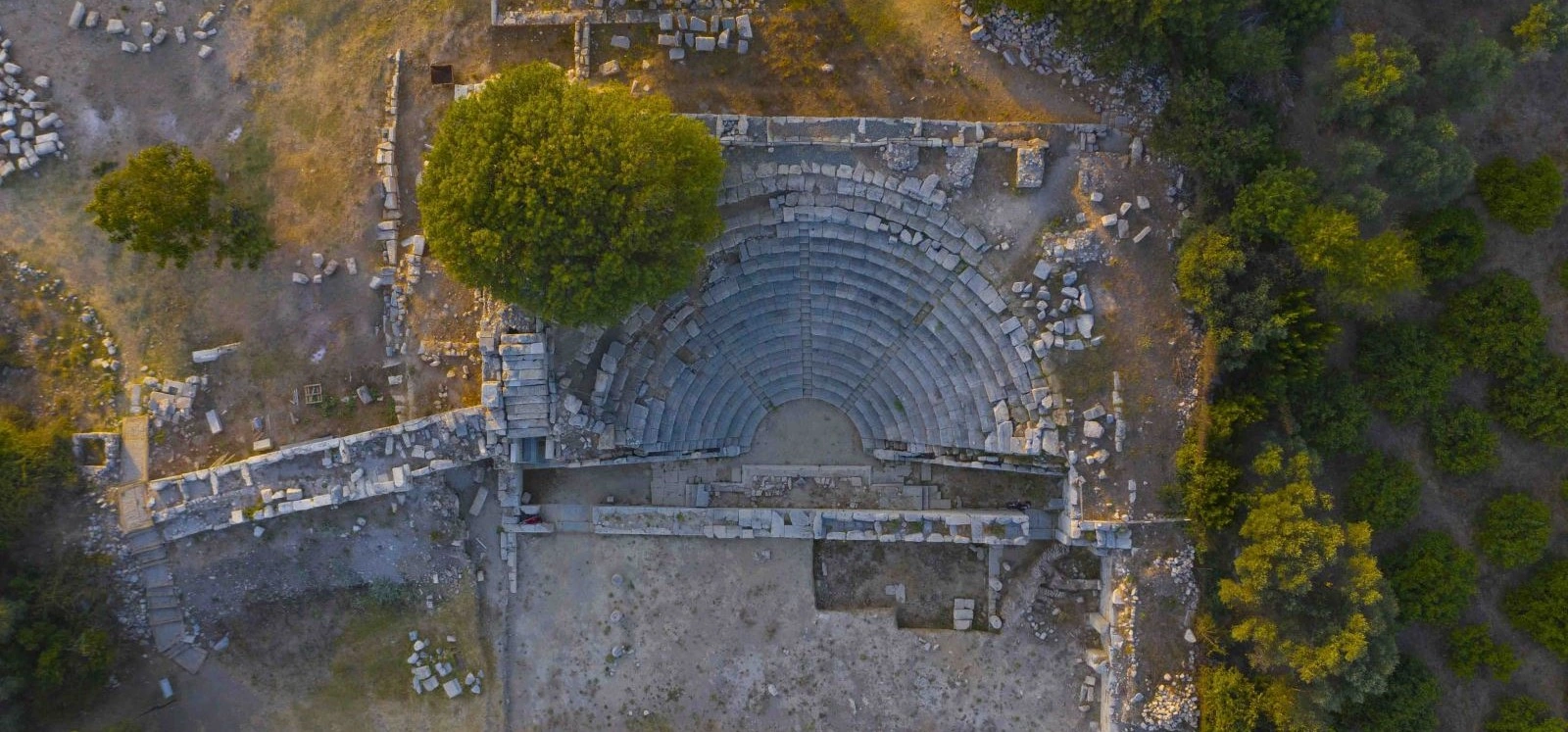
Focus on the Temple of Dionysus, theatre, civic monuments, fortifications and the ancient maritime landscape of one of Ionia's historic cities.
Request an Archaeology-Focused Day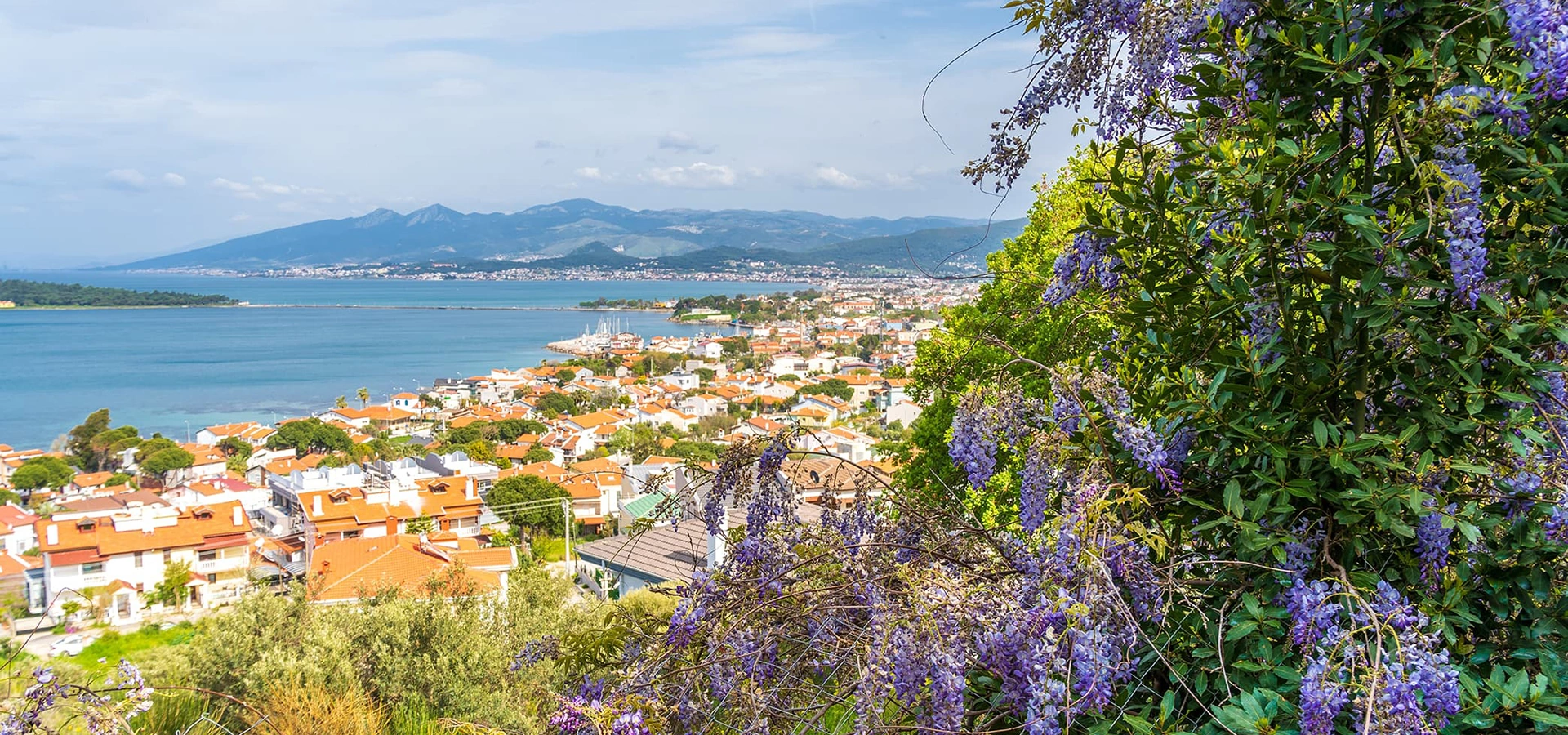
Continue north for Klazomenai, vineyard country, olive groves, İskele, artichokes and one of the İzmir Peninsula's strongest food destinations.
View Urla Guide
Continue with our complete İzmir guide for historic neighbourhoods, archaeology, museums, waterfront, food and excursions across the province.
View İzmir Guide