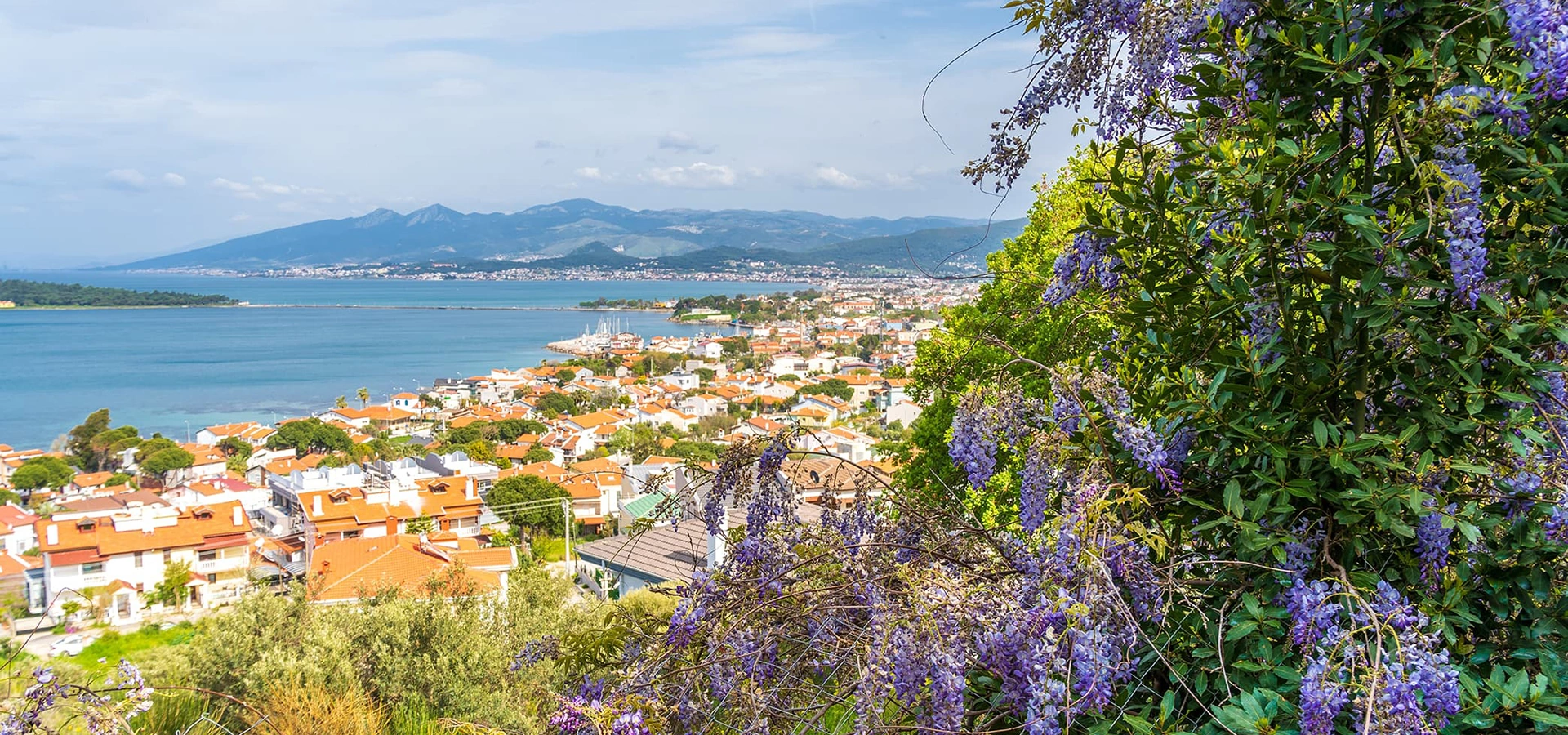
Private Urla Food & Vineyard Experience
Ask us about a tailor-made day combining Urla's historic centre, vineyard country, olive culture, seasonal food and carefully selected rural stops.
Request a Custom Urla Tour





Urla is one of those places that becomes more interesting the longer you stay. At first it may seem like a relaxed coastal town between İzmir and Çeşme, but the district contains an extraordinary mix of ancient archaeology, old market streets, fishing harbours, vineyards, olive groves, chef-led gastronomy, village traditions and secluded Aegean bays.
Its story reaches back thousands of years. Ancient Klazomenai, one of the Ionian cities of western Anatolia, developed around the coast of modern Urla, while nearby Liman Tepe preserves evidence of much earlier settlement and maritime activity. The landscape still makes the ancient logic of the place easy to understand: fertile land behind a naturally connected coastline.
Modern Urla is equally shaped by agriculture. Artichokes, olives, wild Aegean herbs, grapes and seasonal vegetables define both local markets and restaurant menus. Across the countryside, the Urla Vineyard Route has become one of Türkiye's most distinctive wine-and-food landscapes, with vineyards, tasting rooms and restaurants spread between villages and olive-covered hills.
Yet Urla never needs to be experienced as a checklist. Walk the historic centre, spend time at İskele, visit Klazomenai, have a long lunch, drive into the vineyard country, swim near Demircili or Çeşmealtı and finish with sunset over the Aegean. That slower rhythm is exactly what makes the district special.
Explore one of ancient Ionia's important cities and learn how archaeology, maritime trade and early olive-oil production shaped the peninsula.
Travel through vineyard country where local and international grape varieties, olive groves and contemporary Aegean gastronomy meet.
Taste Sakız artichokes, wild herbs, seafood, olive-oil dishes, village products and the seasonal ingredients that define Urla's kitchen.
Combine İskele, Çeşmealtı, Demircili, Özbek, Barbaros and Bademler for a district that changes character every few kilometres.
Essential information for planning archaeology, vineyard visits, village stops, beaches and food experiences in one of İzmir's most varied districts.
On the İzmir Peninsula west of İzmir city, between the metropolitan coast and the routes toward Çeşme, Seferihisar and Karaburun.
Klazomenai, one of the ancient Ionian cities, extends through the modern İskele and Karantina Island area.
Liman Tepe preserves evidence of very early settlement and maritime life on the Urla coast.
Olives and olive oil are central to Urla's agriculture, cuisine and archaeological story.
The Urla Vineyard Route links vineyard estates, tasting experiences and countryside restaurants across the district.
Urla Sakız Artichoke is a geographically indicated local product and one of the district's best-known seasonal ingredients.
Bademler is known for a remarkable village-theatre tradition that developed during the twentieth century.
Urla has a long and varied shoreline with town beaches, small bays, rocky coves and quieter southern-coast swimming areas.
Sanat Sokağı, Arasta and Malgaca Market form the heart of Urla's walkable historic and commercial centre.
Expect artichokes, wild herbs, olive-oil dishes, seafood, seasonal vegetables, local cheeses and produce-led Aegean cooking.
April–June and September–October are especially good for food, vineyards, archaeology, village drives and comfortable walking.
Two nights gives a strong introduction; three or four nights allows beaches, vineyards, villages and archaeology without rushing.
Urla is rewarding because its strongest experiences are not concentrated in one place. The district works as a collection of landscapes connected by food, history and the sea.
The first reason to visit is historical depth. Klazomenai and Liman Tepe allow travellers to look far beyond the modern holiday coast and understand Urla as a place shaped by settlement, seafaring, agriculture and trade over thousands of years.
The second reason is food. Urla's reputation is built on the ingredients around it: olive oil, artichokes, herbs, fish, grapes, vegetables and products from nearby villages. The most memorable meals tend to feel connected to the season rather than to a fixed list of famous dishes.
The third reason is the countryside. Vineyard roads, olive groves and small villages create a very different atmosphere from nearby Çeşme and Alaçatı. You can spend an entire day away from the beach and still feel deeply connected to the Aegean.
Finally, Urla offers flexibility. It works for a day trip from İzmir, a gastronomic weekend, a summer coastal stay, an archaeology stop or a slower base for exploring the wider peninsula.
Urla lies west of İzmir city on the peninsula that eventually reaches Çeşme. The district combines an inland town centre with a long coastline, harbour neighbourhoods, agricultural plains, vineyard areas and villages spread across both northern and southern routes.
The geography is important because Urla is not one compact seaside resort. Urla centre contains the historic markets and Sanat Sokağı; İskele connects the town with Klazomenai and the waterfront; Çeşmealtı is one of the better-known coastal areas; and the vineyard and village routes spread inland and south.
This makes Urla ideal for travellers with a car, although the central town itself is easy to explore on foot. A well-planned day usually focuses on two or three zones rather than attempting the entire district.
The name Urla can describe several very different experiences. The historic town centre is built around traditional commercial streets, markets, cafés and restored buildings. It feels local, walkable and urban without being large.
A short drive away, İskele is shaped by the sea. Fishing boats, seafood restaurants, coastal walks and archaeological remains give this part of Urla a maritime atmosphere.
The vineyard countryside feels completely different again. Here the landscape is agricultural: vines, olive groves, farm roads, tasting estates and restaurants surrounded by fields.
Finally, the outer villages and bays reveal a slower Urla. Places such as Özbek, Barbaros, Bademler and Demircili reward travellers who are willing to leave the best-known streets behind.
Urla's history begins long before the classical world. Archaeology around Liman Tepe demonstrates that the coast was occupied in prehistoric periods, when the sheltered shoreline already encouraged settlement, exchange and maritime activity.
During antiquity, the area became associated with Klazomenai, one of the Ionian cities of western Anatolia. Its communities developed through trade, agriculture, craft production and connections across the Aegean. The archaeological landscape extends through modern İskele and toward Karantina Island.
Urla remained strategically placed through later periods because routes between İzmir, the peninsula and the islands continued to pass through this landscape. Agriculture, fishing and small-scale commerce shaped daily life for generations.
The Ottoman and early modern town developed its own commercial heart around markets and workshop streets. The Arasta and Malgaca Market preserve part of this tradition, while houses, religious buildings and civic architecture around the centre reveal different layers of the town's more recent history.
In the modern period, Urla became increasingly connected with İzmir while retaining its agricultural base. Today its identity is unusual: archaeological heritage, a working local town, coastal leisure, contemporary food culture and renewed vineyard production all coexist within the same district.
Klazomenai is the most important archaeological name associated with Urla. The ancient settlement belonged to the Ionian world and occupied a coastal landscape that included areas around modern İskele as well as the island now known as Karantina Adası.
The site is especially valuable because it helps explain Urla's long relationship with trade, seafaring, agriculture and craft production. Archaeological remains are spread through a modern living landscape rather than enclosed inside a single monumental ruin field, so visitors should expect a different experience from Ephesus or Pergamon.
Among the most discussed discoveries are installations connected with ancient olive-oil production. They provide a powerful link between archaeological evidence and the olive-growing landscape that still surrounds Urla today.
Before visiting, check current access, excavation conditions and opening arrangements. Active archaeological areas can change as research continues, and not every part of ancient Klazomenai is open for unrestricted visitor access.
Near İskele, Liman Tepe preserves one of the most important prehistoric layers of Urla's story. Archaeological work has revealed settlement extending back thousands of years before the classical Ionian city reached its height.
Its coastal position is central to its importance. The site demonstrates that communities were using this shoreline for settlement and maritime activity long before the better-known historical periods of western Anatolia.
For visitors, Liman Tepe is best understood together with Klazomenai. The two sites allow you to see Urla not as a single ancient city frozen in time, but as a landscape occupied and reshaped across multiple eras.
Olive oil is not merely a restaurant ingredient in Urla. It is one of the most persistent threads connecting the ancient landscape with modern life. Archaeological evidence at Klazomenai includes important installations associated with olive-oil production, while contemporary Urla remains surrounded by groves and small producers.
That continuity makes local olive oil especially meaningful. When you taste a simple plate of herbs, artichokes or vegetables dressed with olive oil, you are experiencing a food tradition rooted in the same agricultural environment that supported ancient communities.
Travellers interested in food can look for producer visits, farm shops and tastings, but schedules vary and many smaller places operate by appointment. Buy from clearly identified producers and ask about harvest date, variety and storage rather than judging only by packaging.
Just off the Urla coast lies Karantina Adası, an island connected to the mainland and closely tied to both the ancient and modern history of the district. Part of the Klazomenai settlement extended into this island zone during antiquity.
The island later became associated with quarantine. During the nineteenth century, facilities were developed to control the spread of infectious disease through maritime traffic, creating one of the most unusual surviving public-health landscapes on the Aegean coast.
The importance of Karantina Island therefore comes from overlapping stories: ancient settlement, maritime geography, Ottoman-era health controls and the modern institutional use of the island.
Access arrangements can be restricted or change because parts of the island are connected with public institutions and protected historic areas. Do not assume the full complex is freely open; check current official visitor information before planning your day around entry.
Urla's centre is the best place to understand the district beyond its vineyards and beaches. Streets around the historic commercial core mix everyday shops, cafés, bakeries, old stone buildings and small cultural spaces.
Unlike heavily tourism-focused coastal towns, central Urla still functions as a local service centre. That everyday life is part of the appeal. Morning is especially pleasant for walking, when shops are opening and the streets have not yet filled with day visitors.
The strongest route combines Sanat Sokağı, Zafer Caddesi, Arasta and Malgaca Market. Allow time to wander side streets rather than moving directly between landmarks.
One of the best-known walking areas in Urla centre is Sanat Sokağı and the surrounding Zafer Caddesi corridor. Restored buildings, small shops, cafés, art-focused spaces and food businesses give the area a creative atmosphere without separating it completely from the life of the town.
Visit during the day for architecture and shopping, then return in the evening if you want cafés and restaurants at their liveliest. Weekends can be much busier, particularly during festivals and warm-weather holiday periods.
Because businesses change over time, the street is better approached as a neighbourhood experience than as a fixed list of shops. Walk slowly, look into courtyards and follow the side streets toward the older commercial quarter.
The historic Arasta and Malgaca Market area preserves Urla's long tradition as a commercial centre for the peninsula. The streets have supported generations of tradespeople, food sellers, repair shops, craftsmen and everyday businesses.
This is not a recreated tourist bazaar. Its interest lies in the mixture of historic street pattern and continuing commercial life. Small food shops, cafés and local businesses sit beside buildings that reveal the scale of an older market town.
Combine the bazaar with Sanat Sokağı rather than visiting them as separate attractions. Together they show how historic Urla has evolved from a practical trading centre into a contemporary food-and-culture destination without completely losing its local rhythm.
İskele is the part of Urla where the district's connection with the sea feels strongest. The waterfront combines fishing boats, restaurants, local coastal life and archaeological sites associated with Klazomenai and Liman Tepe.
A visit works well in the late afternoon. Walk the coast, explore the archaeological area if open, then stay for a seafood or meze dinner as the light changes over the gulf.
The İskele area is also associated with local market culture. A herb-focused market has traditionally been held here on Sundays, bringing Aegean greens, vegetables and seasonal products into one of the district's most atmospheric settings. If the market is important to your plan, verify the current day and location locally.
The Urla Vineyard Route is one of the defining experiences of modern Urla. Vineyard estates are spread through the countryside rather than concentrated in a single village, so the route is best understood as a landscape of vines, olive groves, production facilities and restaurants connected by rural roads.
Urla grows both local and international grape varieties, and individual producers have very different approaches. Some focus on formal tastings, some combine wine with food, and others offer tours of production areas or vineyard walks.
Do not assume you can arrive everywhere without notice. Many wineries have limited tasting times, seasonal schedules or reservation requirements. If you want to visit several in one day, contact them in advance and build realistic driving time between stops.
For anyone tasting wine, arrange a designated driver, private transfer or another safe transport plan. The route is rural, and driving is part of the experience only when the driver is not drinking.
Choose two or three well-spaced stops rather than trying to visit every winery on the route.
Check tasting times, restaurant availability and whether advance booking is required before setting out.
Spring is green and mild; late summer and early autumn bring harvest atmosphere; autumn colours can be especially beautiful.
Allow at least one long meal so the route becomes a gastronomic day rather than only a sequence of tastings.
Morning and late afternoon provide softer light across vines, olive trees and the rolling countryside.
Use a designated driver or private vehicle if wine tasting is part of the day.
The Urla Sakız Artichoke is one of the district's most recognizable agricultural products and has geographical-indication protection. In spring, artichokes appear throughout local markets, home kitchens and restaurant menus.
The classic Aegean approach often keeps the ingredient simple: olive oil, vegetables, herbs, lemon and careful cooking that preserves its delicate texture. Contemporary restaurants may reinterpret it, but the connection with seasonality remains essential.
Urla also celebrates the ingredient through its well-known artichoke festival. Festival dates vary from year to year, so check the current calendar if you are planning a spring visit specifically around the event.
Bademler is one of the most culturally distinctive villages around Urla. Its reputation is closely connected with village theatre, a tradition that developed in the twentieth century and became part of community life.
The village is often described as an important example of grassroots cultural activity because performances, production and local participation have remained closely connected. The theatre building and wider village atmosphere make Bademler worthwhile even for travellers who are not attending a performance.
Combine Bademler with local markets, a village breakfast or a wider Seferihisar route. Opening times for cultural spaces can be limited, so check ahead if a specific museum, theatre visit or event is essential.
Barbaros offers another side of Urla's rural character. The village is known for community creativity, handmade work and cultural events that bring art into everyday village streets.
It is best visited as part of a wider rural route rather than as a single major attraction. Combine it with vineyards, Bademler or nearby countryside and allow time for coffee, local products and slow walking.
Event periods can transform the atmosphere completely, while ordinary weekdays are much quieter. Both experiences are worthwhile, but they feel very different.
Özbek is a useful stop for travellers who want to move away from central Urla and see a more traditional relationship between village life and the sea. Fishing, small-scale agriculture and olive-growing continue to shape the surrounding landscape.
The village works well for a relaxed lunch or as part of a coastal drive. It is not about monumental sightseeing; the appeal lies in the pace, local food and transition between agricultural land and the shoreline.
Some of Urla's vineyard businesses also lie within the broader Özbek countryside, making the area easy to combine with the wine route.
Çeşmealtı is one of Urla's best-known seaside neighbourhoods. It has a more residential and local character than the fashionable centres of Çeşme and Alaçatı, with coastal roads, small beaches, restaurants and everyday summer life.
The area is useful for travellers who want easy access to the sea without building the entire day around a beach club. Walk the waterfront, stop for tea or seafood and continue toward viewpoints and smaller coastal areas.
The northern Urla coast can experience wind and changing sea conditions, so choose swimming spots according to the day's weather rather than assuming every bay will feel the same.
A scenic southern-coast area with clear water, a more natural setting and several small bays; conditions can be windy.
A popular clear-water option on the southern side of the district, especially attractive on calm summer days.
A practical beach choice closer to central Urla, useful for travellers who want to combine swimming with sightseeing.
A series of local seaside areas rather than one single beach, with easy access to cafés, restaurants and residential streets.
A northern-coast swimming zone associated with the Çeşmealtı side of Urla and known for the meeting of green landscape and Aegean water.
A smaller coastal option south of Urla where visitors come for clear water and a quieter atmosphere.
Access, parking, facilities, fees and water conditions can change seasonally, so confirm details on the day.
Arrive early on summer weekends. Small bays can fill quickly, and parking becomes the main limitation before the beach itself feels crowded.
Urla's food is one of the strongest reasons to visit. The district sits at the meeting point of sea, farmland, olive groves and vineyards, so the best meals usually begin with seasonal local ingredients rather than a fixed set of famous recipes.
Spring's signature ingredient, often cooked with olive oil, herbs, vegetables and lemon or used in contemporary seasonal dishes.
Look for radish greens, chicory-like herbs, cibes, fennel, şevketi bostan and other seasonal greens prepared simply with olive oil.
İskele, Özbek and coastal neighbourhoods are natural places for grilled fish, shellfish, octopus and seafood mezes.
Vegetables cooked gently in olive oil are central to the local table and often change completely with the season.
Try oils from clearly identified producers and compare harvest styles, bitterness, fruitiness and peppery finishes.
Cheese, olives, eggs, herbs, tomatoes, preserves and fresh bread make a rural breakfast an easy addition to a vineyard or village day.
Tomatoes, peppers, courgettes, aubergines and local greens are often treated as the centre of a meal rather than a side dish.
Vineyard visits allow travellers to understand how Urla's modern wine culture fits into the wider agricultural landscape.
Expect yoghurt, herbs, pulses, vegetables and seafood to appear in changing combinations depending on the restaurant and season.
Many kitchens now reinterpret local produce through tasting menus and chef-led seasonal cooking while remaining rooted in Aegean ingredients.
Markets are one of the easiest ways to understand Urla's food culture. What appears on the stalls changes with the season: artichokes and wild greens in spring, tomatoes and fruit in summer, olives and preserved products later in the year.
The İskele herb market is traditionally associated with Sunday and is especially interesting for visitors who want to see the diversity of edible Aegean greens. Market schedules can change, so confirm locally before building your entire day around a specific market.
Historic Malgaca and the commercial streets around Arasta offer a different experience: less seasonal spectacle and more continuity with Urla's everyday town life.
Choose labelled regional producers and ask about harvest date, olive variety and storage.
In season, buy fresh Urla artichokes; outside the season, look for preserved or prepared products from reputable producers.
Dried thyme, local herbs and seasonal greens are among the most practical food-related purchases.
Local shops often carry olives, jams, preserves, sauces and pantry products made from peninsula produce.
Small design shops and workshops in central Urla offer contemporary ceramics shaped by Aegean table culture.
Sanat Sokağı and village events are good places to look for small-scale locally produced items.
Honey, cheese, bread, vegetables and seasonal products can be excellent purchases if transport and refrigeration allow.
Vineyard estates sell their own bottles; check airline, customs and baggage rules if you plan to travel internationally.
Urla's calendar reflects the agricultural year. Spring brings herb and artichoke celebrations, while late summer is associated with the grape harvest. Village events add theatre, crafts and local traditions to the wider programme.
These festivals can be among the best times to experience Urla, but they also bring traffic, accommodation pressure and crowded streets. If you want the event atmosphere, book early. If you prefer quiet markets and restaurants, choose dates just before or after the major festival weekend.
Exact dates change from year to year. Always check official local announcements before arranging flights, accommodation or vineyard reservations around a specific event.
Urla's evening atmosphere is usually centred on food rather than nightlife. In the town centre, restaurant tables and cafés fill around Sanat Sokağı and the old commercial streets. At İskele, seafood dinners and harbour walks create a slower coastal evening.
Vineyard restaurants can be particularly atmospheric around sunset, but rural roads and limited transport mean you should plan the return journey before drinking.
For a quieter evening, choose a village or seaside neighbourhood. For more choice and a livelier atmosphere, stay close to central Urla or İskele.
Green countryside, cool-to-mild weather and abundant wild herbs make this an excellent period for food and walking.
Artichoke season brings some of Urla's strongest food experiences and the possibility of major seasonal events.
Warm days, active vineyards and pleasant coastal weather create one of the best overall periods for first-time visitors.
Peak swimming season, with busier beaches, hotter afternoons and greater pressure on accommodation and restaurant reservations.
A superb period for vineyards, harvest atmosphere, warm sea temperatures and easier sightseeing after peak summer.
Quiet and local, with fewer seasonal businesses open but excellent opportunities for food, countryside drives and uncrowded town walks.
For most travellers, April–June and September–October provide the strongest balance of seasonal food, vineyard activity, comfortable temperatures and manageable crowds.
Early morning is ideal for the town centre, markets and archaeology. Streets are cooler, parking is easier and the light works well on old buildings.
Late morning is a good time for Klazomenai, İskele or a first vineyard stop before lunch. In summer, avoid long exposed archaeological walks during the hottest part of the afternoon.
Afternoon works well for beaches, a village drive or a slow vineyard route. If tasting wine, keep the day lightly scheduled and arrange safe transport in advance.
Sunset and evening are best for İskele, vineyard restaurants and the old centre. Urla is a destination where dinner can easily become the main event of the day.
Urla is connected to İzmir by the main westbound road corridor and is practical as either a day trip or an overnight destination.
Rental car, private transfer and public-transport combinations are the most common options from Adnan Menderes Airport.
The best option for travellers who want vineyards, Demircili, Özbek, Bademler, Barbaros and multiple coastal stops.
Regional buses connect Urla with İzmir and nearby districts; route frequency and final-stop locations should be checked close to travel date.
A comfortable choice for vineyard days, airport arrivals, families and travellers planning an evening meal outside the town centre.
Urla lies naturally on the route back toward İzmir, making it an easy addition to a wider western-peninsula itinerary.
Walk. Sanat Sokağı, Arasta and Malgaca Market are best experienced on foot.
The waterfront is walkable once you arrive, but it is separate from the central town and usually requires local transport.
A car, taxi arrangement or private vehicle is strongly recommended because estates are spread across rural roads.
Public transport exists on some routes, but a car gives far more flexibility if you want several villages in one day.
Southern bays and smaller coves are easiest to reach by car; parking can be limited in high summer.
Arrange a designated driver or private transport before the first tasting rather than trying to solve the return journey later.
Choose either central Urla and İskele or one focused vineyard experience. Do not try to cover the entire district.
A good introduction with Urla centre, Klazomenai/İskele and one long lunch or vineyard stop.
Ideal for a first visit: archaeology and town on one day, vineyards, villages or beaches on the second.
Add Bademler, Barbaros, Özbek, Demircili or a slower food-and-market day without sacrificing evening time.
Excellent for travellers who want Urla as a relaxed base for the wider İzmir Peninsula.
Plan at least two nights if food, vineyards and villages matter as much to you as the coast.
This itinerary intentionally keeps the day selective. Beaches, Bademler, Barbaros and Demircili are better saved for a second day rather than added to an already full schedule.
Morning gives cleaner views of façades, shopfronts and restored stone buildings before café tables fill the streets.
Focus on textures, old shop signs, market details and the contrast between historic streets and everyday commerce.
Wide contextual images work better than isolated stones because the archaeological landscape is spread through modern Urla.
Fishing boats, nets, harbour reflections and late-afternoon light create a strong maritime atmosphere.
Use the geometry of vineyard rows, cypress trees and olive groves, especially during golden hour.
Artichokes and wild greens provide some of the strongest seasonal colour and texture in the district.
Clear water, rocky edges and less-developed bays are ideal for broader landscape photography.
Ask permission before close portraits and avoid treating working homes, farms or workshops as open photo sets.
Urla works well for families because days can be varied easily. A short archaeology visit can be followed by the seaside, a village stop, a market or a relaxed meal without long cross-country travel.
Beach conditions vary by location. For young children, choose sheltered water and easy-access facilities rather than the most scenic remote cove.
Accessibility is mixed. Newer waterfront areas and parts of central Urla are relatively straightforward, while historic streets can include uneven paving, kerbs and narrow sections. Archaeological sites and rural vineyards may have rough surfaces.
If step-free access is essential, confirm individual restaurants, wineries, beaches and archaeological facilities in advance rather than relying on general district-level information.
Do not enter private vineyard rows, pick grapes or photograph production spaces without permission.
Summer brings heavy demand across the Aegean coast, so avoid unnecessary water use.
Take all rubbish with you and avoid leaving cigarette ends, plastics or food waste on undeveloped beaches.
Markets, cooperatives, farms and small producers help keep Urla's agricultural traditions economically meaningful.
Never remove pottery fragments, stones or shells from archaeological areas, even if they appear loose or insignificant.
Arrange safe transport before vineyard tastings rather than deciding after the tasting has begun.
Many photogenic houses and courtyards are private homes; keep entrances clear and ask before photographing people closely.
Earlier starts reduce pressure on parking, narrow village roads and popular bays during summer weekends.
Do not assume every winery accepts walk-ins, especially for tastings, tours and weekend lunches.
Popular restaurants can fill quickly on warm-weather weekends and during festival periods.
Morning is easier for archaeology, markets, parking and driving through villages before day-trip traffic builds.
Urla looks compact on a map, but vineyard roads, villages and bays make travel slower than expected.
Archaeological sites, vineyards and beaches can be exposed; bring a hat, water and high-SPF protection.
Cards are common, but small markets, village stalls and seasonal parking areas may be easier with Turkish lira.
Wineries, archaeological areas, restaurants and beach businesses may change hours outside the main season.
The best beach can change from day to day depending on wind direction and local sea conditions.
If wine is part of your itinerary, solve transport before the first stop and keep the day relaxed.
Urla feels completely different once the day-trippers leave and dinner becomes the centre of the evening.
Continue west for Çeşme Castle, Ilıca Beach, Alaçatı's stone streets, windmills and famous windsurfing coast.
Travel south for a walled coastal town, marina atmosphere and the ancient city of Teos.
Explore villages, markets, mandarin country and the slower southern side of the peninsula.
Head northwest for rocky bays, fishing villages and one of the quieter coastal landscapes in İzmir Province.
A practical northern-coast stop for harbour life, swimming and seafood on the way toward Karaburun.
Combine Urla with Kemeraltı, Konak, the Agora of Smyrna, Alsancak and İzmir's long waterfront.
One of the Mediterranean's major archaeological sites and a strong full-day excursion for travellers staying several nights in Urla.
Continue west and north for another important Ionian site overlooking a scenic Aegean bay.
Spend the day between Alaçatı Old Town, Ilıca, Çeşme Castle and the waterfront, then return to Urla for dinner.
Combine archaeology with a walled coastal settlement, marina, market streets and a relaxed southern-peninsula drive.
Choose a scenic coastal drive through smaller settlements, rocky bays and fishing villages north of Urla.
Explore Konak Square, Kemeraltı, Kızlarağası Hanı, the Agora and the waterfront for a full day of urban history and food.
Travel south for a major archaeology day focused on the ancient city and the wider heritage of Selçuk.
Stay within the district and combine Bademler, Barbaros, vineyards, Özbek and Demircili for a day entirely outside the main town.
Yes. It combines ancient archaeology, vineyards, olive groves, strong local food, markets, villages and a varied Aegean coastline within one compact district.
Urla is especially known for Klazomenai, vineyards, olive oil, Sakız artichokes, Aegean cuisine, İskele, village culture and a long coastline.
One day gives a useful introduction, but two or three days is much better if you want vineyards, villages, archaeology and beaches without rushing.
Yes. Focus on the town centre, Klazomenai/İskele and one long lunch or vineyard stop rather than trying to cover the entire district.
Not for the historic centre, but a car or private transfer is very useful for vineyards, beaches, Bademler, Barbaros, Özbek and Demircili.
Klazomenai was one of the ancient Ionian cities of western Anatolia, with remains spread around modern İskele and the wider Urla coastal zone.
Liman Tepe is a prehistoric archaeological site near İskele that reveals settlement and maritime activity in Urla long before the classical Ionian period.
Archaeological evidence at Klazomenai includes installations associated with ancient olive-oil production, linking the area's ancient economy with today's olive-growing landscape.
Access conditions can change because the island contains protected historic areas and institutional facilities. Check current official arrangements before planning a dedicated visit.
It is a countryside route linking vineyard estates, tasting experiences, olive groves and restaurants across rural Urla.
Often, yes. Some estates accept walk-ins, but tastings, tours and restaurant tables may require advance booking, especially on weekends.
Yes, but the driver should not drink. If everyone plans to taste wine, arrange private transport or a designated driver.
It is a geographically indicated local artichoke variety and one of Urla's signature spring ingredients.
Spring is the key period, when fresh artichokes appear widely in markets and restaurant menus.
The festival is associated with spring, but dates can change each year. Check official local announcements before booking specifically for the event.
Try artichokes, wild Aegean greens, olive-oil dishes, seafood, seasonal vegetables, local cheeses, mezes and products from the surrounding villages.
İskele, Özbek and other coastal neighbourhoods are natural choices. Ask what is genuinely fresh that day rather than ordering only by menu familiarity.
It is one of central Urla's best-known walking areas, with restored buildings, cafés, shops, food businesses and art-focused spaces.
They form part of Urla's historic commercial heart and preserve a long tradition of workshops, shops, food sellers and local trade.
The answer depends on what you want. Historic Malgaca is best for town character, while the İskele herb market is especially interesting for seasonal Aegean greens.
It has traditionally been associated with Sunday. Confirm the current schedule locally before your visit.
Bademler is known for its strong village-theatre tradition and a community cultural life that developed during the twentieth century.
Yes. The district has town beaches, northern-coast swimming areas and quieter southern bays around places such as Demircili.
Popular choices include Demircili, Altınköy, Kum Denizi and areas around Çeşmealtı and Klizman. Conditions and access vary by season.
May, June, September and early October are excellent for most travellers. April is particularly attractive for spring food and artichokes.
Weekends in July and August can be very busy, especially at beaches, restaurants and popular vineyard estates.
Yes. It becomes much quieter, but the town centre, food scene and countryside remain rewarding even when beach businesses reduce operations.
Yes. Short drives make it easy to combine markets, archaeology, seaside walks, village stops and beaches in the same trip.
Accessibility is mixed. Parts of the waterfront and town centre are easier, while historic streets, archaeological sites and rural vineyards may have uneven surfaces.
Yes. Urla lies naturally between İzmir and the outer peninsula, making it an excellent stop before or after Çeşme and Alaçatı.
Trying to include the old town, several wineries, multiple villages and a beach in one day. Urla is much better when you choose fewer stops and leave time for food.
A private Urla day can combine history, gastronomy, vineyards, local markets, villages and the coast at a pace that matches your interests rather than following a fixed large-group route.
Tell us whether your priority is archaeology, vineyards, olive oil, seasonal food, photography, village culture, beaches or a broader İzmir itinerary, and we can shape the day around your available time.
Ask us about a tailor-made day combining Urla's historic centre, vineyard country, olive culture, seasonal food and carefully selected rural stops.
Request a Custom Urla Tour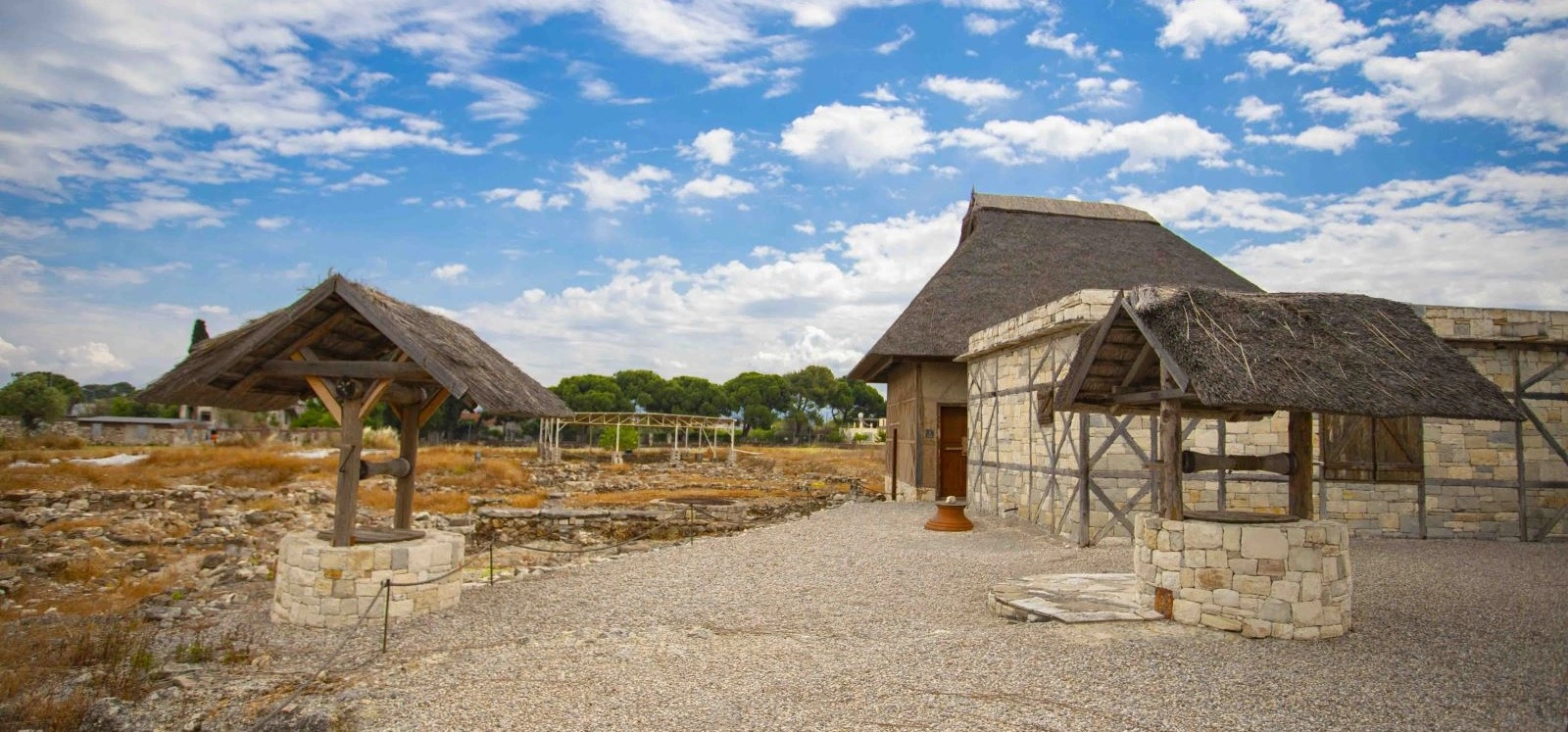
Focus on Klazomenai, Liman Tepe, the İskele coast and Urla's long relationship with ancient trade, olive oil and the Aegean Sea.
Request an Archaeology-Focused Day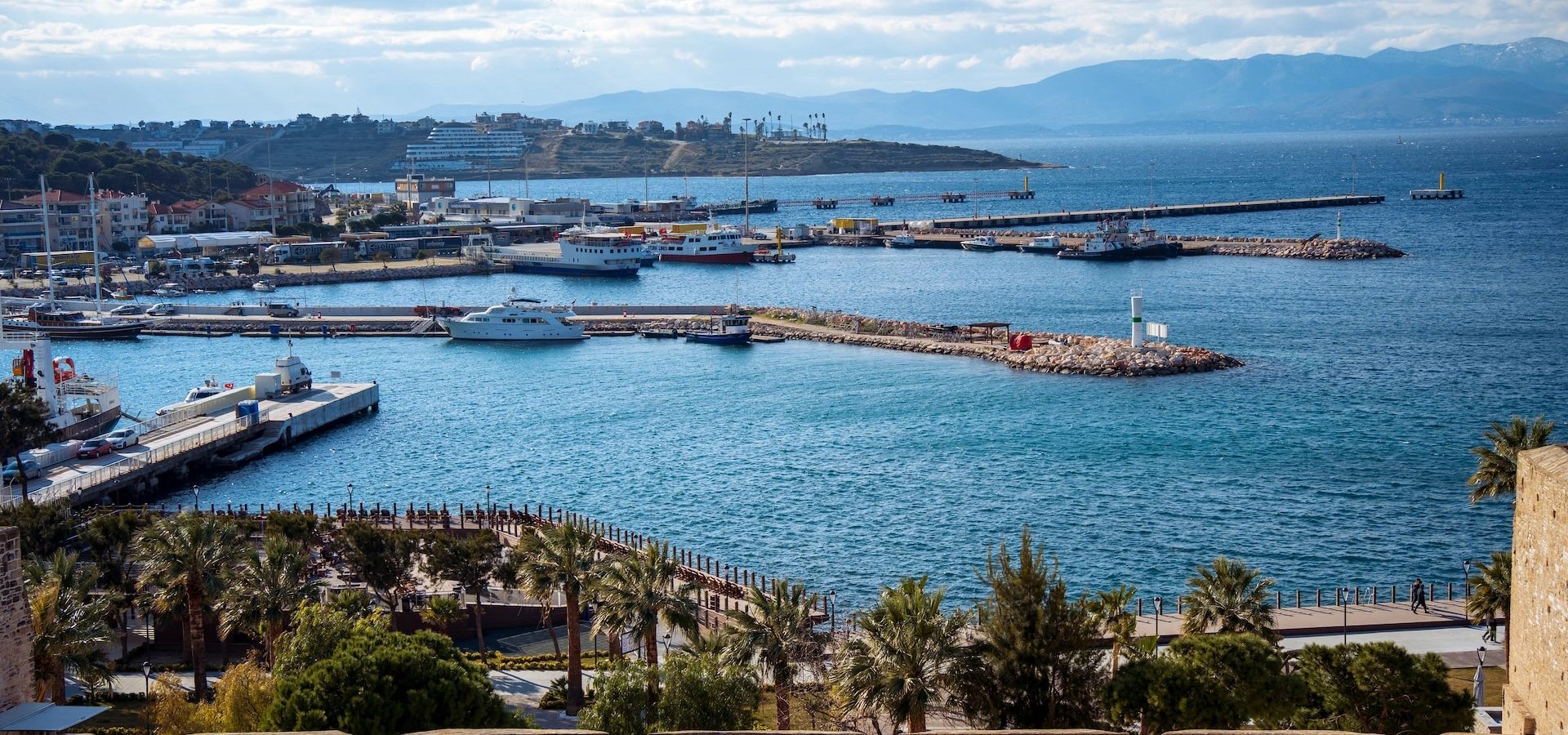
Continue west for Çeşme Castle, Ilıca, Alaçatı's stone-built old town, windmills, beaches and windsurfing coast.
View Çeşme & Alaçatı Guide
Continue with our complete İzmir guide for archaeology, historic neighbourhoods, museums, waterfront, food and excursions across the province.
View İzmir Guide