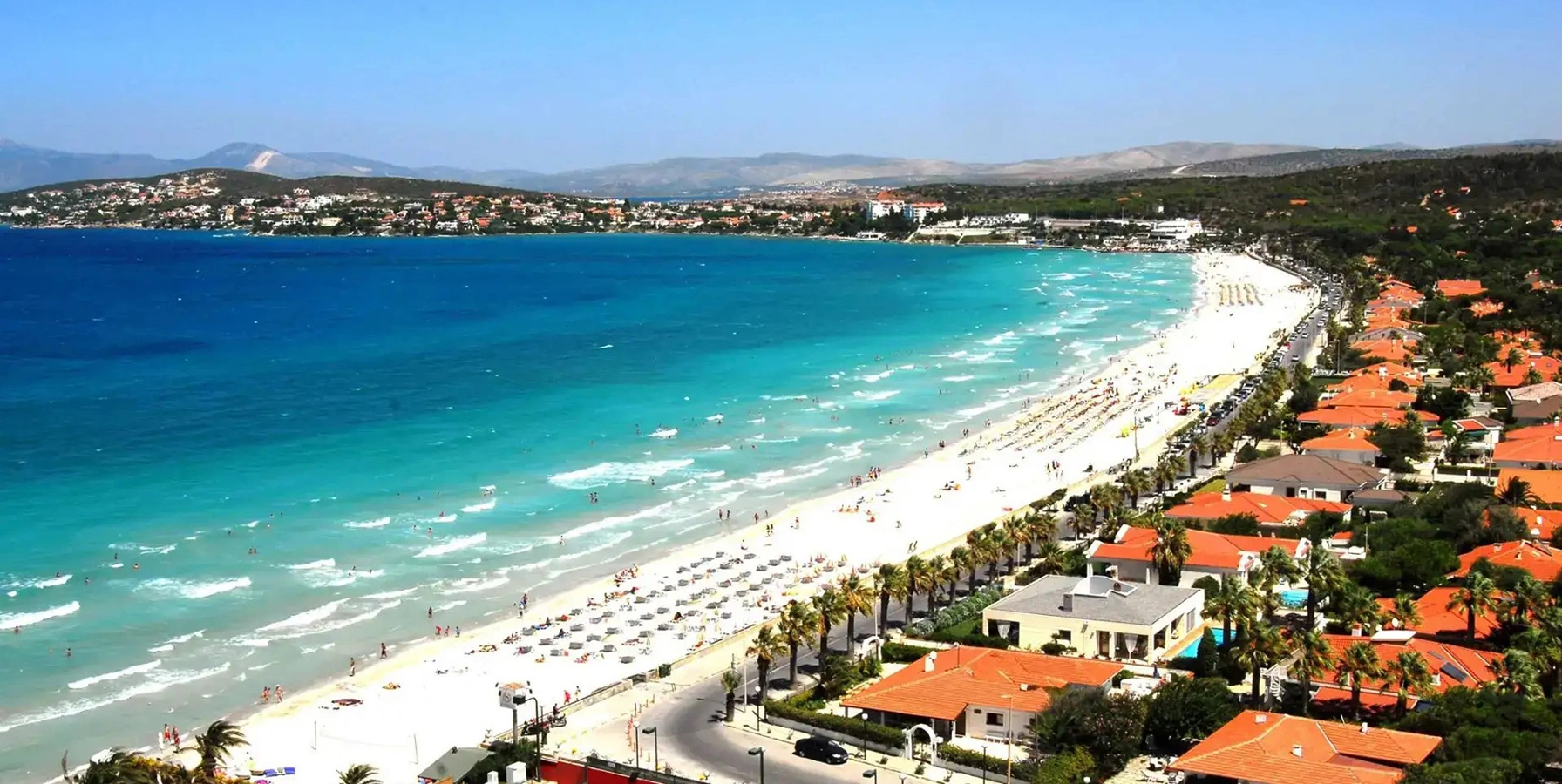
Private Alaçatı & Çeşme Tour
Ask us about a tailor-made day exploring Alaçatı's windmills and stone streets, Ilıca, Çeşme Castle, coastal viewpoints and regional Aegean culture.
Request a Custom Tour





Set on the Çeşme Peninsula west of İzmir, Alaçatı is one of the most distinctive small towns on Türkiye's Aegean coast. Its historic center is shaped by pale stone houses, cobblestone lanes, small courtyards, old wells, colorful shutters and cascades of bougainvillea.
The town developed especially during the 19th century, and its protected historic quarter preserves a mixture of Turkish and Greek architectural traditions. Many former residences have since been carefully adapted as boutique hotels, restaurants, cafés, galleries and independent shops.
Above the old town stand Alaçatı's famous stone windmills, reminders of the wind that has always shaped life on the peninsula. A few kilometers south, the same reliable Aegean winds have turned Alaçatı Bay into one of Türkiye's best-known destinations for windsurfing and other water sports.
Alaçatı can be enjoyed as an easy excursion from İzmir or as part of a longer stay around Çeşme. Come early for quiet streets and architecture, stay for Aegean food and local shops, and continue toward Ilıca or the southern coast when you are ready for the sea.
Walk through a protected center of stone houses, cobbled lanes and flower-filled courtyards.
See the stone windmills that have become one of Alaçatı's most recognizable symbols.
Discover olive oil dishes, local herbs, seafood, mezes and Çeşme specialties.
Continue to Alaçatı Bay for shallow water, steady winds and internationally known surf conditions.
Essential information for planning a visit to one of the Çeşme Peninsula's most famous towns.
Çeşme district, İzmir Province, on Türkiye's western Aegean coast.
Open on Google MapsStone houses, narrow streets, windmills, cafés, gastronomy, beaches and windsurfing.
A protected urban landscape shaped especially by 19th-century Turkish and Greek architectural traditions.
The historic streets and windmill area are free to explore; individual attractions and activities have separate charges.
Allow 3–4 hours for the old town or a full day when combining Alaçatı with the coast.
Pair the historic center with Ilıca Beach, Alaçatı Bay or Çeşme town.
Alaçatı combines architectural heritage, local food culture, small-town atmosphere and one of Türkiye's best-known windsurfing coasts.
Alaçatı is often associated with cafés and summer holidays, but its real character begins with its historic urban fabric. Rows of adjoining stone houses, narrow streets, shaded courtyards, wells and small squares preserve the scale of an older Aegean settlement.
The town is particularly rewarding on foot. Unlike destinations dominated by one monumental attraction, Alaçatı is about the relationship between buildings, streets and everyday life. Doors, balconies, stonework, vines and unexpected courtyards become part of the experience.
Food is equally important. The wider Çeşme Peninsula has a strong tradition of Aegean herbs, olive oil dishes, vegetables, seafood and local produce, while Alaçatı's restaurants reinterpret that regional cuisine in many different ways.
Its location also makes Alaçatı an excellent base for exploring western İzmir. Travelers using our complete Çeşme visitor guide can easily combine the town with beaches, Çeşme Castle, Ilıca and other settlements across the peninsula.
Although the Çeşme Peninsula has a history reaching deep into antiquity, the historic townscape visitors associate with Alaçatı today developed mainly during the 19th century. Agriculture, vineyards, olive cultivation and local trade helped shape the settlement and its surrounding landscape.
Stone was readily available in the region and became the defining material of the town. Two-storey houses were built close together along relatively narrow streets, often with internal courtyards, wooden details and façades designed to moderate the strong Aegean sun and wind.
The settlement included both Muslim Turkish and Greek Orthodox communities during the late Ottoman period, leaving architectural traditions that remain visible throughout the protected historic quarter. Religious buildings, domestic architecture, wells and the street plan together preserve this layered cultural history.
The political transformations of the early 20th century, including the compulsory population exchange between Türkiye and Greece, changed the community profoundly. The town nevertheless continued as an agricultural settlement for much of the century.
From the late 20th century onward, renewed interest in Alaçatı's historic houses led to extensive restoration. Old residences were adapted into small hotels, cafés, restaurants, galleries and shops, gradually transforming the settlement into one of the most recognizable destinations on Türkiye's Aegean coast.
The historic settlement expands and much of Alaçatı's characteristic stone architecture takes shape.
Vineyards, olives, grain and local produce help support the town and surrounding countryside.
Stone windmills make practical use of the peninsula's persistent winds and become enduring local landmarks.
War and the population exchange transform the demographic and social character of the settlement.
Historic stone houses begin attracting renewed attention, restoration and small-scale tourism.
Alaçatı is a protected historic town and an internationally recognized Aegean holiday destination.
The charm of Alaçatı comes from individual houses, but even more from the way those buildings create a continuous streetscape. Many traditional structures are one or two storeys high, built from pale local stone and positioned directly beside narrow pedestrian streets.
Thick masonry walls help moderate the intense summer heat, while wooden windows, shutters and doors bring color and rhythm to otherwise simple façades. Courtyards traditionally provided private outdoor living space protected from both strong sunshine and the peninsula's famous winds.
Restoration has given many buildings new uses, but the most successful examples retain the proportions, stone textures, rooflines and courtyard arrangements that make the historic center recognizable.
Pale masonry gives Alaçatı its warm, textured appearance and helps interiors remain cooler in summer.
Compact lanes create shade, frame views and encourage visitors to explore slowly on foot.
Private gardens and interior courtyards form an important part of traditional domestic architecture.
Doors, shutters, balconies and window frames provide colorful contrasts against the stone façades.
Flowering vines have become inseparable from Alaçatı's visual identity during the warmer months.
Many historic homes now serve as hotels, cafés, restaurants, boutiques and galleries.
Alaçatı's hilltop stone windmills are among the town's most photographed landmarks. Their position above the historic settlement allowed them to take advantage of the persistent winds that continue to define the Çeşme Peninsula.
The surviving mills belong to the historical agricultural landscape of Alaçatı and are closely connected with the grain-growing economy that supported local communities during the 19th century. Today the restored structures and surrounding viewpoint create one of the easiest places to understand how geography influenced the development of the town.
The windmill hill is particularly attractive in the early morning and toward sunset. From the elevated ground, visitors can look across Alaçatı's rooftops and the surrounding peninsula.
The stone windmills are closely associated with Alaçatı's 19th-century agricultural landscape.
The elevated site captured the strong winds needed to operate traditional milling machinery.
The surrounding terrace provides attractive views across Alaçatı and the inland countryside.
Late-afternoon light gives the stone towers and surrounding landscape a warm golden tone.
Alaçatı rewards wandering rather than rigid sightseeing. The main attractions are close together, but quieter lanes and small architectural details often become the most memorable parts of a visit.
Start with the historic stone mills overlooking the town and surrounding peninsula.
Walk through the lively commercial heart of Alaçatı, lined with cafés, restaurants and independent shops.
Explore atmospheric lanes filled with stone buildings, small restaurants, antique shops and boutiques.
See one of the historic center's important monuments, a building that reflects Alaçatı's layered religious history.
Look for original masonry, wooden shutters, courtyards, wells and restored façades throughout the protected quarter.
Visit the traditional Saturday market for produce, herbs, food products, clothing and everyday local life.
Continue south toward the marina and the wider Alaçatı Bay water-sports area.
See why the bay's shallow water and consistent wind have made Alaçatı famous among windsurfers.
Most visitors naturally begin around the windmills and Kemalpaşa Street. This is Alaçatı's busiest commercial area, with shops, restaurants, cafés and restored stone buildings extending through the heart of the protected historic settlement.
For a slightly quieter experience, continue toward Hacımemiş. Its narrow cobbled streets, stone houses, antique shops, restaurants and flower-covered façades create one of the most atmospheric parts of town.
The streets around Mithatpaşa and the smaller residential lanes reveal a different side of Alaçatı. Walk slowly and you will find wells, simple façades, small squares and traditional houses that receive far less attention than the busiest social-media locations.
The busiest pedestrian area for restaurants, cafés, shopping and evening atmosphere.
A characterful quarter known for stone architecture, food, design shops and quieter side streets.
Explore a mixture of historic residences, monuments and local commercial life.
Leave the main streets occasionally to discover Alaçatı's quieter architectural character.
Food is one of the strongest reasons to spend more than a quick hour in Alaçatı. The peninsula's cuisine reflects the wider Aegean tradition of seasonal herbs, vegetables, olive oil, seafood and simple ingredients prepared to emphasize freshness.
The town's traditional market is associated especially with Saturday, when stalls sell fruit, vegetables, herbs, cheeses, olives, household products, clothing and other goods. Market arrangements can change during holidays and special events, so confirm locally if the market is an important part of your trip.
Spring brings particular attention to regional wild herbs through the Alaçatı Herb Festival, one of the town's best-known annual events. Festival dates and programs vary each year and should be checked with Çeşme Municipality before traveling.
Look for seasonal greens prepared with olive oil, lemon, garlic or yogurt.
The Çeşme Peninsula offers fish, calamari, octopus and a broad selection of Aegean mezes.
Try the peninsula's famous toasted sandwich, one of Çeşme's most recognizable local snacks.
Olive culture remains an essential part of the agricultural identity of western İzmir.
Browse seasonal produce, local foods and market stalls while observing everyday town life.
Spring celebrations introduce visitors to the remarkable variety of edible Aegean herbs.
Alaçatı's international reputation extends well beyond its old town. Several kilometers south of the historic center lies Alaçatı Bay, where regular winds and shallow water have created outstanding conditions for windsurfing.
The protected shape of the bay allows beginners to train in relatively controlled conditions, while stronger winds provide opportunities for experienced riders. Surf schools and equipment-rental businesses operate around the southern coast and marina area.
Even travelers who have no intention of surfing may enjoy visiting the coast simply to see another side of Alaçatı. The transition from quiet stone streets to open water and wind-driven sports shows how strongly the town's identity is connected with its environment.
Large parts of the bay remain relatively shallow, making the area particularly useful for instruction.
The peninsula's regular winds are the key reason Alaçatı became internationally known for windsurfing.
Local centers provide lessons and equipment for different ability levels during the main season.
The marina development provides another waterfront destination south of the historic center.
Alaçatı is easy to explore, but its popularity creates major differences between a quiet weekday morning and a peak summer evening. A little planning can completely change the experience.
Morning is the best time to photograph the historic streets before shops and restaurants become busy.
The historic center is compact and best explored slowly on foot rather than by vehicle.
Cobblestones and irregular historic paving can be tiring in thin sandals or unsuitable footwear.
Summer weekends and evening hours can create heavy traffic around the entrances to town.
Advance reservations are sensible during summer weekends and major festival periods.
Summer conditions are hot and bright despite the refreshing wind.
The quieter residential lanes often preserve more architectural atmosphere than the busiest shopping streets.
Ilıca, Çeşme and Alaçatı Bay are close enough to create an excellent full-day peninsula itinerary.
Begin at the historic windmills, where elevated views provide an introduction to the town and its relationship with the surrounding landscape. From here, walk downhill toward the historic center.
Continue into Kemalpaşa Street and explore the adjoining cobbled lanes. Pause to examine the traditional stone façades, old doors, wells and flowering courtyards instead of remaining only on the busiest commercial street.
Continue toward Pazaryeri Mosque and then wander south toward the lanes of Hacımemiş. This is an excellent area for lunch, coffee or an unhurried afternoon walk.
If you have a vehicle or private transfer, finish the day at Alaçatı Bay, Port Alaçatı or nearby Ilıca Beach. Alternatively, continue west into Çeşme for the castle, marina and waterfront.
Alaçatı's historic center is a living town rather than an enclosed attraction. There is therefore no general entrance ticket or fixed opening schedule for walking through the old streets or visiting the windmill area.
Individual boutiques, restaurants, cafés, surf centers and cultural venues set their own operating hours, which can vary substantially between summer and winter. During the main holiday season, many businesses remain active until late in the evening.
The traditional Alaçatı market is commonly associated with Saturday, while the annual Alaçatı Herb Festival normally takes place in spring. Festival dates, road arrangements and market schedules should always be checked close to your travel date.
Alaçatı changes dramatically through the year. Summer offers the liveliest atmosphere and warmest sea conditions, while spring and autumn are often better for architecture, walking and slower exploration.
Excellent temperatures, spring flowers and seasonal herbs make this one of the most attractive periods.
Warm beach weather arrives before the busiest weeks of the summer holiday season.
Peak season brings hot weather, energetic evenings, busy restaurants and the largest crowds.
Warm sea temperatures remain while crowds often begin to ease later in the month.
Comfortable temperatures and quieter streets suit food, photography and relaxed exploring.
A much quieter atmosphere reveals the town's residential character, though some tourism businesses close seasonally.
See the windmills and make a short walk through Kemalpaşa Street.
Add several historic side streets, Pazaryeri and a coffee stop.
A comfortable first visit including the windmills, old town and Hacımemiş.
Allow time for lunch, shopping, photography and exploring quieter residential streets.
Combine Alaçatı with Ilıca Beach, Alaçatı Bay or central Çeşme.
Ideal for travelers who want beaches, restaurants, water sports and slower exploration of the peninsula.
Alaçatı is exceptionally photogenic, but the most interesting images go beyond the familiar flower-covered façades. Historic masonry, wooden doors, old wells, narrow perspectives and changing street life provide excellent subjects throughout the day.
Quiet streets, clean compositions and soft light make sunrise and early morning ideal for architecture.
Use wider views to combine the stone mills with Alaçatı's rooftops and surrounding landscape.
Photograph old doors, window frames, textured masonry, wells and carefully restored façades.
Late spring through summer brings strong color contrasts against the pale stone houses.
Look for quieter street scenes and attractive combinations of architecture, cafés and local design.
Warm lighting from restaurants and shops transforms the historic streets after sunset.
The historic center is relatively compact, but traditional paving and the original street layout can create difficulties for travelers with limited mobility. Cobblestones, narrow pavements, occasional steps and uneven surfaces are common.
Historic paving can be uneven and uncomfortable for wheelchairs, walkers and some strollers.
Many central streets are easier to experience on foot than by vehicle, especially during busy periods.
A private vehicle or taxi can reduce walking by using suitable drop-off points near the historic center.
Historic hotels and restaurants may contain steps or narrow entrances; confirm accessibility directly.
Cafés and shaded seating make it relatively easy to divide the walk into shorter stages.
Morning visits are more comfortable for travelers who are sensitive to high temperatures.
Alaçatı lies on the Çeşme Peninsula west of İzmir and is connected with the city by the main İzmir–Çeşme road network. The journey is straightforward by private vehicle, transfer or public transportation.
Drive west toward Çeşme and follow signs for Alaçatı; travel time depends heavily on traffic and season.
Private transfers and rental cars offer the most direct connection from Adnan Menderes Airport.
Alaçatı is a short drive east of central Çeşme and can be reached by taxi, local transport or private vehicle.
The two destinations are very close, making it easy to combine Alaçatı's old town with Ilıca Beach.
Regular regional services connect the Çeşme Peninsula with İzmir, with local connections onward to Alaçatı.
Convenient when combining Alaçatı with several beaches, Çeşme Castle or other peninsula destinations in one day.
Alaçatı sits within one of western İzmir's richest coastal areas. Use our complete Çeşme visitor guide to combine the historic town with beaches, archaeological sites and coastal settlements.
Relax on one of the peninsula's best-known sandy beaches, famous for shallow water and nearby thermal springs.
Explore the historic center, waterfront, marina and wider coastline of the Çeşme Peninsula.
Visit the imposing Ottoman fortress overlooking the historic harbor and town center.
Discover the marina, waterfront restaurants and nearby water-sports coast south of town.
Watch windsurfers or arrange a lesson in the shallow, wind-friendly waters.
Travel north to a peaceful coastal village containing remains of the ancient Ionian city of Erythrai.
Explore a quieter inland village known for agriculture, local food traditions and Aegean rural life.
Continue around the peninsula to discover sandy beaches, small bays and clear Aegean water.
Alaçatı is a historic town in the Çeşme district of İzmir Province on Türkiye's western Aegean coast. It lies east of central Çeşme and close to Ilıca.
Alaçatı is famous for its historic stone houses, cobblestone streets, bougainvillea, windmills, restaurants, boutique accommodation, local markets and windsurfing conditions.
Yes. Alaçatı combines one of the Çeşme Peninsula's most distinctive historic townscapes with excellent food, shopping, nearby beaches and internationally known windsurfing conditions.
The wider peninsula has a much longer history, but the historic urban character associated with modern Alaçatı developed particularly during the 19th century.
Traditional builders used stone available in the region to construct durable houses suited to the hot, windy Aegean climate. The masonry buildings now form the core of Alaçatı's protected historic townscape.
They are historic stone windmills built on elevated ground above the settlement, where they could make use of the peninsula's strong winds to process grain.
Yes. The historic windmill area is an outdoor landmark close to the town center and can easily be included in a walking visit.
No general ticket is required to walk through the historic center or explore its public streets. Individual activities, museums, beach facilities or water sports have their own charges.
Three to four hours is comfortable for the windmills and historic center. Allow a full day if you want to add lunch, shopping, Ilıca Beach or Alaçatı Bay.
April through June and September through October are particularly pleasant for walking and sightseeing. July and August are excellent for summer holidays but bring the largest crowds.
The traditional Alaçatı market is commonly held on Saturday. Schedules can change during holidays or special events, so confirm locally if the market is central to your plans.
The Alaçatı Herb Festival is a major spring event celebrating regional edible herbs, Aegean food culture, local producers and traditional recipes. The exact dates and program change each year.
Yes. Alaçatı Bay is one of Türkiye's best-known windsurfing destinations thanks to its reliable winds, sheltered geography and extensive areas of shallow water.
Yes. The shallow bay and established surf schools make Alaçatı particularly popular for instruction, although conditions vary with the weather and season.
No. The historic center is inland from the coast. Travel south toward Alaçatı Bay or north toward Ilıca for swimming and beach facilities.
Yes. Ilıca is only a short drive from Alaçatı, making the two destinations very easy to combine in one day.
Yes. Central Çeşme is a short drive west of Alaçatı, so visitors frequently combine both towns.
Yes. Alaçatı is one of the most popular day trips from İzmir and can easily be combined with Ilıca or Çeşme when using a car or private transfer.
Yes. The historic center is compact and walking is the best way to experience it, although cobblestone surfaces can be uneven.
It can become extremely busy during summer weekends, festival periods and evenings. Early mornings and the spring or autumn shoulder seasons offer a calmer experience.
Try Aegean herb dishes, olive-oil vegetables, seafood, mezes and local Çeşme specialties such as kumru. Seasonal produce is an important part of the region's food culture.
Start around the windmills and Kemalpaşa Street, explore the smaller streets around Pazaryeri, then continue into Hacımemiş for quieter stone lanes, cafés and boutiques.
Accessibility is mixed. Much of the historic center is relatively level, but cobblestones, narrow pavements and steps inside older buildings can create difficulties.
Yes. Stone houses, colorful shutters, bougainvillea, windmills and narrow streets make it one of the most photogenic towns on the Çeşme Peninsula. Early morning provides the quietest conditions.
Do not enter courtyards, doorways or gardens unless they clearly belong to a public business.
Avoid blocking narrow lanes, residential entrances and local traffic while taking photographs.
Use public bins and avoid leaving cups, bottles or food packaging around historic streets.
Choose locally made foods, crafts and products where possible rather than mass-produced souvenirs.
Do not climb walls, sit on fragile historic features or damage flowers for photographs.
Remember that many streets filled with restaurants and visitors are also residential neighborhoods.
Discover Alaçatı's historic stone streets, windmills, Aegean food culture and the wider Çeşme Peninsula through a private itinerary designed around your interests and without compulsory shopping stops.
Combine architecture, local culture, coastal scenery and relaxed Aegean dining in a private day designed for you.
Ask us about a tailor-made day exploring Alaçatı's windmills and stone streets, Ilıca, Çeşme Castle, coastal viewpoints and regional Aegean culture.
Request a Custom Tour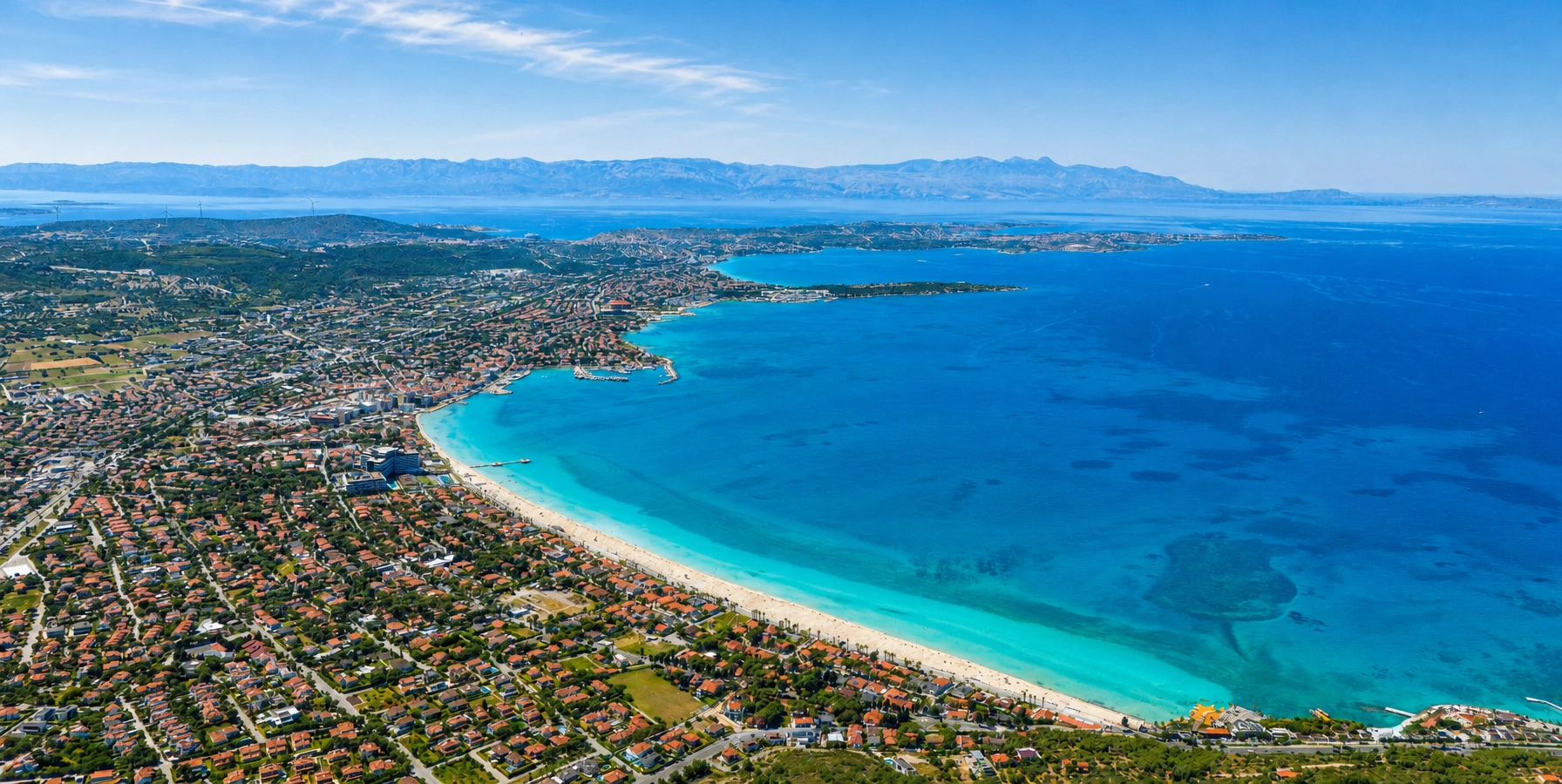
Continue through the Çeşme Peninsula with historic monuments, beaches, thermal waters, marinas, coastal villages and clear Aegean bays.
View Çeşme GuideConnect Alaçatı with the historic, archaeological and coastal landscapes of western İzmir.
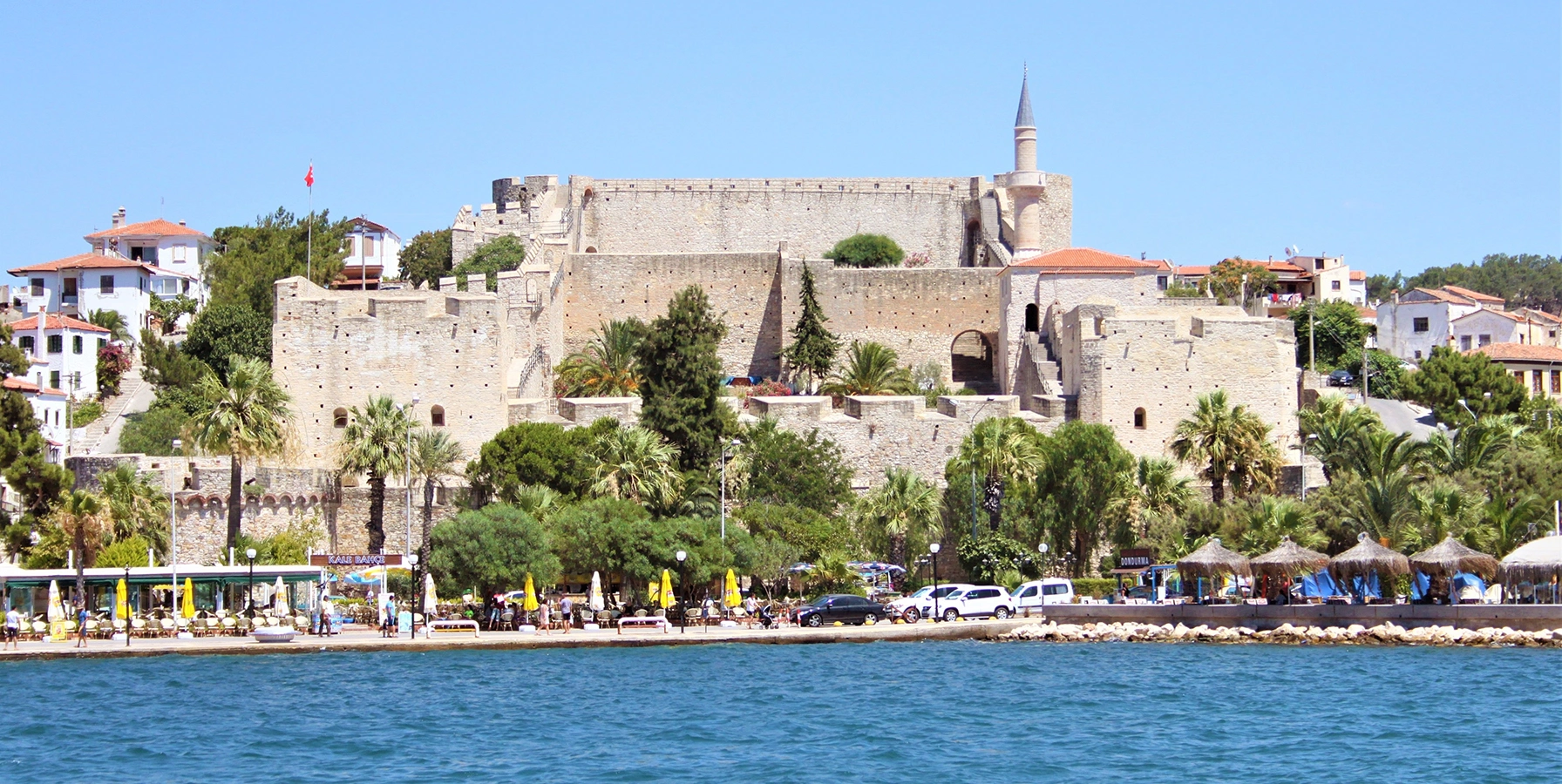
Explore the imposing historic fortress overlooking Çeşme's harbor, old town and Aegean waterfront.
Explore Çeşme Castle
Discover Ilıca, coastal villages, beaches, historic sites and some of western Türkiye's most beautiful Aegean scenery.
Explore Çeşme
Continue to ancient cities, coastal towns, historic neighborhoods, museums and remarkable landscapes throughout İzmir Province.
View İzmir Guide