From Antigoneia to a Roman Imperial City
The History of Alexandria Troas
Discover how a Hellenistic foundation became the dominant port city of the Troad and later an important centre of early Christianity.
Alexandria Troas was founded around 310 BC by Antigonus I Monophthalmus, one of the powerful successors of Alexander the Great. The new settlement was originally called Antigoneia and was created through the consolidation of communities from the surrounding Troad.
After Antigonus was defeated and killed at the Battle of Ipsus in 301 BC, the region came under the control of Lysimachus. He renamed the city Alexandria in honour of Alexander the Great. Because many ancient cities carried the name Alexandria, this one became known as Alexandria Troas—Alexandria of the Troad.
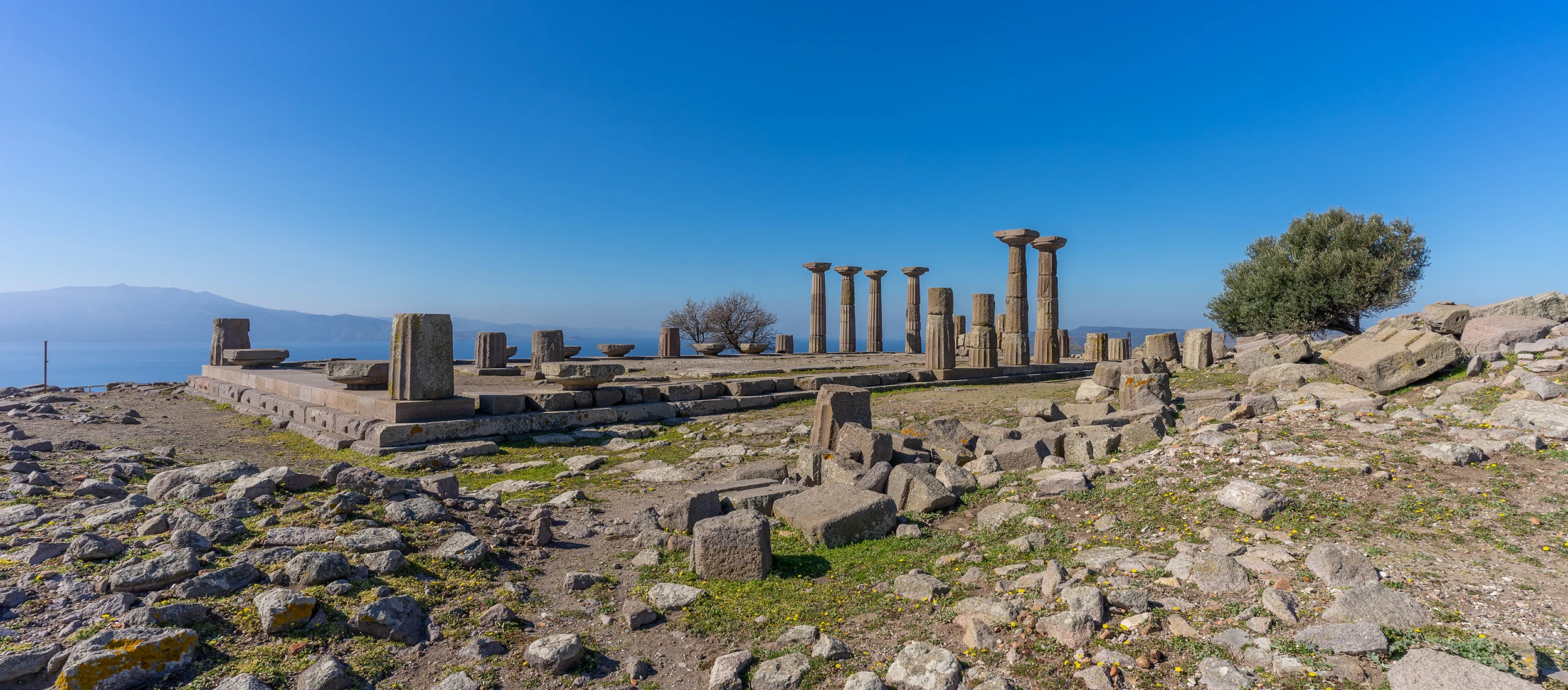
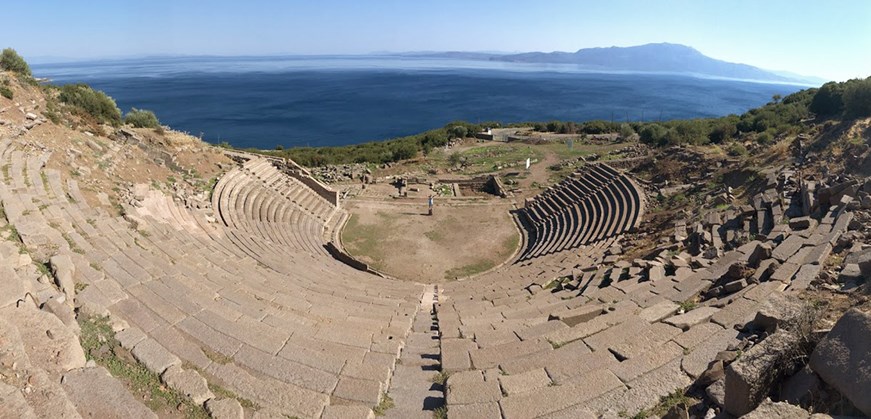
Its position was exceptionally valuable. The city stood on the Aegean coast opposite Tenedos, modern Bozcaada, close to maritime routes approaching the Hellespont, today’s Dardanelles. This allowed Alexandria Troas to grow into the leading commercial and transportation centre of the Troad.
Under Roman rule, Alexandria Troas entered its greatest period of prosperity. It became a Roman colony under Augustus and was known through titles including Colonia Augusta Troadensis. Roman investment, imperial favour and maritime commerce transformed the city with monumental public buildings, streets, water systems and harbour installations.
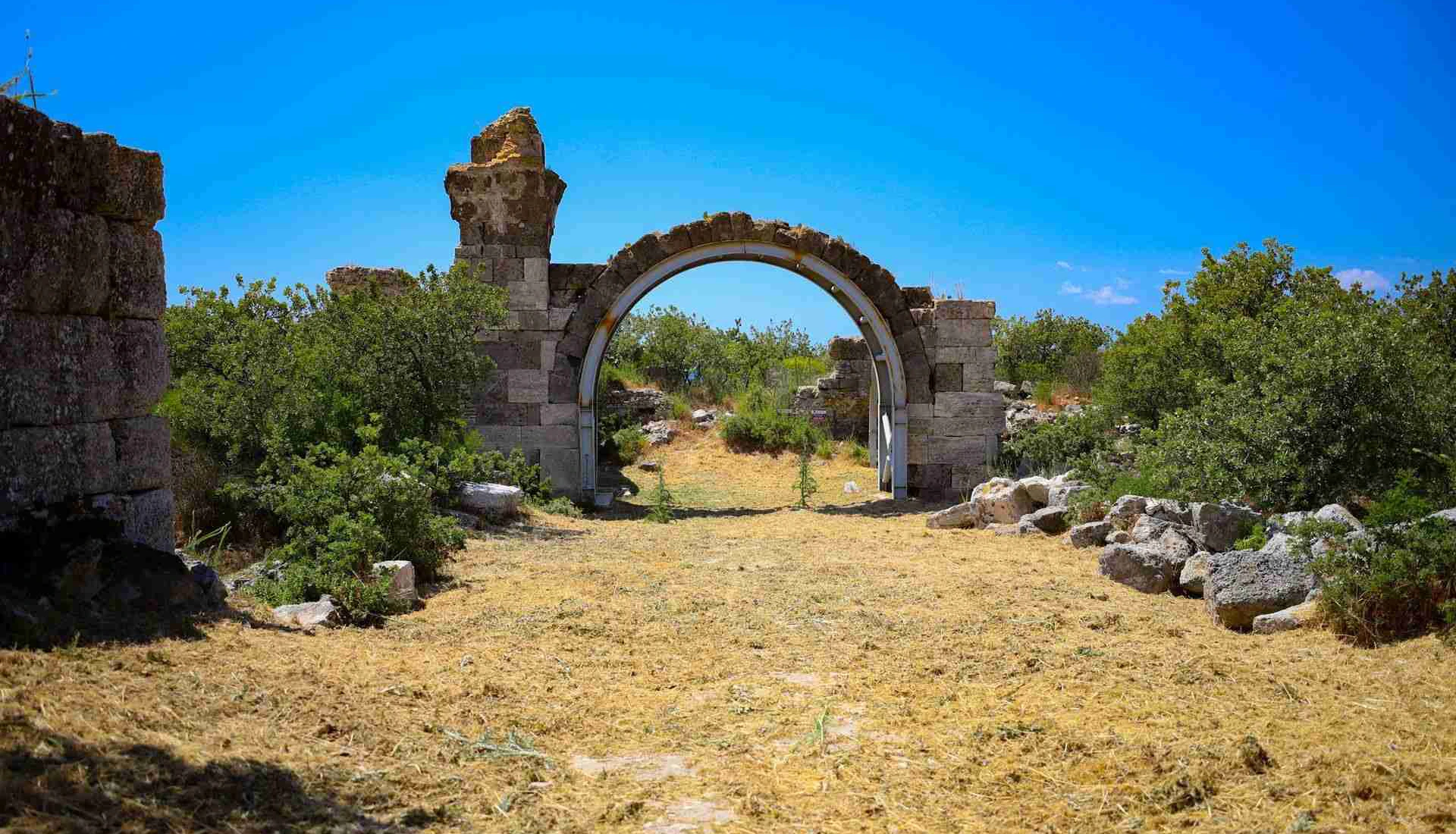
A major building phase took place during the reign of Emperor Hadrian in the second century AD. The city received an impressive aqueduct system and the monumental bath-gymnasium complex commonly known today as the Herodes Atticus Baths. Their surviving arches remain the most dramatic visual symbol of Alexandria Troas.
Christianity also became deeply connected with the city. The New Testament records Saint Paul visiting Troas several times, while later Christian tradition and ecclesiastical records show the presence of an established Christian community and bishops. Ignatius of Antioch also stayed at Troas on his journey toward Rome and wrote letters from here.
Alexandria Troas remained occupied into Late Antiquity, but changing political and economic conditions gradually reduced its importance. The harbour continued in use into the early Byzantine period, after which the city declined. Over later centuries, many architectural blocks were removed and reused elsewhere, while vegetation slowly reclaimed much of the enormous urban area.
Today the ruins preserve only a fraction of the former city, but their scale is still extraordinary. Approximately 390 hectares lay within a circuit of fortification walls measuring about 8 kilometres, making Alexandria Troas one of the largest ancient urban sites in Anatolia.