Aydın Agricultural Heritage, Aegean Gastronomy & Protected Designation of Origin

Aydın Memecik Olive Oil – The Golden Heritage of the Aegean

Discover the distinctive extra virgin olive oil of Aydın,
where ancient olive-growing traditions meet exceptional Aegean flavors.

Discover Aydın Memecik Olive Oil

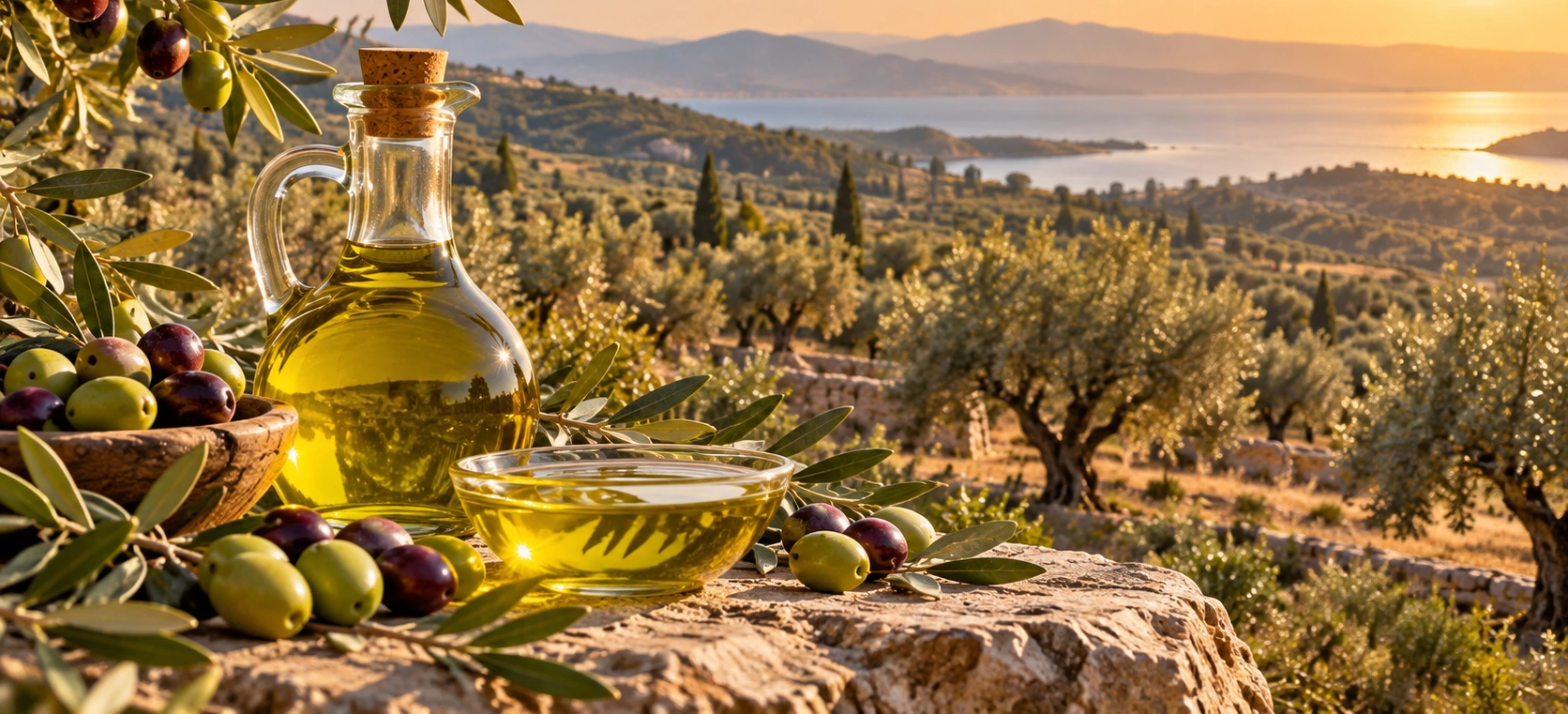
Aydın Memecik Olive Oil – A Taste of the Aegean Landscape

Aydın Memecik Olive Oil, officially known as Aydın Memecik Zeytinyağı, is one of the distinctive agricultural products of western Türkiye. Produced exclusively from Memecik olives grown in Aydın Province, this extra virgin olive oil is celebrated for its pronounced fruitiness, characteristic bitterness and distinctive peppery sensation.

Its color ranges from green to golden yellow, while its aromatic character can evoke fresh green almonds, green apples and newly cut grass. These sensory qualities distinguish it from many milder olive oils and reflect the relationship between the Memecik olive variety, regional environmental conditions and the expertise of local producers.

The olive-growing landscapes of Aydın extend across fertile plains, hillsides and rural settlements connected to the Büyük Menderes River Basin. Here, hot Mediterranean summers, relatively mild winters and air currents reaching inland from the Aegean Sea create conditions favorable to olive cultivation.

Olive trees have played an important role in the agricultural and economic history of western Anatolia for centuries. In Aydın, olive cultivation remains closely associated with traditional village life, local gastronomy and the seasonal rhythms of agricultural production.

The Memecik variety is especially important to this heritage. Adapted to the climatic conditions of the southern Aegean, it produces olives suitable for both olive oil production and table olive preparation.

Recognizing its distinctive characteristics and geographical identity, Türkiye registered Aydın Memecik Zeytinyağı as a geographical indication on September 17, 2020, under registration number 535.

Its international recognition followed in 2024, when the name entered the European Union's register of Protected Designations of Origin (PDO) through Commission Implementing Regulation (EU) 2024/445.

For travelers exploring the culinary traditions of Türkiye, Aydın Memecik Olive Oil offers an opportunity to discover the agricultural foundations of Aegean cuisine through a product connected directly to the landscape in which it is produced.

Memecik Olive Variety

Produced from a characteristic southern Aegean olive variety traditionally cultivated in Aydın.

Distinctive Flavor

Intense fruitiness, pleasant bitterness and a recognizable peppery finish.

Protected Origin

Registered in Türkiye in 2020 and recognized as an EU PDO in 2024.

Aegean Agricultural Heritage

A product shaped by olive cultivation, regional geography and generations of farming knowledge.

Know the Regional Specialty

Aydın Memecik Olive Oil – Quick Facts

Essential information about one of the Aegean Region's geographically protected olive oils.

📍

Geographical Origin

Aydın Province, Aegean Region, western Türkiye.

Explore Aydın on Google Maps
🫒

Olive Variety

Memecik, traditionally cultivated throughout the southern Aegean.

🥇

Olive Oil Category

Natural extra virgin olive oil, known in Turkish as natürel sızma zeytinyağı.

🌿

Flavor Profile

Fruity, distinctly bitter and pungent, with fresh green aromas.

🏅

Turkish Registration

Geographical indication number 535, registered September 17, 2020.

🇪🇺

European Recognition

European Union Protected Designation of Origin, registered in 2024.


Understanding a Protected Aegean Product

What Is Aydın Memecik Olive Oil?

A geographically protected extra virgin olive oil distinguished by its regional origin, olive variety and sensory character.

Aydın Memecik Zeytinyağı is an extra virgin olive oil produced from Memecik olives cultivated within the administrative boundaries of Aydın Province.

Its defining characteristics include a strong fruity aroma, pronounced bitterness and a characteristic pungent sensation that may be felt in the throat during tasting.

The recognized aroma profile includes impressions reminiscent of green almonds, green apples and freshly cut grass. Depending on the maturity of the olives and the particular production batch, the intensity and balance of these characteristics may vary.

The oil belongs to the highest standard category of virgin olive oil, known as extra virgin olive oil. Its production relies on mechanical or other permitted physical extraction processes rather than chemical refining.

However, not every bottle containing oil from Memecik olives qualifies as geographically protected Aydın Memecik Olive Oil.

The protected designation identifies a product connected to a specific geographical area and defined production standards. Compliance involves the origin of the olives, processing location, technical characteristics and applicable controls.

Its identity therefore extends beyond olive variety alone. The protected name represents the combination of Memecik olives, Aydın's agricultural environment, local production knowledge and established quality requirements.

Why Is Aydın Memecik Olive Oil Special?

Aydın Memecik Olive Oil stands out because of its distinctive sensory profile, naturally occurring chemical constituents and strong geographical identity.

The combination of the Memecik variety and the conditions found in Aydın contributes to an olive oil with pronounced flavor and aromatic complexity.

Characteristic Memecik Olives

The Memecik variety is well adapted to the warm conditions and seasonal dryness of the southern Aegean.

Intense Fruitiness

The oil is recognized for its fruity aroma, including impressions of green almonds, green apples and fresh grass.

Distinctive Bitterness

A noticeable bitter character is one of the positive sensory features associated with this oil.

Peppery Pungency

A characteristic tingling or peppery sensation contributes to the oil's recognizable finish.

Phenolic Compounds

Its recognized composition includes naturally occurring phenolic substances associated with olive oil flavor.

Protected Geographical Identity

Turkish geographical indication and European PDO protection formally recognize the product's relationship with Aydın.

What makes it distinctive? Aydın Memecik Olive Oil is not simply olive oil produced somewhere in the Aegean Region. Its registered identity is based on Memecik olives grown in Aydın, specified production processes and an established chemical and sensory profile.

What Is the Memecik Olive Variety?

Memecik is one of the important olive varieties cultivated in the southern Aegean Region of Türkiye, particularly in Aydın, Muğla and parts of İzmir.

The variety belongs to the cultivated olive species Olea europaea L. and has a longstanding connection with the agricultural landscapes of western Anatolia.

Memecik olives are used both for olive oil production and for the preparation of table olives, although the appropriate harvesting stage and processing method differ according to the intended product.

The European Union's published specification for Aydın Memecik Olive Oil identifies Memecik as the dominant olive variety in Aydın, accounting for approximately three quarters of olive cultivation described in that registration document.

Southern Aegean Variety

Memecik is cultivated across several provinces, but the protected Aydın oil has a specifically defined geographical origin.

Adaptation to Dry Summers

The variety is recognized for its adaptation to the summer heat and relatively dry conditions of the region.

Olive Oil Production

Memecik olives can produce robust extra virgin olive oils with pronounced fruity, bitter and pungent characteristics.

Table Olive Preparation

The same variety can also be processed as green, pink or black table olives depending on maturity and method.

Traditional Groves

Memecik trees are cultivated on agricultural plains, hillsides and mountainous terrain throughout the region.

Regional Agricultural Identity

The variety represents an important connection between olive farming, local gastronomy and the economy of Aydın.

The name Memecik describes the olive variety. It does not, by itself, establish that every oil made from this variety is entitled to use the geographically protected name Aydın Memecik Zeytinyağı.

What Does Aydın Memecik Zeytinyağı Mean?

The official name combines three elements identifying the product's origin, olive variety and category.

Aydın

The province in western Türkiye where the olives must be grown and the specified production processes carried out.

Memecik

The particular olive variety used as the raw material for the registered olive oil.

Zeytinyağı

The Turkish word for olive oil, identifying the product obtained from the fruit of the olive tree.

Natürel Sızma

The Turkish expression used for extra virgin olive oil, referring to its recognized quality category.

The expression Aydın Memecik Olive Oil is a practical English translation, while Aydın Memecik Zeytinyağı remains the official registered designation.

For travelers purchasing the product, recognizing the Turkish name can make it easier to identify the correct olive oil on labels and in local shops.

Where Is Aydın Memecik Olive Oil Produced?

The protected geographical area of Aydın Memecik Zeytinyağı covers Aydın Province in western Türkiye.

The province stretches from the interior landscapes of the Büyük Menderes Basin toward the Aegean coast and contains a diverse mixture of valleys, agricultural plains, hills and mountainous terrain.

Olive cultivation is found in numerous districts and rural communities throughout the province. The registered geographical boundary applies to the province as a whole rather than to one village or a single olive grove.

Efeler

The administrative center of Aydın Province, surrounded by agricultural landscapes connected with regional olive production.

Koçarlı

A district whose rural landscapes illustrate the relationship between traditional farming and Aydın's agricultural heritage.

Çine

A southern Aydın district with agricultural valleys, hills and longstanding rural traditions.

Bozdoğan

An inland district with mountainous surroundings and a landscape shaped by agriculture and local farming communities.

Nazilli

An important agricultural center in the eastern part of the Büyük Menderes Valley.

Söke

A western Aydın district where cultivated plains connect inland agricultural traditions with the Aegean environment.

Geographical boundary: The protected origin covers Aydın Province, including its 17 administrative districts. A producer must meet the designation's requirements; being located within Aydın does not automatically make every olive oil a certified product.

How Does Aydın's Climate Influence Memecik Olive Oil?

Aydın has a predominantly Mediterranean climate, characterized by hot, dry summers and generally mild, wetter winters.

These seasonal conditions have helped establish olive growing as an important part of the province's agricultural economy.

The geographical indication documentation specifically emphasizes the influence of the Büyük Menderes Valley, which opens westward toward the Aegean Sea.

Air currents from the coast can travel inland through this valley, influencing local temperature and environmental conditions.

The registered geographical description connects these regional influences with olive development, the occurrence of certain agricultural pests and the distinctive sensory characteristics of the finished oil.

Hot, Dry Summers

The climate favors varieties adapted to seasonal heat and periods of limited rainfall.

Mild, Rainy Winters

Winter precipitation supports the seasonal agricultural cycle characteristic of Mediterranean landscapes.

Büyük Menderes Valley

The valley forms an important geographical corridor connecting inland Aydın with the Aegean environment.

Air Currents from the West

Coastal air movements are among the environmental influences identified in the official product specification.

Adapted Olive Trees

Memecik trees are suited to the region's seasonal climatic conditions and agricultural terrain.

Regional Flavor Identity

The interaction of olive variety, environment and cultivation practices contributes to the protected oil's sensory profile.

Environmental conditions do not determine the final quality of every harvest by themselves. Harvest timing, fruit condition, milling practices and storage also influence the resulting olive oil.

The History of Olive Oil Production in Aydın

Olive cultivation has a deep historical presence in the Mediterranean and Aegean worlds, where olive oil has been used for food, household purposes, trade and religious practices.

Western Anatolia formed part of the wider network of agricultural settlements and commercial routes that connected ancient communities across the Aegean.

Aydın's geographical indication documentation places local olive cultivation within a long historical sequence extending through ancient, Byzantine, Turkish and Ottoman periods.

Over time, olive oil became an important agricultural commodity, while olive groves formed an enduring feature of the rural landscape.

During the Ottoman and modern periods, developments in agricultural organization, transportation and trade contributed to the commercial importance of olive cultivation in the province.

The growth of transportation infrastructure, including the historic İzmir–Aydın railway, helped connect western Anatolian agricultural areas with wider markets.

Ancient Aegean Agriculture

Olive cultivation formed part of the wider agricultural economy of ancient western Anatolia and the Mediterranean.

Byzantine and Medieval Periods

Olive farming continued within changing political and economic environments across the region.

Ottoman Agriculture

Olive production and trade remained important activities within western Anatolia's agricultural economy.

Railway Development

Modern transportation networks strengthened connections between agricultural districts and commercial markets.

Family Farming Traditions

Local experience in olive cultivation, harvesting and oil production has been transmitted through generations.

Modern Geographical Protection

Turkish registration in 2020 and EU recognition in 2024 established formal legal protection for the product name.

Historical perspective: The longstanding history of olive cultivation in Aydın should not be confused with a precisely documented ancient origin for today's registered Aydın Memecik Olive Oil. The modern geographical indication recognizes a defined contemporary product and its relationship with regional heritage.

What Does Aydın Memecik Olive Oil Taste Like?

Aydın Memecik Olive Oil is recognized for a relatively powerful flavor profile characterized by fruitiness, bitterness and pungency.

The balance between these positive sensory characteristics gives the oil much of its distinctive identity.

When tasted carefully, the aroma can suggest fresh green almonds, green apples and newly cut grass, while its taste may develop from fruitiness into a bitter and peppery finish.

Green Almond

An aromatic impression reminiscent of fresh, immature almonds rather than roasted nuts.

Green Apple

A fresh fruit-like aroma contributing brightness to the overall sensory profile.

Freshly Cut Grass

A green herbal impression commonly associated with freshly produced, fruity olive oils.

Pronounced Bitterness

A positive taste attribute linked partly to phenolic compounds naturally present in the oil.

Peppery Finish

A pungent sensation that can create a noticeable tingling feeling toward the back of the throat.

Persistent Character

The oil's robust sensory qualities may remain noticeable after swallowing.

The intensity of these sensations can vary between harvests and production batches. The registered description establishes the characteristic identity of the oil rather than suggesting that every bottle tastes exactly identical.

Why Is Aydın Memecik Olive Oil Bitter and Peppery?

People unfamiliar with robust extra virgin olive oils sometimes interpret bitterness and a peppery throat sensation as signs of a problem.

In properly produced extra virgin olive oil, however, fruitiness, bitterness and pungency are recognized positive sensory attributes.

Bitterness can be associated with naturally occurring phenolic compounds. The concentration and character of these substances depend on several factors, including the olive variety, fruit maturity, harvesting time and processing.

Pungency is the tingling or peppery sensation perceived particularly in the throat. It is a characteristic found in many freshly produced extra virgin olive oils.

Bitterness Is Not Automatically a Defect

A clean, characteristic bitter taste can be a positive feature of extra virgin olive oil.

Pungency Is a Positive Attribute

A peppery sensation is recognized in professional olive oil sensory assessment.

Harvest Maturity Matters

Olive ripeness can influence the intensity of bitterness and other sensory characteristics.

Phenolic Composition Matters

Natural phenolic substances contribute to the characteristic flavor profile of many olive oils.

Freshness Matters

Processing and storage affect how successfully an oil retains its intended aromas and flavors.

Defects Are Different

Rancid, musty or fermented sensory impressions are not the same as desirable bitterness or pungency.

Tasting tip: A bitter and peppery finish can be entirely normal for Aydın Memecik Olive Oil. Quality assessment considers the complete sensory profile and the absence of recognized defects, not simply whether an oil tastes mild.

What Color Is Aydın Memecik Olive Oil?

The registered description identifies a color range extending from green to golden yellow.

Color can vary depending on the olives used, their stage of maturity, processing conditions and the characteristics of the finished oil.

A greener appearance does not automatically mean that one olive oil is better than a golden-colored oil. Color alone cannot reliably establish freshness, extra virgin classification or geographical authenticity.

Green Shades

Some batches display greenish tones associated with the natural pigments present in the oil.

Golden Yellow Shades

Other batches show a warmer golden appearance within the product's recognized color range.

Natural Pigments

Chlorophylls and carotenoids contribute to the appearance of olive oil.

Professional Assessment

Chemical analysis and structured sensory evaluation are more informative than color alone.

For this reason, professional sensory assessments frequently use tasting glasses designed to prevent the visual appearance of an oil from influencing flavor judgments.

Technical Characteristics of Protected Aydın Memecik Olive Oil

Geographical indication protection involves more than the geographical name of a product.

The Turkish registration and European Union documentation establish characteristics associated with genuine Aydın Memecik Olive Oil.

These include its extra virgin category, sensory profile and specified chemical parameters.

Official Product Name Aydın Memecik Zeytinyağı
Product Category Natural extra virgin olive oil
Olive Variety Memecik
Geographical Area Aydın Province, Türkiye
Color Green to golden yellow
Characteristic Aroma Intense fruitiness, including green almond, green apple and fresh grass impressions
Characteristic Taste Pronounced bitterness and pungency
Free Acidity Maximum 0.8%, expressed as oleic acid
Peroxide Value Maximum 18 meq active oxygen/kg of oil
Total Phenolic Content Above 100 mg/kg in the Turkish specification; at least 100 mg/kg in the published EU single document
Luteolin Minimum 45 mg/kg in the published EU single document
Total Sterol Content Above 1,000 mg/kg in the published EU single document
Turkish Geographical Indication Menşe Adı, registration number 535
European Protection Protected Designation of Origin (PDO)
Technical reference: These figures are drawn from the Turkish geographical indication registration and the European Union's published product description. They are specification requirements, not laboratory results for an individual bottle.

Phenolic Compounds in Aydın Memecik Olive Oil

One of the distinguishing chemical characteristics of Aydın Memecik Olive Oil is its naturally occurring phenolic composition.

Phenolic compounds are a group of substances found in olives and olive oil. They contribute to certain flavor characteristics, particularly bitterness, and form part of the oil's broader chemical profile.

The official geographical indication documentation associates the Memecik variety and its adaptation to Aydın's environmental conditions with the characteristic phenolic content of the oil.

The European Union's published product description specifically identifies luteolin as an important phenolic constituent and discusses the oil's sterol composition.

Total Phenolic Content

A recognized technical characteristic of the product, with minimum requirements established in its registration documents.

Luteolin

A naturally occurring phenolic compound specifically mentioned in the EU product description.

Sterols

Natural components of olive oil whose composition can contribute to product characterization.

Olive Variety

The genetic characteristics of Memecik olives influence the chemical properties of the resulting oil.

Fruit Maturity

The development of the olives influences phenolic composition and sensory intensity.

Processing and Storage

Harvest handling, extraction conditions and storage affect the preservation of the oil's original characteristics.

Health information: The presence of phenolic compounds does not mean every Aydın Memecik Olive Oil qualifies for a particular medical or nutritional health claim. Such claims depend on applicable regulations, the specific compounds measured and the evidence supporting the claim.

How Is Aydın Memecik Olive Oil Produced?

The production of Aydın Memecik Olive Oil follows a sequence of agricultural and mechanical processes designed to obtain oil from fresh Memecik olives.

The Turkish geographical indication specification defines harvesting, fruit handling, cleaning, crushing, malaxation, extraction, separation and storage requirements.

The principal stages of olive production and processing must take place within Aydın Province for the protected designation.

1. Harvesting

Memecik olives are collected using methods intended to prevent unnecessary damage to the fruit.

2. Transportation

Harvested olives are transported in appropriate containers while minimizing deterioration before processing.

3. Cleaning and Washing

Leaves, twigs, dust, soil and other foreign materials are removed before the olives are crushed.

4. Crushing

The olives are crushed into a paste from which the oil can subsequently be extracted.

5. Malaxation

The olive paste is mixed under controlled conditions to help small oil droplets combine.

6. Oil Extraction

Mechanical or other permitted physical extraction methods separate oil from the olive paste.

7. Separation

Remaining water and solid materials are separated from the extracted oil.

8. Protected Storage

The oil is stored under suitable conditions that limit oxygen exposure and preserve its characteristics.

The quality of the final product depends on careful management throughout this sequence. Good olives can lose desirable qualities if they are damaged, handled incorrectly or stored under unsuitable conditions.

When and How Are Memecik Olives Harvested?

Olive harvesting in Aydın generally takes place during the autumn and winter agricultural season, with timing varying according to weather, fruit maturity, location and intended use.

Producers select harvesting periods according to the condition of the olives and the type of product they wish to produce.

Olives intended for oil production may be harvested at different maturity stages, influencing both the extraction yield and the resulting sensory profile.

The protected production specification emphasizes the use of olives collected without avoidable fruit damage and excludes olives that have fallen to the ground and deteriorated.

Hand Harvesting

Olives may be picked by hand using methods appropriate to the trees and terrain.

Mechanical Assistance

Suitable harvesting equipment can be used provided the fruit is handled in accordance with production requirements.

Harvest Maturity

Producers evaluate ripeness because it influences oil yield, aromas and bitterness.

Fruit Condition

Healthy, sound fruit is important for obtaining clean-tasting extra virgin olive oil.

Seasonal Variation

The precise harvest dates can change from year to year depending on local weather and agricultural conditions.

Time to Milling

Prompt processing helps reduce the risk of deterioration before oil extraction.

Harvest requirement: The Turkish registration specifies that harvested olives should not be stored for more than 24 hours before processing, with extraction preferably completed within six hours.

Why Is Proper Olive Handling Important?

The period between harvest and milling is an important stage in extra virgin olive oil production.

Fresh olives can deteriorate when they are crushed under excessive weight, stored without adequate ventilation or left for extended periods in unsuitable conditions.

The registered method for Aydın Memecik Olive Oil addresses these risks through requirements for collection, transportation and storage before processing.

Clean Containers

Food-safe containers help protect olives from contamination during transportation.

Ventilation

Containers should permit appropriate airflow and reduce excessive heat accumulation.

Limited Storage Time

Reducing the interval between harvesting and extraction helps preserve fruit quality.

Protection from Damage

Careful handling reduces bruising and unwanted deterioration of the olives.

Separation of Unsuitable Fruit

Damaged or deteriorated olives should not compromise batches intended for high-quality oil production.

Producer Organization

Coordination between harvesting teams and mills helps minimize unnecessary waiting periods.

Traditional and Modern Olive Oil Milling in Aydın

Once the Memecik olives arrive at an olive mill, they undergo cleaning, crushing and extraction.

Historically, different Mediterranean communities developed methods for crushing olives and separating the resulting oil from the remaining material.

Modern olive mills commonly use mechanical crushers and centrifugal equipment, although the Turkish geographical indication specification permits more than one defined extraction method.

The essential goal is to extract the oil while preserving the quality and identity of the raw material.

Cleaning

Foreign materials are removed from the olives before processing.

Crushing

The fruit is mechanically broken down to produce a paste containing oil, water and olive solids.

Malaxation

Controlled mixing allows oil droplets within the paste to combine before extraction.

Mechanical Extraction

Permitted techniques include pressing and centrifugal systems, among other specified physical methods.

Oil Separation

Water and solid residues are separated from the extracted olive oil.

Quality Preservation

Appropriate equipment, hygiene and controlled handling help protect the oil from avoidable defects.

Modern machinery and traditional agricultural knowledge are not opposing concepts. Both can contribute to producing a geographically authentic olive oil when the registered requirements are respected.

Is Aydın Memecik Olive Oil Always Cold-Pressed?

The phrases cold-pressed, cold-extracted, extra virgin and PDO describe different aspects of olive oil production and classification.

They should not automatically be treated as interchangeable.

Extra virgin describes a recognized olive oil quality category, while PDO identifies a product whose specified qualities or characteristics are linked to a protected geographical origin.

Cold extraction and cold pressing are separate processing descriptions subject to their own technical and labeling requirements.

The Turkish registration for Aydın Memecik Zeytinyağı describes malaxation temperatures within a range of approximately 25–35°C. Therefore, the geographical indication alone should not be interpreted as proof that every compliant bottle meets a separately defined cold-extraction temperature claim.

Extra Virgin

Describes the oil's regulated quality category, including chemical and sensory requirements.

Cold-Pressed

A processing description that must be supported by the relevant method and applicable labeling conditions.

Cold-Extracted

A distinct description generally associated with temperature-controlled extraction processes.

PDO

A protected geographical designation connecting the product with a defined place and registered specification.

Important distinction: An authentic bottle of Aydın Memecik Olive Oil must comply with its protected designation. Claims about cold pressing or cold extraction should be evaluated separately according to the production process and applicable rules.

How Is Aydın Memecik Olive Oil Stored by Producers?

Proper storage is essential after the oil has been separated from the olive paste.

Olive oil can deteriorate through exposure to oxygen, excessive heat and light. Professional storage therefore aims to limit these influences while protecting the oil from contamination.

The Turkish geographical indication specification identifies appropriate food-safe storage equipment and methods designed to minimize unnecessary contact with air.

Stainless-Steel Tanks

Suitable tanks provide hygienic storage and allow producers to manage oil batches effectively.

Limited Oxygen Exposure

Inert gas and other appropriate systems may be used to reduce the oil's contact with air.

Food-Safe Materials

Storage equipment must be compatible with food products and suitable for olive oil.

Batch Separation

Protected oil must be kept separate from other oils so its identity is not compromised through mixing.

Temperature Management

Avoiding excessive heat helps preserve desirable aromas and slow quality deterioration.

Traceability

Identifiable production batches support quality control and geographical indication verification.

Turkish Geographical Indication Registration of Aydın Memecik Olive Oil

Aydın Memecik Zeytinyağı is registered in Türkiye as a geographical indication under the category Menşe Adı, corresponding to a designation of origin.

The registration was granted by the Turkish Patent and Trademark Office on September 17, 2020, under number 535.

The registered holder is Aydın Ticaret Borsası, the Aydın Commodity Exchange.

The registration identifies the product, defines its geographical origin and establishes requirements concerning production and distinguishing characteristics.

Registered Product Aydın Memecik Zeytinyağı
English Name Aydın Memecik Olive Oil
Registration Number 535
Application Number C2019/025
Application Date March 4, 2019
Registration Date September 17, 2020
Registration Holder Aydın Ticaret Borsası – Aydın Commodity Exchange
Geographical Indication Type Menşe Adı
Product Group Oils and fats, including butter
Protected Geographical Area Aydın Province, Türkiye
Required Olive Variety Memecik
Product Classification Natural extra virgin olive oil

Registered geographical indication status recognizes the relationship between the defined product and its geographical origin. It does not mean that every olive oil sold within Aydın may automatically use the protected name.

European Union PDO Recognition of Aydın Memecik Olive Oil

In 2024, Aydın Memecik Zeytinyağı received formal European Union protection as a Protected Designation of Origin (PDO).

The registration was established through Commission Implementing Regulation (EU) 2024/445, adopted on January 29, 2024, and published in the Official Journal of the European Union on February 5, 2024.

The PDO system protects qualifying geographical product names and recognizes products whose characteristics are essentially linked to their geographical environment and relevant production traditions.

For Aydın Memecik Olive Oil, the EU's published description connects its distinguishing sensory and chemical characteristics with the Memecik variety, Aydın's climate and the expertise of local producers.

Protected Name

Aydın Memecik Zeytinyağı is the official product name entered into the European register.

PDO Status

The registration is a Protected Designation of Origin rather than a Protected Geographical Indication.

European Registration Year

2024, through Commission Implementing Regulation (EU) 2024/445.

Product Category

The registered product belongs to the European classification covering oils and fats.

Protected Production Area

The designated geographical territory is Aydın Province in Türkiye.

European Labeling

The published EU product description sets out requirements for the protected name, producer identification and PDO logo.

What Does Protected Designation of Origin Mean for This Olive Oil?

The European Union's Protected Designation of Origin system recognizes products with qualities or characteristics fundamentally connected to a defined geographical environment.

For Aydın Memecik Olive Oil, the registered connection involves both natural factors and human knowledge.

Defined Geography

The name applies to a specifically identified geographical production area.

Recognized Raw Material

The protected product must be made from the specified Memecik olive variety.

Regional Processing

The required production and processing stages must take place within the designated area.

Product Characteristics

Defined chemical and sensory properties help distinguish the protected olive oil.

Producer Accountability

Geographical indication systems involve compliance and verification responsibilities.

Name Protection

The registration protects the designated product name against certain forms of improper commercial use.

PDO status is therefore more specific than a general statement such as "Aegean olive oil" or "olive oil from Türkiye."

Aydın Memecik Olive Oil vs. Aydın Memecik Table Olives

Aydın Memecik Zeytinyağı and Aydın Memecik Zeytini are closely related but legally distinct geographical products.

The first name identifies the protected extra virgin olive oil, while the second refers to protected table olives from the Memecik variety.

Although both products derive from the same olive variety, their production methods and finished characteristics are different.

Aydın Memecik Zeytinyağı

Extra virgin olive oil made from Memecik olives grown and processed according to the protected Aydın specification.

Aydın Memecik Zeytini

Table olives prepared from Memecik fruit through relevant processing and preservation methods.

Olive Oil Production

Involves crushing the fruit and physically extracting the oil.

Table Olive Production

Involves preparing whole olives for consumption, often through curing or fermentation.

Separate Turkish Registrations

The olive oil is registered under number 535, while Aydın Memecik Zeytini has its own geographical indication registration.

Separate European Recognition

The olive oil received EU PDO recognition in 2024, while Aydın Memecik Zeytini received EU PDO recognition in 2025.

For consumers, distinguishing these protected names is important when reviewing labels, agricultural certifications and product descriptions.

The Role of Aydın Memecik Olive Oil in Aegean Cuisine

Olive oil is one of the defining ingredients of the culinary traditions of the Turkish Aegean.

It appears in vegetable preparations, salads, cooked wild greens, legumes, appetizers and many everyday dishes.

Aydın Memecik Olive Oil's distinctive flavor can add depth to these foods, particularly when used as a finishing ingredient.

Its bitterness and pungency are especially noticeable in simple preparations where the oil is not overwhelmed by numerous other ingredients.

Fresh Salads

Use the oil with seasonal vegetables, herbs and suitable acidic ingredients for a flavorful dressing.

Wild Aegean Greens

Drizzle over lightly cooked greens to complement their natural herbal and sometimes bitter character.

Olive Oil Vegetables

Incorporate it into traditional vegetable preparations or use a little after cooking for added aroma.

Legume Dishes

Its robust flavor can complement beans, chickpeas and other plant-based regional foods.

Meze

Use as an ingredient or finishing oil in selected cold appetizers and vegetable-based starters.

Fresh Bread

A small tasting portion with fresh bread offers a simple introduction to the oil's aroma and flavor.

The culinary appeal of Aydın Memecik Olive Oil lies partly in its versatility, but its distinctive sensory character is best appreciated when the oil itself remains noticeable.

What Foods Pair Well with Aydın Memecik Olive Oil?

The pronounced character of Memecik olive oil can complement foods that benefit from a fruity, bitter or peppery accent.

Personal taste remains important, and pairing choices are not part of the geographical indication requirements.

Tomatoes and Cucumbers

Fresh vegetables provide a crisp, refreshing contrast to the oil's richer and more pungent character.

Artichokes

Olive oil is a classic component of artichoke preparations in Aegean cuisine.

Grilled Vegetables

A small finishing drizzle adds aroma to warm eggplant, peppers, zucchini and similar vegetables.

Fresh Herbs

Parsley, dill and other herbs can complement the oil's grassy and fruity characteristics.

White Beans

Legume dishes can provide a mild background that allows the olive oil's character to stand out.

Freshly Baked Bread

Simple bread can be used for an informal tasting, allowing the oil's flavor to remain central.

For a culinary experience, try comparing the oil on a plain food such as bread and then tasting it as a finishing ingredient on cooked vegetables.

How to Taste Aydın Memecik Olive Oil

A simple olive oil tasting can help visitors understand why Aydın Memecik Olive Oil is known for its distinctive sensory characteristics.

Professional tasting follows standardized procedures, but an informal tasting can still reveal the oil's principal aromatic and flavor features.

1. Prepare a Small Sample

Pour a little olive oil into a clean, odor-free tasting cup or glass.

2. Observe the Aroma

Gently warm the cup with your hand and smell the oil, noting fruity and green impressions.

3. Take a Small Sip

Taste a small quantity and allow it to spread across the tongue.

4. Notice Bitterness

Observe the characteristic bitter sensation without immediately treating it as undesirable.

5. Recognize Pungency

Notice any peppery or tingling sensation, particularly as the oil reaches the throat.

6. Consider the Balance

Evaluate the relationship between fruitiness, bitterness, pungency and overall cleanliness of flavor.

Tasting note: Informal tasting is useful for learning about flavor, but it does not replace laboratory testing or official sensory panel assessment for product certification.

How to Identify Authentic Aydın Memecik Olive Oil

Travelers interested in purchasing Aydın Memecik Olive Oil should pay attention to the complete product label rather than relying only on attractive packaging or general references to the Aegean Region.

For geographically protected products, the official designation and applicable labeling information are important starting points.

Check the Official Name

Look for the registered name Aydın Memecik Zeytinyağı.

Look for Appropriate GI Identification

Review the geographical indication information and the relevant national or European designation marks.

Identify the Producer

Check the producer or responsible food business information shown on the packaging.

Check the Olive Oil Category

The protected product is extra virgin olive oil, not a general refined olive oil blend.

Review Product Traceability

Batch identification and appropriate origin information can help consumers make informed purchases.

Consider Storage Conditions

Choose bottles that have been protected from excessive light and heat during storage and display.

Buying tip: A bottle labeled only "Memecik olive oil" or "Aegean extra virgin olive oil" is not necessarily a certified Aydın Memecik Zeytinyağı product. Look for the protected designation and appropriate supporting information.

What Should You Look for on an Olive Oil Label?

Labels provide useful information about the identity, origin, category and responsible producer of an olive oil.

For a protected geographical product, the registered designation should be presented in accordance with applicable geographical indication and food-labeling rules.

Official Protected Name Aydın Memecik Zeytinyağı
Olive Oil Category Natürel Sızma Zeytinyağı / Extra Virgin Olive Oil
Olive Variety Memecik
Geographical Origin Aydın, Türkiye
Producer Information Name and relevant identifying information of the responsible producer or business
Geographical Indication Applicable Turkish designation marking or European PDO identification
Batch Information Relevant lot or traceability information
Storage Guidance Information concerning appropriate storage conditions

Additional information, such as harvest year or extraction details, can be helpful where supplied accurately, but should not be confused with the geographical indication itself.

How Should Aydın Memecik Olive Oil Be Stored at Home?

Good storage practices help preserve the flavor and quality of extra virgin olive oil after purchase.

Heat, oxygen and light can contribute to deterioration, particularly when olive oil is stored for extended periods under unsuitable conditions.

Protect from Direct Sunlight

Keep bottles away from windows and locations exposed to strong sunlight.

Avoid Excessive Heat

Store the oil in a relatively cool, stable environment away from ovens and radiators.

Close the Bottle Properly

Reseal the container after use to reduce unnecessary oxygen exposure.

Choose Suitable Packaging

Dark glass bottles and appropriate metal containers can help protect oil from light.

Use Clean Utensils

Avoid introducing water, food particles or contaminants into the olive oil.

Respect Product Guidance

Follow the storage instructions and relevant date information provided by the producer.

Unlike wine, olive oil generally does not improve through prolonged aging. Preserving freshness and consuming the oil within an appropriate period are important considerations.

Nutritional Characteristics of Aydın Memecik Olive Oil

Like other olive oils, Aydın Memecik Olive Oil consists primarily of fat and is an energy-dense food ingredient.

Olive oil is commonly associated with Mediterranean dietary patterns and can be used in place of other culinary fats according to personal dietary needs and preferences.

Its specific chemical characteristics should be distinguished from broad claims about disease prevention or medical treatment.

Predominantly Fat

Olive oil is composed mainly of fatty acids, including a substantial proportion of monounsaturated fats.

Oleic Acid

Oleic acid is a major fatty acid found in olive oil and contributes to its overall lipid composition.

Phenolic Substances

The oil contains naturally occurring compounds relevant to its chemical and sensory character.

Vitamin E

Olive oil can contribute vitamin E, although actual amounts vary between products.

Energy Content

Olive oil is calorie-dense, making serving size an important dietary consideration.

Plant-Based Ingredient

Pure olive oil is derived from olives and does not inherently contain animal ingredients.

Nutrition note: Aydın Memecik Olive Oil is a food, not a medicine. Its geographical indication and PDO status establish product identity and standards, not independent proof of therapeutic benefits.

Olive Groves and Rural Experiences in Aydın

The olive-growing landscapes of Aydın provide an opportunity to appreciate a traditional agricultural product in the environment where it originates.

For visitors interested in gastronomy, the story of Memecik olive oil includes rural scenery, seasonal farming activity, production knowledge and regional food culture.

Experiences involving private farms, olive mills or tastings require permission or advance arrangements. Such access should not be assumed to be available at every location.

Olive Grove Landscapes

Discover the characteristic appearance of olive trees cultivated across Aydın's hills and agricultural valleys.

Harvest Season

Learn how harvesting contributes to rural life during the autumn and winter agricultural period.

Olive Milling Traditions

Explore the relationship between traditional techniques and modern extraction methods where visits are available.

Local Food Culture

Experience how olive oil is used in vegetable dishes, salads, meze and other Aegean specialties.

Regional Food Producers

Support appropriate local producers and learn about the agricultural knowledge behind their products.

Rural Heritage Routes

Combine the study of regional agriculture with historical villages, archaeological sites and scenic landscapes.

Responsible Olive Oil Tourism in Aydın

Olive cultivation is both an agricultural activity and an important element of the cultural landscape.

Responsible tourism can encourage appreciation for traditional farming knowledge while supporting businesses that take care in producing and presenting authentic regional products.

Support Genuine Producers

Choose reputable businesses able to explain their products and provide appropriate origin information.

Respect Working Farms

Ask permission before entering groves, agricultural facilities or private rural property.

Appreciate Seasonal Work

Recognize that harvesting and milling involve substantial labor and careful scheduling.

Learn About Protected Names

Distinguish registered products from general regional descriptions and unverified marketing claims.

Reduce Waste

Purchase realistic quantities and store olive oil properly to avoid unnecessary deterioration.

Share Accurate Information

Use the registered product name correctly and explain its connection with Aydın's agricultural heritage.

Frequently Asked Questions

Aydın Memecik Olive Oil – Frequently Asked Questions

Practical answers about the origin, flavor, production, geographical indication and culinary uses of this protected Aegean olive oil.

What is Aydın Memecik Olive Oil?

It is a geographically protected extra virgin olive oil produced from Memecik olives cultivated in Aydın Province, Türkiye. It is recognized for intense fruitiness, bitterness and pungency.

Where does Aydın Memecik Olive Oil come from?

Its protected geographical origin is Aydın Province in western Türkiye, within the Aegean Region.

Which olive variety is used?

The registered product is made from the Memecik olive variety.

Is Aydın Memecik Olive Oil extra virgin?

Yes. The registered product is natural extra virgin olive oil, known in Turkish as natürel sızma zeytinyağı.

What does Aydın Memecik Olive Oil taste like?

It has pronounced fruitiness, bitterness and pungency, with aromatic impressions associated with green almonds, green apples and freshly cut grass.

Why does Memecik olive oil taste bitter?

Bitterness is a recognized positive attribute of olive oil and is associated partly with naturally occurring phenolic compounds.

Why does the oil feel peppery in the throat?

The sensation is known as pungency, a positive sensory characteristic found in many extra virgin olive oils.

Is bitterness a sign of poor olive oil quality?

No. Desirable bitterness should be distinguished from recognized defects such as rancidity, mustiness and fermented flavors.

What color is Aydın Memecik Olive Oil?

Its registered description identifies a color ranging from green to golden yellow.

Is green olive oil always better than golden olive oil?

No. Color is influenced by natural pigments and other factors, and it is not sufficient to determine quality or authenticity.

Is Aydın Memecik Olive Oil geographically protected?

Yes. It has Turkish geographical indication protection and European Union Protected Designation of Origin status.

What is its Turkish registration number?

The Turkish geographical indication registration number is 535.

When was Aydın Memecik Olive Oil registered in Türkiye?

It was registered on September 17, 2020, following an application submitted on March 4, 2019.

Who registered Aydın Memecik Olive Oil?

The Turkish registration holder is Aydın Ticaret Borsası, the Aydın Commodity Exchange.

Does Aydın Memecik Olive Oil have EU PDO status?

Yes. The name received European Union PDO recognition through Commission Implementing Regulation (EU) 2024/445.

When did the EU recognize Aydın Memecik Olive Oil?

The relevant EU implementing regulation was adopted in January 2024 and published in February 2024.

What does PDO mean?

PDO stands for Protected Designation of Origin. It identifies a product whose specified characteristics are closely linked to a defined geographical environment and production requirements.

Can Memecik olive oil produced outside Aydın use the protected name?

No. The official protected designation requires compliance with its specified geographical origin and production conditions.

Is all Memecik olive oil certified Aydın Memecik Olive Oil?

No. Memecik is cultivated in other parts of the Aegean as well. The protected name refers to olive oil meeting the registered Aydın requirements.

What is the maximum free acidity?

The product specification establishes a maximum free acidity of 0.8%, expressed as oleic acid.

Can you taste the free acidity of olive oil?

Free acidity is a laboratory measurement and should not be confused with a sour taste or the peppery sensation of olive oil.

Does Aydın Memecik Olive Oil contain phenolic compounds?

Yes. Phenolic composition is among the recognized chemical characteristics of the product, and the registration documents establish relevant requirements.

Is Aydın Memecik Olive Oil always cold-pressed?

Not necessarily. Its geographical indication does not automatically establish a separate cold-pressed or cold-extracted labeling claim.

How are Memecik olives harvested?

Suitable manual or mechanical harvesting methods may be used, with attention to avoiding fruit damage and unsuitable fallen olives.

How soon should harvested olives be processed?

The Turkish specification limits pre-processing storage to a maximum of 24 hours and expresses a preference for extraction within six hours of harvest.

Can Aydın Memecik Olive Oil be used for cooking?

Yes. Extra virgin olive oil can be used in suitable cooking applications and as a finishing ingredient. Its distinctive aroma is especially noticeable in salads and dishes where it is added after cooking.

What foods pair well with this olive oil?

It can complement fresh salads, cooked wild greens, artichokes, grilled vegetables, legumes, meze and bread.

Is Aydın Memecik Olive Oil vegan?

Pure olive oil is plant-derived and contains no inherent animal ingredients. Consumers with specific dietary requirements should review individual product labeling.

How should the oil be stored?

Store it in a sealed, suitable container away from excessive heat and direct sunlight, following the producer's instructions.

Does olive oil improve with age?

Generally, no. Olive oil is best protected from deterioration through careful storage and appropriate consumption periods.

Is Aydın Memecik Zeytini the same as Aydın Memecik Zeytinyağı?

No. The first refers to protected table olives, while the second identifies the protected extra virgin olive oil. They have separate registrations.

Where can visitors find Aydın Memecik Olive Oil?

Travelers can look for appropriately labeled products through reputable olive oil producers, food shops and specialty retailers. Availability varies by business and harvest season.

Can tourists visit olive mills in Aydın?

Some agricultural businesses may arrange educational visits or tastings, but access should be confirmed in advance rather than assumed.

Why is Aydın Memecik Olive Oil important to regional culture?

It connects Aydın's agricultural landscape, olive-growing traditions, regional cuisine and local production knowledge with a legally protected geographical identity.

Official Sources About Aydın Memecik Olive Oil

The following official resources provide information about the protected name, product characteristics, production requirements and regional agricultural heritage of Aydın Memecik Zeytinyağı.

Research note: Technical figures and protected designation details should be checked against the current official registration documents when used for certification, labeling or commercial compliance purposes.

Explore the Olive Oil Heritage of Aydın with Wow Cappadocia

Discover the olive groves, regional cuisine, ancient cities and rural traditions of western Türkiye through thoughtfully planned private travel experiences.

Private Aydın & Western Türkiye Experiences

Contact our team to discuss a personalized itinerary combining cultural sightseeing, Aegean gastronomy and opportunities to learn about local agricultural traditions. Olive grove and producer visits are subject to availability and advance arrangements.

Continue Discovering Aydın's Agricultural and Culinary Heritage

Explore more regional foods, traditional recipes and agricultural products that illustrate the culinary diversity of Aydın Province.

Aydın Fig

Discover the famous Sarılop fig and the agricultural heritage behind one of Aydın's best-known geographical products.

Explore Aydın Fig