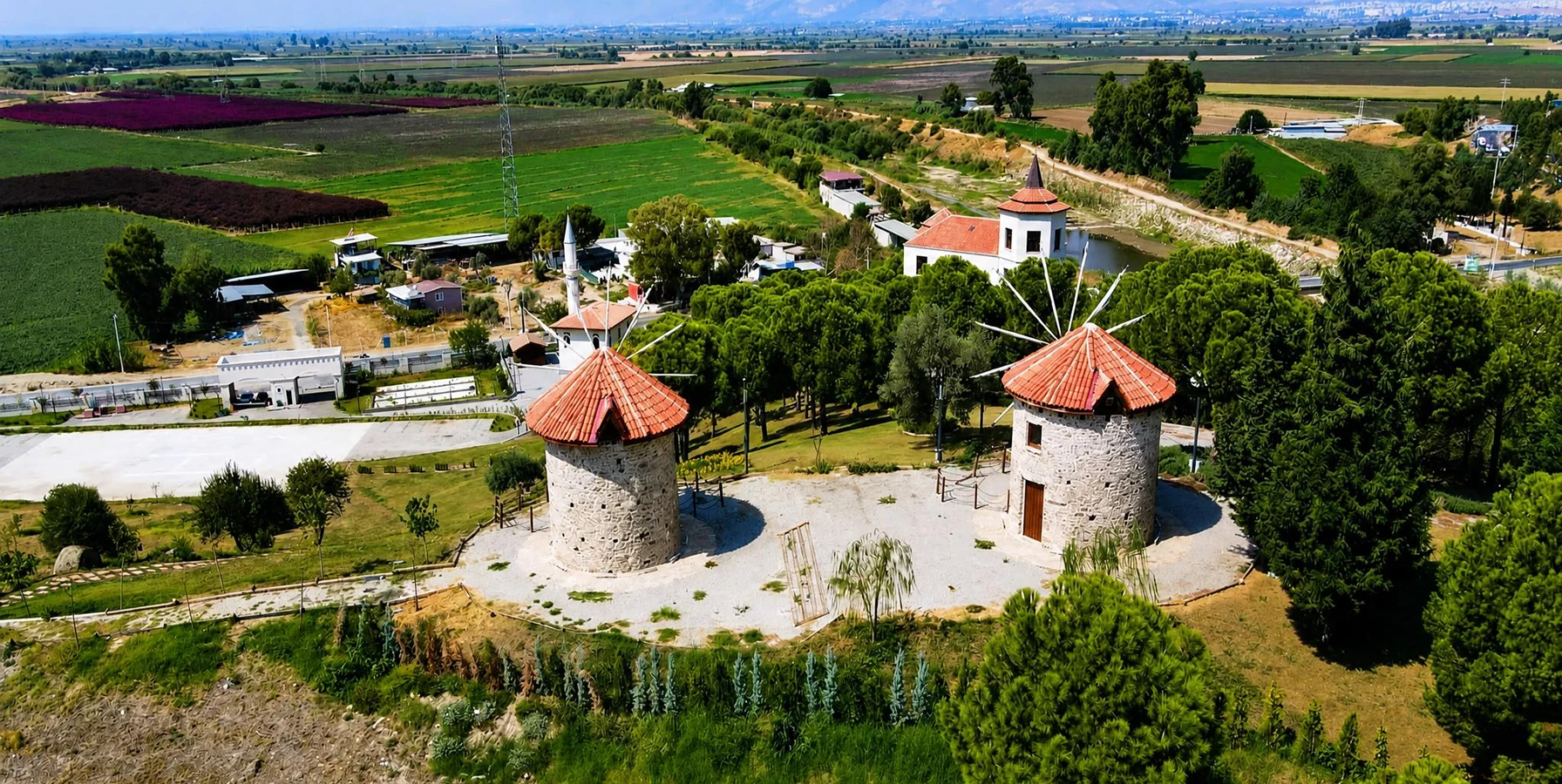
Private Koçarlı Heritage Experience
Ask us about a tailor-made visit featuring Cihanoğlu Tower, historic mosques, rural architecture, traditional markets and the surrounding countryside.
Request a Custom Tour





Koçarlı is a historic district of Aydın Province in western Türkiye, where the fertile Büyük Menderes countryside meets the rugged hills of ancient Caria. Located approximately 24 kilometers from central Aydın, this largely agricultural district preserves an appealing combination of Ottoman architecture, ancient archaeological remains, village traditions and peaceful Aegean landscapes.
Unlike the major coastal destinations of the Aegean, Koçarlı is primarily a working rural district rather than a conventional tourism resort. Its attraction lies in discovering places that remain closely connected to local life: historic mosques and defensive towers, agricultural villages, traditional markets and the landscapes that supported centuries of settlement.
The district's best-known architectural landmark is Cihanoğlu Tower, an imposing 18th-century structure associated with the influential Cihanoğlu family. Nearby, the historic Cihanzade Mustafa Ağa Mosque introduces visitors to the craftsmanship and decorative traditions of Ottoman provincial architecture.
Beyond the town center, travelers can discover Cincin Castle, the mountainous remains of Amyzon Ancient City, and Çakırbeyli, a village associated with former Turkish Prime Minister Adnan Menderes. Pine forests, olive groves, orchards and fertile farmland create a distinctly different atmosphere from the better-known coastal attractions of Aydın.
Koçarlı is particularly rewarding for visitors interested in regional history, archaeology, Ottoman heritage, rural photography and quieter journeys through the Aegean countryside.
Discover Cihanoğlu Tower, historic mosques and the architectural heritage of a powerful regional family.
Explore the remote archaeological landscape of Amyzon Ancient City.
Experience agricultural communities, local markets and authentic countryside life.
Enjoy olive groves, pine-covered mountains and the fertile Büyük Menderes landscape.
Essential information for planning your visit to Koçarlı and its surrounding countryside.
Aydın Province, Aegean Region, western Türkiye.
Open on Google MapsApproximately 24 kilometers from central Aydın, depending on the starting point.
Cihanoğlu Tower, Cihanzade Mustafa Ağa Mosque, Cincin Castle and Amyzon.
Agricultural lowlands, olive groves, pine-covered hills and rural valleys.
Town streets and public areas are free; heritage sites and museums may have separate access restrictions.
2–3 hours for the town center or a full day including villages and archaeological sites.
Koçarlı reveals the quieter historical and agricultural character of western Türkiye.
Many travelers associate Aydın Province with the popular destinations of Kuşadası, Didim and the archaeological monuments of the Büyük Menderes region. Koçarlı offers a different experience, introducing visitors to the landscapes and communities that developed away from the principal tourism centers.
The district preserves several layers of regional history. The ancient city of Amyzon reflects the political and religious world of Caria, while Ottoman structures such as Cihanoğlu Tower and Cincin Castle illustrate the authority exercised by influential provincial families.
The countryside is equally significant. Agriculture has long shaped Koçarlı's economy and identity, with olive cultivation, pine nuts, cotton, citrus fruits and other crops contributing to the local landscape.
Rather than following a crowded sightseeing circuit, visitors can explore Koçarlı at a slower pace, combining architectural heritage with a village market, countryside photography and traditional Aegean food.
For travelers exploring inland Aydın, Koçarlı provides a rewarding introduction to an often-overlooked part of the region.
The territory surrounding modern Koçarlı has a long settlement history shaped by geography, agriculture and its position between the Büyük Menderes valley and the mountainous interior of ancient Caria.
During antiquity, the wider area formed part of the Carian cultural landscape. Settlements developed in both the fertile plains and the strategically important hills. Among the most notable was Amyzon, a fortified ancient settlement associated with the Hellenistic kingdoms that competed for influence in western Anatolia.
Following the expansion of Roman authority into western Anatolia, the surrounding region became integrated into Roman provincial networks. Agriculture, regional roads and local settlements continued to shape daily life through the Roman and Byzantine periods.
During the medieval centuries, western Anatolia experienced major political changes as Byzantine, Turkish beylik and emerging Ottoman powers competed for territory. By the late 14th and early 15th centuries, Koçarlı's wider region had become part of the developing Ottoman state.
The Ottoman period left some of Koçarlı's most recognizable landmarks. Prominent landowning families, particularly the Cihanoğulları, acquired considerable local influence. Their architectural legacy includes fortified residences, towers, religious buildings and other structures associated with regional administration and agricultural wealth.
As the Ottoman Empire modernized and the Turkish Republic emerged, Koçarlı continued to develop as an agricultural settlement. The district acquired modern administrative institutions during the Republican period, while farming and village life remained central to its identity.
Local settlements formed part of the mountainous and agricultural landscape of southwestern Anatolia.
Amyzon participated in the changing political world of the Hellenistic kingdoms.
Regional agriculture and settlement continued under successive imperial administrations.
Western Anatolia experienced the growth of Turkish political authority during the medieval centuries.
The Cihanoğlu family and other local elites helped shape Koçarlı's surviving architectural heritage.
Koçarlı developed as a modern district while retaining its strong agricultural traditions.
One of the most important chapters in Koçarlı's history concerns the Cihanoğulları, a prominent family associated with landownership, local administration and political authority in the Aydın region.
During the Ottoman period, influential provincial figures known as ayans frequently exercised considerable authority over local affairs. Their responsibilities and influence could involve agricultural resources, taxation, security and relations with central government officials.
The family's historic buildings illustrate how wealth, prestige and defensive concerns influenced provincial architecture. Tower-like structures and fortified residences were practical as well as symbolic: they communicated status while providing security during periods of regional instability.
Koçarlı's Cihanoğlu Tower and the fortified complex at Cincin are particularly valuable examples of this architectural tradition.
Cihanoğlu Tower, also called Cihanoğlu Kulesi, is among the most distinctive surviving historic buildings in Koçarlı's town center.
Dating to the 18th century, the substantial masonry structure was associated with the Cihanoğlu family and was intended to provide security against attacks and regional unrest. Local official accounts date its construction to approximately 1763.
The tower originally formed part of a larger residential complex. A fire in 1948 destroyed much of the adjoining mansion, leaving the tower as the principal surviving architectural landmark.
Alterations during the 19th and early 20th centuries changed parts of the structure. These modifications included arrangements associated with a bathhouse, terrace spaces and decorative plasterwork.
Today, the surviving stonework is an important reminder of the relationship between architecture, family authority and security in Ottoman provincial society.
The tower dates to the period when prominent Ottoman provincial families exercised local influence.
Its strong masonry and imposing appearance reflect the security concerns of the period.
The associated residence suffered major destruction in a fire in 1948.
Later alterations adapted parts of the building to different uses.
The tower remains one of the strongest visual symbols of historic Koçarlı.
Restoration plans and preservation measures can affect access to the structure.
The historic Cihanzade Mustafa Ağa Mosque, also known as Hacı Mustafa Ağa Mosque, is one of the most important religious monuments in Koçarlı's town center.
Its documented building history is associated with the Ottoman centuries, with official provincial heritage information describing a major construction phase in the mid-18th century. The mosque has undergone several repairs and alterations.
The building stands above the surrounding ground level and features a domed prayer hall, a single-balcony minaret and a portico supported by columns. Steps lead visitors toward its entrance, creating an elevated architectural composition.
Of particular interest are its Baroque-influenced interior decorations. Painted ornament, floral motifs, decorative plasterwork and carefully executed woodwork demonstrate the artistic influences reaching provincial Ottoman architecture.
The mihrab area includes especially elaborate decoration, while a painted representation associated with Mecca adds another distinctive element to the interior.
A domed interior reflecting the development of Ottoman religious architecture.
Painted and carved motifs demonstrate decorative styles adopted in provincial Ottoman buildings.
Stairways and a portico create an impressive approach from the surrounding square.
Look for decorative plasterwork, carved elements, painted surfaces and historic woodwork.
Cincin Castle, known in Turkish as Cincin Kalesi or Cin Cin Kalesi, stands in the Cincin area of Koçarlı district.
Unlike ancient hilltop castles built primarily as large military fortifications, Cincin is closely connected with the social and political history of Ottoman provincial administration.
The complex was constructed during the 18th century and is associated with Cin Bey and the powerful Cihanoğlu family. Its purpose included protecting the family's interests and supporting control over the surrounding agricultural territory.
The surviving structures were constructed principally using rubble-stone masonry. The complex also included facilities associated with residential and practical functions, including a bathhouse.
The site is especially interesting because it illustrates how architectural protection, economic authority and domestic arrangements could be combined within a single provincial complex.
The complex belongs to the 18th-century ayan period of Ottoman regional history.
The fortification is associated with the security and interests of the prominent local family.
Surviving walls reveal traditional rubble-stone construction and defensive arrangements.
The surrounding village environment helps explain the fortification's historical function.
One of the most remarkable archaeological destinations in Koçarlı district is Amyzon Ancient City, a remote fortified settlement in the mountainous countryside south of the district center.
Also associated with the name Mazın Kalesi, Amyzon occupied a strategic setting within the ancient region of Caria. Its elevated position provided extensive views of the surrounding landscape and helped connect the settlement with regional routes and political networks.
Amyzon's history became particularly significant during the Hellenistic period, when western Anatolia was influenced by competing powers including the Ptolemaic and Seleucid kingdoms.
The archaeological remains are especially relevant to the study of Carian settlement, religious life and political relationships. The site is associated with ancient fortifications and a sanctuary of Artemis.
Unlike a major excavated city with a modern visitor center, Amyzon retains a remote and relatively undeveloped character. This atmosphere is part of its attraction, but it also requires careful planning.
The final approach can involve rural mountain roads and uneven ground. Visitors should confirm road conditions, access restrictions and the precise route before departure.
A strategically placed settlement within the mountainous interior of western Anatolia.
Amyzon was connected with the political competition between Hellenistic kingdoms.
The city's religious significance is associated with the worship of Artemis.
Ancient defensive structures reveal the importance of its elevated position.
The surrounding hills provide a dramatic setting for archaeological exploration.
Limited facilities and rural roads make advance planning particularly important.
Çakırbeyli is one of the best-known settlements associated with Koçarlı district, particularly because of its connection with Adnan Menderes, who served as Prime Minister of Türkiye from 1950 to 1960.
Menderes had a strong personal and family connection with the agricultural estate at Çakırbeyli. The village and its surrounding farmland consequently became associated with an important chapter of modern Turkish political history.
Today, Çakırbeyli is also known for its rural atmosphere and producer market. It offers visitors an opportunity to experience a local agricultural community rather than a conventional sightseeing destination.
The surrounding fields, village streets and agricultural landscapes provide an interesting contrast to Koçarlı's older Ottoman landmarks.
The village is closely linked with the former prime minister's family estate and personal history.
Farms and cultivated fields reflect the agricultural traditions of western Aydın.
A traditional producer market offers an opportunity to discover seasonal local goods.
Explore a village environment where farming and community traditions remain important.
The Adnan Menderes Democracy Museum was established in the Çakırbeyli area to present the life and political career of former Turkish Prime Minister Adnan Menderes and to explore significant events in modern Türkiye's democratic history.
The museum building takes inspiration from the historic family residence associated with Menderes. Its exhibitions were developed to present his personal background, political activities, the history of the Democratic Party and the events surrounding the military coup of 27 May 1960.
Exhibition materials have included personal belongings, documents, photographs, multimedia presentations, an official vehicle and a historic tractor associated with Türkiye's agricultural modernization.
For visitors interested in the development of the Turkish Republic, the museum provides a different perspective from the ancient and Ottoman monuments elsewhere in Koçarlı.
Exhibitions examine the life and political career of Adnan Menderes.
The museum interprets political developments in Türkiye during the 1950s.
Personal possessions, photographs, documents and vehicles contribute to the displays.
The museum is situated in a district closely associated with Menderes's early life.
Koçarlı's landscape reflects the meeting of two characteristic environments of western Anatolia: fertile agricultural plains and rugged, forested hills.
Lower elevations are shaped by intensive cultivation, while the mountainous countryside supports pine forests, olive groves, grazing areas and small rural settlements.
These landscapes are not simply scenic backdrops. They have supported local communities for generations and remain central to the district's economy and cultural identity.
Olive trees are characteristic of Koçarlı's hillsides and traditional agricultural landscape.
Pine-covered uplands support the region's connection with pine-nut production.
The fertile lowlands form part of one of western Anatolia's major agricultural regions.
Rural settlements preserve agricultural lifestyles and locally adapted architecture.
Spring greenery, summer fields and autumn harvests give the countryside changing colors.
Fields, old stone structures, trees and village scenes offer opportunities for landscape photography.
Koçarlı's culinary identity is closely connected with the agricultural traditions of Aydın and the wider Aegean region.
Rather than being known for a single internationally famous dish, the district offers a combination of fresh produce, olive oil, seasonal vegetables, village breakfasts and regional home cooking.
Travelers can look for traditional Aegean ingredients in local markets, village shops and modest restaurants.
Local olive cultivation contributes to the familiar flavors of Aegean cuisine.
Stone pine products are associated with the district's forested uplands and agricultural economy.
Fresh vegetables and herbs reflect the area's productive agricultural surroundings.
Depending on the season, regional meals may feature wild greens prepared with olive oil and lemon.
Enjoy simple combinations of local bread, cheeses, olives, eggs and seasonal produce where available.
Vegetable dishes, pastries, soups and regional meat dishes form part of local food culture.
Local markets provide one of the easiest ways to experience Koçarlı beyond its historic monuments. They bring together farmers, producers, traders and residents, creating a lively picture of everyday life in rural Aydın.
The central Koçarlı neighborhood market is generally listed for Mondays, while the Çakırbeyli Producer Market is traditionally associated with Sundays. Market schedules may change because of holidays, municipal arrangements or other local circumstances.
Depending on the season, visitors may encounter fruit, vegetables, olives, cheeses, nuts, herbs and other locally produced goods.
Traditionally held on Mondays, offering everyday produce and local shopping.
Traditionally held on Sundays and known for its connection with regional producers.
Market offerings change throughout the agricultural calendar.
Markets offer an opportunity to experience the social atmosphere of local communities.
Koçarlı's attractions are spread between its compact town center and more distant rural settlements. These highlights provide a useful starting point for building an itinerary.
Admire the district's landmark 18th-century defensive residence from accessible public areas.
Discover a historic Ottoman mosque with distinctive decorative craftsmanship.
Explore the historical setting of an unusual 18th-century Ottoman fortified complex.
Discover a remote archaeological landscape with ancient Carian and Hellenistic connections.
Experience a rural settlement associated with modern Turkish political history.
Learn about its historical collections and check its current closure status before planning a visit.
Browse seasonal agricultural produce and experience local market culture.
Enjoy olive groves, agricultural fields and the contrasting hills of the district.
A day trip from Aydın can combine Koçarlı's principal Ottoman landmarks with rural scenery and one additional heritage destination. Because distances and access conditions vary, the following route is best understood as a flexible plan rather than a strict timetable.
Begin in Koçarlı town center. Explore the streets surrounding Cihanoğlu Tower and visit Cihanzade Mustafa Ağa Mosque when access is appropriate. These landmarks introduce the district's Ottoman architectural identity.
Continue with a relaxed local lunch or a visit to the central market if your trip falls on a market day.
During the afternoon, choose between Cincin Castle, for Ottoman provincial history, and Çakırbeyli, for its village atmosphere and connection with Adnan Menderes.
Visitors with a strong interest in archaeology can instead devote the afternoon, or preferably a separately planned excursion, to Amyzon Ancient City. This remote mountain destination requires more time and preparation than the central landmarks.
Koçarlı is a small agricultural district with limited conventional tourism infrastructure. Good preparation makes it easier to enjoy both the central landmarks and the remote countryside.
A private vehicle offers the greatest flexibility for reaching villages and remote archaeological sites.
Morning visits are more comfortable during the hot summer months.
Facilities become less frequent outside the district center.
Historic streets, rural paths and archaeological terrain can be uneven.
Some monuments are unrestored or subject to ongoing conservation work.
Dress appropriately and avoid disturbing worshippers during prayers.
Download directions before traveling into mountainous or sparsely populated areas.
Ask permission before entering private property or photographing residents closely.
Koçarlı does not operate as a single ticketed attraction. The district includes public streets, working mosques, historic monuments, rural villages and archaeological sites, each with different access arrangements.
Walking through the town center is generally straightforward, while more distant places require additional transport. Some historic structures are best viewed from outside because of conservation needs.
There is no reliable single timetable covering every attraction in the district. Opening hours for managed museums and visitor facilities should be checked individually.
Koçarlı experiences the warm Mediterranean-influenced climate characteristic of western Aydın, with hot, generally dry summers and milder, wetter winters.
The most comfortable periods for exploring outdoor monuments and rural landscapes are usually spring and autumn.
Comfortable temperatures and greener countryside make this an excellent season for sightseeing.
Long daylight hours are useful, although afternoons can become very warm.
Visit early in the morning to avoid the strongest heat, especially at exposed archaeological sites.
Often an excellent time for countryside photography, local markets and outdoor exploration.
Quieter streets and rural scenery can be appealing, but rain and difficult road conditions may affect travel.
Plan around a verified local market schedule for a livelier introduction to the district.
Enjoy a short orientation walk around the town's central historic landmarks.
See Cihanoğlu Tower, the historic mosque and surrounding town streets at a relaxed pace.
Combine the town center with a market, lunch or a nearby rural stop.
Explore the main Ottoman heritage landmarks and add Cincin or Çakırbeyli.
Allow substantial additional time for Amyzon, depending on the approach and road conditions.
Spend a relaxed day discovering countryside roads, village culture and regional food.
Koçarlı offers a combination of architectural details, agricultural scenery and authentic rural settings that can be especially attractive to photographers.
Photograph its distinctive masonry and imposing form from safe public viewpoints.
Look for decorative features, arches, masonry and traditional craftsmanship.
Use wider landscape compositions to show the historic structure within its village setting.
Early morning and late afternoon light reveal the textures of the rural landscape.
Capture colorful seasonal produce and everyday details while respecting vendors' privacy.
Combine archaeological remains with the surrounding mountainous scenery.
Accessibility differs significantly between the town center and the outlying historic monuments.
Some streets and modern public areas may be manageable for visitors with reduced mobility, while historic steps, uneven surfaces, rural roads and unrestored buildings can create difficulties.
Some heritage landmarks can be viewed from street level without entering their interiors.
Steps and the building's elevated position may present accessibility challenges.
Interior stairways and architectural constraints can prevent step-free access.
Cincin and Amyzon may involve rough ground and limited visitor facilities.
A vehicle can reduce walking distances and make countryside visits more comfortable.
Contact any managed attraction directly to check ramps, accessible routes and facilities.
Koçarlı is accessible by road from Aydın and surrounding districts. For most visitors, traveling through central Aydın provides the simplest starting point.
While local public transport serves the area, access to outlying monuments and mountain sites is more convenient by private vehicle or prearranged transport.
Drive approximately 24 kilometers toward Koçarlı, with journey time depending on traffic and your exact starting point.
Travel toward Aydın using the main regional road network, then continue to Koçarlı.
Approach via the wider Söke–Aydın road network according to your chosen route.
Local buses and district transport connections may be available from Aydın. Check current timetables.
Useful for visiting several scattered historic monuments in one day.
Confirm access roads and vehicle suitability before planning a visit to Amyzon.
Koçarlı can be combined with several historic destinations in the wider Aydın region. The best route depends on whether your interests focus on ancient history, Ottoman architecture, coastal scenery or village life.
Explore the remote Carian settlement and its mountain landscape within Koçarlı district.
Discover museums, historic mosques, traditional streets and the urban heritage of Aydın.
Explore an important ancient city in the wider Büyük Menderes region.
Experience one of the outstanding examples of ancient Greek urban planning near Söke.
Discover a major ancient intellectual, commercial and maritime center of Ionia.
Enjoy striking lake scenery, ancient remains and the mountain landscapes of the western Aegean.
Koçarlı is a district of Aydın Province in western Türkiye, approximately 24 kilometers from central Aydın.
Koçarlı is known for Cihanoğlu Tower, Cihanzade Mustafa Ağa Mosque, Cincin Castle, Amyzon Ancient City, agricultural traditions and its historical association with Adnan Menderes.
Yes, particularly for travelers interested in Ottoman regional history, ancient archaeology, rural Aegean landscapes and authentic local culture. It is less suited to visitors seeking a large resort-style tourism destination.
Koçarlı town center is approximately 24 kilometers from central Aydın, although the exact distance depends on the starting point and route.
The principal historic attractions include Cihanoğlu Tower, Cihanzade Mustafa Ağa Mosque, Cincin Castle and Amyzon Ancient City. Çakırbeyli is also known for village heritage and modern Turkish history.
It is an 18th-century masonry tower associated with the influential Cihanoğlu family, originally connected with a larger historic residence in Koçarlı town center.
Interior access should not be assumed. Heritage conservation and restoration arrangements may restrict entry, so visitors should confirm the current situation locally.
The Cihanoğulları were a prominent Ottoman provincial family associated with landownership, regional administration and several historic buildings in the Aydın area.
The mosque is an important example of local Ottoman religious architecture, noted for its historic form and Baroque-influenced decorative elements.
Cincin Castle stands in the Cincin area of Koçarlı district. It is an 18th-century Ottoman-period complex associated with the Cihanoğlu family's regional authority.
No. Its surviving fortified complex is associated primarily with the Ottoman ayan period of the 18th century.
Amyzon is located in the mountainous countryside south of Koçarlı, in the ancient region of Caria. It is a remote archaeological destination requiring advance route planning.
Not as easy as a developed archaeological park. Rural roads, rough terrain and limited facilities mean visitors should check access conditions and prepare carefully.
Çakırbeyli is closely associated with Adnan Menderes and his family estate. It also preserves a rural agricultural setting and local market traditions.
As of October 2026, the official Turkish Museums listing reports a temporary closure for repair and exhibition work authorized in July 2026. Check the official museum website for any reopening announcement.
The Koçarlı central market is generally listed for Mondays, while the Çakırbeyli Producer Market is traditionally held on Sundays. Confirm current schedules before traveling.
Look for regional Aegean dishes, olives, olive oil, seasonal vegetables, village breakfasts and locally produced agricultural goods.
Yes. Koçarlı is a convenient day-trip option from Aydın, particularly when combining the historic town center with one nearby village or monument.
Allow 2–3 hours for the main town landmarks or a full day for a broader route including Cincin, Çakırbeyli or countryside exploration.
Spring and autumn usually offer the most comfortable conditions for outdoor sightseeing. Summer visits are best planned for mornings.
A car is not essential for a short town-center visit, but it is strongly recommended for exploring scattered villages and remote archaeological sites.
Yes, particularly for gentle town walks, village visits and countryside outings. Families should exercise greater caution at unrestored monuments and remote archaeological sites.
Accessibility varies. Some street-level views are possible, but historic steps, uneven paths and archaeological terrain can create significant obstacles.
Koçarlı is an inland district rather than a coastal resort. Travelers seeking beaches should consider destinations such as Kuşadası or Didim elsewhere in Aydın Province.
Its main appeal is the combination of Ottoman provincial heritage, ancient Carian archaeology, agriculture, village traditions and relatively quiet rural surroundings.
Koçarlı's historic structures and rural communities benefit from thoughtful, respectful tourism. Some heritage sites have limited conservation infrastructure, making responsible behavior particularly important.
Do not climb walls, remove stones or touch fragile decorative surfaces.
Villages, farmland and orchards are active residential and agricultural environments.
Observe barriers, restoration restrictions and instructions at religious or heritage sites.
Choose locally produced food and goods when possible.
Carry away rubbish, particularly when exploring rural roads and remote archaeological areas.
Dress appropriately at religious sites and ask before photographing people or private spaces.
Discover Ottoman landmarks, ancient Carian archaeology and authentic Aegean villages through a personalized journey designed around your interests, with flexible pacing and no compulsory shopping stops.
Choose a focused cultural visit or a broader exploration of Aydın's lesser-known historical landscapes.
Ask us about a tailor-made visit featuring Cihanoğlu Tower, historic mosques, rural architecture, traditional markets and the surrounding countryside.
Request a Custom Tour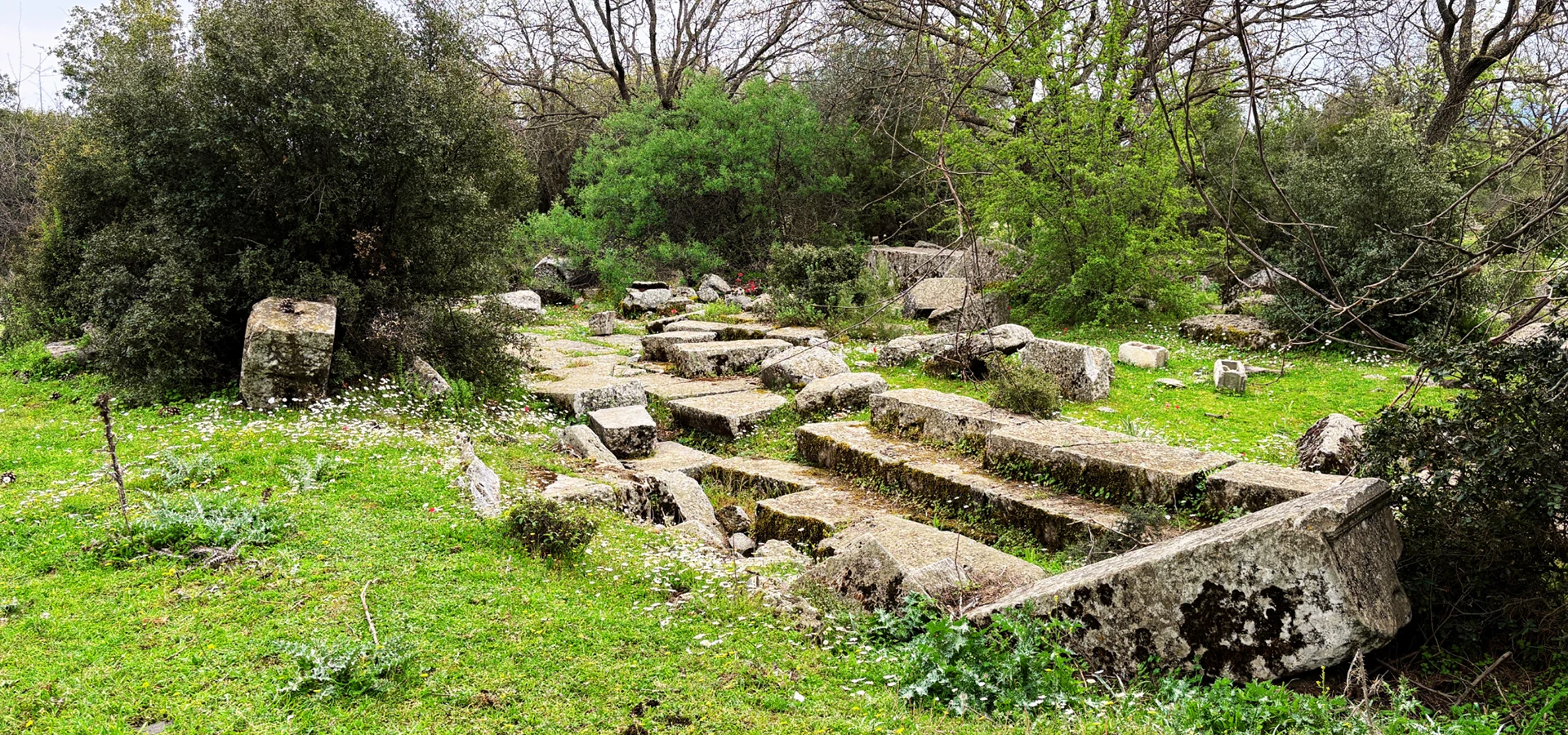
Discover the ancient Carian world through one of Aydın's lesser-known archaeological sites, with its Hellenistic history and mountain setting.
View Amyzon GuideCombine Koçarlı with other remarkable archaeological and cultural destinations across western Aydın.
Explore the ancient Carian mountain settlement and its important historical landscape.
Explore Amyzon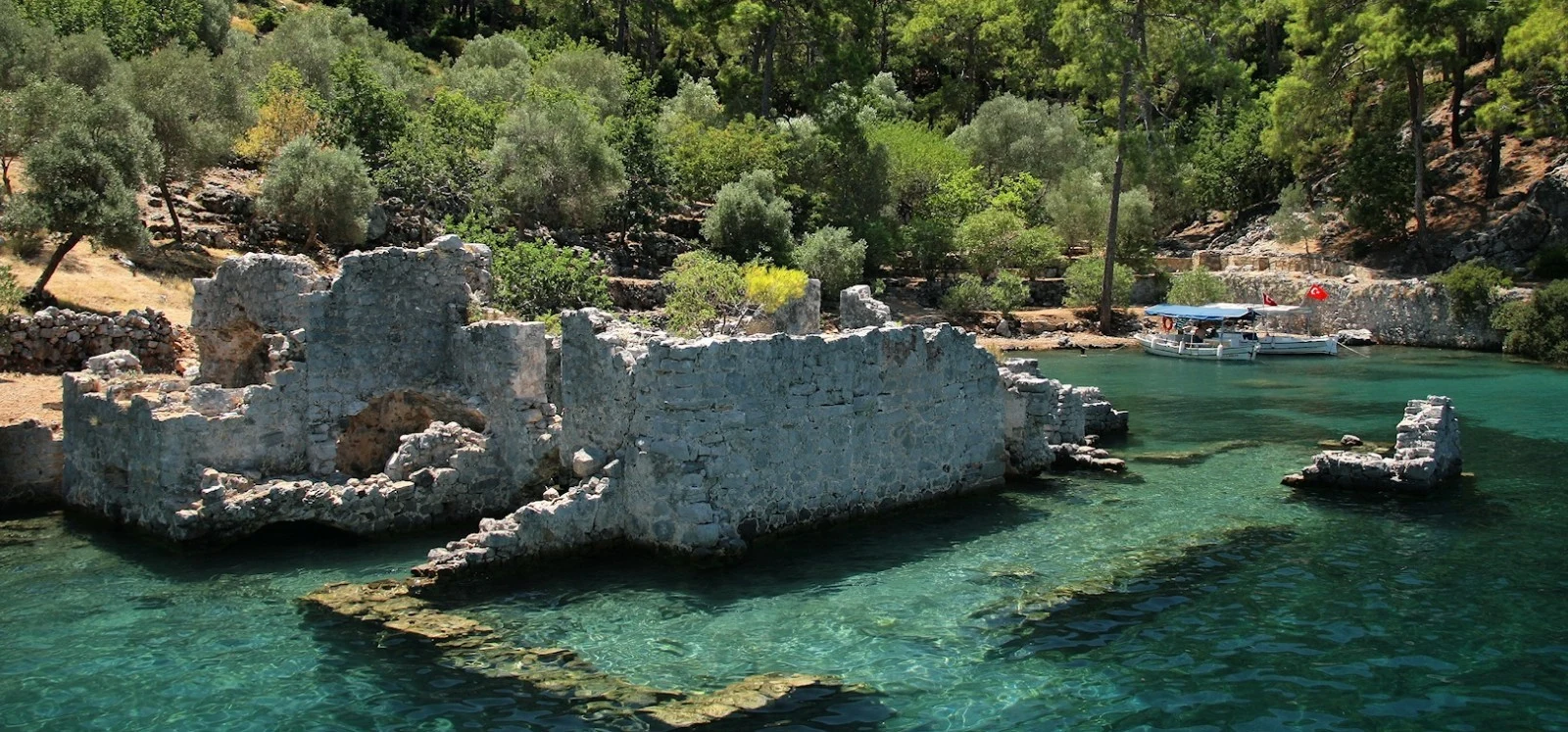
Discover the ancient Ionian city and the changing landscape of the Maeander valley.
Explore Myus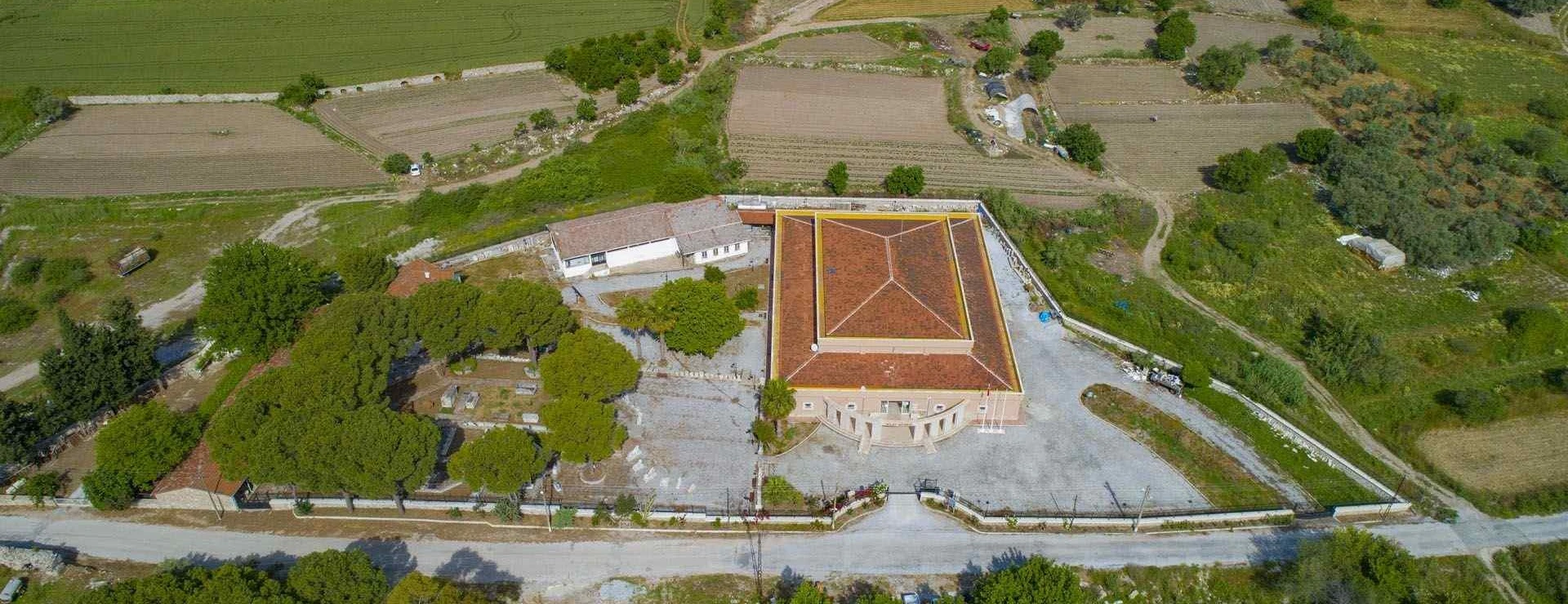
Discover archaeological collections illuminating the ancient civilizations of the Büyük Menderes region.
Explore Milet Museum