From an Exposed Cape to a Fortified Ottoman Settlement
The History of Babakale
Babakale's story is shaped by the sea, piracy, Ottoman maritime strategy and the creation of a new fortified community.
Long before the present village developed, the cape was known to sailors navigating the coast between the Dardanelles and the Aegean. The wider region belonged to the ancient landscape of the Troad, a maritime zone connected with Assos, Alexandria Troas, Tenedos and the routes leading toward the Dardanelles.
Ottoman maritime sources also remembered the cape. Piri Reis referred to the area in his Kitab-ı Bahriye, reflecting its importance to sailors travelling through the northeastern Aegean. The exposed coastline could offer both danger and refuge depending on wind and sea conditions.
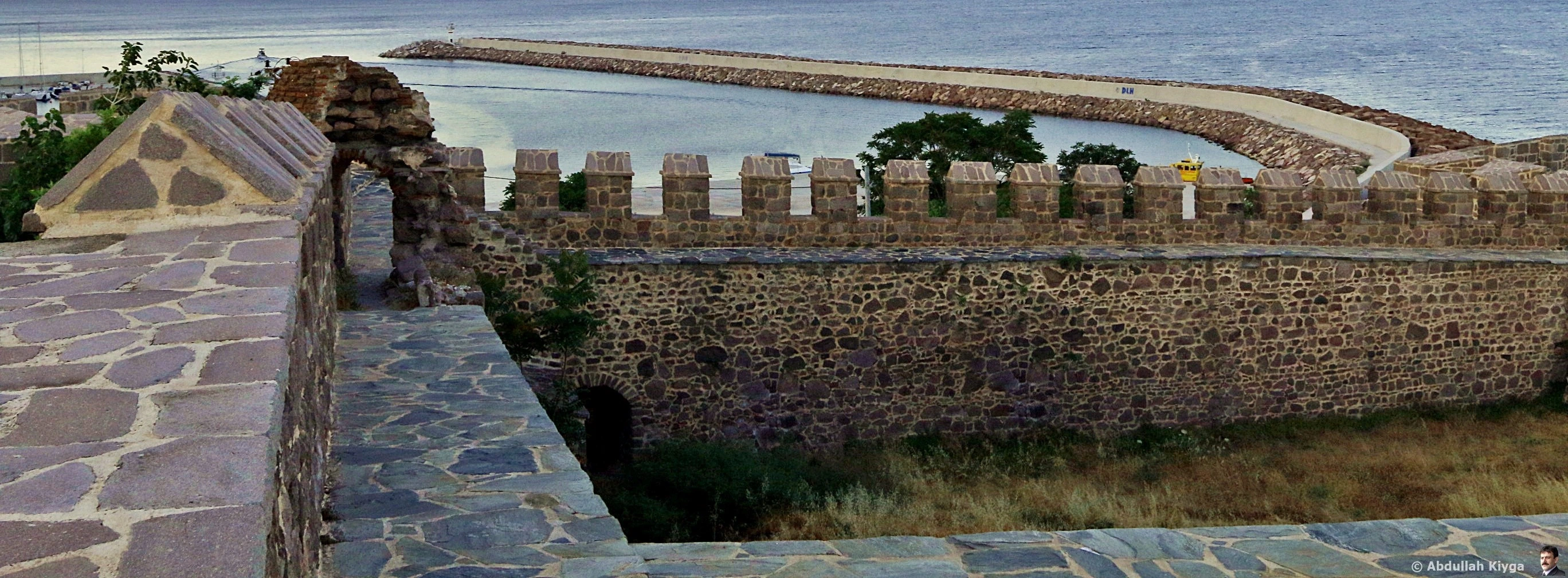
The decisive transformation came in the 1720s. During the reign of Sultan Ahmed III, the Ottoman state ordered the construction of a fortress at Cape Baba to protect the coast and provide greater security against pirate attacks. The work was overseen by Kaymak Mustafa Pasha, an important naval and administrative figure of the Tulip Era.
Contemporary inscriptions and historical studies place the main construction within the 1720s, with the fortress completed toward the end of that decade. The castle became the nucleus around which a permanent settlement developed.
The new foundation was more than a military enclosure. Ottoman investment also included religious and civic structures such as mosques, fountains and baths. These buildings supported soldiers, craftsmen, families, travellers and sailors, allowing a functioning village to grow beside the defensive walls.
Babakale gradually acquired a distinctive local economy based on the sea, agriculture, craftsmanship and regional trade. Its harbour connected the settlement to coastal traffic, while a tradition of metalworking and knife production became one of the village's most recognisable cultural signatures.
Today Babakale remains small, but its historical landscape is unusually legible. The castle, harbour, village streets, old fountains and surviving craft traditions still reveal how an eighteenth-century Ottoman security project developed into a living Aegean community.