Private Imperial Constantinople Walk
Ask us about a tailor-made route focused on Constantine's city, the ancient Mese, the Hippodrome, Çemberlitaş and surviving Byzantine monuments.
Request a Custom Tour





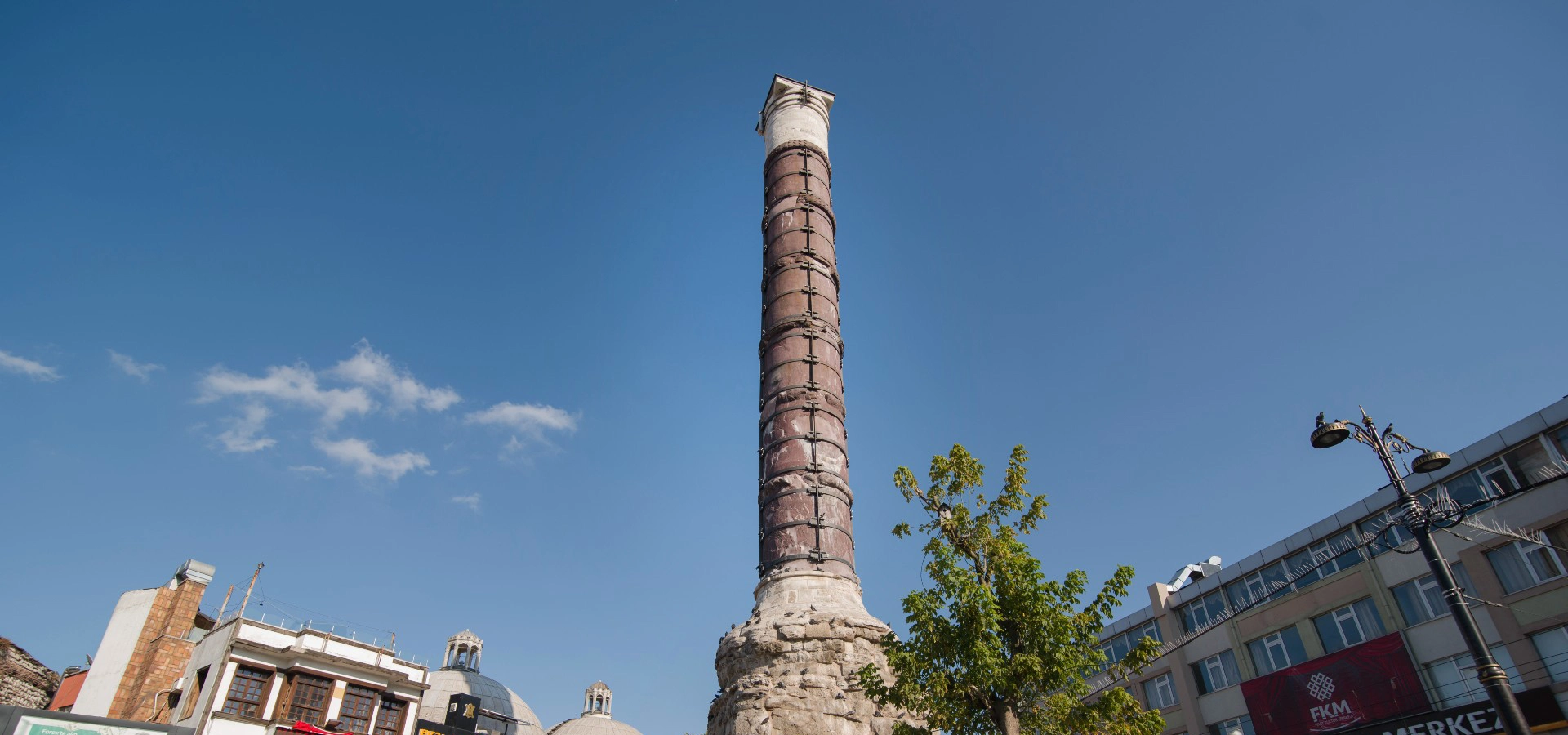
The Column of Constantine, known in Turkish as Çemberlitaş Sütunu, is one of the most important surviving monuments of Roman and Byzantine Istanbul. Erected at the center of the Forum of Constantine, it commemorated the creation of Constantinople as Constantine the Great's imperial capital.
The column was dedicated in connection with the formal inauguration of the city on 11 May AD 330. Its shaft was built from enormous drums of purple-red porphyry, a stone closely associated with Roman imperial power, and it originally carried a colossal bronze statue of Constantine.
Fire, earthquakes, storms and political change transformed the monument. The original statue fell in the 12th century, a cross later replaced it, and Ottoman repairs reinforced the damaged shaft with metal hoops. Those rings gave the monument its Turkish name: Çemberlitaş, meaning approximately “hooped stone.”
Today the column rises above Divan Yolu beside the T1 tram line. The surrounding Roman forum has disappeared beneath the modern city, yet the monument remains a direct physical link to the founding ceremony of Constantinople nearly seventeen centuries ago.
See a monument created for the inauguration of Constantine's new capital.
Examine massive purple-red stone drums once reserved for imperial display.
Read layers of Roman, Byzantine and Ottoman history in one monument.
Visit the column outdoors at any time while exploring the Historic Peninsula.
Essential information for seeing Çemberlitaş in Istanbul's Historic Peninsula.
Divan Yolu, Çemberlitaş, Fatih, between Sultanahmet and the Grand Bazaar.
Open on Google MapsCompleted around AD 328 and dedicated with Constantinople in AD 330.
Roman Emperor Constantine I, remembered as Constantine the Great.
Approximately 34.8 meters above the modern street level.
Free exterior monument; there is no interior or visitor platform.
Allow 15–30 minutes, or include it in a longer Divan Yolu heritage walk.
Çemberlitaş is not merely an ancient column—it is a surviving symbol of the moment when Constantinople became an imperial capital.
Constantine transformed the older settlement of Byzantium into a new center of Roman power. The column stood at the center of his forum on the Mese, the principal ceremonial avenue of Constantinople, and proclaimed the emperor's authority in the most visible language of Roman urban design.
The choice of porphyry was deliberate. Quarried in Egypt's Eastern Desert, the hard purple-red stone was associated with emperors, dynasties and victory. Its color, scale and rarity made the column a powerful centerpiece for the city that Constantine intended to rival Rome.
The monument also reveals Constantinople's changing identity. Its original statue used the visual language of the classical Roman world, while medieval restoration placed a Christian cross at the summit. Ottoman rulers then preserved and strengthened the column after the conquest, allowing an imperial Roman monument to remain part of the Ottoman capital.
For travelers following our guide to places to visit in Istanbul, the column provides one of the clearest opportunities to connect the modern street plan with the ceremonial geography of ancient Constantinople.
After defeating his rivals and becoming sole Roman emperor, Constantine I expanded Byzantium and developed it as a new imperial residence. The Column of Constantine was erected around AD 328 in the center of a monumental forum built just beyond the older city of Byzantium. When Constantinople was formally inaugurated on 11 May AD 330, the column served as one of its principal ceremonial landmarks.
At the summit stood a colossal bronze figure of Constantine. Ancient and medieval descriptions have encouraged different reconstructions, but the statue is generally understood to have shown the emperor with a radiate crown, using imagery associated with the sun god Helios or Sol. This combination of traditional Roman symbolism and the reign of a Christian emperor reflects the complex religious world of the 4th century.
The column suffered repeatedly from fires, earthquakes and lightning. Metal reinforcement was already required during the Byzantine period. In 1106, a violent storm brought down the statue and part of the upper shaft, reportedly killing people below. Emperor Manuel I Komnenos later repaired the monument, placed a cross on top and added the surviving Greek inscription near the summit.
The cross was removed after the Ottoman conquest of 1453, but the column itself remained an important city landmark. Ottoman repairs added or renewed iron bands around the porphyry drums. After a devastating fire in 1779, Sultan Abdülhamid I ordered another major intervention, including the masonry casing that still surrounds the lower part. The fire-darkened monument also became known as the Burnt Column or Yanık Sütun.
Modern conservation campaigns have repaired cracks, renewed metal elements and stabilized the ancient stone. Although altered from its original appearance, Çemberlitaş remains the most prominent surviving monument directly associated with Constantine's foundation of the city.
The monumental column is completed in Constantine's new forum.
Constantinople is formally dedicated on 11 May, with the column at its ceremonial center.
A violent wind brings down the imperial statue and part of the upper monument.
Manuel I Komnenos repairs the column and crowns it with a cross.
The cross is removed after the Ottoman conquest, while the column is preserved.
A major fire leads to Ottoman repairs and the masonry reinforcement of the base.
The monument was conceived as a Roman honorific column on an extraordinary scale. Its shaft consists of enormous cylindrical drums of Egyptian porphyry set one above another. The joints were originally disguised by sculpted wreath-like bands, creating the appearance of one continuous imperial column.
Seven large porphyry drums form the principal surviving shaft, while the original lower pedestal is now largely hidden beneath the modern street level and later masonry. The porphyry has been cracked, scorched and weathered, but its deep reddish-purple tone can still be recognized in favorable light.
Metal collars encircle the shaft at several levels. These are not part of the original decorative design: they belong to successive efforts to hold the fractured drums together. Their distinctive appearance explains the name Çemberlitaş, formed from Turkish words referring to rings or hoops and stone.
The monument is approximately 34.8 meters high above the present street. Its original height is debated because the lost upper drums, capital, platform and colossal statue must be reconstructed from incomplete evidence. With its crowning statue, the complete monument may once have approached 50 meters.
Massive purple-red drums expressed the authority and exclusivity of Roman emperorship.
Decorative collars originally concealed the joints between the enormous stone sections.
Byzantine and Ottoman reinforcement helped stabilize cracked porphyry after repeated damage.
The visible stone casing reflects major Ottoman repair after the fire of 1779.
A medieval inscription records Manuel I Komnenos's restoration of the time-damaged monument.
The original bronze emperor and the later Byzantine cross no longer survive.
The column originally stood in a very different setting. Instead of a narrow traffic island beside a tram line, it occupied the center of the Forum of Constantine, a monumental plaza on the Mese that linked the older city of Byzantium with Constantine's expanded capital.
Written sources and archaeological discoveries suggest a circular or oval forum enclosed by colonnaded porticoes. Monumental gates opened onto the Mese at the east and west, allowing imperial processions to pass through the square. The forum included a Senate House, a monumental fountain and a rich display of sculpture brought from different parts of the empire.
Fires, earthquakes, rebuilding and the gradual rise of the street level transformed the area. Excavations in the early 20th century revealed elements of the column's platform and marble paving, but nearly all visible traces of the forum have disappeared beneath the dense fabric of modern Çemberlitaş.
Constantinople's main ceremonial avenue followed a line close to modern Divan Yolu.
The porphyry monument dominated the middle of the forum and its processional route.
A civic building beside the forum connected the new capital with Roman institutions.
Covered colonnades framed the plaza and created space for movement, display and public life.
Classical sculptures from across the empire contributed to the prestige of New Rome.
The original platform lies below today's pavement after centuries of urban accumulation.
Çemberlitaş is a brief street-side visit, but close observation reveals several periods of construction and repair. Walk around the public viewing area and compare the ancient shaft with its Ottoman base and modern surroundings.
Look for the reddish-purple stone beneath centuries of scorching, dust and weathering.
Notice the practical reinforcement that turned the monument into Istanbul's “hooped stone.”
Cracks, irregular edges and filled areas record centuries of fire, earthquake and conservation.
Compare the lower masonry casing with the ancient porphyry rising above it.
High on the monument, the Greek text commemorates a 12th-century Byzantine restoration.
Follow the modern avenue to understand how the ancient Mese still shapes Istanbul's movement.
Step back safely to appreciate how the surviving shaft towers above the street.
Watch trams and pedestrians pass a monument that has occupied this location since AD 330.
For centuries, Constantinople's inhabitants connected the column with stories of supernatural protection. Medieval traditions claimed that sacred Christian relics and powerful objects from Rome's legendary past had been placed inside or beneath the monument.
Accounts vary, but the objects were said to include fragments of the True Cross, nails associated with the Crucifixion, relics connected with the biblical miracle of the loaves and fishes, and the Palladium—an ancient protective image traditionally linked with Troy and Rome. These stories symbolically transferred the sacred security of earlier capitals to Constantinople.
The column's original statue also inspired debate. Some descriptions present Constantine in the appearance of Apollo, Helios or Sol, wearing a radiate crown; others emphasize Christian signs incorporated into the figure and its objects. The evidence does not support one simple interpretation, and the monument belongs to a period when classical imperial imagery and Christianity overlapped.
Christian tradition associated the foundations with fragments or nails from the True Cross.
A legendary protective image was said to connect Troy, ancient Rome and Constantine's New Rome.
Later stories placed objects linked with Christ's feeding miracle beneath the monument.
The radiate figure united Constantine's authority with established Roman solar symbolism.
Citizens believed the column and its hidden treasures helped guarantee Constantinople's survival.
The buried objects have never been verified archaeologically and should be understood as tradition.
The column stands in one of the busiest parts of the Historic Peninsula. It is easy to reach and requires no ticket, but traffic, tram tracks and the monument's height affect how visitors experience it.
The Çemberlitaş stop is directly beside the monument and offers the easiest arrival.
Natural light makes the porphyry, damage, bands and inscription easier to study.
Use pavements and safe public spaces for a complete view without entering the tramway.
Optical zoom helps reveal the upper inscription and stonework from street level.
The Grand Bazaar, Nuruosmaniye Mosque and Sultanahmet are within an easy walk.
Trams, traffic and crowds are part of the setting; quieter mornings allow slower observation.
The monument is protected, and approaching the base is neither necessary nor permitted.
Knowing the lost statue and forum makes the surviving column much easier to appreciate.
Begin at Sultanahmet Square, where the monuments of the ancient Hippodrome introduce Constantine's transformation of the city. Continue past the entrance area of the Basilica Cistern and walk west along Divan Yolu, following approximately the same corridor as the ancient Mese.
Pause at the Binbirdirek Cistern area before reaching the Column of Constantine. Spend time walking around Çemberlitaş from safe pavement viewpoints, looking at the porphyry drums, metal bands, Ottoman base and the position of the vanished forum.
Continue to Nuruosmaniye Mosque and enter the Grand Bazaar through its eastern side. If you want to follow the imperial avenue farther west, finish at Beyazıt Square, the site of the ancient Forum of Theodosius, and compare another lost Roman forum with Constantine's earlier one.
The Column of Constantine is an outdoor street monument rather than a ticketed museum. There is no interior, viewing platform or formal visitor route. The column can be seen freely from surrounding public streets and pavements at any time.
Daylight is best for examining the stone and for personal safety around the tramway. Temporary fencing, conservation work, city events or transport operations may occasionally affect the closest viewpoints, but the monument normally remains visible from Divan Yolu.
Çemberlitaş can be visited throughout the year. Because the monument is outdoors on a busy avenue, the quality of light and the number of pedestrians matter more than opening hours.
Fewer pedestrians and gentler light make it easier to view and photograph the complete monument.
Warm angled light can reveal the color and texture of the ancient porphyry.
Mild temperatures are ideal for combining the column with a long Historic Peninsula walk.
Comfortable weather and softer sunlight suit architecture-focused exploration.
Visit before the strongest midday heat and the busiest excursion hours.
The illuminated streets are atmospheric, but fine architectural details are harder to see.
Enough for a quick view while traveling between Sultanahmet and the Grand Bazaar.
Walk around the public viewpoints and examine the main architectural layers.
Read the monument's history, photograph details and imagine the lost forum.
Add Nuruosmaniye Mosque, Çemberlitaş Hamamı exterior and nearby historic streets.
Follow Divan Yolu from Sultanahmet to the column, Grand Bazaar and Beyazıt.
Include major interiors such as the Basilica Cistern, Binbirdirek Cistern and Grand Bazaar.
The monument's height, nearby buildings, overhead wires, trams and heavy pedestrian movement make photography challenging. These same elements can also create compelling images of continuity between ancient Constantinople and modern Istanbul.
Use a portrait frame to include the base, full shaft and summit without excessive empty space.
Early daylight gives cleaner street views and emphasizes the column's cylindrical form.
A telephoto view can isolate the purple-red stone, wreath bands, cracks and repairs.
A safely framed passing tram shows nearly seventeen centuries of urban change in one image.
Include pedestrians from a respectful distance to communicate the monument's great height.
Never enter the tram line or roadway to obtain a centered composition.
The monument is viewed entirely from street level and does not require stairs or entry into a historic building. However, busy pavements, tram tracks, curb changes and crowds can affect wheelchair users, visitors with limited mobility and families with strollers.
The full column can be seen without climbing stairs or entering an archaeological site.
The nearby stop greatly reduces walking distance from other parts of the Historic Peninsula.
Pedestrian congestion can make movement slower during peak sightseeing and shopping hours.
Use designated level crossings and watch carefully for trams approaching in either direction.
There are no internal spaces, stairs, lifts or elevated viewing areas at the monument.
Cafés and public spaces around Çemberlitaş and Nuruosmaniye provide convenient breaks.
The column stands on Divan Yolu between Sultanahmet and Beyazıt. Public transport is usually easier than driving because the district is busy, parking is limited and several surrounding streets have traffic restrictions.
Exit at Çemberlitaş; the column stands immediately beside the tram stop.
Walk west along Divan Yolu for approximately 10 minutes or travel two stops by tram.
Walk east from the Nuruosmaniye side; the monument is only a few minutes away.
Take the T1 tram toward Bağcılar and leave at Çemberlitaş.
Use the F1 funicular to Kabataş, then take the T1 tram to Çemberlitaş.
Ask for Çemberlitaş tram stop, but expect congestion and a possible short walk from the drop-off point.
Çemberlitaş occupies a central position between Sultanahmet, Beyazıt and the Grand Bazaar. Use our complete Istanbul visitor guide to connect the column with Roman, Byzantine and Ottoman landmarks nearby.
See the famous 16th-century Ottoman bath traditionally attributed to Mimar Sinan.
Admire an elegant 18th-century Ottoman Baroque mosque beside the Grand Bazaar.
Enter one of the world's most celebrated covered markets only a short walk away.
Explore one of the largest surviving Byzantine cisterns beneath the Old City.
Discover Istanbul's atmospheric underground reservoir near Sultanahmet.
Continue east to the monumental Ottoman mosque overlooking the ancient Hippodrome.
Connect Constantine's foundation with the greatest surviving church of Byzantine Constantinople.
Visit the site of the Roman Forum of Theodosius and the monumental Beyazıt Mosque.
It stands on Divan Yolu in the Çemberlitaş neighborhood of Fatih, between Sultanahmet and the Grand Bazaar in Istanbul's Historic Peninsula.
Çemberlitaş is the Turkish name of the Column of Constantine and the name of the surrounding neighborhood. It refers to the metal hoops reinforcing the ancient stone shaft.
Roman Emperor Constantine I commissioned the monument as part of the forum at the center of his expanded imperial capital.
It was completed around AD 328 and dedicated in association with the inauguration of Constantinople on 11 May AD 330.
The monument is nearly 1,700 years old, although repairs and reconstruction from Byzantine, Ottoman and modern periods form part of its present appearance.
The surviving monument rises approximately 34.8 meters above the modern street. The complete ancient monument and its statue were considerably taller.
The principal shaft is made from enormous drums of purple-red porphyry, an Egyptian stone strongly associated with Roman imperial authority.
The bands were added or renewed during different repair campaigns to stabilize stone damaged by fires, earthquakes and weathering. They inspired the Turkish name Çemberlitaş.
A colossal bronze statue of Constantine wearing a radiate crown originally crowned the monument. Its precise pose and attributes remain subjects of scholarly reconstruction.
A violent storm brought it down in 1106 together with part of the upper monument. It was not restored.
Yes. Manuel I Komnenos repaired the column in the 12th century and placed a cross at the summit. The cross was removed after the Ottoman conquest.
Repeated fires scorched and damaged the monument. The especially destructive fire of 1779 led to major Ottoman repairs and strengthened its association with the name Burnt Column.
It was a monumental circular or oval plaza built on Constantinople's main avenue. The column stood at its center, surrounded by porticoes, civic buildings and ancient sculpture.
The column remains in its original location, but almost all visible architecture of the forum has disappeared beneath later buildings and streets.
Medieval traditions claimed that Christian relics and the legendary Palladium were placed beneath the monument. These stories have not been archaeologically verified.
No. The column is a free outdoor monument viewed from surrounding public streets and pavements.
The monument is visible outdoors at all times. Daylight is recommended for seeing details and moving safely around the nearby tram line.
No. There is no interior or viewing platform, and the protected base must not be entered or climbed.
Most visitors need 15–30 minutes. Allow longer if you are following the ancient Mese or combining the monument with nearby attractions.
Take the T1 tram to Çemberlitaş station. The monument stands directly beside the stop and is also easily reached on foot from Sultanahmet or the Grand Bazaar.
The monument is visible from street level without stairs, but busy pavements, curbs and tram crossings may require extra care.
Yes, especially for visitors interested in Roman and Byzantine history. It is a short, free stop and the strongest surviving marker of Constantine's original city center.
Remain in public viewing areas and never cross fencing around the monument.
Ancient stone and historic repairs are vulnerable to repeated physical contact.
Stay off the tracks and never block tram movement for photographs.
Use public bins and keep the monument's surrounding pavement clean.
Temporary closures and coverings help specialists protect the damaged porphyry.
Keep entrances clear and remember that Çemberlitaş is a working neighborhood as well as a visitor area.
Connect Çemberlitaş with the ancient Hippodrome, Byzantine cisterns, Hagia Sophia, the Grand Bazaar and the monuments of Divan Yolu through a private route shaped around your interests and without compulsory shopping stops.
Choose a focused Old City walk or a deeper exploration of Constantine's capital with a licensed private guide.
Ask us about a tailor-made route focused on Constantine's city, the ancient Mese, the Hippodrome, Çemberlitaş and surviving Byzantine monuments.
Request a Custom Tour
Discover Byzantine churches, Ottoman palaces, historic mosques, underground cisterns, markets and remarkable views across two continents.
View Istanbul GuideFollow the ancient ceremonial city from Constantine's forum to Istanbul's greatest surviving landmarks.
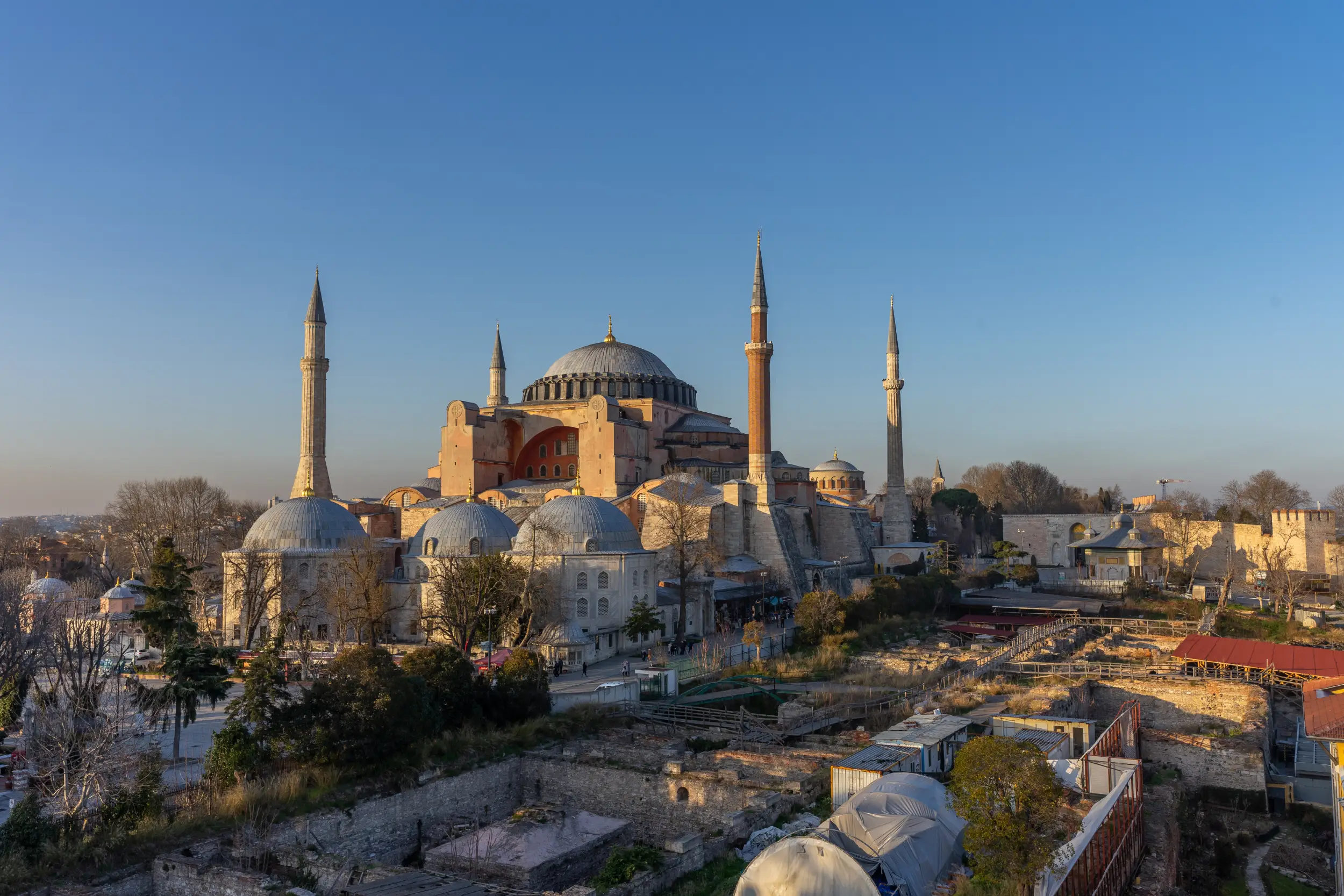
Explore the architectural masterpiece at the spiritual and ceremonial heart of Constantinople.
Explore Hagia Sophia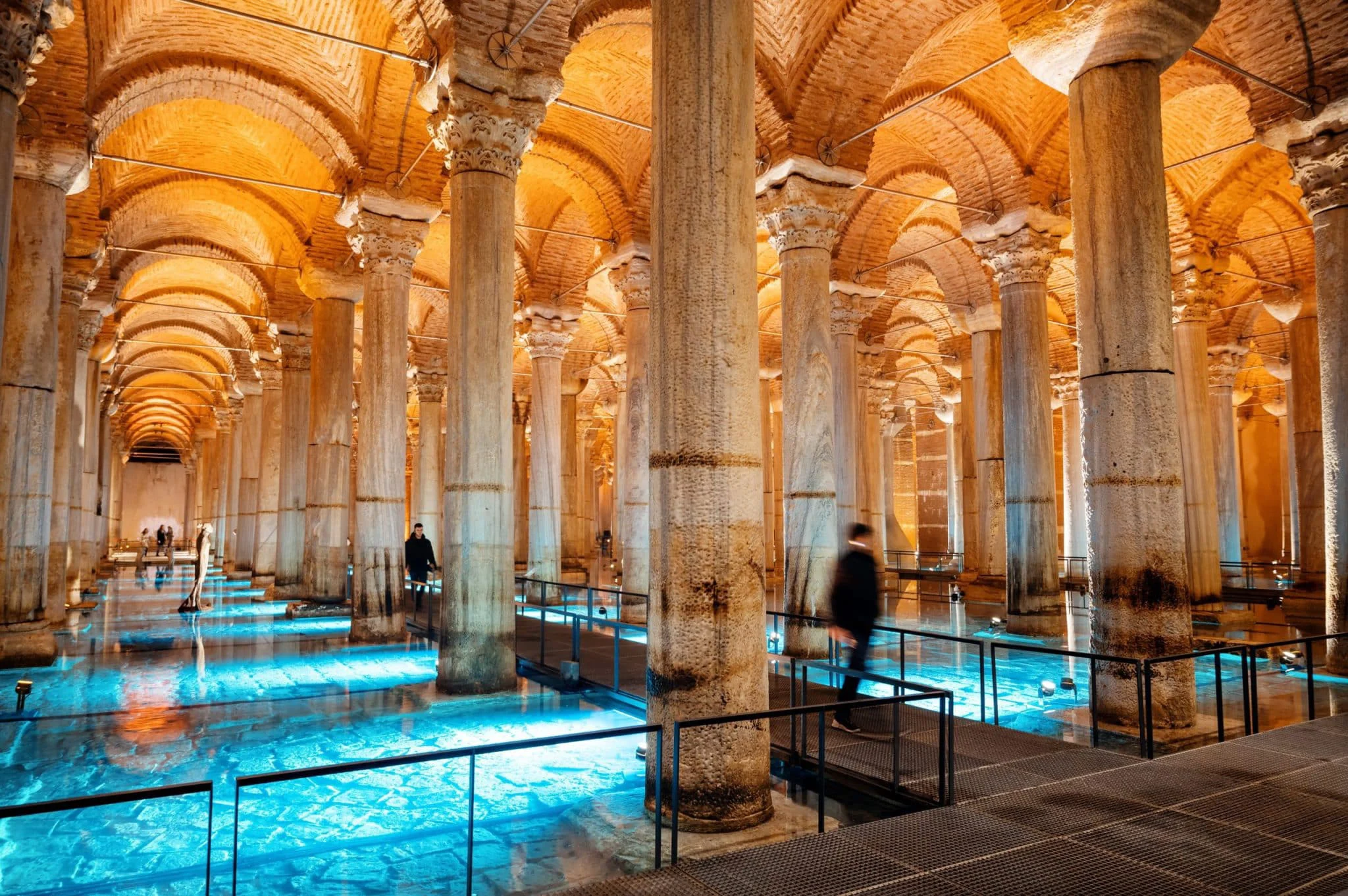
Descend beneath the Old City into one of Byzantine Constantinople's most atmospheric monuments.
Explore Basilica Cistern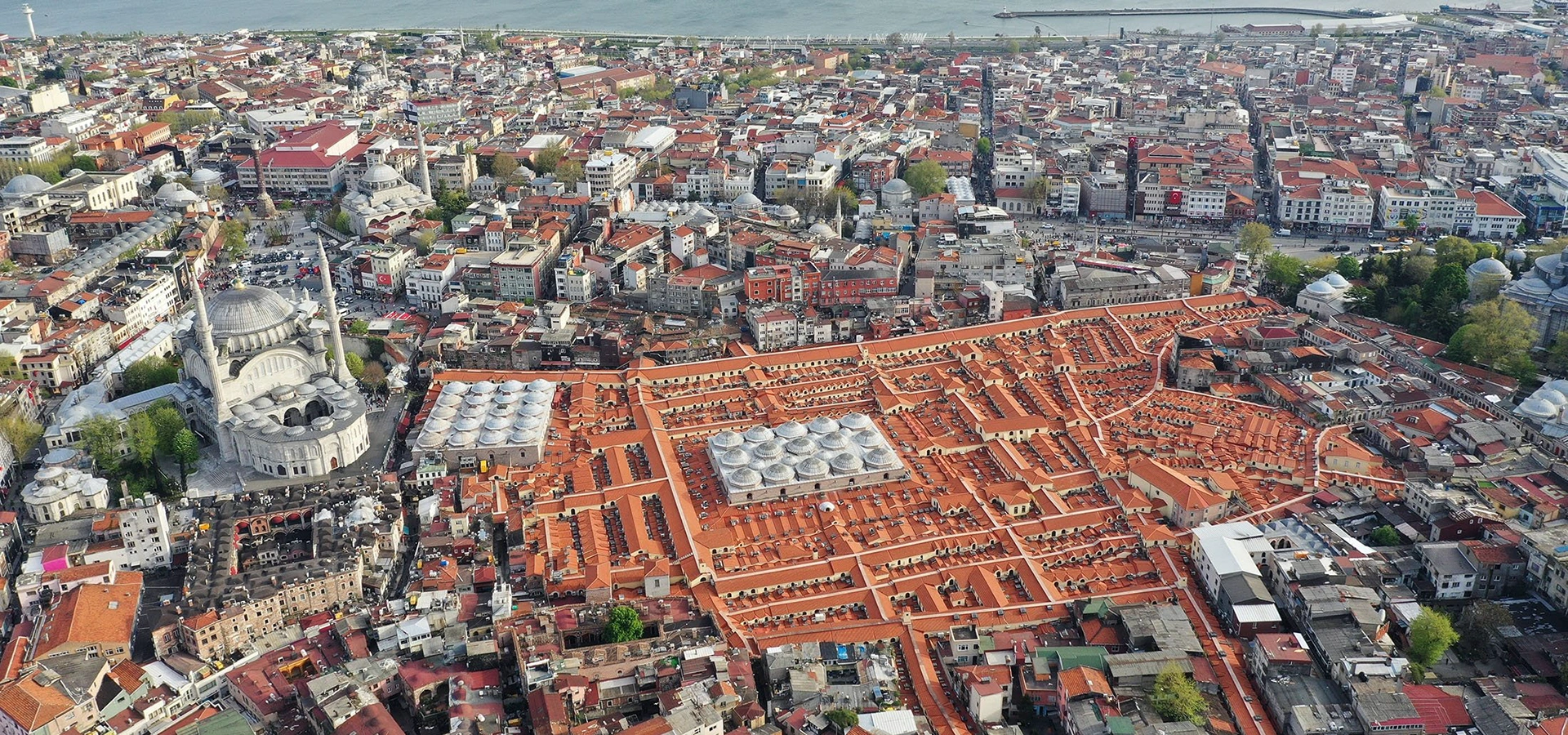
Continue west from Çemberlitaş into the monumental covered market of Ottoman Istanbul.
Explore Grand Bazaar