Private Gölcük Lake Experience
Enjoy lake scenery, highland villages, photography, local food and a relaxed private journey through the mountains above Ödemiş.
Request a Private Tour





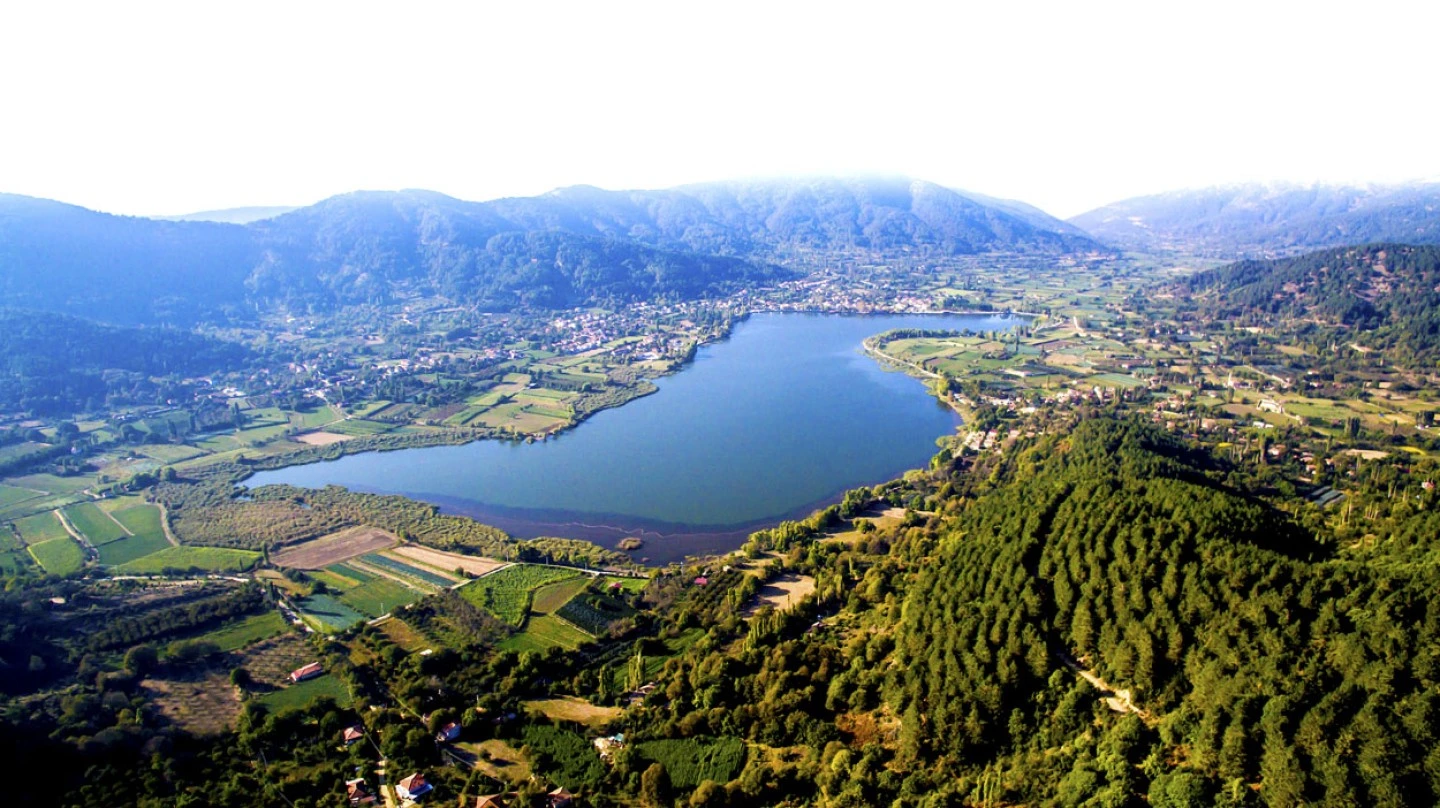
High above the fertile plains of inland İzmir, Gölcük offers a landscape that feels completely different from the Aegean coastline most travelers associate with the province.
Here, at roughly 1,050 meters above sea level, a tranquil lake lies between forested hills, orchards, agricultural fields and a traditional highland settlement. Cooler air, reflections on the water and the surrounding mountains give Gölcük an atmosphere more reminiscent of an Anatolian yayla than a typical Mediterranean destination.
The lake lies in the Bozdağ Mountains above Ödemiş and has long been used as a place for recreation, summer escapes, walking, picnics and sports camps. Its location also makes it an excellent companion to Birgi, Bozdağ and Ödemiş.
Gölcük is not simply a viewpoint where visitors arrive, take a photograph and leave. The attraction is the landscape as a whole: the shoreline, lake reflections, changing seasons, small agricultural plots, village life, local cafés and the road climbing through the mountains.
Experience one of inland İzmir's most distinctive highland lake landscapes.
Escape the heat of the Küçük Menderes plain during the warmer months.
Explore the lakeshore and surrounding mountain landscapes at a relaxed pace.
Combine natural scenery with one of western Türkiye's most atmospheric historic settlements.
Essential information for visiting the lake, highland settlement and mountain landscapes above Ödemiş.
In the Bozdağ Mountains above Ödemiş in eastern İzmir Province.
The lake lies at approximately 1,050 meters above sea level.
Approximately 0.8–0.84 square kilometers.
Approximately 18 kilometers from the district center.
Nature, photography, walking, relaxation, highland scenery and local life.
Allow 2–4 hours, or combine Gölcük with Birgi and Bozdağ for a full day.
Gölcük combines a mountain lake, cool highland climate, rural landscapes and easy connections with some of Ödemiş's most interesting destinations.
For travelers who know İzmir mainly through Çeşme, Alaçatı, Urla and the Aegean coast, Gölcük reveals an entirely different side of the province.
The journey climbs from the fertile Küçük Menderes Valley into a highland environment of forests, mountain roads and cooler temperatures. At the center of this landscape lies the lake, surrounded by settlement and cultivated land.
Unlike destinations built around a single historic monument, the experience here is about slowing down. Walk beside the water, stop for tea or a local meal, watch changing reflections, photograph the surrounding mountains and simply enjoy the atmosphere of the highlands.
Gölcük is especially valuable as part of a wider inland İzmir itinerary. Historic Birgi, the mountain village of Bozdağ and the market town of Ödemiş are all natural companions to a visit.
Gölcük is located in the Ödemiş district of İzmir Province, within the mountainous landscape of the Bozdağ range.
The lake lies roughly 18 kilometers from central Ödemiş at approximately 1,050 meters above sea level. The surrounding plateau is slightly higher in places, creating a broad highland basin enclosed by hills and mountains.
The dramatic change in elevation explains why the climate can feel noticeably cooler than the agricultural plain below, particularly during summer evenings and early mornings.
Gölcük occupies one of the broad depressions within the Bozdağ mountain system, which separates the Küçük Menderes Basin to the south from the Gediz Basin to the north.
The lake covers approximately 0.8–0.84 square kilometers and forms the lowest part of the surrounding highland basin.
Its relatively modest size is part of its charm. From many points around the shoreline, visitors can see the opposite banks, wooded slopes, houses and cultivated fields, giving the landscape an intimate character.
The lake occupies a highland depression surrounded by the wider Bozdağ landscape.
Water, reeds and shoreline vegetation create a striking contrast with the surrounding mountain slopes.
Woodland around the highlands adds shade, changing seasonal colors and depth to the scenery.
Agricultural plots and orchards form an important part of the landscape around the settlement.
Elevation produces noticeably lower temperatures than on the Küçük Menderes plain.
The surrounding Bozdağ ridges create a dramatic backdrop throughout the year.
Gölcük is sometimes casually described as a crater lake or simply as a tectonic lake. The geological story is more interesting.
According to information published by Ödemiş Municipality, the depression containing the lake was influenced by tectonic activity, but the present lake developed as an alluvial-dam lake.
Sediments gradually created a natural barrier, allowing water to accumulate in the lowest section of the highland basin. The resulting lake is considered a relatively young geographical formation, dating back roughly 7,000 years.
Studies of lake sediments have added another remarkable detail: very fine volcanic ash particles connected with the ancient Santorini volcanic eruption have been detected within sediment layers.
Despite its broad appearance from elevated viewpoints, Gölcük is generally a relatively shallow lake.
Municipal information describes an average depth of approximately 3–4 meters, with the deepest section reaching around 10 meters.
The lake's perimeter is approximately 6 kilometers, making it possible to experience very different views from different sections of the shoreline.
The Gölcük landscape belongs to a region with a very deep human history. The surrounding Bozdağ Mountains were known in antiquity as Tmolos or Tmolus and formed part of the mountainous heartland of ancient Lydia.
Official regional tourism information records the ancient name of the lake as Torrhebia. The name has been associated with traditions connected to the mythology and religious landscape of ancient Lydia and Mount Tmolos.
The broader region lay between two important ancient worlds: the Gediz Valley and Sardis to the north, and the Küçük Menderes Valley with settlements such as Hypaipa to the south.
In later periods, the surrounding region passed through Roman, Byzantine, Turkish beylik and Ottoman rule. Nearby Birgi became especially important during the medieval period.
The surrounding mountains belonged to the geographical heartland associated with the Lydians.
The Bozdağ Mountains were known to classical authors as Tmolos or Tmolus.
Regional tourism sources preserve Torrhebia as an ancient name associated with the lake.
The ancient Lydian capital lies beyond the northern side of the Bozdağ range.
The nearby historic settlement later became an important center of the Aydınoğlu Beylik.
Seasonal movement between the warmer plain and cooler mountain areas became an important local tradition.
Gölcük is traditionally described as a yayla: a highland area used for seasonal living, agriculture and escape from the heat of lower elevations.
For generations, families from the surrounding region have valued the cool summer climate of the mountains. The contrast can be especially striking when temperatures on the Ödemiş plain are high.
This relationship between water, agriculture and seasonal settlement is one of the reasons Gölcük feels different from a purpose-built tourist resort. It remains a living rural landscape.
Highland life has historically offered relief from summer temperatures on the plains.
Residential areas around the lake give Gölcük the character of a lived-in mountain community.
Orchards and cultivated fields contribute significantly to the scenery around the lake.
Cafés, restaurants, markets and small businesses support both residents and seasonal visitors.
One of the simplest ways to enjoy Gölcük is to explore sections of the shoreline on foot.
The lake perimeter is roughly 6 kilometers, although visitors should not assume that every section functions as a dedicated pedestrian promenade. Roads, residential areas, agricultural land and natural surfaces all form part of the lakeside environment.
Instead of treating the visit as a race around the lake, choose scenic sections, stop frequently and enjoy the changing perspectives.
Calm conditions can create beautiful reflections of trees, houses and surrounding hills.
Natural shoreline vegetation adds texture and habitat to quieter sections of the lake.
Local streets and houses create an interesting contrast with the natural landscape.
Fields and orchards reveal that Gölcük remains a productive rural environment.
The Bozdağ landscape remains visible from many parts of the lakeshore.
Morning, afternoon and cloudy conditions can completely change the appearance of the water.
Gölcük's appeal comes from the meeting of several landscapes: freshwater, reeds, forest, farmland, orchards and mountain slopes.
This combination creates more ecological variety than visitors might expect from such a compact destination.
The lake is also recognized as an area of interest for nature observation. Bird species recorded around the wetland include reed-associated birds and herons.
Shallow water and reed beds provide habitat for birds and other wildlife.
Wooded slopes surrounding the highlands contribute to the area's cooler and greener character.
Quiet observation can reveal waterbirds, reed species and birds moving between lake and forest.
Spring growth and autumn colors make the landscape particularly dynamic.
Cultivated trees around the settlement form an important part of Gölcük's cultural landscape.
Elevation allows plant communities and weather conditions to differ substantially from the plain below.
Visitors who slow down and watch the quieter areas of the shoreline may see birds using the lake, reed beds and surrounding vegetation.
Species documented in tourism information for the area include great reed warbler, reed warbler and grey heron, among other birds associated with wetland habitats.
Early morning can be particularly rewarding, when human activity is lower and the surface of the lake is often calmer.
Explore selected sections of the shoreline and enjoy changing mountain views.
Stop for breakfast, lunch, tea or coffee while taking in the highland atmosphere.
Calm mornings can create beautiful mirror-like reflections across the water.
See how daily life, agriculture and tourism coexist around the highland lake.
Observe wetland species around quieter areas of reed and shoreline habitat.
Enjoy changing foliage and some of the most atmospheric colors of the year.
Climb deeper into the mountains for forests, village landscapes and higher elevations.
Add historic architecture, traditional streets and cultural heritage to your nature day.
A visit to Gölcük works especially well when approached slowly, with time for breakfast, lunch or an afternoon tea stop.
The wider Ödemiş region has a strong agricultural identity, and seasonal produce from the surrounding valleys and highlands forms an important part of local food culture.
Travelers continuing into Ödemiş can also discover regional specialties such as Ödemiş köfte and products sold in the town's traditional markets.
A relaxed breakfast is one of the most enjoyable ways to begin a morning beside the lake.
Look for products reflecting the agricultural character of the Ödemiş and Bozdağ region.
A simple glass of Turkish tea can be as memorable as a full meal when the weather is calm.
Continue to Ödemiş to experience one of the district's best-known local dishes.
Summer is traditionally one of the busiest seasons in Gölcük. Its elevation provides relief from the intense heat that can develop across the Küçük Menderes Valley.
Days can still be sunny and warm, but mornings, shaded areas and evenings often feel noticeably cooler than Ödemiş or coastal İzmir.
Elevation makes Gölcük an attractive summer escape from the agricultural plain.
Extended daylight creates plenty of time to combine Gölcük with nearby destinations.
Summer weekends and holidays may bring considerably more local visitors.
Carry an additional layer because temperatures can fall after sunset.
For photographers and travelers who enjoy quieter landscapes, autumn can be one of the most beautiful seasons at Gölcük.
Trees surrounding the lake begin to change color, while softer light and cooler temperatures create a different atmosphere from the busy summer period.
When conditions are calm, yellow, orange and red foliage reflected in the lake can produce some of Gölcük's most memorable scenes.
At roughly 1,050 meters elevation, Gölcük experiences winter conditions that can be dramatically different from İzmir's coastline.
Cold weather, fog, frost and occasional snow can transform the highland landscape. Nearby higher areas of the Bozdağ range may receive substantially more snow.
The quieter atmosphere can be beautiful, but winter driving requires additional care. Mountain road conditions can change quickly.
Low cloud and fog can produce atmospheric lake scenes but reduce road visibility.
Cold spells can turn the surrounding mountains into a striking winter landscape.
Winter can feel considerably calmer than busy summer weekends.
Snow, frost and ice should be checked before driving into the highlands.
Spring brings new vegetation, cool air and fresh color to the highlands.
As temperatures rise, orchards and cultivated landscapes become increasingly green, while mountain slopes retain the freshness of the cooler season.
For visitors interested in walking and photography, late spring can provide an excellent balance between comfortable temperatures and long daylight.
Few inland İzmir destinations offer such a wide variety of photographic subjects within such a compact area.
Use calm water to mirror trees, houses, clouds and mountain slopes.
Changing leaves can create some of the most colorful images of the year.
Cool conditions can sometimes produce atmospheric mist over the water.
Include agricultural fields and orchards to show the working character of the highlands.
Use the surrounding mountains to add scale and depth to lakeside compositions.
Small houses, roads and local life provide a human element within the landscape.
Gölcük and Bozdağ form one of the most natural combinations for a mountain day in inland İzmir.
Gölcük provides lake scenery, agricultural highlands and a relaxed waterside atmosphere, while Bozdağ introduces visitors to higher mountain slopes, forest landscapes, walking routes and a more dramatic alpine character.
The two destinations can be linked by road, and experienced walkers can also explore established routes between the highlands.
Lake, reflections, orchards, walking and relaxed highland atmosphere.
Mountain slopes, forests, village landscapes and higher elevation scenery.
The mountain roads reveal changing views as you move between the two environments.
Combine both without rushing by allowing most of the day for the highlands.
For many travelers, Birgi and Gölcük make an ideal pairing.
Birgi offers historic houses, mosques, traditional streets and architecture connected with the Aydınoğlu and Ottoman periods.
After exploring the historic settlement, the journey upward toward Gölcük changes the character of the day completely: stone and timber architecture gives way to forest roads, orchards, mountain air and lake scenery.
Gölcük is only one part of the wider Ödemiş experience.
The district center provides a very different atmosphere: traditional commercial streets, regional food, agricultural culture and one of the best-known local markets in this part of İzmir.
The contrast between Ödemiş and Gölcük also helps visitors understand how dramatically the landscape changes between the Küçük Menderes plain and the Bozdağ highlands.
Experience local agricultural products, regional commerce and everyday life.
Taste regional dishes before or after climbing into the mountains.
The agricultural plain provides a striking contrast with the highland environment.
The lake lies approximately 18 km from central Ödemiş.
A well-paced day in the region does not need to include every possible attraction. The strongest itinerary combines one cultural destination with time to enjoy the landscape slowly.
Gölcük can easily become the main destination rather than an addition to a larger sightseeing route.
Arrive while the lake is quieter and the light is soft.
Enjoy a long highland breakfast or tea overlooking the surrounding landscape.
Explore selected shoreline sections rather than rushing around the entire lake.
Look for reflections, birds, village life and agricultural landscapes.
Try a local restaurant and allow plenty of time rather than eating on the move.
Finish with a quiet lakeside stop before returning toward Ödemiş.
Explore Ödemiş and discover its traditional commercial life and regional food culture.
Continue to historic Birgi for traditional streets, houses and monumental architecture.
Stay in the Ödemiş, Birgi or highland region and enjoy a relaxed local dinner.
Drive to Gölcük for a lakeside walk, photography and highland breakfast.
Continue toward Bozdağ for forests, village atmosphere and mountain scenery.
Dedicate more of the second day to an established hiking route in suitable conditions.
Excellent for fresh vegetation, comfortable temperatures, walking and nature photography.
Long daylight and cool mountain air make this an excellent period for exploring the entire region.
Popular for escaping the intense heat of the Küçük Menderes Valley.
One of the most atmospheric periods for changing colors and lake reflections.
Cold, mist and occasional snow create dramatic scenery but require careful road planning.
When possible, weekdays can provide a calmer experience than popular summer weekends.
Temperatures can be noticeably lower than in Ödemiş, especially early and late in the day.
Natural surfaces and uneven roadside sections make sensible walking shoes worthwhile.
Morning usually provides quieter conditions and attractive photography light.
Highland conditions can differ substantially from forecasts for İzmir city.
Do not schedule the lake as a brief stop between too many other destinations.
Many attractive fields, orchards and gardens around the lake are working private property.
Take drinking water if planning longer walks away from businesses and developed areas.
Mountain roads may involve curves, changing weather and seasonal surface conditions.
Visitors should not automatically treat Gölcük as a managed swimming lake. Water quality, shore conditions, local regulations and seasonal environmental conditions can change.
If swimming is being considered, check current local information on the day of your visit rather than relying on old photographs, blogs or assumptions based on appearance.
Take care around steep, muddy, slippery or vegetated sections of shoreline.
Supervise children closely around water, roads and natural terrain.
Some scenic sections are shared with vehicles rather than designed as pedestrian-only paths.
Cold conditions can make roads, paths and shaded surfaces slippery.
Mountain mist may reduce visibility unexpectedly, particularly during colder weather.
Highland air may feel cool while exposed sunlight remains strong.
Accessibility around Gölcük varies according to the specific part of the lake being visited.
Many scenic areas around the settlement can be approached by road.
Travelers who do not wish to walk far can still enjoy lake and mountain scenery from accessible areas.
Unpaved areas, slopes, roots and uneven ground may limit wheelchair access.
Do not expect the entire lake perimeter to provide a uniform accessible promenade.
Snow, mud and ice can considerably reduce accessibility.
A private car or chauffeured vehicle provides the greatest flexibility for selecting suitable stops.
Gölcük can be reached by road through the Ödemiş and Bozdağ mountain region.
For travelers exploring eastern İzmir, the most natural approach is usually through Ödemiş and Birgi, allowing the lake to become part of a wider cultural and scenic journey.
Gölcük lies approximately 18 km from the district center.
Gölcük is easily combined with a visit to the historic settlement and surrounding highlands.
Mountain roads connect Gölcük with the higher Bozdağ landscape.
Allow a full day when combining the journey with Ödemiş, Birgi or Bozdağ.
A car provides the greatest flexibility for lake stops, historic towns and mountain scenery.
Check mountain weather and road conditions before departure when snow or frost is possible.
Continue higher into the mountains for forests, village life, hiking and dramatic landscapes.
Explore historic houses, mosques and traditional streets beneath the Bozdağ Mountains.
Discover traditional markets, regional food and everyday life in the Küçük Menderes Valley.
Explore the archaeological landscape associated with an important ancient settlement of the valley.
Cross toward the Gediz Valley and discover the extraordinary ancient capital of Lydia.
Continue deeper into less-visited rural landscapes of eastern İzmir.
Gölcük Lake is located in the Bozdağ Mountains within the Ödemiş district of İzmir Province.
Gölcük is approximately 18 kilometers from central Ödemiş.
The lake lies at approximately 1,050 meters above sea level.
Gölcük is particularly attractive for travelers interested in mountain scenery, nature, photography, walking and destinations beyond İzmir's coastline.
Gölcük is known for its mountain lake, cool highland climate, forests, orchards, seasonal scenery and proximity to Birgi and Bozdağ.
It is sometimes described that way in popular accounts, but more detailed geological information from Ödemiş Municipality describes it as an alluvial-dam lake within a depression shaped by tectonic processes.
The lake covers approximately 0.8–0.84 square kilometers.
Municipal information gives an average depth of approximately 3–4 meters, with the deepest section reaching around 10 meters.
Official regional tourism information describes the perimeter of the lake as approximately 6 kilometers.
Visitors can explore many sections around the lake, although not every part should be expected to function as a dedicated pedestrian promenade.
Yes. Lake reflections, mountains, orchards, mist, village scenes and autumn colors create excellent photographic opportunities.
Spring is excellent for greenery, summer for escaping the heat, autumn for color and reflections, and winter for atmospheric mountain scenery.
Yes. Because the lake lies at approximately 1,050 meters elevation, temperatures are generally cooler than on the Küçük Menderes plain.
Snow can occur during suitable winter conditions, and the higher Bozdağ Mountains nearby can experience more substantial snowfall.
Yes. The combination works extremely well, with historic architecture in Birgi and mountain-lake scenery at Gölcük.
Yes. Gölcük and Bozdağ are natural partners for a full day exploring the highlands above Ödemiş.
Yes. It can be visited as a full-day excursion, especially when traveling by private vehicle and combining it with Birgi or Ödemiş.
The lake scenery and relaxed atmosphere can work well for families, but children should always be supervised closely around water, traffic and natural terrain.
Many views can be enjoyed without demanding hiking, particularly when traveling by vehicle and choosing accessible lakeside stops.
No special equipment is required for a simple scenic visit, although comfortable walking shoes are recommended. Longer mountain walks require more preparation.
A private vehicle is extremely useful, especially for combining the lake with Birgi, Bozdağ and Ödemiş.
No. They are separate destinations within the same wider mountain region and can easily be combined in one itinerary.
Wear comfortable shoes and bring an additional layer, particularly outside midsummer. Winter visits require warmer clothing and preparation for mountain conditions.
No. Each season creates a different experience: spring greenery, summer highland life, autumn colors and atmospheric winter landscapes.
Never throw waste, food, chemicals or other materials into the lake.
Carry rubbish away from natural shorelines, picnic areas and walking routes.
Avoid entering wetland vegetation that provides important wildlife habitat.
Observe birds and animals quietly without disturbing feeding or nesting areas.
Do not enter orchards, fields or gardens without permission.
Use local cafés, restaurants and producers where appropriate.
Discover Gölcük, Birgi, Bozdağ and Ödemiş with a flexible private itinerary combining mountain scenery, historic settlements, local culture and nature, without compulsory shopping stops.
Combine one of inland İzmir's most atmospheric historic settlements with the cool mountain landscapes and peaceful waters of Gölcük.
Enjoy lake scenery, highland villages, photography, local food and a relaxed private journey through the mountains above Ödemiş.
Request a Private Tour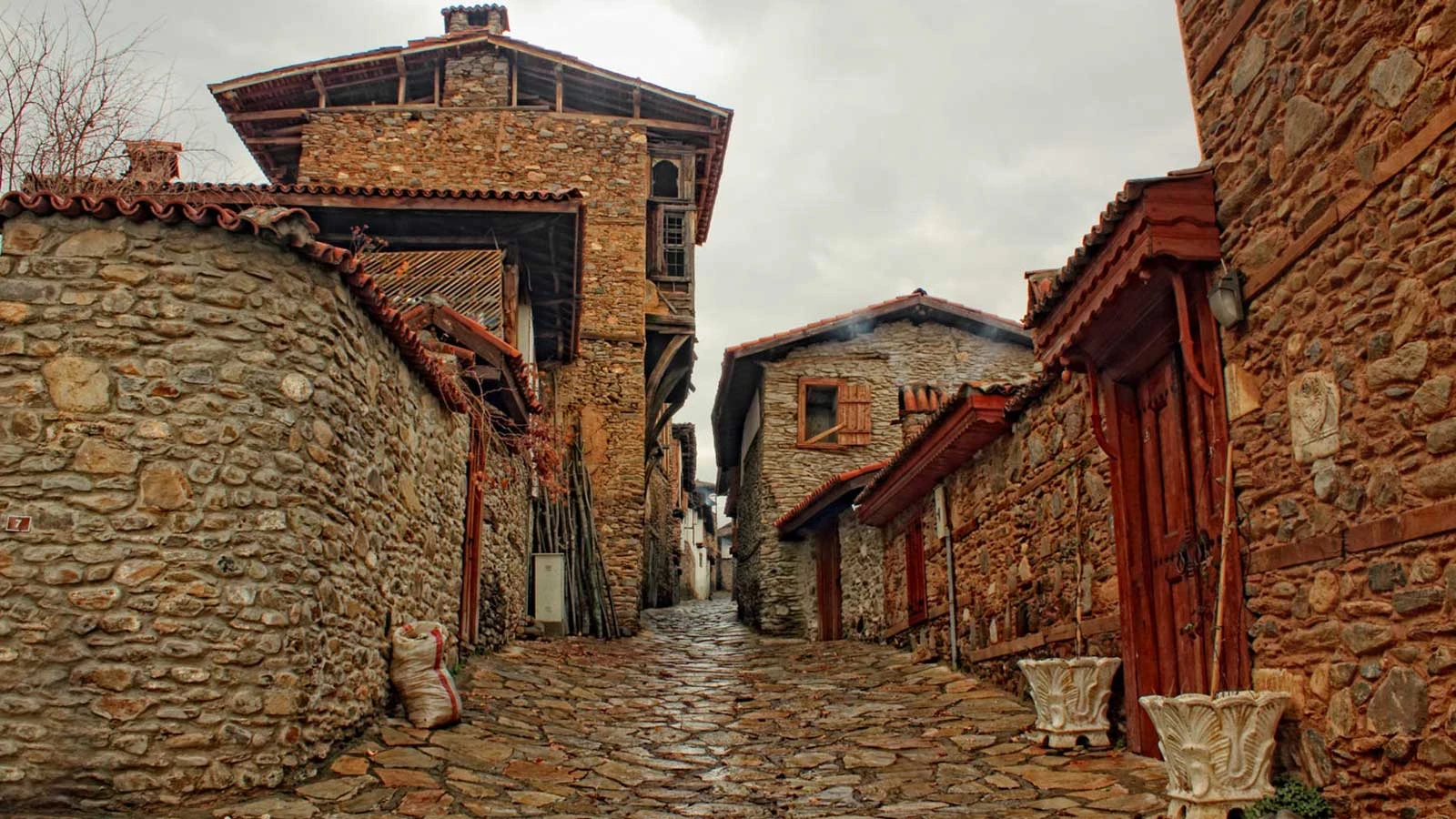
Explore historic Birgi in the morning before climbing into the Bozdağ highlands for lakeside scenery, walking and a relaxed afternoon.
Plan Your Birgi & Gölcük DayExtend the journey with Bozdağ and Ödemiş for a deeper exploration of eastern İzmir's nature, food, villages and historic landscapes.
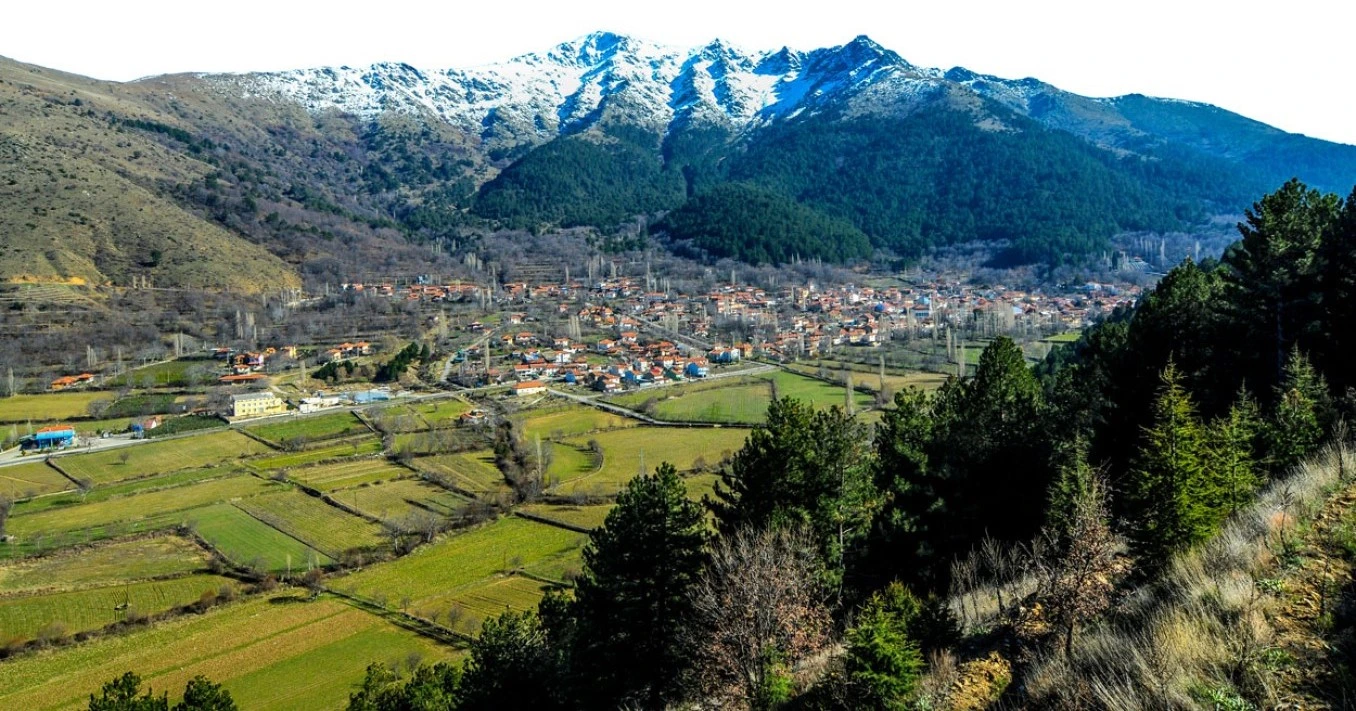
Combine peaceful mountain-lake scenery with the forests, villages and higher elevations of the Bozdağ Mountains.
Create Your Mountain Itinerary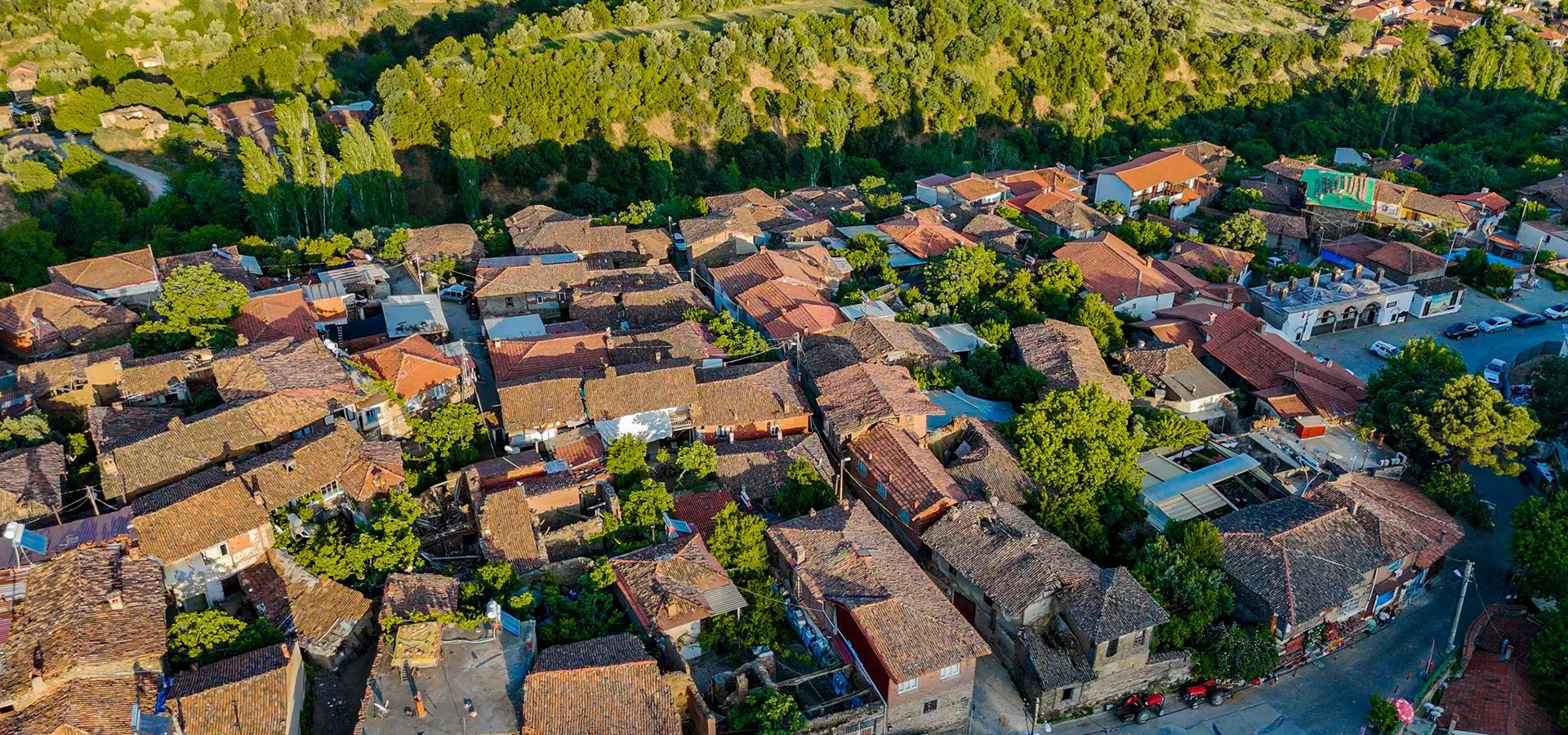
Combine Ödemiş, Birgi, Gölcük and Bozdağ for a deeper private journey through history, food, rural culture and mountain landscapes.
Plan Your Inland İzmir Journey