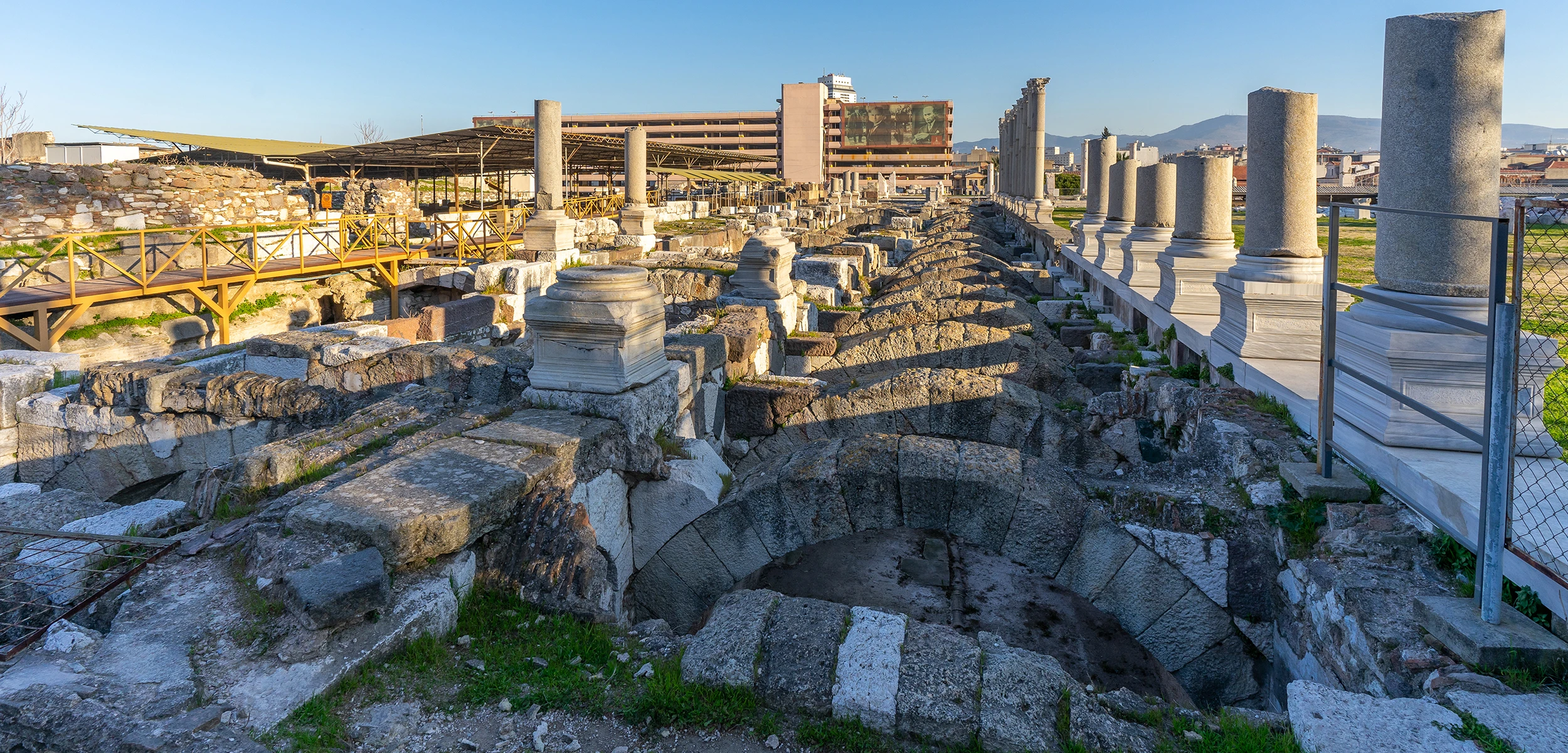
Smyrna Ancient City & Agora
Walk through the monumental Roman heart of ancient Smyrna and connect the museum's archaeological collections with the city from which many of their stories emerged.
Explore Ancient Smyrna





Few museums provide a better introduction to the extraordinary archaeological landscape surrounding İzmir than the İzmir Archaeology Museum — İzmir Arkeoloji Müzesi.
Standing within Bahribaba Park in Konak, the museum brings together discoveries from ancient cities, settlements, cemeteries and archaeological excavations across İzmir and western Anatolia.
Its collections lead visitors from the prehistoric communities of the Aegean through the Archaic, Classical, Hellenistic, Roman and Byzantine periods, revealing how the region developed into one of the great cultural crossroads of the ancient Mediterranean.
Marble gods and goddesses, monumental Roman sculpture, delicate pottery, bronze masterpieces, jewellery, coins, glass, terracotta objects, funerary monuments and painted sarcophagi tell stories that cannot always be understood from ruined archaeological sites alone.
For travellers exploring ancient Smyrna and its Agora, the museum is particularly rewarding. Objects removed from their original architectural settings suddenly reconnect the surviving ruins with the people, beliefs, craftsmanship and rituals of the ancient city.
Explore objects from ancient cities and archaeological sites across İzmir and the wider Aegean region.
See remarkable examples of Greek and Roman marble and stone sculpture, portraiture, reliefs and monumental art.
Discover exceptional bronze works including the famous Running Athlete and Demeter figures associated with the museum collection.
Follow İzmir's archaeological museum tradition from its beginnings in the 1920s to today's museum in Bahribaba Park.
Essential information for visiting one of the principal archaeological museums of western Türkiye.
İzmir Archaeology Museum — İzmir Arkeoloji Müzesi.
Bahribaba Park, Konak, central İzmir.
The current purpose-built museum opened on 11 February 1984.
İzmir's archaeological museum institution was established in the 1920s and opened to visitors at Ayavukla Church in 1927.
Sculpture, ceramics, bronze, terracotta, glass, jewellery, coins, sarcophagi, inscriptions and architectural fragments.
Ancient İzmir and archaeological sites throughout western Anatolia and the Aegean region.
The Bronze Running Athlete is one of the museum's best-known archaeological masterpieces.
The Ekrem Akurgal Ceramics Hall traces pottery and smaller archaeological objects across many periods.
Coins, jewellery, precious objects, glass and metalwork illustrate ancient wealth, trade and craftsmanship.
An open-air archaeological display contains stone monuments, architectural elements, inscriptions and other large finds.
MüzeKart is currently accepted according to official Ministry information.
Allow approximately 1.5–2.5 hours for a rewarding visit.
Ancient ruins show where people lived. Archaeological museums reveal what those people made, valued, worshipped, wore, traded and took with them into the grave.
This is precisely why the İzmir Archaeology Museum is so valuable for travellers exploring western Türkiye.
Around İzmir lie some of the ancient Mediterranean's most important archaeological landscapes: Smyrna, Ephesus, Pergamon, Klazomenai, Teos, Erythrai, Phokaia, Metropolis and numerous lesser-known settlements.
At archaeological sites, visitors usually encounter foundations, walls, columns, streets and monumental architecture. Inside the museum, however, the scale becomes human.
You encounter sculpted faces, drinking vessels, jewellery, grave monuments, coins, household objects, oil lamps, figurines and images of gods that once belonged to real communities.
The museum is therefore not merely somewhere to visit when you have finished exploring ancient sites. It is one of the best places to understand what those sites actually mean.
The history of archaeological collecting in İzmir reflects the enormous archaeological wealth of the surrounding region.
The city's first archaeological museum organisation was established in 1924, during the early years of the Turkish Republic.
After several years of collecting and organising archaeological material, the museum opened to visitors in 1927 inside the historic Ayavukla — Gözlü — Church in the Basmane area.
Archaeological excavations and discoveries continued to produce increasing numbers of artefacts, and by 1951 another archaeological museum facility was opened within Kültürpark.
The archaeological landscape surrounding İzmir was simply too rich for these earlier facilities. Excavations at ancient cities throughout western Anatolia continued to generate sculpture, ceramics, architectural fragments and thousands of smaller objects requiring conservation, study and display.
A purpose-built archaeological museum was therefore constructed within Bahribaba Park in Konak.
The present museum building officially opened on 11 February 1984, giving İzmir a dedicated institution designed specifically for archaeological collections, conservation, storage, research and public exhibition.
İzmir Archaeology Museum is best understood as a regional archaeological museum.
Its significance extends far beyond the modern city boundaries because western Anatolia contains one of the densest concentrations of ancient settlements anywhere around the Aegean.
Objects associated with excavations and discoveries from sites including Bayraklı — Old Smyrna, Erythrai, Phokaia, Çandarlı-Pitane, Myrina, Klazomenai and Iasos reveal the extraordinary cultural diversity of the region.
Archaeological material from Bayraklı contributes to the story of the early city that preceded Hellenistic and Roman Smyrna.
The ancient Ionian city on the Çeşme Peninsula has produced important sculpture and archaeological finds represented in İzmir's collections.
Modern Foça preserves the site of a powerful Ionian maritime city whose sailors founded colonies across the Mediterranean.
The ancient settlement near Urla became particularly famous for painted terracotta sarcophagi and its important position in the Ionian world.
The major Aeolian city north of İzmir is associated with significant archaeological material, including ancient bronze sculpture.
This Aeolian city became especially well known archaeologically for terracotta figurines and material recovered from its cemeteries.
Archaeological discoveries from ancient Pitane help illuminate settlement and artistic traditions along the northern Aegean coast.
Objects connected with Iasos contribute to the museum's broader representation of western Anatolian and Aegean archaeology.
For many visitors, the Taş Eserler Salonu — Stone Works Hall provides the museum's most immediately dramatic experience.
Large marble sculptures, portrait heads, busts, reliefs and architectural pieces demonstrate how central sculpture was to the visual world of Greek and Roman cities.
Ancient sculpture was not created primarily as isolated art for museum galleries. Statues once stood inside temples, public squares, theatres, baths, sanctuaries, civic buildings and private houses.
Portraits communicated status. Images of gods defined sacred space. Imperial sculpture expressed political authority. Funerary monuments preserved identity and memory.
Divine imagery reveals how religion, mythology and civic identity were woven into everyday urban life.
Portrait heads and busts demonstrate the extraordinary realism and individuality achieved by Roman sculptors.
Large statues once formed part of architectural and civic settings far removed from today's museum galleries.
Carved reliefs preserve narrative scenes, divine imagery, decoration and aspects of ancient funerary symbolism.
The quality of carving demonstrates the technical skill required to transform heavy blocks of stone into fabric, hair, flesh and movement.
Faces preserved in stone provide some of the most direct visual encounters possible with inhabitants of the ancient world.
The museum's ceramic collections are particularly valuable because pottery is one of archaeology's most important sources of historical information.
The Ord. Prof. Ekrem Akurgal Ceramics Hall is named after one of Türkiye's most influential archaeologists and presents archaeological material across a long chronological sequence.
Ceramics may appear less spectacular than monumental marble statues, yet they often provide archaeologists with far more detailed evidence about chronology, trade and daily life.
Early ceramic traditions provide evidence for settlement, food preparation, storage and technological development before written history.
Changing vessel forms and decoration reflect the artistic development of Aegean and western Anatolian communities.
Pottery becomes an important source for understanding trade, dining, ritual and artistic exchange throughout the Greek world.
The centuries following Alexander the Great produced increasingly interconnected artistic and commercial traditions.
Mass-produced ceramics and specialised vessel types reveal the scale of economic integration under Roman rule.
Later material demonstrates that the archaeological history of the region continued long after the classical ancient world.
Do not rush this section. Shapes, manufacturing techniques and decorative styles become much easier to understand when viewed sequentially.
Ancient bronze sculpture is considerably rarer than marble sculpture.
Bronze could be melted down and reused, meaning countless statues created in antiquity disappeared during later centuries. Surviving ancient bronzes are therefore especially valuable.
Two works traditionally highlighted among İzmir Archaeology Museum's most important objects are the Bronze Running Athlete and a bronze figure associated with Demeter.
The dynamic figure captures movement and physical energy in a medium that allowed ancient artists to create forms difficult to achieve in stone.
The goddess of agriculture, fertility and grain occupied an important position within Greek religious life and ancient Mediterranean society.
Large bronze sculpture demanded highly sophisticated casting techniques and considerable artistic and metallurgical knowledge.
Objects recovered from maritime contexts can survive precisely because they escaped centuries of recycling on land.
These bronzes offer a particularly useful reminder that the marble statues dominating modern archaeological museums represent only part of the sculptural world experienced by ancient people.
Small objects can tell enormous stories.
The museum's Hazine Odası — Treasury Room brings together coins, jewellery and other precious material associated with different periods of western Anatolian history.
Coins reveal rulers, civic identities, religious imagery, economic systems and the geographical reach of ancient trade.
Delicate jewellery demonstrates extraordinary metalworking skill and provides clues about status, fashion and personal identity.
Silver combined material value with skilled craftsmanship and often played an important role in elite consumption.
Carved stones and jewellery demonstrate both personal display and long-distance access to valuable materials.
Ancient glass vessels illustrate technological sophistication and changing traditions of domestic and funerary use.
The movement of coins and precious materials reflects western Anatolia's deep integration into Mediterranean commerce.
Some of the museum's most informative objects come not from houses or temples but from ancient cemeteries.
Sarcophagi, grave steles, funerary sculpture and burial objects help archaeologists reconstruct how ancient communities understood death, memory, identity and the afterlife.
Stone and terracotta coffins reveal differences in regional traditions, artistic style, wealth and funerary practice.
Ancient Klazomenai became particularly famous for its distinctive painted terracotta sarcophagi.
Funerary monuments frequently preserve names, family relationships, portraits and idealised scenes of everyday life.
Objects placed with the deceased reveal beliefs, social identity and the rituals surrounding burial.
Elaborate funerary monuments show how remembrance and social status could continue beyond death.
Roman-period burial monuments often combine local western Anatolian traditions with artistic ideas circulating across the empire.
One of the strongest reasons to combine the museum with the Agora of Smyrna is the connection between excavated architecture and museum objects.
Among the important sculptural works associated with ancient Smyrna is a monumental group representing Poseidon, Demeter and Artemis, discovered in the Agora area.
These deities represented profoundly different aspects of ancient life.
God of the sea, earthquakes and horses — an especially meaningful deity for a maritime Aegean city.
Goddess of agriculture and grain, connecting divine worship with the fertility of the land and the survival of communities.
A major goddess throughout western Anatolia whose cult assumed different forms across the cities of the region.
Seeing sculpture from ancient Smyrna before or after walking through its Agora transforms the experience. The archaeological site provides the architecture; the museum restores part of the visual world that once inhabited it.
Do not leave immediately after finishing the indoor galleries.
The museum garden functions as an open-air archaeological gallery, where objects too large for conventional showcases can be seen in a more spacious environment.
Large funerary monuments reveal the physical scale and craftsmanship of ancient burial traditions.
Stone monuments preserve inscriptions, portraits and visual expressions of remembrance.
Greek and Latin texts can preserve names, dedications, legal information and fragments of ancient civic life.
Architectural elements demonstrate the scale of monumental buildings that once dominated ancient cities.
Decorative architectural details allow visitors to examine ancient carving techniques at close range.
Fragments detached from ruined buildings preserve decorative details that can be difficult to appreciate at archaeological sites.
The garden is also one of the museum's most pleasant areas for photography and provides a calm conclusion to the visit.
One of the museum's most celebrated works and an exceptional opportunity to study surviving ancient bronze sculpture.
A striking reminder of the sophistication of ancient metalworking and the importance of divine imagery.
An important example connected with the development of large-scale Archaic sculpture in western Anatolia.
Look for works connected with the ancient city beneath and around modern İzmir.
Distinctive painted terracotta funerary monuments closely associated with ancient Klazomenai near modern Urla.
Study facial features, hairstyles and clothing for clues about Roman identity and social presentation.
Look closely at civic symbols, rulers and gods represented on objects that circulated through ancient economies.
Vessels reveal how changing styles can help archaeologists date sites and reconstruct ancient trade networks.
These deeply personal monuments often provide some of archaeology's most direct encounters with ancient individuals and families.
Allow time for the outdoor collection rather than treating it simply as the route to and from the building.
Possible only for a rapid highlights visit focusing on major sculptures and the best-known archaeological objects.
A reasonable introduction if your İzmir itinerary is crowded and you already know which collections interest you.
A comfortable first visit covering sculpture, ceramics, treasury displays and some time in the garden.
Recommended for most visitors who want to read labels and understand the regional archaeological context.
Suitable for archaeology enthusiasts who want to examine ceramics, coins and smaller objects rather than concentrating only on major sculpture.
Combine the museum with nearby Konak, Kemeraltı and the Agora of Smyrna for a deeper archaeological experience.
İzmir Archaeology Museum follows seasonal visiting schedules. Official opening hours can change during the year, public holidays or special circumstances, so check current Ministry information before making a special journey.
The museum is located within Bahribaba Park in the Konak district, close to the historic centre of İzmir.
Its central location makes it particularly convenient to combine with Konak Square, Kemeraltı Bazaar and the Agora of Smyrna.
Konak Metro Station is the most useful central rail stop, followed by a walk toward the Bahribaba Park and Varyant area.
The Konak Tram provides easy access to the wider Konak waterfront, from where the museum can be reached on foot or by a short taxi ride.
Numerous municipal bus services connect different districts of İzmir with central Konak.
Ask for İzmir Arkeoloji Müzesi in Bahribaba Park or Halil Rıfat Paşa Caddesi.
The museum can be reached from central Konak, although some approaches involve uphill walking.
Central İzmir traffic and parking can be inconvenient, so public transport is often the simpler option.
The best choice if you want quiet galleries and enough time to continue to other archaeological attractions afterwards.
Works particularly well before continuing downhill toward Konak and Kemeraltı for lunch.
A useful indoor stop after exploring outdoor attractions in central İzmir earlier in the day.
The museum provides an excellent escape from the strongest afternoon heat while still allowing time for outdoor sightseeing later.
Museum visits become particularly valuable during rainy days, although seasonal closing times are earlier.
Visiting the museum first provides useful archaeological context before seeing the ancient city itself.
Visiting afterwards allows you to recognise objects and artistic traditions connected with the ruins you have just explored.
Combine the museum with Smyrna Agora for one of the strongest archaeology-focused days available in central İzmir.
Side lighting can reveal carving, drapery, facial detail and surface texture that disappear in flatter compositions.
Ancient portraits make particularly powerful photographs when framed closely against simple museum backgrounds.
Reflections on bronze surfaces can emphasise movement and modelling when gallery lighting is used carefully.
Photograph both the overall monument and individual decorative details to understand scale and craftsmanship.
Angled light often makes carved letters easier to see than direct frontal lighting.
The outdoor archaeological collection offers wider compositions and natural light.
Capitals, columns and carved stone details can produce excellent close-up studies.
Always follow current museum signage regarding photography, video, flash and professional equipment.
This is an important point when planning your visit.
İzmir Archaeology Museum in Bahribaba Park and the newer Archaeology and Ethnography Museum inside İzmir Kültür Sanat Fabrikası are two different museum experiences in different parts of central İzmir.
Located in Bahribaba Park in Konak. The current purpose-built museum opened in 1984 and contains major archaeological collections from western Anatolia.
Located in Alsancak within the restored historic Tekel Factory and opened as a cultural complex in 2023.
The Archaeology Museum is in Konak, while the Culture and Arts Factory is farther north in Alsancak near Alsancak Railway Station.
The Bahribaba museum concentrates on archaeology, while the Culture Factory combines archaeology, ethnography, art, libraries and cultural activities.
Archaeology enthusiasts should consider visiting both, as the collections complement one another rather than providing identical experiences.
Read our complete guide to İzmir Kültür Sanat Fabrikası before deciding how to divide your time.
The most important archaeological combination, connecting museum objects with the monumental remains of Roman Smyrna.
Continue into İzmir's symbolic civic centre beside the waterfront and the famous İzmir Clock Tower.
Move from ancient history into the Ottoman commercial heart of İzmir through markets, mosques, hans and historic streets.
One of the city's most recognisable monuments stands in Konak Square within easy reach of the museum district.
Continue through Kemeraltı into the historic Jewish quarter and explore another layer of İzmir's multicultural heritage.
The museum's immediate setting offers elevated urban surroundings between the historic centre and the Varyant area.
Continue toward Karataş to experience one of İzmir's best-known historic landmarks and elevated views over the bay.
Visit the newer archaeological and ethnographic collections in Alsancak if you want a broader museum day.
The strongest combination for understanding ancient İzmir through both excavated architecture and archaeological objects.
Move from antiquity into the Ottoman and modern commercial history of the city within the same day.
An easy central İzmir route combining archaeology with the city's waterfront identity and most famous civic monuments.
A rewarding museum-focused day comparing the historic Bahribaba collection with the newer exhibitions in Alsancak.
Combine İzmir Archaeology Museum, Smyrna Agora and Old Smyrna at Bayraklı for a deeper look at the city's ancient development.
Use the museum as the archaeological centrepiece of an indoor-focused day through İzmir's cultural institutions.
Check that your navigation app is taking you to the Archaeology Museum in Bahribaba Park rather than the Culture and Arts Factory in Alsancak.
The museum becomes much more meaningful when combined with the archaeological remains of ancient Smyrna.
Pay attention to where objects were discovered. The ancient city named on a label often changes the way you understand the object.
Pottery may look less dramatic than sculpture but provides some of archaeology's most important chronological evidence.
Hairstyles, clothing and facial characteristics can reveal period, social identity and changing artistic fashions.
The outdoor archaeological collection is part of the museum experience rather than simply an entrance area.
Summer and winter opening arrangements differ, so confirm current hours before travelling.
Central Konak can become congested and parking is not always convenient.
A museum visit is often followed by substantial walking through Konak, Kemeraltı and the Agora.
Allow at least two hours if you want to examine smaller objects rather than simply walking between highlight pieces.
Use sculpture, mythology, animals and everyday objects to turn the galleries into a visual archaeological story for younger visitors.
Museum collections and individual objects can move for conservation, exhibitions or reorganisation, so no single highlight should be considered permanently guaranteed.
It is one of İzmir's principal archaeological museums, preserving and displaying material from ancient İzmir and archaeological sites throughout western Anatolia.
The museum is located in Bahribaba Park on Halil Rıfat Paşa Caddesi in the Konak district of central İzmir.
No. They are separate museums. İzmir Archaeology Museum is in Bahribaba Park in Konak, while the newer Archaeology and Ethnography Museum is inside İzmir Kültür Sanat Fabrikası in Alsancak.
The museum institution was established in the 1920s, with the first archaeological museum opening to visitors at Ayavukla Church in 1927.
The current museum building in Bahribaba Park opened on 11 February 1984.
The collections include marble and stone sculpture, pottery, bronze objects, terracotta, coins, jewellery, glass, sarcophagi, grave steles, inscriptions and architectural fragments.
The collections span a very long archaeological sequence including prehistoric, Archaic, Classical, Hellenistic, Roman and Byzantine material.
Yes. Archaeological material connected with ancient İzmir forms an important part of the museum's regional collections.
It is a major gallery displaying marble and stone sculpture including statues, busts, portraits and other examples of ancient sculptural art.
It is a gallery presenting ceramics and archaeological objects across a broad chronological sequence and is named after the distinguished Turkish archaeologist Ekrem Akurgal.
It is one of the museum's best-known ancient bronze sculptures and a particularly valuable survival because large ancient bronze statues are comparatively rare.
Demeter was the ancient Greek goddess associated especially with agriculture, grain and fertility and is represented within the museum's important sculptural collections.
The Treasury contains coins, jewellery, precious metal objects, glass and other small finds illustrating ancient craftsmanship, trade and wealth.
Yes. Funerary archaeology is an important part of the museum collection, including stone and terracotta sarcophagi and grave monuments.
They are distinctive painted terracotta sarcophagi associated particularly with ancient Klazomenai near modern Urla.
Yes. The museum garden contains archaeological stone objects including sarcophagi, inscriptions, steles and architectural fragments.
Allow approximately 1.5–2.5 hours for a comfortable visit, although dedicated archaeology enthusiasts may want longer.
The current official summer schedule lists visiting hours of 08:30–19:00, with the ticket office closing at 18:30. Always confirm the latest schedule before visiting.
The current official winter schedule lists visiting hours of 08:30–17:30, with the ticket office closing at 17:00. Seasonal arrangements can change.
Yes. İzmir Archaeology Museum is currently listed among the museums where MüzeKart is valid.
The current official tariff lists €4 admission for foreign adult visitors. Prices can change, so check the current Ministry tariff before travelling.
It is particularly valuable for travellers interested in archaeology, ancient art, Greek and Roman history or the archaeological sites of western Türkiye.
Either works well. Visiting first provides historical context, while visiting afterwards allows you to connect museum objects with architecture you have already seen at the archaeological site.
Yes. They are one of the best combinations for an archaeology-focused half day in central İzmir.
Yes. The museum, Konak, Kemeraltı and Smyrna Agora can be combined naturally within the same central İzmir itinerary.
Yes, particularly for children interested in mythology, statues, ancient objects and archaeology, although the experience is primarily a traditional museum visit.
Photography rules may vary between galleries, objects and temporary displays. Follow current museum signage and staff instructions regarding flash, video and equipment.
Its collections preserve archaeological material from one of the richest ancient cultural landscapes in the Mediterranean and help connect modern İzmir with thousands of years of western Anatolian history.
Use İzmir Archaeology Museum as the starting point for a deeper exploration of ancient Smyrna, İzmir's museums, multicultural heritage and historic city centre.
Continue from the museum into ancient Smyrna, historic Konak, the cultural institutions of Alsancak and the wider history of one of the Aegean's great cities.
Walk through the monumental Roman heart of ancient Smyrna and connect the museum's archaeological collections with the city from which many of their stories emerged.
Explore Ancient Smyrna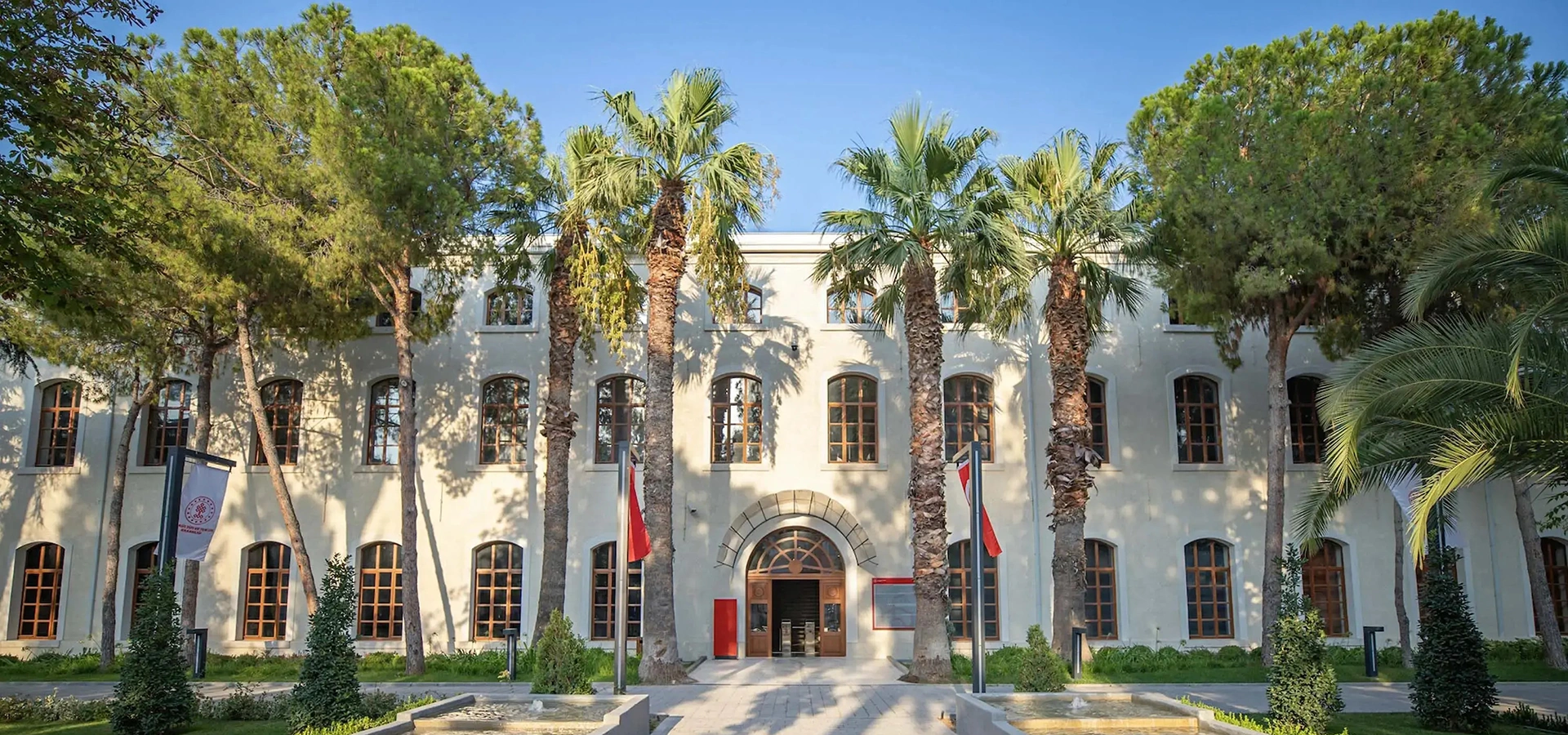
Explore the restored Alsancak Tekel Factory, its Archaeology and Ethnography Museum, Turkish art museum, libraries, gardens and cultural spaces.
Explore the Culture Factory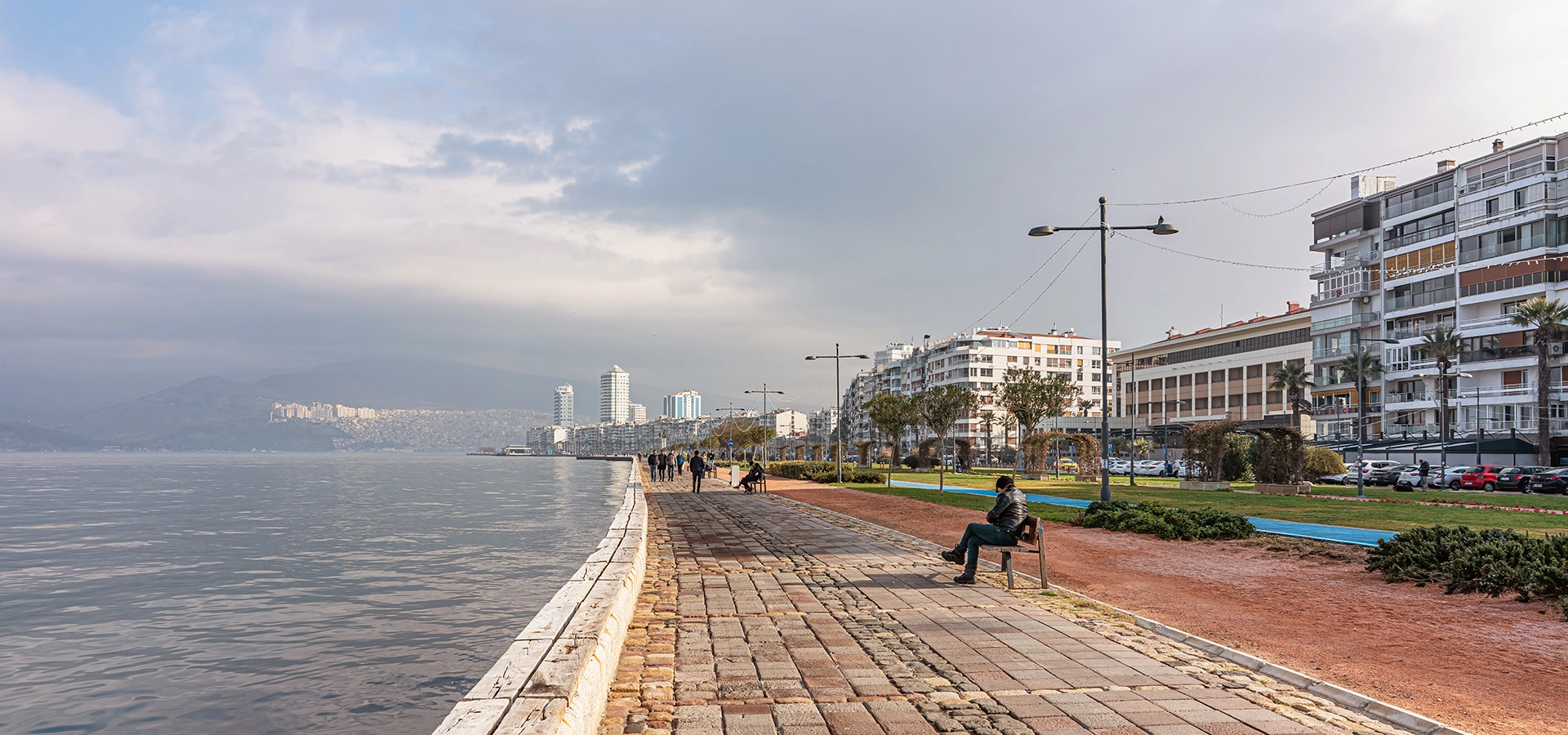
Continue from archaeology into modern İzmir beside the waterfront, with historic architecture, cafés, cultural venues and celebrated sunset views.
Explore Kordon & Alsancak
Continue with our complete İzmir guide covering ancient sites, museums, historic neighbourhoods, churches, synagogues, markets, cuisine and day trips.
View İzmir Guide