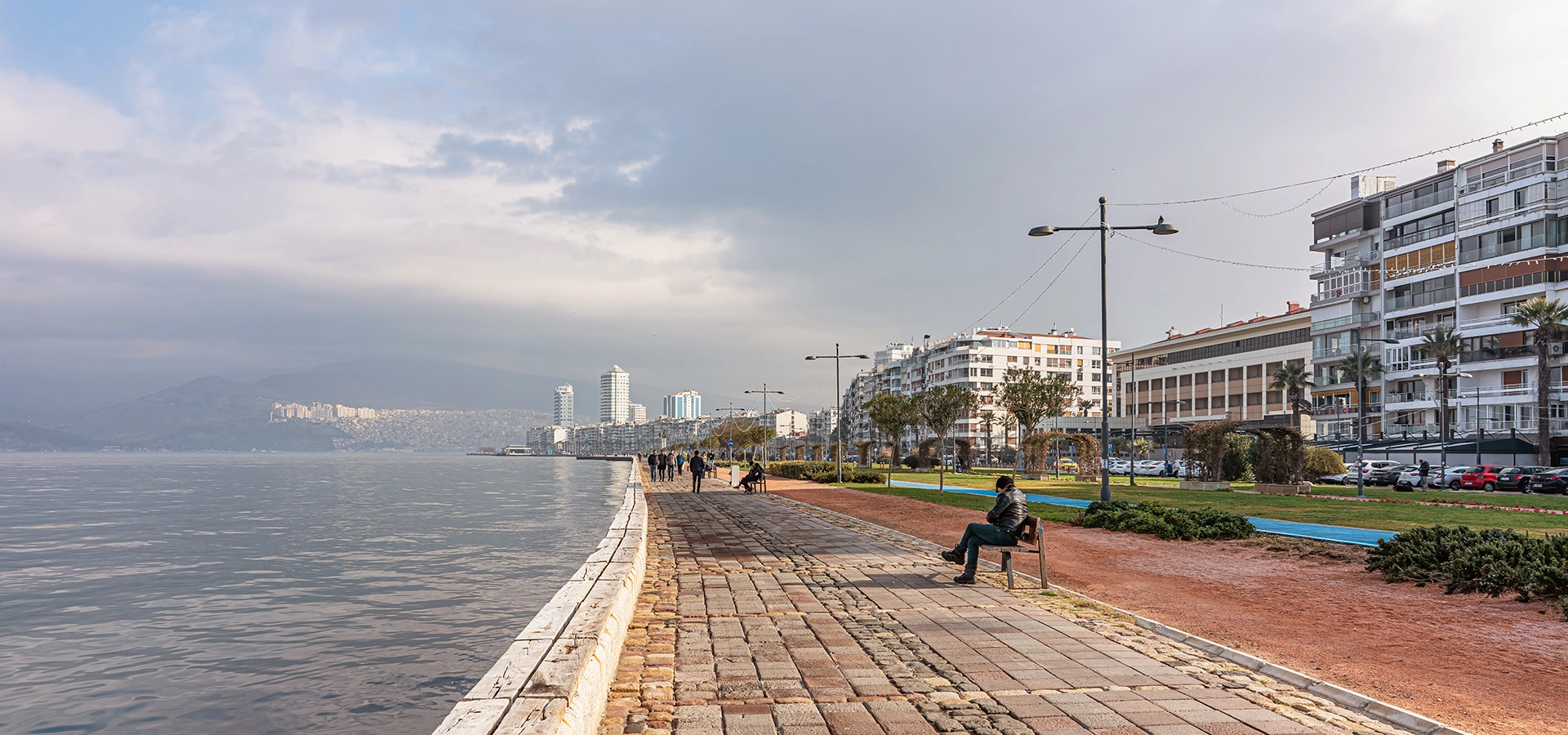
Kordon & Alsancak
Continue from the historic factory toward İzmir Bay and explore the waterfront, lively Alsancak streets, historic buildings, cafés and sunset views.
Explore Kordon & Alsancak





A few steps from Alsancak Railway Station stands one of the most ambitious cultural transformations in modern İzmir: İzmir Kültür Sanat Fabrikası, the Culture and Arts Factory created within the historic Alsancak Tekel Factory.
The story of this extraordinary complex begins in the late Ottoman period, when İzmir was one of the eastern Mediterranean's great commercial ports and the tobacco trade had become a major part of the regional economy. The factory's origins reach back to the 1880s, when large-scale tobacco processing facilities were being developed under the Ottoman tobacco monopoly.
For generations the complex was associated with cigarette and tobacco production. After the foundation of the Turkish Republic it became part of the state tobacco monopoly that eventually became known as TEKEL, remaining an active industrial site until the early 21st century.
Instead of allowing the abandoned factory buildings to disappear, the historic complex was restored, renovated and adapted by the Turkish Ministry of Culture and Tourism. On 29 April 2023, the former industrial site reopened with a completely different purpose: producing culture rather than tobacco.
Today visitors can explore the Archaeology and Ethnography Museum, the İzmir Painting and Sculpture Museum, several specialist libraries, art workshops, exhibition spaces, landscaped gardens, Art Street and cultural events — all within a preserved industrial setting in the heart of Alsancak.
Discover one of İzmir's most important surviving examples of late Ottoman and Republican industrial heritage.
Explore archaeological and ethnographic collections together with an important collection of modern Turkish painting, sculpture and ceramics.
Follow the extraordinary transformation from Ottoman-era tobacco production to TEKEL factory and finally to a cultural centre.
Libraries, exhibitions, workshops, performances, gardens and public spaces make the complex much more than a conventional museum.
Essential information about the historic Alsancak Tekel Factory and its transformation into one of İzmir's most important cultural centres.
Former Alsancak tobacco and cigarette factory, later associated with Türkiye's state TEKEL monopoly.
The factory's history reaches back to the 1880s and the development of the Ottoman tobacco monopoly.
İzmir Kültür Sanat Fabrikası officially opened on 29 April 2023 after major restoration and renovation.
A major museum presents archaeological material from the İzmir region together with ethnographic collections.
The complex is also home to the İzmir Painting and Sculpture Museum and its important modern Turkish art collection.
Three major library functions include Alsancak Public Library, Atatürk Specialist Library and Turkish World Music Specialist Library.
Approximately 9,200 m² of landscaped open space provides gardens, recreation and outdoor event areas.
Concerts, exhibitions, workshops, talks, film screenings, festivals and other cultural programmes take place throughout the year.
Mimar Sinan neighbourhood in Alsancak, central Konak, only a short walk from Alsancak Railway Station.
The museums are currently listed as open daily from 08:30 to 17:30, with ticket office closing at 17:00.
MüzeKart is accepted according to the Ministry's current museum information.
Allow at least 2–3 hours; art and archaeology enthusiasts could comfortably spend half a day.
İzmir Kültür Sanat Fabrikası is unusual because several completely different experiences are brought together inside one historic industrial complex.
The first reason to visit is the factory itself. İzmir's history is usually introduced through ancient Smyrna, Ottoman bazaars, Levantine mansions and the waterfront. The former Alsancak Tekel Factory reveals another chapter: the industrial transformation of a major Mediterranean port during the late 19th and 20th centuries.
The second is archaeology. The Archaeology and Ethnography Museum brings together thousands of objects that help explain the long history of İzmir and western Anatolia through sculpture, ceramics, jewellery, glass, metalwork, funerary traditions, mythology and everyday material culture.
The third is Turkish art. The İzmir Painting and Sculpture Museum presents works by major artists associated with the development of painting, sculpture and ceramics from the late Ottoman era through the Republican period and into contemporary art.
Finally, this is not simply a museum complex where visitors enter, look at objects and leave. Libraries, workshops, exhibitions, green spaces, performances, cafés and the Sanat Sokağı — Art Street make the former factory part of contemporary urban life.
To understand İzmir Kültür Sanat Fabrikası, it is necessary to go back to the dramatic commercial expansion of 19th-century İzmir.
The city was one of the principal ports of the Ottoman Empire and the main maritime outlet for the agricultural wealth of western Anatolia. Tobacco became one of the region's particularly important commercial products, alongside crops such as figs, grapes and cotton.
The establishment of the Düyûn-u Umûmiye — Ottoman Public Debt Administration in 1881 was followed by major changes in the administration of tobacco revenues. In 1884, the Régie tobacco administration obtained control of the tobacco monopoly and began developing large production facilities.
One of the factories planned in this period was the Alsancak Cigarette Factory, establishing the roots of the industrial complex visitors see today.
After the Turkish Republic was founded, the state purchased the tobacco monopoly's rights in 1925. The system later developed into the state tobacco and alcohol monopoly associated with the name TEKEL.
The Alsancak factory continued to play an important role in production throughout the Republican period, with activity increasing considerably during the mid-20th century.
Production finally ended in the early 2000s, and by 2004 the factory's industrial chapter had effectively come to a close.
The story could easily have ended with abandonment or demolition. Instead, the historic industrial buildings were conserved and given an entirely new function.
Many visitors come to İzmir primarily for antiquity, yet the city's industrial heritage is equally important for understanding how modern İzmir developed.
During the 19th century, new railways connected İzmir with the agricultural interior of western Anatolia while the expanding port handled enormous quantities of agricultural products and manufactured goods.
Factories for textiles, tobacco, gas, food processing and other industries became part of the city's landscape. The Alsancak tobacco complex belonged directly to this changing economic world.
Its location near Alsancak Station, the port and major commercial districts was no accident. Raw materials, workers, railway transport and maritime trade all formed part of the interconnected industrial geography of İzmir.
The surviving factory therefore tells a story that no archaeological sculpture or historic mansion can tell on its own: the story of production, labour, industrialisation and the transformation of İzmir into a modern commercial metropolis.
The transformation into İzmir Kültür Sanat Fabrikası was not designed to erase the site's industrial identity.
Restoration work sought to retain the architectural character of the historic factory buildings while repairing damaged areas, strengthening structures and removing unsuitable later additions.
Original buildings and historically meaningful additions were preserved wherever possible and adapted to completely new functions.
The principal production building became the Archaeology and Ethnography Museum.
Another large historic structure was transformed into the İzmir Painting and Sculpture Museum.
Other structures gained new functions as libraries, workshops, cultural spaces and visitor facilities.
Brickwork, masonry, large industrial volumes and the campus layout preserve the memory of the site's factory past.
The project demonstrates how industrial architecture can survive through new public functions rather than becoming a static monument.
Former industrial outdoor areas were redesigned to create gardens, pedestrian circulation and spaces for cultural events.
The result is one of İzmir's clearest examples of adaptive reuse: a place created for industrial production now produces exhibitions, performances, knowledge, research and cultural encounters.
The largest museum building explores ancient western Anatolia together with traditional life, clothing and material culture.
A major collection traces the development of Turkish painting, sculpture and ceramics from the late Ottoman period onward.
Reading and study areas serve children, teenagers, adults and researchers.
A major specialist collection focuses on Mustafa Kemal Atatürk, the War of Independence and the early Republic.
A specialist collection supports research into the musical traditions of the wider Turkic world.
Artists and participants use workshop spaces for creative production, exhibitions and educational programmes.
Art Street creates a pedestrian cultural zone between the restored historic buildings.
Gardens and landscaped areas can host concerts, film screenings and public cultural events.
The complex includes the İzmir State Turkish World Dance and Music Ensemble.
Visitors can rest between museum visits within adapted historic buildings and landscaped sections of the campus.
The cultural complex's largest historic building now houses the Müze İKSF – Archaeology and Ethnography Museum.
Covering approximately 7,240 m², the museum uses the spacious architecture of the former production building for large-scale thematic displays.
Rather than presenting the archaeological collection only in strict chronological order, the exhibition is structured around ideas such as mythology, knowledge, death, maritime power, production and entertainment.
Thousands of archaeological and ethnographic objects are displayed throughout the museum, including marble sculpture, stone artefacts, pottery, glass, jewellery, metalwork and historic textiles.
For travellers who have already explored sites such as the Agora of Smyrna, the museum provides valuable context by reconnecting ruined architecture with the objects, beliefs and everyday practices of the people who lived across ancient western Anatolia.
Explore the relationship between the Aegean coast, maritime trade and the communities whose prosperity depended on the sea.
Discover objects connected with leisure, performance and public entertainment in the ancient world.
Monumental stone and marble works reveal the skill and visual language of ancient sculptors.
Funerary objects help explain ancient approaches to burial, remembrance and beliefs surrounding death.
Writing, learning, social organisation and intellectual life form part of the museum's interpretation of ancient societies.
Objects and imagery illustrate a world in which mythology, religion and attempts to understand nature existed side by side.
Metal, clay, stone, glass and other materials reveal both technological skill and the realities of everyday production.
Many displays gain additional meaning when combined with visits to ancient sites throughout İzmir Province and western Anatolia.
The museum's upper level shifts the focus from antiquity toward the more recent cultural life of İzmir and western Anatolia.
Historical textiles, clothing, embroidered fabrics, household objects and other examples of material culture reveal aspects of everyday life that are easily overlooked in conventional political histories.
Traditional textiles and decorated fabrics preserve regional craftsmanship, symbolism and aesthetic traditions.
Objects associated with public life evoke trades, communities and the social atmosphere of historic urban neighbourhoods.
Displays connect material culture with major historical experiences of the late Ottoman and early Republican periods.
Domestic objects help reconstruct aspects of family life and the organisation of the traditional urban home.
Together, the archaeological and ethnographic sections allow visitors to move from the distant ancient world toward forms of life that survived into the relatively recent past.
The second major museum within the complex is the İzmir Resim ve Heykel Müzesi — İzmir Painting and Sculpture Museum.
The institution itself has a much longer history than the Culture and Arts Factory. It first opened as an art gallery in 1952 and spent decades in different locations before moving into the restored Tekel Factory complex in April 2023.
Its collection provides a broad journey through Turkish art from the Tanzimat and late Ottoman periods to modern and contemporary movements.
One of the pioneering figures in the development of Western-style painting in the late Ottoman world.
A central figure of the 1914 Generation and one of the best-known names in modern Turkish painting.
An influential painter, poet and teacher who combined modern artistic language with Anatolian visual traditions.
An internationally recognised modernist known for monumental abstract compositions and a distinctive visual language.
A major representative of modern Turkish abstract painting.
Known especially for rhythmic and highly recognisable interpretations of urban landscapes.
One of Türkiye's most important modern sculptors, associated with experimental and abstract sculptural forms.
A pioneering figure in modern Turkish ceramics whose work expanded the artistic possibilities of the medium.
Works by artists including Halil Paşa, Süleyman Seyyid, Hikmet Onat, Namık İsmail, Şevket Dağ, Zeki Kocamemi, Nurullah Berk, Nuri İyem, Sabri Berkel, Neşet Günal, Turan Erol, Neşe Erdok and many others broaden the collection considerably.
One of the features that distinguishes the complex from a conventional museum campus is its extensive library network.
Together the libraries contain approximately 50,000 books alongside other educational and research materials covering subjects such as literature, history, geography, philosophy, mathematics, art, technology, society and language.
A broad public collection with dedicated areas for young children, older children, teenagers, adults, art and urban studies.
Dedicated spaces serve both 3–6 and 7–14 age groups and support reading, learning and educational activities.
Young visitors have spaces designed specifically for reading, study and cultural participation.
Resources connected with İzmir and urban history provide useful material for anyone researching the city.
A major research collection devoted to Atatürk, the Turkish War of Independence and the early Republican period.
A specialist resource supporting the study of musical heritage across Turkic cultures.
The complex is home to what its official cultural centre describes as the largest Atatürk specialist library in the Aegean region.
Its collection includes works written by Mustafa Kemal Atatürk together with books and research material concerning his life, the Turkish War of Independence and the formative years of the Republic.
For students, historians and researchers interested in modern Turkish history, this makes İzmir Kültür Sanat Fabrikası much more than a sightseeing attraction.
The presence of such a research library within a restored industrial complex also reflects the central philosophy of the project: historical buildings are not merely preserved as objects but returned to active public use.
The word Fabrika — Factory remains particularly appropriate because creativity is still being produced here every day.
Art Street runs through part of the historic campus, connecting restored buildings with workshops and creative spaces.
Visual and plastic arts workshops allow artists and participants to create, teach and interact with visitors.
Theatre education and creative programmes form another layer of the cultural activities held within the complex.
The İzmir State Turkish World Dance and Music Ensemble performs and works within the campus.
Changing exhibitions mean that repeat visits can reveal completely different artistic experiences.
Archaeology, literature, art, music, history and cultural heritage regularly become subjects of public programmes.
Landscaped outdoor areas are designed to accommodate film screenings and other seasonal cultural events.
Music programmes take advantage of both indoor performance spaces and the open-air campus.
Do not make the mistake of visiting only the museums and immediately leaving.
Approximately 9,200 m² of landscaped outdoor space forms an important part of the project.
The gardens create pedestrian routes between the historic factory structures while providing places to sit, read, meet friends or simply look at the industrial architecture from outside.
The outdoor areas are also used for concerts, cinema screenings and cultural events, allowing the former factory to function as a genuine public gathering place rather than a collection of isolated museums.
For travellers exploring the dense urban environment of central İzmir, the campus provides an unexpectedly calm space only minutes from busy Alsancak streets.
The cultural programme changes continuously and is an important reason to check what is happening before your visit.
Temporary exhibitions complement the permanent museum collections throughout the year.
Art, crafts, literature and educational workshops are organised for different ages and interests.
Musical performances range across different traditions and can take place indoors or outdoors.
Film screenings and seasonal open-air cinema programmes add another dimension to the campus.
Researchers, artists and specialists participate in conversations covering history, archaeology, art and culture.
Larger cultural programmes occasionally use several parts of the complex simultaneously.
Library and museum education programmes regularly introduce younger visitors to books, art and heritage.
Theatre, dance and multidisciplinary performances appear regularly within the programme.
Because programmes and capacities change, consult the current official event calendar if attending a particular event is an important part of your plans.
Enough only for a highly selective visit to one museum or a short walk through the restored factory campus.
A practical minimum if you want to concentrate mainly on either archaeology or the Painting and Sculpture Museum.
A good first visit allowing time for both major museums and a walk around the historic complex.
Recommended for archaeology and art enthusiasts who want to explore both museums carefully and enjoy the gardens.
Combine museum galleries, Art Street, library spaces, temporary exhibitions and time for coffee or lunch.
An exhibition, workshop or evening cultural event can easily turn the complex into a substantial part of your day.
İzmir Kültür Sanat Fabrikası contains several different institutions, so opening hours can vary depending on which part of the complex you want to use.
Because the complex combines museums, libraries and event venues rather than operating as one single attraction, do not assume that every building follows identical opening arrangements.
The complex is exceptionally well positioned for visitors using public transport and is located only around 100 metres from Alsancak Railway Station.
Alsancak Station is the most convenient rail stop and places you within a very short walk of the complex.
Regional railway services using Alsancak Station also provide easy access to the surrounding district.
İzmir's tram network makes the wider Alsancak and Kordon area easy to combine with the cultural complex.
Numerous municipal bus routes serve central Alsancak and the railway station area.
Ask for İzmir Kültür Sanat Fabrikası or the former Alsancak Tekel Fabrikası on Ziya Gökalp Bulvarı.
The complex is easy to reach from Alsancak, Kültürpark and the northern section of Kordon.
Best if the museums are your main priority and you want enough time to explore the galleries before they become busier.
An excellent starting point for a museum visit followed by lunch and a walk through Alsancak.
Works well when combining the complex with nearby Kültürpark or Kordon.
The gardens remain active later than the museums and can become particularly enjoyable when a cultural event is scheduled.
Comfortable weather makes it easy to spend time both inside the museums and in the landscaped outdoor areas.
Another ideal period for combining museum visits with long walks through central İzmir.
The museums provide an excellent indoor cultural option during the hottest part of an İzmir summer day.
Check the current event calendar — a temporary exhibition, concert or workshop can significantly enrich your visit.
The restored industrial architecture is one of the strongest photographic subjects within the complex.
Look closely at material textures and architectural details preserved from the industrial buildings.
Use the spaces between buildings to create compositions emphasising the scale and rhythm of the old factory campus.
When photography is permitted, museum lighting can create dramatic views of marble sculpture and architectural fragments.
Sanat Sokağı combines restored architecture with a more contemporary creative atmosphere.
Landscape areas provide wider views showing how the historic buildings have been incorporated into a modern public space.
Late-day light can be particularly attractive on brick façades and exterior architectural details.
Special exhibitions may have different photography rules from the permanent collections.
Always follow museum signage and staff instructions regarding photography, flash, tripods and temporary exhibitions.
For a full day, continue farther south through central İzmir toward Konak, Kemeraltı and the archaeological remains of ancient Smyrna.
The historic station immediately beside the cultural complex is an important monument to İzmir's railway and commercial history.
One of central İzmir's major green spaces lies nearby and can be reached easily from the museum district.
Continue toward the waterfront for İzmir Bay views, cafés, historic streets and one of the city's best-known promenades.
The historic waterfront residence offers another important perspective on the history of the Turkish Republic and İzmir.
One of İzmir's best-known historic churches preserves the memory of the early Christian bishop and martyr Polycarp of Smyrna.
Continue into the ancient city to connect the museum's archaeological objects with the monumental remains of Roman Smyrna.
Explore Ottoman commercial architecture, markets, mosques, synagogues and hans within İzmir's historic urban core.
Discover the historic synagogues and neighbourhoods that preserve another essential part of İzmir's multicultural story.
Combine indoor history and art with İzmir's celebrated waterfront and the lively streets of Alsancak.
An easy combination for visitors interested in museums, green spaces and modern İzmir.
One of the strongest options for archaeology enthusiasts who want to see both museum objects and an ancient city site.
Move from industrial heritage to the commercial and multicultural heart of Ottoman İzmir.
Spend extra time in the Painting and Sculpture Museum before exploring galleries and cultural venues elsewhere in Alsancak.
Use the factory as a starting point for understanding railway, port and industrial development around historic Alsancak.
Museums, children's library sections, gardens and changing workshops make the complex particularly suitable for families.
The extensive indoor museum and library spaces make this one of central İzmir's strongest options during poor weather.
There are two substantial museums here. Allow more time than you would for a conventional single-building attraction.
If your schedule is limited, decide in advance whether archaeology, ethnography or modern Turkish art interests you most.
A temporary exhibition, concert, talk or workshop may be taking place during your visit.
The museums are large and the campus encourages walking between multiple historic buildings.
Do not focus only on objects inside display cases. The former factory architecture is itself one of the principal exhibits.
Alsancak Station is exceptionally close, while the cultural complex does not have its own private car park.
Allow time for Art Street and the landscaped campus even if you have primarily come for the museums.
Museum, library and event schedules can change independently, so confirm the section most important to you.
The surrounding neighbourhood makes it easy to continue directly to lunch, shopping, cafés or the waterfront.
Children's library areas and changing educational programmes make the complex much more family-friendly than many traditional museums.
Remember that specialist libraries add significant research value beyond the collections displayed in the museum galleries.
Remember that the same spaces now displaying art and history once formed a working tobacco factory employing generations of people.
It is a large museum, library, arts and cultural complex created within the restored historic Alsancak Tekel tobacco factory.
Yes. The complex developed from a historic tobacco and cigarette production site whose roots reach back to the late Ottoman period.
Its origins are connected with the tobacco monopoly developments of the 1880s, particularly factory projects initiated from 1884.
The industrial complex was associated principally with tobacco processing and cigarette production.
TEKEL was Türkiye's state monopoly organisation historically associated with the production and distribution of tobacco and alcoholic products.
Industrial production came to an end in the early 2000s, with the factory's TEKEL production history ending by 2004.
The restored cultural complex officially opened on 29 April 2023.
The two principal museums are the Archaeology and Ethnography Museum and the İzmir Painting and Sculpture Museum.
The museum displays thousands of archaeological objects including sculpture, pottery, glass, metal, jewellery and other material from İzmir and western Anatolia.
Yes. Ethnographic collections occupy part of the same major museum building and include historic textiles, clothing and objects connected with regional daily life.
The collection includes major examples of Turkish painting, sculpture and ceramics from the late Ottoman era through the Republican period and contemporary art.
The collection includes works associated with artists such as Şeker Ahmet Paşa, İbrahim Çallı, Bedri Rahmi Eyüboğlu, Fahrelnissa Zeid, Nuri İyem, Adnan Çoker, Devrim Erbil, Kuzgun Acar and Füreya Koral.
Yes. The complex includes Alsancak Public Library, the Atatürk Specialist Library and the Turkish World Music Specialist Library.
Official information describes a combined collection of approximately 50,000 books together with other educational materials.
It is a specialist research collection focusing on Mustafa Kemal Atatürk, the Turkish War of Independence and the early Republican era.
Yes. Children's library sections, educational activities, gardens and changing workshops make it one of central İzmir's more family-friendly cultural complexes.
Yes. The programme can include exhibitions, talks, workshops, concerts, films, theatre, festivals and educational activities.
Sanat Sokağı, or Art Street, is a pedestrian cultural zone within the complex connecting historic buildings, workshops and creative activities.
Yes. Approximately 9,200 m² of landscaped outdoor areas provide walking, recreation and event spaces.
The two principal museums are currently listed as open daily from 08:30 to 17:30, with the ticket office closing at 17:00. Check current arrangements before visiting.
The principal museums are currently listed as open every day, although individual libraries, programmes and temporary spaces can follow different schedules.
Yes, MüzeKart is currently listed as valid for the museum according to official Ministry information.
Allow around 2–3 hours for a useful first visit, or half a day if you are particularly interested in archaeology and Turkish art.
It is at Mimar Sinan Mahallesi, Ziya Gökalp Bulvarı No: 36 in the Konak district of İzmir.
Yes. The complex is approximately 100 metres from Alsancak Railway Station.
The complex does not currently provide a private visitor car park, making public transport particularly convenient.
Yes. The museums are close enough to make Kordon and Alsancak a natural continuation of your visit.
Yes. Combining the museum collections with the Agora is particularly rewarding for travellers interested in ancient Smyrna.
Photography conditions may vary between permanent galleries, temporary exhibitions and events. Follow the current signs and staff instructions.
It combines preservation of a major historic industrial complex with archaeology, ethnography, Turkish art, research libraries, cultural education and active public space in one location.
İzmir Kültür Sanat Fabrikası can form part of a deeper exploration of the city's archaeology, industrial heritage, historic neighbourhoods, waterfront and multicultural past.
Move from the restored Tekel Factory into ancient Smyrna, historic churches, Jewish heritage, Kordon and the wider cultural landscape of one of Türkiye's most fascinating Aegean cities.
Continue from the historic factory toward İzmir Bay and explore the waterfront, lively Alsancak streets, historic buildings, cafés and sunset views.
Explore Kordon & Alsancak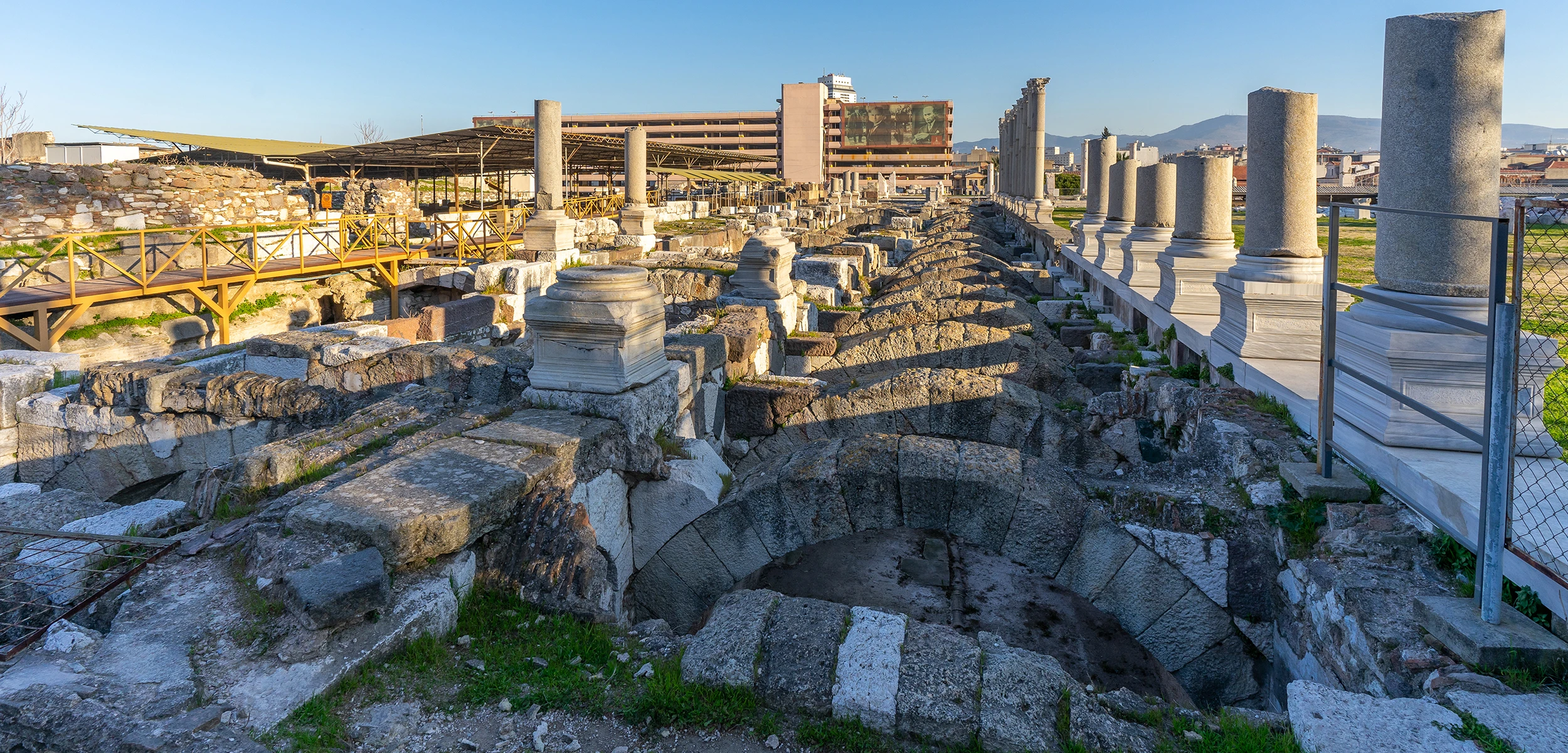
See the monumental Roman city behind many of the archaeological stories represented within İzmir's museum collections.
Explore Ancient Smyrna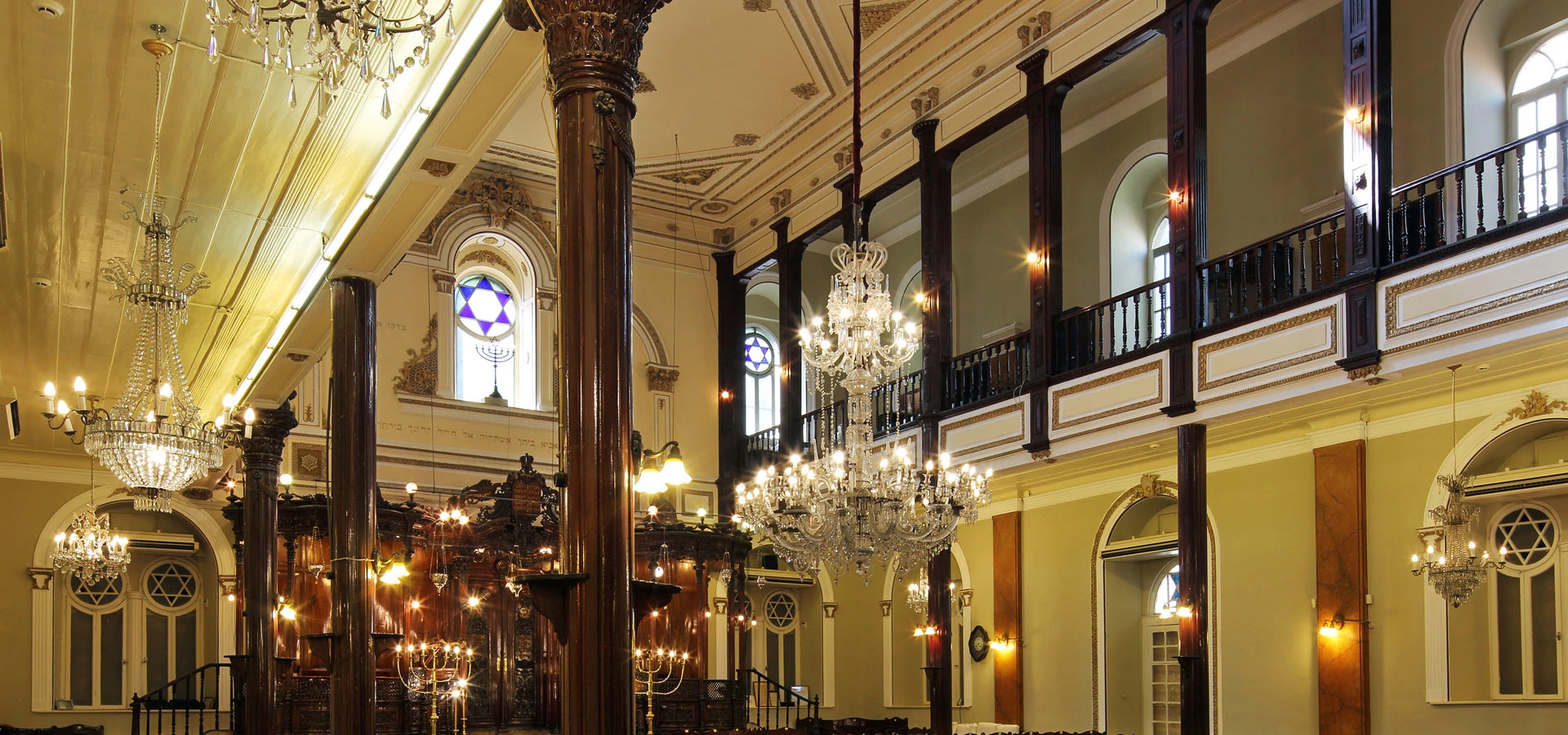
Discover historic synagogues and neighbourhoods preserving another extraordinary layer of İzmir's multicultural urban history.
Explore Jewish İzmir
Continue with our complete İzmir guide for ancient sites, museums, neighbourhoods, churches, synagogues, markets, local cuisine and day trips.
View İzmir Guide