Culture, evidence & contextHistory, Architecture & Cultural Context of Kırşehir Museum
Page-specific research and local distinctions, not generic regional claims.
Archaeology and ethnography under one institutional history
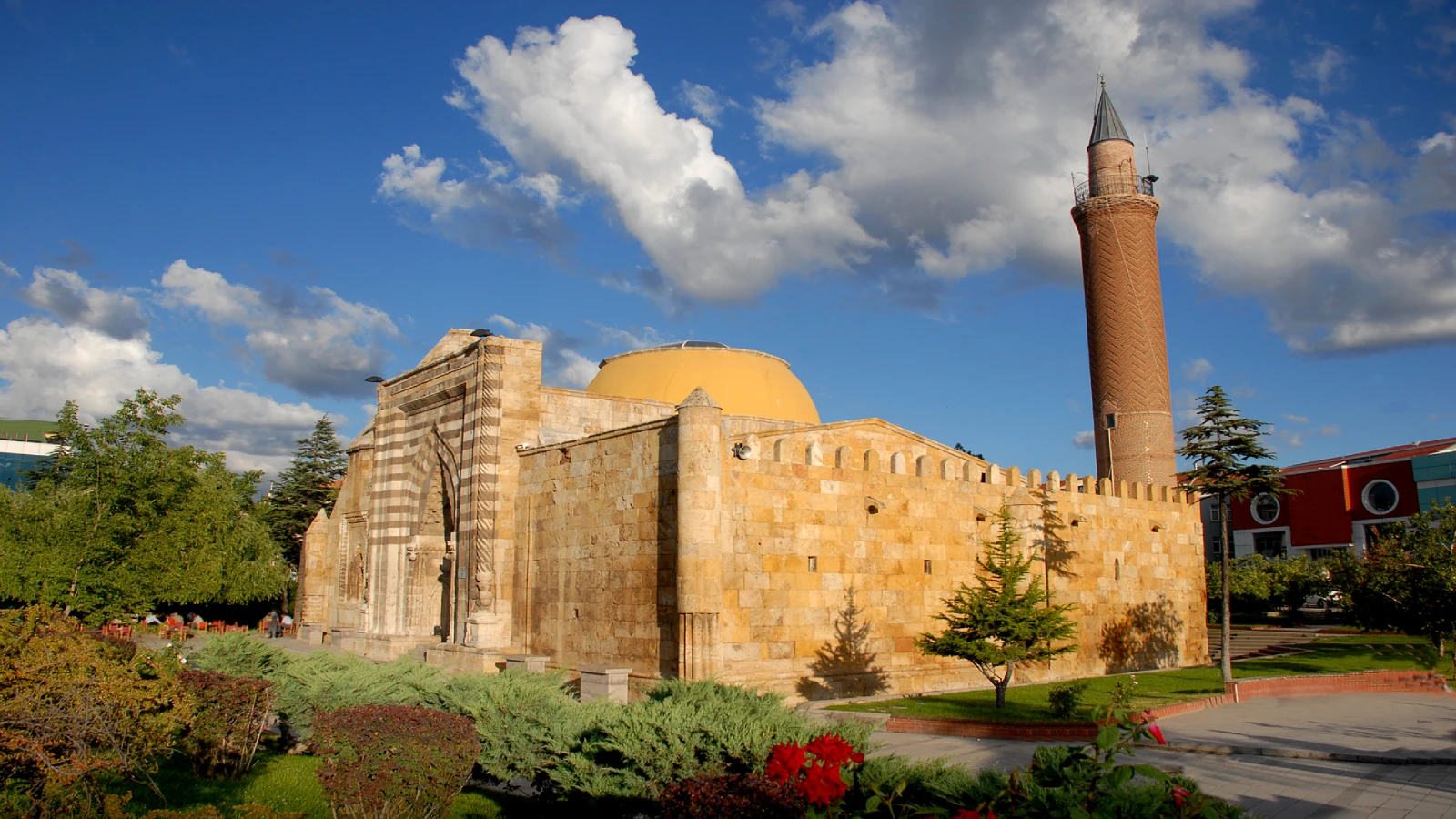
The provincial museum’s published history begins with collecting material at Alaaddin Mosque on central Kalehöyük, followed by displays in an official building in the 1980s and the transfer of collections to the cultural centre in the 1990s. The provincial directorate describes a small exhibition room and a much larger store of archaeological and ethnographic material; descriptions of the collection should not be mistaken for a guarantee that every object is on public display.
What the collections help explain
The archaeology material includes ceramics, Roman and Byzantine sculpture, grave stelae and small finds. The ethnographic collections document Kırşehir domestic life, crafts and the Ahilik tradition. Objects from separate periods can be compared here without claiming that they came from one site or excavation layer. The archaeological collection differs from the Kaman Kalehöyük museum, which interprets finds from the Japanese–Turkish excavation projects.