Private Nebiler & Dikili Nature Experience
Ask us about a tailor-made North Aegean day combining Nebiler Waterfall, countryside scenery, Dikili and relaxed coastal stops.
Request a Custom Tour





Only a short journey inland from the beaches of Dikili, Nebiler Waterfall reveals a side of northern İzmir that many coastal visitors never expect to find. Instead of open Aegean water and olive-lined shores, the landscape becomes a cool green valley of flowing streams, mature trees, rocky slopes, caves and a series of waterfalls hidden along woodland paths.
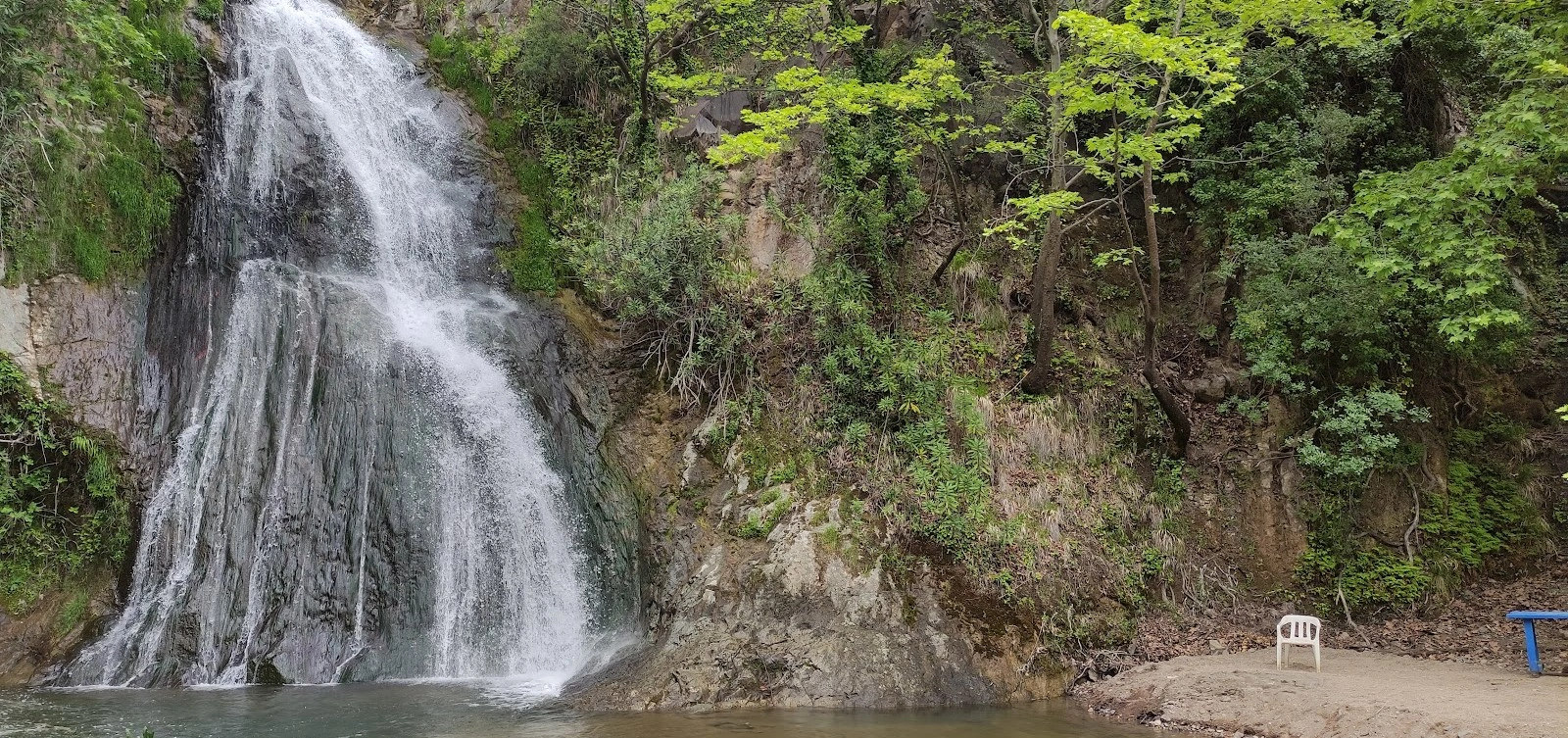
The main cascade is widely known both as Nebiler Şelalesi and Aşıklar Şelalesi – the Waterfall of Lovers. Water falls over a steep rock face into a natural pool surrounded by vegetation, creating one of the most photogenic nature stops in the Dikili district.
Yet the main waterfall is only the beginning. Trails continue through the valley toward the atmospheric Ağlayan Mağara, or Weeping Cave, while more adventurous walkers can continue farther toward smaller cascades including Ece Çağlayanı and Sümeyra Şelalesi.
Nebiler therefore works equally well as a short scenic stop or as the starting point for a longer nature walk. Come for the waterfall, but allow enough time to appreciate the shade, the sound of running water and the completely different character of inland Dikili.
The main Nebiler cascade drops into a natural pool surrounded by rock, mature trees and dense seasonal vegetation.
A short trail beyond the main waterfall leads toward the atmospheric Weeping Cave, where water droplets fall from the rock.
Paths continue through the stream valley toward additional cascades, rocky landscapes and quieter natural areas.
Nebiler provides a refreshing contrast to Dikili's beaches and is easy to combine with a wider coastal itinerary.
Essential information for planning a visit to Nebiler Waterfall, Ağlayan Cave and the surrounding valley near Dikili.
Nebiler Waterfall lies inland within the Dikili district of northern İzmir Province, near Nebiler and Gökçeağıl.
Allow roughly 12–15 km of road travel from central Dikili depending on your route and final access point.
The main waterfall is commonly called both Nebiler Şelalesi and Aşıklar Şelalesi, meaning Waterfall of Lovers.
Waterfalls, mature trees, natural pools, caves, stream scenery, shaded walking routes and peaceful inland nature.
The principal waterfall is reached by descending a substantial wooden stairway through the valley.
Ağlayan Mağara, or Weeping Cave, lies farther along the walking route above the main waterfall.
Choose between a short waterfall visit and longer routes toward the cave, stream valley and upper cascades.
Ece Çağlayanı and Sümeyra Şelalesi can be reached farther along the valley by walkers prepared for rougher terrain.
The wider Nebiler area also belongs to Dikili's geothermal zone and contains a separate thermal spring.
Spring is particularly beautiful for flowing water and vegetation; autumn is excellent for walking in cooler temperatures.
Wet rock, stairs, uneven paths and stream crossings can become slippery. Proper footwear is strongly recommended.
Allow around 1–2 hours for the main waterfall and cave, or longer if exploring the upper valley on foot.
Nebiler is an ideal addition to a North Aegean itinerary because it reveals a completely different landscape from the beaches, islands and coastal villages for which Dikili is better known.
The first reason to visit is the main waterfall itself. Water descends across a broad rock face into a pool beneath the trees, producing an enclosed, almost hidden atmosphere very different from the exposed Aegean coast only a short drive away.
The second reason is the valley. Nebiler is not simply a roadside waterfall where visitors arrive, take a photograph and leave. Walking routes continue through vegetation and beside flowing water toward caves and smaller cascades.
The third reason is variety. In one relatively compact area you can experience woodland, waterfalls, natural pools, rock formations, a cave and trekking terrain.
Finally, Nebiler is one of the easiest ways to add nature to a journey otherwise focused on Dikili, Bademli and the archaeological landscapes around Bergama.
Nebiler Waterfall lies within the Dikili district of İzmir Province, east of the main İzmir–Çanakkale coastal road and inland from the Aegean shoreline.
The surrounding landscape is rural rather than urban. Roads leave the coastal corridor and continue inland through agricultural countryside toward Nebiler and the waterfall area.
This location makes Nebiler especially convenient for travellers already exploring northern İzmir by car. It can be visited from Dikili itself or incorporated into a wider route linking beaches, villages and inland nature.
The principal waterfall is the natural centrepiece of the area and is known locally as both Nebiler Şelalesi and Aşıklar Şelalesi.
Water flows over dark rock into a small natural pool below. The surrounding trees, vegetation and enclosed valley walls create a much cooler visual atmosphere than the dry summer landscape found in many exposed parts of the North Aegean.
The flow changes seasonally. After wetter winter and spring periods the waterfall can appear considerably stronger, while late summer normally produces a gentler landscape.
This variation is part of Nebiler's character. It should be understood as a living seasonal water system rather than a controlled artificial cascade with identical conditions throughout the year.
Local district information describes access to the main waterfall through a wooden stairway of approximately 86 steps.
The descent is not especially long for an active visitor, but it immediately explains why Nebiler should not be treated as a completely step-free sightseeing stop.
The steps can become slippery when wet, particularly after rain or when visitors carry water from the stream onto the walking surfaces.
Take your time both descending and returning. The uphill climb can feel more demanding during hot summer afternoons, especially after spending time walking farther into the valley.
The force of falling water has created a natural pool immediately below the main waterfall.
During warmer periods some visitors enter the water to cool down, but conditions should always be assessed on the day of your visit. Water temperature, depth, flow and footing can vary considerably.
Smooth wet rock is one of the main hazards. Never jump from rocks into unfamiliar natural pools and never assume the bottom is free of submerged stones simply because the water appears calm.
Natural pools should also not be treated like managed swimming facilities. Lifeguards, depth markings and controlled surfaces should not be assumed.
One of Nebiler's most interesting features lies beyond the main cascade. From the upper side of the waterfall area, a walking trail continues toward Ağlayan Mağara, literally the Weeping Cave.
Local visitor information describes the cave as roughly a ten-minute walk from the main waterfall area, although your actual time will depend on trail conditions and walking pace.
Water filters through the rock and falls from the cave surface in small droplets. This constant dripping effect gave the cave its evocative name.
The cave also forms an important part of the local legend associated with Aşıklar Waterfall, linking the physical landscape with one of the best-known traditional stories of the Nebiler valley.
The path toward the cave is considerably more natural than a conventional urban walkway. Wear footwear with reliable grip and avoid rushing across damp rock.
Visitors willing to walk farther can continue beyond Ağlayan Mağara toward additional waterfalls and cascades hidden deeper within the Nebiler valley.
A smaller cascade farther along the route and a rewarding objective for visitors who want to explore beyond the main waterfall.
Located farther into the valley, Sümeyra Waterfall extends the Nebiler experience into a more substantial nature walk.
Parts of the route follow or cross the stream itself, particularly when water levels are higher.
The farther you continue, the more important suitable walking shoes and careful footing become.
Do not treat these upper waterfalls as mandatory. The main Nebiler Waterfall and Ağlayan Cave already provide a worthwhile visit for travellers who prefer a shorter and easier experience.
Nebiler is officially recognized as one of the Dikili district's nature-walking areas, and the surrounding valley offers several levels of exploration.
Descend to the main waterfall, enjoy the natural pool and return without continuing into the upper valley.
Combine the main waterfall with Ağlayan Cave for a fuller impression of the valley.
Continue farther toward Ece Çağlayanı and additional stream landscapes if conditions are suitable.
Wet stone, roots, uneven ground and seasonal stream crossings can make the upper route much more demanding.
The wider regional hiking network also includes a Dikili–Kabakum–Gökçeağıl–Nebiler route officially listed among the district's walking itineraries.
For independent visitors, the most important principle is simple: only continue as far as the conditions, daylight and your footwear make sensible.
The strongest impression at Nebiler is created by the contrast between this shaded stream valley and the broader Aegean environment surrounding Dikili.
Mature trees overhang sections of the water, while shrubs and seasonal vegetation occupy damp areas around the stream and waterfall.
Rock formations channel the water into pools, narrow passages and cascades. In several places the trail moves close enough to the stream for walkers to experience the landscape through sound as much as through sight.
The result is a remarkably intimate setting. Rather than viewing the waterfall from one distant platform, visitors gradually move through the landscape itself.
Like most natural waterfalls in western Türkiye, Nebiler responds to seasonal rainfall.
Winter rain and spring runoff generally produce stronger water flow, greener vegetation and a more dramatic waterfall landscape.
During the hottest and driest part of summer, water levels can be lower. The valley can still be attractive, particularly because of its shade, but visitors should not expect exactly the same waterfall volume seen in spring photographs.
Heavy rain creates the opposite problem. Paths, stream crossings and rock surfaces can become much more difficult and potentially unsafe.
The romantic name Aşıklar Şelalesi is connected with a local legend rather than a documented historical event.
According to the story, a young woman named Sümeyra, daughter of a fairy ruler, falls in love with a mortal young man named Yörük Ali.
Their relationship is forbidden, and the two lovers secretly meet beneath a great plane tree in the Nebiler valley.
When they are eventually pursued, the ancient tree is said to open and shelter them. The lovers then pray that they will never be separated.
The legend concludes that they are transformed into the flowing waterfall so that their love can continue forever.
Sümeyra's grieving father withdraws to the cave above the falls, and his tears become the falling drops associated with Ağlayan Mağara.
Whether taken simply as folklore or as part of local storytelling tradition, the legend gives names and personality to several locations encountered while walking through the valley.
The wider Nebiler area is not known only for cold flowing streams. It also belongs to the extensive geothermal landscape of Dikili.
Official provincial tourism information records a thermal spring in the Nebiler area with naturally very hot water.
The thermal spring is a separate experience from the main waterfall valley and should not be confused with the natural pool beneath Aşıklar Waterfall.
Visitors should also avoid making medical assumptions about thermal water. High temperatures can carry health risks, and anyone with relevant medical concerns should seek appropriate professional advice before prolonged bathing.
Nebiler's stream and natural pool create a freshwater habitat very different from the saltwater coast around Dikili.
Fish, amphibians, insects and other small aquatic life can inhabit the stream environment, while birds use the tree canopy and surrounding rural landscape.
The mature trees themselves are among the area's most important visual features, providing shade and helping create the cool atmosphere for which Nebiler is known.
Avoid disturbing animals around the water and never remove plants, stones or aquatic life from the valley.
Descend through the shaded valley and spend time beside the principal Aşıklar cascade.
Continue beyond the waterfall to see water droplets falling through the atmospheric Weeping Cave.
Follow the natural landscape farther upstream if trail and water conditions are suitable.
Extend your visit toward one of the smaller upper cascades hidden farther along the route.
Use the surrounding trees, dark rock and natural pool to frame one of Dikili's most photogenic inland landscapes.
The wooded setting offers a welcome change from the exposed summer heat of the North Aegean coast.
Running water, birds and leaves create a natural soundscape worth experiencing without rushing.
Return to the coast afterwards for swimming, restaurants and an evening walk along the Aegean waterfront.
Visitors sometimes cool themselves in the natural pool below the main waterfall during warm weather.
However, swimming conditions are entirely natural and can change according to rainfall, current, water level and sediment.
The pool is not equivalent to a swimming pool or supervised beach. Never assume that depth, water quality or underwater conditions have been formally checked.
Water shoes can improve grip when entering over stone, but they do not eliminate the danger created by algae-covered or wet rock.
Children and weak swimmers should be supervised particularly carefully around moving water.
The waterfall area has historically included a simple restaurant or countryside eating facility near the upper entrance, making it possible to combine the visit with breakfast, tea or a casual meal when the business is operating.
Operating arrangements can change between seasons, so do not rely completely on finding every service open.
A countryside breakfast can work well before descending into the valley, particularly during cooler morning hours.
A simple drink after the uphill return from the waterfall is especially welcome in warm weather.
Seasonal countryside businesses may provide gözleme, sandwiches or other straightforward food.
Carry your own drinking water regardless of whether restaurant facilities appear to be operating.
Nebiler is a natural attraction rather than a national museum or archaeological site with a permanently standardized government ticket system.
Online listings sometimes publish specific entrance fees or opening hours, but these details vary and can become outdated quickly.
For that reason, travellers should confirm the current entrance arrangement locally before making a special journey based on a specific fee or closing time.
Arriving during normal daylight hours is advisable even when access appears possible later, because the attraction involves stairs, natural paths, water and uneven terrain.
Winter rainfall can strengthen water flow, but wet and slippery trail conditions require additional caution.
A rewarding transition period as the valley becomes greener and spring water levels begin to create stronger cascades.
One of the most attractive months for vegetation, comfortable hiking temperatures and lively water flow.
Excellent for combining green scenery with warmer weather before the strongest summer heat arrives.
Good for an early-morning visit, with increasing summer temperatures but usually pleasant shade inside the valley.
The coast is at its busiest and Nebiler offers refreshing shade, although waterfall volume may be lower after prolonged dry weather.
A pleasant period for walking, particularly once extreme summer heat begins to ease.
Excellent for cooler nature walks, with changing vegetation and renewed rainfall possible later in autumn.
For the strongest combination of green vegetation, comfortable temperatures and flowing water, spring is particularly attractive.
Morning is usually the most comfortable time, particularly from late spring through early autumn.
Temperatures are lower, walking is easier and there is more daylight available if you decide to continue beyond the main waterfall toward the cave or upper cascades.
Around midday, sunlight filtering through the trees can create beautiful contrast on the falling water, although exposed sections of the route can become hot.
Avoid starting a longer valley walk late in the day. Natural paths are considerably harder to follow safely after the light begins to fade.
Drive inland from the Dikili area toward the Nebiler and Gökçeağıl countryside, following local waterfall signs where available.
Return toward the main Dikili road network before continuing inland; combining coast and waterfall works particularly well by private car.
Nebiler can be incorporated into a broader North Aegean route connecting Bergama with Dikili and the coast.
The most convenient choice, particularly if combining Nebiler with several other rural or coastal attractions.
Possible from Dikili, but arrange the return journey in advance rather than depending on finding another vehicle at the waterfall.
Reaching the wider village area may be possible locally, but direct access to the attraction is much less convenient than travelling by car.
Possible for experienced cyclists, although summer heat, road gradients and rural traffic should be considered carefully.
A custom vehicle route can combine Nebiler with Dikili, Bademli, Pergamon or other North Aegean destinations.
The journey is straightforward for travellers comfortable with rural roads, but conditions closer to the waterfall can differ from the main highway.
Drive slowly around village sections, agricultural vehicles, animals and narrow bends.
After heavy rain, minor roads can develop mud, water or surface damage. Never follow navigation software blindly if it attempts to send you onto an obviously inappropriate track.
During summer weekends, arrive earlier in the day to reduce the chance of parking pressure around the entrance area.
Enough for the stair descent, a short look at the main waterfall and the climb back up.
A comfortable minimum if your main objective is the principal Aşıklar waterfall.
A better visit combining the main waterfall with Ağlayan Cave and relaxed photography.
Suitable for continuing farther into the valley toward additional cascades without rushing.
Ideal for hikers who want to explore several sections of the valley, stop for food and move at a relaxed pace.
Usually unnecessary for Nebiler alone, but excellent when combined with Dikili, Bademli or another North Aegean destination.
Timings are intentionally approximate. Natural conditions matter more than following a rigid schedule.
Use the natural pool as foreground and frame the falling water between the surrounding rock and vegetation.
A tripod and slower shutter speed can emphasize the movement of the waterfall when visitor numbers allow safe positioning.
Filtered sunlight through leaves can create beautiful patches of light across the water and rocks.
Look for water droplets, rock texture and the contrast between darker cave surfaces and brighter vegetation outside.
Small cascades, wet leaves, reflections and moss can be just as photogenic as the main waterfall.
Spring usually creates the richest combination of flowing water and fresh vegetation.
Water spray, wet hands and slippery paths make a secure strap and waterproof protection sensible.
Never climb onto unstable rocks or block narrow passages simply to create a photograph.
Nebiler can be a memorable nature experience for families, but parents should understand the terrain before visiting.
The main waterfall requires a substantial stair descent, while wet rock and natural pathways demand close supervision of younger children.
Strollers are not practical for the full waterfall route. Families with babies will need to plan around the stairs and uneven surfaces.
The upper trails toward Ağlayan Cave and additional cascades become progressively less suitable for very young children.
Wheelchair access to the principal waterfall itself is extremely limited because of the stairway and natural terrain.
Travellers with restricted mobility may still enjoy the upper countryside environment and any accessible facilities near the entrance, but should not assume they can reach the main cascade.
Wet stone and algae can become extremely slippery even when surfaces appear easy to walk across.
Walking shoes or sandals with strong grip are preferable to smooth-soled fashion footwear.
Do not attempt stream crossings when rainfall has created fast or deeper water.
Never climb above waterfalls or approach exposed drop-offs simply for photographs.
Natural pools can hide rocks and changing depths beneath the surface.
Keep young visitors close around stairs, moving water and rocky sections.
Heavy rain can rapidly transform otherwise manageable paths and stream sections.
Complete longer walks before dusk so natural obstacles remain clearly visible.
Never leave bottles, food packaging or cigarette waste anywhere along the valley.
Avoid creating shortcuts through vegetation or unstable slopes.
Do not introduce soap, detergent, food or other contaminants into pools or streams.
Observe freshwater animals without touching, feeding or removing them.
Allow other visitors to experience the natural sound of the water and forest.
Names and graffiti permanently damage natural and living surfaces.
Never light fires outside specifically permitted and controlled areas.
Do not block local roads, agricultural entrances or private property when parking.
This is the single most useful preparation for wet stairs, rock and natural paths.
Carry sufficient drinking water even if you expect on-site refreshments to be available.
Morning provides cooler temperatures, easier parking and more daylight for longer walks.
Useful after entering the natural pool or simply dealing with water spray around the waterfall.
Keep phones, cameras and car keys inside a waterproof pouch or secure bag.
Wooded stream environments can attract insects, particularly in warm weather.
Recent rain matters much more here than it does for an ordinary urban sightseeing day.
Give yourself enough time for both the descent and the uphill return.
Payment options at small seasonal countryside businesses can differ from those in town.
Natural paths, wet rock and rural roads are easier and safer to navigate while visibility is good.
Return to the Aegean for beaches, a waterfront promenade, restaurants, thermal landscapes and an easy coastal atmosphere.
Explore turquoise coves, olive groves, Garip and Kalem islands and one of northern İzmir's most beautiful coastlines.
The atmospheric Weeping Cave lies within the Nebiler valley and forms a natural continuation of the waterfall visit.
Continue farther along the stream for another waterfall experience away from the busiest main cascade.
Discover another expression of Dikili's remarkable geothermal landscape in the surrounding countryside.
A historic coastal town south of Dikili known for its imposing castle, harbour and connection with ancient Pitane.
Explore the modern historic town beneath Pergamon and combine archaeological monuments with traditional streets and markets.
Continue inland into a forested highland landscape of pine trees, rural villages and mountain scenery.
Combine a morning waterfall walk with an afternoon beside the sea and dinner on the Dikili waterfront.
Experience forest and freshwater first, then continue toward turquoise coves and island scenery.
Pair the natural valley with one of Türkiye's most important ancient cities for an unusually varied day.
Combine the waterfall with a historic castle, harbour and relaxed coastal stop farther south.
Create a nature-focused route through waterfall valleys, pine-covered highlands and rural North Aegean scenery.
Include Nebiler within a longer journey linking Bergama, Dikili, Bademli, Çandarlı and Foça.
Nebiler Waterfall is located in the Dikili district of İzmir Province in western Türkiye.
Yes. The principal waterfall is commonly known as both Nebiler Şelalesi and Aşıklar Şelalesi.
The Turkish name translates approximately as Waterfall of Lovers and refers to a local romantic legend.
Allow roughly 12–15 kilometres from central Dikili depending on the chosen road and final access point.
Yes, particularly if you enjoy waterfalls, caves, shaded nature walks and landscapes away from the Aegean beaches.
The main cascade is reached by descending a substantial wooden stairway into the valley.
Local district information describes approximately 86 steps leading toward the main waterfall.
Visitors sometimes cool off in the natural pool during summer, but conditions are unsupervised and should always be assessed carefully.
Natural pool depth changes with flow and sediment, so never rely on a fixed depth or assume diving is safe.
Ağlayan Mağara means Weeping Cave. Water droplets fall from the cave rock, producing the effect that inspired its name.
Local visitor information describes it as roughly a ten-minute walk beyond the main waterfall area.
Ece Çağlayanı is another cascade farther along the Nebiler valley walking route.
Sümeyra is an additional waterfall farther into the valley and shares its name with the central figure in the local lovers' legend.
Yes. Trails continue toward the cave and additional cascades, although conditions become progressively more natural and demanding.
Footwear with good grip is strongly recommended because stairs, rocks and stream sections can be wet and slippery.
Some longer routes through the upper valley can involve crossing or walking close to the stream depending on water levels.
Water flow is generally more impressive after wetter winter and spring periods.
Water normally continues through the valley, but the volume can be lower after prolonged hot and dry weather.
Spring is particularly attractive for green vegetation, comfortable temperatures and stronger water flow.
Yes. Cooler temperatures make autumn excellent for walking, although rain can increase trail difficulty.
Yes, but wet stairs, mud and stronger stream flow require more caution than during dry weather.
Morning is ideal because temperatures are cooler and you have maximum daylight for exploring the upper valley.
Allow approximately 1–2 hours for the waterfall and cave, or several hours for a longer hike.
Entrance arrangements can change. Confirm the current local situation rather than relying on an older published price.
Operational arrangements may vary seasonally. Visiting during normal daylight hours is the safest option.
A countryside restaurant or refreshment facility has operated around the upper entrance area, but seasonal availability should be checked locally.
Facilities may be available around the entrance business area, but visitors should not expect services farther along the natural valley trails.
Yes for carefully supervised children, although stairs, water and slippery natural terrain require attention.
A stroller is not practical for reaching the main waterfall because of the substantial stairway and uneven terrain.
Access to the principal waterfall is extremely limited for wheelchairs because the route includes stairs and natural surfaces.
Conditions depend on current site rules. If pets are permitted, keep them controlled around wildlife, water and other visitors.
Use only appropriate designated or already established areas and always remove all rubbish afterwards.
Do not assume camping is permitted simply because the surroundings are rural. Confirm current local rules before planning an overnight stay.
Yes. The wider Nebiler area is part of Dikili's geothermal landscape and includes a separate thermal spring.
Both attractions lie within the wider Dikili district and can be combined comfortably by car in the same day.
Yes. A morning waterfall visit followed by an afternoon on the Dikili coast makes an excellent day.
Yes, especially when travelling by private car or organized vehicle and starting early.
Bring drinking water, grip footwear, sun protection, insect protection, a small towel and waterproof protection for electronics.
Heavy rain can make rocks, stairs and stream crossings substantially more difficult, so conditions should be assessed carefully.
Nebiler is an inland freshwater valley of forest, caves and cascades, creating a dramatic contrast with Dikili's open Aegean coast.
A private North Aegean route can combine Nebiler's waterfall valley with Dikili, Bademli, Pergamon and the rural landscapes of northern İzmir at a relaxed pace.
Tell us whether your priority is waterfalls, hiking, swimming, photography, ancient history, villages or a combination of nature and coast, and we can shape the route around your interests and available time.
Ask us about a tailor-made North Aegean day combining Nebiler Waterfall, countryside scenery, Dikili and relaxed coastal stops.
Request a Custom Tour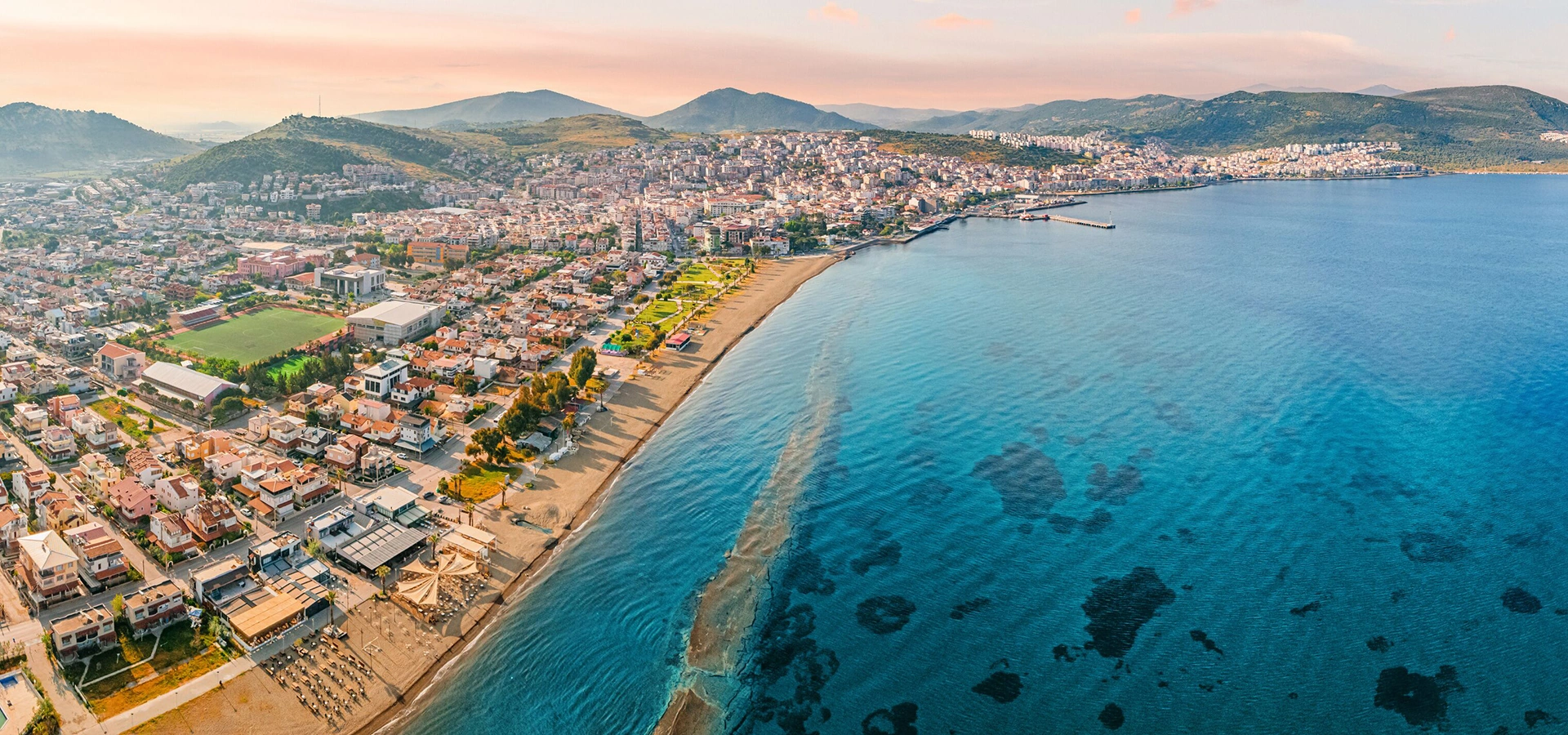
Continue with our complete Dikili guide for beaches, thermal springs, islands, countryside, ancient landscapes and the best places to explore across the district.
View Dikili Guide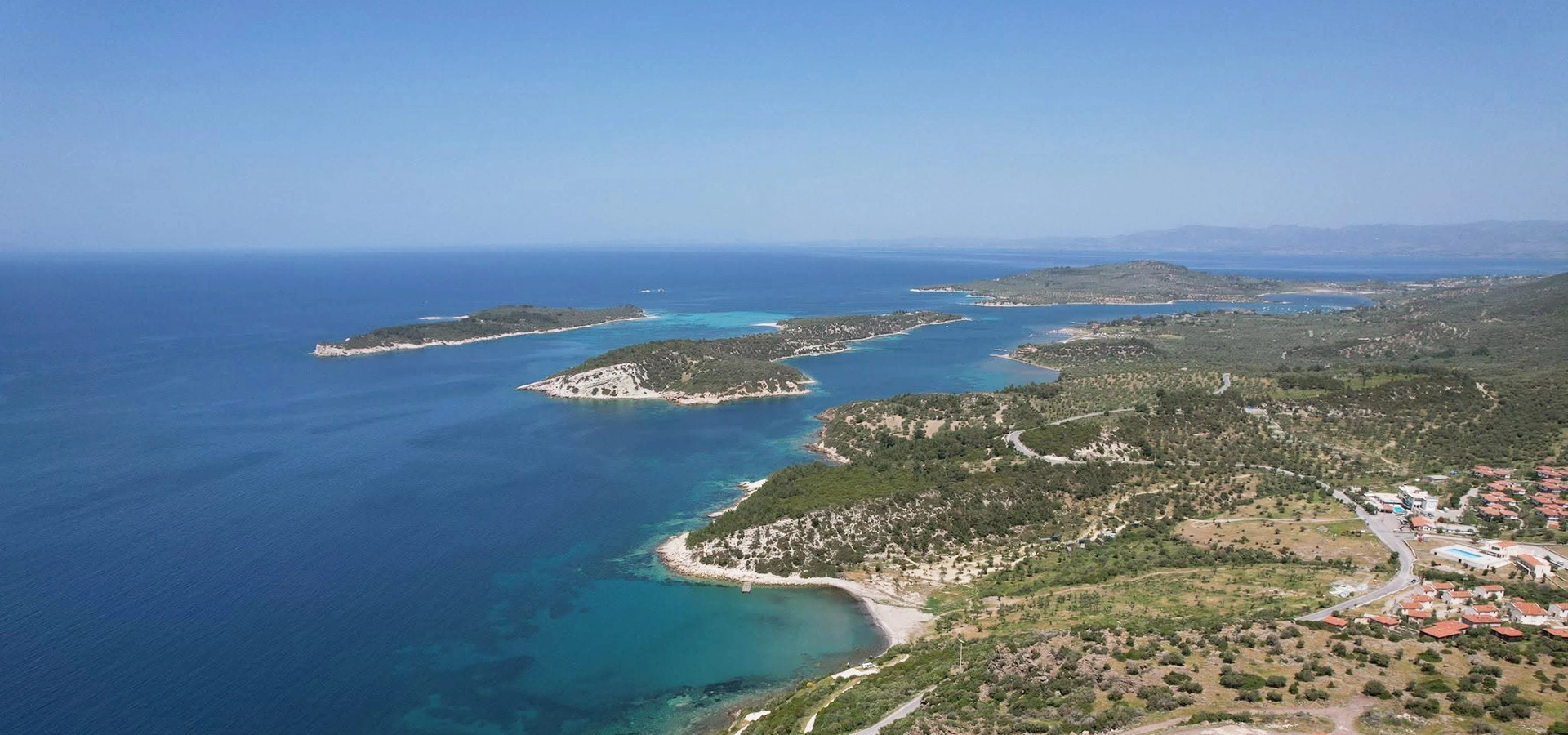
After the cool green Nebiler valley, discover turquoise water, olive groves, Garip Island, Kalem Island and the beautiful Bademli coastline.
View Bademli Guide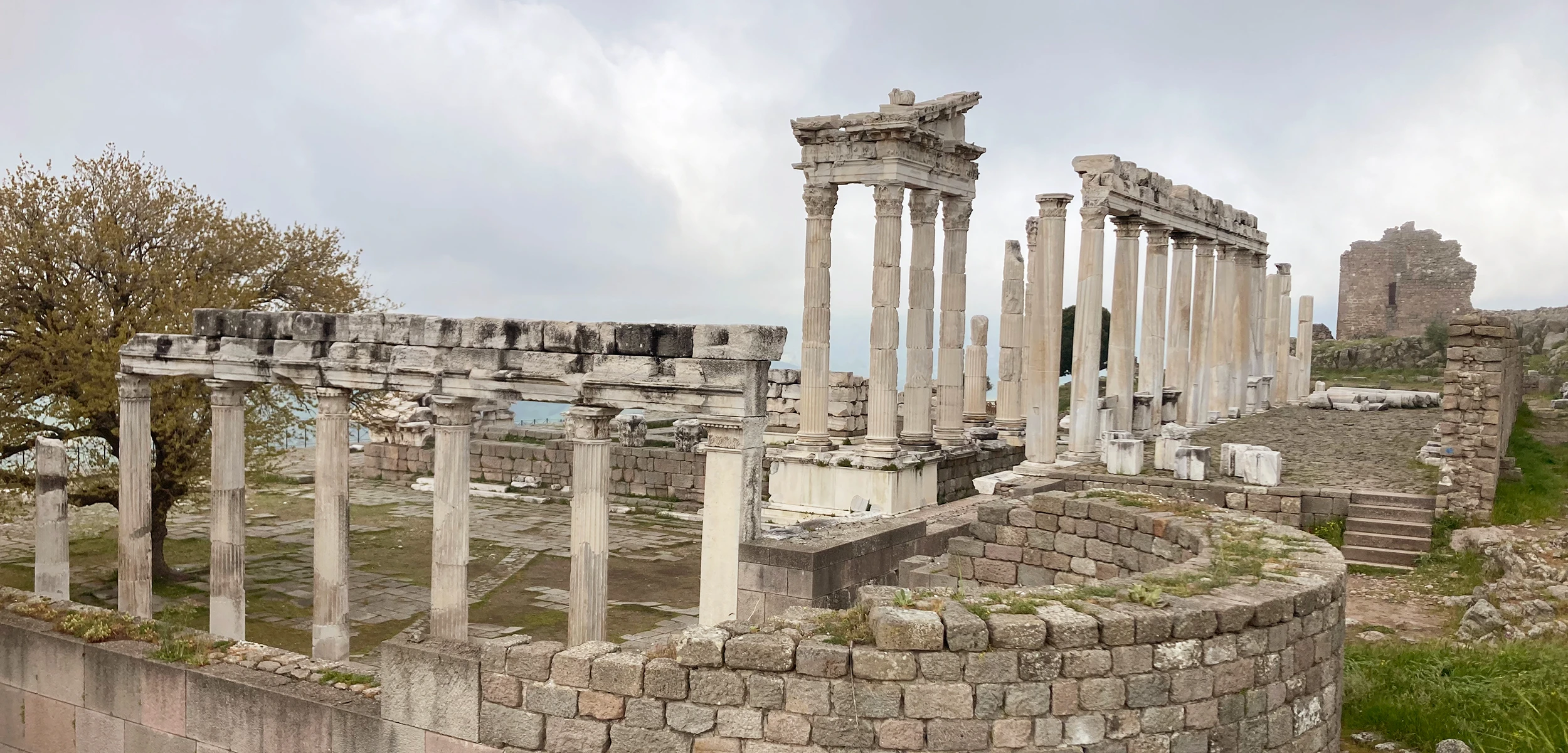
Combine Nebiler and the North Aegean countryside with a privately guided visit to the Acropolis, Asklepion, Red Basilica and archaeological heritage of Pergamon.
Request a Private Pergamon Tour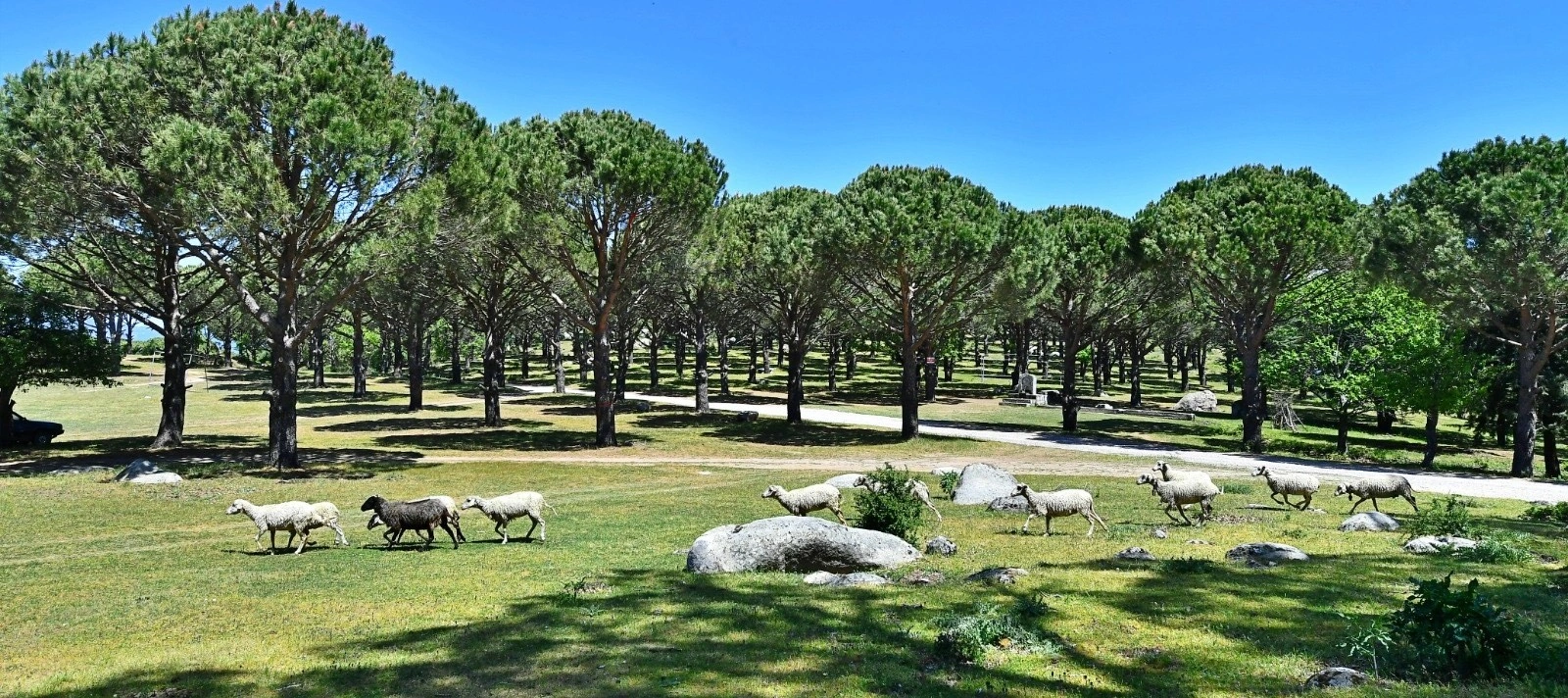
Continue the nature theme inland through pine forests, highland villages and the rural landscapes of the Kozak Plateau above Bergama.
View Kozak Plateau Guide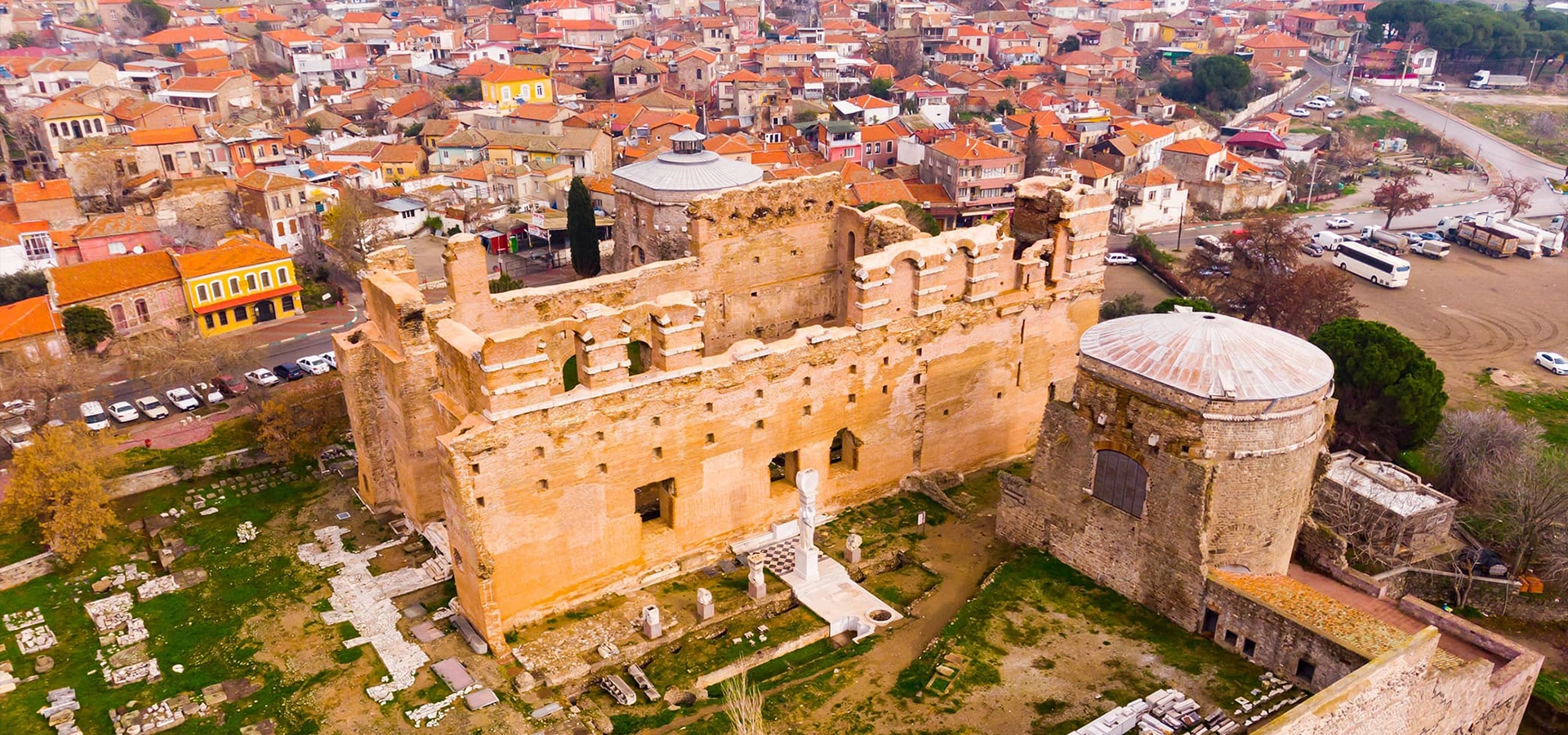
Discover traditional streets, historic houses, local markets and everyday town life beneath the monuments of ancient Pergamon.
View Bergama Guide