Neighbourhood-oven food
Preparation at home and baking in a local oven are part of the regional custom.






Sivas Etli Ekmek is a regional oven-baked meat-topped dough dish. It should be considered alongside, but not automatically equated with, the geographically indicated Ulaş Etli Pidesi of Sivas province.
Preparation at home and baking in a local oven are part of the regional custom
The meat cooks on the dough rather than in a separate stew
Both have meat on bread, but their local shapes and recipes should not be assumed identical
Ulaş Etli Pidesi has its own geographical-indication identity
Its place in Sivas cuisine and the defining preparation details.
Sivas province, Türkiye
Regional food
Knead a bread dough from flour, water, yeast and salt.
No confirmed registration claimed for this specific dish
Bread and meat have long been combined in the ovens of Sivas. Local households traditionally prepared meat-and-onion toppings and took them to communal or neighbourhood ovens for baking. The name etli ekmek broadly means bread with meat, a term also used in other Anatolian cities for distinct recipes.
The Ulaş district has a specifically registered dish, Ulaş Etli Pidesi, associated with its own local ingredients and production. This page concerns the wider Sivas etli ekmek style; it does not incorrectly transfer the Ulaş registration to every meat-topped bread sold across the province.
The essential technique is to spread a relatively thin layer of seasoned chopped or minced meat and onion over an opened wheat dough and bake until the bread is cooked and the topping is fully done. A hot oven allows the two layers to finish together.
Preparation at home and baking in a local oven are part of the regional custom.
The meat cooks on the dough rather than in a separate stew.
Both have meat on bread, but their local shapes and recipes should not be assumed identical.
Ulaş Etli Pidesi has its own geographical-indication identity.
The dough is best eaten before it loses its oven freshness.
These are ingredients documented in the local culinary sources or used in the explained traditional method. Amounts are included only where the available source specifies them; household quantities vary.
Wheat flour
Water, salt and yeast for a basic dough
Minced or finely chopped beef or lamb
Onion, very finely chopped
Salt, black pepper and optional red pepper
A little tomato or pepper paste in some household toppings
An oven with a hot baking surface
When topping a thin layer of dough, clumps of mince can remain undercooked while the exposed bread burns. The onion must therefore be chopped fine and the meat spread thinly; the high oven temperature then cooks the two layers together.
Ulaş Etli Pidesi is a specifically recognised regional relative, but the name Sivas Etli Ekmek is also used more widely. The text keeps those labels distinct so a reader does not mistake a broad culinary description for an official product specification.
Household preferences differ for the meat topping.
Some cooks include a little paste to bind the filling.
A documented locally registered relative, not a synonym for all Sivas etli ekmek.
Eat with fresh salad, ayran or other simple sides. For the regional distinction, ask whether a bakery is serving general Sivas etli ekmek or the specific Ulaş etli pide preparation.
The finished bread is cut or folded while still hot. Ayran and fresh salad make simple accompaniments because the principal flavour comes from the baked dough, browned meat and onion rather than a collection of separate toppings.
Do not assign a general “Sivas Etli Ekmek” geographical-indication number without a matching official record.
Spread meat thinly and bake thoroughly to avoid an undercooked topping.
Ask local restaurants, bakers or specialist food shops for Sivas Etli Ekmek. Availability depends on the dish and preparation schedule; slow-cooked, preserved and festival foods are not necessarily offered every day. For historical context and other Sivas places, browse our Sivas food and craft guide.
Not necessarily; names are shared but local recipes differ.
The separately named Ulaş Etli Pidesi has its own registration; this page does not claim one for all Sivas etli ekmek.
A seasoned mixture of chopped or minced meat and onion.
Yes, the meat and dough cook together.
The Sivas Provincial Directorate of Culture and Tourism publishes a documented introduction to Sivas Etli Ekmek or the relevant Sivas culinary tradition, linked in the sources below.
This guide draws on the provincial Culture and Tourism Directorate’s culinary documentation and, where the product is registered, TÜRKPATENT’s official geographical-indication register. Historical traditions are identified as local culinary accounts, not dated archaeological proofs.
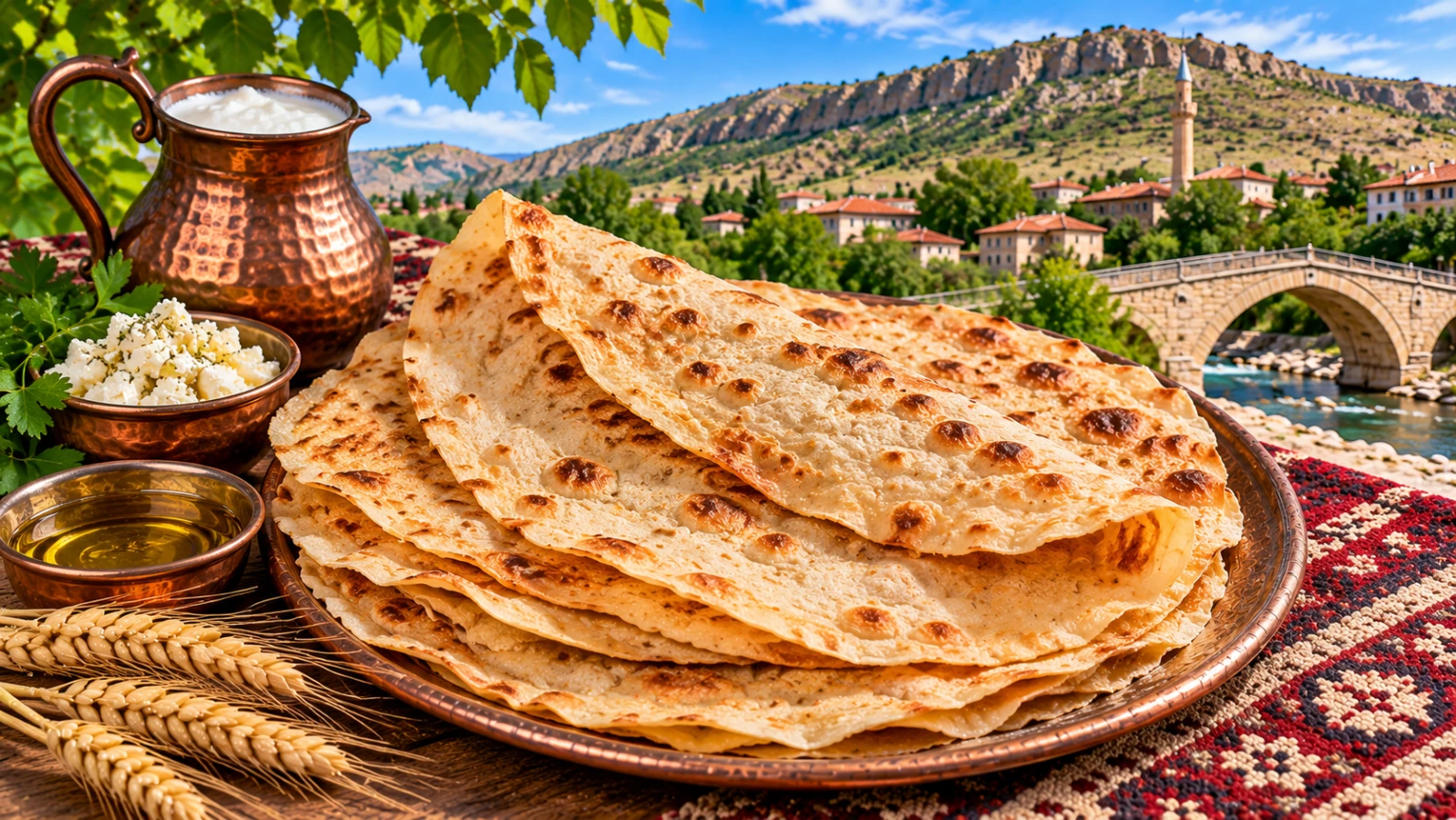
Zara Sac Ekmeği is a distinctive bread of the Zara district, made on the convex side of a traditional sac over wood fire. Its dough includes çökelek or whey, and it may be prepared plain or with filling.
Read Food Guide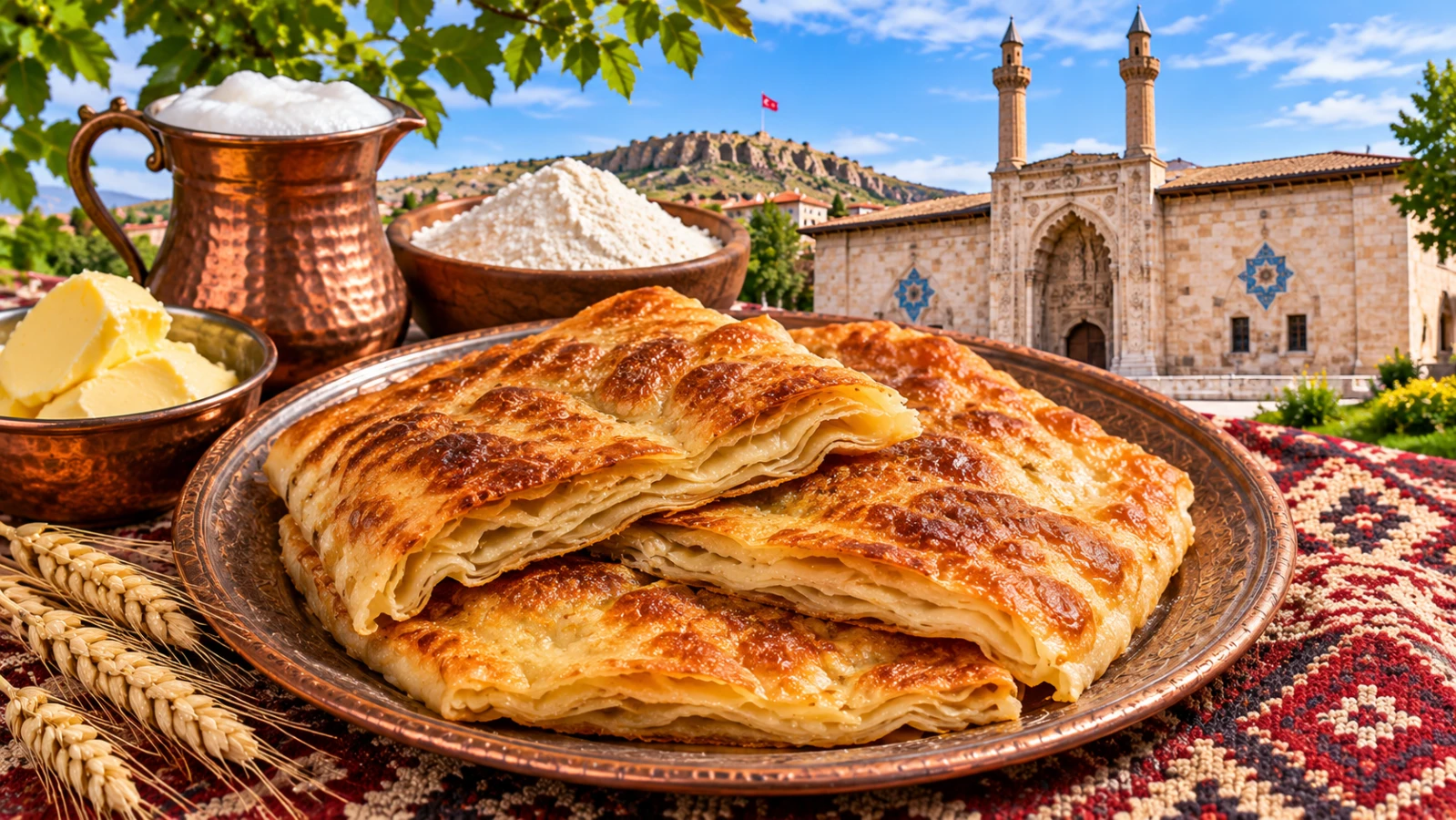
Sivas Katmeri is a savoury, butter-layered pastry associated with local ovens and breakfast tables. Its crisp surface and separated inner layers are created by repeated oiling, folding and shaping of dough.
Read Food Guide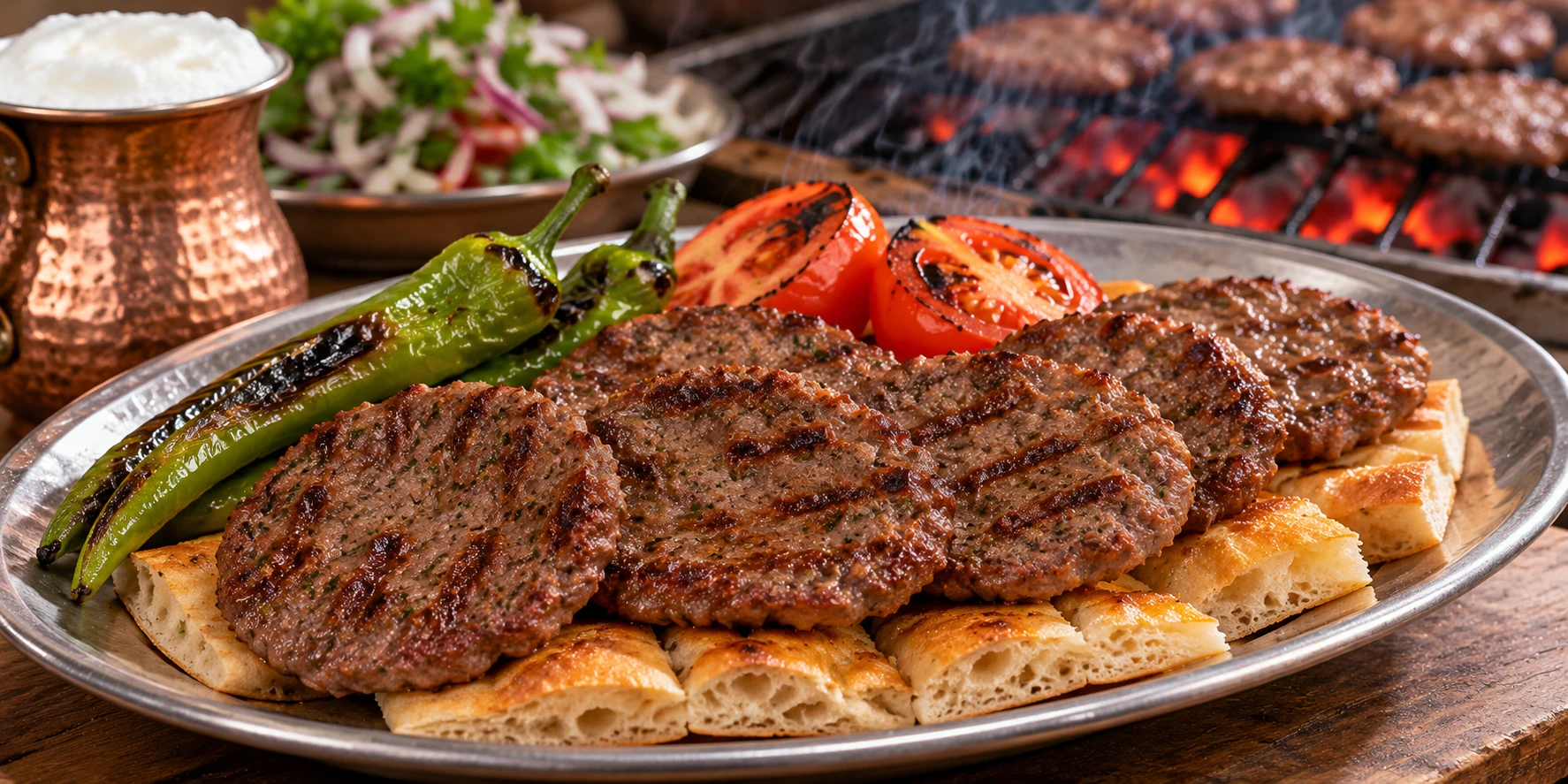
Sivas Köftesi is a thin, broad charcoal-grilled meatball associated with the city’s traditional köfte shops. Its defining preparation is seasoned beef and salt, careful resting and grinding, and quick grilling over embers.
Read Food Guide