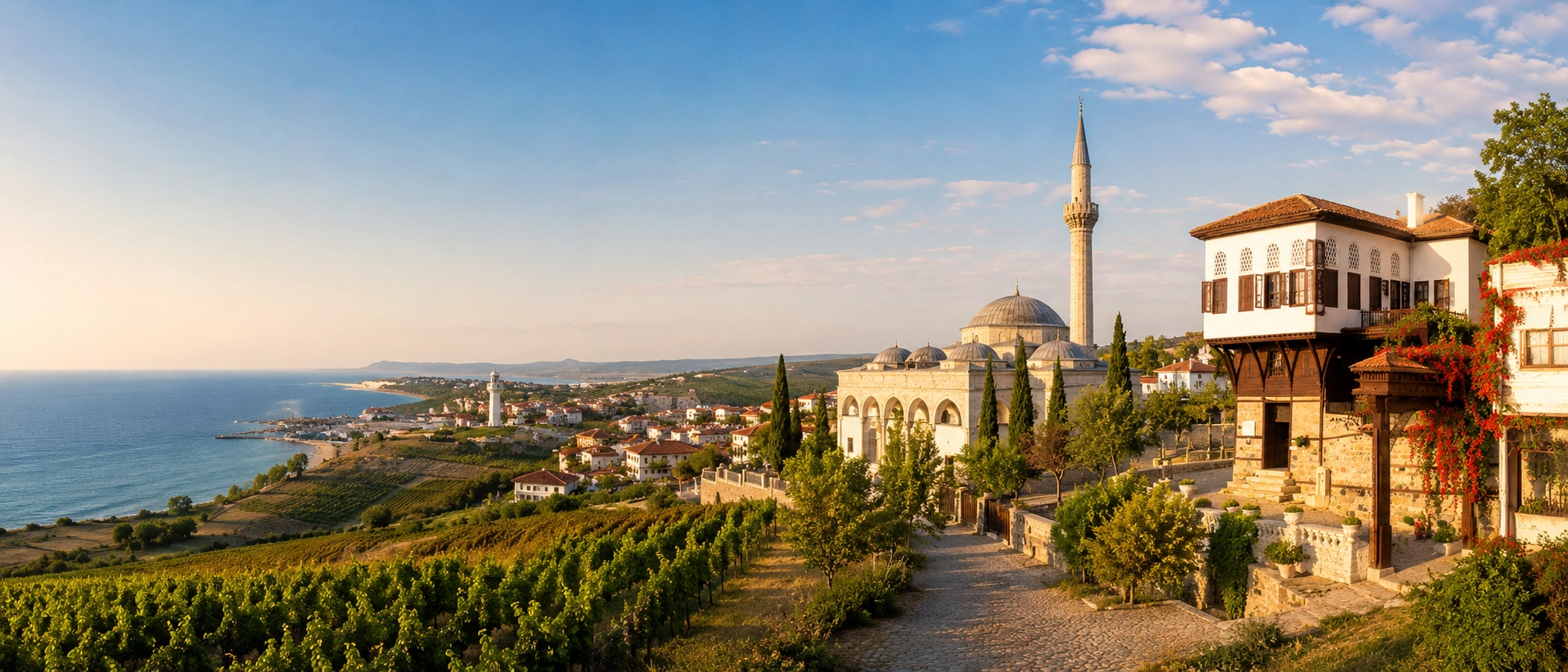
Discover Tekirdağ
Explore the city’s Ottoman heritage, museums, coastline and regional flavours, including Tekirdağ meatballs and traditional Peynir Helvası.
Explore Tekirdağ




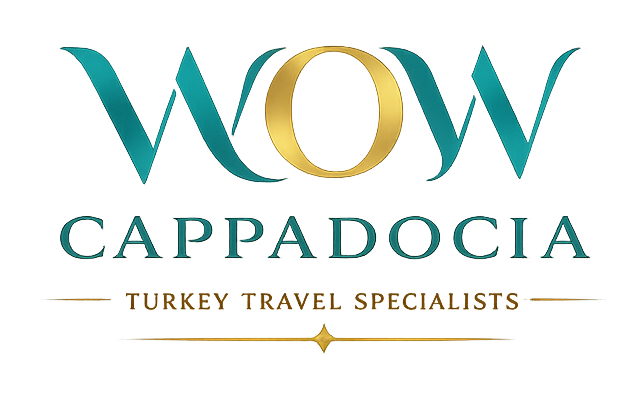
Among the traditional flavours of Tekirdağ, few are as closely associated with the city as Tekirdağ Peynir Helvası, or Tekirdağ Cheese Halva. At first, the combination may sound surprising: fresh unsalted cheese is slowly transformed with flour and sugar into a rich, soft dessert with a characteristic golden-yellow colour and delicate fibrous texture.
Cheese-based sweets exist in several parts of Türkiye, but Tekirdağ’s version has developed its own identity. Unlike many varieties commonly grouped under the name höşmerim, Tekirdağ Cheese Halva traditionally uses wheat flour rather than semolina, while careful cooking produces the distinctive thread-like or fibrous structure known locally as its kılçıklı texture.
Its importance to local culinary culture was formally recognised when Tekirdağ Peynir Helvası received geographical-indication registration in 2020. Today, it remains one of the foods travellers should try when exploring Tekirdağ and the wider region of Turkish Thrace.
The defining ingredient is fresh unsalted cheese curd produced from cow’s milk.
Careful high-heat cooking creates the characteristic fine, thread-like structure of authentic Tekirdağ Peynir Helvası.
Tekirdağ Cheese Halva has been officially registered as a geographical indication since 2020.
Enjoy it as a dessert after a regional meal or purchase a packaged portion to take with you.
Essential information about one of Tekirdağ’s best-known traditional desserts.
Tekirdağ Province in the Turkish Thrace region of northwestern Türkiye.
Fresh unsalted cheese curd combined with wheat flour, sugar and a small amount of sunflower oil.
Registered as Tekirdağ Peynir Helvası, Registration No. 525, on 9 September 2020.
Soft and homogeneous with the distinctive fine fibrous structure that separates it from many similar cheese desserts.
A simple combination of fresh dairy, flour and sugar became one of Tekirdağ’s most recognisable regional flavours.
Cheese-based sweets have long formed part of the culinary traditions of Anatolia and the Balkans. Recipes developed according to the milk, grains, cooking methods and ingredients available in each region, producing a number of related desserts with different textures and flavours.
In Tekirdağ, the local version became known specifically as Peynir Helvası. Fresh unsalted cheese was cooked until it softened and melted, before flour and sugar were incorporated through continuous stirring.
What distinguished the Tekirdağ version was not simply the presence of cheese. Traditional preparation relied on wheat flour rather than semolina, while the method of cooking encouraged the dessert to develop its characteristic fibrous or thread-like structure.
The dessert became closely connected with Tekirdağ’s local dairy production and food culture. Generations of confectioners, dairies and households continued producing versions of the sweet, making it a familiar item in local shops and an increasingly popular edible souvenir for visitors.
The importance of the product eventually led to formal protection. An application for geographical-indication recognition was submitted in 2016 by the Tekirdağ Chamber of Commerce and Industry.
On 9 September 2020, Tekirdağ Peynir Helvası was officially registered by the Turkish Patent and Trademark Office as a Mahreç İşareti, protecting its recognised characteristics and production tradition.
Today, Tekirdağ Cheese Halva is more than a local dessert. Together with Tekirdağ meatballs and other regional specialties, it has become part of the culinary identity visitors associate with this corner of Turkish Thrace.
Tekirdağ Peynir Helvası is a cooked dessert made primarily from fresh unsalted cheese curd, white sugar and wheat flour. Sunflower oil is used during production, while egg yolk or permitted carotene colouring may be used to develop its characteristic warm yellow appearance.
Despite the word cheese, the finished dessert does not resemble a salty cheese dish. The cheese provides body, richness and elasticity, while sugar transforms it into a sweet confection.
Traditionally bright golden to yellow, with a slightly glossy appearance.
Soft and homogeneous but with fine fibres or strands created by the cheese and cooking technique.
Sweet and rich, with a gentle dairy character rather than the strong salty flavour associated with matured cheese.
A combination of cooked fresh dairy, lightly toasted flour and caramel-like sweetness.
The official geographical-indication specification defines the principal ingredients and their approximate proportions. Fresh unsalted cheese curd makes up more than half of the product.
Traditional recipes found in households and older culinary publications may contain somewhat different proportions or additional ingredients. The registered specification, however, establishes the defining commercial characteristics of Tekirdağ Peynir Helvası.
The registered production method does not use preservative additives.
Producing authentic Tekirdağ Cheese Halva involves considerably more than simply mixing ordinary cheese with sugar. The process begins with the production of a fresh unsalted curd.
Cow’s milk is gently warmed before cheese rennet is introduced to begin forming the fresh curd.
The milk is allowed to coagulate before the curd is broken into smaller pieces and separated from much of its whey.
The fresh curds are pressed so that excess whey drains away and the cheese reaches the consistency required for cooking.
The fresh cheese is transferred to the cooking vessel with sunflower oil and heated while being stirred continuously.
Wheat flour is incorporated after the cheese begins to melt, and vigorous stirring continues until the mixture becomes homogeneous.
Sugar is introduced toward the end of cooking and stirred until it dissolves completely into the cheese mixture.
Temperature and timing are extremely important. The producer must cook the mixture enough to create the desired structure without overcooking it. Too much or too little cooking can prevent the characteristic fibres from developing correctly.
One of the most important characteristics of Tekirdağ Peynir Helvası is its kılçıklı or fibrous structure. When a spoon moves through a well-made portion, fine strands may appear within the soft dessert.
The structure begins with suitable fresh cheese curd whose proteins respond correctly during heating.
The registered method uses strong heat during an important stage of cooking.
Persistent mixing distributes the flour and cheese while helping prevent scorching or clumping.
Overcooking or undercooking can interfere with the desired fibrous character and glossy appearance.
This texture is one of the easiest ways to understand why Tekirdağ Cheese Halva is considered a distinct regional product rather than simply another sweetened cheese dessert.
Visitors sometimes assume that Tekirdağ Cheese Halva and höşmerim are exactly the same dessert. They belong to the same broad family of Turkish cheese-based sweets, but important regional differences exist.
Traditionally uses wheat flour and is especially valued for its characteristic fibrous or thread-like structure.
The name is used for several regional cheese desserts, many of which are prepared using semolina and have a different texture.
Tekirdağ Peynir Helvası is specifically identified with Tekirdağ and has its own geographical-indication specification.
Recipes called höşmerim, peynir helvası or cheese halva can vary considerably from one Turkish region to another.
Tekirdağ Peynir Helvası is officially recognised within Türkiye’s geographical-indication system.
A Mahreç İşareti protects a product whose reputation, characteristics or traditional production are connected with a particular geographical area. The registration defines the product’s ingredients, physical characteristics and important elements of its production method.
For travellers, the geographical indication provides useful context: Tekirdağ Cheese Halva is not simply a marketing name but a recognised regional food tradition with documented characteristics.
Travellers unfamiliar with cheese desserts are often surprised by how subtle the cheese flavour becomes after cooking.
Sugar gives the dessert a pronounced sweetness, but the dairy base provides richness and depth.
The fresh cheese contributes a gentle creamy and cooked-milk character rather than a salty cheese taste.
The dessert is moist and tender rather than dry or crumbly like many flour-based helvas.
The cheese proteins help produce a distinctive body and fine fibrous strands when properly prepared.
People expecting conventional tahini helva or flour helva should therefore expect something completely different. Tekirdağ Peynir Helvası belongs to its own style of dairy-based dessert.
Tekirdağ Cheese Halva can be enjoyed in several ways depending on the producer, season and personal preference.
A freshly prepared portion allows you to appreciate its soft texture and dairy character at their best.
Some people prefer peynir helvası slightly warm, when the cheese-derived texture becomes especially soft and aromatic.
Packaged cheese halva is commonly refrigerated and can be eaten cold for a firmer texture.
Turkish tea or Turkish coffee provides a pleasant contrast to the dessert’s richness and sweetness.
Modern restaurants and cafés may occasionally serve cheese halva with ice cream, nuts or other accompaniments. These can be enjoyable contemporary presentations, although the traditional dessert is perfectly capable of standing on its own.
The easiest place to discover Peynir Helvası is in Tekirdağ city centre, particularly around traditional dessert shops, confectioneries, dairy-product shops and businesses selling regional foods.
Look for businesses specialising in local desserts and ask whether their cheese halva is produced fresh.
Because fresh cheese is the foundation of the dessert, some regional dairy businesses also produce or sell Peynir Helvası.
Some restaurants serving Tekirdağ cuisine offer cheese halva as a dessert after local meat and vegetable dishes.
Sealed refrigerated packages can be practical when purchasing cheese halva as an edible souvenir.
When comparing products, look for a fresh aroma, even golden colour and the characteristic fine fibrous texture rather than an excessively sticky, watery or heavily crystallised consistency.
Cheese Halva is one of Tekirdağ’s most popular food souvenirs, but it should be treated differently from dry sweets because it contains fresh dairy ingredients.
Read the production date, storage instructions, ingredients and manufacturer information before purchasing.
Fresh packaged Peynir Helvası normally requires refrigeration. Follow the temperature instructions printed by the producer.
If travelling for several hours, consider an insulated bag and appropriate cooling, particularly during warm weather.
Tell the seller how long you will be travelling so they can recommend an appropriate product and packaging.
International travellers should consider customs and food-import regulations at their final destination.
A smaller package may be more practical if you are continuing a long journey through Türkiye.
Visitors with food allergies or dietary requirements should check the specific product label rather than assuming that every producer uses exactly the same recipe.
Cheese is the principal ingredient, so Tekirdağ Peynir Helvası contains dairy.
The traditional registered product contains wheat flour and therefore contains gluten.
Egg yolk may be used for colour, although the registered specification also permits E160a carotene instead.
Always examine the producer’s current ingredient and allergen declaration, particularly with commercially packaged products.
Traditional foods often tell the story of the landscapes where they developed. Tekirdağ Peynir Helvası reflects the strong dairy and agricultural traditions of the Thrace region while preserving techniques passed between generations of local producers.
Fresh cheese connects the dessert to Tekirdağ’s long-established agricultural and livestock culture.
The combination of wheat flour, fresh curd and controlled high-heat cooking gives the dessert its local identity.
Geographical-indication registration helps document the defining characteristics associated with the product.
Peynir Helvası remains something visitors can taste today rather than a culinary tradition preserved only in historical records.
Cheese Halva is only one part of Tekirdağ’s regional food culture. A day exploring the city can easily become a small culinary journey through several traditional flavours.
Tasting the dessert in its home region gives you the best opportunity to compare fresh examples from local producers.
Cheese Halva is rich and sweet, so a modest serving is often enough after a full meal.
Authentic Tekirdağ style is known for a fine fibrous structure rather than a completely paste-like consistency.
The fresh unsalted curd contributes richness and structure without making the finished dessert taste like ordinary cheese.
Freshness is particularly important for a dessert whose main ingredient is fresh dairy.
Choose packaged products that have been stored according to the producer’s refrigeration instructions.
Small differences in sweetness, colour, softness and fibrous texture can make tasting more than one version worthwhile.
Unsweetened Turkish tea balances the richness especially well and makes an easy traditional-style accompaniment.
Continue exploring the food culture, villages, vineyards and local traditions of Tekirdağ with these regional experiences.
Discover the history, preparation and distinctive flavour of Tekirdağ’s best-known savoury speciality.
Learn about the unusual caffeine-free coffee tradition prepared from roasted chickpeas in Tekirdağ Province.
Explore the Marmara coast, vineyards, local produce and long-established food and wine traditions of western Tekirdağ.
Visit one of Türkiye’s historic wine-producing settlements and discover the vineyard landscape of the Ganos foothills.
Combine regional food discoveries with Tekirdağ’s remarkable traditional handwoven textile heritage.
Plan your complete visit with the city’s museums, mosques, coastline, historic houses, food traditions and nearby attractions.
Tekirdağ Cheese Halva, or Tekirdağ Peynir Helvası, is a traditional dessert made primarily from fresh unsalted cheese curd, sugar and wheat flour. It is known for its golden colour and distinctive fibrous texture.
Yes. Fresh unsalted cheese curd is the principal ingredient and makes up more than half of the registered product.
Not in the way most visitors expect. The cheese is fresh and unsalted, giving the dessert a rich dairy character and distinctive texture rather than a strongly salty or mature-cheese flavour.
No. It is very different from tahini helva and traditional flour helva. Tekirdağ Peynir Helvası is a moist, dairy-based cooked dessert whose principal ingredient is fresh cheese.
They belong to a similar family of cheese desserts, but Tekirdağ Peynir Helvası has its own regional characteristics. One important difference is the traditional use of wheat flour instead of the semolina found in many höşmerim recipes.
The fibrous texture develops through the interaction of fresh cheese, strong heat, continuous mixing and carefully controlled cooking time.
The registered product has a characteristic bright yellow to golden appearance. Egg yolk or permitted carotene colouring may be used during production.
Tekirdağ Peynir Helvası was officially registered on 9 September 2020 with registration number 525.
The geographical-indication registration was obtained by the Tekirdağ Chamber of Commerce and Industry.
Mahreç İşareti is a type of Turkish geographical indication used for products whose reputation, qualities or other characteristics are associated with a particular geographical area and whose defined production tradition is protected.
Yes. Traditional Tekirdağ Peynir Helvası contains wheat flour and therefore contains gluten.
Yes. Fresh cheese is its main ingredient, so the dessert contains dairy.
It can. The geographical-indication specification allows egg yolk to be used for colour, although E160a carotene may alternatively be used. Anyone with an egg allergy should check the individual product label.
The registered Tekirdağ Peynir Helvası production specification states that preservative additives are not used.
Yes. It may be enjoyed warm, at room temperature when appropriate, or chilled according to the style of preparation and producer recommendations.
Yes, but because it is a fresh dairy-based product, packaged cheese halva normally requires careful refrigeration. Follow the producer’s storage instructions and consider your total travel time.
It is widely associated with Tekirdağ and can commonly be found in traditional confectioneries, regional food shops, dairy-product stores and selected restaurants throughout the province.
Look for an even yellow-golden appearance, a soft homogeneous body and the characteristic fine fibrous structure. The registered product should not have an excessively sticky or crystallised consistency.
Turkish tea is an excellent accompaniment because its light bitterness balances the dessert’s sweetness. Turkish coffee is another enjoyable option.
Absolutely. It is one of the most characteristic foods of Tekirdağ and offers travellers the chance to experience a regional dessert tradition quite different from the better-known baklava, lokum and tahini helva found elsewhere in Türkiye.
The dessert’s golden colour, glossy surface and unusual texture make it particularly attractive for food photography.
Use a spoon to gently separate a portion so the characteristic thread-like texture becomes visible.
Soft window light helps preserve the dessert’s true golden tones without creating harsh reflections.
A traditional tea glass beside the dessert creates an instantly recognisable Turkish culinary setting.
If permission is available, photographs of the dessert being stirred during cooking can tell the story far better than the final plate alone.
Add local food discoveries such as Tekirdağ Cheese Halva to a private journey through Tekirdağ, Şarköy, Mürefte, the Ganos Mountains and the Marmara coast.
Custom-designed itineraries can combine historic attractions, coastal scenery, traditional villages, vineyards and regional food experiences.
Explore the city’s Ottoman heritage, museums, coastline and regional flavours, including Tekirdağ meatballs and traditional Peynir Helvası.
Explore Tekirdağ
Create a private regional itinerary combining traditional food, local culture, vineyards, coastal scenery and the historic attractions of Tekirdağ Province.
Request a Custom Tour