A Village Shaped by Many Communities
The History of Adatepe Village
Adatepe's character grew from the meeting of North Aegean village life, Ottoman history, population movement and careful modern restoration.
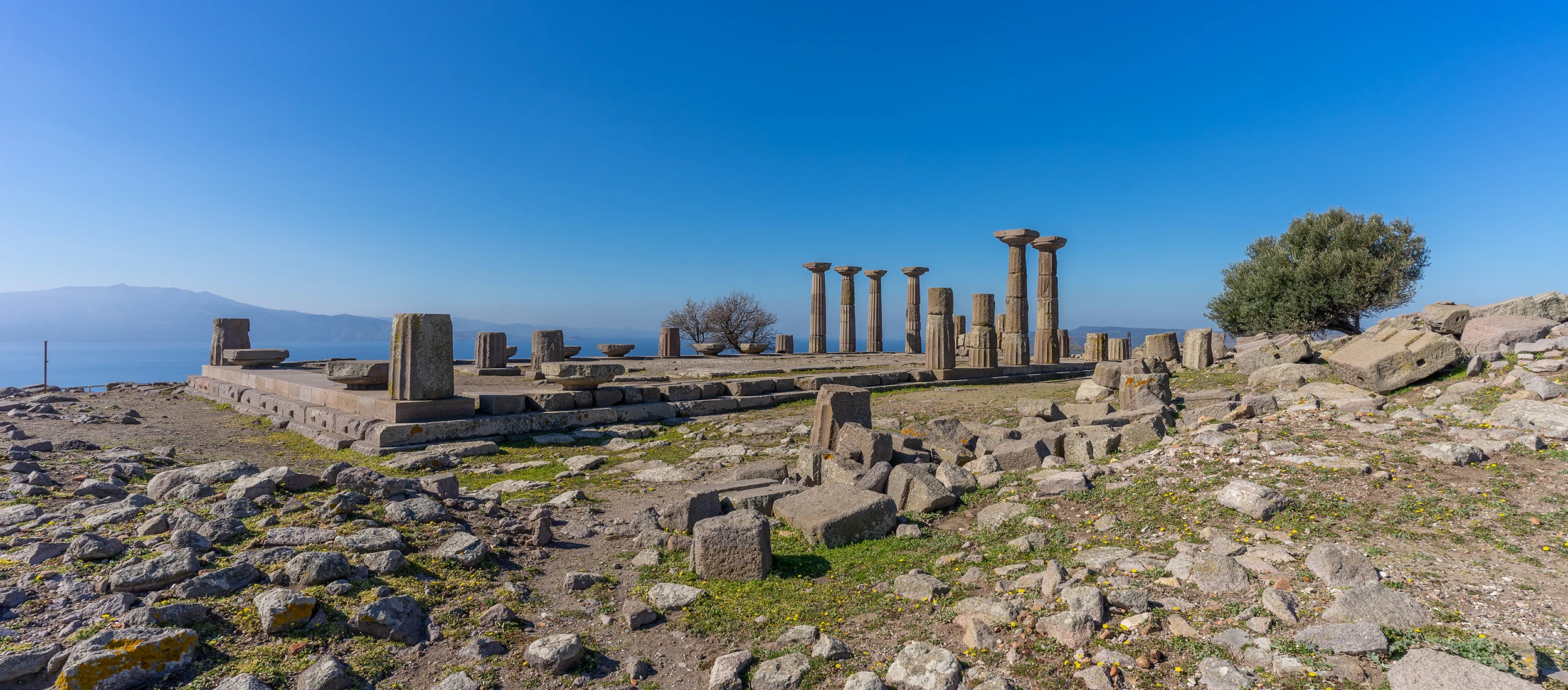
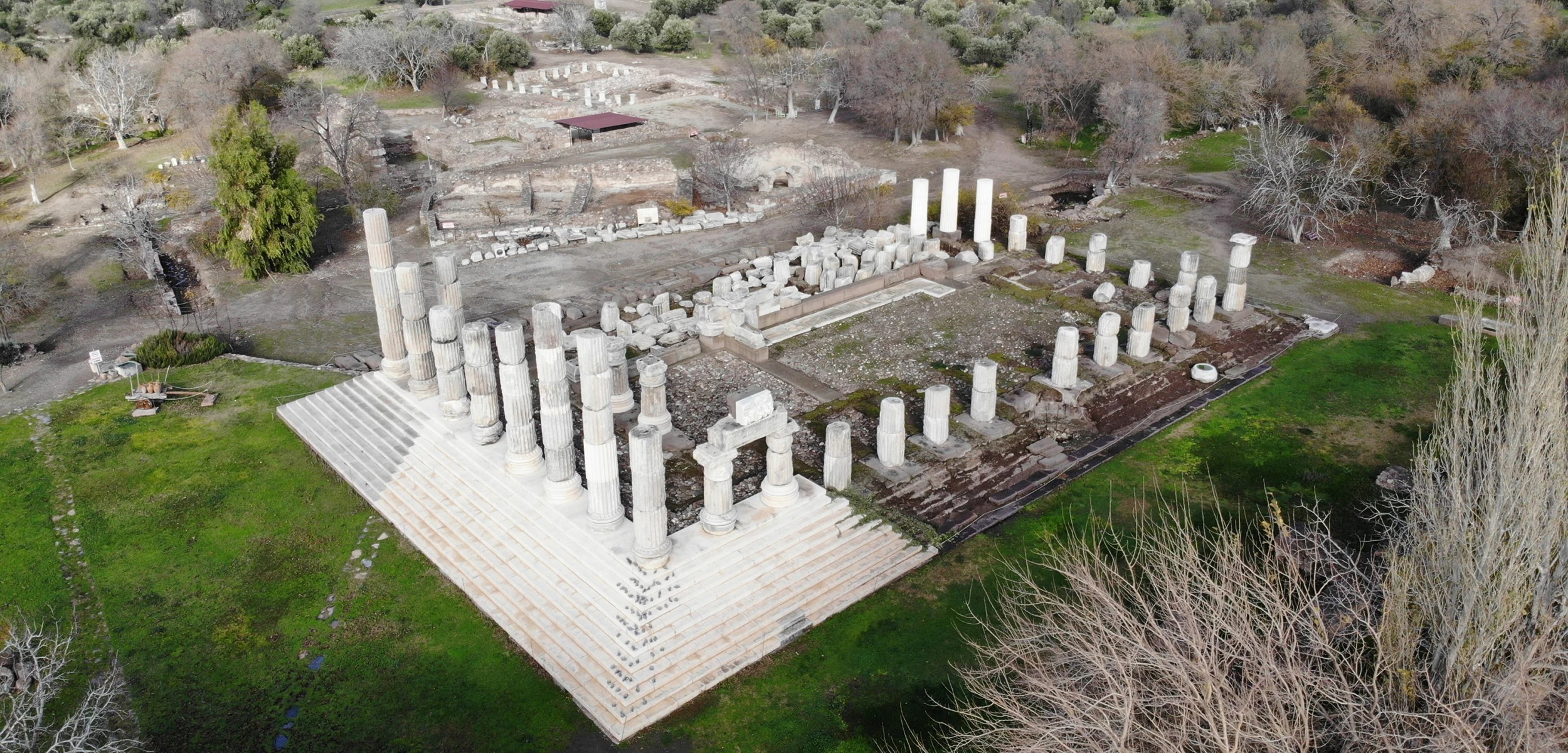
The wider landscape surrounding Adatepe belongs to the ancient cultural world of the Troad and Mount Ida. Long before the present village took its familiar form, the mountains, valleys and coastline around the Edremit Gulf were connected with ancient settlements, sacred places, agricultural routes and the mythological traditions preserved in Greek epic.
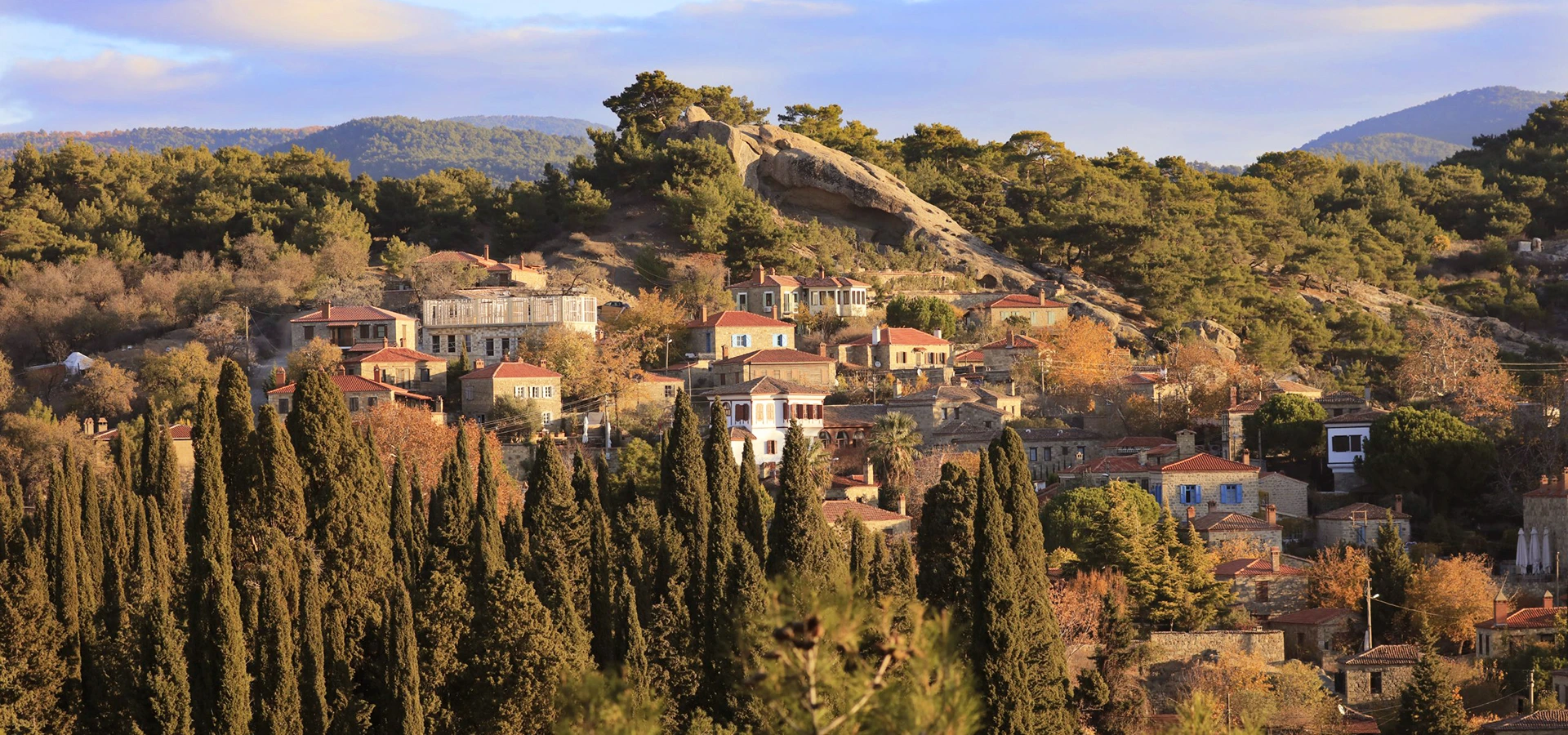
The historic village that visitors see today developed through the Ottoman period. Adatepe became home to both Muslim Turkish and Greek Orthodox communities, whose lives were tied to agriculture, olive production, local trade and the wider coastal economy of Küçükkuyu.
The village's traditional houses reflect this shared cultural environment. Stone walls, tiled roofs, internal courtyards, gardens and two-storey plans created homes adapted to the climate and to the everyday routines of rural North Aegean life.
A major change came with the population exchange between Türkiye and Greece in the 1920s. Adatepe's Greek Orthodox residents left for Greece, while Muslim families arriving from Crete were settled in the village. Their arrival created a new chapter in Adatepe's social and culinary history.
During the twentieth century, economic change and migration toward coastal towns and major cities reduced the permanent population. Many traditional houses were left empty or fell into poor condition.
Beginning in the 1980s, people from larger cities rediscovered Adatepe and restored abandoned houses with increasing attention to the village's original architectural character. This revival helped prevent the settlement from disappearing.
In 1989, Adatepe was declared an urban protected area. Today its surviving stone architecture, village square, Taş Mektep, mosque, fountains and olive-growing landscape make it one of the clearest examples of a historic village environment preserved in the Kaz Mountains region.