Private Alaçatı & Çeşme Tour
Ask us about a tailor-made day combining the Alaçatı Windmills, historic stone streets, Ilıca, Çeşme Castle, coastal viewpoints and regional Aegean culture.
Request a Custom Tour





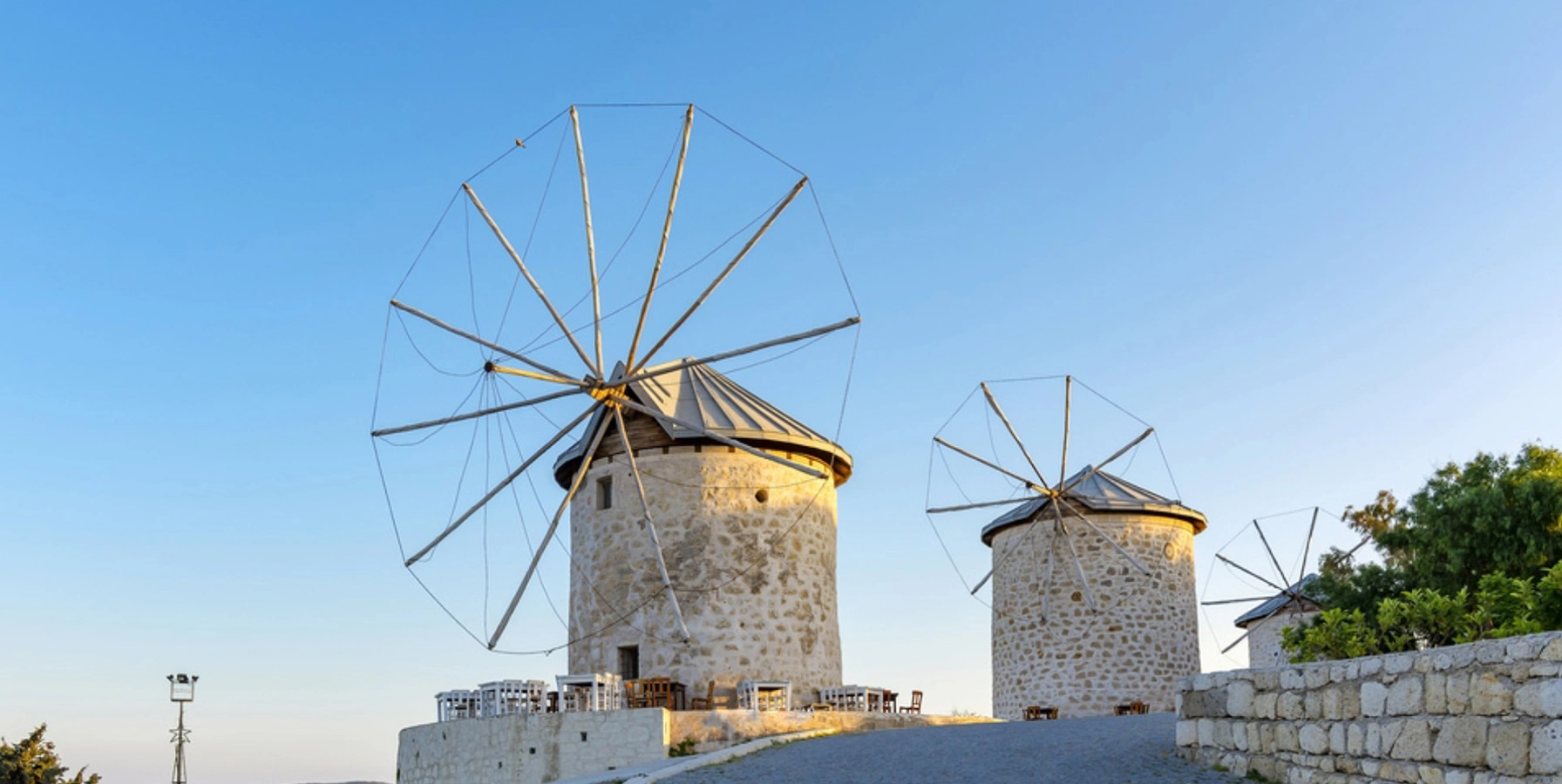
Standing on elevated ground above the historic center, the Alaçatı Windmills are among the most recognizable landmarks of the Çeşme Peninsula. Their simple cylindrical stone towers have become inseparable from the image of Alaçatı itself.
The surviving windmills belong to the town's 19th-century agricultural landscape. Long before Alaçatı became known for restaurants, boutique hotels and windsurfing, the same persistent winds that sweep across the peninsula were used for a much more practical purpose: grinding grain for the surrounding community.
Today the restored mills stand beside a landscaped public area and viewpoint close to the entrance of the historic town. From here, visitors can look across Alaçatı's stone rooftops, walk directly into the old streets and begin exploring one of western Türkiye's most distinctive Aegean settlements.
The windmills are therefore more than a picturesque photo stop. They connect Alaçatı's agricultural past with the environmental force that continues to shape the town's identity today — the famous Aegean wind.
Discover stone windmills associated with Alaçatı's historic grain-growing economy.
Learn how wind power was transformed into mechanical energy for grinding grain.
Enjoy an elevated viewpoint overlooking Alaçatı and the surrounding peninsula.
Walk directly from the windmills into Alaçatı's historic stone streets.
Essential information for visiting one of Alaçatı's most recognizable historic landmarks.
Alaçatı, Çeşme district, İzmir Province, Türkiye.
Open on Google MapsHistoric stone windmills, panoramic views, agricultural heritage and sunset photography.
The surviving landmark windmills are associated especially with the 19th century, with prominent examples dating from the 1850s.
The mills used Alaçatı's persistent winds to power machinery for grinding grain.
No general admission ticket is normally required to explore the surrounding outdoor windmill park and viewpoint.
Allow approximately 30–45 minutes, or longer when combining the windmills with Alaçatı's historic center.
The windmills tell the story of a town whose geography, architecture, agriculture and modern identity have all been shaped by wind.
Visitors often encounter the Alaçatı Windmills before entering the famous stone streets below. Their elevated position makes them an almost symbolic gateway into the historic settlement, while their simple forms provide an immediate reminder that Alaçatı was once primarily an agricultural community.
Wind was an important natural resource long before the arrival of modern windsurfing. Traditional mills captured its energy and converted it into the mechanical force required to turn heavy millstones and process grain.
This relationship between landscape and daily life is what makes the site particularly interesting. The windmills were not decorative monuments: they were working pieces of rural technology positioned carefully where strong air currents could be used efficiently.
Their survival also helps visitors understand Alaçatı beyond its modern reputation as a summer destination. Together with the town's stone houses, wells, narrow streets and agricultural landscape, the mills preserve another layer of the peninsula's cultural history.
After visiting the windmills, continue into our complete Alaçatı visitor guide to explore the historic streets, architecture, food culture and wider town.
The most prominent surviving windmills of Alaçatı date from the 19th century, when agriculture played a central role in the economy of the Çeşme Peninsula.
Alaçatı and its surrounding countryside produced grain alongside vineyards, olives and other crops. Once cereals had been harvested, they needed to be processed into flour. Before electrically powered machinery became available, windmills provided an efficient solution in places where reliable wind was available.
Alaçatı was particularly well suited to this technology. The peninsula is exposed to regular Aegean winds, and mills constructed on elevated ground could capture stronger and more consistent air currents than structures located among the buildings below.
The surviving towers became increasingly redundant as industrial milling methods spread during the 20th century. Nevertheless, their architectural and cultural importance was eventually recognized, and conservation projects helped preserve them as landmarks.
Today the windmills no longer dominate the town's economy, but they remain one of its strongest visual symbols — a physical connection between the agricultural settlement of the past and the tourism destination visitors experience today.
Historic sources place prominent surviving Alaçatı windmills in the mid-19th century.
The mills processed cereals grown in and around the agricultural settlement.
Elevated positions allowed millers to make practical use of the peninsula's persistent winds.
Traditional wind-powered milling gradually lost importance as modern machinery became widespread.
Restoration projects preserved the surviving towers and their relationship with the historic landscape.
The windmills function as historic landmarks, cultural spaces and one of Alaçatı's most popular viewpoints.
Traditional windmills transformed the movement of the wind into rotational mechanical energy. Sails or blades mounted above the stone tower captured the wind, turning a central mechanism connected to the milling equipment inside.
Through a system of shafts and gears, that movement could be transferred downward to heavy millstones. Grain placed between the stones was gradually crushed and ground into flour.
The efficiency of such a mill depended heavily on location. For this reason, Alaçatı's mills were positioned on exposed elevated ground where buildings and trees were less likely to interrupt the wind.
Restoration work on the surviving Alaçatı mills included reconstructing the internal operating principles of one mill so that visitors can better understand how wind energy once powered the machinery.
Moving air provided the original source of energy and turned the mill's external mechanism.
Traditional sails captured the wind and transferred its force toward the internal machinery.
Mechanical components transferred rotational movement through the structure.
Heavy stones rotated against one another to crush cereal grains into flour.
Lower parts of the tower could support the storage and handling of grain and processed products.
Open elevated ground helped the mills receive stronger and less obstructed wind.
The surviving Alaçatı windmills are characterized by cylindrical stone towers constructed from masonry suited to the local environment. Their compact, solid forms needed to withstand both the weight of the internal machinery and the persistent winds they were designed to capture.
Traditional mills could contain several internal levels. The upper level accommodated much of the mechanical system, while lower sections could be used for handling and storing grain. Access between levels was provided through internal stairs.
Above the masonry body stood the roof and wind-catching mechanism. Unlike the permanent stone tower, parts associated with the sails and upper mechanism had to respond to wind direction and the operational needs of the miller.
The use of regional stone also connects the windmills visually with Alaçatı's traditional domestic architecture. Both the mills and the town's historic houses belong to a landscape in which stone became one of the defining building materials.
Rounded towers provide the characteristic silhouette associated with traditional Aegean windmills.
Thick masonry walls create stable structures capable of supporting heavy mechanical equipment.
Historic mills could separate machinery, working areas and storage across different floors.
The primary wind-driven machinery occupied the upper part of the tower.
A distinctive upper roof completed the tower and supported elements connected with the wind mechanism.
The stone construction visually connects the mills with Alaçatı's wider architectural heritage.
The surviving windmills have undergone conservation work designed to stabilize the historic structures and return the surrounding area to active public use.
A significant restoration program began in 2011 and was completed in May 2013. The work addressed four historic windmill structures and included cleaning, structural strengthening and architectural repair.
One of the mills was restored with internal components designed to demonstrate its original working principle. Its mechanism illustrates how the movement generated by wind could ultimately rotate the millstones used to grind wheat.
The remaining restored mills were incorporated into the wider public and cultural use of the site, while landscaping transformed the surrounding ridge into a more accessible viewpoint and gathering place.
The result allows visitors to experience the mills not as isolated archaeological remains, but as historic structures that continue to occupy an important place in the daily landscape of Alaçatı.
The restoration program addressed the four prominent historic stone mills at the site.
Conservation work included cleaning, strengthening and repairing historic masonry.
One mill was restored with machinery illustrating the traditional grain-milling process.
The surrounding site was developed as a cultural area, park and panoramic viewpoint.
Few places in Türkiye have developed such a strong cultural relationship with wind as Alaçatı. For generations, wind was an agricultural resource. Today it is also one of the reasons the town has become internationally associated with windsurfing.
The technologies are very different, but the natural phenomenon is the same. The winds that once powered millstones now fill sails on Alaçatı Bay and support one of the country's best-known water-sports destinations.
This continuity gives the historic windmills unusual symbolic importance. They represent an earlier period when communities worked directly with local geography, using renewable natural forces to perform essential daily tasks.
Standing beside the mills and then traveling south toward the surf coast creates an interesting journey: traditional wind technology at one end and modern recreational use of the same environmental resource at the other.
Wind supplied mechanical power for grinding grain and supporting the agricultural community.
The same windy geography helps make Alaçatı Bay internationally known for windsurfing.
The exposed Çeşme Peninsula creates conditions in which wind is a constant part of local life.
Windmills remain one of the clearest visual expressions of Alaçatı's identity.
The site is compact, but several details are worth slowing down to appreciate. Instead of treating the windmills only as a backdrop for photographs, look at their construction, location and relationship with the town below.
Examine the cylindrical masonry structures that form the surviving historic mills.
Look for reconstructed elements that help explain how wind energy powered the milling process.
Use the elevated position to identify Alaçatı's dense historic center and surrounding development.
From the windmills, continue directly toward Kemalpaşa Street and the old town.
Compare the masonry of the mills with the pale stone houses for which Alaçatı is famous.
Late-afternoon light brings warm tones to the stone towers and surrounding landscape.
The elevated setting is one of the main reasons the windmills remain such a popular stop. Visitors can look across the rooftops of modern and historic Alaçatı while gaining a wider sense of the landscape surrounding the settlement.
The viewpoint is particularly useful at the beginning of a visit. From above, it becomes easier to understand the compact scale of the old town before descending into its narrow streets.
Morning brings clearer streets and calmer conditions, while the final hours before sunset create warmer light over the masonry and rooftops. The character of the site changes considerably through the day.
The simple geometry of the towers makes the windmills excellent photographic subjects. Their pale stone surfaces change dramatically according to the angle and warmth of the light.
Wide compositions can combine the mills with the surrounding town, while closer photographs reveal masonry textures, doors, structural details and the relationship between restored and historic materials.
Visit early for cleaner compositions, fewer people and softer shadows.
Late-afternoon sunlight brings warm color and depth to the historic stone surfaces.
Include several towers together to emphasize the historic group rather than a single structure.
Use Alaçatı's rooftops and surrounding landscape to provide geographic context.
Look for masonry textures, openings, reconstructed elements and historic proportions.
Illumination around the site can create attractive views after sunset.
The windmills can be appreciated throughout the year, but seasonal temperatures and visitor numbers can dramatically change the experience.
Mild temperatures and spring vegetation make walking around Alaçatı especially enjoyable.
Warm weather arrives before the busiest part of the summer season.
Expect hot afternoons and significantly larger crowds, especially around sunset.
Warm weather continues while visitor numbers often begin easing later in the month.
Comfortable temperatures and quieter streets suit heritage sightseeing and photography.
The area becomes much quieter and the exposed hilltop can feel significantly cooler and windier.
A quick stop for a view, photographs and a look at the historic towers.
Enough time to walk around the mills, examine their architecture and enjoy the viewpoint.
A relaxed visit with photography and time to understand the mills' historical context.
Combine the windmills with the nearby beginning of Alaçatı's historic streets and a café stop.
Explore the windmills together with Kemalpaşa Street, Pazaryeri and Hacımemiş.
Add Ilıca Beach, Alaçatı Bay or central Çeşme to create a complete peninsula itinerary.
Begin at the Alaçatı Windmills before entering the old town. Spend time walking around the restored towers and use the elevated viewpoint to understand the scale of the settlement below.
From the windmills, continue downhill into the historic center and toward Kemalpaşa Street, one of Alaçatı's main pedestrian areas.
Do not remain only on the busiest commercial street. Explore the surrounding lanes to see traditional stone houses, wooden doors, old wells and quieter residential architecture.
Continue toward Pazaryeri Mosque before walking farther into the atmospheric lanes of Hacımemiş.
If you have more time, finish your day at Ilıca Beach, Alaçatı Bay or continue west toward central Çeşme.
The historic windmills stand within an outdoor public area close to the center of Alaçatı. They are not an enclosed archaeological site with a conventional museum entrance.
Visitors can normally walk around the exterior of the mills, enjoy the viewpoint and continue directly into the historic town. Access to individual interiors may depend on local use, events, maintenance or conservation arrangements.
The outdoor setting means that weather should also be considered. The ridge is naturally exposed to the wind, while summer sunshine can be intense during the middle of the day.
The outdoor windmill area is considerably easier to approach than many archaeological attractions, but visitors should remember that this remains a historic hilltop environment.
Paving, gradients, curbs and connections into Alaçatı's older streets may present difficulties for wheelchair users or travelers with limited mobility. Conditions can also become less comfortable during periods of strong wind or summer heat.
Most visitors experience the landmark from the surrounding open public area.
The hilltop setting means some approaches and nearby streets may involve gradients.
Uneven paving and older street surfaces can be more difficult for some mobility aids.
A suitable nearby drop-off can reduce walking for travelers with limited mobility.
The elevated site can be considerably windier than the sheltered streets below.
Early morning and late afternoon are generally more comfortable than the middle of the day.
The windmills are located close to the historic center of Alaçatı on the Çeşme Peninsula west of İzmir. Their position near one of the main approaches to the town makes them an easy first stop.
The windmills are within easy walking distance of the principal historic streets.
Drive east toward Alaçatı and continue to the historic town entrance and windmill area.
Alaçatı is only a short drive away, making Ilıca and the windmills easy to combine.
Travel west via the main İzmir–Çeşme road network and follow signs toward Alaçatı.
Rental vehicles and private transfers provide the most direct connection to the Çeşme Peninsula.
Useful when combining Alaçatı with Çeşme Castle, Ilıca and several coastal destinations.
The windmills stand at the edge of one of western İzmir's most interesting historic towns, making them easy to combine with architecture, food, beaches and coastal heritage.
Walk through stone houses, cobbled lanes, courtyards, cafés and the protected old town directly below the windmills.
Explore Alaçatı's best-known pedestrian street filled with restaurants, cafés and independent shops.
Discover atmospheric side streets, traditional architecture, small restaurants and design shops.
See an important historic monument reflecting the layered religious history of Alaçatı.
Combine heritage sightseeing with one of the Çeşme Peninsula's best-known sandy beaches.
Continue south to the famous windsurfing coast shaped by the same winds that once powered the mills.
Explore the historic fortress overlooking Çeşme's old harbor and town center.
Continue across the peninsula for historic monuments, beaches, marinas and coastal scenery.
The historic windmills stand on elevated ground beside the historic center of Alaçatı in the Çeşme district of İzmir Province, Türkiye.
The prominent surviving mills belong to the 19th-century agricultural landscape of Alaçatı, with well-known examples dating from the 1850s.
They captured the peninsula's strong winds and converted that energy into mechanical power used to grind cereal grains into flour.
Elevated open ground receives stronger and less obstructed wind, making hilltops particularly suitable locations for traditional wind-powered mills.
The principal restored group contains four historic stone windmills forming the landmark ensemble seen above the town.
Yes. Significant conservation work on four mills began in 2011 and was completed in 2013, including structural repair and restoration of historic features.
One of the restored mills was equipped with internal components demonstrating the traditional operating principle, helping explain how wind movement was transferred to the grain-grinding machinery.
No general admission ticket is normally required to walk around the outdoor windmill area and viewpoint. Access arrangements for individual interiors may vary.
Around 30–45 minutes is comfortable for seeing the mills, enjoying the view and taking photographs. Allow longer if you continue directly into historic Alaçatı.
Early morning is best for fewer people and softer light, while late afternoon and sunset create warmer colors across the stone towers.
Yes. Their elevated location makes the area popular around sunset, although summer evenings can become crowded.
Yes. The windmills are very close to the historic center and make an excellent starting point for exploring Alaçatı on foot.
Continue toward Kemalpaşa Street, explore the historic stone houses around Pazaryeri, then walk toward Hacımemiş for quieter lanes, cafés and restaurants.
Its exposed position on the Çeşme Peninsula creates regular Aegean wind conditions. Those winds historically powered the mills and today contribute to Alaçatı's reputation for windsurfing.
Not historically, but both depend on the same environmental characteristic: the persistent winds of the Çeşme Peninsula. The mills used them for agriculture, while modern Alaçatı Bay uses them for water sports.
The surviving stone towers are historic structures, but conservation and restoration work has been carried out to stabilize them and reconstruct selected elements.
Interior access should not be assumed to be permanently available. The surrounding outdoor area can be visited independently, while individual mills may be used for cultural purposes or affected by maintenance and events.
Accessibility is mixed. The outdoor setting is relatively compact, but gradients, paving and historic surfaces around the hill and nearby streets can create difficulties.
They are particularly worthwhile when visiting Alaçatı because they combine local history, traditional technology, architecture and panoramic views in a site directly beside the old town.
Yes. The windmills can easily be included in a day trip combining Alaçatı, Ilıca and central Çeşme when traveling by private vehicle, rental car or transfer.
The restored windmill area has been incorporated into a public cultural landscape that can also be atmospheric after dark, particularly when the surrounding site is illuminated.
Alaçatı is known for historic stone houses, bougainvillea-covered streets, Aegean gastronomy, boutique accommodation, local markets and internationally recognized windsurfing conditions.
Avoid climbing stone walls, roofs or architectural features for photographs.
Conservation areas or individual mills may occasionally be closed for maintenance or events.
Use public waste facilities and do not leave bottles, cups or food packaging around the viewpoint.
Do not scratch, carve, paint or attach objects to the historic masonry.
Avoid blocking popular photographic locations for extended periods during busy times.
Support the wider historic town by visiting local businesses and exploring Alaçatı respectfully on foot.
Combine Alaçatı's historic windmills and stone streets with Ilıca, Çeşme Castle, coastal scenery and Aegean culture through a private itinerary designed around your interests and without compulsory shopping stops.
Discover the history behind the windmills before continuing through Alaçatı's architecture, local culture and the wider Çeşme Peninsula.
Ask us about a tailor-made day combining the Alaçatı Windmills, historic stone streets, Ilıca, Çeşme Castle, coastal viewpoints and regional Aegean culture.
Request a Custom Tour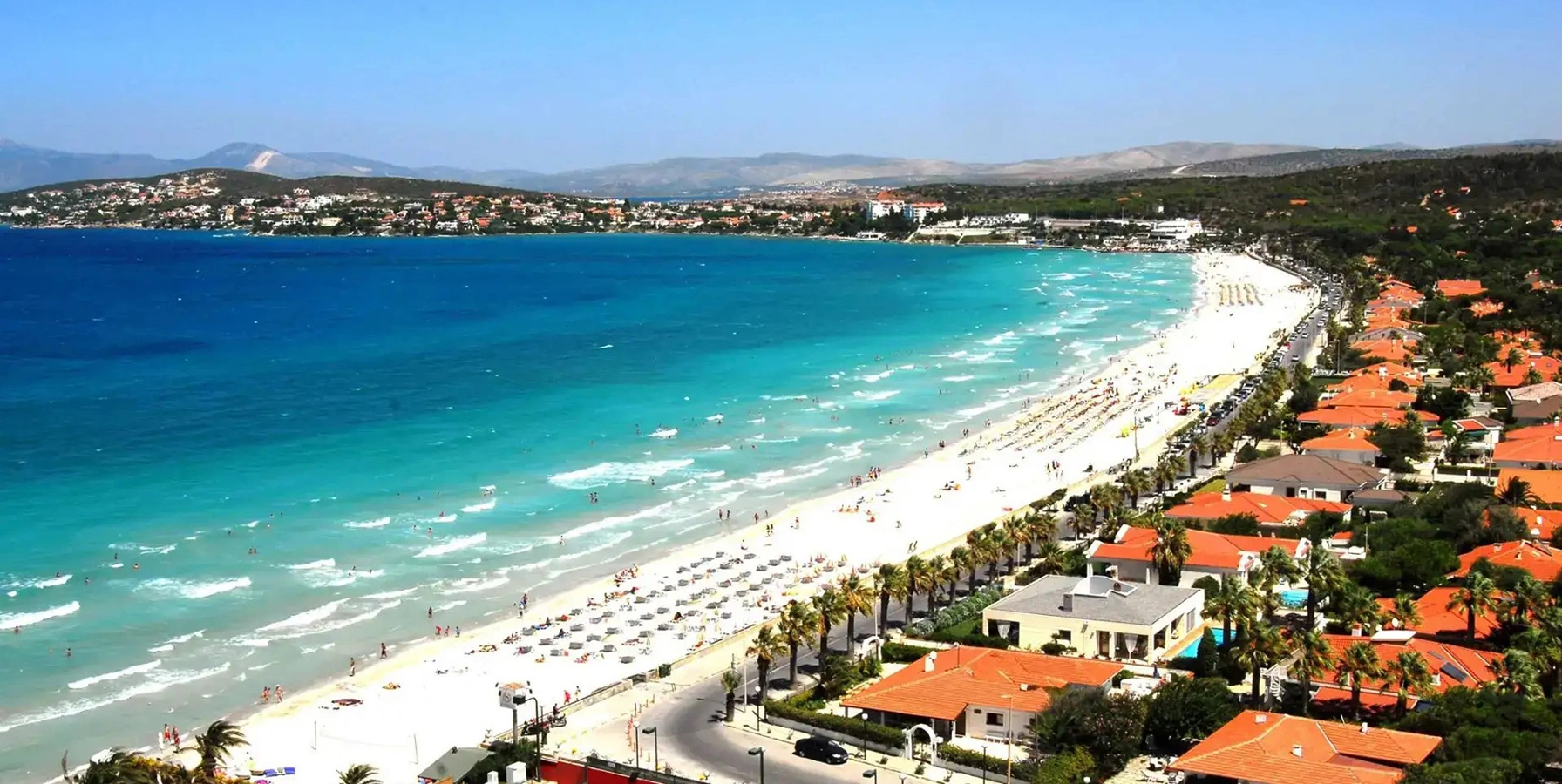
Continue from the windmills into one of the Aegean coast's most distinctive historic towns, with stone architecture, food, markets and atmospheric pedestrian streets.
View Alaçatı GuideCombine the Alaçatı Windmills with some of western İzmir's finest historic and coastal destinations.
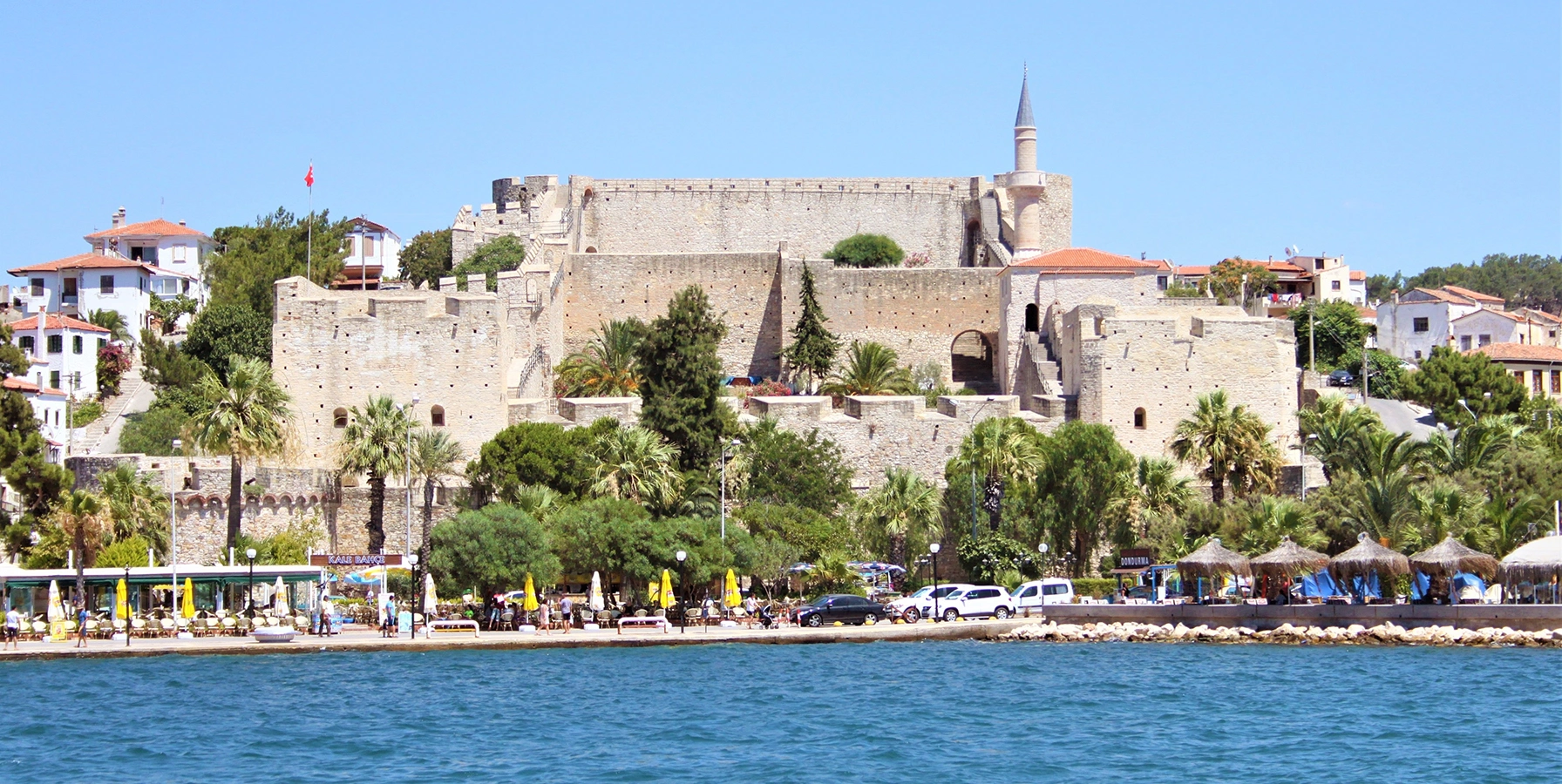
Explore the imposing historic fortress overlooking Çeşme's harbor, old town and Aegean waterfront.
Explore Çeşme Castle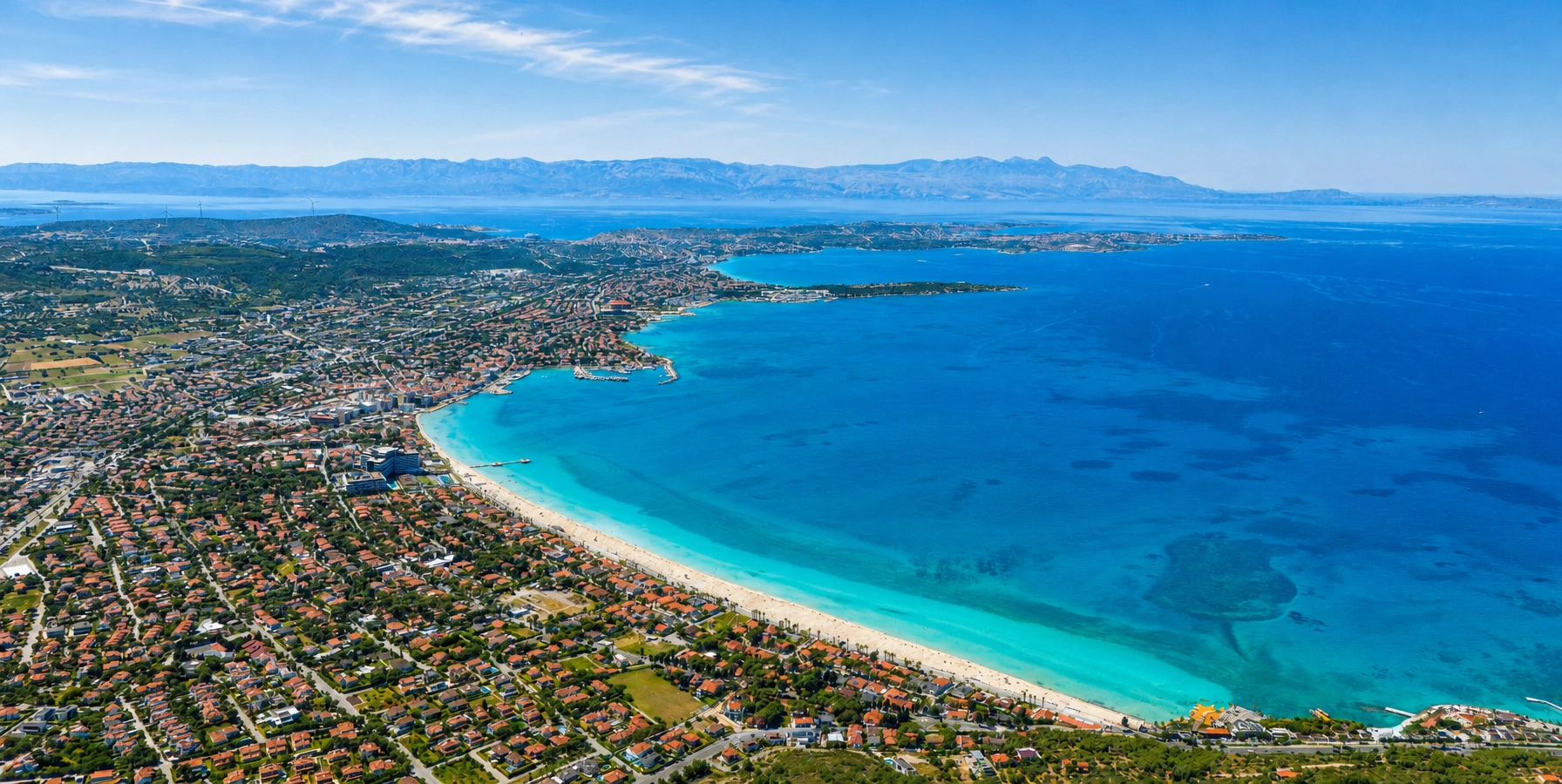
Discover beaches, thermal waters, historic monuments, marinas, coastal villages and clear Aegean bays throughout Çeşme.
Explore Çeşme
Continue to ancient cities, coastal towns, museums, historic neighborhoods and remarkable landscapes throughout İzmir Province.
View İzmir Guide