Ancient Masterpieces, Roman Sculpture & the Artistic Heritage of Aphrodisias

Aphrodisias Museum – Complete Visitor Guide

Discover one of Türkiye's finest collections of Roman marble sculpture,
from the goddess Aphrodite to the spectacular Sebasteion reliefs.

Explore Aphrodisias Museum

Aphrodisias Museum – Where Ancient Marble Comes to Life

Located beside the magnificent ruins of Aphrodisias Ancient City in Geyre, Karacasu, Aydın Province, Aphrodisias Museum preserves one of the most extraordinary collections of ancient marble sculpture in Türkiye. The museum brings together artistic masterpieces discovered at the archaeological site, allowing visitors to experience the remarkable creativity, technical skill and cultural sophistication of one of the Roman world's greatest sculptural centers.

Unlike many archaeological museums whose collections come from numerous distant locations, Aphrodisias Museum is closely connected to a single ancient city. Most of its most significant works were discovered only a short distance from where they are now displayed. Visitors can explore the monuments of Aphrodisias outdoors and then encounter their original statues, portraits, architectural fragments and narrative reliefs inside the museum.

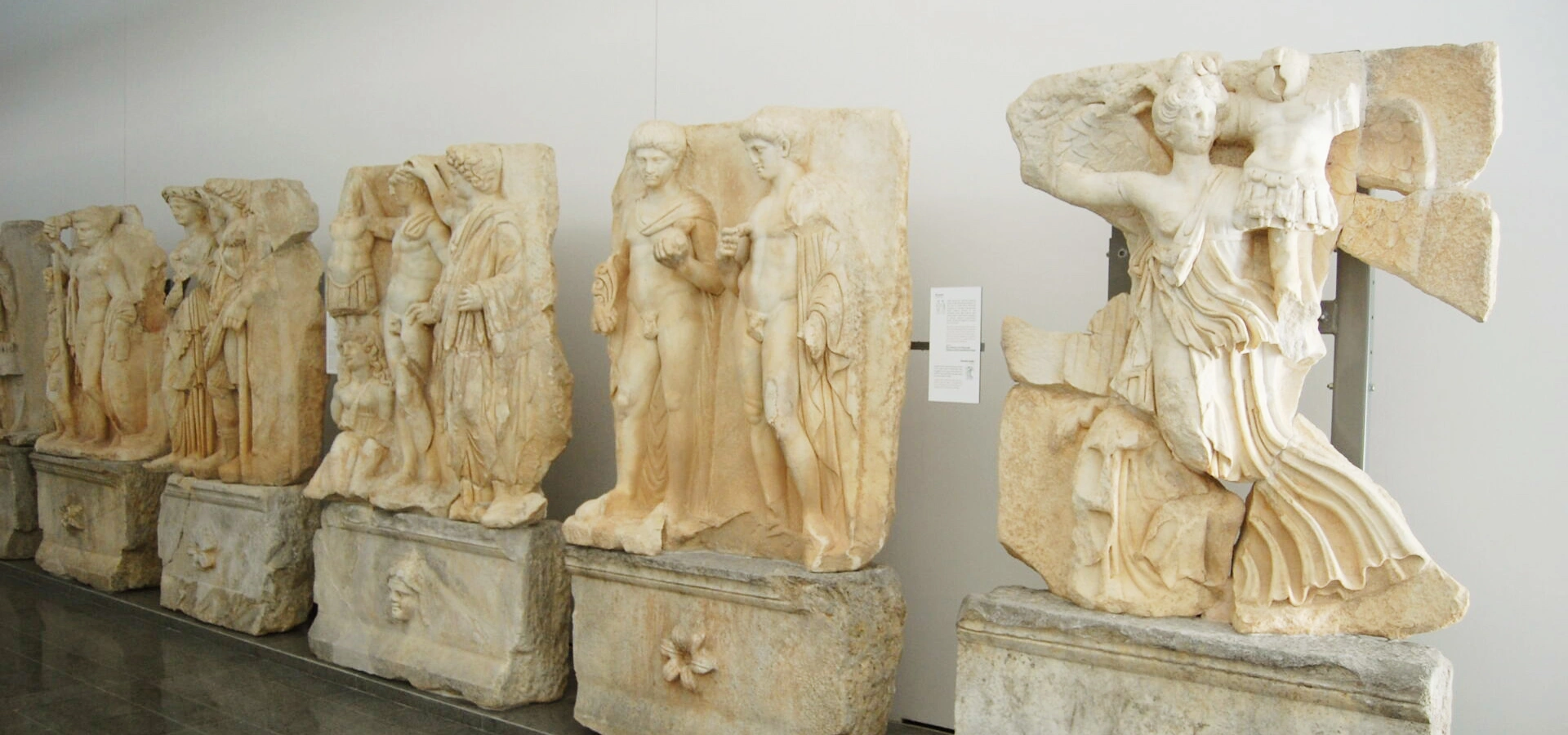
The museum is particularly celebrated for its Sebasteion reliefs, an exceptional series of sculpted marble panels portraying Roman emperors, mythological heroes, gods and personifications of peoples within the Roman Empire. Other highlights include the distinctive cult statue of Aphrodite of Aphrodisias, the magnificent Zoilos Frieze, the dramatic Achilles and Penthesileia sculpture group, imperial portraits and unfinished works that reveal the techniques of ancient sculptors.

Established in 1979, the museum has developed into an important center for the preservation and interpretation of Aphrodisian art. The dedicated Sevgi Gönül Hall, opened in 2008, created an exceptional exhibition space for the original Sebasteion reliefs. Following extensive renovation, Aphrodisias Museum reopened to visitors on 15 August 2026.

Together with the ancient city and its associated marble quarries, inscribed on the UNESCO World Heritage List in 2017, the museum offers an unusually complete picture of how sculpture, religion, political power and civic identity were expressed in the ancient Mediterranean world.

Roman Sculpture

Explore masterpieces created by one of antiquity's most distinguished marble-working traditions.

Sebasteion Reliefs

Discover remarkable marble narratives of emperors, mythology and Roman imperial ideology.

Aphrodite of Aphrodisias

Encounter the distinctive cult image that embodied the religious identity of the ancient city.

Museum Reopened in 2026

Visit the archaeological collection following the museum's extensive renovation.

Know Before You Go

Aphrodisias Museum – Quick Facts

Essential information about the museum, its collections and its connection to the ancient city of Aphrodisias.

📍

Location

Geyre, Karacasu, Aydın Province, southwestern Türkiye.

Open on Google Maps
🏛️

Museum Established

Opened to visitors in 1979.

🗿

Main Collection

Greek, Roman and Late Antique sculpture, reliefs, portraits and archaeological finds.

🏺

Collection Origins

Primarily archaeological discoveries from Aphrodisias Ancient City.

✨

Special Gallery

Sevgi Gönül Hall, dedicated to the Sebasteion reliefs.

📅

Recent Renovation

Reopened on 15 August 2026.

⏱️

Suggested Museum Visit

Approximately 45–90 minutes; longer for sculpture enthusiasts.

🌍

UNESCO Context

Part of the visitor experience at the UNESCO-listed Aphrodisias archaeological site.


One of Anatolia's Great Archaeological Collections

Why Is Aphrodisias Museum Important?

The museum preserves the artistic achievements of a city whose sculptors helped shape the visual culture of the Roman world.

The importance of Aphrodisias Museum extends far beyond the beauty of its individual statues. The museum preserves an unusually rich body of evidence for the artistic production of a single ancient city, making it possible to understand sculpture not merely as isolated works of art but as an integral part of Roman civic, religious and political life.

Aphrodisias possessed abundant deposits of high-quality marble in the surrounding mountains. During the Late Hellenistic and Roman periods, local craftsmen developed a highly accomplished sculptural tradition that continued into Late Antiquity. They carved gods, heroes, emperors, philosophers, civic benefactors, athletes, architectural decoration and elaborate funerary monuments.

The remarkable survival of these works allows archaeologists to examine ancient artistic production in exceptional detail. Finished masterpieces demonstrate the sculptors' technical excellence, while unfinished figures and workshop discoveries reveal the processes used to transform rough marble blocks into sophisticated representations of the human body.

The museum is especially important because many sculptures can be connected to specific monuments within the archaeological site. The Sebasteion reliefs, for example, can be studied alongside the remains of the original imperial sanctuary, while the Zoilos Frieze illuminates the life of one of the city's most influential benefactors.

For visitors exploring the historical attractions of Aydın, Aphrodisias Museum is among the province's most important cultural destinations. It is also an essential companion to our complete Aphrodisias Ancient City guide.

History of Aphrodisias Museum

The story of Aphrodisias Museum is inseparable from the history of archaeological research at the ancient city. Although Aphrodisias attracted scholarly attention before the twentieth century, systematic modern excavations began in 1961 under the direction of Turkish archaeologist Professor Kenan T. Erim.

As excavations uncovered monumental buildings, inscriptions and extraordinary marble sculptures, the need for a dedicated museum became increasingly urgent. The growing archaeological collection required proper storage, conservation, scholarly documentation and suitable exhibition spaces.

A decision was therefore made to establish a museum directly beside the ancient city. This approach allowed discoveries from Aphrodisias to remain closely connected with their archaeological context instead of being dispersed among distant institutions.

Construction began in the early 1970s, and the museum opened to visitors in 1979. Its exhibition spaces were organized to emphasize different aspects of Aphrodisian sculpture, including portraiture, mythology, civic representation, religious images and funerary monuments.

A major development came in 2008 with the opening of the Sevgi Gönül Hall, a dedicated exhibition space for the original sculpted reliefs from the Sebasteion. The new gallery made it possible to appreciate the extraordinary scale and thematic complexity of one of the Roman world's most ambitious programs of architectural sculpture.

The museum subsequently underwent extensive renovation and reopened on 15 August 2026. Today, it remains a central institution for presenting the artistic, religious and archaeological heritage of Aphrodisias.

1961

Professor Kenan T. Erim begins long-term systematic excavations at Aphrodisias.

Early 1970s

Construction of the museum begins to provide dedicated facilities for archaeological discoveries.

1979

Aphrodisias Museum opens to visitors.

2008

The Sevgi Gönül Hall opens for the exhibition of original Sebasteion reliefs.

2017

Aphrodisias and its ancient marble quarries enter the UNESCO World Heritage List.

15 August 2026

The museum reopens following extensive renovation.

The Aphrodisias School of Sculpture

One of the principal reasons Aphrodisias Museum is internationally significant is its exceptional collection of works associated with the Aphrodisias School of Sculpture.

Sculptural activity flourished at Aphrodisias from the Late Hellenistic period through the Roman Empire and into the fifth century AD. Generations of craftsmen developed sophisticated skills in extracting, shaping and finishing marble, establishing an artistic tradition celebrated for its technical precision and expressive figural carving.

The neighboring marble quarries provided an essential advantage. Local sculptors had ready access to substantial quantities of stone, including white and blue-grey varieties, allowing large-scale architectural projects and complex sculptural commissions to develop together.

The museum demonstrates the impressive range of this tradition. Idealized gods and mythological heroes stand alongside realistic portraits of emperors and citizens, while funerary reliefs and monumental architectural panels reveal the diversity of the sculptors' commissions.

Aphrodisian sculpture is particularly important for the history of Roman art because it demonstrates how Greek artistic traditions were adapted within the political and cultural environment of the Roman Empire. Sculptors drew on earlier classical models while creating new compositions for imperial ceremonies, civic monuments and religious settings.

Local Marble

Nearby quarries supplied the raw material for sophisticated sculptural and architectural production.

Portrait Sculpture

Imperial figures, officials and local benefactors were represented with remarkable technical skill.

Mythological Sculpture

Gods, heroes and dramatic scenes reflected the continuing influence of Greek artistic traditions.

Architectural Reliefs

Elaborate sculpted panels decorated major civic, religious and imperial monuments.

Funerary Monuments

Sarcophagi and memorial reliefs expressed social identity, status and beliefs about death.

Workshop Evidence

Unfinished works allow researchers to reconstruct techniques of ancient marble carving.

What makes Aphrodisias special: The museum preserves both finished sculptures and evidence of how they were made. This combination allows visitors to appreciate ancient marble carving as a highly skilled profession rather than viewing statues simply as completed artworks.

What to See at Aphrodisias Museum

The museum contains a remarkable range of archaeological material, but several groups of sculptures deserve particular attention. Together they illuminate the religion, mythology, politics, social organization and artistic achievements of ancient Aphrodisias.

Sebasteion Reliefs

Original marble panels depicting Roman emperors, mythology and allegorical images of imperial authority.

Aphrodite Cult Statue

A distinctive representation of the city's patron goddess combining Greek and Anatolian religious traditions.

Zoilos Frieze

An exceptional funerary relief celebrating a powerful benefactor of Augustan Aphrodisias.

Achilles and Penthesileia

A moving mythological sculpture group representing the Greek hero and the dying Amazon queen.

Melpomene and Apollo

Elegant sculptures connected with the artistic and theatrical culture of the ancient world.

Imperial Portraits

Marble representations of emperors, prominent citizens and individuals associated with civic power.

Unfinished Sculptures

Rare examples illustrating different stages of the ancient marble-carving process.

Sarcophagi

Richly carved funerary monuments decorated with figures, garlands and symbolic scenes.

Coins and Small Finds

Objects that reveal everyday life, economic activity and the long history of the settlement.

The Sebasteion Reliefs – Masterpieces of Roman Imperial Art

The Sebasteion reliefs are among the greatest treasures of Aphrodisias Museum and one of the most remarkable surviving sculptural programs from the Roman Empire.

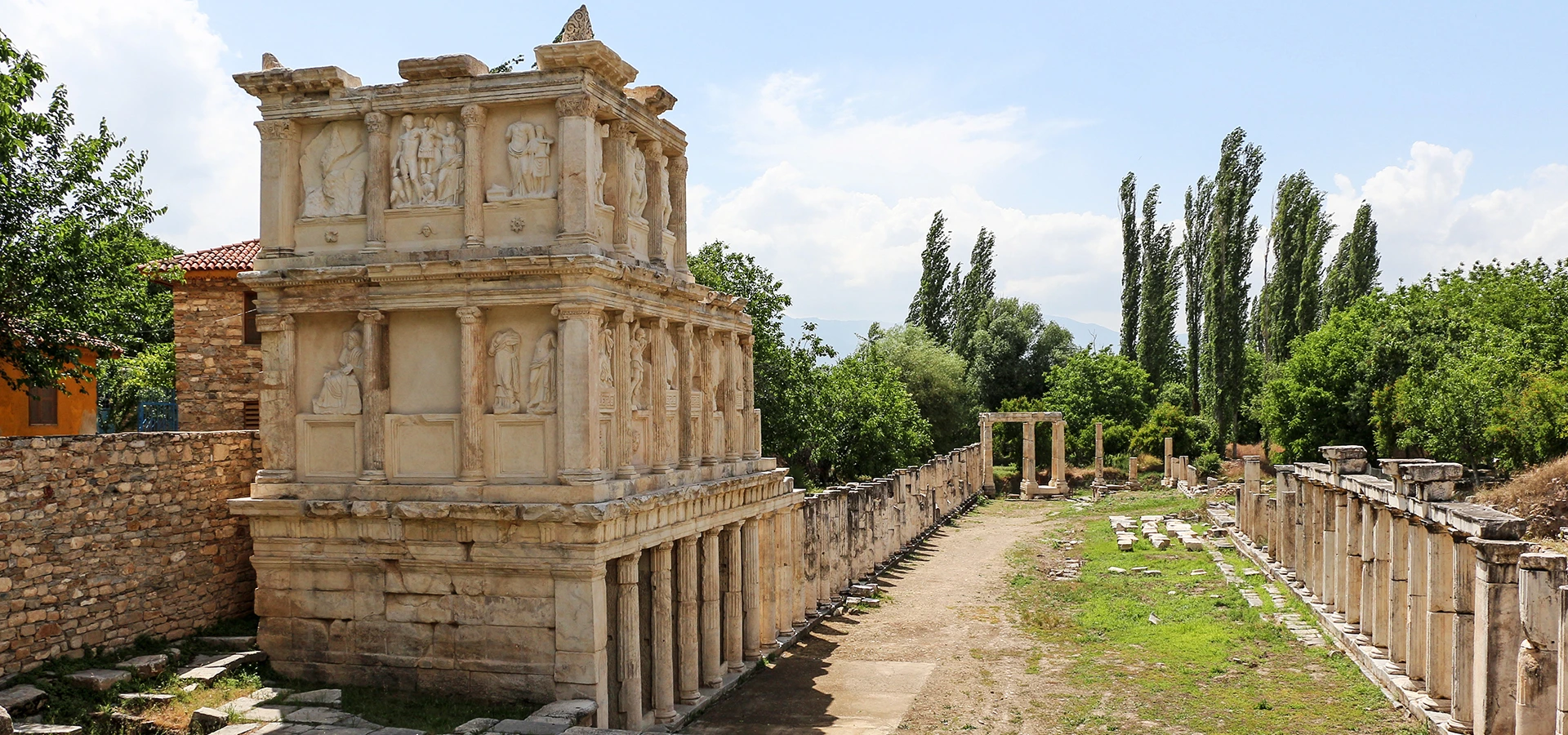
The Sebasteion was a monumental sanctuary constructed approximately between AD 20 and 60, during the Julio-Claudian period. Dedicated to Aphrodite and the Roman emperors, it combined religious devotion, local civic pride and an elaborate celebration of imperial authority.

The sanctuary consisted of a long ceremonial avenue flanked by imposing marble porticoes. Their upper levels were decorated with extensive series of sculpted reliefs depicting emperors and imperial family members, Greek mythological figures, heroes and personifications of peoples and regions associated with Roman power.

These images were not simply decorative. Together they communicated a carefully organized political message, presenting the Roman imperial order through the visual language of Greek mythology, divine ancestry and military achievement.

Many original reliefs recovered during excavation are preserved in the museum's dedicated Sevgi Gönül Hall. Displayed together, they provide an extraordinary opportunity to examine the artistry and symbolism of Roman imperial propaganda.

Important Subjects Represented in the Sebasteion Reliefs

Nero and Agrippina

Agrippina crowns her son Nero, presenting an image of imperial succession and dynastic authority.

Claudius and Britannia

A dramatic representation celebrating the Roman conquest of Britain under Emperor Claudius.

Aeneas Escaping Troy

The Trojan hero carries his father Anchises and leads his son while Aphrodite accompanies the family.

Prometheus and Heracles

Heracles releases Prometheus from his punishment in an expressive mythological composition.

Conquered Peoples

Female personifications represent regions and communities incorporated into the Roman imperial world.

Imperial Prosperity

Symbolic figures and divine imagery present the emperor as guarantor of prosperity and universal power.

Look closely: The Sebasteion reliefs are particularly rewarding when examined for their inscriptions, symbolic attributes and gestures. A single panel may contain references to Roman history, Greek mythology, imperial succession and the political identity of Aphrodisias.

Sevgi Gönül Hall – The Sebasteion Gallery

One of the most important developments in the history of Aphrodisias Museum was the opening of the Sevgi Gönül Hall in 2008.

This dedicated exhibition space was created to display and protect the original sculptural reliefs recovered from the Sebasteion. Before their discovery, the scale and complexity of this decorative program were not fully understood. Excavations revealed an extraordinary collection of marble panels that transformed scholarly knowledge of Roman imperial imagery.

The gallery allows visitors to examine these works in a setting where different parts of the original program can be considered together. Mythological scenes, imperial portraits and representations of conquered territories reveal the ambitious artistic vision behind the ancient monument.

The relationship between the outdoor Sebasteion and the indoor gallery is especially important. Visitors who have already seen the reconstructed remains of the sanctuary can better imagine how the reliefs once appeared above the ceremonial avenue.

Gallery Sevgi Gönül Hall
Opened 2008
Main Collection Original Sebasteion marble reliefs
Historical Period Julio-Claudian Roman Empire, 1st century AD
Major Themes Imperial family, mythology, divine ancestry, Roman power and personified peoples
Recommended Time Approximately 20–30 minutes for visitors especially interested in the reliefs

The Cult Statue of Aphrodite of Aphrodisias

Among the museum's most significant sculptures is a major surviving representation of Aphrodite of Aphrodisias, the goddess whose sanctuary gave the ancient city its name and much of its religious importance.

The local goddess was not represented in the same way as the familiar nude Aphrodite of classical Greek art. Instead, her image preserved elements of older Anatolian religious traditions, presenting a solemn, frontal divine figure dressed in a richly decorated garment.

The surviving statue represents the distinctive cult image developed for Aphrodisias. Its form combines the ancient visual language of Anatolian goddesses with imagery associated with the Greek Aphrodite.

The goddess wears an elaborate headdress and a highly structured costume decorated with symbolic scenes. These images express different aspects of her divine identity and help explain how religious traditions were combined within the ancient sanctuary.

Understanding the Symbolism of the Statue

The Three Graces

Figures associated with Aphrodite express beauty, favor and the goddess's divine attendants.

Helios and Selene

The sun and moon deities evoke the cosmic reach and enduring nature of divine power.

Marine Aphrodite

Sea imagery connects the local goddess with the wider mythological identity of Greek Aphrodite.

Winged Erotes

Figures connected with Aphrodite appear within the decorated garment's symbolic program.

The goddess's unusual appearance is especially important for understanding the religious history of Anatolia. Rather than replacing local traditions completely, Greek religious concepts frequently merged with established regional beliefs, creating distinctive local forms of worship.

An important distinction: The statue displayed in the museum is an ancient copy of the Aphrodisian cult image, not the original sanctuary statue itself. Its exceptional preservation nevertheless allows visitors to understand the iconography that once stood at the heart of the city's religious identity.

The Zoilos Frieze – Honor, Civic Identity and the Age of Augustus

The Zoilos Frieze is one of the earliest major figured marble monuments known from Aphrodisias and one of the museum's most historically revealing works.

The reliefs originally decorated the funerary monument of Gaius Julius Zoilos, a prominent citizen whose extraordinary life connected Aphrodisias with the highest circles of Roman political power.

Zoilos was originally enslaved but eventually became a freedman and trusted associate of Octavian, the future Emperor Augustus. Returning to Aphrodisias as a wealthy and influential figure, he sponsored major building projects and became an important benefactor of the city.

The surviving reliefs from his memorial represent Zoilos alongside personifications of abstract qualities and civic institutions. These allegorical figures celebrated his achievements, his relationship with Rome and his position within the community.

Zoilos and Honor

An allegorical representation communicates public recognition and elevated social status.

Zoilos and Bravery

The personification of courage associates the benefactor with honorable Roman virtues.

The People

A personification of the civic community acknowledges Zoilos and his role in public life.

The City

A female figure representing Aphrodisias celebrates its distinguished citizen.

The monument is significant not only for its artistic quality but also for the insight it provides into Roman patronage. Wealthy citizens could transform their personal success into civic prestige by financing buildings, public works and religious monuments.

For Aphrodisias, the achievements of Zoilos helped establish the monumental character of the early Roman city. His memorial preserves a visual expression of the close relationship between personal ambition, public generosity and political loyalty.

Achilles and Penthesileia – Love and Tragedy in Marble

One of the museum's most memorable sculpture groups represents Achilles and Penthesileia, a dramatic episode from the mythological cycle surrounding the Trojan War.

According to the story, Penthesileia, queen of the Amazons, came to the assistance of the Trojans during their struggle against the Greeks. In battle, the Greek hero Achilles killed her, only to become overwhelmed by admiration and love as he recognized the beauty of his dying opponent.

The sculpture captures the emotional climax of this encounter. Achilles supports the dying Amazon queen, creating a composition that unites physical movement, heroic strength and profound tragedy.

The Aphrodisian group is based on a celebrated Hellenistic sculptural model, demonstrating the continuing influence of earlier Greek masterpieces on Roman-period artistic production.

The history of the sculpture within Aphrodisias is also remarkable. During Late Antiquity, the group was moved and displayed at the Hadrianic Baths, where it decorated a monumental pool setting. Its careful preservation and reuse suggest that ancient viewers already considered it an important and valuable work of art.

Subject Achilles supporting the dying Amazon queen Penthesileia
Mythological Context The Trojan War
Artistic Tradition Roman-period interpretation of a Hellenistic sculpture group
Ancient Display Later displayed at the Hadrianic Baths
Artistic Significance Emotion, movement, idealized anatomy and dramatic storytelling

The Main Exhibition Halls of Aphrodisias Museum

The museum's traditional exhibition organization reflects the variety of artistic subjects represented in the Aphrodisian collection. Individual halls emphasize different aspects of sculpture, including imperial portraiture, mythology, theater, religion and ancient craftsmanship.

The gallery names below describe the museum's established exhibition areas. Individual object positions and the visitor route may change following renovation or conservation work.

Imperial Hall

Explore Roman imperial portraits, official statues and works connected with the political identity of Aphrodisias.

Melpomene Hall

Discover artistic representations associated with theater, mythology and civic culture, including the muse of tragedy.

Odeon Hall

Examine athletic and civic figures together with sculptures that illuminate ancient artistic techniques.

Penthesileia Hall

Encounter mythological sculpture centered on the dramatic story of Achilles and the Amazon queen.

Aphrodite Hall

Study the cult image of the goddess and sculptures connected with the city's religious traditions.

Sevgi Gönül Hall

Discover the original Sebasteion reliefs in the museum's dedicated imperial sculpture gallery.

Small Finds Displays

Explore ceramics, coins and other archaeological discoveries representing different periods of settlement.

Courtyard Displays

See substantial stone monuments and funerary sculptures associated with the ancient city.

Melpomene and the Sculptures of the Ancient Theater

The Melpomene Hall takes its name from the Greek Muse of tragedy, reflecting the important relationship between sculpture and the performing arts in the ancient Mediterranean.

In Greek mythology, the nine Muses presided over different areas of artistic and intellectual activity. Melpomene was associated with tragedy, a dramatic form that explored human conflict, destiny, divine influence and moral responsibility.

Sculptures representing Melpomene, Apollo and other mythological or civic figures illuminate the cultural environment in which the inhabitants of Aphrodisias experienced theater, music and public performance.

These works also demonstrate how sculpture decorated the theaters, council buildings and public gathering spaces of Roman cities.

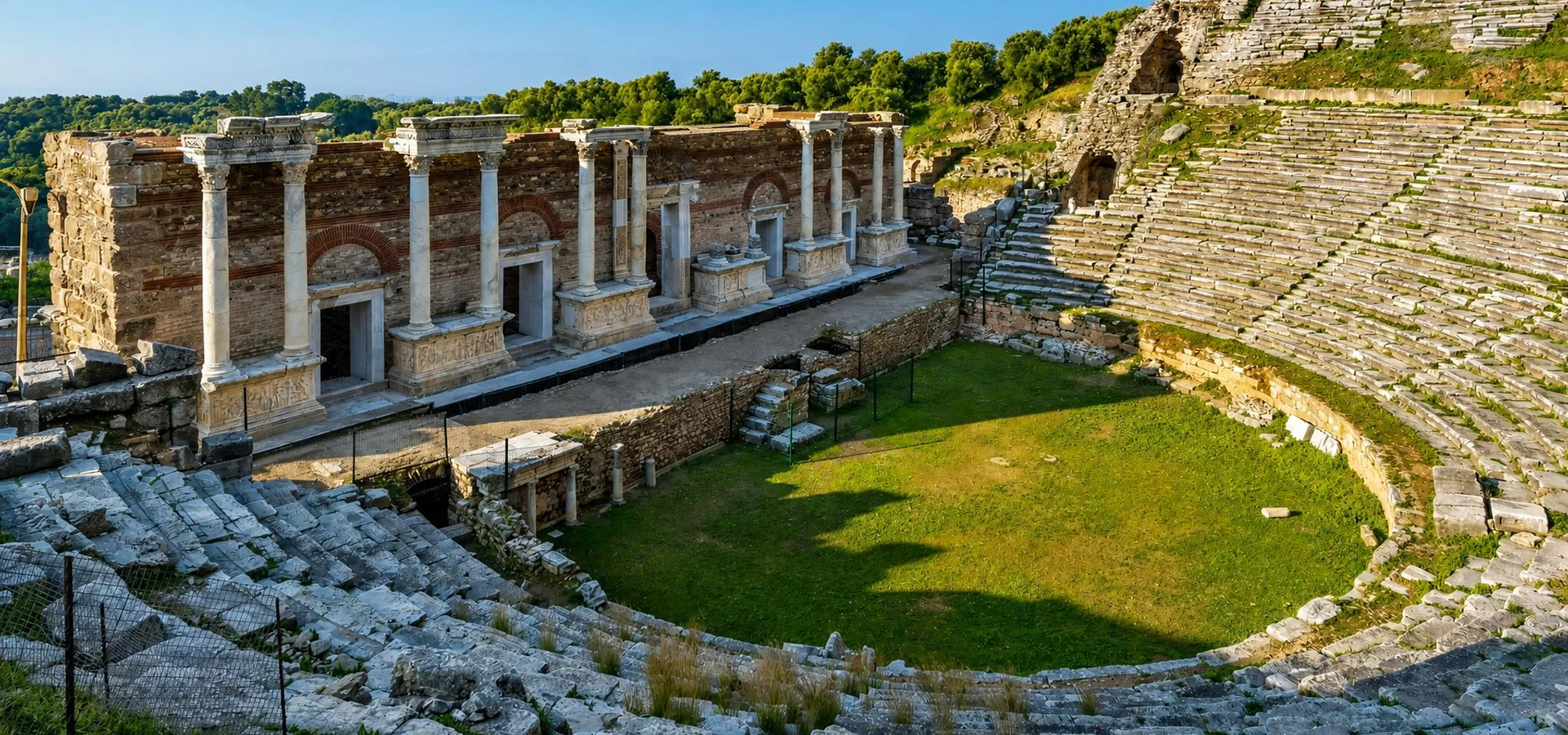
Visitors who have explored the ancient Theatre of Aphrodisias can use the museum collection to imagine the statues and decorative programs that once surrounded performances and civic ceremonies.

Imperial Portraits and the Citizens of Aphrodisias

Portrait sculpture occupies an important place in the collections of Aphrodisias Museum. Roman statues and busts were not simply attempts to reproduce a person's physical appearance; they communicated social position, political authority, cultural identity and public reputation.

Emperors were represented through recognized visual conventions that emphasized leadership, legitimacy and connections to imperial power. Prominent local citizens commissioned statues to commemorate their achievements and demonstrate their contributions to the community.

The museum's portraits reveal the impressive skill of Aphrodisian sculptors in creating expressive faces, carefully modeled hair and detailed clothing.

Inscriptions found with statue bases are particularly valuable because they sometimes identify the individual represented, their offices and the reasons for which a public honor was granted.

Roman Emperors

Portraits communicated imperial authority and the ruler's relationship with provincial communities.

Civic Benefactors

Statues honored people who financed buildings, festivals and public institutions.

Priests and Priestesses

Religious officials could be commemorated through public statues and inscribed monuments.

Philosophers and Educated Elites

Clothing, scrolls and intellectual attributes expressed education and social identity.

Hairstyles and Fashion

Portrait details offer clues about artistic conventions and changing Roman cultural fashions.

Honorific Inscriptions

Written dedications help connect individual portraits with the history of the city.

Unfinished Sculptures and Ancient Marble-Carving Techniques

Among the most scientifically important objects associated with Aphrodisias are its unfinished sculptures. These works offer a rare opportunity to observe the different stages involved in producing a marble statue.

Archaeological investigations at Aphrodisias identified evidence for a sculptor's workshop, including pieces that had not reached their final stage of carving.

Unfinished statues reveal how ancient craftsmen gradually transformed rough stone into recognizable figures. Important details such as facial features, hairstyles and garment folds could remain only partly developed when work was interrupted.

One particularly informative unfinished portrait depicts a late Roman official dressed in elaborate formal clothing. The statue's body was executed with considerable skill, yet the head remained incompletely carved, preserving valuable evidence of the sculptor's working sequence.

Understanding the Sculptor's Process

1. Marble Selection

The sculptor selected suitable stone, considering its size, quality, natural faults and intended purpose.

2. Rough Shaping

Large amounts of unnecessary material were removed to establish the figure's main proportions.

3. Structural Carving

The major forms of the body, drapery and supporting elements were progressively defined.

4. Detailed Modeling

Facial features, anatomy, clothing folds and ornamental details were carefully refined.

5. Surface Finishing

Different tools and abrasives created the desired textures and degrees of smoothness.

6. Installation

Completed sculptures were transported and displayed in temples, civic buildings, monuments or private settings.

For art lovers: Do not overlook unfinished sculptures. They provide insights into ancient craftsmanship that cannot always be obtained from perfectly completed statues.

Roman Sarcophagi and Funerary Sculpture

The collection of marble sarcophagi at Aphrodisias Museum demonstrates how the city's artistic workshops also contributed to ancient funerary traditions.

Roman sarcophagi were often much more than containers for burial. Their sculpted decoration communicated beliefs about death, remembrance, social status and the identity of the deceased.

Aphrodisian examples include decorative garlands, figures, mythological subjects and sophisticated architectural compositions. The level of carving demonstrates how the artistic techniques developed for public monuments could also be applied to personal memorials.

These works help visitors understand the importance of memory in Roman society. Commissioning an impressive marble sarcophagus offered wealthy families a means of expressing status while creating an enduring monument to a deceased relative.

Garland Decoration

Carved floral arrangements and fruit motifs created rich decorative surfaces associated with abundance and commemoration.

Mythological Scenes

Episodes from ancient mythology could express ideas about human experience, loss and the world beyond death.

Portraits and Figures

Human representations connected funerary sculpture with the identity and memory of the deceased.

Masterful Marble Work

Deep carving and intricate details reveal the accomplishments of local sculptural workshops.

Coins, Ceramics and Everyday Life at Aphrodisias

Although the museum is best known for monumental marble sculpture, its archaeological collections also preserve smaller objects that illuminate the long history of settlement at Aphrodisias.

Excavations on Acropolis Hill, Pekmez Tepe and other parts of the archaeological site have revealed evidence for occupation extending back into prehistoric times.

Materials from the Chalcolithic and Bronze Age periods demonstrate that the landscape was inhabited long before the establishment of the monumental classical city.

Ceramics, coins and everyday objects from later periods document changing artistic styles, economic relationships and patterns of daily life across the Hellenistic, Roman, Byzantine and subsequent periods.

Prehistoric Finds

Discover evidence of early settlement on the hills associated with ancient Aphrodisias.

Ancient Pottery

Ceramic vessels reveal changing artistic traditions and domestic practices.

Coins

Coinage provides evidence for trade, political authority and economic history.

Inscriptions

Written records preserve names, dedications and details of public and private life.

Everyday Objects

Small archaeological finds help reconstruct activities beyond monumental religious and civic spaces.

Late Antique Material

Objects from later periods illustrate the continuing transformation of the settlement.

Religious Change Reflected in the Museum Collection

The artistic heritage of Aphrodisias documents centuries of religious transformation. The city was originally famous for its sanctuary of Aphrodite, but the religious character of the settlement gradually changed during Late Antiquity.

The distinctive cult image of Aphrodite reflects the combination of Greek and older Anatolian traditions. The Sebasteion reliefs reveal the close association between local religion and the imperial cult during the first century AD.

As Christianity spread through the Roman Empire, traditional religious institutions were gradually transformed. Around the late fifth or early sixth century, the great Temple of Aphrodite was converted into a Christian cathedral.

Sculptures and architectural decoration from Aphrodisias preserve evidence of these changes. Some pagan images were altered or removed, while other works continued to be valued as artistic or historical objects.

The preservation and reuse of older sculptures in later architectural contexts demonstrates that the relationship between religious change and artistic heritage was complex.

Explore both periods: For a fuller understanding of the city's religious transformation, combine the museum visit with the Temple of Aphrodite and its surviving Christian architectural modifications, described in our Aphrodisias Ancient City guide.

Professor Kenan T. Erim and the Museum's Development

The modern history of Aphrodisias Museum is closely associated with Professor Kenan Tevfik Erim, the Turkish archaeologist who began long-term systematic excavations at Aphrodisias in 1961.

Through decades of research and international collaboration, Erim played a fundamental role in bringing the ancient city and its exceptional sculptures to worldwide attention.

His archaeological work uncovered important monumental structures and a vast body of sculptural material that transformed scholarly understanding of Roman art in Asia Minor.

The establishment of a museum directly beside Aphrodisias was an important development in protecting these discoveries while allowing visitors to appreciate their relationship with the ancient city.

Erim died in 1990 and was buried at Aphrodisias near the Tetrapylon, the monument that has become one of the site's most recognizable landmarks.

His legacy continues through the museum, ongoing excavations and conservation projects, and the international study of the sculpture and inscriptions discovered at Aphrodisias.

Aphrodisias Museum and UNESCO World Heritage

In 2017, Aphrodisias and its associated ancient marble quarries were inscribed on the UNESCO World Heritage List.

The inscription recognized the extraordinary archaeological survival of the ancient city and the exceptional significance of its architectural and sculptural traditions.

The museum plays an important role in preserving and presenting this heritage. Its collections demonstrate the relationship between the nearby marble quarries, the city's sculptural workshops and the monumental buildings that were decorated with their products.

The connection between archaeology and museum collections is particularly clear at Aphrodisias. Visitors can study the remains of the Sebasteion, Temple of Aphrodite, Hadrianic Baths and other buildings before encountering sculptures associated with these monuments.

This relationship allows the ancient city to be understood not simply as an impressive arrangement of ruins but as a living center of art, religion, public life and craftsmanship.

World Heritage Site Aphrodisias
UNESCO Inscription 2017
Associated Heritage Ancient city and marble quarries
Museum Contribution Preservation and interpretation of sculpture, reliefs and archaeological discoveries

Suggested Route Through Aphrodisias Museum

Aphrodisias Museum rewards thoughtful exploration rather than a hurried walk past its most famous statues. The following thematic route provides a useful way to understand the collection. Actual gallery circulation and object locations should be followed according to the current museum layout.

1. Introduction to Aphrodisias

Begin with archaeological finds that establish the city's long history and introduce its artistic traditions.

2. Imperial and Civic Portraits

Examine how Roman rulers, officials and local citizens were represented in marble.

3. Zoilos Frieze

Discover the life and public identity of one of Aphrodisias' greatest civic benefactors.

4. Mythological Sculptures

Study works such as Melpomene and the Achilles and Penthesileia group.

5. Aphrodite Cult Image

Explore the unusual religious symbolism of the goddess who gave the city its name.

6. Sculptural Techniques

Look for unfinished statues and evidence of ancient marble production.

7. Sarcophagi and Small Finds

Understand funerary traditions and everyday life beyond the monumental city.

8. Sebasteion Reliefs

Allow substantial time to explore the elaborate imperial and mythological program.

Our recommendation: Allow approximately 60–90 minutes for the museum if you are genuinely interested in ancient art. Visitors focusing on the Sebasteion reliefs, the cult statue and the sculptors' workshop evidence may wish to spend longer.

Combining Aphrodisias Museum with the Ancient City

The most rewarding way to experience Aphrodisias is to visit both the archaeological site and the museum. Their close relationship provides a rare opportunity to understand ancient monuments and the sculptures originally associated with them.

The archaeological site reveals the scale and architectural complexity of the city, while the museum brings visitors face to face with the artworks that once decorated its buildings.

The Sebasteion

Explore the original sanctuary outdoors, then examine its surviving narrative reliefs in the museum.

Temple of Aphrodite

See the religious center of the city and study the goddess's distinctive cult image indoors.

Hadrianic Baths

Discover a monumental Roman bathing complex and connect it with sculptures found in its architectural setting.

Ancient Theatre

Visit the theatrical monument and explore the representations of mythological and civic figures in the collection.

Stadium

Experience the scale of ancient athletics before examining artistic representations of athletes and contests.

Sculptural Workshops

Understand the craftsmanship that supplied monumental statues and carved decoration throughout the city.

For a comprehensive overview of the archaeological site, including the Tetrapylon, Stadium, Temple of Aphrodite, Urban Park, Sebasteion and other monuments, read our Aphrodisias Ancient City – Complete Visitor Guide.

Aphrodisias Museum Visitor Information

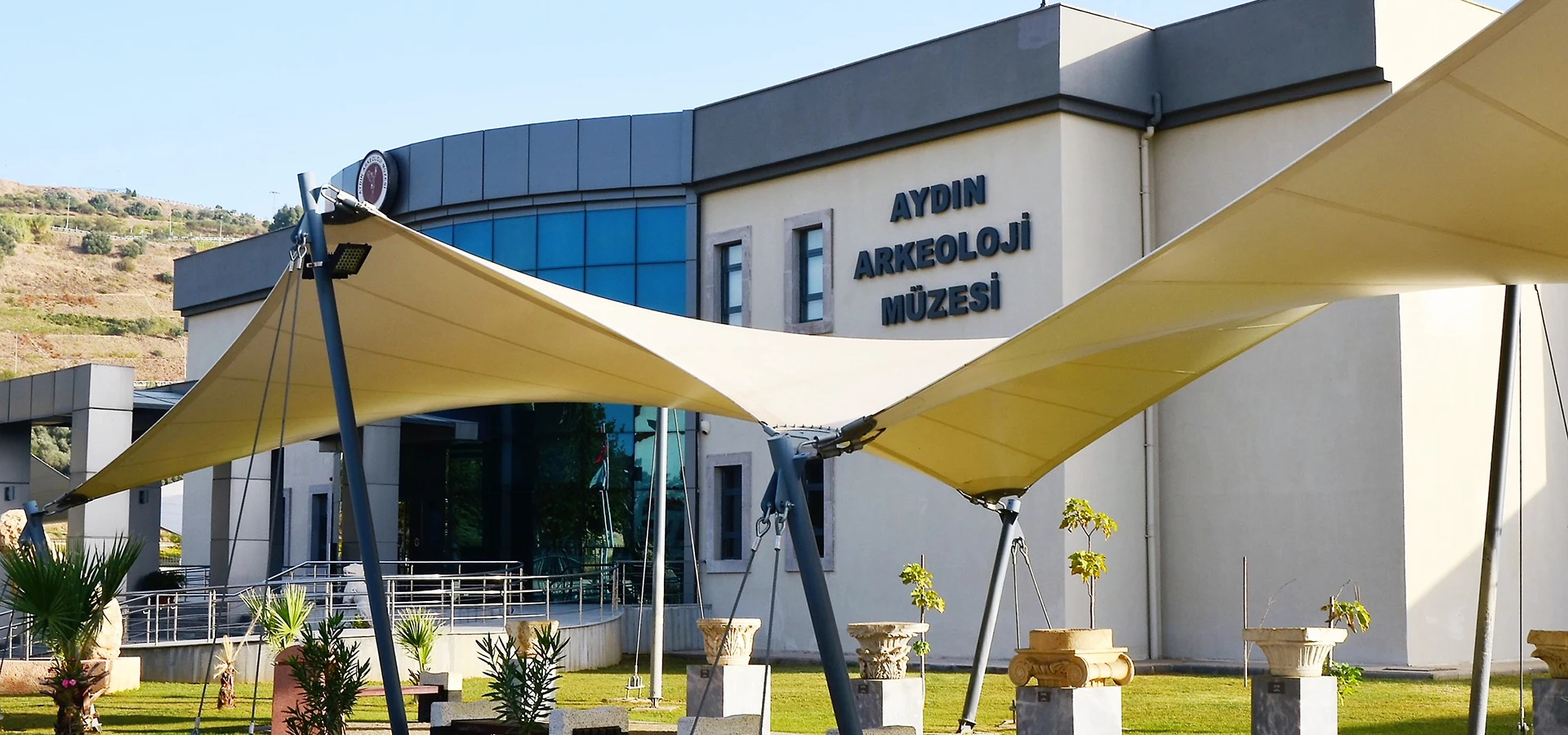
Aphrodisias Museum is situated at the entrance area of the archaeological site near Geyre in Karacasu, Aydın Province. Its location makes it convenient to combine indoor sculpture displays with a visit to the surrounding ancient city.

The museum reopened on 15 August 2026 following extensive renovation. Published visiting hours can differ between the official museum listing and other visitor-information services. Travelers should therefore check the latest opening and ticket-office times before planning their visit.

For the complete experience, allocate approximately 3–4 hours for Aphrodisias Ancient City and the museum together. Visitors interested primarily in the sculpture collection should reserve at least 45–90 minutes for the indoor exhibition.

Museum Name Aphrodisias Museum / Afrodisias Müzesi
Location Geyre, Karacasu, Aydın Province, Türkiye
Address Geyre Beldesi, Kenan Erim Caddesi No:4
Telephone +90 256 448 80 86
Opening Days Official museum listing indicates daily opening; confirm current arrangements.
Opening Hours Check the official museum listing before travelling.
Admission Confirm current entrance fees and ticket arrangements through Turkish Museums.
MuseumPass MüzeKart arrangements apply to eligible Turkish citizens; verify current eligibility and conditions.
Suggested Museum Visit 45–90 minutes
Archaeological Site + Museum Approximately 3–4 hours
Audio Guide Listed as available; confirm current languages and service conditions.
Official visitor information: For current admission prices, opening hours and ticket-office arrangements, consult the Turkish Museums Aphrodisias Museum and Archaeological Site listing before travelling.

Best Time to Visit Aphrodisias Museum

Because much of the museum collection is displayed indoors, Aphrodisias Museum can be enjoyed throughout the year. The surrounding ancient city, however, is an extensive outdoor archaeological site where seasonal temperatures and daylight should influence your plans.

Spring

An excellent season for combining the indoor collection with a comfortable exploration of the archaeological site.

Summer

Visit the outdoor monuments early and use the museum as a welcome break from strong midday sunshine.

Autumn

Pleasant temperatures and softer natural light make this a rewarding period for archaeology and photography.

Winter

The indoor exhibition remains particularly appealing when outdoor conditions are cold or rainy, subject to current opening arrangements.

Morning Visit

A good choice for visitors who want plenty of time for both the museum and archaeological site.

Afternoon Visit

Suitable for a focused museum visit, provided sufficient time remains before the official closing hour.

How Long Do You Need at Aphrodisias Museum?

30 Minutes

A brief introduction covering selected highlights. Too short for a meaningful appreciation of the collection.

45 Minutes

Enough for a focused visit emphasizing the Aphrodite statue, Zoilos Frieze and major Sebasteion reliefs.

60 Minutes

A comfortable introduction to the principal sculpture collections and main historical themes.

90 Minutes

Recommended for visitors who appreciate ancient sculpture, mythology, portraiture and artistic craftsmanship.

2+ Hours

Excellent for archaeology and art-history enthusiasts interested in detailed examination of individual works.

With a Licensed Guide

A knowledgeable guide can explain the historical context, symbolism and archaeological significance of the principal sculptures.

Photography at Aphrodisias Museum

Aphrodisias Museum is particularly rewarding for visitors interested in the artistic details of ancient marble sculpture. Faces, drapery, architectural ornament and narrative reliefs reveal extraordinary carving techniques when viewed closely.

Photography rules may vary by gallery, artwork and exhibition. Always follow current museum instructions and avoid flash photography where prohibited.

Sebasteion Reliefs

Look for expressive figures, detailed clothing and the complex organization of narrative scenes.

Aphrodite Cult Statue

Focus on the elaborate costume and symbolic imagery that distinguishes the local goddess.

Zoilos Frieze

Study the sculpted figures, allegorical symbols and surviving inscriptions.

Ancient Portraits

Observe the treatment of hairstyles, facial features and subtle expressions.

Unfinished Sculpture

Capture visible differences between rough carving and highly finished marble surfaces.

Museum Courtyard

Outdoor displays may offer opportunities to photograph larger stone monuments in natural light.

Accessibility at Aphrodisias Museum

The indoor museum provides a more controlled environment for examining important archaeological discoveries than the extensive outdoor ruins. However, accessibility arrangements, gallery circulation and available visitor facilities should be confirmed directly with the museum before travelling.

Indoor Galleries

The museum offers an opportunity to appreciate major sculptures without walking across the entire archaeological site.

Wheelchair Access

Contact the museum to confirm step-free routes, accessible entrances and current facilities.

Seating and Rest Areas

Ask museum staff about available places to rest during your visit.

Exhibition Information

Check whether current display labels and audio-guide services meet your language or accessibility needs.

Ancient City Terrain

Outside the museum, expect uneven ground, gravel and considerable walking distances.

Flexible Visits

Travelers with limited mobility may prefer to concentrate on the museum and a smaller selection of accessible outdoor monuments.

How to Get to Aphrodisias Museum

Aphrodisias Museum is located beside the archaeological site near Geyre, in the Karacasu district of Aydın Province. Because Aphrodisias lies inland from the major Aegean tourism centers, visiting by private vehicle or an organized archaeological excursion is generally the most convenient option.

From Denizli

Aphrodisias is approximately 100 kilometers from central Denizli, making it accessible by road for a day excursion.

From Pamukkale

The museum and ancient city can be incorporated into a private archaeological excursion from the Pamukkale region.

From Aydın

The museum lies approximately 110 kilometers from central Aydın, near Karacasu and Geyre.

From Kuşadası

A full-day private excursion provides a convenient way to explore Aphrodisias from the Aegean coast.

From İzmir

Aphrodisias is approximately 210 kilometers from İzmir; a long day trip or an overnight route is advisable.

Private Transportation

A private vehicle provides flexibility for combining the museum with ancient monuments and nearby historical destinations.

Planning suggestion: If archaeology and ancient sculpture are among your main interests, consider a dedicated Aphrodisias visit rather than treating the museum as a short stop on a crowded sightseeing itinerary.

Places to Visit Near Aphrodisias Museum

The museum can be combined with several historical and cultural attractions in the surrounding region. Our complete Aydın travel guide offers a broader introduction to ancient cities, archaeological museums and other destinations across the province.

Aphrodisias Ancient City

Explore the Tetrapylon, Temple of Aphrodite, Sebasteion, Stadium, Theatre and monumental Roman architecture.

Karacasu

Discover a traditional inland Aegean town known for pottery and local cultural traditions.

Nysa Ancient City

Visit an impressive ancient settlement with a theater, monumental library and distinctive topography.

Pamukkale and Hierapolis

Combine the archaeological heritage of Aphrodisias with thermal landscapes and Roman monuments near Denizli.

Laodicea Ancient City

Explore monumental Roman streets, civic buildings and important early Christian heritage.

Aydın Archaeological Museum

Continue your exploration of regional archaeology with important artifacts from other ancient settlements in Aydın Province.

Frequently Asked Questions About Aphrodisias Museum

Where is Aphrodisias Museum located?

Aphrodisias Museum is located beside Aphrodisias Ancient City near Geyre in the Karacasu district of Aydın Province, southwestern Türkiye.

What is Aphrodisias Museum famous for?

The museum is famous for its exceptional Roman marble sculpture, the original Sebasteion reliefs, the cult statue of Aphrodite of Aphrodisias, the Zoilos Frieze and other masterpieces created by the Aphrodisian school of sculpture.

When did Aphrodisias Museum open?

The museum opened to visitors in 1979 following the development of systematic excavations at Aphrodisias.

Is Aphrodisias Museum open in 2026?

Yes. Aphrodisias Museum reopened to visitors on 15 August 2026 after extensive renovation. Travelers should verify current opening hours and any temporary gallery restrictions before visiting.

Who founded Aphrodisias Museum?

The museum was established to protect and display discoveries from Aphrodisias. Its development was closely connected with archaeological excavations directed by Professor Kenan T. Erim, which began in 1961.

What is the Aphrodisias School of Sculpture?

It was an important artistic tradition that flourished at Aphrodisias from the Late Hellenistic period through Roman times and into Late Antiquity. Local sculptors became especially skilled in marble portraiture, mythological sculpture and architectural reliefs.

Why was Aphrodisias famous for marble sculpture?

The city benefited from high-quality marble quarries nearby and developed workshops capable of producing sophisticated statues, portraits, sarcophagi and architectural decoration.

What is the Sebasteion?

The Sebasteion was a monumental first-century AD sanctuary dedicated to Aphrodite and the Julio-Claudian Roman emperors. Its sculpted reliefs presented mythology, imperial history and representations of Roman power.

Where can I see the Sebasteion reliefs?

Many original reliefs are displayed at Aphrodisias Museum in the dedicated Sevgi Gönül Hall.

What is the Sevgi Gönül Hall?

It is a dedicated exhibition space for the original relief sculptures from the Sebasteion. The hall opened in 2008.

What do the Sebasteion reliefs depict?

They depict Roman emperors and members of the imperial family, Greek gods and heroes, mythological scenes and personifications of peoples and territories associated with the Roman Empire.

What is the Aphrodite statue at Aphrodisias Museum?

It is an important ancient representation of the local cult image of Aphrodite of Aphrodisias. Its distinctive frontal form and symbolic clothing combine Greek and older Anatolian religious traditions.

Is the Aphrodite statue the original statue from the temple?

No. The museum preserves an ancient copy of the distinctive cult image, which helps scholars reconstruct the appearance and religious symbolism of the goddess worshipped in the city's sanctuary.

Who was Gaius Julius Zoilos?

Zoilos was a prominent benefactor of Aphrodisias who became a freedman and trusted associate of Octavian, the future Augustus. He returned to his hometown and financed important public buildings.

What is the Zoilos Frieze?

It is a series of sculpted marble reliefs from a funerary monument honoring Gaius Julius Zoilos. The scenes use allegorical figures to celebrate his virtues and relationship with the city.

What is the Achilles and Penthesileia sculpture?

It is a dramatic sculpture group depicting Achilles supporting the dying Amazon queen Penthesileia, inspired by a well-known Hellenistic artistic composition.

Why are unfinished sculptures important?

Unfinished works preserve evidence of the tools, techniques and working stages used by ancient marble sculptors. They help archaeologists understand how statues were made.

Does the museum contain Roman imperial portraits?

Yes. The collection includes portraits and statues associated with emperors, public officials and prominent inhabitants of ancient Aphrodisias.

Are there sarcophagi at Aphrodisias Museum?

Yes. The museum preserves carved funerary monuments and sarcophagi associated with the ancient city.

Does Aphrodisias Museum have prehistoric artifacts?

Yes. The collections include prehistoric archaeological finds from settlement areas such as Acropolis Hill and Pekmez Tepe, together with material from later periods.

Is Aphrodisias Museum part of a UNESCO World Heritage Site?

The museum serves the archaeological site of Aphrodisias, which was inscribed on the UNESCO World Heritage List together with its ancient marble quarries in 2017.

How long does it take to visit Aphrodisias Museum?

Most visitors should allow approximately 45–90 minutes, while enthusiasts of archaeology and ancient sculpture may want two hours or more.

How much time should I allow for Aphrodisias Ancient City and Museum?

Approximately 3–4 hours is suitable for most visitors who want to explore the principal archaeological monuments and museum collection without rushing.

What are the opening hours of Aphrodisias Museum?

Published visitor-information sources may show different schedules. Check the official Turkish Museums listing for the latest visiting hours and ticket-office closing time before travelling.

Do I need a separate ticket for Aphrodisias Museum?

Admission arrangements should be confirmed through the official museum service because ticket categories and combined archaeological-site access conditions may change.

Can I take photographs inside Aphrodisias Museum?

Photography may be permitted subject to museum rules. Follow posted restrictions and avoid flash or professional equipment where authorization is required.

Is Aphrodisias Museum suitable for children?

Yes. The large statues, dramatic mythological scenes and stories of Greek gods and Roman emperors can provide an engaging introduction to ancient history.

Can I visit Aphrodisias Museum from Pamukkale?

Yes. The museum and ancient city can be visited by road from the Pamukkale and Denizli area, especially as part of a private archaeological excursion.

Can I visit Aphrodisias Museum from Kuşadası?

Yes. A full-day private excursion is a practical way to explore Aphrodisias from Kuşadası and the Ephesus region.

Is Aphrodisias Museum worth visiting?

Absolutely. The museum contains an extraordinary collection of Roman marble sculpture and is an essential part of understanding Aphrodisias, its religious identity and its artistic achievements.

Responsible Visiting at Aphrodisias Museum

Do Not Touch Sculptures

Ancient marble surfaces can suffer damage from repeated physical contact.

Respect Display Barriers

Remain behind protective boundaries surrounding sculptures and archaeological objects.

Follow Photography Rules

Observe restrictions on flash, tripods and commercial photography.

Keep a Safe Distance

Avoid leaning against statues, pedestals or ancient architectural fragments.

Respect Other Visitors

Keep voices moderate and allow everyone time to enjoy the collections.

Support Conservation

Follow gallery instructions and respect temporary closures required for conservation work.

Private Aphrodisias Museum & Archaeology Experiences

Explore the artistic and historical heritage of Aphrodisias with a licensed guide and comfortable private transportation. We can help design a personalized archaeological experience focused on sculpture, mythology, Roman history and the magnificent monuments of ancient Caria — without compulsory shopping stops.

Explore Aphrodisias and Its Museum

Combine the extraordinary sculpture collection with the ancient city's monumental buildings for a deeper understanding of one of the Roman world's most accomplished artistic centers.

Continue Exploring the Archaeological Heritage of Aydın

Discover more remarkable museums and ancient cities throughout western Türkiye, where Greek, Roman, Anatolian and Byzantine histories meet.

Ancient cities cultural heritage and historical landscapes of Aydin Province Turkey

Explore Aydın

Continue your journey through ancient Caria and Ionia, discovering archaeological treasures, traditional towns and extraordinary historical landscapes.

View Aydın Guide