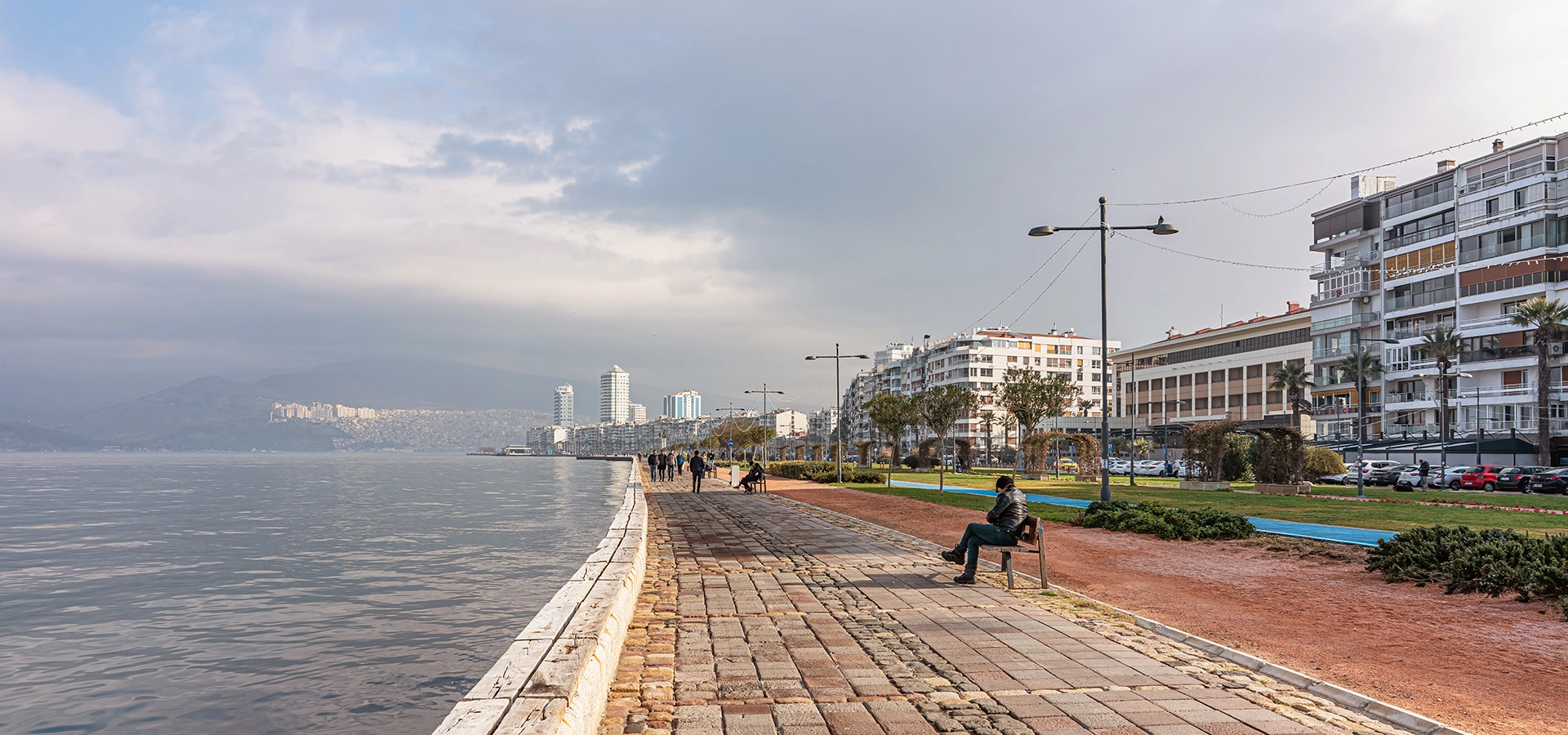
Kordon & Alsancak
Walk İzmir's iconic waterfront promenade, explore historic Alsancak and enjoy cafés, restaurants and sunset views across the Gulf.
Explore Kordon & Alsancak





Only a short journey from central İzmir, Balçova offers one of the city's most unusual combinations: panoramic mountain scenery, pine-covered recreation areas and an ancient tradition of bathing in naturally heated thermal waters.
The district is best known to visitors for two neighbouring attractions — Balçova Teleferik, İzmir's celebrated cable car, and the Balçova Thermal Springs, historically associated with the legendary Agamemnon Hot Springs.
When operating, the cable car climbs rapidly from the city toward the forested slopes above Balçova, revealing increasingly broad views across the Gulf of İzmir, the urban coastline and the surrounding mountains.
At the upper station, visitors normally find viewing terraces, forest recreation areas and places to relax among the pine trees.
Just below these hills lies another side of Balçova's identity.
Naturally hot mineral water has attracted people to this area for centuries, and local tradition connects the springs with Agamemnon and the Trojan War.
Today the springs form the basis of a modern thermal and rehabilitation complex, continuing a bathing tradition that has become deeply associated with Balçova.
Together, the mountain and thermal experiences make Balçova an excellent addition for travellers who want to see a greener, quieter and more restorative side of İzmir.
The modern Balçova Teleferik climbs an approximately 810-metre line toward the forested heights above İzmir.
See the Gulf of İzmir, city districts, surrounding hills and Balçova landscape from above.
Discover springs long associated with the legendary Agamemnon Baths and the ancient history of western Anatolia.
Experience a contemporary thermal centre using Balçova's naturally heated mineral water.
Essential information for planning a visit to two of Balçova's best-known attractions.
Balçova Teleferik Tesisleri.
Balçova district, southwest of central İzmir.
Approximately 810 metres.
20 cabins, each designed for up to eight passengers.
Approximately 3 minutes under normal operating conditions.
Up to approximately 1,200 passengers per hour.
Established in 1974.
Comprehensively rebuilt and reopened in 2015.
Historically known as the Agamemnon Hot Springs.
Naturally hot mineral-rich geothermal water feeds the modern thermal complex.
Forested slopes, mountain viewpoints, recreation areas and nearby walking routes.
Allow around 2–4 hours for Balçova, or longer when combining thermal bathing with sightseeing.
Visitors should check the operating status of the cable car before travelling specifically to Balçova for the Teleferik.
Before this temporary closure, Balçova Teleferik was operating as one of İzmir's most popular panoramic attractions, particularly during afternoons and around sunset.
The closure concerns the cable-car facility and should not automatically be interpreted as meaning that Balçova's separate thermal facilities are closed.
The thermal complex operates independently and currently continues to provide thermal-pool and spa services according to its own schedules and conditions.
Because operational information can change quickly, visitors should always check the latest official announcement shortly before travelling.
Balçova reveals an entirely different side of İzmir from the archaeological sites, waterfront streets and historic bazaars of the city centre.
The district sits where the urban landscape begins to rise into the wooded hills south of the Gulf.
That geography gives Balçova its distinctive character.
Within a relatively compact area, visitors can move from modern city streets into mountain scenery, pine forest, panoramic viewpoints and geothermal landscapes.
The Teleferik provides the most dramatic transition.
When operating, its cabins lift passengers above the neighbourhood and toward the recreation areas on the mountainside, opening wide views toward İzmir and the Gulf.
The thermal springs provide a very different experience.
Instead of climbing above the landscape, they draw attention to what lies beneath it: the geothermal activity that sends naturally heated mineral water toward the surface.
This combination of skyline views above and thermal water below makes Balçova one of İzmir's most distinctive districts for a relaxed half-day or full-day excursion.
Balçova lies on the southern side of the Gulf of İzmir, between the dense urban centre and the mountain slopes that rise behind the city.
Although now firmly integrated into metropolitan İzmir, the district retains a strong connection with its surrounding natural landscape.
Forested hills rise immediately behind residential areas.
Walking routes climb toward the mountains.
Geothermal water emerges from beneath the landscape.
Closer to the coast, Balçova connects with the wider İnciraltı recreation area and the shores of the Gulf.
For visitors, this means the district works particularly well when the aim is to take a temporary break from monuments and museums.
A Balçova visit is less about moving rapidly between historic buildings and more about views, landscape, fresh air, bathing and slower travel.
Balçova's cable car has been associated with İzmir's recreational life for more than half a century.
The original system was established in 1974, providing residents with an unusual way to reach the forested slopes above the city.
For generations of İzmir families, a Teleferik excursion became part of weekend culture: ride upward, enjoy the view, spend time beneath the pine trees and return to the city below.
As the original infrastructure aged, increasing attention was given to safety and modern technical standards.
The older installation was eventually taken out of operation and replaced by a substantially modernised system.
The renewed Balçova Teleferik reopened in 2015.
The reconstruction introduced modern gondola cabins, renewed stations and updated technical infrastructure designed according to contemporary standards.
The rebuilt attraction quickly regained its place as one of İzmir's most popular family recreation and sightseeing destinations.
The modern system is compact, but the rapid change in elevation makes the journey visually impressive.
The cable-car line measures approximately 810 metres.
Twenty enclosed gondola cabins operate along the line, with each cabin designed for up to eight passengers.
Under normal conditions, the ride takes roughly three minutes.
The system was designed to transport approximately 1,200 passengers per hour, allowing large numbers of visitors to reach the upper recreation area during busy periods.
The lower section begins within the urban landscape of Balçova.
Almost immediately after departure, the cabin begins separating from the streets below.
Buildings appear smaller, the geography of the district becomes easier to understand and the Gulf begins to dominate the northern horizon.
The journey is brief enough that it feels more like a dramatic transition than a long transport ride.
One moment you are within metropolitan İzmir.
A few minutes later you are surrounded by trees on the slopes above the city.
For first-time visitors, that contrast is one of the Teleferik's greatest attractions.
The ride itself is part of the experience rather than simply a way of reaching the summit.
The broad Gulf forms the principal panorama, particularly when visibility is clear.
The neighbourhood below reveals the transition between İzmir's urban fabric and the surrounding hills.
Large sections of the metropolitan coastline spread across the horizon from the elevated viewpoints.
Pine-covered hills surround the upper station and create a strong contrast with the city below.
Views toward the reservoir and surrounding hills form part of the landscape from the upper area.
Late afternoon was traditionally one of the most popular periods because the changing light spreads across the Gulf.
When operating into the evening, the elevated position offers an entirely different impression as İzmir begins to illuminate.
The immediate surroundings are dominated by trees rather than buildings, making the summit feel surprisingly removed from the city.
The upper station is not simply a viewpoint.
The surrounding mountainside was developed as a broader recreation area where visitors could spend time after leaving the gondola.
Viewing terraces allow the Gulf and surrounding landscape to be appreciated from different directions.
The wooded environment creates shaded areas that are especially popular with local families.
Food and beverage facilities have historically formed part of the summit recreation area, along with picnic-style spaces and places to sit beneath the pine trees.
Facilities and individual concessions can change over time, so visitors should not rely on old restaurant names or menus when planning a future visit.
The enduring attraction is the setting itself: forest above İzmir, fresh air and broad panoramic views only a short distance from the city centre.
The cable car's elevated position makes the changing light over the Gulf one of its most memorable visual experiences.
During late afternoon, harsh midday light begins to soften.
The city takes on warmer tones and the water of the Gulf often reflects the sky.
As sunset approaches, the coastline can become increasingly dramatic.
After sunset, the lights of metropolitan İzmir gradually replace the daylight panorama.
This transition explains why operating hours have traditionally been extended during parts of the summer season.
Once the Teleferik reopens, visitors hoping for sunset views should check both the day's official operating schedule and the time of the final descent.
Cable cars are more sensitive to weather conditions than ordinary ground transport.
Strong wind, storms or technical safety requirements can affect operations even on a day when the attraction would otherwise be scheduled to open.
Conditions can also feel noticeably different at the upper station.
The higher, exposed position may be cooler or windier than the streets below.
During summer this can be refreshing.
In cooler seasons, however, carrying an additional layer of clothing can make the visit more comfortable.
Always treat same-day operating information as more reliable than old opening hours listed on travel websites or social media.
Long before the modern cable car existed, Balçova was known for the naturally heated waters emerging from beneath its hills.
The springs are traditionally known as the Agamemnon Hot Springs, linking them with one of the most famous figures of Greek heroic legend.
For centuries, stories have connected the thermal waters with warriors returning wounded from the Trojan War.
Whatever the historical reality behind these traditions, the association became an important part of Balçova's cultural identity.
The geothermal resource itself is very real.
Naturally heated mineral water continues to supply the modern Balçova thermal complex, where bathing, spa facilities and physical rehabilitation services are offered today.
According to a long-standing local tradition, the springs became associated with Agamemnon, the Mycenaean king who commanded the Greek forces during the legendary Trojan War.
One version of the story says that wounded soldiers were brought to the hot springs and recovered after bathing in the water.
Another tradition focuses on a member of Agamemnon's family who was said to have benefited from the springs.
These stories are part of the mythology and historical memory surrounding Balçova rather than events that can be reconstructed securely through archaeological evidence.
Official tourism literature has nevertheless preserved the name Agamemnon Kaplıcaları — Agamemnon Hot Springs — because the association has become inseparable from the identity of the site.
The history of bathing at Balçova extends far beyond the modern hotel and spa complex.
Official cultural and tourism sources describe the springs as having been known since antiquity.
The Roman world placed enormous importance on thermal bathing, and geothermal springs throughout western Anatolia were frequently incorporated into bath and healing traditions.
Balçova's waters continued to attract attention through later periods, although the scale and condition of facilities changed considerably over time.
Official accounts record renewed interest in the springs in the 18th century, including a rediscovery or redevelopment associated with a French visitor in 1763.
Facilities were subsequently rebuilt and expanded.
During the Republican period, the thermal area developed increasingly sophisticated accommodation and health infrastructure.
By the late 20th century, Balçova had evolved into a major thermal and rehabilitation destination combining geothermal bathing, physiotherapy, accommodation and health tourism.
Balçova lies within one of western Türkiye's important geothermal regions.
Water heated naturally beneath the surface rises through the local geological system and feeds the thermal facilities.
Official tourism information describes the source water as reaching temperatures of approximately 63°C.
Water used within bathing facilities is managed at temperatures appropriate for thermal-pool use rather than being used at its original source temperature.
The water contains naturally occurring dissolved minerals, including compounds associated with calcium, sodium, chloride and bicarbonate.
This mineralised geothermal water forms the basis of the bathing and balneotherapy services for which Balçova is known.
Thermal bathing should be understood as a wellness or medically supervised therapeutic activity rather than as a guaranteed cure for illness.
Anyone with cardiovascular conditions, pregnancy, significant chronic illness or another medical concern should follow appropriate medical advice before using hot thermal pools.
The modern thermal complex combines accommodation with bathing, wellness and rehabilitation facilities.
Current information from Balçova Termal lists eight thermal pools of different sizes and temperatures.
The wider thermal and cure centre also includes individual thermal-bath rooms, saunas, steam facilities, spa and massage services, fitness facilities and physical rehabilitation services.
This is therefore much more than a simple natural hot spring where visitors enter an undeveloped pool.
The geothermal resource has been incorporated into a substantial modern health and hospitality complex.
Multiple pools operate at different temperatures and sizes within the thermal complex.
The facility lists dedicated thermal-pool areas for female guests.
Individual bathing rooms provide another way to experience Balçova's geothermal water.
Sauna facilities complement the thermal-bathing experience.
Steam facilities form part of the wider spa and cure centre.
Additional wellness services are available separately from basic thermal-pool access.
The complex has a long-established physical therapy and rehabilitation function.
Visitors who want a longer thermal stay can use the adjoining hotel facilities.
The following information reflects the thermal facility's published conditions checked in September 2026 and may change.
Visitors researching Balçova online may encounter older photographs showing large conventional swimming pools and aquapark slides.
This can create confusion with the thermal-pool facilities.
Balçova Termal currently states that its aquapark slides and ordinary swimming pools are closed indefinitely.
The closure includes facilities described by the operator as the semi-Olympic pool, family pool and other standard swimming pools.
This announcement does not mean that the thermal pools are closed.
The geothermal thermal-pool area continues to have its own visitor programme and admission conditions.
A visit to Balçova's thermal pools is very different from spending a day at an ordinary swimming pool.
The focus is primarily on soaking and relaxation rather than energetic swimming.
Thermal water is warm, and remaining in hot water for too long can place unnecessary stress on the body.
For this reason, the facility limits day-use thermal-pool sessions.
Visitors normally move between pools, resting areas and other permitted spa facilities according to the ticket or package purchased.
Showering before entering the pools and following posted hygiene rules are important parts of thermal-bathing etiquette.
Those using thermal water for health-related reasons should follow professional medical advice rather than relying on general tourism information.
Yes — when the cable car is operating, the two experiences work particularly well together.
They are close enough to form a natural Balçova itinerary but different enough that neither feels repetitive.
The Teleferik is about movement, elevation, landscape and views.
The thermal springs are about water, warmth, relaxation and Balçova's spa tradition.
A common approach is to visit the cable car first and use the thermal facilities later in the day.
That order allows active sightseeing to come before the more relaxing thermal experience.
During the current Teleferik closure, visitors can still build a Balçova day around the thermal complex, surrounding walking routes and nearby İnciraltı.
Balçova's mountain setting means the district offers more than cable-car sightseeing.
Official tourism information highlights several walking possibilities in the wider district, including routes toward the hills and Balçova Dam.
These routes provide an alternative way to experience the landscape, particularly while the Teleferik itself is temporarily unavailable.
Forested slopes behind Balçova provide access to a much greener landscape than visitors may expect so close to central İzmir.
Routes toward the reservoir reveal the mountainous geography behind the district.
Local tourism information identifies a traditional monastery walking route among Balçova's hiking possibilities.
The wooded surroundings of the thermal facilities can be incorporated into a gentle local walk.
Closer to the Gulf, İnciraltı provides flatter walking and cycling opportunities through a coastal recreation landscape.
Summer heat, winter rain and trail conditions should always be considered before undertaking longer walks.
When the Teleferik operates, photograph the city gradually opening beneath the cabin rather than focusing only on the summit.
Wide-angle views work particularly well from the upper terraces when atmospheric visibility is good.
Colourful gondolas suspended above the urban landscape create some of Balçova's most recognisable images.
Look inland as well as toward the Gulf to capture the reservoir and mountain landscape.
Late afternoon gives the Gulf and surrounding city a warmer, softer appearance.
When operating hours permit, sunset can provide the most dramatic light of the day.
Use the forest around the upper station to frame distant city views and create stronger depth.
The thermal area is better suited to architecture and garden photography; respect privacy around pools and spa areas.
One of the most pleasant periods for combining mountain views, walking and outdoor recreation.
Long daylight hours are attractive, but midday heat can be intense; late afternoon is generally more comfortable.
Milder temperatures make Balçova particularly pleasant for walking and panoramic sightseeing.
Cooler weather makes warm thermal bathing especially appealing, although outdoor conditions can be less predictable.
Usually quieter and suitable for thermal visits or nature walks.
The strongest period for scenic light over the Gulf when the cable car is operating.
The classic Teleferik experience, provided the operating schedule and final descent allow sufficient time.
A particularly attractive time for visitors focused primarily on Balçova's thermal waters.
Suitable for the cable-car ride and a short viewpoint visit once the Teleferik reopens.
Allows a relaxed Teleferik experience or a standard thermal-pool session.
Good for combining a reopened Teleferik with time at the summit or another nearby Balçova activity.
Ideal for Teleferik plus thermal bathing once both are available on the same day.
Add İnciraltı, a longer meal, walking or additional wellness treatments.
Allow two to four hours for the thermal complex and surrounding Balçova area, depending on your plans.
Balçova is integrated into İzmir's metropolitan transport network and can be reached relatively easily from the city centre.
The Fahrettin Altay area is the most useful major public-transport interchange for visitors approaching Balçova from central İzmir.
Use İzmir Metro toward the western side of the city and continue from the Fahrettin Altay area by local transport or taxi.
The Konak Tram connects central waterfront districts with the Fahrettin Altay transport hub.
ESHOT services operate throughout Balçova, although route numbers and schedules should be checked shortly before travel.
Ask for “Balçova Teleferik” for the cable-car station or “Balçova Termal” for the thermal complex.
Balçova is reached easily from the principal east–west roads running through metropolitan İzmir.
The attractions are in the same general Balçova area but have separate entrances, so make sure your driver knows which one you need.
Visitors with limited mobility should confirm current accessibility arrangements directly with each operator before travelling.
The modern Teleferik was designed as a contemporary public attraction, but boarding conditions, station access and movement within the mountain recreation area can differ from ordinary city transport.
The upper area also includes outdoor terrain where slopes and surface conditions may vary.
The thermal complex is a substantial modern facility, but access to individual pools, bathing areas and treatment facilities may depend on the visitor's specific mobility requirements.
Contacting the facility in advance is the safest way to confirm step-free access, changing facilities and assistance requirements.
Enjoy walking, cycling, greenery and coastal scenery on the southern shore of the Gulf.
Explore preserved naval vessels and maritime exhibits close to the İnciraltı recreation area.
Discover the mountain landscape that forms the natural backdrop to the district.
A major transport and commercial hub connecting Balçova with central and western İzmir.
Return to the city centre for İzmir's famous waterfront promenade, cafés and sunset atmosphere.
Combine Balçova's natural attractions with one of central İzmir's important historic museums.
Continue with another of İzmir's major green spaces and cultural districts.
Konak, Kemeraltı and central waterfront districts can easily be visited before or after Balçova.
The classic Balçova combination once the cable car returns to operation.
A good current alternative while the Teleferik remains temporarily closed.
Plan the mountain excursion around late-afternoon light when operating hours permit.
Spend the morning or afternoon in Balçova before returning to central İzmir's waterfront.
Use Balçova for a relaxed start before continuing to museums and historic neighbourhoods.
Combine a local walk with a thermal-pool session for a slower day away from intensive sightseeing.
Once Balçova Teleferik reopens, this makes an easy and varied half-day excursion from central İzmir.
Do not travel specifically for the cable car without confirming that the temporary 2026 closure has ended.
Many websites still display schedules from before the current maintenance closure.
Wind and adverse conditions can affect cable-car operations even after normal service resumes.
Never assume the Teleferik will operate after sunset; check the final descent before travelling upward.
Follow posted time limits and take breaks rather than treating the pools like ordinary swimming facilities.
Check what is included with your thermal ticket and bring appropriate swimwear and personal items when necessary.
The current thermal-pool rules do not admit children aged 12 and under.
Do not confuse older photographs of ordinary pools and waterslides with the thermal pools currently offered.
Seek appropriate medical guidance before using hot thermal water if you have a condition that could make heat exposure unsuitable.
Balçova is well connected with İzmir's western transport network, particularly through Fahrettin Altay.
Useful for summit recreation areas, surrounding forest paths and longer walks through Balçova.
Balçova works best as a relaxed contrast to intensive archaeological and museum sightseeing.
Balçova Teleferik is İzmir's mountain cable-car attraction linking the Balçova district with a forest recreation and viewpoint area on the slopes above the city.
As of the latest official information checked in September 2026, the Teleferik remains temporarily closed for comprehensive maintenance and renewal work that began on 21 July 2026.
No confirmed reopening date was found in the latest official municipal announcements checked for this guide. Visitors should confirm the status before travelling.
İzmir Metropolitan Municipality announced a detailed maintenance and renewal programme connected with national and international technical requirements.
The original cable-car facility was established in 1974.
The system was comprehensively renewed and reopened in 2015.
The cable-car line is approximately 810 metres long.
Under normal operating conditions, the journey takes approximately three minutes.
The modern system has 20 gondola cabins.
Each gondola is designed for up to eight passengers.
The principal views include the Gulf of İzmir, Balçova, surrounding urban districts, mountain slopes and the Balçova Dam landscape.
Yes. Late afternoon and sunset are particularly attractive when the operating schedule allows visitors to remain at the upper station until evening.
The upper area includes viewing terraces, wooded recreation spaces and facilities designed for visitors spending time among the pine trees.
Yes. Wind, storms and safety requirements can affect cable-car operation even on normally scheduled days.
They are naturally heated geothermal springs in Balçova that support a modern thermal bathing, spa and rehabilitation complex.
A long-standing tradition associates the springs with Agamemnon and wounded warriors from the legendary Trojan War.
The association belongs to traditional historical legend rather than to an event that can be securely proven archaeologically.
The geothermal resource itself is natural, and official tourism histories describe a bathing tradition in the area extending back to antiquity.
Official tourism information describes source temperatures reaching approximately 63°C. Water used in pools is managed at lower bathing temperatures.
Yes. The current facility information includes day-use access for outside visitors, subject to opening hours and admission rules.
The current Balçova Termal information lists eight thermal pools of different sizes and temperatures.
The current day-use programme limits thermal-pool use to approximately 120 minutes.
When checked in September 2026, the official day-use information listed thermal-pool access between 08:00 and 18:30, with the last external admission at 17:00 and departure from the facility by 19:00.
The published price checked in September 2026 was 1,250 TL per person, with a discounted published rate of 1,065 TL for retirees. Always confirm current pricing before visiting.
Under the current facility rules, children aged 12 and under are not admitted to the thermal pools.
No. The facility currently states that its aquapark slides and ordinary swimming pools are closed indefinitely.
No. The thermal pools are separate from the aquapark and currently have their own published operating programme.
Balçova has a professional physical therapy and rehabilitation tradition, but general thermal bathing should not be treated as a guaranteed medical cure. Visitors with health concerns should follow appropriate medical advice.
Yes. Once the cable car reopens, they form one of the best half-day combinations in Balçova.
You can use the thermal facilities, explore Balçova's walking areas, visit İnciraltı and combine the district with the southern shore of the Gulf.
Public transport through the Fahrettin Altay area is particularly practical, with metro, tram and local bus connections available from central İzmir.
Allow around two to four hours for a focused visit or a full half-day when combining sightseeing and thermal bathing.
Spring and autumn are excellent for outdoor activities, while cooler weather can make the thermal facilities especially appealing.
It offers a distinctive combination of geothermal heritage, relaxation, mountain scenery and panoramic views that contrasts strongly with central İzmir's archaeological and urban attractions.
After Balçova's mountain scenery and thermal waters, continue into İzmir's waterfront districts, historic parks, museums and cultural neighbourhoods.
Combine Balçova with İzmir's waterfront, museums and historic urban landscapes for a varied city itinerary.
Walk İzmir's iconic waterfront promenade, explore historic Alsancak and enjoy cafés, restaurants and sunset views across the Gulf.
Explore Kordon & Alsancak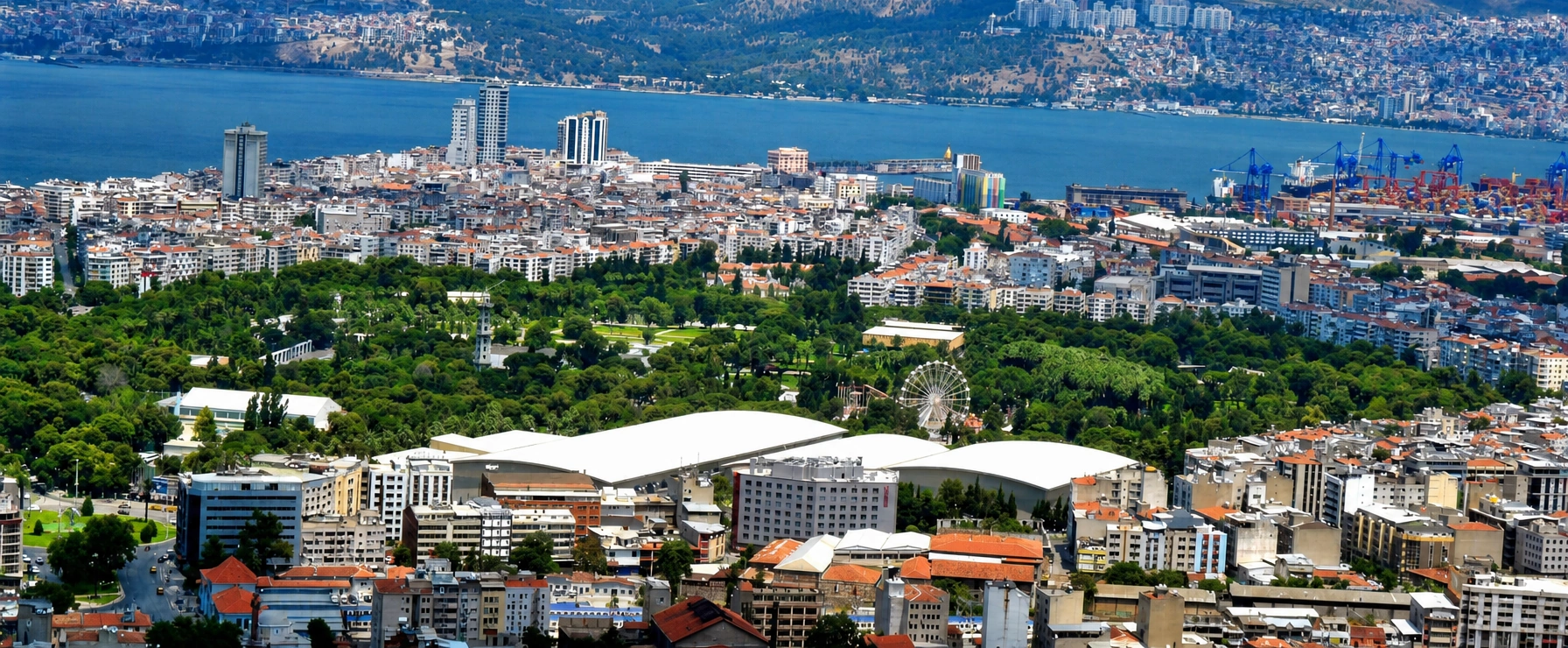
Discover İzmir's great historic city park with mature gardens, cultural institutions and the long history of the İzmir International Fair.
Explore Kültürpark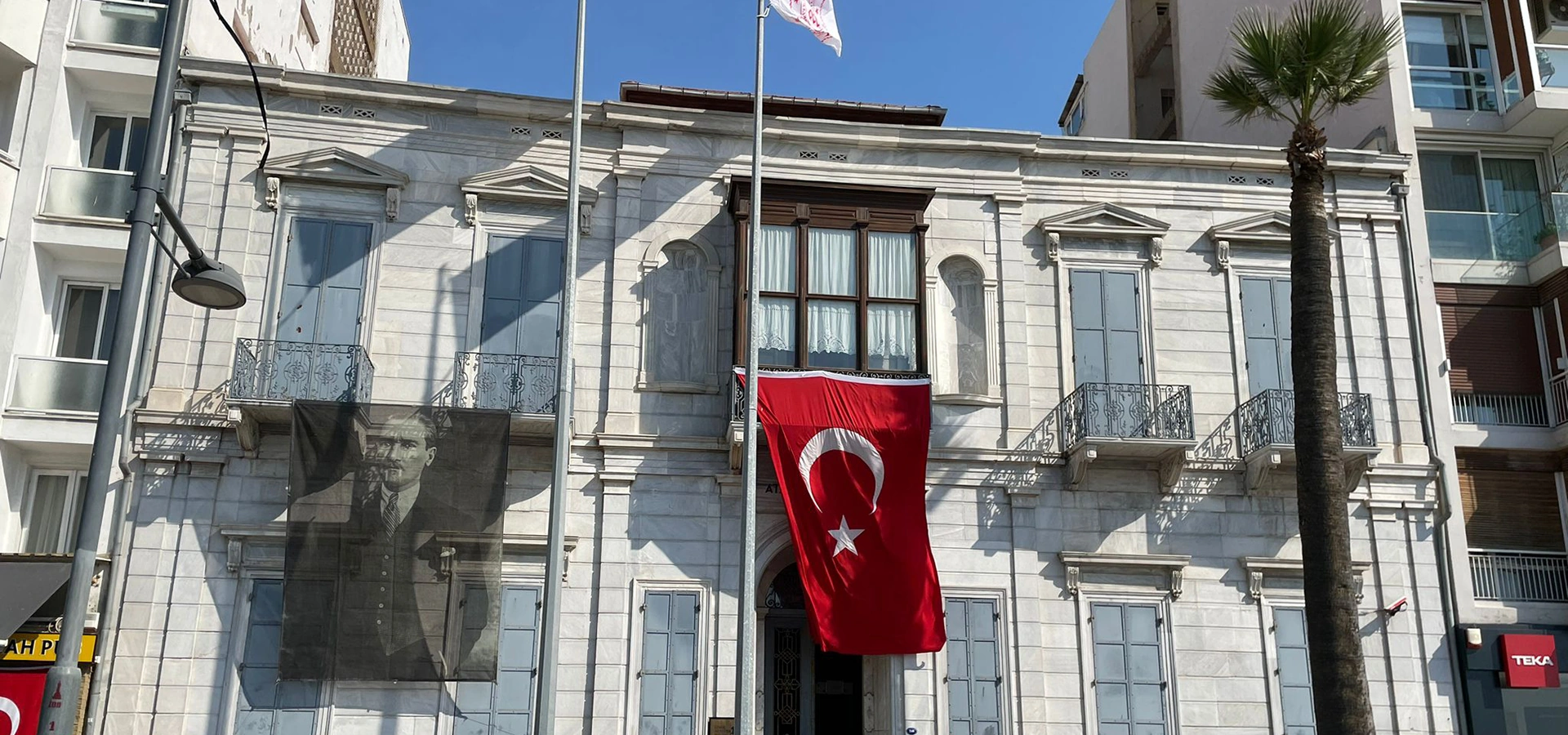
Visit the elegant historic residence on First Kordon associated with Mustafa Kemal Atatürk's stays in İzmir.
Explore the Atatürk Museum
Continue with our complete İzmir guide covering ancient Smyrna, museums, historic districts, churches, synagogues, coastal towns, cuisine and day trips.
View İzmir Guide